Alternator & Starter
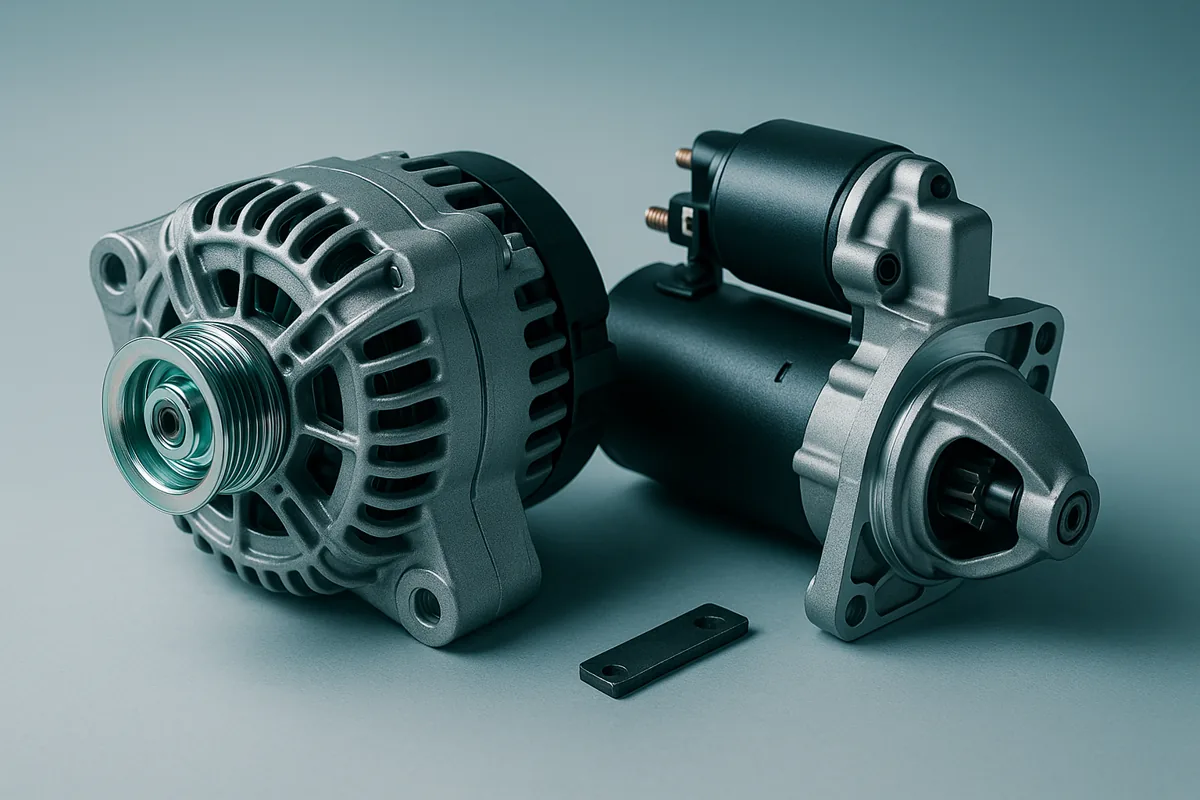
Shop Alternator & Starter by Part Type
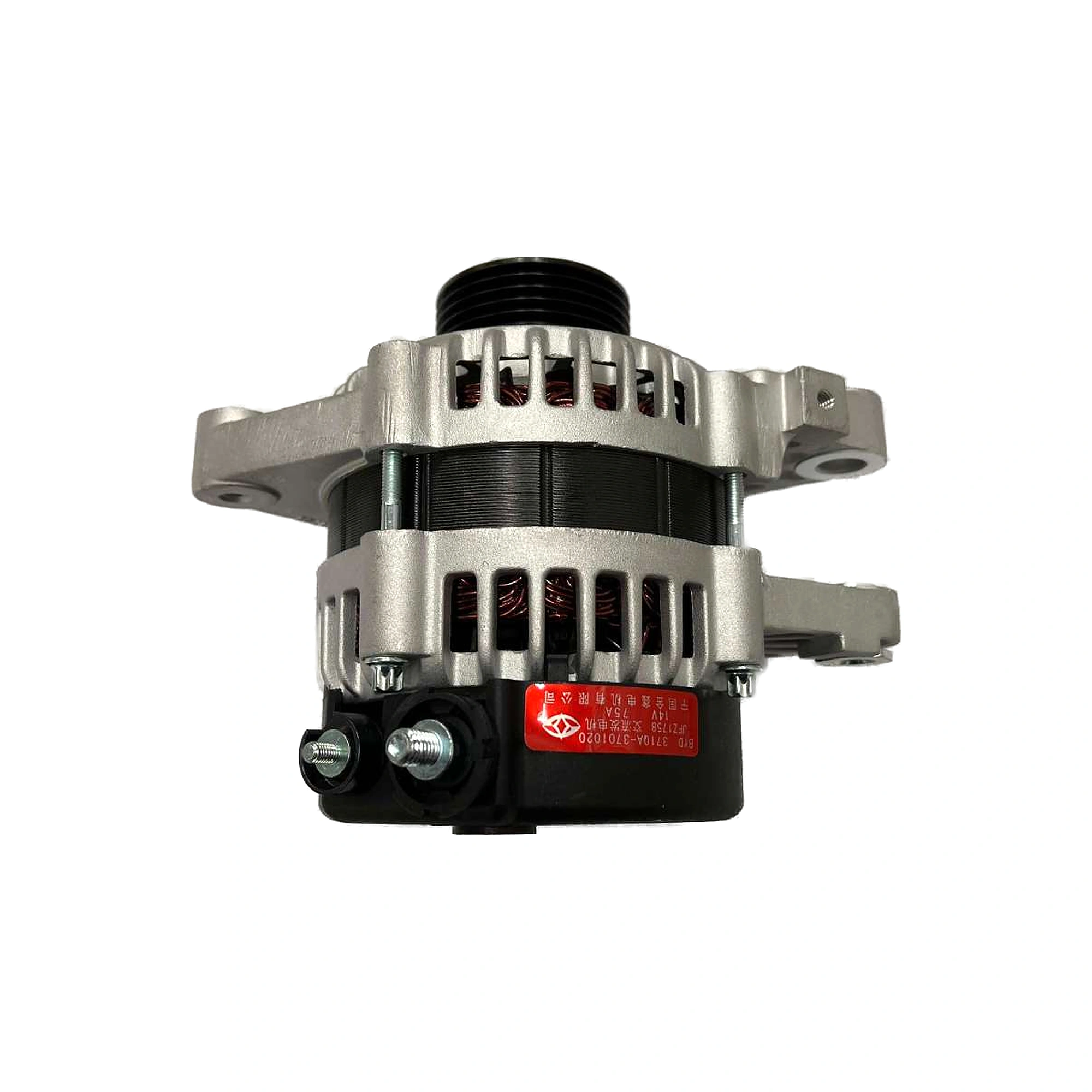
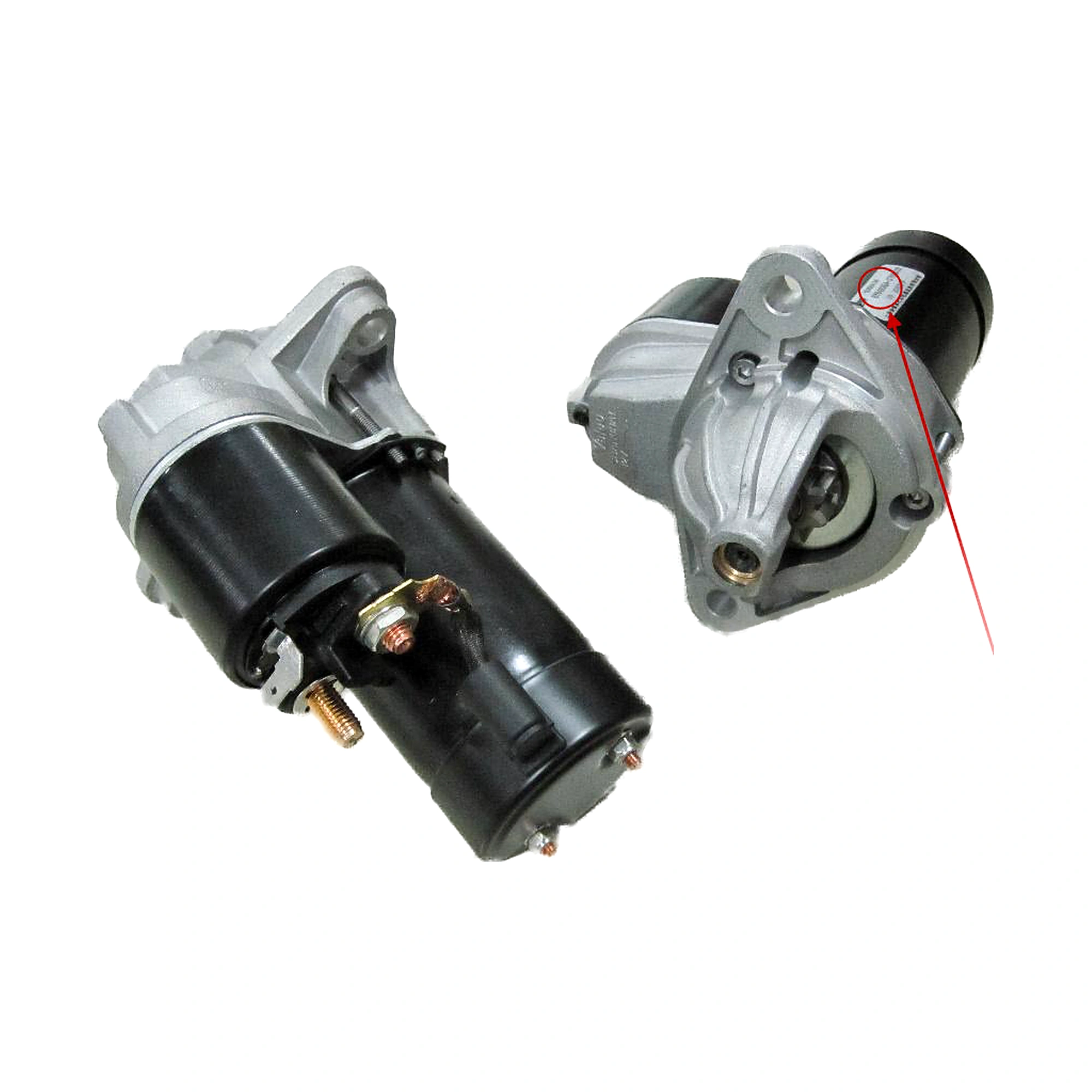
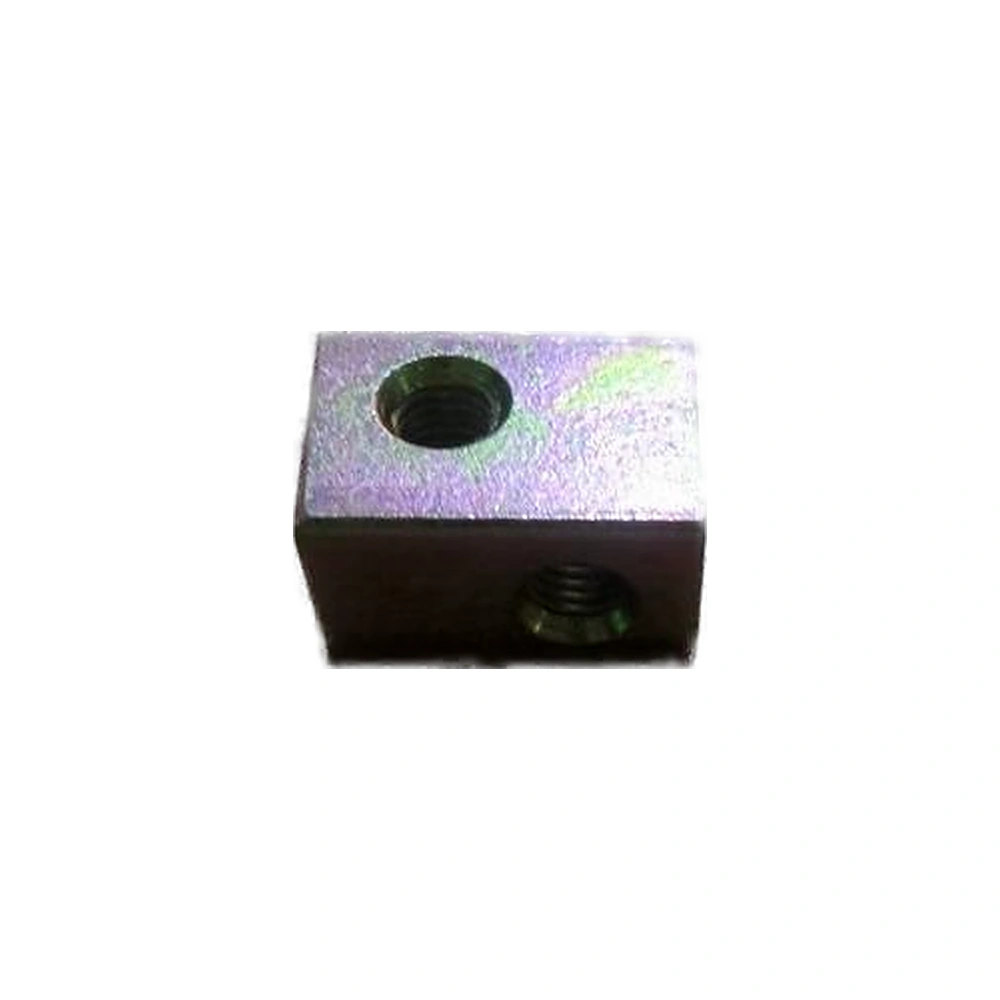
Symptom Finder: What Is Actually Broken?
| What you see or hear | Part to check first |
|---|---|
| Charge warning lamp lit with the engine running | Alternator |
| Battery repeatedly flat with a healthy battery fitted | Alternator or its output cable |
| Whine or growl from the front of the engine | Alternator bearing |
| Single loud click and no cranking | Starter motor solenoid |
| Slow cranking with a healthy battery | Starter motor or its supply connections |
| Grinding on engagement | Starter motor pinion or ring gear |
About Alternator & Starter
An alternator is a small three phase generator with its own rectifier and voltage regulator built in. The rotor carries a field winding fed through slip rings and brushes, and varying the current in that field controls how much voltage the stator produces, which is how output is regulated across a wide range of engine speeds. Diodes convert the alternating output to the direct current the vehicle needs. A starter motor works the other way, drawing a very large current for a few seconds to turn the engine through compression, with a solenoid that both engages the pinion into the flywheel ring gear and switches the heavy current. Both fail in ways that are diagnosable rather than mysterious: brushes wear, diodes fail open or short, bearings become noisy, and solenoid contacts pit until they no longer carry the current.
What to know before buying Alternator & Starter parts
Confirm the diagnosis before you order either unit. A flat auxiliary battery, a corroded earth strap or a slipping belt produces the same symptoms far more cheaply. Where a starter cranks slowly, measure the voltage at its terminal under load rather than assuming the motor is at fault.
Listings cover alternators, starter motors and alternator adjustment blocks. It is a compact group serving the combustion and hybrid vehicles in the range. Order by the OE number. Output rating, pulley type, mounting and connector all follow the engine rather than the vehicle. A clutched pulley cannot be swapped for a solid one without putting vibration into the belt drive.
Priced items can be ordered directly, and anything without a price is quoted against the same factory number. Coverage is strongest across the BYD group and widens as further catalogues load. Where your engine variant returns nothing, the quote form checks the factory catalogue directly.
Before You Order: 6 Checks
- Test the battery and the earth connections before ordering either unit.
- Match the OE number, since output rating, pulley type, mounting and connector follow the engine.
- Check whether your alternator uses a clutched pulley, which cannot be substituted with a solid one.
- Measure voltage at the starter terminal while cranking, since supply faults mimic a failed motor.
- Inspect the belt and tensioner when fitting an alternator.
- Confirm whether your vehicle requires the charging system to be reset or coded after replacement.
What Changed and Why
These components are disappearing from the market as drivetrains electrify. Full battery electric vehicles have neither, using a converter from the traction pack to maintain the low voltage supply and needing no starter at all. Hybrids often combine both functions into a single belt driven or integrated starter generator that cranks the engine, generates, and provides stop start operation without a separate motor. Where conventional alternators survive, clutched pulleys have become common to isolate the belt drive from the alternator's inertia, reducing noise and belt wear at the cost of a wearing component.
Alternator & Starter: Frequently Asked Questions
My charge warning light is on. Is the alternator finished?
It is the most likely single cause and worth confirming rather than assuming. Measure the voltage across the battery with the engine running: a healthy charging system holds it comfortably above the resting voltage, and a reading no higher than the battery alone means no charge is arriving. Before ordering, check the belt for slip, the output cable and the earth strap for corrosion, and the plug on the alternator, since any of those produces the same lamp for a fraction of the cost.
One loud click and nothing happens. Battery or starter?
A single heavy click usually means the solenoid pulled in and the motor did not turn, which points at the starter or its supply rather than at a completely flat battery, since a flat battery normally gives rapid clicking or nothing at all. Measure the voltage at the starter's main terminal while somebody cranks: if it stays high and the motor does not turn, the motor or its solenoid contacts have failed. If it collapses, the fault is the battery, the cable or the earth.
Why does my starter crank slowly?
Because it is not getting the current it needs or it cannot use it. The usual culprits are a battery past its best, a corroded earth strap between engine and body, resistance at the main cable connections, or a starter whose brushes and bushes are worn. Voltage drop testing separates them quickly: measure across each connection while cranking, and any significant drop identifies the resistance. Heat soak that makes cranking worse when hot points at the starter itself.
What is a clutched alternator pulley and why does it matter?
It is a pulley containing a one way clutch that lets the alternator rotor freewheel when the belt decelerates, isolating the belt drive from the alternator's rotational inertia. That reduces belt noise, vibration and wear on engines with strong torsional pulses. It also wears out, and a failed one produces belt noise, squeal on shutdown or a rattle. Fitting a solid pulley in its place will work mechanically and reintroduce the vibration the clutch was fitted to remove.
Can these units be rebuilt?
Both are traditionally rebuildable and specialist services exist. Alternators commonly need brushes and a regulator pack, sometimes bearings or a diode pack, all of which are conventional work. Starters need brushes, bushes and solenoid contacts. Whether a rebuild is worth it depends on local labour cost against the price of a replacement unit, and on whether the housing and armature are sound. Where a rebuild is offered with a test report, it is a reasonable option.
What do these parts cost?
Adjustment blocks sit right at the bottom of the range. Starter motors are moderate. Alternators cost the most in this category, particularly higher output units and those with clutched pulleys. The live minimum and maximum are shown in the band at the top of this page. Since a corroded earth strap or a tired battery produces the same symptoms as either unit failing, the testing that precedes an order is worth more here than the difference between suppliers.
Do electric vehicles have either of these?
No. A battery electric vehicle has no engine to crank and no need for a belt driven generator, since a converter maintains the low voltage supply from the traction pack. The parts in this category serve the combustion and hybrid vehicles in the catalogue. Hybrids frequently replace both functions with a single starter generator that cranks the engine and generates, which is listed with the drivetrain rather than here. Check what your vehicle actually has before ordering.
Can I fit an alternator myself?
On an accessible engine, yes. Disconnect the battery negative first, release the belt tensioner, remove the output cable and connector, and unbolt the unit. The parts that catch people out are a seized adjuster on older designs, and forgetting that the output terminal is permanently live even with the ignition off. Fit a new belt if the old one is glazed or cracked, check the tensioner, and confirm the charging voltage before considering the job done.
Why did my new starter fail quickly?
Look at what surrounds it. A ring gear with damaged teeth chews a new pinion within weeks, and it is easy to miss when the damage is on a section that only meets the pinion at certain stopping positions. Poor earths make the motor work harder and run hot. A vehicle with a starting problem that has been cranked repeatedly may also have overheated the new unit. Inspect the ring gear through the starter aperture before fitting a replacement.
Will an alternator from a related engine fit?
Only where the number agrees. Output rating, pulley diameter and type, mounting ear positions and connector pinout all follow the specific engine and specification, and a unit with lower output will not keep up with the vehicle's loads while one with a different pulley changes the belt geometry. Read the number from the unit itself, match it, and use the quote form where the reference brings back nothing so the catalogue is checked properly.
Does the charging system need coding after replacement?
On some vehicles, yes. Where the charging voltage is commanded by a control unit rather than set internally, and where battery registration is used, the system may need resetting so it treats the charging circuit correctly. On simpler installations the alternator regulates itself and nothing is required. Check the requirement for your vehicle before starting, since an uncoded system can undercharge or overcharge a battery without producing an obvious fault.
The part I need shows no price. Can I still order it?
You can. An empty price field means the reference has not been priced yet, and the listing itself is a genuine factory entry. Alternators and starter motors on older combustion applications are the common example, since they move slowly and pricing is refreshed by demand. Put the number into the enquiry form and a current figure is returned against it. Two things worth mentioning in the same message: whether your unit is an integrated starter generator rather than a conventional starter, and whether the ring gear was inspected, because a chewed ring gear destroys a new starter quickly.