Electrical System (12V)
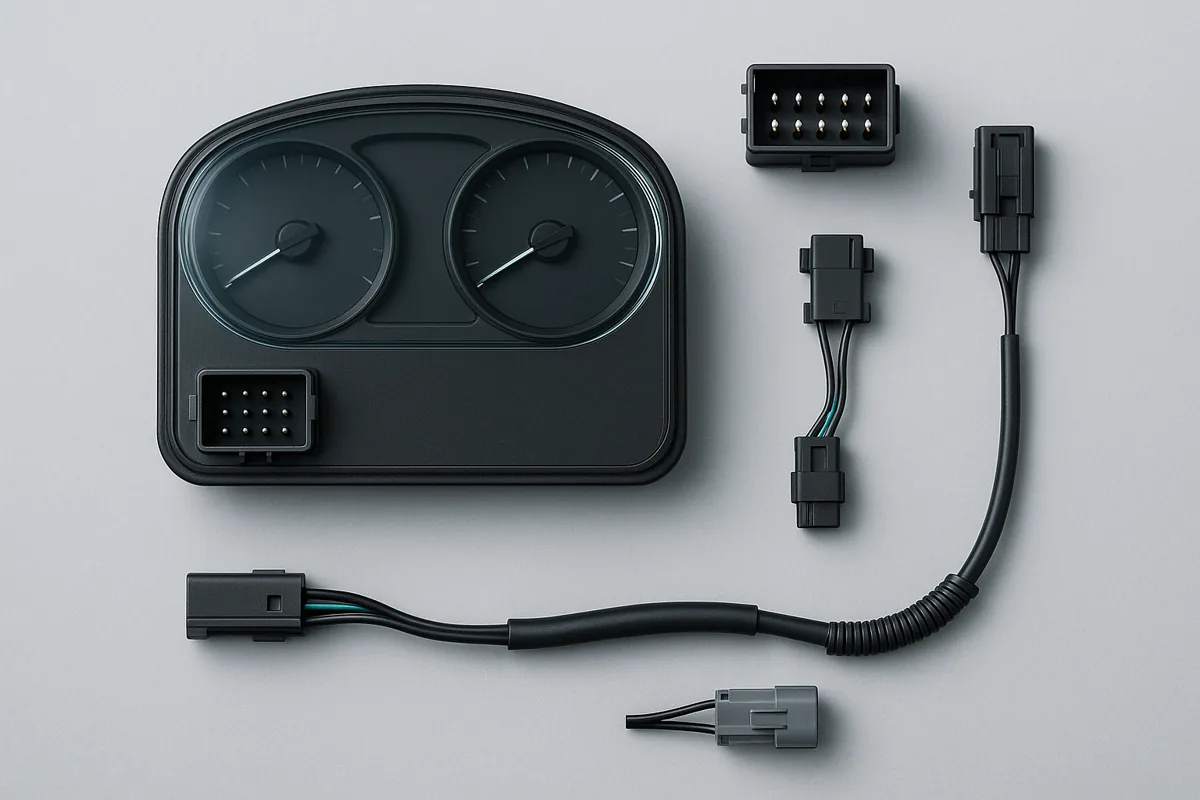
Shop Electrical System (12V) by Part Type
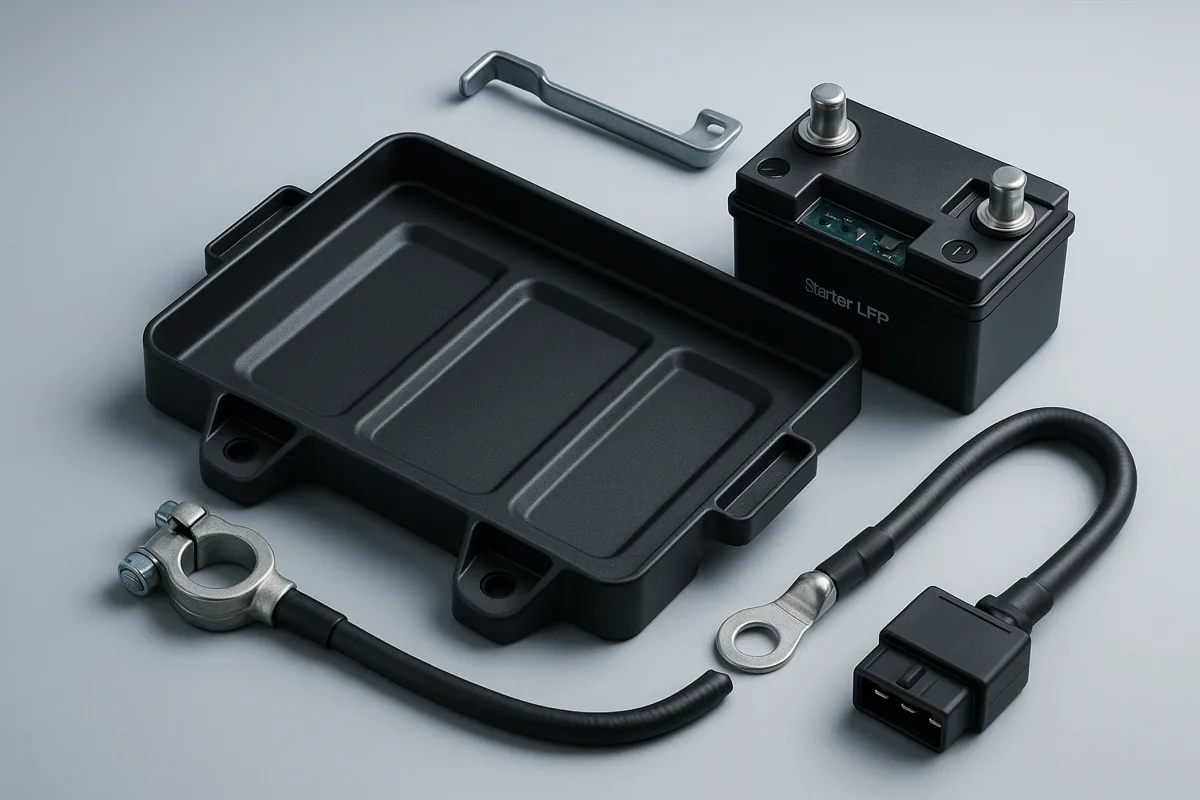
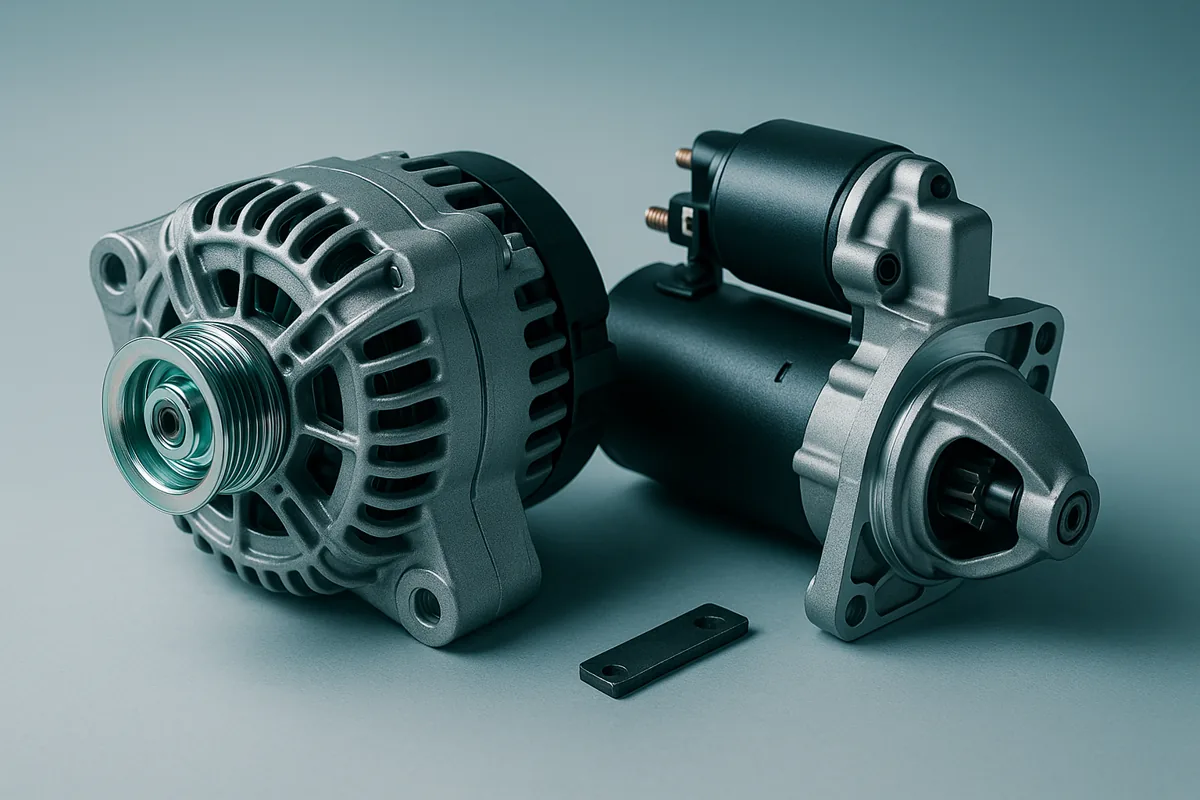
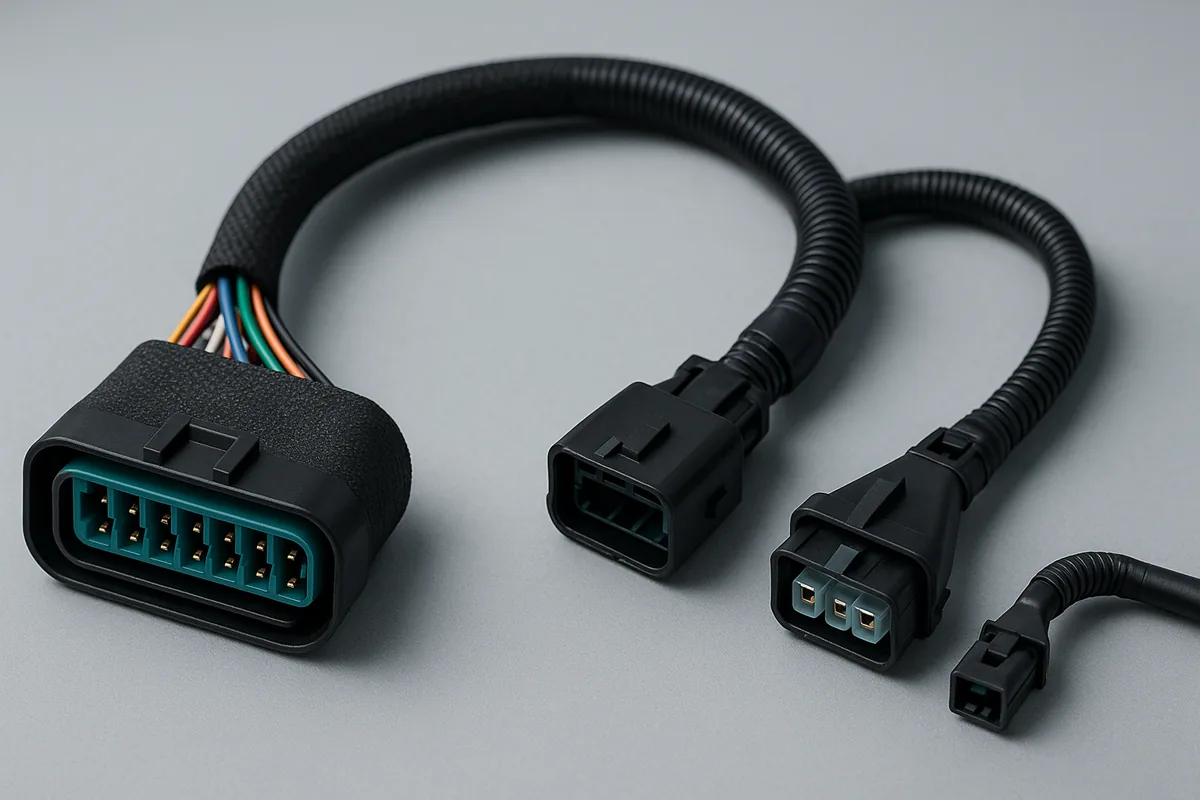
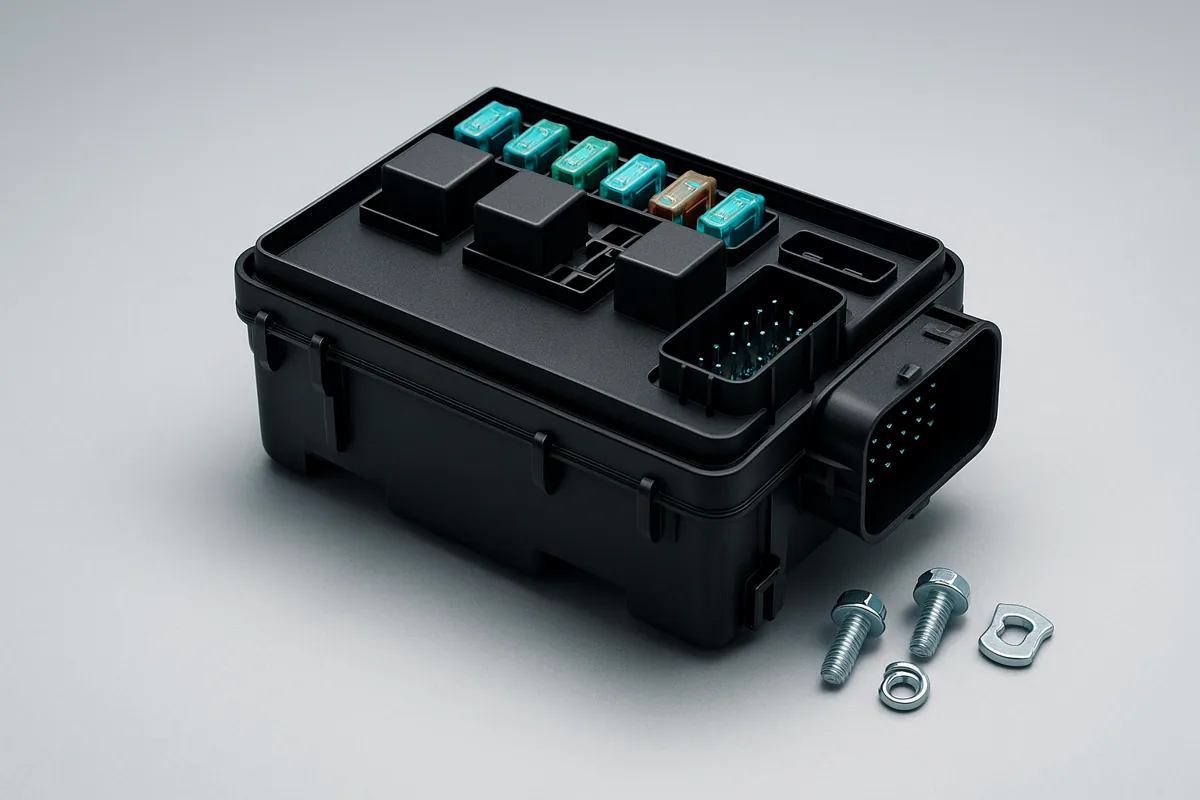
Popular Right Now
scroll for more →
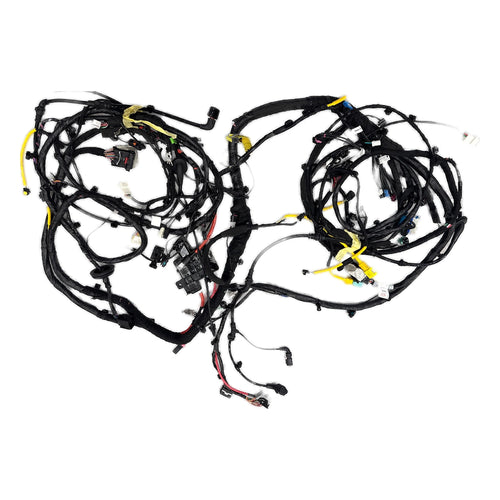

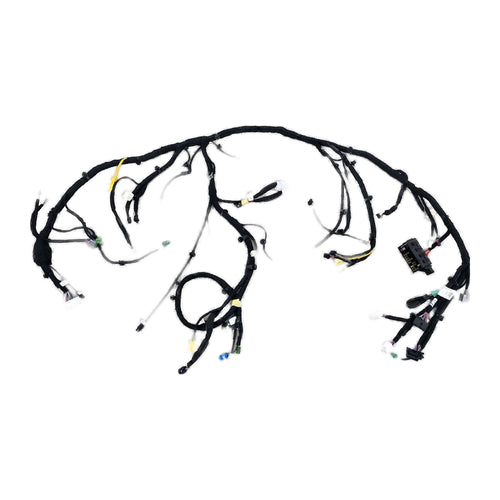



Symptom Finder: What Is Actually Broken?
| What you see or hear | Part to check first |
|---|---|
| Vehicle will not wake or respond to the key | Low voltage battery |
| Several unrelated warnings appearing together | Battery or an earth connection |
| Faults on one door that come and go | Door wiring harness |
| One window works from the master switch only | Local window switch |
| Charge warning lamp with the engine running | Alternator or its output cable |
About Electrical System (12V)
Every vehicle runs its thinking and most of its convenience functions on a low voltage supply, and that remains true when a traction pack of several hundred volts sits underneath. Control units, lighting, locking, infotainment and, critically, the contactors that connect the high voltage system all draw from it, which is why a weak auxiliary battery produces symptoms that look like almost anything else. Around the battery sits a network of harnesses carrying power, earths and data buses between dozens of modules, terminated in connectors that are expected to stay dry and tight for two decades of weather. Switches have become signal devices rather than load carriers, telling a module what the driver wants, and fuse boxes have started to drop fuses and relays in favour of electronic outputs that protect a circuit, report on it and reset without a spare in the glovebox.
What to know before buying Electrical System (12V) parts
Test the battery and the earths before you order anything from these categories. Low voltage and high resistance cause a large share of the faults that look like component failures.
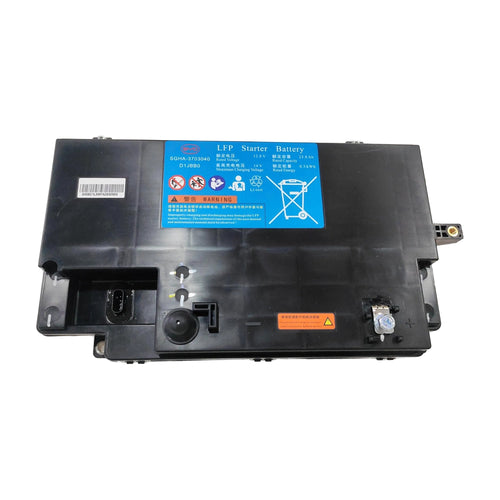
Four child categories cover the system. Twelve volt battery and terminals holds batteries, including lithium types, along with trays, brackets and earth cables. Alternator and starter holds the charging and cranking machines for both combustion and hybrid vehicles.
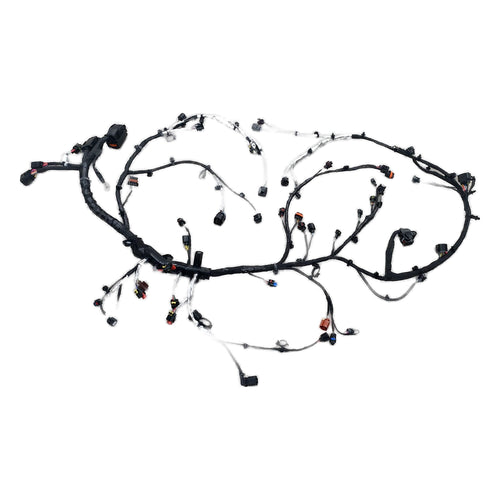
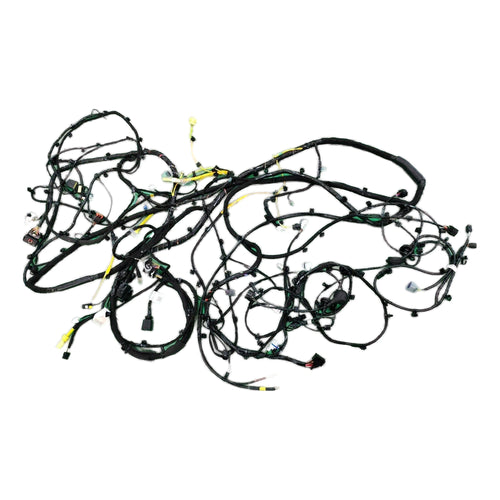
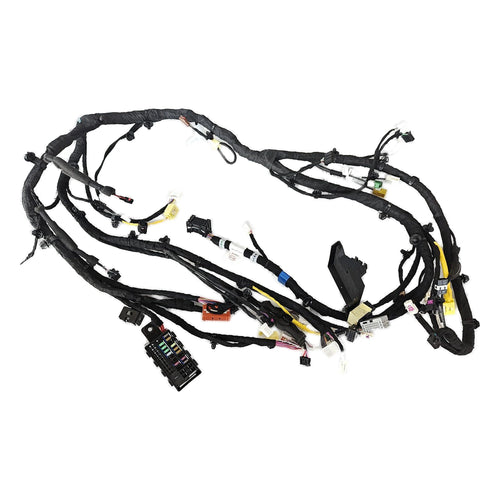
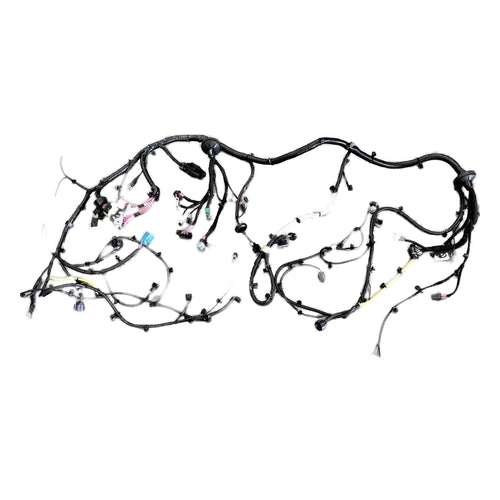
Low voltage wiring and connectors holds the harnesses, listed by the section they serve. Switches, relays and fuses holds switchgear, fuse boxes and horns.
Before You Order: 5 Checks
- Test the battery under load and check the earth connections before ordering anything.
- Match the battery by case size, terminal layout, capacity and chemistry.
- Check whether your vehicle requires battery registration after replacement.
- Locate a wiring fault precisely, since a repairable break is very different from a loom replacement.
- Investigate repeated fuse failure rather than fitting a higher rating.
What Changed and Why
The low voltage battery has become the most common reason an electric vehicle refuses to start, which is worth stating plainly since the traction pack is usually fine. Manufacturers have responded with lithium iron phosphate auxiliary batteries that tolerate the float duty better, and with strategies that top them up from the traction pack during sleep. Wiring architecture is changing too, with zonal designs replacing long point to point runs with short local ones served by a controller in each area, which cuts harness length and shifts faults towards shorter, more replaceable looms.
Electrical System (12V): Frequently Asked Questions
My electric car will not wake up. Is the traction pack flat?
Almost never. The traction pack cannot connect itself. The contactors that join it to the rest of the car are held closed by the small auxiliary battery, and so are the door locks, the displays and every control unit. When that battery dies the car goes completely dark with a full pack sitting underneath it. Recognise the picture: key ignored, no lights, no clunk from the contactors, nothing on the screens. Every handbook documents an external supply point for this, and a jump pack on those terminals normally brings the car straight back.
Why do I get several unrelated warnings at once?
Voltage is the common thread. Every module on the vehicle is fed from the same low voltage rail, and when that rail sags under load the modules do not fail gracefully: they reset, drop off the communication bus and record faults about neighbours that stopped answering. The result on the dashboard looks like half the car breaking at the same moment. Have the battery load tested and the charging output measured before anyone reads codes seriously, and clear the memory afterwards. Plenty of module replacements have been sold on the strength of a tired battery.
Why do earth faults produce such strange symptoms?
Because current always finds a way home, and if the proper route is degraded it borrows someone else's. A bad connection at a common earth stud raises resistance for every circuit bolted to it, so the return current from one system travels back through the filament of another lamp or the winding of another motor. That is how you end up with a boot light that glows when you brake, or a fuel gauge that twitches with the indicators. Measure voltage drop across the earth under load rather than testing continuity with everything switched off.
A fuse keeps blowing. Can I fit a higher rating?
Never. Think about what the fuse is actually guarding: the cable, chosen for a particular current, running through a loom you cannot see. Raise the rating and the cable becomes the weakest link, and a cable that overheats inside a bulkhead is how a car burns. A fuse that goes repeatedly is doing its job and reporting a genuine short or an overload. Find it methodically. Substitute a headlamp bulb across the fuse terminals as a current limited load, then unplug items on that circuit one by one and watch when the bulb dims.
Where do wiring faults usually occur?
At the places where a loom moves or gets wet. The rubber boot between body and door is the classic, since wires there flex thousands of times and fracture inside their insulation while looking perfect outside, producing electrical faults on one door that come and go. Chafe points near hot or sharp components come next, then connectors that sit low or face upward and fill with water. Inspect those three before ordering any harness.
With no alternator, what keeps the 12V battery charged in an electric car?
A DC to DC converter does the alternator's job. It draws energy from the traction pack, steps it down to roughly 14 volts and feeds both the auxiliary battery and every low voltage consumer while the car is switched on or charging. Because it has no belt or bearings it rarely wears out, but when it fails the auxiliary battery quietly discharges on the move until the car shuts down. Check the voltage at the battery with the car in ready mode. A reading close to 12 volts means nothing is charging it, and a qualified mechanic should test the converter before a new battery goes in.
Can I replace a lead acid auxiliary battery with a lithium one, or the other way round?
Only if the part number says so. Lead acid, AGM and lithium iron phosphate batteries want different charging voltages, and the car's charging software is written for the chemistry it left the factory with. A lithium unit charged on a lead acid profile may be held at the wrong voltage or refuse charge in cold weather, while a lead acid battery on a lithium profile can be undercharged and sulphate early. Lithium auxiliary batteries often carry their own management board and data connection too. Read the OE number and chemistry on the label of the old battery and enter that exact number in the search box.
Does a new 12V battery need to be registered with the car?
On many modern vehicles, yes. A small sensor clipped to the negative terminal measures current, voltage and temperature, and the energy management software builds a picture of battery health from it over years. Fit a new battery without telling the car and it keeps charging as though the old, tired one were still there, which can overcharge or undercharge the replacement and shorten its life. Registration is done with a diagnostic tool, and the car usually needs a few hours of undisturbed rest afterwards to relearn state of charge. Match the OE number on the old battery label, then have a qualified mechanic register it when it goes in.
Why does my 12V battery go flat when the car is parked for a few days?
Something is staying awake. Once locked, the modules on a modern car should drop into sleep within half an hour or so and the standby draw should fall to a few tens of milliamps. A module that keeps the data bus active, a sticking relay, a boot or glovebox light, or an aftermarket tracker can hold several hundred milliamps and empty a healthy battery within days. Measure with a DC clamp meter around the negative cable after the car has fully gone to sleep, then pull fuses one at a time until the reading drops. Once the circuit is found, match the OE number on the faulty part.
Is it the battery or the starter when the engine will not crank?
Listen and watch the dashboard. Rapid clicking with lights that dim or flicker usually means the battery cannot hold voltage under the starter's load, so the solenoid pulls in and drops out repeatedly. A single firm click, or silence, with a bright dashboard and steady lights points towards the starter motor or its solenoid. If a jump start cranks the engine normally, suspect the battery or its connections first. A healthy resting battery reads about 12.6 volts, and anything below about 12.3 volts needs charging and a load test. If the starter is condemned, read the OE number from the old unit before ordering.
What are the signs of a failing alternator?
The battery warning lamp is the obvious one, but the early signs are subtler: headlamps that dim at idle and brighten as the revs rise, a battery that goes flat again soon after being charged, and accessories that behave erratically. Measured at the battery with the engine running, output should sit between about 13.5 and 14.8 volts. Much lower and the alternator is not charging, much higher and the regulator has failed and is cooking the battery, often with a sulphurous smell. A worn drive belt or a poor main cable can mimic both, so check those before ordering an alternator by the OE number on its casing.
When should a battery terminal clamp be replaced rather than cleaned?
Clean it when the deposit is on the surface. White or blue powder brushes off, and a clamp that then tightens firmly onto the post is fine. Replace it when the clamp is cracked, pitted, stretched so the bolt bottoms out before it grips, or when you can twist it on the post by hand. Corrosion that has crept under the insulation turns the cable end green and stiff, adding resistance that no amount of cleaning removes and that causes flickering and voltage dips. Many negative terminals carry a battery sensor, so check the OE number on the old terminal before ordering.
A connector is damaged. Do I need a whole new wiring harness?
Usually not. Where the housing is intact but a terminal is spread, burnt or corroded, the terminal alone can be released and replaced with the correct crimp. Where the housing itself is cracked, a repair connector with short tails can be spliced into the loom with sealed joints. A complete wiring harness makes sense when several circuits are corroded, the insulation has gone brittle from heat, or water has wicked along the wires inside the sheath. Look for the OE number on the wiring harness label or connector body, and if you cannot find it, send photos through the quote form. We reply within 24 hours, usually sooner.
Is it safe to disconnect the 12V battery on an electric or hybrid car?
Yes, with the right order and care. Switch the car off, keep the key well away so nothing wakes it, and wait for the modules to sleep. Remove the negative lead first and refit it last, so a spanner touching the body cannot short the positive terminal. Losing the auxiliary supply lets the contactors open, but the traction pack itself stays live, so never touch orange cables or covers marked with high voltage warnings. After reconnection expect to reset windows, clocks and sometimes steering angle. If the handbook gives a specific procedure, follow it, and leave anything beyond the auxiliary battery to a qualified mechanic.
How can I tell whether a relay has failed?
A click proves only that the coil works. The contacts inside can be pitted or burnt and still pass too little current to run a fan or pump. The quickest check is to swap in an identical relay from a circuit you can live without, matching the OE number printed on the case, and see whether the fault moves. A proper test measures voltage at the load with the relay energised. Where a function has moved into an electronic output on the fuse box there is no relay to swap, and a qualified mechanic with diagnostic equipment should check the output before the unit is replaced.