Differential & Final Drive
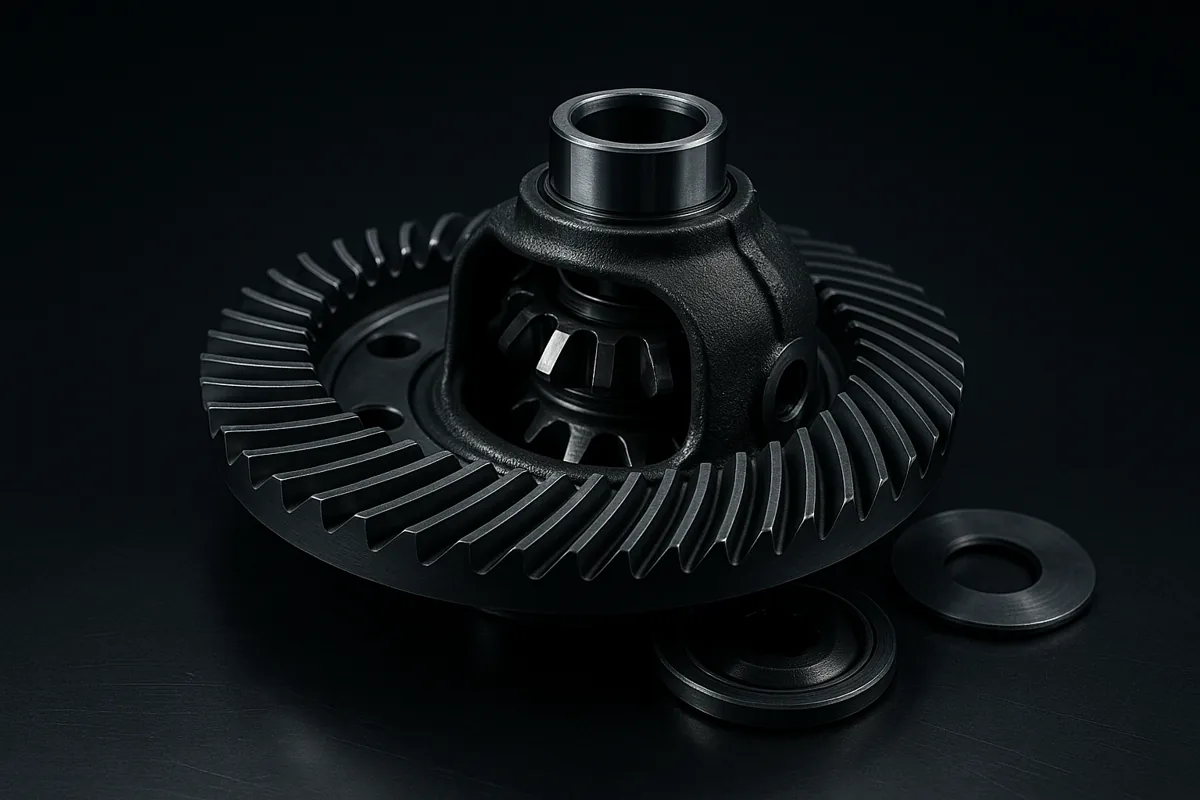
Shop Differential & Final Drive by Part Type
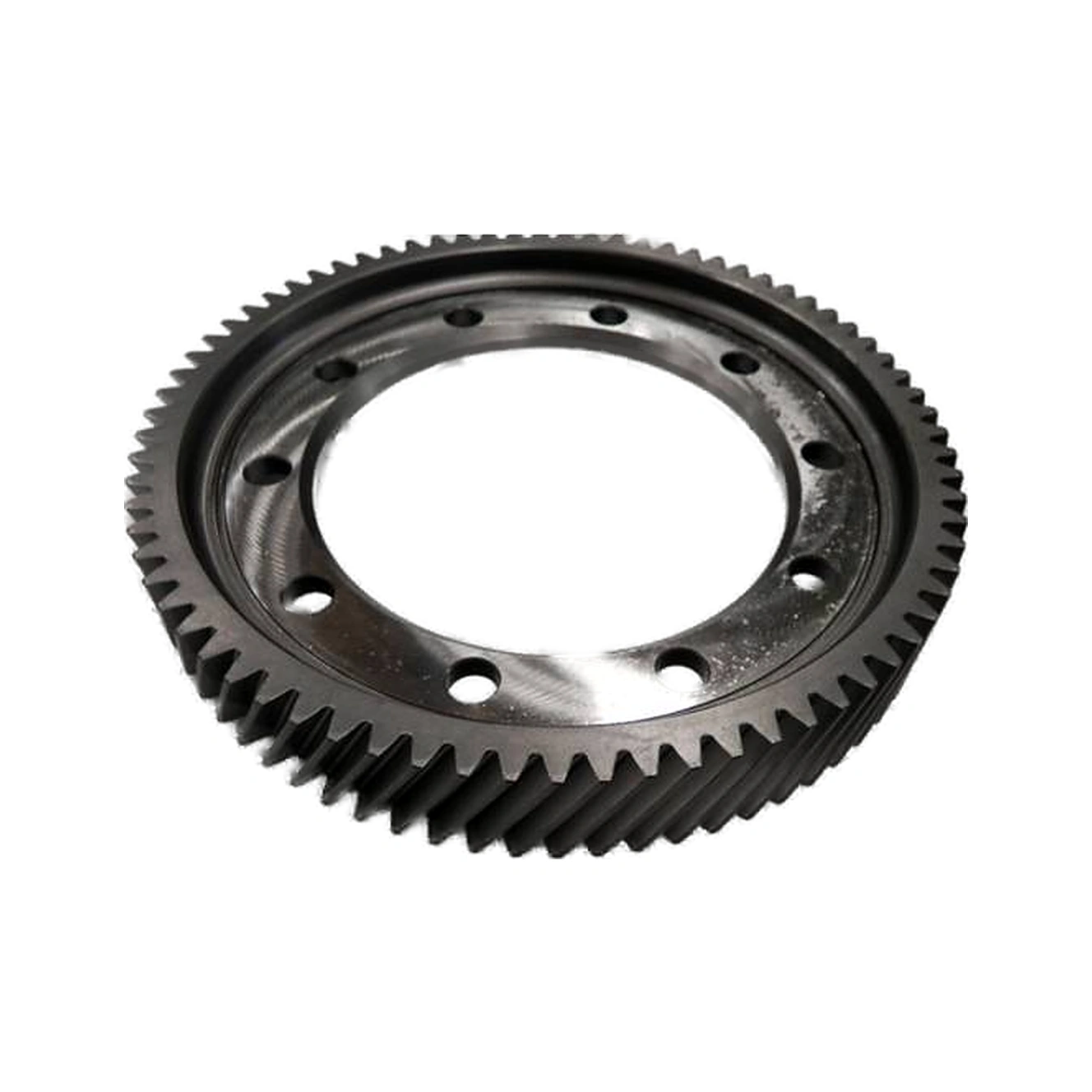
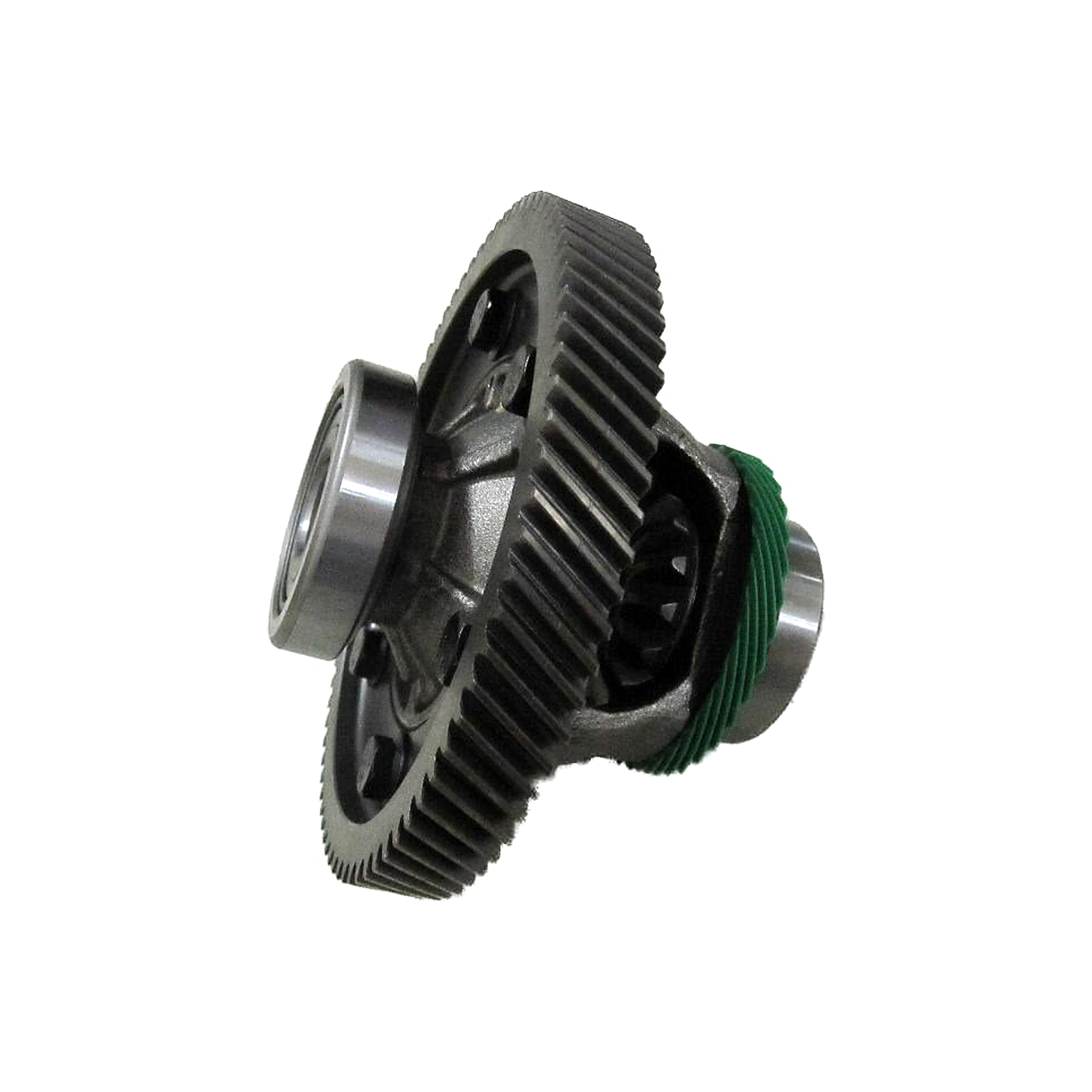
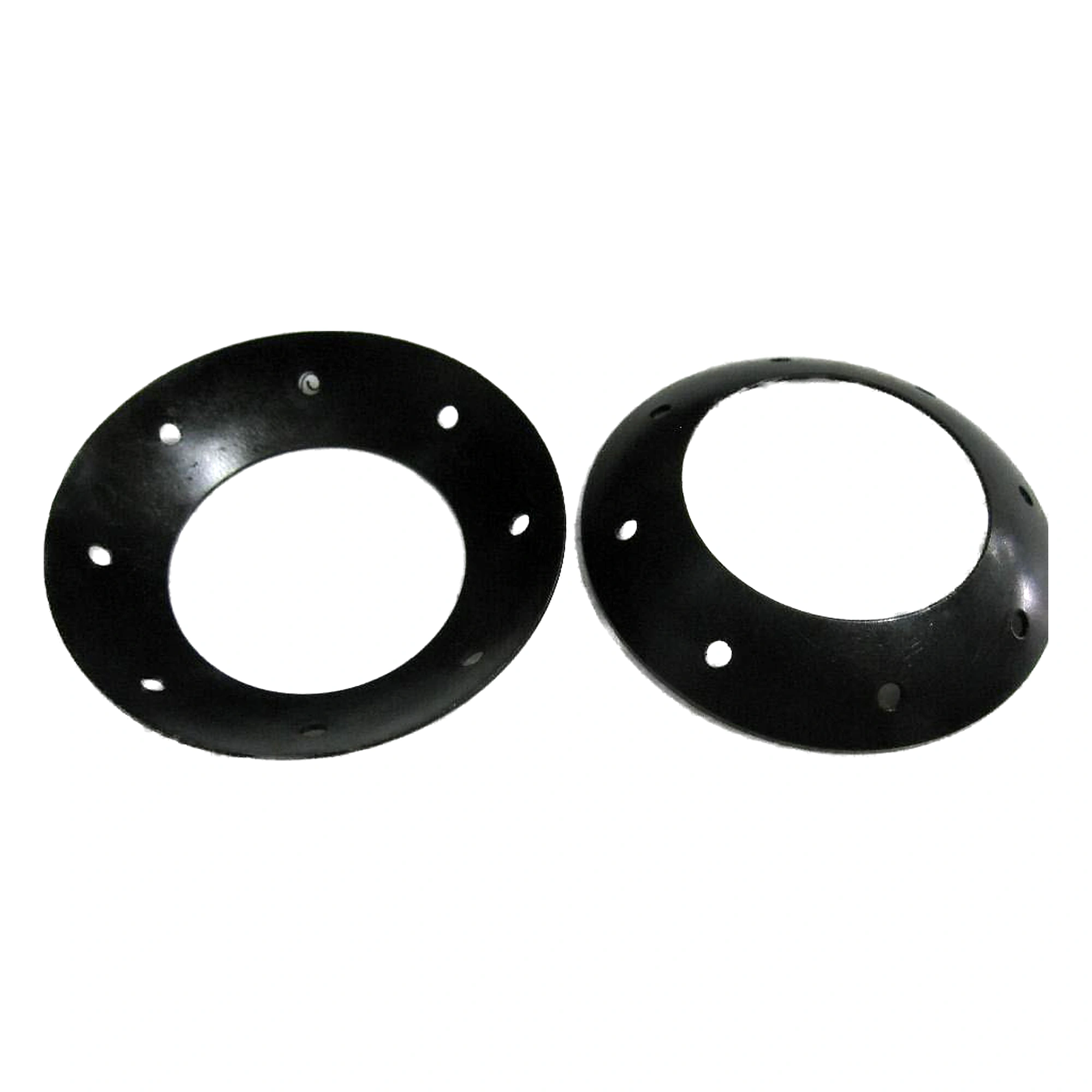
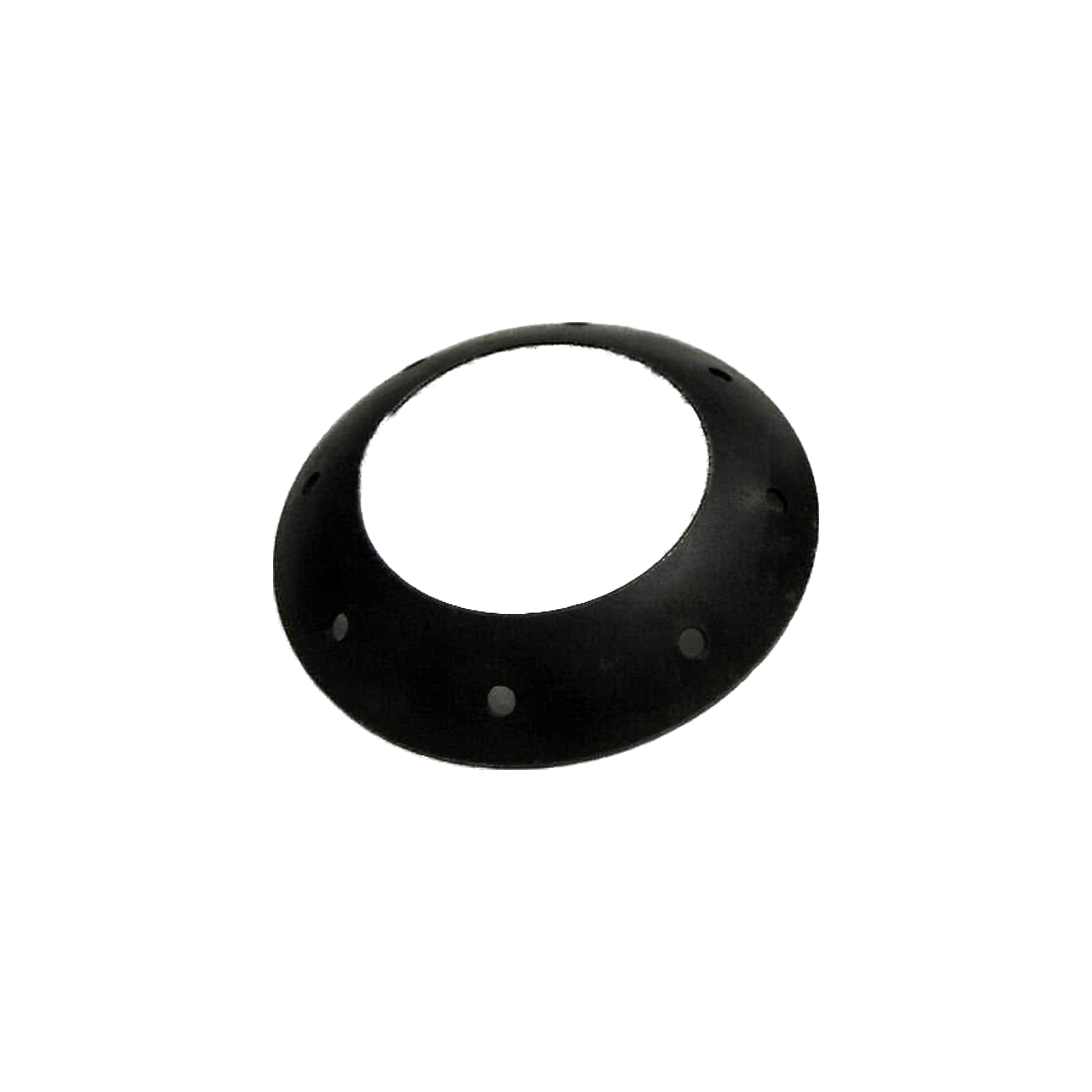
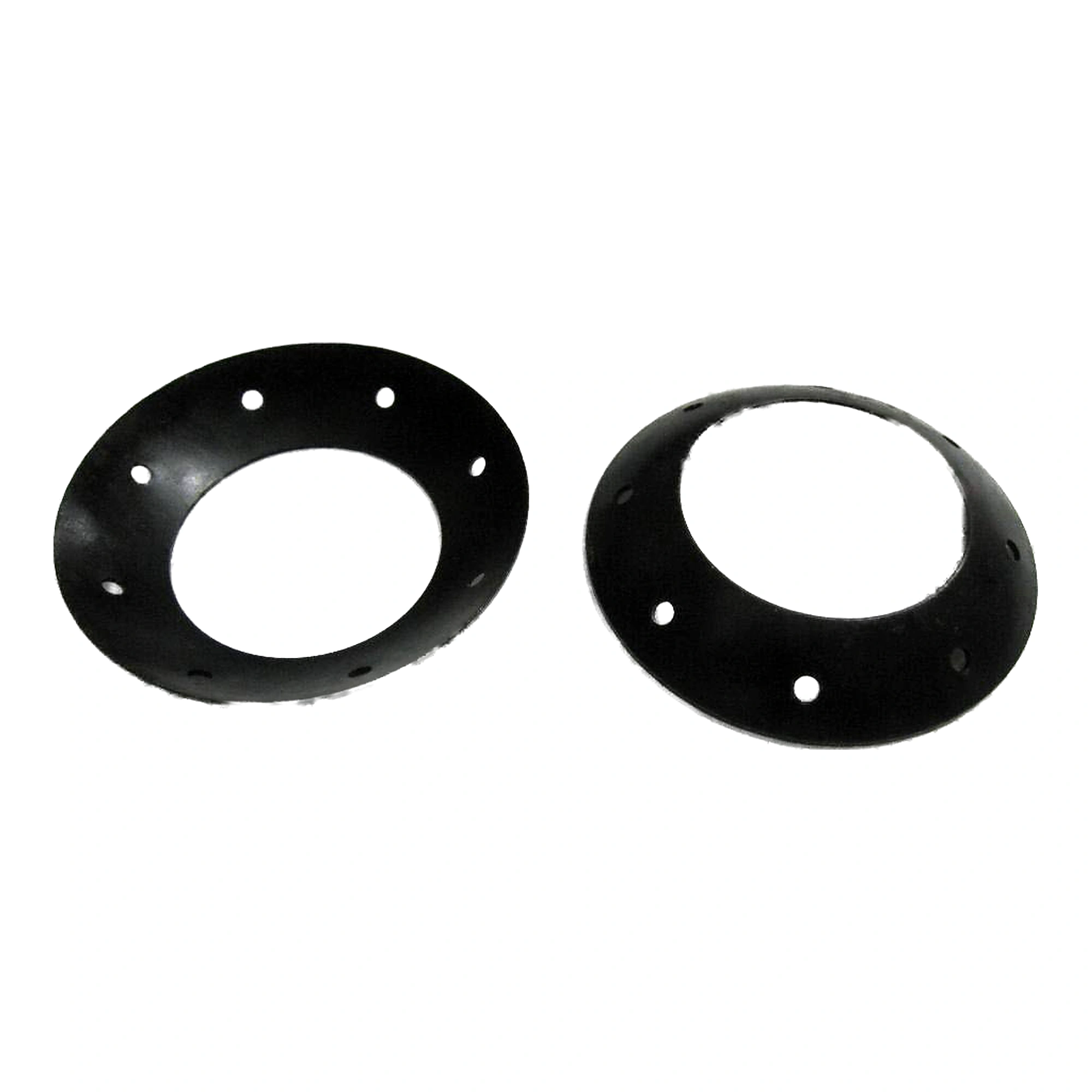
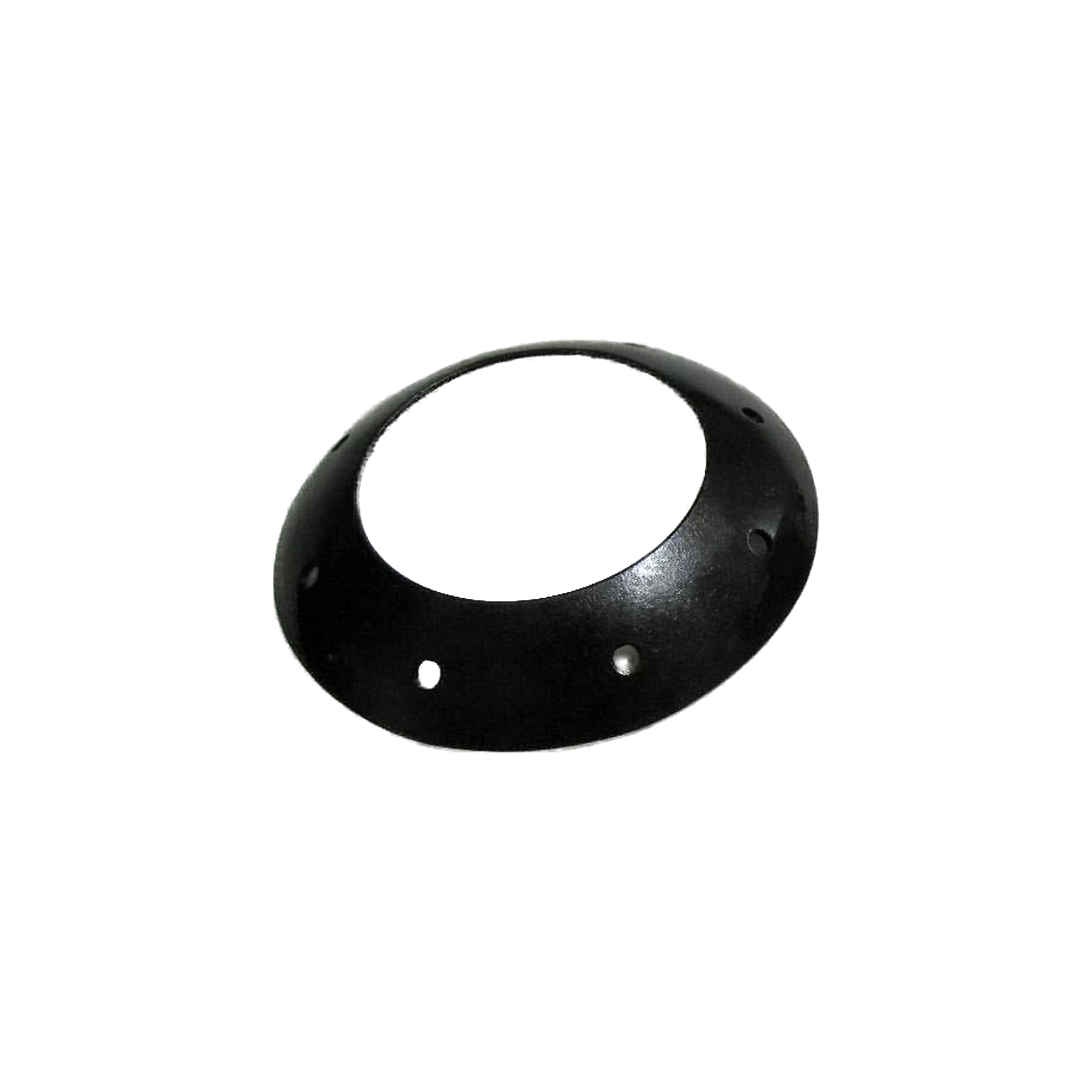
Symptom Finder: What Is Actually Broken?
| What you see or hear | Part to check first |
|---|---|
| Whine that changes with road speed rather than motor speed | Final drive driven gear or carrier bearings |
| Clunk on taking up drive or on the overrun | Differential side gear thrust washers |
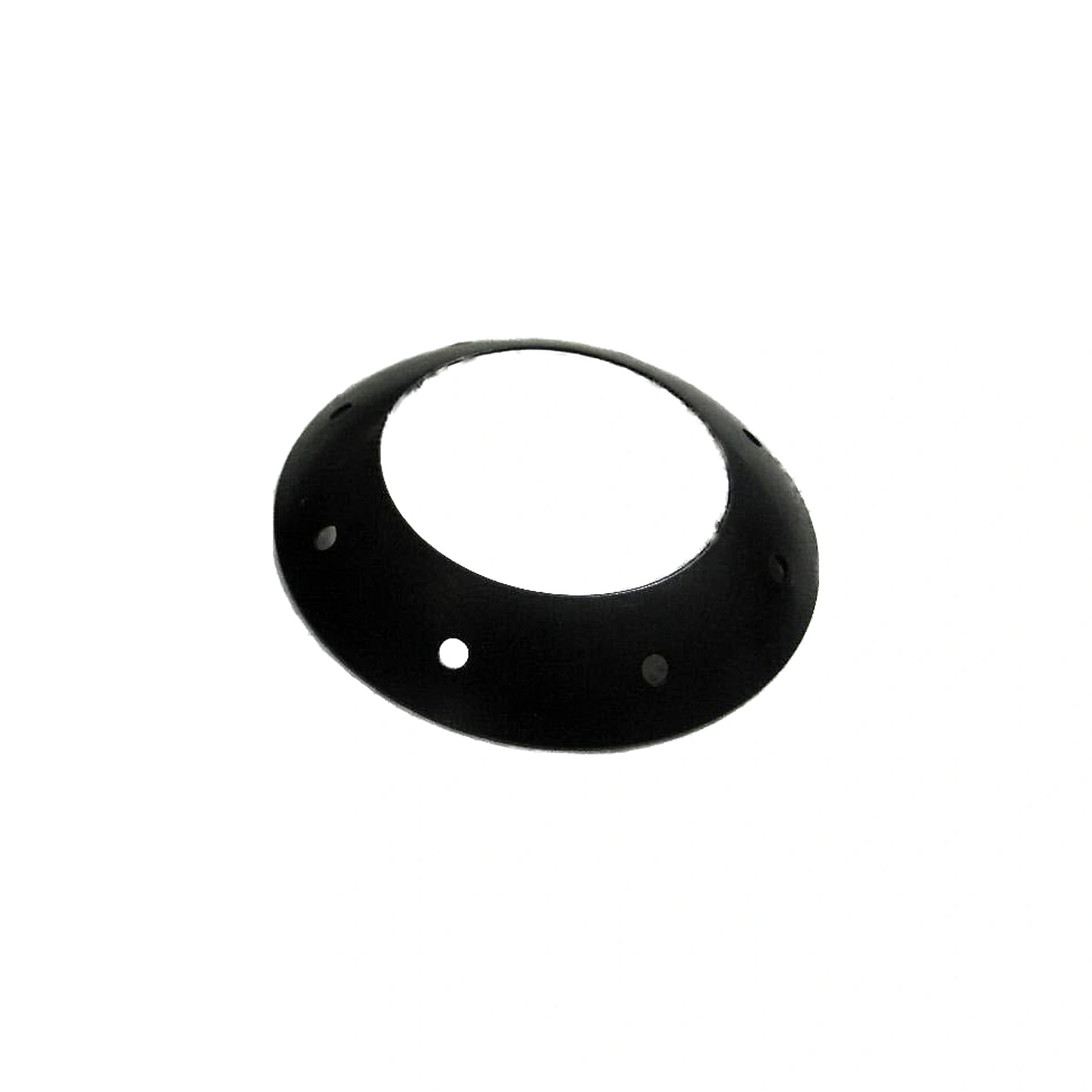
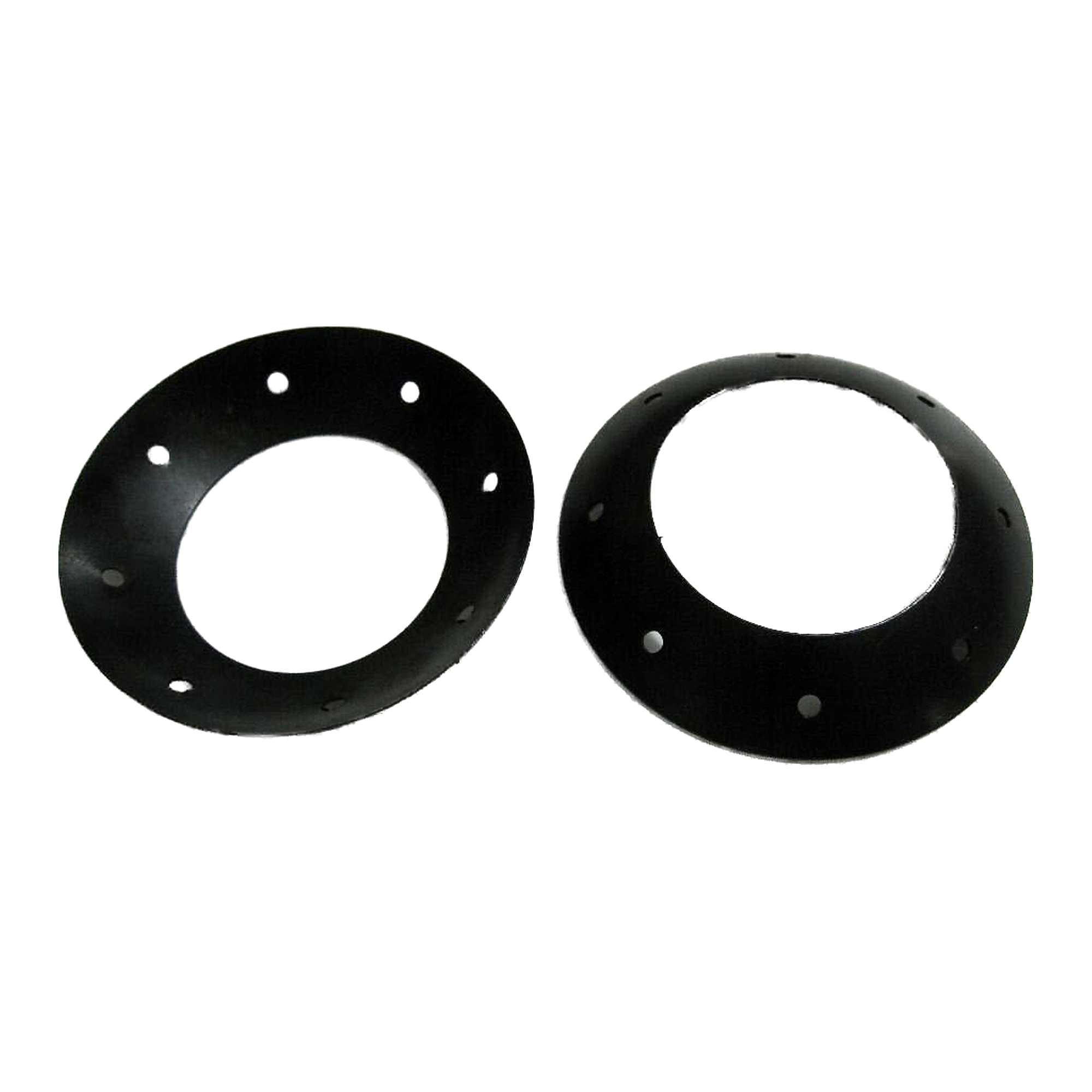
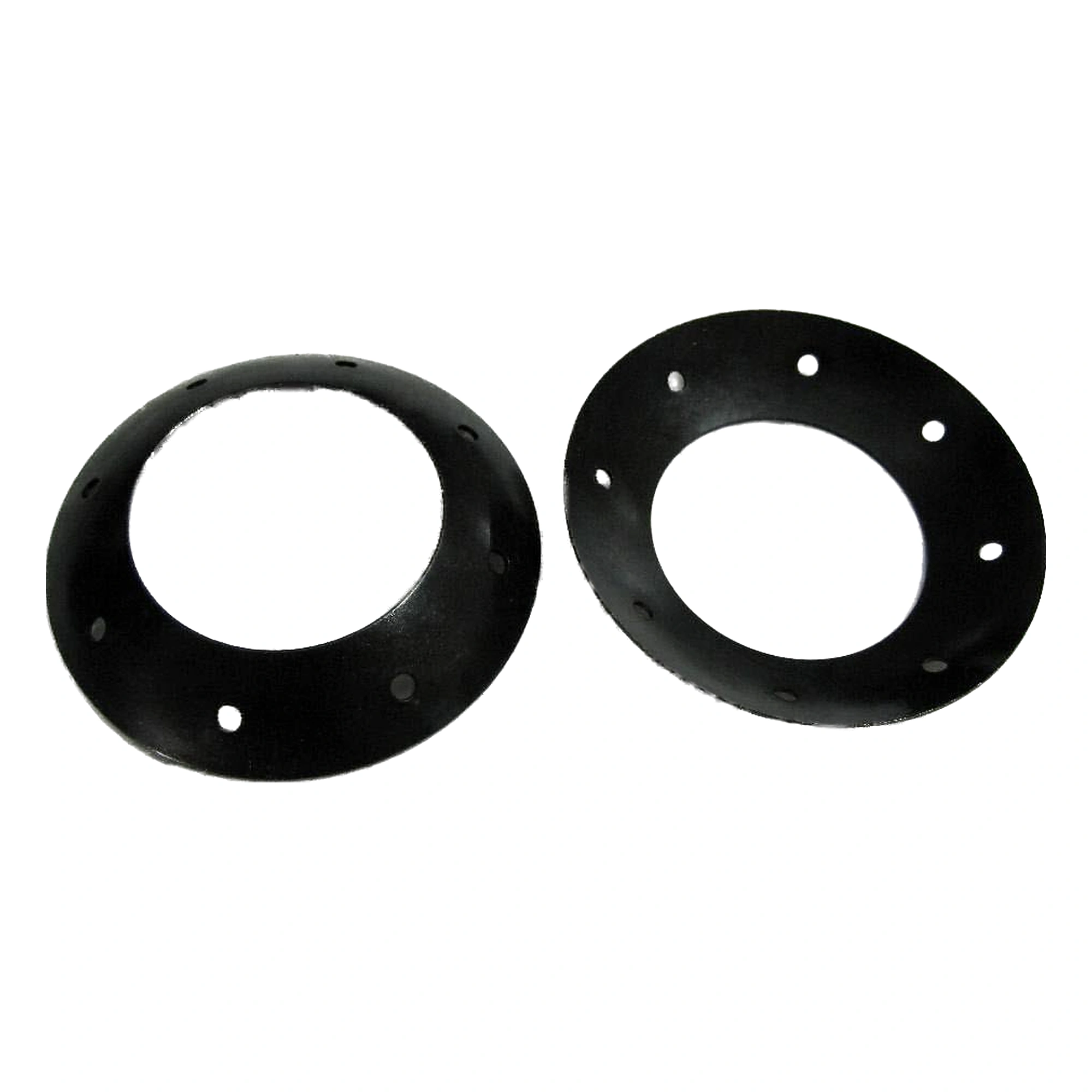
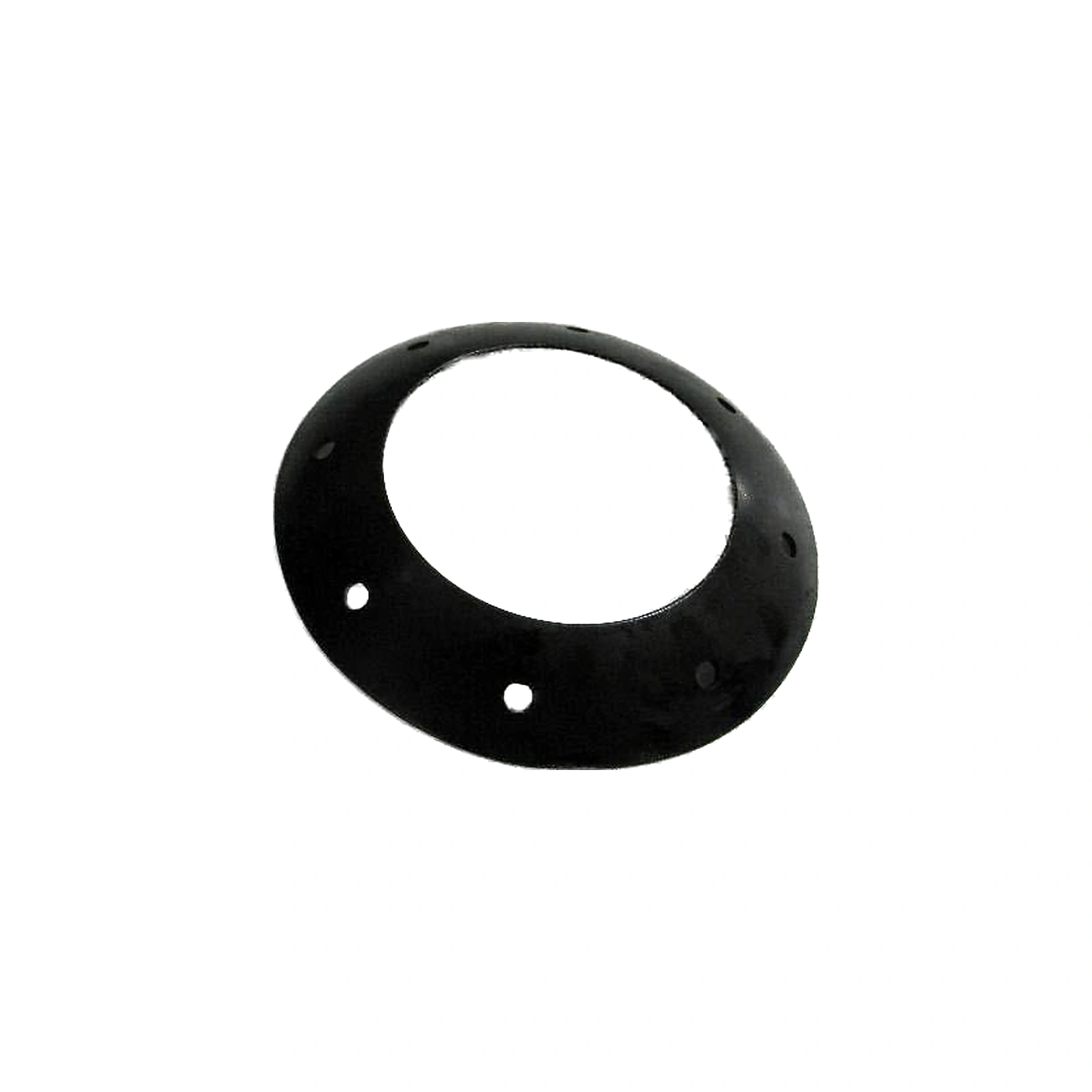
| Oil weeping from the joint between housings | Differential O-ring |
| Chatter or judder on full lock at low speed | Differential internals with excessive backlash |
| Metallic debris found on the drain plug magnet | Differential assembly |
| Whine that appeared after a rebuild | Differential adjustment shim of the wrong grade |
About Differential & Final Drive
The final drive does two jobs at once. It reduces the speed of the input shaft to something the wheels can use, multiplying torque as it does so, and it splits that torque between left and right wheels through the differential. Inside the differential carrier a pair of pinion gears rides on a cross shaft, meshing with two side gears splined to the output shafts. Drive straight ahead and the whole assembly turns as a unit. Turn a corner and the pinions rotate on their shaft, letting the outer wheel run faster than the inner while both still receive torque. Everything depends on clearances measured in hundredths of a millimetre. Side gear backlash is set by graded spherical thrust washers, carrier bearing preload by graded shims, and both have to be correct or the gear set whines, or worse, wears rapidly. On single speed electric drivetrains the same assembly sits inside the reduction gearbox housing, permanently in mesh.
What to know before buying Differential & Final Drive parts
Measure before you order anything graded. Side gear spherical thrust washers come in a full graded range from around half a millimetre upward, in increments. Differential adjustment shims come in their own graded series. Assemble the carrier dry, take your readings, work out the grade you need, then order that one reference. A kit of assorted sizes leaves you with one useful piece and a box of waste.
Differential O rings, differential assemblies and final drive driven gears are listed alongside them. Order an assembly when a rebuild is no longer honest. That means any time the drain plug magnet has produced flakes rather than paste.
Match the OE number when you order. Ratios and carrier dimensions differ between drivetrains that share a body. A displayed price means you can buy the part straight away. Anything without a price is quoted against the same factory number, which is the normal route for graded parts that move in small quantities. BYD group models are the best covered at present, and the range widens as further catalogues load.
Before You Order: 6 Checks
- Measure before ordering. Thrust washers and shims are graded, so buy the grade the measurement calls for.
- Match the OE number, since ratios and carrier dimensions differ between drivetrains sharing one body.
- Order new O-rings and seals with any assembly that is opened.
- Record the original shim thickness before dismantling, as a reference point rather than a substitute for measuring.
- Check for debris on the drain plug magnet before deciding between a rebuild and an assembly.
- Confirm the correct oil specification and quantity for refilling before the work starts.
What Changed and Why
The final drive has migrated inside the electric drive unit and become harder to ignore. On a single speed electric axle the reduction gearing and the differential share one housing with the motor, running permanently in mesh with no torque converter or clutch to absorb shock, so gear whine that a combustion engine would have masked is now clearly audible in the cabin. Manufacturers have responded with tighter gear grinding tolerances, helical tooth profiles and closer attention to housing stiffness. For repairers the practical result is that noise complaints on electric vehicles reach the final drive far more often than they used to.
Differential & Final Drive: Frequently Asked Questions
I have a whine that changes with speed. Is that the final drive?
Possibly, and the test is which speed it follows. A noise that rises and falls with road speed regardless of what the motor is doing points at the final drive, the driveshafts or the wheel bearings. A noise tied to motor speed points elsewhere. Narrow it further by loading and unloading the drivetrain: a whine that changes between gentle acceleration and coasting at the same road speed is a gear mesh problem, while one that stays constant is more likely a bearing.
Why are thrust washers supplied in so many thicknesses?
Because backlash is set by selection rather than adjustment. Manufacturing tolerances mean each carrier, side gear and housing combination ends up slightly different, so the factory measures the assembly and fits the graded washer that brings side gear clearance into specification. A rebuild follows the same procedure: assemble dry, measure, calculate, then fit the grade the measurement demands. That is why this category lists each grade as its own reference rather than selling an assortment, most of which would never be used.
Can I reuse the original shims and washers?
Only if nothing has changed, and after a rebuild something usually has. New bearings sit fractionally differently from worn ones, a replacement gear has its own tolerances, and a housing that has been apart may not settle identically. Record the original thicknesses as a starting point, then measure and confirm. Reusing old grades because they were in there before is the most common reason a rebuilt final drive whines within a few thousand miles.
Should I rebuild or replace the differential?
Look at the drain plug magnet and the tooth faces. Fine grey paste on the magnet is normal wear. Metal flakes, chipped teeth, pitted or scored contact patterns, or a bearing that has been running with debris through it, all argue for a complete assembly, because contamination will have reached every surface. Where the gears are clean and the fault is a worn thrust washer, an O ring or a bearing, a rebuild is the better value, and the graded parts to do it properly are listed here.
What causes a clunk when taking up drive?
Accumulated free play, and it can come from several places along the drivetrain. Inside the differential, worn side gear thrust washers allow the side gears to move away from the pinions before the mesh loads up, which you feel as a clunk when torque reverses. Worn driveshaft joints and tired powertrain mounts produce a similar noise. Check the mounts and the joints first because they are easier to inspect, then measure side gear clearance if the noise remains unexplained.
Does an electric car have a differential?
Yes, wherever one motor drives two wheels. A single speed reduction gearbox contains a differential exactly like a combustion car, because the outer wheel must still turn faster than the inner through a corner. What is missing is the multi speed gearbox in front of it. Vehicles with a motor per wheel or per axle side can dispense with a mechanical differential and manage the split electronically, but the common arrangement of one motor per axle still uses a conventional carrier.
What does a differential part cost?
The arithmetic here favours rebuilding. Thrust washers, adjustment shims and O rings are inexpensive enough that a full set of small parts adds little to a strip that has to happen anyway. Carrier bearings are more. Driven gears and pinions are a serious purchase, and a complete final drive assembly is the top of the category. The live spread appears in the stats strip at the head of this page. What usually decides the bill is labour rather than parts, since setting backlash and preload properly takes time and a dial gauge.
Can I do this work at home?
Only with the right measuring equipment and patience. The job needs a dial indicator to read backlash, a means of measuring bearing preload as rolling torque, a press for the carrier bearings and the correct torque figures throughout. Without those, the assembly can go together feeling perfectly good and destroy itself within a few thousand miles. Where the tools are unavailable, order the parts by OE number and hand the assembly to a specialist. The measuring, rather than the spannering, is the skill.
What oil should the final drive take?
Whatever the manufacturer specifies, and on electric drive units that is often a dedicated fluid rather than a conventional gear oil, because it may also cool the motor and must be compatible with the insulation and the seals. Quantity matters as much as grade, since these housings are filled to a level rather than a capacity in many designs. Confirm both before starting, and refill through the correct plug. Lubricants are listed in their own category on the site.
Why did my rebuild start whining afterwards?
Almost always a preload or backlash error. Too little bearing preload lets the carrier move under load and the mesh pattern wanders. Too much preload overheats the bearings. Backlash outside specification puts the contact patch in the wrong place on the tooth, which whines under drive, on the overrun, or both, depending on which way it is wrong. The cure is to strip, measure properly, and fit the correct graded shim and thrust washers rather than adjusting by feel.
Are differentials interchangeable between models?
Rarely, and never by appearance. Final drive ratios differ between drivetrains sharing one body, carrier dimensions follow the housing, spline counts follow the driveshafts, and on electric drive units the whole assembly is integrated with the reduction gearing. Fitting a different ratio also confuses the vehicle's speed calculations. Match the OE number from your own unit, and where the reference brings back nothing, send it through the quote form so the factory catalogue is checked directly.
The part I need shows no price. Can I still order it?
Ordering works through the enquiry route. Gear sets, side gears and adjustment shims move in small numbers and are supplied in graded sizes, so many carry no standing figure. Give the number and, where the part is graded, the letter or thickness marking from the old component. Crown wheel and pinion are matched at the factory and are supplied as a pair, so ask for the set rather than one half of it. If the drain plug magnet showed metal flakes rather than a fine paste, mention that too, because the bearings will need looking at while the unit is apart.