Engine & Powertrain Mounts
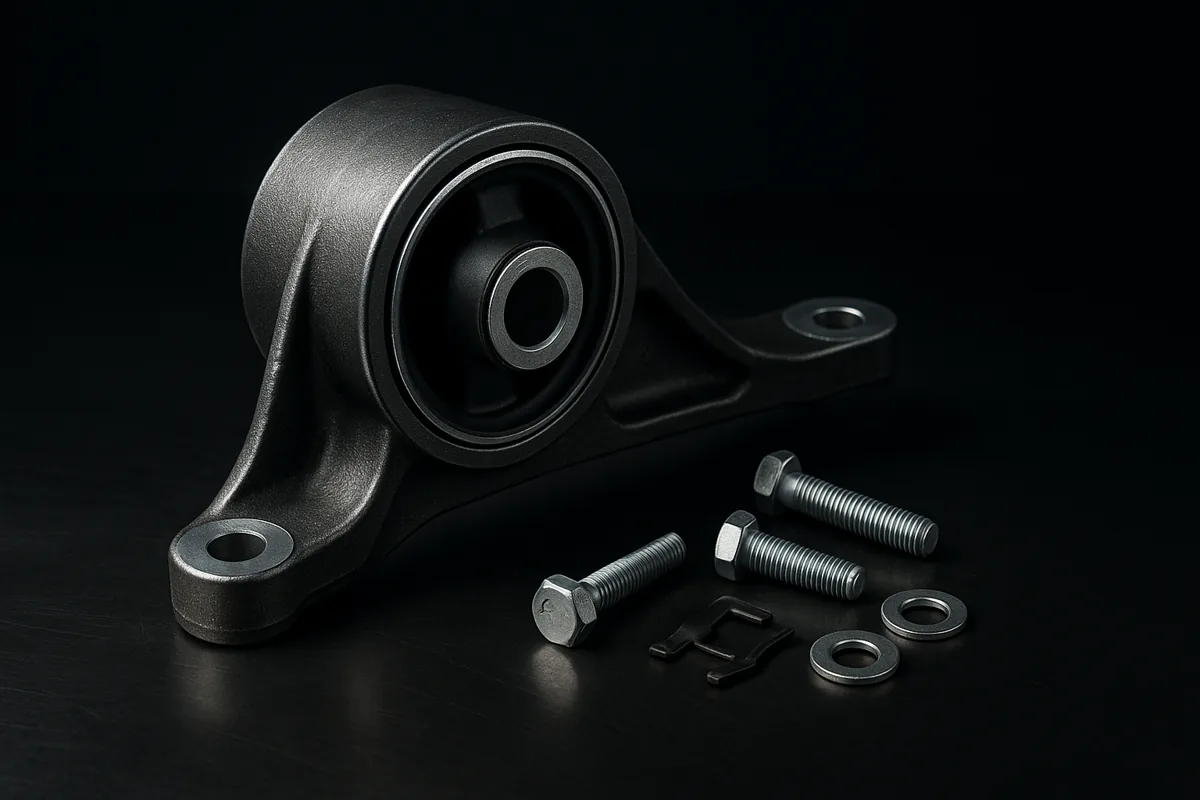
Shop Engine & Powertrain Mounts by Part Type
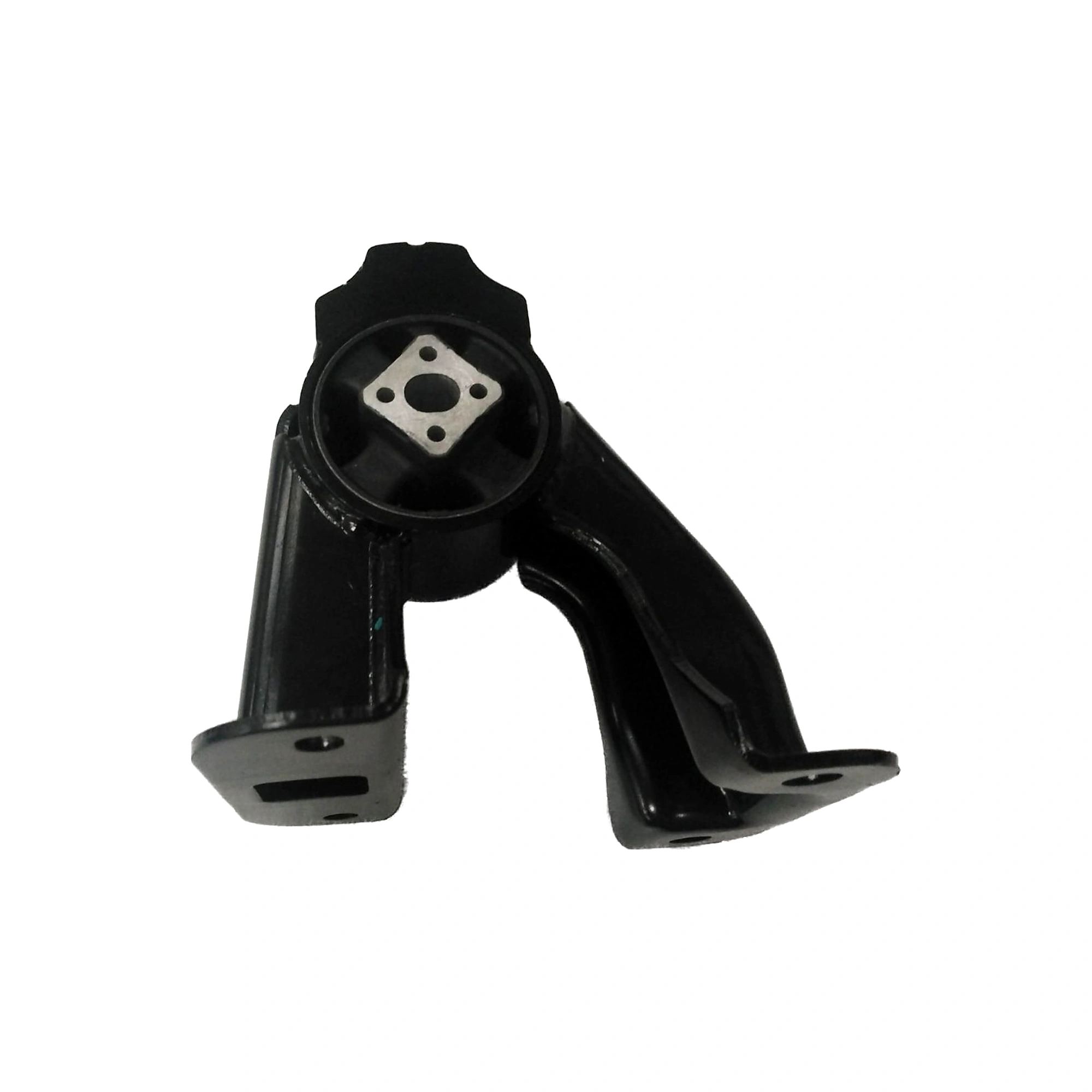
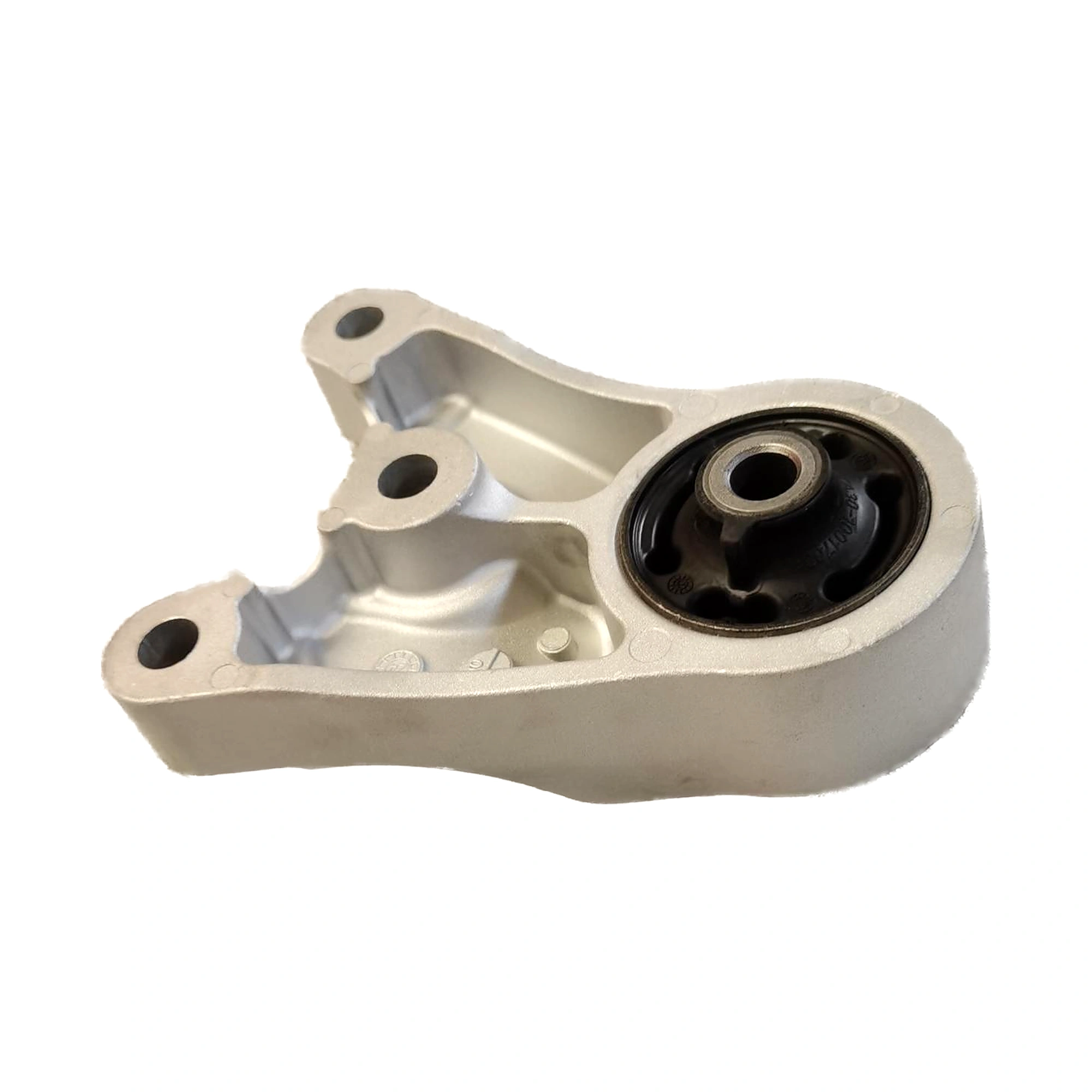
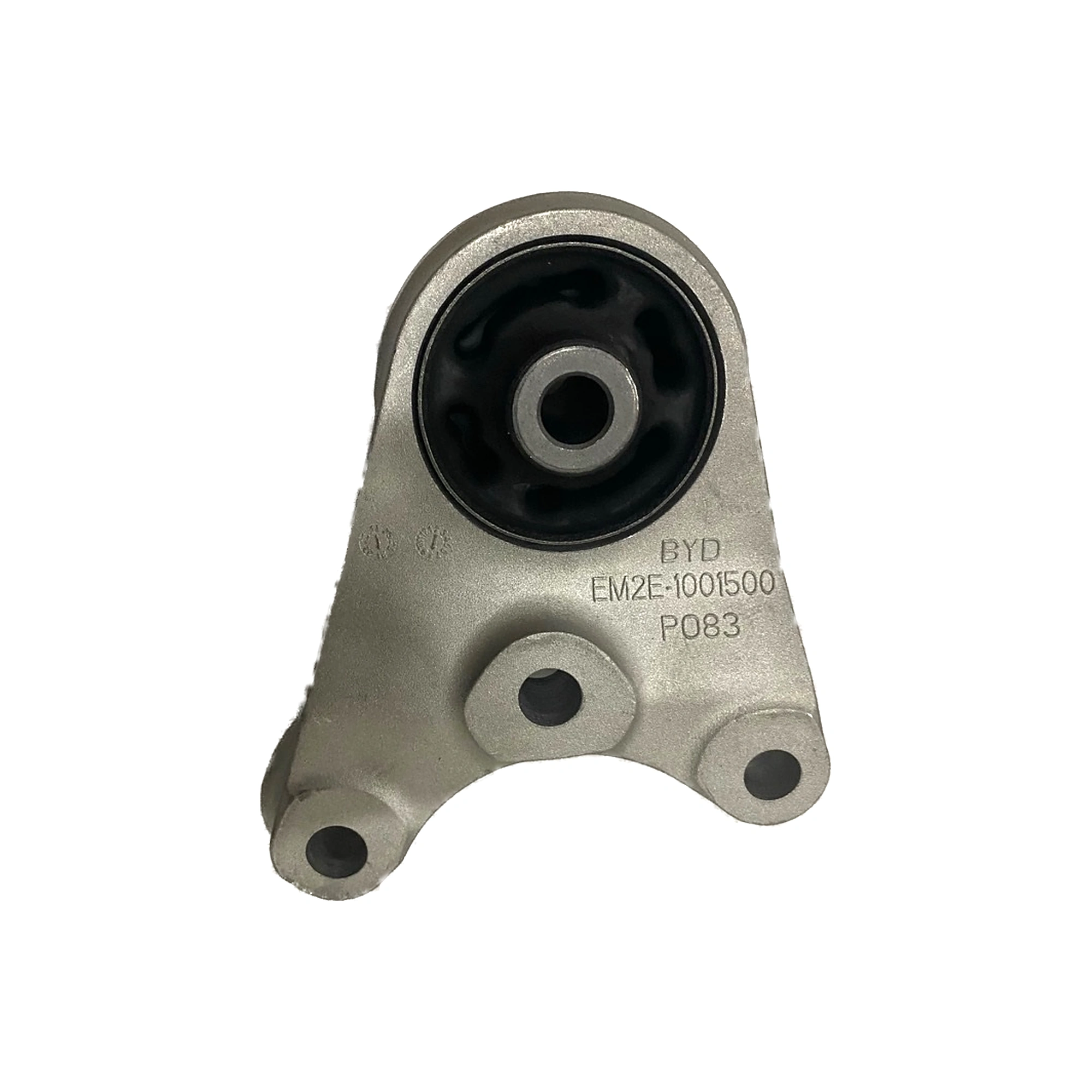
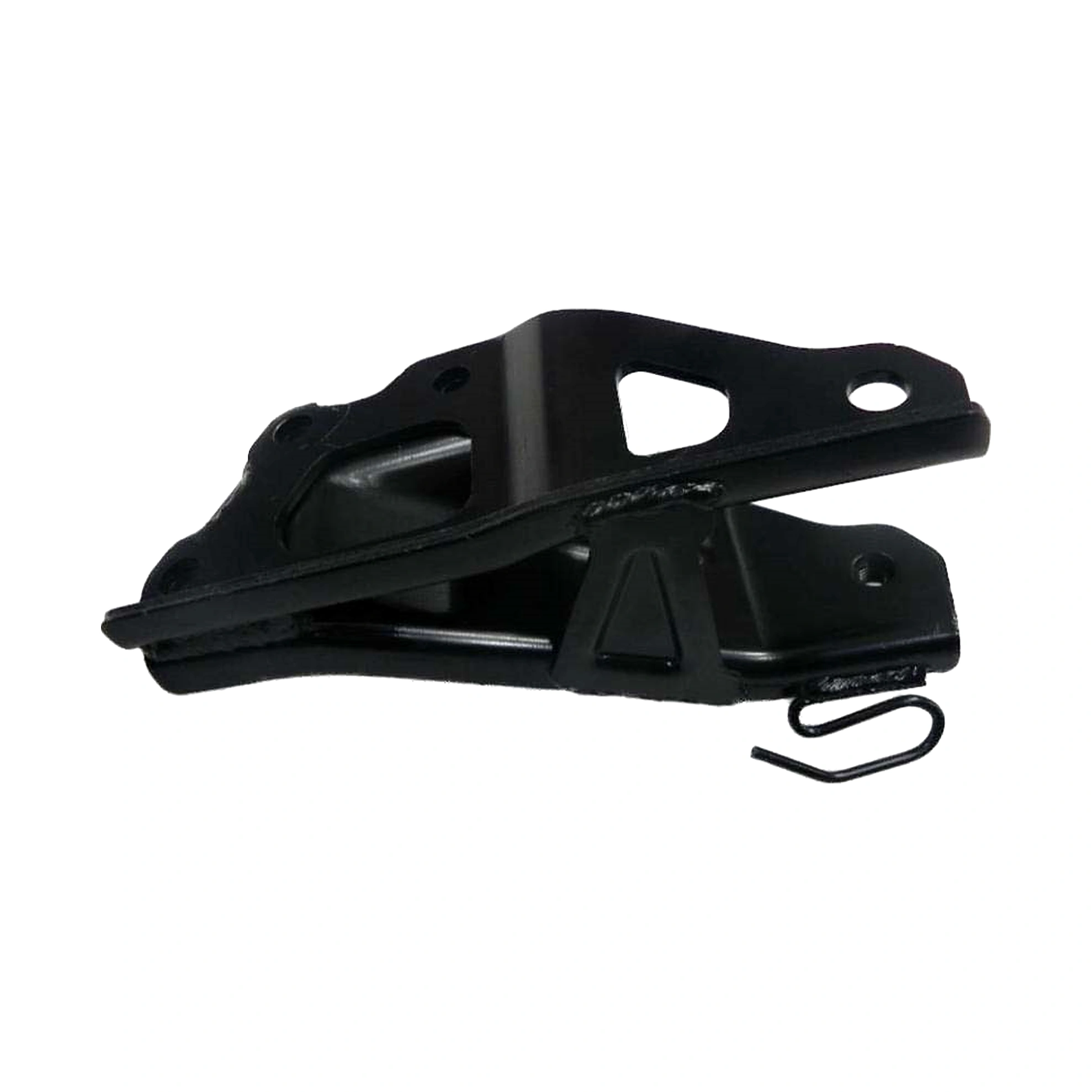
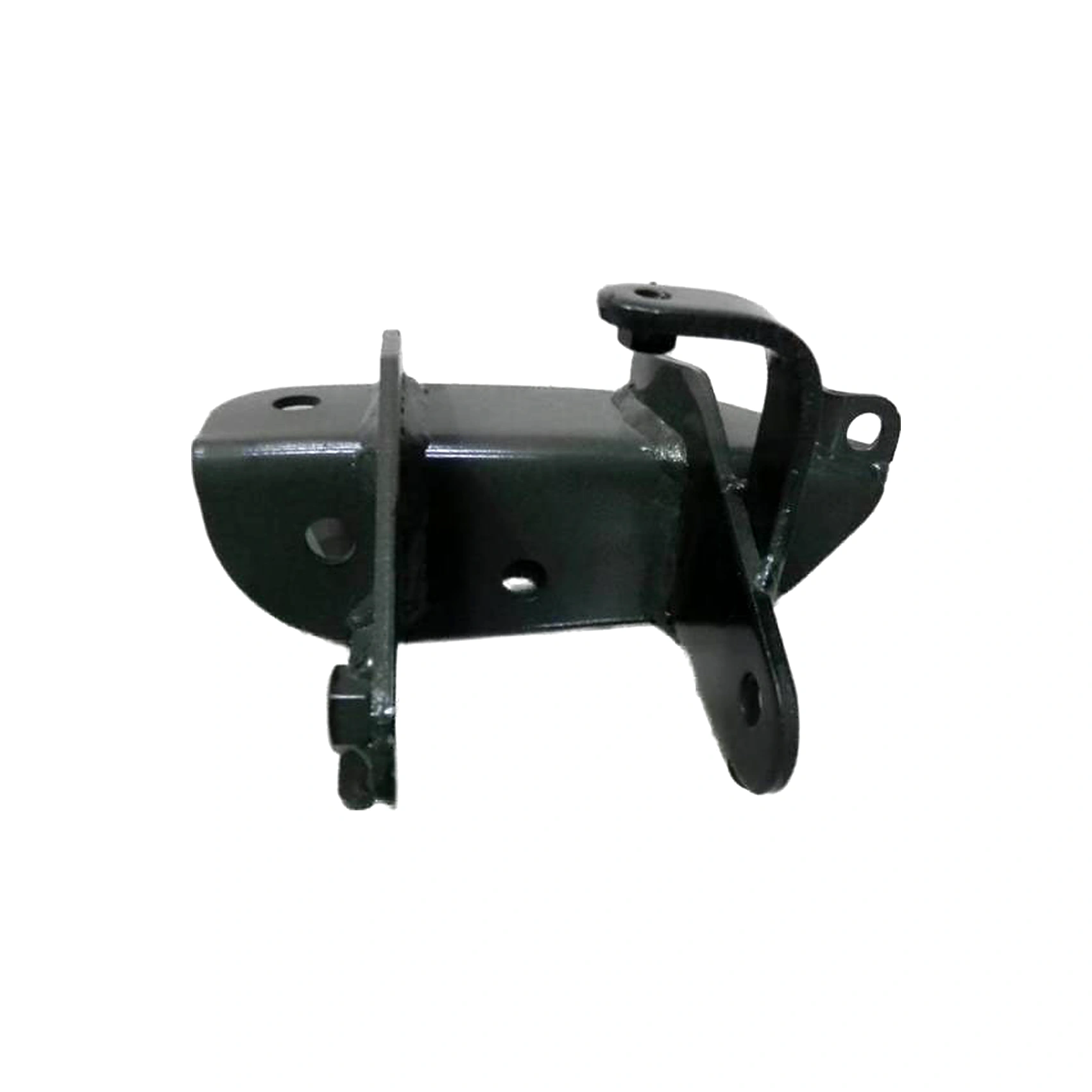
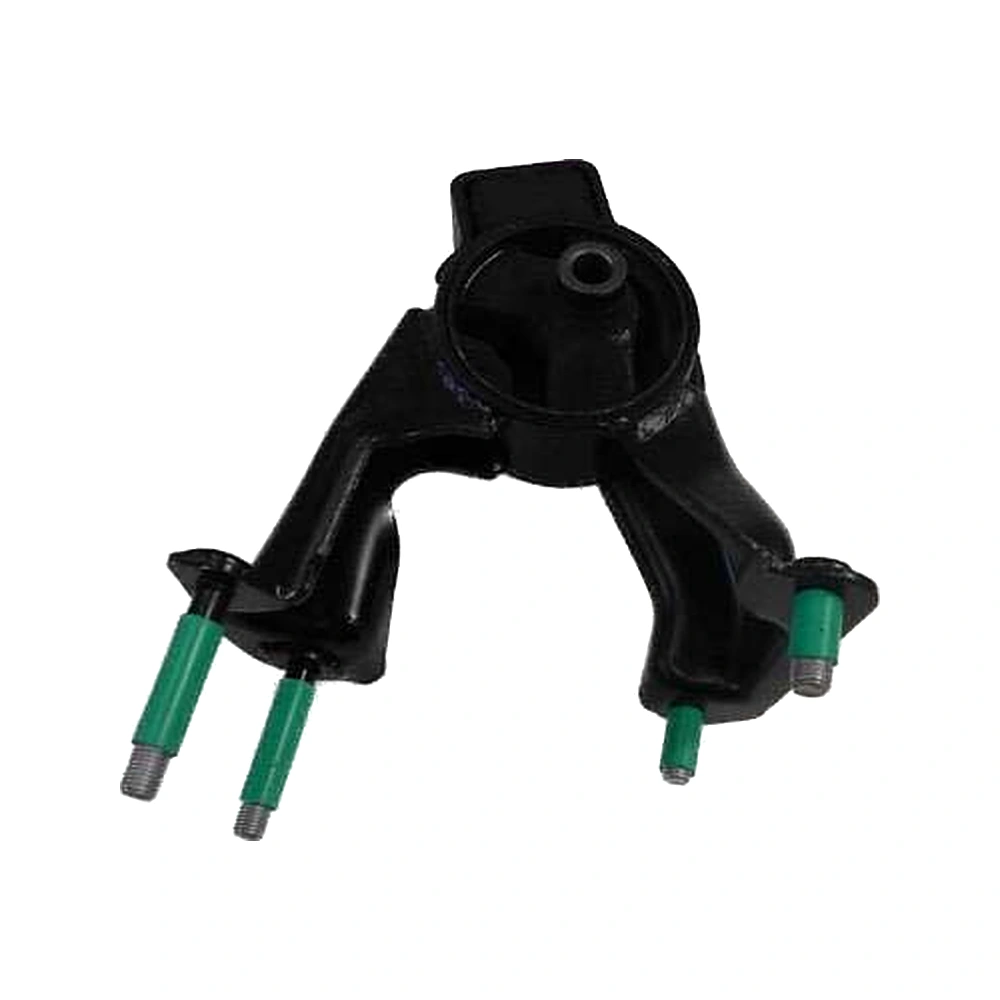
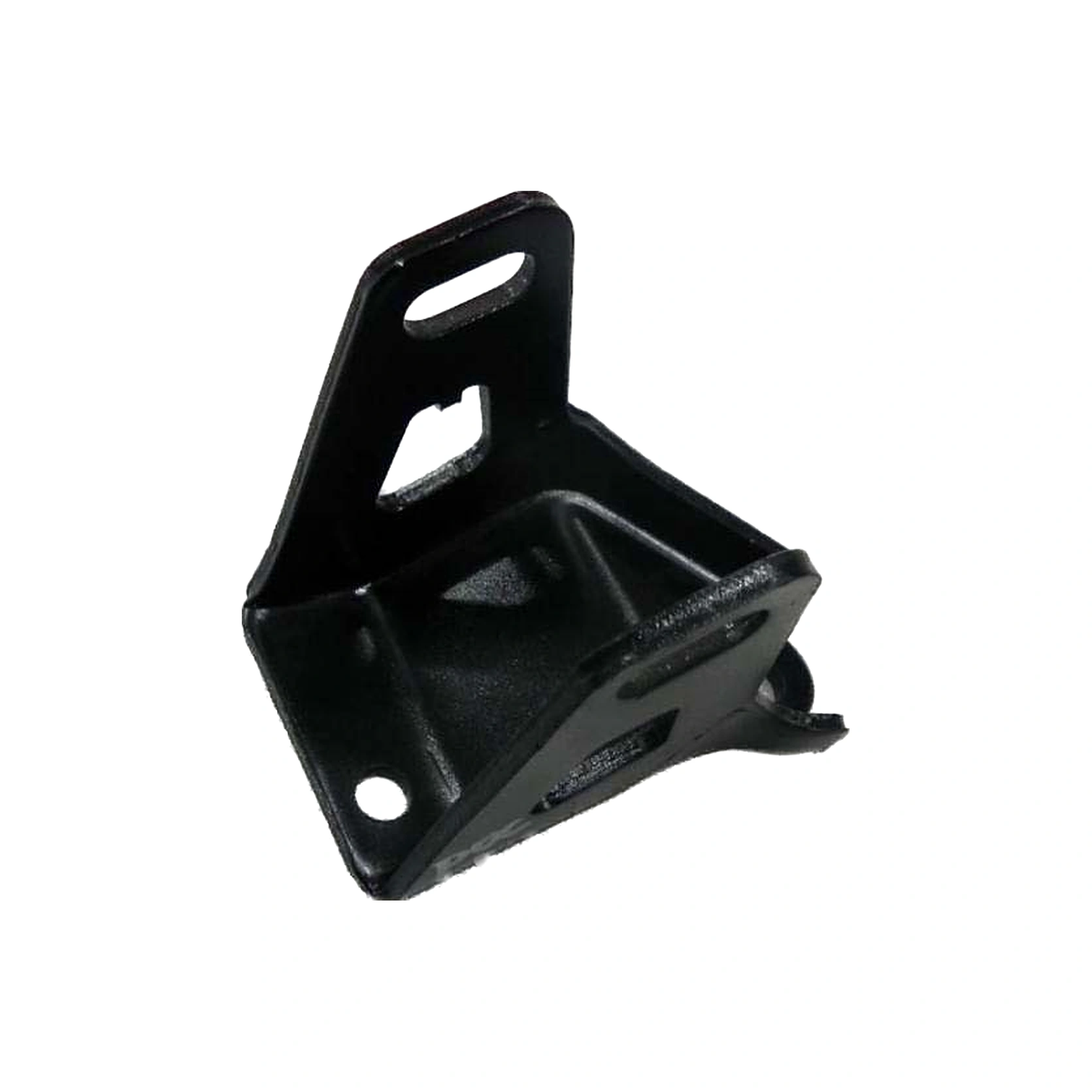
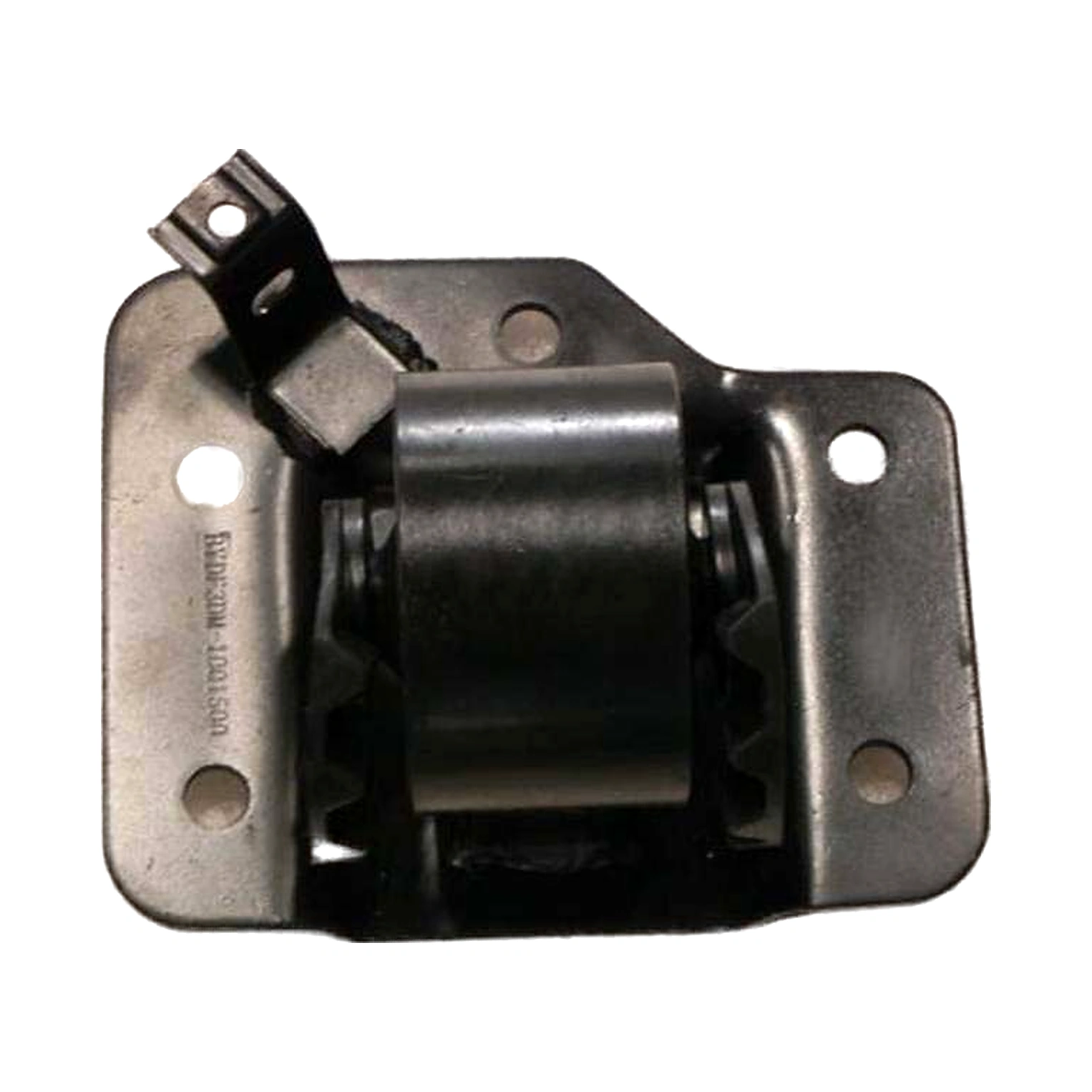
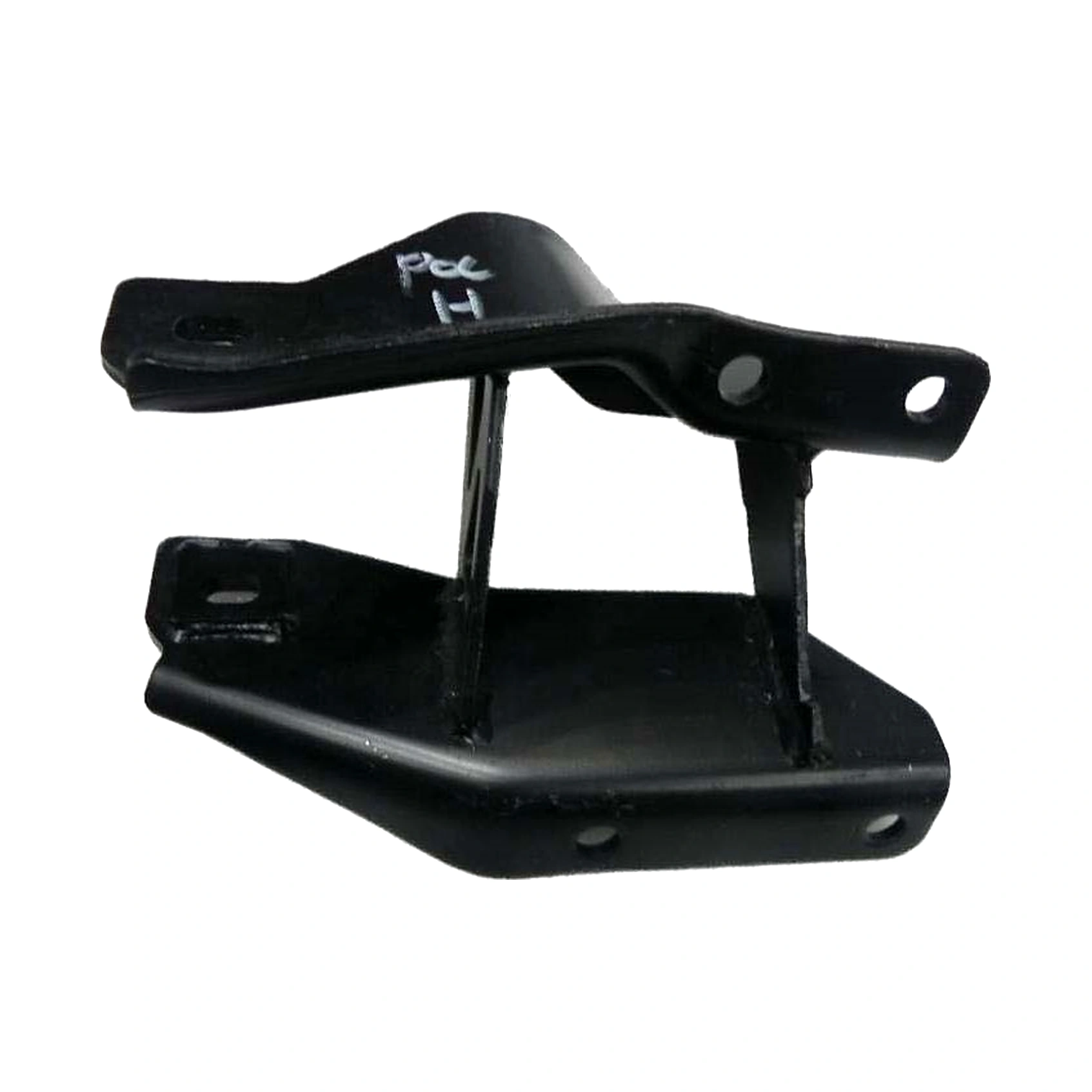
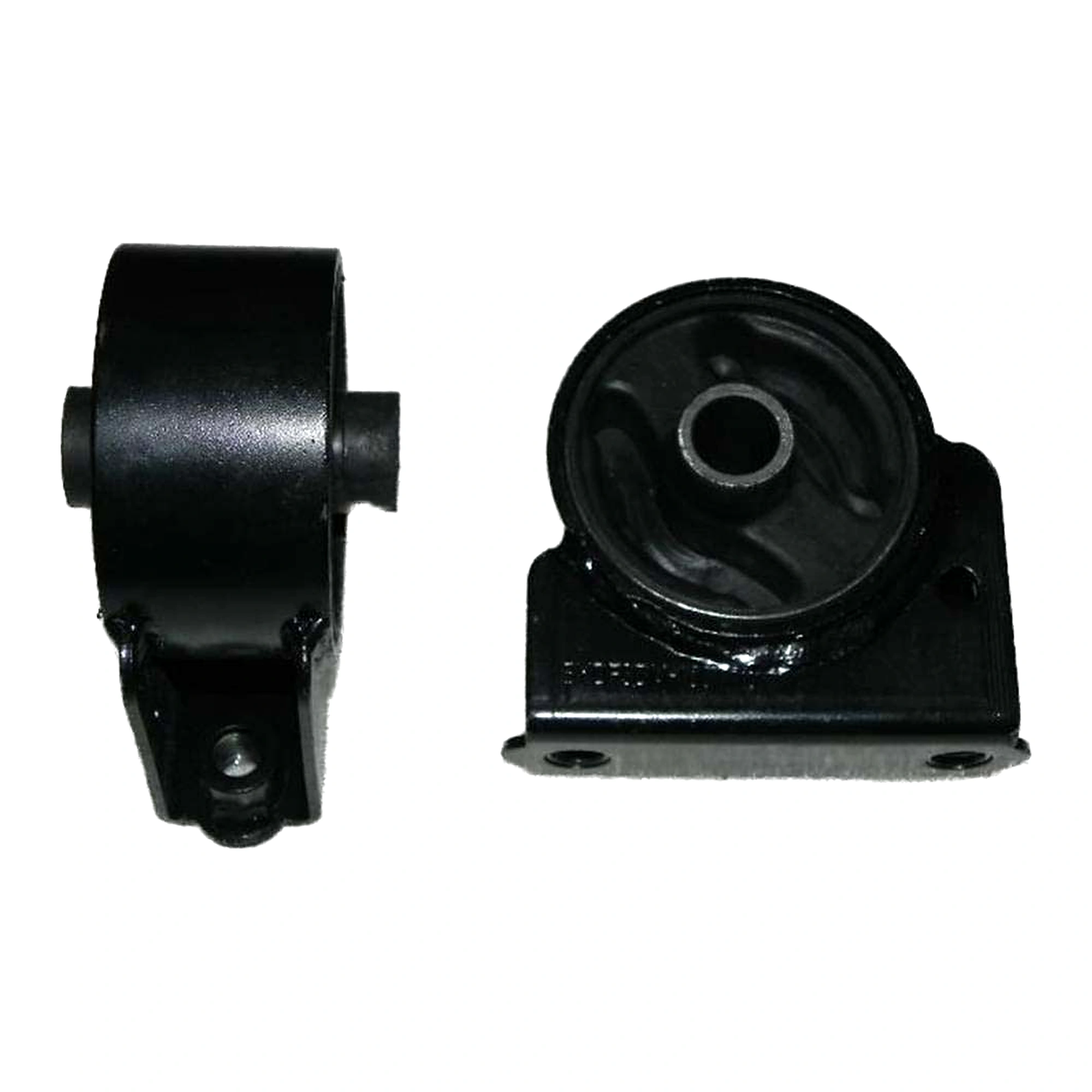
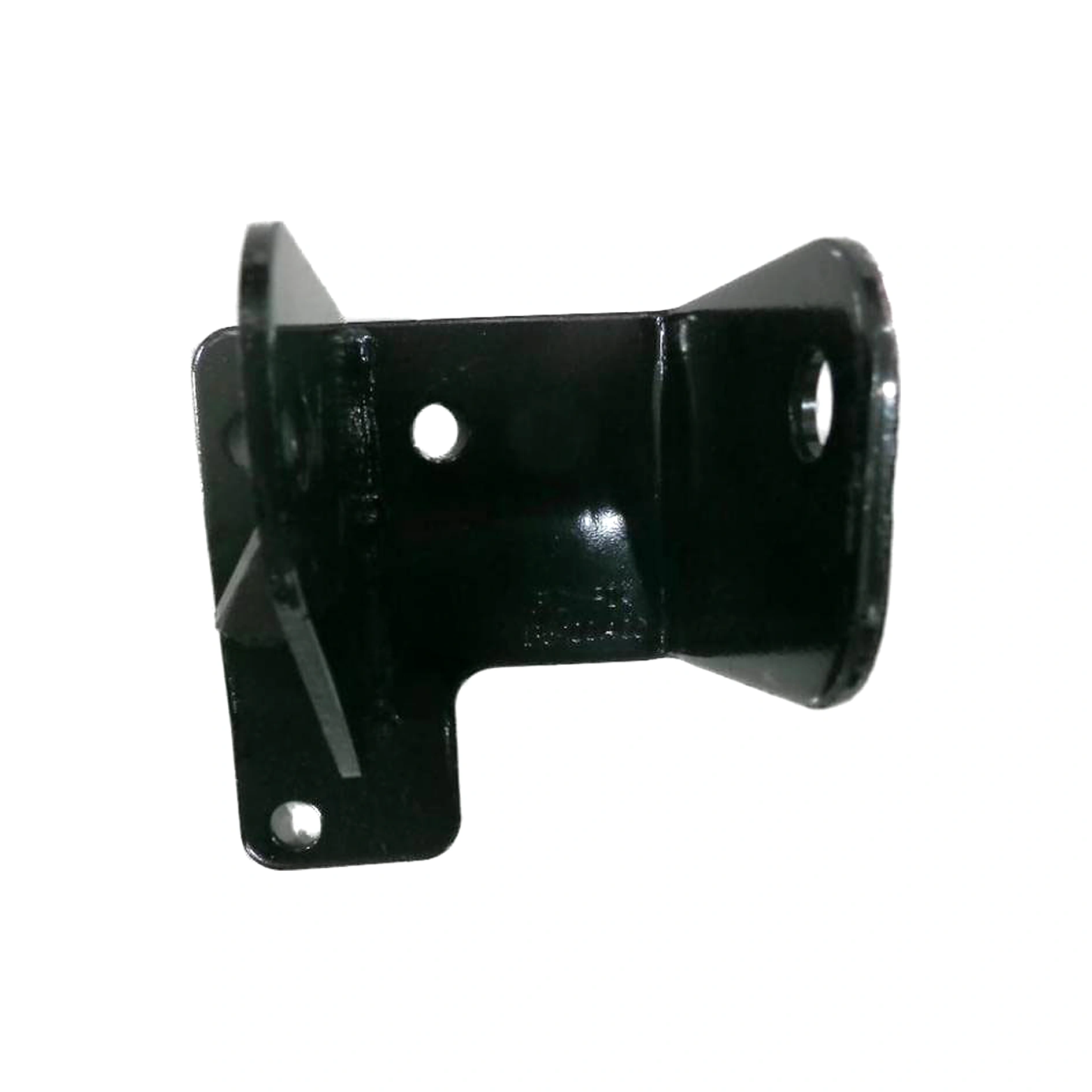
Popular Right Now
scroll for more →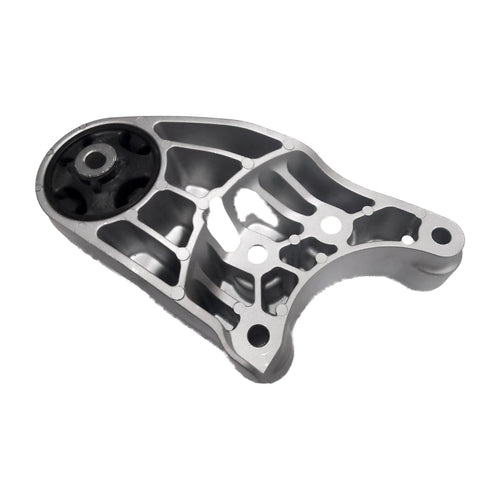
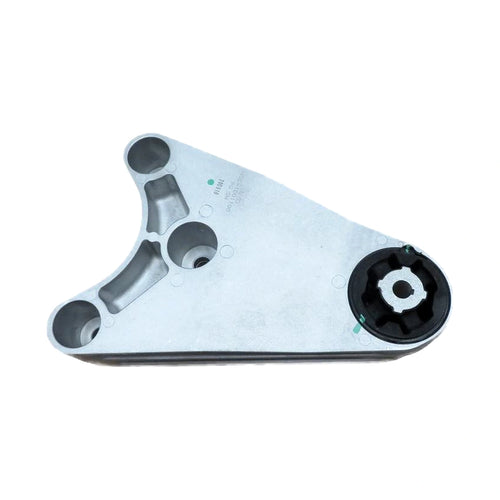
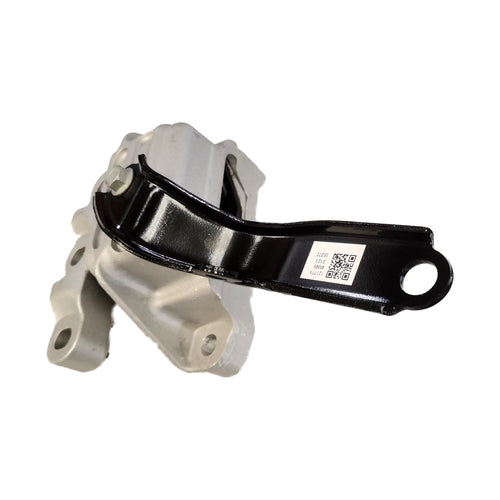
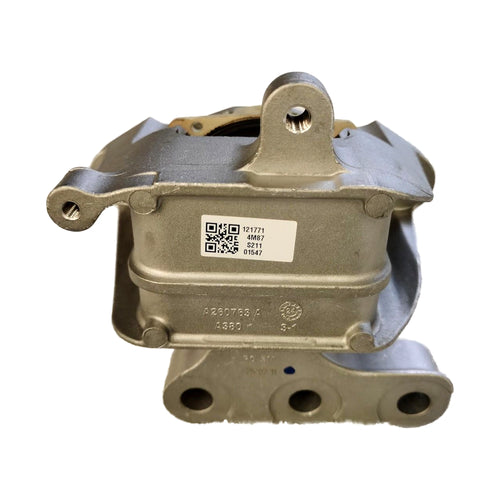
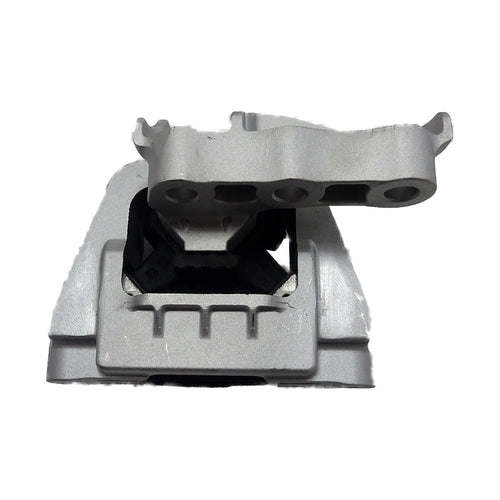
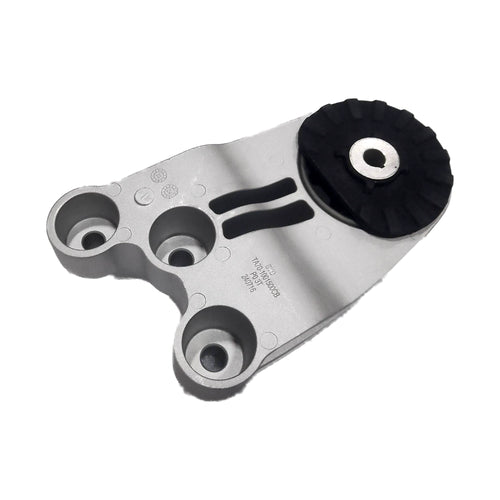
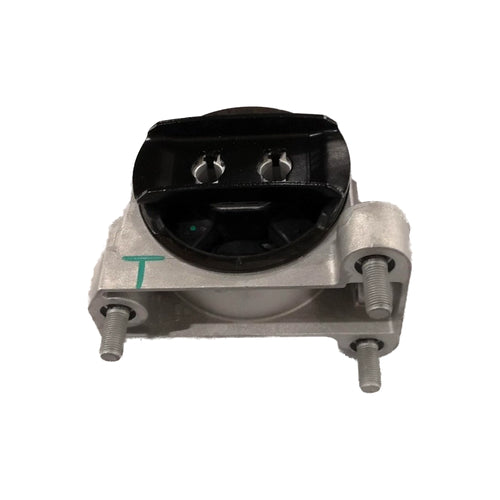
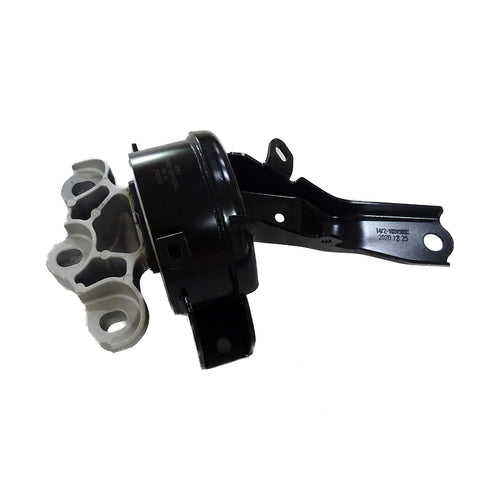
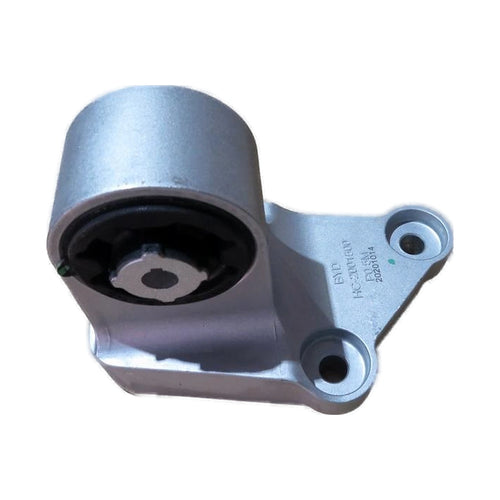
Symptom Finder: What Is Actually Broken?
| What you see or hear | Part to check first |
|---|---|
| Clunk when taking up drive or lifting off | Powertrain rear mount support |
| Vibration through the floor at idle or at steady speed | Powertrain left or right mount support |
| Drivetrain visibly lifting when torque is applied | Powertrain mount support with a torn element |
| Oily residue around a mount body | Hydraulic mount support that has lost its fluid |
| Knock over bumps with no suspension fault found | Powertrain mount bracket or its fixings |
| Whine or drone transmitted into the cabin on an electric drivetrain | Drive motor mount support |
About Engine & Powertrain Mounts
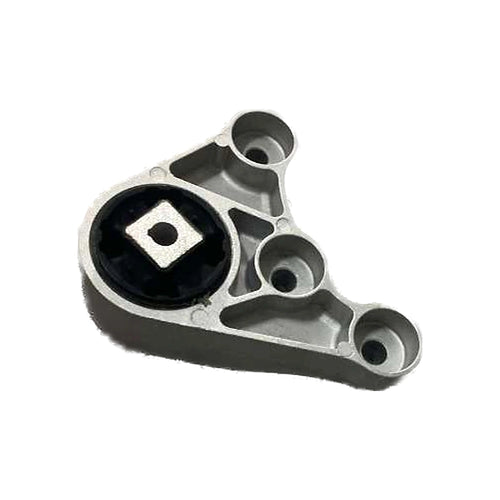
A powertrain mount has two conflicting jobs. It must hold a heavy assembly rigidly enough that it does not move under torque, and softly enough that its vibration never reaches the cabin. The compromise is a bonded rubber element working between two metal parts: a support that carries the load and a bracket that ties it to the body or the subframe. Most vehicles use three or four mounts arranged around the torque axis, with the front and rear positions acting mainly as torque reaction points rather than weight carriers, which is why those wear first. Hydraulic mounts add a fluid filled chamber to damp low frequency movement, and they fail differently, leaking fluid and losing damping suddenly rather than gradually. On electric vehicles the mounts do the same work for the drive unit, reacting both drive torque and regenerative braking torque, which reverses the load direction far more often than a combustion drivetrain ever did.
What to know before buying Engine & Powertrain Mounts parts
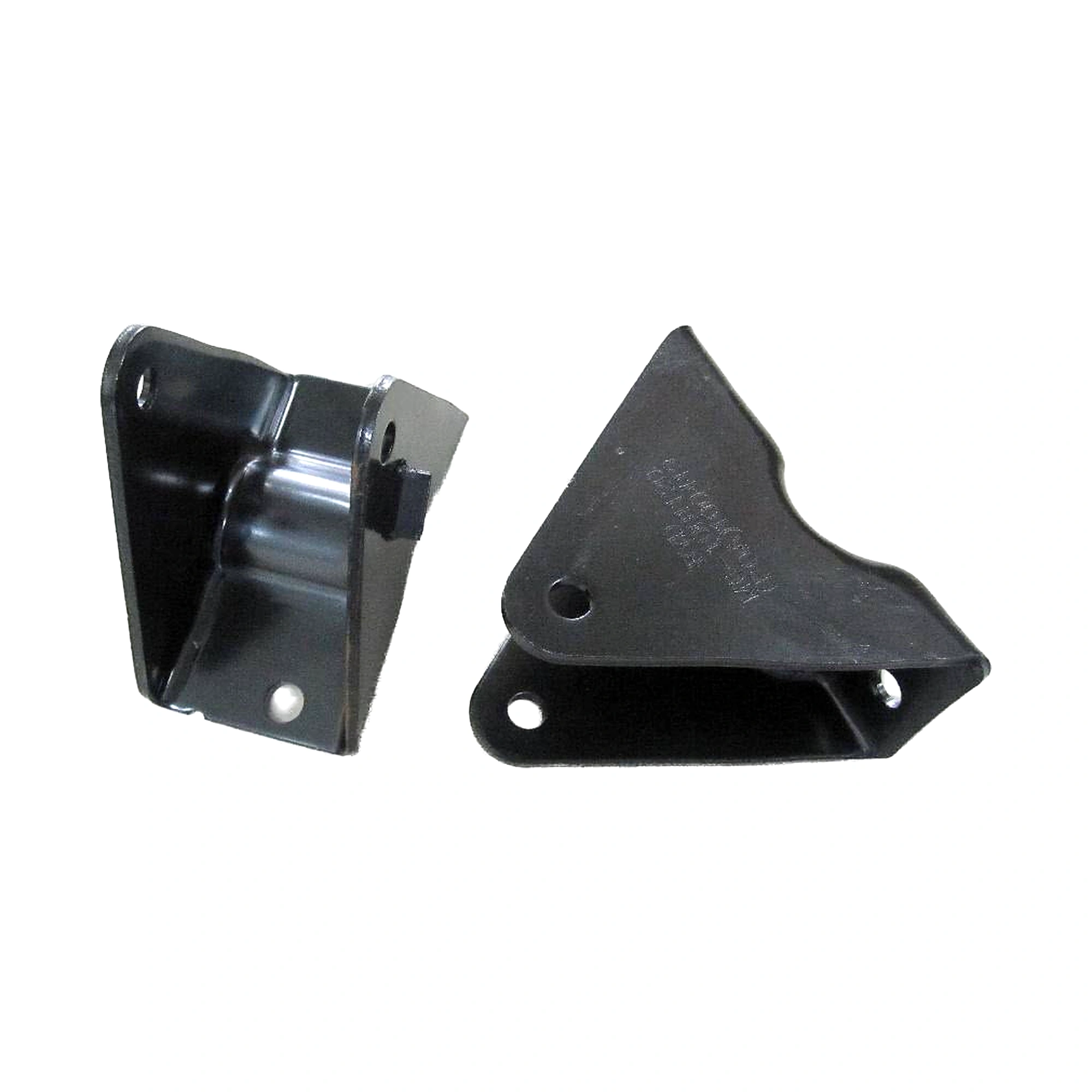
Work out whether you need a support or a bracket before ordering. The support usually carries the rubber element and is the part that perishes. The bracket is a steel casting or pressing. It only needs replacing after an impact, or after a failed fixing has elongated its holes. Replacing the wrong half solves nothing.
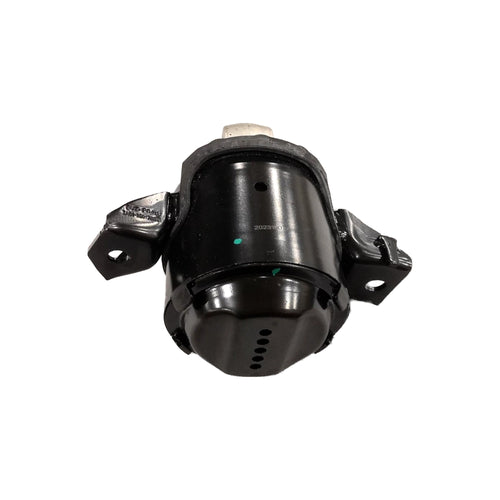
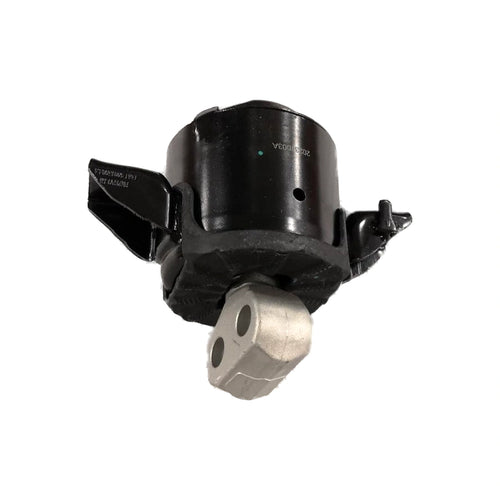
Listings separate the two, which is what makes accurate ordering possible. You will find powertrain front, rear, left and right mount supports, and mount support assemblies for each position. Mounting brackets and bracket assemblies are listed, along with rear drive motor mount supports.
Match the OE number. Mount geometry differs between drivetrains sharing one body, and between two wheel and four wheel drive versions. Priced references can be bought directly, and unpriced ones are quoted against the same number. BYD group cover is the widest and widens as further brands load.
Before You Order: 6 Checks
- Establish whether the rubber support or the steel bracket has failed before ordering.
- Match the OE number and the position, since mount geometry differs between drivetrains sharing one body.
- Look for fluid residue, which identifies a hydraulic mount rather than a plain rubber one.
- Support the drivetrain properly before removing any mount, and never remove more than one at a time.
- Order new fixings where the listing specifies single use bolts.
- Torque the mounts with the drivetrain at its normal resting height, or the rubber will be preloaded.
What Changed and Why
Mount design has been reworked around electric drivetrains for two reasons. Torque arrives instantly and reverses frequently under regenerative braking, so the elements see load cycling that a combustion powertrain, cushioned by a clutch or torque converter, never applied. And with no engine noise to mask them, the high frequency tones from the motor and the reduction gears travel straight into the cabin unless the mounts are tuned to block them. The result is more use of hydraulic and dual rate mounts on electric platforms, and a stronger link between a worn mount and a noise complaint.
Engine & Powertrain Mounts: Frequently Asked Questions
How do I know a mount has failed?
Symptoms first, then a check. A failed mount announces itself as a clunk when you take up drive or lift off, a shudder felt through the floor at idle that smooths out as revs rise, and sometimes a knock over bumps that sounds like suspension. To confirm, chock the wheels, apply the parking brake firmly and have someone load the drivetrain gently in gear while you watch from a safe position. A sound mount deflects a little and springs back. A broken one lets the powertrain jump. Look also for split rubber, bright rub marks and oily residue.
What is the difference between the support and the bracket?
One is the flexible element and the other is the metalwork that carries it. The support contains the bonded rubber, or on hydraulic designs a fluid chamber, and does the actual isolating, so it is the half that perishes, cracks or leaks with age and heat. The bracket is a casting or pressing that bolts the support to the engine, the motor or the body, and it normally survives the life of the vehicle unless a fixing has seized, an impact has bent it or the holes have elongated. Identify which has failed before ordering, since they are listed separately per position.
Do electric vehicles have powertrain mounts?
Yes, and they work harder in some respects. The drive unit is rubber mounted exactly as an engine would be, and the mounts react drive torque and regenerative braking torque, which reverses load direction far more often than a combustion drivetrain did. Because there is no engine noise to mask them, motor and gear tones are also more audible when a mount hardens or tears. A worn mount on an electric vehicle is therefore more likely to present as a new noise than as a shake.
Should mounts be replaced as a set?
Not automatically, though think about age. Mounts age together, and once one has failed the others have usually seen the same heat cycles and the same mileage, so a vehicle with one torn mount often has another that is close. Inspect all of them while access is open. Where several are marginal, doing them in one visit saves repeating an awkward job. Where only one has clearly failed and the rest are sound, replacing that one is perfectly reasonable.
Can I fit a powertrain mount myself?
With proper support, yes, and the support is the whole issue. The drivetrain must be held from below with a transmission jack or from above with an engine support bar before any mount comes out, and only one mount is removed at a time so the assembly cannot shift. Torque the fixings with the drivetrain sitting at its normal height rather than jacked up, or the new rubber is preloaded and fails early. Replace single use bolts where the listing specifies them.
Why does my car clunk when I lift off?
Because the drivetrain rocks on its torque axis when torque reverses, and something is allowing more movement than it should. A worn rear or front mount, which act mainly as torque reaction points rather than load carriers, is the usual answer and these are typically the first to fail. Worn driveshaft joints and excessive differential backlash produce a similar clunk, so check those too. The mount test is easy: watch the drivetrain move while torque is applied and released.
What is a hydraulic mount and how does it fail?
It is a rubber mount with a fluid filled chamber and an internal orifice, which damps low frequency movement far better than rubber alone. That is why they are used at the positions that control the largest movements. They fail differently from plain mounts: the rubber tears or a seal fails, the fluid escapes, and the damping disappears almost overnight rather than degrading gradually. The giveaway is oily residue on and around the mount body. Once the fluid has gone, replacement is the only option.
What do powertrain mounts cost?
Mounts are one of the cheaper repairs that make a large difference to how a car feels. A plain steel bracket costs very little. A bonded rubber support costs more because of the moulding, and a hydraulic mount more again, since it contains a damped fluid chamber. The most expensive items in this group are the large drive motor mounts on electric vehicles. Live figures sit in the band above this text. Set against a persistent vibration through the seat and the steering wheel, none of these is an expensive fix.
Will a worn mount damage anything else?
Given time, yes. Excess drivetrain movement stresses the flexible parts around it: driveshaft joints running at angles they were not designed for, coolant hoses and high voltage cables that flex more than intended, and exhaust or heat shield fixings that eventually crack. The vibration also loosens fasteners elsewhere. None of that happens overnight, and all of it is avoidable, which is why a mount is worth replacing when it fails rather than when the noise becomes unbearable.
Are stiffer aftermarket mounts a good idea?
They do exactly what they claim and you will feel both halves of it. A stiffer mount reduces drivetrain movement, which sharpens response and reduces the clunk on torque reversal, and it transmits more vibration and more noise into the cabin because that is the same property working against you. On a vehicle whose cabin is quiet precisely because the mounts are tuned, the trade is usually a poor one. For a road car, the factory reference is the better choice.
Will a mount from a similar model fit?
Only where the number matches. Mount geometry follows the drivetrain rather than the body, so two wheel and four wheel drive versions, combustion and electric versions, and different power outputs within a range all take different mounts even where the bodyshell is identical. The rubber compound and rate differ as well, and that is invisible. Read the OE number from the old part, and where it brings back nothing, send it through the quote form so the factory catalogue is checked.
The mount I need shows no price. Can I still order it?
Yes. Mounts are position specific and there are usually three or four different ones on a vehicle, so the slower moving positions are the ones that appear without pricing. Tell us the number and where the mount sits, front, rear, side or torque reaction, and the reply matches that location. Check before you order whether yours is a plain rubber mount or a hydraulic one. The two look similar from underneath and behave completely differently in the car, and fitting a solid mount where a fluid filled one belongs puts a noticeable buzz through the floor at idle.