Gearbox Internals
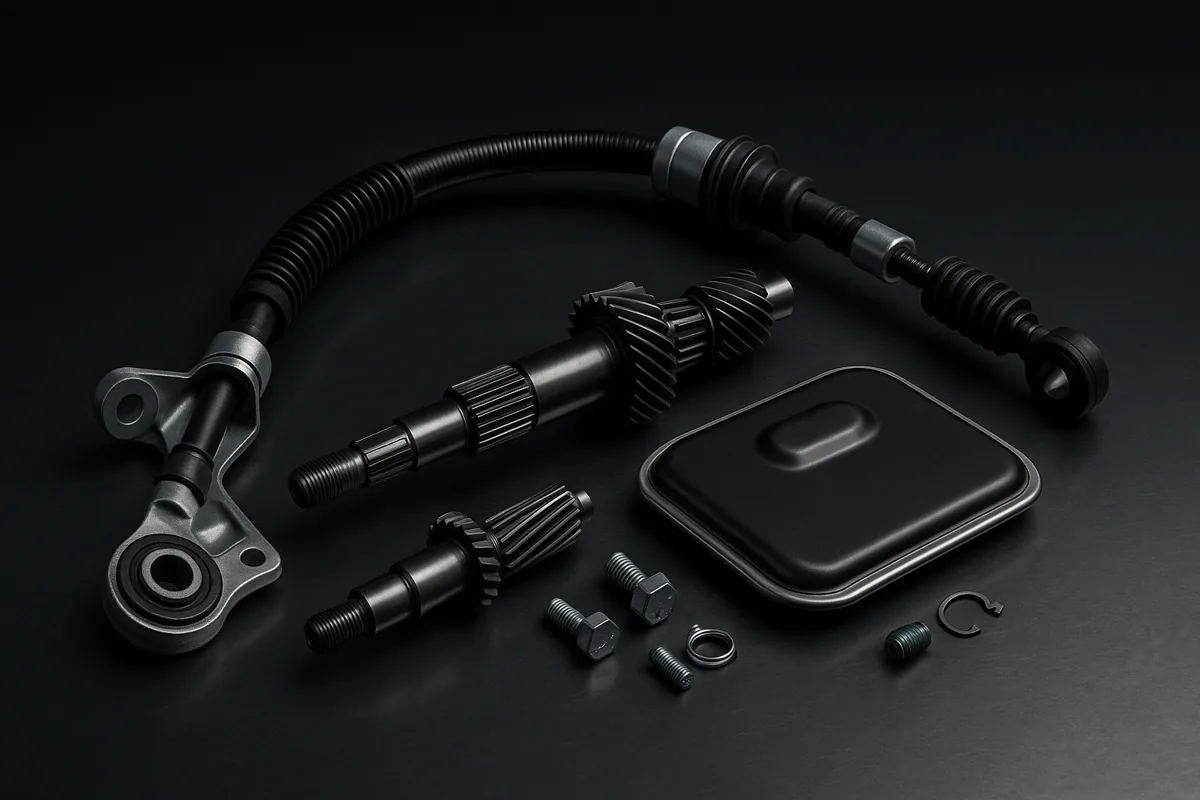
Shop Gearbox Internals by Part Type
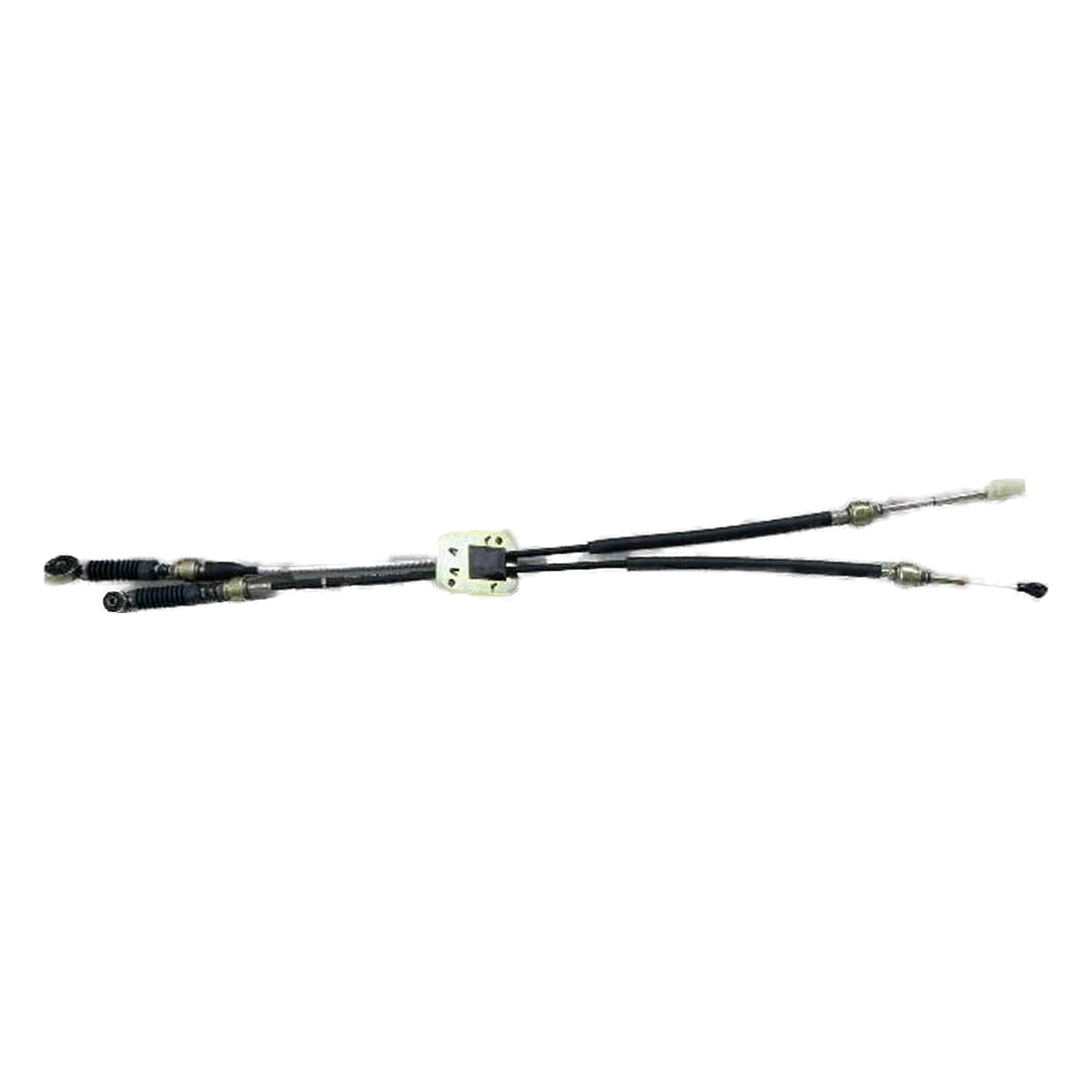
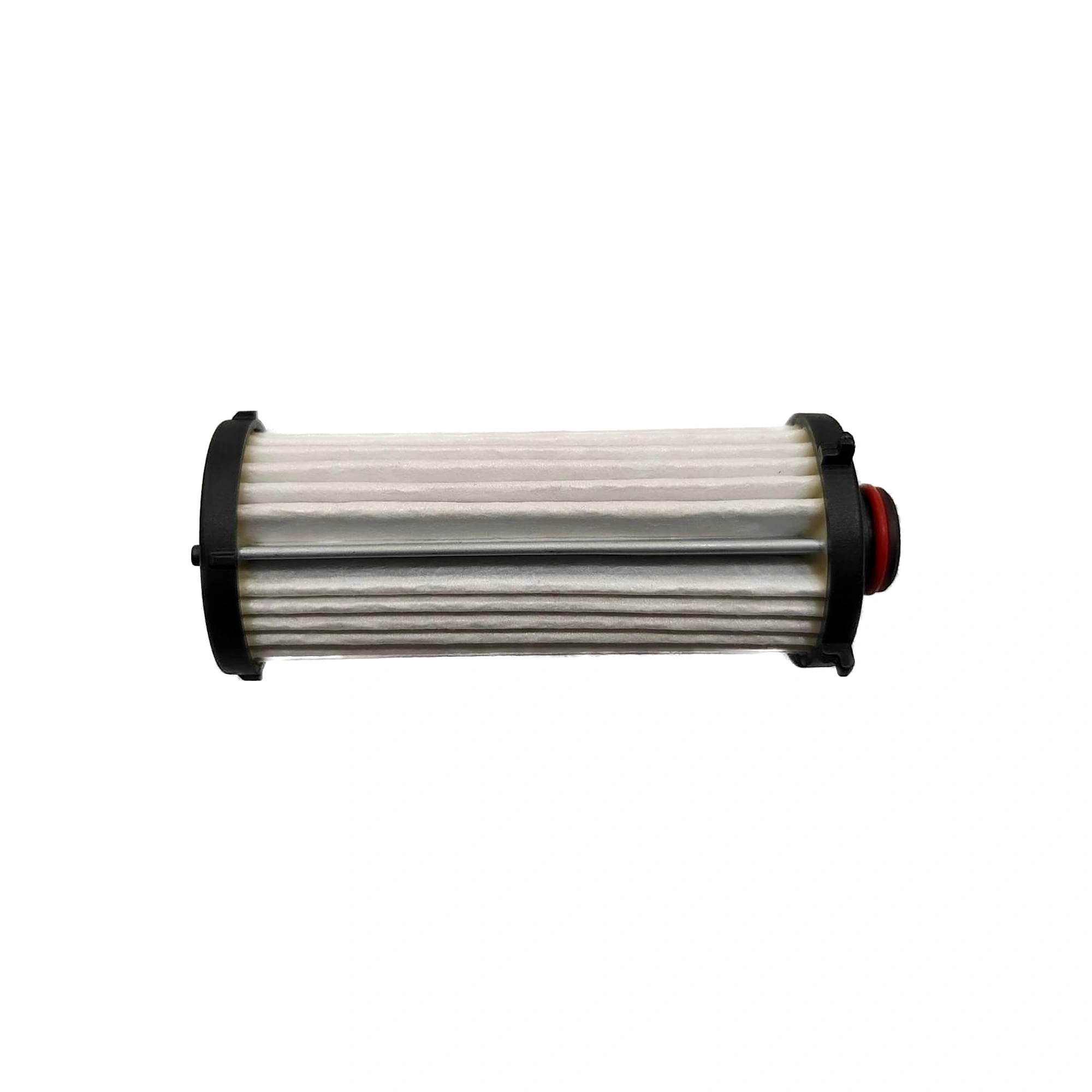
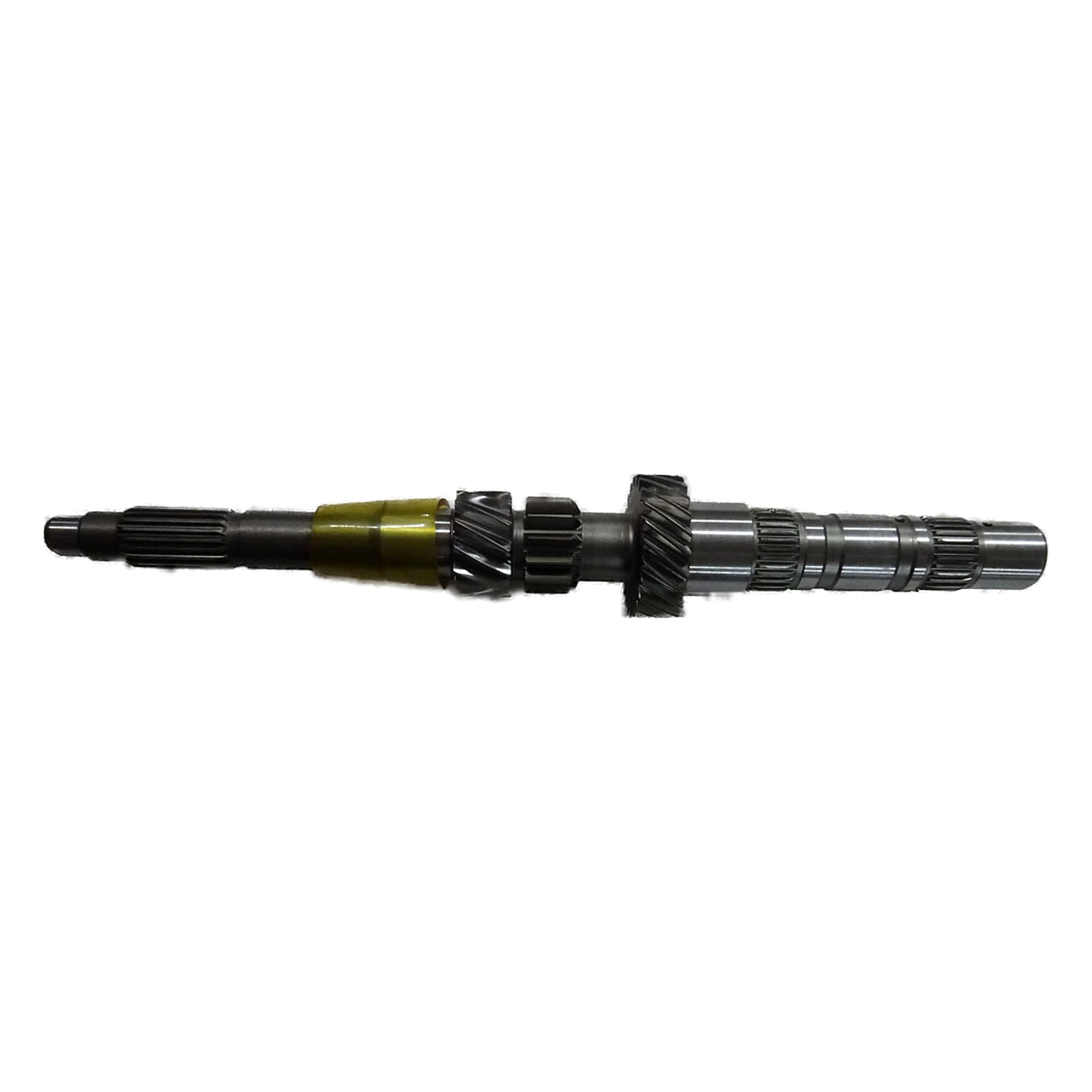
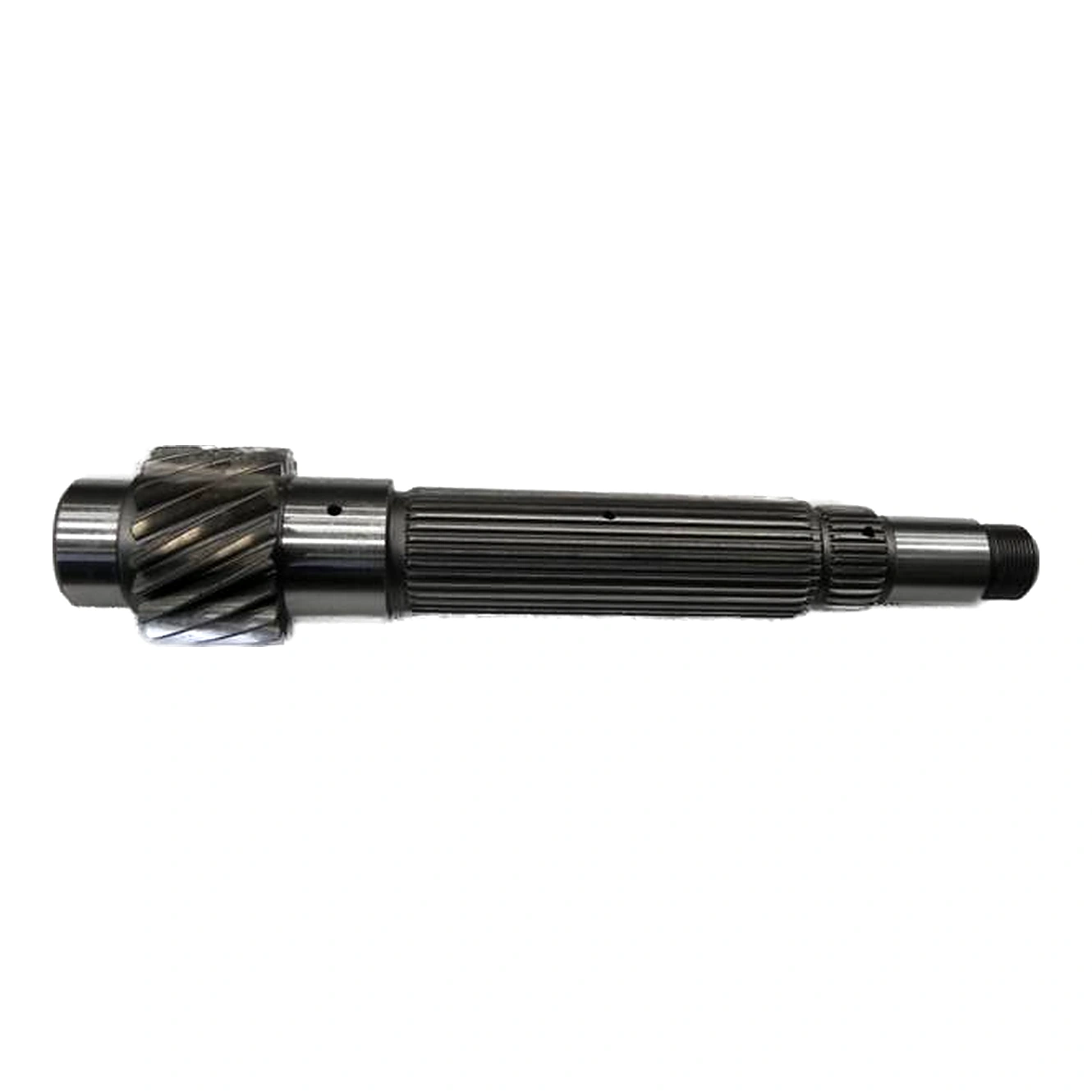
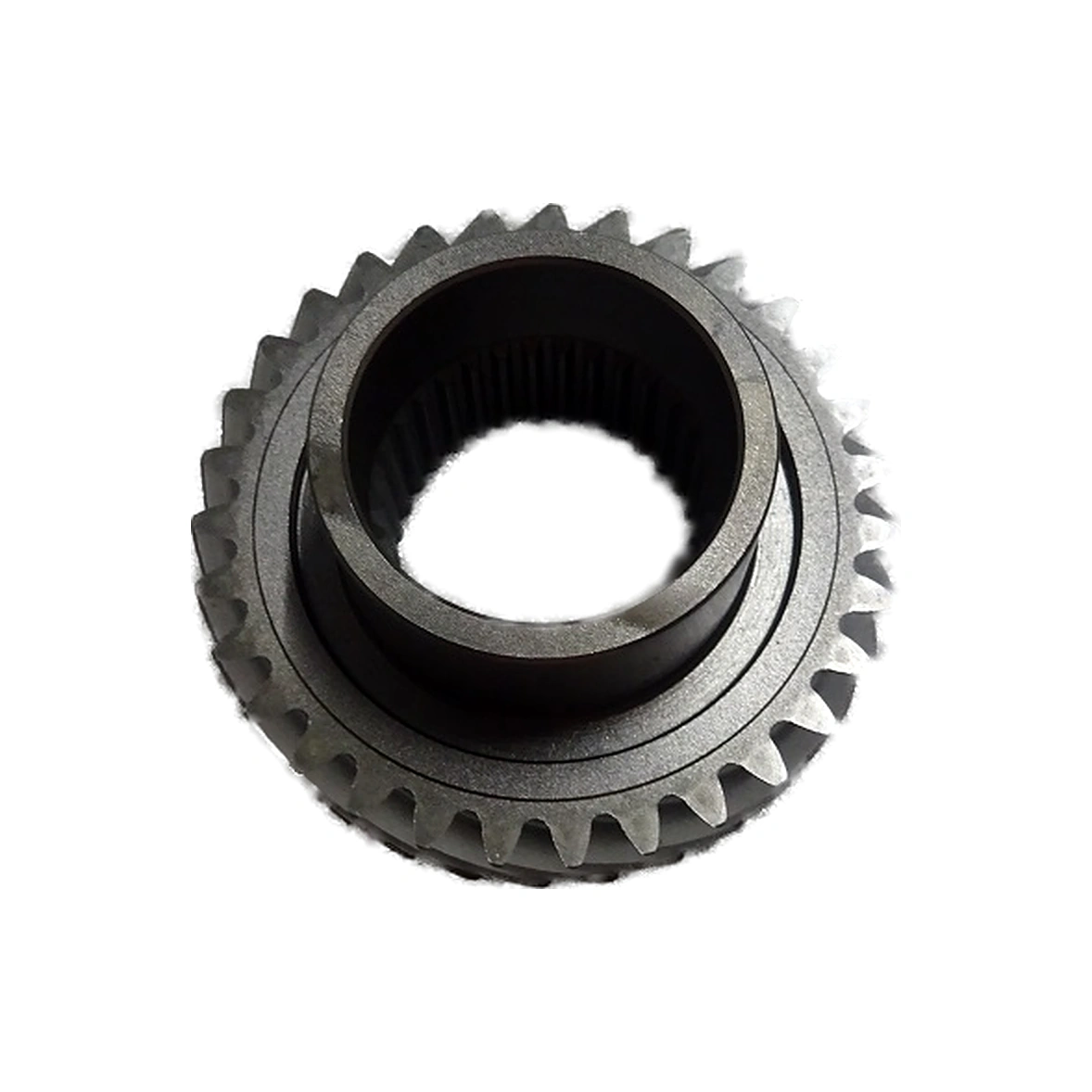
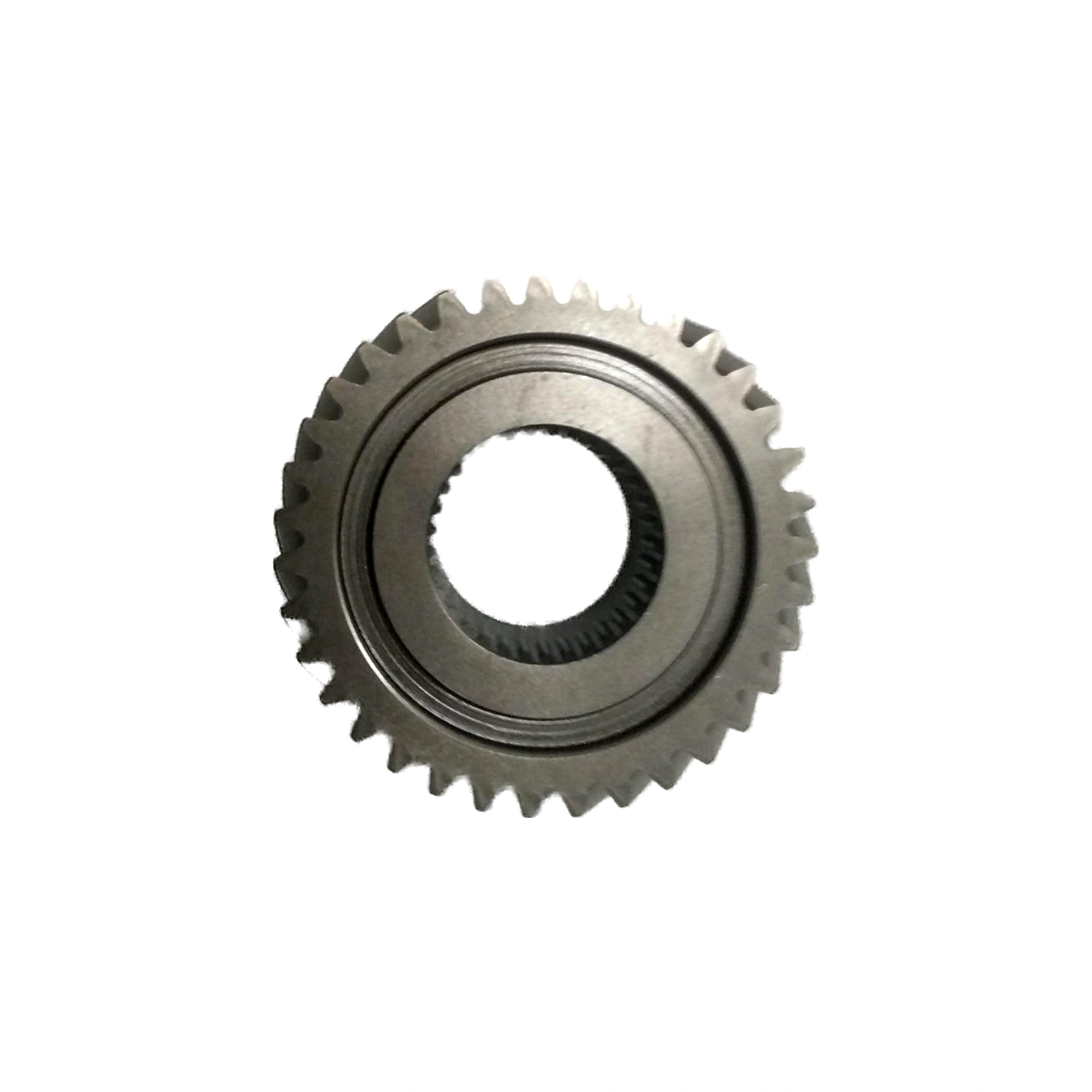
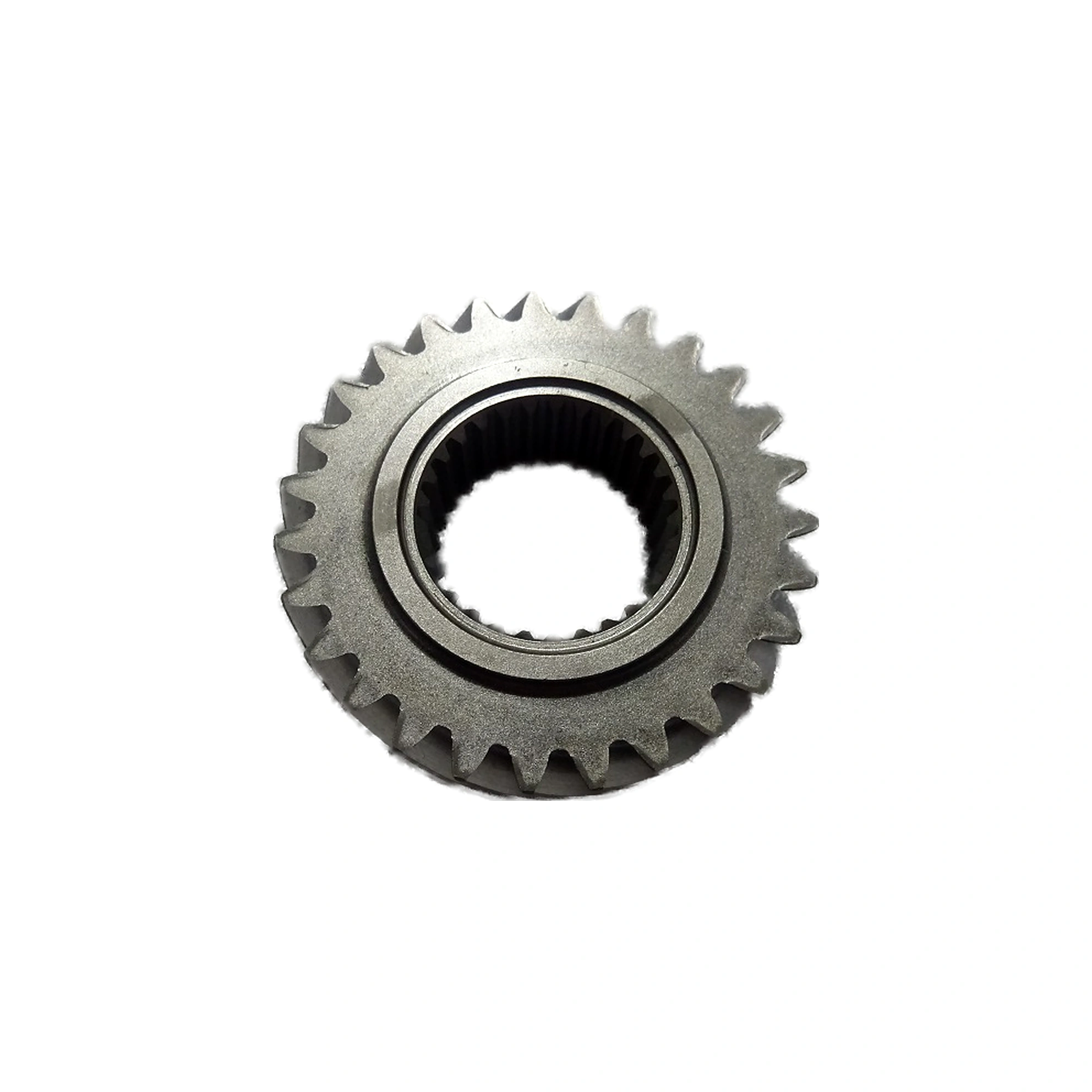

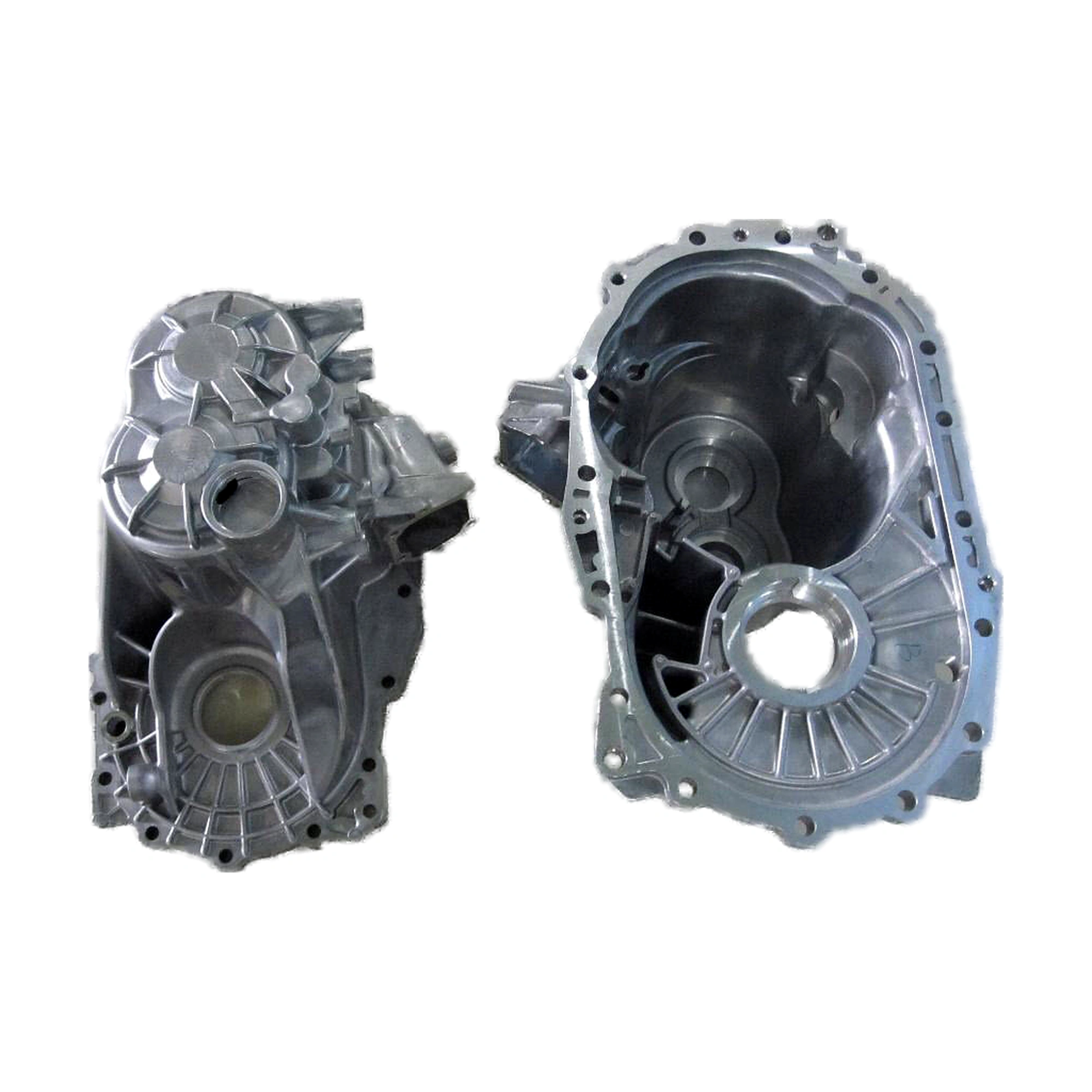
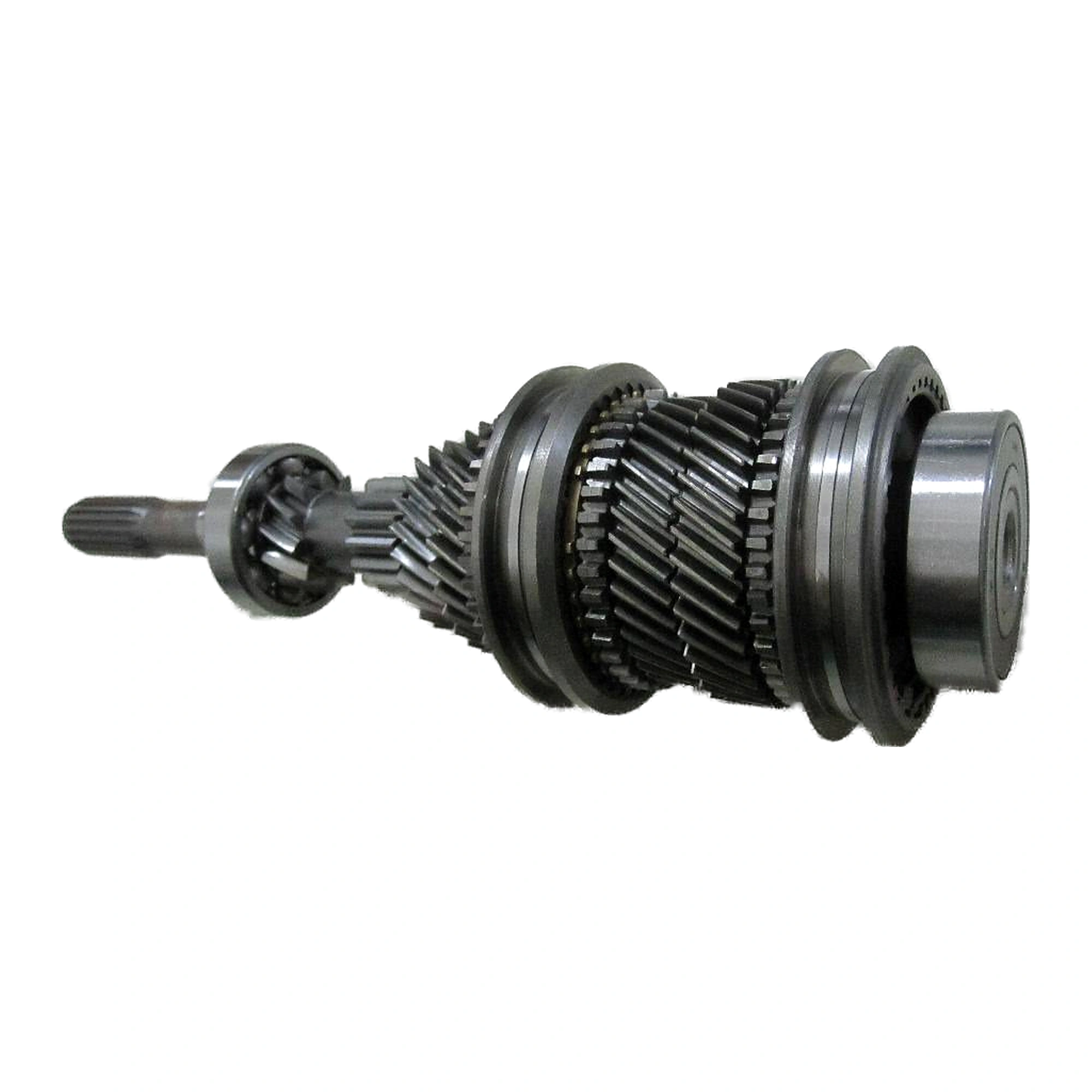
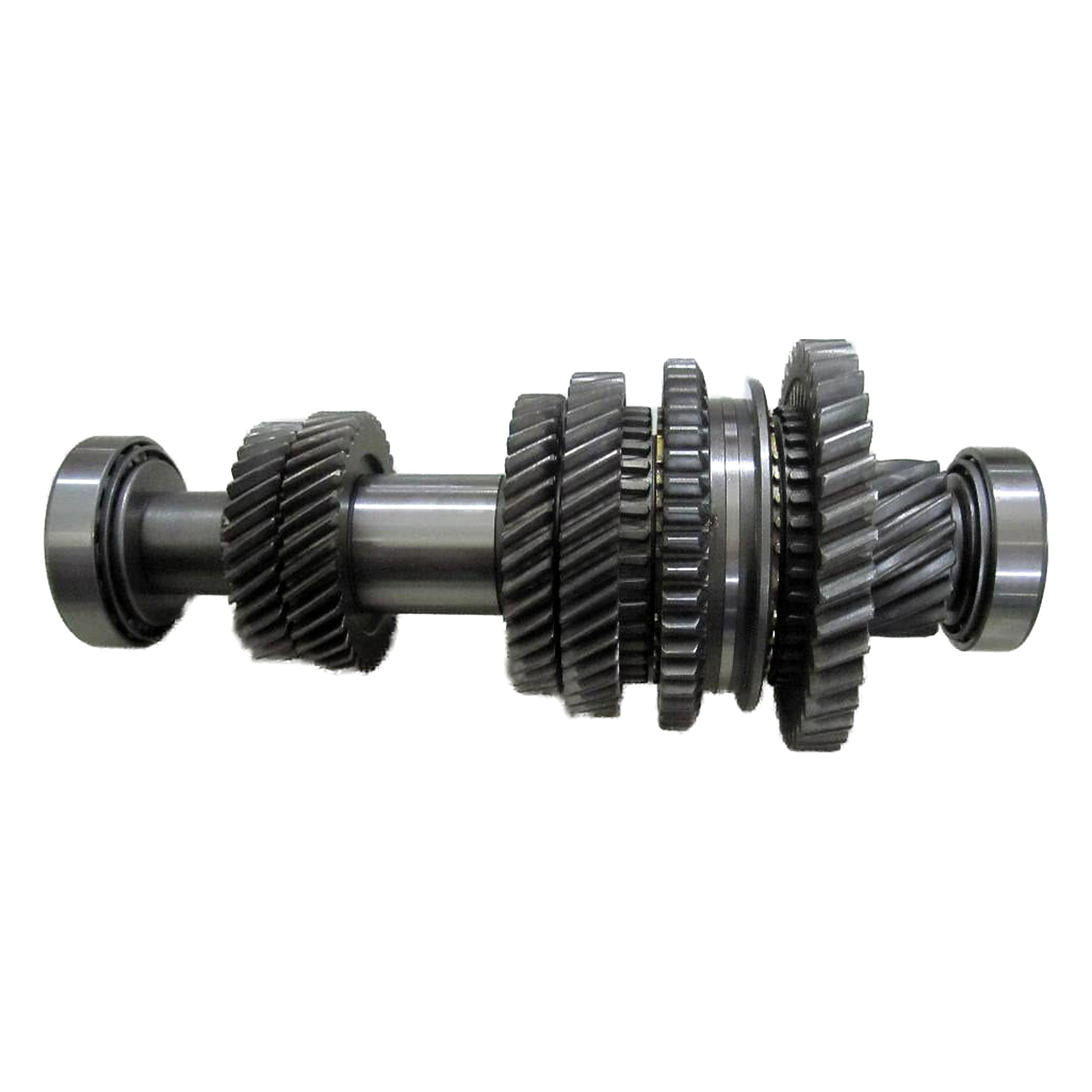
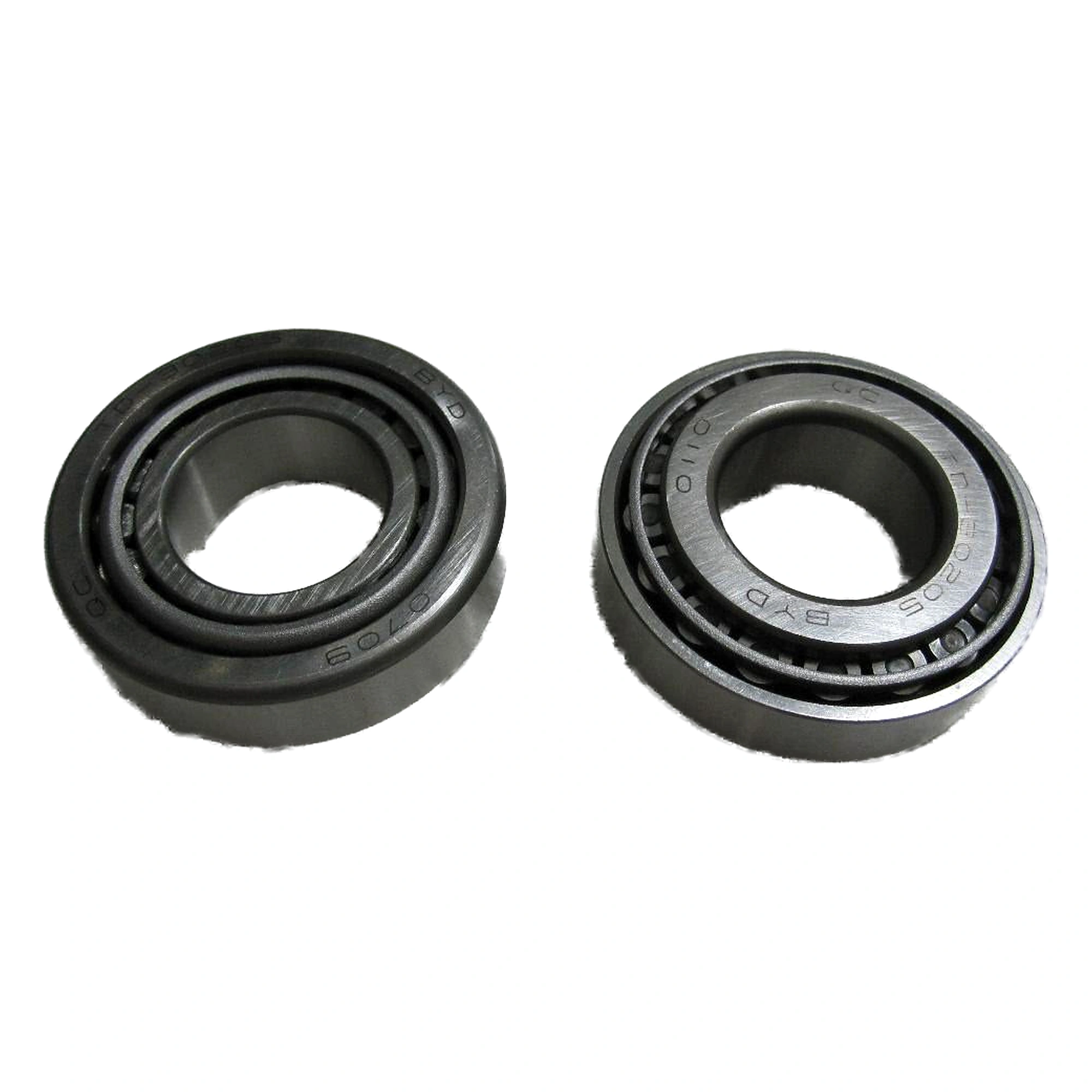
Popular Right Now
scroll for more →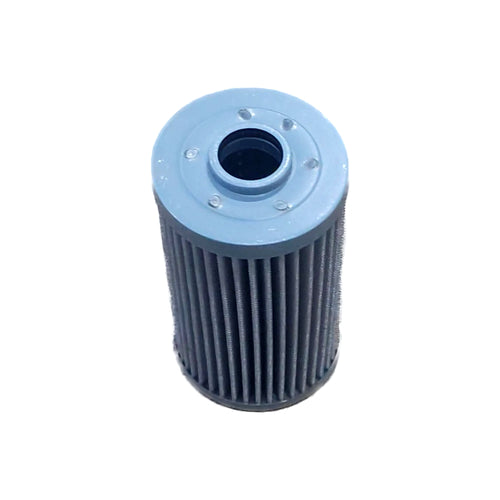
Symptom Finder: What Is Actually Broken?
| What you see or hear | Part to check first |
|---|---|
| Baulking or crunching into one gear on a fast change | Synchroniser blocker ring for that gear |
| Gearbox jumps out of a single gear under load | Countershaft gear and its synchroniser |
| Whine present in some gears and absent in others | Countershaft or mainshaft gear |
| Whine present in every gear including neutral | Tapered roller bearing |
| Vague or notchy selection with no internal noise | Gear selector cable assembly |
| Oil weeping from the rear of the casing | Rear case seal or dust cover |
About Gearbox Internals
A manual gearbox is a set of gear pairs sharing two shafts. The mainshaft carries the output gears, the countershaft carries their partners, and every pair is permanently in mesh with one gear of each pair free to spin on its shaft until a synchroniser locks it. That synchroniser does the real work of shifting: a blocker ring drags against a cone on the gear, matching its speed to the shaft before the sleeve slides across to lock them together. Worn blocker rings are why a gearbox baulks on a fast change into a particular gear rather than all of them. Everything runs in tapered roller or ball bearings whose endplay and preload are set with shims measured on assembly, and the whole assembly lives in a split case with a filter and a magnet collecting the debris that normal wear produces. Selection comes from outside through a cable or linkage.
What to know before buying Gearbox Internals parts
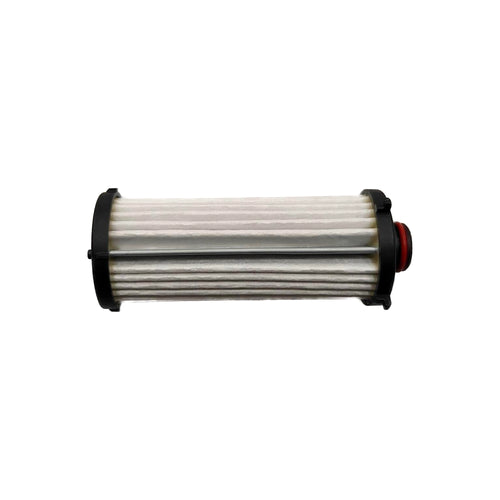
This is a rebuilder's catalogue rather than a replacement one. Mainshafts and countershafts are listed complete and as bare shafts. Individual countershaft gears for third, fourth and fifth sit alongside mainshaft and countershaft assemblies. Tapered roller bearings, flat washers, dust covers and boots are listed as well. So are rear cases, transmission filter elements and gear selector cable assemblies.
That detail is the value here. A gearbox that jumps out of one gear needs that gear, its synchroniser and often one bearing, not a whole unit. A gearbox that will not select at all often needs only the selector cable.
Order after the strip rather than before it. Bearing and shim requirements are only known once endplay is measured. Match parts by the OE number, because gear sets differ between ratios and model years. Seals, dust covers and the filter element are worth buying in advance, since you will need them whatever the strip reveals.
Where the figure is published, you can buy at once. Anything unpriced is quoted against the same factory number, which is the usual route for individual gears and shafts that move in very small numbers. BYD group models are covered most fully, and cover widens as further catalogues load.
Before You Order: 6 Checks
- Strip and measure before ordering. Bearing and shim needs are only known once endplay is checked.
- Match the OE number, since gear sets differ between ratios and model years.
- Inspect the magnet and the filter element for debris before deciding between a rebuild and a unit.
- Replace bearings as a set where one has failed, since debris will have passed through the others.
- Order new seals, dust covers and the filter element with any case that is opened.
- Confirm the correct oil specification and fill quantity before the work starts.
What Changed and Why
Manual gearbox work is becoming specialist rather than routine, and this category exists for the vehicles that still need it. Electric drivetrains use a single speed reduction gearset with no synchronisers, no selector forks and nothing to wear in the way a manual box wears, so the failure modes described here belong to combustion and hybrid vehicles. Where multi speed transmissions survive on hybrids, they are usually dedicated hybrid units combining a gearset with one or more electric machines, which are diagnosed and serviced as a sealed assembly rather than rebuilt on a bench.
Gearbox Internals: Frequently Asked Questions
My gearbox crunches into one gear. What does that mean?
The synchroniser for that gear is worn. Its blocker ring should drag against a cone on the gear and match speeds before the sleeve engages, and once the friction surface glazes or the teeth on the ring wear, the sleeve arrives before the speeds have matched and you hear the gear teeth clash. It shows up first on fast changes and while the oil is cold. The cure is the synchroniser and often the gear it works with, listed here individually rather than as a unit.
Why does my gearbox jump out of gear?
Because something has stopped holding the sleeve engaged. Inside, the usual causes are worn engagement teeth on the gear and sleeve, which develop a taper that pushes them apart under load, a worn selector fork, or a weak detent. Outside, worn powertrain mounts can let the drivetrain move enough to pull a linkage partially out. Check the mounts and the linkage first because they are far cheaper, then plan a strip if the fault sits in one gear under load.
Is a whine always a bearing?
No, and the pattern tells you which. A whine present in every gear and also in neutral with the clutch up points at an input or countershaft bearing, because those turn whenever the shafts turn. A whine present in some gears and absent in others points at the gear pair for those ratios. A noise only in neutral that disappears when the clutch is pressed is usually the input shaft bearing. Working out which before you strip means ordering the right parts once.
Should I rebuild or replace a gearbox?
Look at the debris. Fine grey paste on the magnet is normal. Metal flakes, broken teeth or a filter element packed with material mean contamination has reached every bearing and every gear face, and a partial rebuild will fail. Where the fault is confined, a worn synchroniser, one noisy gear pair or a single bearing, a rebuild using the individual parts listed here is far better value. The strip tells you which case you are in, which is why parts are ordered afterwards.
Can I order the parts before stripping the gearbox?
Order the obvious ones and wait on the rest. Seals, dust covers, the filter element and gaskets are needed regardless and can be bought in advance. Bearings, shims and specific gears cannot, because bearing preload and endplay are set by measurement on assembly and the grade required is only known once the shafts are in the case. Buying a full assortment in advance wastes most of it. Strip, measure, then order the exact references.
My gear selection is vague but the box is quiet. What now?
Look outside the casing. A stretched or seized selector cable, worn cable end bushes, or a loose linkage at the lever produce imprecise selection, long throws and occasional refusals to engage while everything inside the gearbox is perfectly healthy. Powertrain mounts contribute too, since a drivetrain that moves takes the cable with it. Gear selector cable assemblies are listed here, and replacing one is a fraction of the cost and effort of opening a gearbox.
How important is the gearbox oil specification?
More than most people assume. Synchroniser friction depends on the oil, and a lubricant with the wrong additive package makes a healthy gearbox baulk on cold changes even though nothing is worn. Use exactly what the manufacturer specifies, in the correct quantity, and change it at the stated interval. If a gearbox has developed a cold change problem after a service, the oil is the first thing to check before anything is dismantled. Lubricants sit in their own category on the site.
What do gearbox internal parts cost?
Washers, dust covers, filter elements and seals sit right at the bottom of the range. Bearings and selector cables are modest. Individual gears, mainshafts, countershafts and complete shaft assemblies cost considerably more, and rear cases sit near the top. The live minimum and maximum are shown in the band at the top of this page. Because a rebuild is a list of small items plus one or two large ones, it is worth quoting the whole list at once.
Do electric vehicles have any of these parts?
No, and it is worth saying plainly. A battery electric drivetrain uses a single speed reduction gearset that is permanently in mesh, with no synchronisers, no selector forks and no gear changes to make, so nothing in this category applies to it. Its gears, bearings and housing sit under the reduction gear and e axle listings instead. The parts here belong to combustion and hybrid vehicles in the catalogue that use a conventional manual transmission.
Can I rebuild a gearbox at home?
It is possible with the right equipment and unforgiving without it. You need a press for the bearings, a dial indicator to measure endplay, the correct shim grades available, a clean bench and the manufacturer's tolerances. The mechanical steps are logical. The measuring is where rebuilds succeed or fail. Photograph every stage, keep each shaft's components in order, and expect the job to take longer than planned. Where the measuring tools are unavailable, hand the assembly to a specialist and supply the parts.
Will parts from another model year fit?
Only where the numbers agree. Gear sets change with ratio, and manufacturers revise ratios, tooth counts and bearing sizes within a single model run without announcing it. A gear that looks right and has one tooth more will not mesh with its partner. Read the numbers from the parts you remove, match them exactly, and where a reference returns nothing, send it through the quote form so the factory catalogue is checked rather than approximated from the model name.
The part I need shows no price. Can I still order it?
Yes. Individual gears, synchronisers and selector forks move in very small numbers, so most of them are handled by enquiry rather than shown with a figure. Send the reference and a current price comes back. Two pieces of advice for this category. Order the bearings, circlips and the case gasket at the same time as the failed component, because they are needed whatever the strip turns up. And have the endplay checked while the box is open, since a gear replaced in a case with worn bearing seats will not last the season.