Drive Shafts & CV Joints
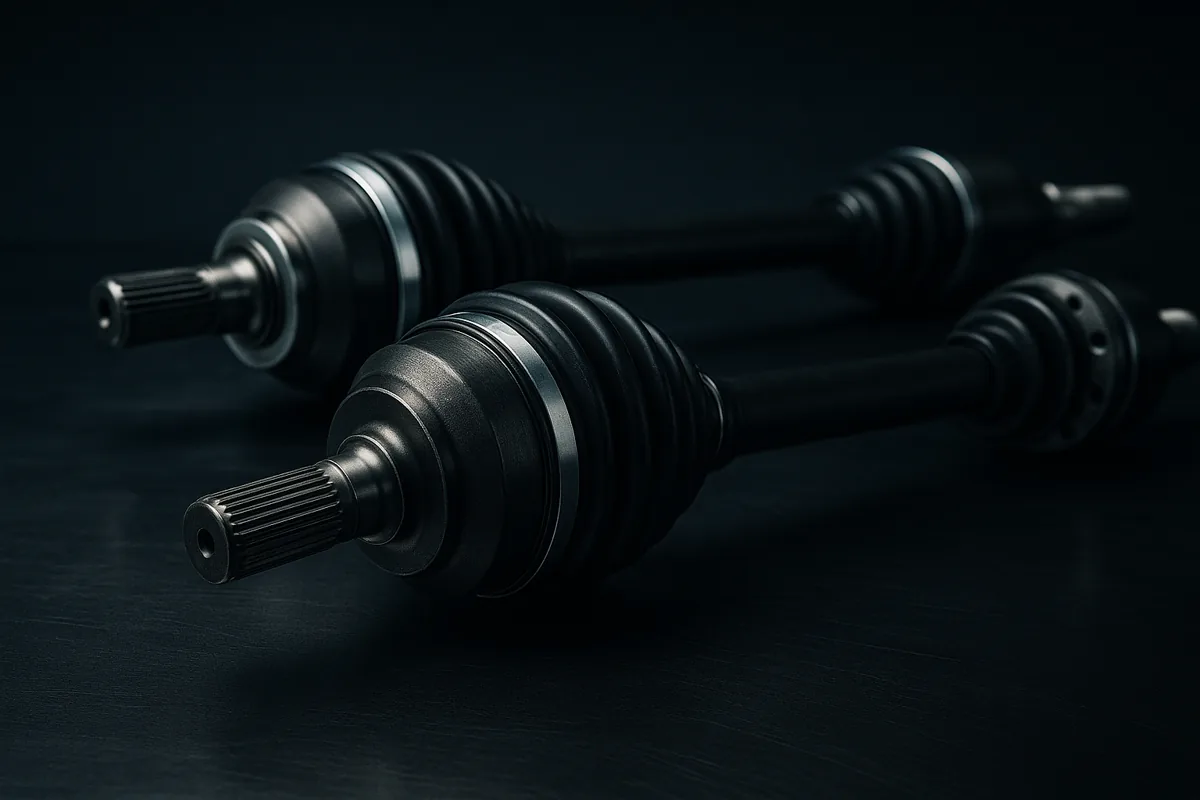
Shop Drive Shafts & CV Joints by Part Type
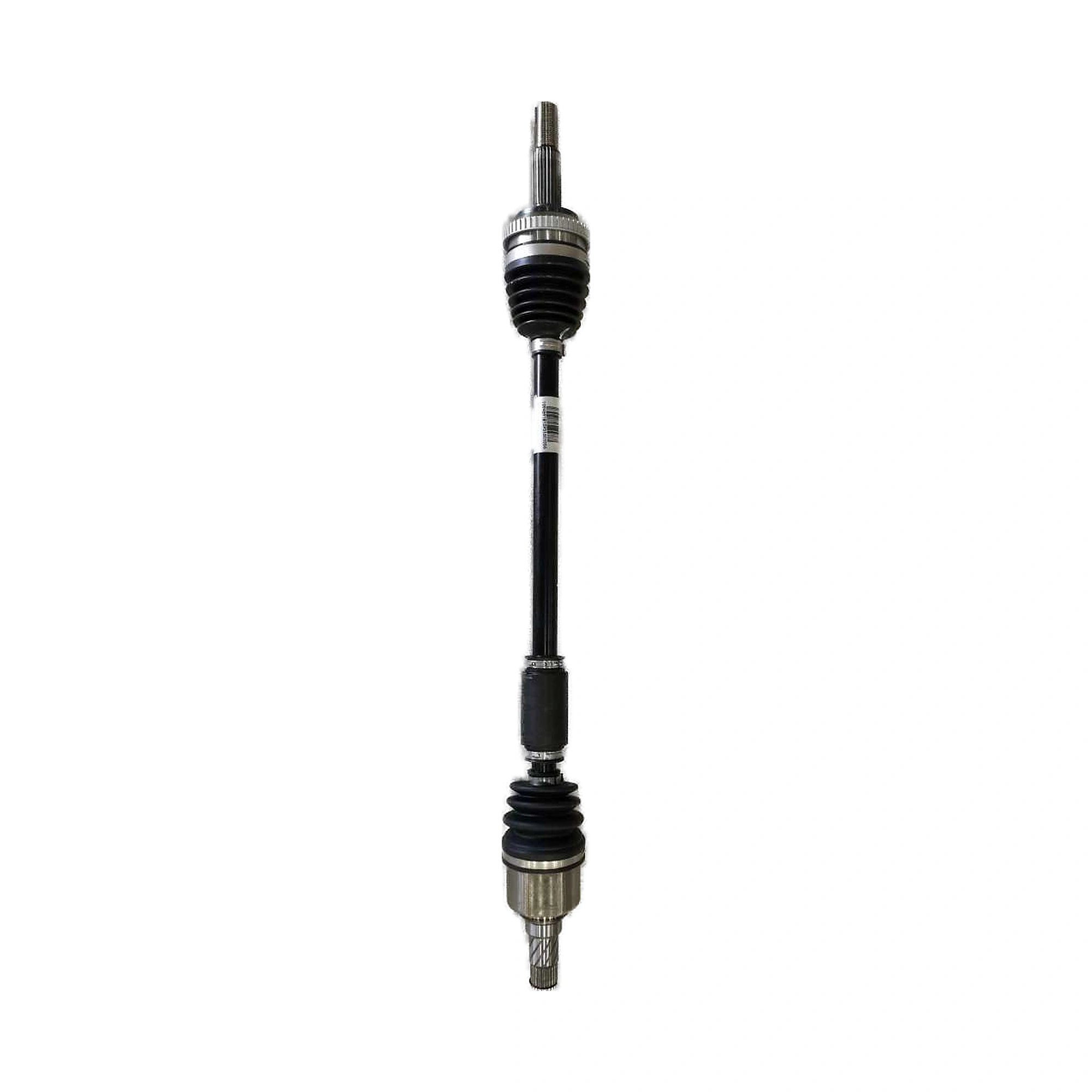
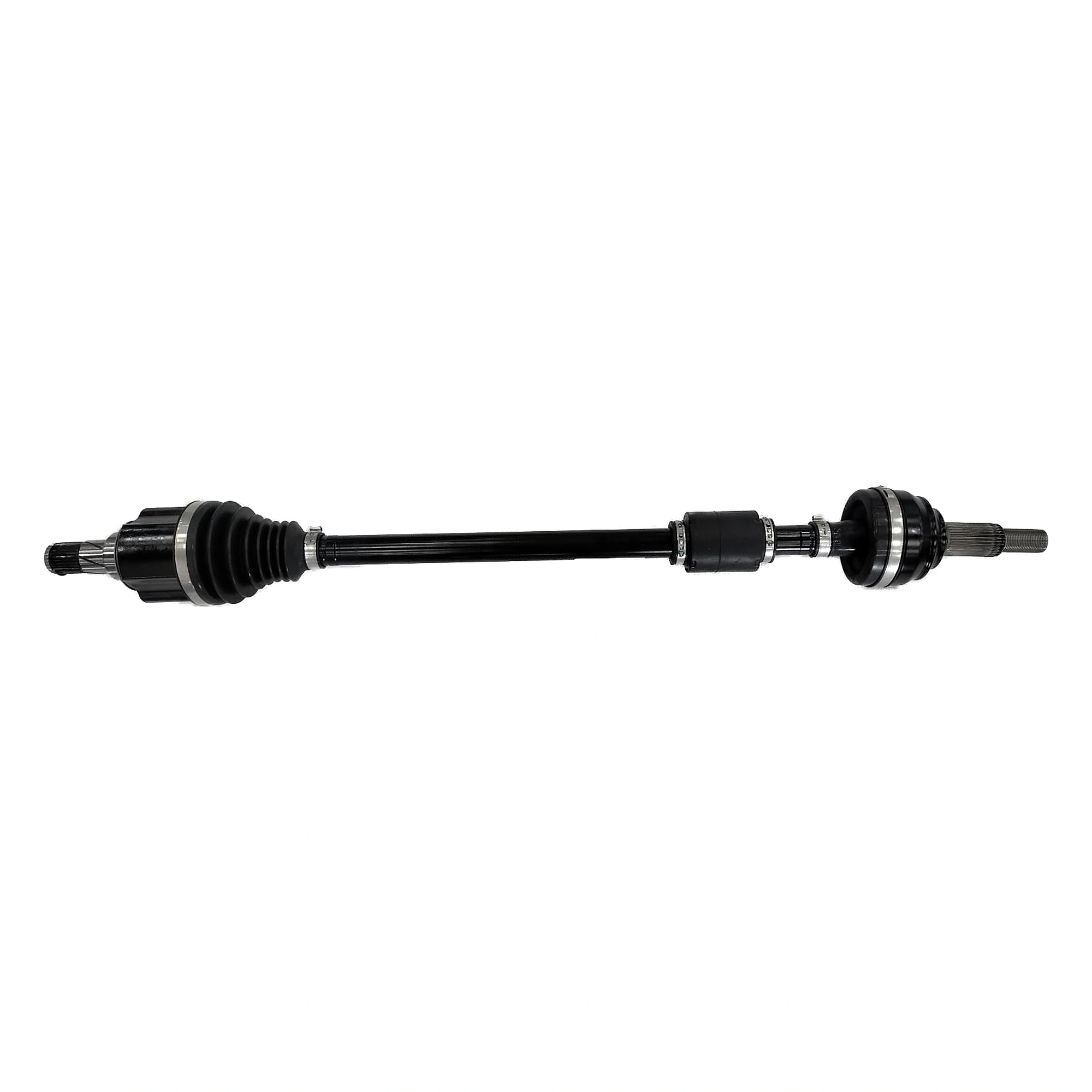
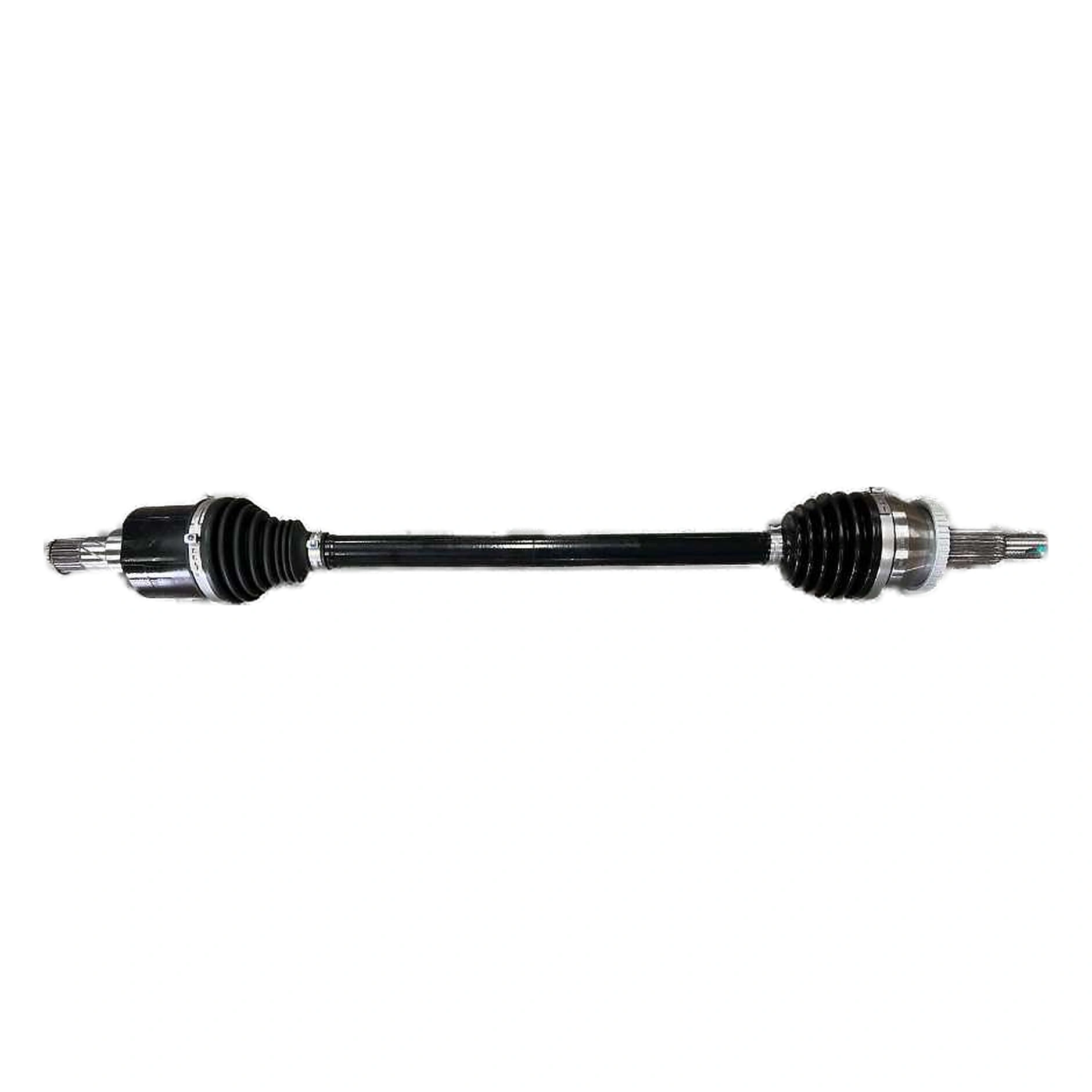
Popular Right Now
scroll for more →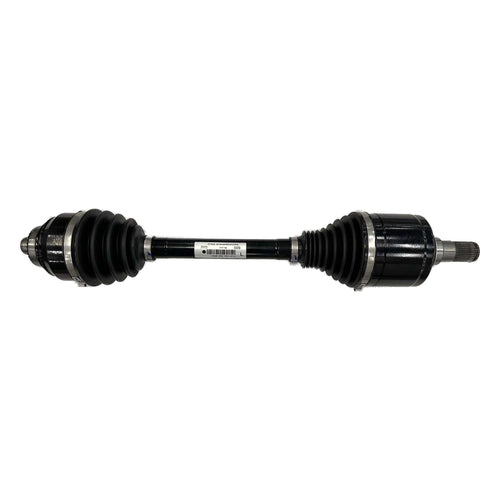
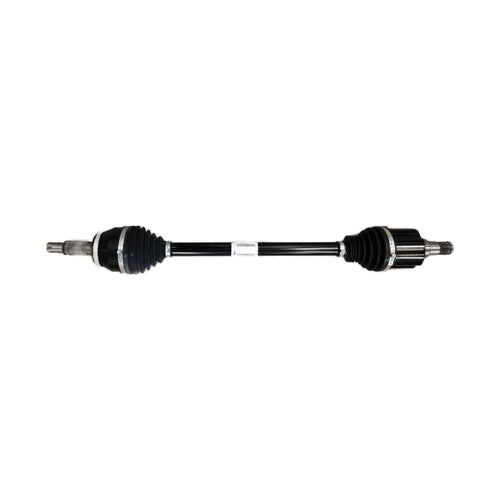
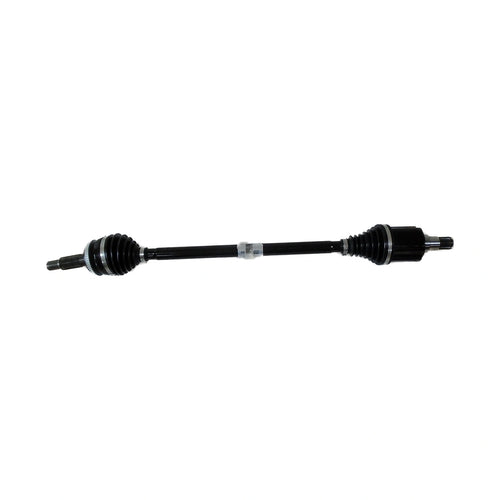
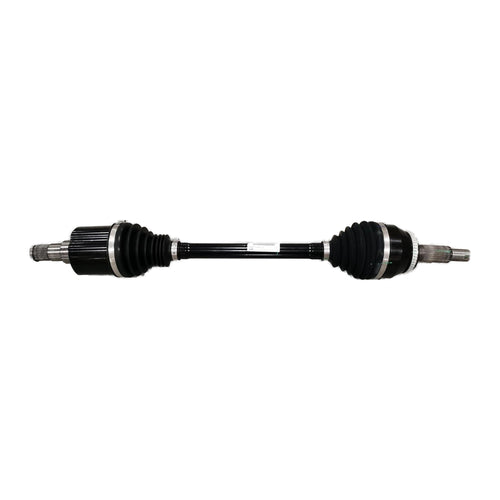
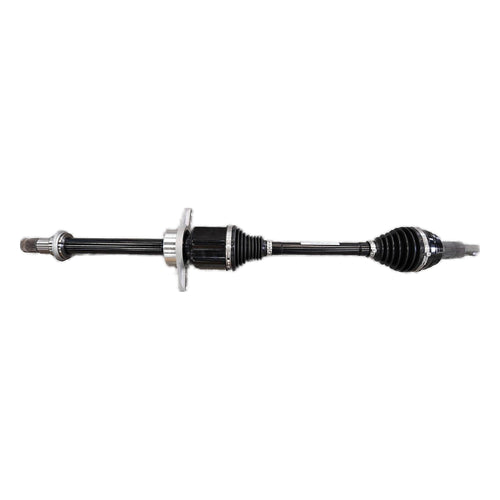
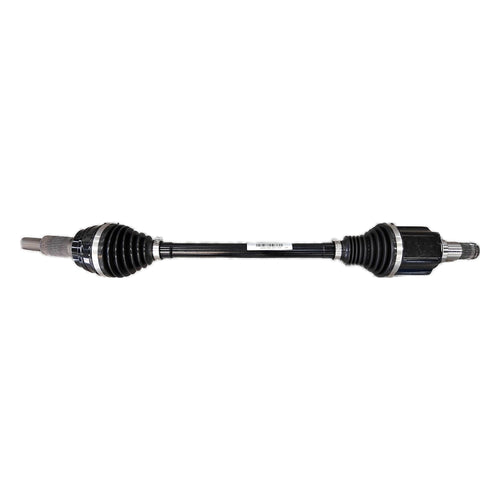
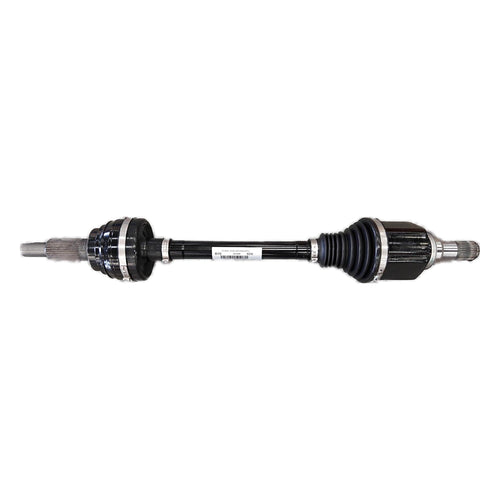
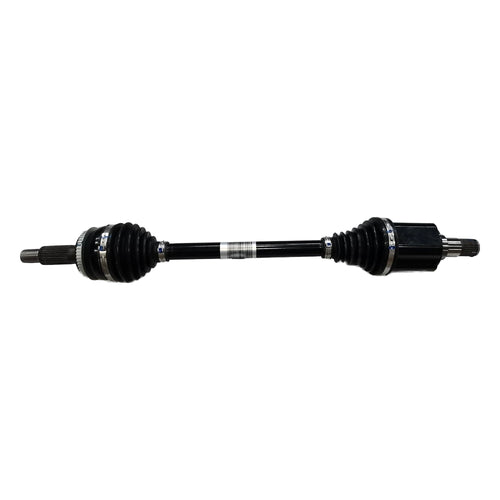
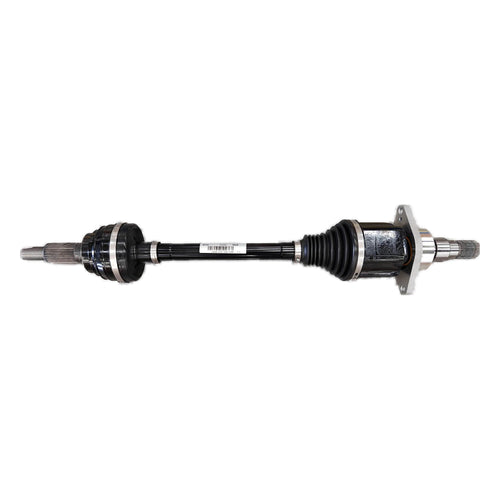
Symptom Finder: What Is Actually Broken?
| What you see or hear | Part to check first |
|---|---|
| Clicking or knocking on full lock at low speed | Outer CV joint or complete driveshaft |
| Vibration under acceleration that fades when coasting | Inner CV joint |
| Grease flung around the inside of a wheel arch | CV joint dust boot |
| Split, cracked or ballooned rubber boot at a joint | CV joint boot assembly |
| Clunk when taking up drive or changing direction | Worn CV joint splines or driveshaft |
| Shudder from a standstill under load | Inner joint or powertrain mount |
About Drive Shafts & CV Joints
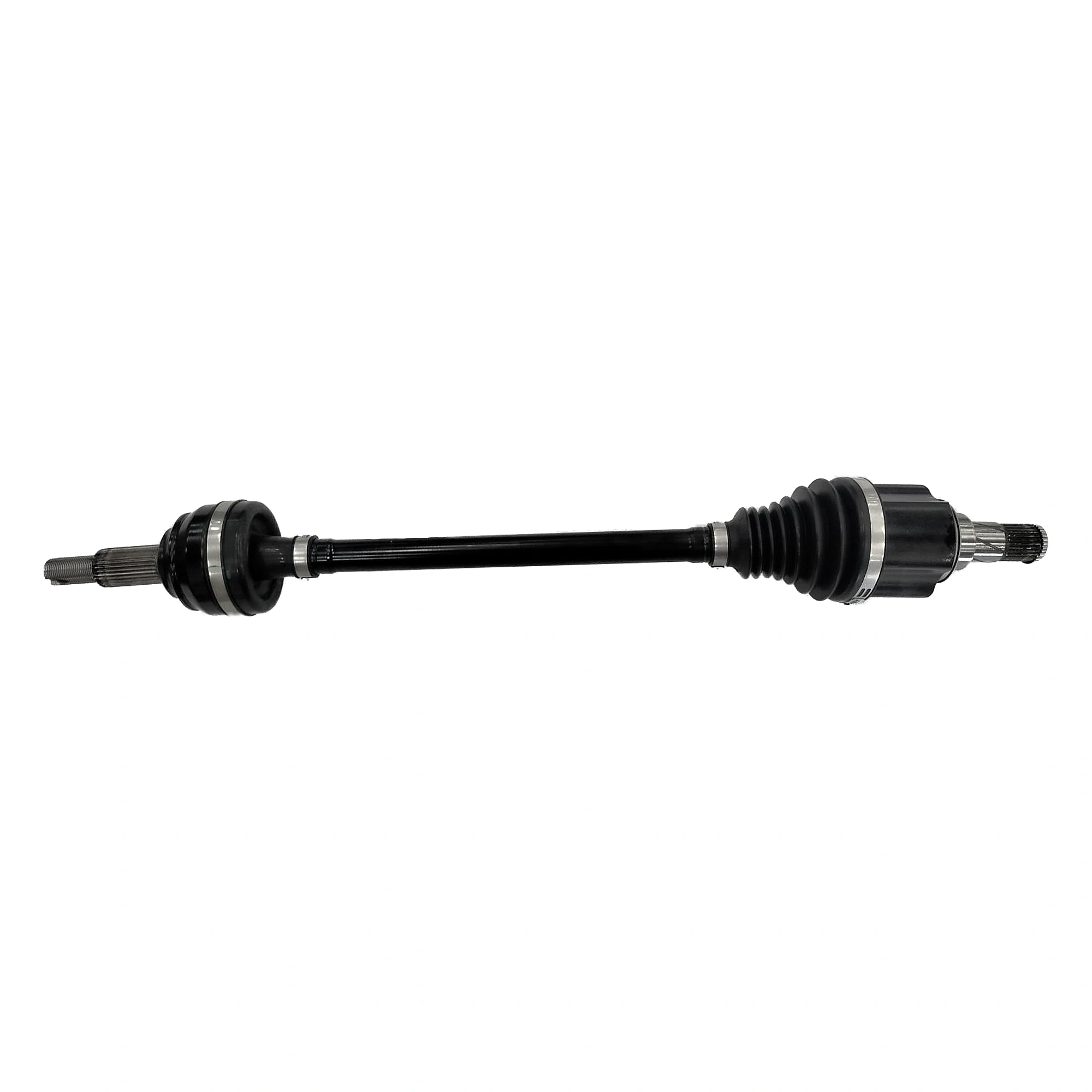
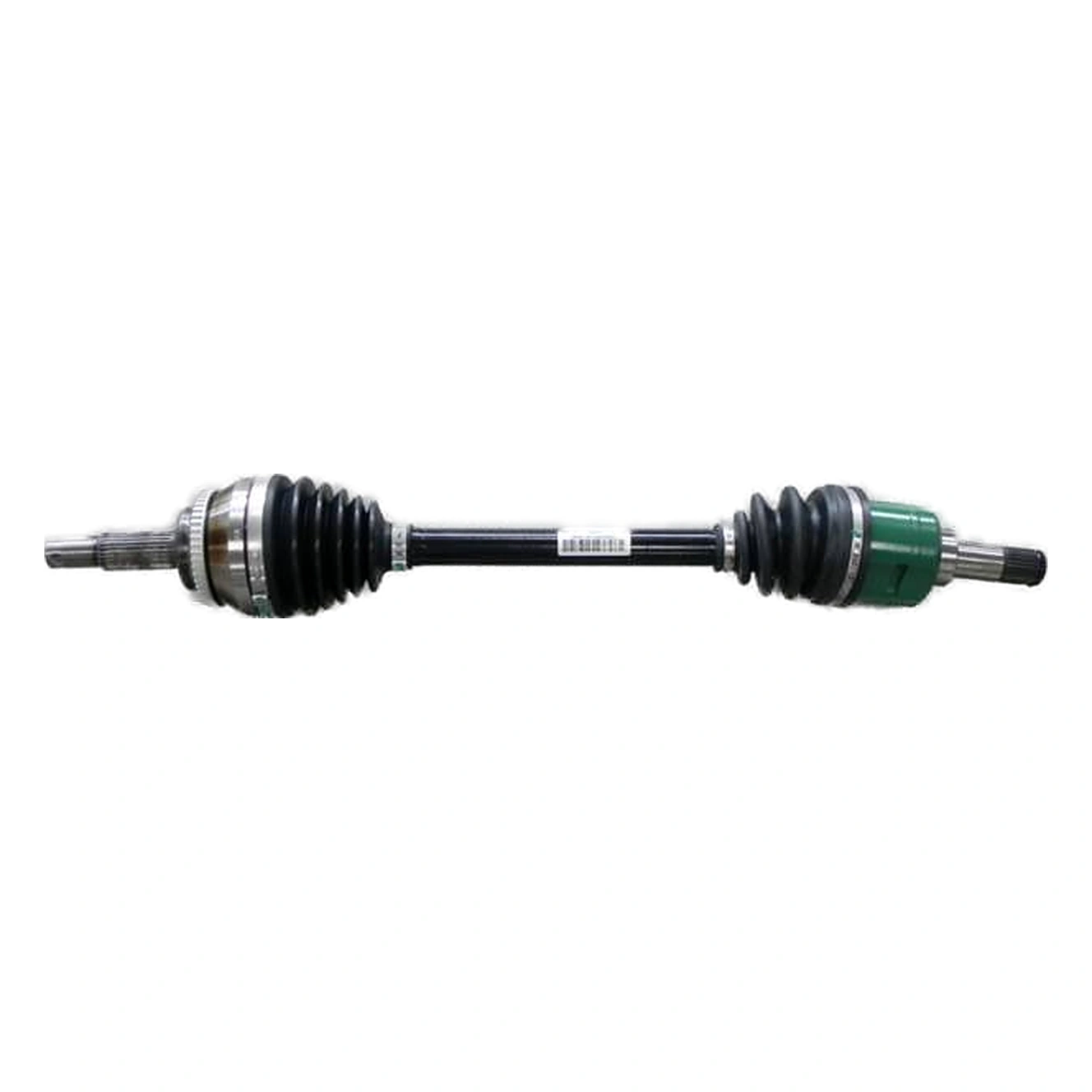
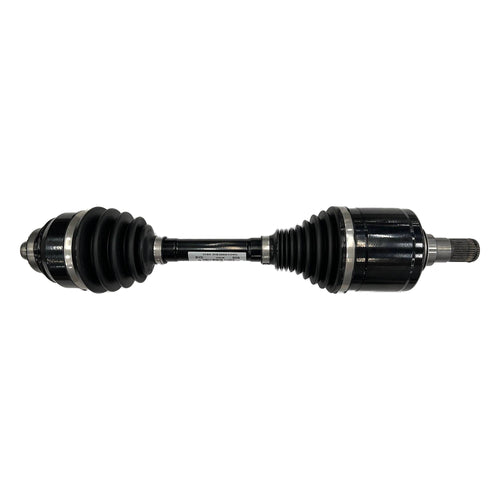
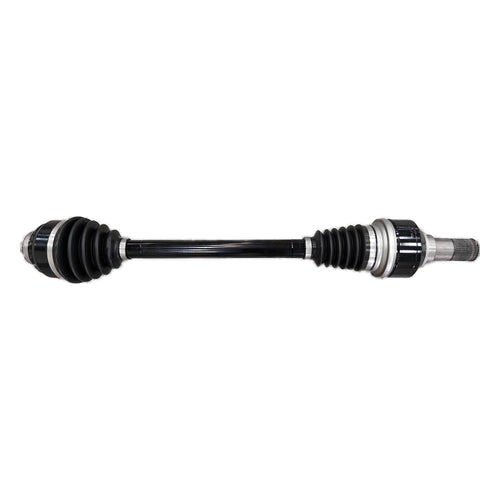
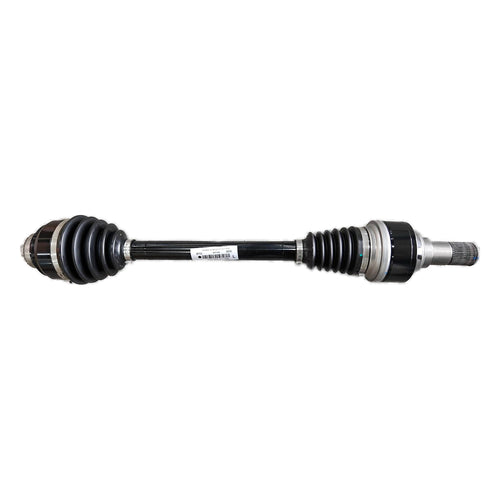
A driveshaft has to deliver torque to a wheel that is moving up and down and, at the front, steering as well. It does that with a constant velocity joint at each end. The outer joint is a ball type, usually six balls running in curved grooves between an inner and outer race held by a cage, which transmits rotation smoothly through steering angles that a universal joint could not manage without speed fluctuation. The inner joint is normally a tripod, three rollers on a spider running in a housing, which can also slide axially as the suspension moves through its travel. Both joints are packed with a specific grease and sealed by a pleated boot clamped at each end. That boot is the whole story of driveshaft life. Intact, the joint runs for the life of the car. Split, grit and water enter within days, the grease escapes, and the joint destroys itself quietly until it starts to click on lock.
What to know before buying Drive Shafts & CV Joints parts
Check the boots first. Catch a split boot early and a boot kit with fresh grease and clamps restores the joint for very little. That only holds if the joint is cleaned properly and shows no wear.
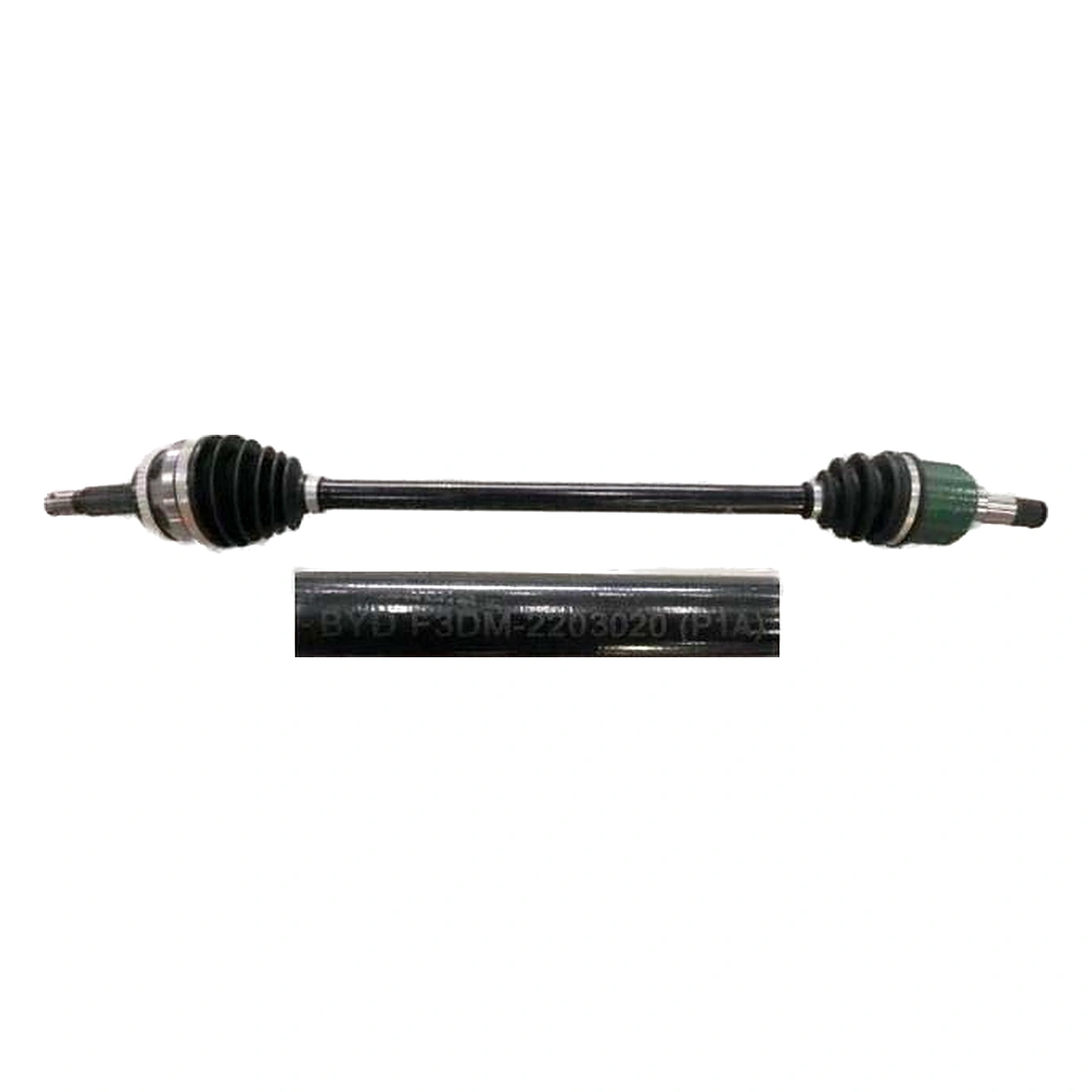
Leave it longer and a complete shaft is the honest answer. A worn joint on a shaft with a damaged mating surface is not worth rebuilding once you count labour. Complete front and rear driveshaft assemblies are listed for both sides, alongside CV joint dust boots and boot assemblies in several patterns.
Order by OE number. Shaft length, spline count and joint type differ between drivetrains within a single model. Front and rear shafts on the same car share nothing. Add a hub nut to any complete shaft order. Most are single use and torque critical, and it is the part most often forgotten until the car is in the air.
Items carrying a figure need no further step. Anything without one can be quoted against the same factory number, and the quote returns the delivered figure for a long heavy part. BYD group models are the best covered, and the range grows brand by brand.
Before You Order: 6 Checks
- Match the OE number and the position. Left and right, and front and rear, are separate references.
- Decide between a boot kit and a complete shaft based on how long the boot has been split.
- Check that the boot kit includes both clamps and the correct grade and quantity of grease.
- Order a new hub nut with any shaft, since most are single use and torque critical.
- Inspect the opposite side while the car is raised, because boots usually fail at similar ages.
- Confirm whether your vehicle needs the joint packed with a specific grease type before reassembly.
What Changed and Why
Electric drivetrains have made driveshafts work harder in a way owners notice. Full torque is available from a standstill and it arrives almost instantly, so the joints, splines and boots see load steps that a combustion drivetrain smoothed out through its clutch or torque converter. Heavier kerb weights add to it. Manufacturers have responded with larger joints, thermoplastic boots in place of rubber where temperatures allow, and greases formulated for higher shear. The practical consequence for owners is that inspecting boots at every service matters more than it did, because the failure sequence is faster.
Drive Shafts & CV Joints: Frequently Asked Questions
My car clicks when turning at low speed. What is that?
An outer constant velocity joint that has lost its grease, in nearly every case. The clicking appears first on full lock in a car park, gets louder over weeks, and eventually happens on gentle turns as well. It is caused by wear in the ball tracks after grit entered through a split boot. Once a joint clicks it is worn, and cleaning and regreasing will not reverse it. Check the boot on the opposite side while you are under there, since it will be a similar age.
Can I just replace the boot?
Yes, if you catch it early enough, and it is much the cheaper route. A boot that has only just split, with grease still packed inside and no noise from the joint, can be saved: strip the joint, clean every trace of old grease and grit out, inspect the tracks for pitting, repack with the correct grease and fit the new boot with fresh clamps. If the joint clicks or the tracks show wear, replace the shaft instead. The boot kits and complete shafts are both listed here.
How do I tell an inner joint fault from an outer one?
By the symptom rather than the location. Outer joints click and knock when turning, because that is when they run at the largest angle. Inner joints vibrate or shudder under acceleration in a straight line, since they plunge in and out as the suspension moves and a worn tripod cannot slide smoothly under load. A vibration that appears under power and disappears when you lift off points inward. A click on lock points outward. Both mean the same shaft comes off.
Is a clicking CV joint dangerous?
It will not fail instantly, and it should not be left indefinitely. A worn joint deteriorates gradually until the ball tracks break up, and at that point the joint can separate, which at the outer end means losing drive and potentially damaging the wheel arch, the brake hose and the wheel speed sensor loom as the shaft flails. Treat clicking as a repair to book rather than an emergency, and avoid heavy acceleration on full lock in the meantime.
Should I replace shafts in pairs?
There is no mechanical requirement, unlike brakes. The practical case is that boots on both sides have the same age and the same exposure, so a car with one failed boot usually has another in poor condition. Inspect the opposite side properly while the car is raised rather than replacing on principle. Where both boots are cracked and one joint already clicks, doing both at once saves a second visit and a second set of hub nuts.
What does a driveshaft cost?
Boots and boot kits sit at the bottom of the category, which is why catching a split early is worth so much. Complete driveshaft assemblies cost considerably more, with front shafts generally above rear ones because they carry the larger steering angle joint. The live minimum and maximum are shown in the band at the top of this page. Add a hub nut to any shaft order, since most are single use, and budget for the workshop time if you are not doing the work yourself.
Can I change a driveshaft myself?
It is a realistic job with the right tools and the correct torque figures. The usual sequence is to loosen the hub nut with the car on the ground, raise and support it, release a lower arm or a hub carrier to gain clearance, ease the inner joint out of the drive unit, then withdraw the shaft. Refitting needs a new hub nut torqued and staked to specification. The two things that go wrong are damaging the inner oil seal and under torquing the hub nut, which destroys the bearing.
Why do boots split so often?
Because they lead a hard life. A boot flexes continuously through every suspension movement and every steering input, at temperatures ranging from freezing to hot, while being blasted by grit thrown from the tyre. Rubber ages and hardens regardless of mileage, so a low mileage older vehicle is a common candidate. Cars that see a lot of full lock manoeuvring wear them faster. Inspecting boots at every service and replacing a split one immediately is the single most effective thing you can do for driveshaft life.
Are driveshafts interchangeable side to side?
No. Lengths differ between left and right on most vehicles because the drive unit does not sit centrally, and spline counts, joint sizes and the presence of a damper weight vary as well. Front and rear shafts on the same car share nothing. Fitting a shaft that is slightly wrong plunges at the end of its travel and destroys the inner joint. Match the OE number and the position stated in the listing, and use the quote form if the reference returns nothing.
Does the vibration from a worn shaft damage anything else?
It can, if it is left long enough. A persistent driveline vibration works on the powertrain mounts, which then allow more movement and make the vibration worse, and the same shaking loosens heat shields and undertray fasteners. A joint that eventually breaks up can damage the wheel speed sensor loom and the brake hose in the same arch. None of that is immediate, and all of it is avoidable by dealing with the shaft rather than living with the symptom.
What grease goes in a CV joint?
A specific molybdenum disulphide based joint grease, supplied in the correct quantity with the boot kit, and nothing else. Ordinary chassis grease will not survive the shear and temperature inside a constant velocity joint and will separate within months. Quantity matters too: too little and the joint runs dry at the outer edge, too much and pressure builds and pushes the boot off its seat. Use what the kit provides, and if a kit arrives without grease, buy the correct product separately.
The shaft I need shows no price. Can I still order it?
Yes. Complete shafts are long, heavy and handed, so the quote covers the delivered cost as well as the part itself. Individual joints and boot kits are more often priced outright. Give the number and state which side the shaft came from, because left and right differ in length even where the joints are identical. Count the splines at the hub end if you are working from a used reference rather than a factory one. Add a new hub nut to whatever you order, since it stretches on tightening and must never go back a second time.