Battery Housing & Seals
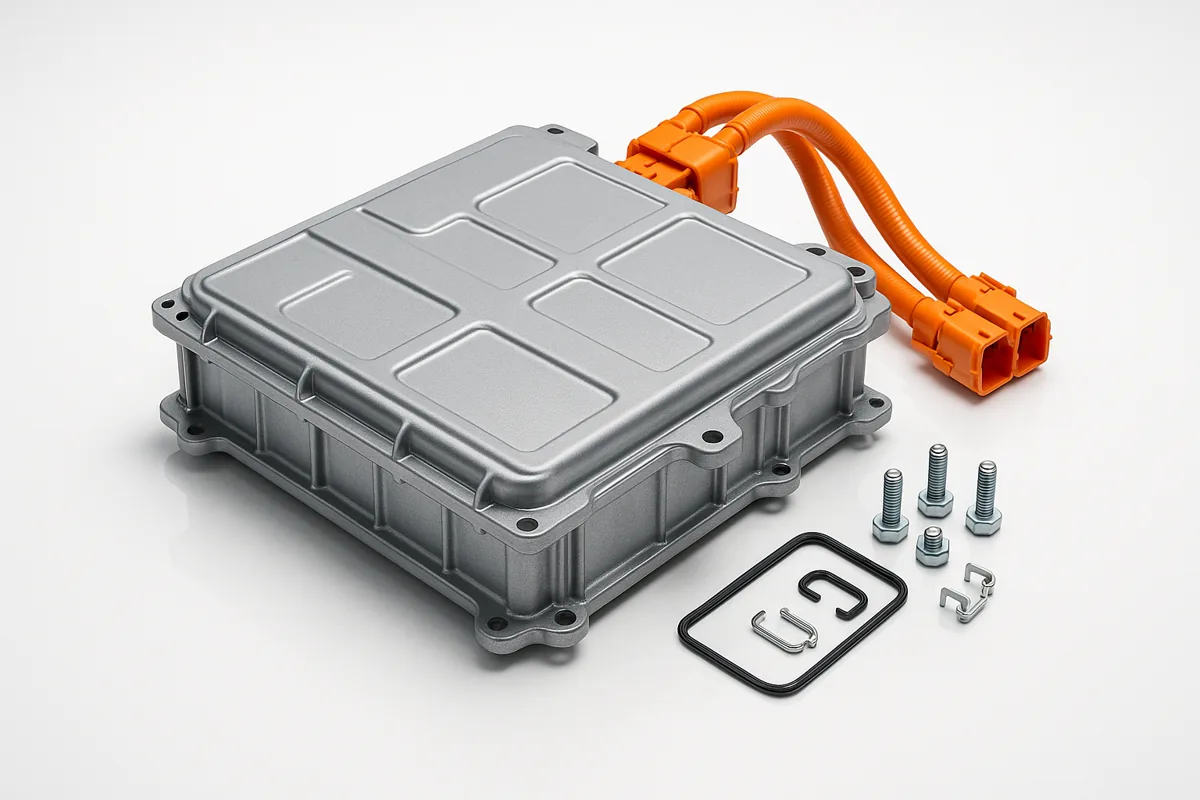
Shop Battery Housing & Seals by Part Type
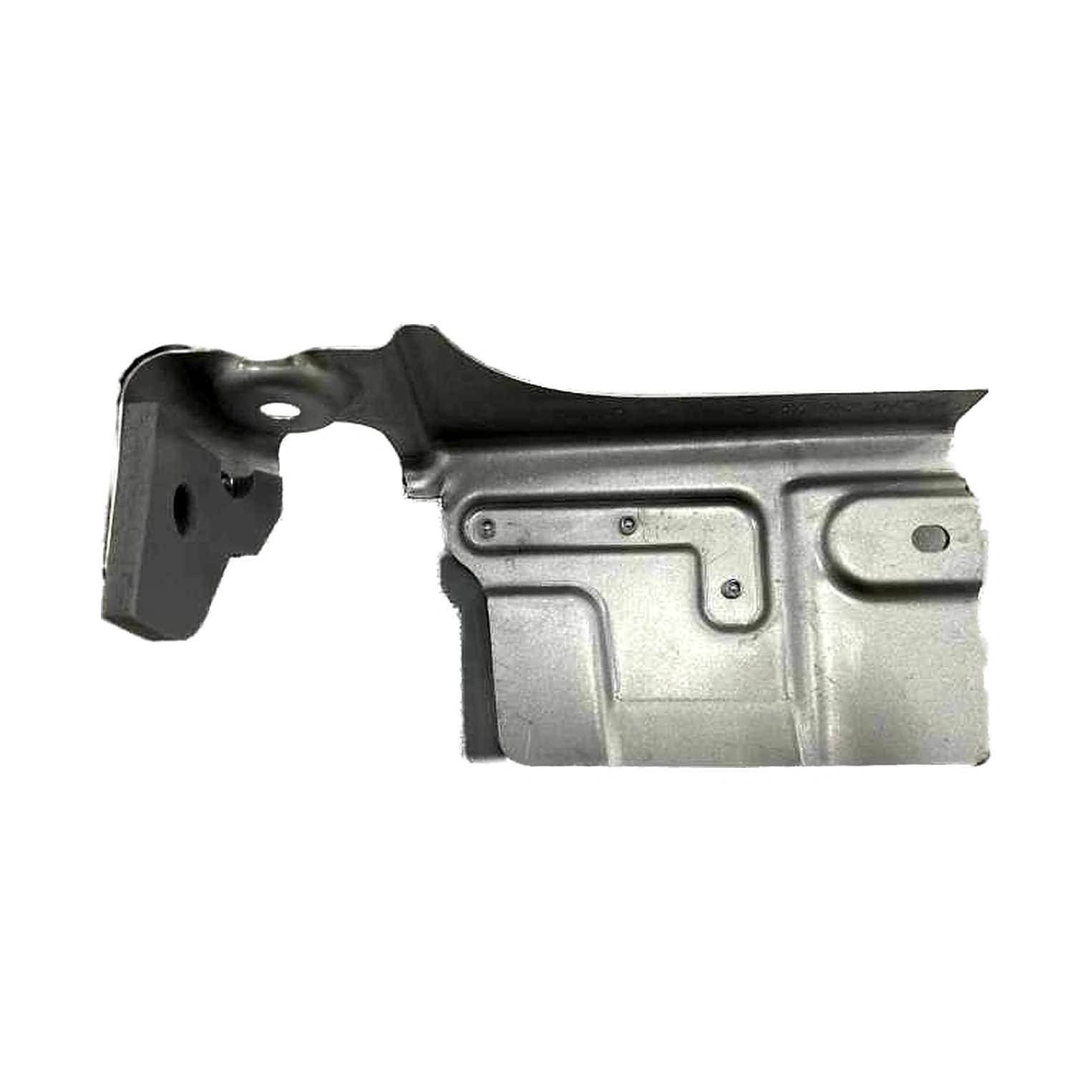
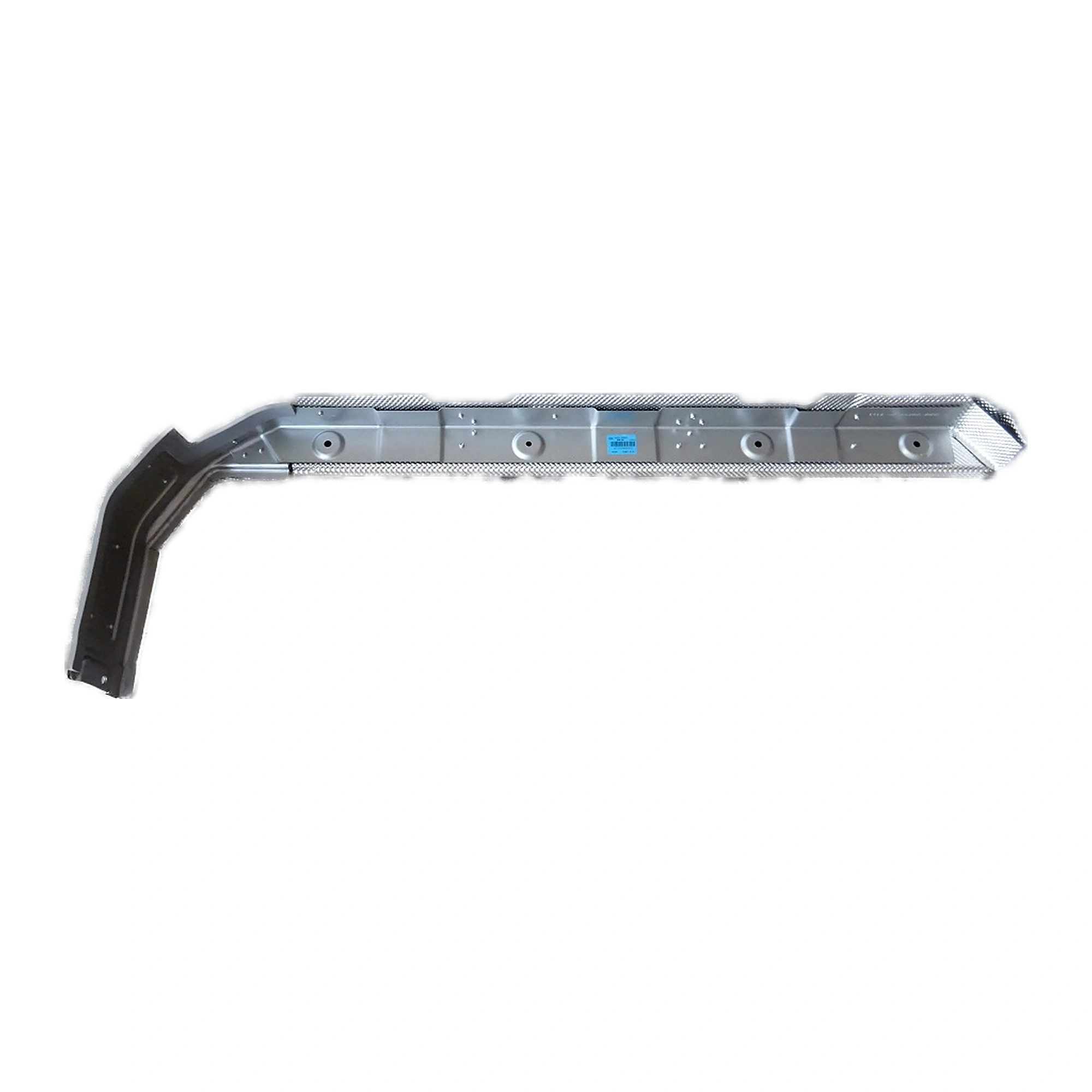
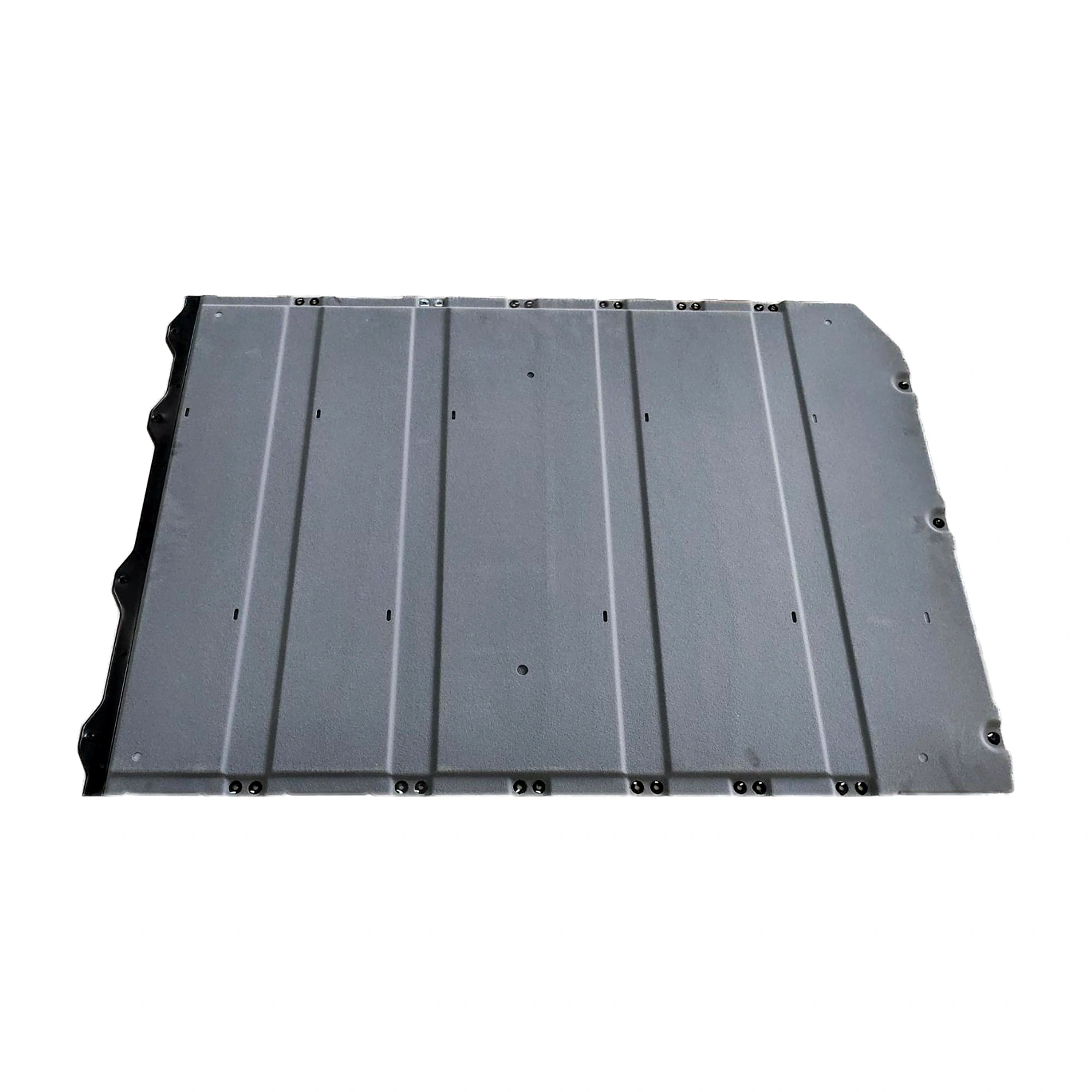
Popular Right Now
scroll for more →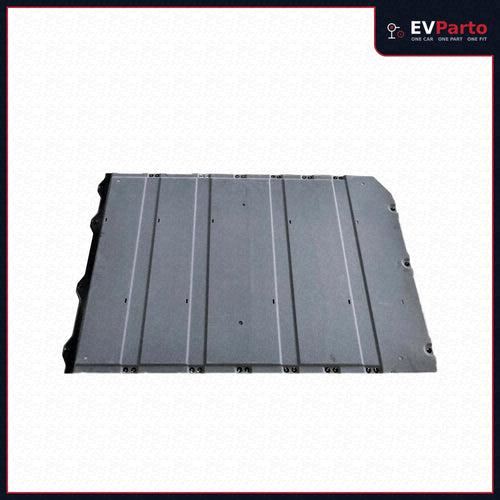
Symptom Finder: What Is Actually Broken?
| What you see or hear | Part to check first |
|---|---|
| Heat shield scorched or discoloured beneath the pack | Battery pack heat shield |
| Protective panel dented or split after underbody contact | Battery pack protective panel |
| Rattle from beneath the floor over rough surfaces | Heat shield or panel with a broken fixing |
| Shield hanging down or dragging | Battery pack heat shield fixings |
| Moisture or insulation fault after underbody damage | Battery enclosure requiring workshop assessment |
| Pack temperature higher than usual in traffic | Missing or displaced heat shield |
About Battery Housing & Seals
A traction battery enclosure has to do several contradictory things at once. It must be sealed well enough to keep water out for the life of the vehicle, since the cells inside operate at voltages where moisture is a hazard rather than an inconvenience. It must be strong enough to form part of the vehicle's structure on most current platforms, carrying side impact loads through the sills into the floor. It must manage heat, both conducting it away through cooling plates and shielding the cells from external sources such as the exhaust on a hybrid. And it must be openable by a manufacturer's process while remaining sealed against everything an owner will drive through. Around it sit heat shields and protective panels doing the outer part of that work, and those are the components that are replaced in normal service.
What to know before buying Battery Housing & Seals parts
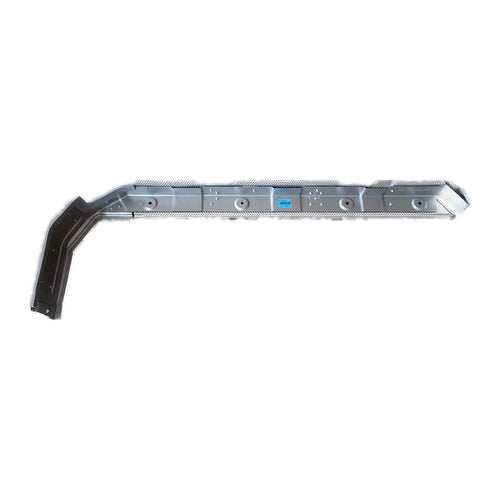
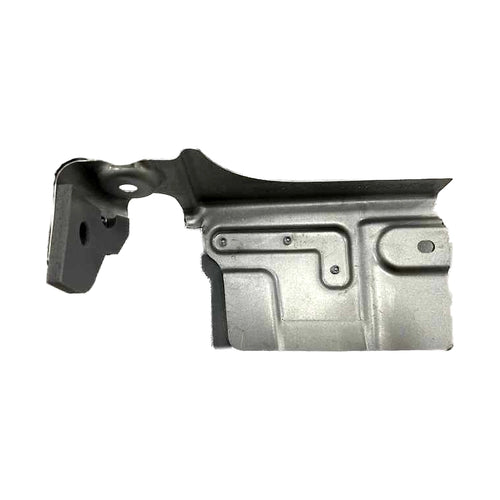
What is listed here is the protective layer rather than the enclosure itself. You will find battery pack heat shields in numbered versions and battery pack protective panels. The shields sit between the pack and heat sources beneath or beside it. The protective panels take contact and debris before the enclosure does. Order both by OE number, because shield geometry and mounting follow the pack and vehicle rather than the model.
The enclosure itself is not a routine part and should not be treated as one. A cracked or deformed housing is assessed by a qualified workshop. It usually results in pack replacement rather than repair, because the seal and structure cannot be verified afterwards. If a strike has marked a shield, have the pack inspected before a new shield goes on.
Items showing a price can be bought directly, and anything without one is quoted. Cover is strongest across the BYD group and grows as further catalogues load. If a reference returns nothing today, send it through the quote form rather than giving up.
Before You Order: 6 Checks
- Have the pack inspected by a qualified workshop after any impact that marked a shield or panel.
- Match the OE number, since shield geometry and mounting follow the specific pack rather than the model.
- Order new fixings and any specified sealing washers with the panel.
- Never attempt to repair, seal or weld a battery enclosure.
- Check the fixing points on the pack for damage before fitting a new shield.
- Confirm high voltage isolation before any work close to the enclosure.
What Changed and Why
Pack enclosures have become structural rather than merely protective. Cell to pack and structural pack designs bond cells directly into the enclosure and use it as part of the floor, which improves stiffness and energy density and makes the housing far less serviceable, since opening it is a manufacturer process rather than a workshop one. That has pushed repair guidance firmly towards assessment and replacement rather than intervention, and it has raised the importance of the outer shields and panels, which are now the only part of the assembly an ordinary repair touches.
Battery Housing & Seals: Frequently Asked Questions
Can a battery enclosure be repaired if it cracks?
Not as a workshop repair, and this is one of the firmest rules in electric vehicle servicing. The enclosure keeps moisture away from cells at hundreds of volts, forms part of the vehicle's crash structure on most platforms, and manages heat, and none of those functions can be verified after a patch, a weld or a sealant repair. Manufacturers and insurers require assessment against defined criteria, and a breached or deformed housing generally results in pack replacement. Have any suspected damage assessed rather than treated.
What do the heat shields actually protect against?
External heat sources, chiefly. On a hybrid the exhaust runs near the pack, and on any vehicle the road surface radiates heat in hot climates while the drive unit produces its own. Cells age faster at elevated temperature and the thermal system works harder to compensate, so the shields keep external heat out of the equation. A missing or displaced shield does not produce an immediate fault. It shows up as a pack that runs warmer than it should and, over years, as accelerated ageing.
I grounded the car. Do I need to do anything?
Have it inspected from underneath before assuming it is fine. The shields and panels exist to take a strike so the enclosure does not, and they can be visibly damaged while the vehicle behaves perfectly. What matters is whether the housing behind them was reached, and that is not always visible from the ground. A qualified workshop can measure insulation resistance, check module data and inspect the enclosure against the manufacturer's criteria. Do that before fitting a replacement shield over the damage.
Are these shields and panels the same as the underbody guard?
They overlap in purpose and differ in position. The underbody guard is the plate directly beneath the pack taking impact from the road, listed in its own category. The shields and panels here sit around the pack, protecting it from heat and from contact at points the main guard does not cover. Read the listing to establish which part you are looking at, and where a strike has occurred, inspect both since damage to one usually means the other was involved.
What does a rattle from under the floor usually mean?
A fixing that has let go. Shields and panels are held by a large number of small fasteners, and once two or three have corroded away or been lost, the panel resonates against structure over rough surfaces. It is worth dealing with promptly rather than tolerating, because a panel held by a few fasteners eventually detaches at speed, taking its mounting points with it. Inspect all the fixings, and order the fastener set with any replacement panel.
What do these parts cost?
Heat shields and protective panels sit at the lower to moderate end of the range for pack related components, and are inexpensive relative to what they protect. The live minimum and maximum for the category are shown in the band at the top of this page. Since the alternative outcome of a neglected shield is accelerated pack ageing or damage to an enclosure that cannot be repaired, replacing a damaged shield promptly is straightforwardly sensible.
Can I fit a shield or panel myself?
Often yes, with proper support and awareness of what is above you. The work is bolts and clips rather than anything electrical, but you are working directly beneath a high voltage pack, so avoid disturbing anything orange, use stands or a lift rather than a jack, and stop if you find damage to the enclosure. Where the panel forms part of the pack's sealing arrangement, the specified fasteners and washers matter and should not be substituted.
How would I know if moisture had entered the pack?
Usually through the vehicle rather than by looking. A pack that has taken water reports a falling insulation resistance, and the vehicle limits or disables drive rather than continuing. Visible clues, such as staining around a seal or a pressure relief valve, are conclusive when present and rare. If your vehicle reports an isolation fault after wading, underbody damage or heavy weather, treat it as urgent and have it inspected rather than clearing the code and continuing.
What is the pressure relief valve on a pack for?
It equalises the pressure inside the enclosure with the outside as temperature and altitude change, using a membrane that passes air while blocking liquid water. Without it, a sealed box would deform or draw water past its seals as it cooled. On many designs it also serves as a controlled path for gas in an extreme thermal event. It is part of the enclosure rather than a routinely replaced item, and damaging one during work compromises the sealing of the whole pack.
Will a shield from a similar model fit?
Only where the OE number agrees. Shield geometry follows the pack, which differs by capacity even within one model, and mounting patterns follow the enclosure rather than the body. A shield that is close leaves gaps exactly where heat or debris arrives. Read the number from the old part where legible, and where the search brings back nothing, send it through the quote form so it can be checked against the factory catalogue.
Does an aftermarket protective plate make sense?
Think carefully before adding one. Extra thickness reduces ground clearance, which raises the chance of the strike you were trying to avoid, and anything that traps heat or blocks designed airflow beneath the pack works against the thermal system. Where a manufacturer offers a heavier duty shield as an option, that version has been validated with the vehicle and carries its own reference. That is a better route than a universal plate designed around a different underbody.
The part I need shows no price. Can I still order it?
Yes. Everything listed here sits in the factory catalogue under its own number, whether or not a figure has been loaded against it. Enclosures, heat shields and structural pack panels are frequently quoted rather than priced, because they are large, awkward to ship and specific to one pack layout. Ask through the quote form and the reply covers both the part and the delivered cost for something that size. Order the pack seal and the fixing set at the same time, since neither is reusable once the enclosure has been opened and both are needed to close it properly.