High-Voltage Battery
Shop High-Voltage Battery by Part Type
Popular Right Now
scroll for more →
Symptom Finder: What Is Actually Broken?
| What you see or hear | Part to check first |
|---|---|
| Usable range noticeably reduced in all conditions | Traction battery pack |
| Cell voltage deviation fault stored | Traction battery pack requiring assessment |
| Charging limited with the charger reporting normally | Pack or its management system |
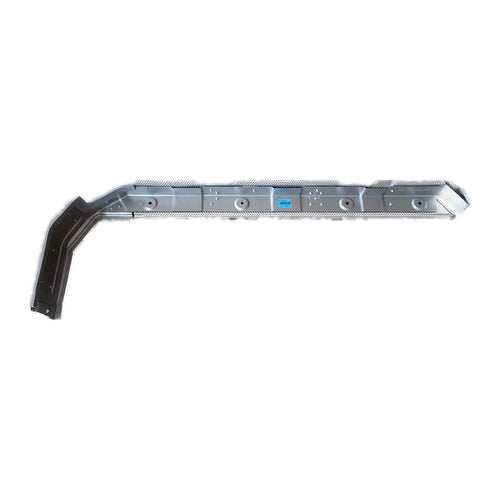
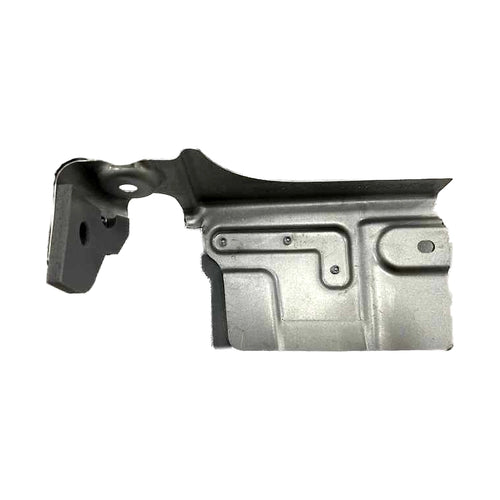
| Heat shield scorched or panel dented underneath | Pack heat shield or protective panel |
| Insulation fault after underbody damage | Pack enclosure requiring inspection |
About High-Voltage Battery
Nothing about a traction battery is simple, starting with the fact that it is an assembly of hundreds of parts pretending to be one component. Individual cells are gathered into groups or bonded straight into the enclosure, connected so that their voltages add to the working figure and their capacities add to the usable energy, and every group is watched for voltage and temperature by electronics that never stop measuring. Plates carry heat away in summer and warmth in during winter so the pack will take charge. The enclosure seals it against water and, on most current platforms, carries side impact load into the floor. Ageing follows calendar and heat rather than distance covered, which is why a lightly used vehicle parked in the sun can decline faster than a busy one.
What to know before buying High-Voltage Battery parts
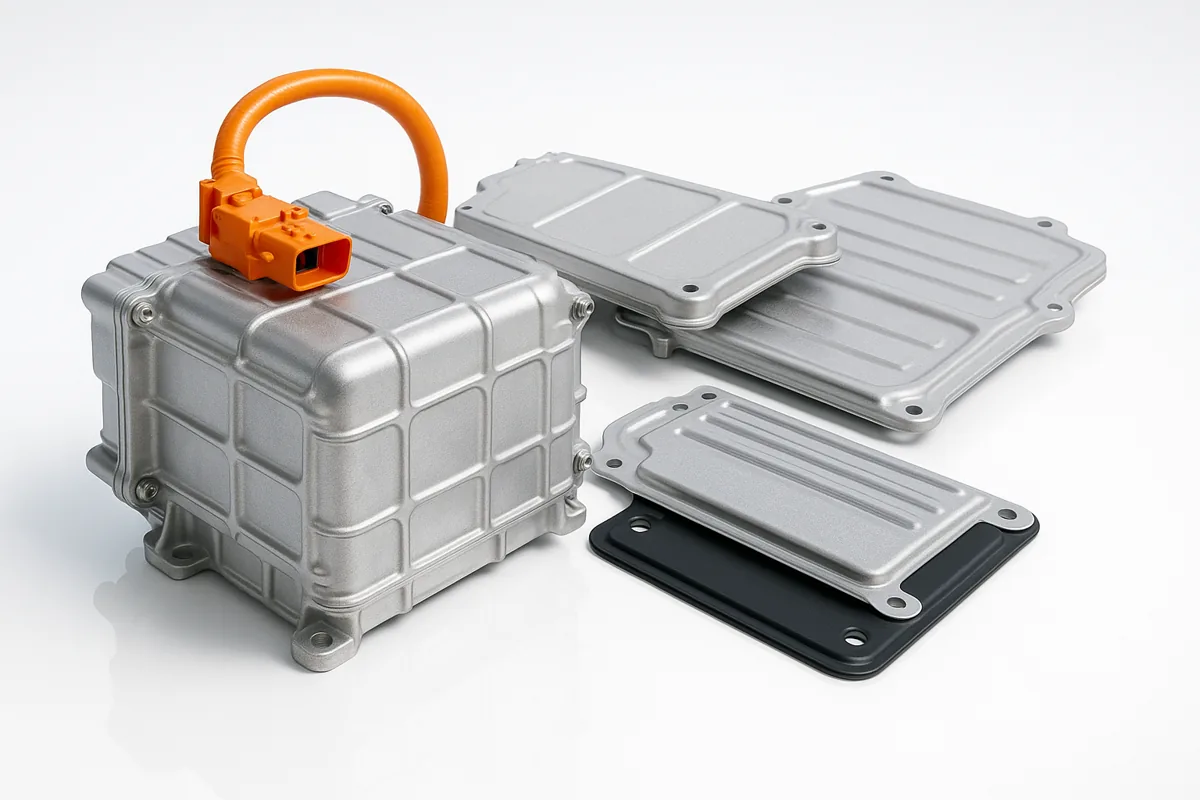
Have the pack inspected after any impact that marked a shield, before the shield itself is replaced. Battery housing and seals holds the heat shields and protective panels that surround the enclosure, and these are the parts an ordinary repair actually reaches.
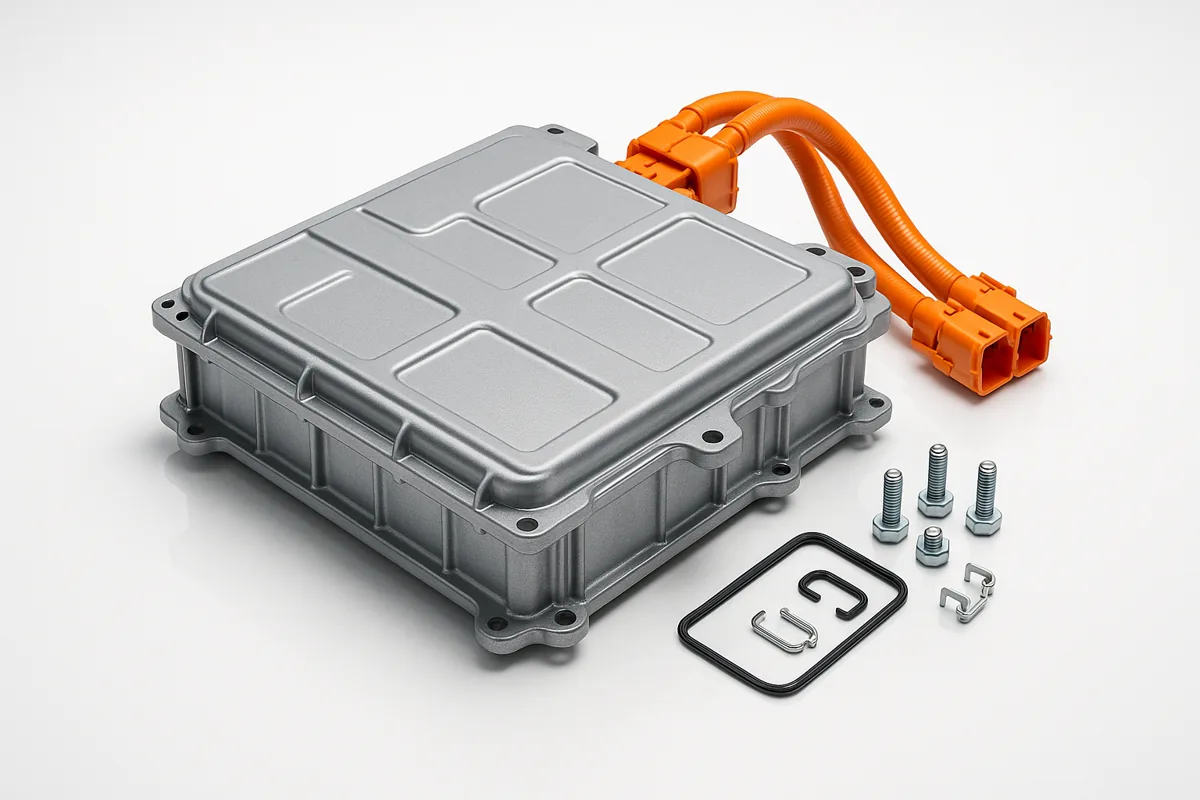
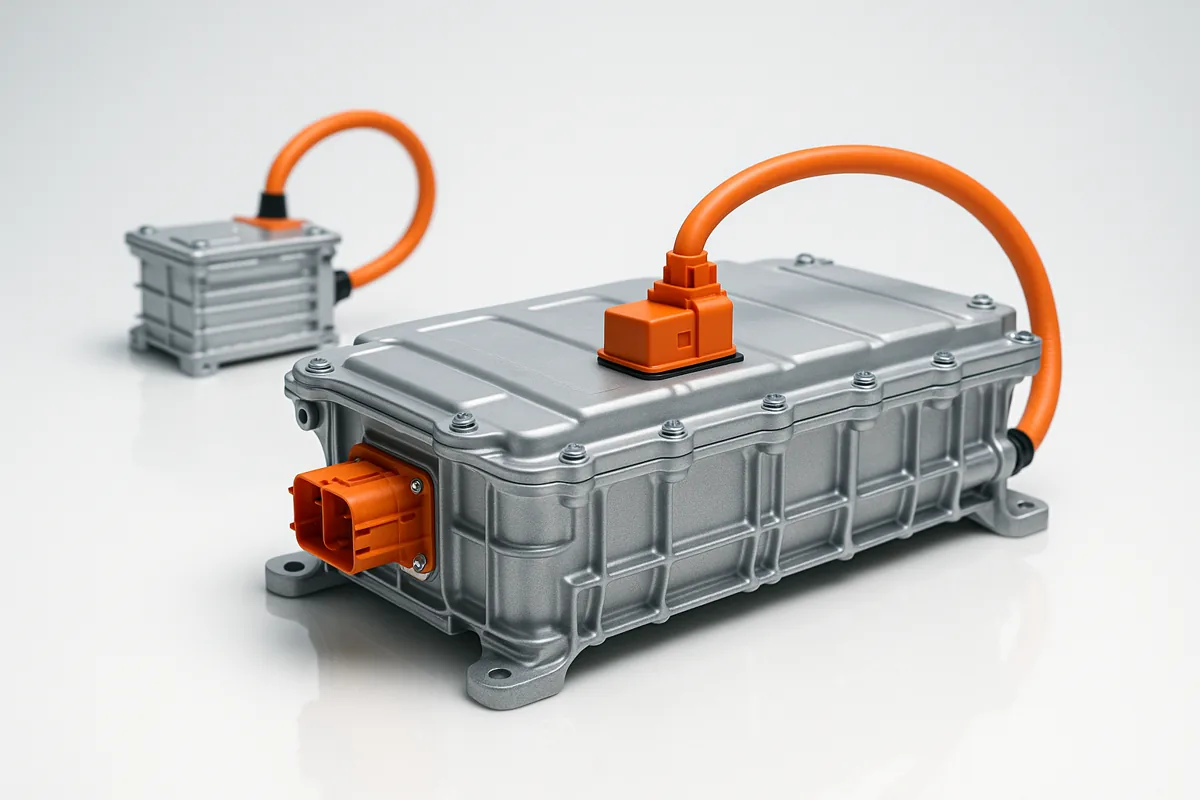
Battery pack and modules holds the traction packs and the pack and tray assemblies. They are supplied and fitted as complete units, with coding and a pairing procedure afterwards.
Everything here is quoted rather than listed at a standing price, because value, availability and dangerous goods transport all vary.
Before You Order: 5 Checks
- Obtain a state of health report before pursuing any pack level work.
- Have the pack inspected after any impact that marked a shield or panel.
- Confirm the workshop is equipped and trained for pack replacement before ordering.
- Allow for dangerous goods transport, which affects lead time and destinations.
- Establish what happens to the old pack, since return and recycling are regulated.
What Changed and Why
Pack construction is moving away from replaceable modules towards cell to pack designs that bond cells directly into the enclosure, improving stiffness and energy density while making module level repair impractical and pushing the economics towards replacement or professional refurbishment. Iron phosphate chemistry has gained share for its longevity and tolerance of routine full charging. Repair guidance has hardened alongside, with any breached or deformed enclosure normally resulting in replacement rather than repair, since seal integrity and structural performance cannot be verified afterwards.
High-Voltage Battery: Frequently Asked Questions
How do I know whether my pack really needs replacing?
Very few do. Ask for a diagnostic report that states measured capacity against the original figure, the spread between the highest and lowest cell voltages and the temperature history, all read from the management system rather than estimated from the range display. Gradual capacity loss is normal ageing and almost never justifies a new pack. A single cell group drifting away from the rest is a different matter and usually points at one module rather than the whole assembly. Get the report before any conversation about cost, because it determines which repair is even relevant.
What actually causes a pack to degrade?
Calendar ageing does most of it. The chemistry inside a cell changes slowly whether the car is driven or parked, and the rate of that change roughly doubles for every ten degrees of extra temperature, which is why a hot climate is harder on a pack than a high mileage. Sitting at a very high state of charge accelerates it further, so a car left plugged in at full charge in summer suffers more than one used daily. Repeated rapid charging adds heat rather than doing harm directly. Cycling itself contributes least of all.
Can a damaged enclosure be repaired?
This is one of the few places where the answer is a flat no. The casing does three jobs at once: it keeps water away from live cells, it carries crash loads as part of the floor structure on most platforms, and it holds the thermal system's geometry. A weld, a patch or a bead of sealant might restore the appearance of the first and can restore neither of the other two, and there is no test a workshop can run afterwards to prove it is sound. Manufacturers and insurers work to defined criteria, and a breached case usually means a new pack.
What should I check after grounding the vehicle?
Look underneath before you drive away, and look properly. The guard plates and shields are sacrificial: they are meant to absorb a strike so the enclosure does not, so a deep scrape or a dent in a guard is doing its job rather than proving the pack is hurt. What you cannot judge from a torch and a kerbside glance is whether the casing behind took load. Book an inspection that includes an insulation resistance measurement and a read of the cell and temperature data. Replace damaged guards afterwards, once the pack itself has been cleared.
How is a pack shipped and what happens to the old one?
Both halves of that question are governed by transport regulation. A traction pack travels as class nine dangerous goods, which dictates the packaging, the paperwork, the routes available and which carriers will handle it, and that shows up as longer lead times and a delivery cost unlike any other part. Air freight is generally out. The old pack cannot simply be scrapped either: it has to go to an approved destination for recycling or for second life assessment, and the collection is arranged alongside the delivery. Settle both arrangements when the replacement is agreed.
Can one faulty module be replaced instead of the whole pack?
It depends on how the pack is built. Older designs group cells into bolted modules that a trained technician can lift out and swap once diagnostics have isolated the fault. Many current packs skip the module layer and bond long cells straight into the enclosure with structural adhesive, so there is nothing separable to exchange. Check the OE number on the pack label and search it here. If no module is listed against it, send the number through the quote form and we reply within 24 hours, usually sooner.
Will a new module work alongside older ones?
It will run, but it will not match them straight away. A fresh module has more capacity and lower internal resistance than its neighbours, so it reaches full charge sooner and the management system has to hold it back while the aged groups catch up. Usable range is set by the weakest group, so the car gains little range from one new module. Good practice is to bring the new module to the same voltage as the others before fitting and to let a qualified technician run a balancing charge afterwards. Confirm the module OE number on the old unit before ordering.
Do the housing seals need replacing every time the pack is opened?
Yes. The lid seal is either a compressed foam or rubber gasket or a bead of cured sealant, and once it has been squeezed and released it will not recover its original shape. Reusing it invites water, which shows up months later as corrosion and insulation faults. Fit a new seal, clean both flanges of old material, tighten the lid fixings in the specified sequence and torque, and have the pack leak tested under pressure before refitting. Read the OE number from the old seal or the lid label to order the right one.
What does the vent valve on the housing do?
A sealed pack still has to breathe. As the vehicle climbs hills and the pack warms and cools, the air inside expands and contracts, and without somewhere to go it would strain the lid seal until water was drawn in. The vent valve uses a membrane that passes air but blocks water and dust, and it also opens fast at a set pressure if a cell ever releases gas. A torn membrane, a missing cap or a valve knocked by debris lets moisture in quietly. Replace a damaged vent by its OE number, usually moulded into the body, and search it here.
Where do I find the OE number for a pack or housing part?
On the pack itself. The traction pack carries a label on the casing, often on a side or top face, showing the part number along with the voltage and energy ratings. Seals, covers and brackets often have the number moulded in or printed on a small tag. Some packs changed part number partway through production, so check the build date on the identification plate as well. Photograph the labels and enter the OE number in the search box. If a label is unreadable, send the photos through the quote form. We reply within 24 hours, usually sooner.
What causes an insulation or isolation fault warning?
The management system constantly measures the resistance between the high voltage circuit and the vehicle body, and it raises a warning when that figure falls below a safe threshold. Water is the usual culprit: a failed lid seal, a damaged vent or a cracked connector lets moisture reach live parts. Coolant leaking from an internal plate does the same, as do chafed cables outside the pack. The warning does not say where the leak is, so a qualified high voltage technician has to isolate each circuit in turn. Once the source is found, order the seal, vent or housing part by the OE number on the old one.
Who can fit a traction pack, and what happens after it goes in?
Only a technician trained and equipped for high voltage work should lower or lift a pack. The job needs insulated tools, a lift table rated for the weight, and the service disconnect removed with the system proven dead before any connector is touched. Fitting it is half the task. The replacement usually has to be registered with the vehicle's control units using dealer level diagnostic software, the coolant circuit bled of air, and an insulation test and leak test carried out before the car is released. Confirm your mechanic can do all of that, then order by the OE number on the old pack.
How should a replacement pack or module be stored before fitting?
Cells lose a little charge while they sit, and a unit left too long at a low state of charge can fall below the voltage its management system will accept. Keep it in its original packaging, upright as labelled, somewhere dry, frost free and away from direct heat, and never stack other items on it. Do not open the packaging to inspect the cells or connect anything to the terminals. Plan the fitting date before ordering so the part goes straight in, and ask a qualified technician to check its voltage on arrival before it is installed.
Are housing parts shared between battery sizes of the same model?
Not usually. A model offered with more than one battery size often uses a different enclosure for each, with its own lid, seal, cooling plate layout and mounting points, even though the car looks identical from outside. A lid seal from the larger pack will not seat on the smaller one, and a pack from one version is not a straight swap into the other. Some parts also changed during production. Read the OE number from the old part, check the build date on the identification plate where a part is date split, and search the number here.