BYD Qin PLUS DM-i Parts
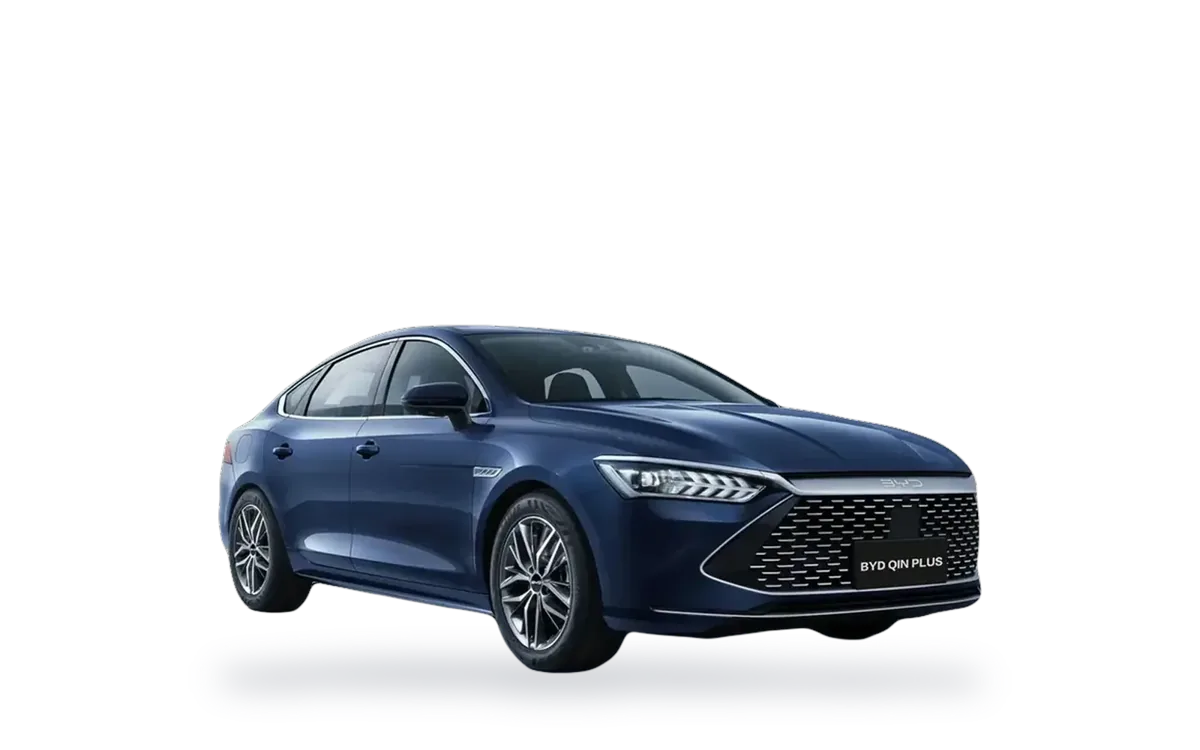
Shop BYD Qin PLUS DM-i Parts by Category
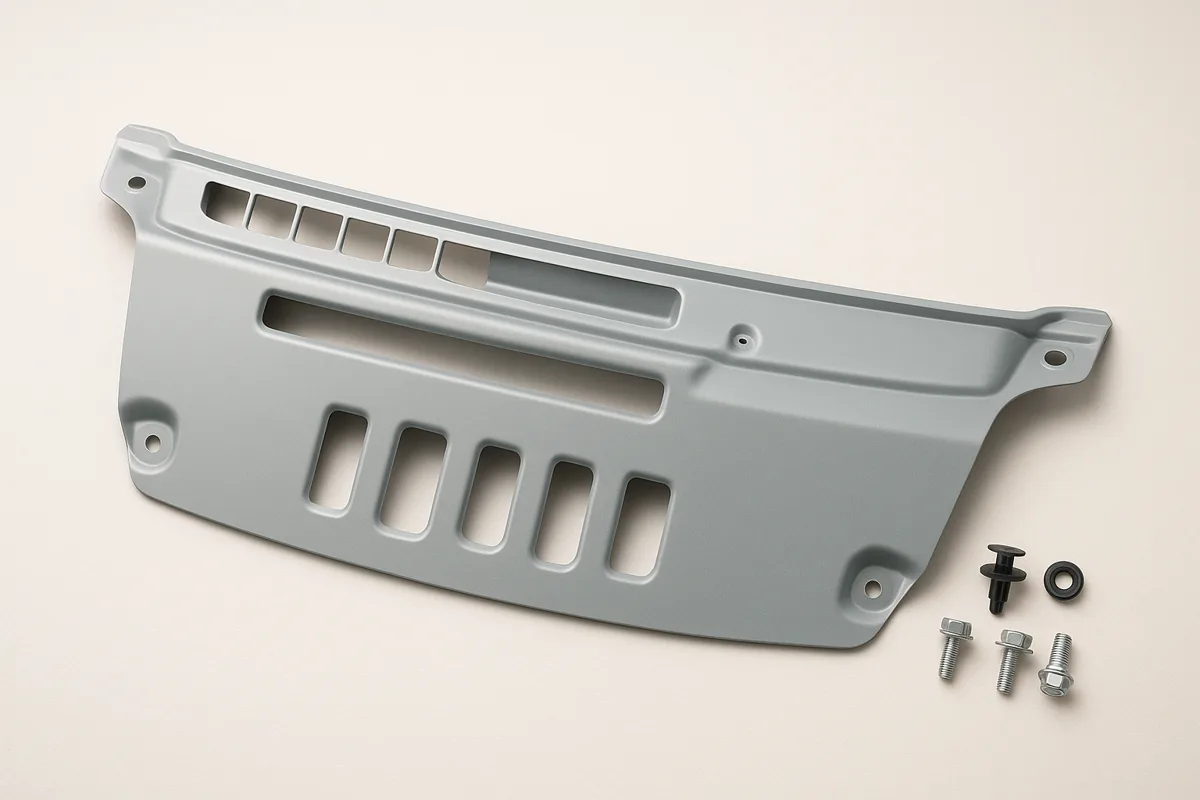
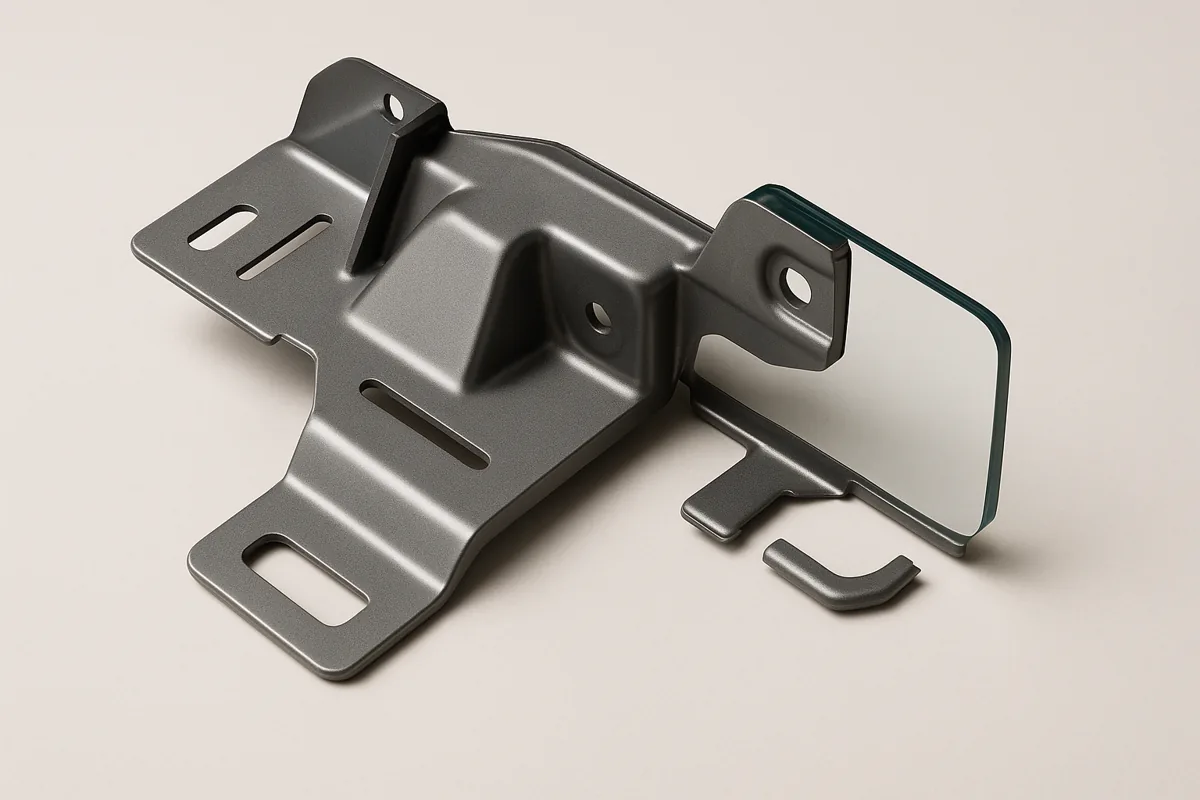
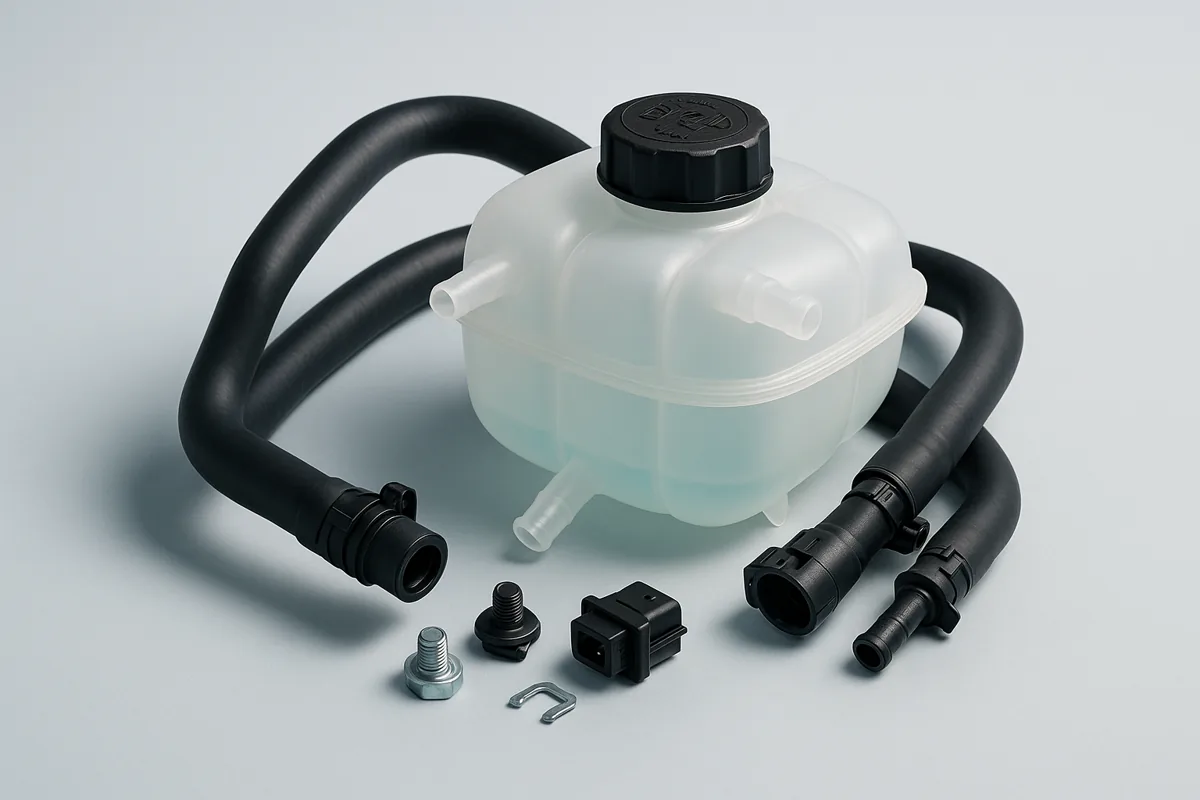
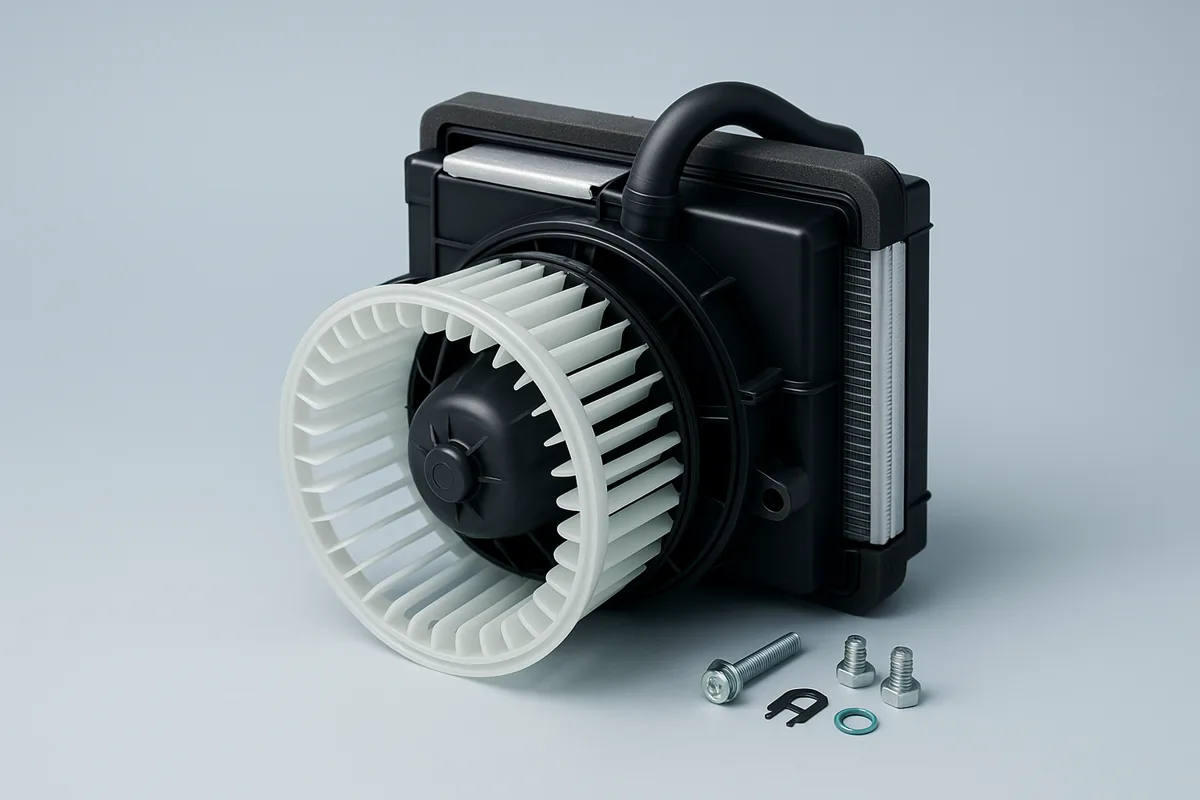
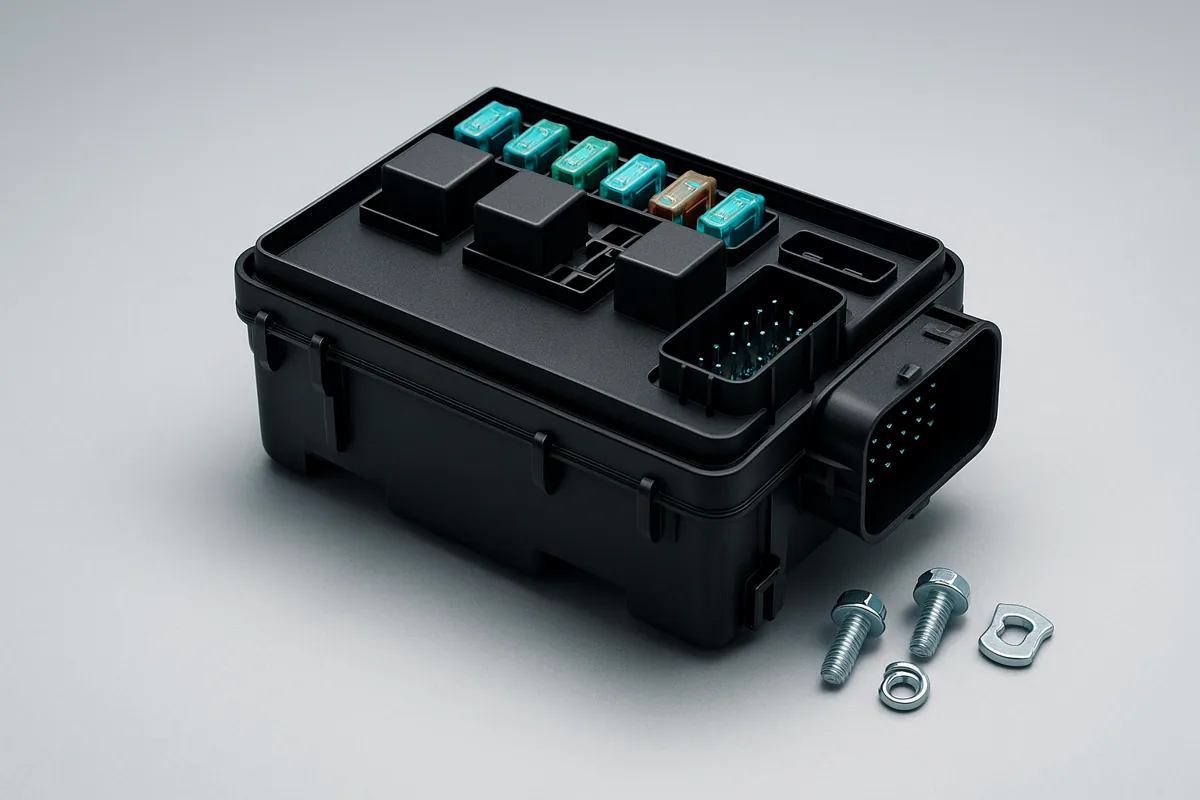
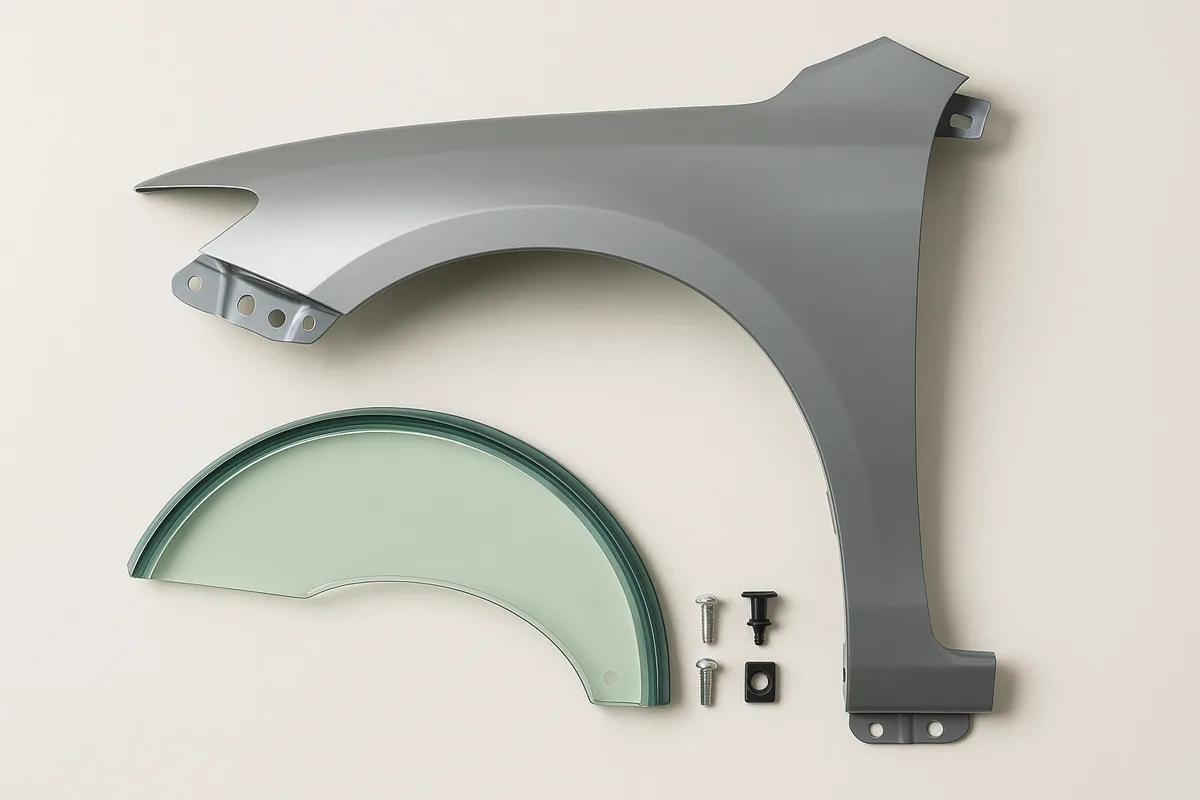
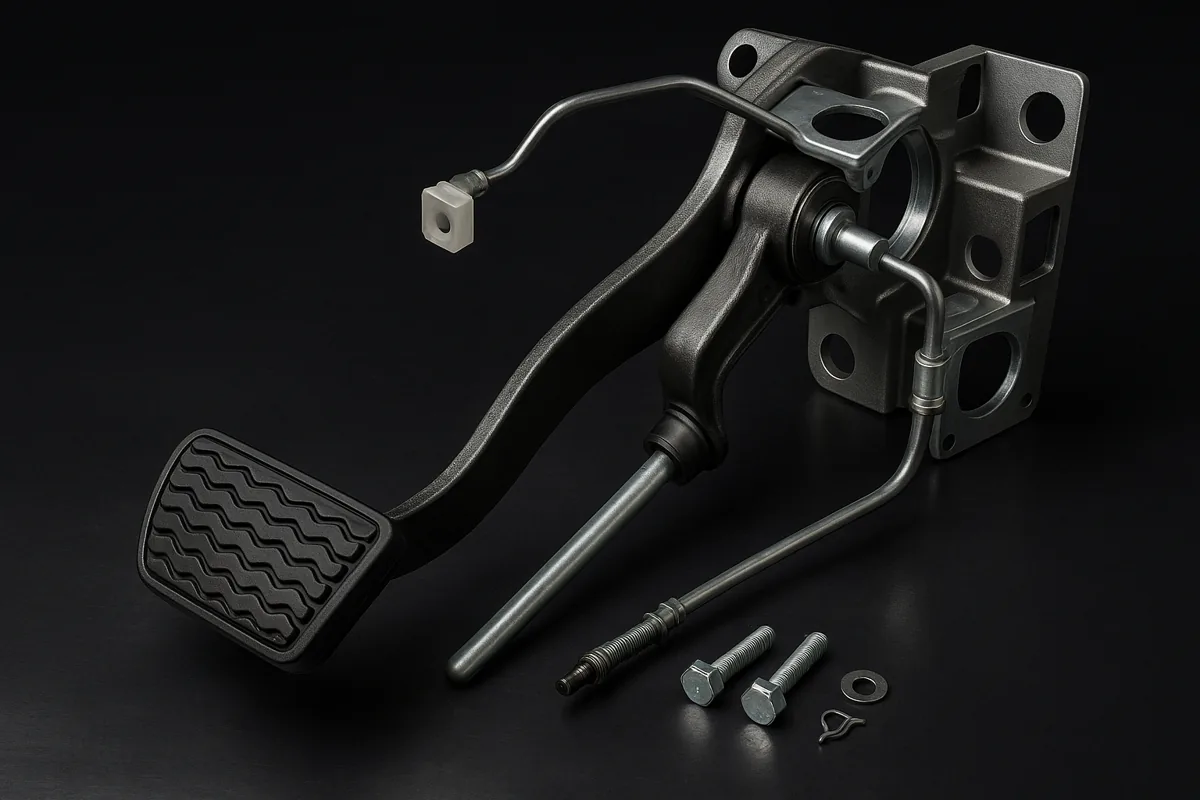
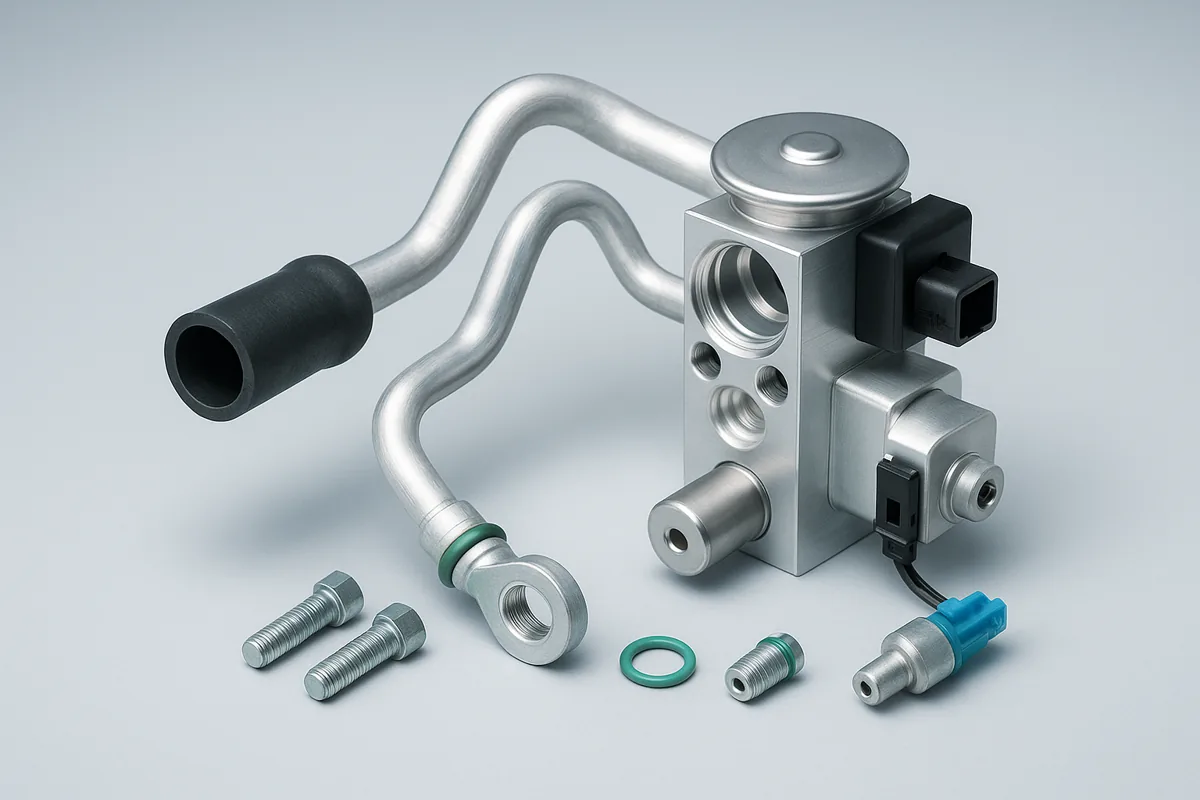
Popular for the BYD Qin PLUS DM-i
scroll for more →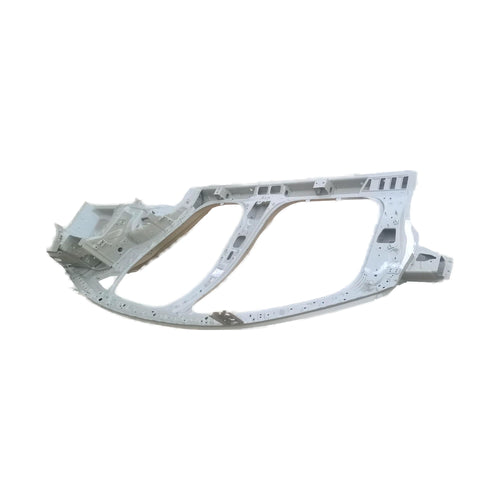
Symptom Finder: Known Weak Points
| What you see or hear | Check first |
|---|---|
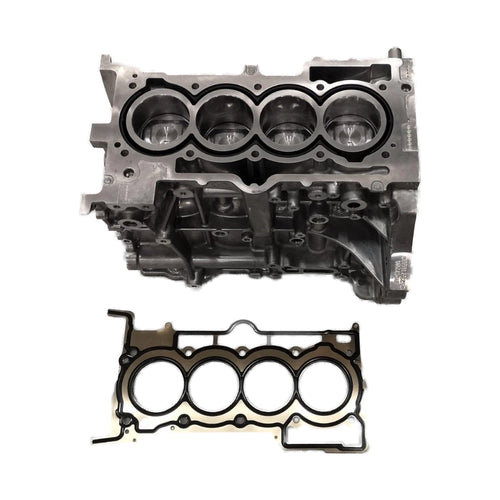
| Rough running on a cold start with the battery flat, and fuel use creeping up | Spark plugs first, then the throttle body and injectors for carbon. Confirm whether the engine is the 81 kW or 74 kW unit before ordering. |
| Hesitant or rough engine after months of running mostly on electric power | The fuel filter, lines and tank sender. Petrol can sit for months in a car charged at home, so use up old fuel before replacing parts. |
| Grinding or scraping from the brakes although the pads still look healthy | The disc faces. The motor does most of the slowing, so discs can corrode from light use. Replace discs and pads together by OE number. |
| Parking sensor or driver-assistance warning after a minor knock | The ultrasonic sensors in the bumper and their brackets. A bent bracket can trigger the warning on its own, so check it before ordering a sensor. |
| Car will not wake up although the traction battery shows charge | The 12 V battery, its feeds and earth straps, which have to wake the high-voltage system before the car will drive. |
| Coolant warning or a falling coolant level | Hoses, the expansion tank and temperature sensors. Engine and battery cooling are separate circuits, so trace the leak to its circuit before ordering. |
| A bumper or lamp that will not line up although the model name matched | The build date. Parts from before and after 10 February 2025 differ, and parts made for the Destroyer 05 do not suit the Qin PLUS. |
Most Replaced Parts on the Qin PLUS DM-i
- Front bumper covers, grilles and lower trimFirst to meet a kerb or a low-speed knock, and restyled for the February 2025 car
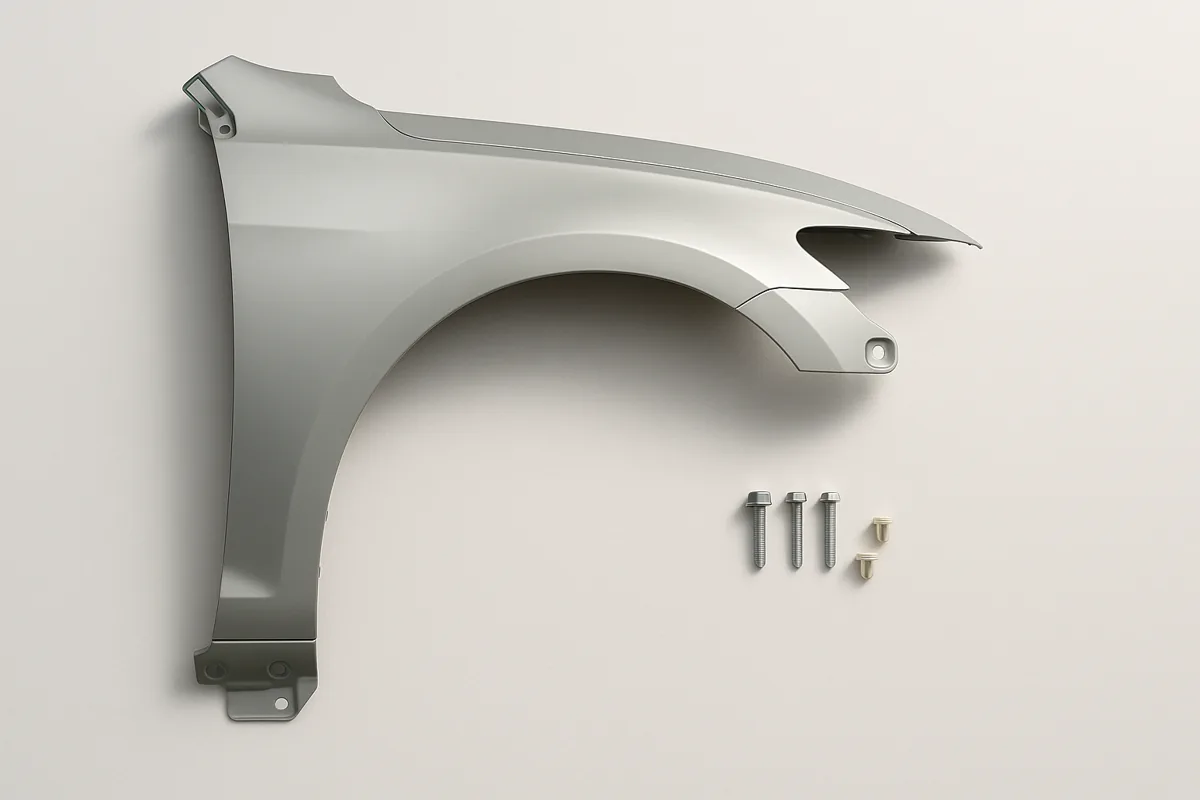
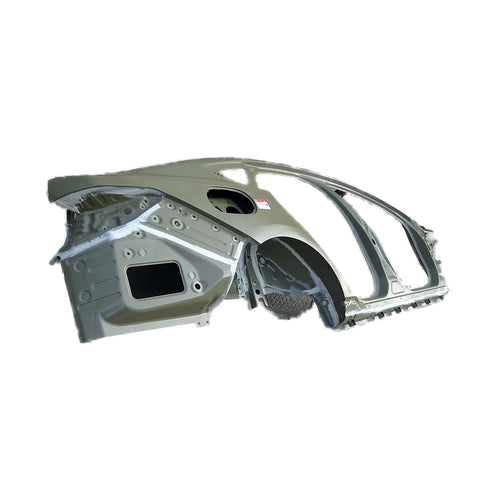
- Wings, bonnets and boot lidsMatch by OE number, since the February 2025 restyle changed the front and rear
- Fuel tank, lines, filter and level senderPetrol can sit for months in a car charged mostly at home
- Coolant hoses, expansion tanks and temperature sensorsSeparate circuits cool the engine and the battery, so trace a leak before ordering
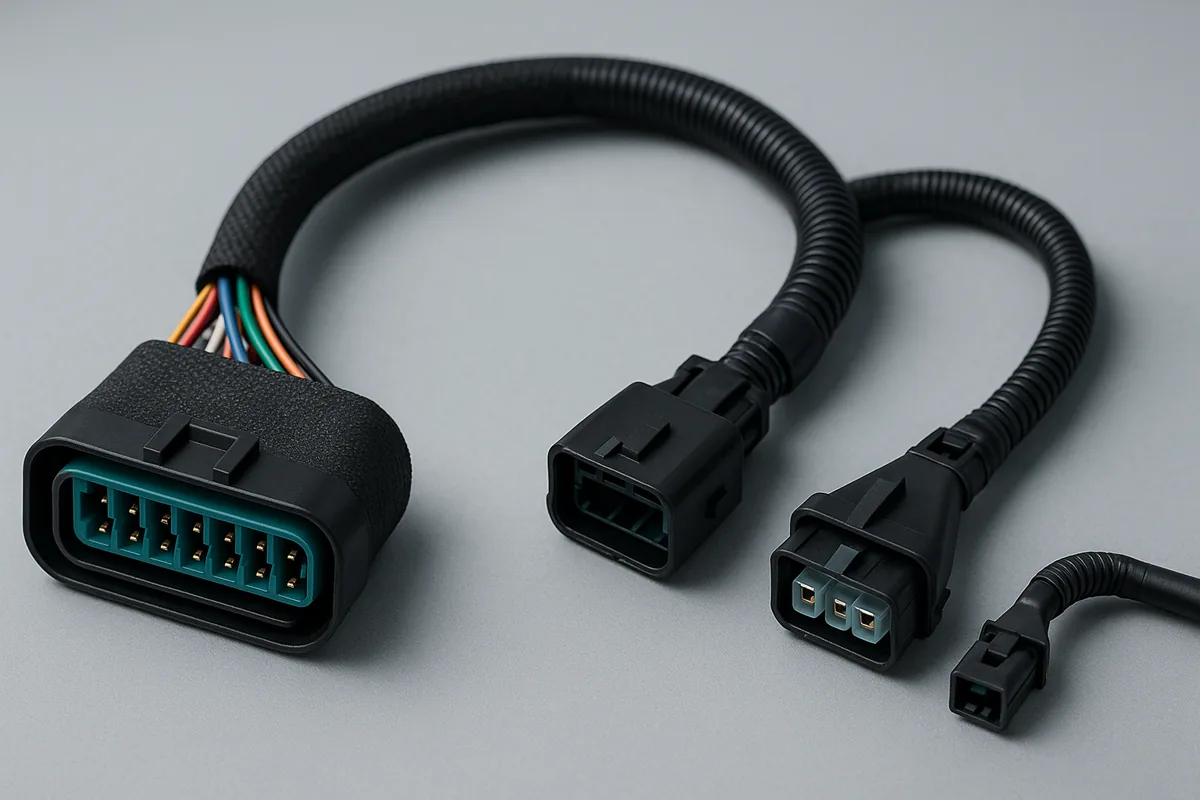
- 12 V feeds, earth straps and connectorsThe 12 V battery has to wake the high-voltage system before the car will drive
About BYD Qin PLUS DM-i Parts
The BYD Qin PLUS DM-i is a compact plug-in hybrid saloon. It went on sale in China in March 2021 and was given a new front, rear and interior in February 2025. An electric motor drives the front wheels, and a 1.5-litre petrol engine mostly works as a generator, driving the wheels directly only when that is more efficient. So the car needs two kinds of parts. It has the battery, motor and charging hardware of an electric car. It also has the oil, filters, fuel system and sensors of a petrol engine that may sit unused for weeks. It shares its body with the battery-electric Qin PLUS, and its wheelbase and hybrid drive with the Destroyer 05, which has its own nose and tail. Every part on this page is listed by its OE number, and matching that number to the old part is the surest way to confirm a part fits.
What to know before buying BYD Qin PLUS DM-i parts
Start by making sure the car is the DM-i. The same body is sold as the battery-electric Qin PLUS. The Destroyer 05, on sale since March 2022, shares the 2,718 mm wheelbase and the hybrid drive but has its own front and rear styling. A fuel filler flap alongside the charging flap confirms the plug-in hybrid. Bumpers, grilles and lamps from a Destroyer 05 do not suit a Qin PLUS, and the electric car has none of the engine, fuel or exhaust parts listed here.
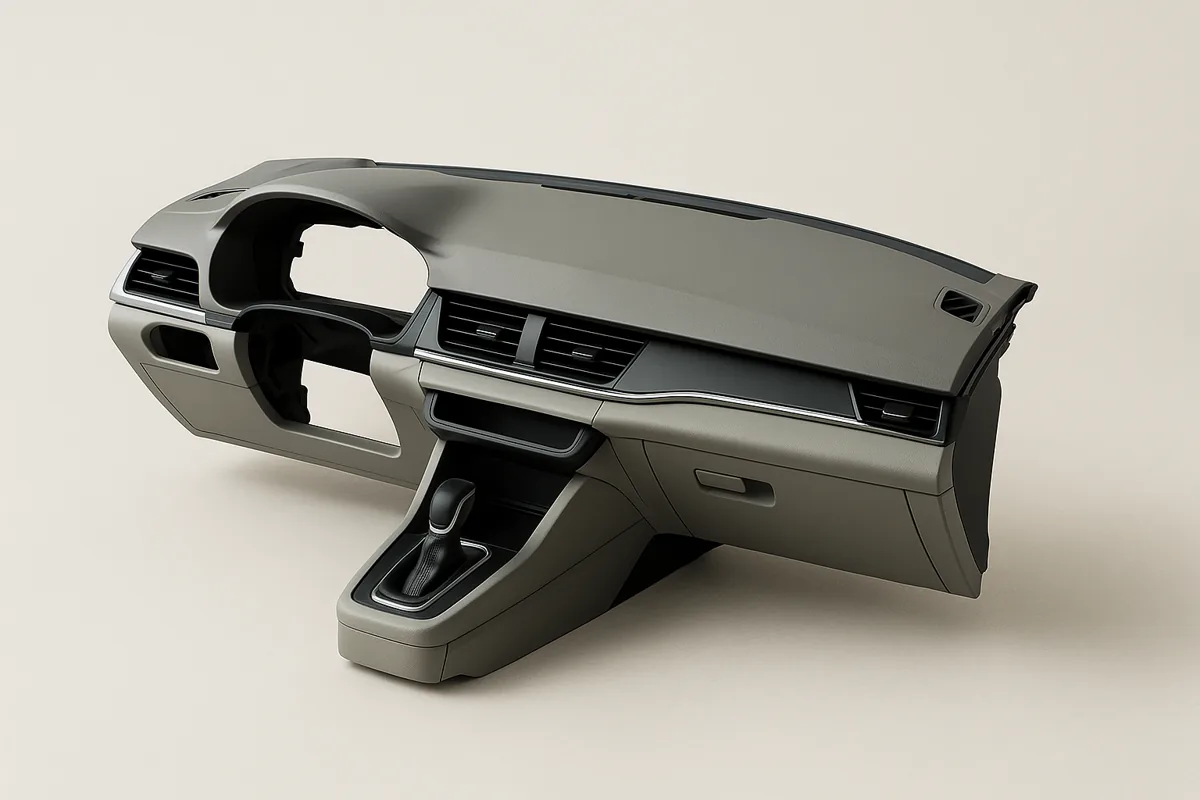
The biggest split in this car's life is the second generation, launched on 10 February 2025. It brought a new front end styled after the Qin L, a new rear and a new interior. The body grew from 4,765 mm to 4,780 mm long and from 1,495 mm to 1,515 mm tall, and the width stayed at 1,837 mm. Bumpers, grilles, headlamps, tail lamps and most cabin trim from before and after that date are different parts, so read the build date on the identification plate before ordering any of them.
The hybrid system changed at the same time. Launch cars used an 81 kW 1.5-litre engine, a 132 kW or 145 kW drive motor and an 8.32 kWh or 18.32 kWh battery. The second-generation car moved to BYD's fifth-generation DM system, with a 74 kW engine, a 120 kW motor and a 7.68 kWh or 15.87 kWh battery, and the 2026 model added a 25.28 kWh option. Match engine ancillaries, motor parts and battery or charging parts by OE number and check them against the build date. Do not assume they cross between periods.
Equipment also varies from car to car within one period. On the 2025 car, entry versions have one camera and four ultrasonic sensors, while higher versions have 12 cameras and 12 ultrasonic sensors. That means a bumper repair on a better-equipped car often needs sensors and brackets as well as the panel. Front discs are ventilated and rear discs are solid. The 2025 and 2026 cars are listed on 225/60 R16 tyres, but read the size on the sidewall before ordering tyres or wheels. For painted panels, order by the colour code on the car, since three new colours arrived for 2026.
Finally, think about how the car is used. Many owners charge at home and rarely run the engine, so its oil, spark plugs and fuel system age with time more than with distance. When planning engine parts, look at the date of the last service as well as the distance covered.
Before You Order: 8 Checks
- Look for a fuel filler flap as well as a charging flap to confirm the car is the DM-i, then order from DM-i listings.
- Match the OE number on the part you are replacing to the OE number on the listing before you order.
- Read the build date on the identification plate, then order bumpers, lamps and trim for the correct side of the 10 February 2025 change.
- Engine output changed from 81 kW to 74 kW with the 2025 car, so check the build date before ordering engine ancillaries or sensors.
- Battery sizes run from 7.68 kWh to 25.28 kWh depending on the car, so confirm the pack fitted before ordering battery or charging parts.
- The 2025 and 2026 cars are listed on 225/60 R16, but read the size on the sidewall before ordering tyres or wheels.
- New colours were added for 2026, so order painted panels by the colour code on the car.
- Count the cameras and sensors on a damaged bumper or windscreen, then order each by OE number and book a calibration with the fitting.
Generations and Facelifts
The Qin PLUS DM-i was unveiled in January 2021 and went on sale in China in March 2021. It was a compact plug-in hybrid saloon, 4,765 mm long on a 2,718 mm wheelbase, with an 81 kW 1.5-litre engine, a 132 kW or 145 kW motor and an 8.32 kWh or 18.32 kWh battery. A battery-electric Qin PLUS followed on the same body. In March 2022 BYD began selling the Destroyer 05, which uses the same wheelbase and hybrid drive but has its own front, rear and dashboard.
The Champion Edition of 10 February 2023 and the Glory Edition, also called the Honor Edition, of 19 February 2024 were model-year updates that centred on trim and equipment. The 2023 car kept the launch dimensions and powertrain figures, and no body change is reported for either update. Most parts therefore carry across cars built from 2021 to early 2025, but each should still be confirmed by OE number.
The second generation arrived on 10 February 2025 as the Smart Driving Edition, and this is the car's one facelift so far. It has a front end in the style of the Qin L, a new rear and a new interior, and the body is 4,780 mm long and 1,515 mm tall. It also moved to BYD's fifth-generation DM system, with a 74 kW engine, a 120 kW motor and a 7.68 kWh or 15.87 kWh battery. Higher versions gained 12 cameras for driver assistance. Body, lamp, trim, engine and battery parts all split at this date.
The 2026 model followed on 8 January 2026. The body and the 74 kW engine and 120 kW motor carried over. A 25.28 kWh battery with up to 210 km of electric range joined the 15.87 kWh pack, three new colours were added, and the DiPilot 100 system is quoted with 12 cameras and five radar units. Match battery, charging and radar parts by build date and OE number.
BYD Qin PLUS DM-i Parts: Frequently Asked Questions
How do I make sure a part fits my Qin PLUS DM-i?
Match the OE number. Every part on this site is listed under the OE number printed on the original part, and if the number on the part you are replacing matches the listing, the part fits. That check matters on this car because the battery-electric Qin PLUS shares its body, the Destroyer 05 is a close relative, and the February 2025 restyle changed much of the front, rear and cabin. If the old part is missing or its number is unreadable, send a photo through the quote form and we will reply within 24 hours, usually sooner.
How can I tell a first-generation car from the 2025 car?
The second generation went on sale on 10 February 2025 with a new front end styled after the Qin L, a new rear and a new interior. It is also slightly larger, at 4,780 mm long and 1,515 mm tall against 4,765 mm and 1,495 mm, on the same 2,718 mm wheelbase. The nose is the quickest visual sign, but the build date on the identification plate is the reliable check. Read it before ordering bumpers, grilles, lamps or interior trim, then confirm each part by OE number.
Do parts from the Destroyer 05 fit the Qin PLUS DM-i?
Some do and many do not. The Destroyer 05 went on sale in March 2022 with the same 2,718 mm wheelbase, the same height as the first-generation Qin PLUS and the same 1.5-litre hybrid drive. It has its own front and rear styling and its own dashboard screens, though. Bumpers, grilles, lamps and much of the cabin trim are therefore specific to each car. Mechanical parts may cross over, but only where the OE number matches. Compare the number on the old part with the listing before you order.
Can I use parts listed for the battery-electric Qin PLUS?
Only where the OE number matches. The electric car shares the body of the DM-i, so some panels, glass and interior parts may be common to both. The electric car has no engine, fuel system, exhaust or hybrid drive, and its battery is far larger, at 47.5 kWh or more. Do not assume suspension or brake parts are shared either. Check for a fuel filler flap to confirm you have the DM-i, then match each part to the OE number on the one you are replacing.
Which battery is in my car?
It depends on when the car was built and which version was chosen. At launch in 2021 the DM-i came with an 8.32 kWh or 18.32 kWh battery. The second-generation car of February 2025 uses 7.68 kWh or 15.87 kWh. The 2026 model, launched on 8 January 2026, added a 25.28 kWh battery rated at up to 210 km of electric range on the Chinese test cycle. Battery size alone is not a safe guide to fit. Read the build date on the identification plate and match battery or charging parts by OE number.
Does every Qin PLUS DM-i have the same engine?
No. Every version uses a 1.5-litre petrol engine, but its output changed with the hybrid system. Launch cars used an 81 kW engine with a 132 kW or 145 kW drive motor. The second-generation car of February 2025 moved to BYD's fifth-generation DM system, with a 74 kW engine and a 120 kW motor, and the 2026 model kept that pairing. Do not assume engine ancillaries, sensors and motor parts cross between the two. Check the build date, then match each part to the OE number on the old one.
I charge every night and hardly use the engine. Does it still need servicing?
Yes. The engine may run for only a few minutes on some journeys, but its oil still ages, and its filters, spark plugs and sensors still need attention. Follow the time interval in the owner's handbook as well as the distance, whichever comes first. If you wait for the engine to cover the distance, a car charged at home can go a very long time between services. Before ordering oil filters, plugs or sensors, confirm whether the engine is the 81 kW or 74 kW unit, then match the OE number.
Why would a plug-in hybrid need fuel system parts?
Because the petrol can sit for a long time. A Qin PLUS DM-i that is charged at home and used mostly for short trips may burn very little fuel, so a tankful can stay in the car for months. Old fuel and a system that is seldom used can lead to poor starting, rough running and faults around the tank, lines, filter and level sender. Running the tank down now and then helps. If a part needs replacing, match it by the OE number on the old one, since the battery-electric Qin PLUS has no fuel system.
Why are the brakes grinding when the pads still look good?
On a hybrid the electric motor does most of the slowing and turns the car's movement back into charge, so the friction brakes are used much less than on a petrol car. Discs that are rarely used hard can corrode, and the rust can cause grinding, noise and uneven braking even when the pads have plenty left. The DM-i has ventilated discs at the front and solid discs at the rear. Inspect the disc faces before ordering pads, and if a disc is pitted, order the disc and pads together by OE number.
Do cameras and sensors need setting up after a repair?
Often, yes. The second-generation car of February 2025 brought new driver assistance. Higher versions carry 12 cameras and 12 ultrasonic sensors, and entry versions have one camera and four ultrasonic sensors. The 2026 model's DiPilot 100 system is quoted with 12 cameras and five radar units. When a camera or radar is replaced, or a bumper or windscreen that carries one, it usually needs calibrating by a workshop with the right equipment. Count the sensors on the old part, match it by OE number and book the calibration with the fitting.
What changed with the 2026 model?
The 2026 model was launched on 8 January 2026. The main change was a new 25.28 kWh battery, rated at up to 210 km of electric range on the Chinese test cycle, offered alongside the 15.87 kWh pack. The engine and motor stayed at 74 kW and 120 kW, and the body kept its 2025 dimensions. Three new paint colours were added, and a 12.8-inch screen became available in place of the 10.1-inch unit. For parts, the battery and charging hardware matter most, so read the build date on the identification plate and order painted panels by colour code.
Are the Champion and Glory editions different cars?
No. They are model-year updates of the same car. The Champion Edition arrived on 10 February 2023 and the Glory Edition, also called the Honor Edition, on 19 February 2024. Both centred on trim and equipment, and no body change is reported for either. The 2023 car kept the launch dimensions and powertrain figures. The date that splits most body and powertrain parts is 10 February 2025, when the second generation arrived. Read the build date on the plate rather than trusting the edition name on a listing, then match each part by OE number.
Safety Recalls Affecting This Model
Check your build plate against those two date ranges rather than going by model year or trim name, since the recall names this model and no other car built on the same bodyshell. If you have been told this car is clear of any recall, or told a different model on the same shell is affected, confirm against the build date yourself before ordering or returning a battery part, since the Destroyer 05 and the battery-electric Qin PLUS share the bodyshell but sit outside this campaign.