Drums, Shoes & Hardware
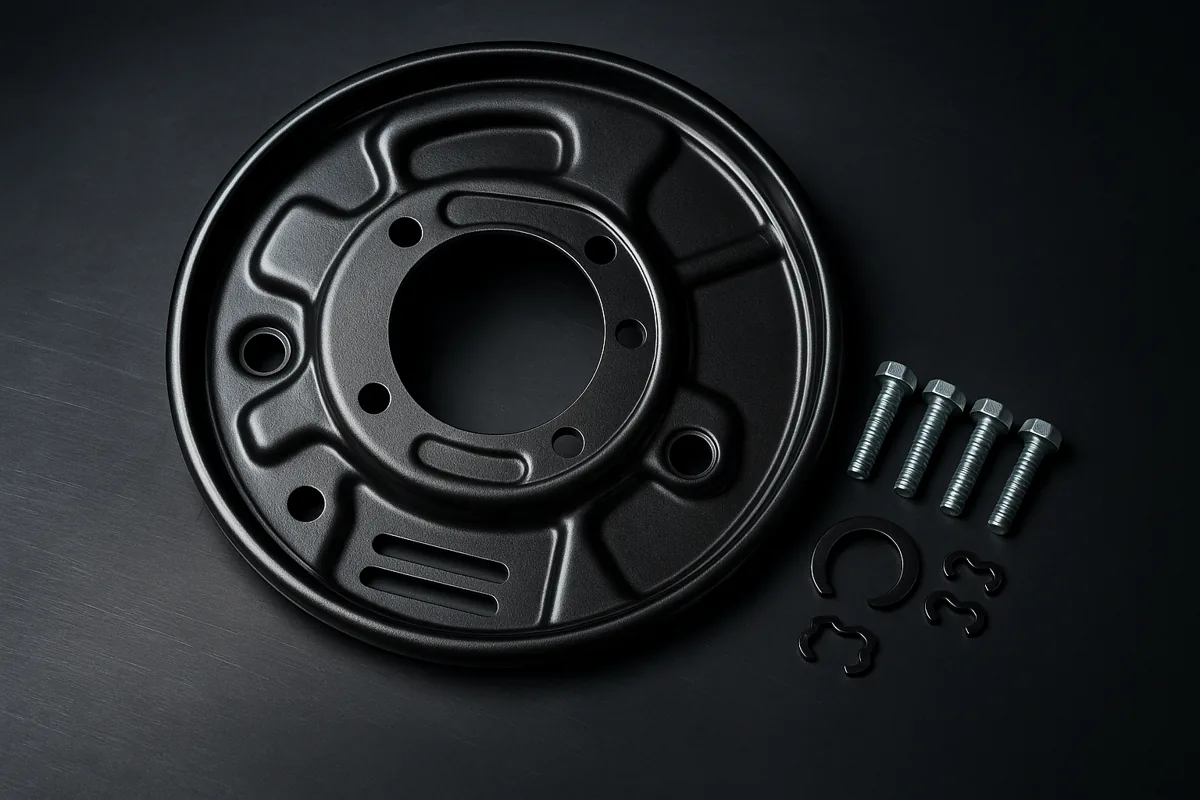
Shop Drums, Shoes & Hardware by Part Type
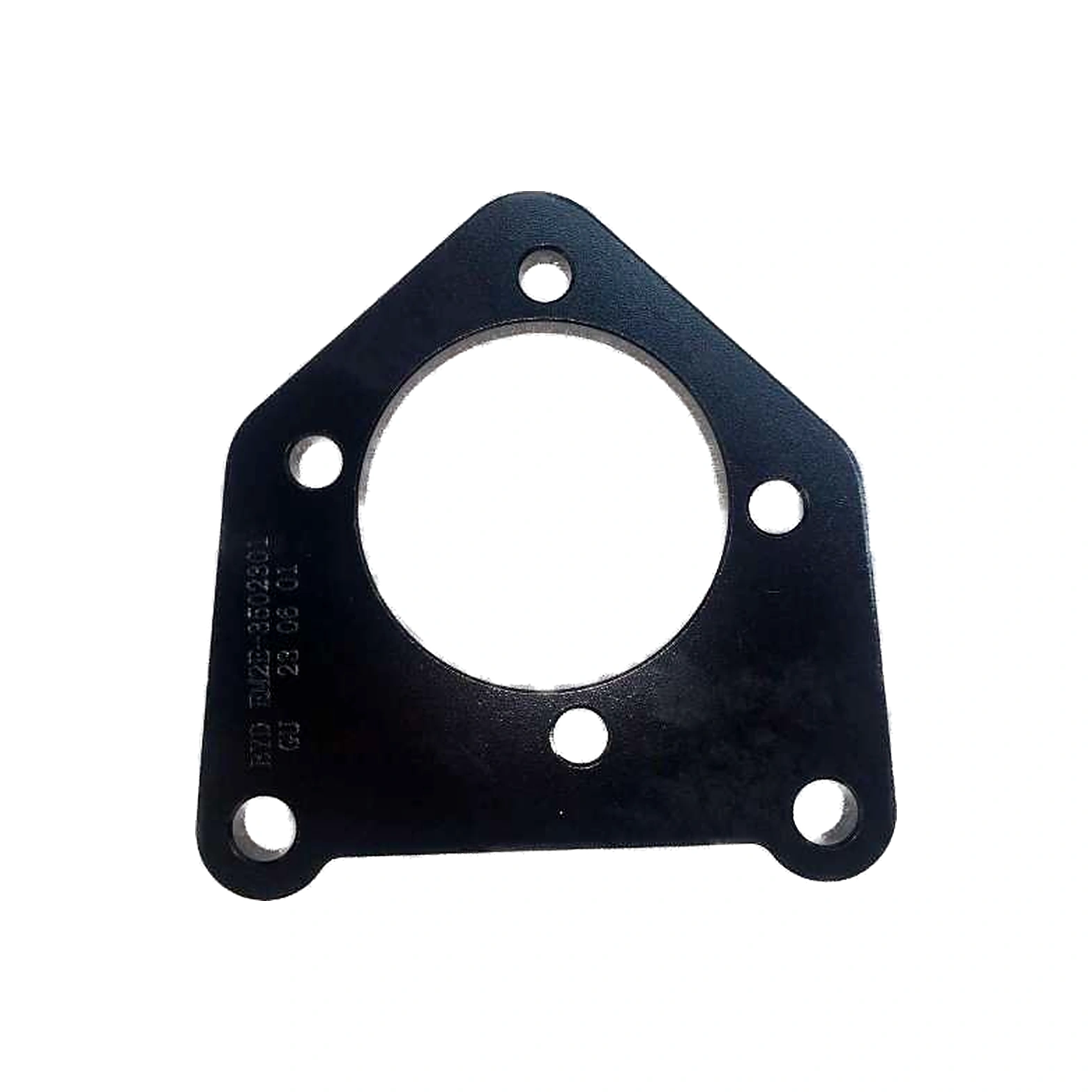
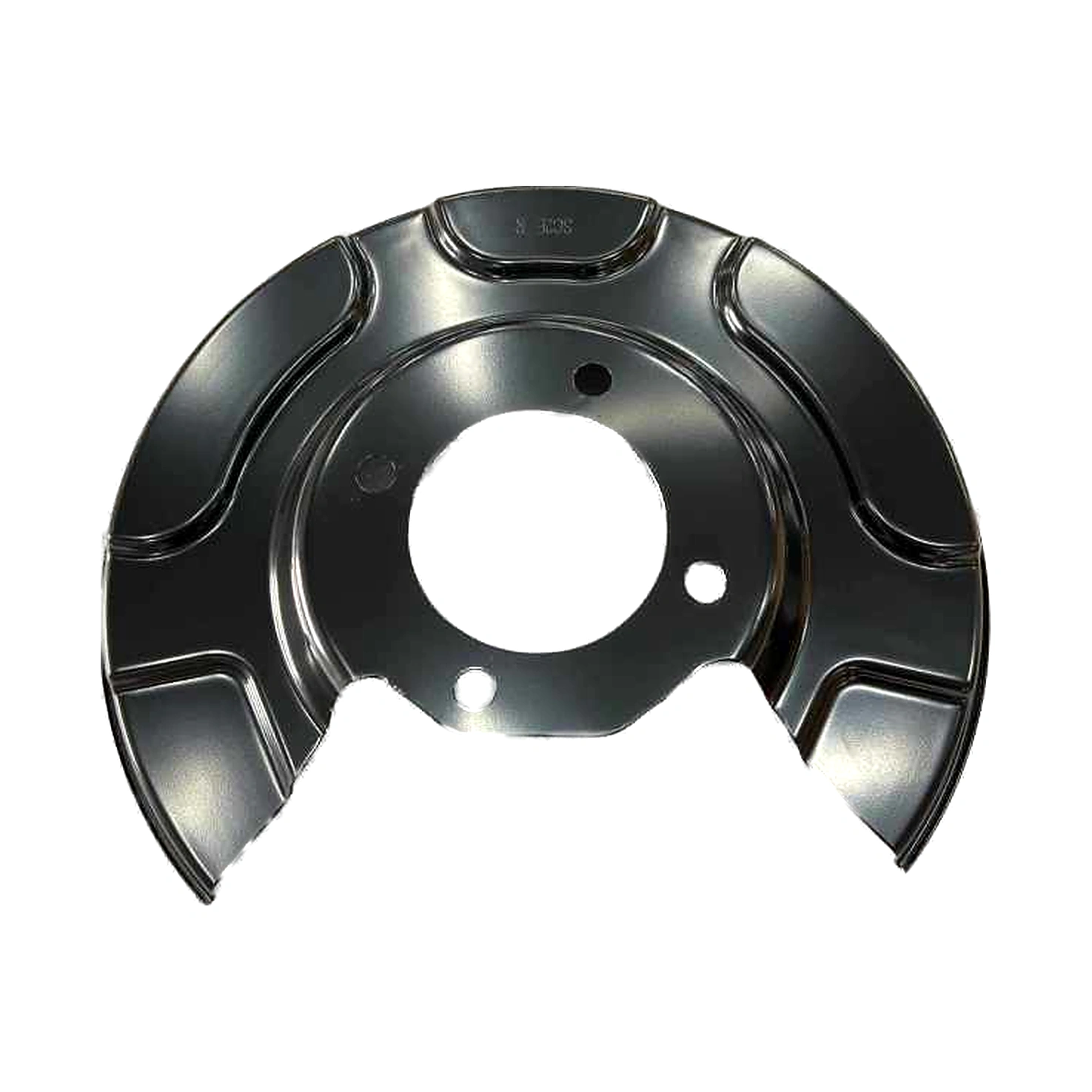
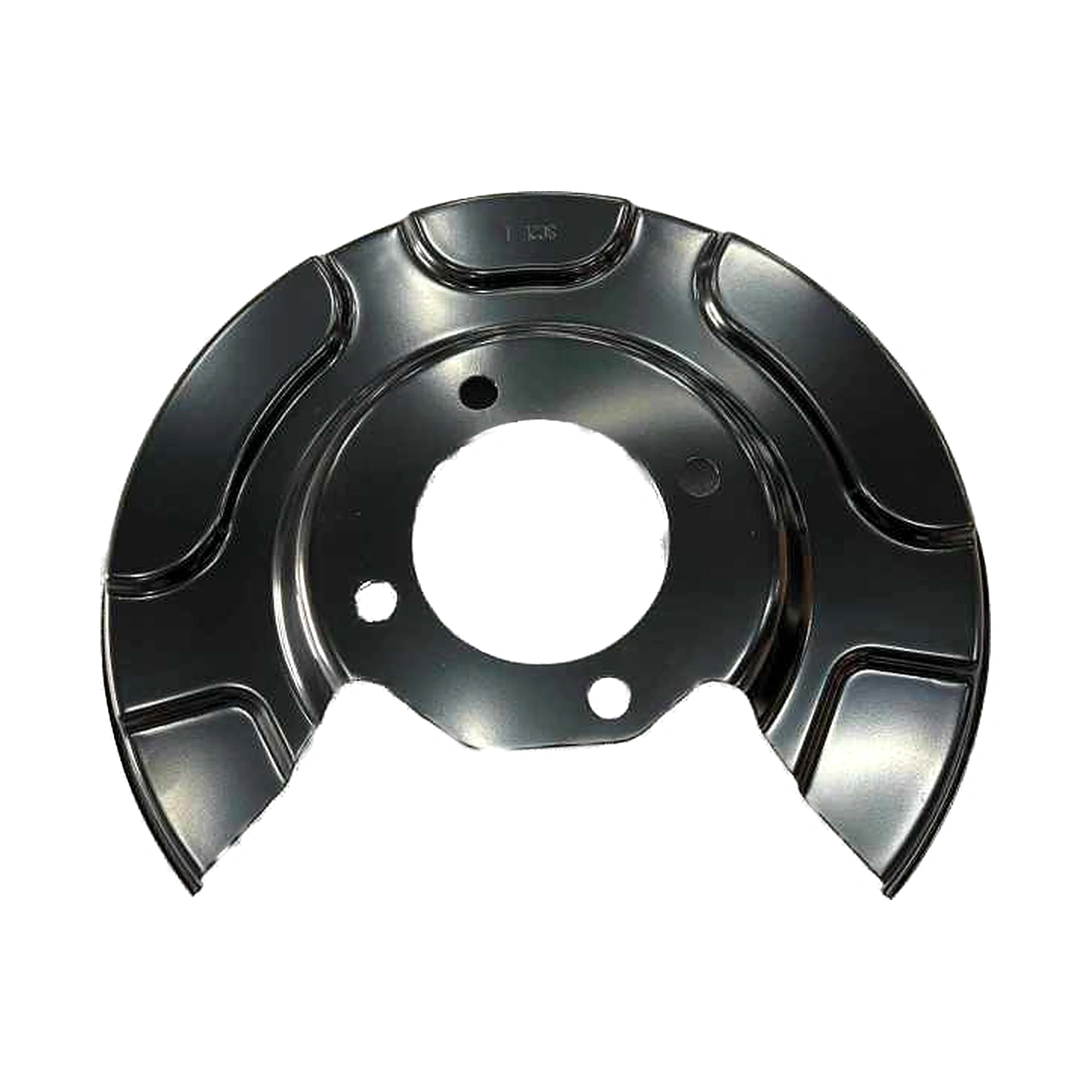
Popular Right Now
scroll for more →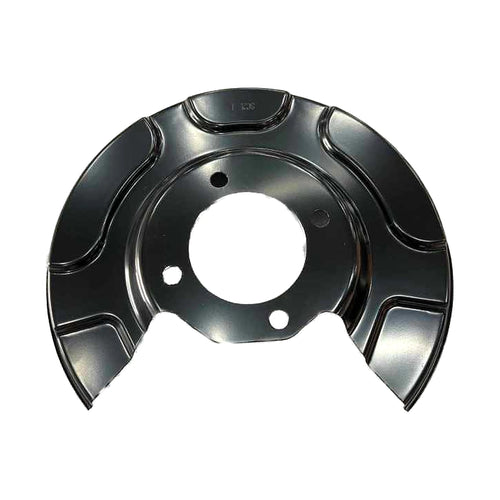
Symptom Finder: What Is Actually Broken?
| What you see or hear | Part to check first |
|---|---|
| Pedal travels further than it used to before biting | Drum brake adjuster and hardware |
| Scraping or grinding from a rear wheel | Brake shoes worn to the rivets or a warped backing plate |
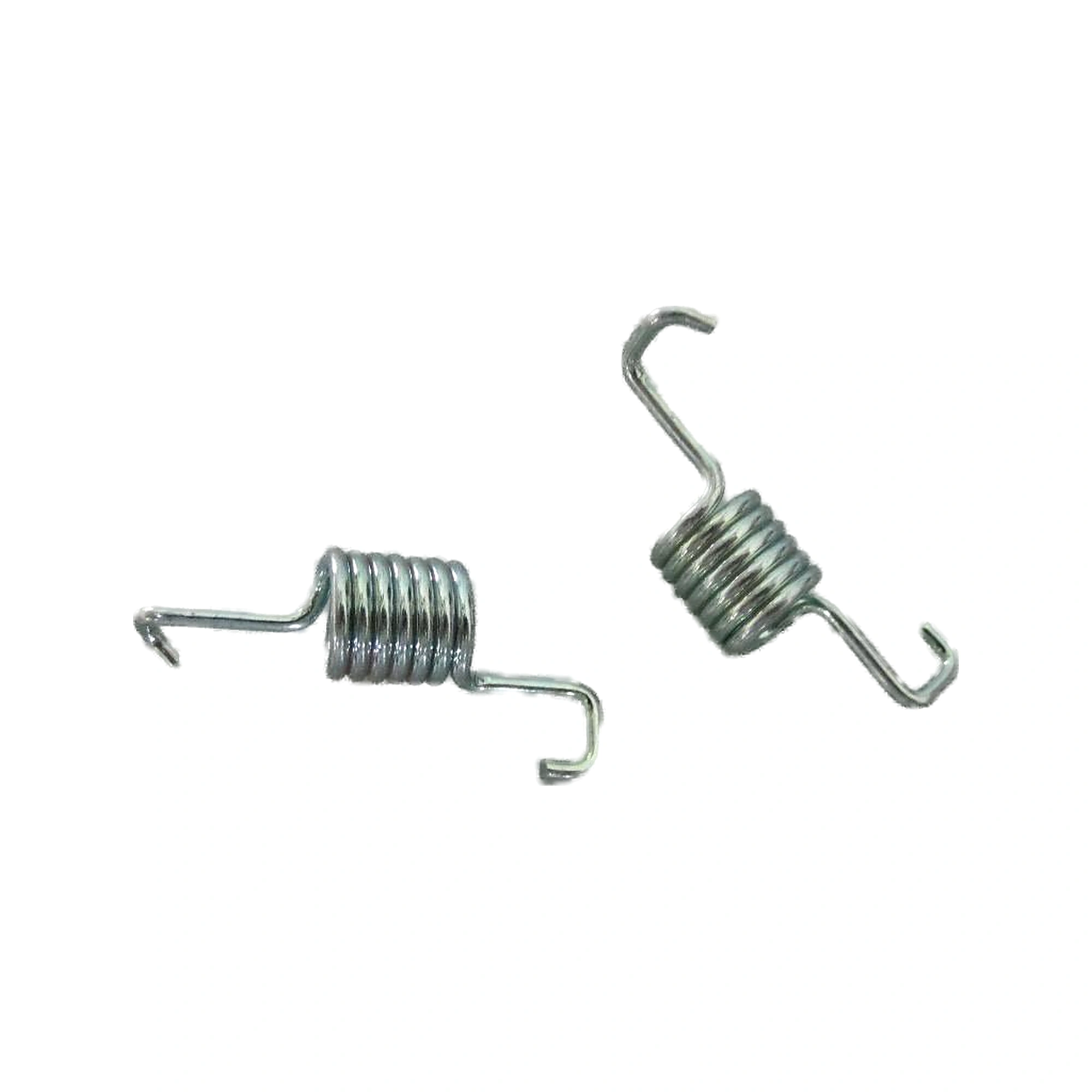
| Rear brake stays warm or the car pulls under braking | Brake shoe return spring |
| Parking brake holds on one side only | Brake rod assembly or parking brake lever |
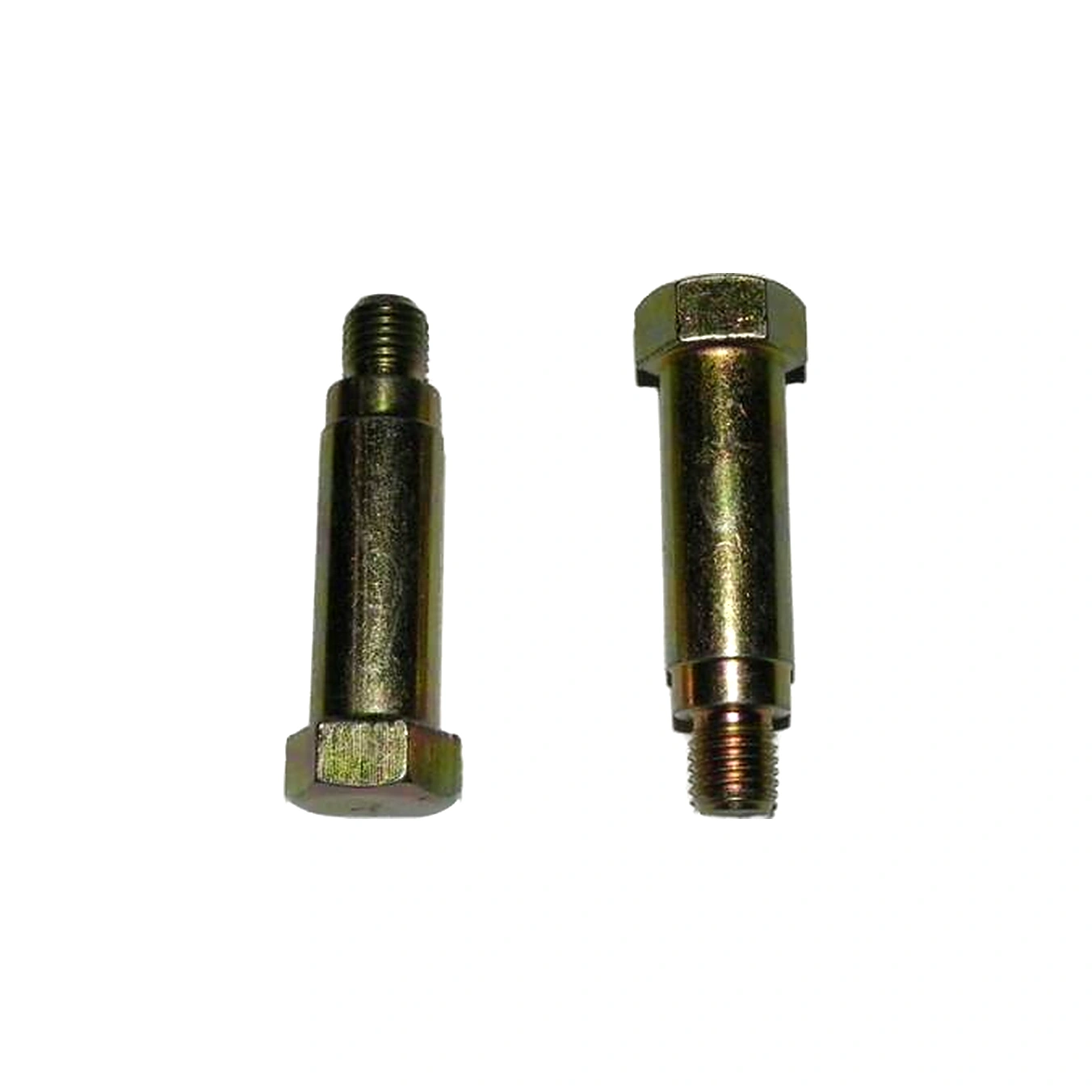
| Rattle from a rear wheel over rough roads | Support pin and hold down spring |
| Fluid inside the drum with contaminated shoes | Wheel cylinder and a full hardware set |
About Drums, Shoes & Hardware
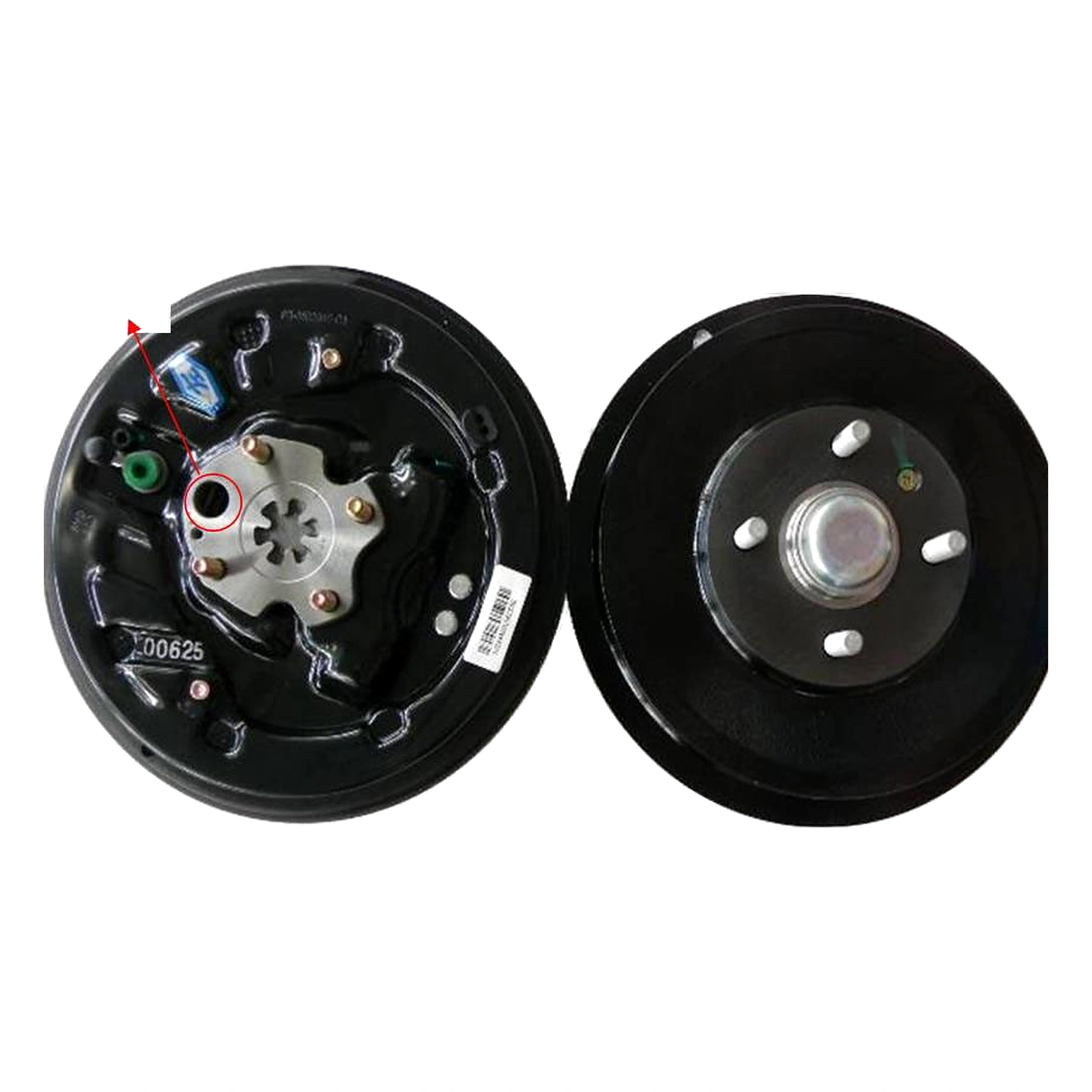
A drum brake works by expanding two curved shoes outward against the inside of a rotating drum. Hydraulic pressure from a wheel cylinder pushes the tops of the shoes apart, and the leading shoe is dragged into the drum by rotation, wedging itself tighter in an effect that multiplies the applied force. That self energising behaviour is why drums give strong parking brake performance from a modest cable pull, and why they were kept on rear axles long after front discs became universal. Everything is carried on a backing plate bolted to the axle: the wheel cylinder at the top, an adjuster and a strut across the middle, return springs to pull the shoes back, hold down pins with springs to keep them flat, and the parking brake lever with its rod. The system needs those springs to release cleanly, which is exactly why so many drum complaints are hardware complaints rather than friction complaints.
What to know before buying Drums, Shoes & Hardware parts
Order drum hardware in axle pairs. Both sides have aged identically, and the balance between them decides whether the car pulls.
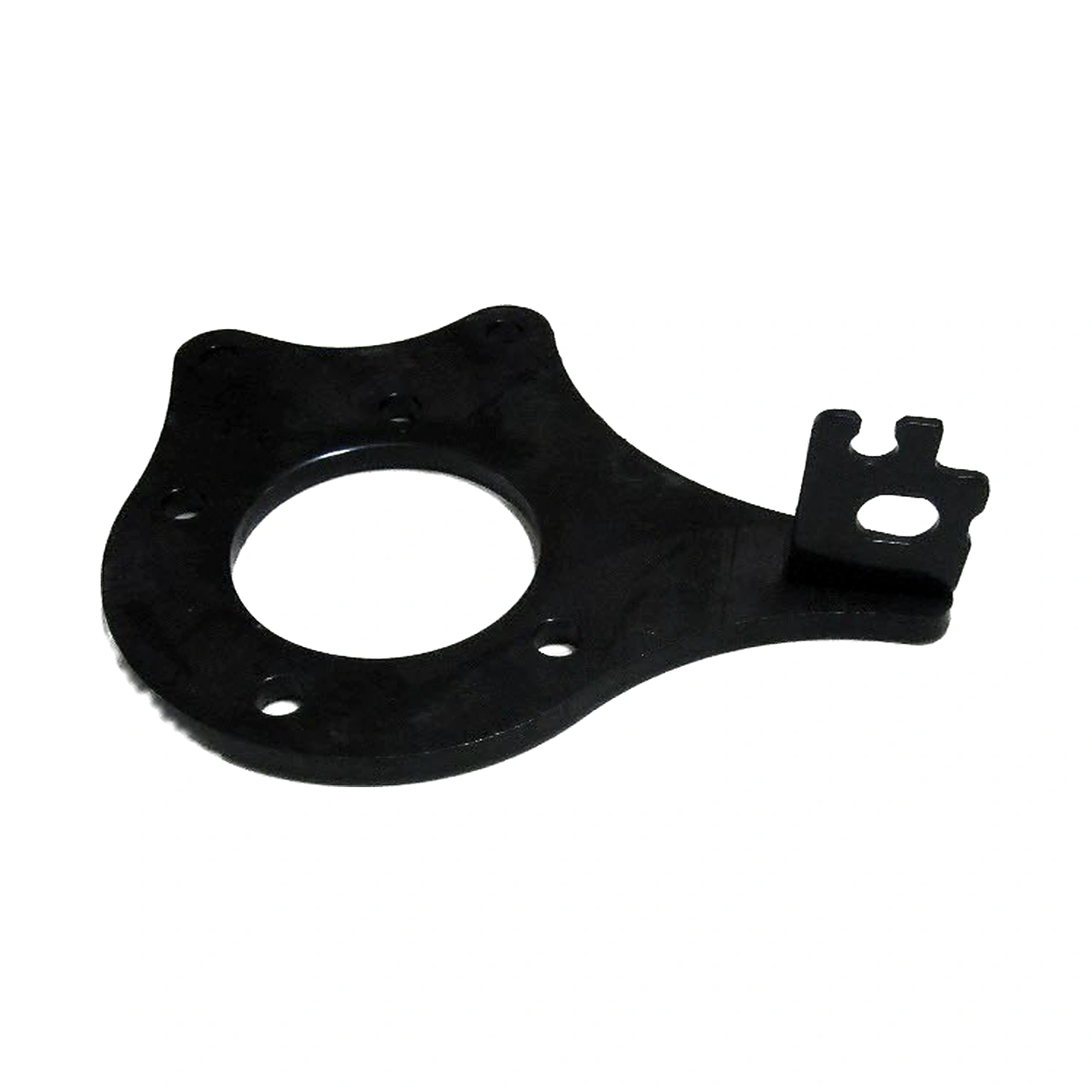
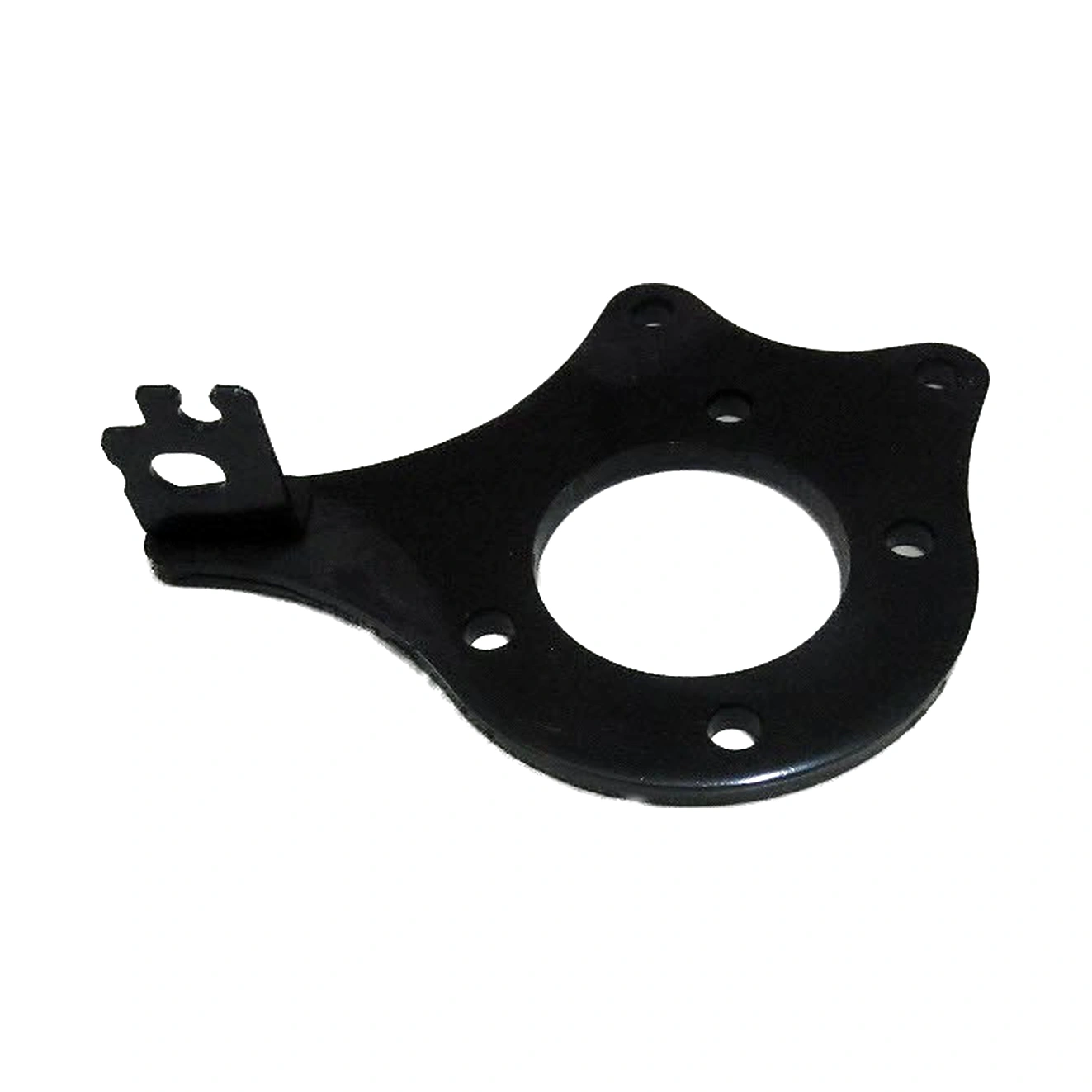
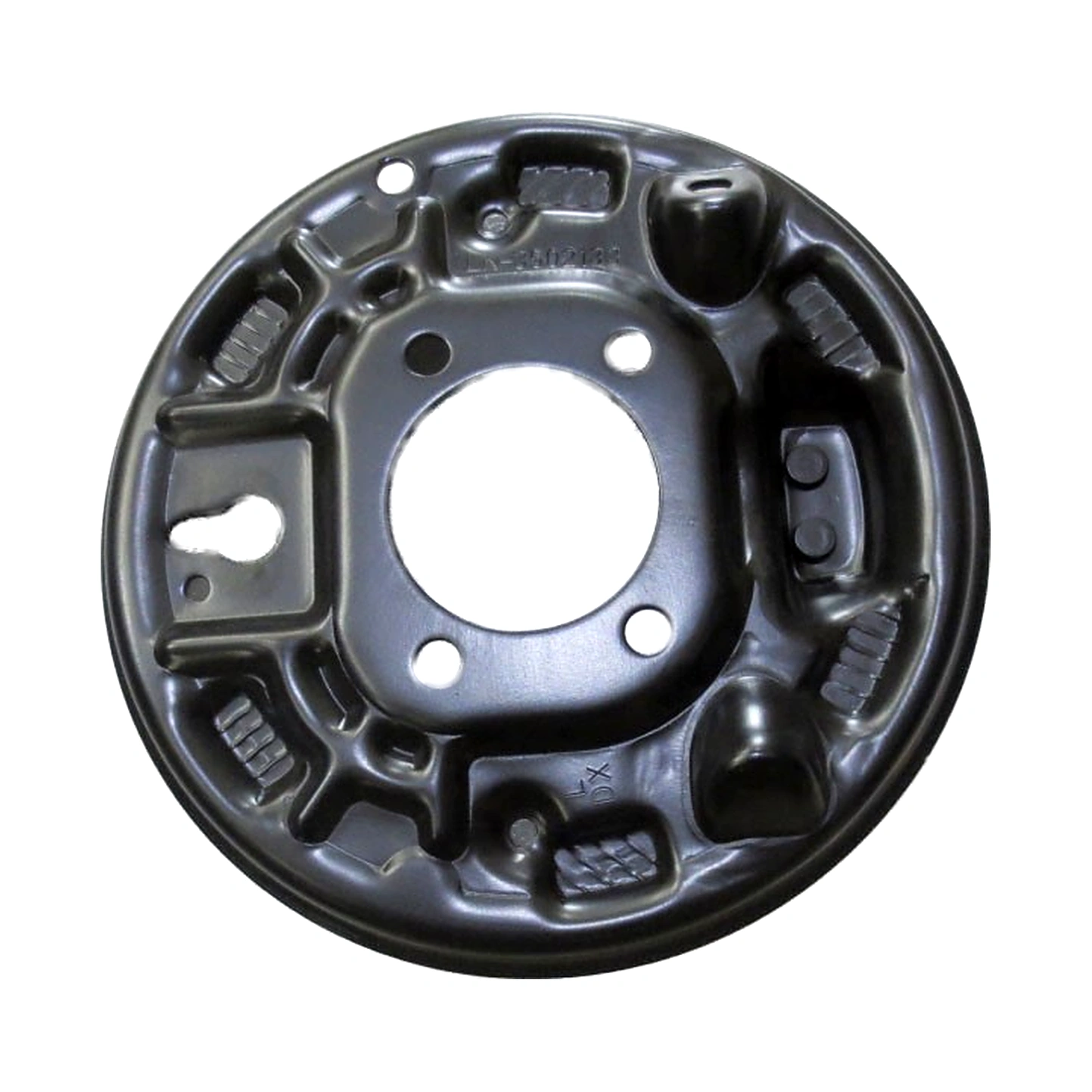
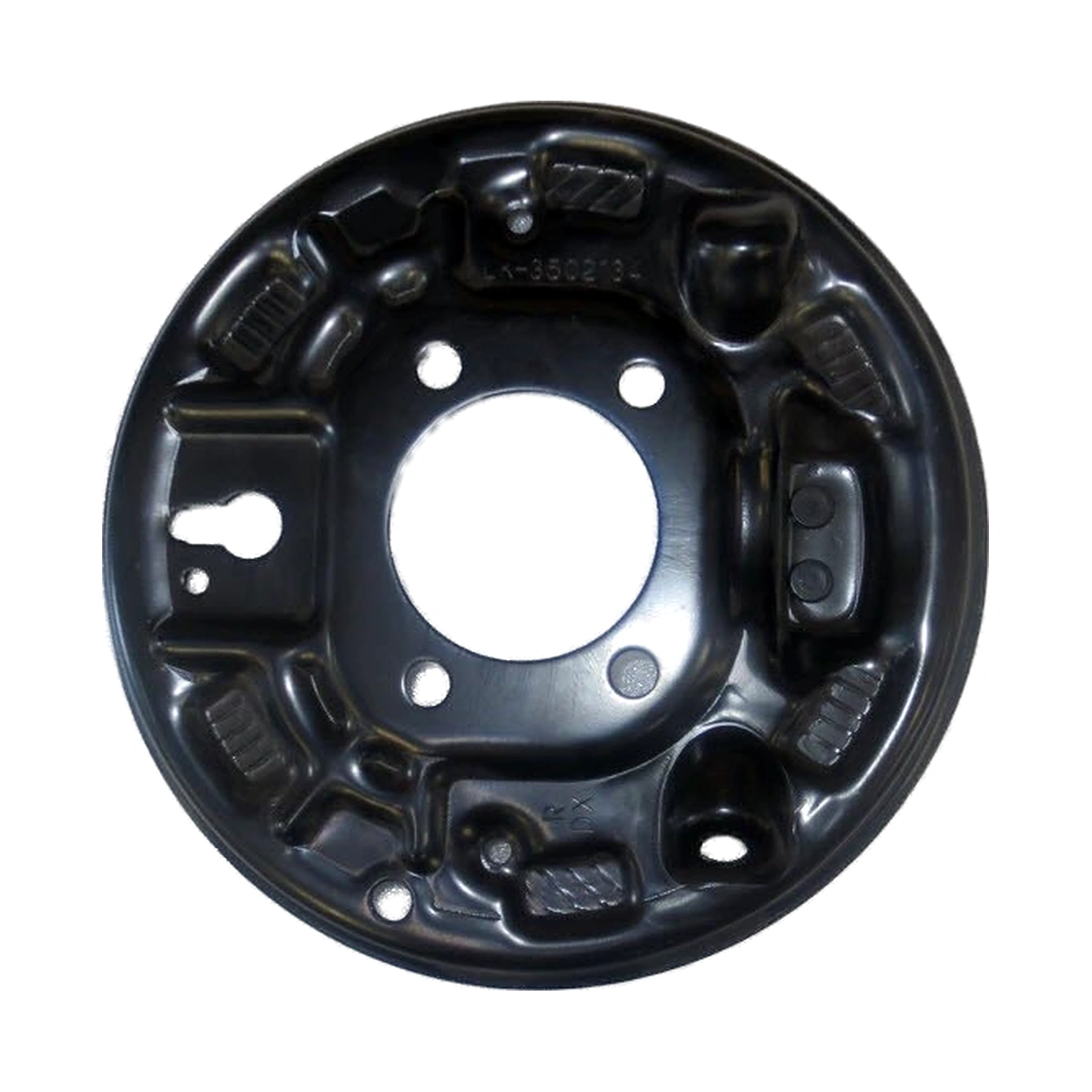
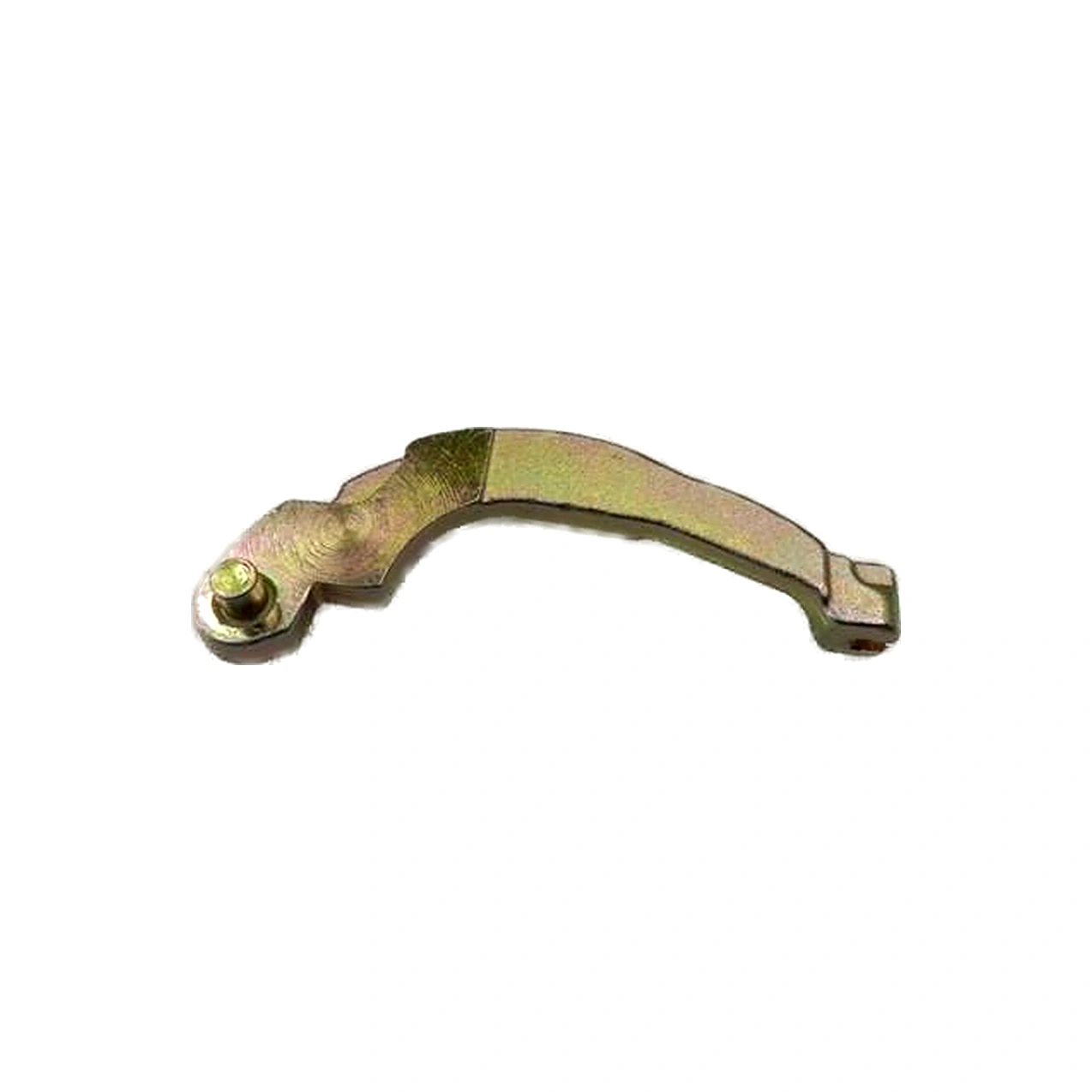
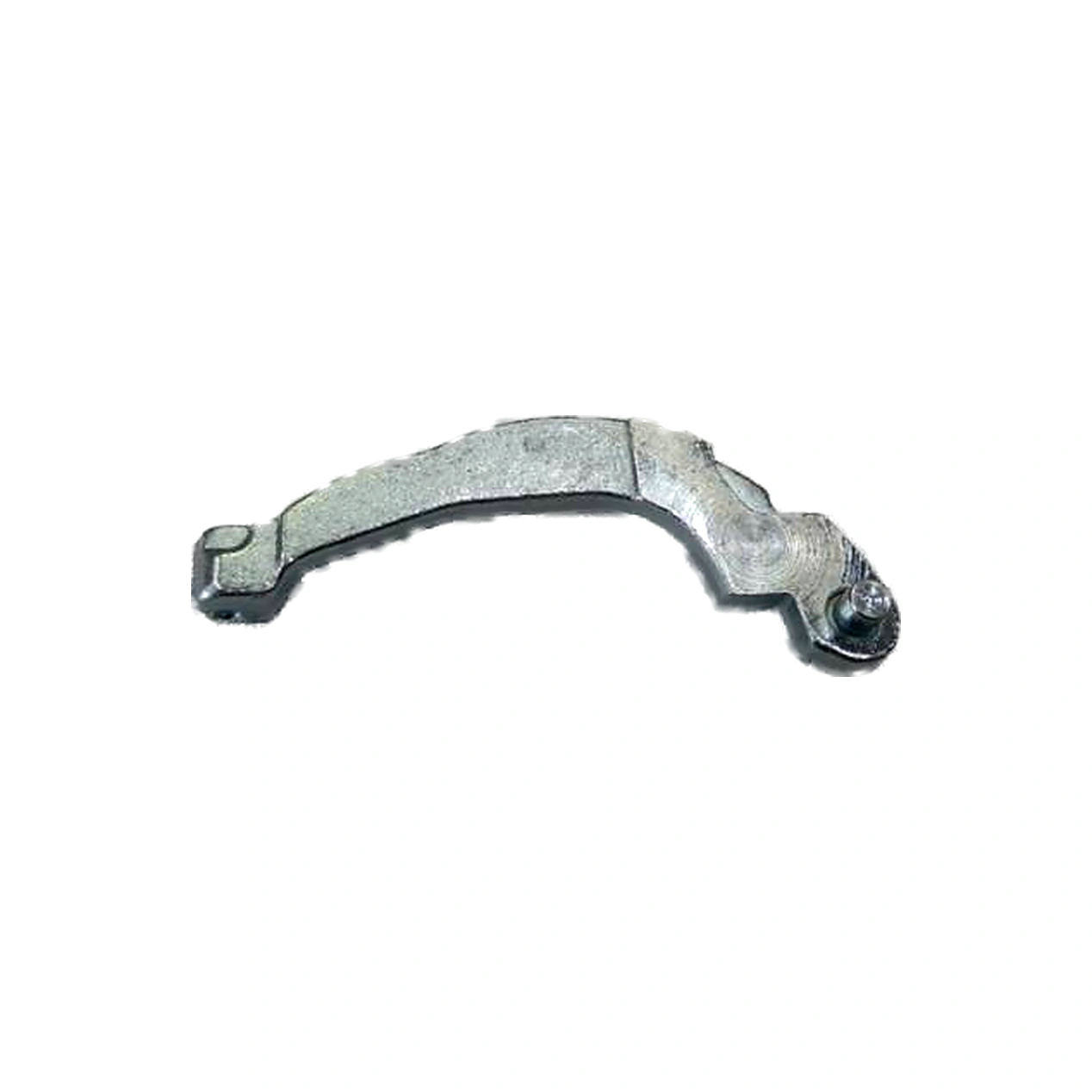
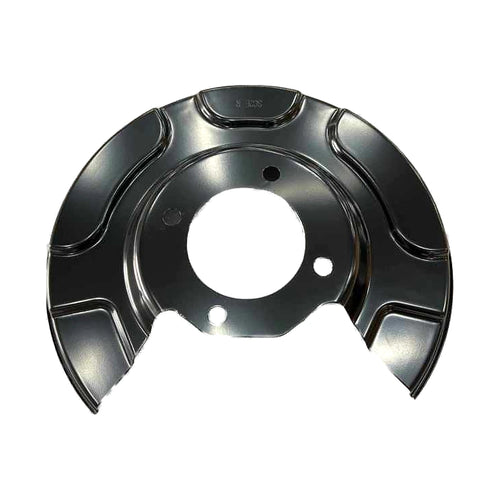
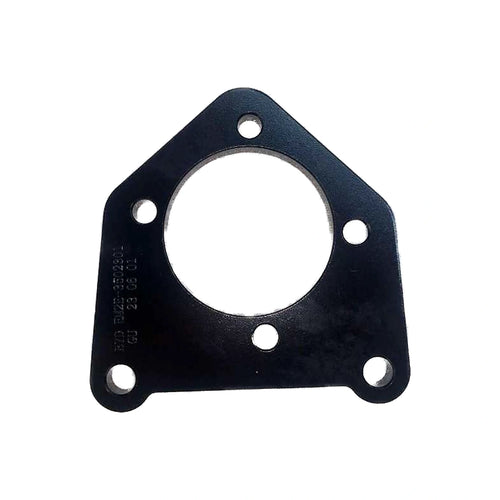
You will find complete rear drum brake assemblies, plus the pieces that actually get replaced. Those are rear brake backing plates and backing plate assemblies for each side. Rear brake mounting base plate assemblies and zinc plated support pins are listed too. So are left and right brake rod assemblies, and left and right springs. Upper brake shoe return springs and rear brake dust shields complete the list. Several come in aftermarket pack form.
Drum faults concentrate in the hardware. Fatigued return springs let a shoe rest against the drum and cook it. A seized adjuster leaves the pedal travelling too far. A corroded backing plate lets shoes chatter.
Match the OE number, because drum diameter and shoe width vary with specification. Priced listings can be bought directly, and unpriced ones are quoted. BYD group cover is the widest.
Before You Order: 6 Checks
- Replace hardware in axle pairs, since springs and adjusters age at the same rate on both sides.
- Match the OE number, because drum diameter and shoe width change with vehicle specification.
- Photograph the assembly before dismantling, since spring routing is easy to get wrong.
- Never reuse fatigued return springs. A shoe that does not retract fully will overheat the drum.
- Check the drum internal diameter against its maximum before reusing it.
- Clean the backing plate contact pads and apply high temperature grease only where the shoes bear.
What Changed and Why
Drum brakes were widely written off as obsolete and have quietly returned to favour on rear axles of electric vehicles, for a reason that has nothing to do with cost. Regenerative braking does most of the slowing, so rear friction brakes sit unused for long periods, and a sealed drum resists the corrosion and pitting that ruins an exposed disc in the same duty cycle. Drums also give a simpler and more reliable parking brake and produce less airborne particulate, which matters as non exhaust emissions come under regulatory attention.
Drums, Shoes & Hardware: Frequently Asked Questions
My brake pedal travels further than it used to. Is that the drums?
On a car with rear drums, that is the classic sign. Drum brakes need the shoes held close to the drum by an adjuster, and when the adjuster seizes with corrosion the gap grows as the shoes wear, so more pedal movement is used up taking up slack before anything happens. Many designs adjust automatically when the parking brake is applied or when reversing and braking. Free and lubricate the adjuster threads, or replace the hardware, before assuming the problem lies elsewhere in the hydraulics.
How do I know when drum brake shoes need replacing?
You need the drum off, since nothing is visible from outside. Measure the friction material against the manufacturer's minimum, and inspect for contamination, which is just as disqualifying as wear. Fluid on a shoe from a weeping wheel cylinder ruins the lining permanently and cannot be cleaned off. Check the drum's internal diameter against its maximum at the same time, because a drum worn oversize will not give full contact even with new shoes fitted.
Why does hardware matter so much on drum brakes?
Because release depends entirely on springs. A disc brake retracts through its piston seal and the shoes on a drum do not: they are pulled back by return springs and held flat by hold down springs, and once those weaken, a shoe stays lightly in contact, heats the drum, glazes the lining and starts a spiral that ends with a warm wheel and a car that pulls. Fitting new shoes onto tired springs wastes the shoes. Buy the hardware with the friction parts.
Can I reuse the drum when replacing shoes?
Usually yes, and only after measuring. Compare the internal diameter with the maximum figure cast or stamped on the drum, and look for scoring, heat cracking, an internal step at the edge of the shoe contact band, or a bluish tinge indicating overheating. A drum within limits with a smooth face can be lightly deglazed and reused. One that has been machined before or shows any cracking is finished. Replace drums in axle pairs when they do need replacing.
Why are drum brakes coming back on electric cars?
Because the duty cycle changed. Regenerative braking handles most deceleration, so the rear friction brakes barely work, and a disc that sits unused corrodes and pits until it needs replacing with the pads still nearly new. A drum is enclosed, keeps its working surfaces out of the weather, and tolerates long periods of disuse far better. It also provides a simple and reliable parking brake and generates less airborne dust, which is becoming a regulatory concern in its own right.
My parking brake holds on one side only. What do I check?
Start at the drum rather than the lever. Each side has a parking brake lever inside the drum acting through a rod or strut to spread the shoes, and a seized lever pivot, a corroded rod or a stretched cable on one side gives exactly this symptom. Check that the cable moves freely and that the equaliser is balanced, then inspect the lever and rod inside the drum. Left and right brake rod assemblies are listed here separately, which makes a one sided fault straightforward to fix.
What do drum brake parts cost?
This is one of the cheaper brake categories. Springs, support pins, rods and dust shields sit right at the bottom of the range, and even complete backing plate assemblies remain modest. Complete drum brake assemblies cost the most and are still less than a comparable disc and caliper set. The live minimum and maximum are shown in the band at the top of this page. Because hardware should be replaced with the friction parts, price the set rather than a single item.
Is a drum brake job harder than a disc job?
It is fiddlier rather than harder, and the difficulty is entirely in the springs. There are more pieces, they are under tension, and their routing is not obvious once everything is on the bench. The reliable approach is to photograph the assembly from several angles before touching it, dismantle one side while the other stays intact as a reference, and use proper spring pliers rather than improvising. Budget longer than you would for discs on a first attempt.
What is a backing plate and when does it need replacing?
It is the steel plate bolted to the axle that carries the wheel cylinder, the adjuster, the springs, the hold down pins and the shoe contact pads, and it seals the back of the drum against road spray. Replace it when corrosion has thinned it around the mounting points, when the shoe contact pads have worn grooves that let the shoes chatter, or when it has been distorted. Backing plate assemblies are listed here for left and right, sometimes supplied with hardware already fitted.
There is fluid inside my drum. What do I need?
A wheel cylinder and a full set of friction and hardware for that side, at minimum. Brake fluid soaks into the shoe lining and cannot be washed out, so contaminated shoes are scrapped regardless of thickness. Clean the drum thoroughly with brake cleaner, replace the cylinder, fit new shoes, springs and hold down hardware, and bleed the circuit. Do the opposite side at the same time if it has similar mileage, since wheel cylinders usually fail within a short period of one another.
Should I grease anything inside a drum brake?
Only the metal contact points, and sparingly. A thin film of high temperature brake grease belongs on the six shoe contact pads on the backing plate, on the adjuster threads, and on the parking brake lever pivot. Nothing goes near the friction surface of the shoe or the inside of the drum, and ordinary greases will not survive the temperature. Excess grease attracts brake dust into a paste that binds the mechanism, so use a small amount precisely placed rather than a generous coating.
The drum part I need shows no price. Can I still order it?
Yes. Drum braking parts sit on a smaller share of the vehicles in the catalogue, so pricing is loaded less often here than on disc components. Send the reference and a figure comes back against it. Ask for the hardware kit in the same message even if the springs look serviceable. Return springs lose tension with heat cycling and a shoe set fitted on tired springs drags, overheats and glazes within a few thousand miles. If the drum itself is scored, have its internal diameter measured before ordering, because a drum near its wear limit cannot be skimmed back.