Brake Discs & Pads
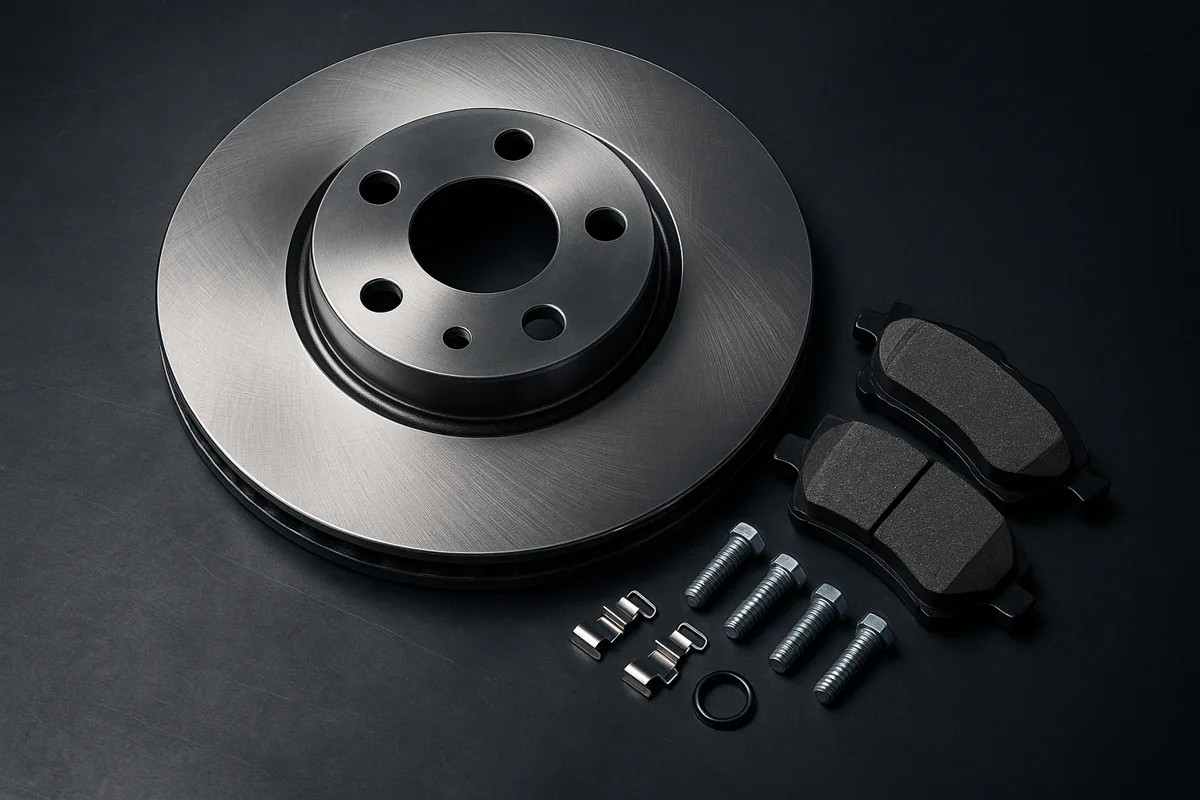
Shop Brake Discs & Pads by Part Type
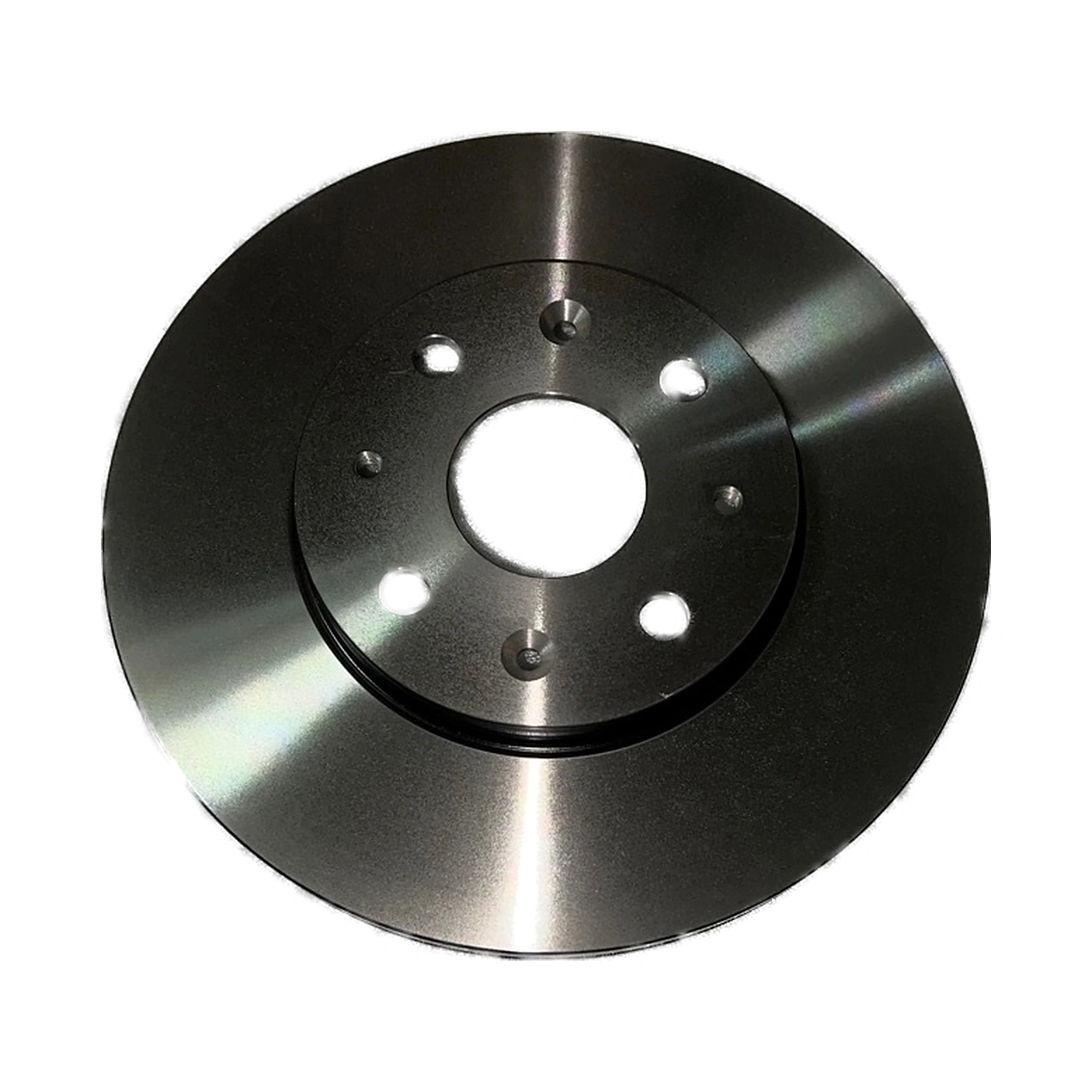
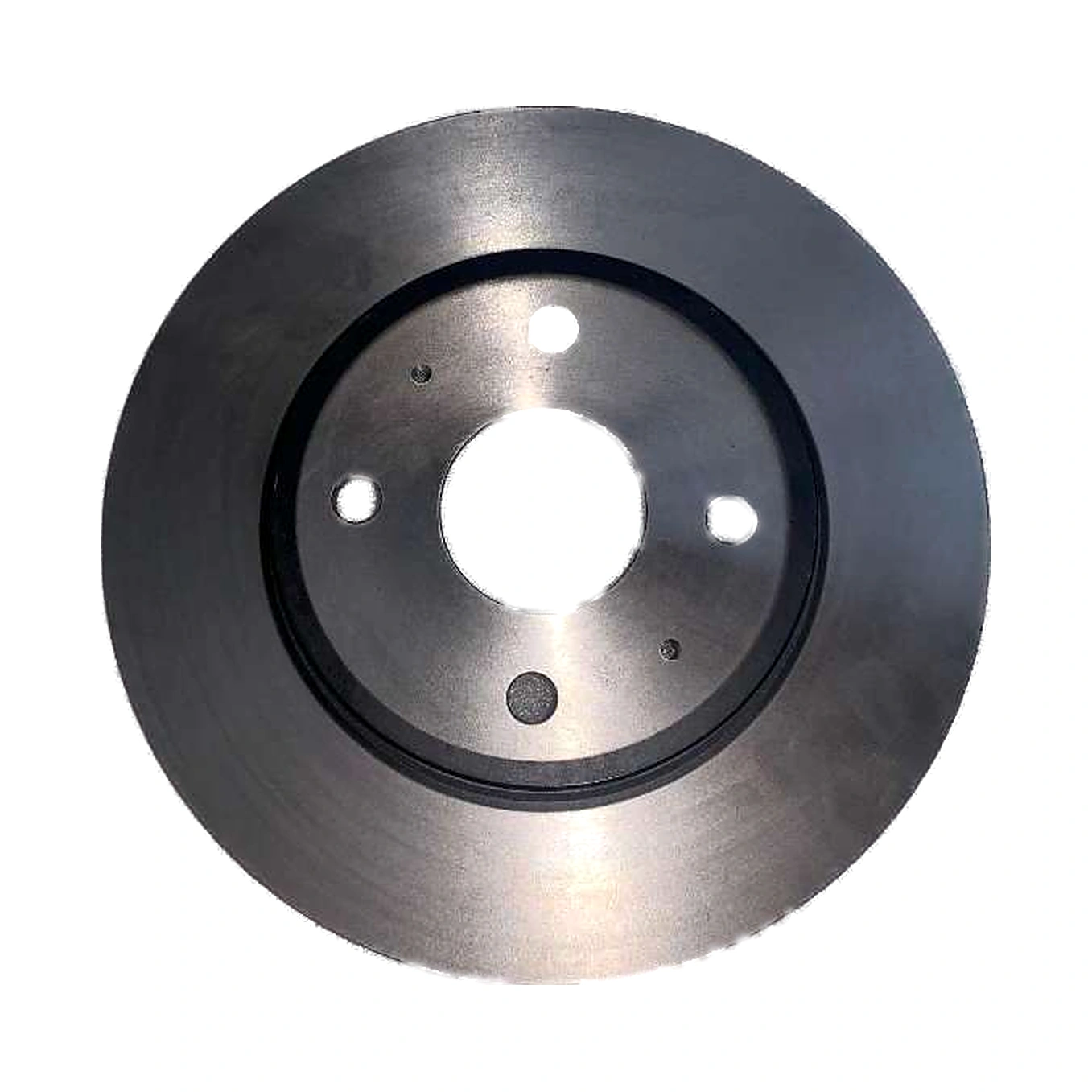
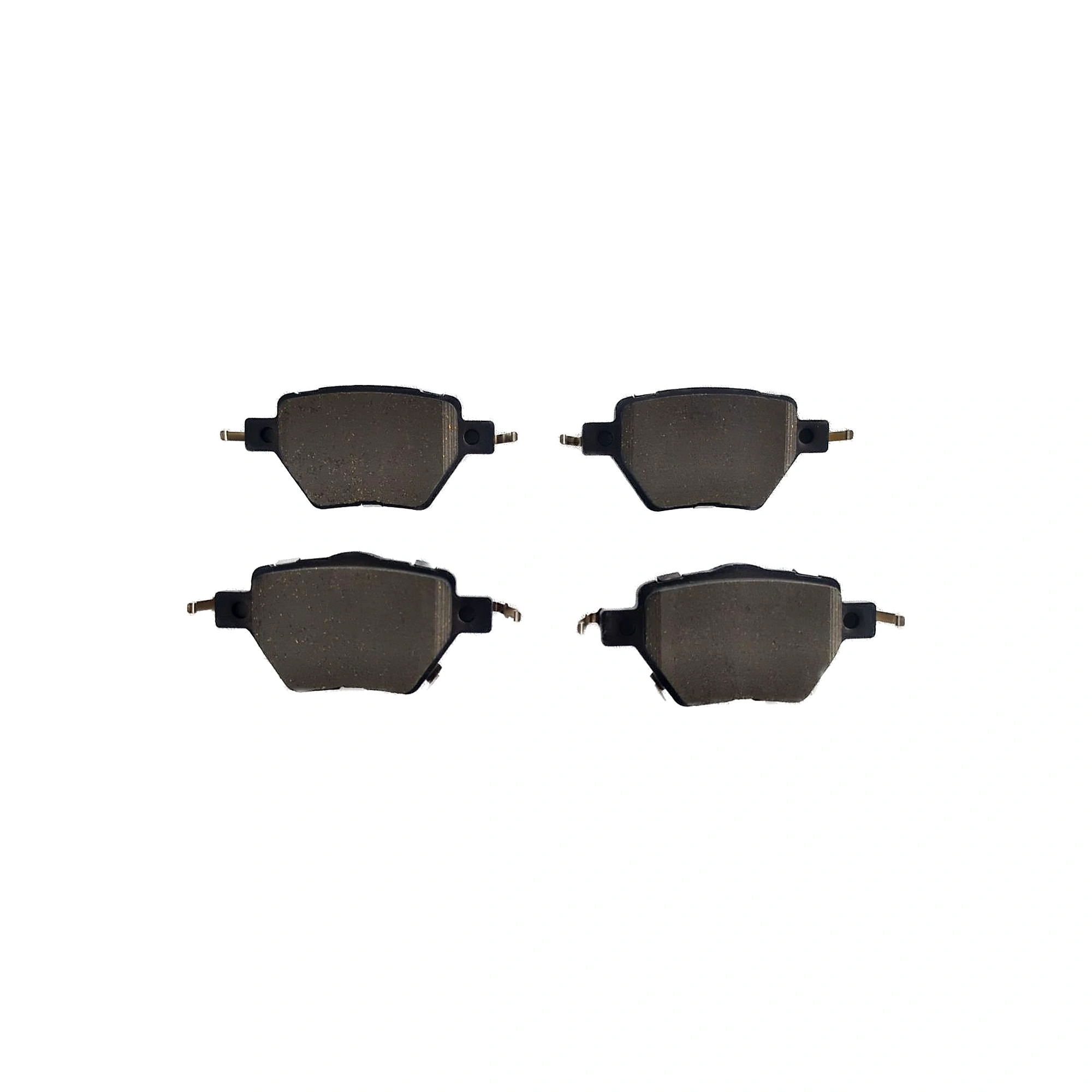
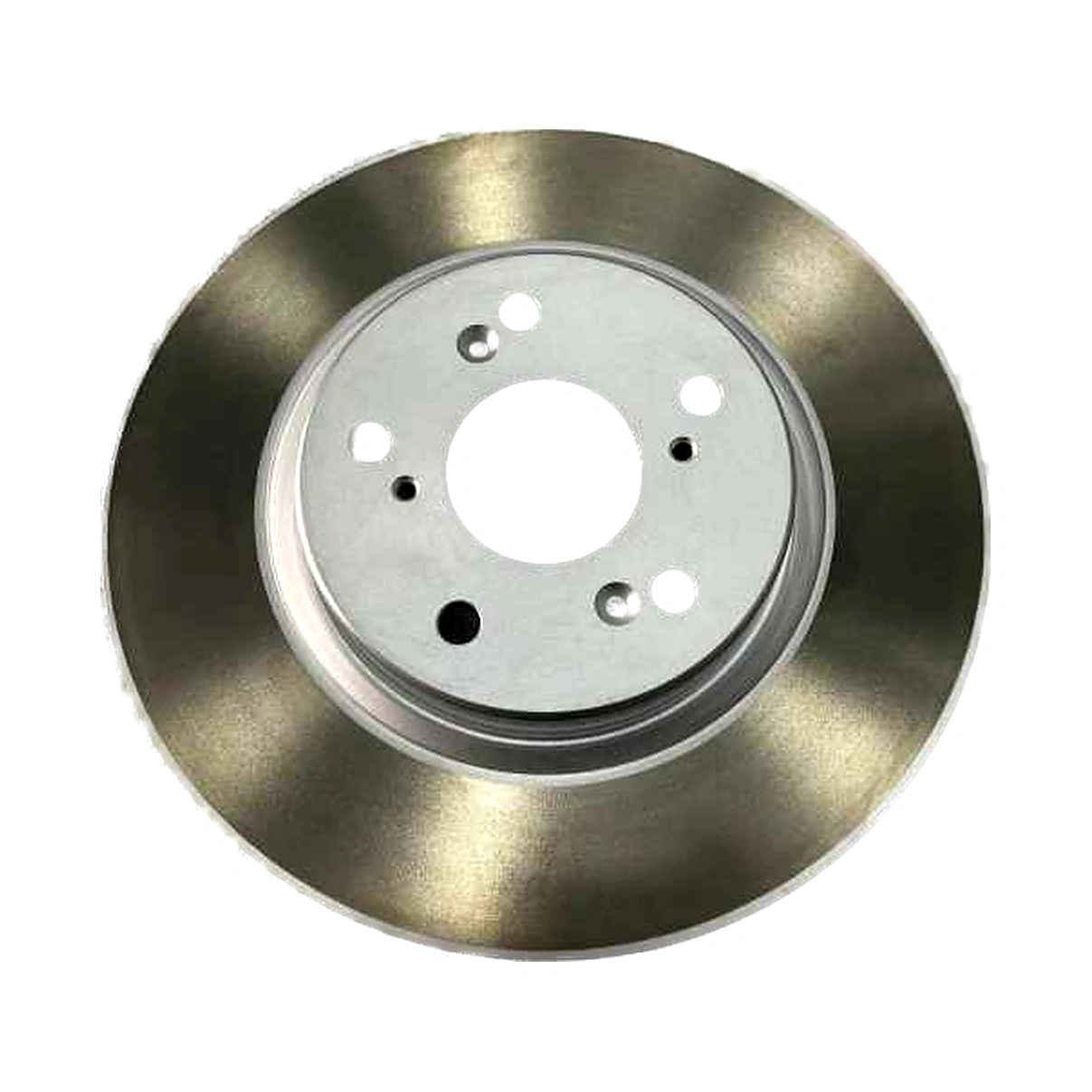
Popular Right Now
scroll for more →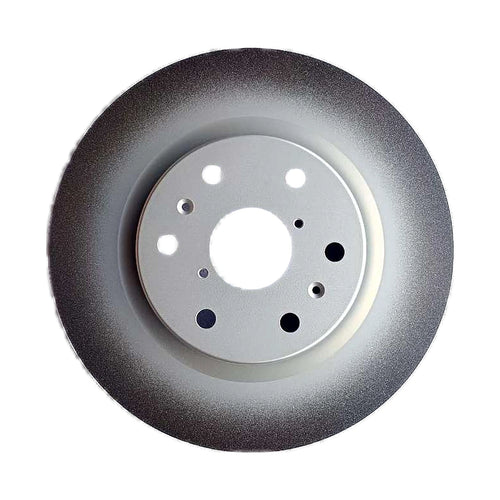
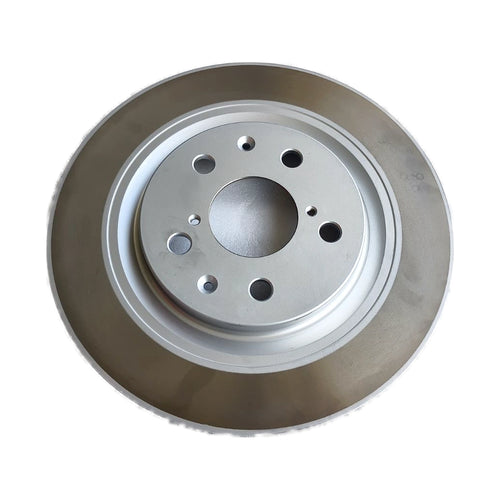
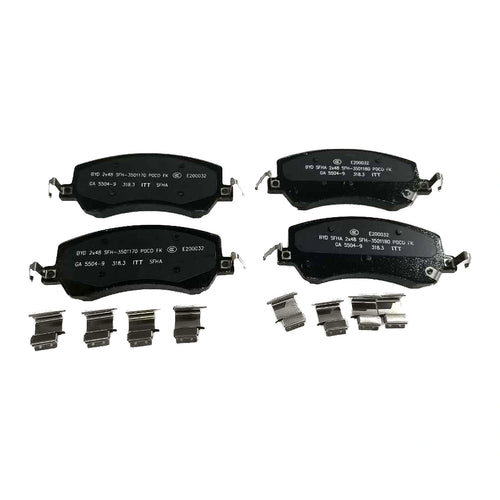
Symptom Finder: What Is Actually Broken?
| What you see or hear | Part to check first |
|---|---|
| Squeal that disappears under firm braking | Brake pads and shims |
| Grinding metal on metal from a wheel | Brake pads worn through and disc |
| Pulsing through the pedal or steering under braking | Brake disc with thickness variation |
| Deep lip at the outer edge of the disc | Brake disc |
| Rust pitting on the friction face after long standing | Brake disc and pads |
| Scraping noise on turns from behind the wheel | Brake dust shield |
About Brake Discs & Pads
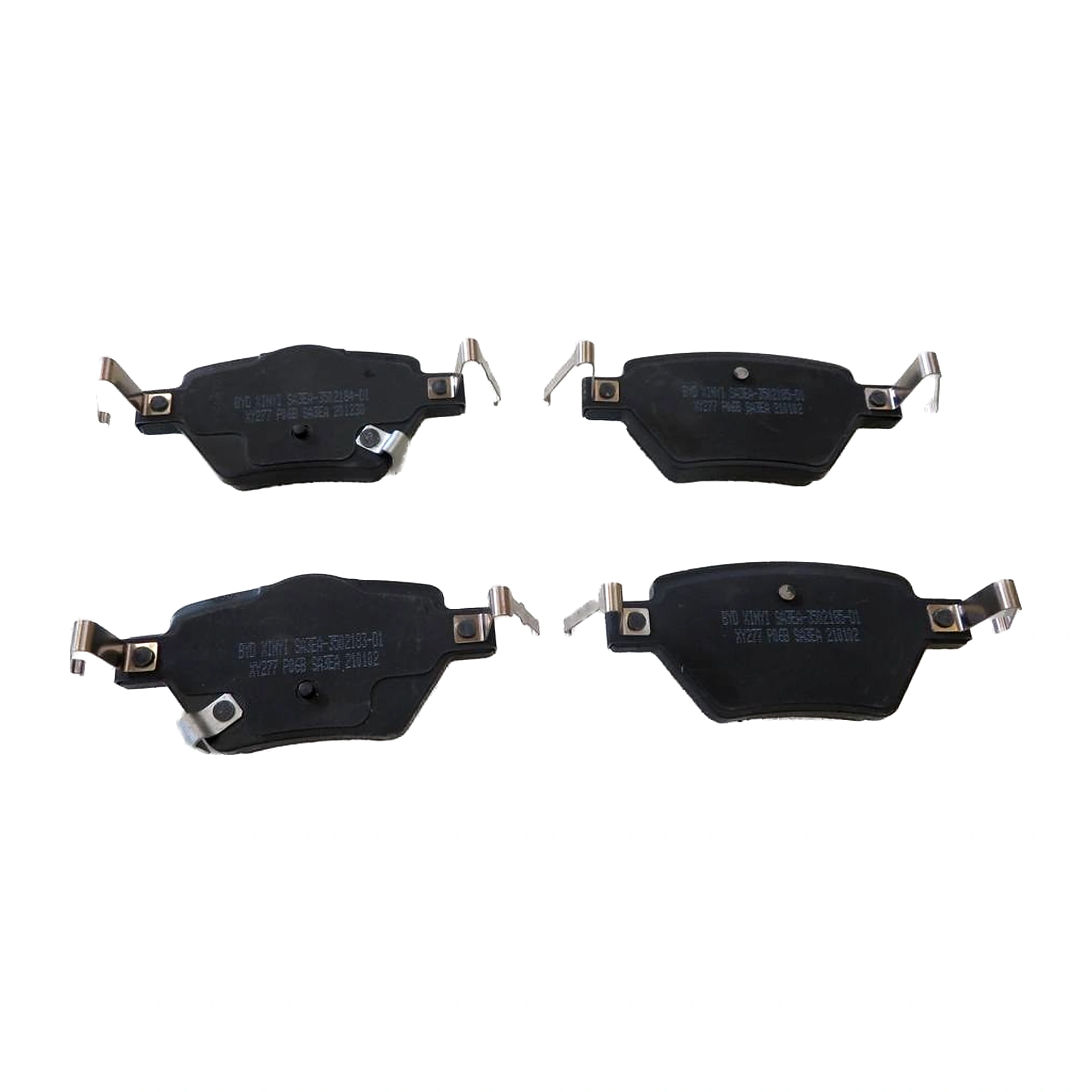
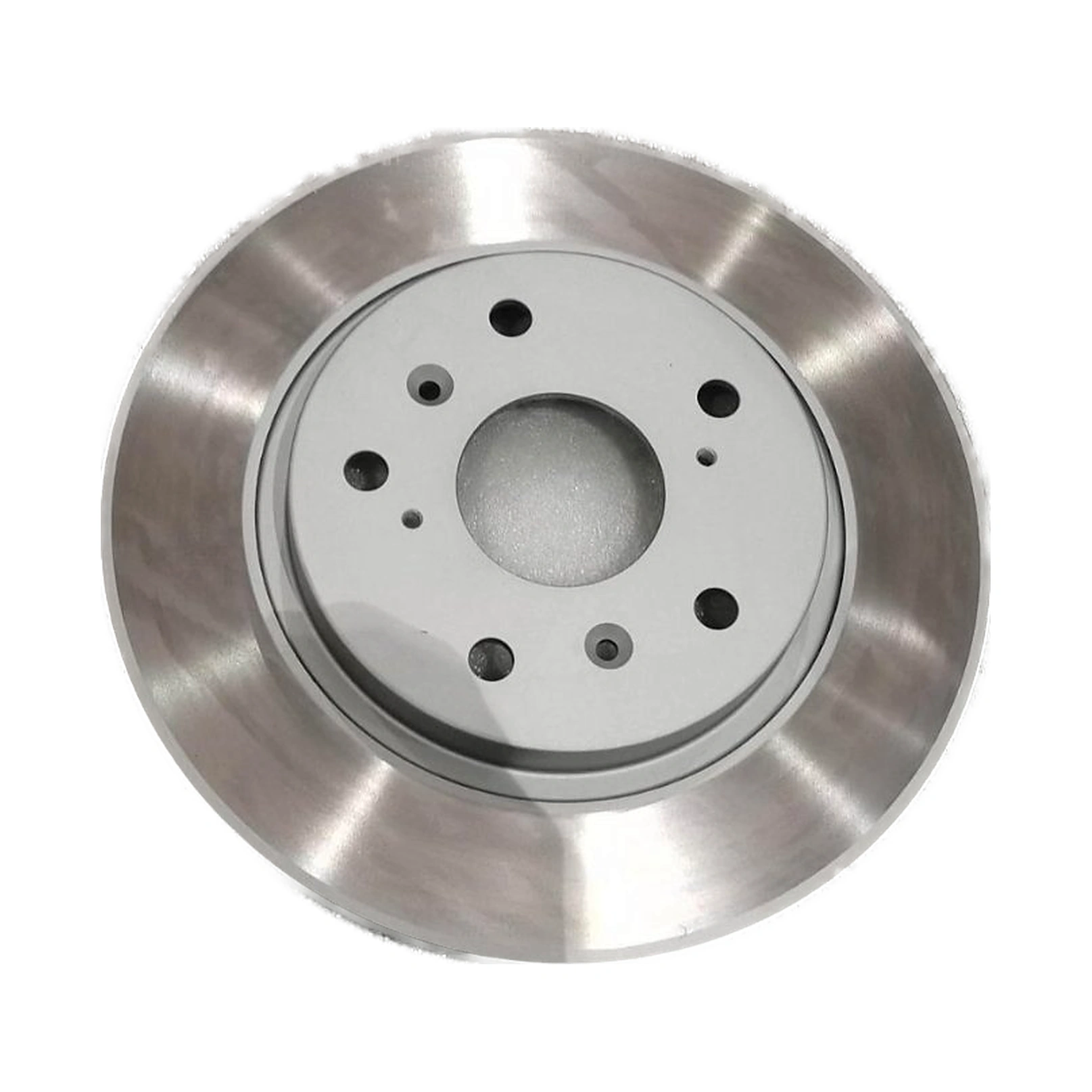
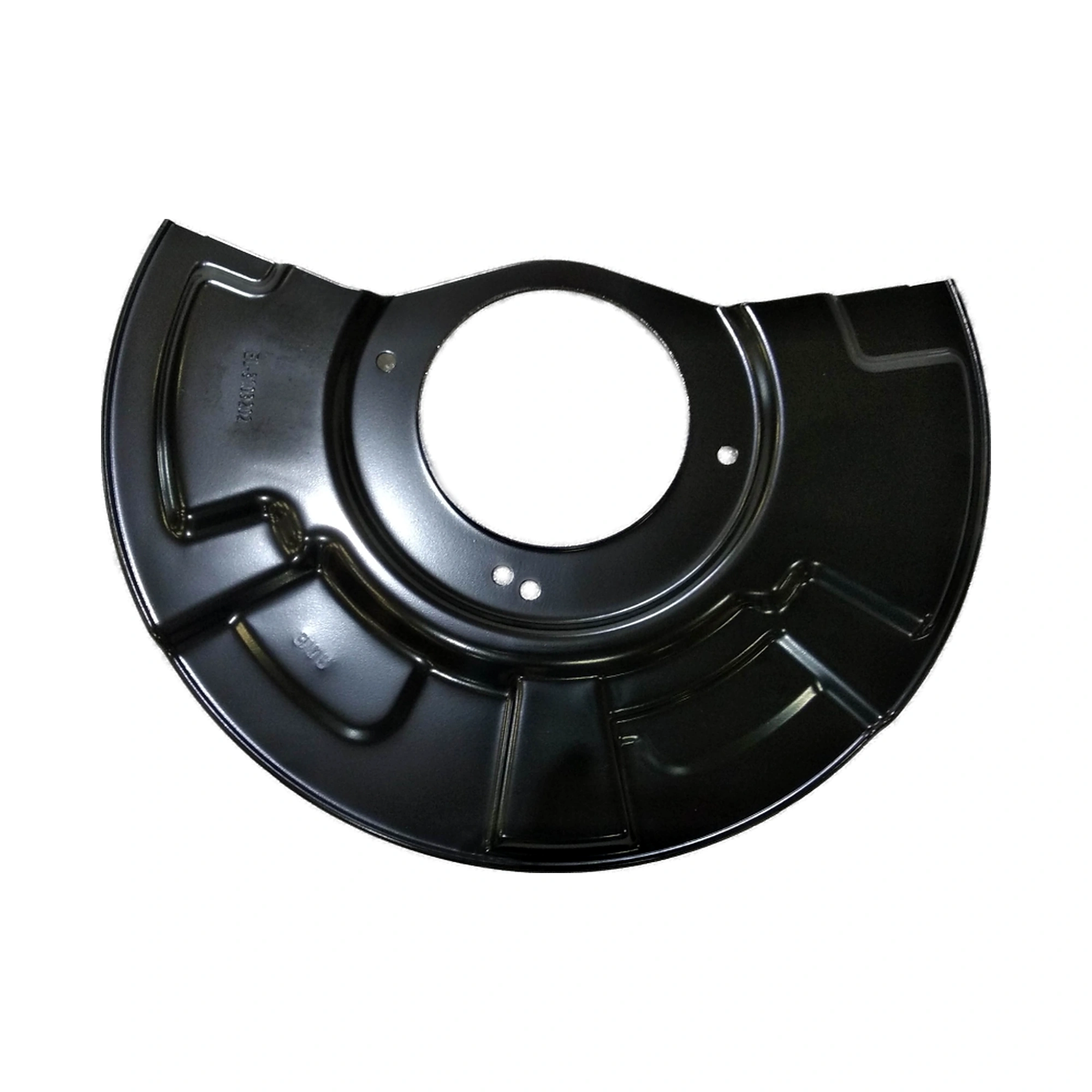
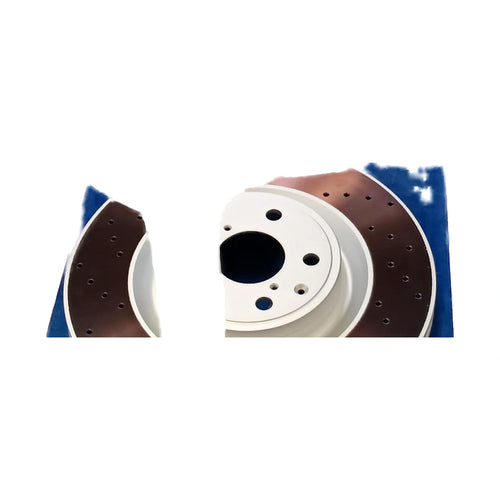
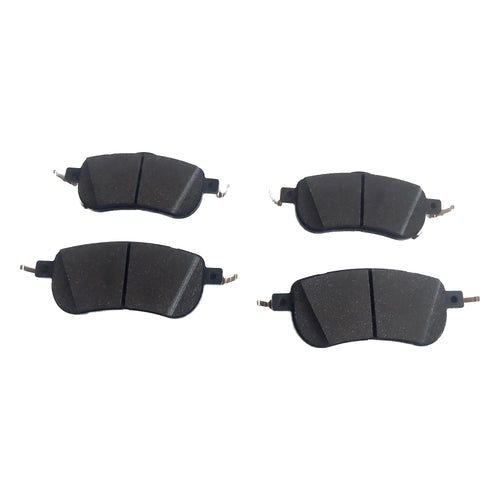
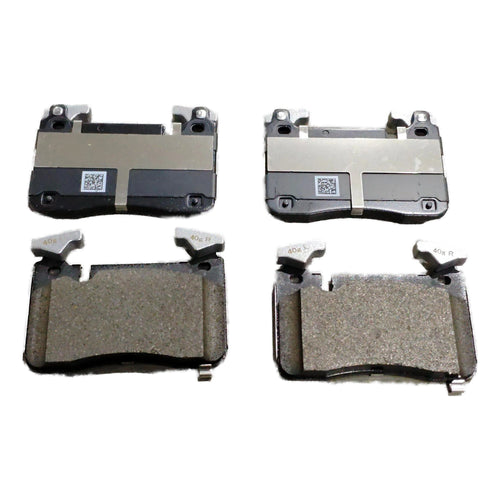
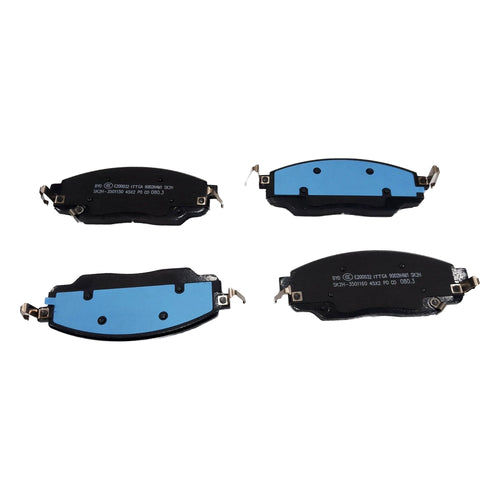
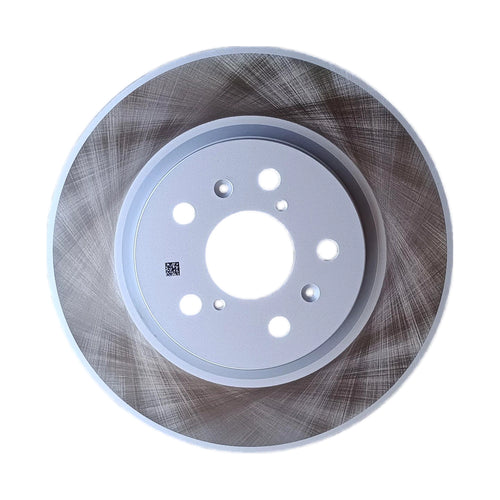
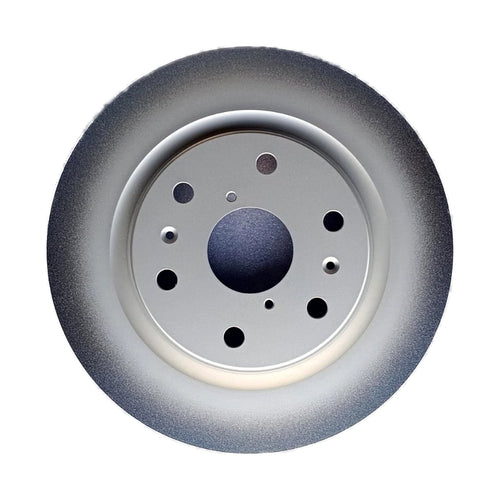
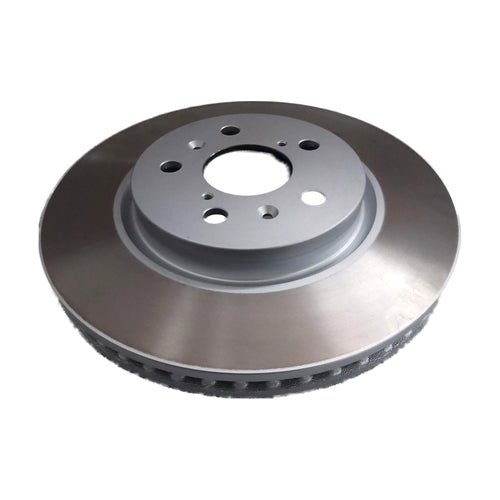
Friction braking turns kinetic energy into heat, and the two parts that do it are a cast iron disc bolted to the hub and a pair of pads squeezed against it by the caliper. Everything about their design is a compromise between grip when hot, quiet running when cold, and how much dust they throw onto the wheel. A pad is a composite of friction material bonded or riveted to a steel backing plate, usually with a shim on the back to damp the vibration that produces squeal and a chamfer at the leading edge for the same reason. Discs are vented on most front axles, meaning two friction faces separated by cast vanes that pump air outward as the wheel turns. Wear is measured, not judged: pads have a minimum friction thickness and discs a minimum thickness stamped on the hub face, and a disc below it will crack rather than fade. Dust shields behind the disc keep road debris off the inner face.
What to know before buying Brake Discs & Pads parts
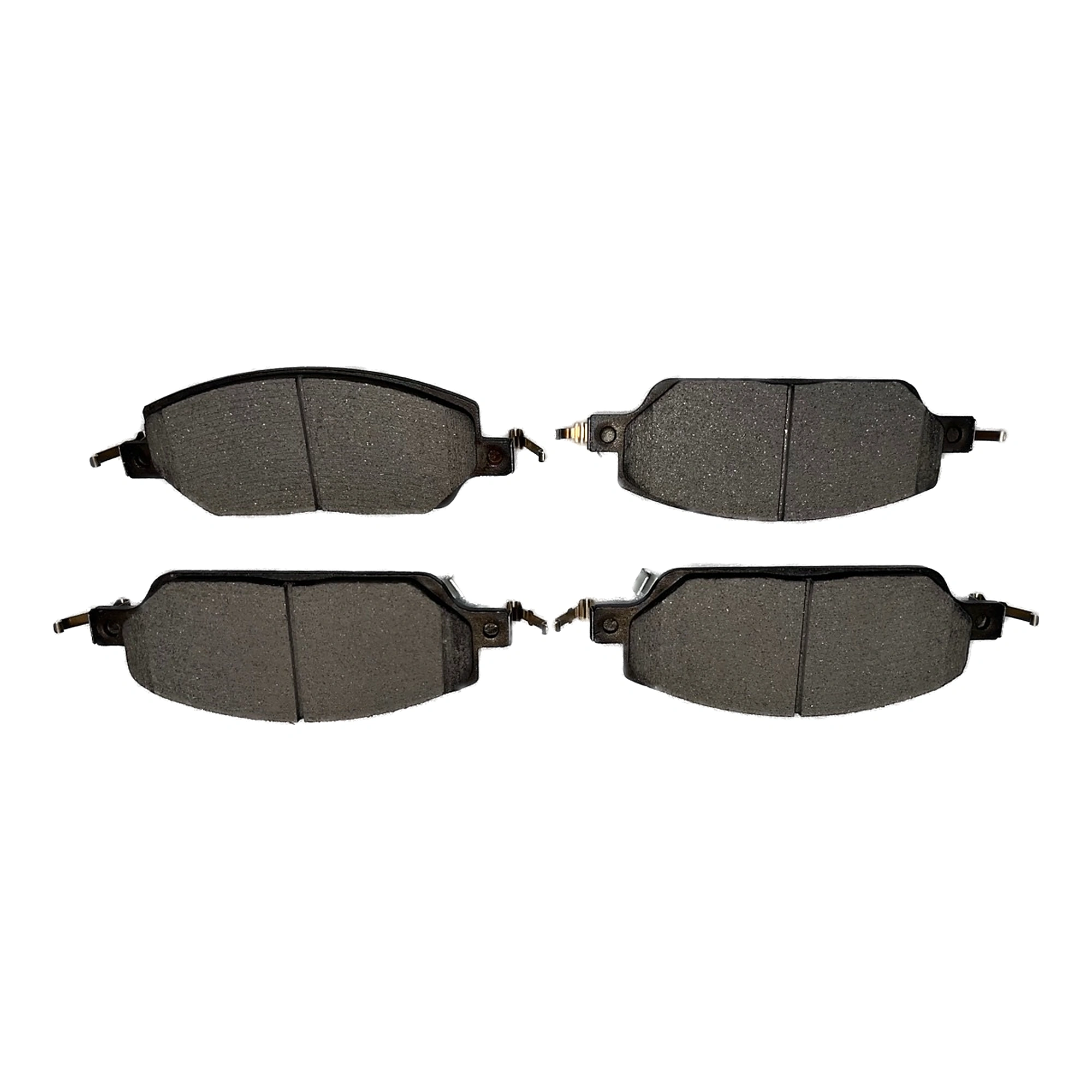
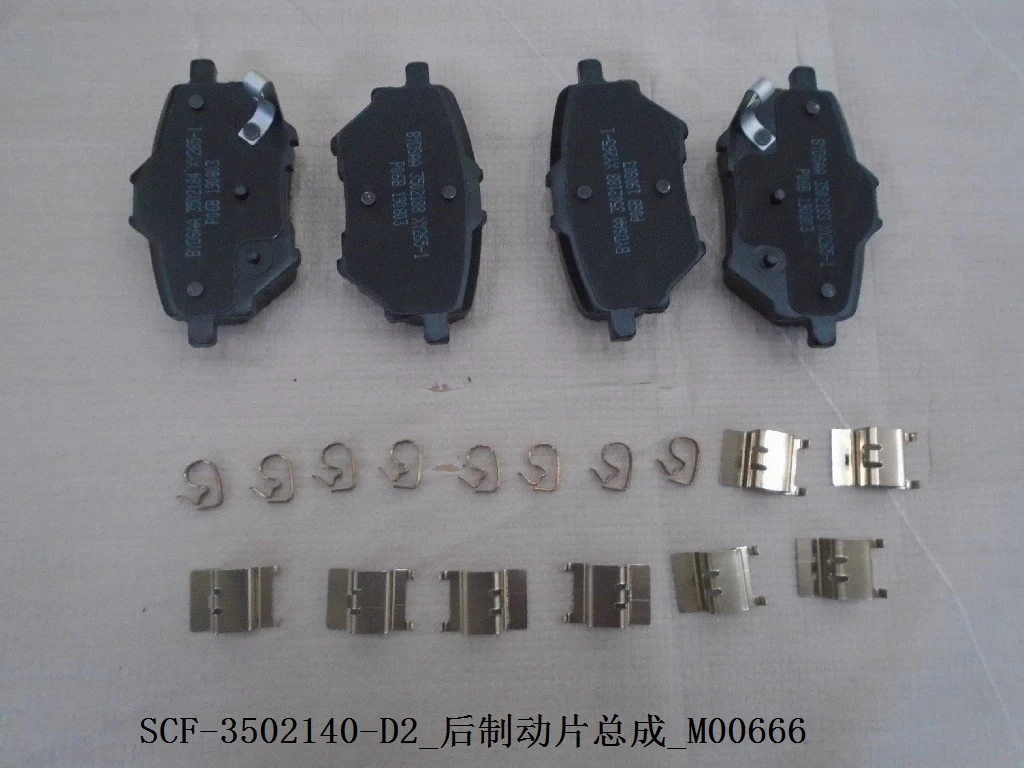
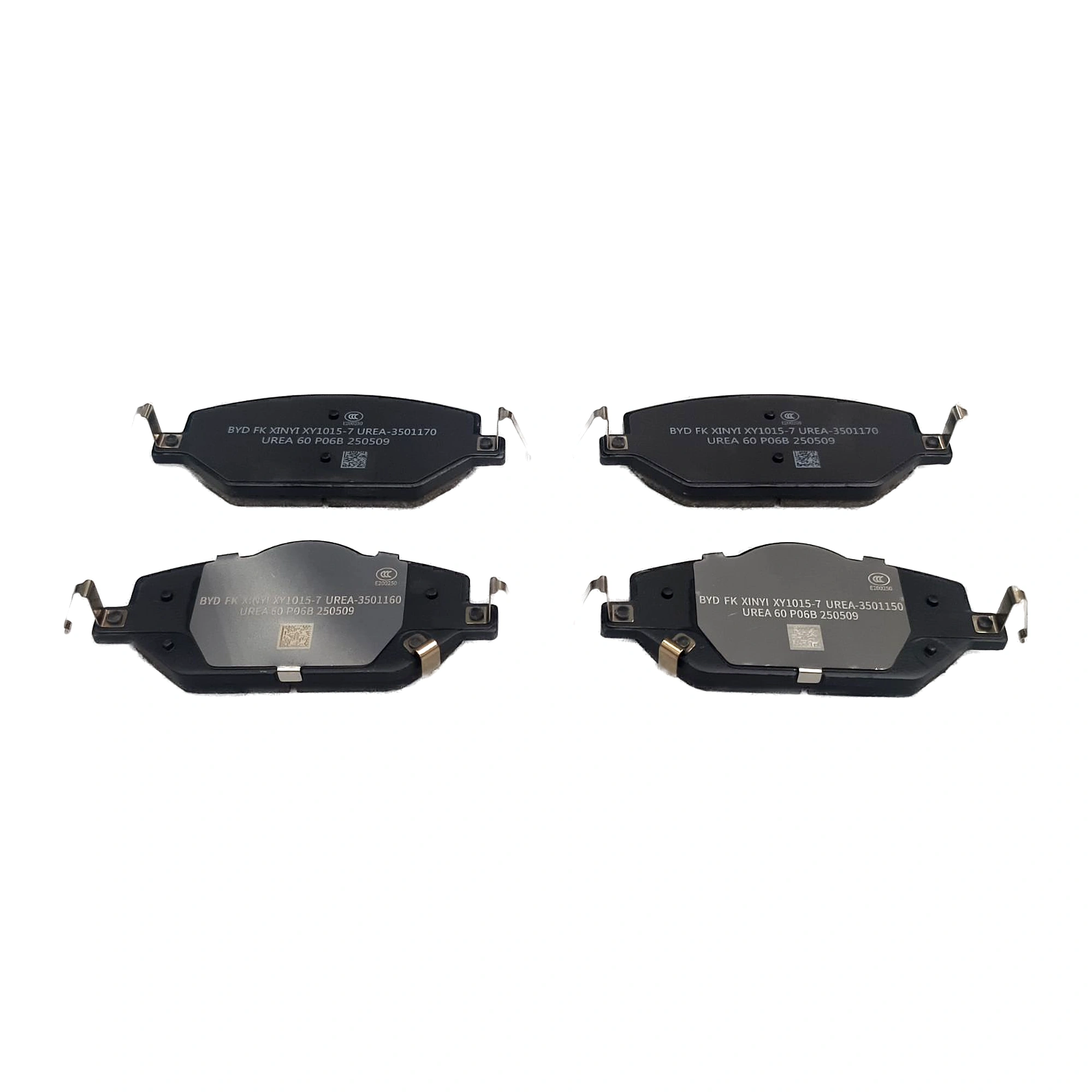
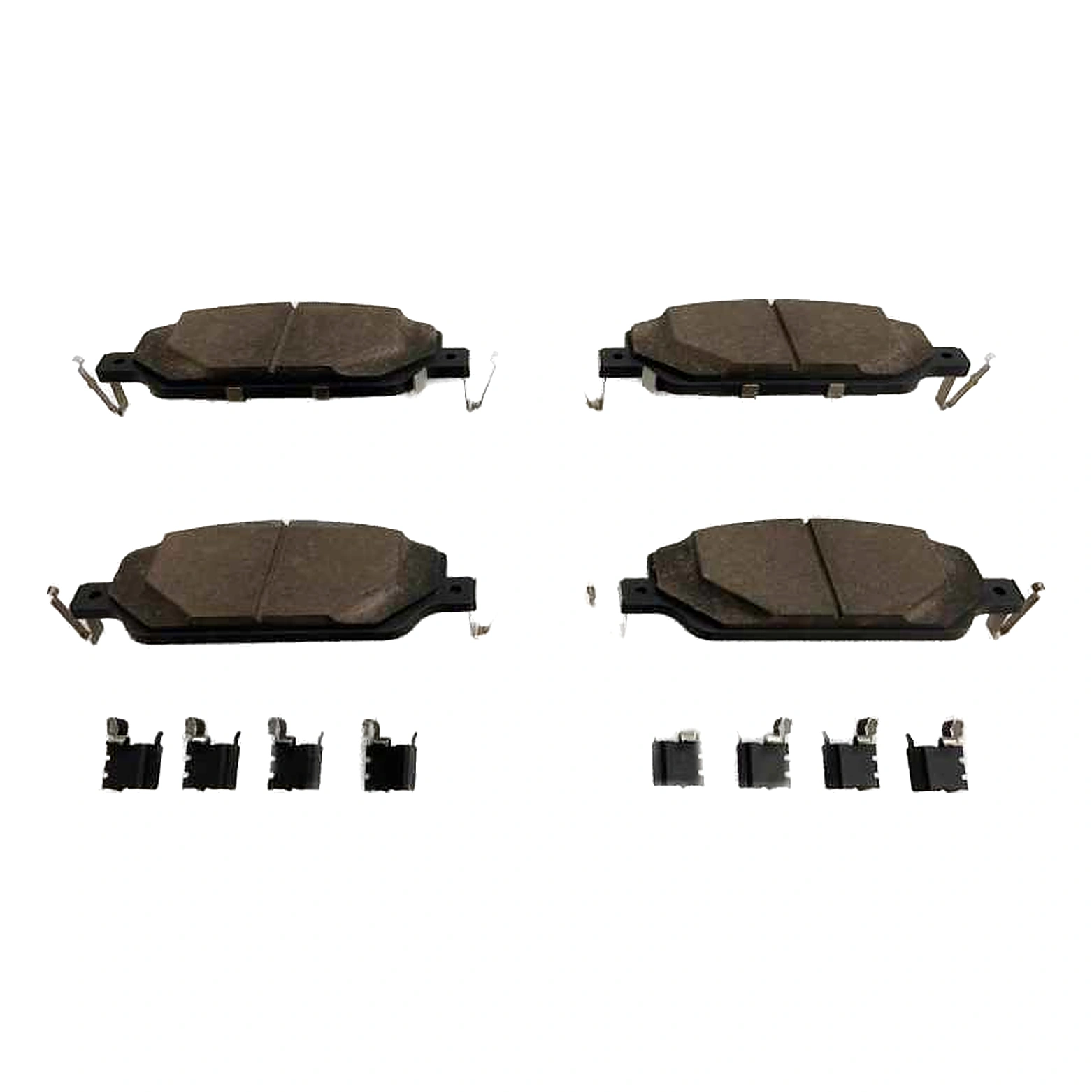
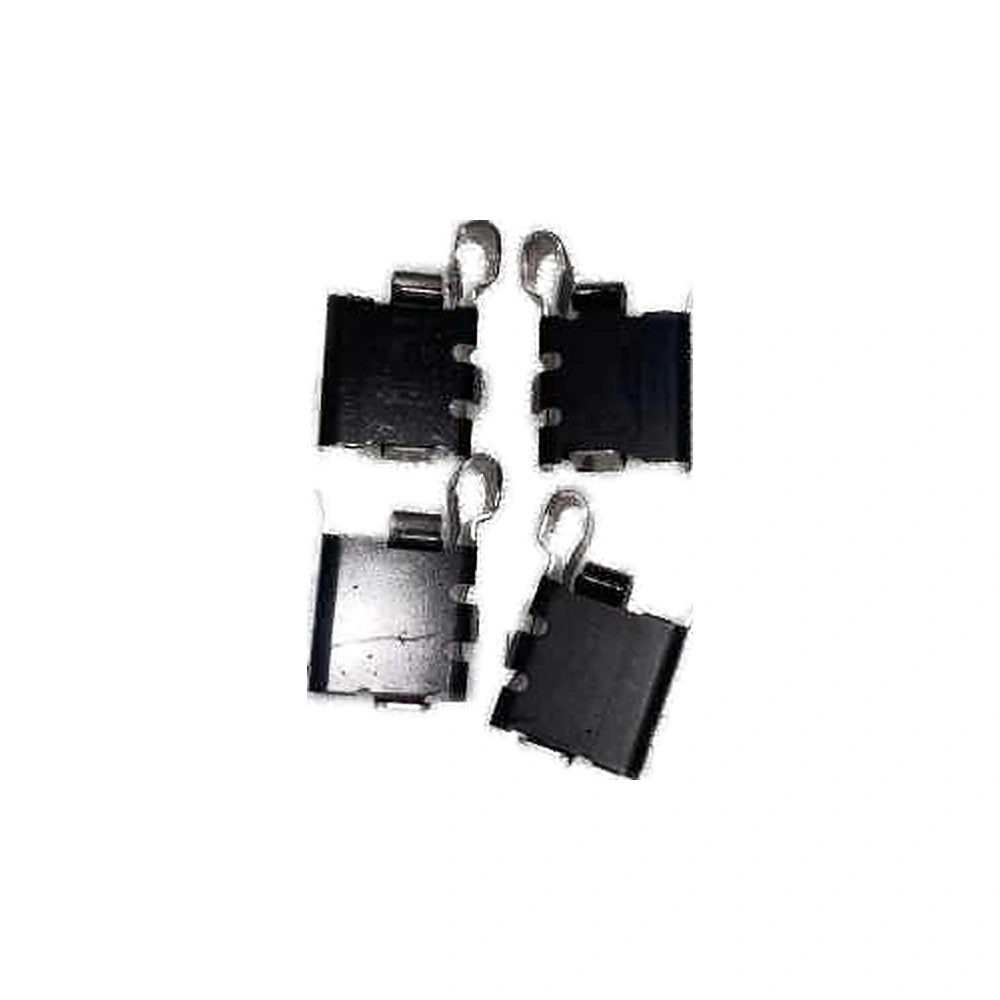
Order brake parts by axle. Front and rear discs and pads are listed separately. Pad sub assemblies appear where the factory supplies pads with their hardware. You will also find brake pad retainers, front brake dust shields and splash shields for each side. Several references are also offered as an Aftermarket alternative, listed separately.
Replace pads and discs in pairs across an axle. Uneven friction between sides makes a car pull under braking. A new disc paired with a worn one will bed unevenly.
Match the OE number rather than the model. Disc diameter and thickness change with wheel size and specification within one model. Pad shapes follow the caliper rather than the car. Add the dust shields too, since a workshop often finds them bent once the wheel is off.
Anything showing a price can be bought straight away. Anything without one can be quoted against the same factory reference. That is the sensible route for a full axle set going to a booked workshop slot. Cover is strongest across the BYD group and grows as further catalogues load.
Before You Order: 6 Checks
- Replace pads and discs as an axle set. Mixing sides causes pulling and uneven bedding.
- Match disc diameter and thickness by OE number, since wheel size and specification change both within one model.
- Check the minimum thickness stamped on the disc hub before deciding to reuse it.
- Confirm whether the pad listing includes shims, retainers and wear sensors or supplies the pads alone.
- Order new caliper guide pin boots and grease with any pad change, since seized pins wear pads unevenly.
- Bed the new friction in as the maker specifies before any hard braking.
What Changed and Why
Electric vehicles have inverted the usual wear pattern. Regenerative braking does most of the routine slowing, so pads commonly last two to three times as long as on a comparable combustion car, while the discs suffer for exactly the same reason: they run cool, they are used rarely, and the friction faces corrode and pit instead of being wiped clean. A pitted disc with plenty of pad left is now a normal reason for replacement. Manufacturers have responded with coated discs and periodic cleaning strategies, and owners can help by using the friction brakes deliberately from time to time.
Brake Discs & Pads: Frequently Asked Questions
How do I know when my pads need replacing?
Measure rather than guess. Friction material thickness is what matters, and most manufacturers set a minimum of around three millimetres over the backing plate, with many cars carrying an electrical wear sensor or a mechanical squeal tab that announces the same point. A quick visual check through the wheel spokes tells you a great deal if you know what a new pad looks like. Replace as an axle set rather than one wheel, and inspect the disc at the same time, since a disc below its minimum will need replacing anyway.
Why do my discs rust so quickly on an electric car?
Because they are barely used. Regenerative braking handles most deceleration, so the friction surfaces rarely see the pad and never get wiped clean or heated enough to drive off moisture, and surface rust turns into pitting over time. It is a known pattern across the segment rather than a defect. Two things help: braking firmly with the friction brakes a few times a week to clean the faces, and choosing coated discs where the manufacturer offers them. A pitted disc with plenty of pad left is a legitimate replacement.
My brake pedal pulses under braking. Is the disc warped?
Almost certainly not warped in the literal sense. What you feel is disc thickness variation, where the friction faces have worn or corroded unevenly, so the pads are pushed apart and released as the disc turns. It builds up from uneven pad deposits, from parking hot with the brake applied, or from corrosion on a car that has stood. Machining can cure it where enough thickness remains, but on modern thin discs replacement is usually the practical answer. Fit as an axle pair.
Do I have to replace discs when I replace pads?
Only if the disc calls for it, and the disc tells you. Measure the thickness against the minimum stamped on the hub face, look for a pronounced lip at the outer edge, and check the friction faces for pitting, scoring and blueing. A disc comfortably above minimum with clean faces will happily take new pads. A disc near minimum will reach it before the new pads are half worn, which means doing the job twice. Never fit new pads to a deeply scored disc and expect quiet braking.
What causes brake squeal and can new pads fix it?
Squeal is a vibration between the pad and the disc at audible frequency, and pad design fights it with shims, chamfers and slots. It appears when shims are missing or reused, when the backing plate contact points are dry, when the pad is glazed, or when the disc face is corroded. Fitting the correct pads with their shims and hardware, cleaning and greasing the abutment points with the right high temperature product, and bedding them in properly cures most cases. Grease belongs on the metal contact points, never on the friction face.
What is bedding in and does it matter?
It matters more than most people expect. New pads and discs need a controlled series of moderate stops to lay an even transfer film of friction material onto the disc, and until that film is established the brakes feel wooden and are prone to uneven deposits. The manufacturer's procedure usually amounts to a set of progressively firmer stops from moderate speed without coming to a complete halt, then a cooling period. Skipping it is the most common cause of a judder that appears within a few hundred miles of a brake job.
What do discs and pads cost?
Pads sit at the lower end of the category and rear pads generally cost less than front. Discs are moderate and front discs cost more than rear because they are larger and usually vented. Dust shields and retainers are inexpensive. The live minimum and maximum are shown in the band at the top of this page. Because these are axle set purchases, it is worth pricing pads and discs for both wheels together rather than a single item when planning the job.
What is the difference between the Original/Genuine and the Aftermarket listing?
Some references here are offered both as Original/Genuine, made for BYD under the BYD OE number, and as an Aftermarket alternative made to fit the same number, usually at a lower price. Read each listing for what is included, since kits differ in whether shims, retainers and wear sensors are supplied. Match the OE number in either case, and choose based on what the listing states rather than assuming the contents are identical.
My brakes scrape when I turn. Is that the pads?
Check the dust shield first. It is a thin steel plate behind the disc that keeps road debris off the inner face, and it is easily bent inward by a kerb, a jack placed wrongly or corrosion at its mounting. A bent shield touching the disc produces a light scraping that changes with steering angle and disappears when the wheel is straight. It is a cheap part, listed here for each side. A grinding that gets worse under braking is a different problem and means worn out pads.
Can I fit discs and pads myself?
Many people do, and the work is within reach with proper support, a torque wrench and a piston tool. The steps that catch people out are seized caliper guide pins, which must be cleaned and regreased or the new pads wear on one side, and rear calipers with an electric parking brake, which need the motor retracting through a scan tool before the piston will move. Torque the caliper and carrier bolts to specification, bed the brakes in, and check everything again after a short drive.
Will discs from another model with the same wheel size fit?
Wheel size does not settle it. Disc diameter, thickness, offset at the hat, the bolt pattern, the centre bore and the vane design all have to match, and manufacturers change disc specification between trim levels of one model with identical wheels. A disc that is fractionally thick or thin will not sit correctly in the caliper. Match the OE number from your old disc or your vehicle documents, and if the reference brings back nothing, send it through the quote form to be checked properly.
The brake part I need shows no price. Can I still order it?
It can be ordered. Discs and pads are among the better priced references in the catalogue, so an empty field usually points at something narrower: a dust shield, a wear sensor for one particular trim, or a disc size fitted to a single variant. Send the factory number through the quote form rather than guessing from a similar model, because disc diameter and thickness follow the brake package rather than the badge. Ask for the full axle set in one message. Mixing a quoted disc with pads ordered separately is how a booked workshop slot ends up half supplied.