Braking System
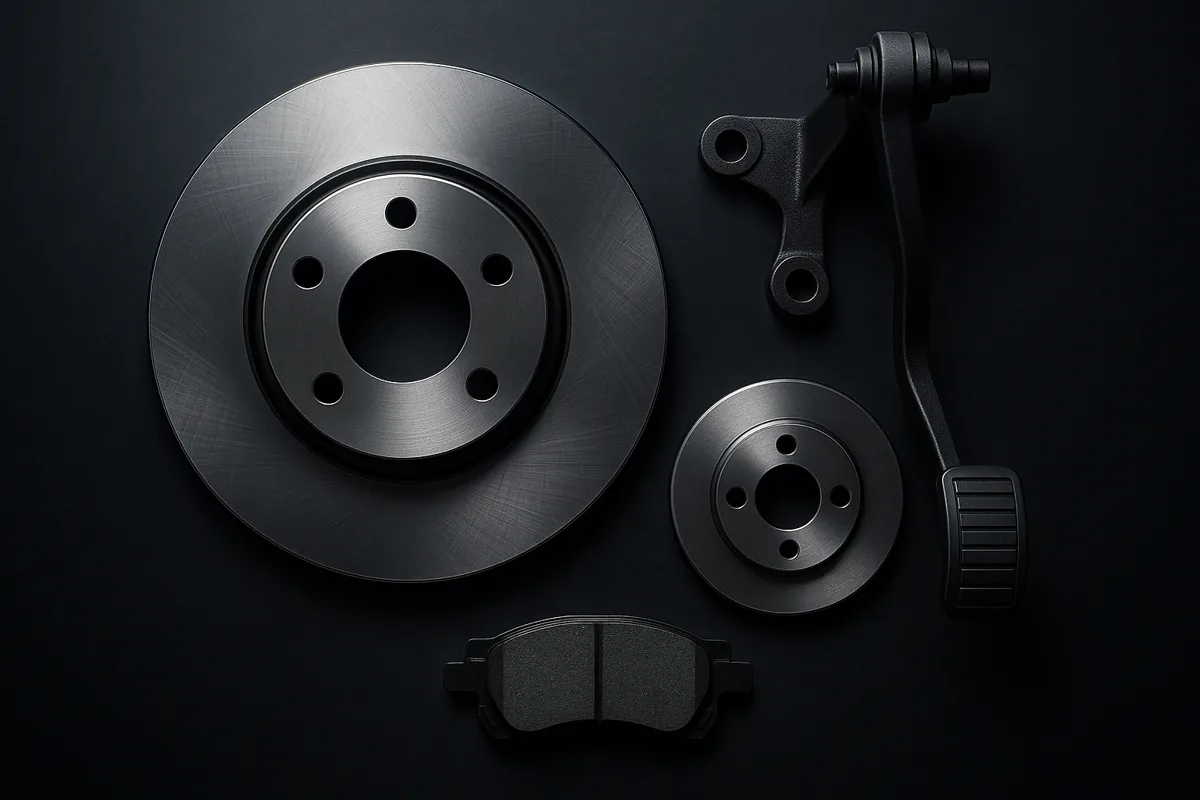
Shop Braking System by Part Type
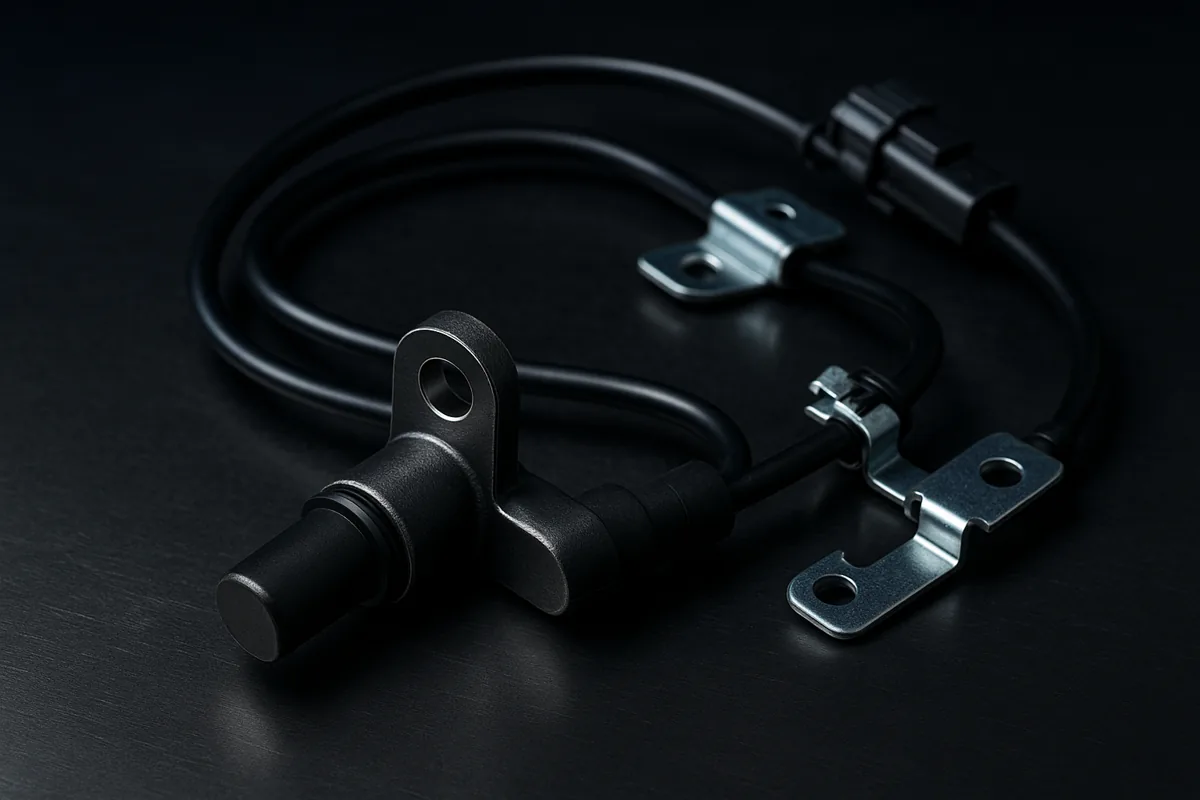
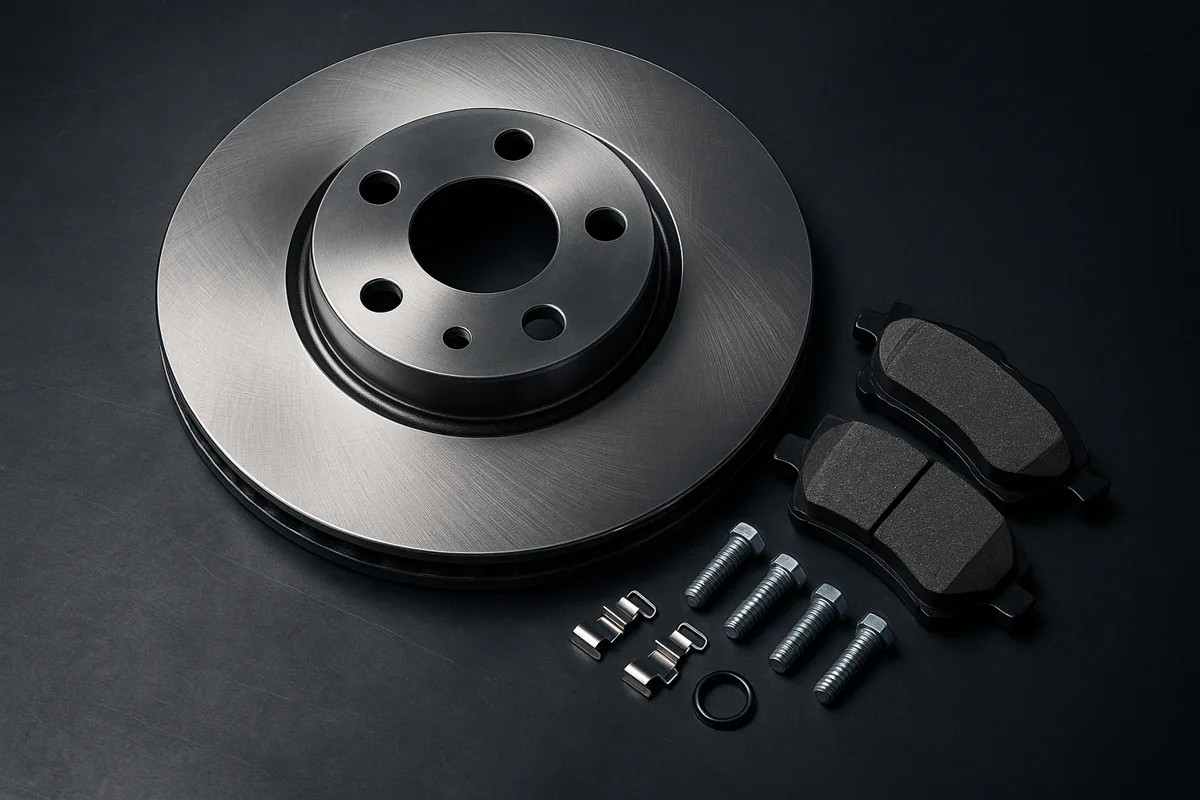
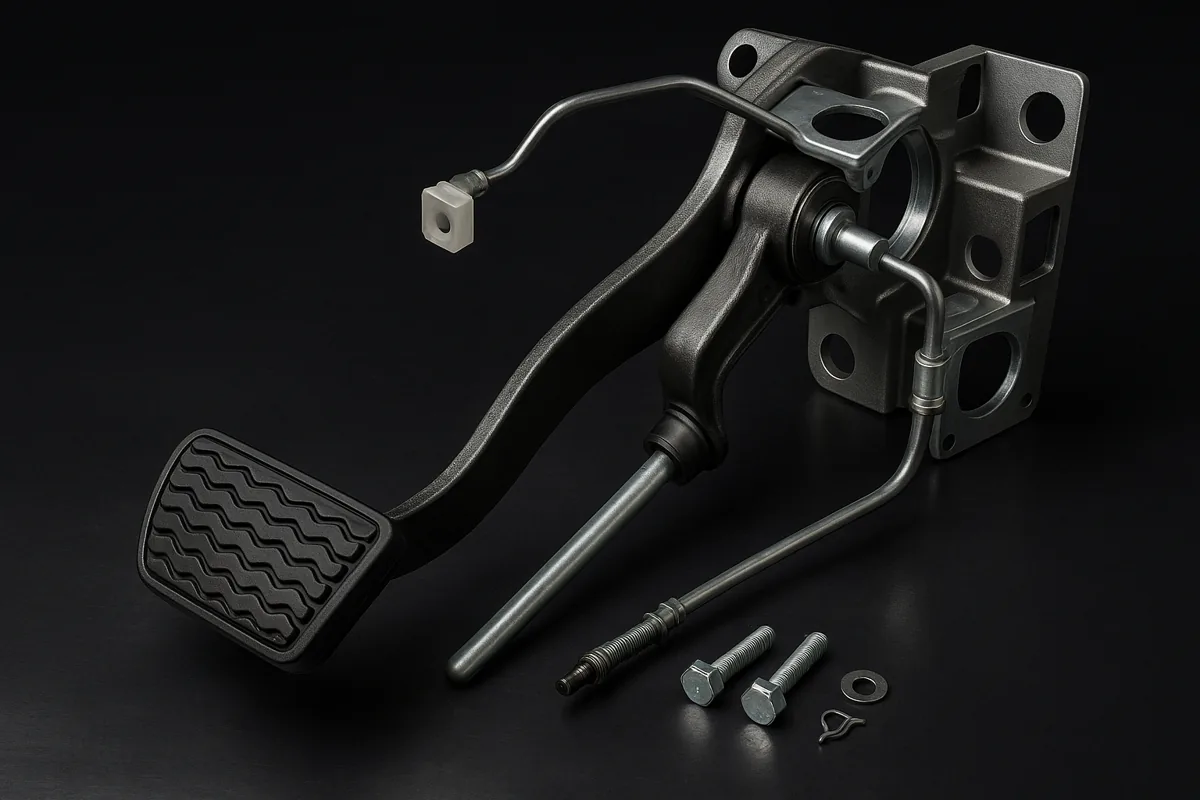
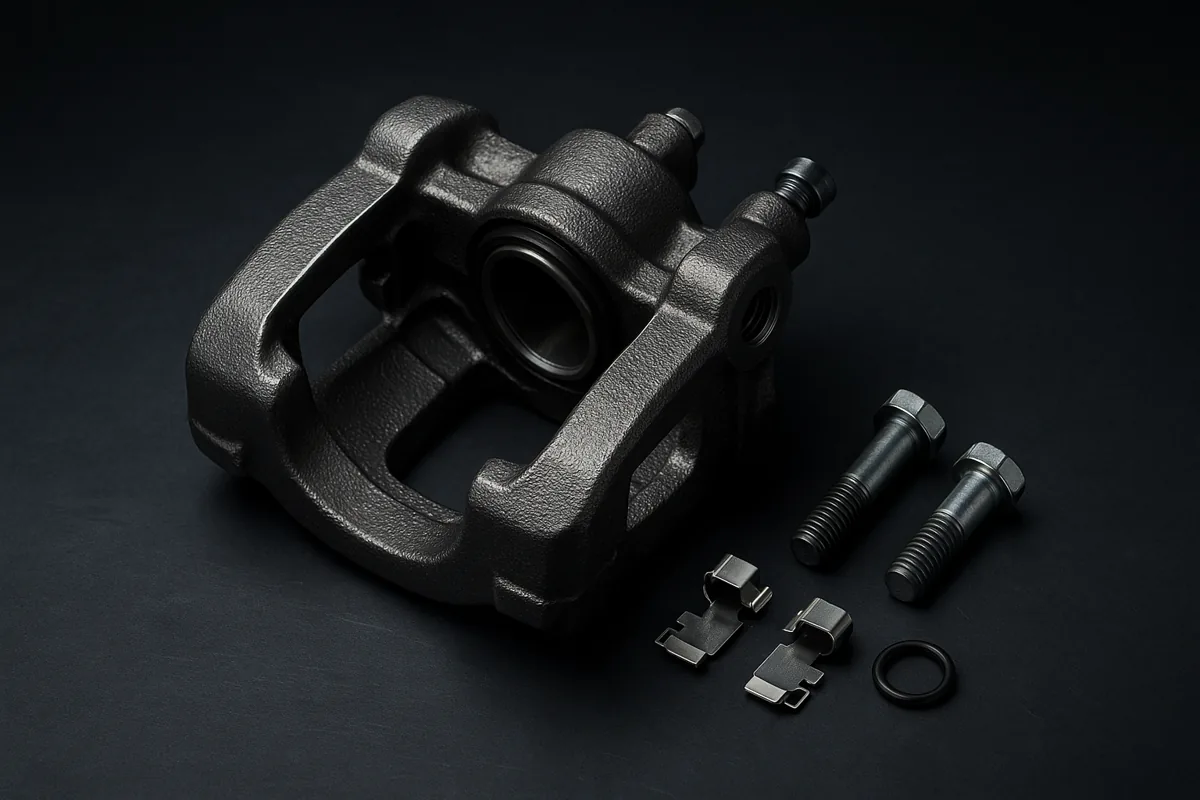
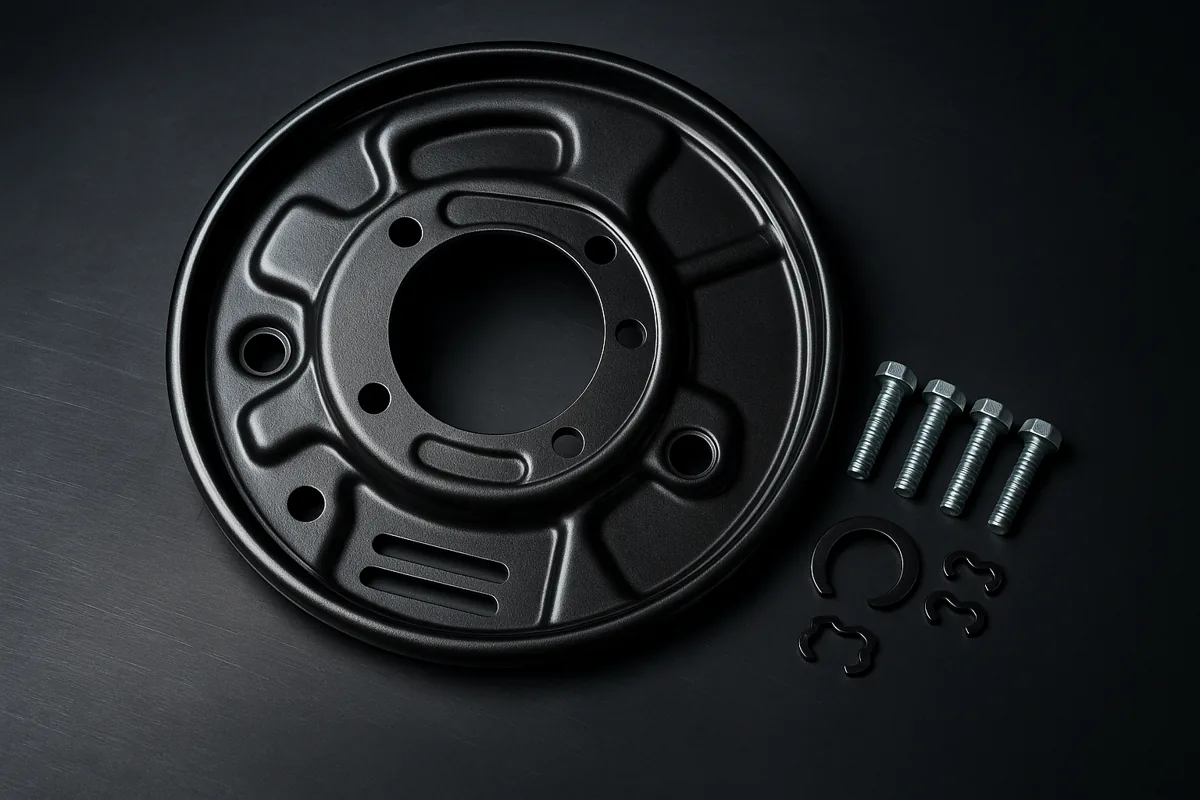
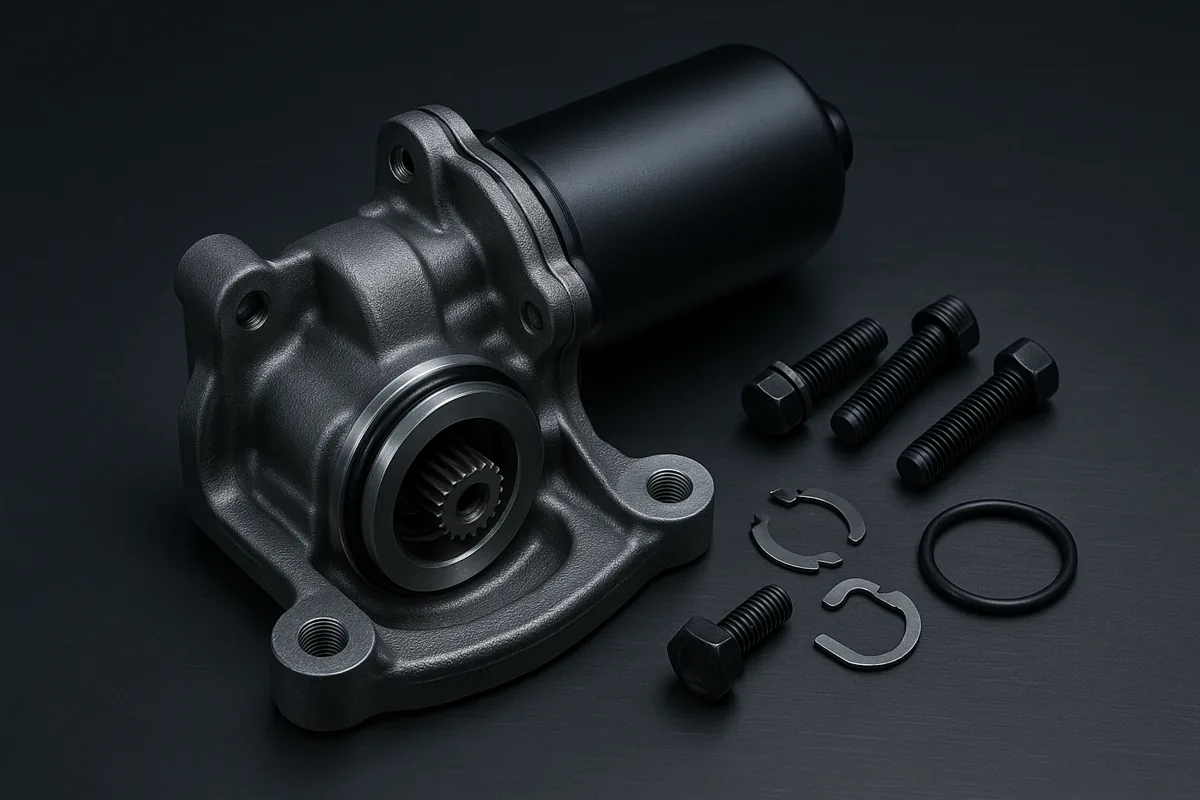
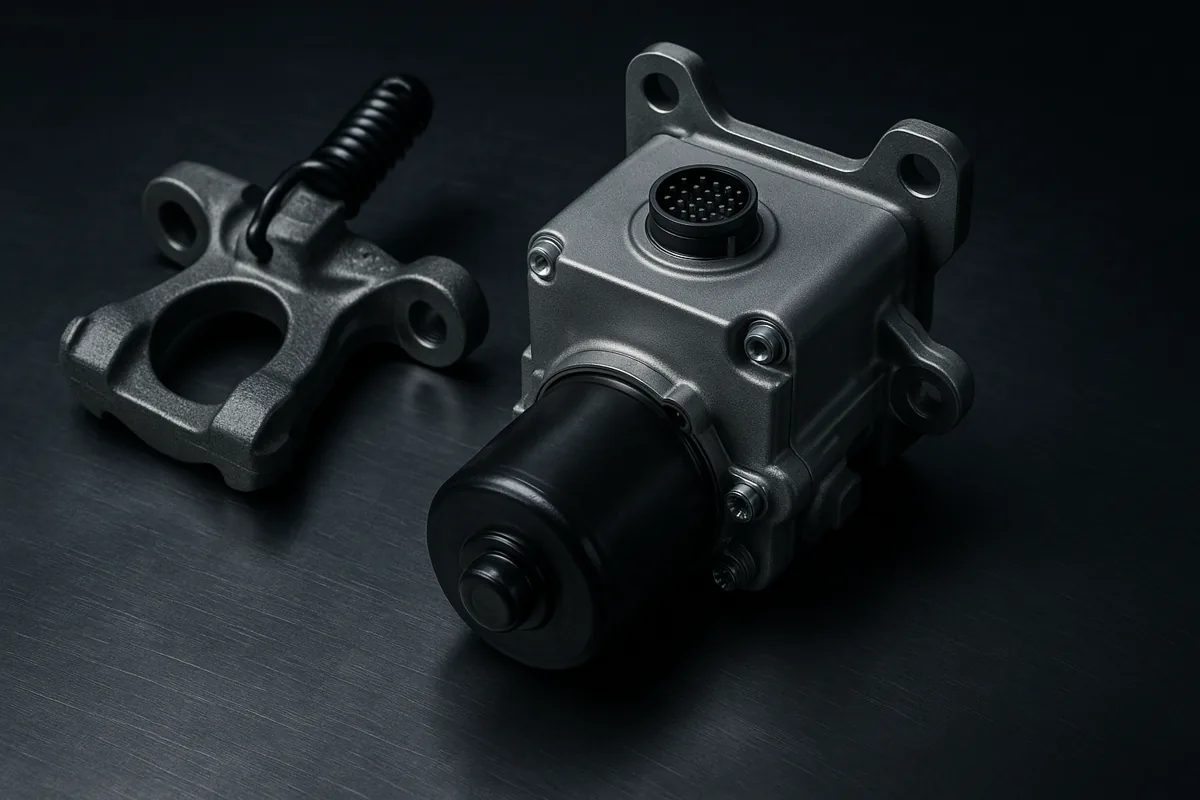
Popular Right Now
scroll for more →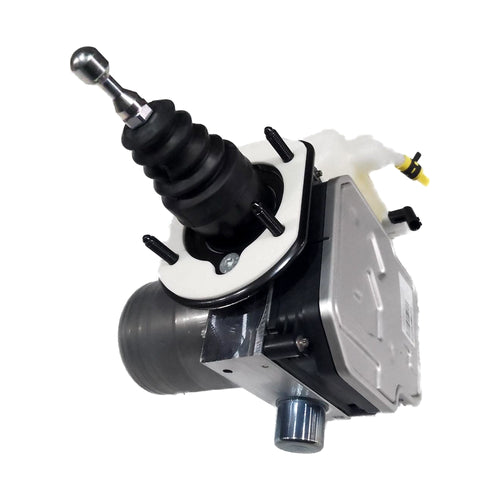
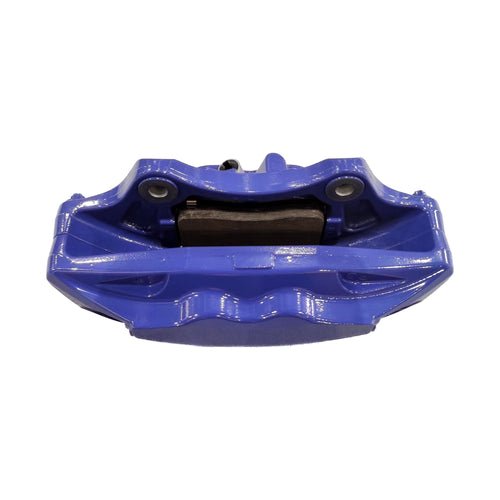
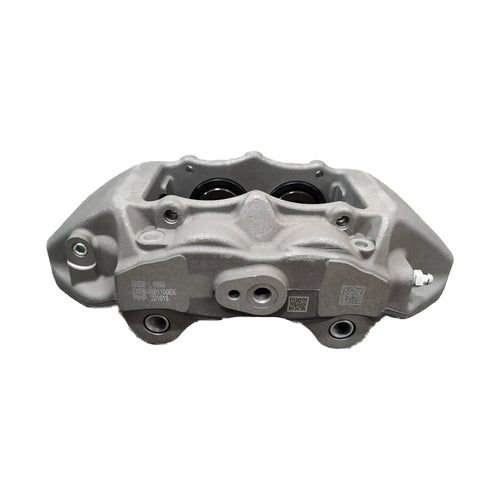
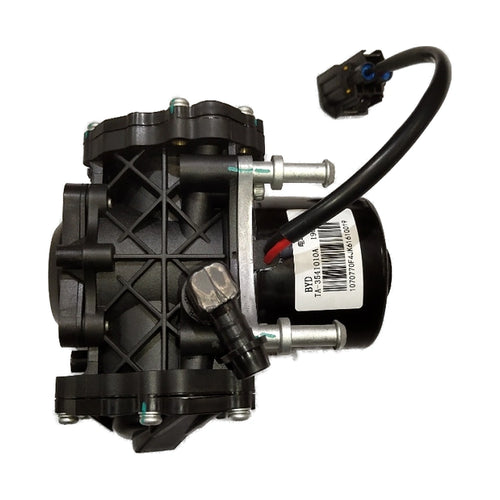
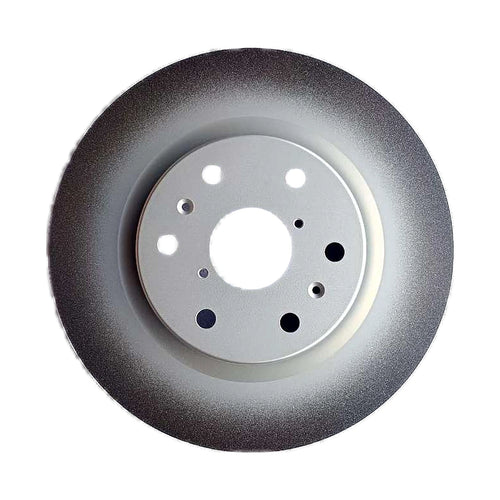
Symptom Finder: What Is Actually Broken?
| What you see or hear | Part to check first |
|---|---|
| Pulsing through the pedal under braking | Brake disc with thickness variation |
| One wheel hot with the car pulling | Caliper or a collapsed flexible hose |
| Pedal sinking slowly under steady pressure | Hydraulic leak or master cylinder |
| ABS and stability lamps lit together | Wheel speed sensor or the hydraulic unit |
| Parking brake holding on one side only | Cable or one EPB motor |
About Braking System
Braking has changed more in the last decade than in the fifty years before it. The mechanical principle is unchanged: hydraulic pressure clamps friction material against a rotating surface and turns motion into heat. What has changed is who decides how much pressure goes where. Antilock control and stability programs have long modulated pressure at individual wheels, and regenerative braking now takes most of the routine deceleration away from the friction system entirely, blending motor braking and pad braking so the driver feels one continuous response. Electric parking brakes have replaced cables with motors on the rear calipers. The consequence for owners is that friction parts last longer and corrode more, and that almost every brake job now begins and ends with a diagnostic tool rather than a spanner.
What to know before buying Braking System parts
Order friction parts as axle sets and hydraulic parts in pairs. Match everything by OE number. Where a listing calls for bleeding, coding or a service mode, allow for that before you start.
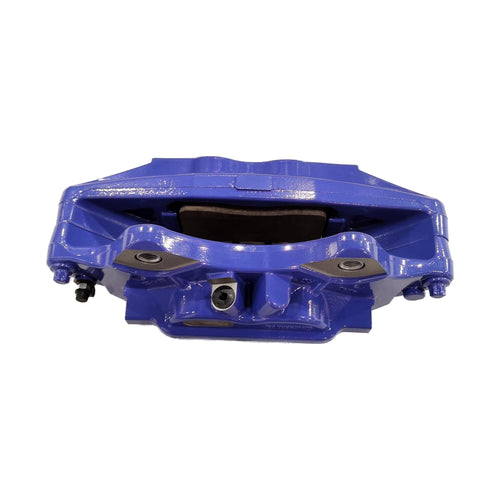
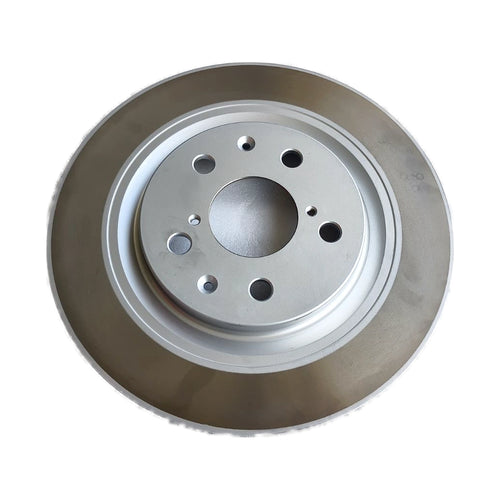
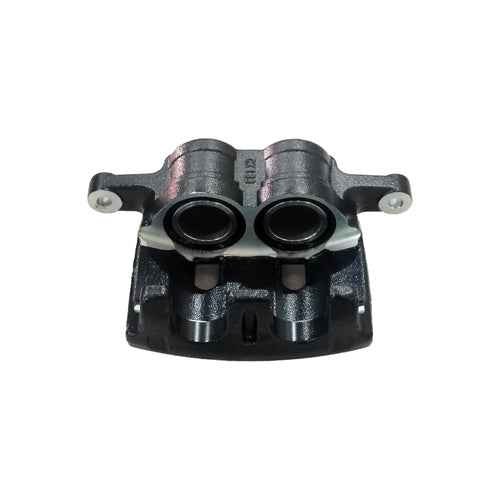
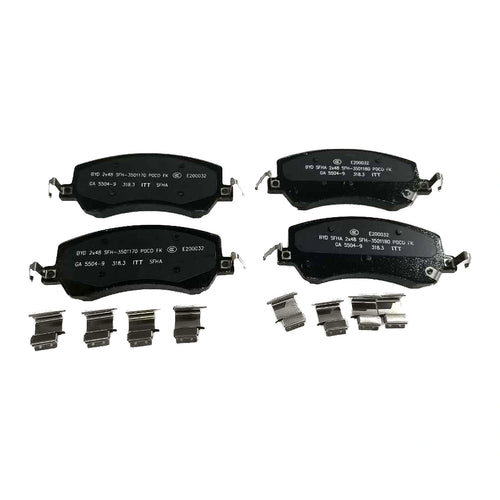
Seven child categories divide the system. Brake discs and pads covers the friction parts and their shields. Calipers, cylinders and hydraulics covers the clamping hardware. Brake hoses, lines and booster covers the pipework and the pedal. Drums, shoes and hardware covers rear drum systems.
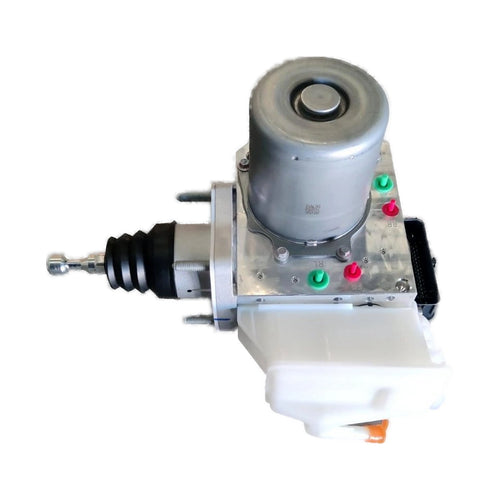
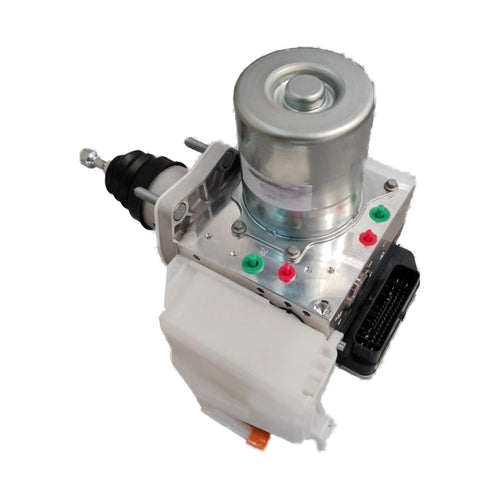
ABS, ESC and wheel speed sensors covers the electronic layer. Parking brake and EPB covers both cable and motor systems. Regenerative and brake by wire covers the integrated units that replaced the vacuum servo.
Before You Order: 5 Checks
- Replace friction parts as axle sets and hydraulic components in pairs.
- Match the OE number, since disc diameter and caliper size follow specification rather than the model.
- Put electric parking brake systems into service mode before retracting a rear piston.
- Order guide pin kits, grease and fresh fluid with any caliper or pad work.
- Plan for a scan tool bleed where the vehicle requires one.
What Changed and Why
Regenerative braking has inverted the usual wear pattern, with pads commonly lasting two to three times longer than on a comparable combustion vehicle while discs corrode and pit from disuse, so a pitted disc with unworn pads is now a normal replacement case. Rear drums have returned on some electric vehicles for the same reason, since an enclosed drum tolerates long periods of inactivity far better. Brake by wire units combining booster and stability functions in one housing are becoming the default, which makes coding and guided bleeding part of routine hydraulic work.
Braking System: Frequently Asked Questions
Why do my brake discs rust when the pads are barely worn?
The two observations are connected. Pad wear is low precisely because the friction brakes do so little work on a car that recovers energy through the motor, and a disc that is rarely rubbed corrodes freely between uses. Damp climates and short journeys accelerate it. What starts as an orange bloom becomes pitting, and a pitted face gives an uneven bite that the driver feels as a shudder. Inspect the disc surface rather than the pad thickness when deciding, since on this kind of car the disc is usually the part that expires first.
My brakes pulse under braking. Are the discs warped?
The word warped is misleading. Cast iron does not bend at brake temperatures. What changes is thickness, either because pad material has transferred unevenly onto the face or because corrosion has eaten some areas more than others. As the disc rotates, the thick spots push the pads apart and the pedal rises and falls with them. Causes include leaving a hot car with the handbrake on, long periods standing, and heavy braking followed immediately by a stop. Measure runout and thickness variation with a gauge before deciding, then replace or machine in axle pairs.
Why do I need a scan tool for a rear pad change?
Because the rear piston no longer moves the way a hydraulic one does. On a car with an electric parking brake, a small motor and gearbox drive a spindle inside the caliper, and that spindle holds the piston out. Pushing it back with a clamp fights the gear train and damages it, and winding it in only works on the older screw type calipers. The tool commands the actuator to retract and suspends automatic application while you work, then drives it back out and relearns the stop position once the new pads are in.
Which category do I need for a car that pulls when braking?
Start with calipers and hoses rather than friction parts. A collapsed flexible hose acts as a one way valve, letting pressure through and restricting its return, so that corner applies late or releases slowly, and a seized caliper guide pin produces the same pull with uneven pad wear. Both are listed separately, and both are far cheaper than the discs and pads people often replace first. Check for a wheel that is hot after a drive.
How much of a brake job can I do at home?
Discs, pads and hoses are within reach with proper support, a torque wrench and patience. What sends jobs to a workshop is the electronic layer: service mode for electric parking brakes, guided bleeding that cycles the hydraulic unit's internal valves, and coding after a control unit or brake by wire replacement. A practical split is to order the parts by OE number, do the mechanical work if you are equipped, and book the vehicle for the diagnostic steps.
How often should brake fluid be changed on a car that barely uses its friction brakes?
Change it by age rather than mileage, usually every two to three years as the handbook sets out. Brake fluid is hygroscopic. It absorbs moisture through the hoses and the reservoir cap, which lowers its boiling point and corrodes pistons and valves. A car that relies on motor braking rarely heats the fluid enough to drive that water off, so regeneration does nothing to lengthen the interval. On cars with an integrated brake unit, the fluid change needs a scan tool to cycle the valves. Check the service schedule, then order any seals or hoses by the OE number on the old part.
The ABS light is on. Is it always the wheel speed sensor?
Often, but not always. The sensor reads a toothed or magnetic tone ring that turns with the hub, and the control unit compares the signals from all four wheels. A cracked or rusted ring, a chafed lead near the suspension, a corroded connector or debris on the sensor tip can all look like a dead sensor. A scan tool will name the corner and usually say whether the signal is missing or erratic. Inspect the ring and wiring at that corner first. Then match the new sensor to the OE number on the old one, because front and rear sensors often differ.
Why does the car need calibrating after the brake by wire unit is replaced?
The unit replaces the physical link between the pedal and the brakes with sensors. A pedal travel sensor reads your foot, a motor builds pressure, and internal valves share it between the wheels and the regeneration system. A new unit does not know where the pedal rests, what zero pressure reads as or how the stability system is set up. Until it is taught, it will log faults and may refuse to blend in regeneration. The workshop runs pedal position learning, pressure sensor zeroing and a guided bleed. Order the unit by the OE number on its label and book the car with a workshop that has the right diagnostic tool.
Do new pads and discs need bedding in?
Yes, and it matters more on a car that brakes mostly through the motor. Bedding in lays an even film of pad material across the disc face. That gives a consistent bite and prevents the uneven deposits that cause pulsing. A typical routine is a series of firm stops from moderate speed on a quiet road, easing off before the car comes to a standstill, then a gentle drive to let everything cool. Many cars let you reduce regeneration for a while so the pads actually do the work. Follow the pad maker's instructions, and ask a qualified mechanic if your car has no setting to lower regeneration.
Why do some electric cars still use drum brakes at the rear?
The rear brakes on a car that regenerates heavily do very little work, and a sealed drum suits that kind of use. The shoes sit inside a closed casting, so they escape the road spray that rusts an exposed disc, and the drum houses the parking brake with simple hardware. Drums still need attention. Self adjusters can seize from lack of use, springs weaken and wheel cylinders can weep fluid onto the linings. When servicing, replace the shoes as an axle set with fresh hardware and check the cylinders for dampness. Find drums, shoes and fittings by the OE number stamped on the old parts.
Can I replace just the parking brake motor, or does the whole caliper go?
It depends on the design. On many rear calipers the motor and gearbox bolt onto the back of the caliper as a separate unit with its own OE number, so a failed motor can be swapped without opening the hydraulics. On others the actuator is only supplied already fitted to the caliper. Signs of a motor fault include a whirring that stops short, a warning light and one side that will not apply or release. Check the connector and fuse first. Then read the numbers on both the motor housing and the caliper body, and use the search box to see which one is listed.
Should the pad wear sensor be replaced with the pads?
Usually, yes. Most electronic wear sensors have a loop of wire inside a small plastic tip that sits in the pad. When the friction material wears down to it, the disc grinds through the loop, the circuit opens and the warning appears. A cut sensor cannot be reset. Even an intact one turns brittle with heat and age and can crack when you refit it. Some clip into the pad and some run on their own lead, and the lengths differ between axles. Read the OE number on the old sensor or its connector and order the new one along with the pads.
How do I find the right disc or pad when several look the same?
Go by the OE number, not by appearance. Discs that look identical can differ in diameter, thickness, offset or bolt pattern. Pads can change backing plate shape, shims or wear sensor provision between versions of the same model. The number is cast or stamped on the disc hat or edge and printed on the pad backing plate or box. Where a part changed during production, the build date on the identification plate decides which one fits. Measure the old disc thickness as a cross check. Then enter the OE number in the search box or send it through the quote form, and we reply within 24 hours, usually sooner.
Why does the brake pedal feel soft or sink towards the floor?
A soft pedal usually points to air or moisture in the fluid, a hose that swells under pressure, or a leak. A pedal that sinks slowly under steady pressure suggests seals leaking internally in the master cylinder or integrated brake unit. On brake by wire cars the pedal is often a simulator, so its feel alone can mislead you, and a warning light or stored fault tells you more. Look for damp patches at each caliper, at the hose ends and around the reservoir, and check the fluid level and age. Treat any change as urgent and have a qualified mechanic inspect the car before you order parts.