ABS, ESC & Wheel-Speed Sensors
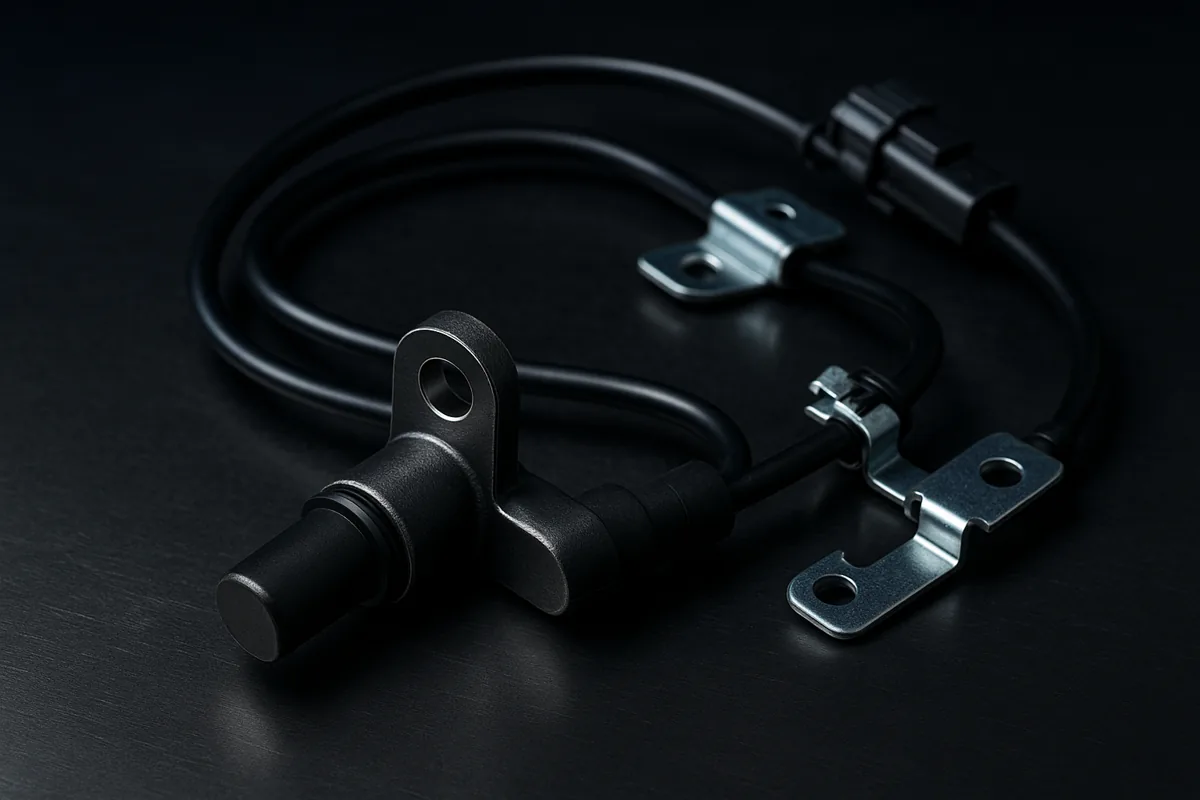
Shop ABS, ESC & Wheel-Speed Sensors by Part Type
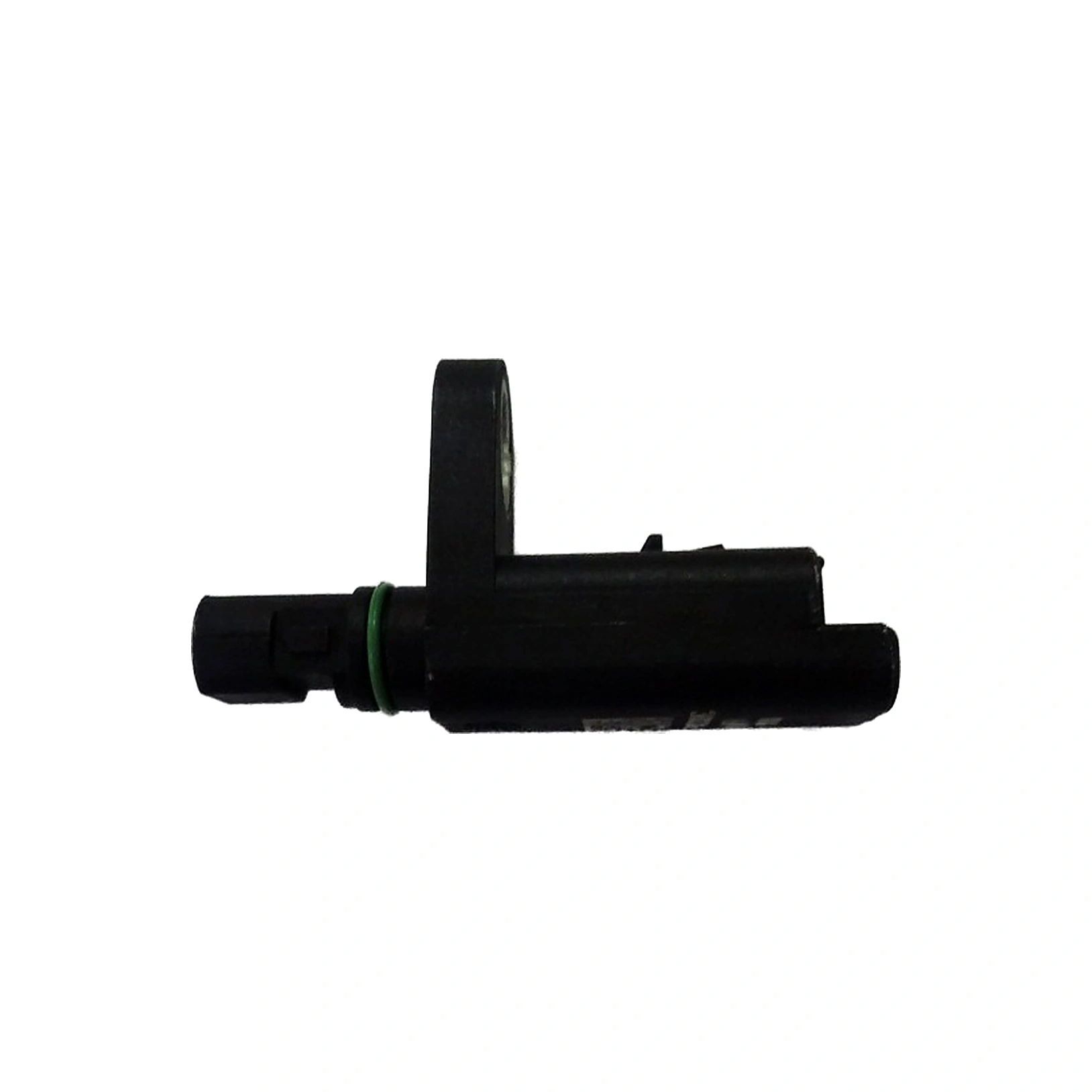
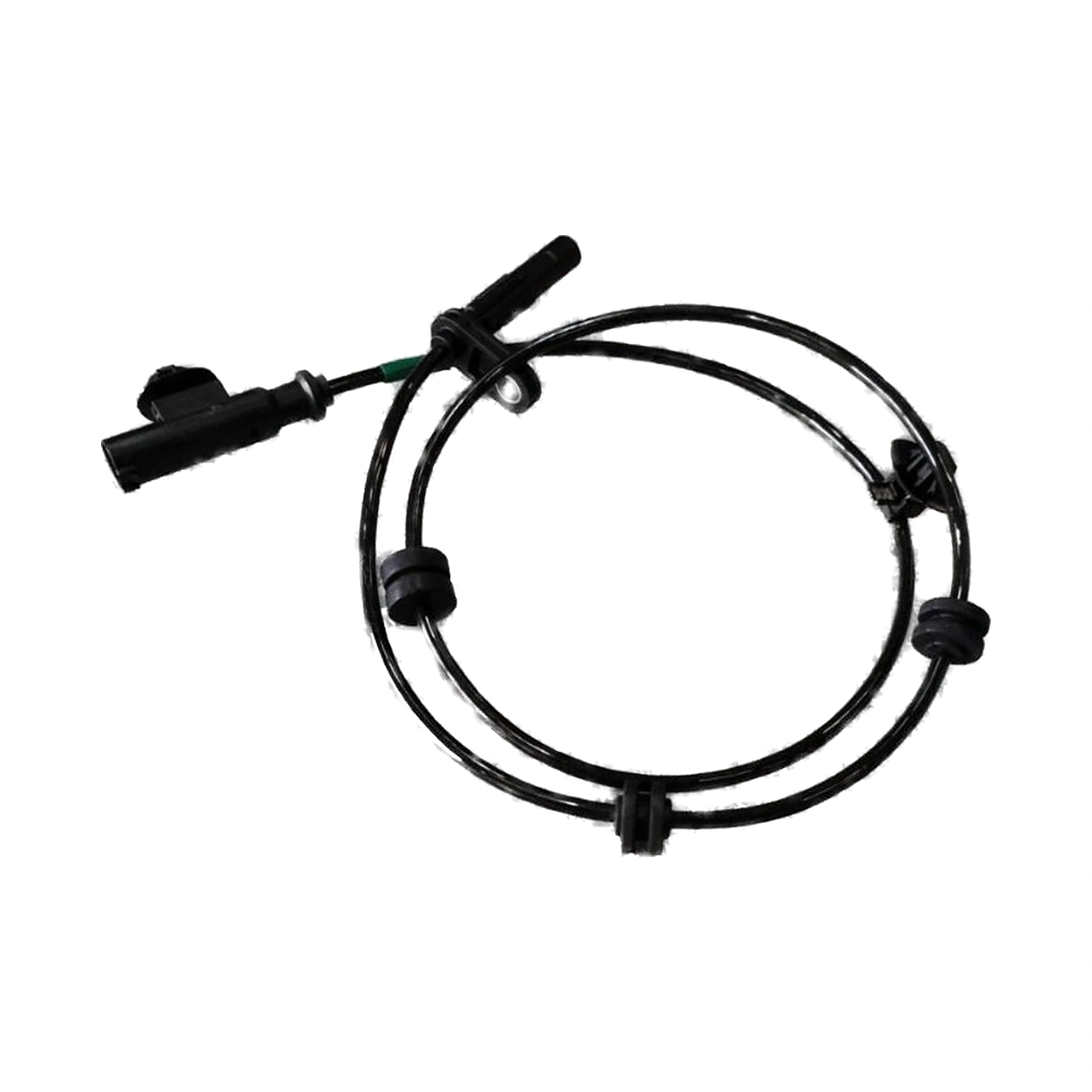
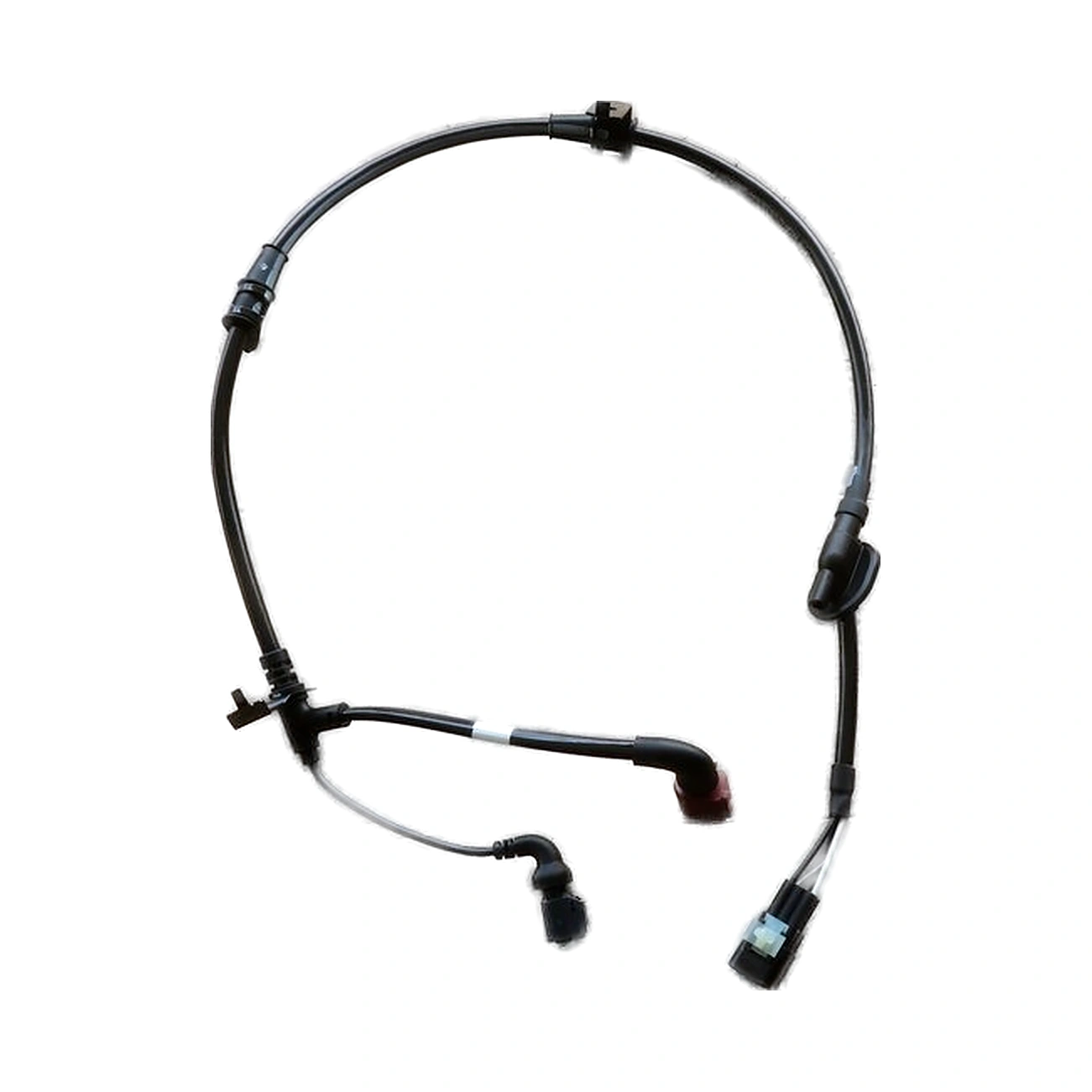
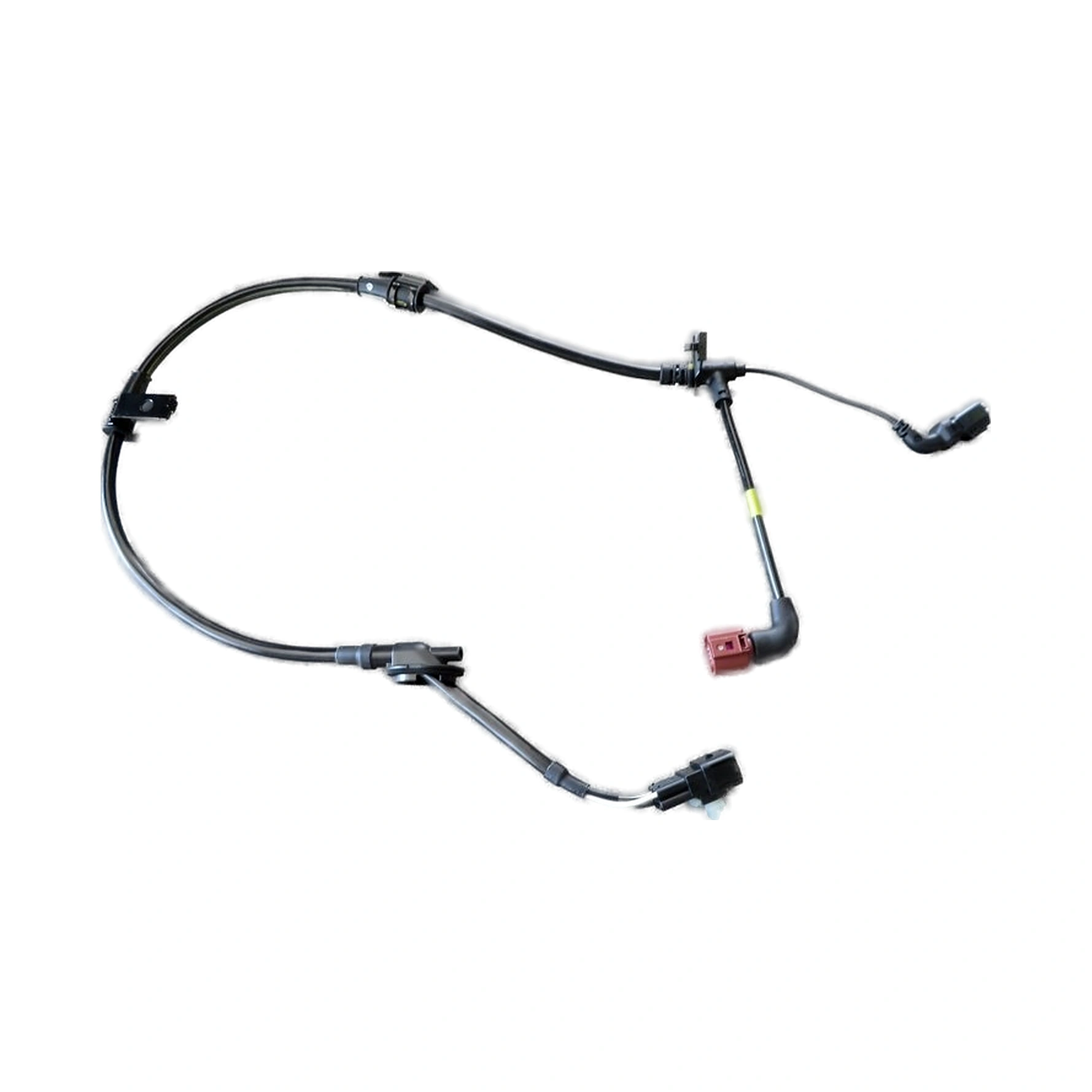
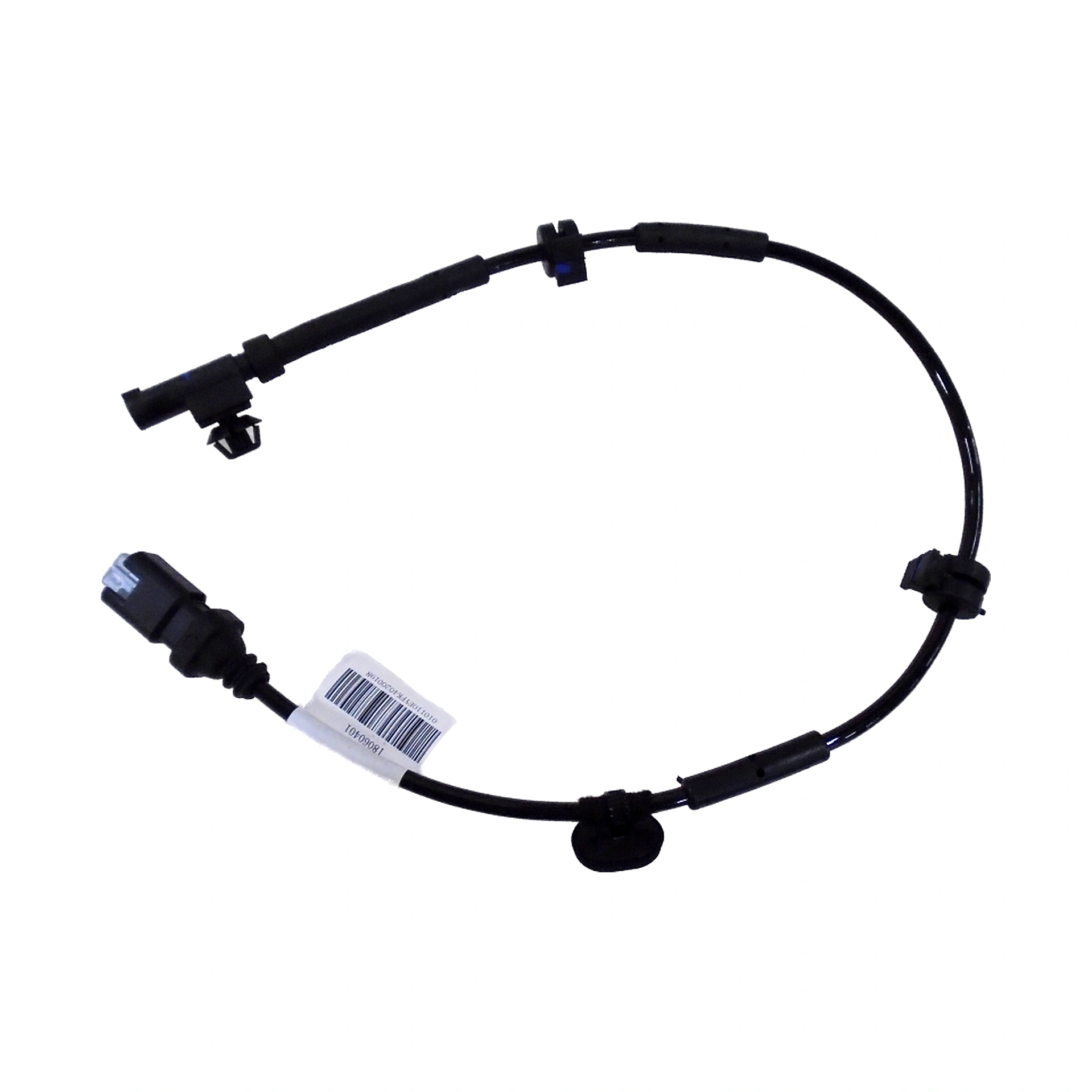
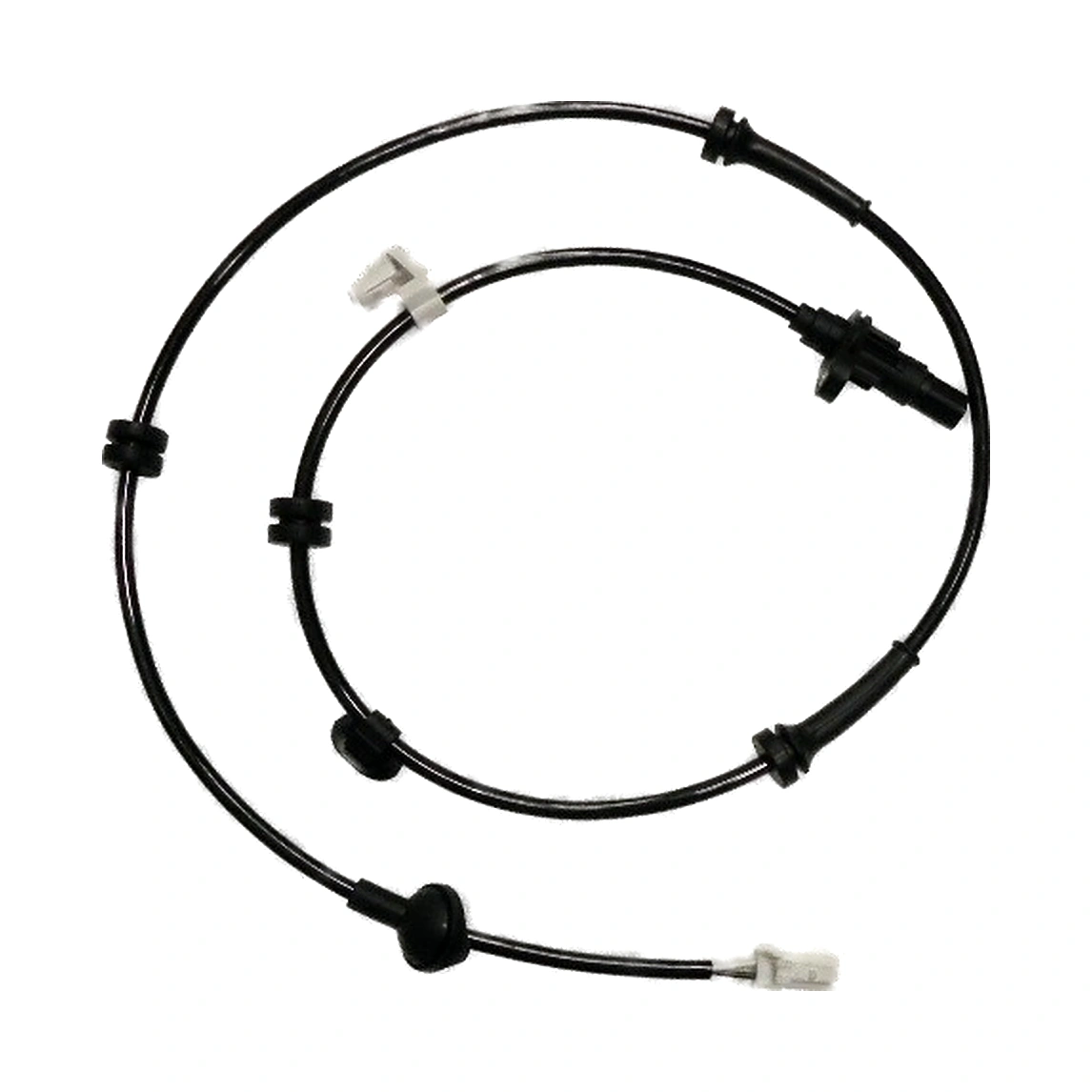
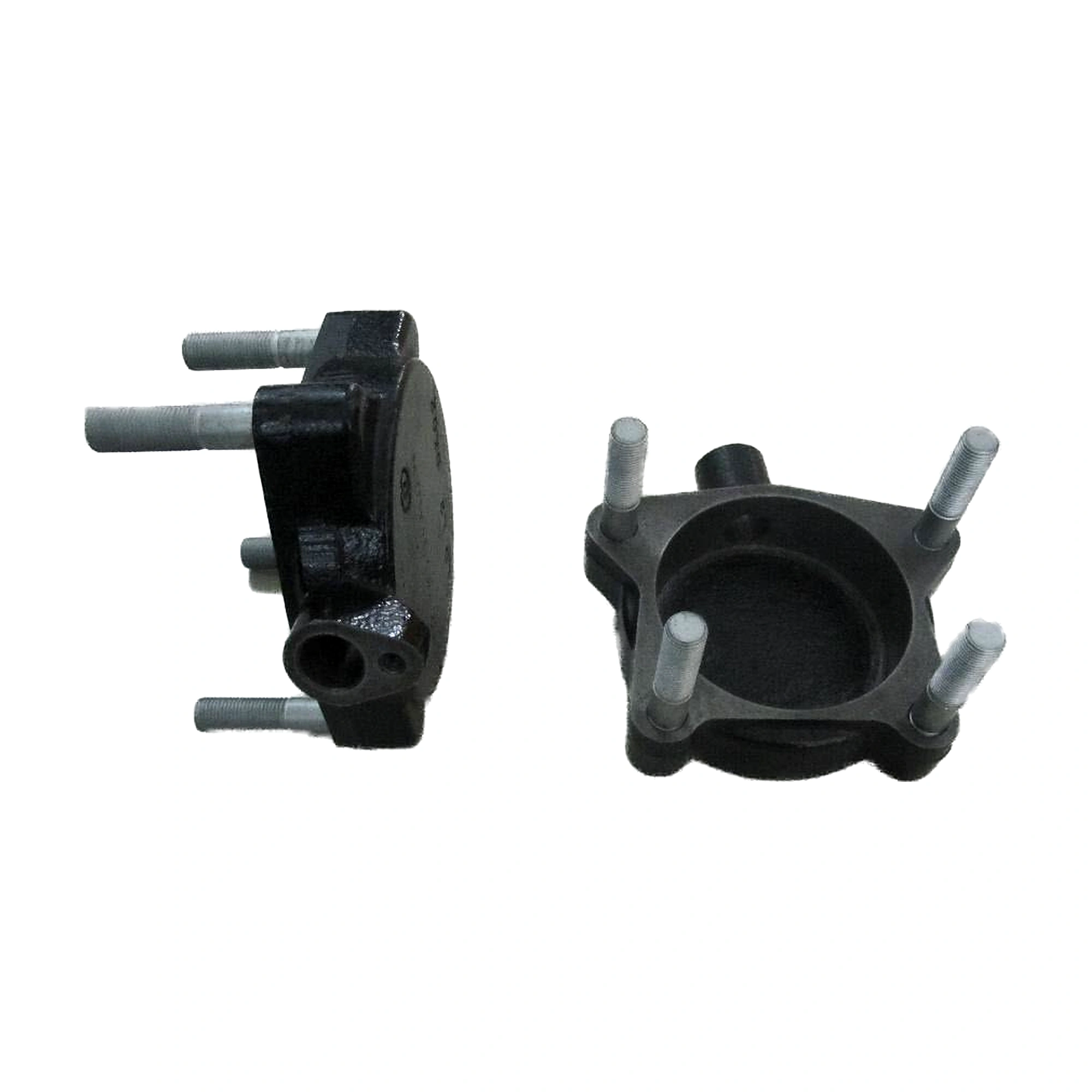
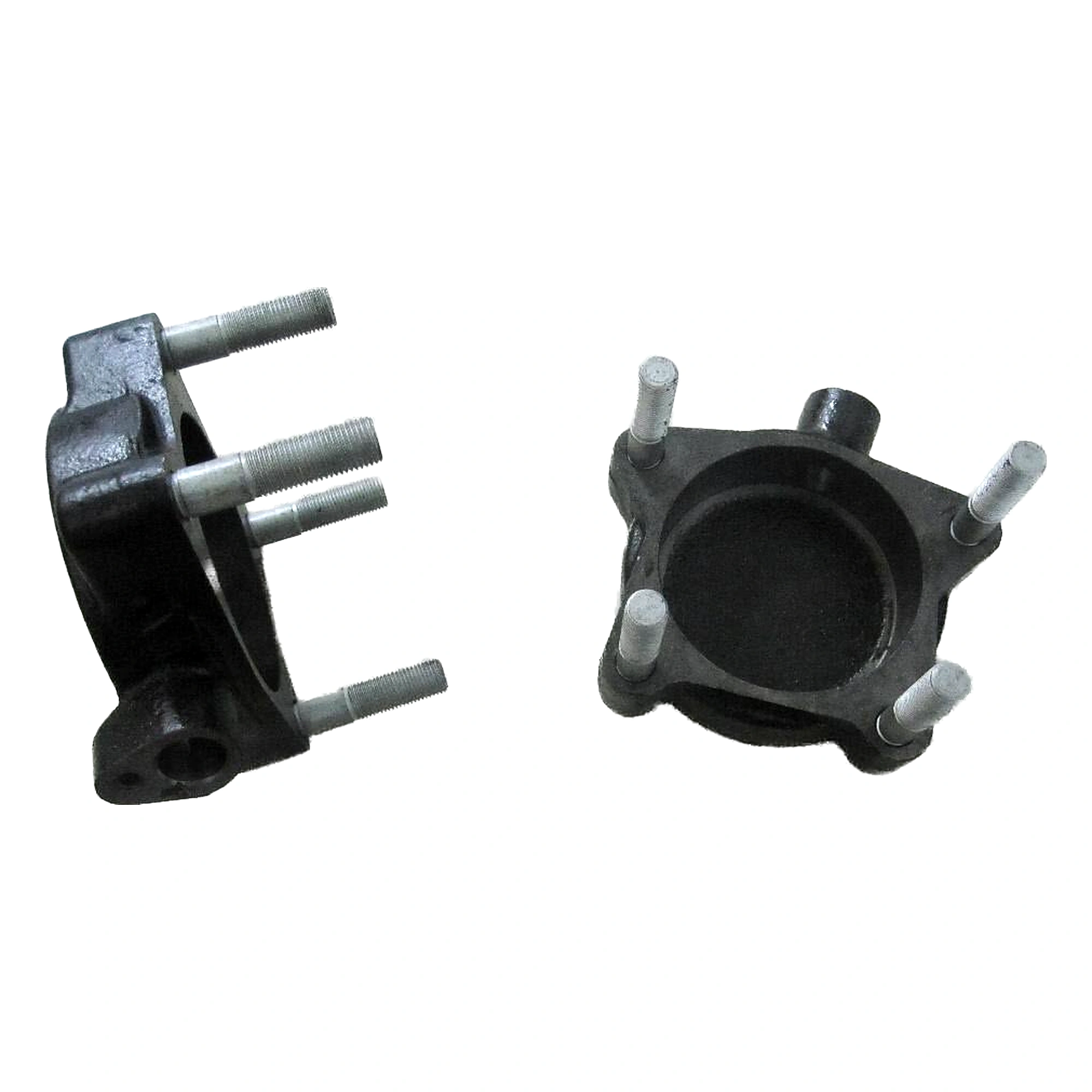
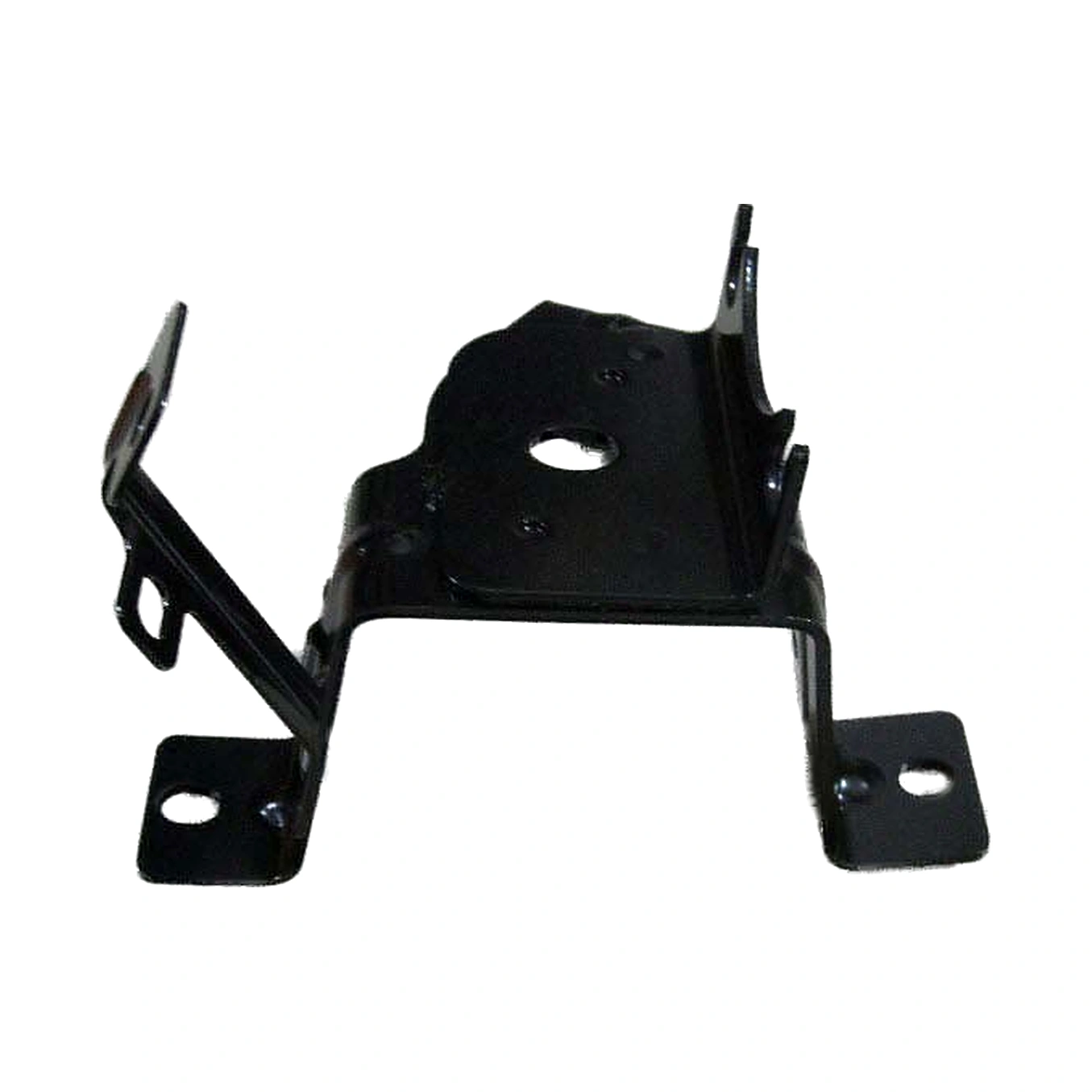
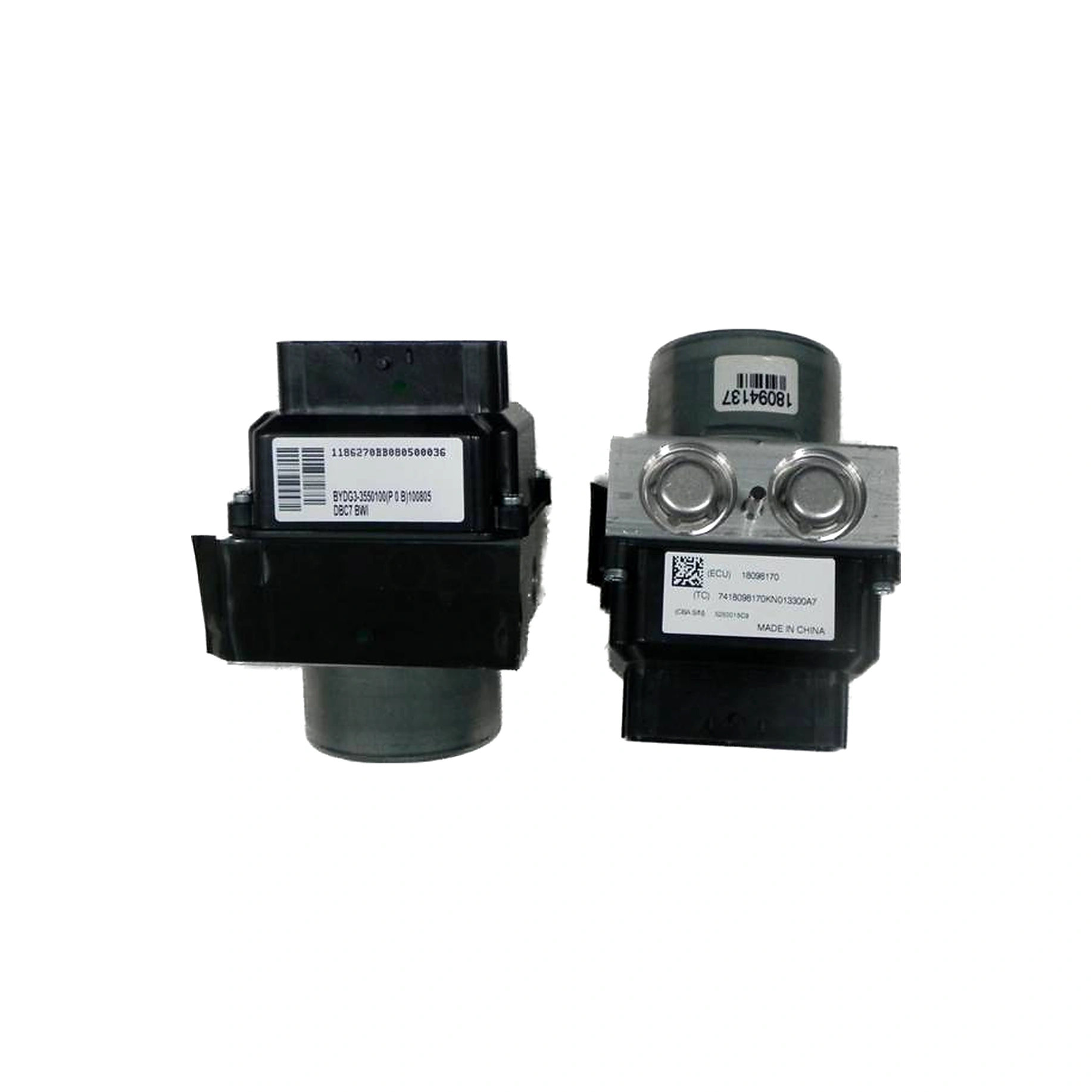
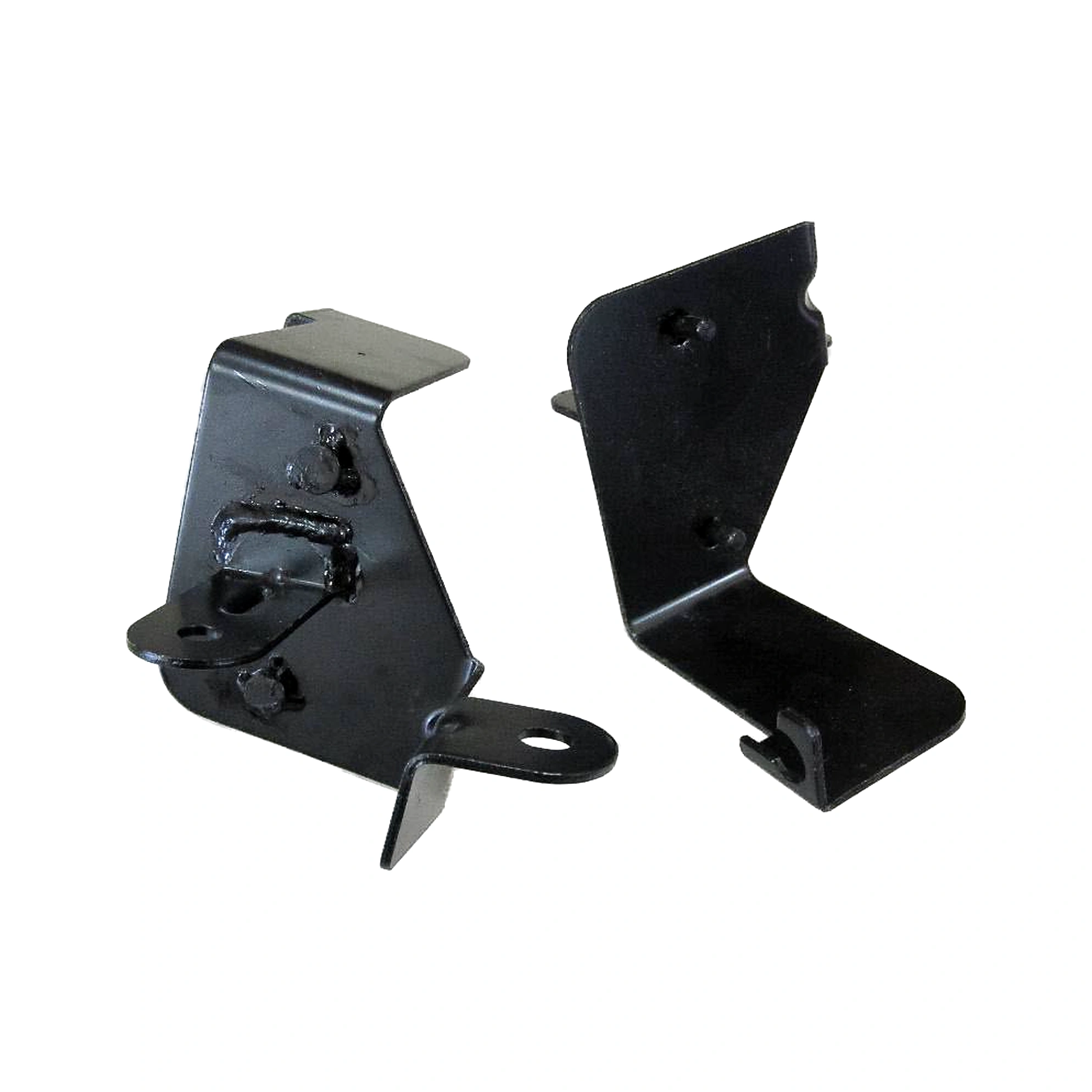
Popular Right Now
scroll for more →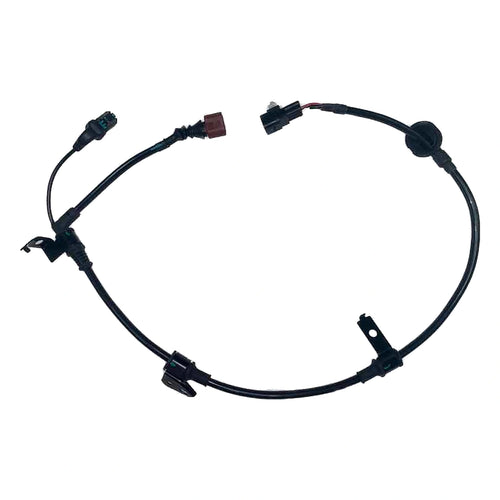
Symptom Finder: What Is Actually Broken?
| What you see or hear | Part to check first |
|---|---|
| ABS warning lamp lit with normal braking otherwise | Wheel speed sensor |
| ABS and stability control lamps on together | Wheel speed sensor or ABS control unit |
| Speedometer drops out or reads erratically at low speed | Wheel speed sensor and harness |
| Fault returns after a wheel bearing or suspension repair | Wheel speed sensor harness or mounting bracket |
| ABS pump runs constantly or the pedal pulses without cause | ABS control unit and valve body assembly |
| Buzzing or knocking from the hydraulic unit over bumps | Rubber damper block or ABS bracket |
About ABS, ESC & Wheel-Speed Sensors
Antilock braking and stability control both start from the same measurement: how fast each wheel is rotating, sampled many times per second. A sensor sits a few millimetres from a toothed or magnetically encoded ring on the hub and produces a signal that varies with rotation. Current designs are active sensors, powered by the control unit and returning a square wave, which is why they read accurately down to walking pace where older passive types went silent. The control unit compares the four signals against each other and against the yaw rate and steering angle. When one wheel decelerates faster than the others under braking, valves in the hydraulic unit isolate that circuit and release pressure, then reapply, dozens of times a second. Stability control uses the same hardware in reverse, braking individual wheels to correct a slide. The pump, the valve block and the electronics are usually one assembly, which is why the whole unit is replaced rather than repaired.
What to know before buying ABS, ESC & Wheel-Speed Sensors parts
Check what a fault really needs before you order. Most warning lamps trace to a sensor, a harness or a connector, and the price gap between those and a hydraulic unit is wide.
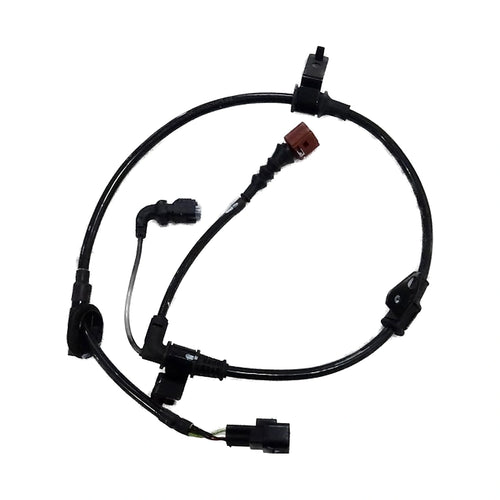
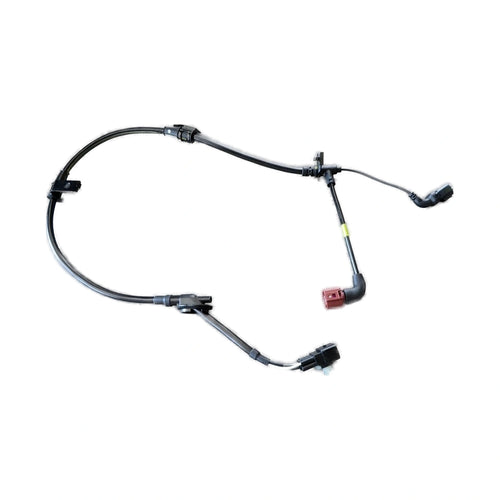
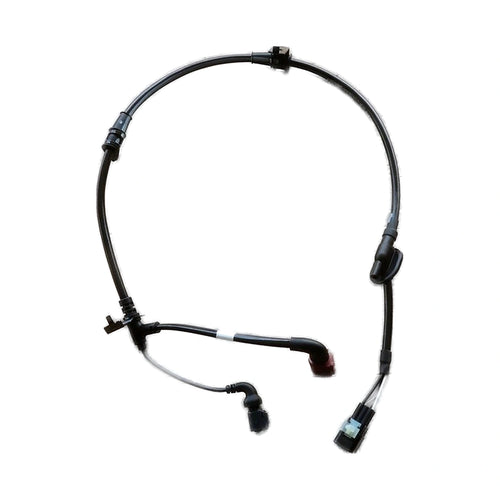
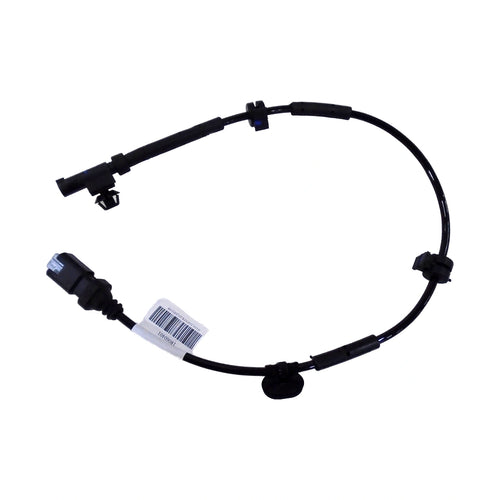
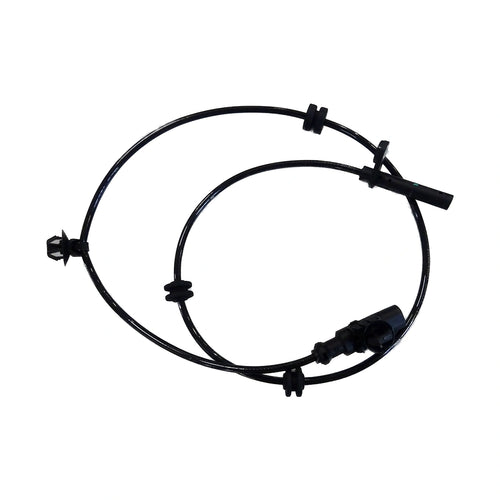
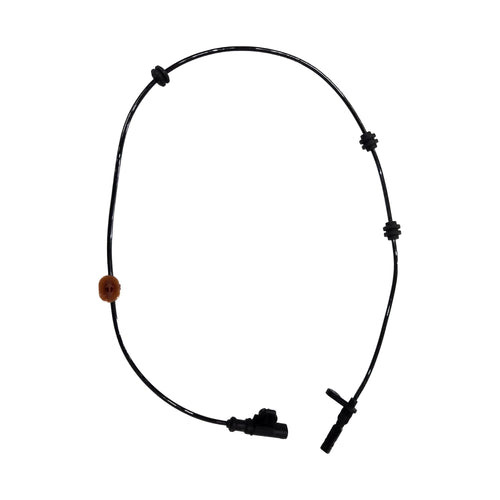
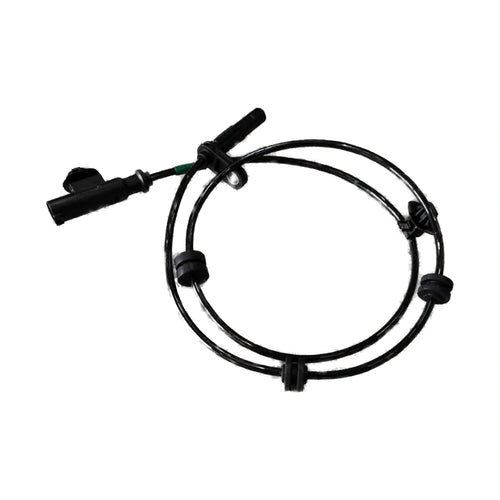
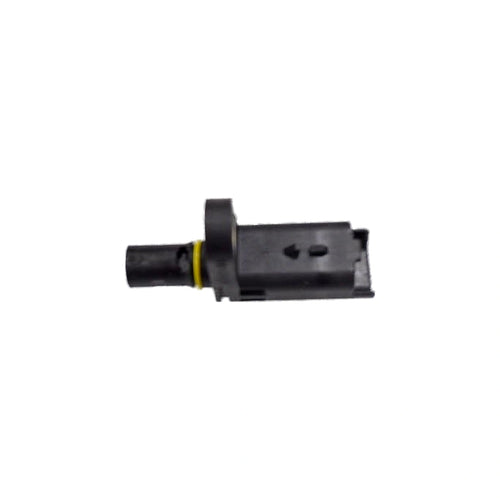
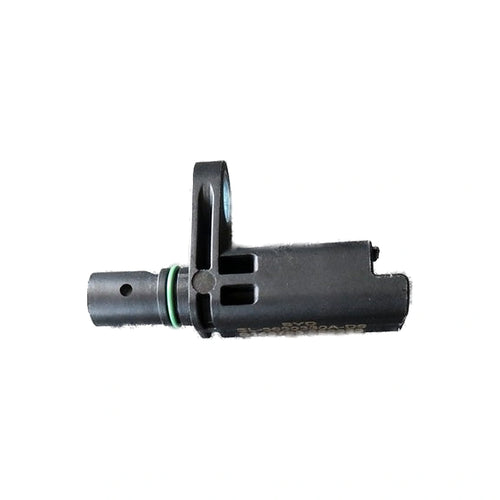
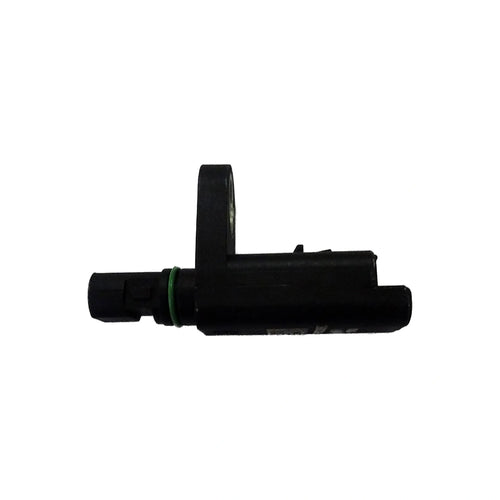
Wheel speed sensors are listed by position. Several come with their harness or with an integrated electric parking brake harness. Separate wheel speed sensor harness assemblies are listed, along with left and right rear sensor mounting bracket assemblies.
The hydraulic side covers ABS control unit and valve body assemblies. ABS brackets appear in several forms, including a weldment assembly and an electrocoated version. ABS mounting brackets and rubber damper blocks that isolate the unit from the body are listed too.
Match every part by the factory number, because signal types and connector styles differ between vehicles that look identical. Anything priced can be ordered from the listing, and anything without a price is quoted. BYD group parts are covered most fully at present.
Before You Order: 6 Checks
- Read the stored fault codes with a tool that reaches the chassis modules, since generic engine code readers cannot see them.
- Check the sensor tip and the toothed ring for debris and damage before ordering anything.
- Match the OE number and the harness length. Sensors are position specific even where the tip looks identical.
- Confirm whether your rear sensor shares a harness with the electric parking brake, since those are separate references.
- Inspect the connector for corrosion. A green pin causes the same code as a dead sensor.
- Plan for bleeding and coding after any hydraulic unit replacement.
What Changed and Why
Wheel speed data now feeds a great deal more than the brakes. The same four signals support stability control, traction control, hill hold, tyre pressure monitoring by comparison of rotational speed, and on electric vehicles the blending of regenerative and friction braking, which is why a single failed sensor can disable several unrelated functions at once. Brake by wire architectures push this further by making the hydraulic unit an actuator commanded by software rather than a valve block downstream of the driver's foot, so replacement increasingly requires coding and a documented bleed procedure rather than a simple swap.
ABS, ESC & Wheel-Speed Sensors: Frequently Asked Questions
My ABS light is on. Where should I start?
With a scan tool that can reach the chassis modules, which generic engine code readers cannot reach, because the brake control unit stores which wheel it lost. In the great majority of cases the answer is a wheel speed sensor, its harness, or a corroded connector, all of which are inexpensive. Before ordering, pull the named sensor and look at the tip and at the toothed ring behind it: metal debris stuck to a magnetic tip, or a cracked ring, produces the same code as a dead sensor and costs nothing to clean.
What is a reluctor ring and can it fail?
It is the toothed or magnetically encoded ring that spins with the wheel and gives the sensor something to count. On many current designs it is a magnetic encoder built into the wheel bearing seal rather than a visible toothed wheel. Failures are real: rust between the ring and the hub, cracked teeth, or a demagnetised encoder after the bearing has been struck during fitting. The symptom is an intermittent signal that appears at certain speeds. Where the ring is part of the bearing, curing it means replacing the bearing.
Why do both ABS and stability control lamps come on together?
Because they share hardware. Stability control depends on the same four wheel speed signals and the same hydraulic unit as the antilock function, so a fault that disables one usually disables the other, and the car lights both lamps to tell you the driver assistance layer has stepped back. It is not two faults. Read the codes, fix the named component, and both lamps normally clear together. Braking itself remains available throughout, though without the electronic intervention layer above it.
Is it safe to drive with the ABS light on?
The brakes still work hydraulically, so the car stops, but you have lost antilock control and usually stability control with it, which matters most in an emergency stop or on a slippery surface. In most inspection regimes it is also a test failure. Treat it as something to fix this week rather than this month, and be aware that on vehicles blending regenerative and friction braking the fault may also change how the car decelerates when you lift off, which is worth knowing before you find out on the road.
Can I replace a wheel speed sensor myself?
Usually yes. The sensor is held by a single bolt at the hub or knuckle, with a cable clipped along the suspension arm to a connector in the wheel arch. Raise and support the vehicle, remove the wheel, unbolt the sensor and unclip the loom carefully, then fit the new one and route the cable exactly as the original was. Budget an hour. The two things that go wrong are a seized sensor snapping in its bore and a cable routed where the suspension can stretch it.
My fault came back after a suspension repair. Why?
Because the sensor loom is easy to disturb and easy to damage. Sensor cables are clipped along control arms and through brackets at exact points so they follow suspension travel without stretching, and a cable rerouted slightly differently will chafe or pull. Wheel bearing work is another common trigger, since the encoder in the bearing seal can be damaged during fitting. Check the routing against the other side of the car, inspect the connector for water, and confirm the bearing was fitted with the encoder facing inboard.
What does an ABS part cost?
The range in this category is very wide. Brackets, damper blocks and harnesses sit at the bottom. Wheel speed sensors are modest, which is fortunate since they cause most faults. Complete ABS control unit and valve body assemblies sit at the top, and the labour to fit one includes bleeding and coding. The live minimum and maximum are shown in the band at the top of this page. Diagnose properly before ordering, because the difference between a sensor and a hydraulic unit is substantial.
Does an ABS unit need coding after replacement?
On current vehicles, yes. A replacement hydraulic control unit arrives without the vehicle's configuration and often without the calibration values for the steering angle and yaw sensors, so it needs coding and a guided bleed procedure that cycles the internal valves to purge air from the block. Doing it without the correct tooling leaves a soft pedal and a lamp that will not clear. Factor that workshop step into the job, and order the unit only after the codes have confirmed it rather than the sensors.
Why does my speedometer drop out at low speed?
Modern active wheel speed sensors read down to nearly zero, and several vehicles derive the displayed speed from them. A sensor with a weak signal often works normally at road speed and fails as the frequency drops, which shows as a speedometer that falls to zero in traffic and recovers when you accelerate. That pattern is a strong indicator of a failing sensor rather than a wiring break, which usually produces a permanent fault. Read the codes to confirm which corner before ordering.
Are wheel speed sensors interchangeable between corners?
Rarely, and the differences are not visible. Cable lengths differ between front and rear and sometimes between left and right, connector styles vary, and on many vehicles the rear sensor shares a harness with the electric parking brake motor, which makes it an entirely different reference. Fitting a sensor with a short cable strains the loom until it breaks. Match the OE number and the position described in the listing, and check whether your rear sensor is the combined type before ordering.
Can a wheel speed sensor be cleaned rather than replaced?
Sometimes, and it costs nothing to try. Magnetic sensor tips attract fine metal debris from brake and clutch wear, and a build up of that material distorts the signal in a way that mimics a failed sensor. Remove the sensor, wipe the tip clean, check the bore is free of rust that could hold it away from the ring, and clear the codes. If the fault returns immediately, replace the sensor. This five minute check saves a proportion of orders in this category outright.
The part I need shows no price. Can I still order it?
Ordering is still possible. Nothing in this category is out of reach simply because the price field is empty. That field reflects what has been loaded so far rather than what the catalogue holds. Wheel speed sensors and toothed rings mostly carry standing prices. Hydraulic control units and valve bodies are the references that tend to arrive without one, because they are ordered in small numbers and often need coding to the vehicle afterwards. Send the factory number through the enquiry form and confirm at the same time whether your workshop can perform the bleed and coding routine the unit requires.