Calipers, Cylinders & Hydraulics
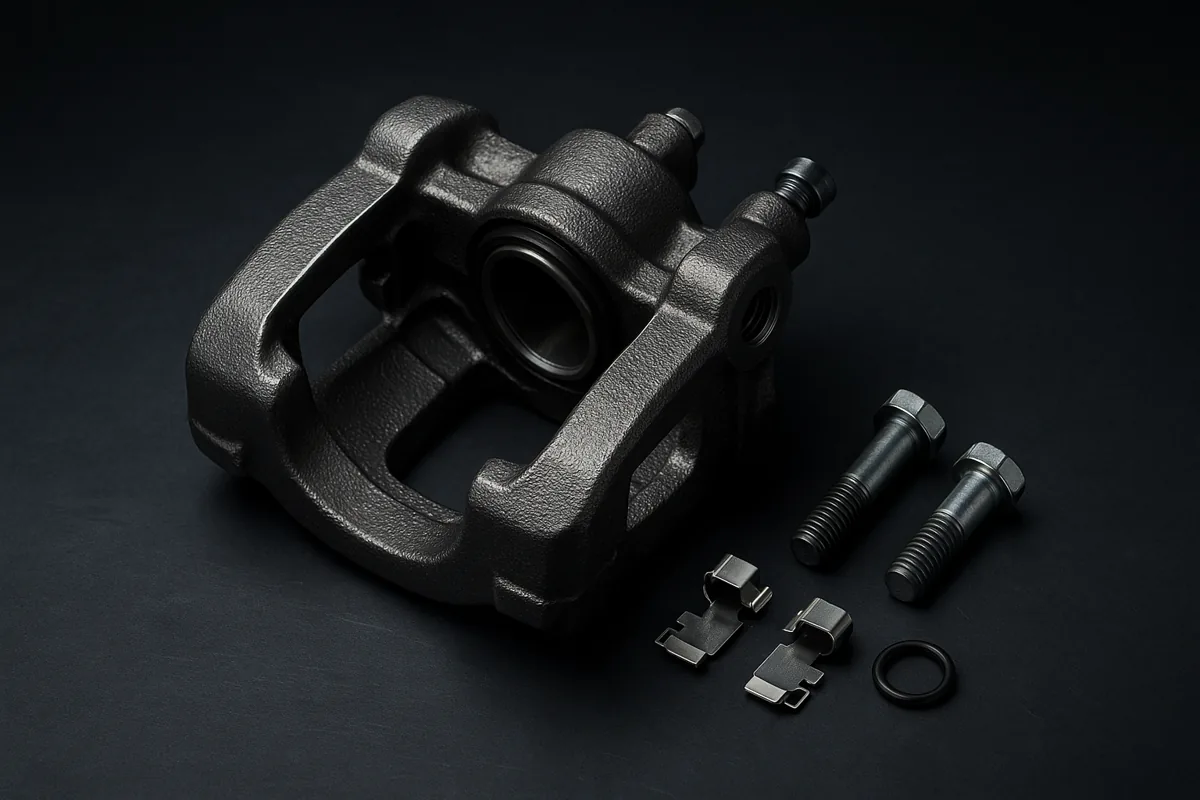
Shop Calipers, Cylinders & Hydraulics by Part Type
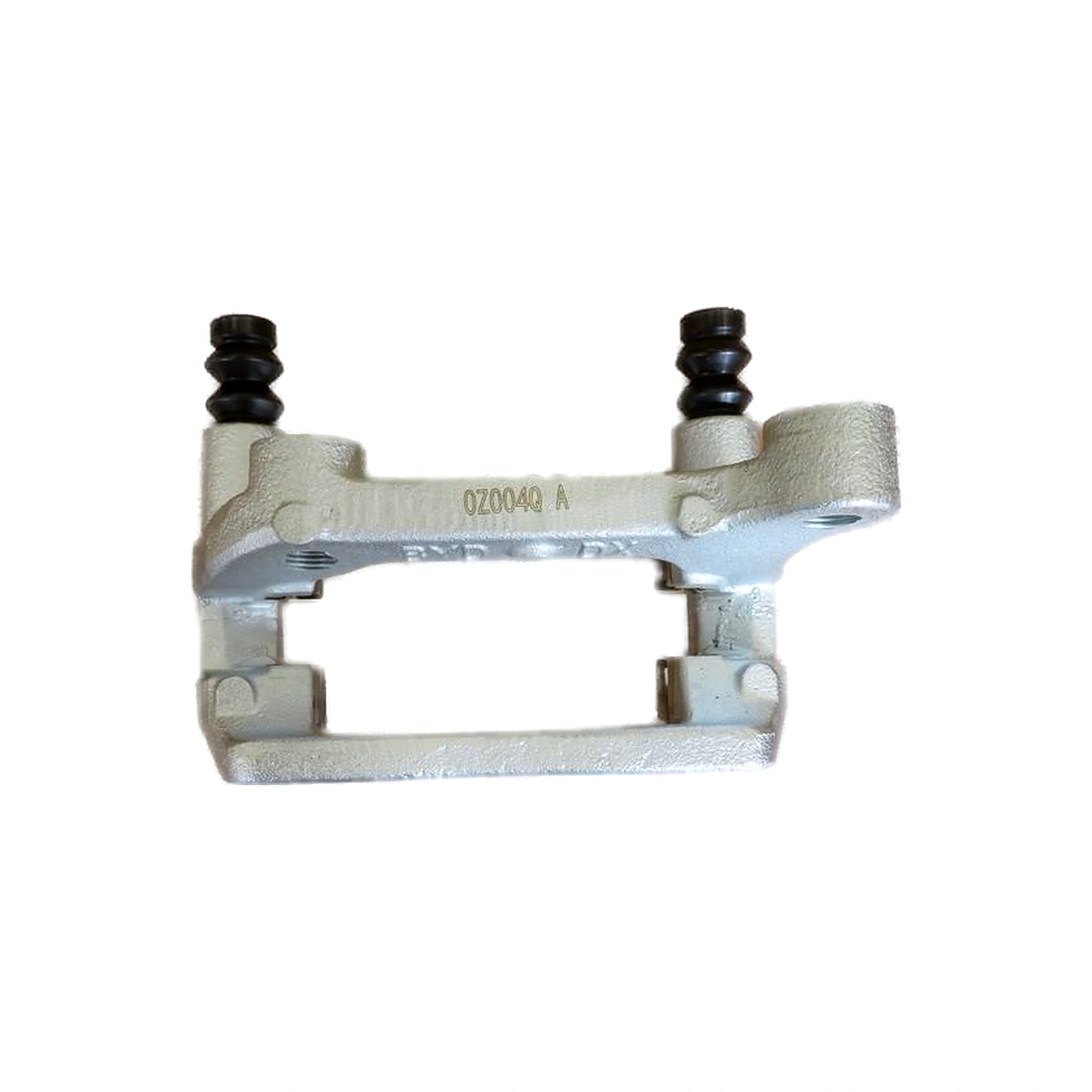
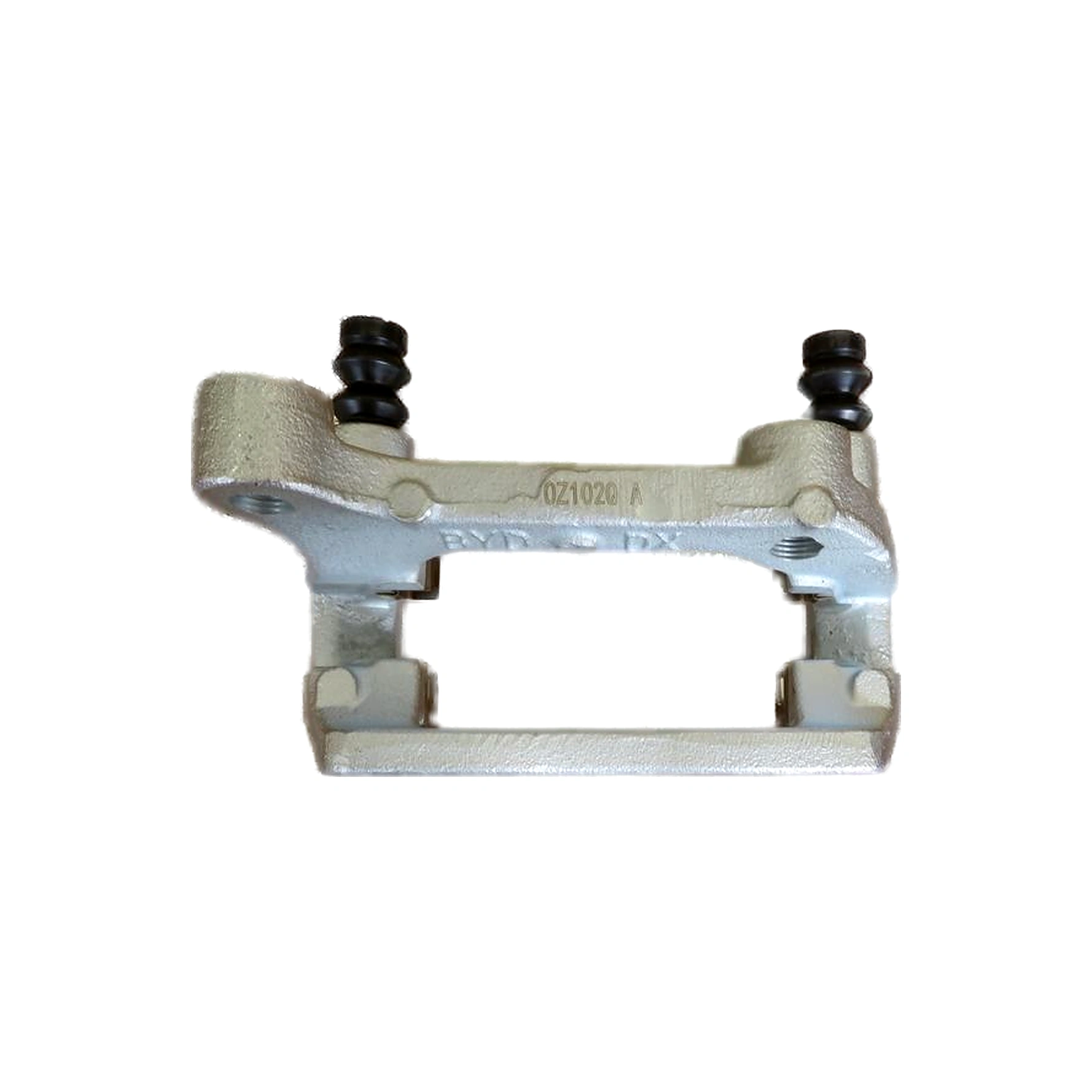
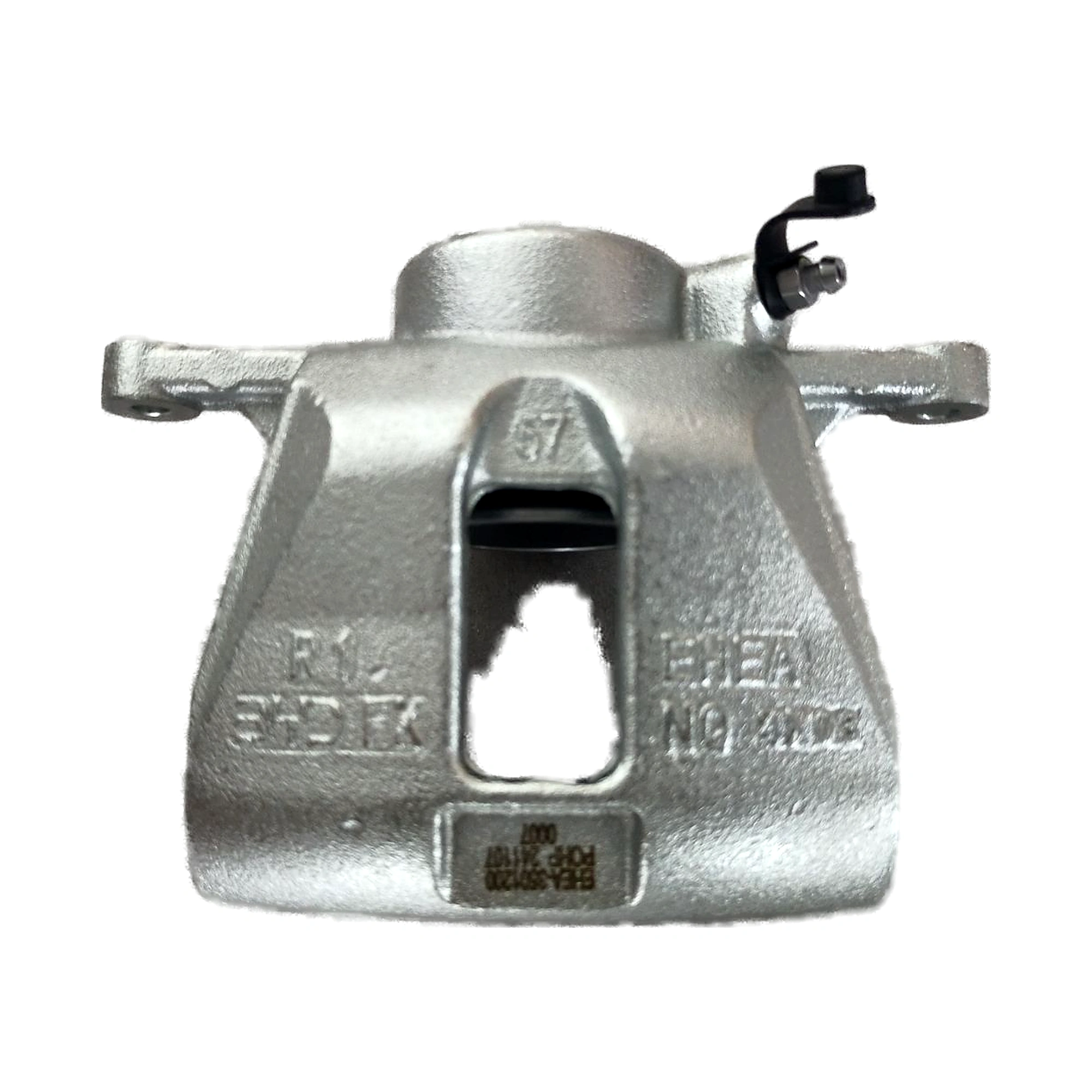
Popular Right Now
scroll for more →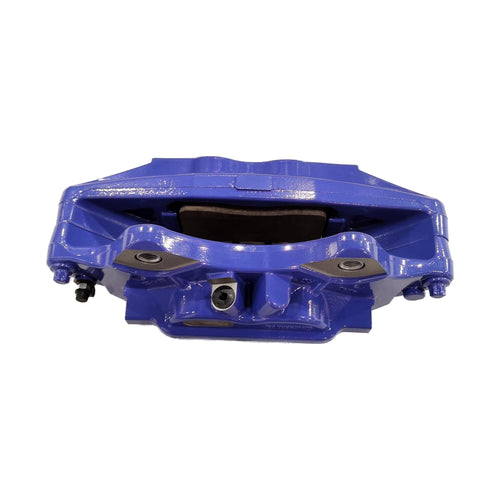
Symptom Finder: What Is Actually Broken?
| What you see or hear | Part to check first |
|---|---|
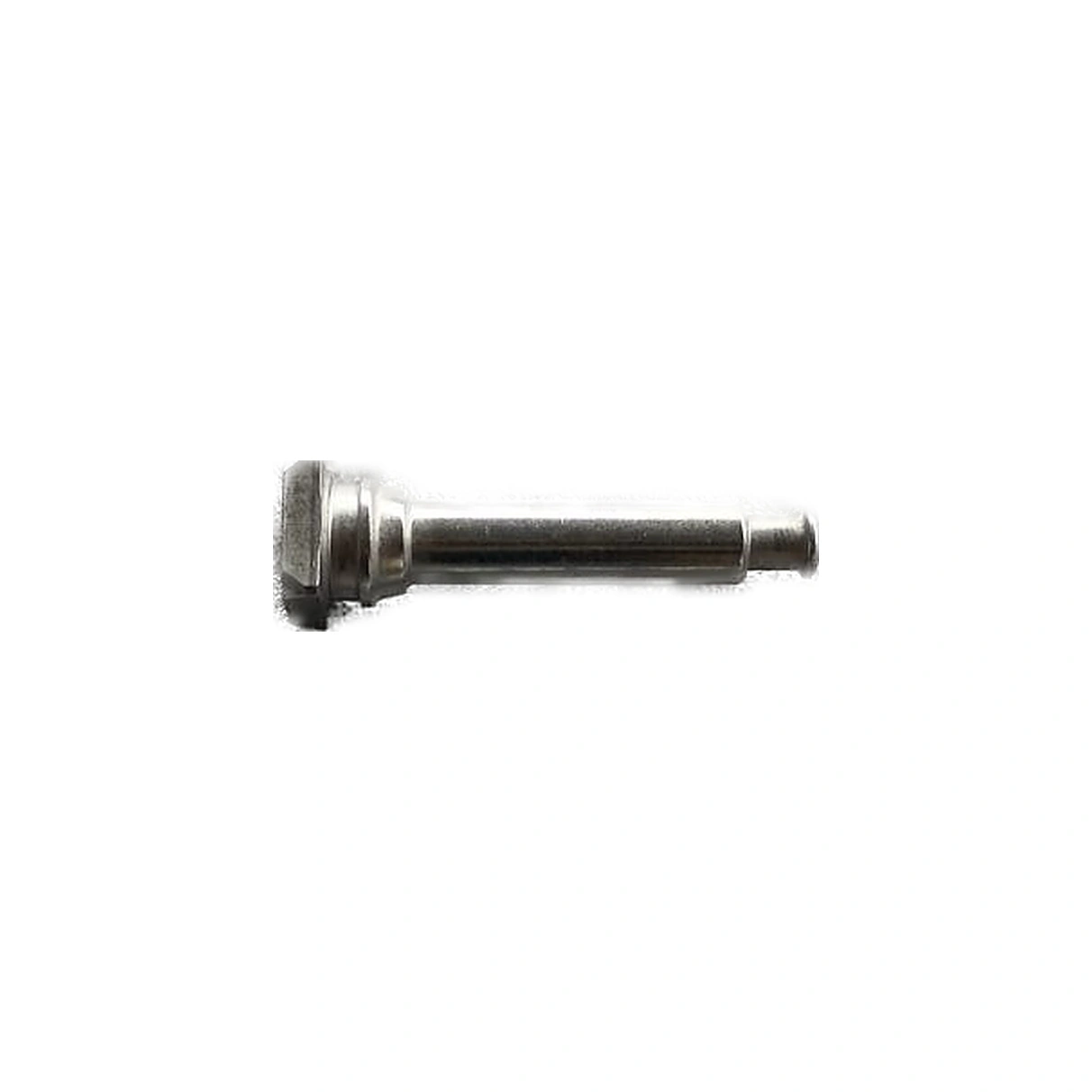
| Inner pad worn out while the outer looks new | Brake caliper guide pins and boots |
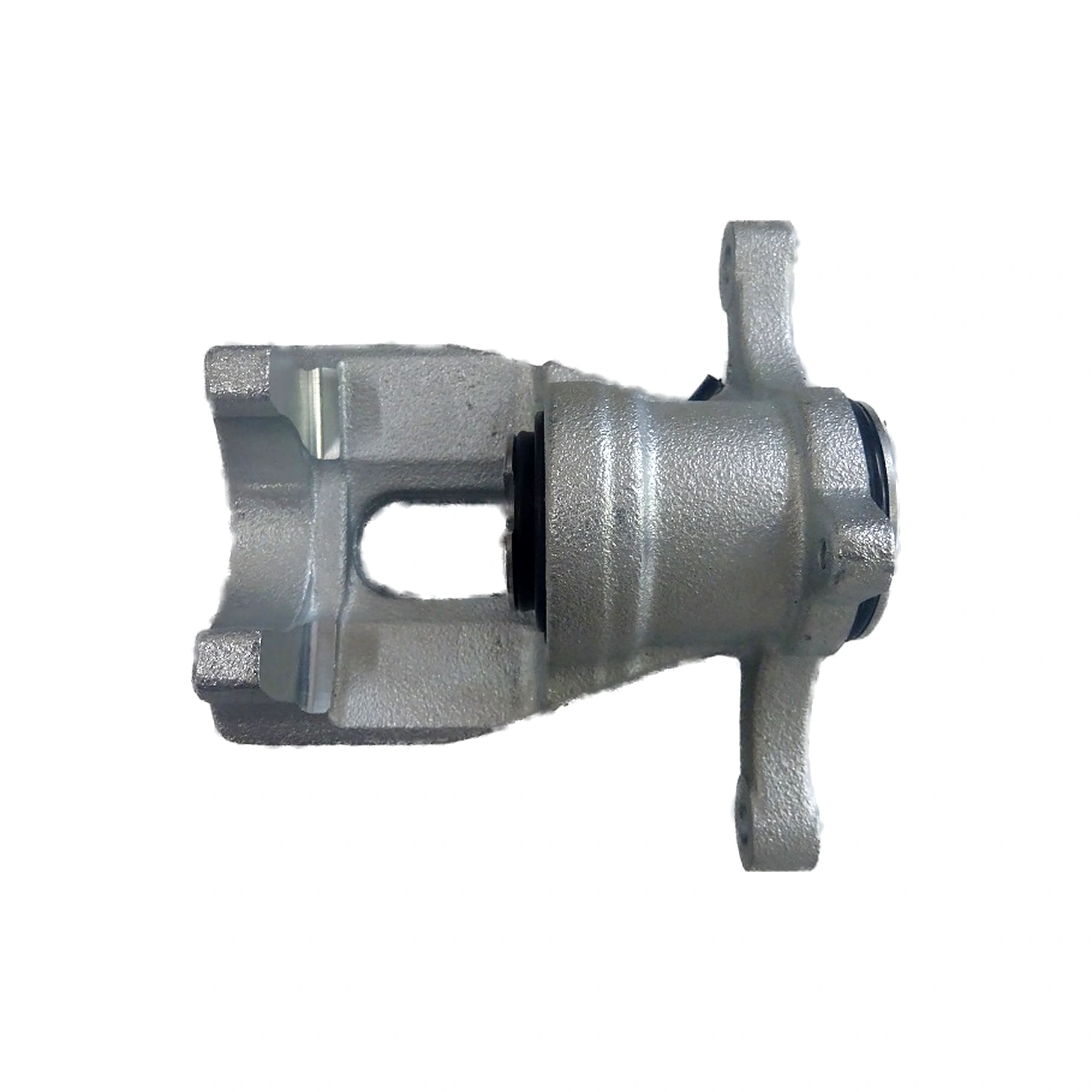
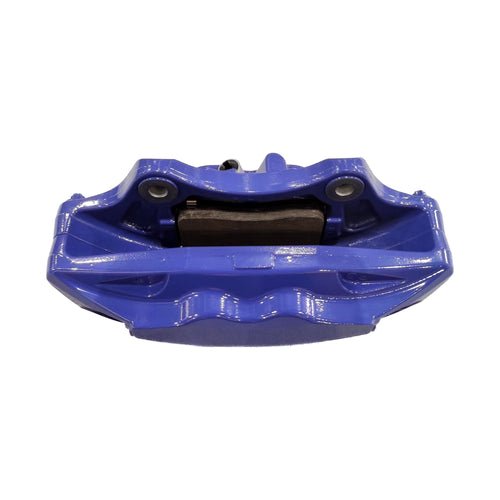
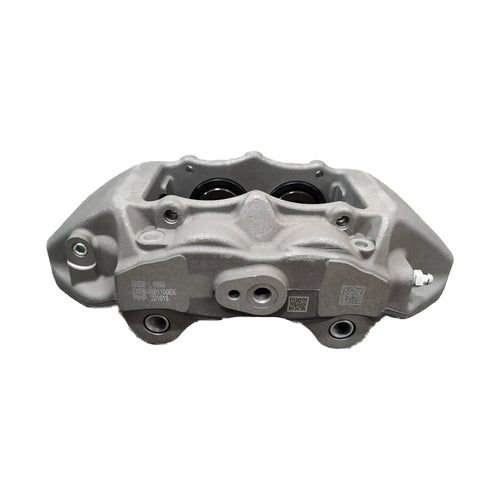
| One wheel hot and the car pulling after a drive | Brake caliper sub-assembly with a seized piston |
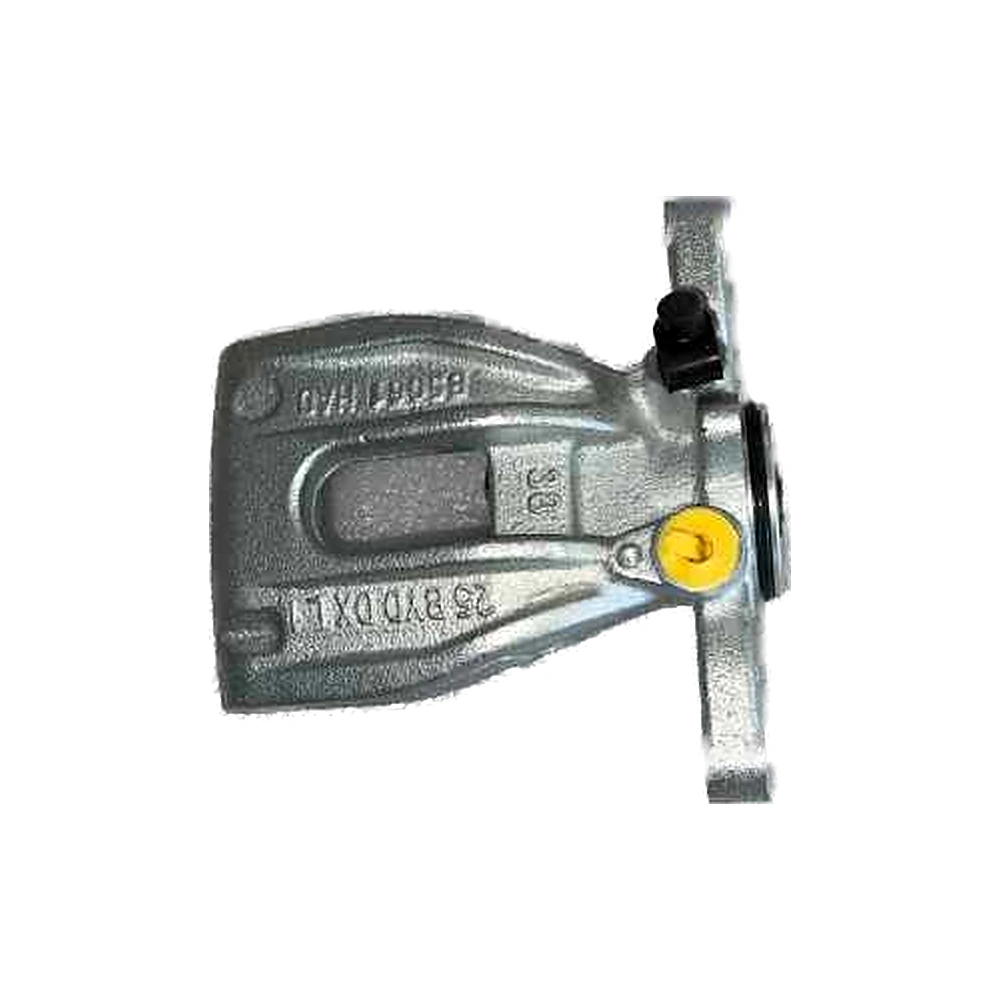
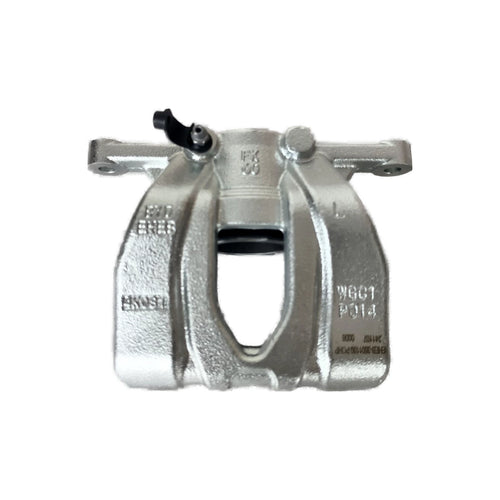
| Fluid weeping around the piston or the bleed nipple | Brake caliper body sub-assembly |
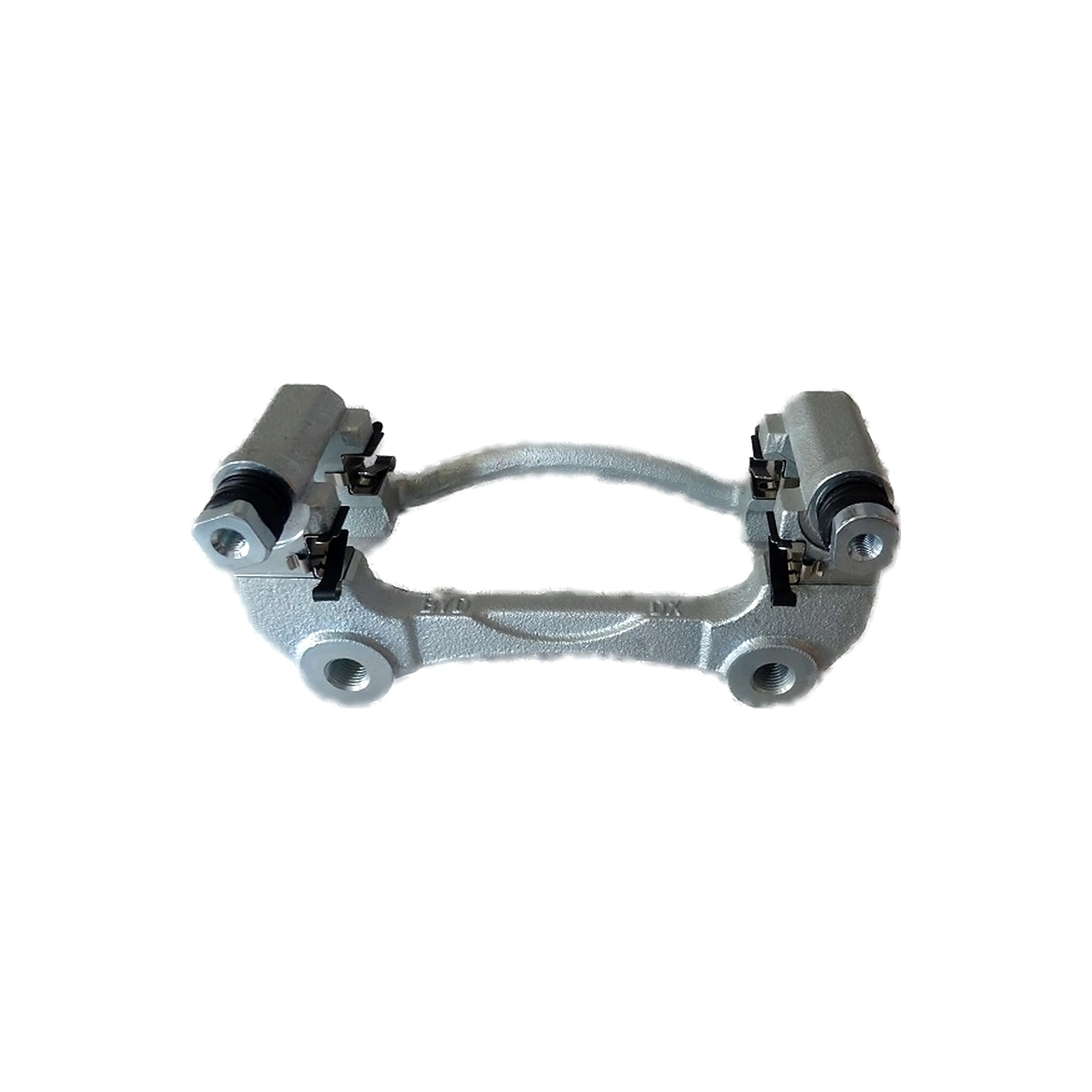
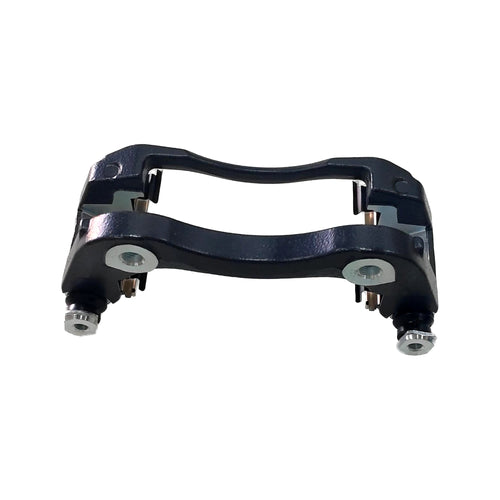
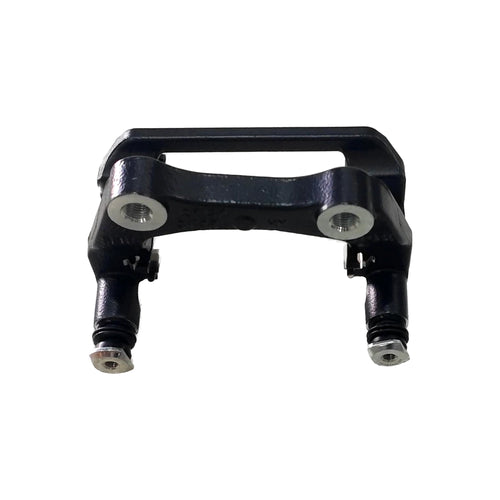
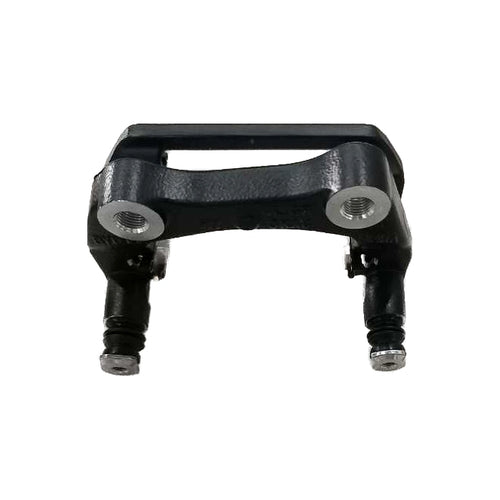
| Knocking or rattling from a wheel over bumps | Brake caliper bracket or pad retainers |
| Piston refuses to retract when fitting new pads | Brake caliper sub-assembly or EPB in service mode |
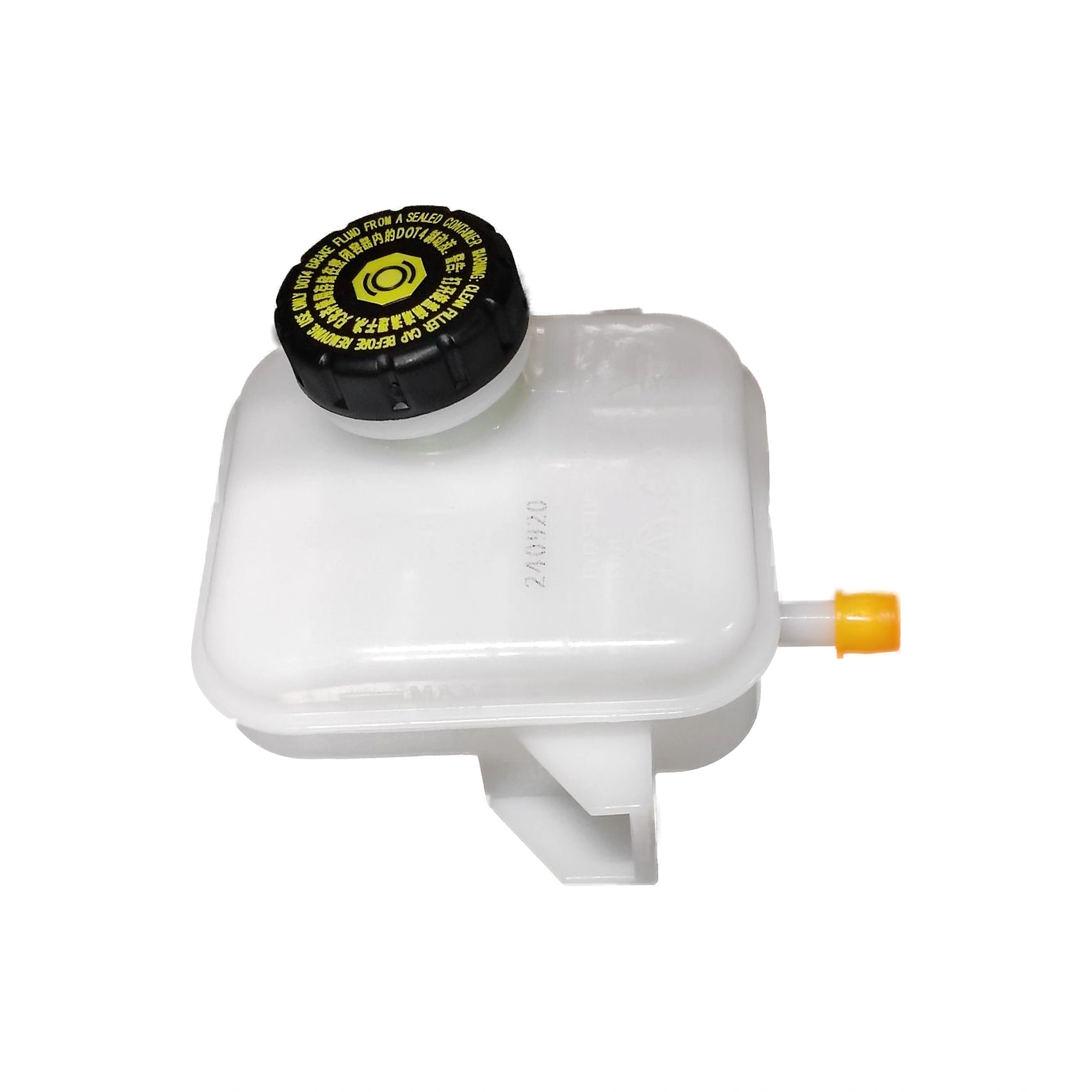
| Fluid level falling with no visible leak at the wheels | Brake fluid reservoir or master cylinder |
About Calipers, Cylinders & Hydraulics
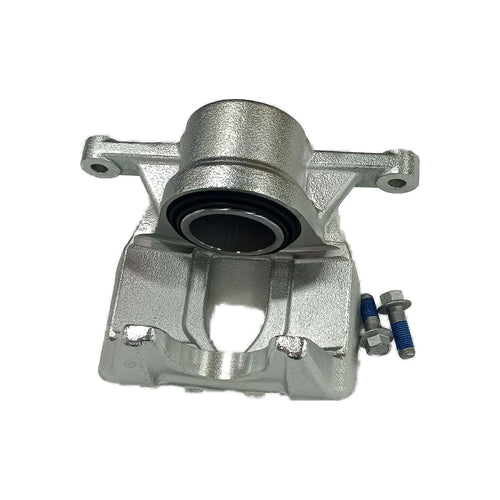
A floating caliper is a deceptively simple device with one moving part that does two jobs. Fluid pressure pushes a piston out of the caliper body against the inner pad, and the reaction slides the whole body along two guide pins so the outer pad is drawn against the disc with matching force. That sliding action is what most brake complaints come down to. The guide pins run in rubber boots packed with high temperature grease, and once a boot splits, water reaches the pin, corrosion swells it in its bore, and the caliper stops floating. From that moment the inner pad does all the work and wears at twice the rate while the outer pad looks nearly new. The piston has its own seal, which retracts it slightly when pressure drops and is also what drags it back after each application. A corroded piston bore, a swollen seal or a collapsed hose all produce the same result: one brake that never fully releases.
What to know before buying Calipers, Cylinders & Hydraulics parts
Let the failure decide the part. Uneven pad wear with a healthy piston usually needs guide pins, boots and grease. A seized or leaking piston needs the caliper body or the complete sub assembly. A carrier damaged when a wheel was refitted badly needs the bracket.
Front and rear caliper sub assemblies appear for each side. Caliper body sub assemblies cover the jobs where only the body is needed. Caliper brackets and the brake fluid reservoir are listed too. Brake caliper guide pins include a second rear pattern. Several references also appear in aftermarket pack form, which is the trade supply route for the same component.
Check the OE number before ordering, since caliper size follows disc diameter and specification rather than the model name. Parts showing a price can be ordered from the listing and the rest are quoted on request. Our coverage is strongest across the BYD group.
Before You Order: 6 Checks
- Match the OE number and the side, since caliper size follows disc diameter rather than the model name.
- Decide between guide pins, the caliper body and the complete sub-assembly before ordering.
- Check whether the listing includes the carrier bracket, the pins and the boots or supplies the body alone.
- Order fresh copper washers and high temperature guide pin grease with any caliper work.
- On rear calipers with an electric parking brake, put the system into service mode before retracting a piston.
- Plan on bleeding the circuit and using fresh fluid of the specified grade afterwards.
What Changed and Why
Rear calipers have changed more than front ones in the last decade. Electric parking brakes have largely replaced cables, putting a small motor and gearbox on the back of each rear caliper that drives the piston mechanically for parking, which means the piston can no longer simply be wound or pressed back and the system must be placed in service mode with a scan tool first. Corrosion resistance has improved alongside, with coated caliper bodies and stainless guide pin sleeves becoming common, partly because regenerative braking leaves friction hardware sitting unused for long periods.
Calipers, Cylinders & Hydraulics: Frequently Asked Questions
My inner pad is worn out and the outer looks new. Why?
The caliper has stopped floating. On a sliding caliper the body must move along its guide pins so the outer pad is pulled onto the disc, and when a pin seizes in its bore the piston pushes the inner pad hard while the outer barely touches. The cause is nearly always a split boot letting water reach the pin. Fit new pins, boots and the correct high temperature grease at the same time as the pads. Doing the pads alone leaves the new inner pad to wear out just as fast.
One of my wheels is hot after driving. Is the caliper seized?
That is the most likely explanation, though check the hose first. A caliper whose piston has corroded in its bore, or whose seal has swollen with contaminated fluid, holds pressure on the pad after you lift off, and the wheel heats up, the pad glazes and the car pulls. A collapsed flexible hose produces exactly the same symptom by trapping pressure. Crack the bleed nipple with the wheel hot: if the pad releases immediately, the hose is holding pressure rather than the caliper.
When should I rebuild a caliper instead of replacing it?
Rebuilding makes sense when the piston and the bore are clean and the fault is a perished seal or a split boot. It makes no sense once the bore has pitted, because a rebuilt caliper on a corroded bore will drag again within a season and you will have paid twice. Inspect the bore with the piston out. On rear calipers carrying an electric parking brake mechanism, the internal gearbox complicates rebuilding further, and replacing the sub assembly is usually the honest answer.
The piston will not go back in to fit new pads. What now?
Work through four possibilities in order. If it is a rear caliper with an electric parking brake, the motor must be retracted through a scan tool in service mode and no amount of force will substitute. If it is a mechanical rear caliper with a cable, the piston screws in rather than pressing. If neither applies and the piston still resists, either the flexible hose is trapping pressure, or the piston has corroded in its bore and the caliper needs replacing. Never lever against a disc.
Do I need to replace calipers in pairs?
There is no absolute rule, and there is a practical argument for it. Calipers on the same axle have done identical work in identical conditions, so when one seizes the other is usually not far behind, and braking balance depends on both sides applying and releasing together. Where budget allows, replacing across an axle removes the doubt. At minimum, strip, clean and regrease the guide pins on the opposite side while the car is in the air and the tools are out.
What does a caliper part cost?
Guide pins, boots and small hardware sit right at the bottom of the category, which is fortunate because they cure a large share of complaints. Caliper brackets are modest. Complete caliper sub assemblies cost the most, particularly rear units containing an electric parking brake motor and gearbox. The live minimum and maximum are shown in the band at the top of this page. Diagnose before ordering, since the difference between a set of pins and a rear caliper is considerable.
What is the difference between a caliper body and a sub-assembly?
Read the listing carefully, since the terms are not interchangeable. A caliper body sub assembly is the housing with its piston and seals but usually without the carrier bracket, pins and hardware. A complete caliper sub assembly is what most people mean by a caliper: the body plus the parts needed to mount it. Which you need depends on whether your carrier and pins are serviceable. If the bracket is sound and the pins are new, the body alone can be the cheaper route.
Why does my brake fluid level keep falling?
Two innocent explanations and one serious one. As pads wear, the pistons sit further out and the fluid needed to fill behind them comes from the reservoir, so a slow fall over months is normal and reverses when new pads push the pistons back. A sudden fall is a leak, and it will be at a caliper, a hose, a line or the master cylinder. Look for damp patches at each wheel and behind the reservoir. Never simply top up and carry on without finding the cause.
Can I fit calipers myself?
With care, yes. Support the vehicle properly, clamp or plug the hose before disconnecting, use a flare spanner on the union, fit new copper washers on any banjo connection, torque the carrier and slide bolts to specification, then bleed thoroughly and test at walking pace before going near a road. Rear calipers with an electric parking brake add a scan tool step at both ends of the job, to retract the motor and to reset it. If that tooling is unavailable, use a workshop.
Which grease should go on the guide pins?
A dedicated high temperature synthetic caliper grease that is compatible with rubber, since ordinary lithium greases swell the boots and petroleum based products destroy them. Apply a thin film to the pin, not a packed bore, or hydraulic lock will stop the caliper sliding home. Grease also belongs on the pad abutment points in the carrier and on the back of the backing plate where the shims contact, and never anywhere near the friction face or the disc.
Will a caliper from a different trim level fit?
Not reliably. Caliper size follows disc diameter and vehicle weight, so a single model may carry two or three caliper specifications with different piston diameters, and fitting a mismatched caliper changes the front to rear braking balance in a way that the stability system will notice. The mounting pattern often matches, which is what makes the mistake possible. Match the OE number from the old unit, and where the reference brings back nothing, send it through the quote form.
The caliper I need shows no price. Can I still order it?
Yes. Send the number through the quote form and a figure comes back against that side of that axle. Calipers are handed, so the reply is only useful if the reference you supply is the one from the corner you are working on. Electric parking brake calipers are the ones most often quoted rather than priced, since the motor variant differs across trims. While you are asking, include the guide pins, the piston seal and the dust boot. A caliper body in good condition with seized pins is a repair rather than a replacement, and the seal kit costs a fraction of the assembly.