Brake Hoses, Lines & Booster
Shop Brake Hoses, Lines & Booster by Part Type
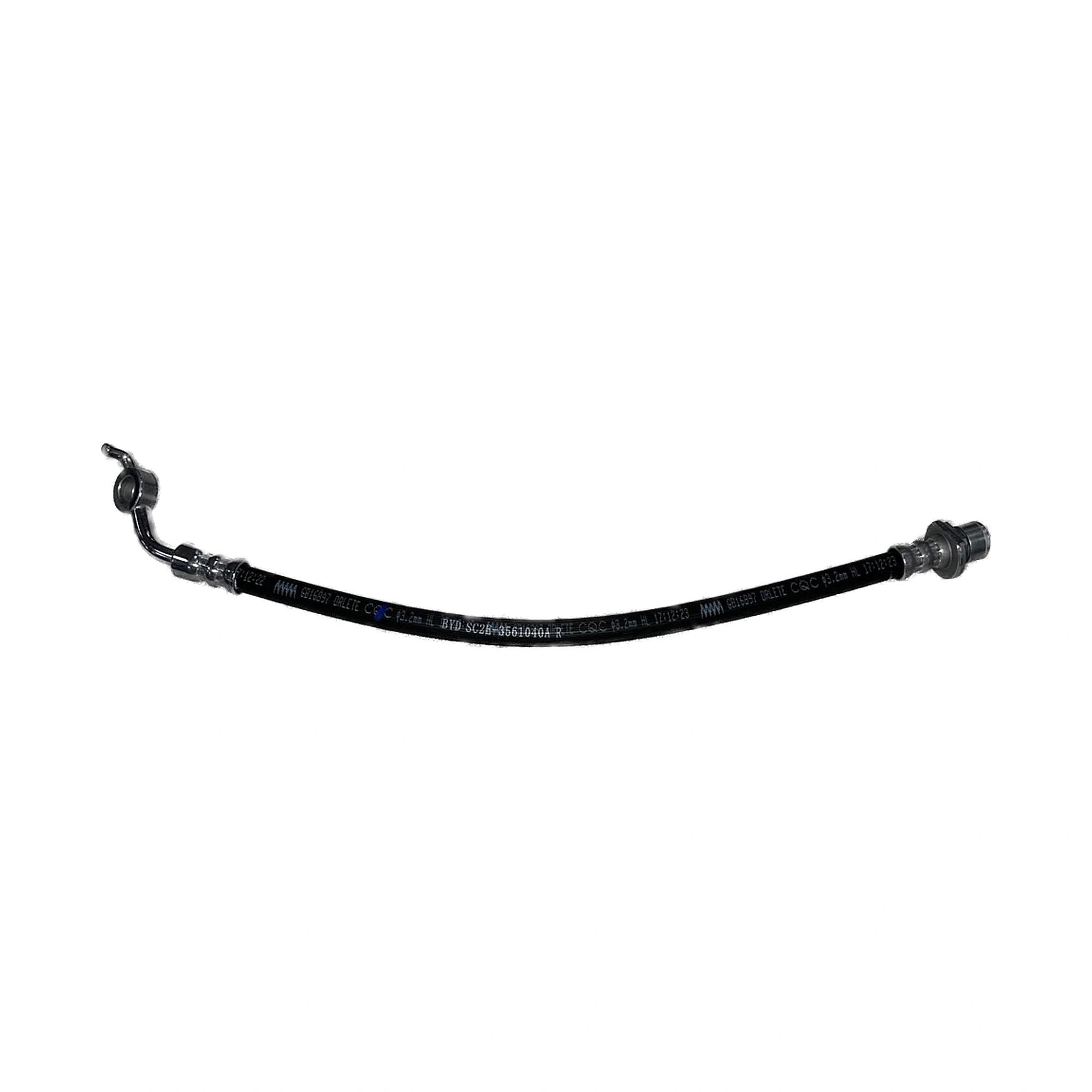
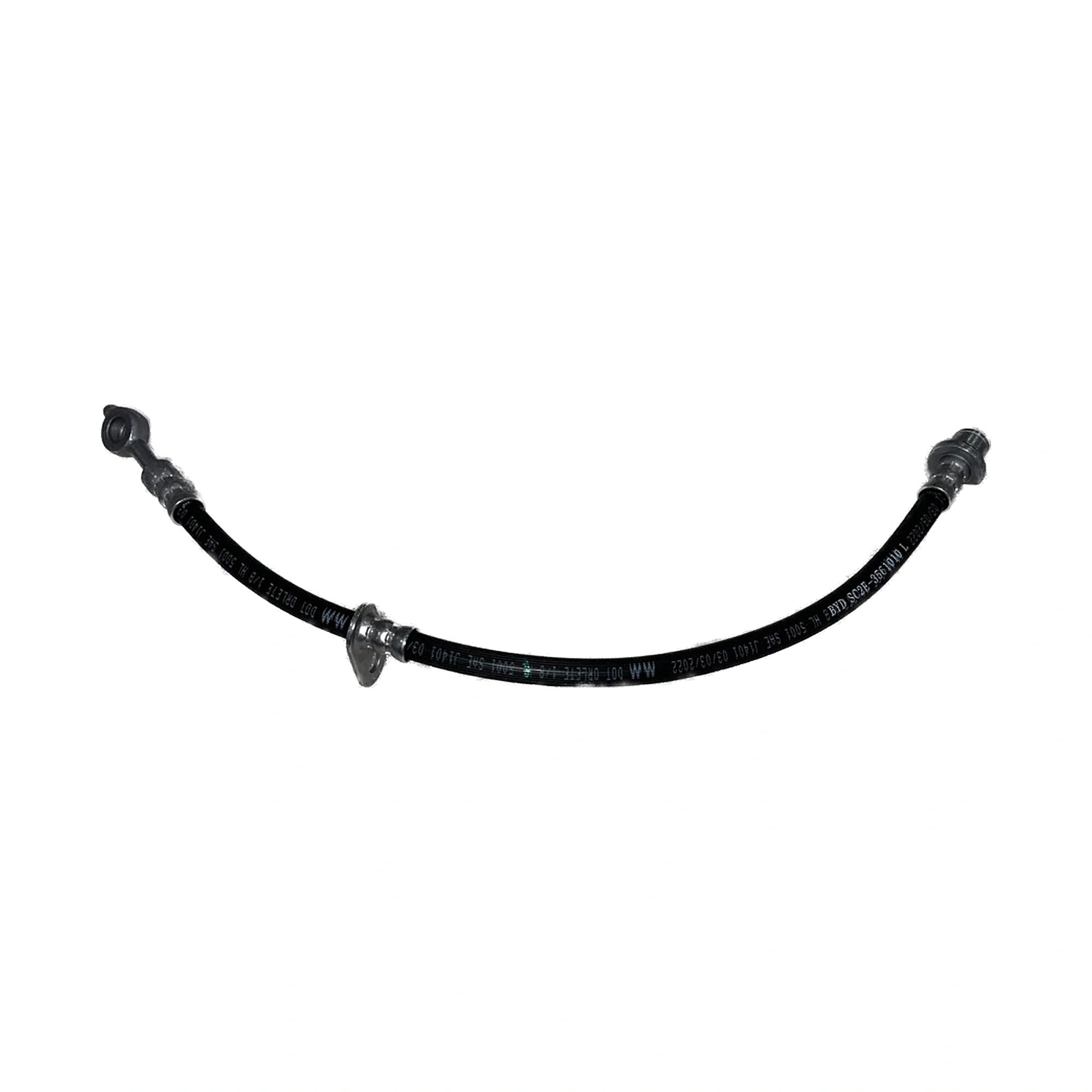
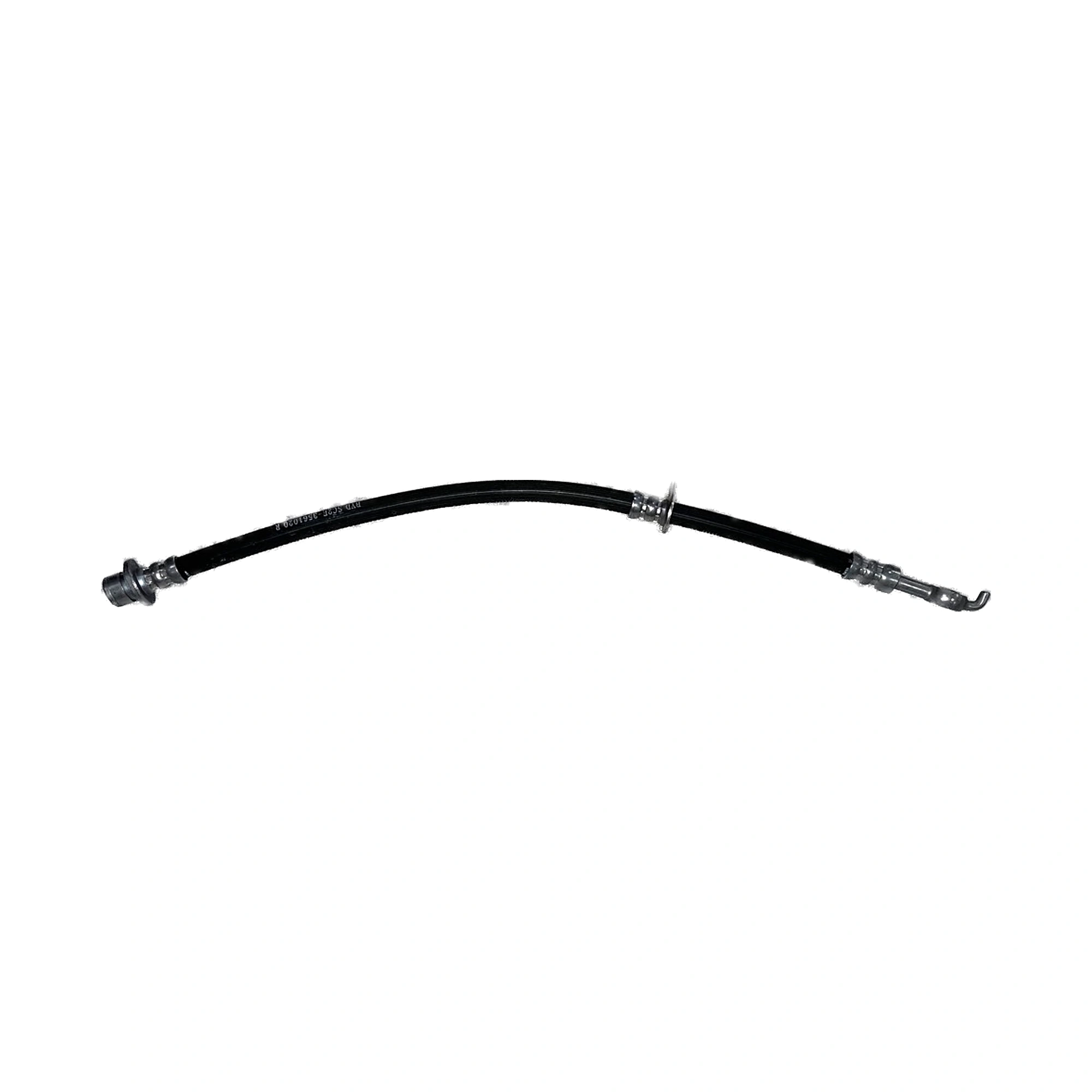
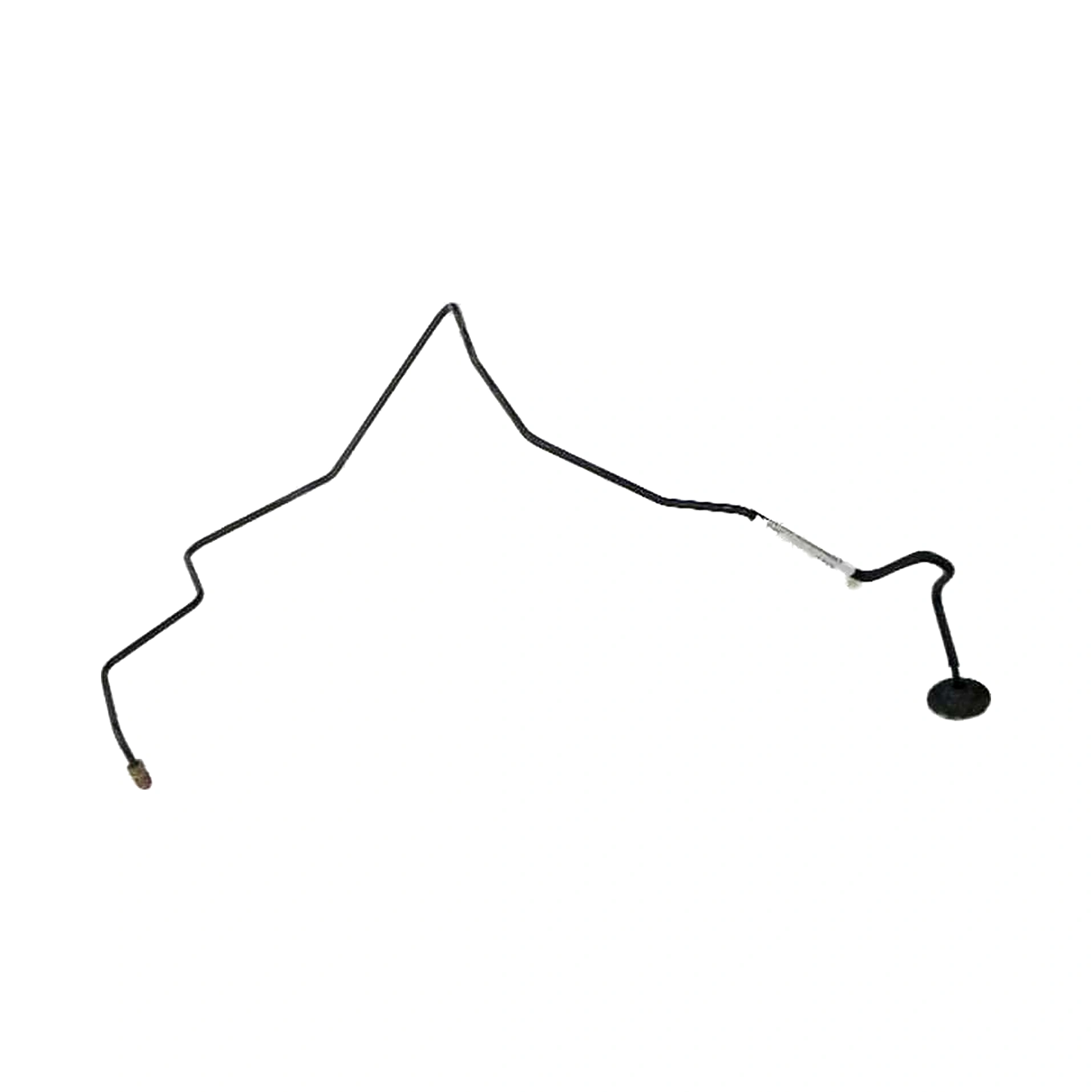
Popular Right Now
scroll for more →
Symptom Finder: What Is Actually Broken?
| What you see or hear | Part to check first |
|---|---|
| Pedal sinks slowly towards the floor under steady pressure | Brake hose or hard line leak |
| Fluid level dropping with damp patches near a wheel | Flexible brake hose |
| Car pulls to one side under braking with good pads | Flexible brake hose with a collapsed liner |
| One brake stays warm or drags after driving | Flexible brake hose acting as a one way valve |
| Spongy pedal that firms on the second press | Air in the circuit or a swollen hose |
| Corrosion or wet residue along a line under the floor | Brake hard line section |
About Brake Hoses, Lines & Booster
Hydraulic braking works because fluid does not compress. Pressure generated at the master cylinder travels through rigid steel lines along the body, then through a short flexible hose at each corner that allows the suspension and steering to move without breaking the circuit. Those two components fail in completely different ways. Hard lines corrode from outside, particularly where they pass through clips that trap salt and moisture against the tube, until a pinhole appears and pressure is lost. Flexible hoses fail from inside and from age: the rubber hardens and cracks on the outside, or the inner liner delaminates and forms a flap that acts as a one way valve, which is why a car can pull to one side or drag a brake with everything else in good order. Above them sits the reservoir, feeding the circuits through short connecting hoses, and the pedal that starts the whole sequence.
What to know before buying Brake Hoses, Lines & Booster parts
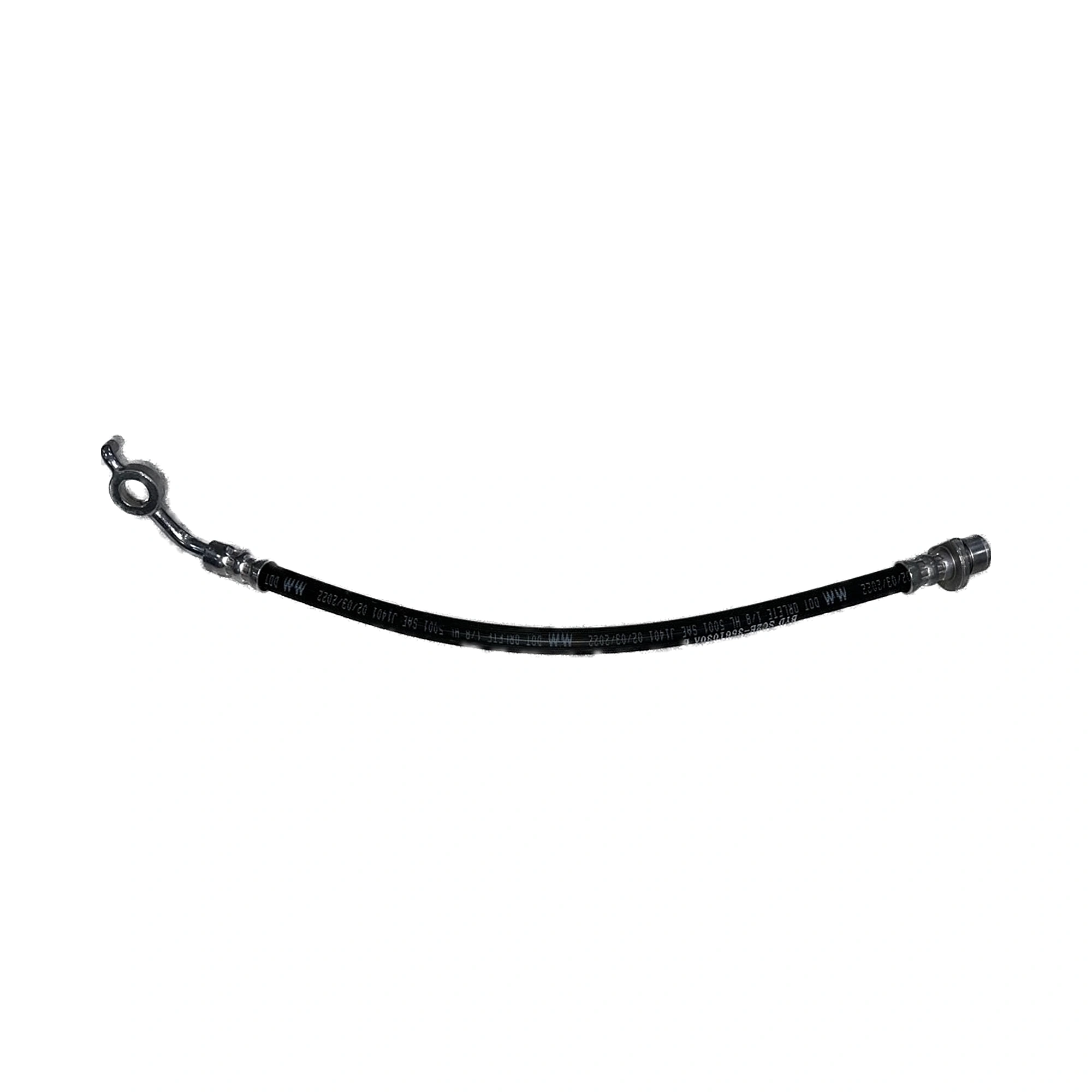
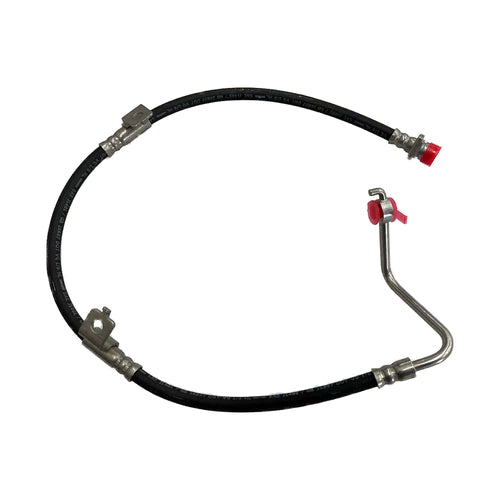
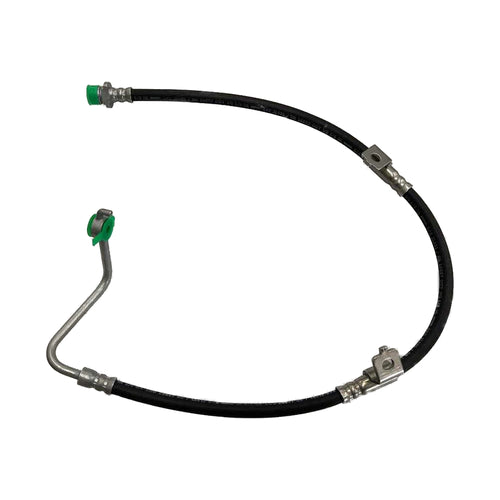
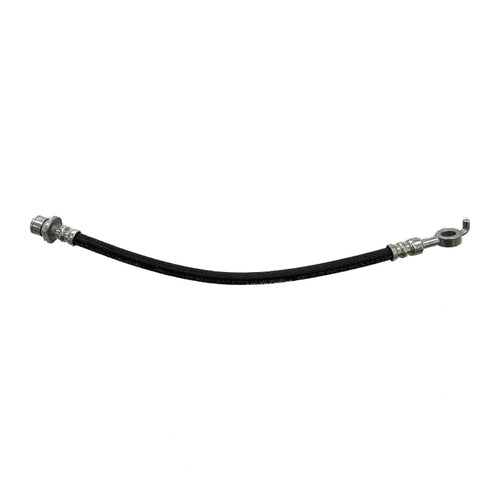
Order by position. Flexible hoses are listed for each corner, with front hoses for left and right and rear hose assemblies. A hose a few centimetres short will strain at full suspension travel. One that is too long will foul a tyre.
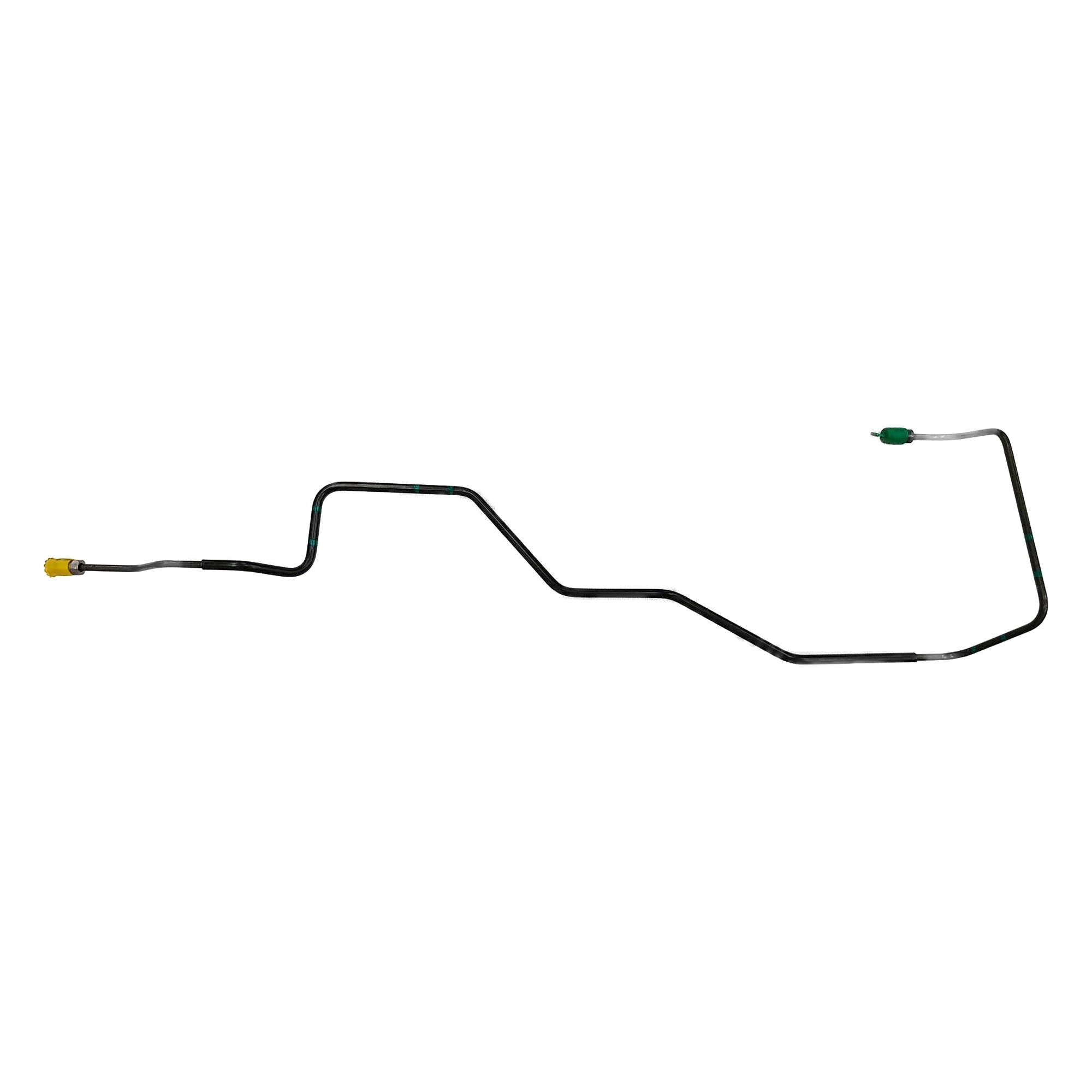
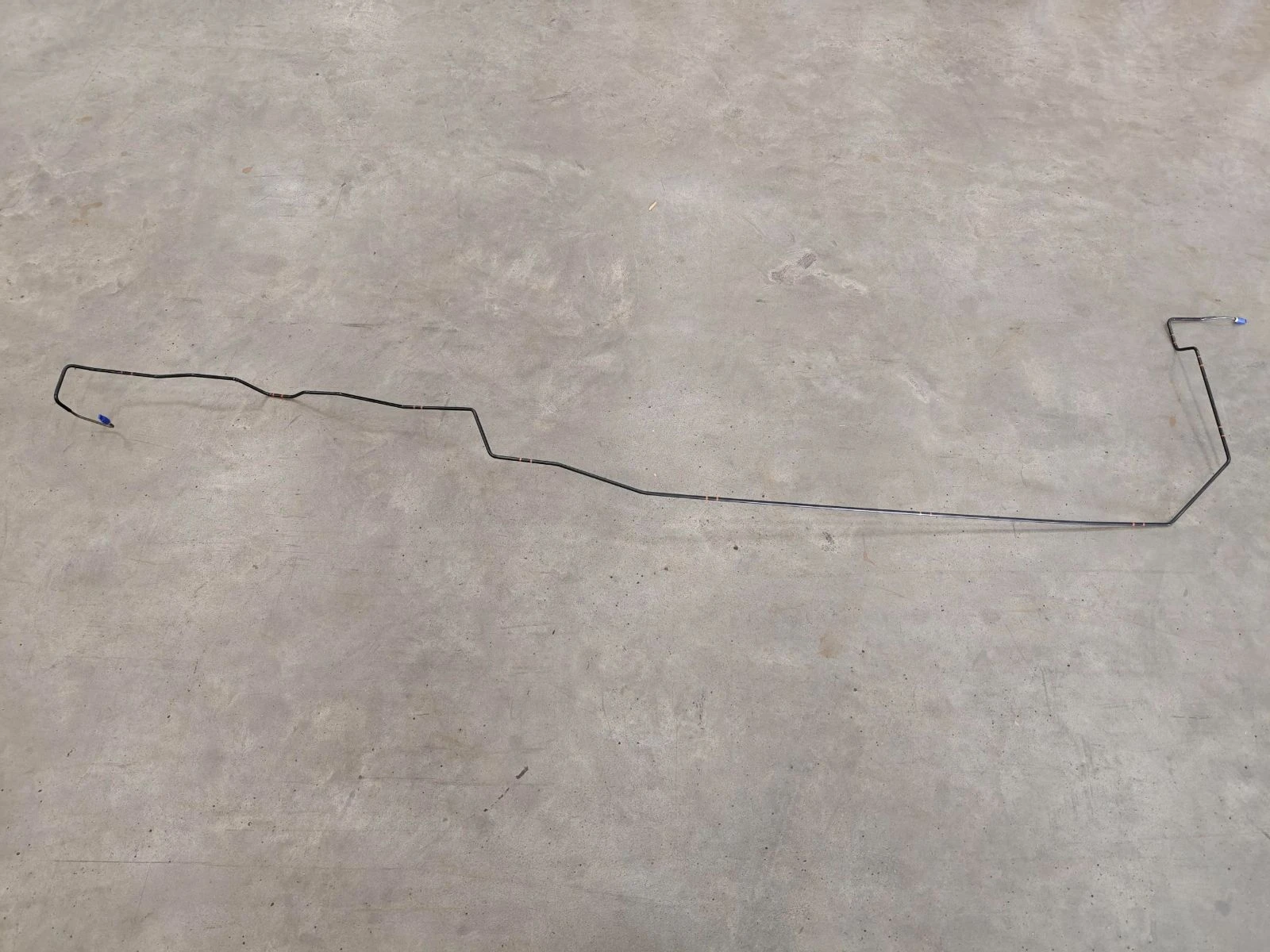
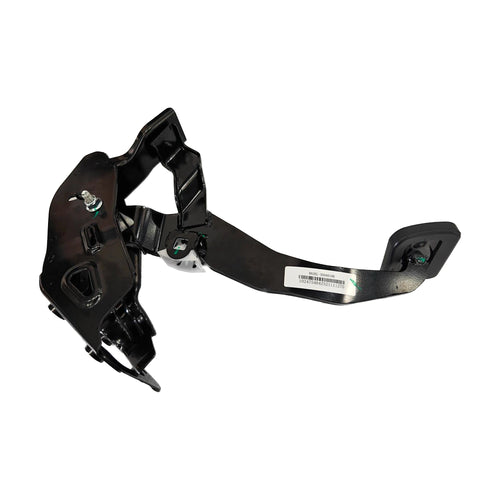
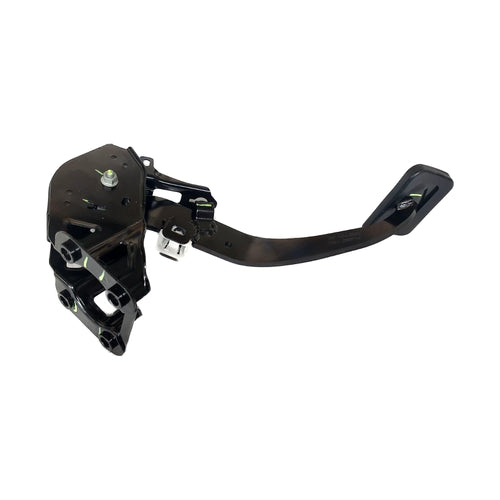
Brake hard lines and brake pipes are given by position and by numbered section. You will also find brake fluid reservoir connecting hoses, reservoir mounting brackets, rubber bushings and brake pedals. Hard lines come as formed sections shaped to the vehicle rather than generic tube. That is why they beat fabricating your own.
Check the OE number on the old part before ordering, since fitting types and lengths change between specifications. Every job here ends with bleeding the system, so plan for fresh fluid. Parts showing a price can be ordered from the listing and the rest are quoted on request. Our coverage is strongest across the BYD group.
Before You Order: 6 Checks
- Match the OE number and the position. Lengths and fitting types differ corner by corner.
- Replace flexible hoses in axle pairs, since they age at the same rate.
- Check the fitting type at each end before ordering, because banjo and flare connections are not interchangeable.
- Order new copper washers, clips and brackets with a hose, since old ones rarely reseal.
- Plan on a full bleed and fresh fluid after any hydraulic work.
- Never patch or splice a corroded hard line. Replace the section as supplied.
What Changed and Why
Braking hydraulics are being reorganised around brake by wire. On many current electric vehicles the pedal commands a control unit that blends regenerative and friction braking and an electric actuator generates the pressure, with the traditional vacuum servo gone entirely because there is no engine to provide vacuum. The pipework itself is unchanged in principle, though bleeding procedures now almost always require a scan tool to cycle the actuator and the valve block. Corrosion protection on hard lines has also improved, with plastic coated and multilayer coated tube largely replacing bare steel.
Brake Hoses, Lines & Booster: Frequently Asked Questions
My brake pedal sinks slowly to the floor. What does that mean?
Fluid is escaping from somewhere or passing internally within the master cylinder. A pedal that creeps down under steady foot pressure with the car stationary is the classic external leak or failing master cylinder symptom, and it is not something to drive on. Check the fluid level and look for damp patches at each wheel, along the hard lines under the floor and at the bulkhead behind the master cylinder. Whatever you find, the repair ends with new parts and a full bleed rather than topping up the reservoir.
Why does my car pull to one side when braking?
A collapsed flexible hose is the classic cause that people overlook. When the inner liner of an ageing hose delaminates, a flap forms that lets pressure through to the caliper and then restricts its return, so that corner either applies late or releases slowly. The result is a pull under braking and often a wheel that stays warm afterwards. Check for a seized caliper slide as well, since it produces similar symptoms. Replace flexible hoses in axle pairs rather than singly.
Can a corroded hard line be repaired?
No, and the reasoning is straightforward: the line carries very high pressure and a repair introduces a joint at the weakest point of an already weakened tube. Compression fittings and patches are unsafe in a brake circuit and are rejected in inspection regimes for good reason. Replace the affected section with the formed part, which comes shaped to follow the vehicle's routing and with the correct end fittings. If one section has rotted through, inspect the whole run, since neighbouring lines usually have similar histories.
How often should flexible hoses be replaced?
There is no universal interval, and condition governs it. Rubber hardens and crazes with age and heat regardless of mileage, so inspect them at every brake service: look for surface cracking, bulges under pressure, chafing where the hose passes a bracket, and corrosion at the crimped ends. Many workshops replace them as a matter of course when a caliper is overhauled. A car more than about a decade old with original hoses is worth checking carefully, whatever the mileage suggests.
What is a spongy pedal telling me?
Air in the system, most often, since air compresses where fluid does not. It can also come from a hose swelling under pressure or from fluid that has absorbed moisture over time and is boiling at the caliper. Bleed the system properly first, using fresh fluid of the specified grade, and note whether the pedal firms up on the second press, which points at air. If the sponginess returns quickly, look for a hose that expands under pressure or a leak drawing air back in.
Do I need a scan tool to bleed the brakes?
On most current vehicles, yes. The hydraulic control unit contains chambers and valves that a conventional pedal and nipple bleed cannot reach, and the tool cycles the valves and runs the pump to purge them. On vehicles with brake by wire, an actuator generates the pressure and the bleed sequence is entirely software driven. Attempting a traditional bleed leaves trapped air and a pedal that never quite firms. Check the requirement for your vehicle before starting, and factor the workshop visit into the job.
Why is there no vacuum servo on my electric car?
Because there is no engine producing vacuum to run one. Electric vehicles use either an electric vacuum pump feeding a conventional servo, or, increasingly, an electrically actuated braking unit that generates pressure directly and simulates pedal feel. The second arrangement also allows the car to blend regenerative and friction braking smoothly. From a repair point of view it means the pedal is an input device, the assistance is electronic, and diagnosis starts with a scan tool rather than a vacuum gauge.
What do brake hoses and lines cost?
This is one of the cheaper hydraulic categories. Flexible hoses, reservoir connecting hoses, brackets and bushings sit at the low end. Formed hard line sections are modest, and their value lies in arriving pre bent to the vehicle's routing with the correct fittings. Brake pedals cost more. The live minimum and maximum are shown in the band at the top of this page. Budget for fresh brake fluid and a bleed alongside whichever part you order.
Which brake fluid should I use afterwards?
Use the grade the manufacturer specifies and nothing else, which is normally marked on the reservoir cap. Brake fluid is hygroscopic, absorbing moisture from the air over time, which lowers its boiling point and corrodes the system from inside, so use a freshly opened container rather than one that has stood half full in a garage. Mixing types is a bad idea. Fluid grades live in a separate category on the site, and it is worth ordering fluid with the hydraulic parts.
Can I fit a brake hose myself?
It is achievable and unforgiving of shortcuts. The steps are to clamp or plug the supply, release the fitting at the hard line before the caliper end, support the bracket so the line does not twist, fit the new hose with fresh copper washers on any banjo connection, then bleed thoroughly and check for leaks under pressure. Seized flare nuts are the usual obstacle, and a proper flare spanner rather than an open ended one is essential. If in doubt on a safety system, use a workshop.
Are brake hoses interchangeable between corners?
No. Length is set by the suspension travel at that corner, and end fittings differ between banjo and flare types, sometimes on the same vehicle. A hose that is even slightly short will be stretched at full droop, which tears it at the crimp, and one that is too long will rub the tyre or the arm. Match the OE number and the position stated in the listing. Where a number brings back nothing, send it through the quote form so the factory catalogue is checked.
The part I need shows no price. Can I still order it?
Yes, and for this group the quote route is common. Flexible hoses tend to carry prices. Boosters, master cylinders and pre formed hard lines often do not, because each is bent and flared for one body and one steering side. Give the factory number and say which corner of the vehicle the line serves, since front and rear routings share very little. Add the banjo bolts and copper sealing washers to the request. Those cost very little and are single use, so a hose fitted with reused washers weeps at the joint under pedal pressure.