Window Regulators
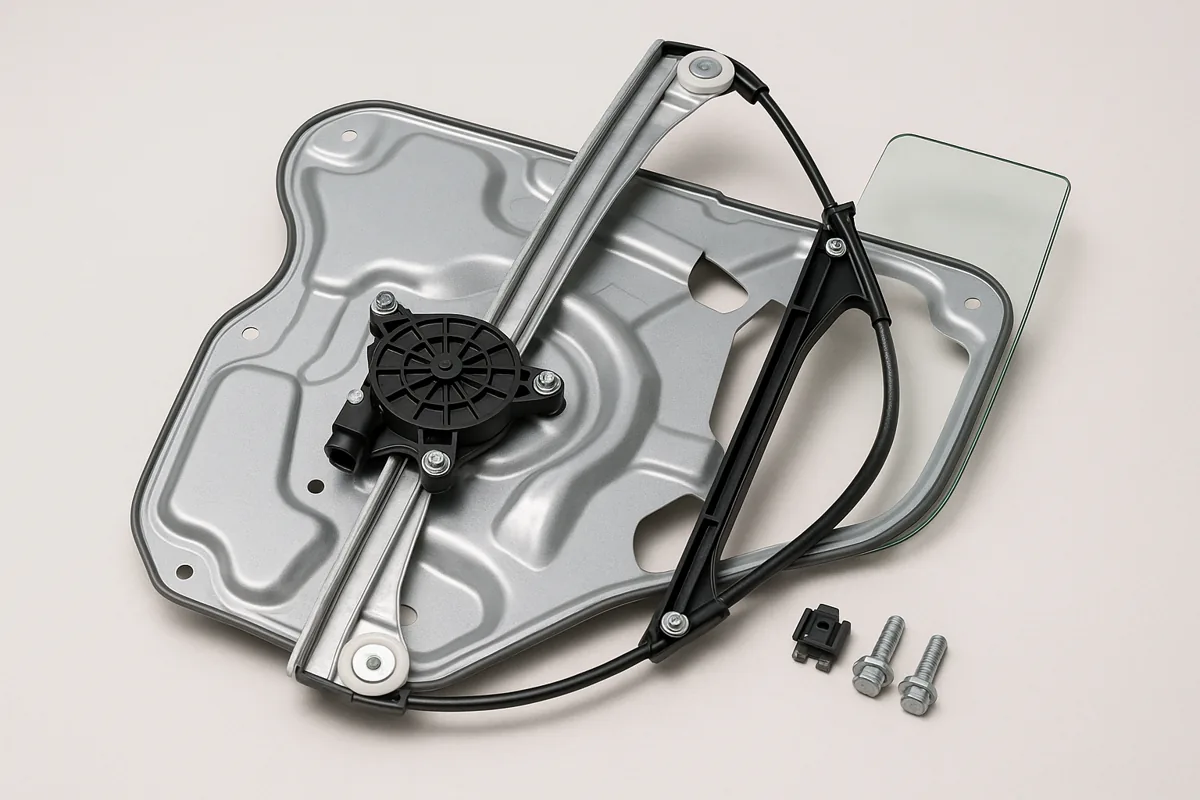
Shop Window Regulators by Part Type
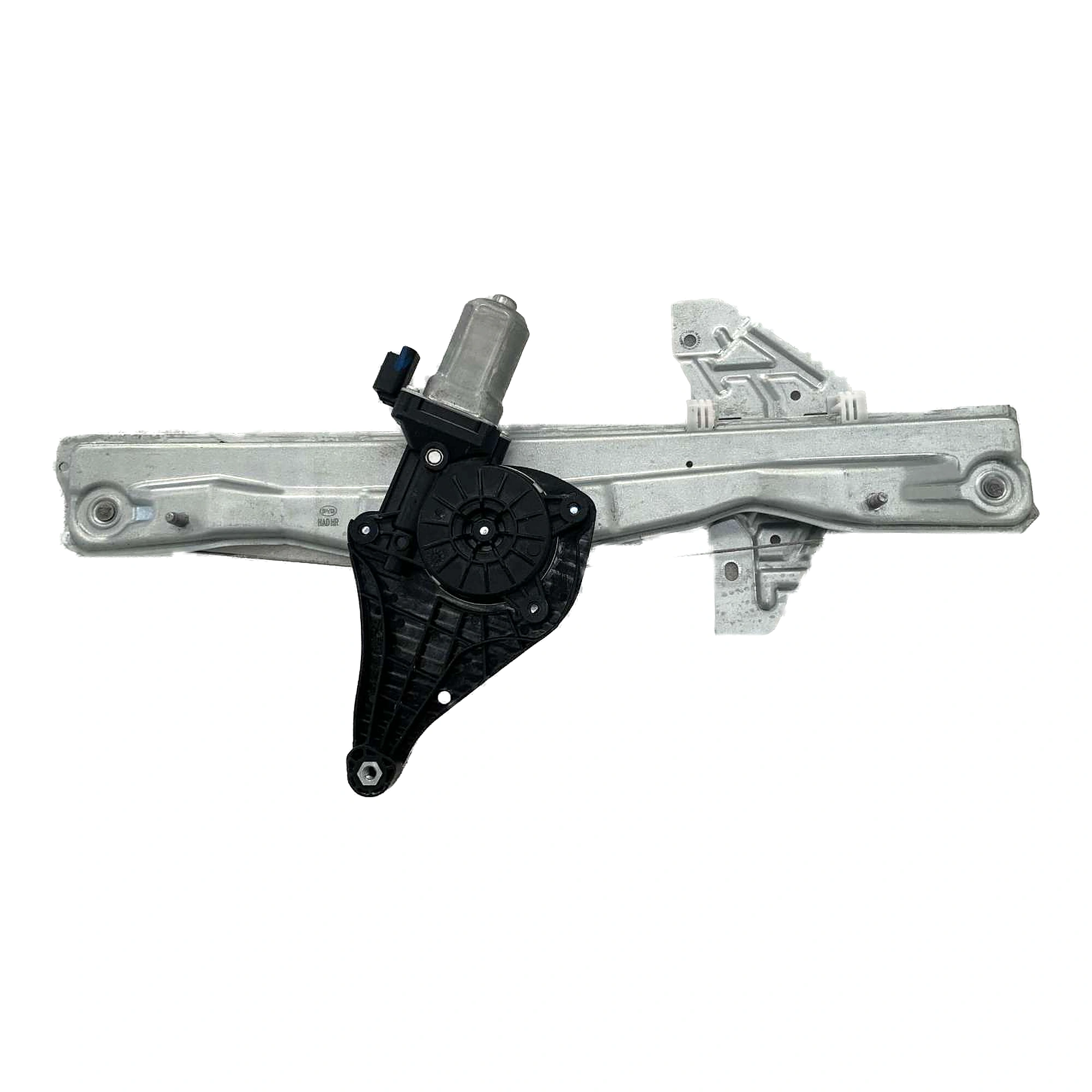
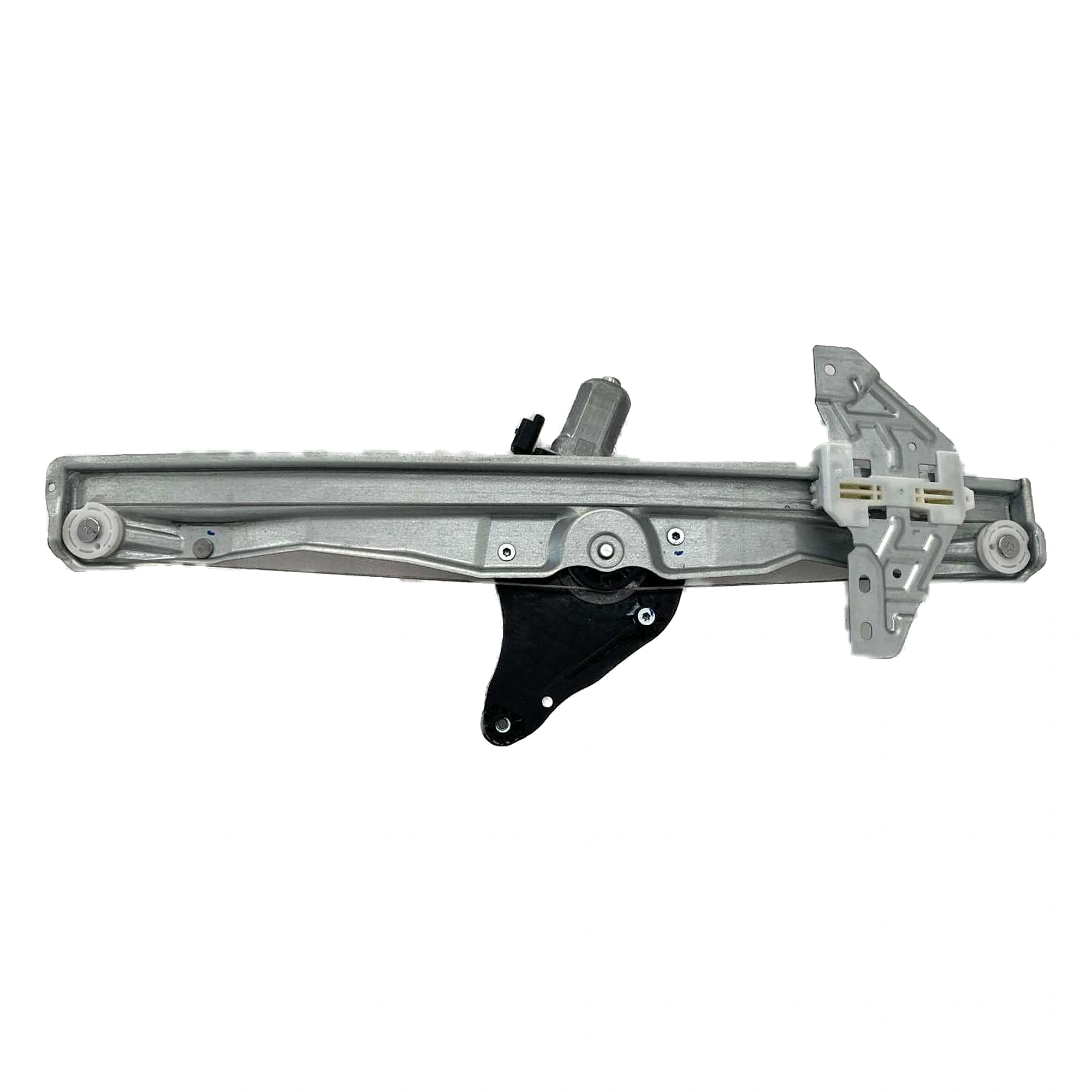
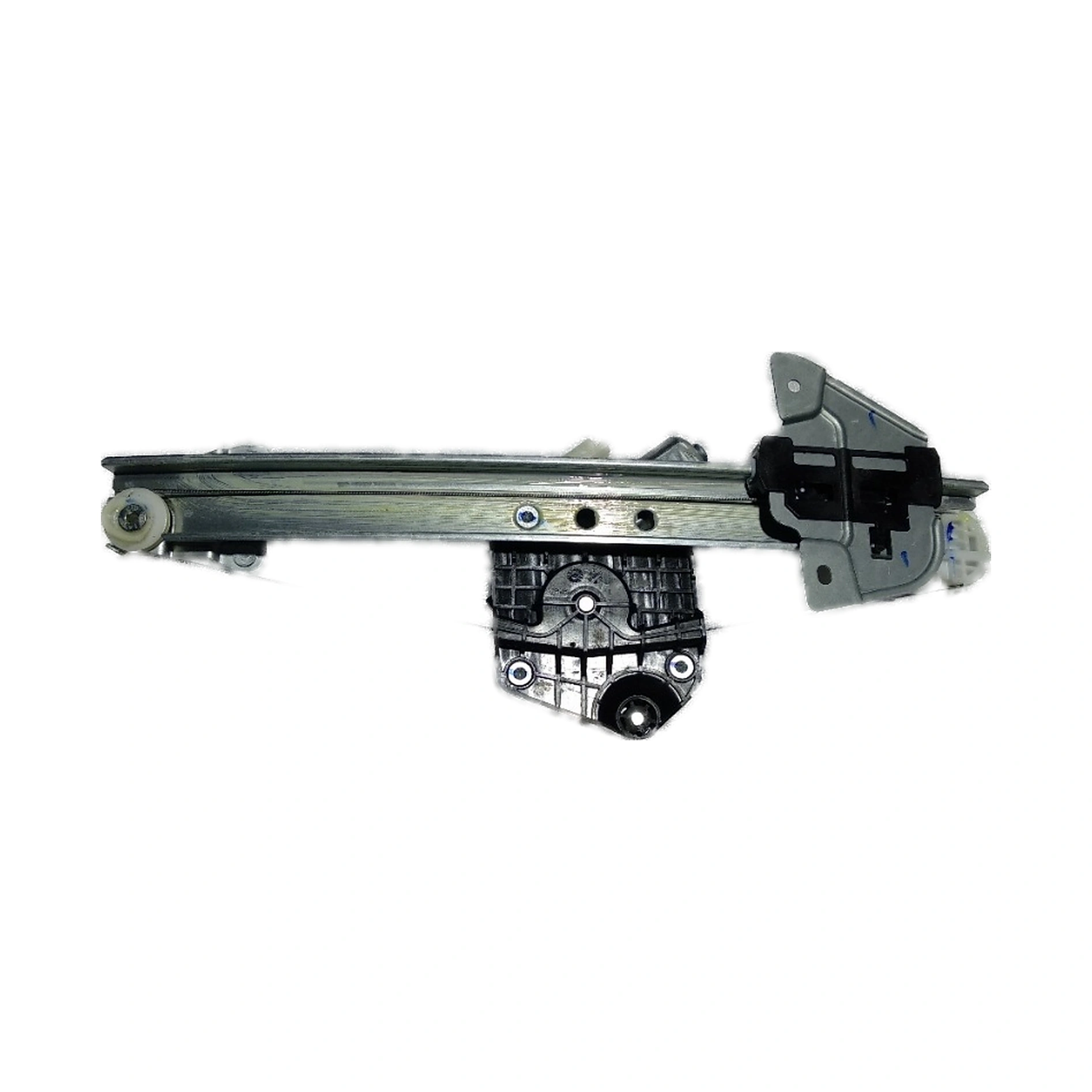
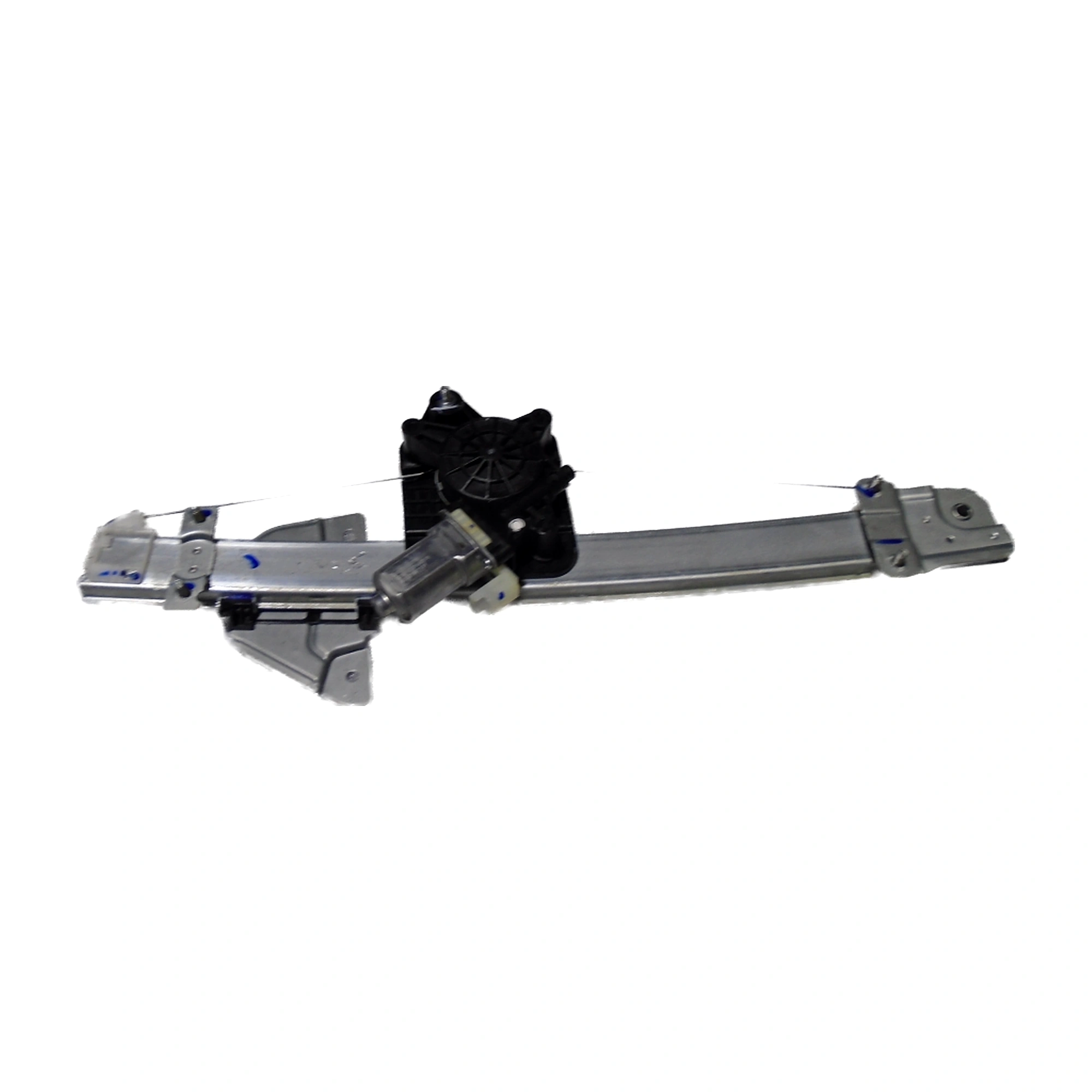
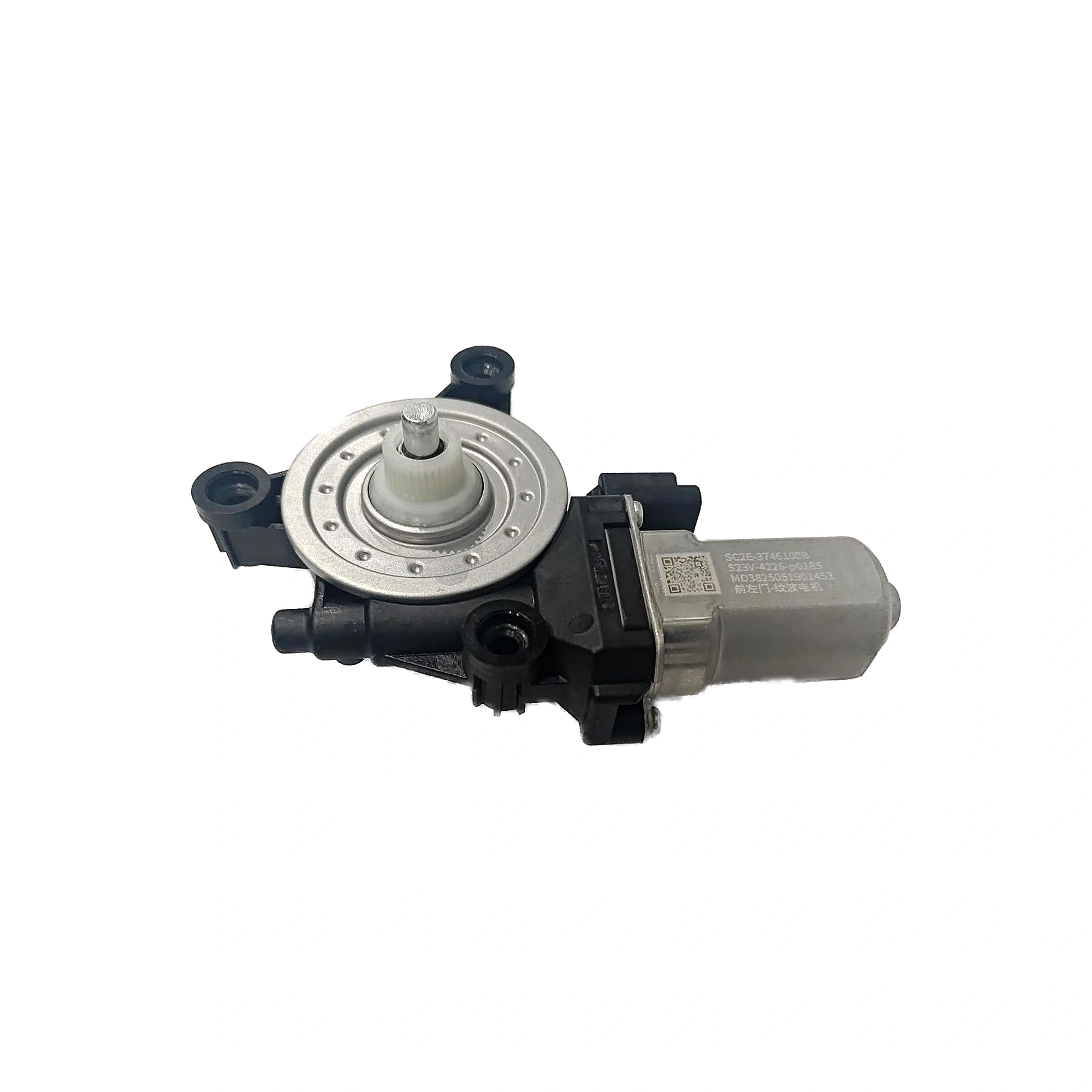
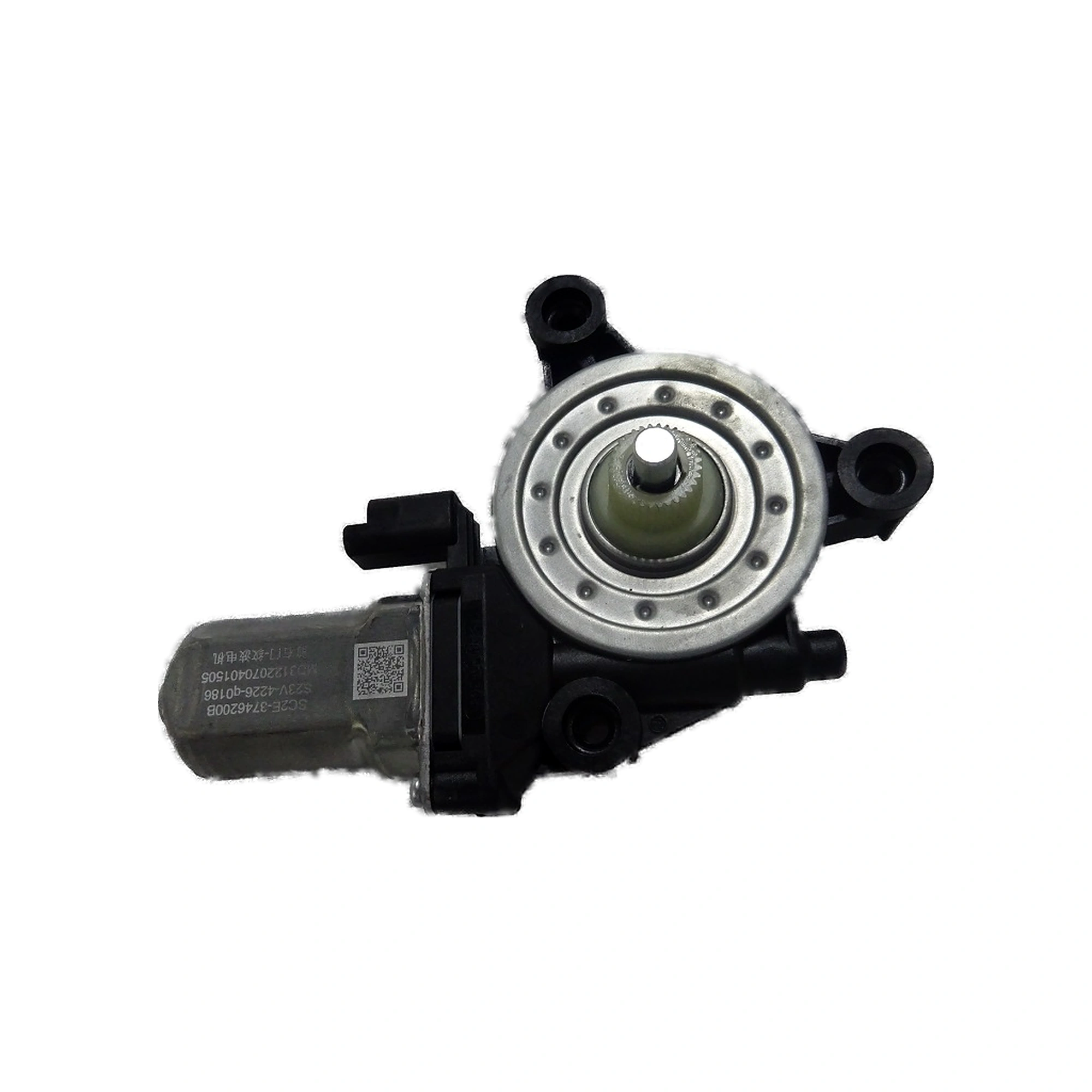
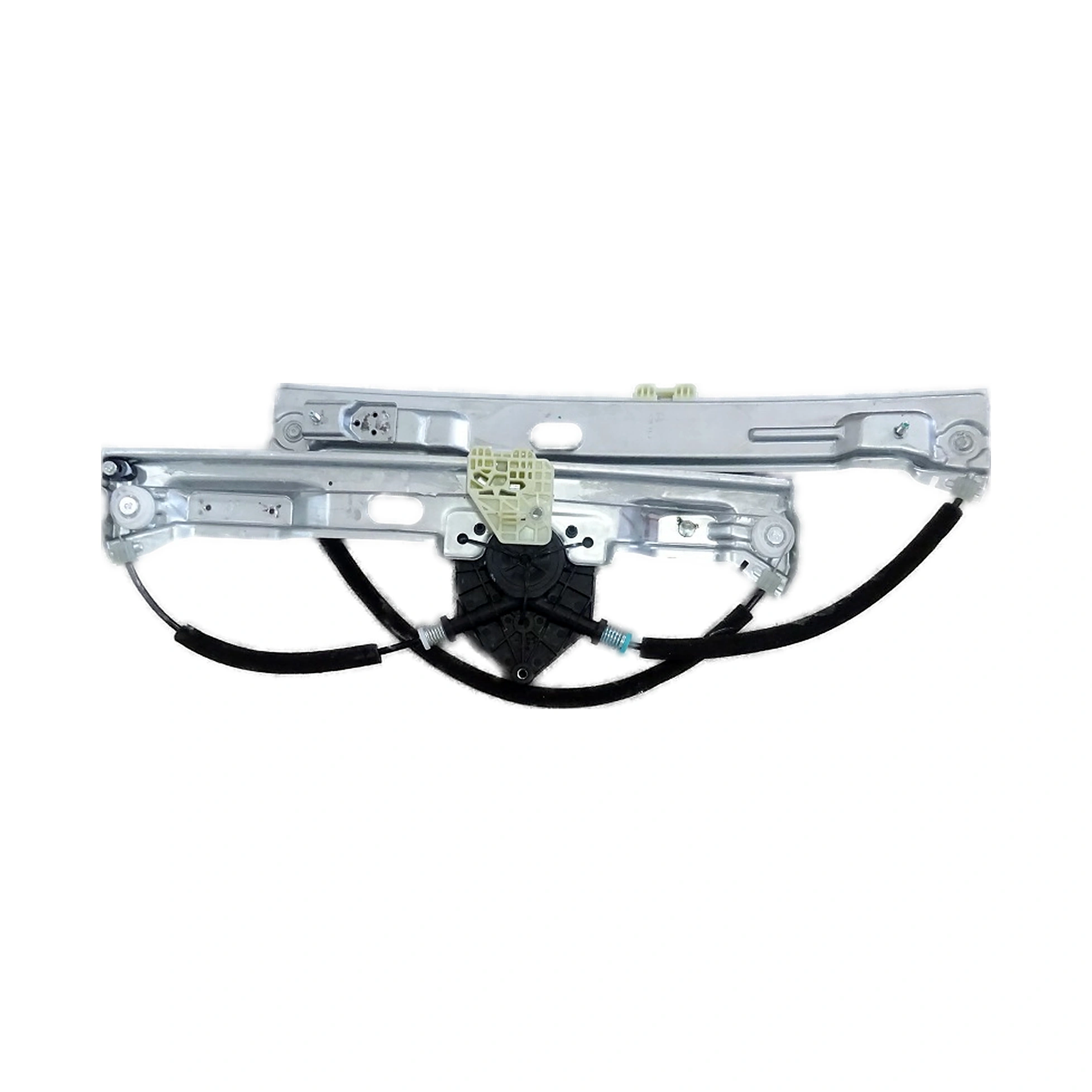
Popular Right Now
scroll for more →
Symptom Finder: What Is Actually Broken?
| What you see or hear | Part to check first |
|---|---|
| Glass drops into the door and will not rise | Window regulator assembly |
| Grinding or clicking from inside the door as the switch is held | Window regulator with frayed cable |
| Window rises crooked or jams part way | Window regulator carrier or bracket |
| Motor hums but the glass does not move | Window regulator with a jumped cable |
| Nothing happens and no sound from the door | Switch or fuse rather than the regulator |
| Window reverses on its own before closing | Window regulator motor needing anti trap relearn |
About Window Regulators
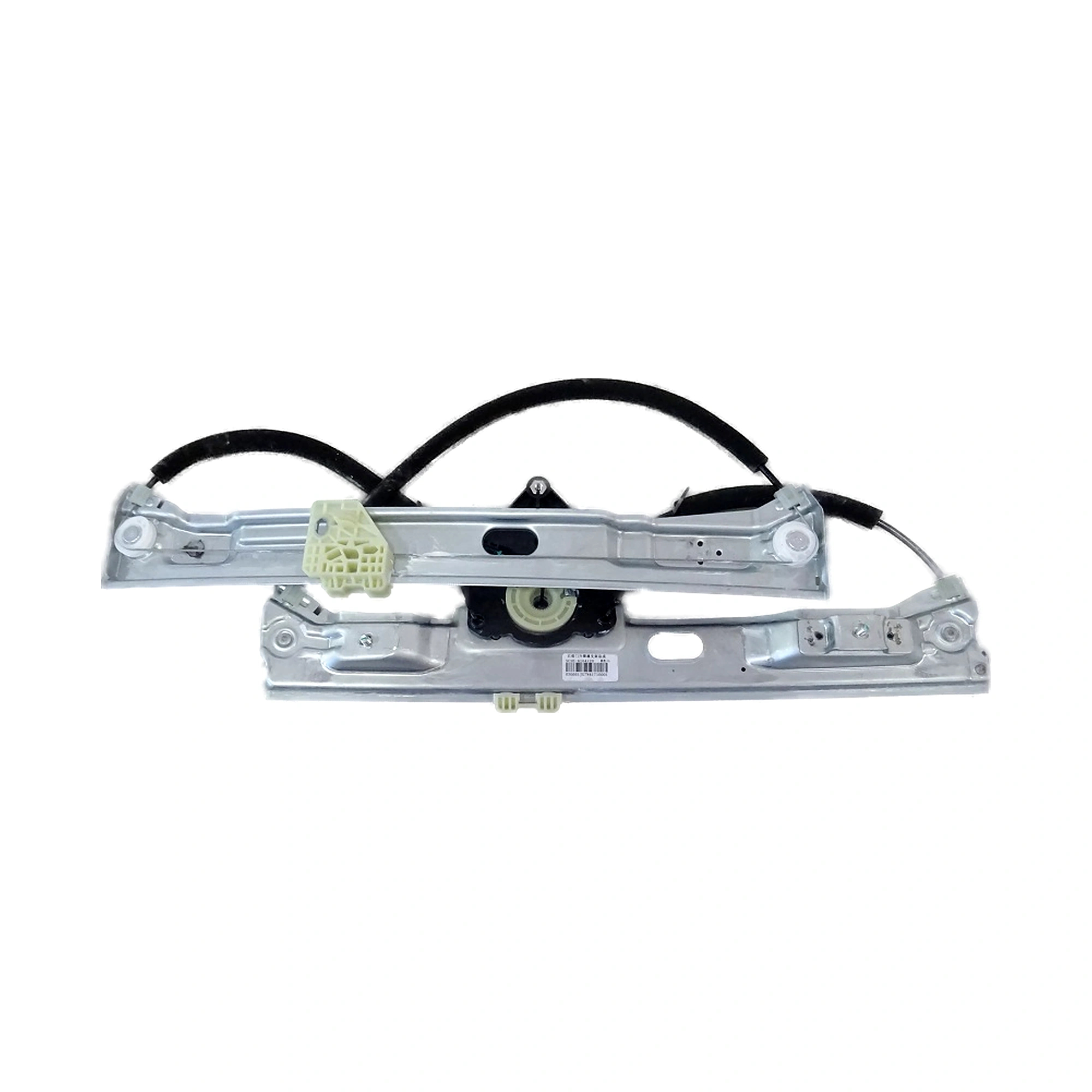
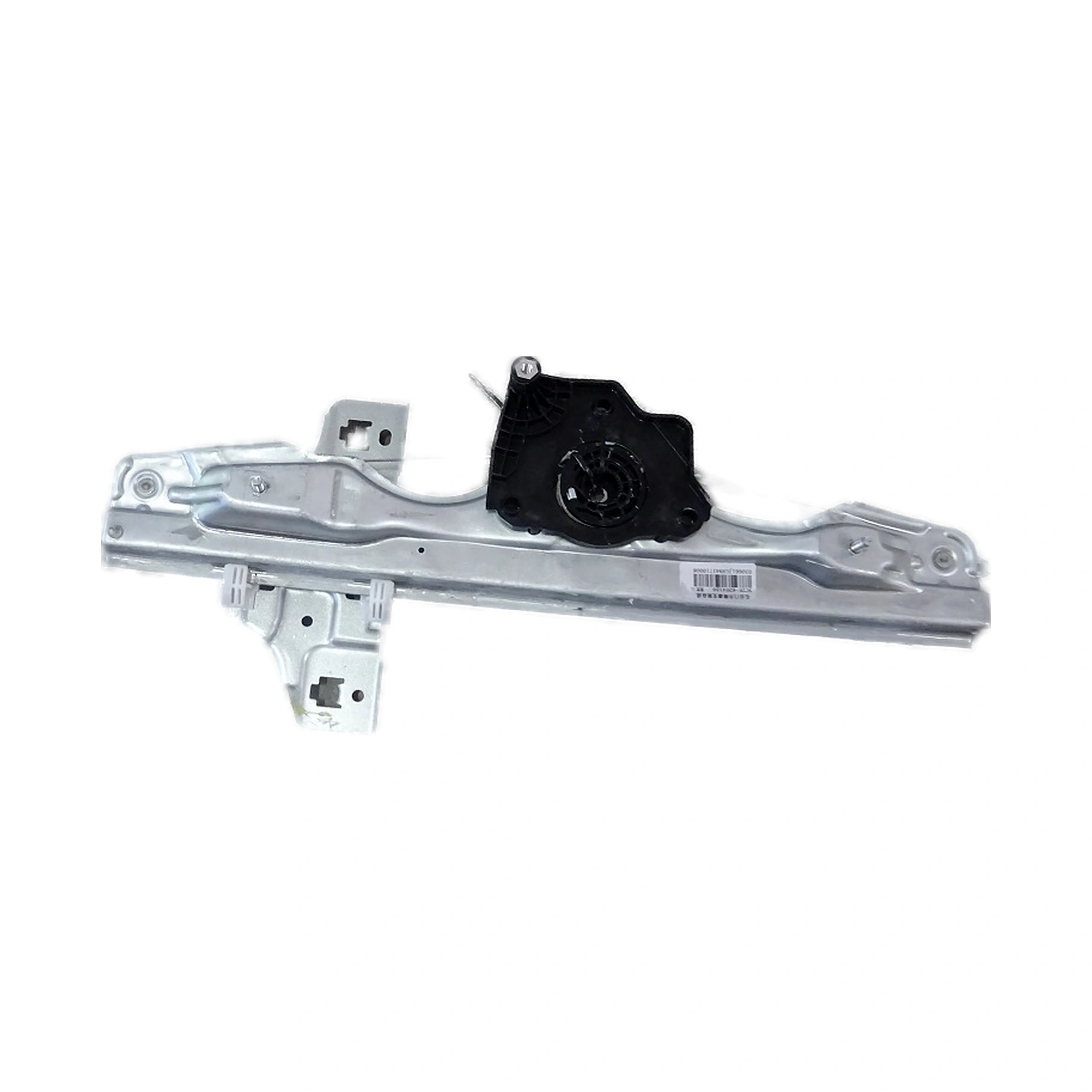
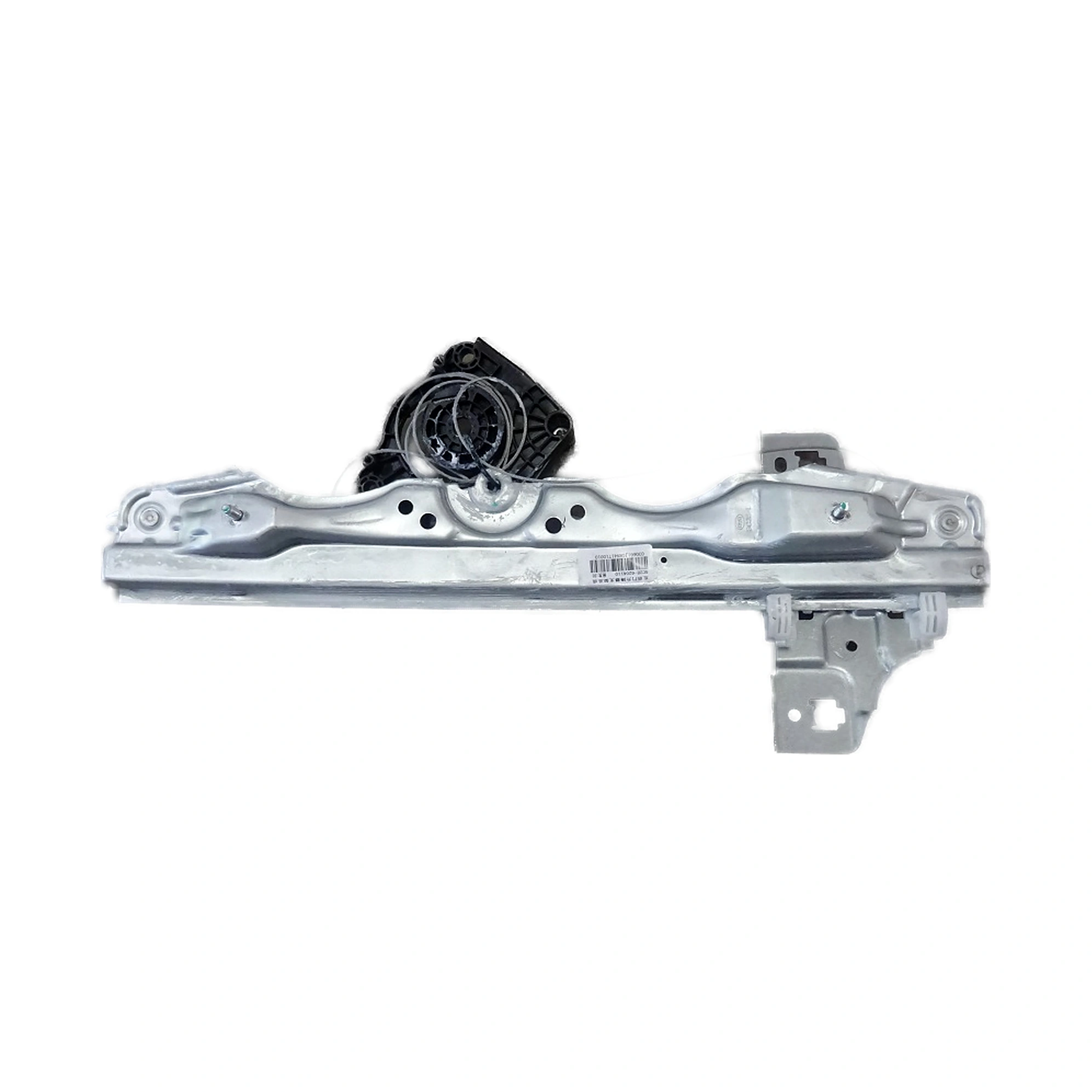
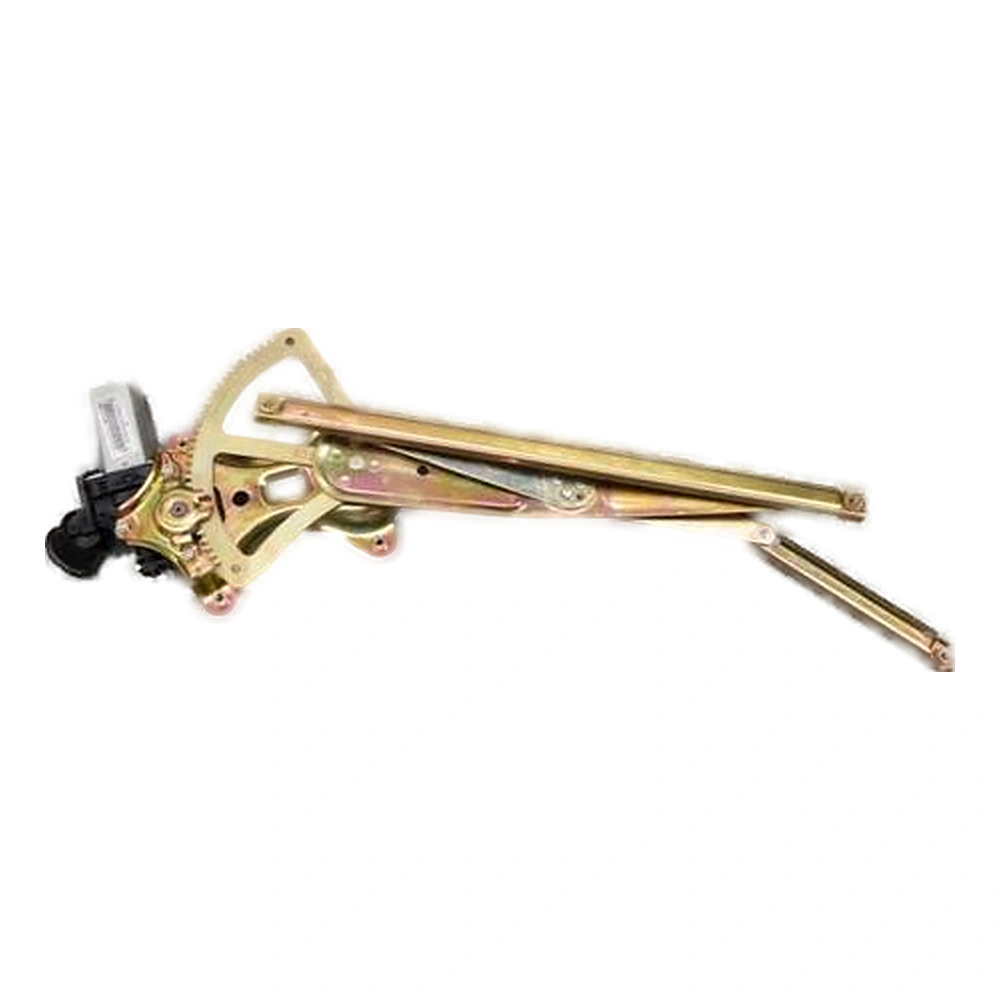
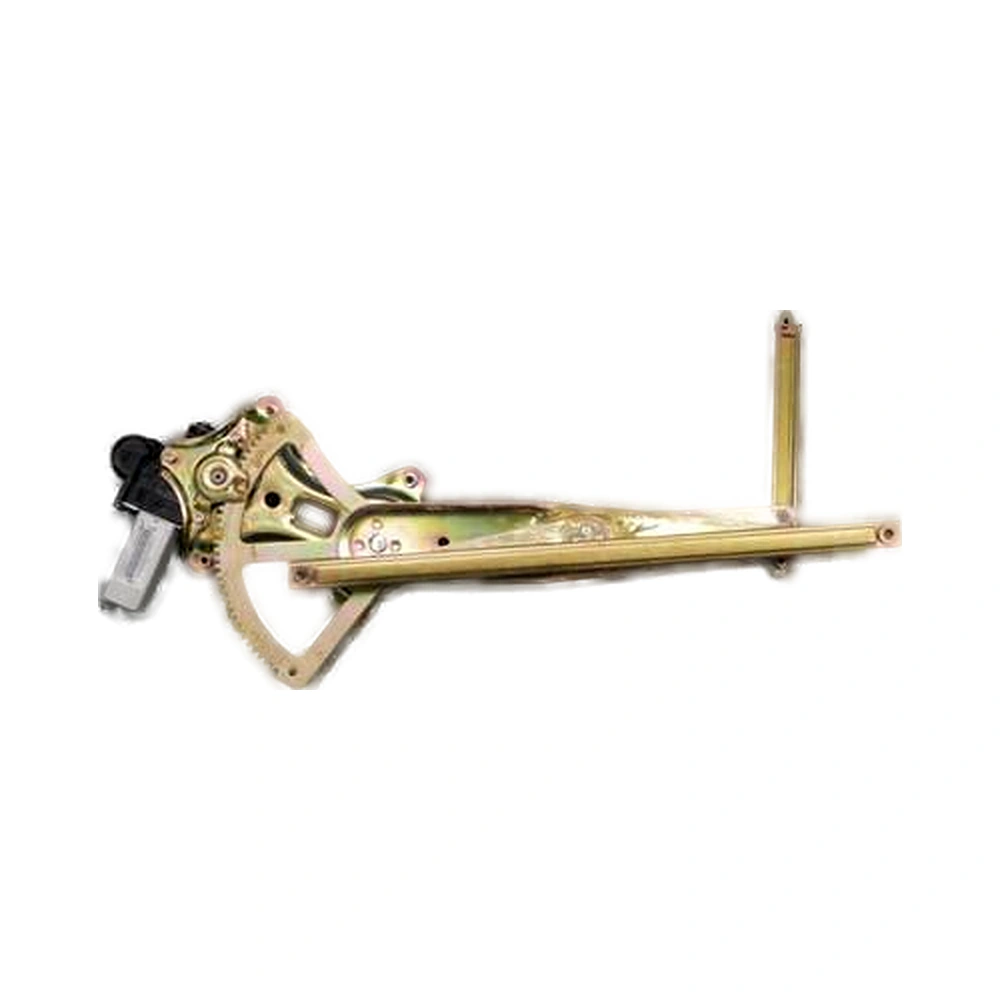
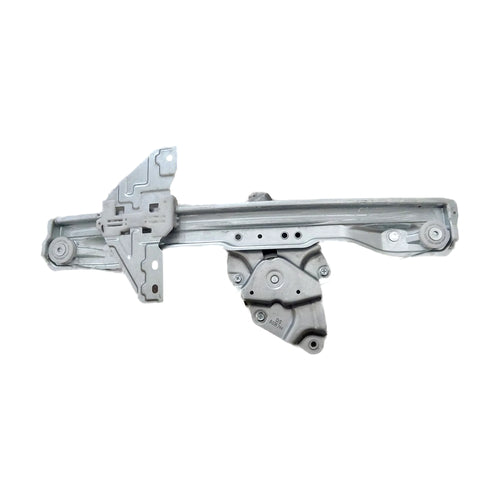
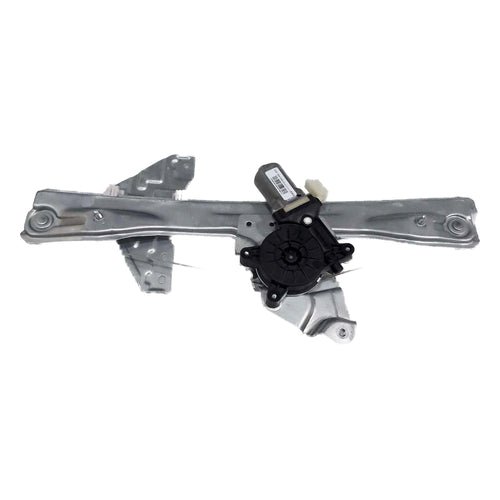
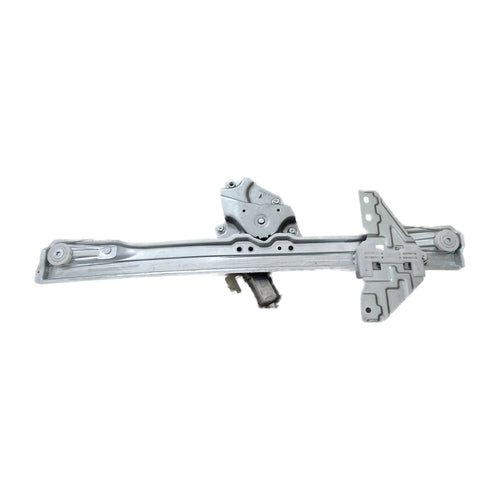
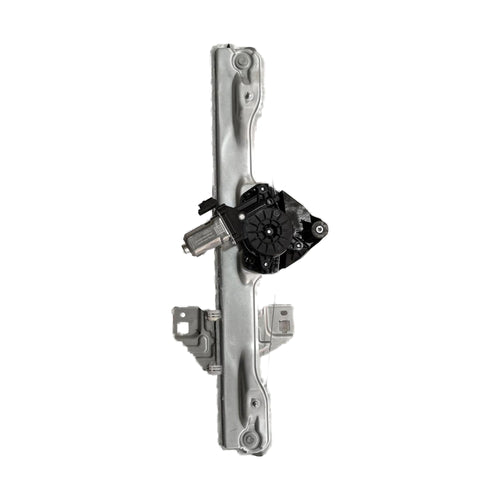
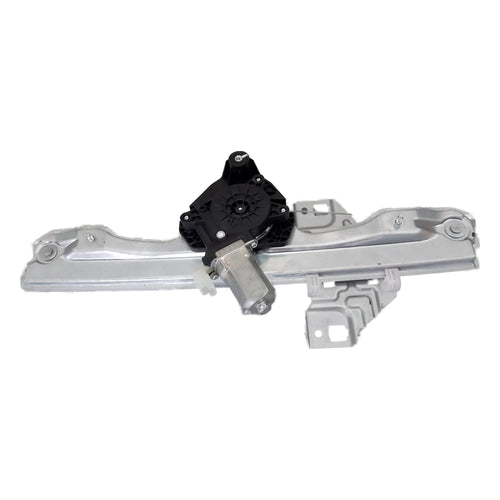
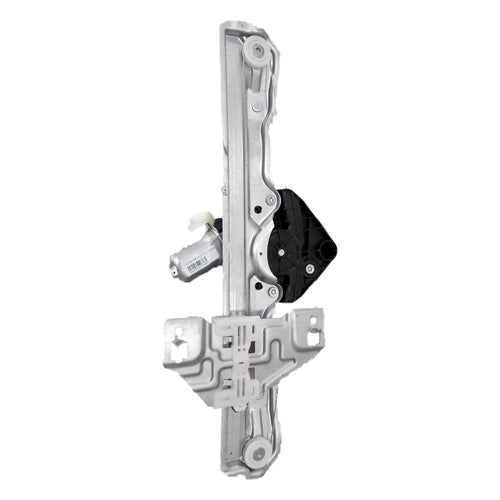
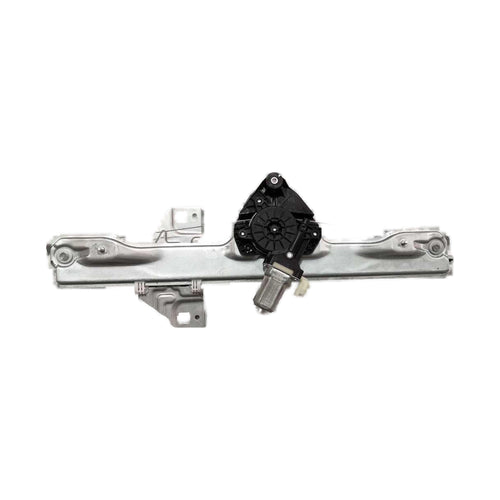
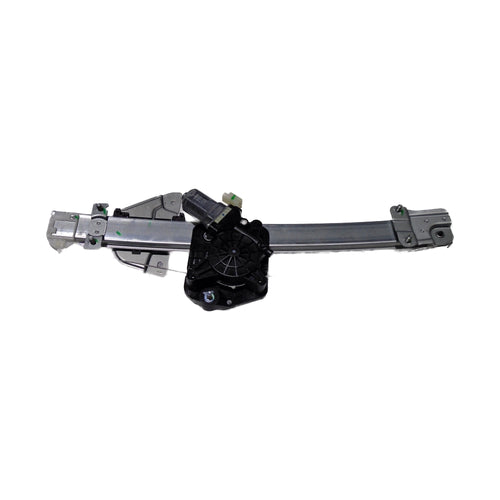
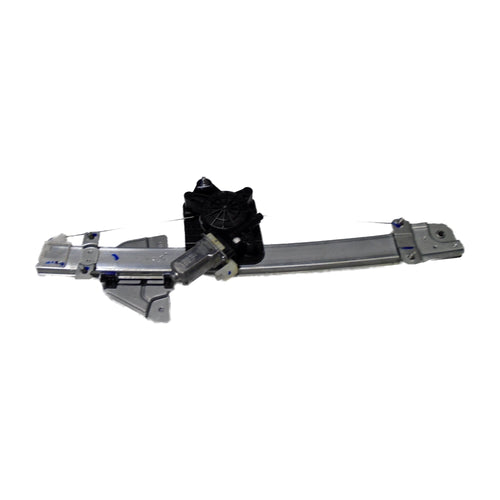
A window regulator converts a motor's rotation into vertical travel of the glass, and almost every current design does it with cable. A drum on the motor winds a steel cable that runs over pulleys at the top and bottom of a guide rail, pulling a carrier up or down with the glass bolted to it. The layout is light, cheap and compact, which is what the packaging inside a door demands, and it has one predictable weakness: the cable frays where it wraps the drum, then jumps its pulley, and the glass ends up jammed at an angle or lying in the bottom of the door. Older and simpler doors use a scissor mechanism instead, with a toothed sector gear driving cross arms. Powered systems add an anti trap function, which measures motor current or counts pulses and reverses the glass if it meets resistance, and that memory needs relearning after the battery is disconnected or a regulator is replaced.
What to know before buying Window Regulators parts
Decide first whether the motor or the mechanism has failed. Cable and rail failures cause most complaints, so the regulator assembly is the usual order. Buy the motor on its own only once it has been tested dead with the mechanism running free.
We list front and rear door window regulators for both sides. Front door window regulator motors are listed separately. Regulator brackets are listed for each door and side. Complete assemblies are marked power or manual, so the two are never confused. Manual and powered versions of the same door are entirely different parts.
Brackets matter after a window has been forced or a glass has dropped. The carrier and its bracket take the strain. Order by the OE number rather than the model name, because door hardware changed within model runs. Priced references can be bought from the listing, and unpriced ones are quoted. Our BYD group coverage is the strongest.
Before You Order: 6 Checks
- Establish whether your door is powered or manual before ordering. The regulators are different parts.
- Match the OE number and the position. Front and rear doors, left and right, are four separate references.
- Decide between the regulator assembly and the motor alone. Cable and rail failures need the assembly.
- Check whether the listing includes the motor, since some regulators are supplied bare.
- Order fresh glass clamp bolts and a vapour barrier where the old one will be disturbed.
- Plan to relearn the anti trap function after fitting, following the procedure for your vehicle.
What Changed and Why
Two changes have made regulators more diagnosable and more particular. Anti trap protection is now required for powered windows that can be closed remotely, so the module monitors motor current or Hall effect pulses and reverses on resistance, which means a replacement regulator or a disconnected battery leaves the window needing a relearn before one touch closing works again. Frameless door glass, increasingly common on electric saloons and coupes, adds a short drop function that lowers the pane a few millimetres as the door opens, tying the regulator into the door latch signal and making the correct part number less forgiving.
Window Regulators: Frequently Asked Questions
My window fell into the door. Motor or regulator?
The regulator, in almost every case. A window that drops suddenly means the cable has snapped or jumped its pulley, or the carrier that clamps the glass has broken, and none of that involves the motor. You can confirm it by holding the switch: if you hear the motor running inside the door while nothing moves, the motor is alive and the mechanism has failed. Order the regulator assembly for that door and side. Tape the glass up before driving so it cannot fall further and crack.
Should I buy the regulator or just the motor?
Buy the regulator unless the motor has been tested dead. Cable, pulley and carrier failures account for most window complaints, and the motor typically outlives two mechanisms. There is also a practical argument: the door has to come apart either way, and fitting a new motor to a tired cable means doing the job twice. Where the motor genuinely has failed, with no sound and no current draw, it is listed separately here for front doors. Check whether the regulator you order includes a motor.
The switch does nothing and the door is silent. Is that the regulator?
Probably not. Silence points away from the door and towards the supply: a blown fuse, a failed switch, a broken wire in the flexible loom where it crosses from the pillar to the door, or a body module that has stopped commanding the window. Test the same window from the driver's master switch and from the local switch, and try another window on the same circuit. If you hear a click or a hum from inside the door, the fault is mechanical after all and the regulator is the part.
My window rises crooked or sticks part way up. What is wrong?
Either the mechanism or the channel the glass runs in. A cable that has jumped one pulley lifts one side of the carrier faster than the other, which tilts the pane. A dry, worn or torn glass run channel adds friction that stalls the motor part way. Lower the glass and check the channel lining first, since it is the cheaper part and sits in a different category. If the channel is sound and the movement is uneven, the regulator or its bracket has failed.
Are manual and powered regulators interchangeable?
No, and this catches people out on older and base specification cars. A manual regulator uses a sector gear driven by a handle and has no motor mounting or connector, while a powered one is built around a motor drum and cable. The door card, the switch, the loom and often the door frame differ as well. This category lists manual and power assemblies as separate references for exactly that reason. Establish what your door has before ordering, and match the OE number rather than the outline.
What is anti trap and why does my window reverse?
Anti trap protection stops the glass closing on a hand. The control module watches motor current, or counts pulses from a sensor on the motor, and reverses the window when the load rises unexpectedly. After a regulator or motor is replaced, or after the battery has been disconnected, the module has no reference for what normal effort looks like, so it treats ordinary friction as an obstruction and drops the glass. The cure is the relearn procedure for your vehicle, usually holding the switch at the top and bottom of travel for a few seconds.
What does a window regulator cost?
Regulators remain one of the cheaper mechanical repairs on a car. Brackets and small hardware barely register. A bare motor is modest. A complete regulator with its motor fitted is the top of this group, and it is often the sensible buy because it removes the fiddly job of transferring the motor onto a new carrier. The current figures appear in the band overhead. Add the door card clips and the vapour barrier tape to your budget, since both are disturbed and both are cheap next to a rattling door.
Can I replace a regulator myself?
It is a realistic job, and the main challenge is patience rather than skill. Remove the trim card and peel the vapour barrier carefully so it can be resealed, support the glass with tape or a helper, undo the two clamp bolts holding the pane to the carrier, lift the glass clear, then unbolt the regulator and manoeuvre it out through the access hole. Budget two to three hours for a first attempt. Test the window fully before resealing the barrier, and run the anti trap relearn afterwards.
Why do cable regulators fail so predictably?
Because the design trades durability for packaging. A steel cable wound onto a small drum flexes through a tight radius thousands of times, and the strands eventually fray at that point. Once a single strand lifts, it snags in the drum, jumps the pulley and the mechanism jams. Cold weather and stiff run channels accelerate it, since the motor pulls harder against a window that does not want to move. Keeping the channels clean and lubricated genuinely extends regulator life, which is the cheapest maintenance in this category.
Do frameless windows need a different regulator?
They need the correct one, and the difference is not visible from the part. Frameless door glass drops a few millimetres as the door opens so the pane clears the seal, then rises again as it closes, which ties the regulator and its module into the latch signal. Fitting a regulator without that function, or one calibrated for a framed door, gives you glass that catches on the seal every time. Match the OE number precisely on any car whose door has no window frame.
Will a regulator from the other side of the car fit?
No. Regulators are handed, because the rail curvature follows the glass and the motor sits on the opposite side of the mechanism. Front and rear doors differ again in rail length and travel. That gives four distinct references per vehicle, and the photographs in listings look similar enough to mislead. Read the OE number from the old part before it goes in the bin, match the position described in the listing, and use the quote form if the number brings back no result.
The regulator I need shows no price. Can I still order it?
Yes. Regulators are handed, they differ between front and rear doors and between cable and scissor designs, so the combinations that sell rarely are the ones waiting for a quote. Send the number and say which door. Decide first whether you need the regulator with its motor or the bare mechanism, since both are listed and the motor is often perfectly good when a cable has frayed or a carrier has cracked. Ask about the anti trap calibration too, because many windows need to be taught their end stops again after the mechanism is replaced.