BYD Qin Pro Parts
Shop BYD Qin Pro Parts by Category
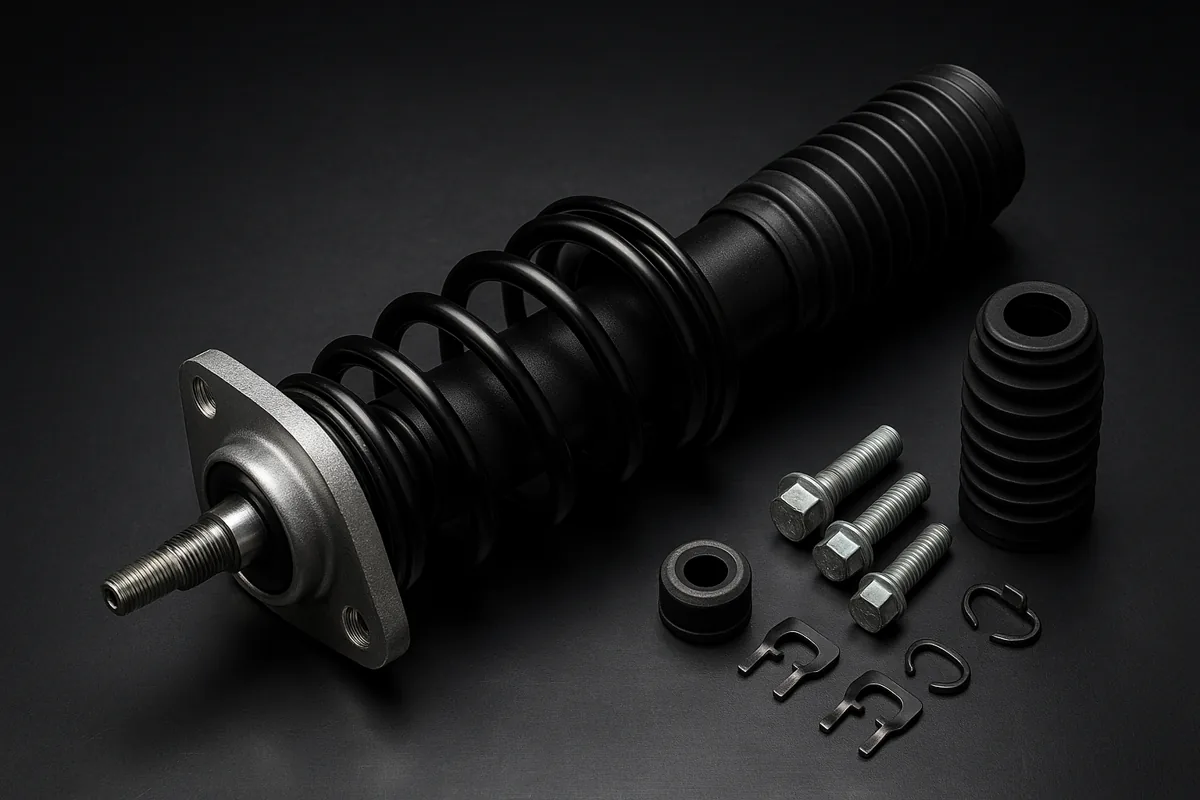
Popular for the BYD Qin Pro
scroll for more →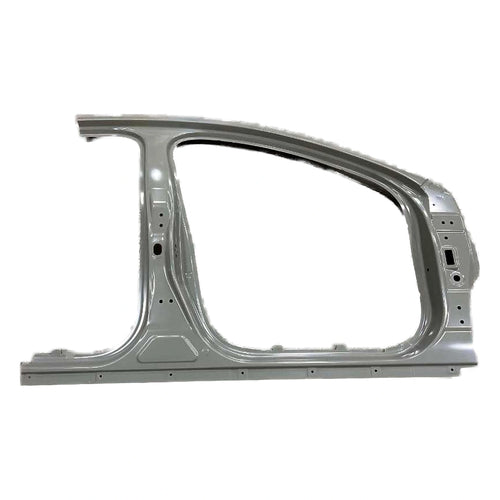
Symptom Finder: Known Weak Points
| What you see or hear | Check first |
|---|---|
| Jerky pull-away or harsh shifts on a dual-clutch car, often worst from cold | The dual-clutch gearbox, its fluid and its control unit. Confirm the car is the dual-clutch version rather than a manual, then order the part by the OE number on the old unit. |
| Clutch slipping, judder on take-off or a noisy pedal on a manual car | The clutch plate, cover and release bearing. Check whether it is the five-speed naturally aspirated car or the six-speed turbo before ordering, and match the OE number. |
| Engine warning light | Start with the lambda and emission sensors. On a turbo car, check the build date on the identification plate first, since sensors can differ between China V and China VI builds. |
| Air conditioning cooling weakly or a squeal from the front of the engine | The drive belt, tensioner and belt-driven compressor. Do not fit an electric compressor from a Qin Pro DM or EV, and order by OE number. |
| Parking brake warning or a rear brake that binds | On electronic parking brake cars, the actuator on the rear caliper. On lever handbrake cars, the cable and its adjustment. Check the centre console before ordering. |
| Knocking or clonking from the rear over bumps | The torsion beam bushes, rear dampers and their mounts. Order parts for the petrol car, not for the heavier DM or EV. |
| Tyre pressure warning that returns after the tyres are checked | The tyre pressure sensor in the affected wheel. Order the sensor by the OE number on the old unit, especially if the wheels have been changed. |
Most Replaced Parts on the Qin Pro
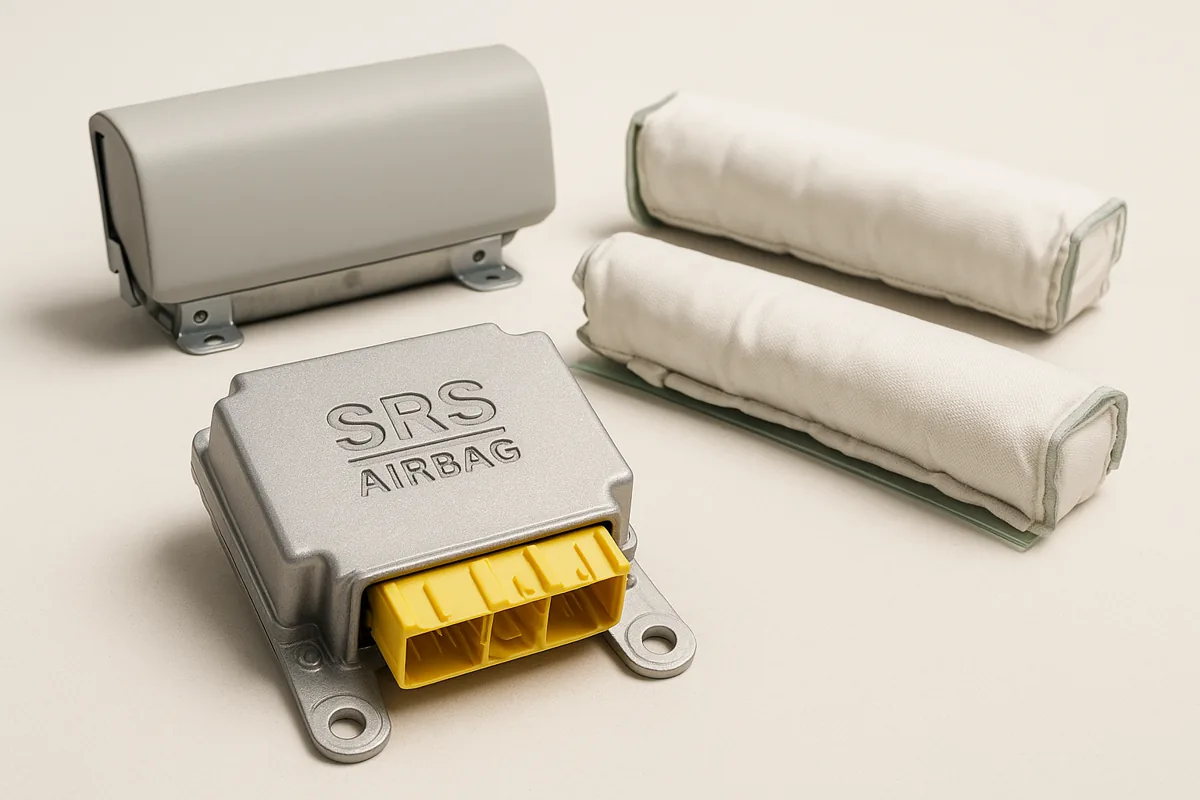
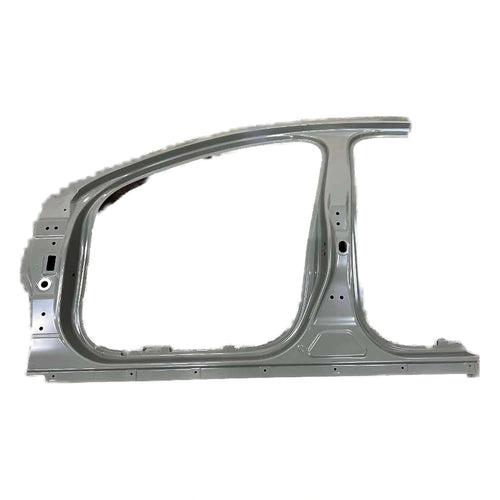
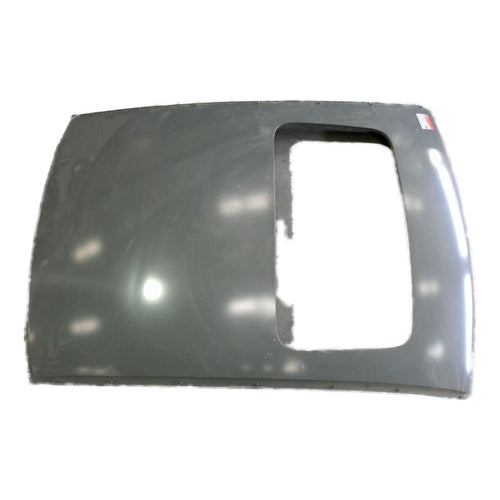
- Body panels and structural sectionsOne body shared with the dm and ev, so order by part number and colour code
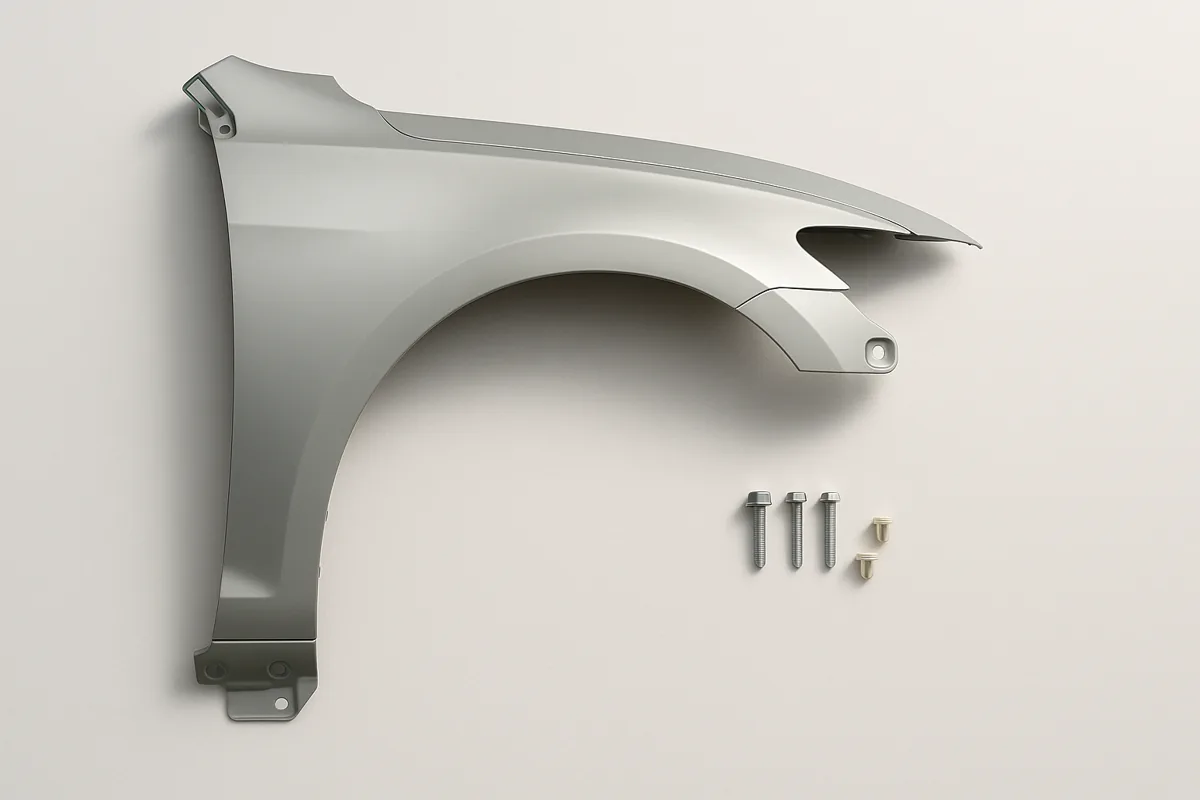
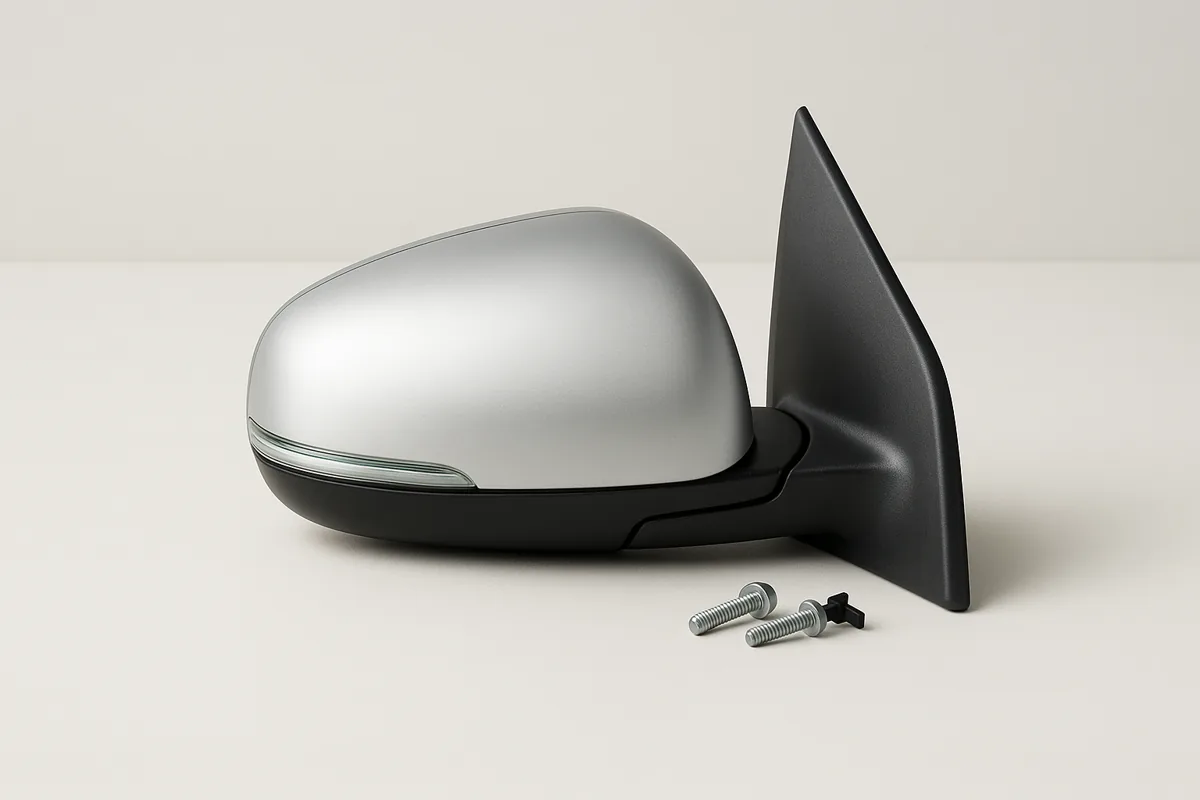
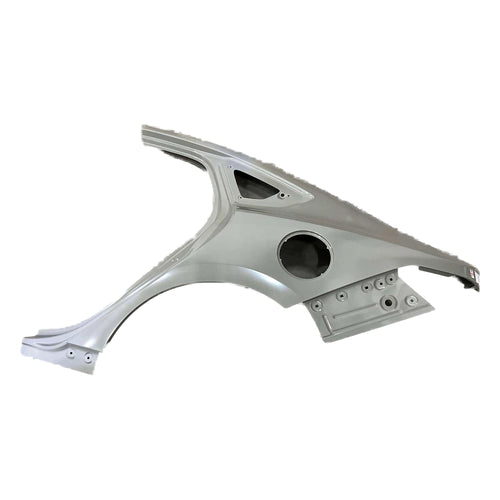
- Wings, bonnets and lidsFront wings and the bonnet are the usual crash repairs, matched by part number
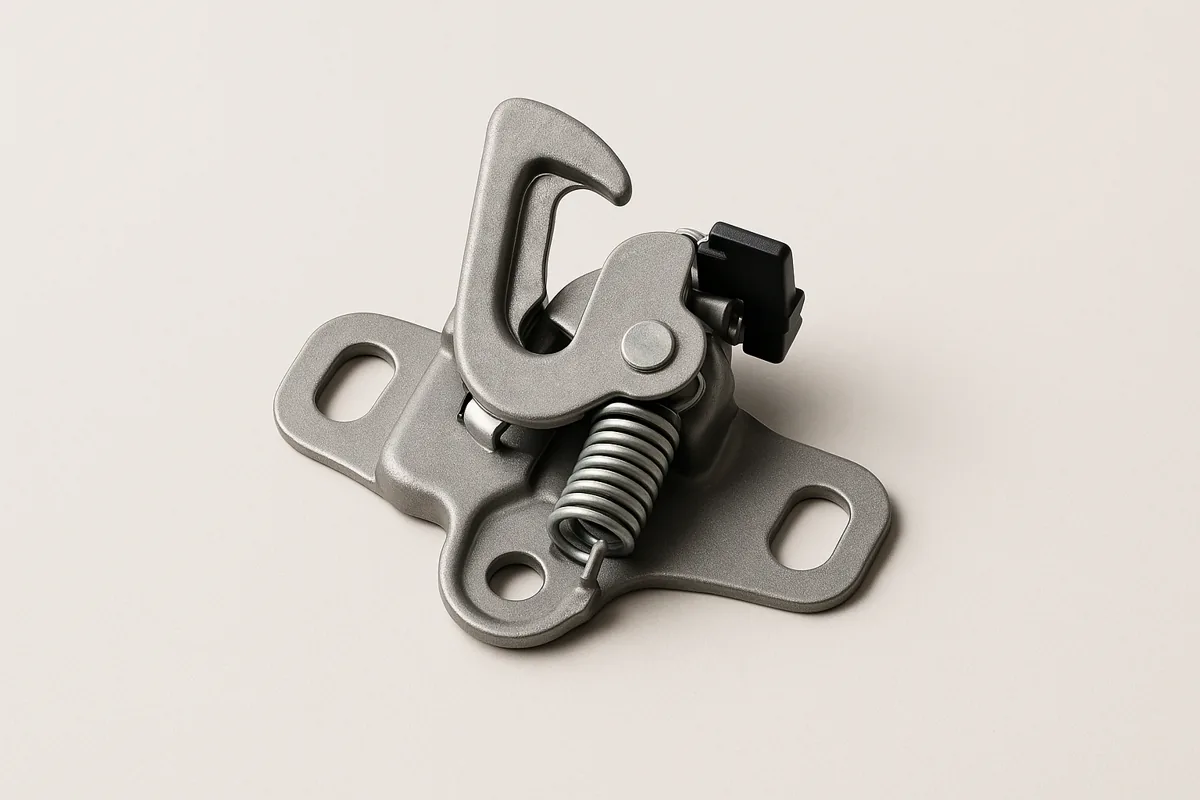
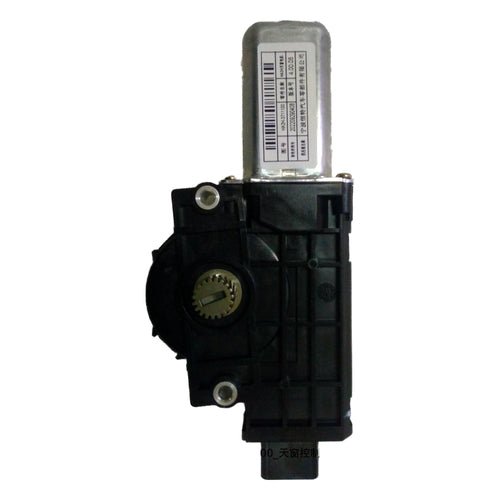
- Locks, latches and sunroof partsDoor locks, latches and the sunroof mechanism on a saloon now several years old
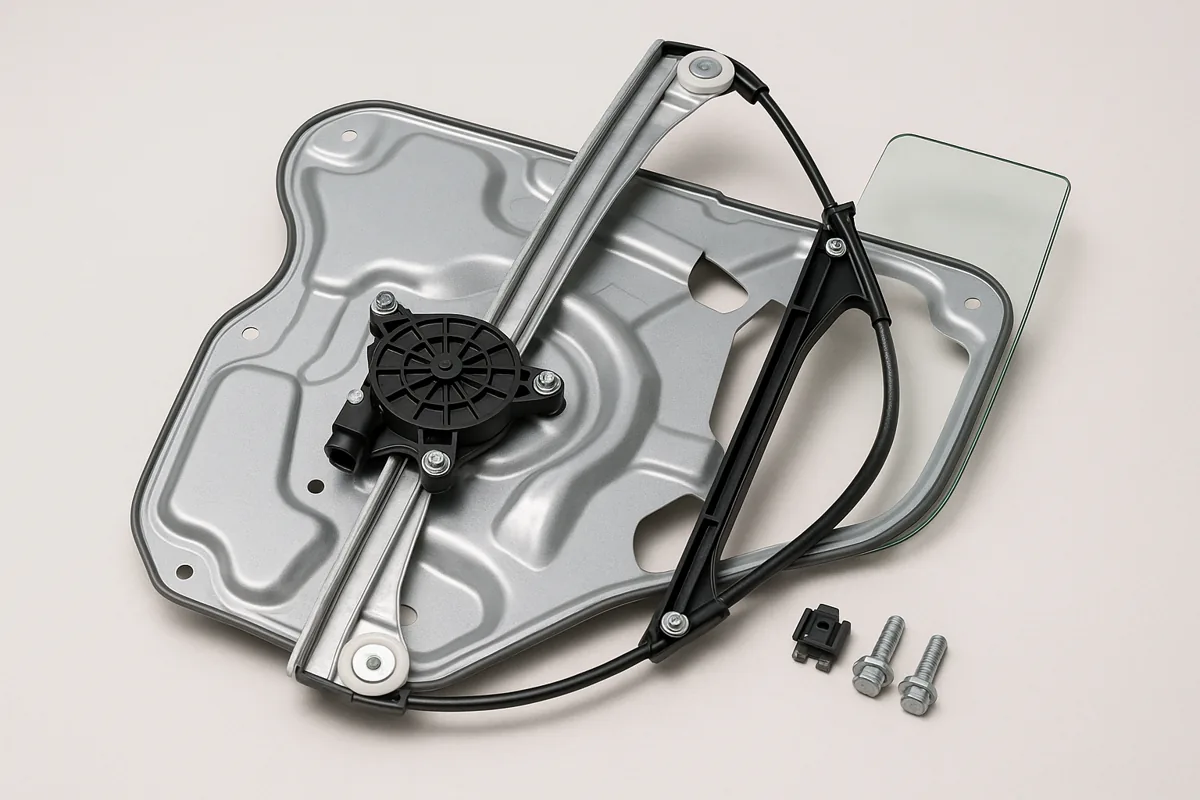
- Window regulatorsDoor window regulators and motors, ordered by door and by side
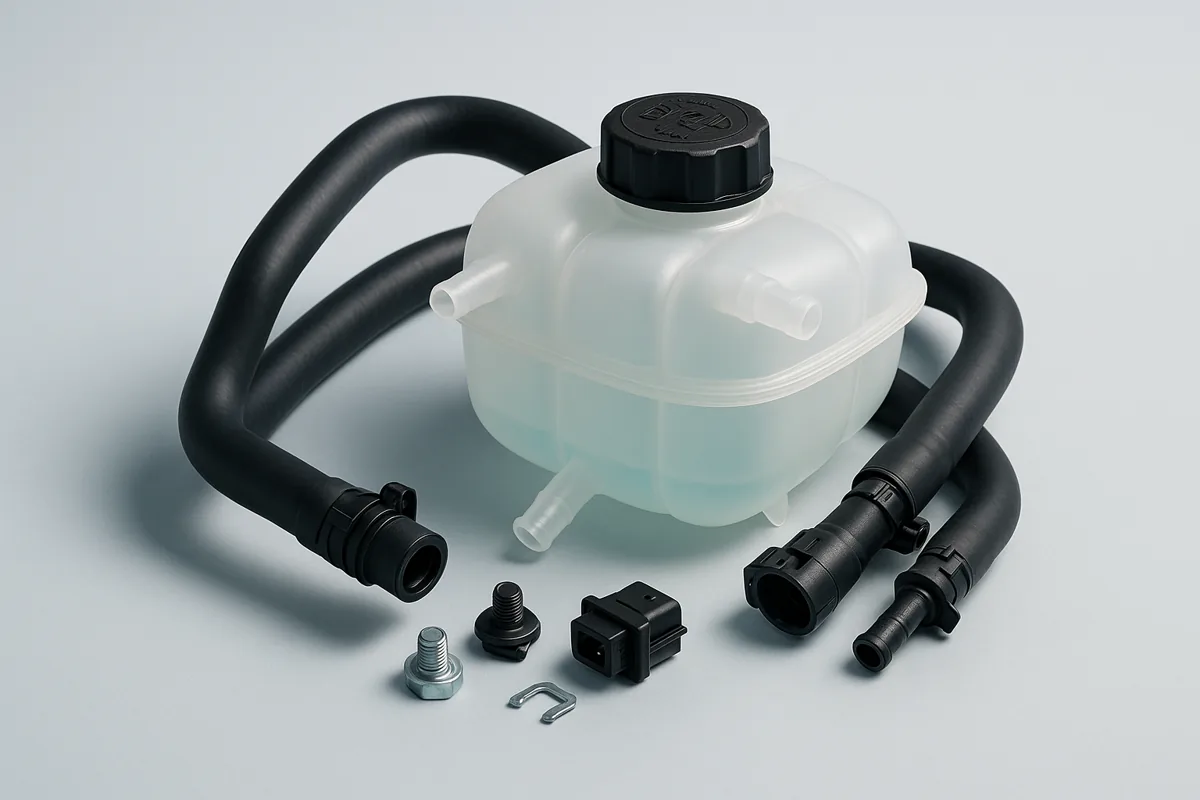
- Coolant hoses, tanks and sensorsThe petrol engine cooling circuit, which the electric sibling does not share
About BYD Qin Pro Parts
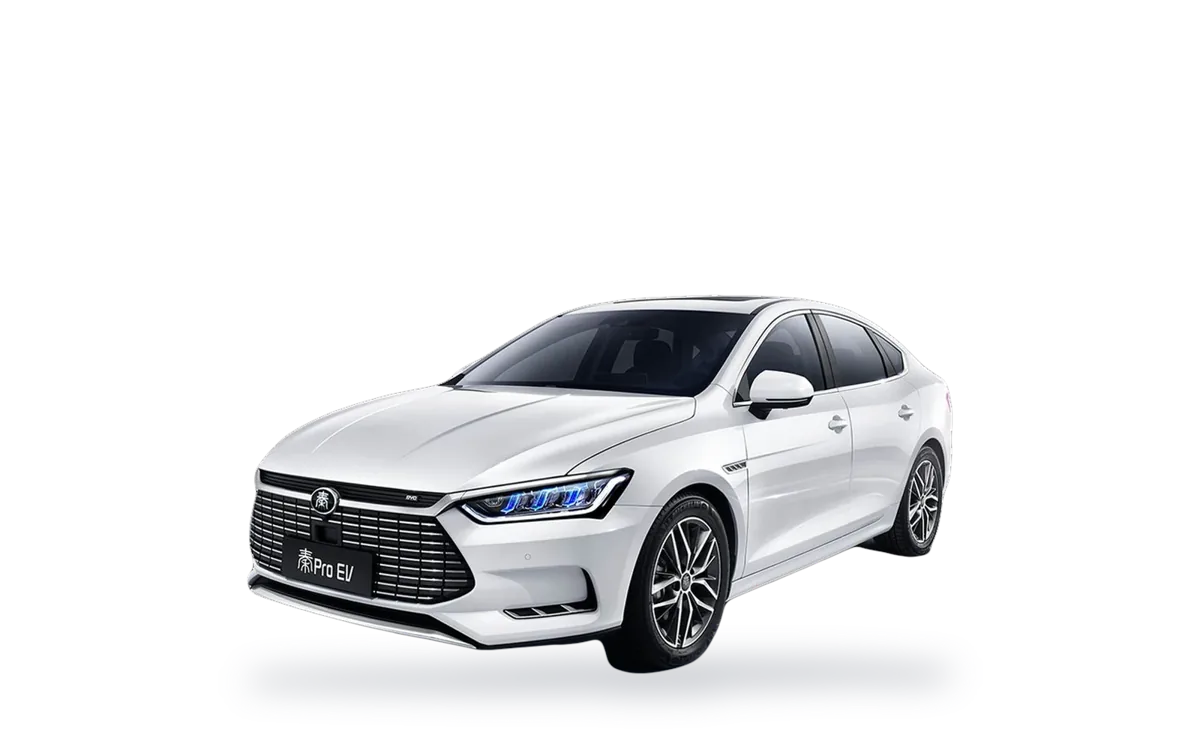
The BYD Qin Pro is a four-door family saloon launched in China on 20 September 2018 and built until March 2021. This page covers the petrol car, which shares its 4,765 mm body and 2,718 mm wheelbase with the Qin Pro DM plug-in hybrid and the all-electric Qin Pro EV. It drives the front wheels through a 1.5 litre petrol engine. That is either a naturally aspirated unit with a five-speed manual gearbox or a turbocharged unit with a six-speed manual or a six-speed dual-clutch automatic. It is a conventional car to keep running, with oil and filters, a belt-driven air-conditioning compressor, clutch or gearbox parts, MacPherson struts at the front and a torsion beam at the rear. Much of the body is common to its siblings, but the engine bay is not. Every part here is listed by its OE number, and matching that number on the old part is the surest fitment check.
What to know before buying BYD Qin Pro parts
Start by making sure the car is the petrol Qin Pro. The Qin Pro DM plug-in hybrid and the Qin Pro EV use the same body, so from the side the three look alike. The petrol car has a fuel filler and no charging port, the DM has both, and the EV has only a charging port. Engine, cooling, exhaust, fuel and climate parts from the plug-in or electric cars do not suit this one, and the reverse is also true.
Next, identify the engine. The badge on the boot reads 1.5 or 1.5T. The naturally aspirated 1.5 produces 80 kW and was paired only with a five-speed manual gearbox. The 1.5 turbo, engine BYD476ZQA, produced 113 kW at launch and through the 2019 model year, then 118 kW in the 2020 model year, when it was built to the China VI emissions standard. Launch cars were built to China V, and 2019 cars were offered to either standard. The badge does not separate the two turbo outputs, and the sensors, exhaust parts and ancillaries on the engine can differ between those builds. Check the build date on the identification plate and match these parts by OE number.
The gearbox matters beyond the clutch. The turbo came with a six-speed wet dual-clutch automatic from launch, and a six-speed manual joined it for the 2019 model year. Dual-clutch cars have an electronic parking brake throughout. Manual cars from the 2018 and 2019 model years use a lever-operated handbrake, and 2020 manual cars moved to the electronic parking brake. The rear calipers differ between the two systems, so look for a lever or a switch on the centre console before ordering rear brake parts.
Wheel sizes follow the gearbox on the cars as built. Manual cars ran 205/60 R16 and dual-clutch cars 215/50 R17, but wheels are easily changed, so read the sidewall rather than relying on the gearbox. Every petrol car has ventilated front discs, rear discs, MacPherson front struts and a torsion beam rear axle. The DM and EV share the body but carry a heavy battery, so do not assume their springs, dampers or rear suspension parts suit this car.
Finally, the body shape never changed, so panels and lights follow one design across the run. For painted panels, order by the colour code on the car rather than by colour name. If the car has had a minor knock, check the parking camera and sensors around the bumpers as well as the panel itself.
Before You Order: 7 Checks
- Check for a charging port before ordering anything for the engine bay. The petrol car has none, and its engine, cooling and climate parts do not suit the Qin Pro DM or EV.
- Match the OE number on the part you are replacing to the OE number on the listing. A matching number is the surest check that a part fits.
- Read the boot badge, 1.5 or 1.5T, before ordering engine parts, since the two are different engines.
- Check the build date on the identification plate before ordering sensors or exhaust parts for a turbo car, since its output and emissions build changed for the 2020 model year.
- Look for a lever or a switch on the centre console before ordering rear calipers, since handbrake and electronic parking brake cars use different parts.
- Read the tyre size on the sidewall before ordering tyres or rims, since the car was built on 205/60 R16 or 215/50 R17.
- Order painted panels by the colour code on the car rather than by colour name.
Generations and Facelifts
The Qin name began with BYD's first-generation Qin plug-in hybrid saloon of 2013. The Qin Pro replaced it as the second generation. It was first shown at the Beijing Auto Show in April 2018 and launched on 20 September 2018. It was the first BYD saloon styled under chief designer Wolfgang Egger, with the Dragon Face front, and it came in three forms on one body: petrol, the Qin Pro DM plug-in hybrid and the Qin Pro EV. The petrol launch cars offered the 80 kW naturally aspirated 1.5 with a five-speed manual and the 113 kW 1.5 turbo with a six-speed dual-clutch gearbox, both built to China V.
The 2019 model year added a six-speed manual behind the turbo and offered China VI builds alongside China V. The 2020 model year, sold as the Chaoyue edition, moved the turbo to China VI with 118 kW, and the manual cars gained the electronic parking brake in place of the lever handbrake. The body shape did not change, and the petrol Qin Pro had no facelift. Production ended in March 2021, and the Qin PLUS took over as BYD's saloon in this size.
For parts, the model-year changes matter more than the badge. Engine sensors and exhaust parts can differ between China V and China VI builds, and rear calipers differ between handbrake and electronic parking brake cars. Before ordering engine, exhaust or rear brake parts, read the build date on the identification plate and match the OE number on the old part.
BYD Qin Pro Parts: Frequently Asked Questions
How do I make sure a part fits my BYD Qin Pro?
Match the OE number. Every part on this site is listed under the OE number printed on the original part, and if the number on the part you are replacing matches the listing, the part fits. That matters on the Qin Pro because the petrol, plug-in hybrid and electric cars share one body but differ underneath, and the petrol car itself changed engine output, emissions build and parking brake between model years. If the old part is missing or its number is unreadable, send us a photo through the quote form and we will reply within 24 hours, usually sooner.
How can I tell the petrol Qin Pro from the DM and EV?
Look for the charging port and the fuel filler. The petrol car has a fuel filler and no charging port, the Qin Pro DM plug-in hybrid has both, and the Qin Pro EV has only a charging port. All three use the same 4,765 mm body on a 2,718 mm wheelbase, so side-on they look alike. Engine, cooling, exhaust, fuel and climate parts do not cross between the petrol car and its siblings, so once you know which car you have, confirm each part by its OE number.
Which engines were fitted to the petrol Qin Pro?
Two engines, both of about 1.5 litres. The naturally aspirated 1.5 produces 80 kW, around 109 PS, and was paired with a five-speed manual gearbox. The 1.5 turbo, engine BYD476ZQA, produced 113 kW, around 154 PS, at launch and 118 kW, around 160 PS, in the 2020 model year. The boot badge reads 1.5 or 1.5T, which separates the two engines but not the two turbo outputs. Order engine parts by the OE number on the old part, and check the build date on the identification plate for sensors and exhaust parts.
Why do two 1.5T Qin Pros have different power outputs?
The turbo engine was updated during the run. Launch cars made 113 kW and were built to the China V emissions standard, and the 2019 model year was offered in China V or China VI form at the same output. The 2020 model year moved the turbo to China VI with 118 kW. Sensors, exhaust parts and ancillaries on the engine can differ between those builds, so a part listed for one may not suit the other. Check the build date on the identification plate, then match the OE number on the old part.
Which gearbox does my Qin Pro have, and why does it matter?
The naturally aspirated car came only with a five-speed manual. The turbo car came with a six-speed dual-clutch automatic from launch, and a six-speed manual was added for the 2019 model year. The dual-clutch gearbox is a wet-clutch type with its own control unit and fluid, while the manual cars need a clutch plate, cover and release bearing. The gearbox also decides the wheel size as built and, on earlier cars, the parking brake. Check the gear lever before ordering, then match the part by OE number.
Does the Qin Pro have a handbrake or an electronic parking brake?
It depends on the gearbox and the year. Dual-clutch cars have an electronic parking brake throughout. Manual cars from the 2018 and 2019 model years use a lever-operated handbrake, and 2020 manual cars moved to the electronic parking brake. The rear calipers differ between the two systems, so a caliper from one will not suit the other. Look for a lever or a switch on the centre console before ordering rear brake parts, and match the caliper by the OE number on the old unit.
What tyre sizes does the petrol Qin Pro use?
Two sizes are listed for the petrol car. Manual cars were built on 205/60 R16 and dual-clutch cars on 215/50 R17. That split held across the model years, but wheels are easily changed by a previous owner, so read the size on the sidewall of the tyres already fitted before you order tyres or rims. The car has tyre pressure monitoring, so if you change wheels, check the pressure sensors too, and order each sensor by the OE number on the old unit.
Will suspension parts from a Qin Pro DM or Qin Pro EV fit?
Do not assume so. The petrol car uses MacPherson struts at the front and a torsion beam rear axle on every version. The plug-in hybrid and electric cars share the body but carry a heavy battery, so their springs, dampers and bushes are set for a different load, and their rear suspension is not the same in every case. A part that looks identical can have a different rate. Order suspension parts for this car and match the OE number on the part you are removing.
Is the air-conditioning compressor the same as on the DM and EV?
No. The petrol Qin Pro drives its compressor from the engine by a belt. The plug-in hybrid and electric cars use an electrically driven compressor that runs from the high-voltage battery, so the two are different parts with different mountings and wiring. If the air conditioning is cooling weakly, check the drive belt, tensioner and refrigerant level before replacing the compressor. Then order the compressor, belt or tensioner by the OE number on the old part.
Did the petrol Qin Pro have a facelift?
No. The body shape stayed the same from launch in September 2018 to the end of production in March 2021, so panels and lights follow one design. The changes came by model year. The 2019 model year added a six-speed manual for the turbo and China VI builds, and the 2020 model year raised the turbo to 118 kW and gave manual cars the electronic parking brake. Check the build date on the identification plate before ordering engine, exhaust or rear brake parts.
Is the Qin PLUS the same car?
No. The Qin PLUS replaced the Qin Pro as BYD's saloon in this size, but it is a different car with its own body, and it was offered as a plug-in hybrid and an electric car. Do not order Qin PLUS parts for a Qin Pro on the strength of the shared name, and do not assume a later Qin will take a petrol Qin Pro part. Where a part is shared, the OE number will match, so compare the number on the old part with the listing before ordering.
What does the petrol Qin Pro need at a routine service?
The same items as any petrol car. Engine oil and an oil filter, the air filter, the cabin filter and spark plugs come up most often, with the drive belt and coolant checked along the way. Dual-clutch cars also have gearbox fluid to consider, and turbo cars add boost hoses and an intercooler circuit. Follow the service schedule for your engine, since the naturally aspirated and turbo engines can take different filters and plugs, and order each part by the OE number on the old one.