Glass & Seals
Shop Glass & Seals by Part Type
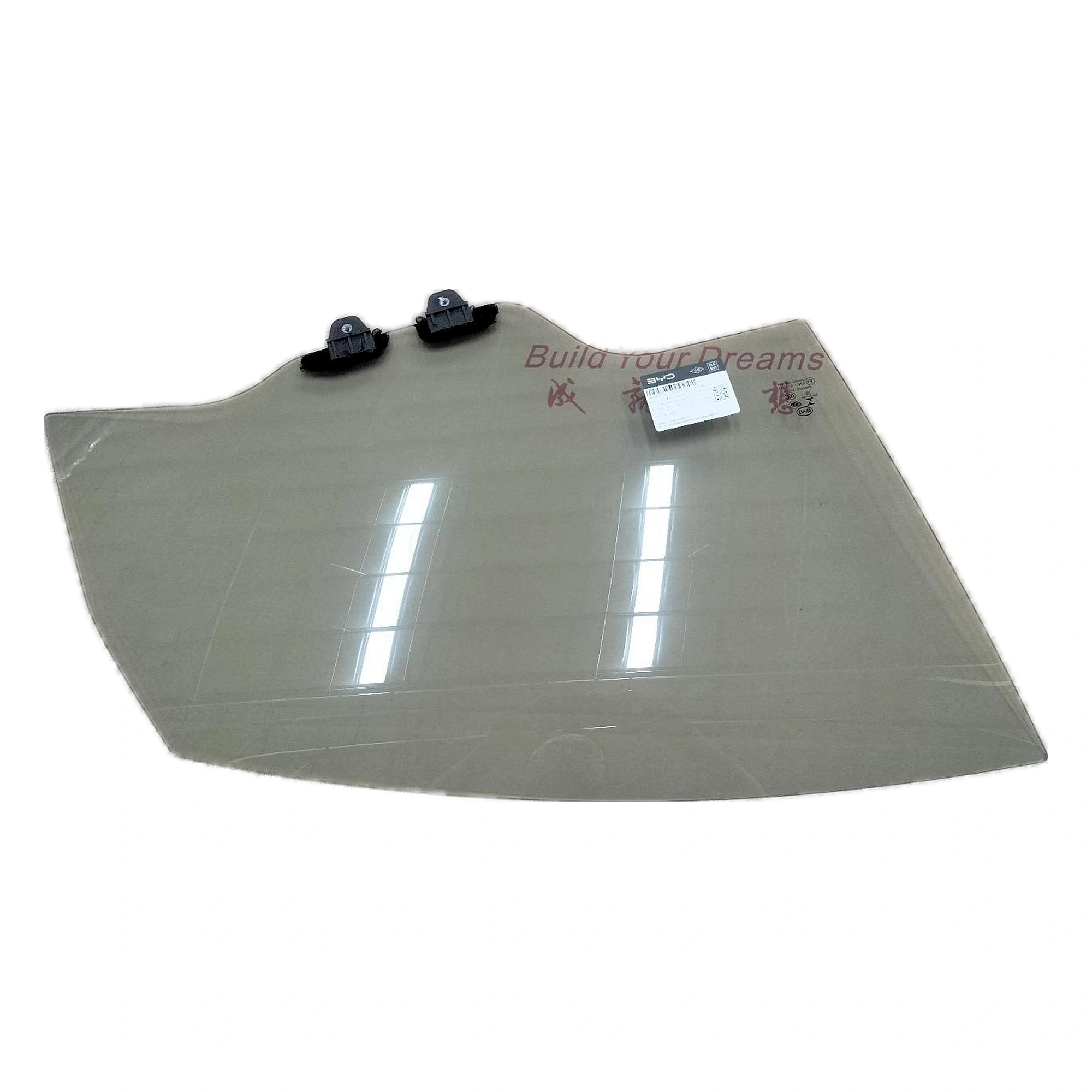
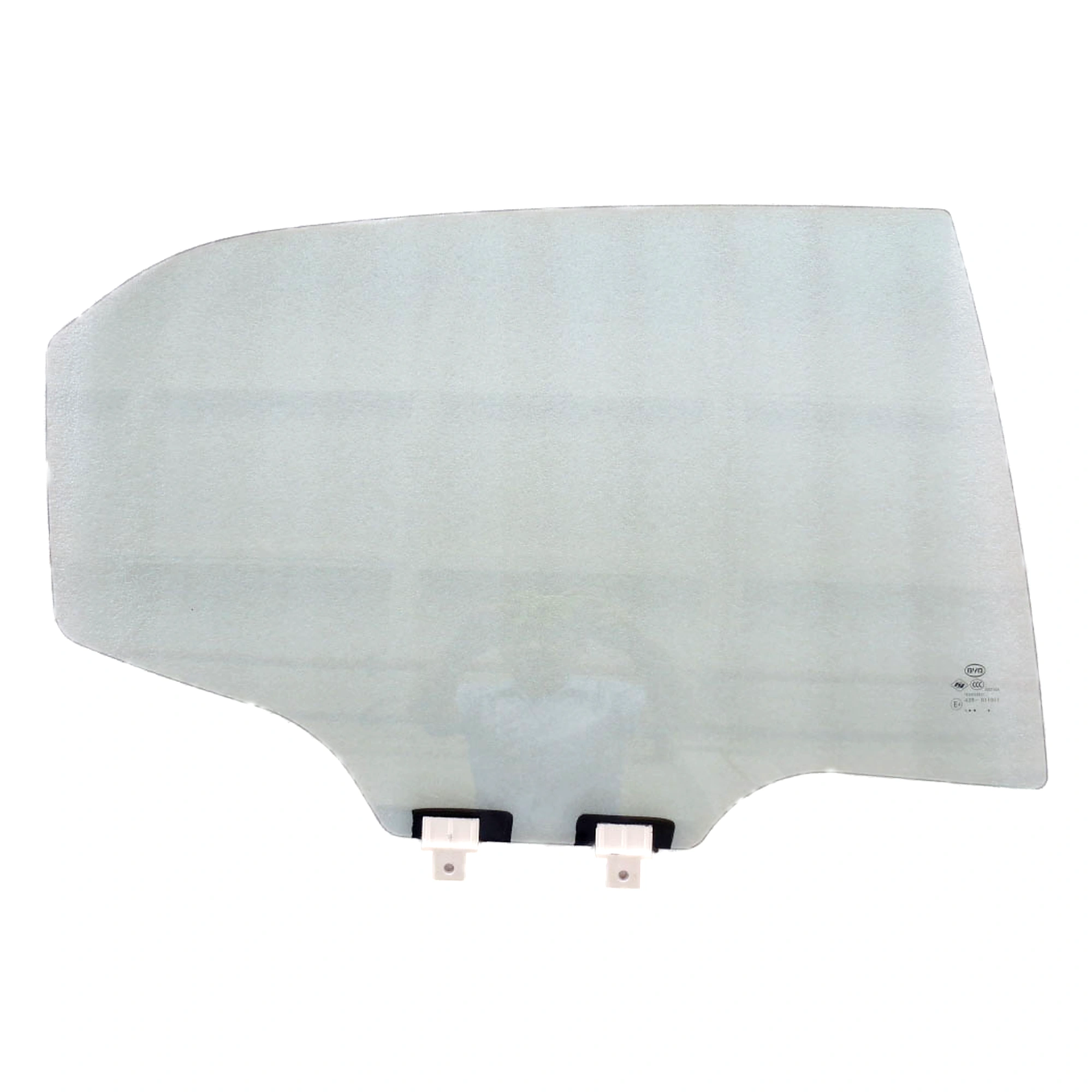
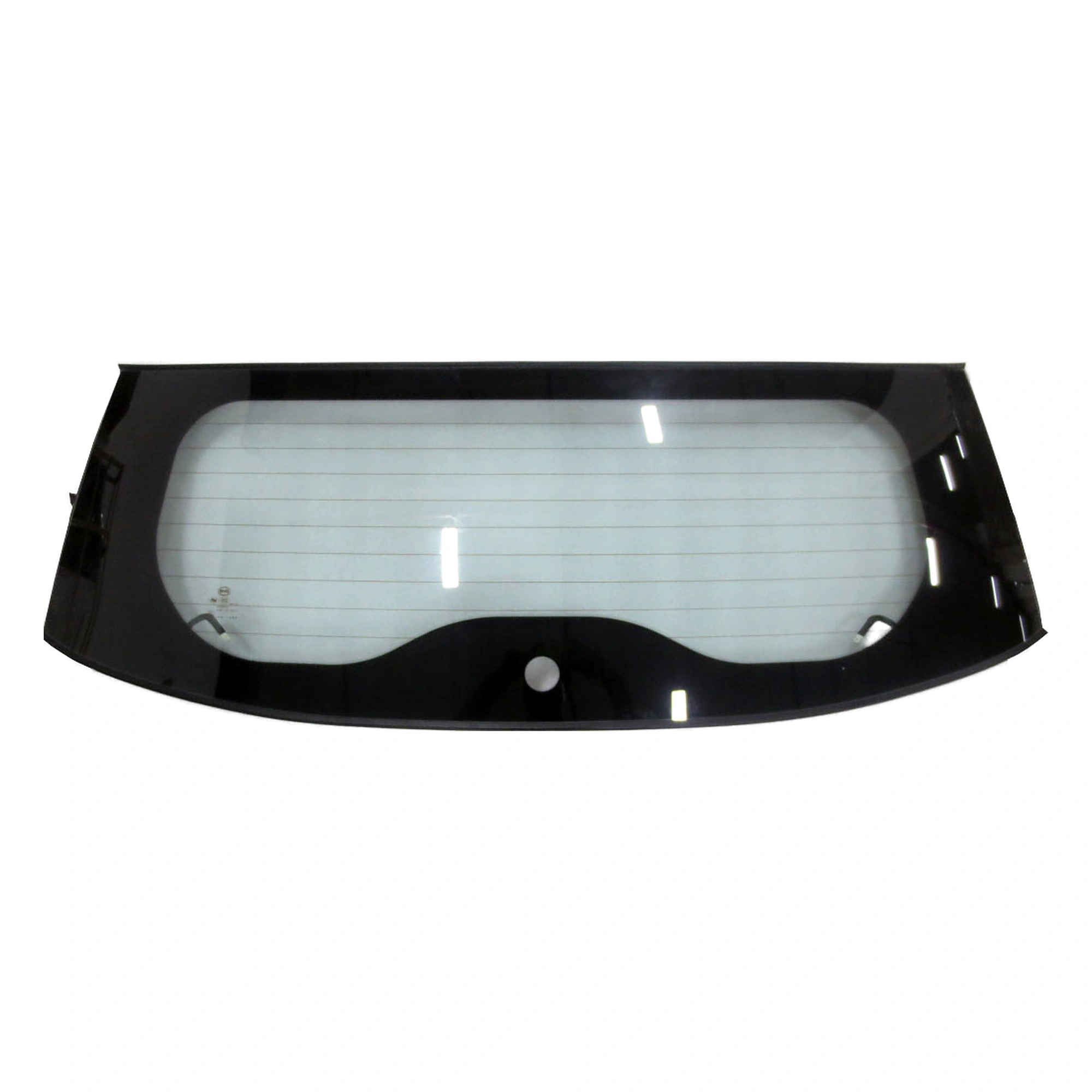
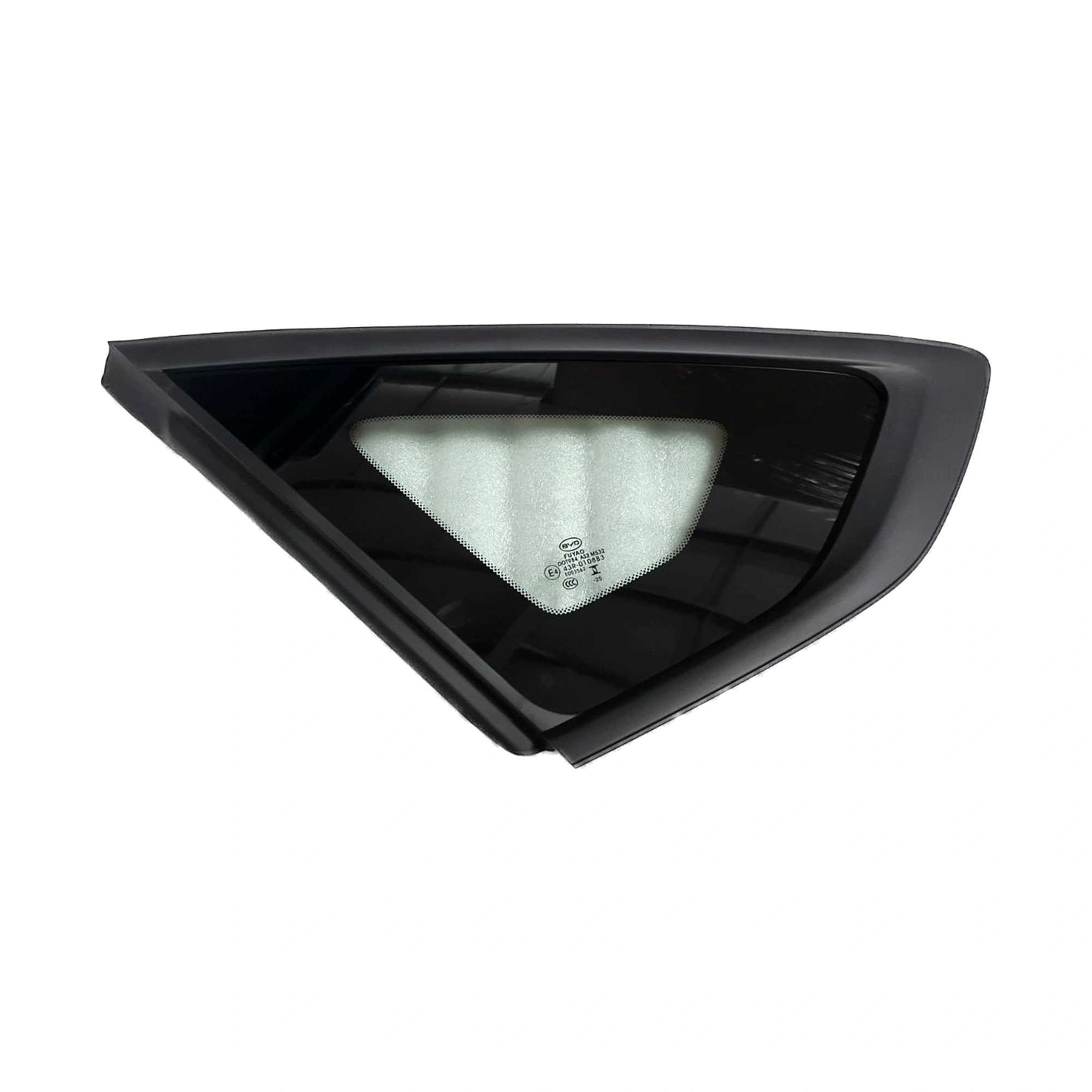
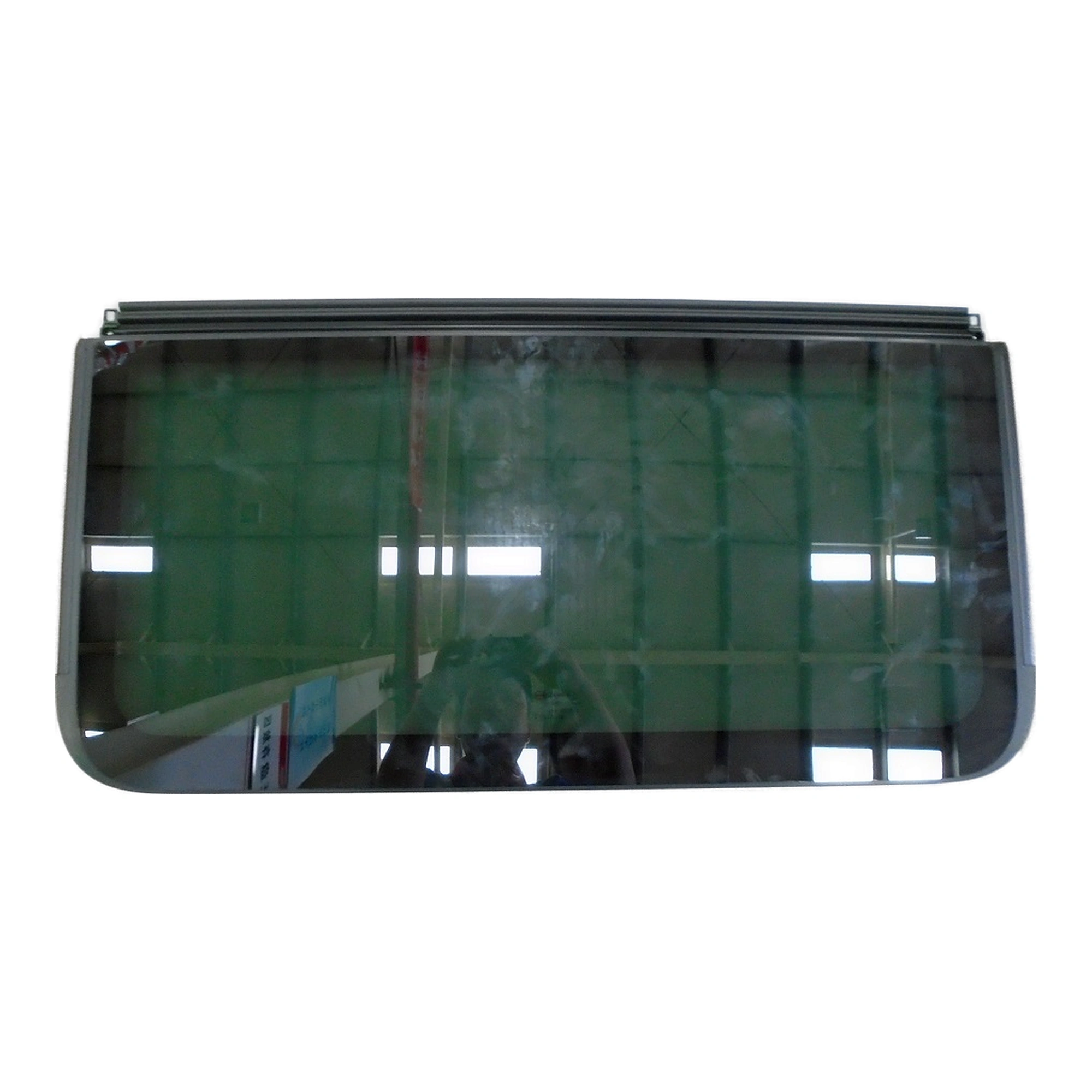
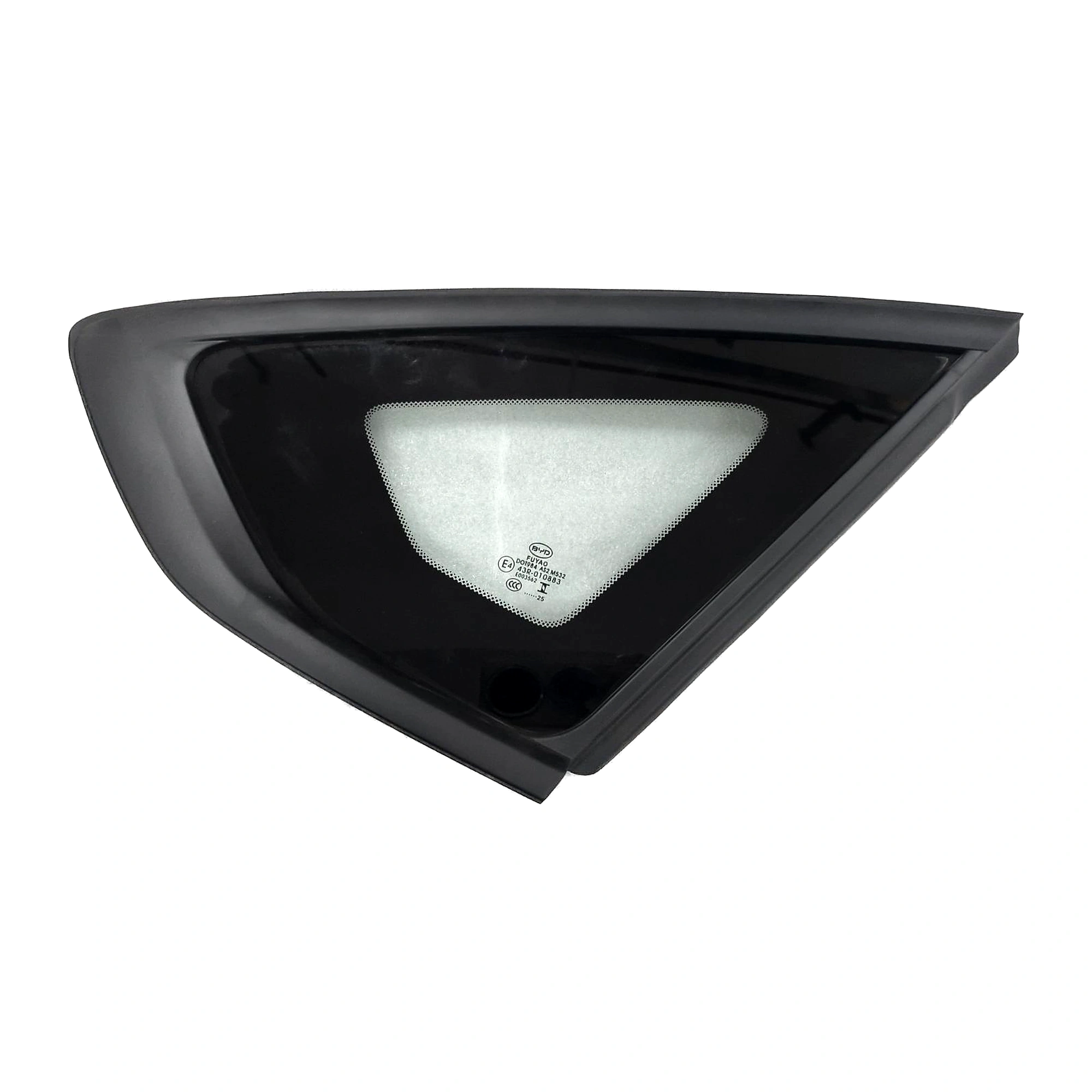

Popular Right Now
scroll for more →
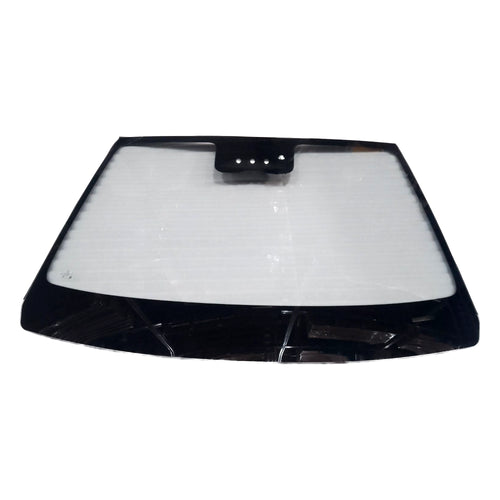
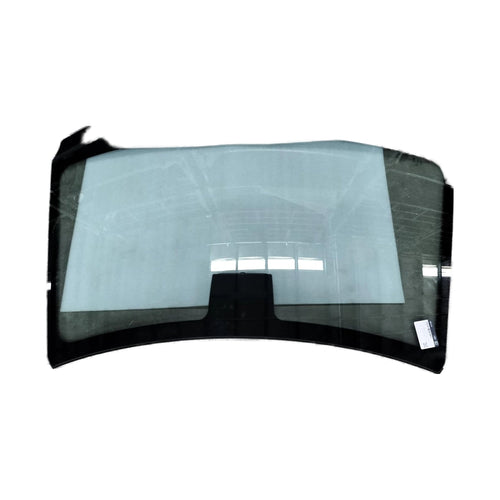
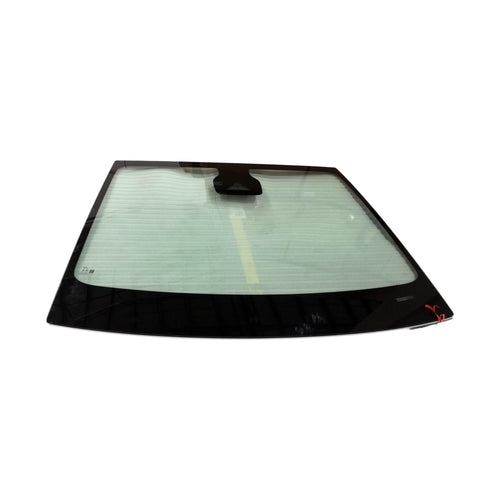
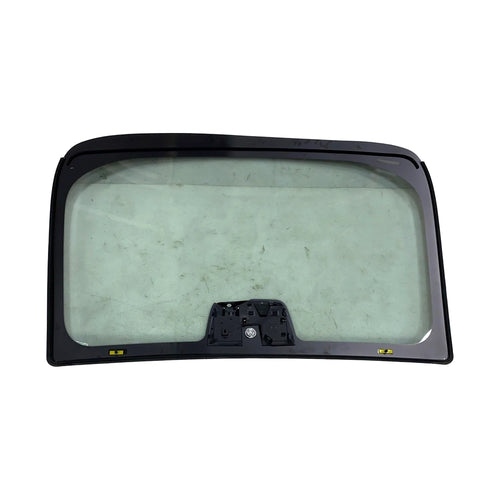
Symptom Finder: What Is Actually Broken?
| What you see or hear | Part to check first |
|---|---|
| Wind noise or whistle appearing at motorway speed | Door aperture weatherstrip or glass run channel |
| Window judders, squeaks or drops crookedly | Glass run channel |
| Damp carpet or misting inside with no obvious leak | Door inner belt weatherstrip or aperture seal |
| Chip or crack spreading across the windscreen | Windscreen |
| Rattle from a door with the window down | Outer belt weatherstrip |
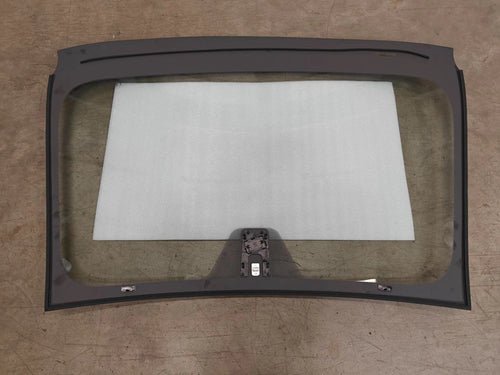
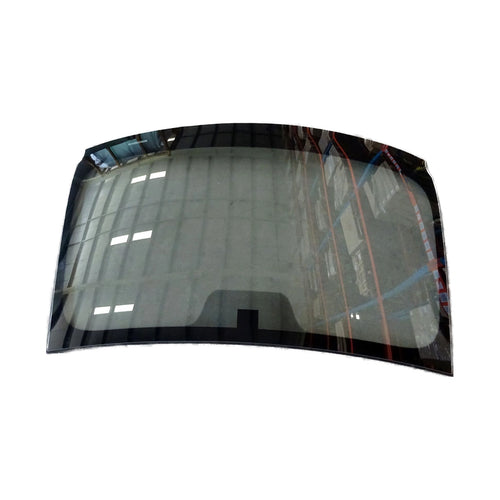
| Rear glass shattered into granules | Rear window glass or tailgate glass |
About Glass & Seals
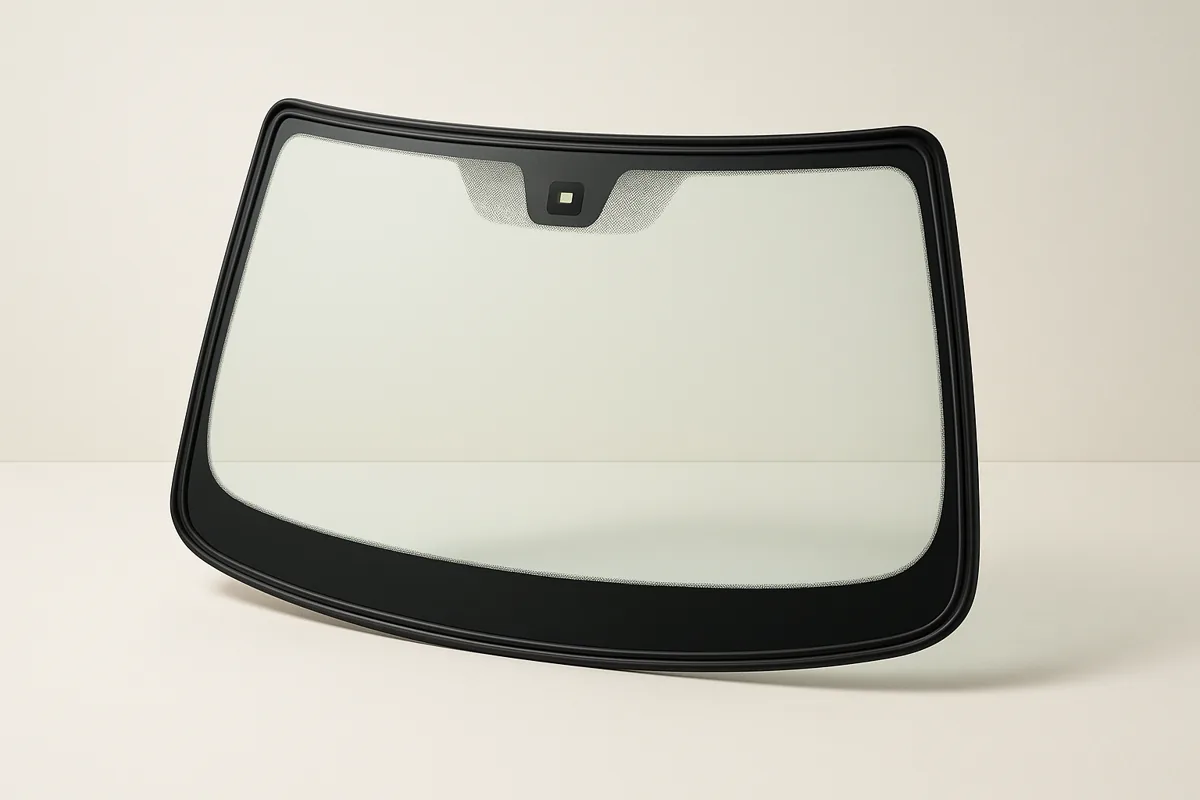
Glass on a modern car is structural. The windscreen is bonded to the aperture with polyurethane and contributes measurably to roof crush resistance and to the correct deployment of the passenger airbag, which uses the screen as a backstop. It is laminated, meaning two layers of glass with a plastic interlayer that holds fragments together, while side and rear glass is usually toughened so it breaks into blunt granules. Around every pane sits a system of rubber that does more than keep rain out. The outer belt weatherstrip wipes the glass as it drops, the inner strip stops water reaching the door cavity, and the run channel guides the glass edge and damps its vibration. Get any of them wrong and the symptom is noise rather than water. Screens have also become sensor mounts, carrying camera brackets, rain and light sensors, heating elements and antenna layers, all of which travel with the part number.
What to know before buying Glass & Seals parts
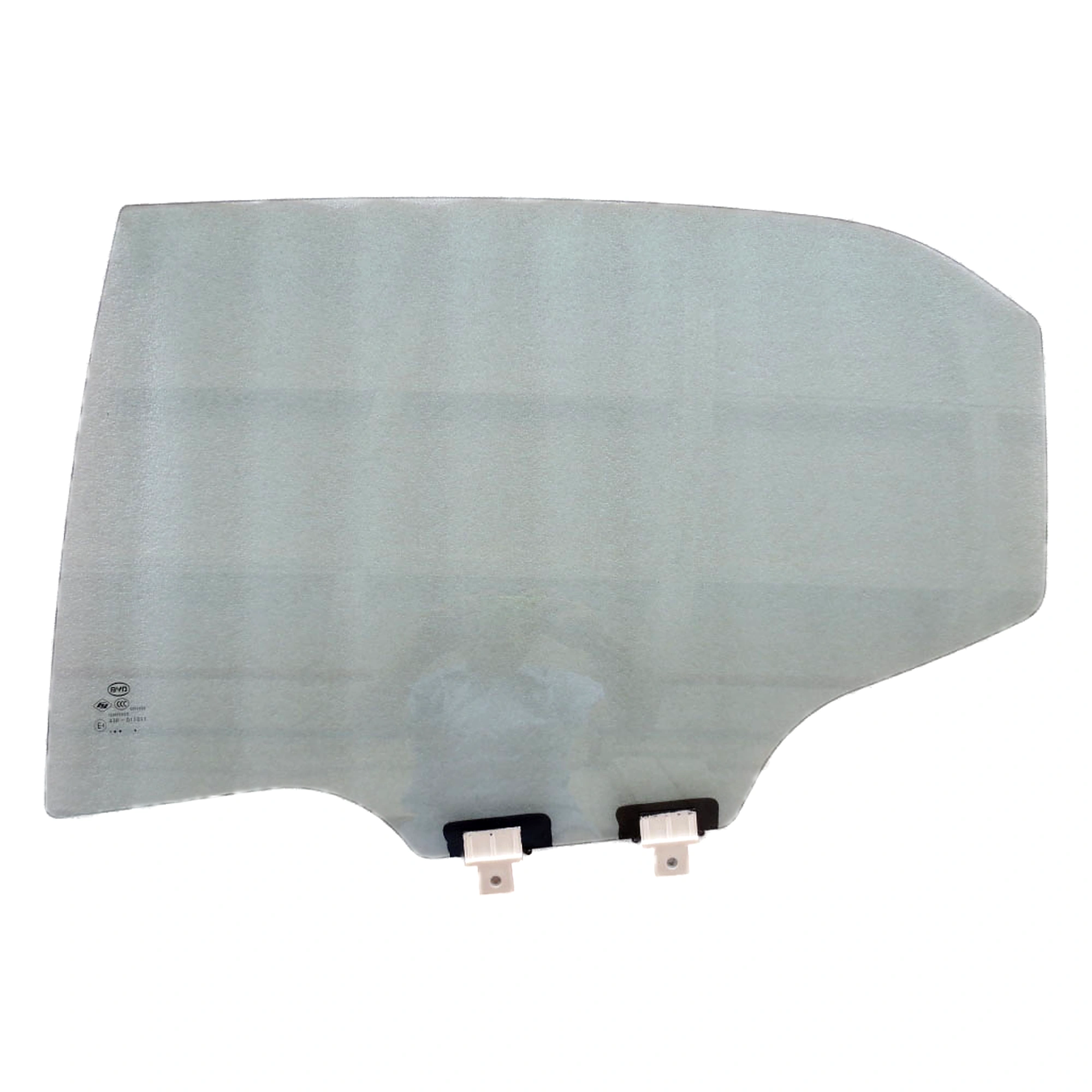
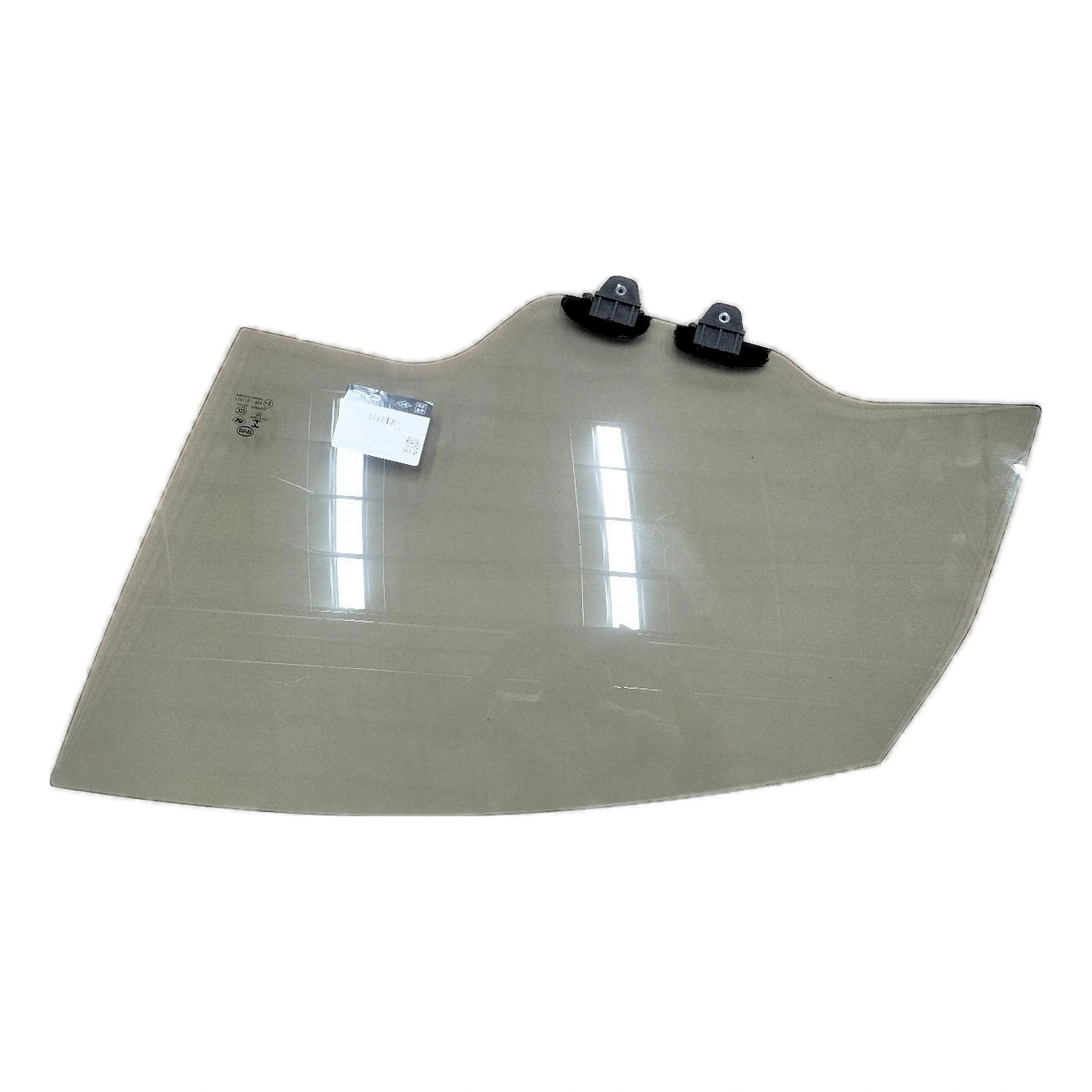
Glass and rubber are covered together here because they fail together. Panes are listed as windscreens, front and rear door glass for each side, rear quarter glass, rear window glass and tailgate glass.
The sealing parts run deeper. You will find outer and inner belt weatherstrips for front and rear doors. Door frame weatherstrips, aperture seals, glass run channels and engine bay rear weatherstrips are listed too. Most orders come from that second group, because seals harden and shrink long before a pane breaks.
A door that whistles at motorway speed usually points to a strip rather than a pane. So does a window that judders on the way up, or damp appearing in a footwell. Match the part by the OE number. On windscreens that matters most, because heating, acoustic interlayers, camera brackets, sensor pads and antenna layers change the reference without changing the shape.
Where a price is shown you can order straight away, and anything unpriced is quoted. BYD group models are covered most fully.
Before You Order: 6 Checks
- Match the OE number on the glass itself, printed in the corner marking alongside the standards codes.
- Confirm the extras your screen carries: camera bracket, rain sensor pad, heating, acoustic interlayer or antenna layer.
- Left and right are given as seen from the driver's seat facing forward.
- Check whether the listing includes the moulding or the encapsulation, or whether these transfer from the old pane.
- Order inner and outer belt weatherstrips as a set. Replacing one and leaving the other rarely cures a noise.
- Plan for camera recalibration when replacing a windscreen on a vehicle with driver assistance.
What Changed and Why
Windscreen replacement has become a two part job almost everywhere. Nearly all manufacturers require recalibration of the forward facing camera when the screen is replaced, since a small change in the bracket angle shifts what the system believes it is seeing, and calibration is performed statically against targets, dynamically on the road, or both depending on the vehicle. Glass specification has grown alongside: acoustic interlayers to cut cabin noise, infrared reflecting coatings to reduce cooling load, heating elements across the wiper park area, and antenna layers replacing external aerials. Each of those changes the part number while leaving the shape identical.
Glass & Seals: Frequently Asked Questions
Do I need a camera calibration after a windscreen replacement?
On any vehicle with a forward facing camera behind the screen, yes, and manufacturers require it rather than suggest it. The camera is removed from the old glass and refitted to the new bracket, and a change of a fraction of a degree moves where the system believes the lane and the vehicle ahead are. Depending on the model, calibration is static against printed targets in a workshop, dynamic on a defined road route, or both. Book it into the same visit as the fitting, and keep the report the technician produces.
Can a chipped windscreen be repaired instead of replaced?
Often yes, and quickly. A chip smaller than a coin, outside the driver's primary field of view and not reaching the plastic interlayer, is normally repairable by injecting resin, which restores most of the strength and stops the crack spreading. A crack longer than your hand, damage at the edge of the pane, or any chip within the swept area directly ahead of the driver generally means replacement. Repair soon rather than later: heat, cold and a rough road turn a repairable chip into a full crack quickly.
My door whistles at speed. Is that a seal?
Almost always, and there are two candidates. The aperture weatherstrip around the door opening hardens with age and stops sealing at the corners, which produces a whistle that changes with crosswind. The glass run channel, the rubber lined track the window slides in, wears at the top corner and lets air past the glass edge, which gives a note that changes when you drop the window slightly. Close the door on a strip of paper at various points to find where the seal has lost grip before ordering.
My window judders and squeaks when it rises. What is worn?
The glass run channel. It is the felt or flock lined track the pane slides in, and when the lining wears smooth or the rubber dries out, friction rises, the glass sticks, and the motor drags it up in jerks. Owners often blame the regulator and buy the wrong part. Test by lowering the glass and running a finger along the channel: a dry, hardened or torn lining is your answer. Channels are listed here separately for front and rear doors and for each side.
How do I find the right glass for my car?
Read the marking printed in a corner of the existing pane. Alongside the standards approval codes there is a manufacturer reference, and that is what settles fit. Screens in particular are produced in many variants for one body: with and without heating, with and without a camera bracket, with a rain sensor pad or without, with acoustic interlayers, with antenna layers. All of them are the same shape. Match the number rather than the outline, and if it returns nothing, send it through the quote form.
What is the difference between laminated and toughened glass?
Laminated glass is two thin panes bonded to a plastic interlayer, so when it breaks the fragments stay stuck to the plastic and the screen remains in one piece. That is why windscreens are laminated. Toughened glass is heat treated so it shatters into small blunt granules rather than shards, which is why it has traditionally been used for side and rear panes. Laminated side glass is now spreading for security and cabin noise, and it is a different part number, so check the marking before ordering.
There is damp in my footwell but the screen looks fine.
Look at doors and drains before glass. Water reaching a footwell most often comes from a lifted vapour barrier inside the door, a blocked door drain slot, a hardened aperture seal, or a blocked scuttle drain at the base of the windscreen. Only after those are excluded is the screen bond itself worth suspecting. The inner belt weatherstrip is a common and cheap culprit, since it is what stops water running down the inside of the glass into the door cavity and out into the trim.
What does car glass cost?
Seals are the cheap end and that matters more than it sounds, because a wind noise or a water leak usually traces to a weatherstrip rather than to the glass. Door and quarter glass are moderate. A windscreen is the most expensive item, and one with heating, an acoustic interlayer and a camera bracket costs well above a plain one. The current spread is published at the top of this page. Add fitting and, where a camera is involved, calibration, since neither is included in the part figure.
Can I fit glass myself?
Side and quarter glass, yes, with patience: the pane unbolts from the regulator inside the door and comes out through the aperture once the run channel and belt strips are freed. Windscreens, no. A bonded screen is a structural part, the polyurethane needs correct primers, correct bead height and a controlled cure time before the car is safe to drive, and a camera calibration follows. That is a job for a qualified glazing technician, and most insurers require one. Weatherstrips and run channels are straightforward home jobs.
How long before I can drive after a windscreen is bonded in?
Your fitter will give you a safe drive away time, and it is not a formality. Polyurethane adhesive cures at a rate that depends on temperature and humidity, and until it reaches strength the screen cannot perform its structural role in a crash or support the passenger airbag. Typical times run from an hour to several hours. Avoid slamming doors during the first day, since the pressure spike can lift a fresh bead, and leave a window slightly open when parking to relieve it.
Should I replace both belt weatherstrips at once?
Yes, and for a practical reason. The outer strip wipes water off the glass as it drops, the inner strip stops what gets past reaching the door cavity, and they wear at the same rate because they see the same cycles. Replacing one leaves the other to fail shortly afterwards, with the trim card off again. They are inexpensive, they are listed here for each door and side, and fitting them together also gives you a chance to clear the door drain slots while everything is open.
The glass I need shows no price. Can I still order it?
Yes. Glass is quoted more often than it is priced, and there is a practical reason: it is fragile, it ships crated, and the delivered figure depends heavily on where it is going. Send the number and the reply gives the whole picture. Be precise about the variant when you ask. A windscreen can differ by tint band, by heating elements, by rain sensor bracket and by camera mounting, and those differences are invisible in a photograph. Add the aperture weatherstrip or glass run channel if the old one is hardened, since a perished seal whistles at speed.