Turbo & Supercharger
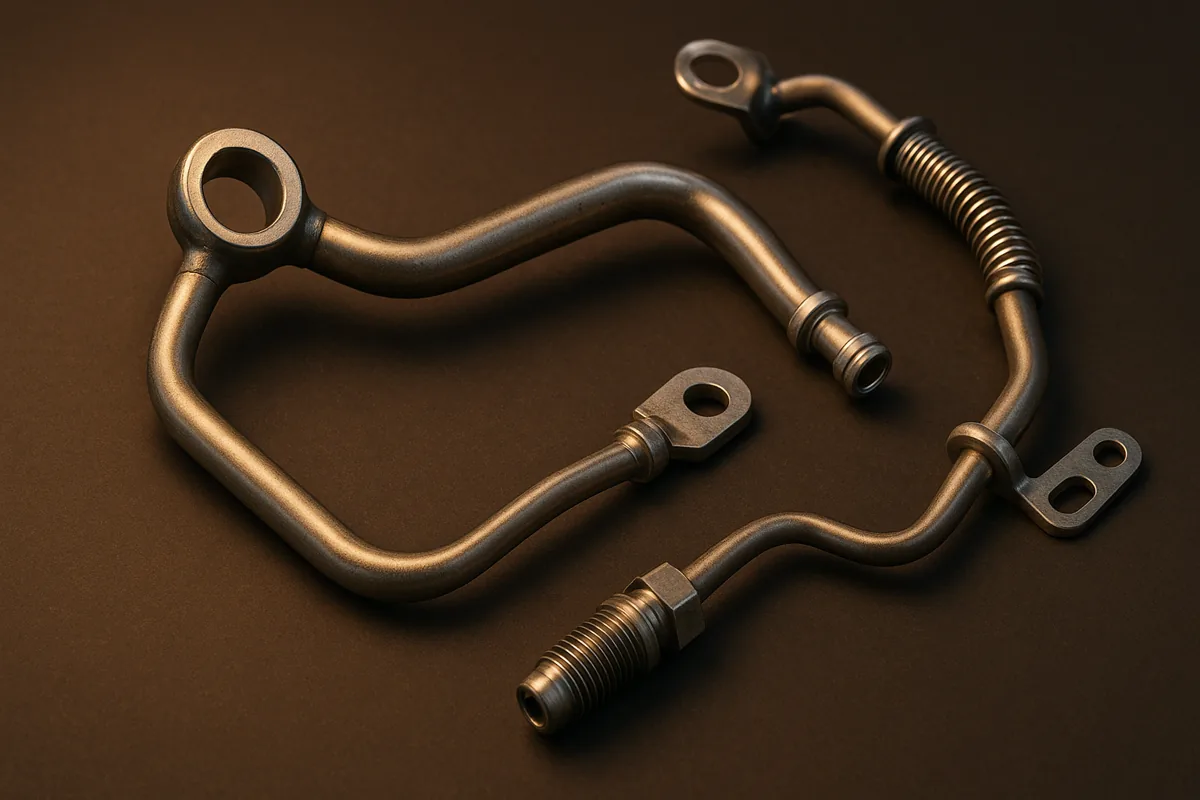
Shop Turbo & Supercharger by Part Type
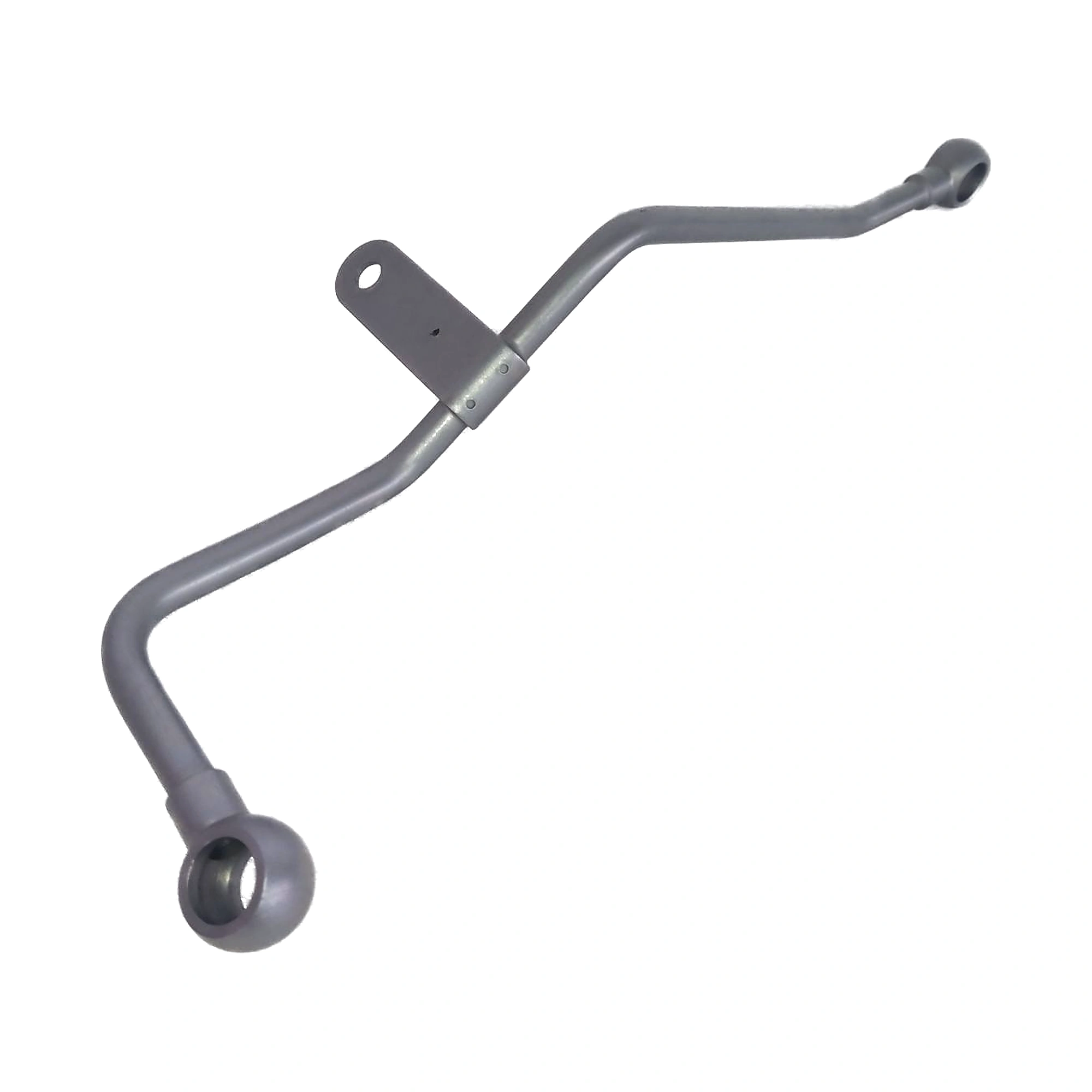
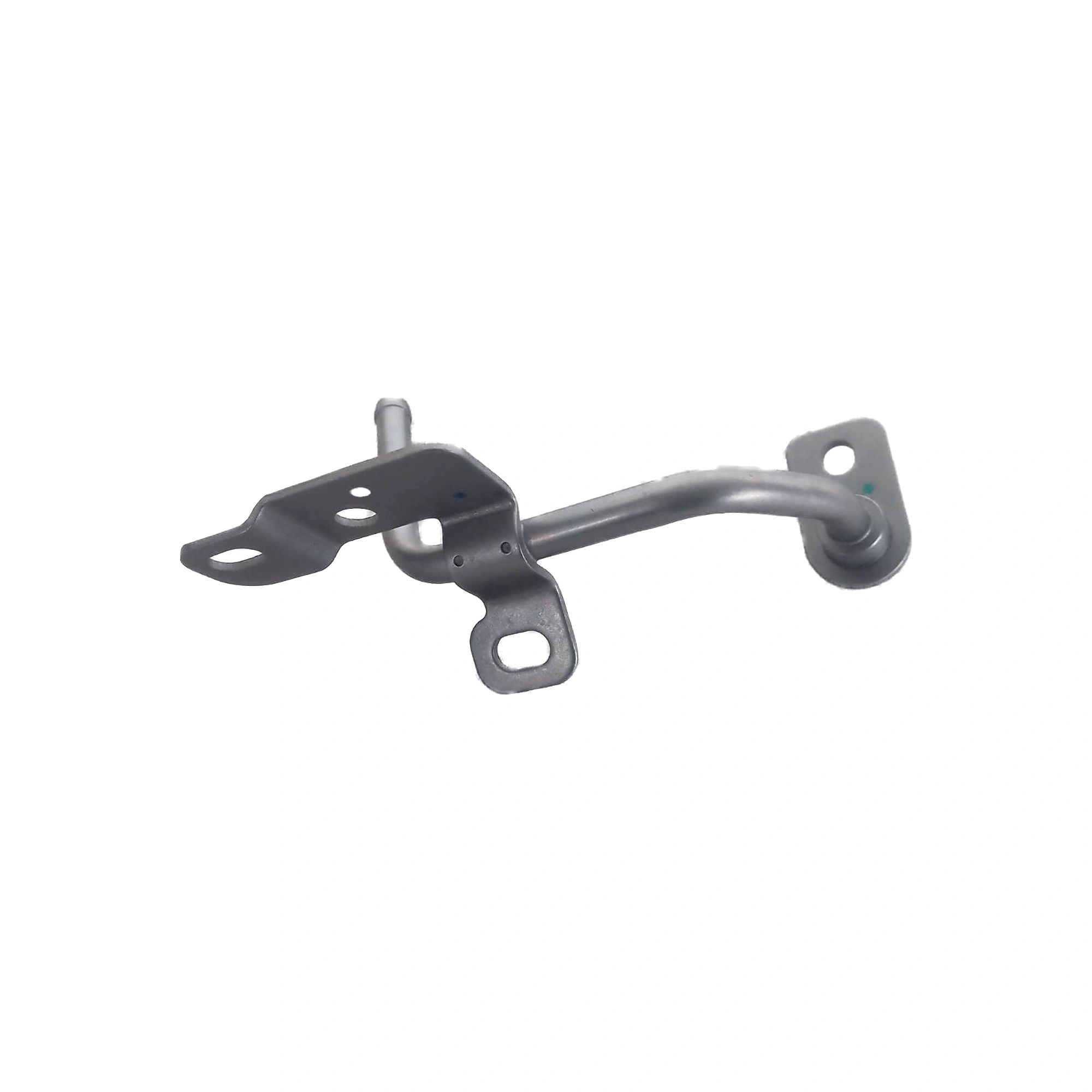
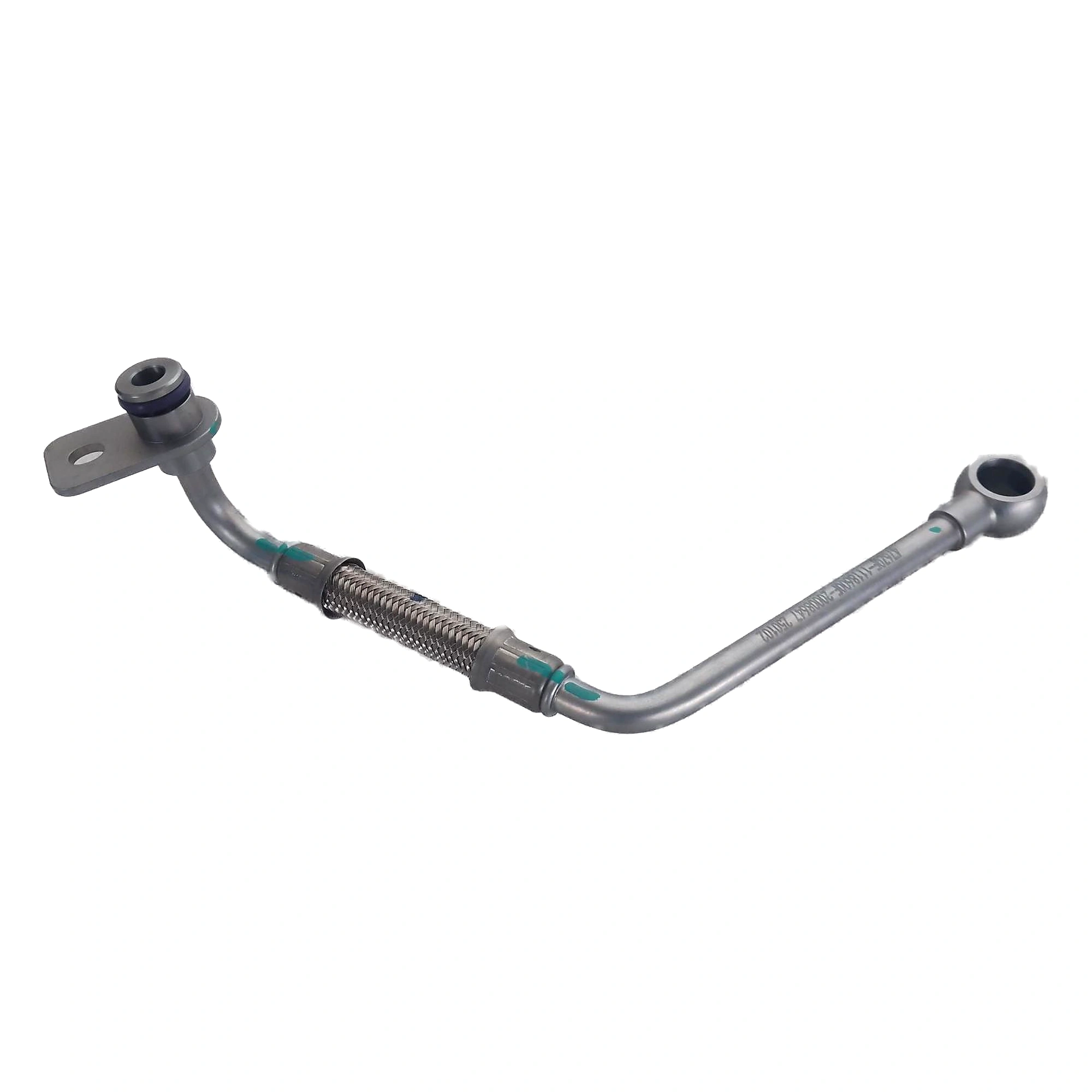
Popular Right Now
scroll for more →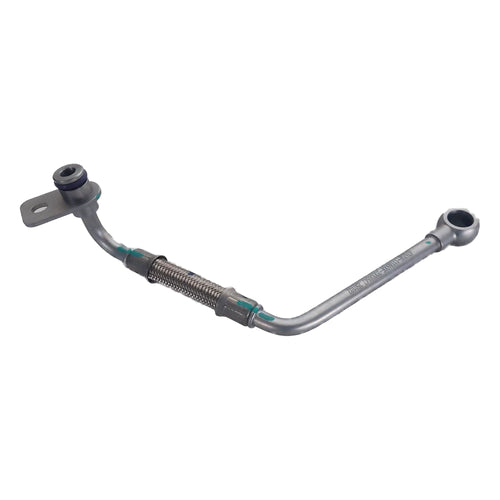
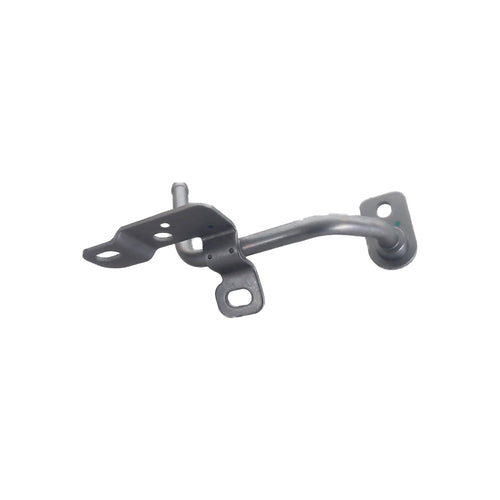
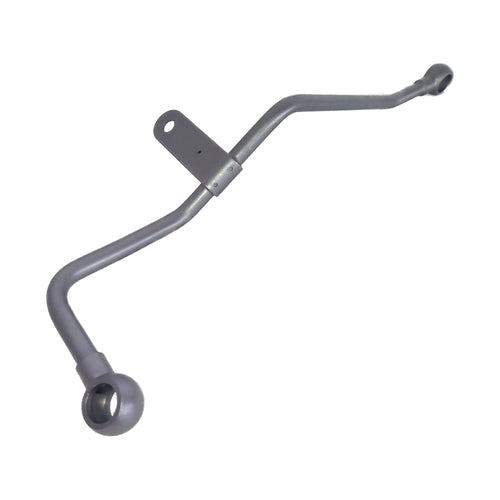
Symptom Finder: What Is Actually Broken?
| What you see or hear | Part to check first |
|---|---|
| Whine or whistle rising with boost, then loss of power | Turbocharger fed by a restricted oil line |
| Blue smoke under acceleration with oil consumption | Turbocharger seals after oil drain restriction |
| Coolant loss with damp residue near the turbo housing | Turbocharger coolant inlet or outlet pipe |
| Boost pressure dropping away and overheating under load | Turbocharger coolant pipe leaking |
| Repeat turbo failure shortly after replacement | Turbocharger oil feed line with internal coking |
| Oil residue found in the intake pipework | Turbocharger seals and oil drain path |
About Turbo & Supercharger
A turbocharger is a pair of wheels on a common shaft: exhaust gas spins the turbine, and the compressor on the other end forces more air into the engine than atmospheric pressure alone would deliver. The shaft turns at speeds that reach six figures in revolutions per minute, supported on plain or ball bearings that survive only because of a continuous supply of clean pressurised oil. That is why the plumbing matters more than the hardware in most failures. The oil feed line delivers pressure to the bearing housing. The drain returns it under gravity, which is why the turbo sits above the oil level and why a restricted drain pushes oil past the seals. Water cooled units add coolant inlet and outlet pipes that carry heat away after shutdown, when there is no oil flow and the housing is at its hottest.
What to know before buying Turbo & Supercharger parts
Replace the oil feed line whenever you replace a turbocharger. Carbon deposits inside an old line will destroy the new unit within a short period. Order new sealing washers with every line. The old ones are crushed and will weep on a joint carrying full oil pressure.
This category is narrow and specific. It carries turbocharger oil feed lines and coolant inlet and outlet pipes. These are the parts that decide whether a turbocharger reaches its expected life. A feed line that has coked internally starves the bearings. A leaking coolant pipe lets the housing overheat after shutdown.
Each one is formed to follow an exact route. That route runs through a very hot part of the engine bay. Generic hose is no substitute, so order against the OE number.
Where a price is shown, no enquiry is needed. Anything unpriced is quoted against the same factory reference. That is the usual route for plumbing ordered per engine variant. We cover the BYD group most fully, and the range widens as further catalogues load.
Before You Order: 6 Checks
- Replace the oil feed line whenever the turbocharger itself is replaced, without exception.
- Match the OE number, since these lines are formed to an exact route through a hot area.
- Check the drain path as well as the feed, because a restricted drain forces oil past the seals.
- Order new sealing washers and gaskets with any oil or coolant line.
- Flush the oil circuit and change the oil and filter before running a new turbocharger.
- Allow the engine to idle briefly after hard running rather than shutting down immediately.
What Changed and Why
Turbocharging has spread from performance applications to almost every combustion engine that survives in a hybrid or range extender role, because it allows a small displacement engine to produce useful torque without the pumping losses of a larger one. Water cooled bearing housings are now the norm rather than the exception, precisely because thermal soak after shutdown was the dominant failure mode on oil cooled units. Electrically assisted turbochargers, which spin the compressor with a motor to remove lag, are appearing on hybrid systems where a high voltage supply is already present.
Turbo & Supercharger: Frequently Asked Questions
Why does the oil feed line matter so much?
Because the bearings depend on continuous clean oil at very high shaft speeds, and the feed line runs through one of the hottest parts of the engine bay. Oil sitting in that line after a hot shutdown bakes onto the inside wall as hard carbon, and each event adds a layer until the bore is restricted. The turbo then runs oil starved under load and fails. That is why a coked line is a common cause of repeat failures on turbochargers that were replaced without changing the plumbing.
I have replaced my turbo and it failed again. What did I miss?
Almost certainly the oil supply and the oil condition. Fitting a new unit onto an old feed line carries the carbon deposits straight into the new bearing housing, and any debris left in the circuit from the first failure goes the same way. The correct procedure is to replace the feed line, check the drain for restriction, flush the circuit, fit a new filter and fresh oil, and prime the turbo with clean oil before the first start. Skipping any of those repeats the failure.
What does a restricted oil drain do?
It backs oil up in the bearing housing until the pressure pushes it past the seals, which is why blue smoke and oil in the intake pipework are often a drainage problem rather than worn seals. The drain works under gravity, so it must be sized correctly, free of kinks, and free of carbon build up. A drain restricted by sludge or fitted with the wrong hose produces exactly the symptoms people attribute to a failed turbo. Check the drain path before condemning the unit.
Why does the turbocharger need coolant?
To survive shutdown. When you switch off after hard running, the exhaust housing is glowing and there is no oil flow to carry heat away, so the oil left in the bearing housing bakes. A water cooled housing continues to move heat afterwards through thermosiphon flow or an auxiliary pump, which keeps the bearing area below the temperature at which oil cokes. A leaking coolant pipe therefore does not simply lose coolant. It removes the protection the design depends on.
Should I idle the engine before switching off?
After sustained hard running, yes, and a minute is usually enough. Idling drops exhaust temperature and keeps oil circulating through the bearing housing so it is not left to bake in place. After gentle driving it makes no difference. This single habit does more for turbocharger life than most maintenance, and it costs nothing. Vehicles with water cooled housings are more tolerant of an immediate shutdown, though the principle still holds after towing or a long climb.
What do these parts cost?
The plumbing is cheap and the turbocharger is not, and that gap is the important thing to understand here. Oil feed lines, drain pipes, coolant pipes and gaskets are small purchases. A turbocharger is a major one. Today's range for the category is shown in the band at the top. Since almost every premature turbocharger failure traces back to oil supply, the cheap parts are the ones that protect the expensive one. Fitting a replacement without renewing the feed line is the most reliable way to buy the same part twice.
Can I fit these lines myself?
They are accessible on some engines and buried on others, and the work itself is straightforward: unions at each end, new sealing washers, correct torque, and careful routing away from anything that moves or radiates heat. What matters is cleanliness. Any debris that enters the feed line goes directly into the bearing housing, so cap the open ends, work with clean hands and tools, and do not blow compressed air through a line that has carbon deposits inside it.
How do I know if a coolant pipe is leaking?
Look for coloured residue or a crusted deposit around the unions and along the pipe run, and check the coolant level against a slow loss with no other explanation. A pipe that has weeped and dried leaves a visible trace even when it is not currently wet. On a hot engine bay, small leaks evaporate before they reach the ground, so a falling level with a clean driveway is a strong hint to inspect the turbo plumbing rather than the radiator.
Is a whining turbo always a failing turbo?
No. Turbochargers whine by nature and the note rises with boost, so the question is whether it has changed. A new or louder whine, particularly one accompanied by loss of boost, oil consumption or blue smoke, points at shaft play or seal failure. A whistle that appears suddenly can also be a split boost hose or a leaking joint, which is a far cheaper fix. Check the intake plumbing for leaks before assuming the turbocharger is at fault.
Do these parts apply to superchargers as well?
The category covers both by name, and in practice the listings here are turbocharger plumbing. A mechanically driven supercharger is belt driven, usually has its own oil supply or sealed lubrication, and does not see exhaust temperatures, so its failure modes are quite different. If you are working on a supercharged engine, check what the listing actually describes before ordering, and use the quote form if the reference you need is not shown.
Will a feed line from a similar engine fit?
Only where the number agrees. These lines are formed to an exact route with specific union types at each end, and a line that is close will either foul something hot, sit under tension, or fail to seal. Since the whole point of the part is uninterrupted oil supply, an approximate fit is a poor economy. Read the number where legible, match it, and send it through the quote form if the search brings back nothing.
The part I need shows no price. Can I still order it?
Yes. Turbochargers are ordered per engine variant and the oil and coolant plumbing differs with them, so several references here are handled by enquiry. Send the number and the engine code together. Before fitting anything, find out why the old one failed. Oil starvation, a blocked drain or coked feed pipe destroys a replacement as quickly as it destroyed the original, and the feed line is a small part next to a turbocharger. Order new copper washers and gaskets for every oil and coolant joint, because those are crushed on assembly and will weep if reused.