Timing Drive
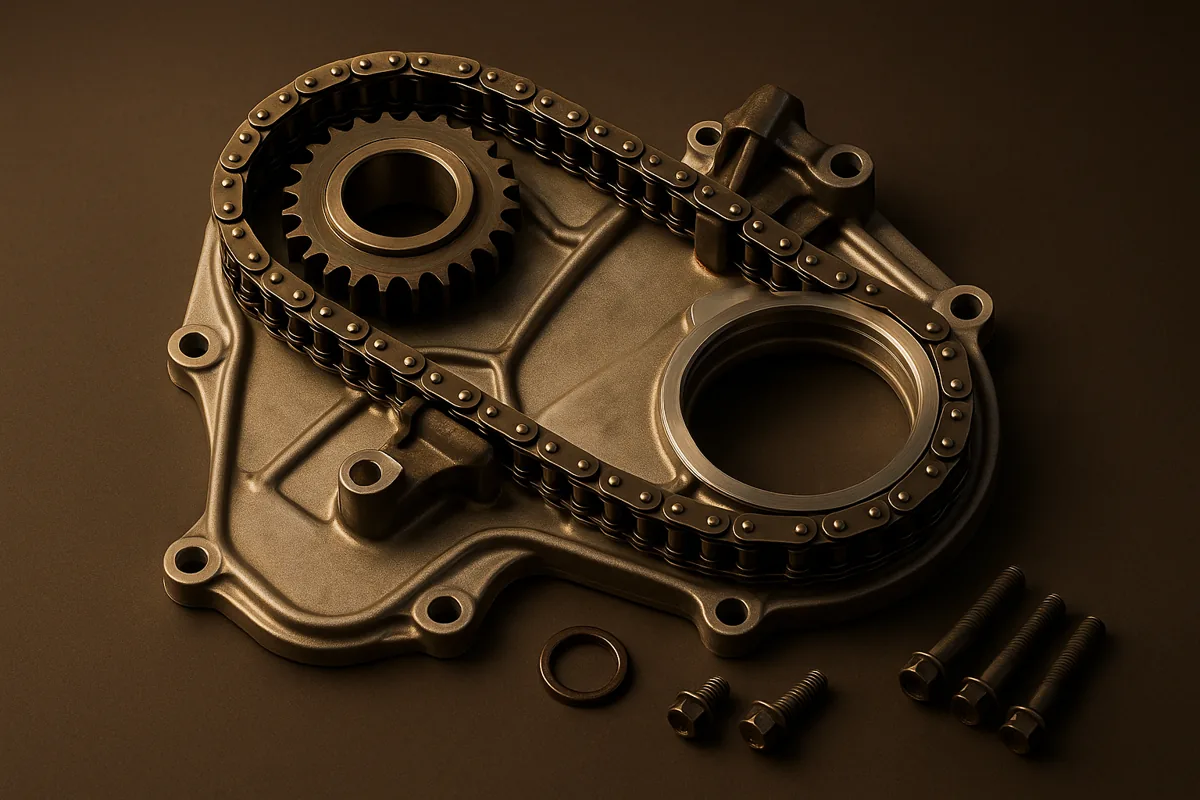
Shop Timing Drive by Part Type
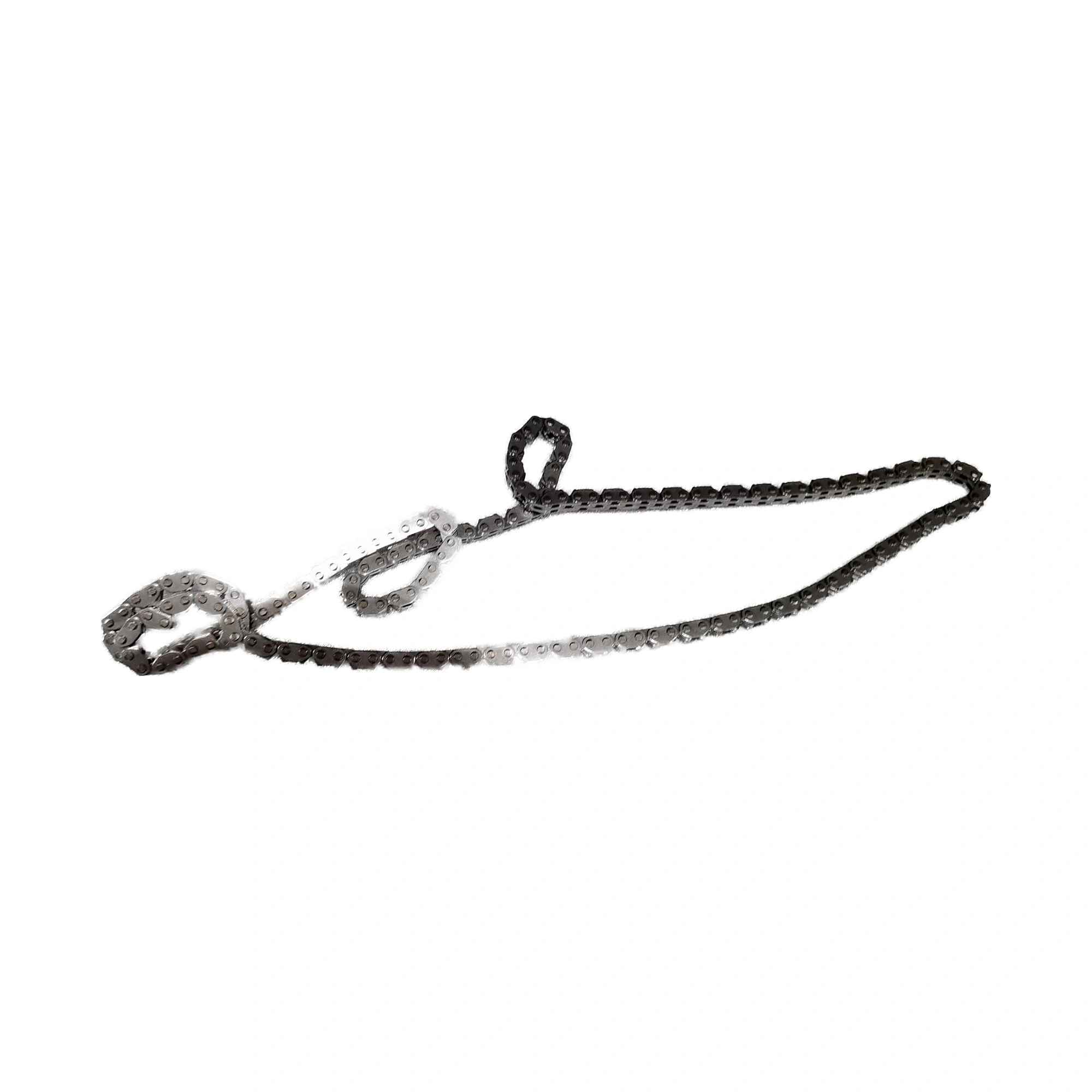
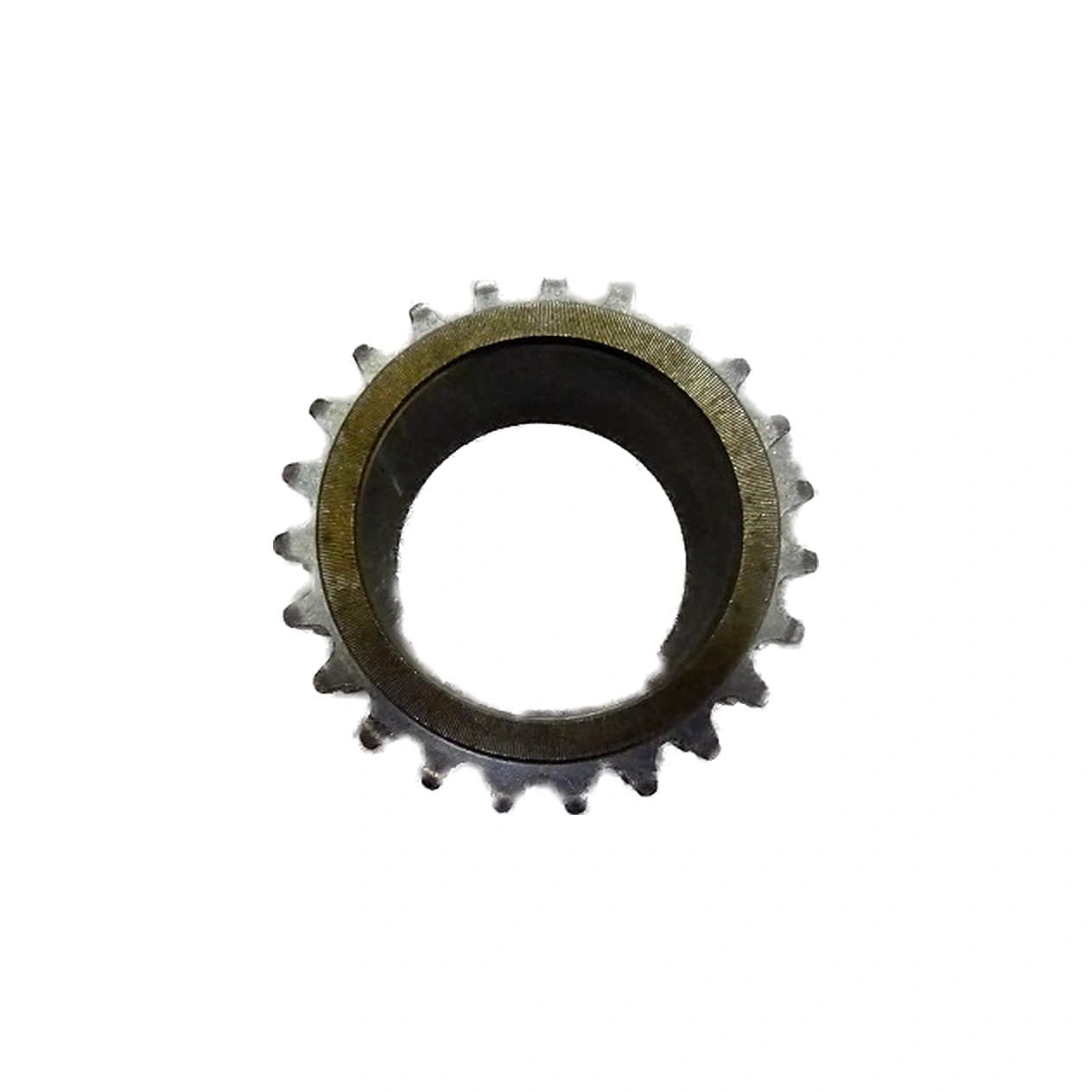
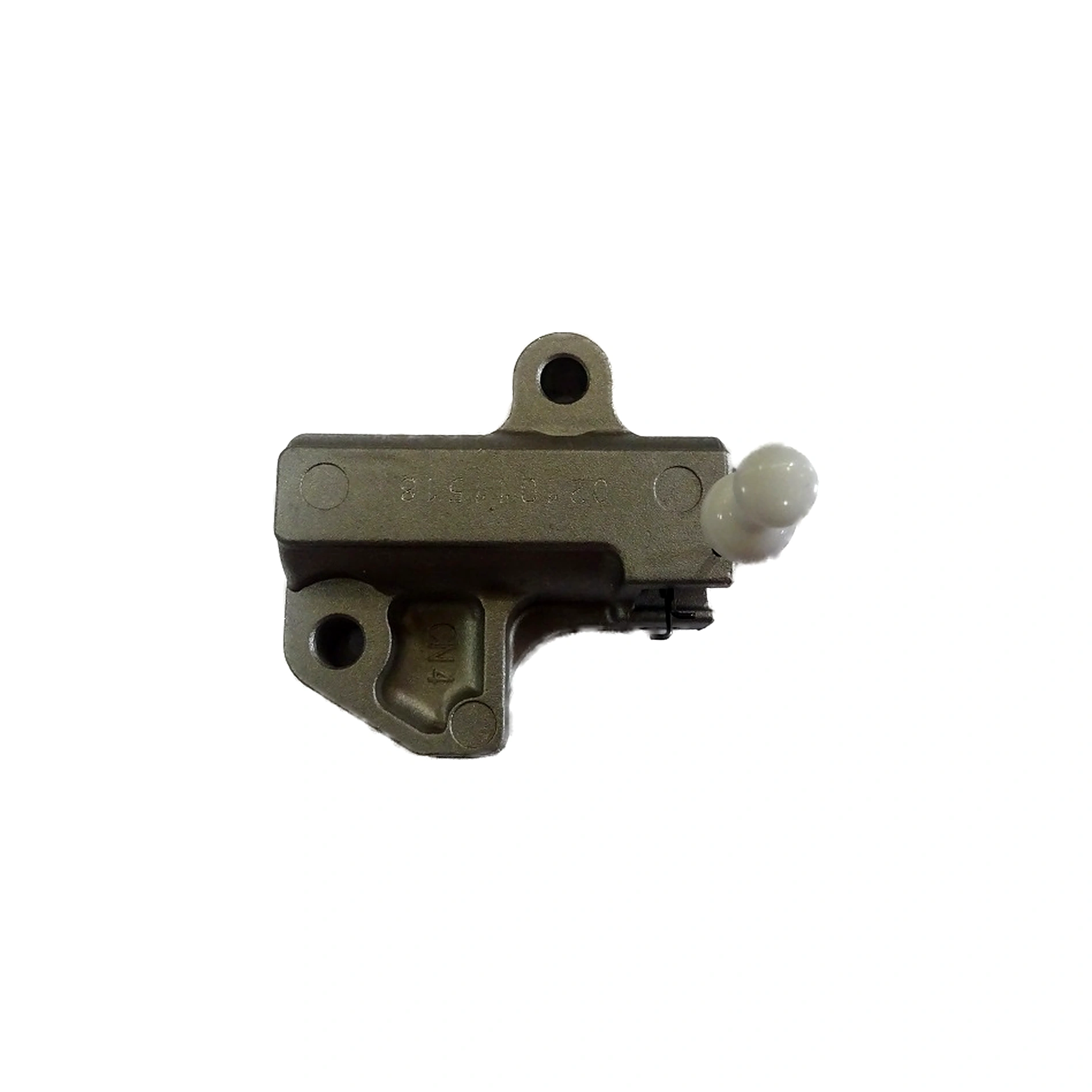
Popular Right Now
scroll for more →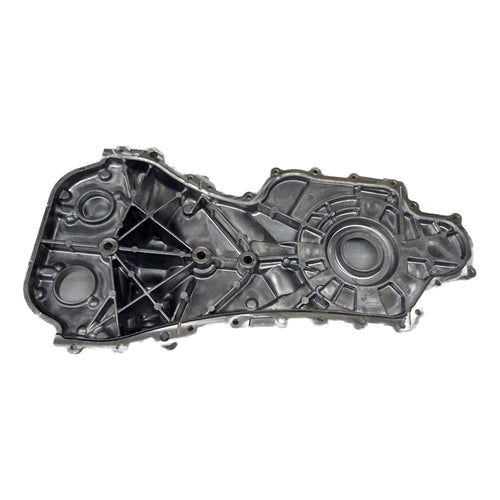
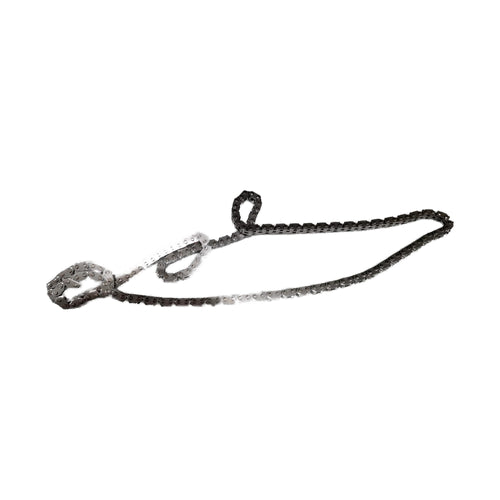
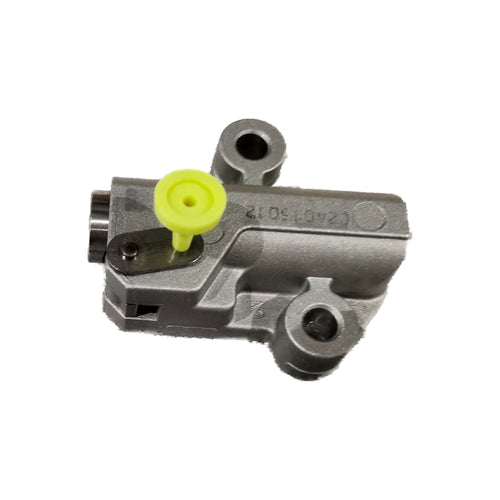
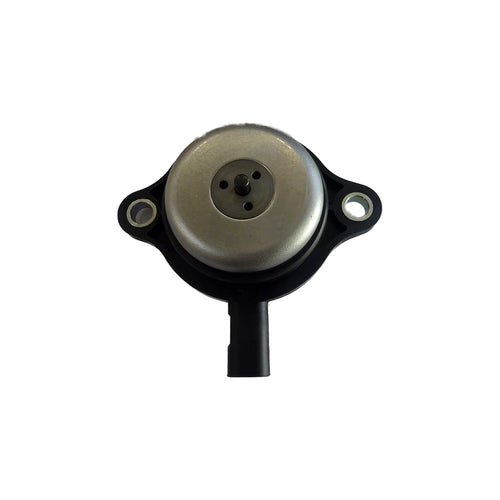
Symptom Finder: What Is Actually Broken?
| What you see or hear | Part to check first |
|---|---|
| Rattle for a second or two on cold start-up | Timing chain and tensioner |
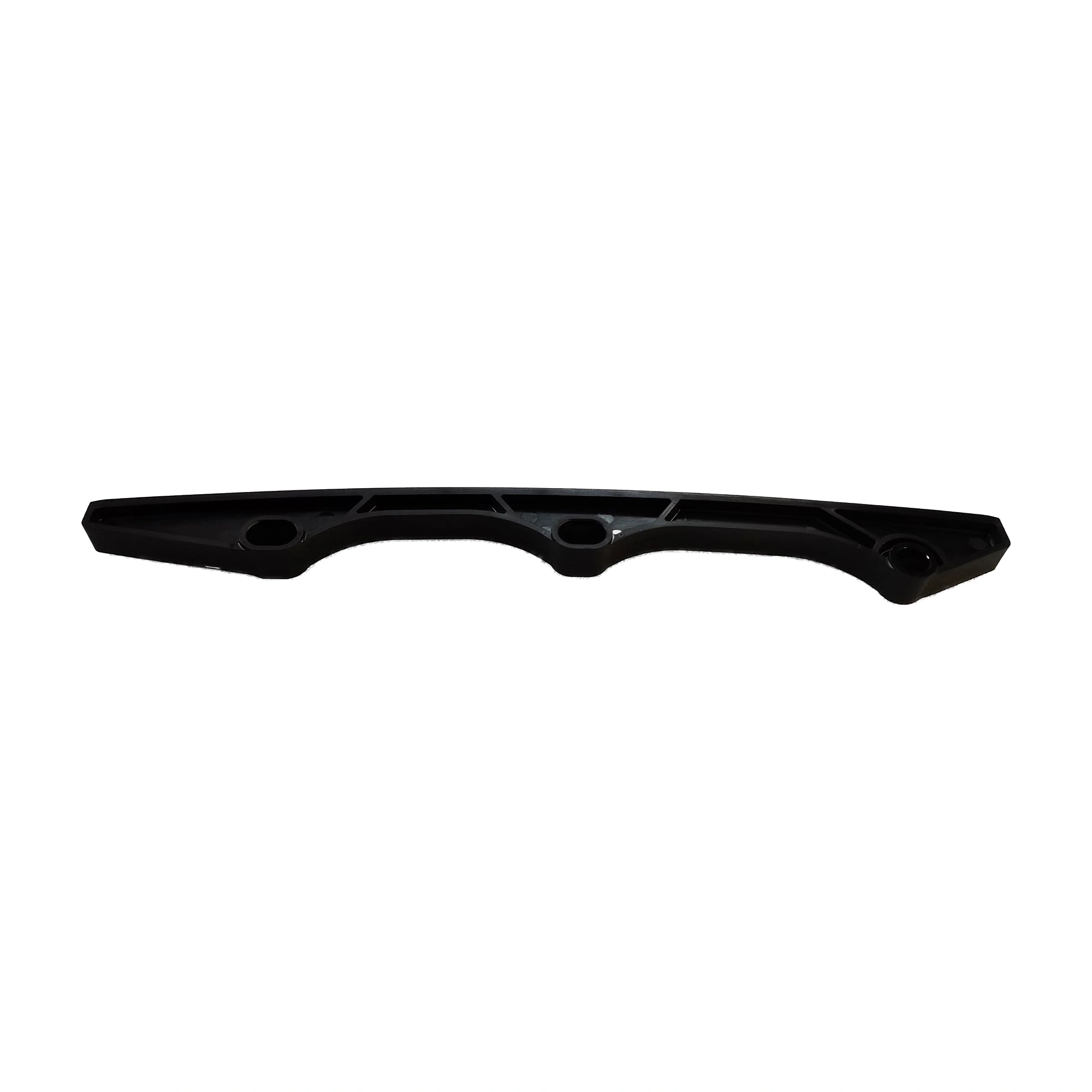
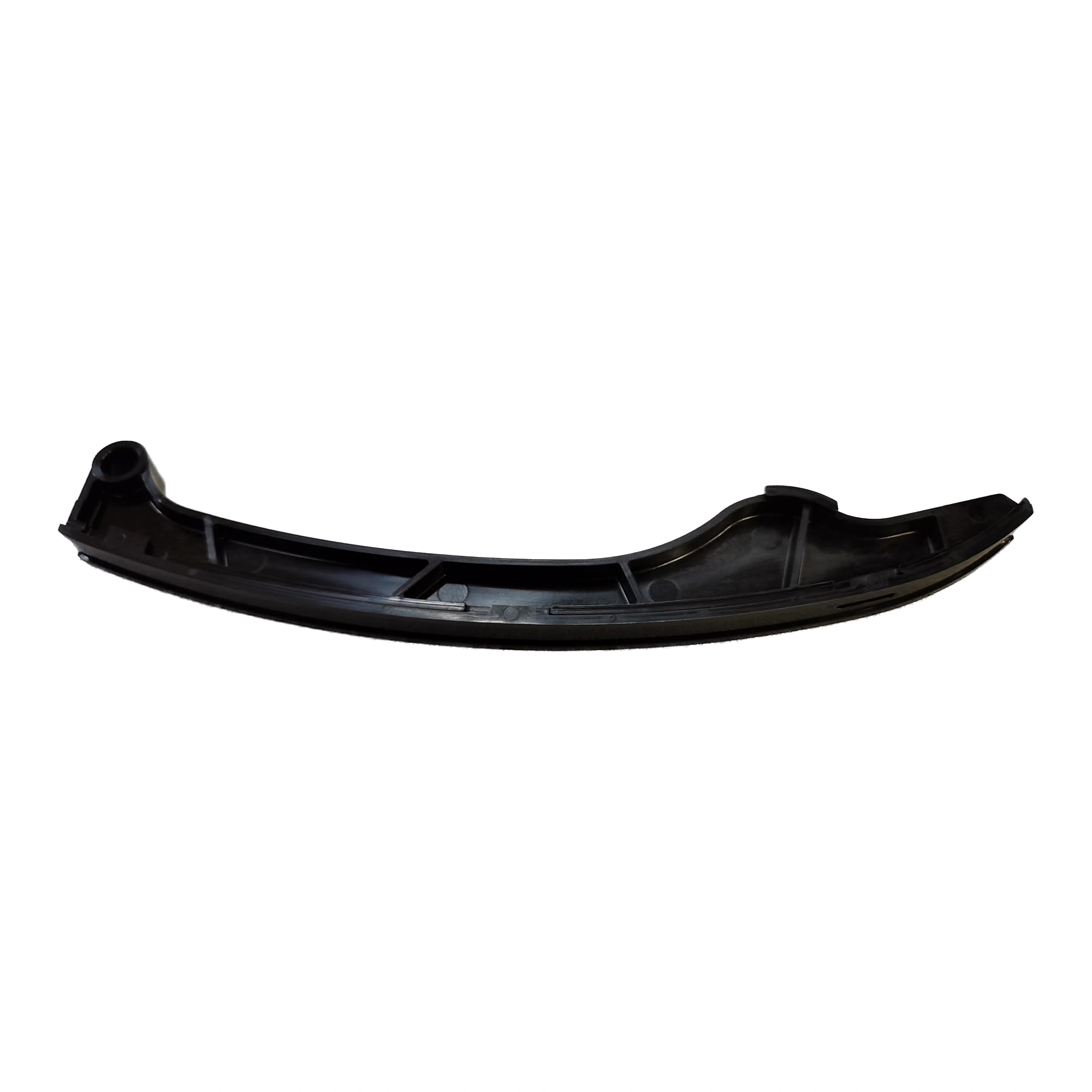
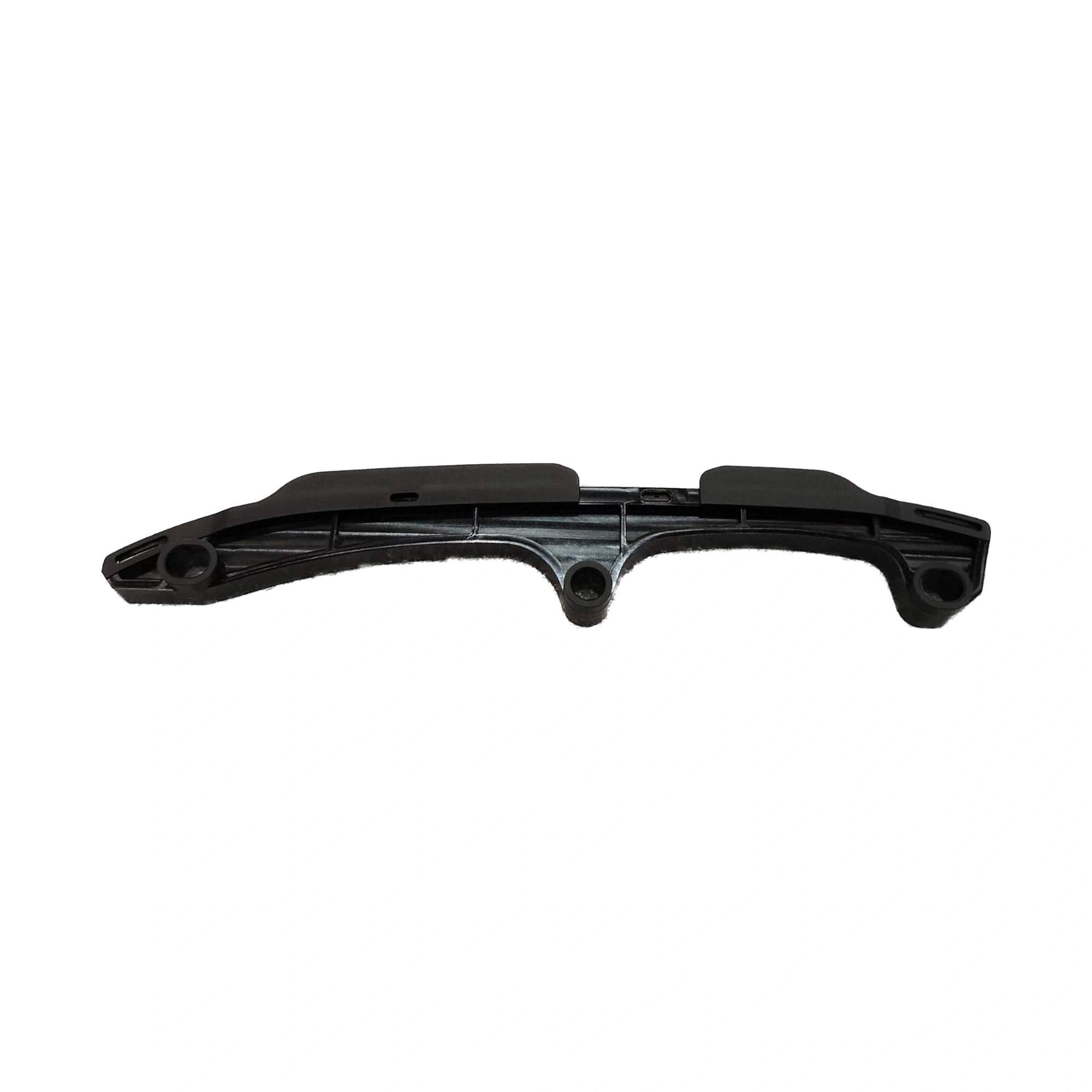
| Rattle that persists at idle and changes with revs | Timing chain guide rail |
| Camshaft correlation fault code stored | Timing chain with worn pitch |
| Rough running and misfires with no ignition fault | Timing chain or camshaft phaser |
| Plastic fragments found in the sump or on the strainer | Timing chain guide rail |
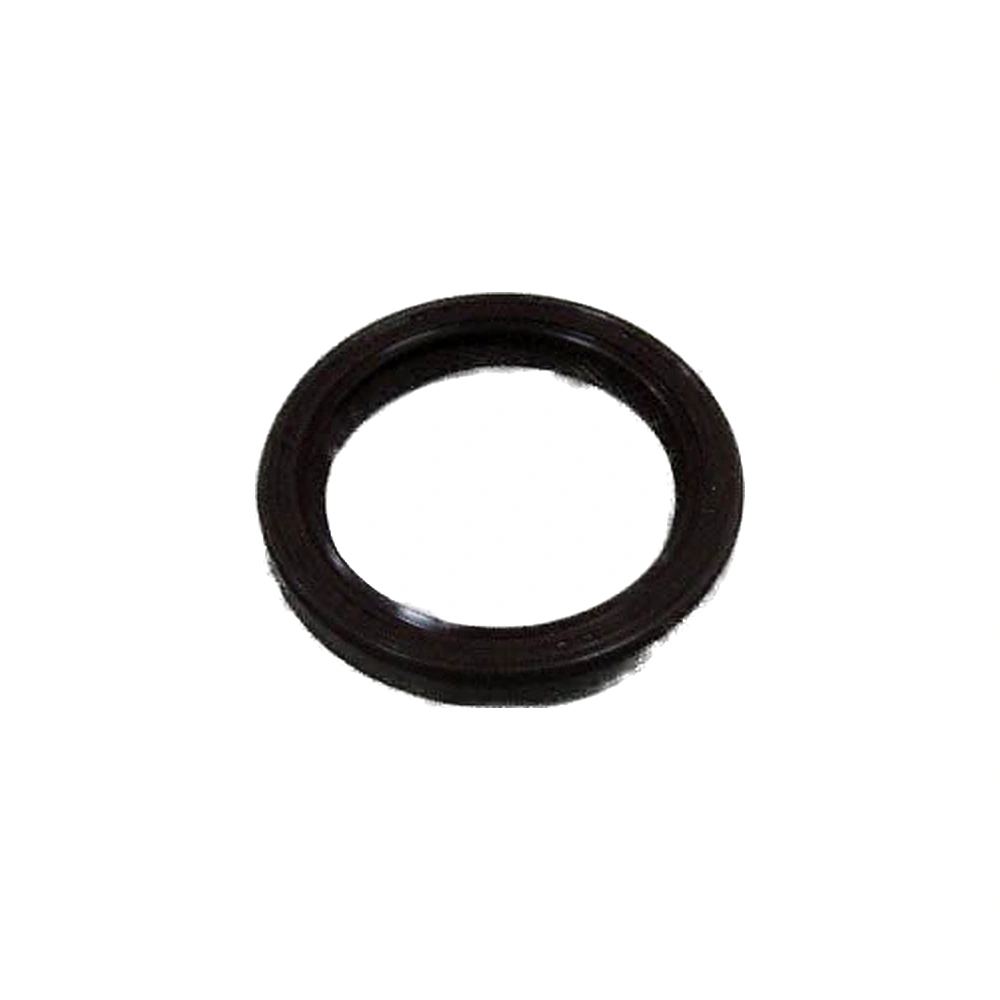
| Oil leak from the front of the engine behind the pulley | Crankshaft front oil seal |
About Timing Drive
The timing drive keeps the camshafts turning in exact relationship to the crankshaft, so that valves open and close at the right point in each cylinder's cycle. Chains have largely displaced belts on current engines because they are designed to last the life of the unit, and they do that by running in oil with a hydraulic tensioner taking up slack. The tensioner is fed from the oil circuit and backed by a spring, pushing on a pivoting rail that presses against the slack side of the chain, while fixed guide rails control the chain path. Wear is gradual and cumulative: the chain does not stretch like elastic, its pins and rollers wear so the effective pitch grows, the tensioner runs out of travel, and the camshaft timing drifts. Variable valve timing adds control valves and phasers that use oil pressure to advance or retard each camshaft.
What to know before buying Timing Drive parts
Buy the drive as a set rather than as a single item. The chain, the tensioner and the rails wear together, and reaching them is most of the labour. A new chain run against worn rails simply repeats the fault.
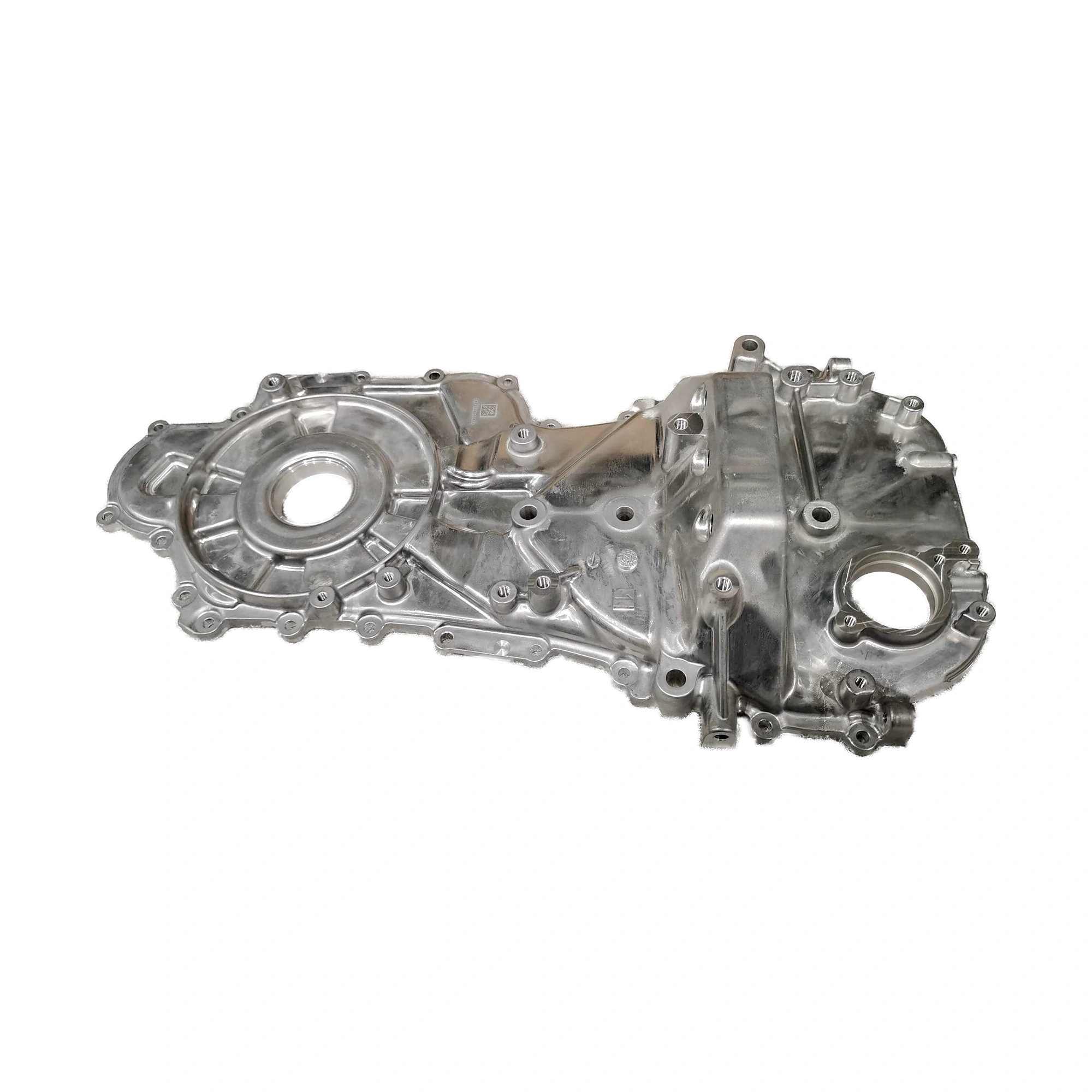
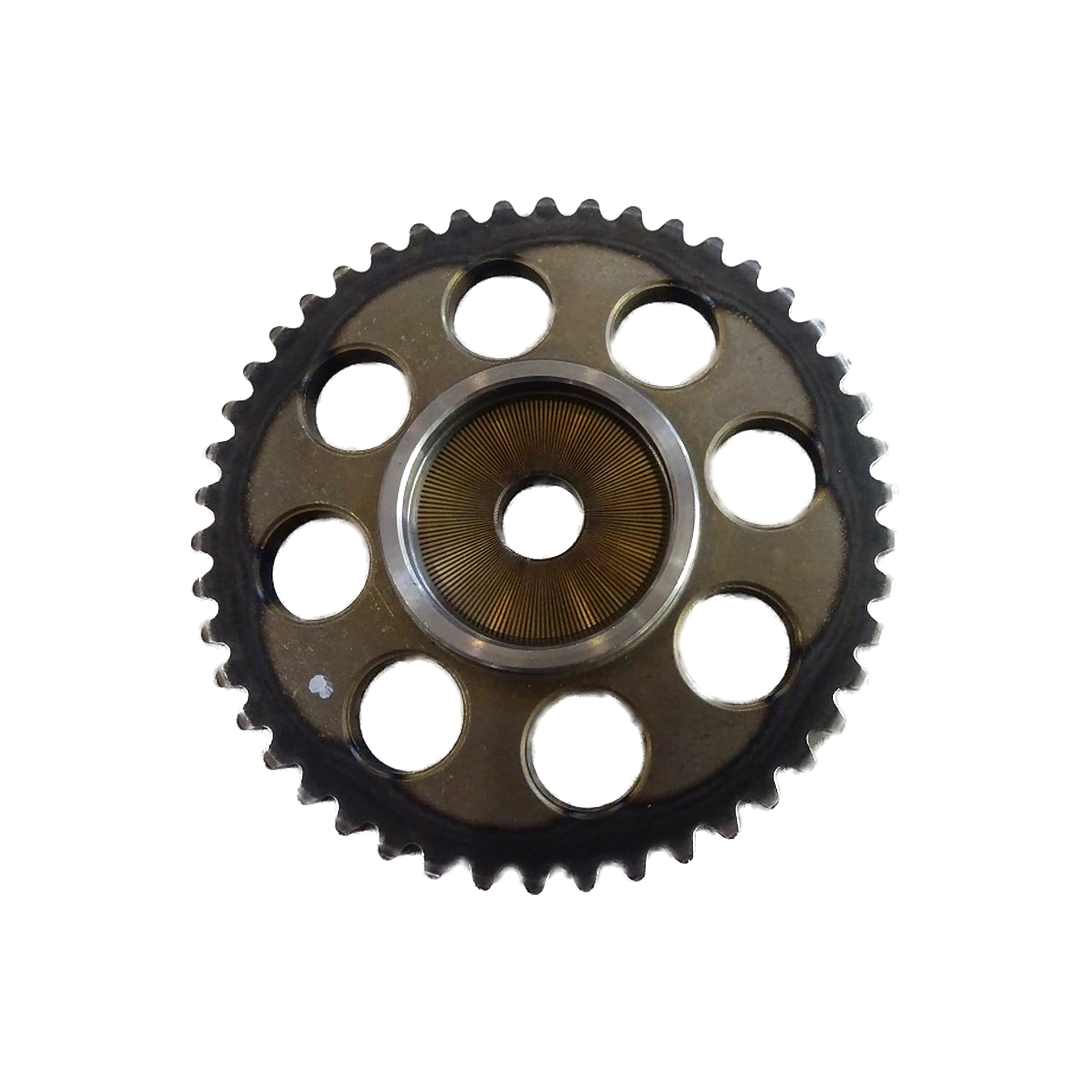
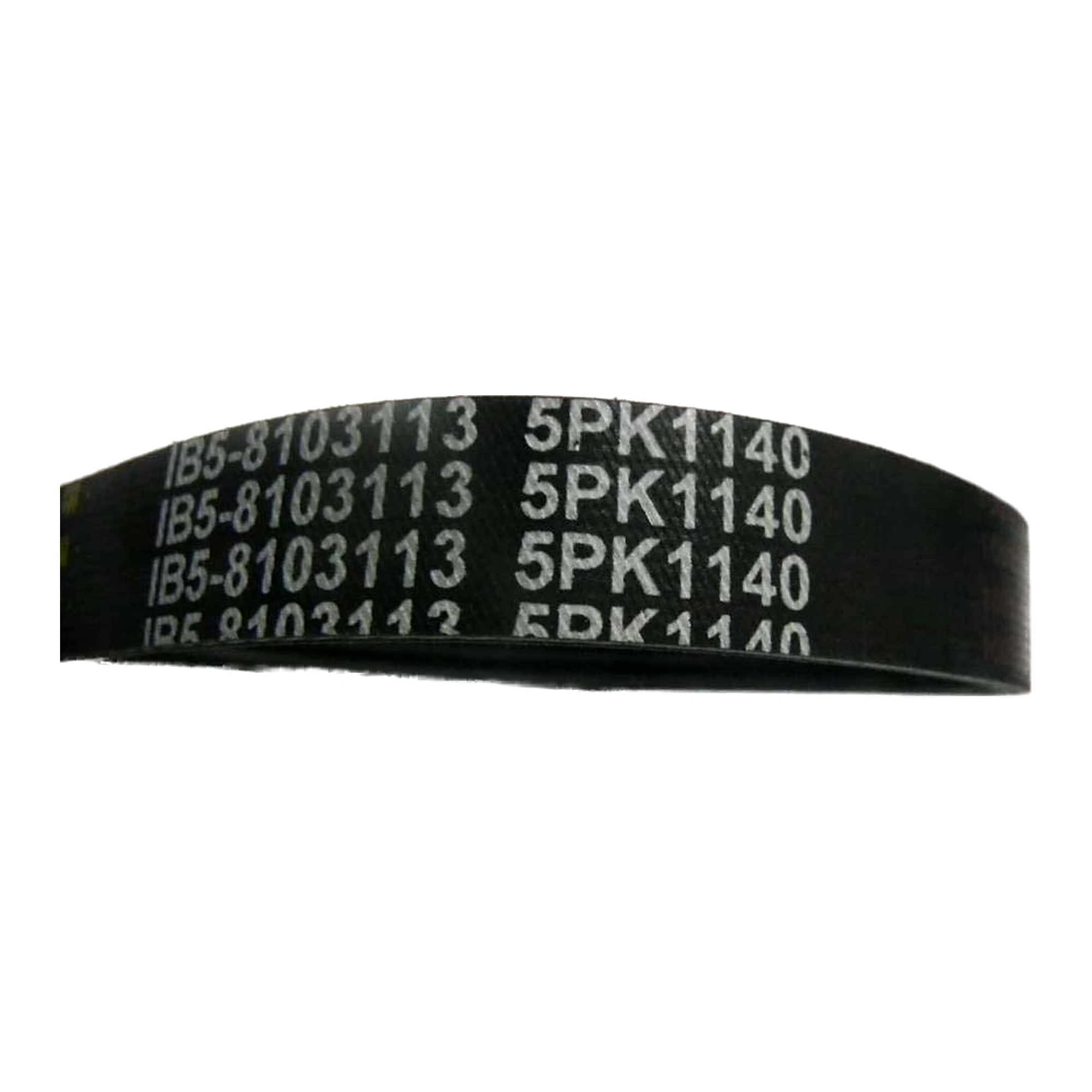
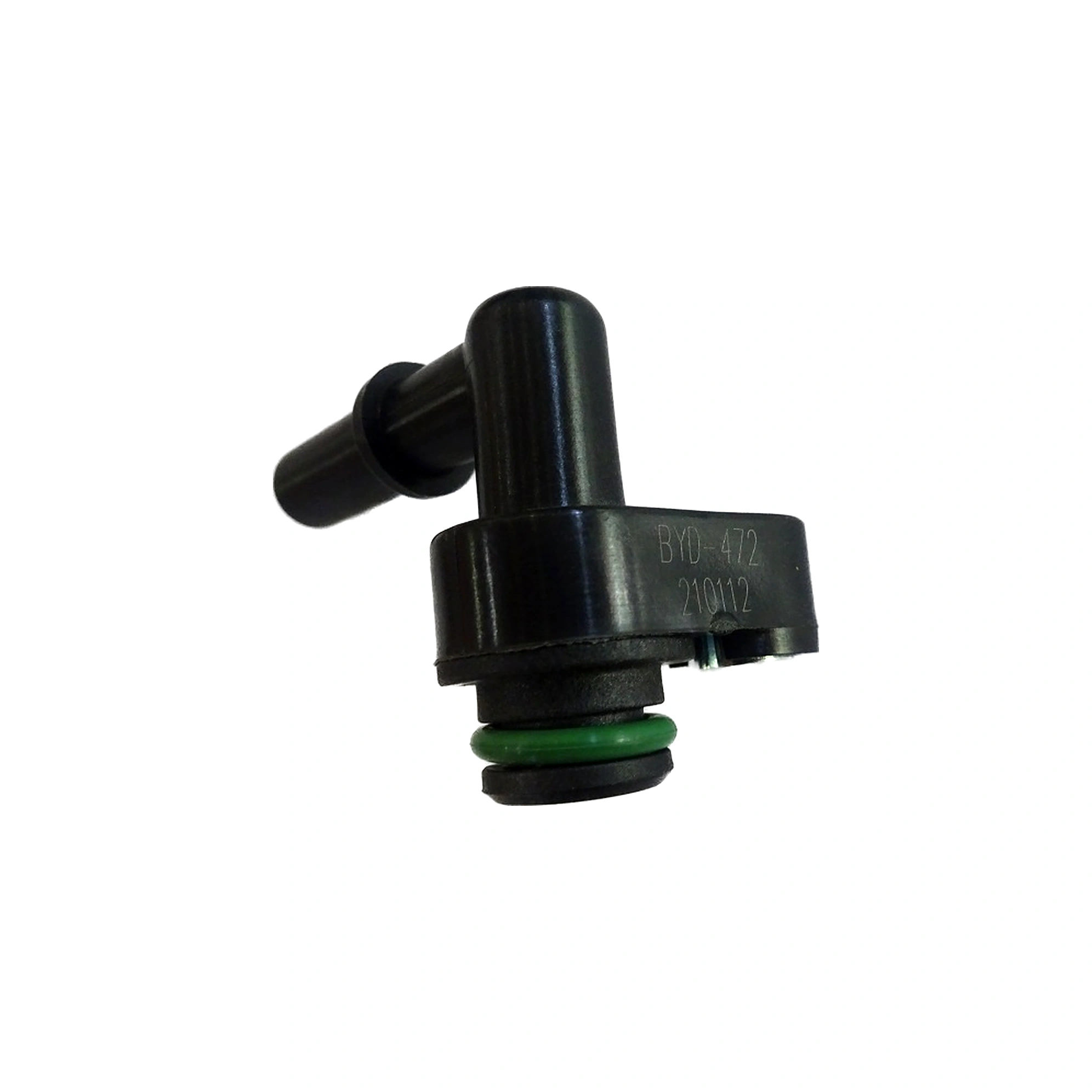
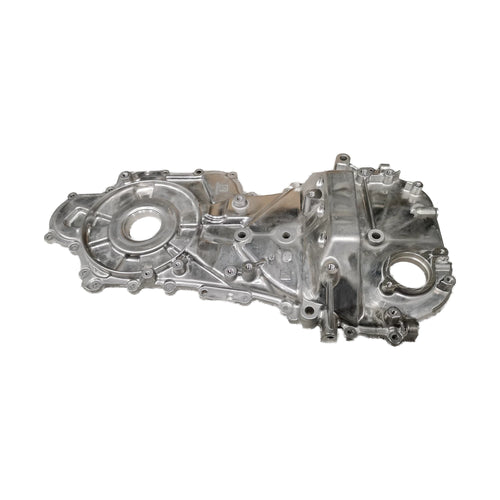
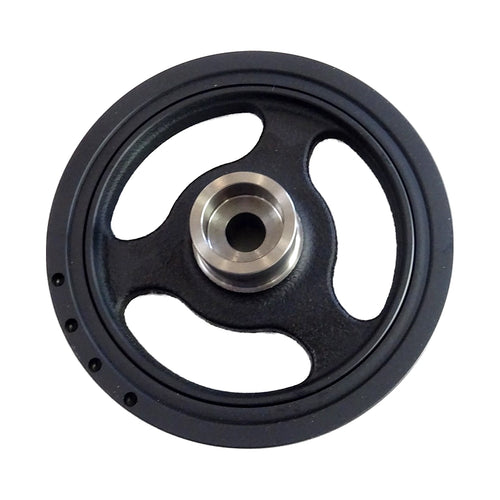
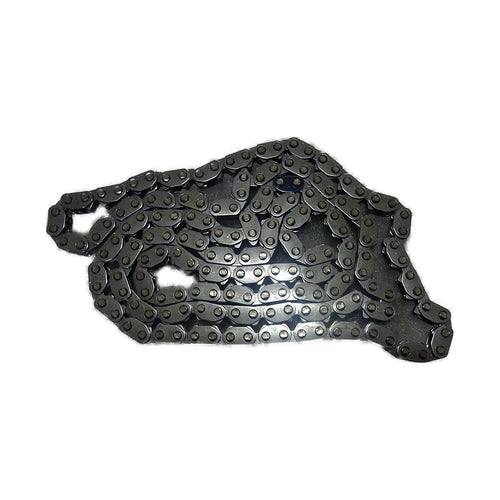
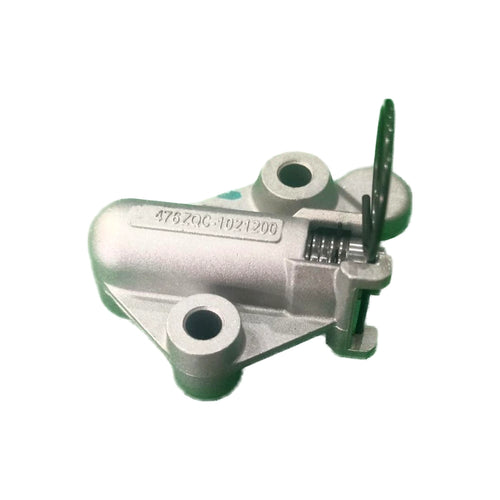
Stock covers timing chains, timing chain tensioners and tensioner rail assemblies. Guide rails and guide rail assemblies sit alongside them. You will also find crankshaft sprockets, exhaust camshaft sprockets and timing covers. Crankshaft front oil seals, central oil control valves, cylinder block connecting check valves and compressor belts complete the range.
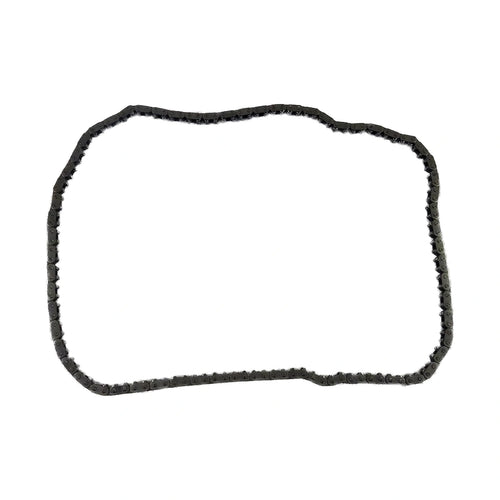
Match the OE number when you order. Chain length, pitch and rail profiles differ between engine variants. Add the front oil seal and the timing cover gasket to the same order. Both are disturbed by the work, and neither seals reliably a second time.
Listings with a price go straight to checkout. Anything unpriced is quoted against the same factory number, the usual route for individual rails and covers. We cover the BYD group most fully, and more brands arrive as catalogues load.
Before You Order: 6 Checks
- Order the chain, tensioner and rails as a set, since they wear together and the labour is shared.
- Match the OE number, because chain length, pitch and rail profiles differ between engine variants.
- Add the crankshaft front oil seal and the timing cover gasket, which are disturbed by the job.
- Check the sump strainer for plastic fragments, which confirm rail wear.
- Use the correct locking and alignment tools rather than eyeballing the marks.
- Investigate oil condition and change intervals, since neglect is the usual cause of chain wear.
What Changed and Why
Timing chains were adopted on the promise of lasting the life of the engine, and experience has qualified that promise. Extended oil change intervals, thinner oils and stop and start operation all shorten chain life, and a worn chain now announces itself through a camshaft correlation fault code long before it makes an obvious noise, which is why the diagnostic route has become as important as the acoustic one. Variable valve timing has added phasers and oil control valves to the same area, so a timing complaint is now as likely to be an oil pressure or solenoid problem as a mechanical one.
Timing Drive: Frequently Asked Questions
My engine rattles for a second on cold start. Is that the chain?
Very likely, and the reason is specific. A worn chain has slack that the hydraulic tensioner takes up once oil pressure builds, but in the moment between cranking and pressure arriving there is nothing holding it, so the slack chain slaps the cover or a rail. A tensioner that leaks down overnight or a weak tensioner spring produces the same noise with a healthy chain. Either way, do not dismiss it: the noise is the early stage of a fault that ends expensively.
Does a timing chain really stretch?
Not in the sense of the metal lengthening. The pins and the rollers wear, so the distance between links grows slightly and the chain becomes effectively longer, which is why the trade calls it stretch. The consequence is the same: the tensioner runs out of travel, the camshaft timing drifts relative to the crankshaft, and the engine control unit eventually logs a correlation fault. Manufacturers give a wear measurement, and the sensible time to replace is before the fault code appears.
Should I replace the guides and tensioner with the chain?
Always, and this is the single most useful piece of advice in this category. The plastic faced rails wear against the chain at the same rate, so a new chain running on worn rails restores very little and returns you to the same noise within a short period. Since reaching the chain accounts for nearly all of the labour, the parts difference is small compared with doing the job twice. Order the chain, tensioner, tensioner rail and guide rails together.
What causes premature chain wear?
Oil, in almost every case. Long change intervals, an incorrect grade, low level running, or short journey use that never gets the oil hot enough to drive off condensation all leave the chain running on lubricant that has lost its ability to protect. Sludge also blocks the tensioner feed, which leaves the chain slack for longer at each start. Fixing the chain without fixing the maintenance regime simply schedules the next one. Shorten the interval and use the specified grade.
What is a camshaft correlation fault?
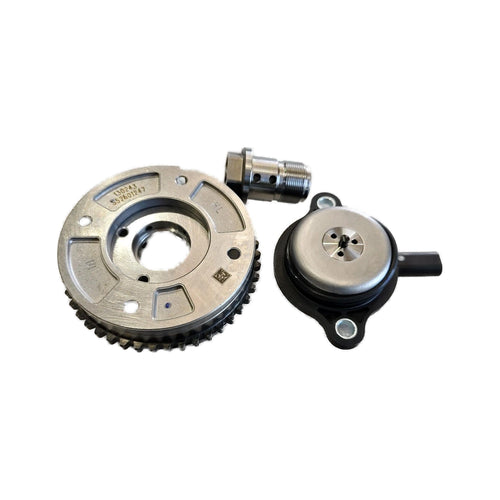
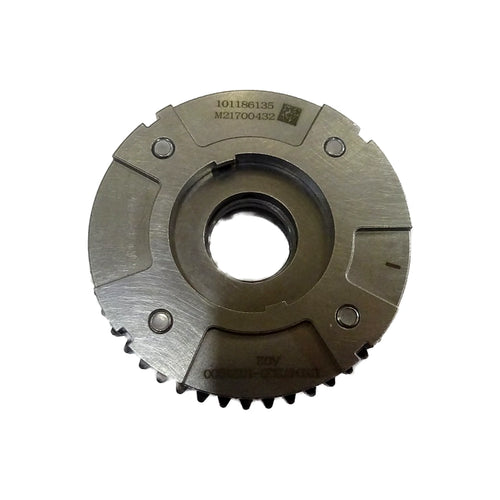
It is the control unit reporting that the camshaft position it measures does not match what the crankshaft position implies. A worn chain that has allowed the camshaft to drift by a few degrees is a common cause, and so are a phaser that has stuck or an oil control valve that is not delivering pressure. The code alone does not tell you which, so check chain wear physically and test the phaser operation before ordering. All three components are listed here.
Can I replace a timing chain myself?
It is a demanding job rather than an impossible one. The risks are getting the camshaft and crankshaft alignment wrong, which on an interference engine bends valves the moment it is started, and disturbing something in the front of the engine that then leaks. Use the correct locking tools rather than relying on painted marks, rotate the engine by hand through two full turns before starting it, and check the marks again. Budget a full day and a manual specific to your engine.
What do timing drive parts cost?
Guide rails, tensioner rails and cover gaskets are cheap. Tensioners and sprockets are modest. Chains cost more, camshaft phasers more again, and a full kit containing chain, tensioner, rails and sprockets is the sensible purchase even though it looks like the expensive one. The current range for the category appears in the band above. The parts are never the main expense on this job. Getting to the chain takes hours, so buying a single component to save a small sum and repeating the work later is the costly choice.
How do I know if my rails are worn?
Two ways. Look at them directly once the cover is off, where wear shows as a groove worn into the plastic face and, in bad cases, as the plastic breaking away from its steel backing. Before that point, look in the sump: fragments of plastic on the strainer or the drain plug magnet are conclusive evidence of rail wear and a good reason to plan the job promptly. Metal fragments are a different and more serious matter.
What does the oil control valve do?
It meters oil pressure to the camshaft phaser, which is what allows the control unit to advance or retard valve timing for torque, economy and emissions. When the valve sticks or its filter screen blocks with debris, the phaser stops responding and the engine runs rough, logs a timing fault, or loses low speed torque. It is a much cheaper part than a chain or a phaser, and it is worth testing before assuming the mechanical drive is at fault.
Do belts appear in this category too?
Compressor belts do, since they drive ancillaries from the front of the engine and are replaced during the same access. The timing drive itself on these engines is chain driven and runs in oil. If you are used to a timing belt with a fixed replacement interval, the difference is that a chain has no interval and is replaced on condition instead, which puts the responsibility on noticing the early symptoms rather than following a service schedule.
Will a chain kit from a related engine fit?
Only where the number agrees. Chain length in links, pitch, rail profiles and sprocket tooth counts follow the specific engine variant, and manufacturers revise them within a family without changing the engine name. A chain a few links out will not tension correctly and a rail with a different profile will not follow the chain path. Read the number from your existing parts where legible, match it, and use the quote form where the reference brings back nothing.
The part I need shows no price. Can I still order it?
Yes. Chains, tensioners and rails are usually priced on the popular engines, while individual guides, covers and phasers on lower volume applications wait for an enquiry. Send the number and the engine code. Buy the complete set rather than the failed item. A stretched chain has been running against its guides for a long time, the tensioner has been extending to compensate, and replacing one element in isolation puts new load on worn parts. Add the timing cover gasket and the crankshaft seal, because both are disturbed and neither seals reliably on a second fitting.