Engine
Shop Engine by Part Type
Popular Right Now
scroll for more →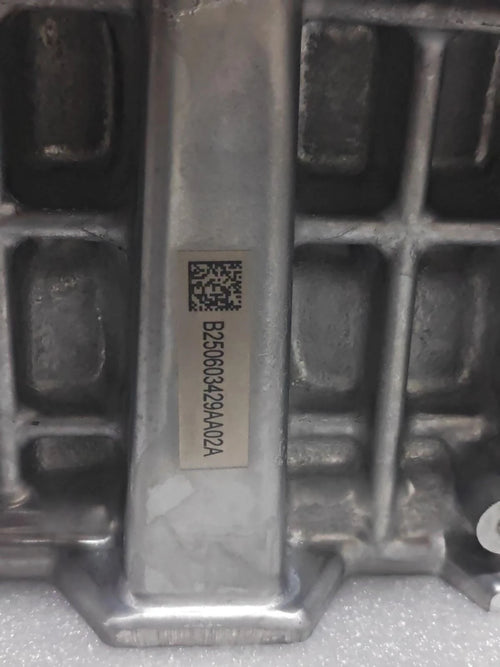
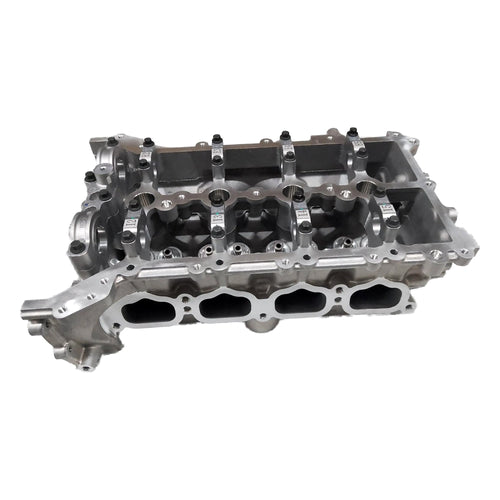
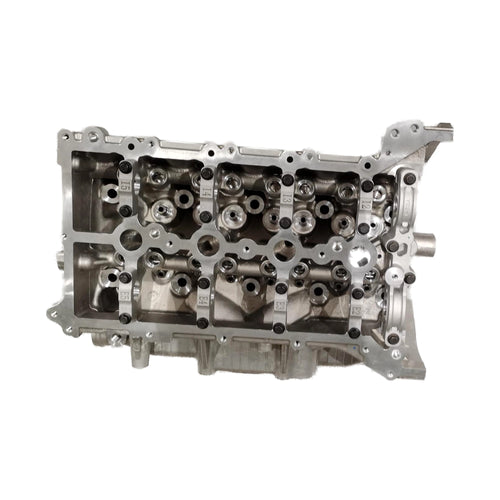
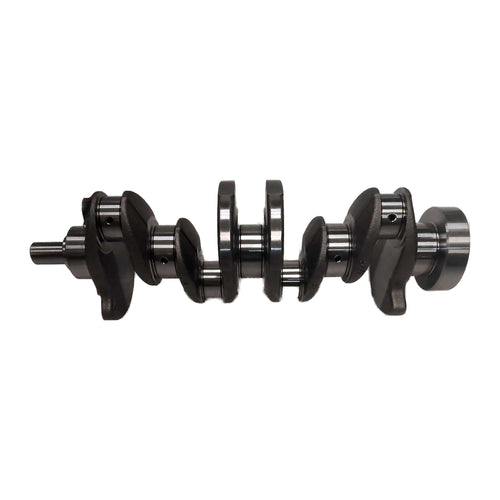
Symptom Finder: What Is Actually Broken?
| What you see or hear | Part to check first |
|---|---|
| White exhaust smoke with coolant loss and no puddle | Cylinder head gasket |
| Rattle for a second or two on cold start | Timing chain and tensioner |
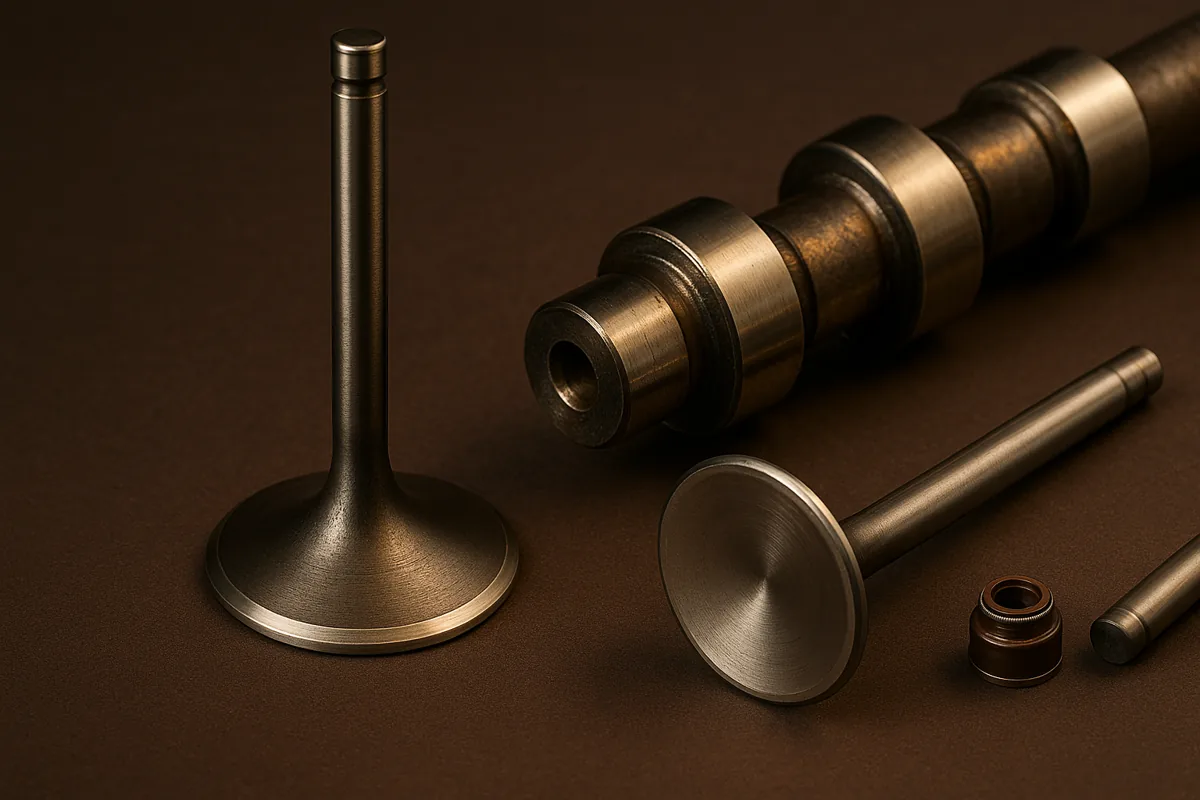
| Blue smoke on start-up that clears | Valve stem oil seals |
| Oil pressure warning at hot idle | Bearing clearances or the oil pump |
| Deep knock from low in the engine under load | Big end bearing shells |
About Engine
An internal combustion engine is a machine for converting a controlled explosion into rotation, and almost everything that goes wrong with one traces back to lubrication, sealing or timing. The block and head form the structure, held to tolerances a few thousandths of a millimetre wide, since the clearances around pistons and bearings live inside that margin, with a gasket between them sealing combustion pressure, coolant and oil within a few millimetres of one another. A pump forces oil along drilled galleries to bearings that survive on a film a few microns thick. A chain ties the camshafts to the crankshaft so that each valve opens at precisely the right moment in the cycle. Get any of those three wrong and the failure is rarely local, which is why diagnosis before ordering matters more here than almost anywhere else.
What to know before buying Engine parts
Measure before you order any graded part. Replace stretch bolts rather than reusing them. Expect to buy several small items alongside any large one.
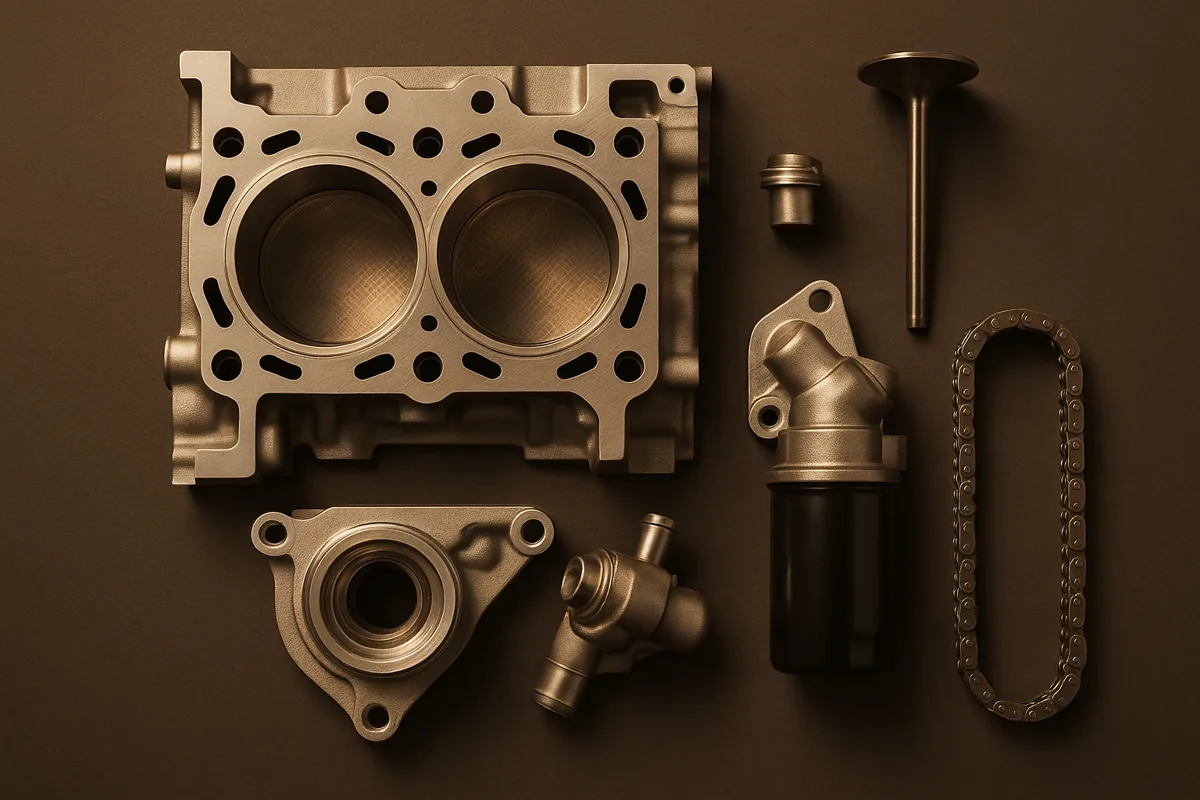
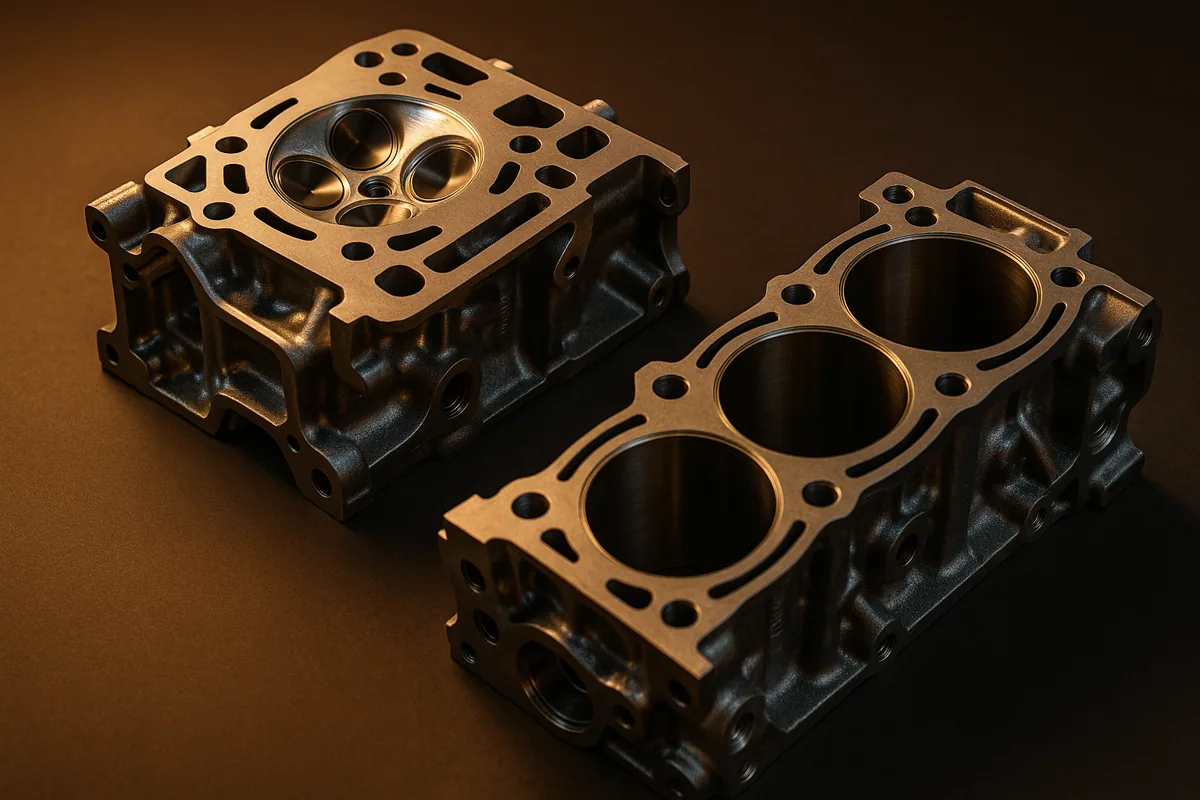
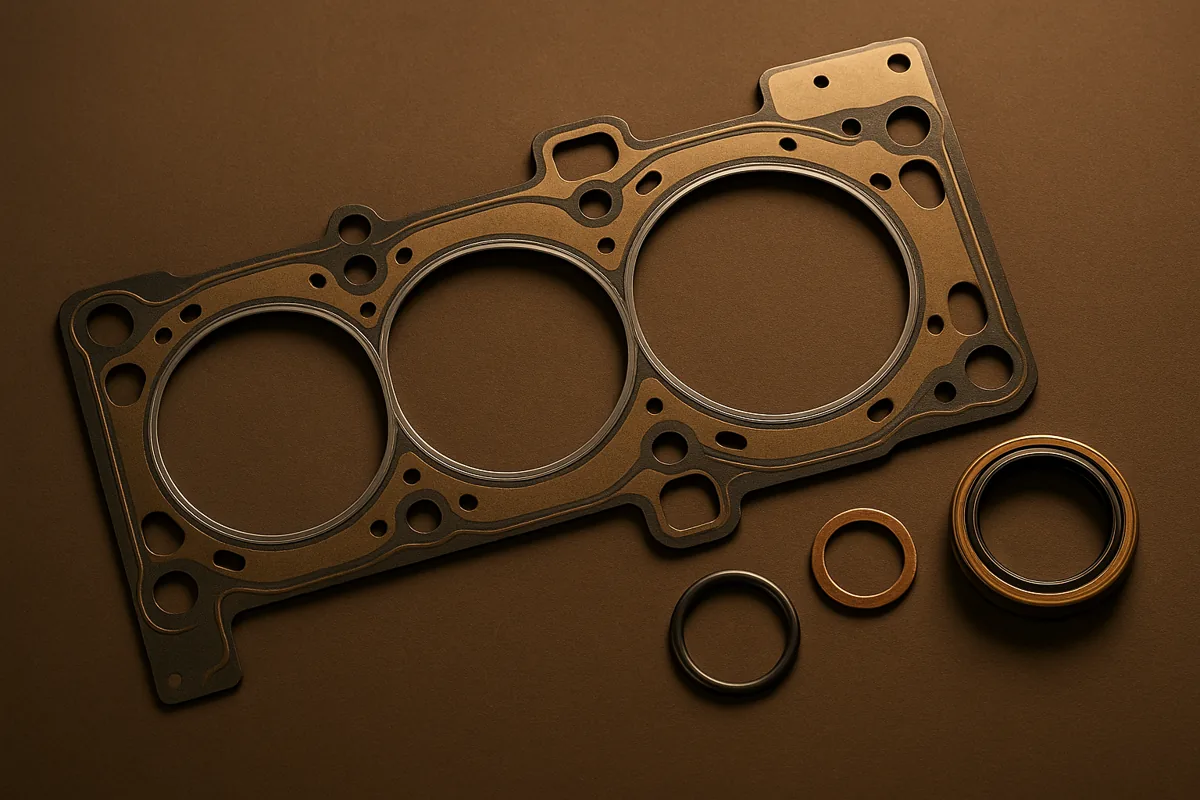
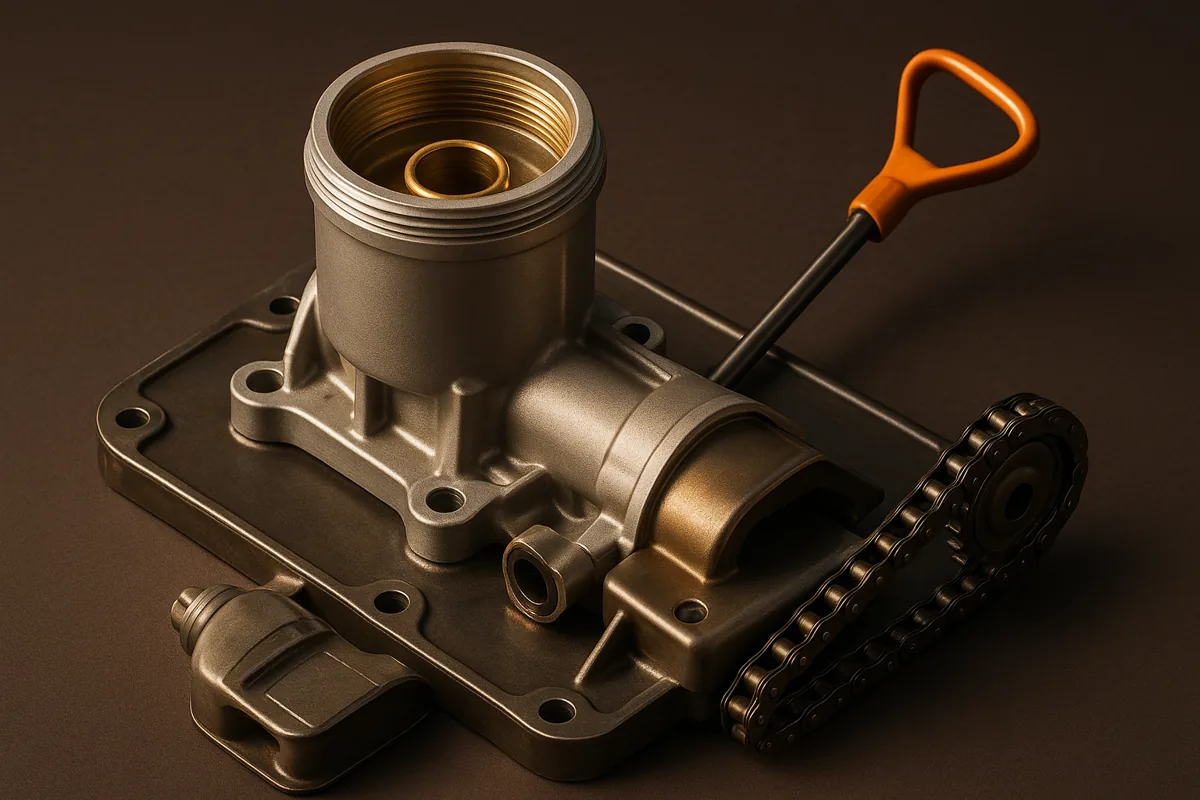
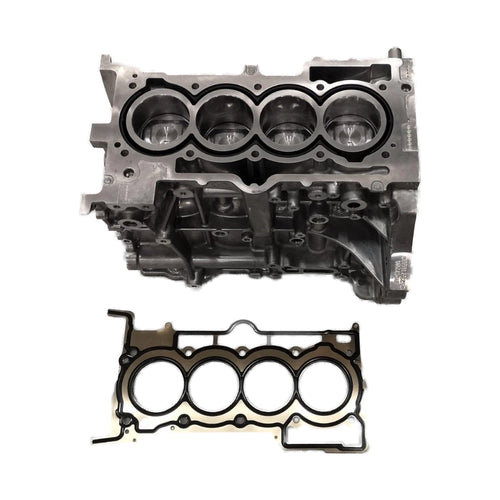
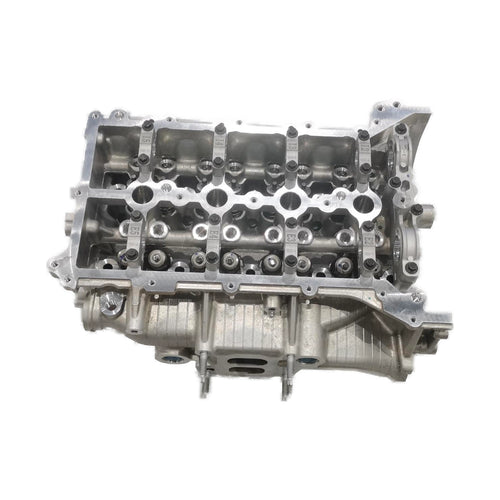
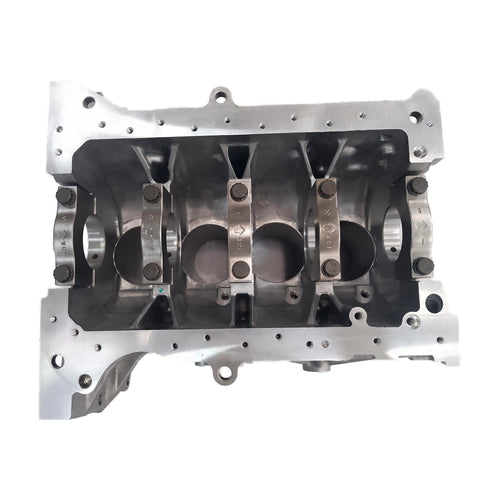
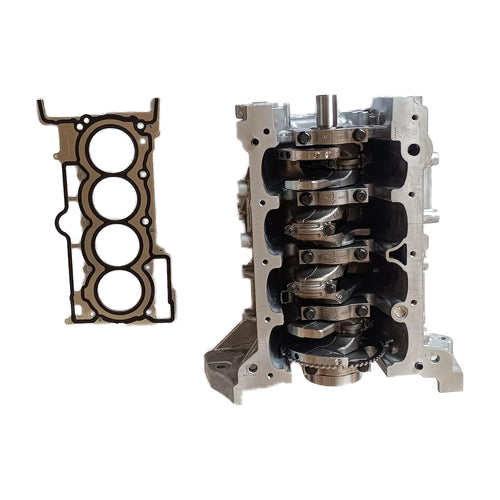
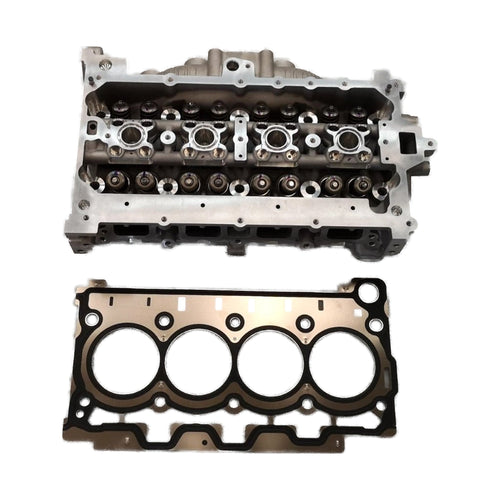
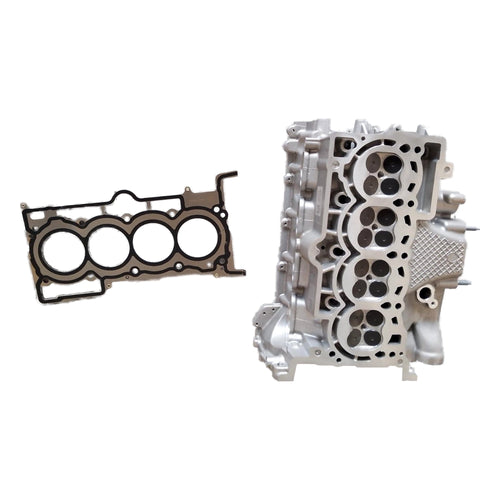
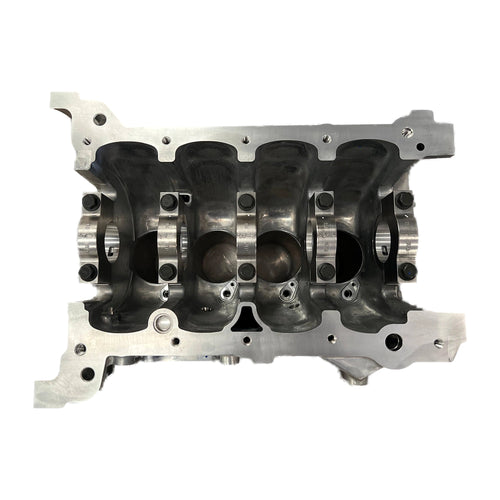
Seven child categories divide the engine the way a repair does. Cylinder block and head covers the castings and the complete assemblies. Gaskets and seals covers everything that keeps the fluids apart. Oil circuit covers pumps, sumps, filters and cooling jets.
Pistons, rings and bearings covers the bottom end with its graded shells. Timing drive covers chains, tensioners and rails. Valvetrain and camshaft covers valves, springs, seals and phasers. Turbo and supercharger covers the oil and coolant plumbing that decides how long a turbocharger survives.
Before You Order: 5 Checks
- Diagnose properly before ordering, since lubrication, sealing and timing faults present similarly.
- Replace stretch bolts rather than reusing them, and follow torque and angle stages exactly.
- Measure journals and housings before ordering graded bearing shells.
- Order chain, tensioner and rails as a set, since they wear together and the labour is shared.
- Find the cause of a head gasket failure before rebuilding, since overheating has its own cause.
What Changed and Why
Combustion engines in this catalogue increasingly serve as range extenders and hybrid units rather than as sole propulsion, which changes how they are used and how they fail. Long periods at light load and frequent stop start cycles favour deposits and crankcase condensation, so crankcase ventilation and oil condition matter more than they did, and short journey use is harder on an engine than steady motorway running. Timing chains, adopted on the promise of lasting the life of the engine, have proved sensitive to extended oil intervals and thinner oils, which is why chain wear now announces itself through a correlation fault code.
Engine: Frequently Asked Questions
How do I confirm a head gasket has failed?
By testing rather than by symptoms alone, since several of them overlap with a failed thermostat or a leaking hose. A combustion gas test on the coolant confirms it in minutes without dismantling anything, and the supporting evidence is white sweet smelling exhaust smoke, coolant disappearing with no puddle, an emulsion on the filler cap, and pressure building in the expansion tank. Do the test before ordering, and plan to find out why the engine overheated, since the gasket is usually the casualty rather than the cause.
Why does my engine rattle briefly on a cold start?
Because something is unsupported until oil pressure arrives. A worn timing chain has slack that the hydraulic tensioner takes up once pressure builds, so it slaps against a rail or the cover in the seconds before that happens, and a tensioner that leaks down overnight produces the same noise with a healthy chain. An oil filter whose anti drain valve has failed also empties the galleries overnight. All three are worth investigating rather than tolerating, since the first seconds after start are when most wear occurs.
Which category do I need for oil consumption?
It depends when the smoke appears. Blue smoke on start up or after idling at a junction, clearing once running, points at valve stem seals in the valvetrain listings. Consistent smoke under load with crankcase pressure and low compression points at rings, in the pistons and bearings listings. A compression and leakdown test separates the two in about twenty minutes and prevents an expensive assumption. Check the crankcase ventilation valve too, since a blocked one pushes oil past healthy seals.
Why are bearing shells sold in grades?
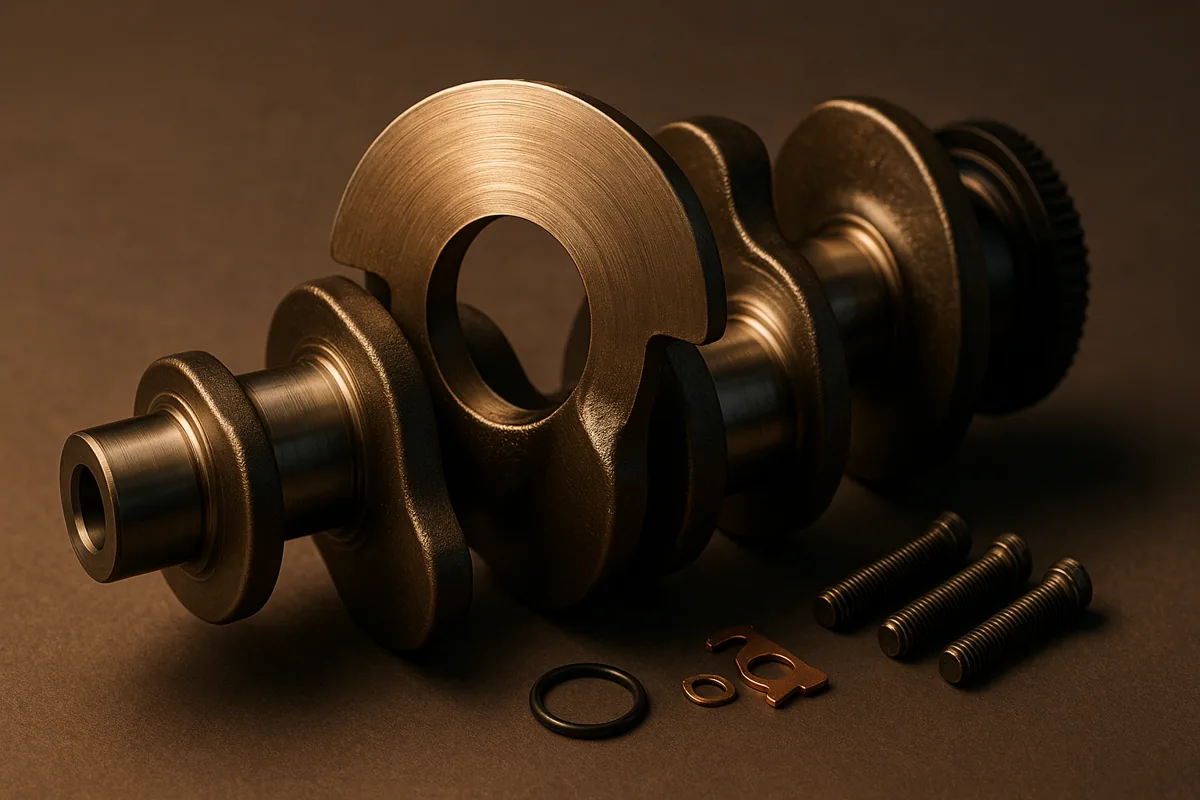
Because you cannot adjust a plain bearing, you select it. The crankshaft journal and the housing bore each leave the machine shop somewhere inside a narrow tolerance band, and the only way to land the oil film clearance where the designer wanted it is to choose a shell of the right thickness for that particular pairing. Manufacturers stamp or paint the grades onto the crank web and the block so the combination can be read off. During a rebuild you measure both surfaces with a micrometre and a bore gauge, work out the clearance and order accordingly.
Is engine work realistic at home?
Some of it. Timing chains, head gaskets, oil pumps and valvetrain work are achievable with a manual, the correct locking tools, a torque wrench and patience, and the risks are known rather than mysterious. Bottom end work is different, because it depends on measurement with a micrometer, a bore gauge and plastic gauging material, and an assembly that goes together feeling perfect can destroy itself within a few thousand miles if the clearances are wrong. Order the parts and hand that measuring to a specialist if you lack the tools.
Should I replace the timing chain on its own or with the guides and tensioner?
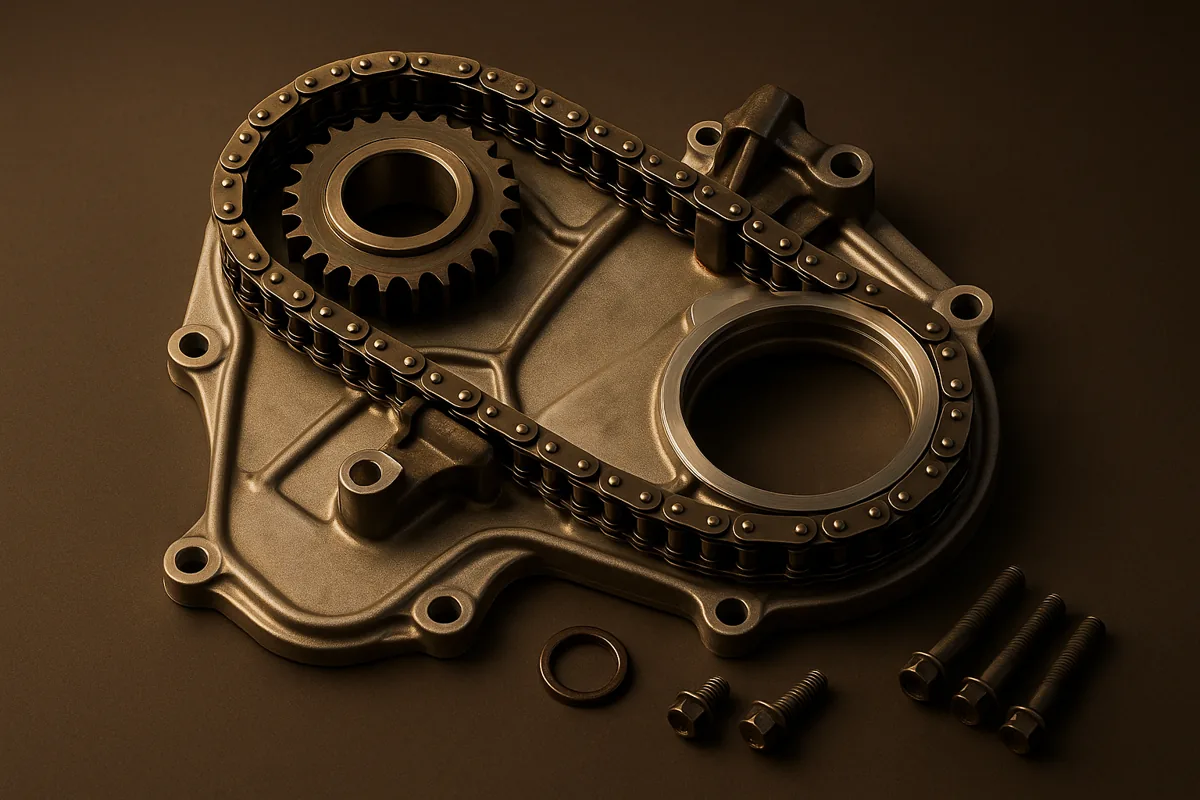
Replace them together. A chain stretches because its pins and bushes wear, but the guides and rails it runs against wear at the same time, and the plastic facings grow brittle with heat and can crack, dropping fragments into the sump where they can block the oil pickup. Fitting a new chain against worn guides or a tired tensioner shortens its life and brings the rattle back early. The sprockets deserve inspection too, since hooked teeth chew through a new chain. Check the OE number on each old component and search for them together.
What else should I replace when fitting a new turbocharger?
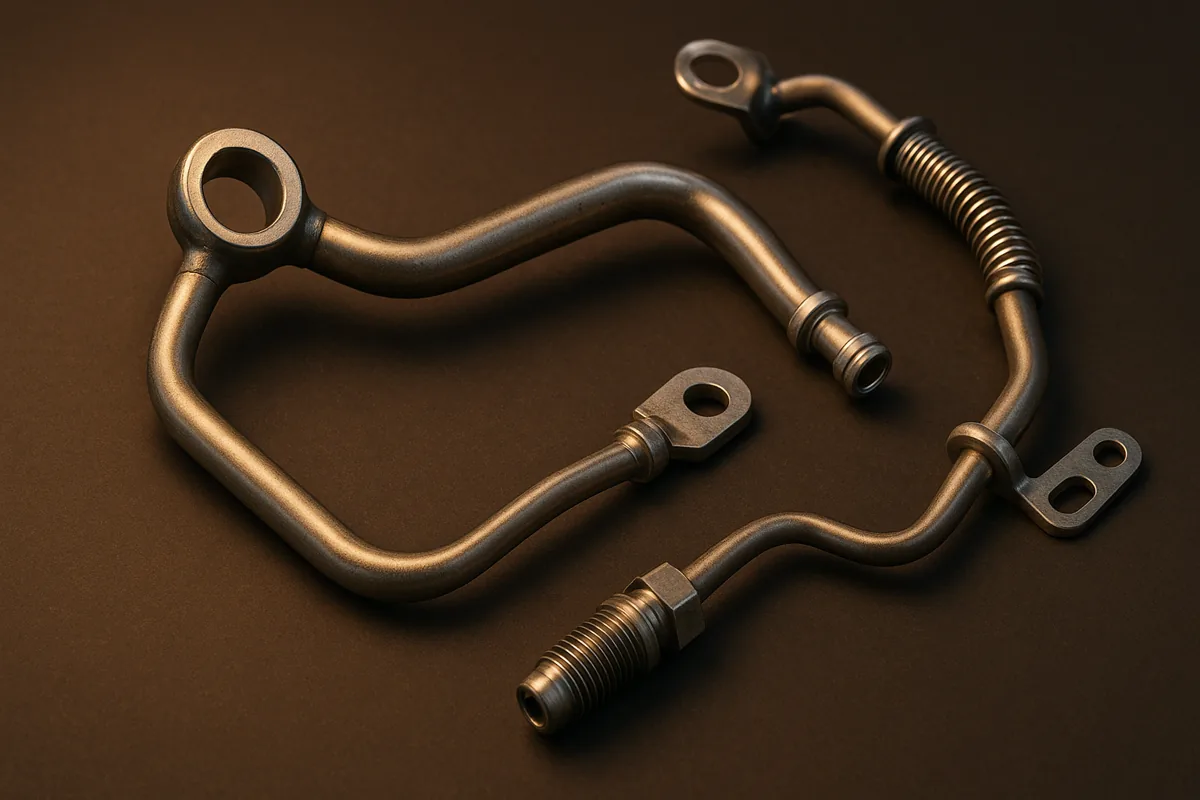
Whatever killed the old one, because a turbo rarely fails by itself. Its shaft spins on an oil film fed under pressure from the engine, so starved, dirty or contaminated oil destroys the bearings within moments. Replace the oil feed pipe and its banjo filters, which carbon up and restrict flow, and check that the drain line is clear, since a blocked drain pushes oil past the seals. Change the oil and filter, fit a fresh air filter and clean any oil from the intercooler and pipework. Prime the new unit with oil before first start, and have a qualified mechanic confirm the cause if it is unclear.
Can I reuse the cylinder head bolts?
Usually not. Most modern engines use stretch bolts, tightened to a torque figure and then through a set angle so that each one yields slightly and clamps the gasket evenly. Once stretched, a bolt cannot reach the same clamping force a second time, and it may neck or snap during tightening, or relax in service and let the new gasket fail. If the manual specifies a torque plus angle procedure, treat the bolts as single use. Order new bolts with the gasket, check the OE number on the old parts, and follow the tightening sequence exactly.
Does the cylinder head need machining when I change the gasket?
It needs checking, and often machining. A head that has overheated can bow along its length, and a new gasket cannot seal a surface that is out of flat. Clean both faces without abrasive discs, which remove metal unevenly, then lay a straight edge across the face lengthways, crossways and diagonally and try a feeler gauge beneath it. The manual gives the maximum distortion and the minimum head height after machining. If the face is outside limits, an engine machine shop can skim it and pressure test it for cracks. Do that before ordering, because some engines list a thicker gasket for a skimmed head.
What causes the oil pressure warning light to come on?
Stop the engine straight away if it lights while driving, then check the oil level, which is the commonest cause. Beyond that, the usual culprits are a failed pressure switch, a pickup strainer blocked by sludge or by fragments of a broken chain guide, a worn pump, or worn bearings letting oil escape faster than the pump can supply it. A light that flickers at hot idle but clears with revs points towards wear, while one that stays on with a healthy level may be the switch. Confirm with a mechanical gauge, then match the OE number on the old part.
How do I find which gasket or seal is leaking oil?
Work from the top down, because oil runs downhill and collects at the lowest point, so the puddle under the sump rarely marks the source. Degrease the engine, drive briefly and look for the highest wet spot. Rocker cover gaskets weep down the head, a camshaft or crankshaft oil seal throws oil in a spray pattern around its pulley, and a sump gasket leaks along its flange. A fluorescent dye in the oil with an ultraviolet torch makes a slow leak easy to trace. Once found, read the OE number on the old part and use the search box.
Should I use sealant on a new gasket?
Only where the manual calls for it. Multi layer steel head gaskets and most coated gaskets are designed to seal dry, and sealant can stop them seating or squeeze into oilways. Many modern sumps and timing covers use no gasket at all, relying on a bead of specified sealant, and a small dab is often required where a cover meets a joint between block and head. Too much sealant is a common cause of oil starvation, as excess breaks free inside and blocks the pickup strainer. Clean the faces thoroughly, follow the manual and match the OE number on the old part.
What does a camshaft timing fault code mean?
It means the engine computer has compared the camshaft and crankshaft position signals and found them out of step, or found that a variable valve timing phaser is not reaching the angle it commanded. The cause may be a stretched chain, a sticking phaser, a blocked oil control valve or its screen, low or wrong grade oil, or a failing sensor. A good diagnostician checks oil first, then reads live phaser data and, if needed, locks the engine at top dead centre to inspect timing marks. Have that done before ordering, then match the OE number on the old part.
What is the ticking noise from the top of the engine?
Usually the valvetrain. Hydraulic lifters and lash adjusters take up clearance using oil pressure, and one that is worn, sticking or starved by sludge ticks at half engine speed, often fading as the oil warms. Engines with shim or bucket adjustment tick when clearances open up, and clearances that close up are more dangerous, since they are silent while the valve fails to seat and burns. A leaking exhaust manifold gasket ticks too and is often mistaken for a lifter. A mechanic's stethoscope pinpoints the source. Change the oil first, then check the OE number on the old component before ordering.
How do I identify the right part when a model was offered with more than one engine?
Start with the engine code, which is cast or stamped on the block and often shown on the identification plate, since the same model often carries several engines with different chains, gaskets and turbochargers. Within one engine, parts change during production, so the build date on the plate matters for date split items. The surest check is the OE number on the old part itself, usually cast, stamped or printed on a label. Enter it in the search box, and if it is unreadable, send photos through the quote form. We reply within 24 hours, usually sooner.