Cylinder Block & Head
Shop Cylinder Block & Head by Part Type
Popular Right Now
scroll for more →
Symptom Finder: What Is Actually Broken?
| What you see or hear | Part to check first |
|---|---|
| White smoke from the exhaust and coolant loss with no external leak | Cylinder head gasket and head |
| Milky residue on the oil filler cap or in the coolant | Cylinder head gasket |
| Overheating with pressure building in the coolant expansion tank | Cylinder head gasket or a cracked head |
| Oil weeping from the joint at the top of the engine | Cylinder head cover and its gasket |
| Oil consumption with a rough idle and crankcase pressure | PCV valve |
| Misfire on one cylinder with coolant loss | Cylinder head gasket failed to that cylinder |
About Cylinder Block & Head
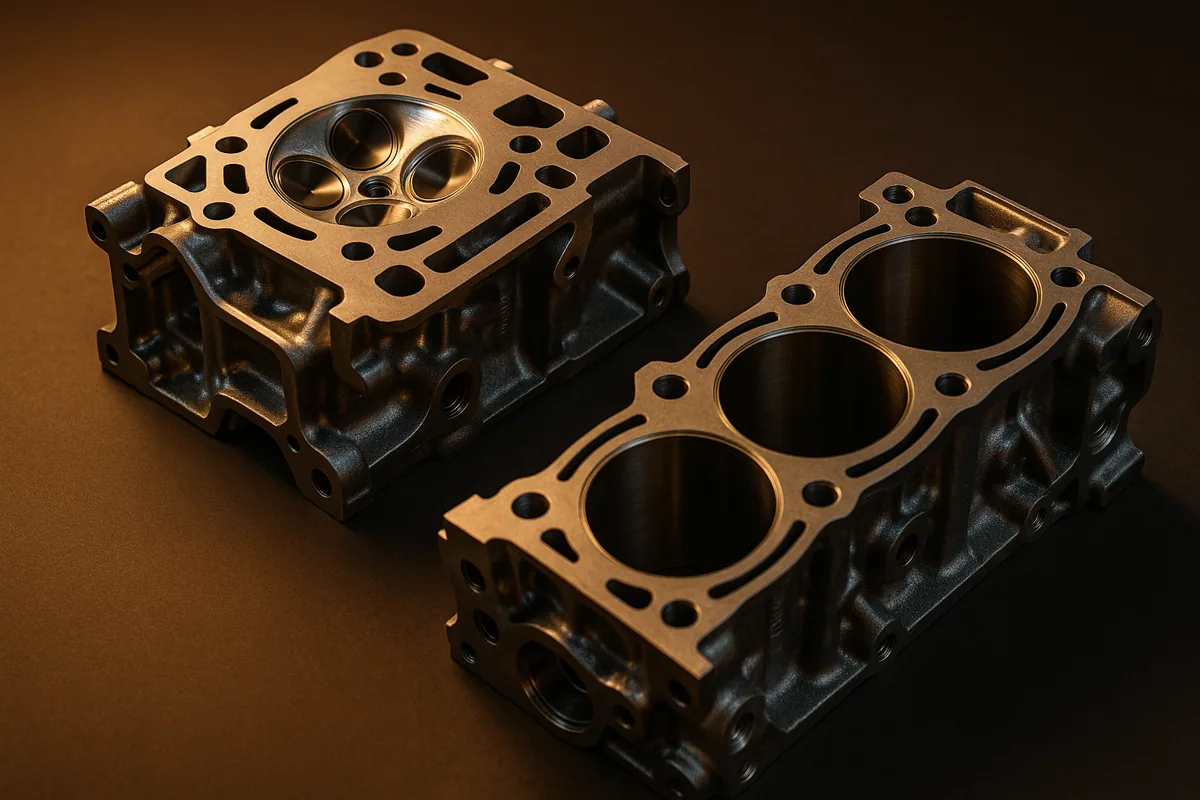
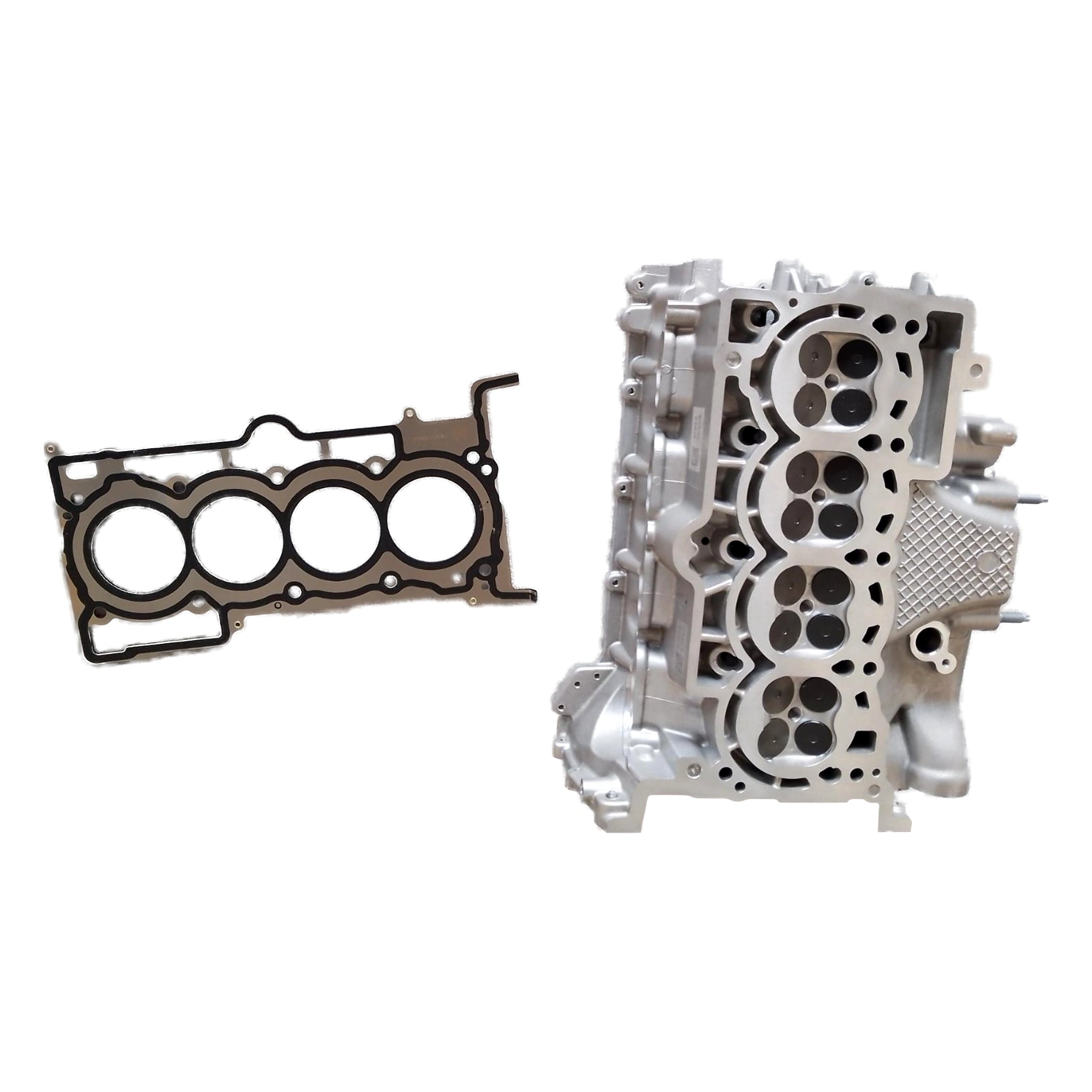
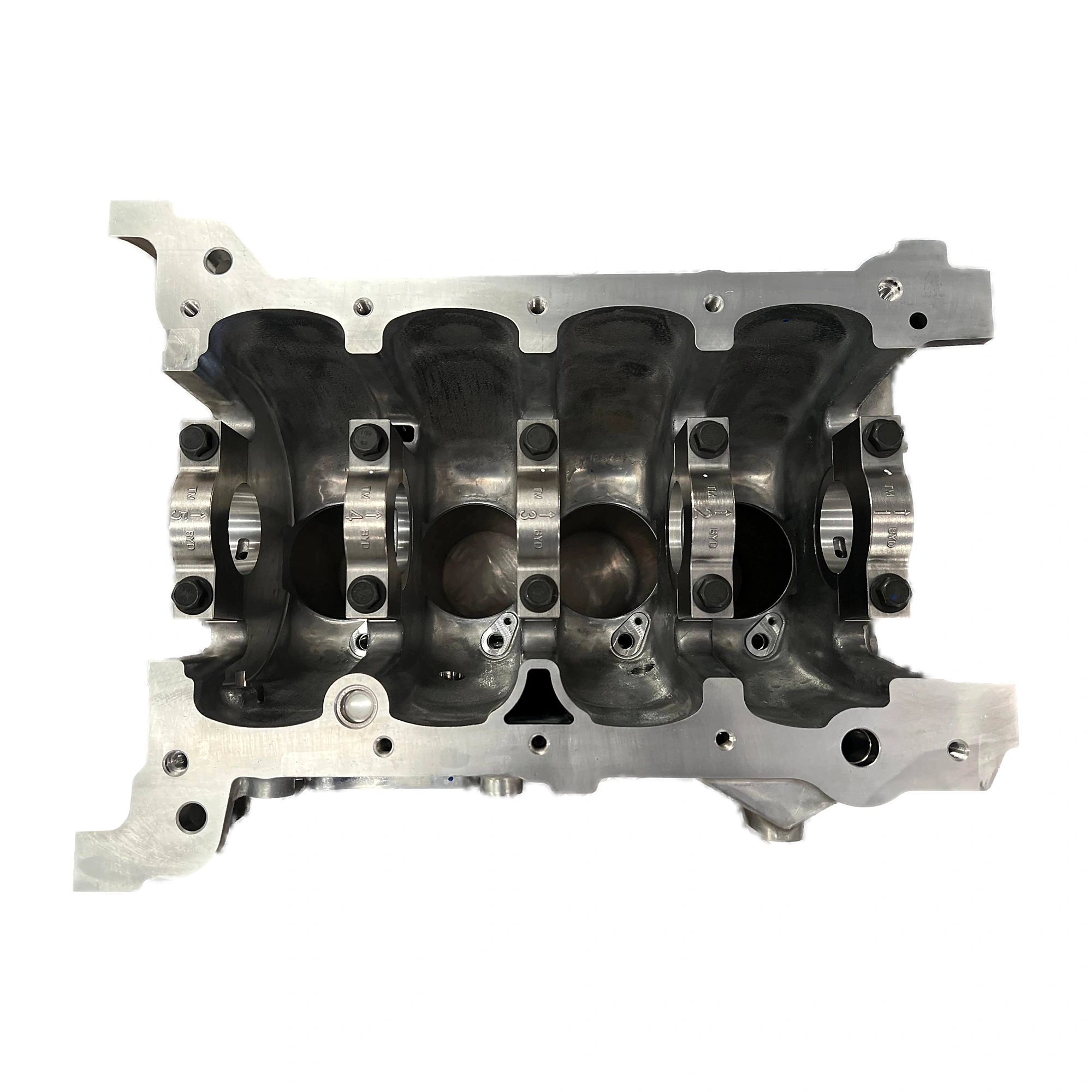
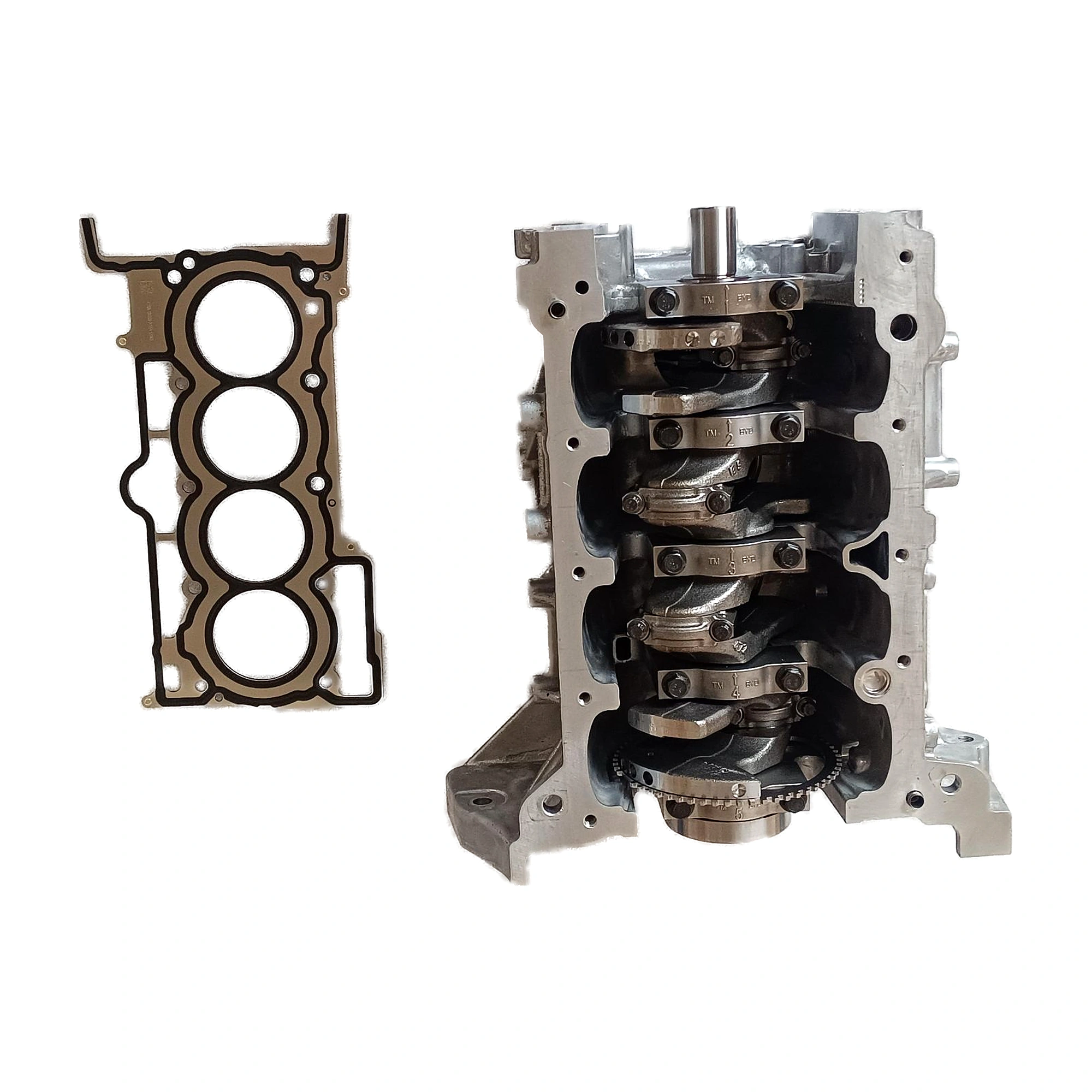
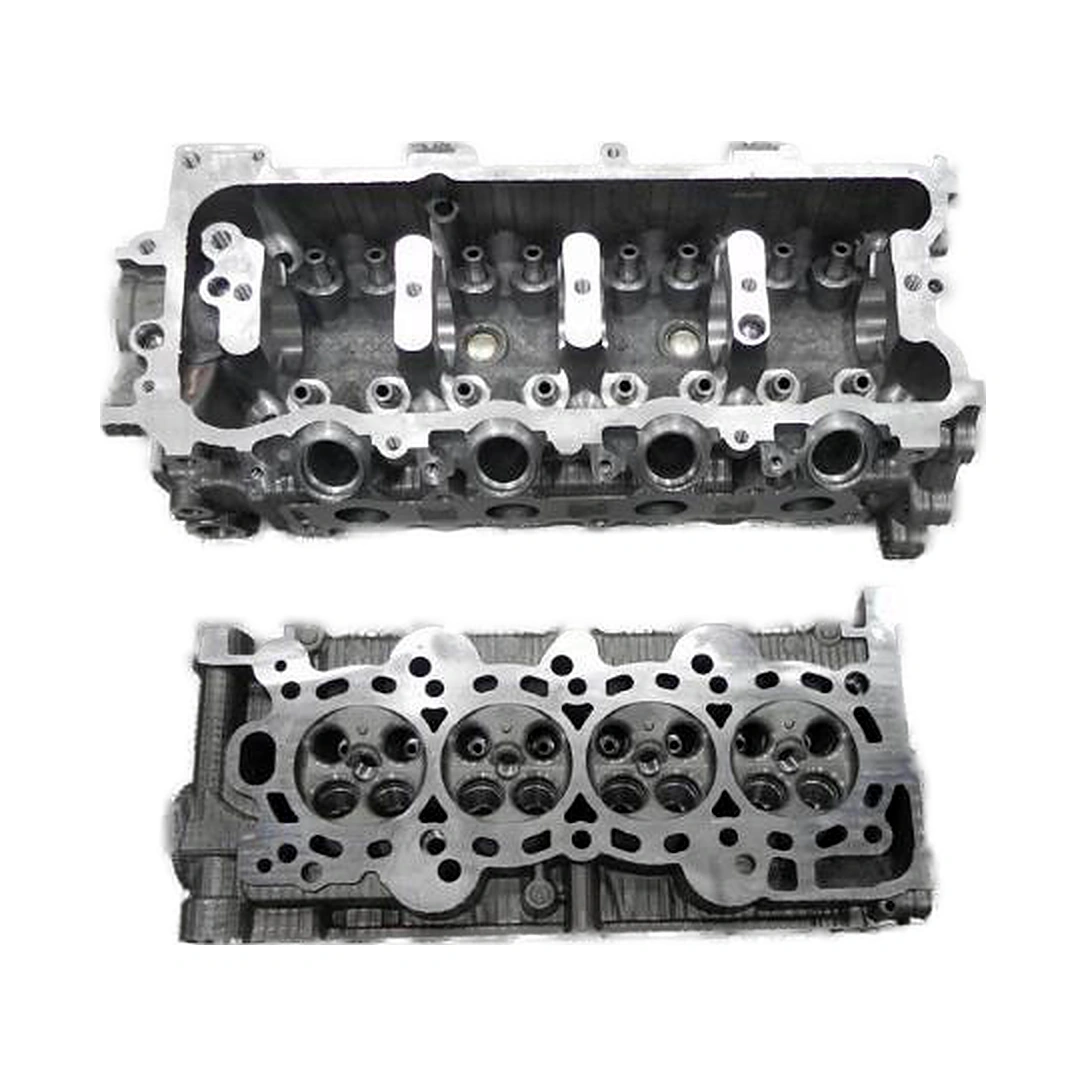
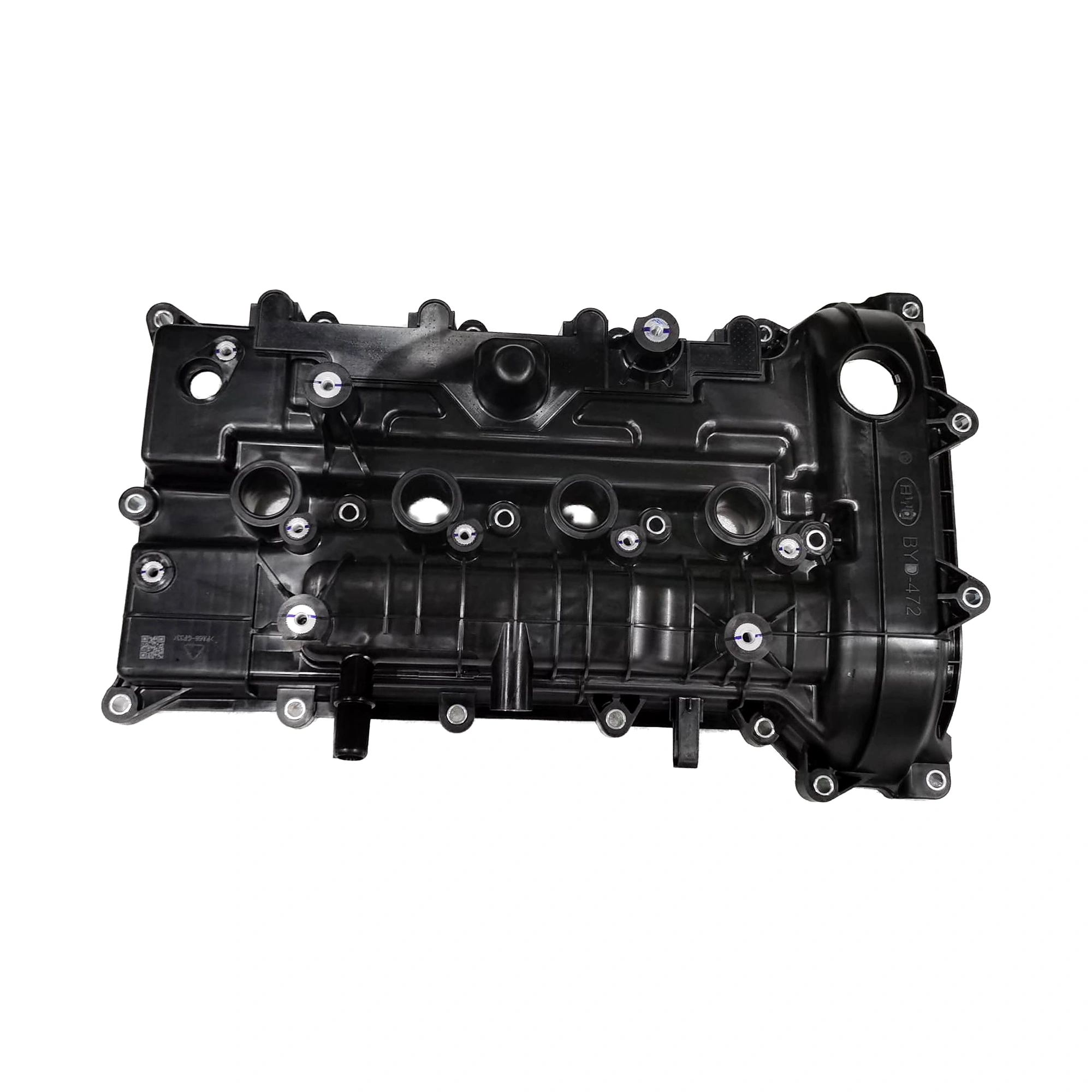
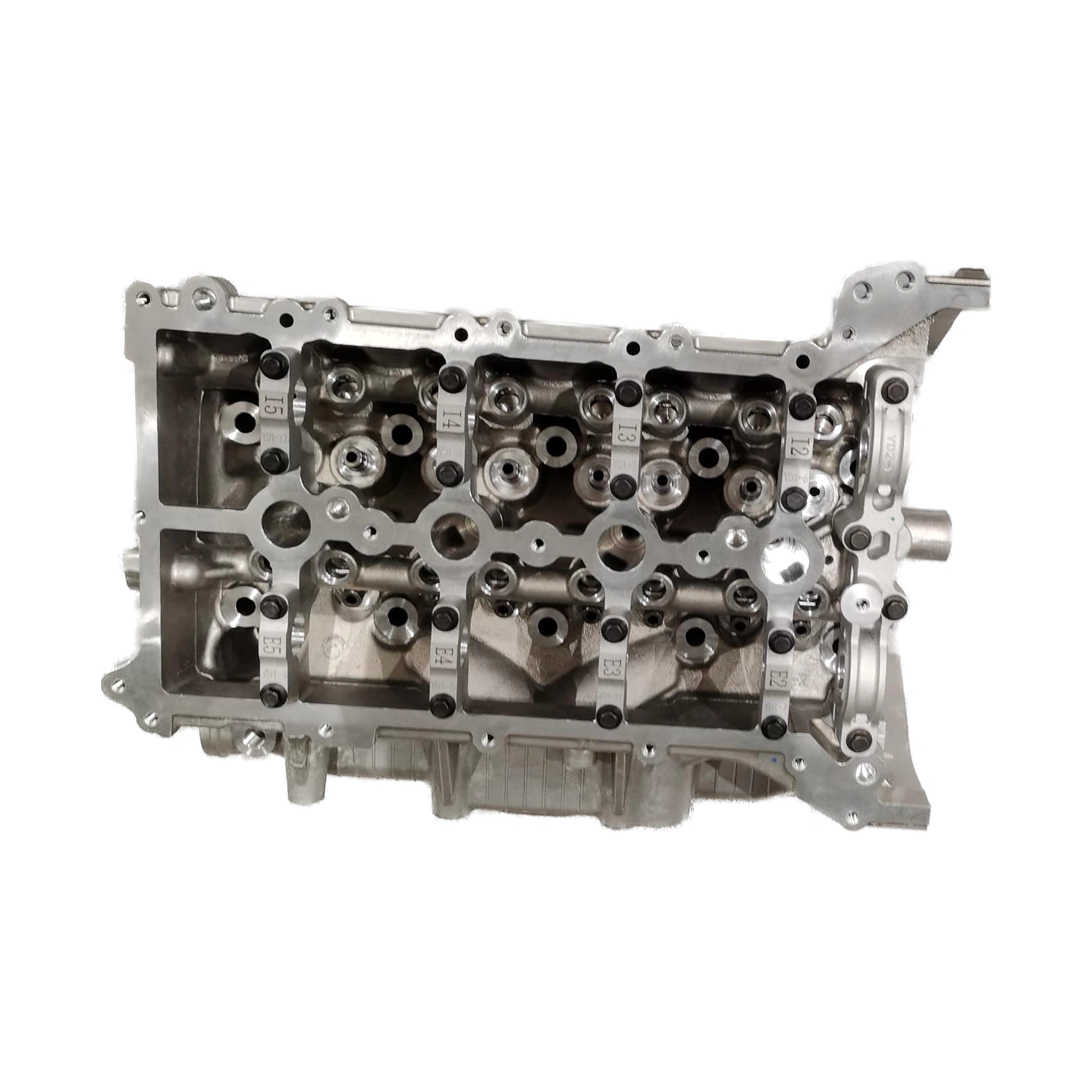
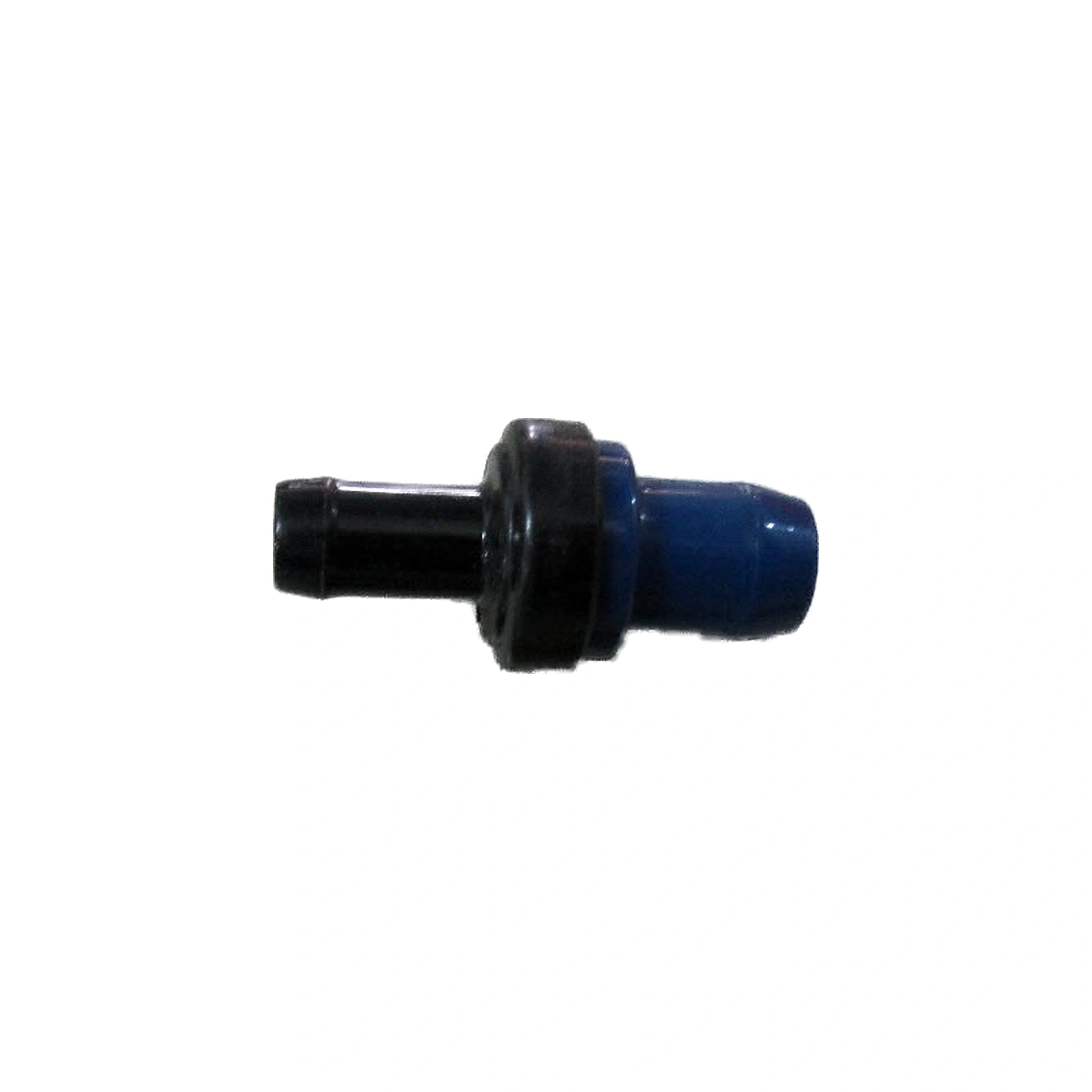
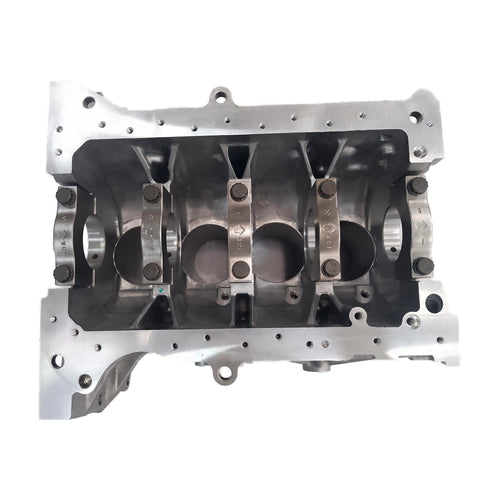
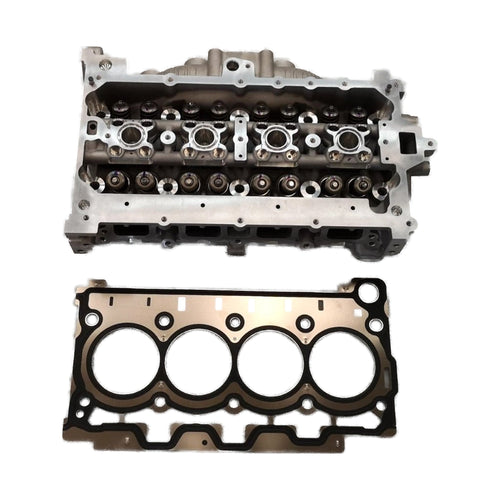
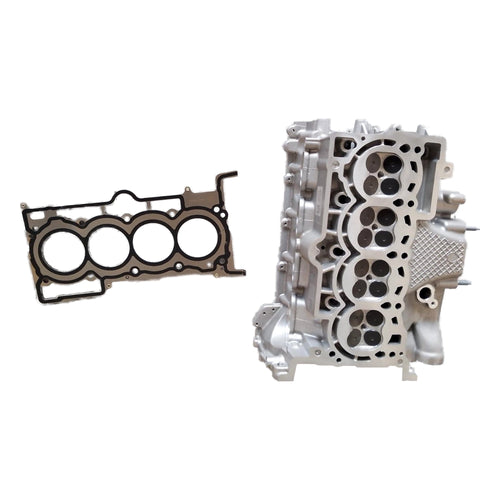
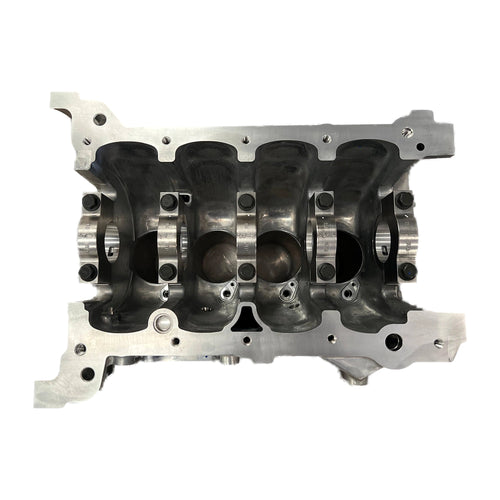
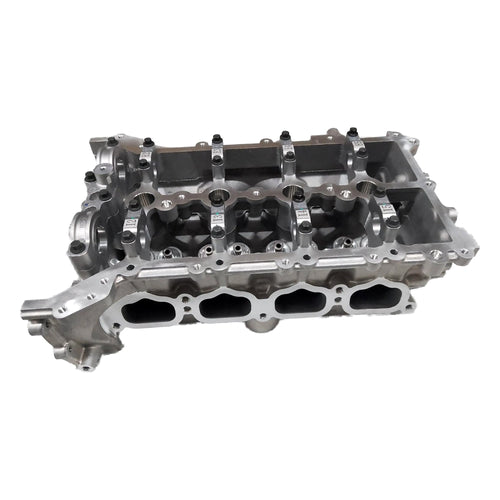
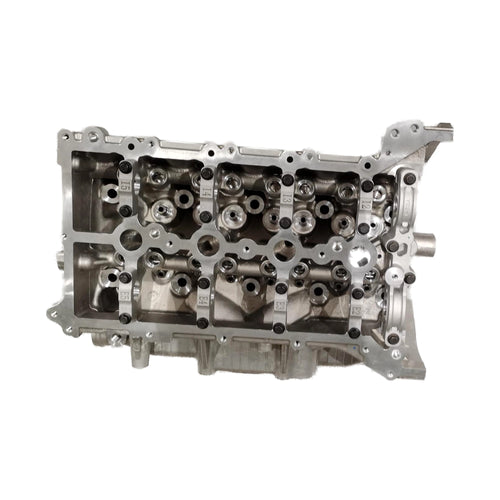
The block and the head are the structure everything else hangs on. The block carries the cylinder bores, the main bearing saddles that locate the crankshaft, and the water jackets that take heat away from the bores, and it is machined to tolerances measured in microns because piston clearance and bearing alignment depend on it. The head sits above, carrying the valves, their seats and guides, the camshafts on an overhead cam design, and the ports that feed and empty each cylinder. Between them the gasket seals combustion pressure, coolant and oil at once, which is the hardest sealing job on the engine. Bolted to the head is the cover, which encloses the valvetrain and usually carries the crankcase ventilation system: a PCV valve that draws blowby gases out of the crankcase and returns them to the intake, keeping pressure down and sludge at bay.
What to know before buying Cylinder Block & Head parts
Match the OE number. Bore sizes, port shapes and bolt patterns change between engine variants that share a family name. Assume new head bolts and a new gasket with any head, since most bolts are single use.
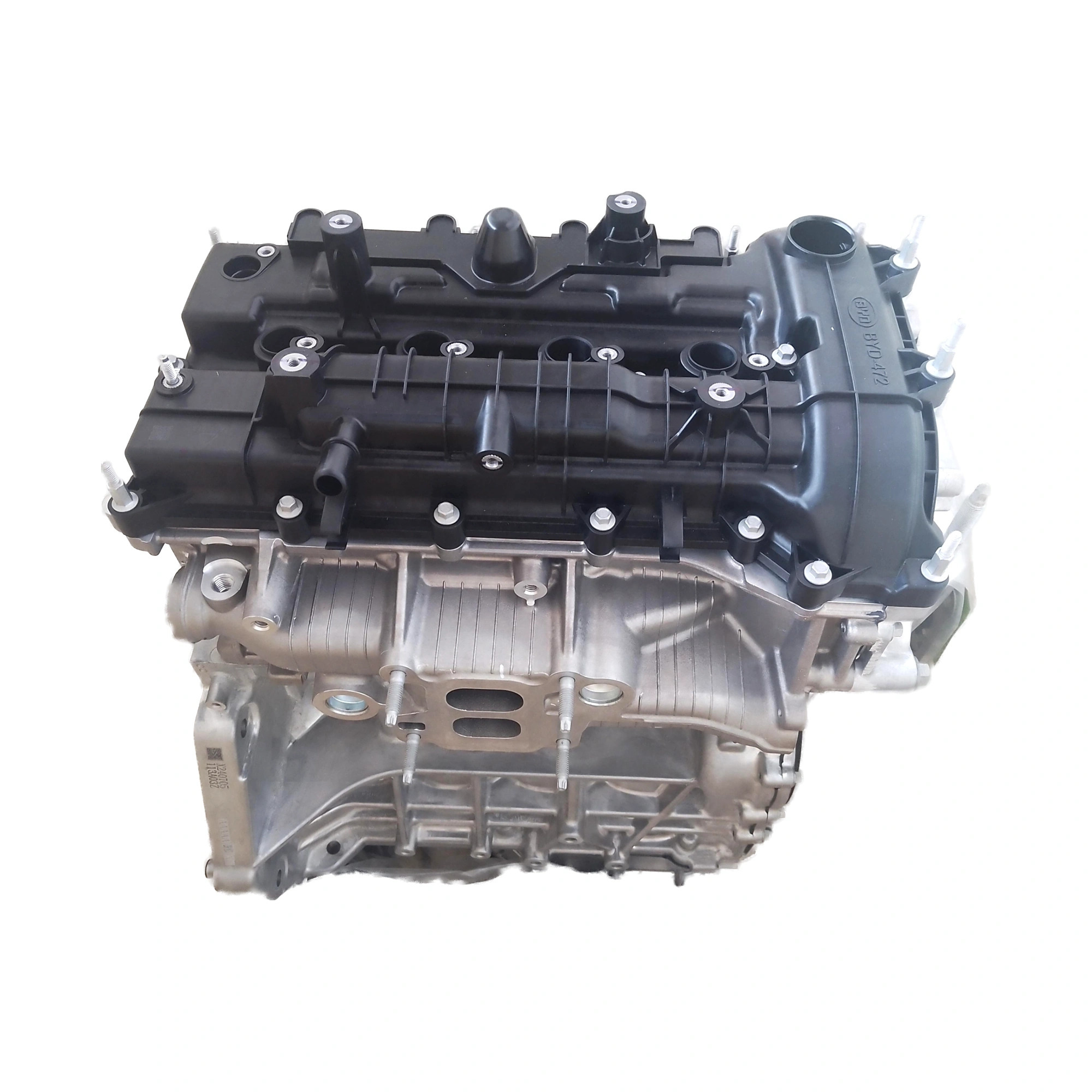
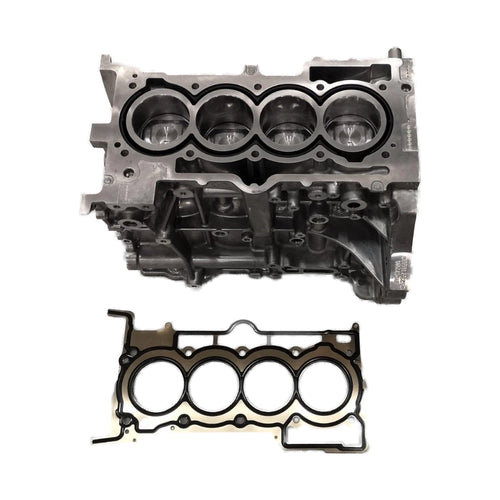
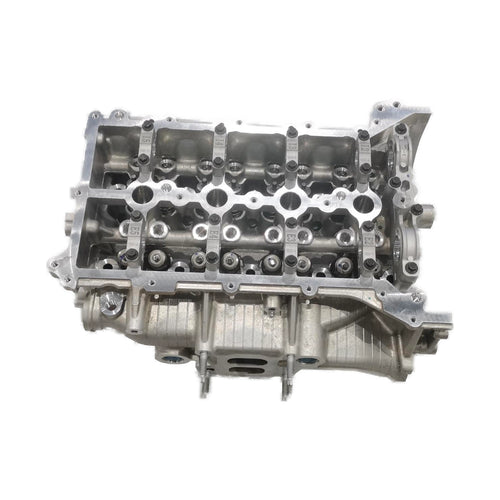
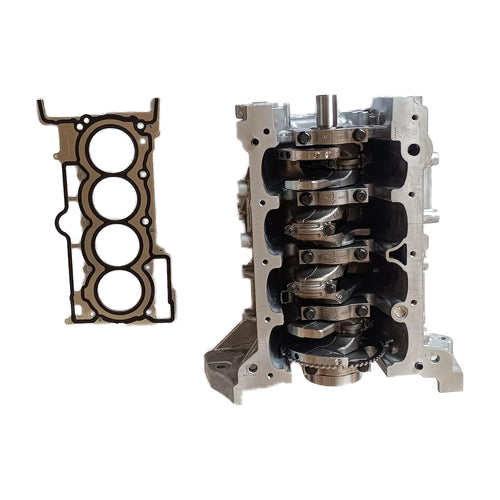
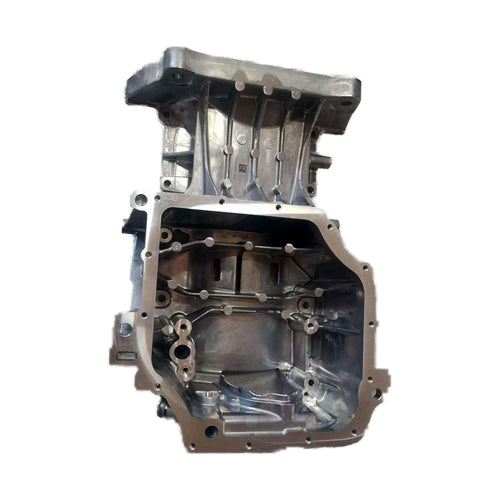
The listings follow how engine work is actually bought. Cylinder head sub assemblies, machined cylinder heads and machined cylinder head assemblies sit alongside machined cylinder blocks. Cylinder block sub assemblies and complete engine sub assemblies are here too. A repair can scale from a head swap to a short engine without leaving the catalogue.
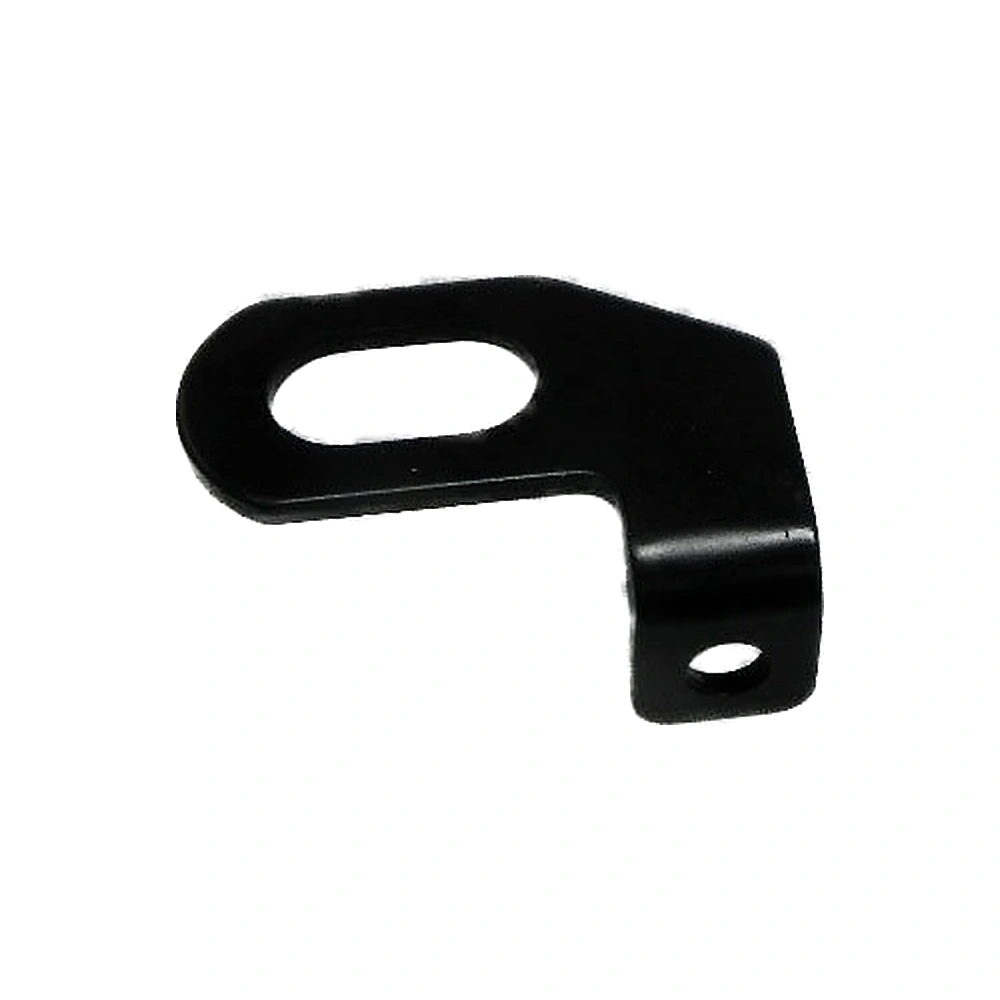
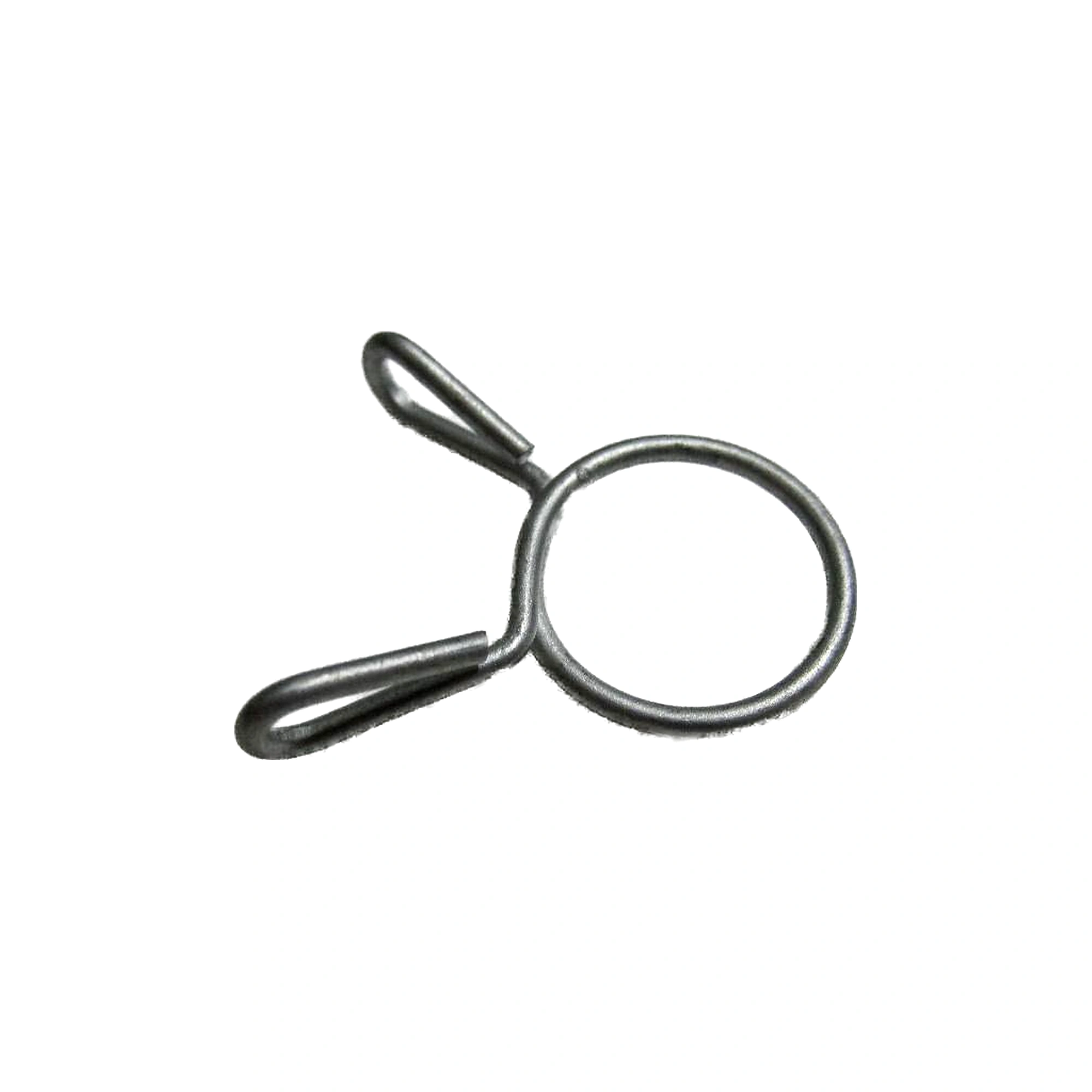
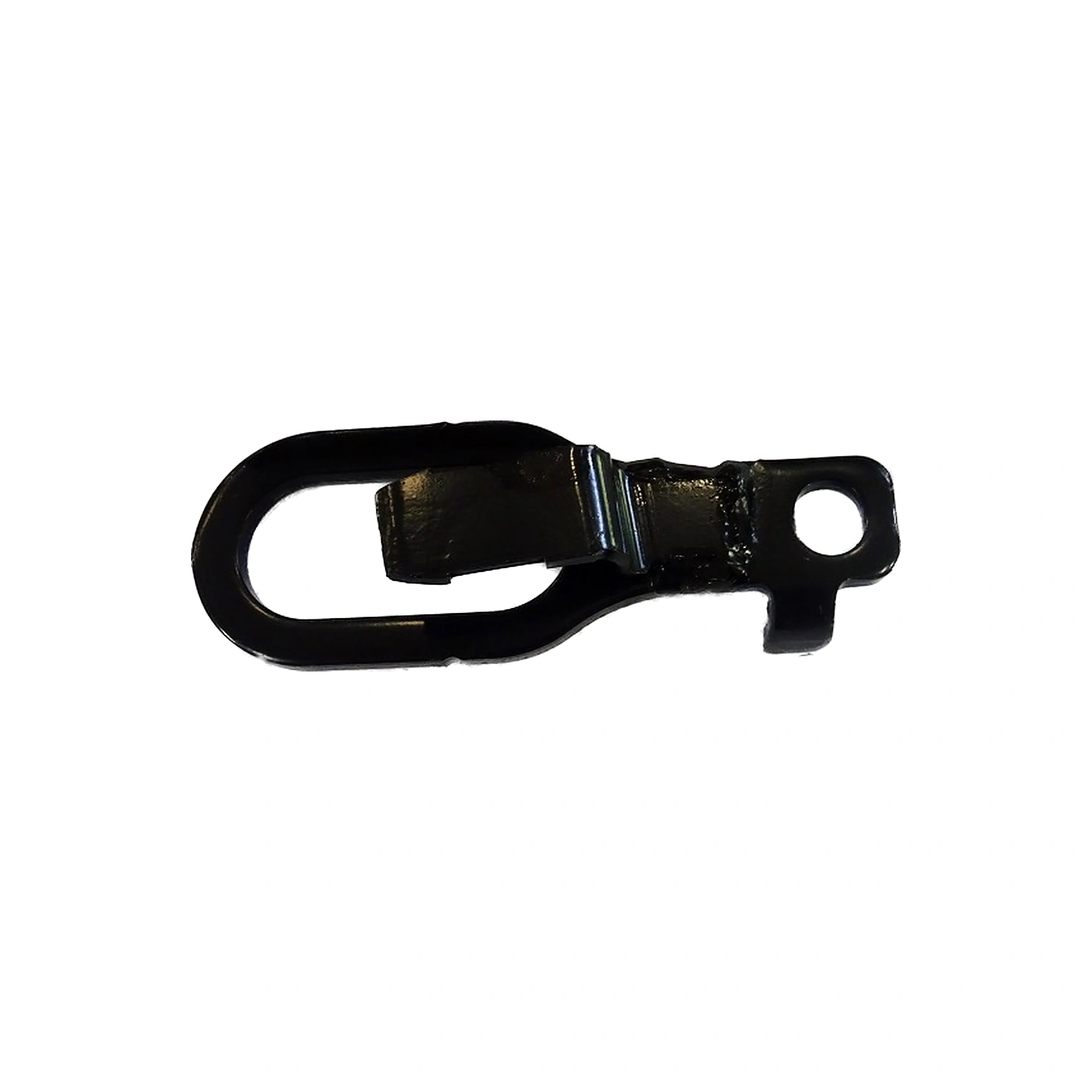
Around them sit cylinder head covers with their acoustic packs, PCV valves and wire form spring hose clamps. Front and rear engine lifting hooks matter more than they sound. Removing a head or an engine safely depends on them.
Priced items can be ordered from the listing and anything else is quoted. Cover is strongest across the BYD group.
Before You Order: 6 Checks
- Match the OE number, since bore size, port shape and bolt pattern change between variants of one engine family.
- Order new head bolts with any head or gasket, because most are stretch bolts and single use.
- Have the head checked for flatness and cracks before refitting a used one.
- Establish why the gasket failed before rebuilding, since overheating usually has a separate cause.
- Confirm whether the listing is a bare casting, a machined head or a complete sub-assembly.
- Fit the lifting hooks before attempting to remove a head or an engine.
What Changed and Why
Combustion engines in this catalogue increasingly serve as range extenders and hybrid units rather than sole propulsion, which changes how they are used and how they fail. Long periods of light load and frequent stop and start cycles favour deposits and crankcase condensation, so crankcase ventilation health matters more than it did, and short journey use is harder on an engine than steady motorway running. Aluminium blocks with cast iron liners remain the norm on this class of engine, which keeps head gasket work sensitive to warping and makes checking head flatness a routine step rather than an optional one.
Cylinder Block & Head: Frequently Asked Questions
How do I know if the head gasket has failed?
The symptoms cluster and rarely appear alone. White smoke from the exhaust that smells sweet, coolant disappearing with no puddle beneath the car, a milky emulsion on the oil filler cap or the dipstick, overheating, and pressure building in the expansion tank as combustion gases enter the cooling system. A combustion gas test on the coolant confirms it in minutes without dismantling anything. Do that test before ordering parts, since a leaking hose or a failed thermostat can produce some of the same signs.
Can a head gasket be replaced without machining the head?
Only after checking, and the check is quick. Lay a straight edge across the head face in several directions and measure any gap with feeler gauges against the manufacturer's flatness limit. Overheating warps aluminium heads, and refitting a warped head onto a new gasket produces a repeat failure within months. Crack testing is worth doing at the same time, particularly around the valve seats and the injector or plug bores. Skipping these steps is the most common reason a head gasket job has to be done twice.
Why do head bolts need replacing?
Because most are torque to yield, designed to stretch permanently into their plastic range as they are tightened so that they hold a very consistent clamp load. Once stretched they cannot reliably do that again, and reusing them gives uneven clamping across the gasket, which is exactly what a head gasket cannot tolerate. New bolts are inexpensive relative to the job. Follow the specified sequence and the angle tightening stages precisely rather than working to a torque figure alone.
What is the difference between a head, a short engine and a complete sub-assembly?
Scope. A cylinder head, supplied bare or machined, is the top casting alone. A short engine is the block with crankshaft, pistons and rods fitted, ready to receive your head and ancillaries. A complete engine sub assembly includes both. Which you buy depends on what the strip found: a failed gasket with a sound bottom end calls for a head, while bore or bearing damage calls for a short engine at minimum. Read each listing carefully, since content varies.
What does a PCV valve do and how does it fail?
It meters crankcase gases back into the intake so that pressure from combustion blowby does not build up behind the seals. When it sticks closed, crankcase pressure rises and pushes oil past the crankshaft and cam seals, which is why a car can develop several leaks at once from one cheap part. When it sticks open, it becomes a vacuum leak and produces a rough idle. It is one of the least expensive parts in this category and worth checking before chasing oil leaks.
Why did my head gasket fail in the first place?
Almost always because the engine overheated, and the overheating had its own cause: a failed thermostat, a blocked radiator, a leaking hose, a tired coolant pump or an electric fan that stopped running. Replacing the gasket without finding that cause simply schedules the next failure. Investigate the cooling system as part of the repair, replace the thermostat and pressure cap as a matter of course, and pressure test the system before the car goes back on the road.
What do block and head parts cost?
PCV valves, hose clamps and lifting hooks sit right at the bottom of the range. Cylinder head covers are modest. Machined cylinder heads cost considerably more, and complete engine sub assemblies sit at the top of the category, shipped as heavy freight. The live minimum and maximum are shown in the band at the top of this page. For the larger items the quote form is worth using even where a price is shown, since transport is a real component of the total.
Can I do a head gasket at home?
It is a long job rather than a highly skilled one, and it rewards patience and a manual. The tasks that catch people out are getting the timing drive correctly marked and reassembled, cleaning both faces perfectly without scratching aluminium, checking head flatness properly, and following the bolt tightening sequence and angle stages exactly. Budget a full weekend and a set of new bolts, gaskets and seals. If the head needs machining, that is a trip to a specialist in the middle of the job.
Will a head from a different variant fit?
Only where the number agrees. Engines within one family share a name and differ in bore, compression ratio, port shape, valve size and sometimes bolt pattern, and a head that bolts on with different ports or chambers changes the compression ratio and the way the engine breathes. Fuelling and ignition maps will not match it. Read the number cast or stamped on your own head, match it exactly, and use the quote form where the reference brings back nothing.
How should I clean the gasket faces?
Carefully, and never with an abrasive disc on an aluminium face. A rotating abrasive removes metal unevenly and embeds grit in the surface, which ruins the flatness you are relying on. Use a plastic scraper, a solvent gasket remover and patience, keeping debris out of the bores and the oil and coolant galleries by stuffing them with clean rag. Finish by wiping both faces with a lint free cloth and solvent, and check flatness with a straight edge before the new gasket goes on.
Does a rebuilt engine need running in?
Yes, and the schedule matters most in the first few hundred miles. New rings need controlled load to bed against the bore, which means varying engine speed, avoiding sustained constant revs and avoiding both very light and very heavy load. Change the oil and filter early, since the initial bedding process releases fine debris. Follow whatever schedule accompanies the assembly you buy, and treat the running in period as part of the repair rather than an optional courtesy.
The part I need shows no price. Can I still order it?
Yes. Blocks, heads and short engines are almost always handled by enquiry rather than by a listed figure, because they are heavy, they are packed individually and freight forms a real share of the delivered cost. Send the number and the reply covers transport as well as the casting. Two questions are worth answering in the same message: whether you need a bare casting or a built assembly, and whether the head has been measured for distortion. A head that needs skimming may be repairable, and knowing that before you order avoids buying a casting you did not need.