BYD e6 Parts
Shop BYD e6 Parts by Category
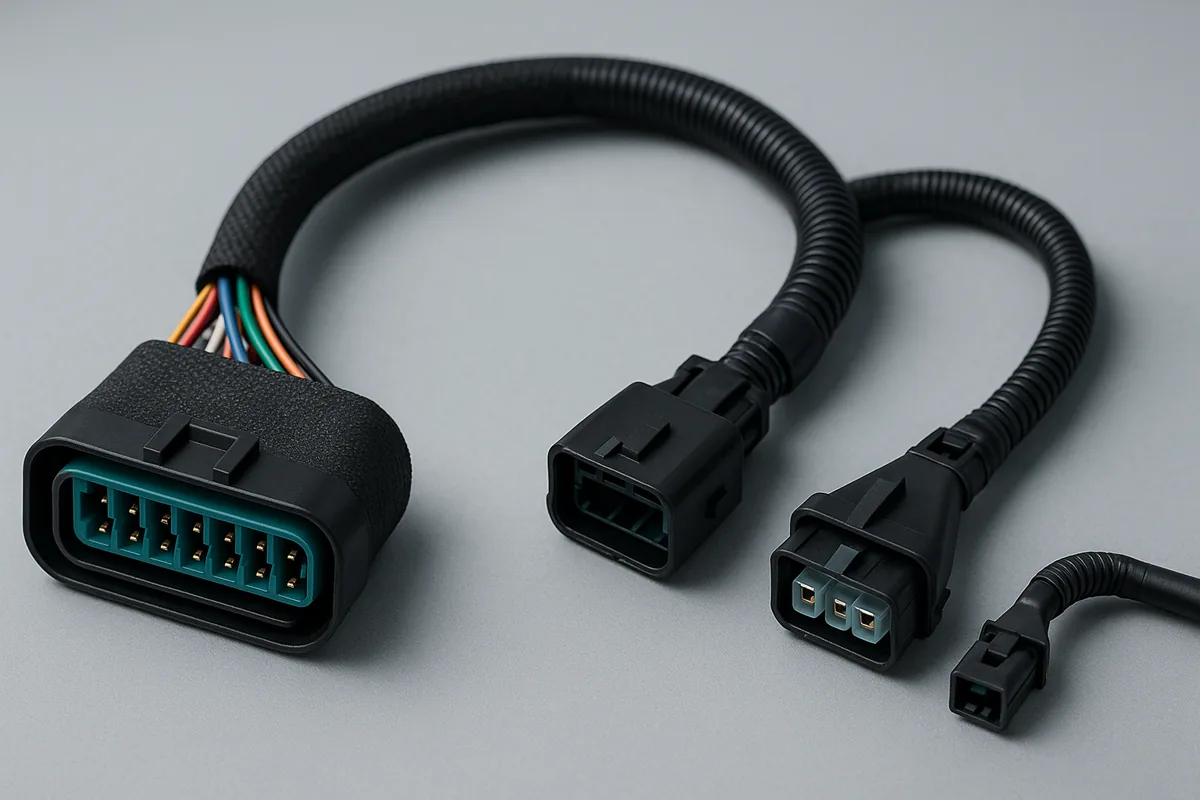
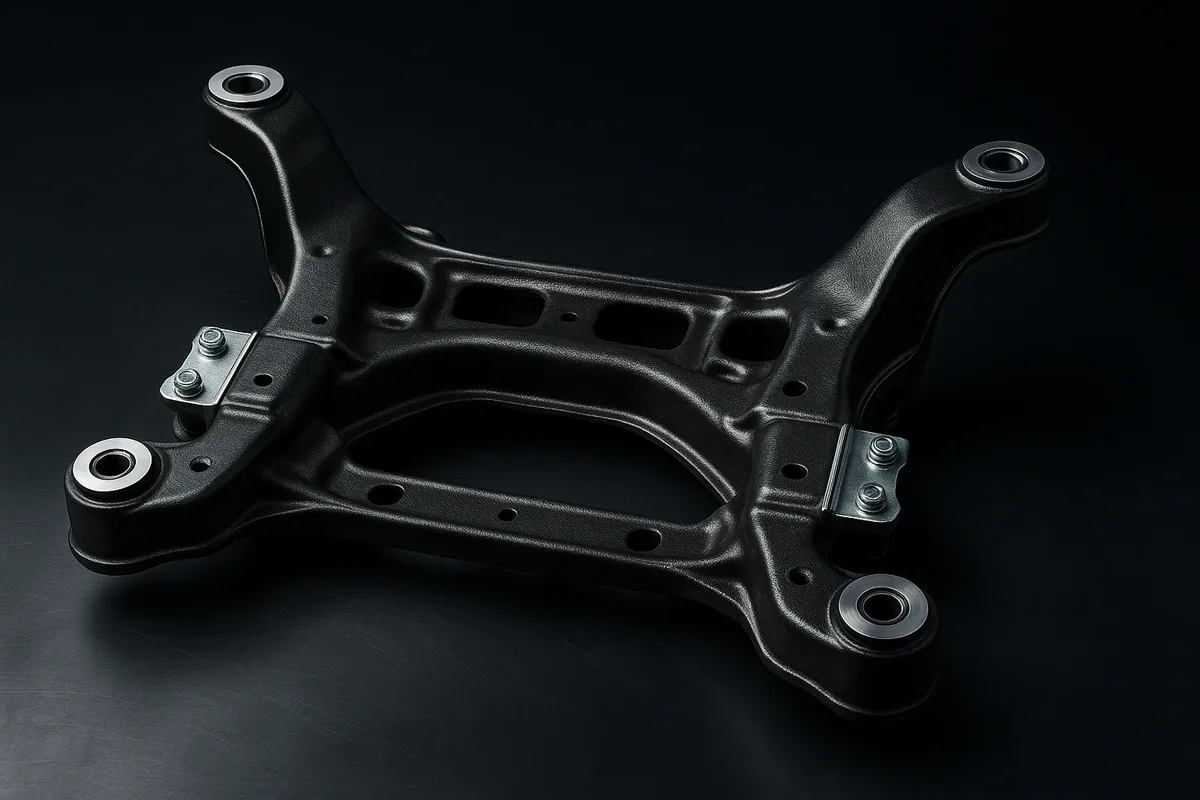
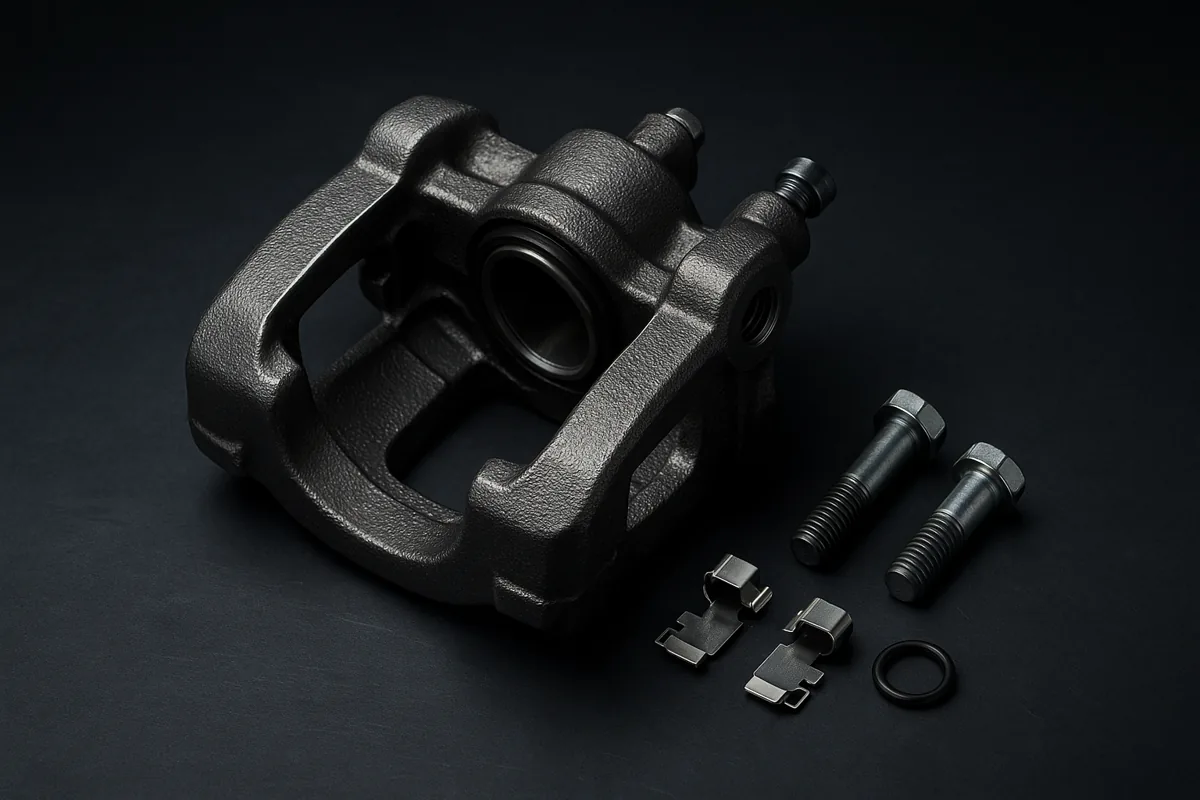
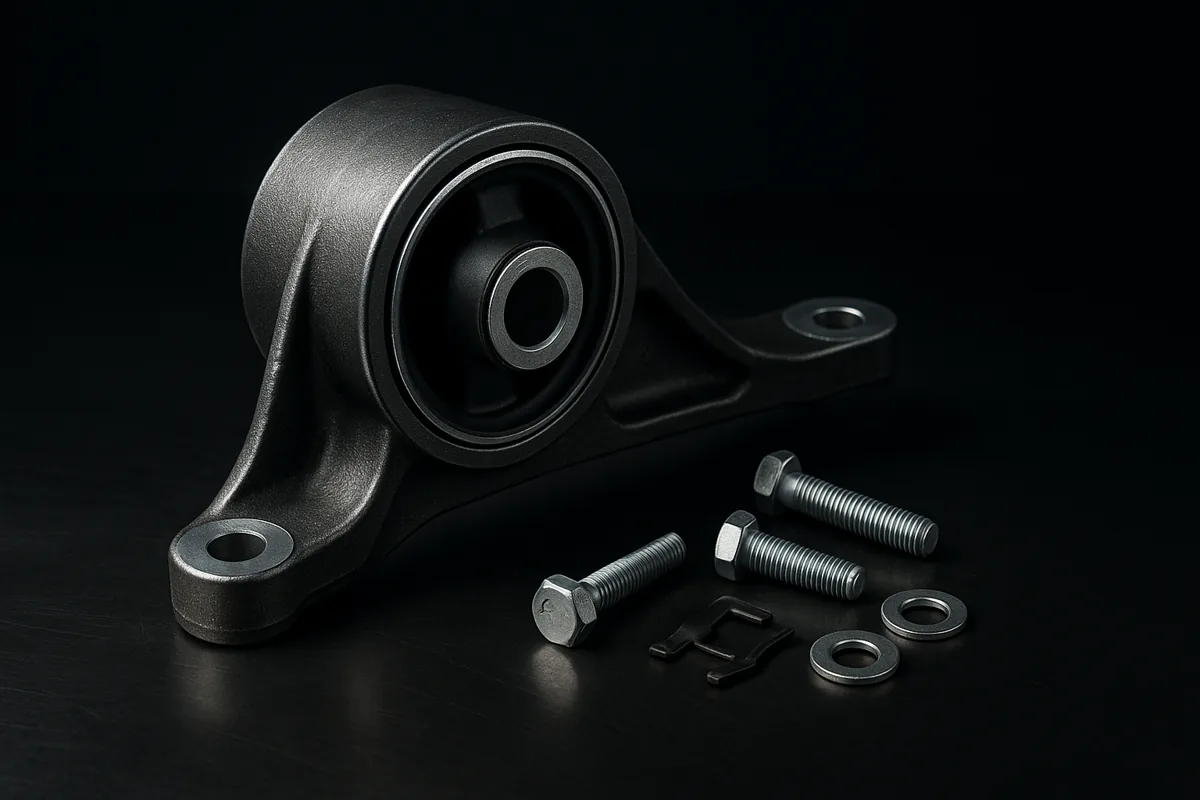
Popular for the BYD e6
scroll for more →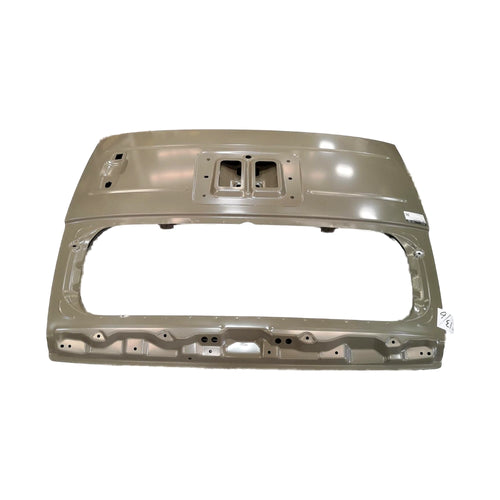
Symptom Finder: Known Weak Points
| What you see or hear | Check first |
|---|---|
| Knocks or clunks over bumps on a high-mileage car | Control arms, bushings and drop links. The first generation uses double wishbones at the front and the 2021 car uses MacPherson struts, so confirm the generation and order each part by its OE number. |
| Brake squeal, judder or a long pedal | Pads, discs and brake fluid. The 2021 car has vented front discs and solid rear discs. Match pads and discs to the generation by OE number. |
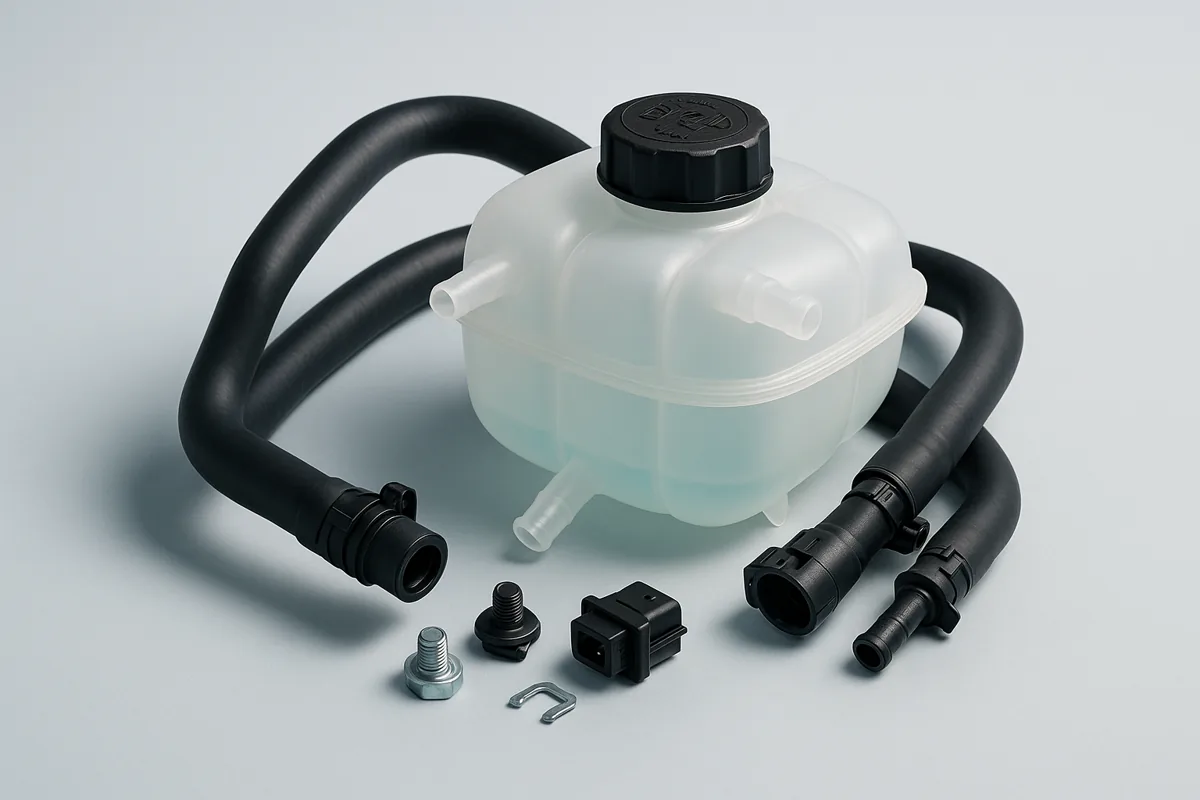
| Coolant warning or a falling coolant level | Coolant hoses, the expansion tank and the temperature sensors. Trace the leak to its circuit before ordering, then match the part by OE number. |
| Range well below what the car used to manage | The traction battery. Have the pack tested before ordering, then match modules or management parts by OE number and by the build date on the identification plate. |
| A 2021 car will not take AC charging | First confirm which charging sockets the car has. Some versions charge on DC only, so a missing AC function may be normal. On a car with an AC inlet, inspect the inlet and wiring and order by OE number. |
| Rear brake pistons will not push back when changing pads | Cars with an electric parking brake, such as the 2016 e6 400, need the caliper retracted with a diagnostic tool. Do this before condemning the caliper. |
| Reversing camera image lost after a minor knock | The camera and its connector at the rear. Check the wiring and mounting before replacing the unit, then order the camera by the OE number on the old one. |
Most Replaced Parts on the e6
- Front and rear bumper coversTaxi and fleet work in city traffic wears bumpers first, and each generation has its own
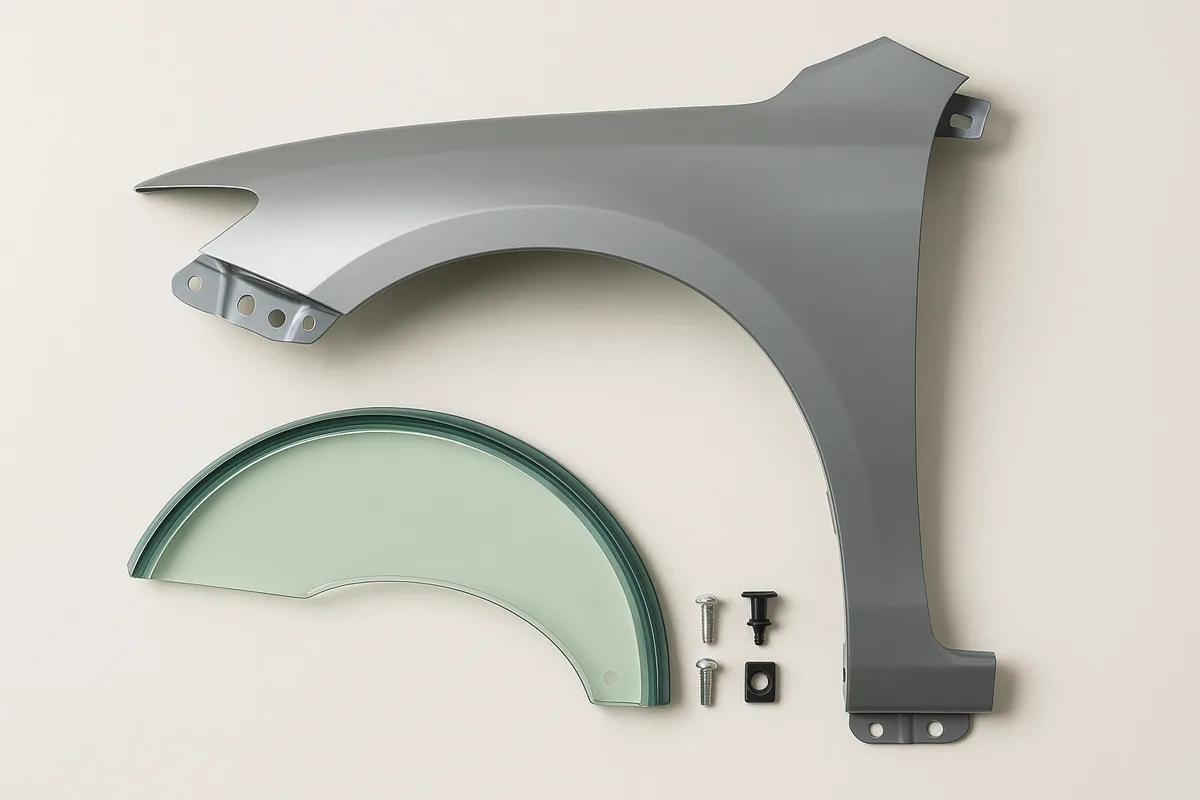
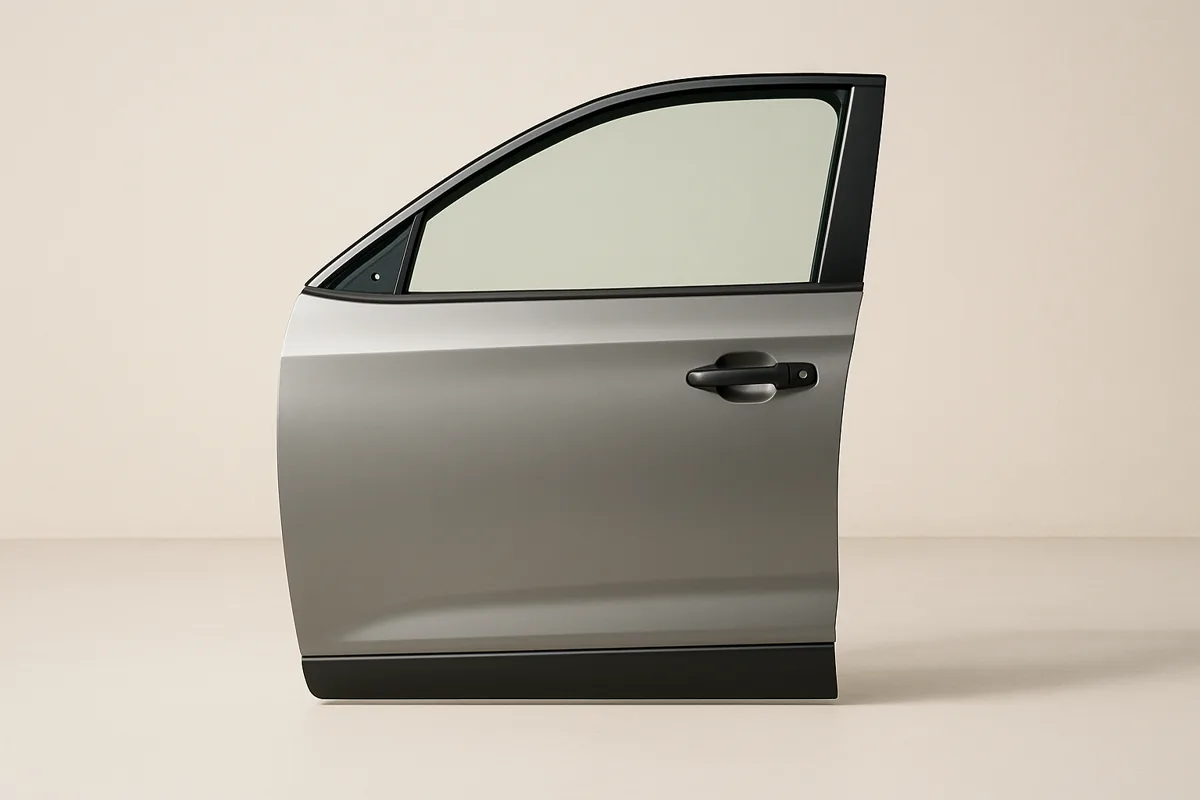
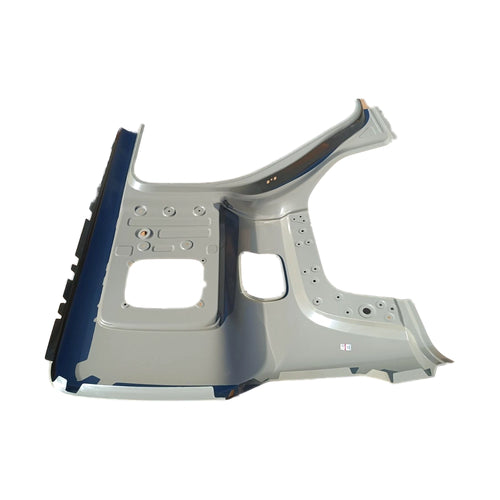
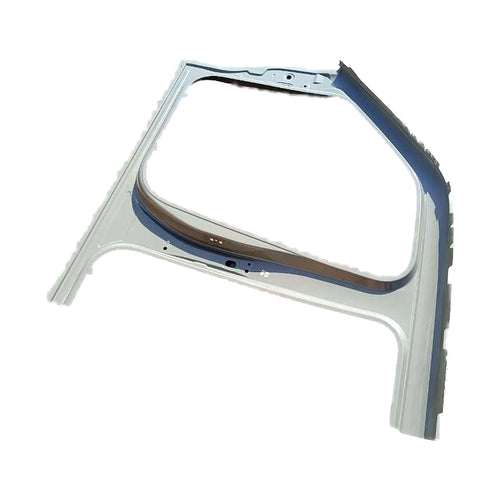
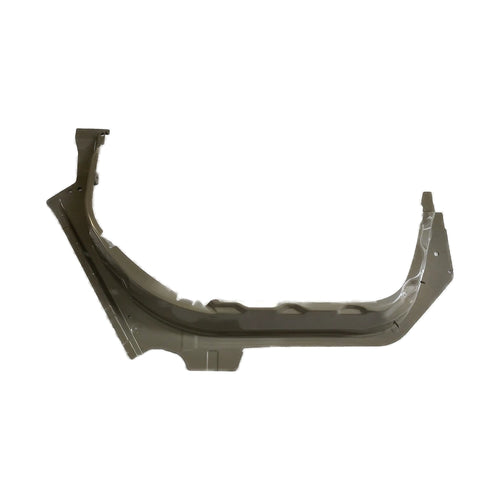
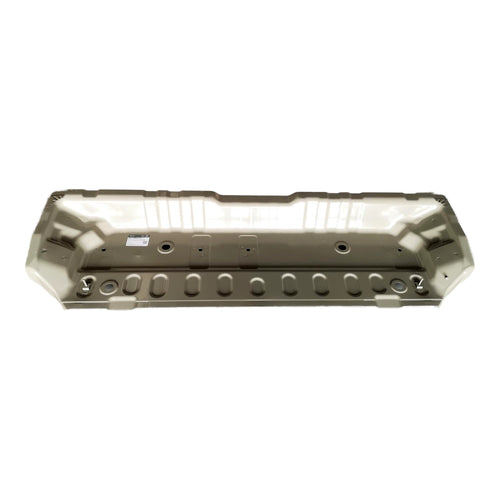
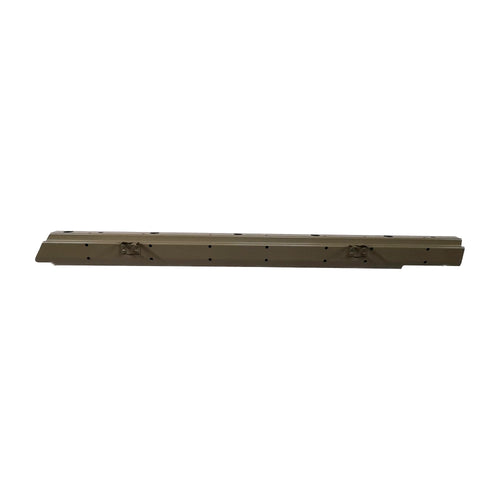
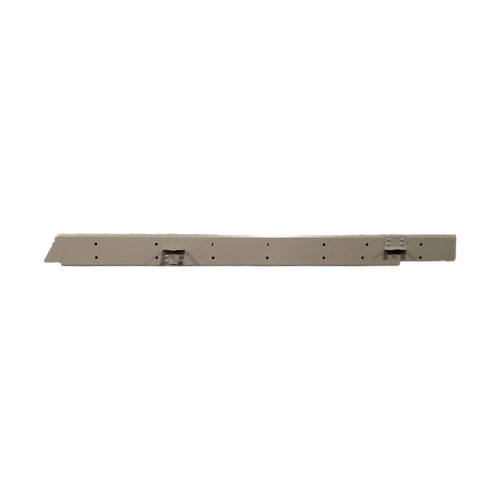
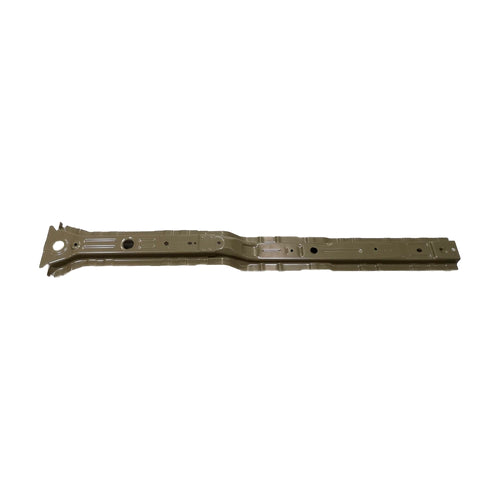
- Body panels, sills and structural sectionsNo panel fits both generations, so order by colour code and oe number
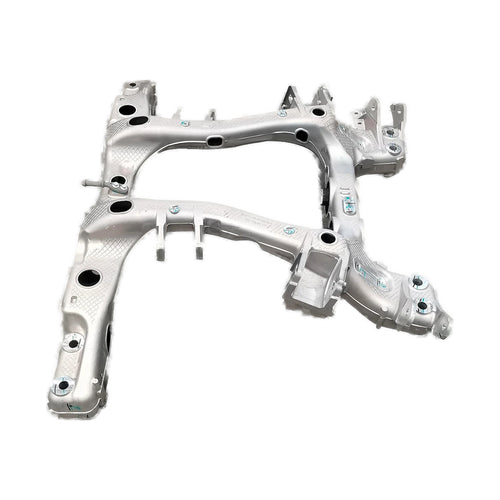
- Control arms and bushingsDouble wishbones on the first car, macpherson and multi-link on the second, never interchangeable
- Coolant hoses, tanks and sensorsThe drive system depends on these, and long taxi shifts age the rubber faster
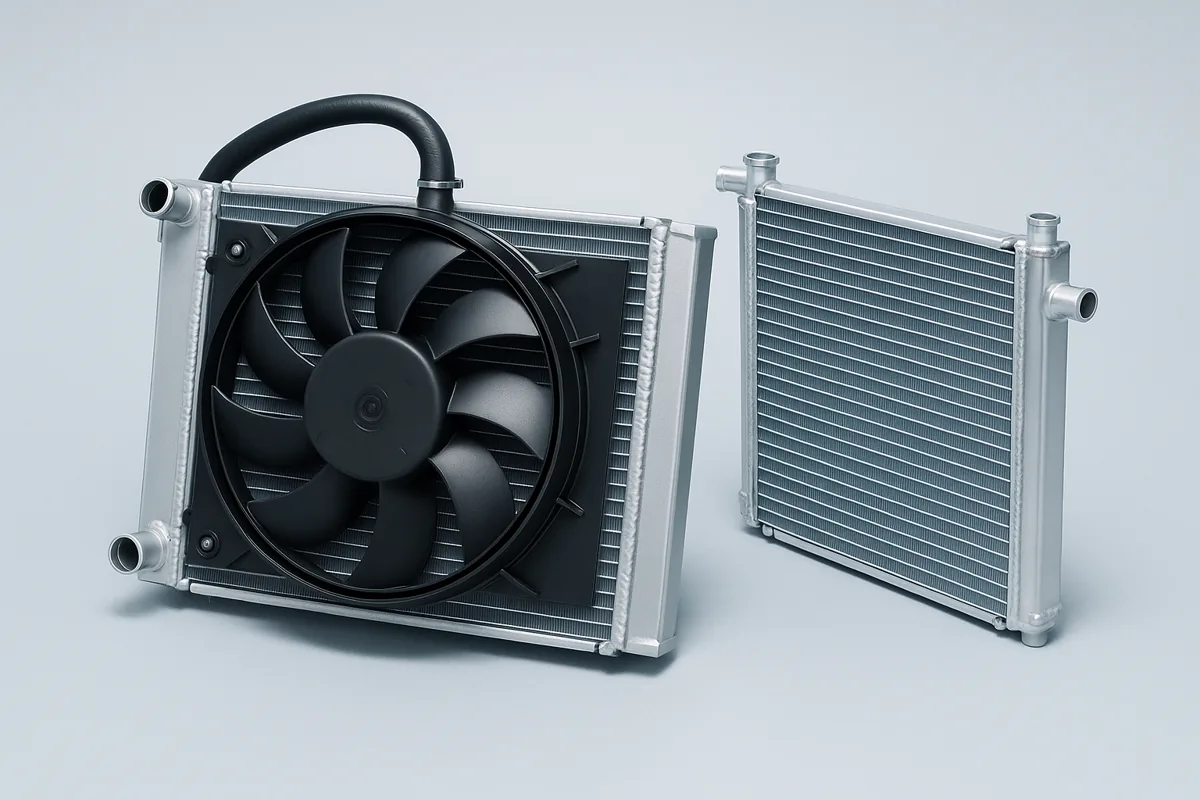
- Radiator and cooling fansSlow, hot city traffic keeps the fans running and the radiator working hard
About BYD e6 Parts
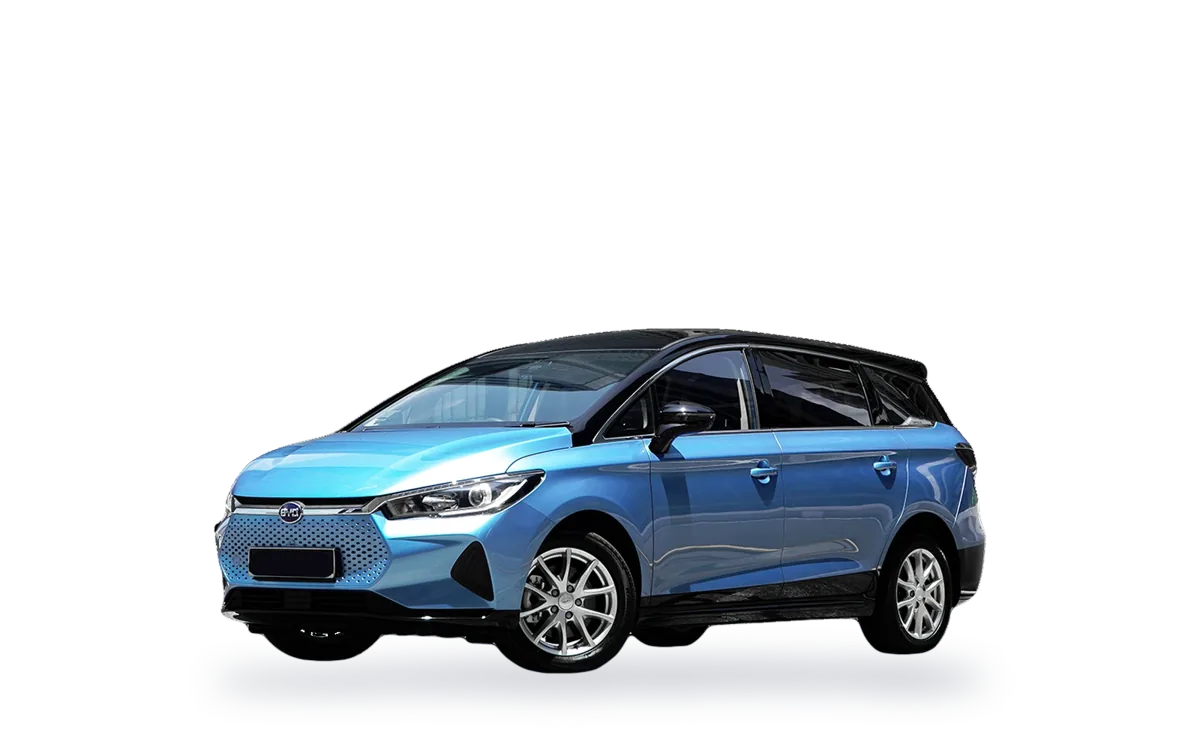
The BYD e6 name covers two different cars. The first went on public sale in Shenzhen in October 2011 after taxi trials that began in 2010. It is a five-seat electric crossover, 4,560 mm long on a 2,830 mm wheelbase, and it was built mainly for taxi and fleet work. BYD started building the second in February 2021. It is a five-seat electric MPV, 4,695 mm long on a 2,800 mm wheelbase, closely related to the Song MAX EV and fitted with a Blade battery. In their usual form both drive the front wheels through an electric motor and a single-speed gearbox, so there is no engine oil or exhaust to look after. They do need brakes, suspension, cooling and body parts, often for cars that have covered taxi mileage. Almost none of those parts fit both cars. Every part here is listed by its OE number, and matching that number is the surest way to confirm a fit.
What to know before buying BYD e6 parts
Start by working out which e6 you have, because the badge covers two separate cars. The first generation, sold from 2011, is 4,560 mm long, 1,822 mm wide and 1,630 mm tall on a 2,830 mm wheelbase, and it runs 225/65 R17 tyres. The 2021 car is 4,695 mm long, 1,810 mm wide and 1,670 mm tall on a 2,800 mm wheelbase. It runs 215/55 R17 tyres and has the Dragon Face front it shares with the Song MAX. The size on the tyre sidewall is the quickest check, and the shape of the body confirms it.
Very little fits both cars. The first generation has double-wishbone front suspension and an independent rear. The 2021 car uses MacPherson struts at the front and a multi-link rear, so control arms, bushings, knuckles and dampers are specific to each car. Body panels, bumpers, glass, lamps, the battery and its high-voltage wiring are also different. Order steering and brake parts by the OE number on the old part rather than by the model name.
The 2021 e6 is closely related to the Song MAX EV, and that can lead to wrong orders. The e6 has a longer body and a different battery, so a Song MAX EV part that looks right is only a lead. Order it if its OE number matches the number on your old part, and not otherwise.
Some details vary from car to car. Motor output on the 2021 car differs between versions, so match motors, inverters and controllers by OE number. Charging equipment on the 2021 car also differs between versions, so check which charging sockets the car has and match the charging inlet and on-board charging parts by OE number. On the first generation, the battery grew from around 60 to 70 kWh on early cars to 82 kWh on the 2016 e6 400. Read the build date on the identification plate before ordering battery or high-voltage parts. For painted panels, order by the colour code on the car rather than the colour name.
Many e6s have spent their working lives as taxis. Expect worn suspension, brakes, cooling parts and bodywork, and make sure each replacement is for the right generation by checking its OE number.
Before You Order: 7 Checks
- Read the tyre size to identify the generation. 225/65 R17 is the first-generation e6 and 215/55 R17 is the 2021 car, so order parts for that car only.
- Match the OE number on the part you are replacing to the OE number on the listing before you order.
- Treat a Song MAX EV listing as a lead for the 2021 e6, and order the part only if its OE number matches.
- On a 2021 car, match a motor, inverter or controller by OE number, since motor output differs between versions.
- Check which charging sockets a 2021 car has before ordering a charging part, since not every version has AC charging.
- On a first-generation car, read the build date on the identification plate before ordering battery or high-voltage parts, since the pack grew over the years.
- Order painted panels by the colour code on the car rather than by colour name.
Generations and Facelifts
The e6 was one of BYD's first electric cars. BYD showed a concept in 2009, and in May 2010 a fleet of 40 cars went into service as taxis in Shenzhen. Public sales in Shenzhen began on 26 October 2011, later than first planned. The car was a five-seat electric crossover with a lithium iron phosphate battery. It went on to work as a taxi in Shenzhen and in several cities abroad.
The first generation changed mostly underneath while its shape stayed the same. Early cars carried a battery of around 60 to 70 kWh, and the 2016 e6 400 moved to an 82 kWh pack with a 90 kW motor and a quoted range of 400 km. Battery and drive parts therefore depend on when the car was built, while body parts stayed much the same. We could not confirm a dated facelift of the first-generation body.
In February 2021 BYD began building a new e6 that has nothing but its name in common with the earlier car. It is an MPV closely based on the Song MAX EV, with a 71.7 kWh Blade battery, MacPherson front and multi-link rear suspension, and 215/55 R17 tyres. It was also sold outside China.
A China-market version with a 100 kW motor first appeared in June 2020 and was working as a taxi in Shenzhen by January 2021. Autohome lists it as the 2020 model year. Reports from December 2022 describe a later update, sold as the 2023 taxi version, with an open-mesh grille and slim headlamps joined by a chrome bar. Grille, lamps and drive electronics on that version should be matched by OE number. In China the second-generation e6 was sold as a 2020 model year and later as a 2023 taxi version. Both are listed at 100 kW.
BYD e6 Parts: Frequently Asked Questions
How do I make sure a part fits my BYD e6?
Match the OE number. Every part on this site is listed under the OE number printed on the original part, and if the number on the part you are replacing matches the listing, the part fits. That check matters more than usual on the e6, because two unrelated cars share the badge and a part described simply as being for the e6 could belong to either. If the old part is missing or its number cannot be read, send us a photo through the quote form and we will reply within 24 hours, usually sooner.
Why are there two different cars called the BYD e6?
BYD used the name twice. The first e6 went on public sale in Shenzhen in October 2011 after taxi trials that began in May 2010, and it became a common taxi in China. In February 2021 BYD started building a new e6, an MPV closely based on the Song MAX EV and fitted with a Blade battery. Both cars have five seats and front-wheel drive, but their bodies, suspension and batteries are different. Work out which one you have before you order anything.
How can I tell which e6 I have?
Read the tyre size on the sidewall. The first generation runs 225/65 R17 and the 2021 car runs 215/55 R17. The size of the body confirms it. The first car is 4,560 mm long and 1,630 mm tall, and the later one is 4,695 mm long and 1,670 mm tall. The 2021 car also has the Dragon Face styling it shares with the Song MAX, which the earlier car does not. Once you know the generation, confirm each part by the OE number on the old one.
Do suspension parts fit both e6 generations?
No. The first-generation car has double-wishbone front suspension with an independent rear, while the 2021 car uses MacPherson struts at the front and a multi-link rear. Control arms, bushings, knuckles and dampers are different on each car, and so are the mounting points they bolt to. These parts wear quickly on a car that has worked as a taxi, so it is common to replace several at once. Order each one by the OE number on the part you remove.
Do Song MAX EV parts fit the 2021 e6?
Some do and many do not. The 2021 e6 is closely based on the Song MAX EV and shares its styling, but the e6 has a longer body and a different battery, so a part that looks the same is not always the same part. Treat a Song MAX EV listing as a lead rather than a sure fit. If its OE number matches the number on your old part, the part fits. If the numbers differ, order the part listed for the e6.
What tyre sizes does the e6 use?
The first-generation e6 runs 225/65 R17 front and rear, and the 2021 car runs 215/55 R17. Both use a 17-inch rim, so the rim diameter alone does not tell you which car a wheel came from. Before ordering tyres, read the size on the sidewall of the tyres already fitted. Match rims, wheel bolts and hub parts by OE number rather than by diameter, since the two cars share no suspension hardware.
Does an electric e6 still need fluids and servicing?
Yes, although it has no engine oil. Both generations drive the front wheels through a single-speed reduction gearbox that has its own oil. The motor and its electronics depend on a coolant circuit with hoses, a tank and sensors. Brake fluid, pads, cabin filters and wiper blades wear as they do on any car, and taxi use shortens every interval. Take the fluid grades from the service schedule in the handbook, then order hoses, filters and sensors by OE number.
Does the motor differ between versions of the 2021 e6?
Yes. The China-market version, which was working as a taxi in Shenzhen by January 2021, is quoted at 100 kW, and Autohome lists both the 2020 model year and the 2023 taxi version at that figure. Other versions of the 2021 car are quoted at a lower output. Do not assume that a motor, inverter or motor controller from one version suits the other. Check which version the car is, then match the drive unit and its electronics by the OE number on the old part.
Do charging parts differ between e6 versions?
On the 2021 car, yes. Some versions charge on DC only, while others add AC charging. That means the inlet, its wiring and the on-board charging hardware can differ between two cars that look identical. Check which sockets the car actually has before ordering, and match every charging part by its OE number. First-generation charging parts are a separate set again.
What battery does the first-generation e6 have?
A lithium iron phosphate pack that grew over the car's life. Early cars used a pack of around 60 to 70 kWh, and the 2016 e6 400 moved to 82 kWh with a quoted range of 400 km. Battery modules, management electronics and high-voltage wiring are not the same across those versions. None of them fit the 2021 car, which uses a 71.7 kWh Blade battery. Read the build date on the identification plate, then match pack parts by OE number.
Which parts wear first on an e6 that has worked as a taxi?
Mostly parts that take mileage and knocks, rather than the drive system. Bumper covers, body panels and trim suffer in city traffic, and suspension arms and bushings carry a heavy car over very high mileage. The first-generation e6 weighs over two tonnes, which adds to the load on its brakes and suspension. Cooling hoses, the radiator and fans work hard in hot, slow traffic. Inspect those areas first, then order each part by the OE number on the one you remove.
What headlamps does the 2021 e6 have?
The 2023 taxi version for the Chinese market, described in reports from December 2022, has slim headlamps joined by a chrome bar across an open-mesh grille, so its front lighting and grille may differ from other versions of the car. Lamps are made for one side of the car and can differ between versions. Check the side and the type of lamp fitted, then order by the OE number on the lamp housing.
Safety Recalls Affecting This Model
If you have been told otherwise, the first thing to check is which car is meant. The e6 badge covers two unrelated vehicles, the 2011 Shenzhen taxi generation and the 2021 Blade-battery MPV, and any recall notice you have seen should name a market, a build date and, ideally, the model code off the VIN plate before you act on it. A notice naming a different BYD model, or lacking that detail, is not evidence of a recall on this car.