Pistons, Rings & Bearings
Shop Pistons, Rings & Bearings by Part Type
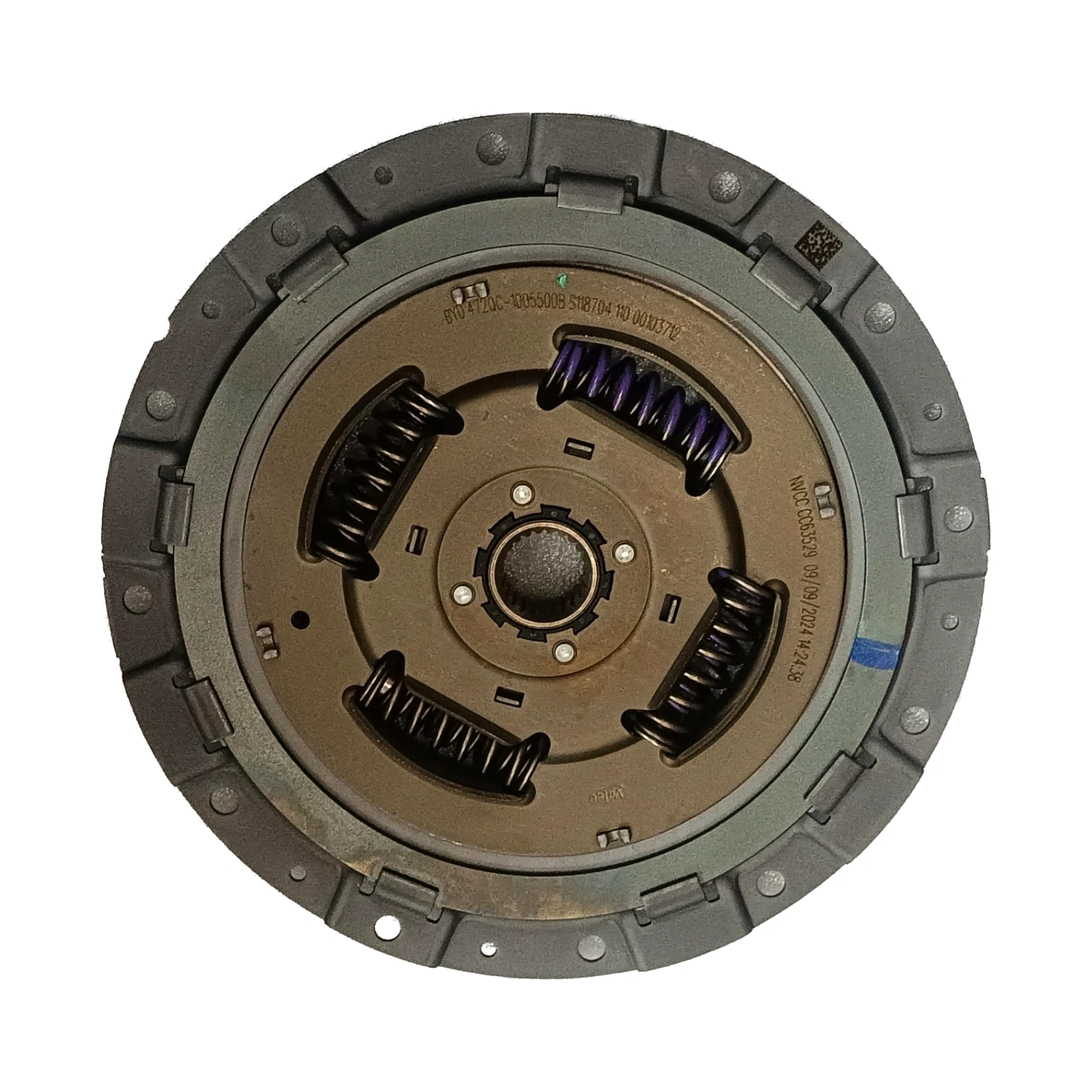
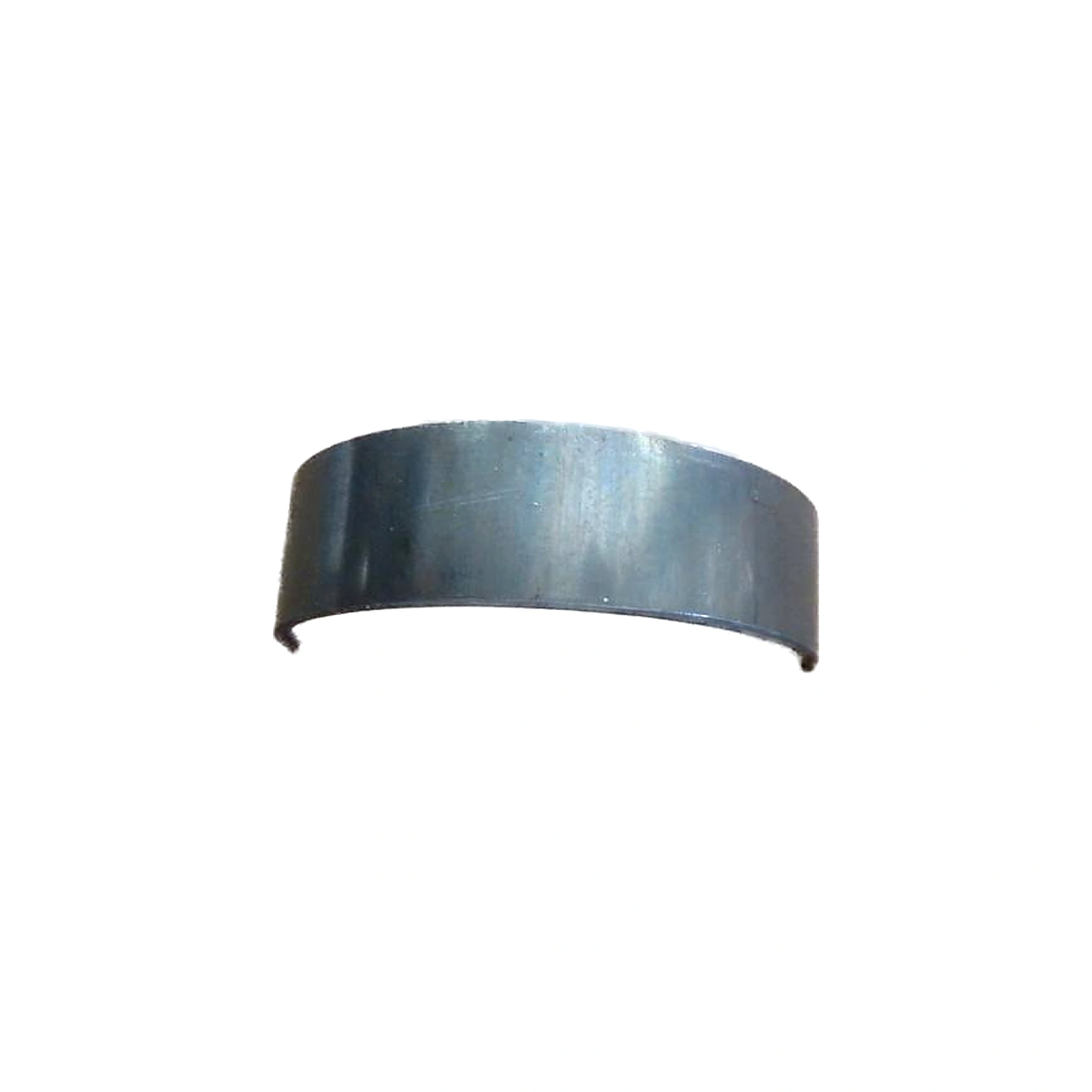
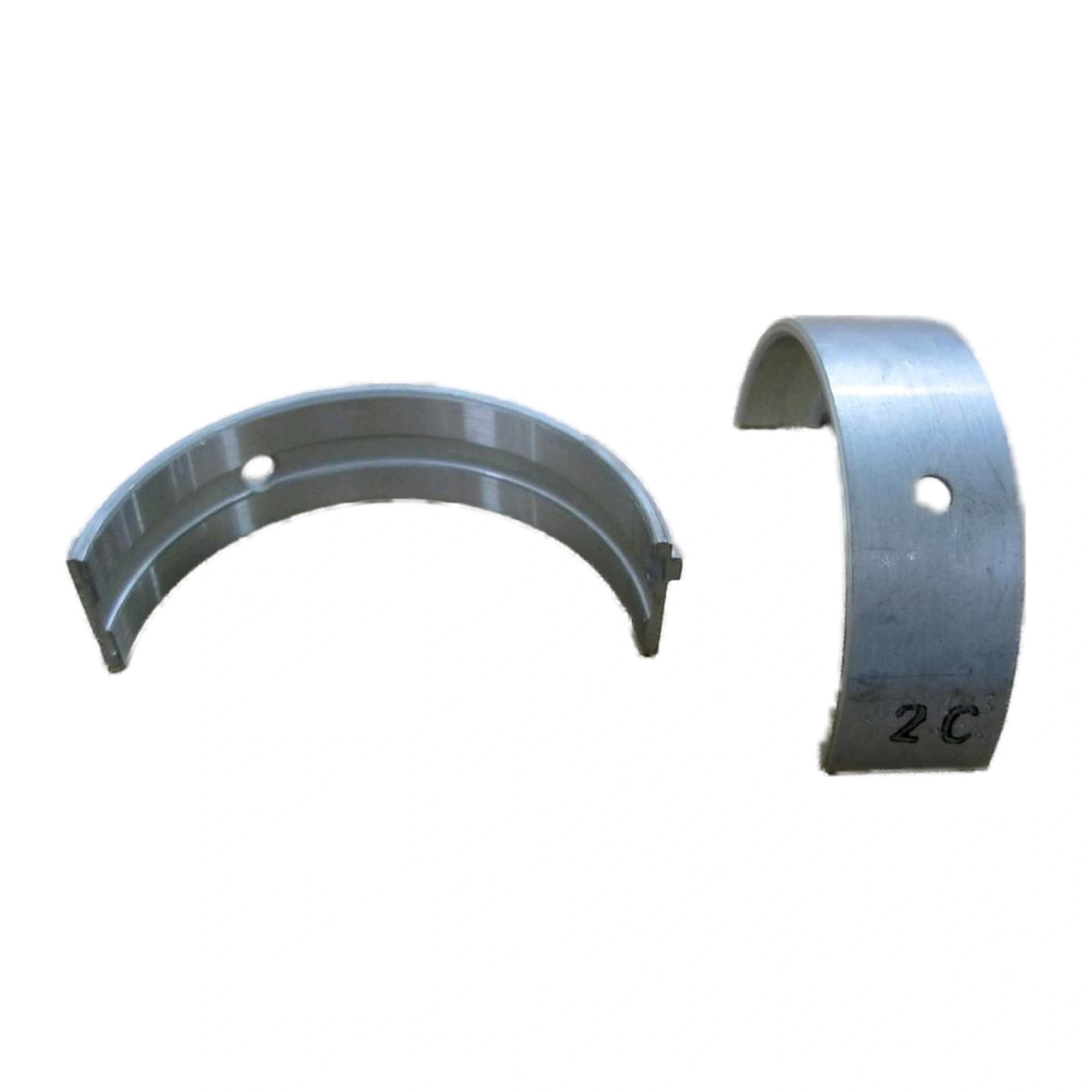
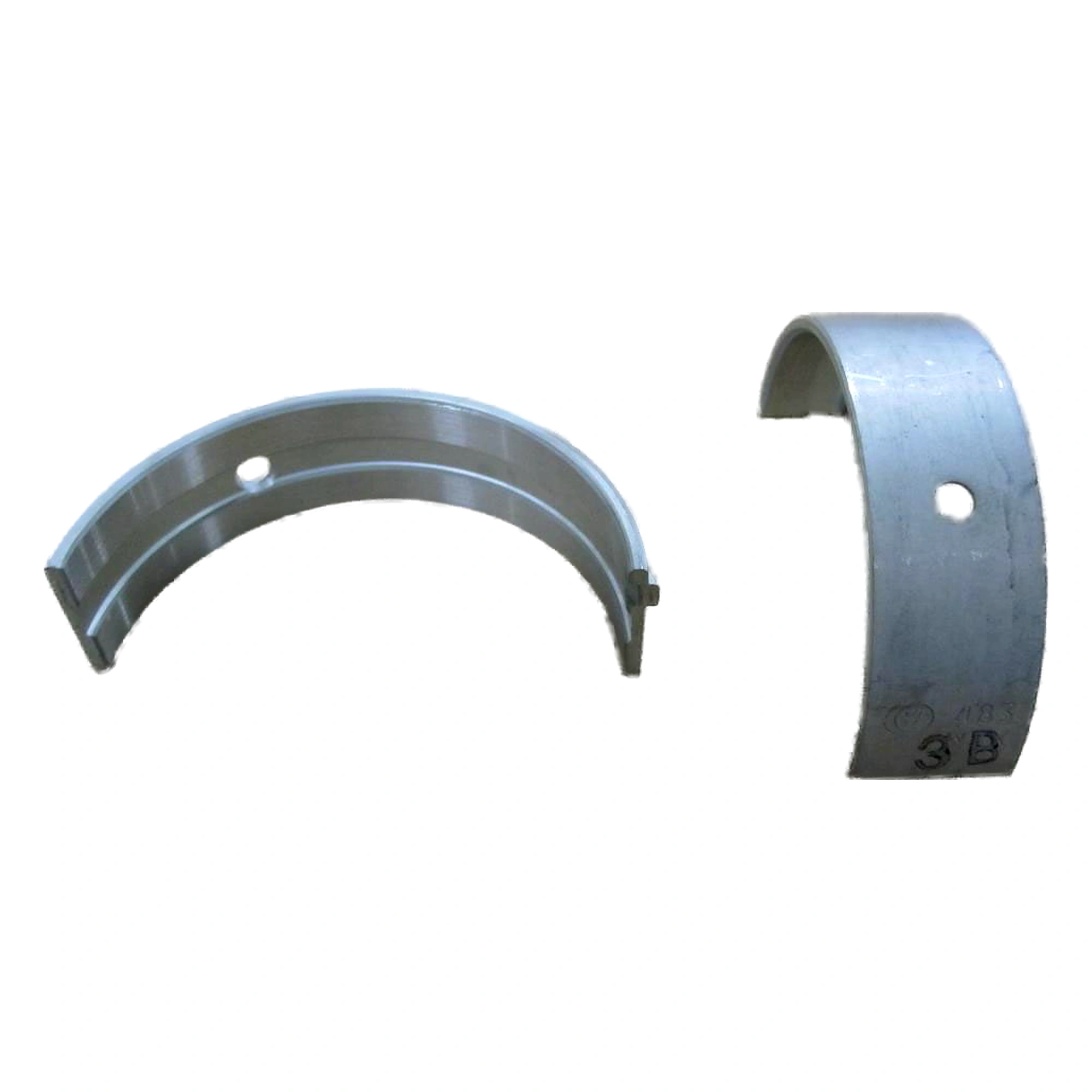
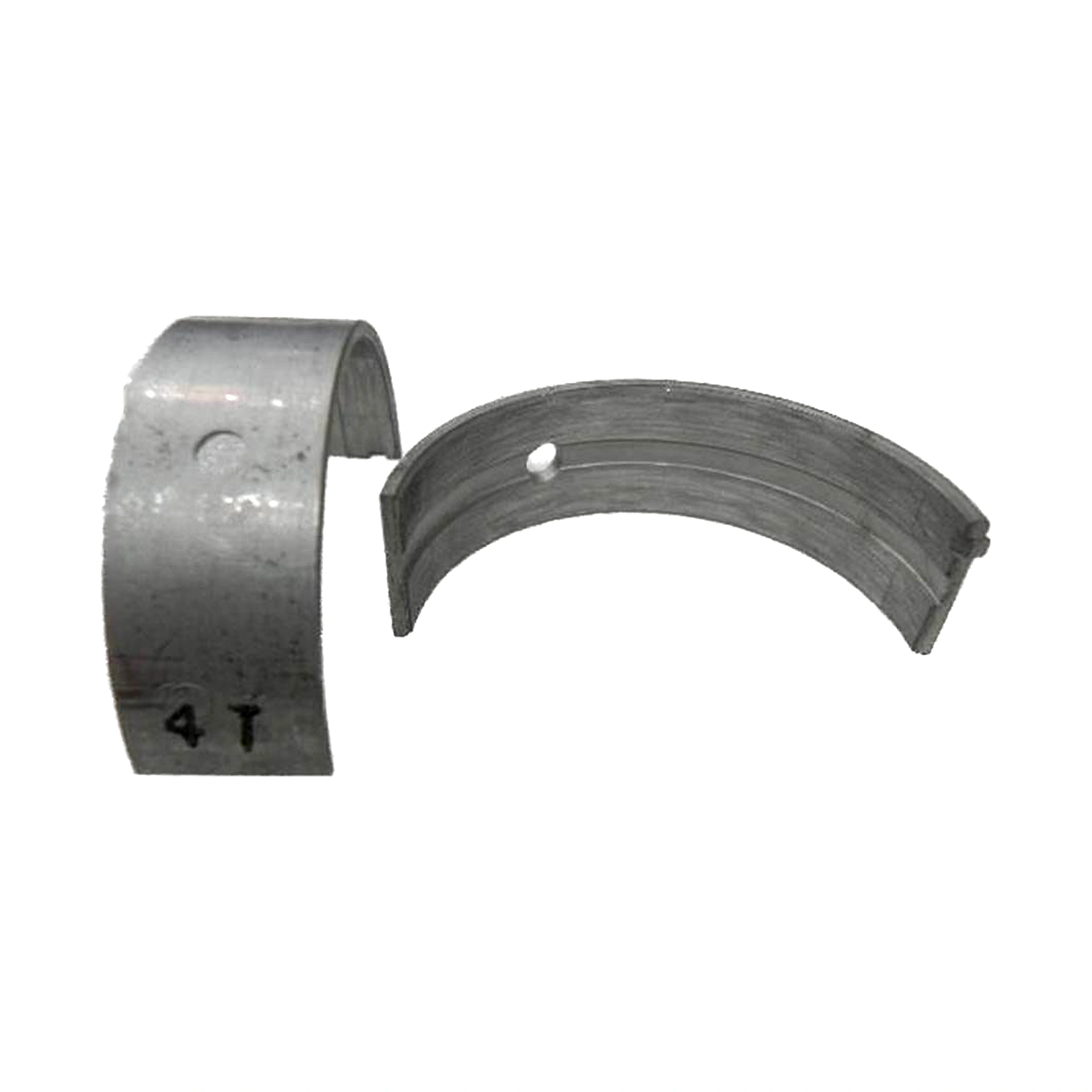
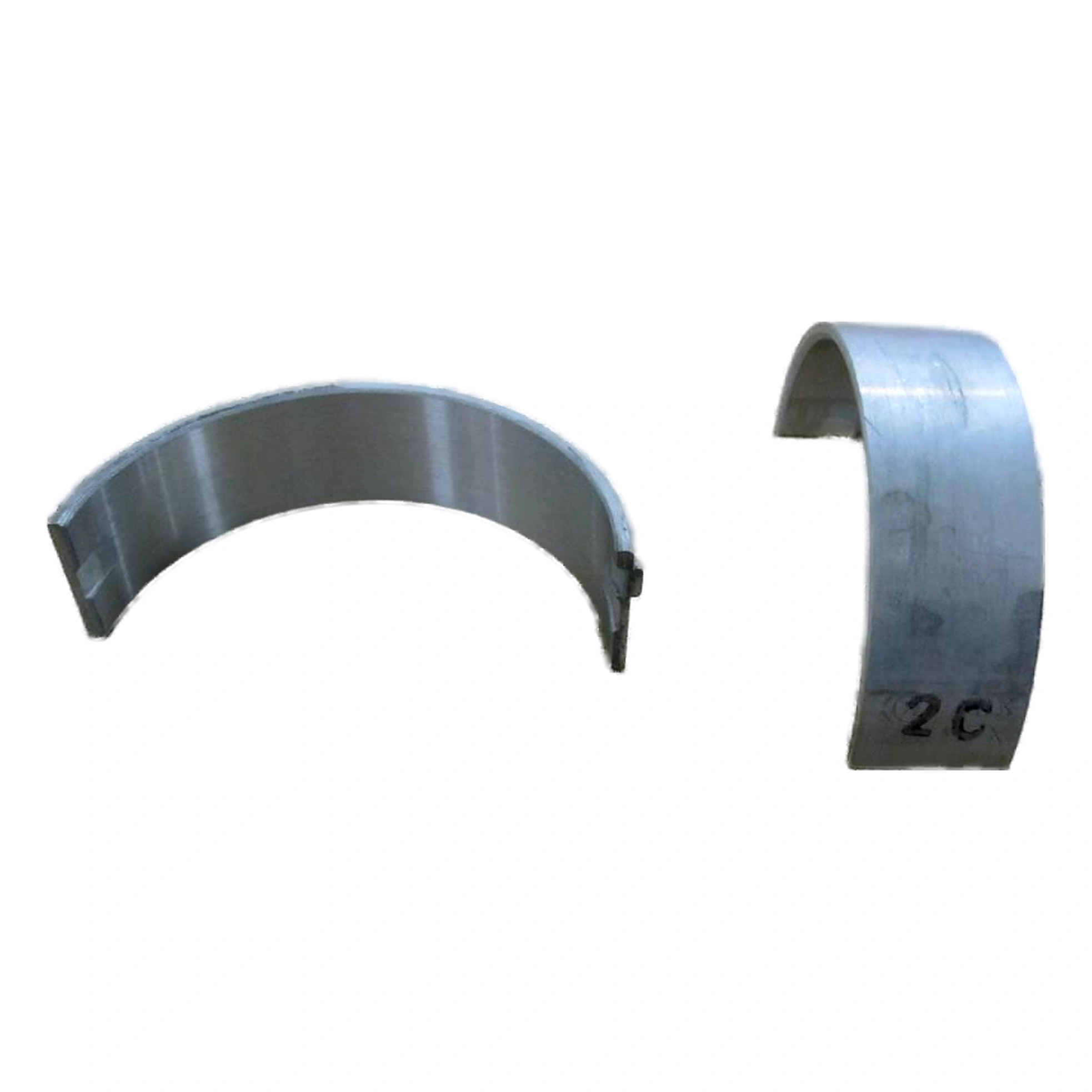
Popular Right Now
scroll for more →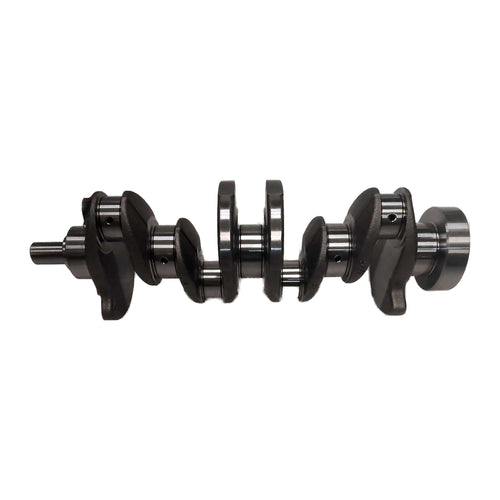
Symptom Finder: What Is Actually Broken?
| What you see or hear | Part to check first |
|---|---|
| Deep knock from low in the engine that worsens under load | Big end bearing shells |
| Heavy rumble that changes with engine speed rather than road speed | Main bearing shells |
| Low oil pressure at hot idle with clean oil | Main and big end bearing shells |
| Blue smoke and oil consumption with healthy compression | Piston rings or valve stem seals |
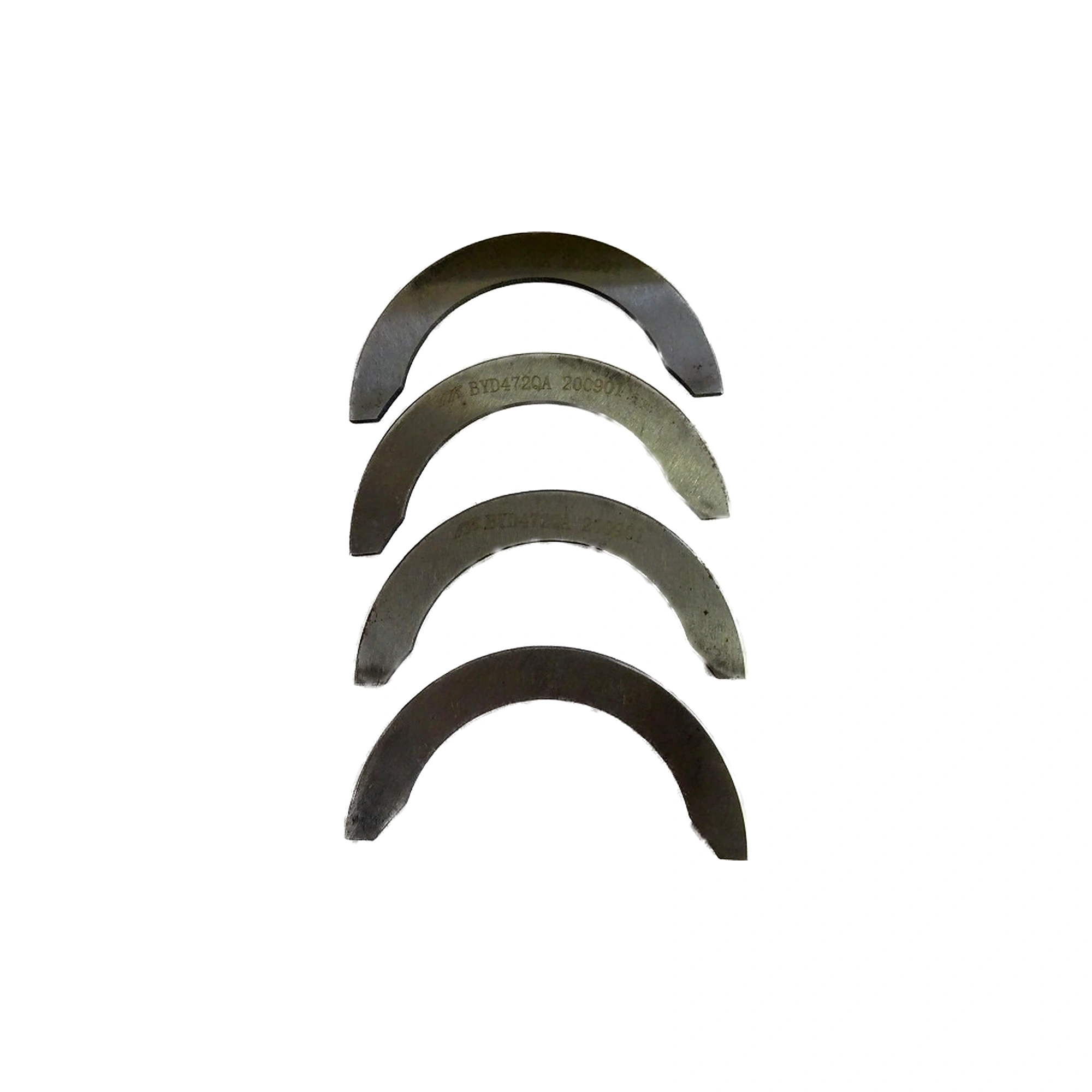
| Crankshaft moving fore and aft when the clutch is pressed | Crankshaft thrust washer |
| Wobble or split visible in the front pulley | Torsional damper |
About Pistons, Rings & Bearings
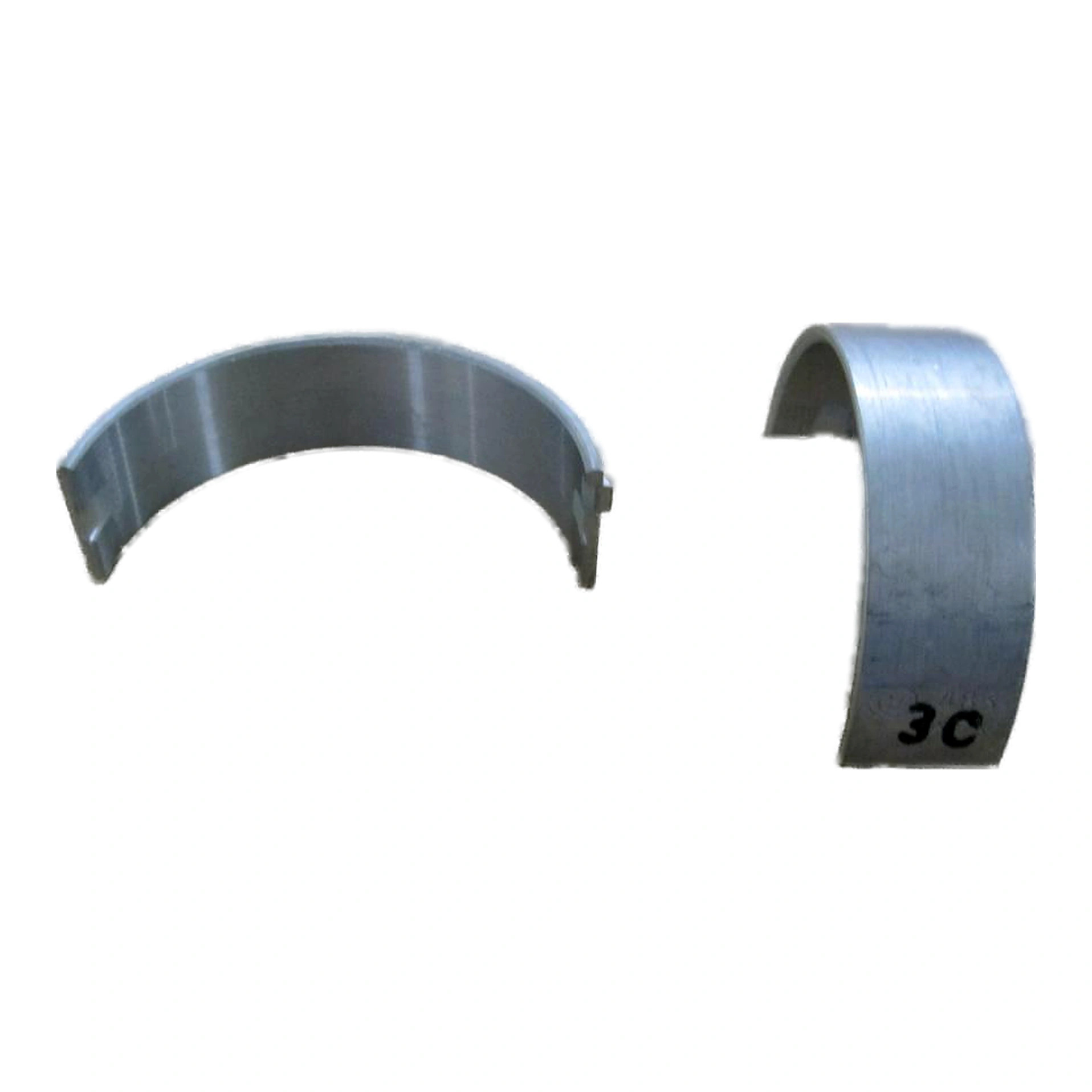
The bottom end of an engine survives on an oil film a few microns thick. Each main and big end journal runs inside a pair of bearing shells, and the clearance between shell and journal is what allows a wedge of pressurised oil to form and carry the load without metal touching metal. Too little clearance and the film cannot establish. Too much and pressure escapes and the film collapses. Thrust washers do the same job axially, stopping the crankshaft walking under clutch load. Rings seal the combustion chamber, control oil on the bore and conduct heat from the piston crown into the cylinder wall, which is three jobs performed by a set of components that weigh a few grams. At the front of the crankshaft a torsional damper absorbs the twisting oscillations that combustion sets up along the shaft, and its rubber element perishes with age.
What to know before buying Pistons, Rings & Bearings parts
Measure first, then order. You measure the journals, measure the housings, and fit the shell grade that brings clearance into specification at each position. An assorted kit wastes most of what you buy and encourages assembly by guesswork.
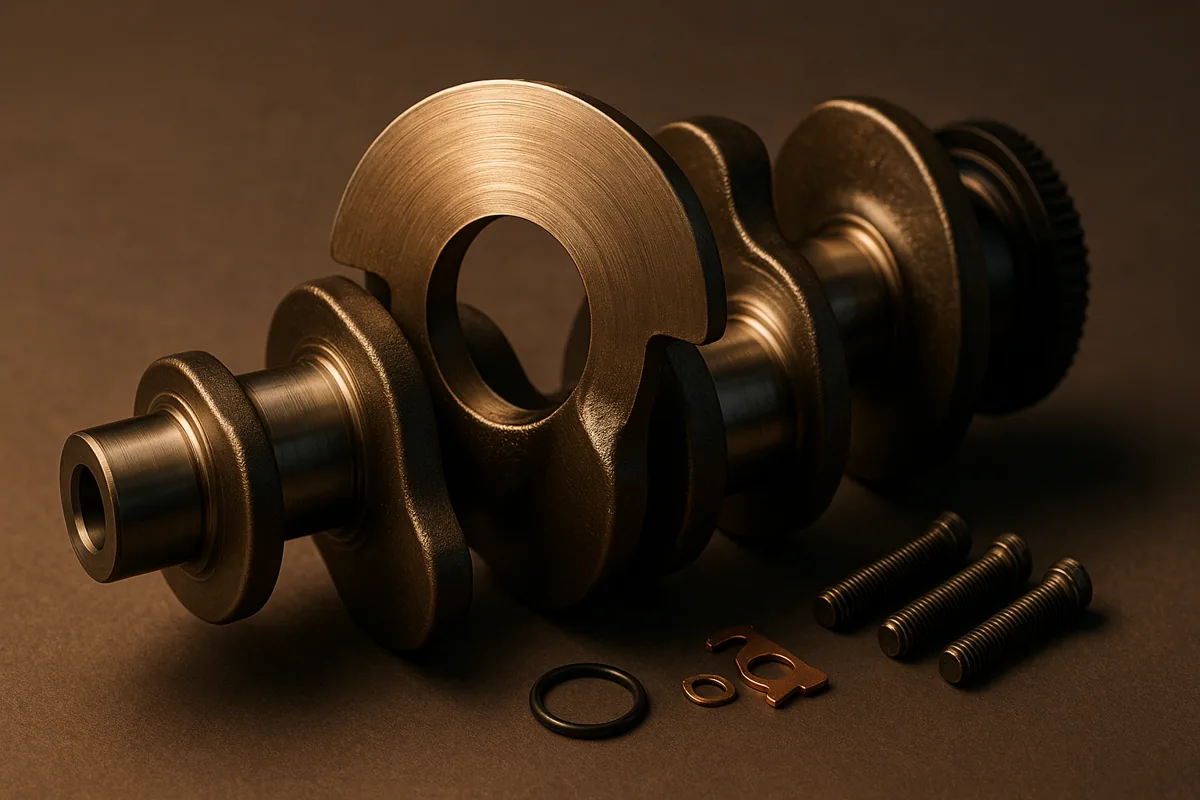
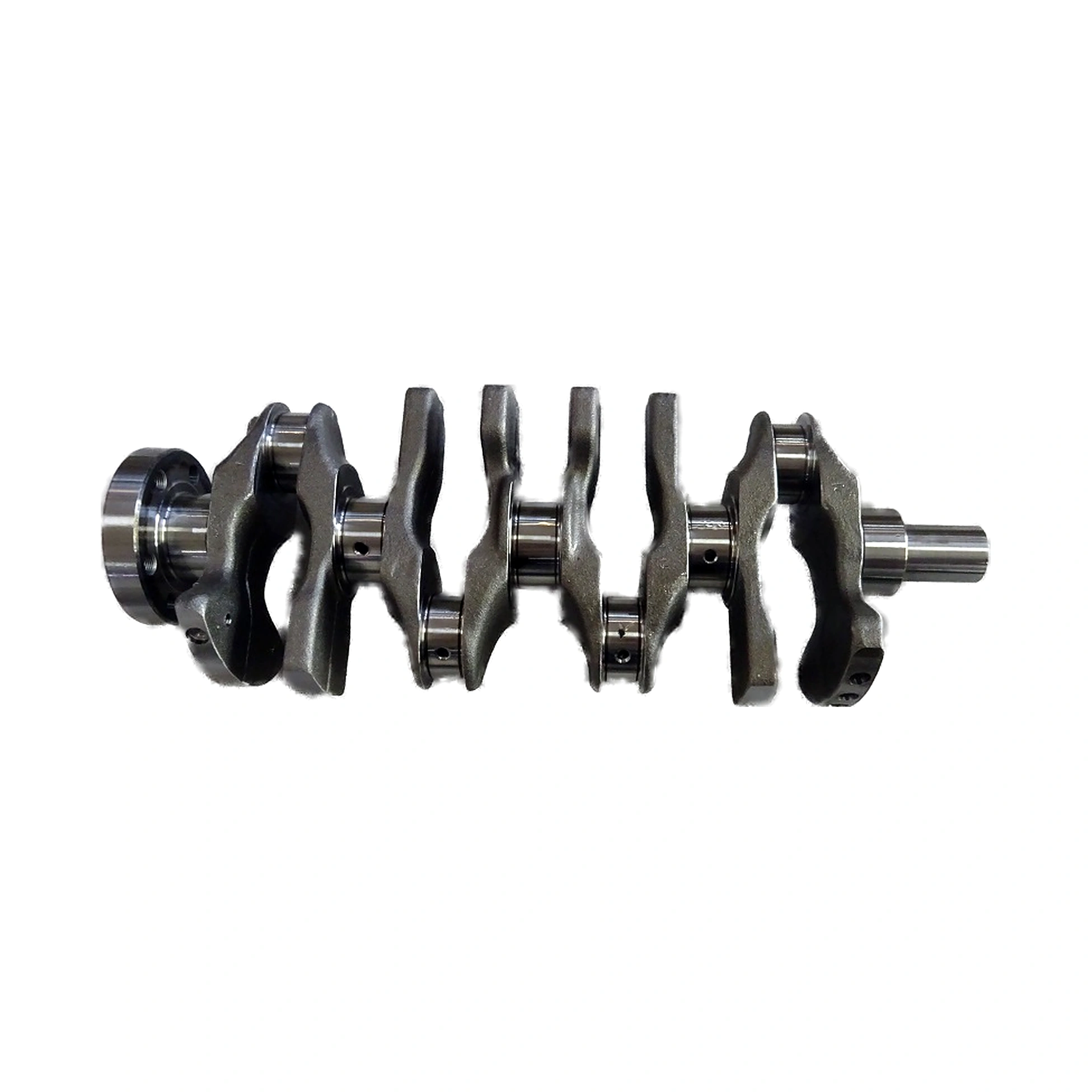
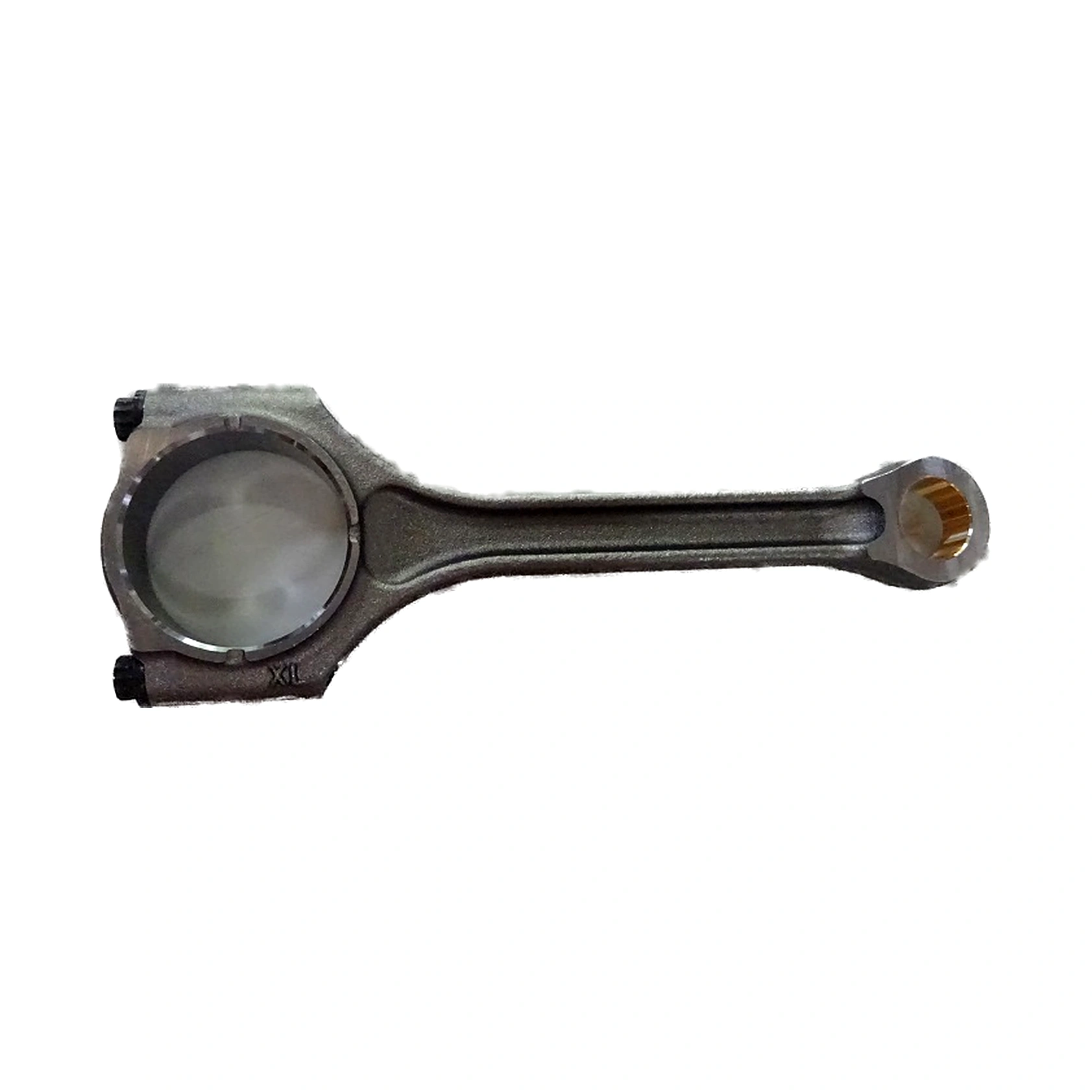
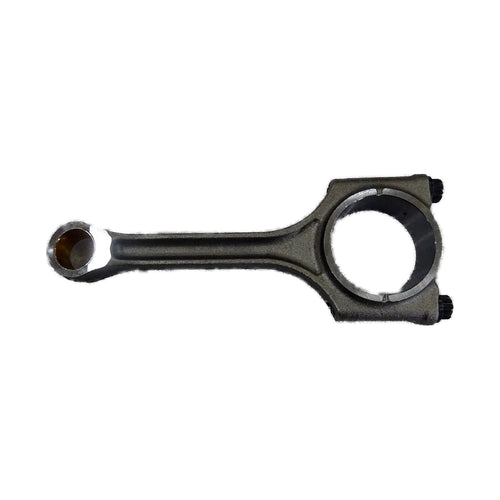
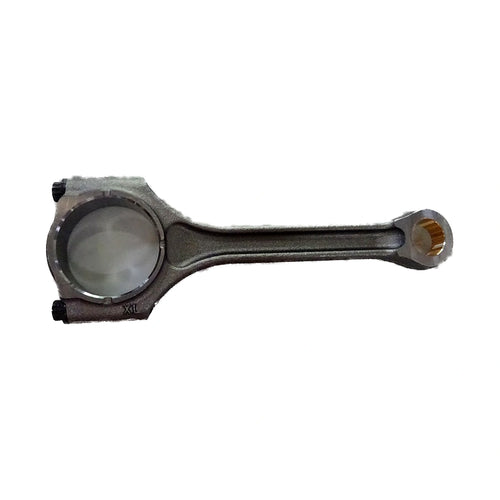
Main bearing shells are listed individually, upper and lower, by journal number. Crankshafts, connecting rods, torsional dampers and crankshaft thrust washers are listed alongside them. That way the parts you order match the positions and grades your measurements call for.
Order by the OE number and the grade marking. Crankshafts and rods differ between engine variants that share a family. Add thrust washers to any order that disturbs the crankshaft. Inspect the torsional damper while the front of the engine is open. Its rubber element perishes quietly, and a separated damper takes the timing marks with it.
Priced parts go straight to the basket. Anything without a price is quoted against the same factory number. That is the usual route for individual shell grades and crankshafts. The BYD group is covered most fully, and more brands follow as further catalogues load.
Before You Order: 6 Checks
- Measure journals and housings before ordering shells, then buy the grade the measurement calls for.
- Match the OE number, since crankshafts and rods differ between variants sharing an engine family.
- Order shells by journal position, because upper and lower halves differ and positions are numbered.
- Replace the thrust washers whenever the crankshaft is disturbed.
- Inspect the torsional damper for rubber separation while the front of the engine is open.
- Confirm the correct bolt tightening angles for rods and mains, since most fasteners are single use.
What Changed and Why
Bottom ends are being asked to do more with less. Downsized engines running high specific output place greater loads on bearings and rods, and thinner oils chosen for efficiency give a thinner film at the same clearance, which makes correct clearance and clean assembly more important rather than less. Coated bearing shells with polymer overlays have become common to tolerate the marginal lubrication of stop and start operation, which is now standard on hybrid applications. Torsional dampers matter more as well, since three and four cylinder engines produce stronger crankshaft oscillations than the sixes they replaced.
Pistons, Rings & Bearings: Frequently Asked Questions
How do I know I have a bearing knock rather than something else?
By where it comes from and how it behaves. Big end knock is a deep, rhythmic sound from low in the block that gets louder under load and often quietens momentarily if that cylinder's injector or plug is disabled. Main bearing rumble is heavier and more general, worst on acceleration. Both usually arrive alongside low hot oil pressure. Piston slap and small end knock sound sharper and are worst when cold. Confirm with a stethoscope and an oil pressure gauge before dismantling anything.
Why are bearing shells sold by grade?
Because clearance is set by selection rather than adjustment. Manufacturing tolerances mean each crankshaft journal and each housing bore falls within a small band, and the factory measures both and fits the shell grade that brings running clearance into specification. Some engines mark the grades on the block and crankshaft with letters, numbers or colours. A rebuild follows the same process: measure, calculate, then order the exact grade for each position, which is why they are listed individually here.
Can I fit bearings without measuring?
You can, and you will be gambling with an engine. Journals wear, housings distort with age, and a crankshaft that has been reground needs undersize shells rather than standard ones, so fitting a set on the assumption that standard is correct frequently leaves clearance outside specification. Measure the journals with a micrometer, measure the housings with a bore gauge, and check the assembled clearance with plastic gauging material as a cross check. The measuring is the job, and the fitting is the easy part.
What does a torsional damper do and how does it fail?
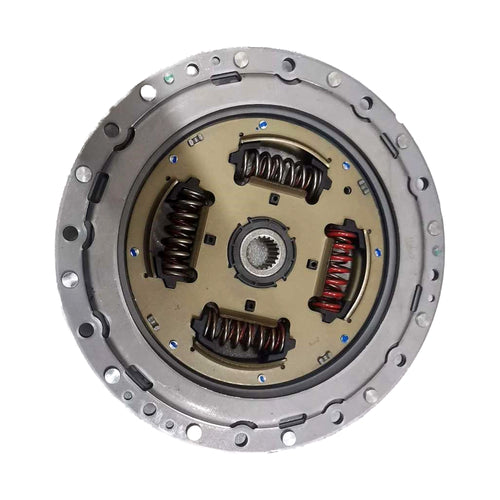
It sits on the nose of the crankshaft and absorbs the twisting oscillations that each combustion event sets up along the shaft, protecting the crankshaft, the timing drive and the ancillary belt from resonance. Construction is an inner hub bonded to an outer ring through a rubber layer, and that layer perishes and separates with age and heat. A damper that has begun to separate shows as a visible wobble, a split in the rubber, or a timing mark that has moved relative to the hub.
Do I need new bolts for the rods and mains?
Almost always. Big end and main bearing bolts are usually torque to yield, tightened to an angle beyond their elastic limit so they hold a very consistent clamp load, and once stretched they cannot repeat that reliably. A rod bolt that fails destroys the engine and often the block with it, so this is not a place to economise. Use new fasteners, follow the specified torque and angle stages exactly, and never lubricate threads unless the procedure calls for it.
Blue smoke and oil use, but compression is fine. Rings or seals?
Test by when the smoke appears. Valve stem seals typically show as a puff of blue smoke on start up or after idling at a junction, then clear once running, because oil has drained down the guides while the engine sat. Worn rings smoke more consistently under load and are usually accompanied by crankcase pressure and a compression or leakdown reading that is genuinely down. A leakdown test tells you where the air is going and separates the two in about twenty minutes.
What do bottom end parts cost?
Bearing shells and thrust washers sit at the lower end of the range, individually inexpensive though a full set adds up. Connecting rods and torsional dampers are moderate. Crankshafts sit at the top of the category, being heavy, precisely machined and shipped as freight. The live minimum and maximum are shown in the band at the top of this page. Because a rebuild is a long list of small items and one or two large ones, quoting the whole list at once is worth doing.
How do I check crankshaft end float?
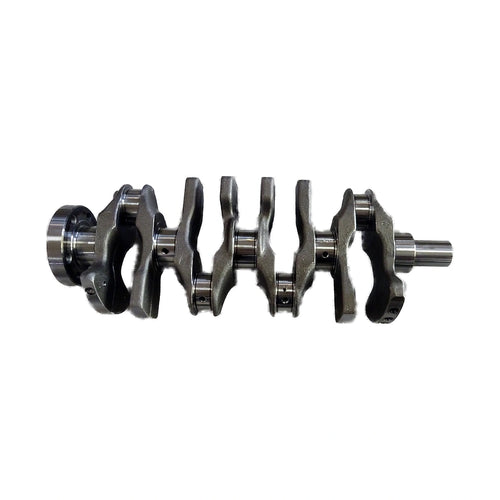
With a dial indicator against the end of the crankshaft, levering the shaft fully one way and then the other, and reading the total movement against the manufacturer's figure. Excess end float means the thrust washers have worn, which happens quickly on manual vehicles where a driver rests a foot on the clutch pedal. Symptoms include a crankshaft that visibly moves when the clutch is pressed and, in bad cases, a knock at the same moment. Replace the washers whenever the crankshaft is disturbed.
Can a scored crankshaft be reground?
Frequently, and it is a specialist operation. A machine shop measures the journals, grinds them to a standard undersize and polishes them, and you then fit shells of the matching undersize grade. What rules it out is a journal that has been damaged beyond the available undersizes, cracking found on inspection, or a crankshaft that has been hardened in a way that regrinding would remove. Have the shaft crack tested at the same time, since a bearing failure often means it ran hot.
Why did my bearings fail?
There is nearly always a reason beyond mileage, and finding it decides whether the rebuild lasts. Common causes are oil starvation from a low level, a blocked pickup or a failing pump, contamination from unfiltered debris or an overdue oil change, overheating, or an incorrect clearance from a previous rebuild. Look at the shells themselves, since the wear pattern tells the story: uniform wear points to mileage, scoring points to debris, and localised destruction points to starvation or misalignment.
Will a crankshaft from a related engine fit?
Only where the number agrees. Stroke, journal diameters, counterweighting, the reluctor pattern for the position sensor and the flywheel mounting all follow the specific variant, and manufacturers change them between engines that share a family name. A crankshaft with a different reluctor pattern will run badly or not at all even when it fits mechanically. Read the number stamped on your own shaft, match it, and use the quote form where the reference brings back nothing.
The part I need shows no price. Can I still order it?
Yes. Bearing shells are supplied in graded thicknesses and pistons in graded diameters, so each grade is its own reference and most move too slowly to carry a standing price. Send the number together with the grade marking stamped on the crankshaft web or the block deck. Without that marking the reply cannot be precise, and a shell one grade out gives a clearance that either seizes or knocks. Order the shells as a set for the journal you are working on, and add the torsional damper to the enquiry if the engine has high mileage.