Control Arms & Bushings
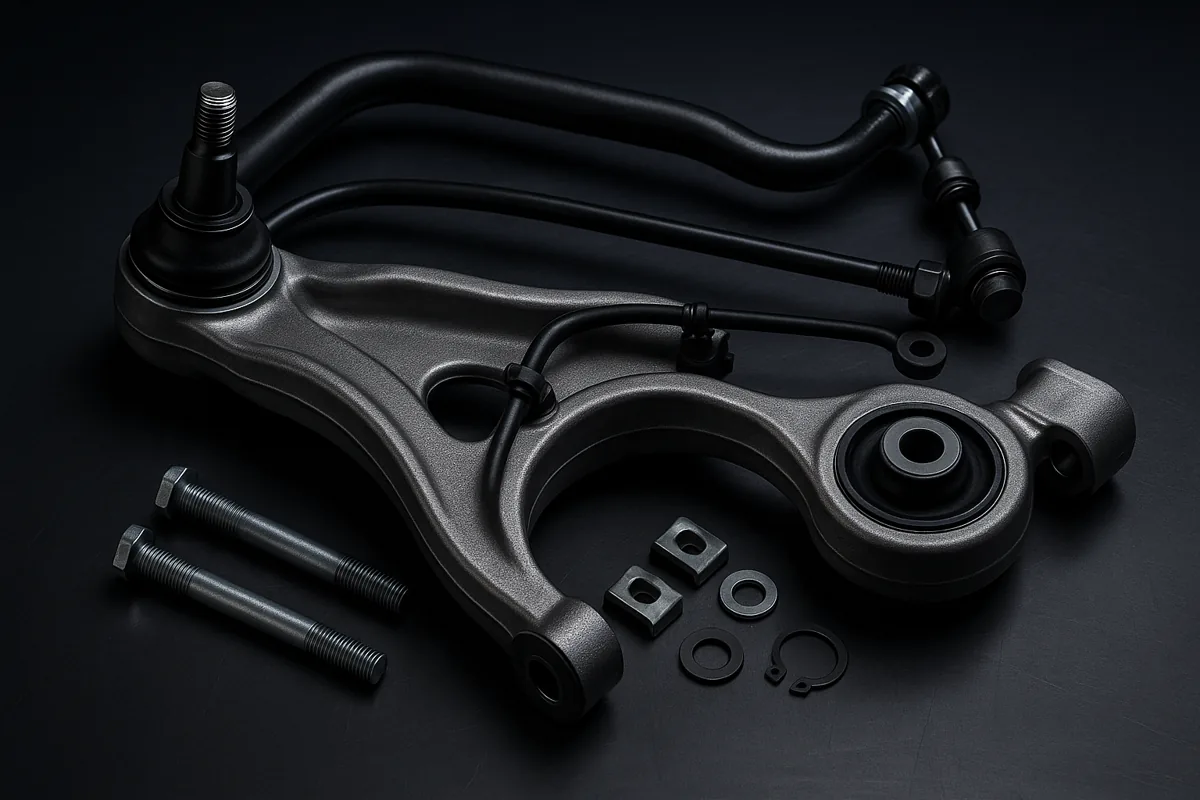
Shop Control Arms & Bushings by Part Type
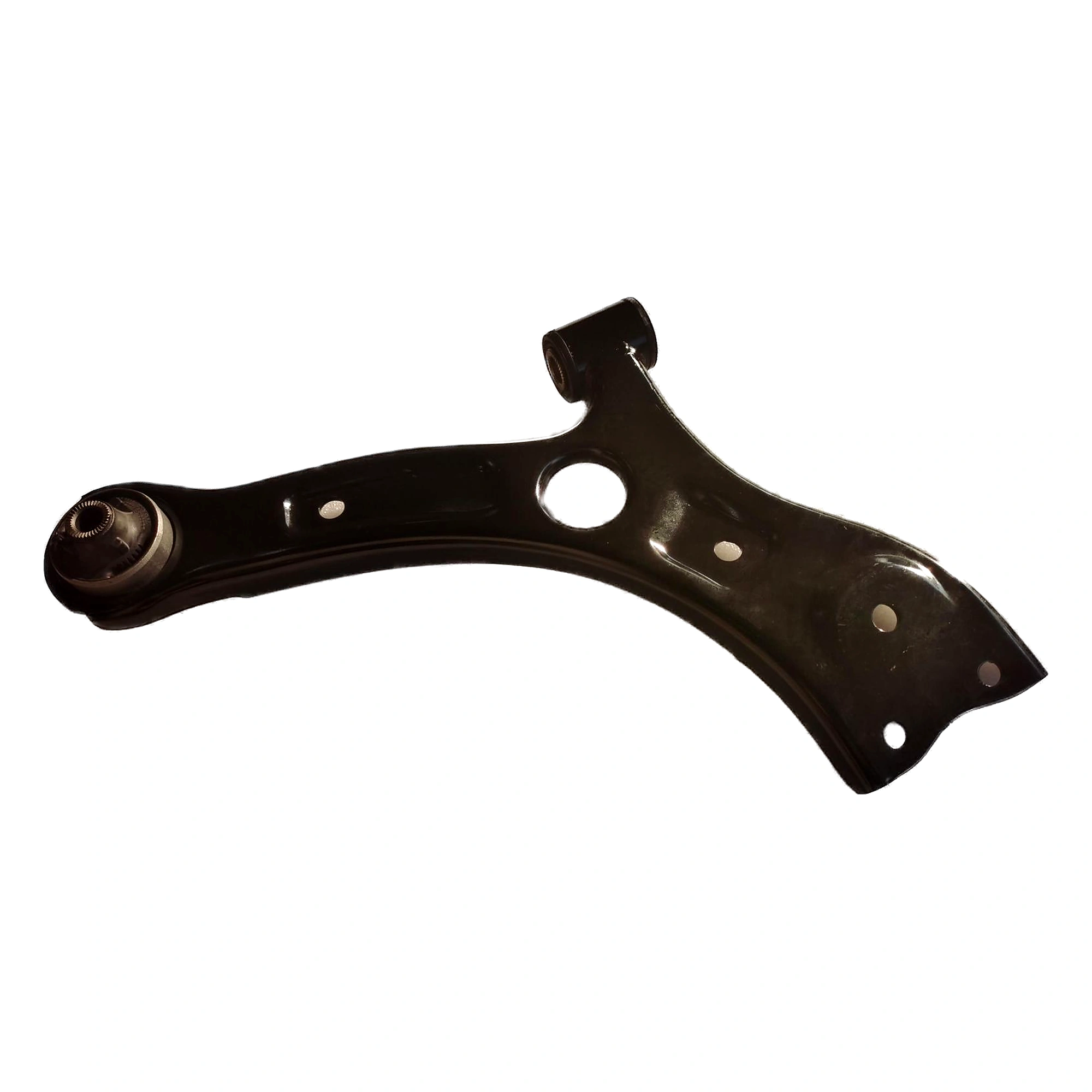
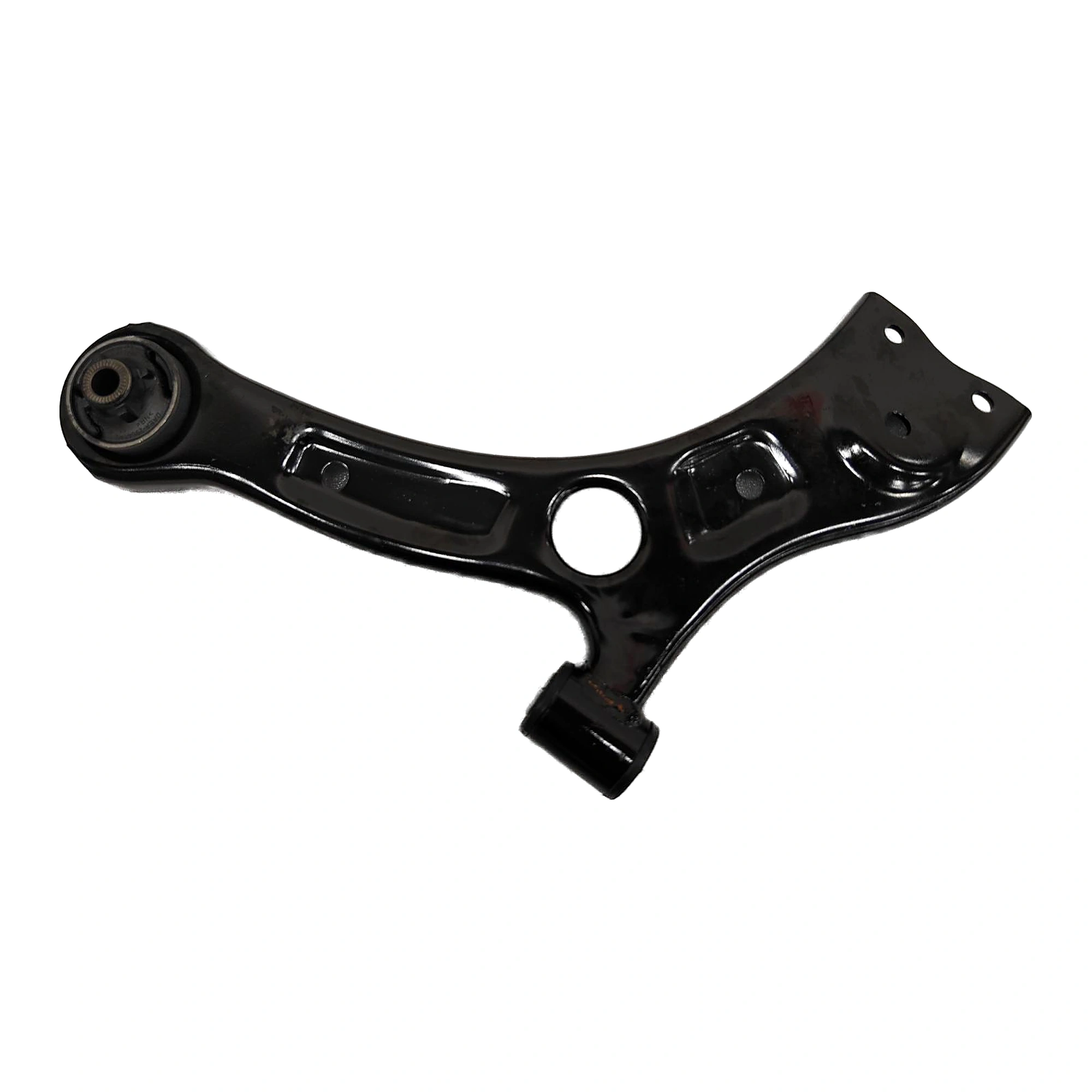
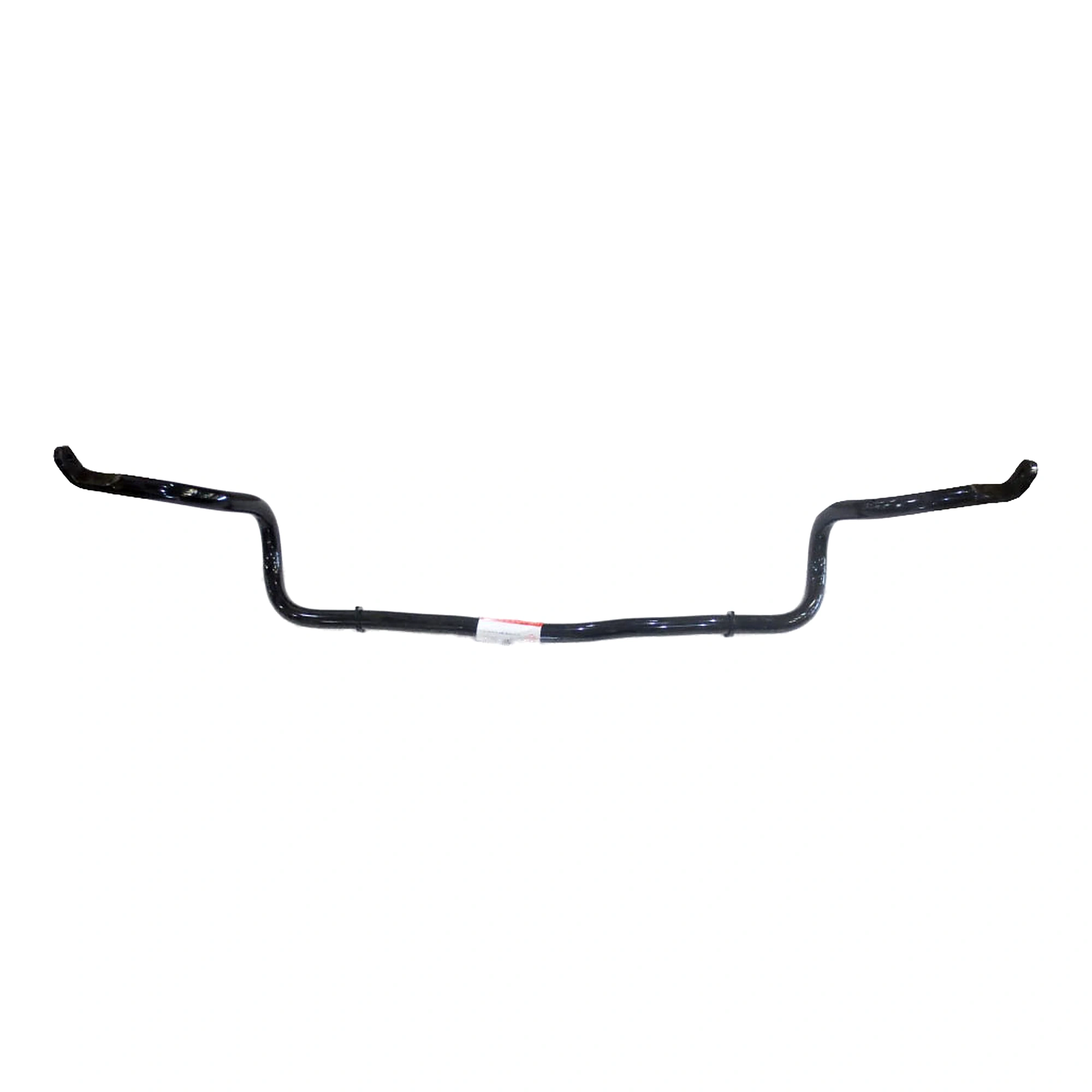
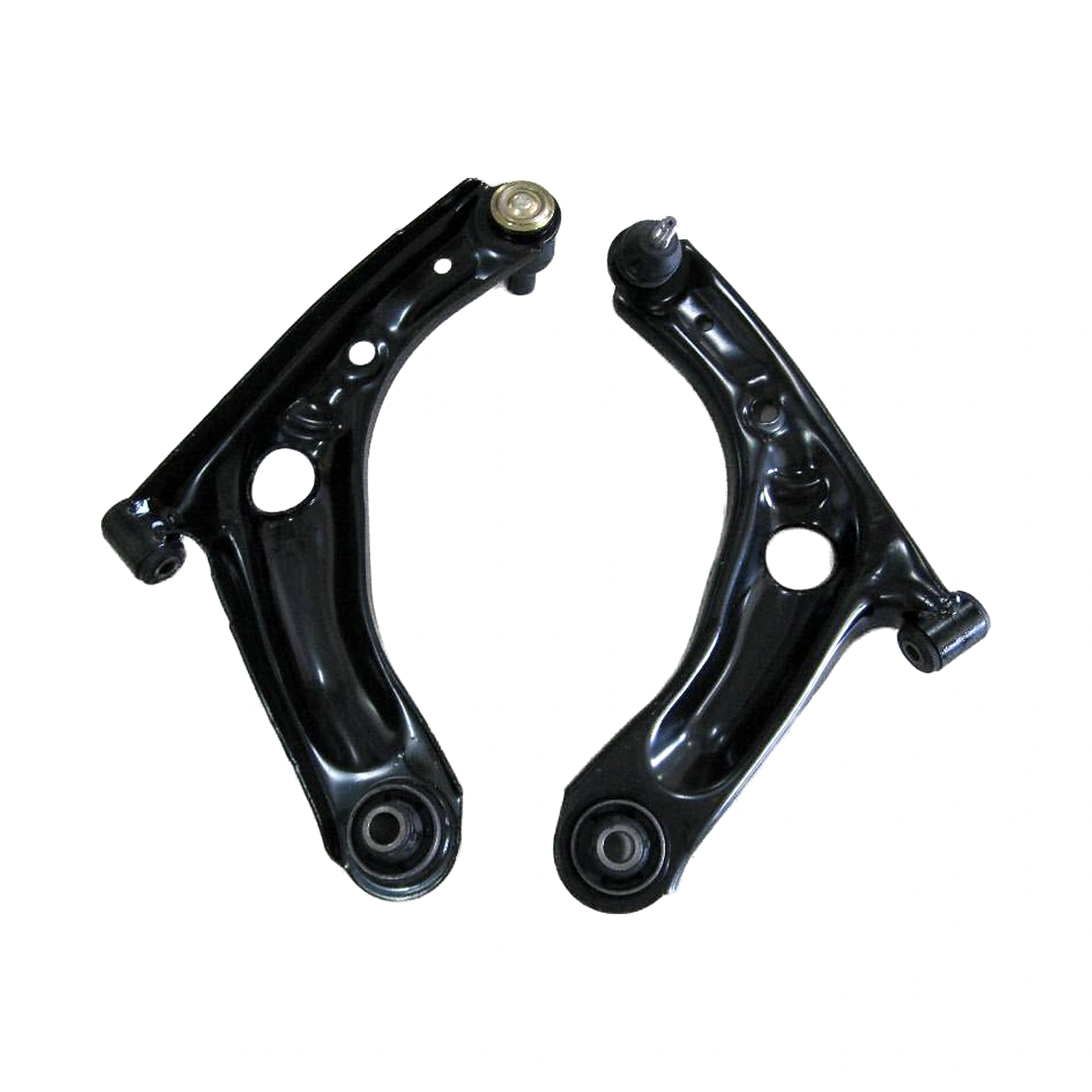
Popular Right Now
scroll for more →
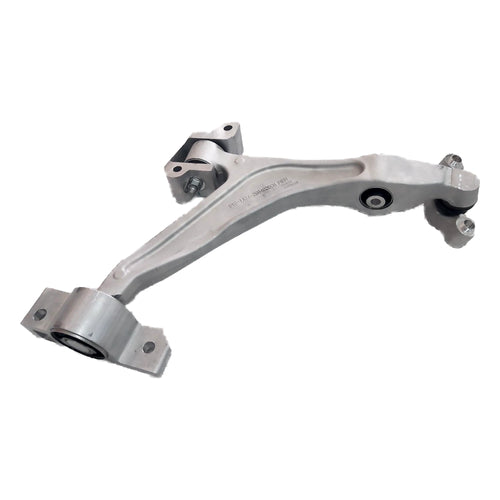
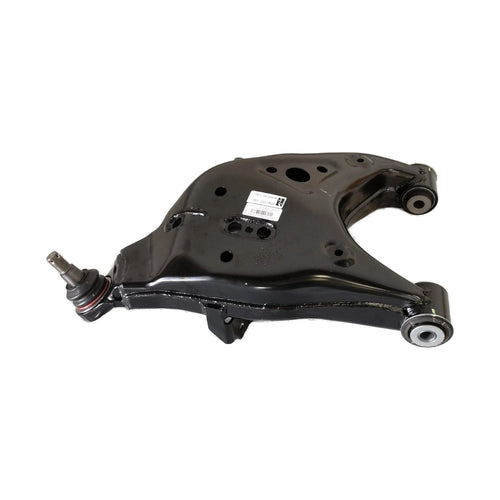
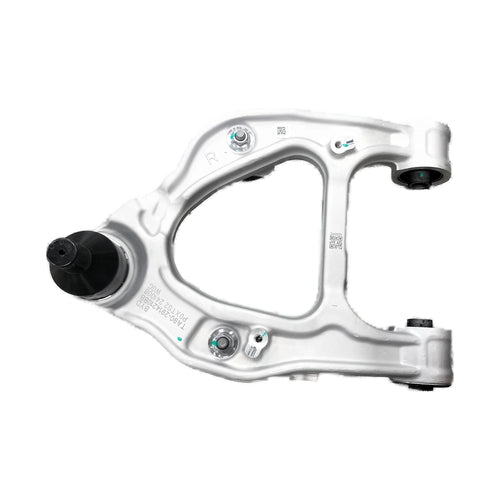

Symptom Finder: What Is Actually Broken?
| What you see or hear | Part to check first |
|---|---|
| Rattle or clonk over small bumps at low speed | Stabiliser bar link and ball joint |
| Heavy knock over larger bumps and under braking | Front lower control arm bush |
| Steering wanders or the car tramlines on ruts | Control arm bushes with excessive compliance |
| Uneven tyre wear that returns after an alignment | Control arm or trailing arm with a worn bush |
| Clunk from the rear on turn in | Rear suspension control arm or trailing arm |
| Body roll increased with a knock on cornering | Stabiliser bar clamp bushing |
About Control Arms & Bushings
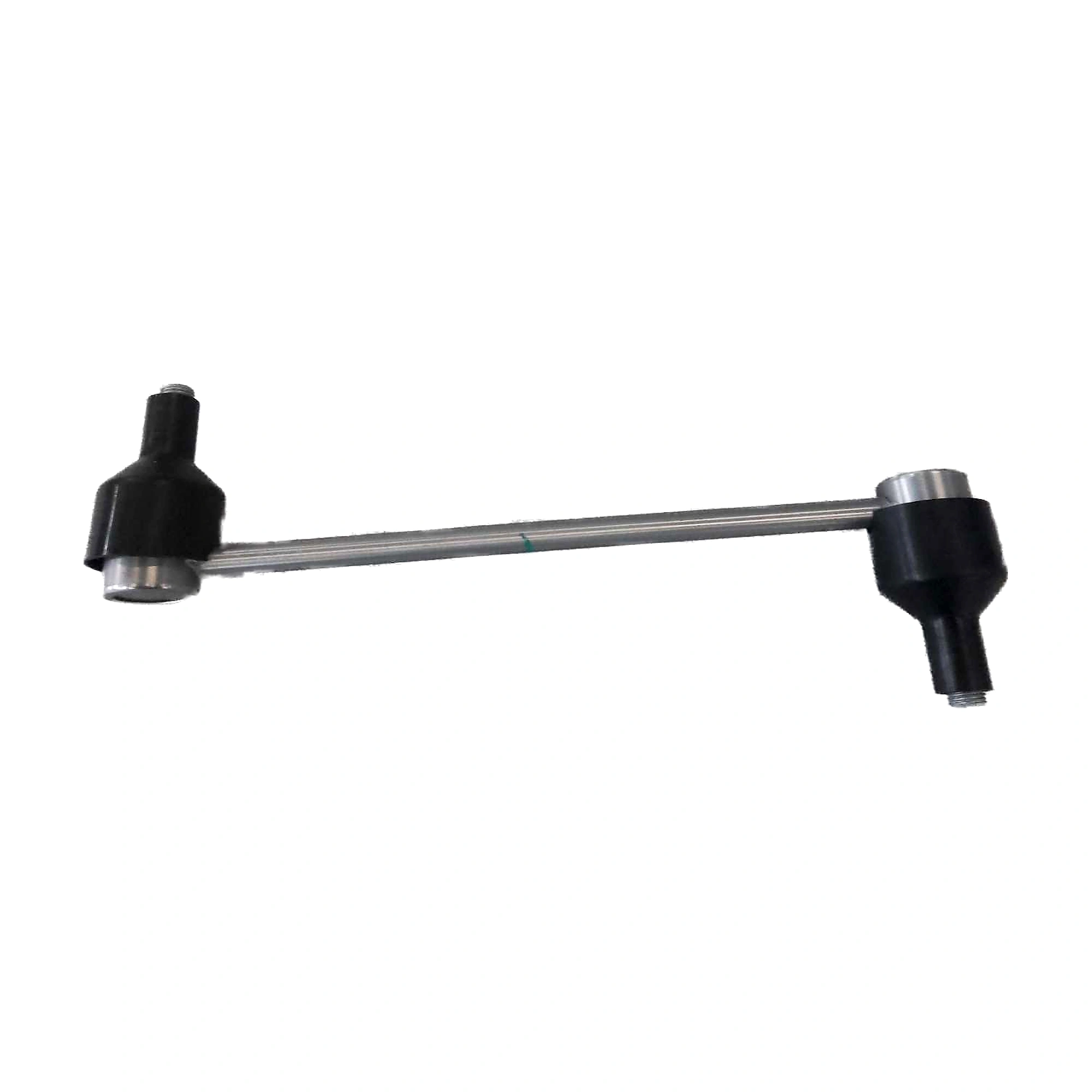
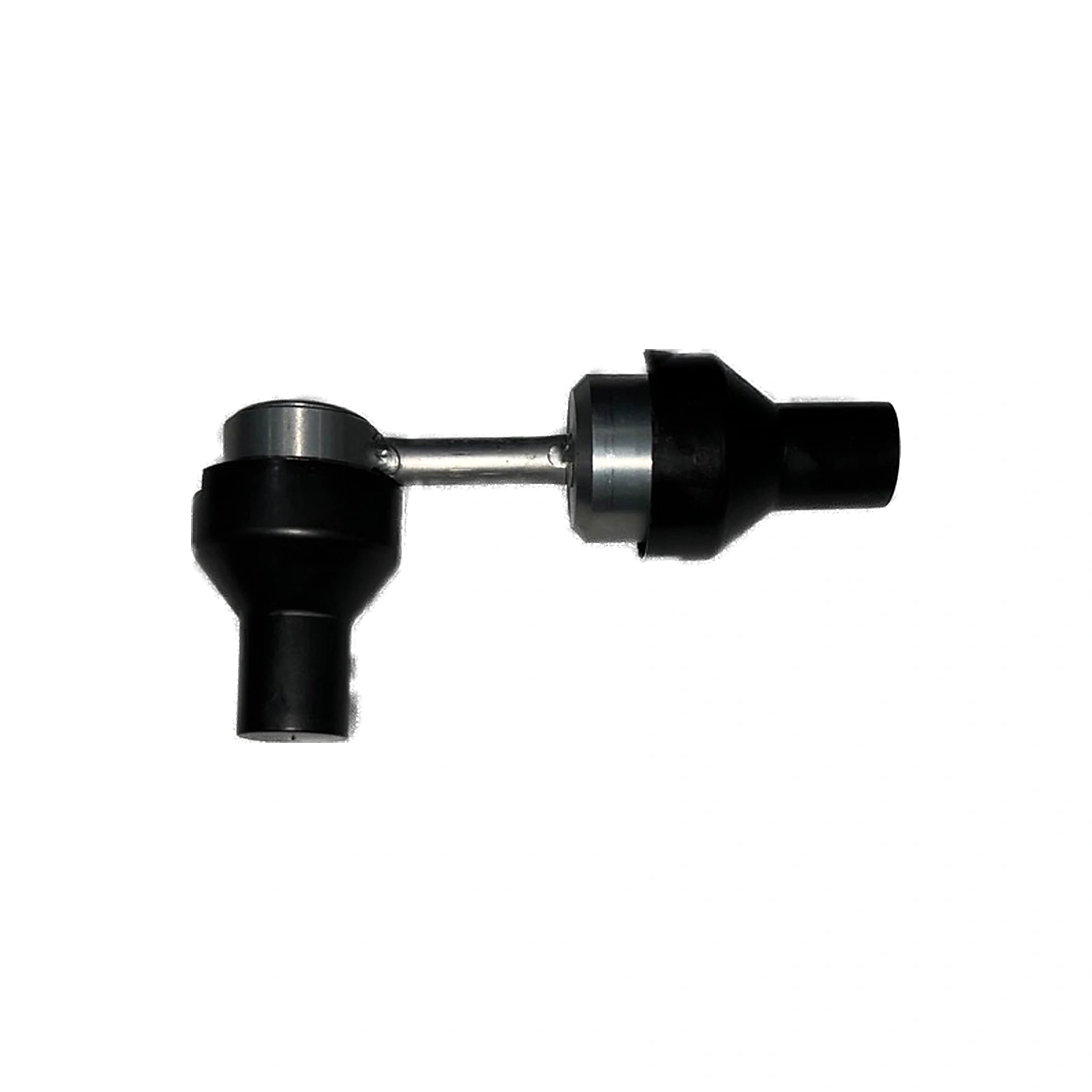
Suspension arms have one job that sounds simple and is not: hold each wheel at the correct camber, caster and toe throughout its travel, while allowing that travel to happen freely. A lower control arm carries the vertical load and locates the hub carrier fore and aft. Upper arms, trailing arms and lateral links divide the same task differently on multi link designs, with each arm controlling one aspect of the wheel's position. Every arm meets the body or subframe through bushes, and those bushes are doing two contradictory things at once: locating the arm precisely and isolating road noise from the cabin. Anti roll bars sit across the axle, twisting when one wheel rises relative to the other, connected by drop links with small ball joints at each end. Those links, being the smallest and most heavily loaded parts in the system, are usually the first thing to rattle.
What to know before buying Control Arms & Bushings parts
Buy the complete arm where you can. Many arms come with the bushes and ball joint already fitted, and that is usually the better purchase. Pressing a bush into an old arm needs tooling. The labour often costs more than the bare arm saves. Every arm replacement changes the geometry, so an alignment follows.
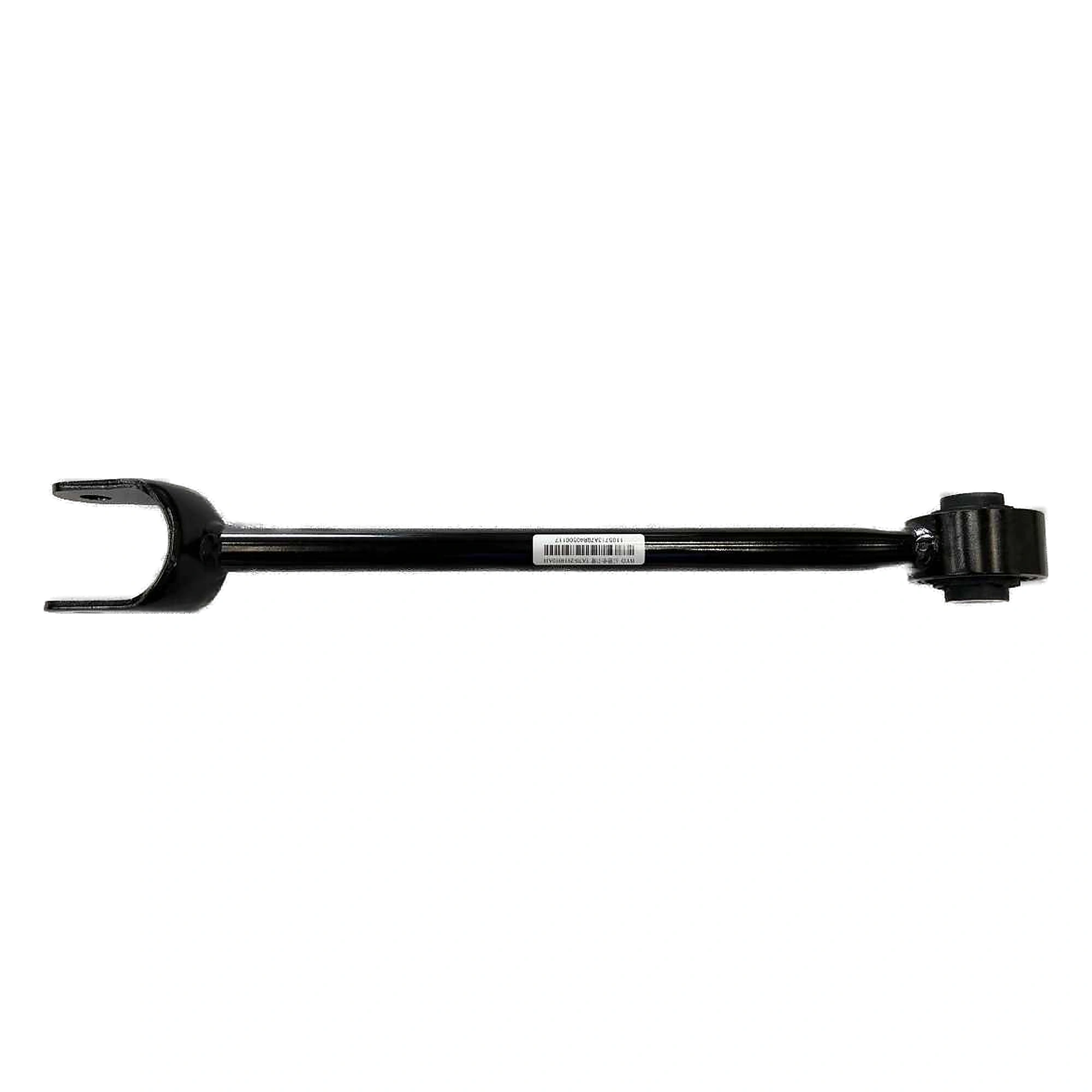
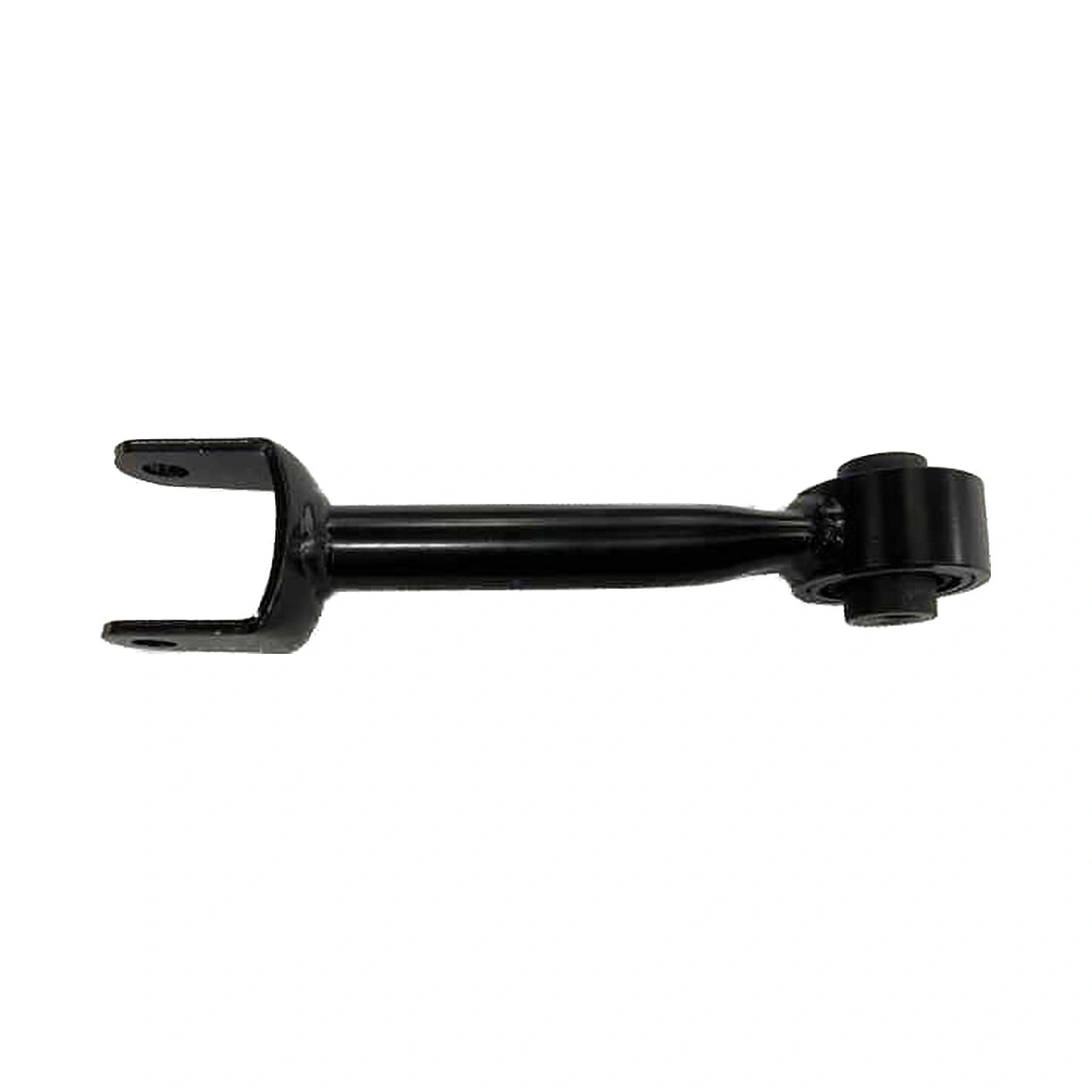
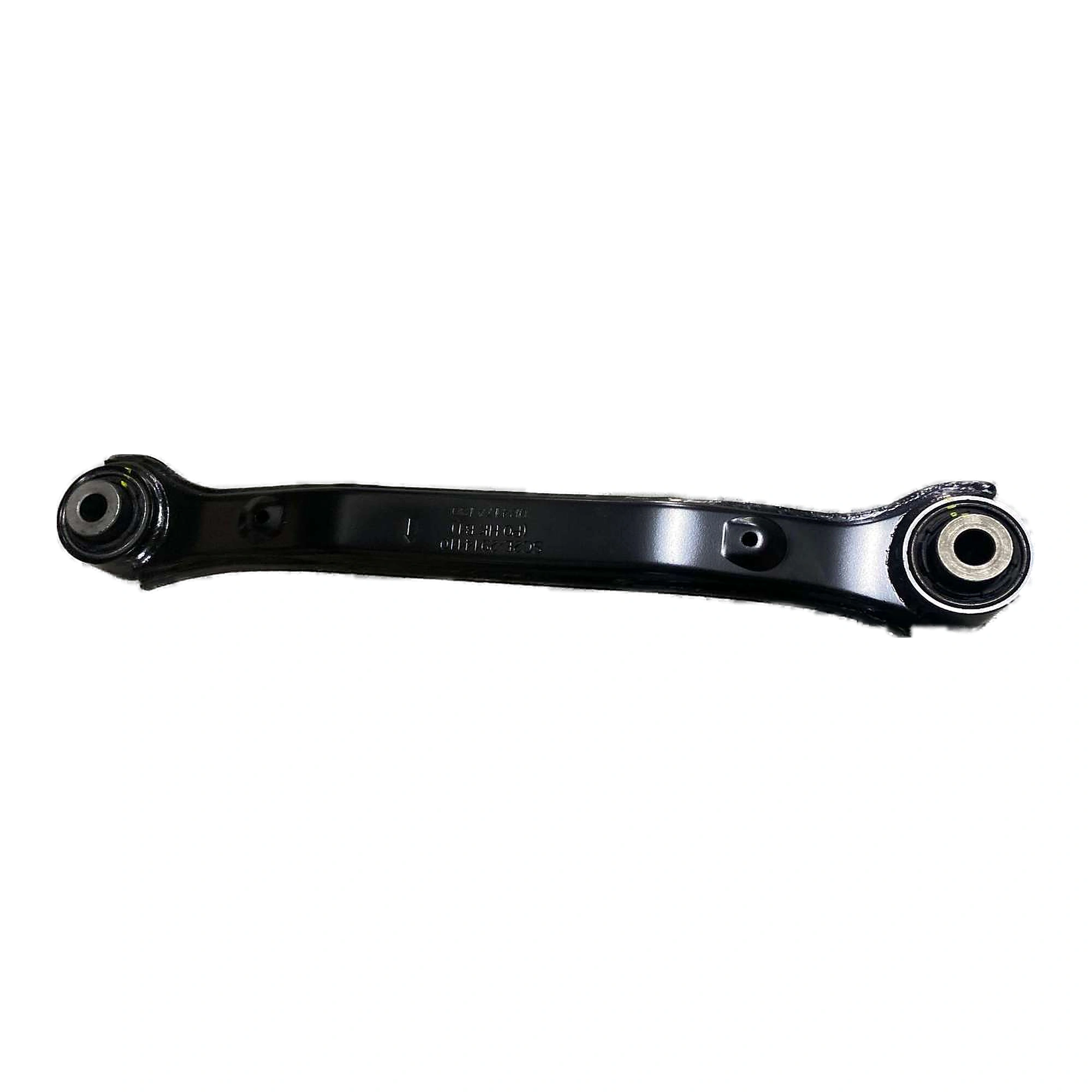
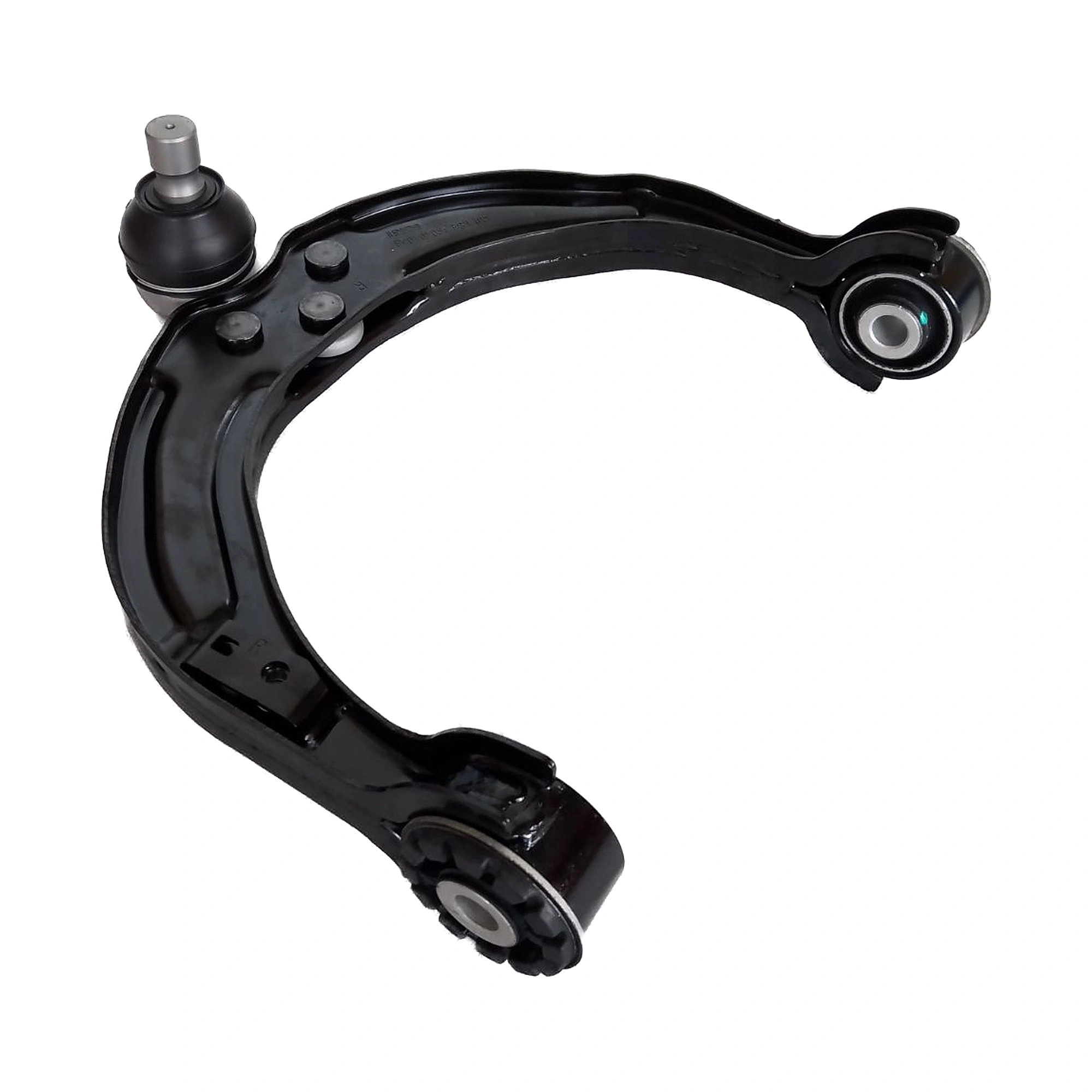
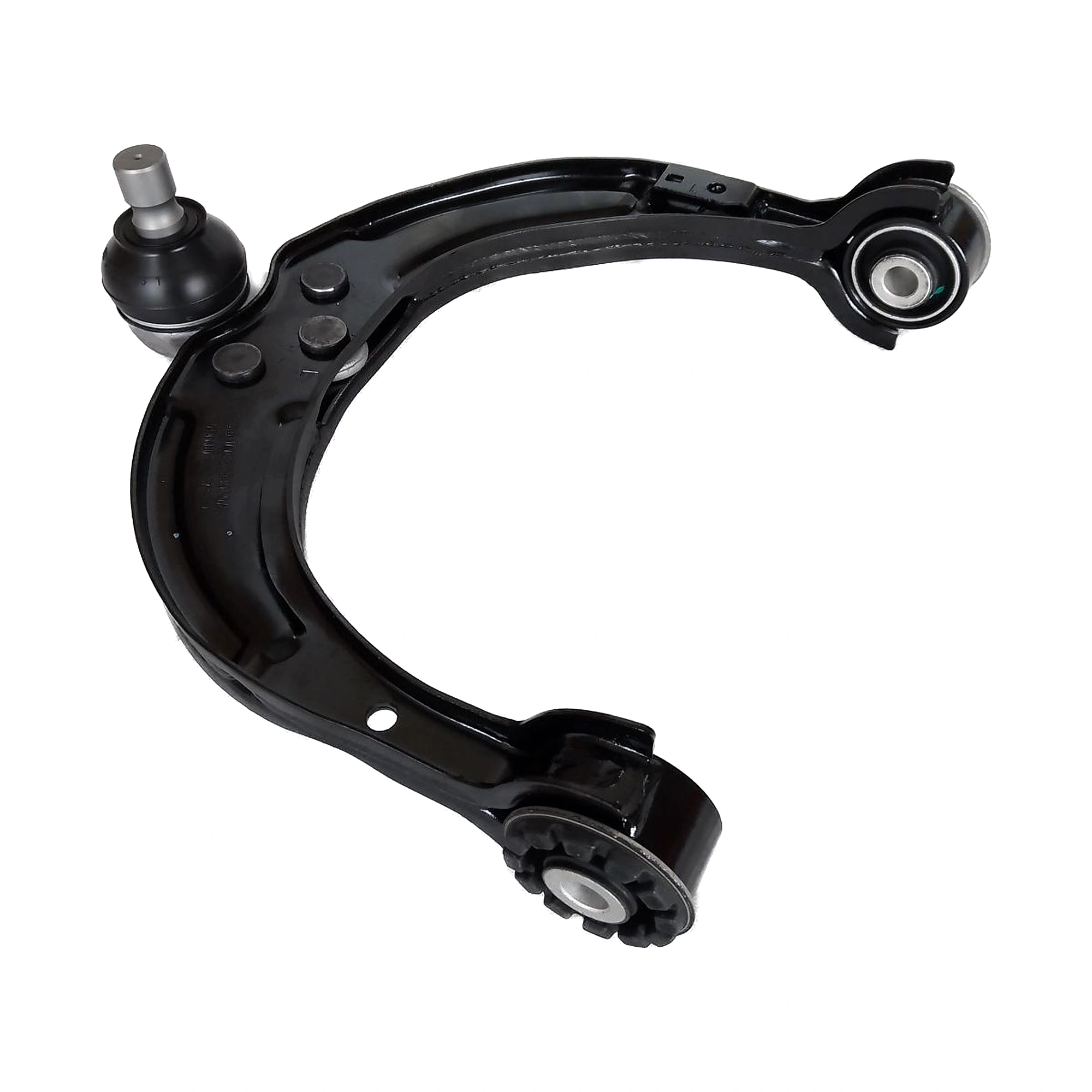
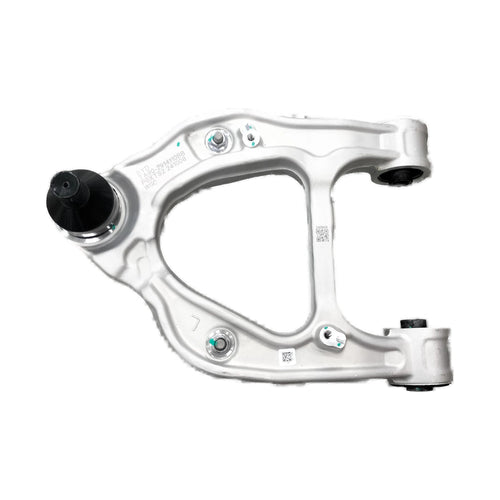
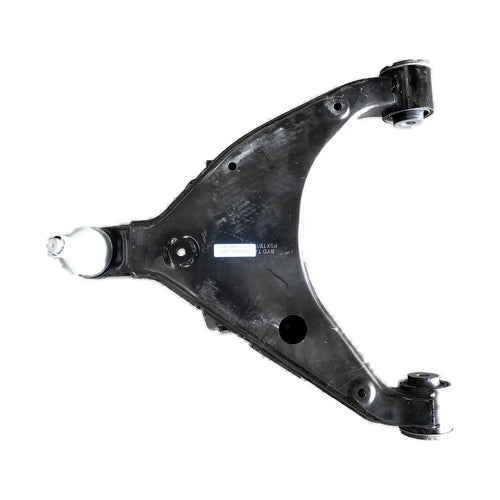
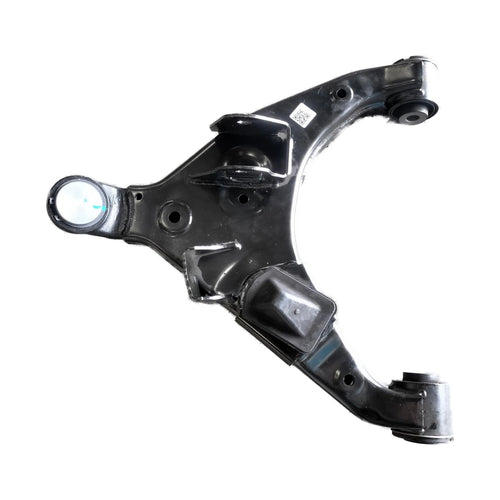
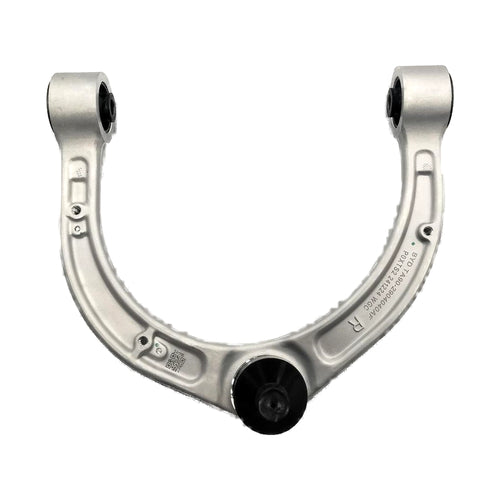
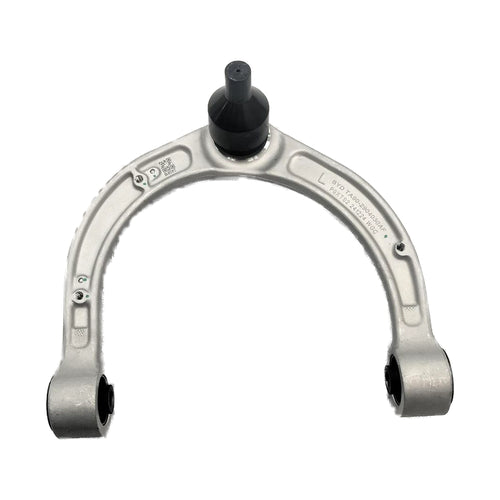
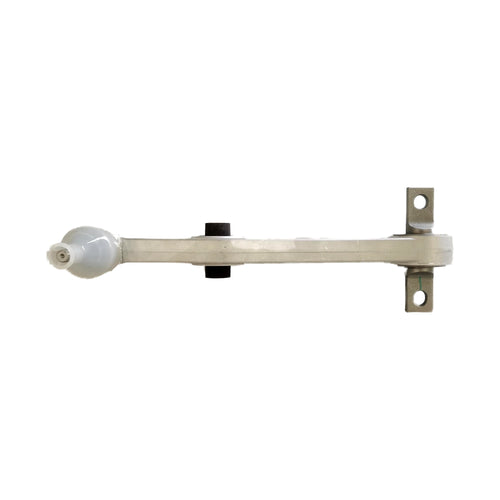
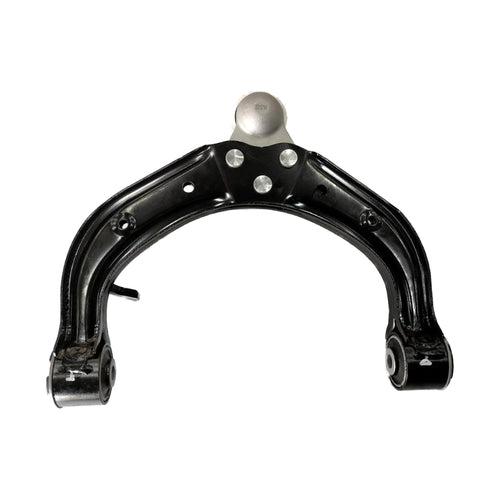
Front and rear geometry are both covered. Front lower control arms are listed for left and right, along with front upper control arms. Left and right control arm assemblies are listed too. Rear suspension control arms, rear suspension trailing arms and rear upper arms follow.
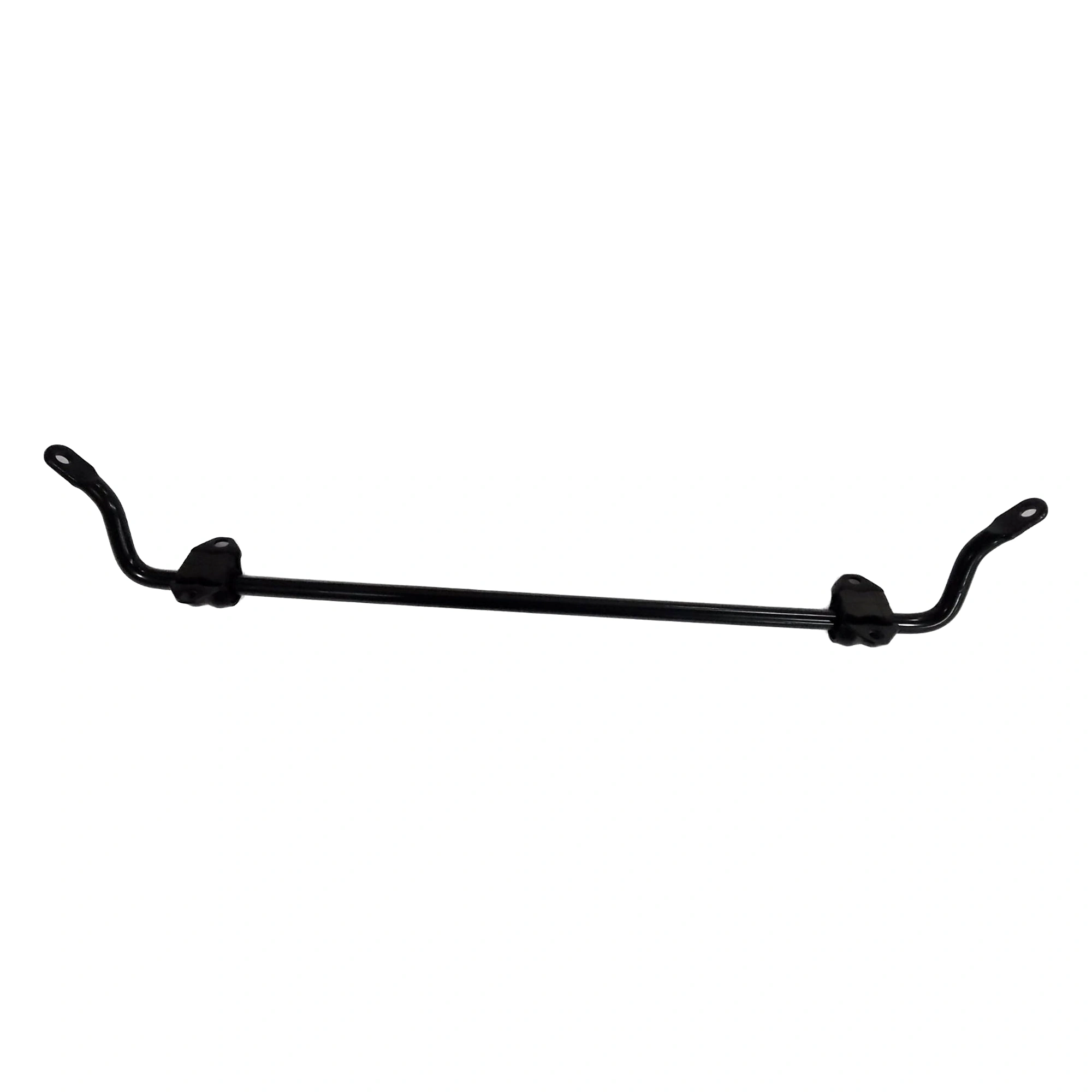
The anti roll system is here as well. It covers front and rear stabiliser bars, front and rear stabiliser bar links with ball joints, and stabiliser bar clamp bushings.
Order by the factory number. Priced items go straight into the basket, and anything unpriced is quoted. BYD group cover is the widest.
Before You Order: 6 Checks
- Match the OE number, since arm geometry differs between drivetrains and suspension specifications sharing one body.
- Prefer the complete arm with bushes and joint fitted unless you have press tooling.
- Left and right are given as seen from the driver's seat facing forward.
- Book an alignment for after fitting, since any arm replacement moves camber and toe.
- Torque bush fixings with the suspension at normal ride height, not hanging on the jack.
- Replace anti-roll bar links in pairs, because both have taken the same loads.
What Changed and Why
Suspension arms are getting lighter and more specific at the same time. Aluminium forgings and castings are displacing pressed steel on front lower arms to reduce unsprung mass, which matters more as vehicle weights rise with battery packs, and those arms cannot be straightened or welded if damaged. Multi link rear axles are spreading down the range to control the geometry of heavier cars, adding more individual arms per corner. Bush design has followed, with hydraulic and voided bushes tuned to isolate specific frequencies now common on mainstream vehicles rather than premium ones.
Control Arms & Bushings: Frequently Asked Questions
I have a rattle over small bumps. Where do I start?
With the anti roll bar links, which cause this complaint more often than everything else combined. They are small ball jointed rods connecting the bar to each strut or arm, they take constant reversing loads, and their joints wear quickly. The noise is a light metallic knock over ripples and manhole covers at low speed, and it usually vanishes on smooth roads. Disconnect one end and check for play, or simply feel each joint while somebody rocks the car. Replace them in pairs.
How do I tell whether a bush has failed?
Look before you listen. Rubber bushes crack, split away from their inner sleeve, and eventually let the arm move visibly against its mounting. With the car raised, lever gently against each arm near its bush and watch for movement between the rubber and the metal it should be bonded to. Hydraulic bushes announce themselves differently, weeping fluid and losing damping suddenly. A knock over larger bumps combined with steering that wanders is the classic worn front lower arm bush.
Should I buy the bush or the complete arm?
On most vehicles the complete arm, unless you have press tooling and time. Pressing a bush out of an arm and a new one in needs a press, the correct drifts and often heat, and getting it slightly wrong distorts the housing. Add the labour and the risk and the complete arm, supplied with its bushes and ball joint already fitted, is frequently the cheaper as well as the better outcome. Where a bush is genuinely serviceable in situ, the individual part is listed here.
Do I need an alignment after fitting arms?
Yes, always. Suspension arms define camber, caster and toe, so replacing one moves the geometry even if the new part is dimensionally identical, and bolts through slotted or eccentric mountings will not return to exactly the same position. Driving on incorrect camber and toe ruins tyres quickly and makes the car unsettled. Book the alignment for the same day, and on vehicles with driver assistance expect a steering angle calibration afterwards.
Why must bushes be torqued at ride height?
Because a rubber bush is bonded to both its sleeves and does not rotate. It twists. If you tighten the bolt with the suspension hanging on a jack, the bush is clamped in that position and then spends its life twisted the other way every time the car sits on its wheels, which tears it apart within a year. Support the arm and load the suspension to normal ride height before final tightening. This single step is the difference between a bush lasting years and lasting months.
Can a bent control arm be straightened?
No, and on modern arms the question answers itself. Aluminium forgings and castings, now common on front lower arms, cannot be heated and straightened without destroying their properties, and even pressed steel arms are designed to deform predictably rather than to be reset. Any arm that has taken an impact hard enough to bend is replaced, and the geometry measured afterwards to confirm nothing behind it moved. Fit the correct reference rather than an approximation.
What do control arms and bushes cost?
Anti roll bar links, clamp bushings and individual bushes sit at the bottom of the range, which is why the most common rattle in this category is also among the cheapest to cure. Complete control arms are moderate, with front lower arms carrying a ball joint costing more than plain links. Anti roll bars themselves and multi link rear arms sit higher. The live minimum and maximum are shown in the band at the top of this page, and alignment is an additional cost.
Should arms be replaced in pairs?
Anti roll bar links, yes, because both have taken identical loads and doing one leaves the other to rattle within months. Control arms, not necessarily: a single arm damaged by an impact is replaced alone, while arms worn by age usually have a worn partner and are worth inspecting together. The alignment cost is the same for one arm or two, which tilts the balance towards doing both sides when they are of a similar condition.
Are stiffer polyurethane bushes worth fitting?
They deliver exactly what they promise on both sides of the ledger. Polyurethane locates the arm more precisely, which sharpens response and slows the return of an alignment error, and it transmits considerably more road noise and vibration into the cabin because that is the same property working against you. They also need the correct lubricant on assembly and periodic attention. On a road car whose cabin is quiet by design, the factory bush is usually the better choice.
Will arms from a different version of my model fit?
Check the number rather than the shape. Suspension geometry is tuned to vehicle weight, wheel size and drivetrain, so two wheel and four wheel drive versions, and combustion and electric versions of the same body, frequently use different arms with different bush rates. Those differences are invisible from a photograph. Read the OE number from the old part, match it exactly, and where the reference brings back nothing, send it through the quote form so the catalogue is checked.
My anti-roll bar clamp is knocking. Is the bar damaged?
Rarely. The bar itself is a simple torsion spring and it seldom fails. What wears is the clamp bushing that holds it to the body or subframe. Once that rubber has worn or split, the bar moves within its clamp and produces a knock on cornering along with slightly more body roll. Clamp bushings are listed here separately and are among the cheapest parts in the category. Inspect the bar for corrosion pitting while the clamps are off.
The part I need shows no price. Can I still order it?
Yes. Suspension arms are usually priced, so an empty field here tends to belong to a single bush, a clamp bushing or an arm fitted only to one suspension specification. Those move in small quantities and get quoted instead. Send the number through the form and say whether the arm is upper or lower and which side of the car it came from. Ask at the same time whether the bush is supplied separately or only as part of the arm. Some are pressed in at the factory and cannot be renewed on their own, which changes the job entirely.