Fasteners, Clips & Adhesives
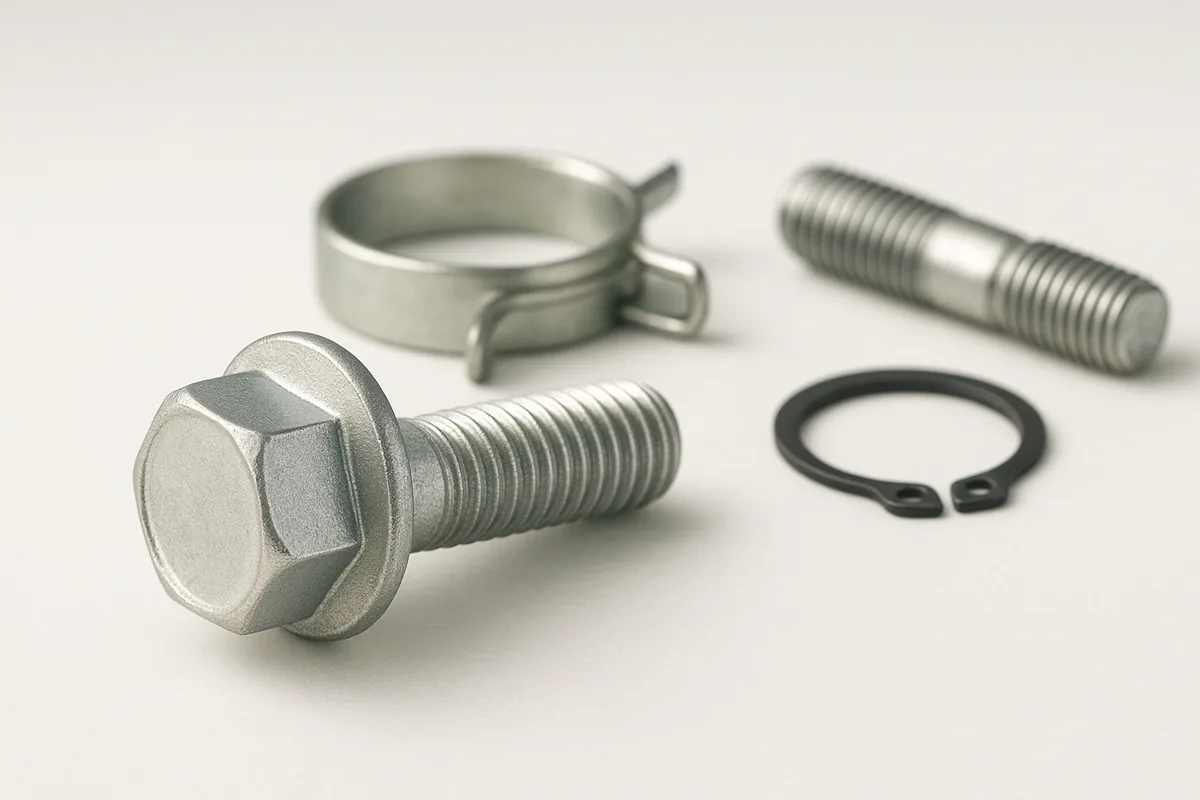
Shop Fasteners, Clips & Adhesives by Part Type
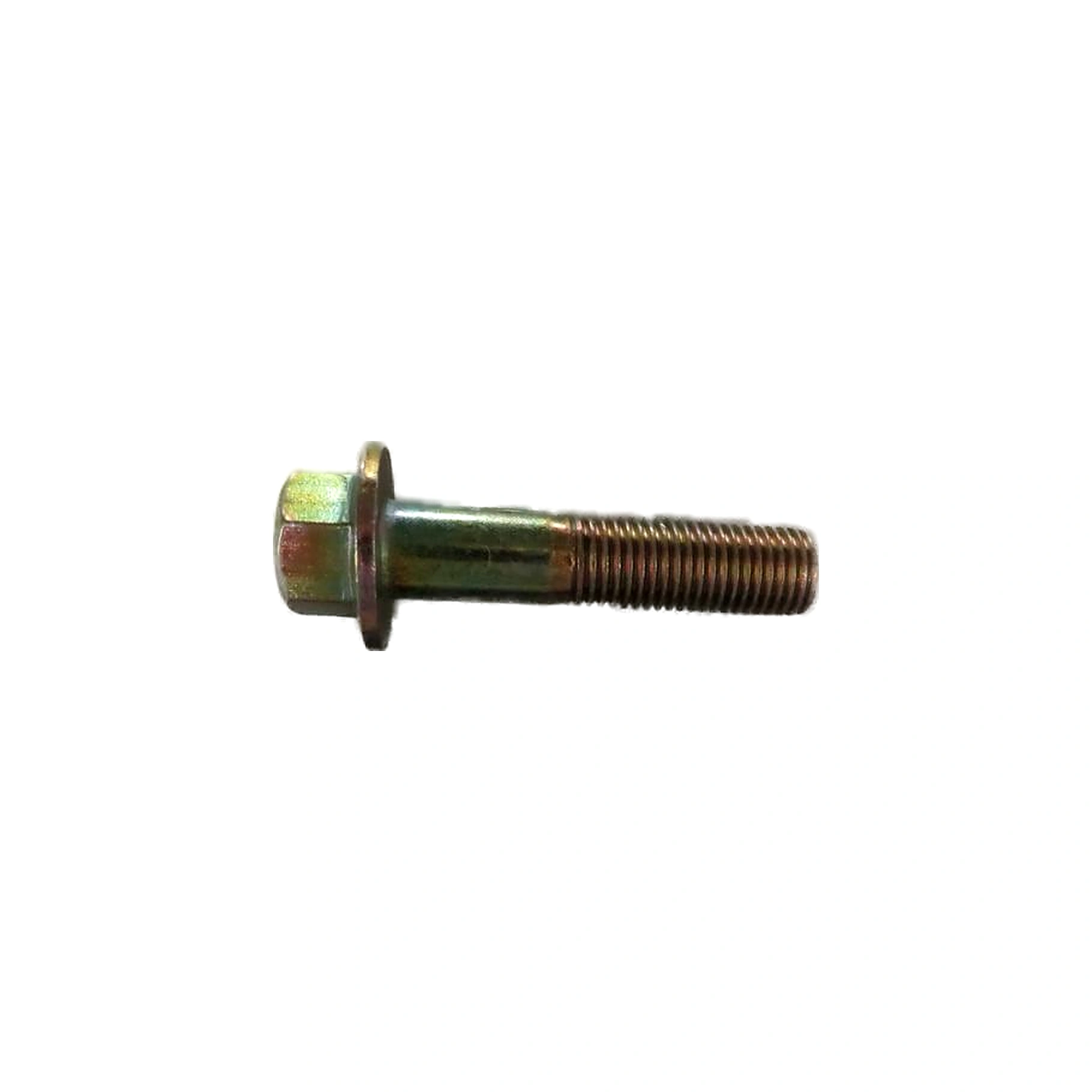
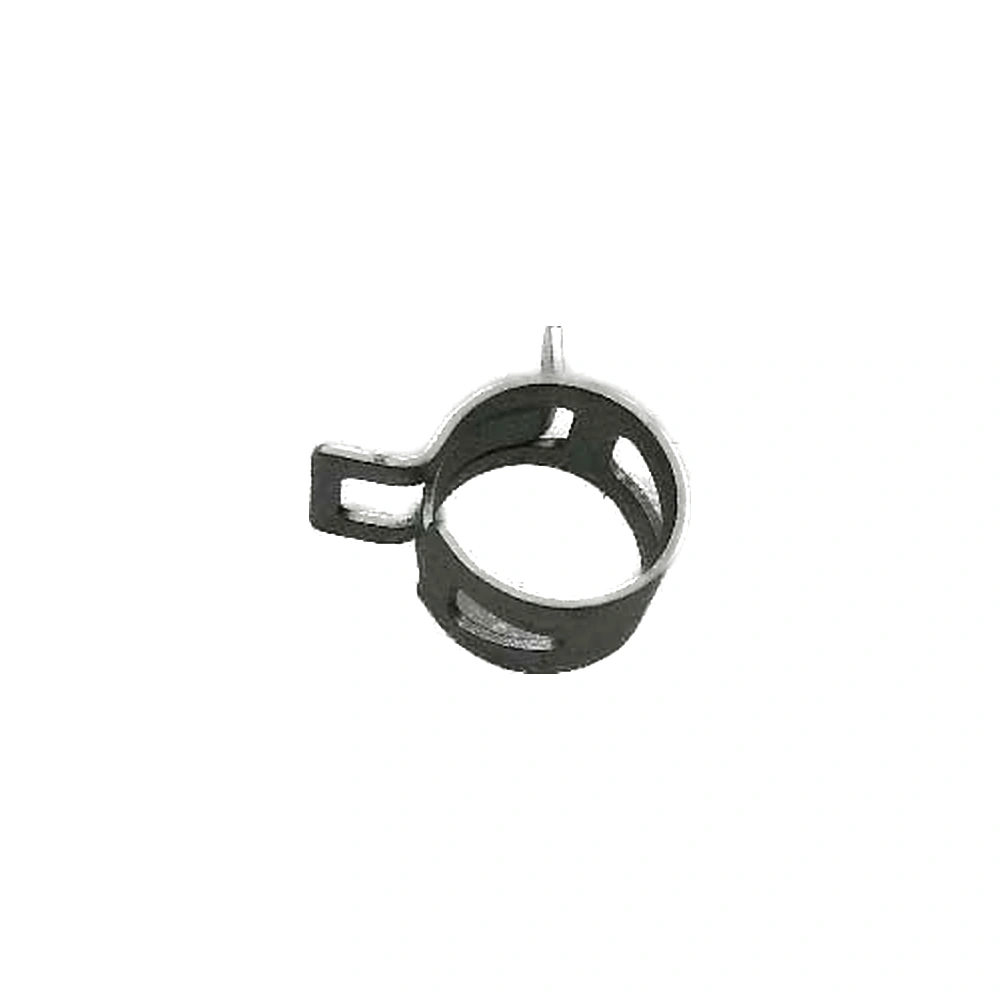
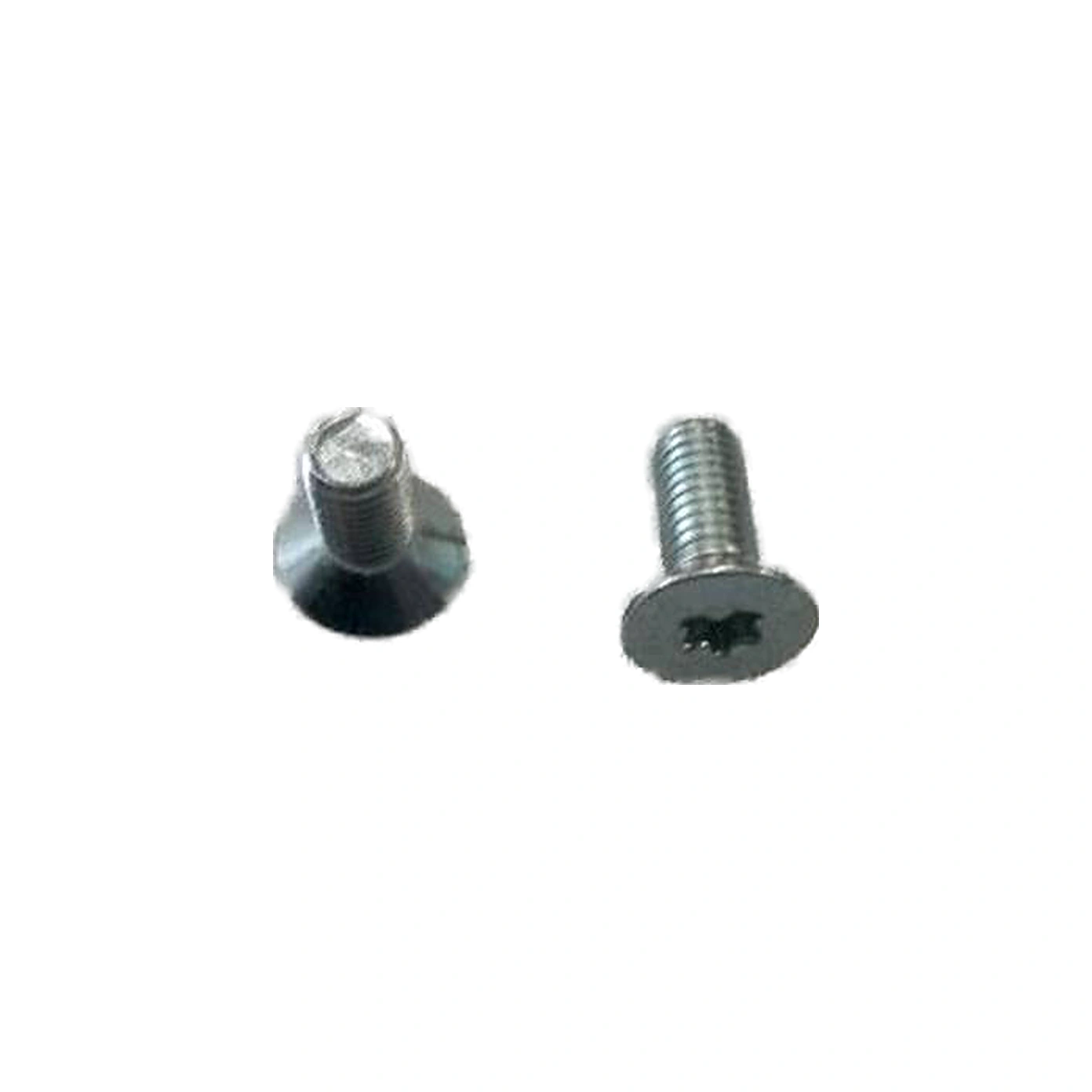
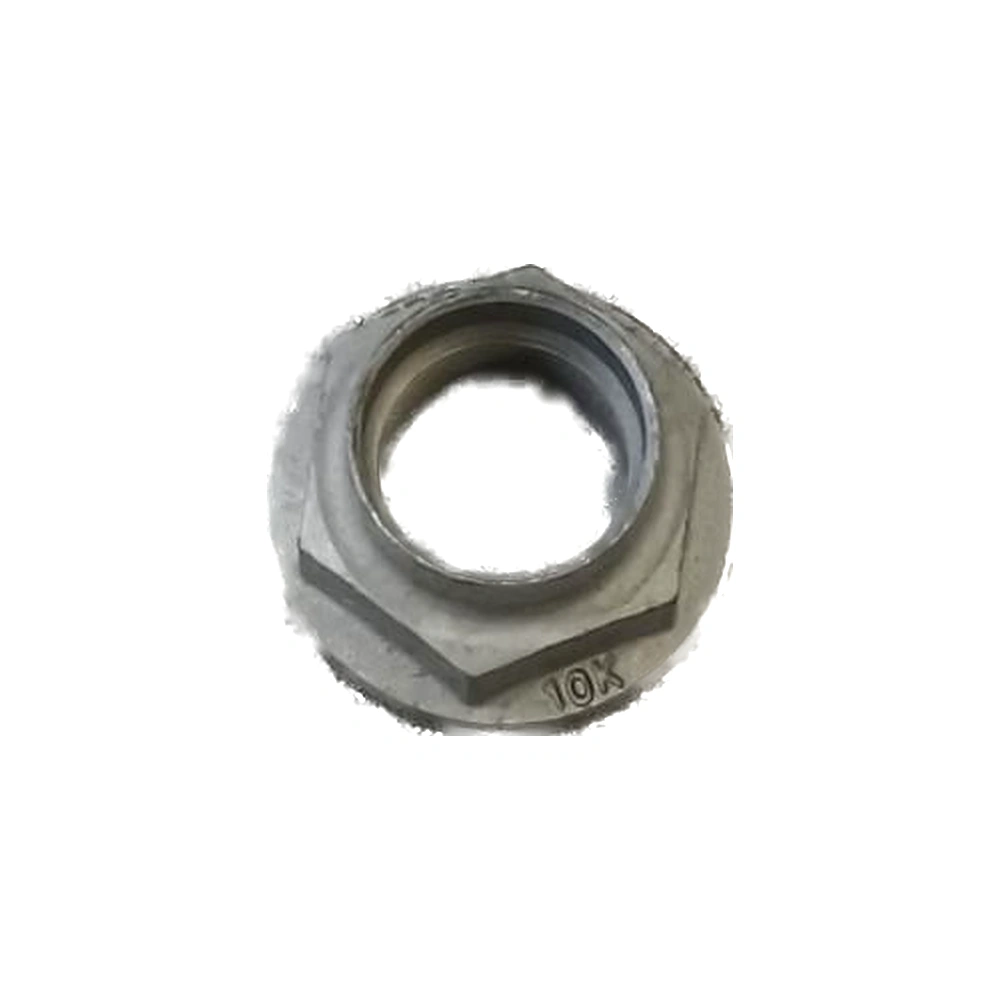
Popular Right Now
scroll for more →
Symptom Finder: What Is Actually Broken?
| What you see or hear | Part to check first |
|---|---|
| Trim panel loose or rattling after being refitted | Trim clip or retaining fastener |
| Bolt turning without tightening | Stretched fastener or damaged thread |
| Joint weeping after reassembly | Sealing washer or reused single use bolt |
| Hose slipping at a spigot after being disturbed | Steel band spring hose clamp |
| Circlip displaced allowing a shaft to move | External circlip |
| Weatherstrip lifting along the roof edge | Roof weatherstrip retaining clip |
About Fasteners, Clips & Adhesives
Fasteners look interchangeable and are not. A bolt is specified by diameter, pitch, length, head type and, most importantly, by grade, which describes the strength of the steel and therefore how much clamp load it can generate. Many modern fasteners are also single use: torque to yield bolts are deliberately tightened past their elastic limit so they hold a very consistent load, and once stretched they cannot repeat it. Trim clips are engineered to a particular panel thickness and a particular hole, and expanding rivets are designed for one insertion. Hose clamps of the spring band type maintain tension through heat cycles by design and lose it once opened. None of this matters until a job stops because a clip has broken, which is why these parts are catalogued individually.
What to know before buying Fasteners, Clips & Adhesives parts
Order by the OE number. Grade, length and thread pitch are not visible on a fastener. A substituted bolt of lower grade fails at a load the original would have carried.
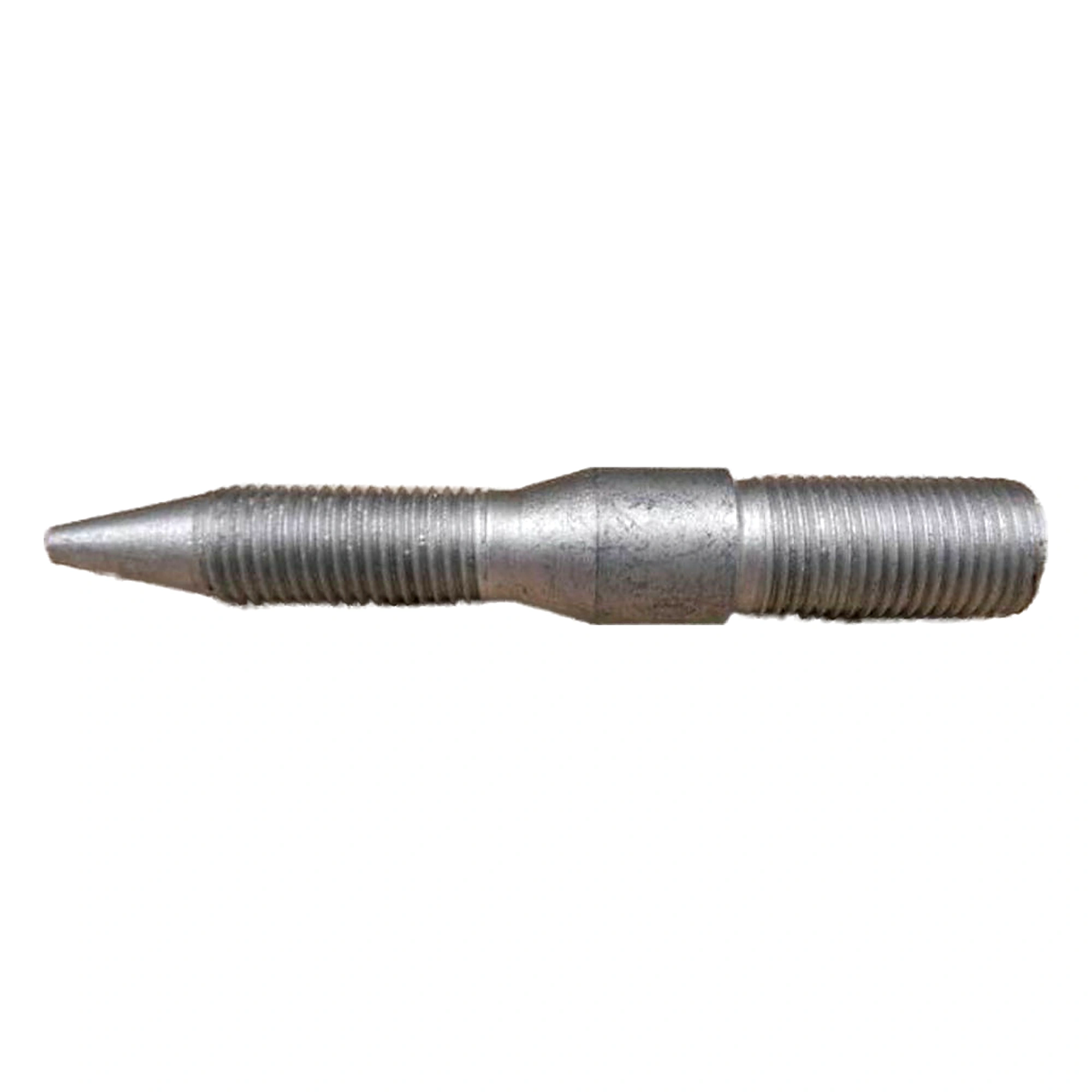
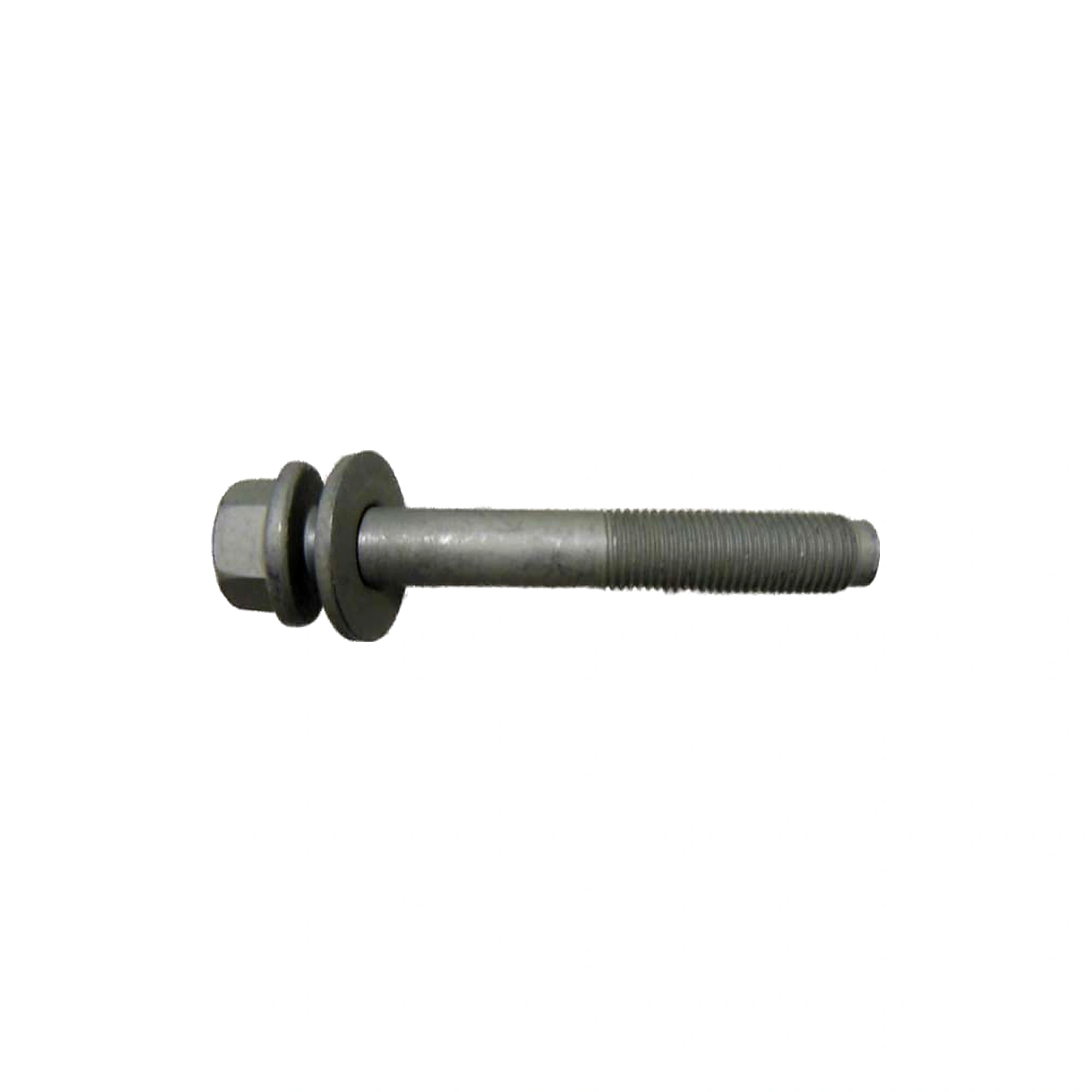
The listings name each item separately. Hex flange bolts, hex head bolt assemblies with spring and flat washers, and Torx countersunk screws all have their own references. So do double ended and equal length stud bolts, external circlips and hex socket plugs. Cylinder head bolt washers, steel band spring hose clamps and trim fasteners are listed as well, including roof weatherstrip retaining clips.
Order the fasteners with the job rather than after it. Clips and single use bolts matter most. A workshop slot lost to one missing clip costs more than the whole fastener order.
References with a price can be bought straight away, and anything without one is quoted. The BYD group is covered most fully, and further catalogues are still loading. If you cannot identify a fastener from the listing, send photographs and the location through the quote form. That usually settles it.
Before You Order: 6 Checks
- Match the OE number, since grade, length and pitch are not visible on a fastener.
- Replace torque to yield bolts rather than reusing them, and check the listing where a bolt is single use.
- Order clips and fasteners with the job, not after it, since one missing clip stops the work.
- Use the specified torque and sequence rather than tightening by feel.
- Fit fresh sealing washers on any joint that seals with one.
- Replace spring band hose clamps once opened, since they lose tension.
What Changed and Why
Fastening has moved away from bolts on modern bodies, with structural adhesive bonding and rivet bonding used alongside welding to join mixed material structures that cannot be welded together, which changes what a body repair involves and means the manufacturer's joining method is specified rather than chosen. Interior assembly has gone the other way and become almost entirely clip based, with fasteners designed for a single assembly cycle to speed production. The practical consequence for anyone working on a vehicle is the same: assume clips will break and order them in advance.
Fasteners, Clips & Adhesives: Frequently Asked Questions
Why can I not use a bolt from a hardware shop?
Because the grade is invisible and decisive. A fastener is specified by diameter, pitch and length, and also by the strength grade of its steel, which determines how much clamp load it can generate before it yields. A general purpose bolt of the right size can be several grades weaker than the original, and it will fail at a load the original carried comfortably. On anything structural, suspension related or safety related, that is not a risk worth taking for the price of the correct part.
Which bolts are single use?
Torque to yield fasteners, which are tightened to a specified torque and then through a specified angle so that they stretch permanently into their plastic range, holding an extremely consistent clamp load. Cylinder head bolts, connecting rod bolts, main bearing bolts and many suspension and driveshaft fasteners work this way. Once stretched they cannot repeat the performance, so they are replaced. Where a listing or a procedure calls for angle tightening, assume the fastener is single use unless told otherwise.
Why do trim clips always break?
Because most are designed for a single assembly cycle. On the production line a panel goes on once, so the clip is optimised for a firm hold rather than for repeated removal, and the barbs that hold it shear when it is pulled out. This is normal rather than a sign of poor quality or poor technique. Order a clip set with any panel you intend to remove, work warm so the plastic flexes, and pull perpendicular to the panel rather than twisting.
Do spring band hose clamps need replacing?
Once opened, yes, and they cost very little. A constant tension spring clamp maintains its grip through heat cycles by design, which is why manufacturers use them on coolant joints, and each opening and closing takes a little of that tension away. Reusing one leaves a joint that seals when cold and weeps when hot, which is a frustrating fault to chase. Order clamps with any hose, and use the correct size rather than a worm drive substitute where the original was a spring type.
What is a sealing washer and when do I need one?
It is a washer designed to deform and conform to a sealing face, used where a fastener passes through a fluid joint, such as a sump plug or a banjo bolt on a brake or fuel line. Because it crushes to seal, it has done its job once and will not do it again, which is why a sump plug that has been reused for several services eventually weeps. Fit a new one every time, and never compensate by overtightening.
What do fasteners cost?
This is the cheapest category on the site by a wide margin, with individual bolts, clips, circlips and washers costing very little each. The live minimum and maximum are shown in the band at the top of this page. Because the parts are trivial in cost and central in consequence, the sensible approach is to over order slightly rather than to calculate exactly, since a job halted for one clip costs far more than the clips.
How important is the torque figure?
Central, because a fastener works by clamp load rather than by being tight. Too little and the joint moves, fretting the faces and eventually loosening. Too much and the bolt yields or the thread strips, particularly in aluminium. Manufacturers specify torque, and often an angle stage as well, precisely so the clamp load is repeatable. Use a torque wrench that has been checked, follow the sequence where one is given, and note whether the threads should be dry or lubricated, since that changes the result substantially.
Can I reuse a circlip?
Only if it has not been opened beyond its elastic range, and in practice removal usually does. A circlip that has been spread to come off a shaft loses some of its grip, and one refitted with reduced tension can walk out of its groove under vibration, which allows the component it was retaining to move. Since they cost almost nothing, replace them rather than testing the theory. Inspect the groove at the same time for wear or damage.
What is structural adhesive used for?
Joining panels in modern bodies, often alongside welds or rivets, particularly where different materials meet and cannot be welded to one another. It spreads load across the whole joint rather than concentrating it at weld points, seals the seam against corrosion and damps vibration. What matters for repair is that the manufacturer specifies the joining method for each panel, and substituting welds for adhesive or the reverse changes how the structure behaves in an impact.
How do I identify a fastener I have lost?
Measure what you can and use the location. Thread diameter and pitch can be checked with a gauge, length is measured under the head for most bolts and overall for countersunk ones, and the drive type is visible. Then match against the listing for that assembly rather than searching by dimensions alone, since the catalogue records which fastener belongs where. Where you cannot identify it, send photographs and the location through the quote form.
Should I use thread lock?
Only where the manufacturer specifies it, and then the grade they specify. Threadlocking compounds change the friction in the joint, which means a given torque produces a different clamp load, and using a permanent grade where a medium one is called for makes the next removal destructive. Many fasteners arrive with a pre applied patch, and where they do, that patch is single use and the fastener should be replaced rather than re coated. Read the procedure rather than assuming.
The fastener I need shows no price. Can I still order it?
Yes. Fasteners are the odd case in the catalogue: the parts are cheap but there are thousands of them, and pricing is loaded where demand justifies it, so plenty sit unpriced simply because nobody has asked yet. Quote the number and say how many you want, since some are supplied in packs and a single item may carry a minimum quantity. Where you are chasing a torque to yield bolt, order more than you think you need. They are used once, they cost very little, and running short mid job stops the repair completely.