BYD D1 Parts
Shop BYD D1 Parts by Category
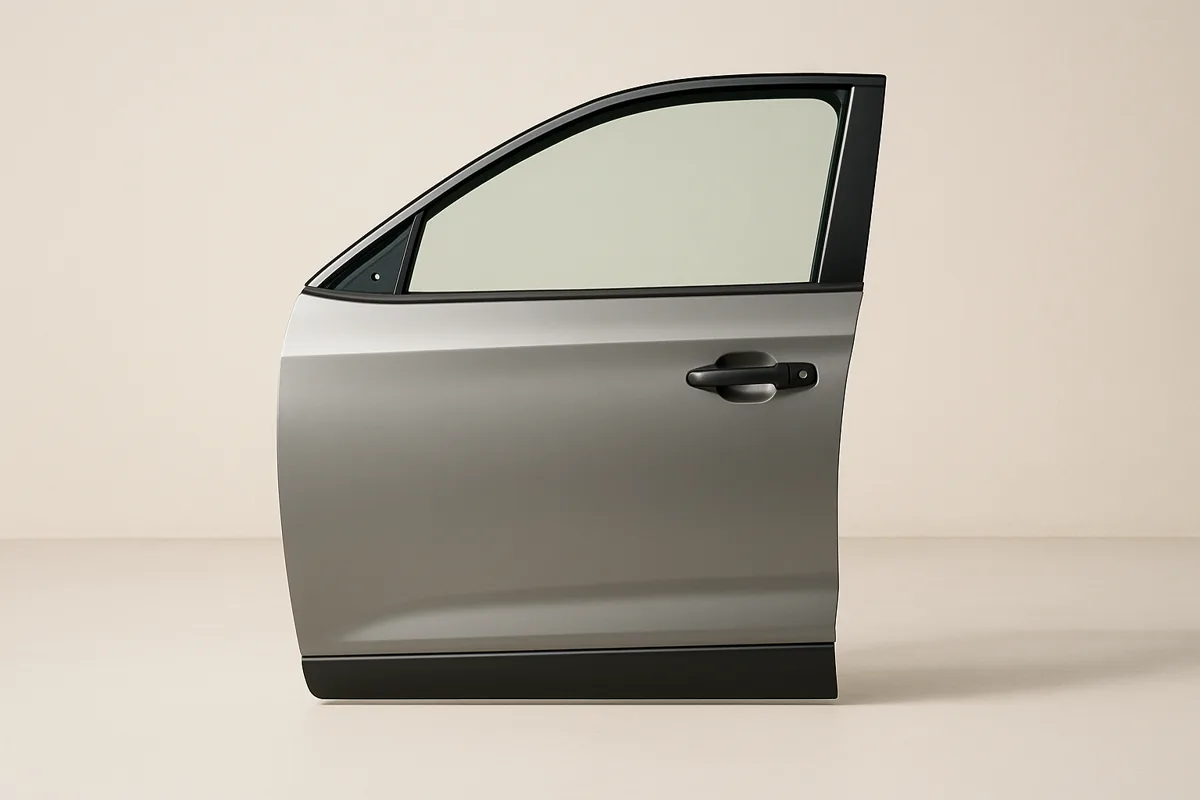
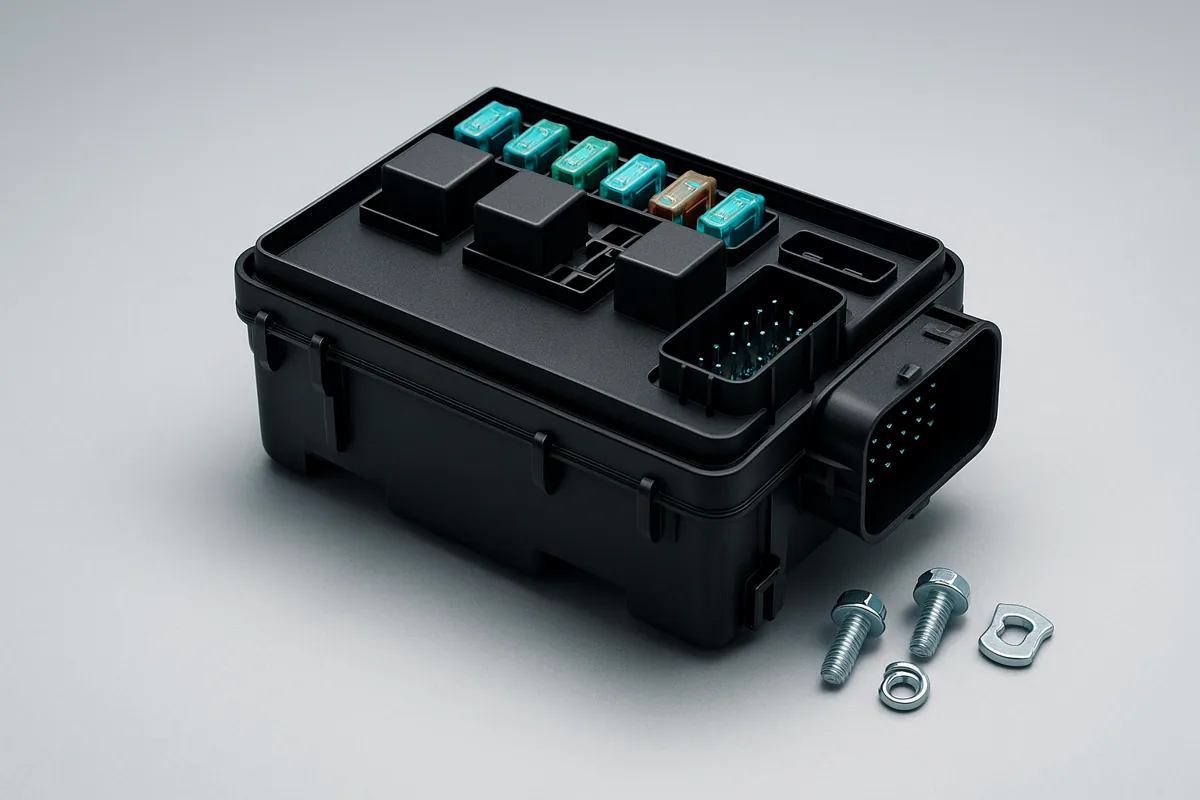
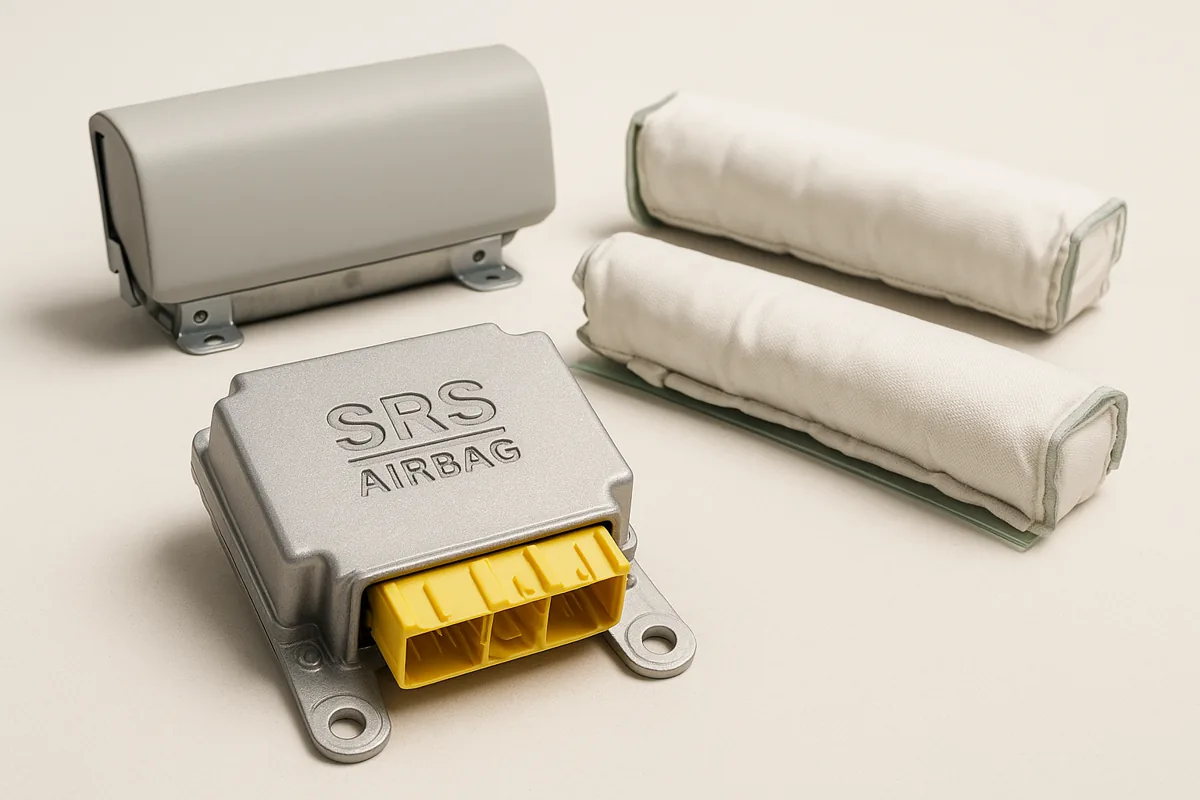
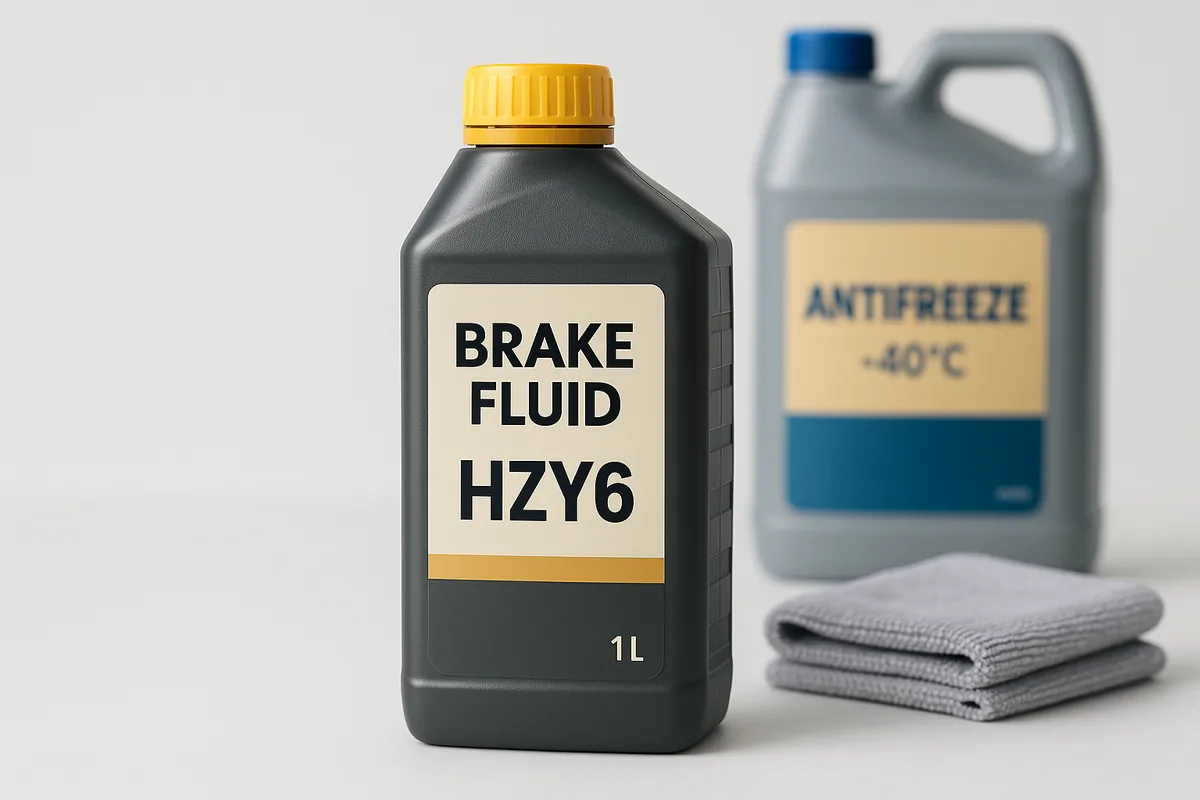
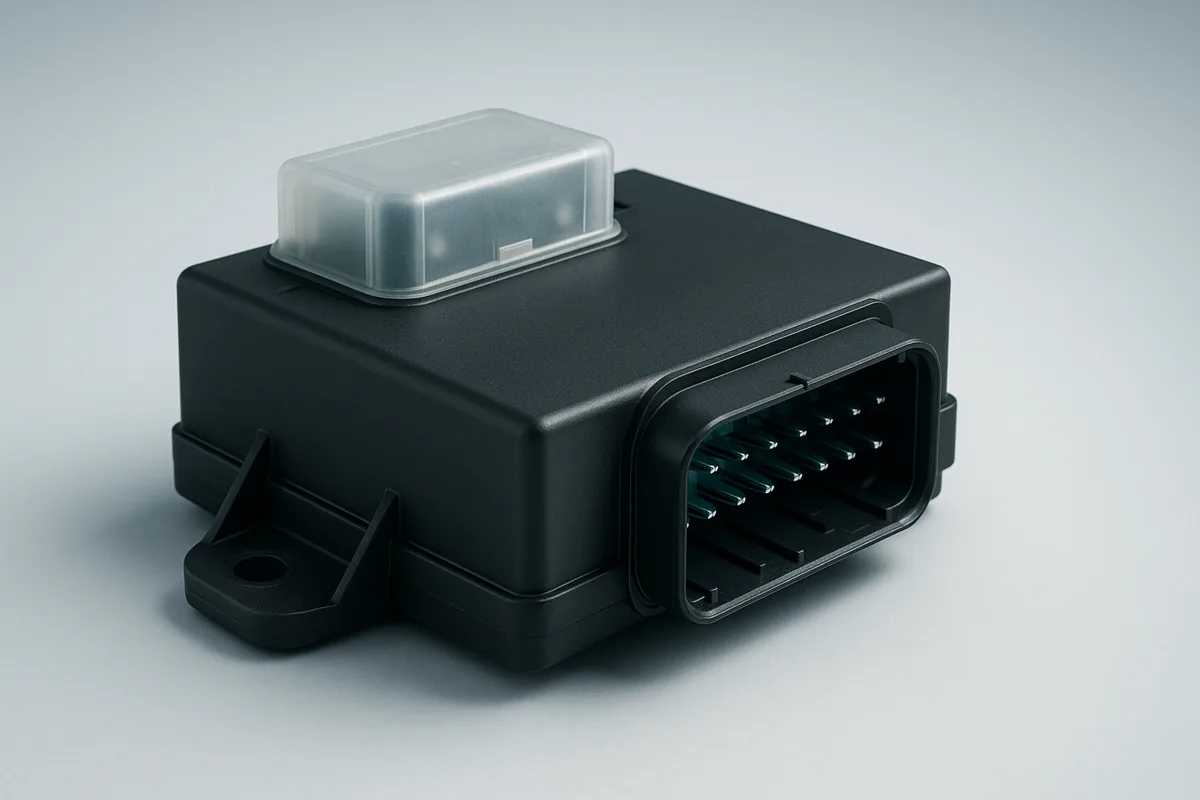
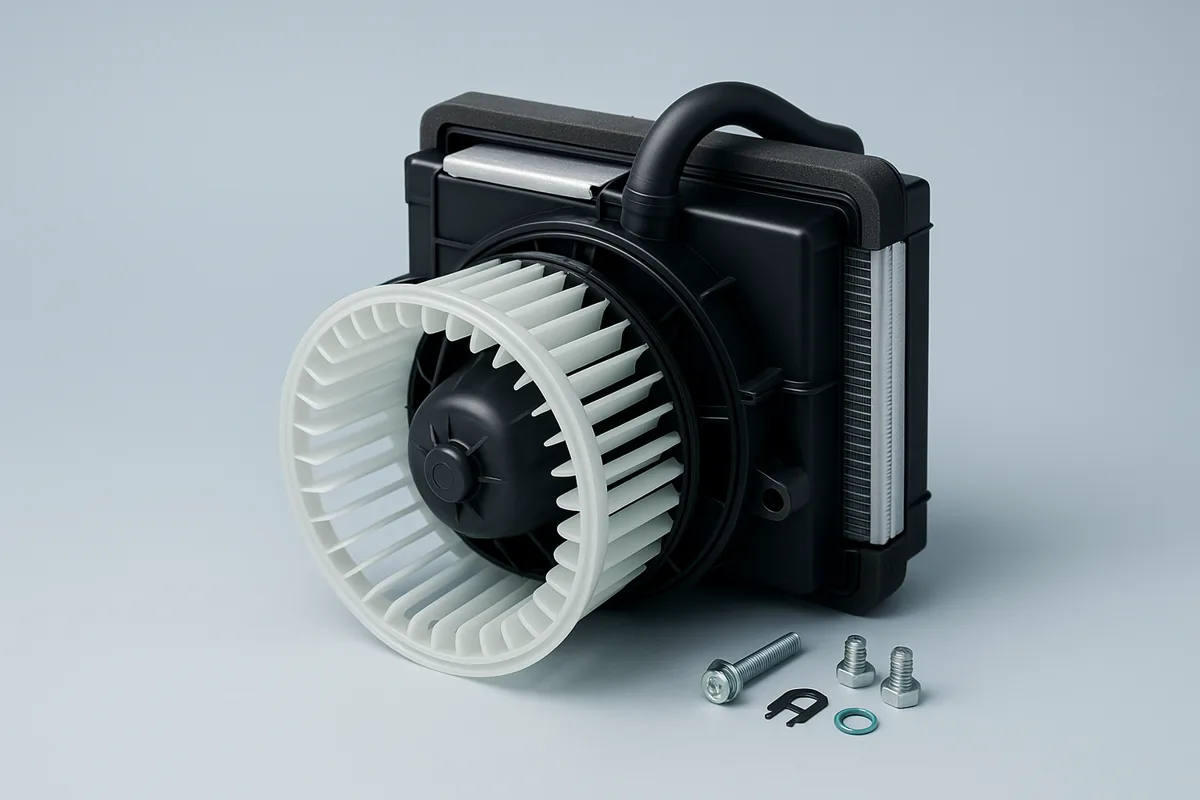
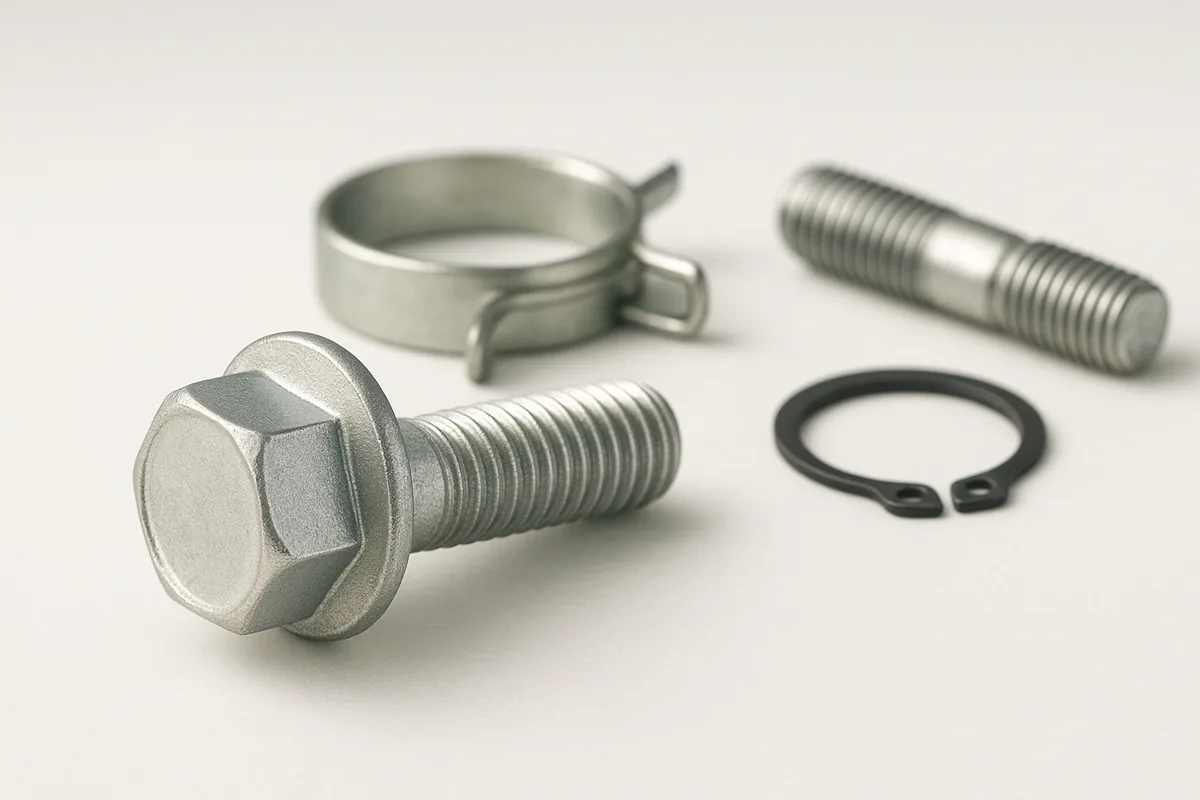
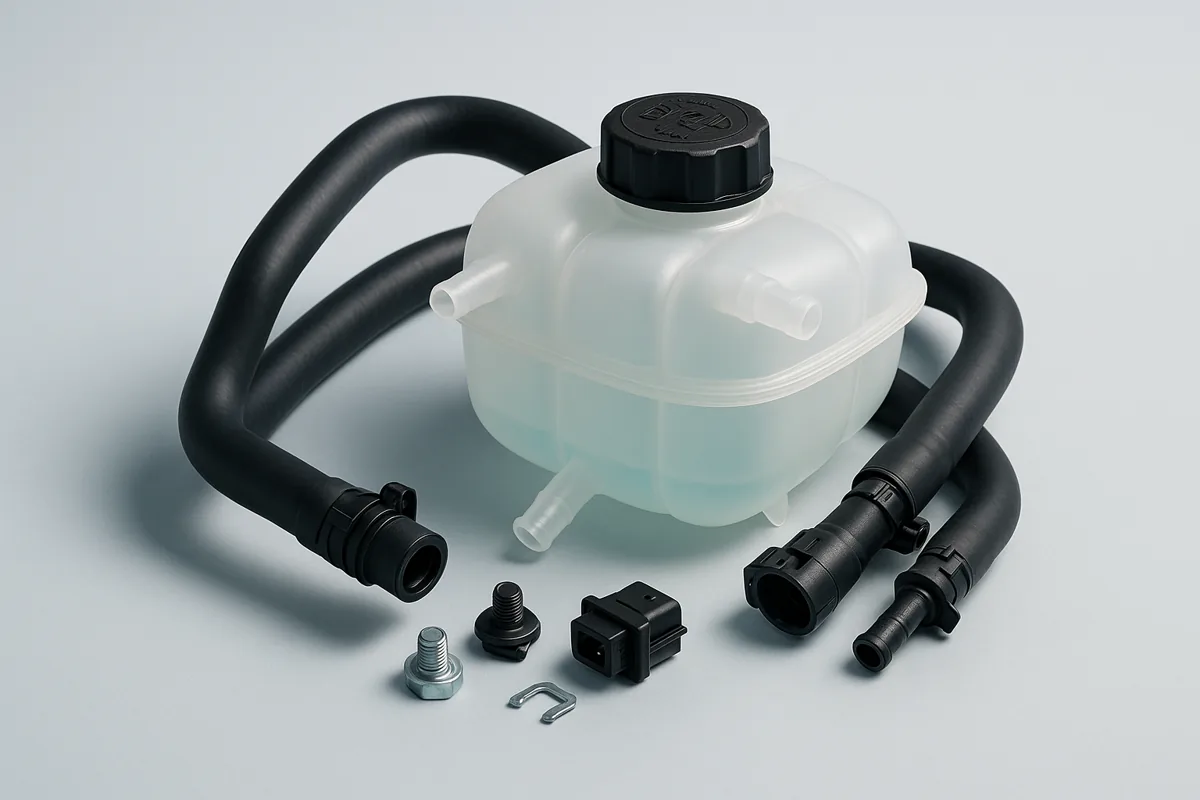
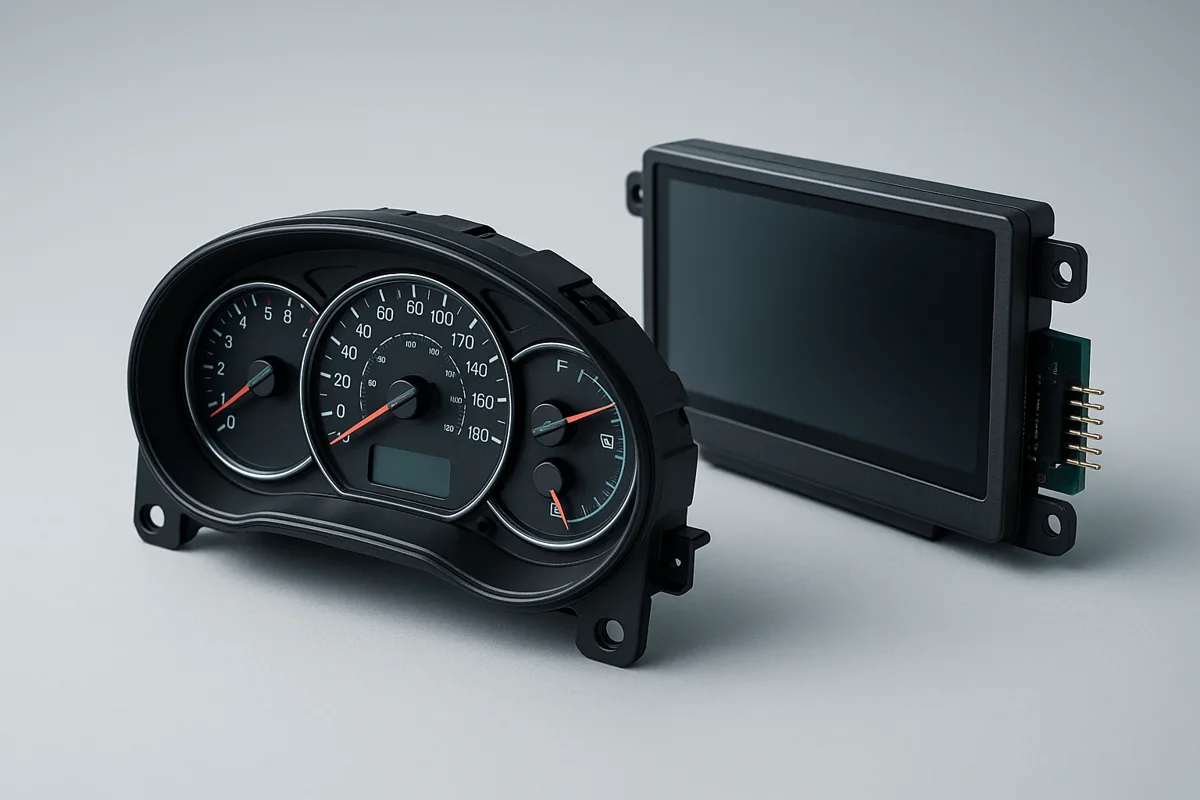
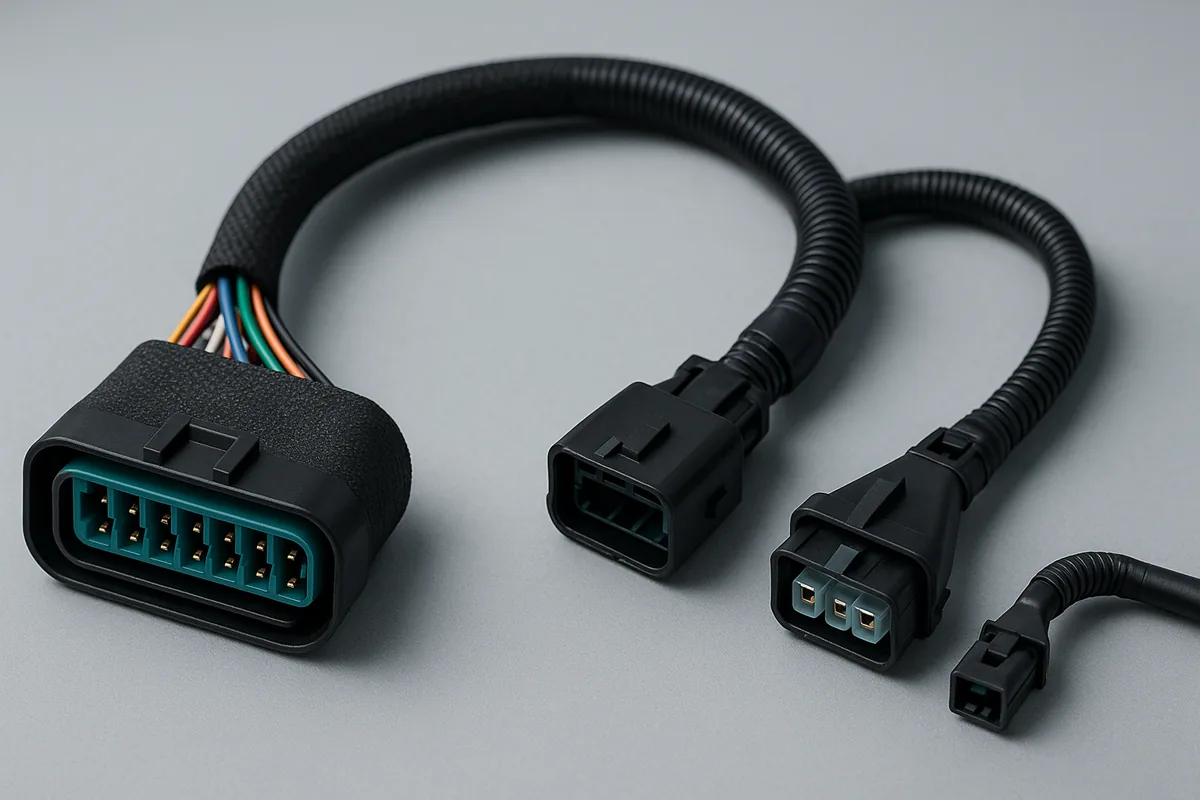
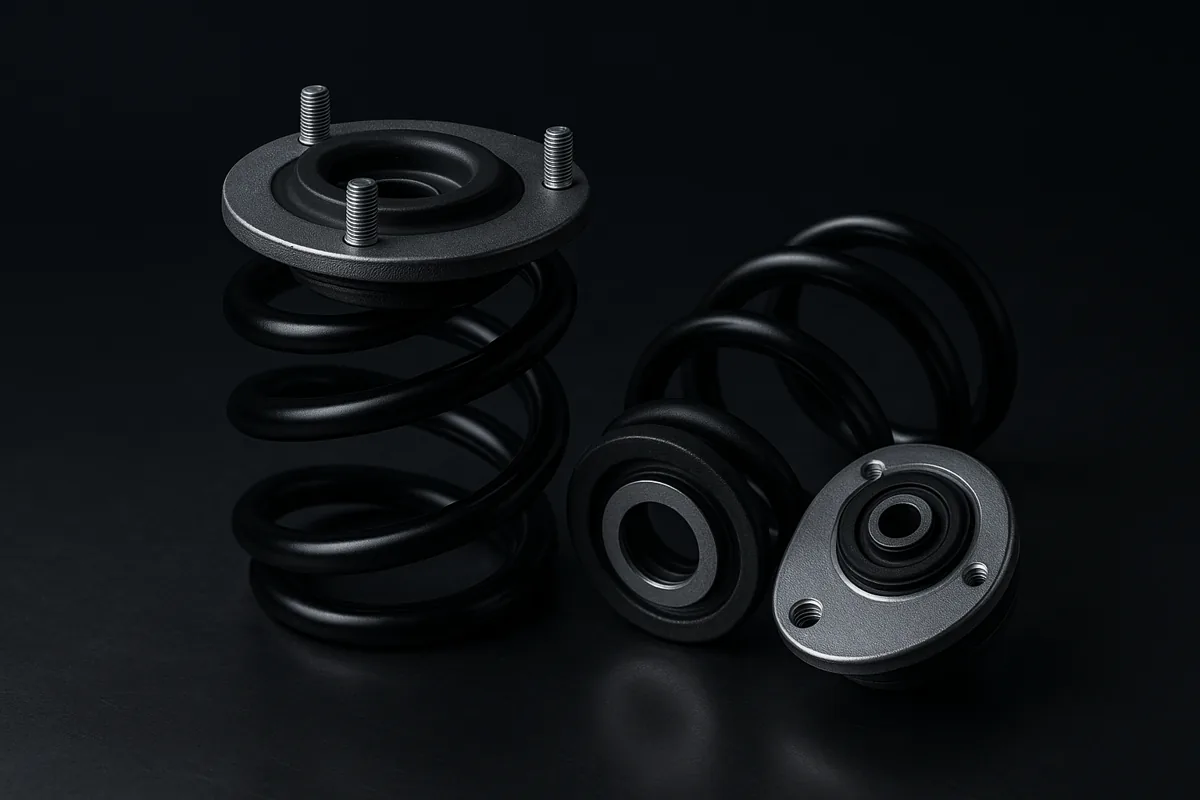
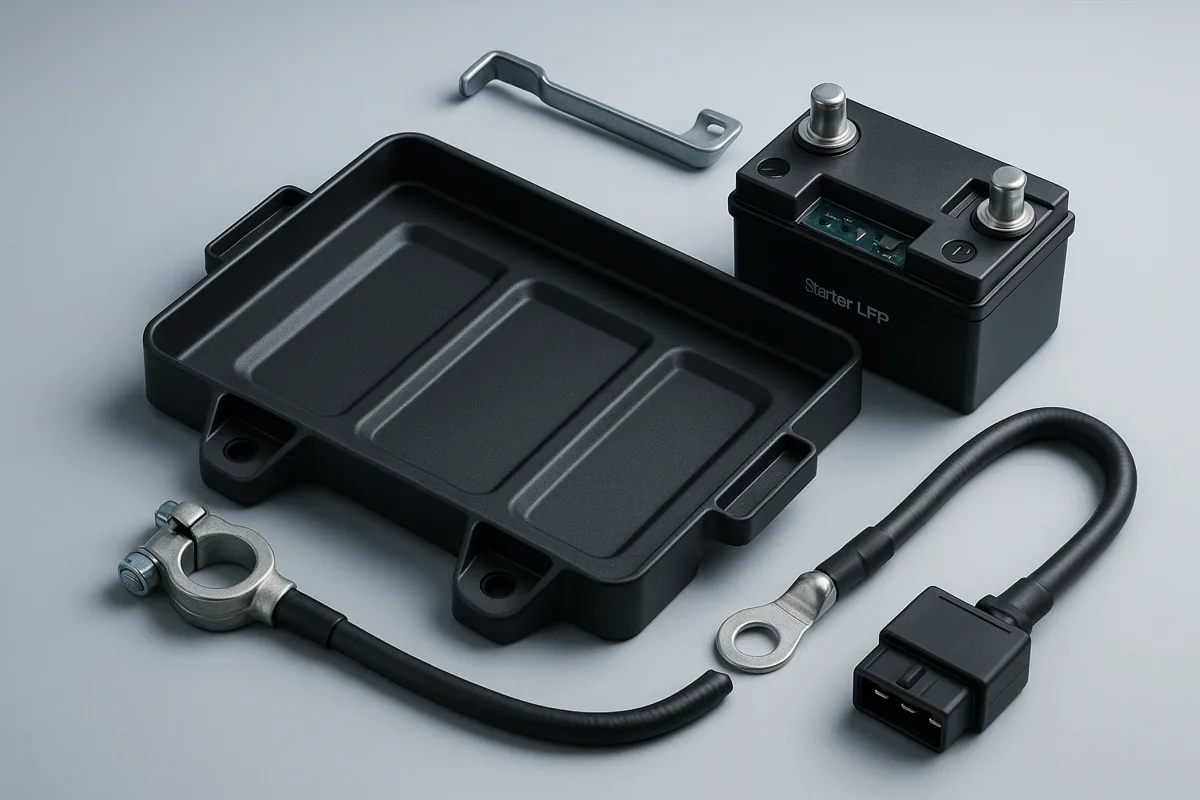
Popular for the BYD D1
scroll for more →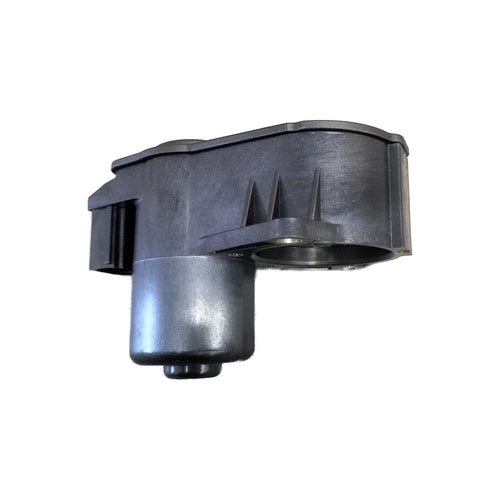
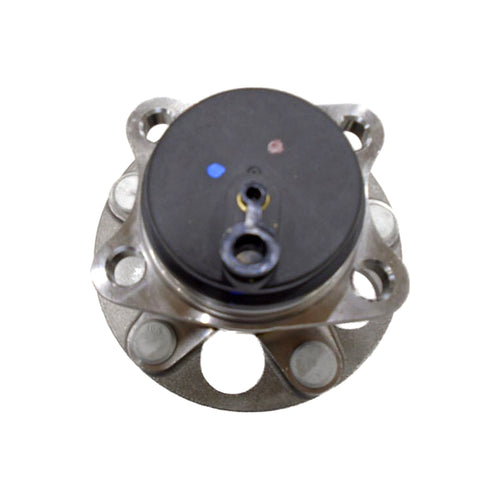
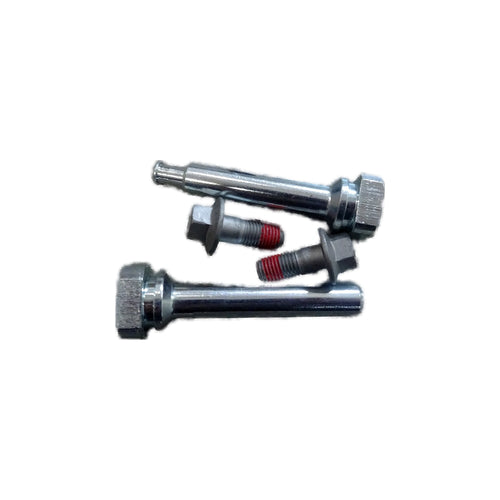

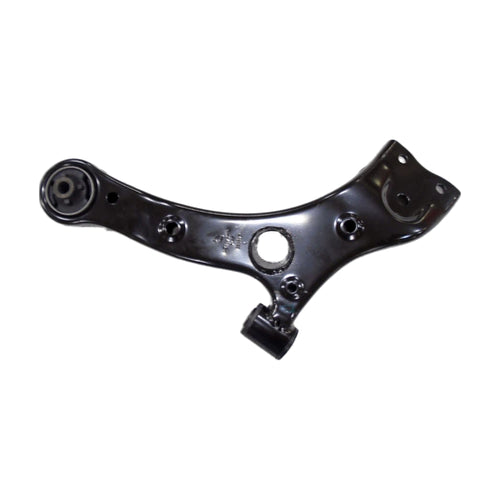
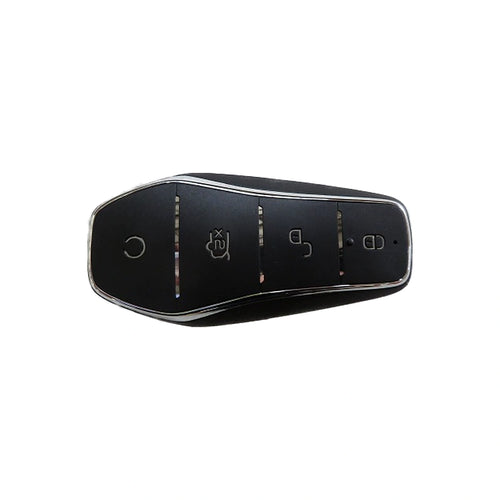
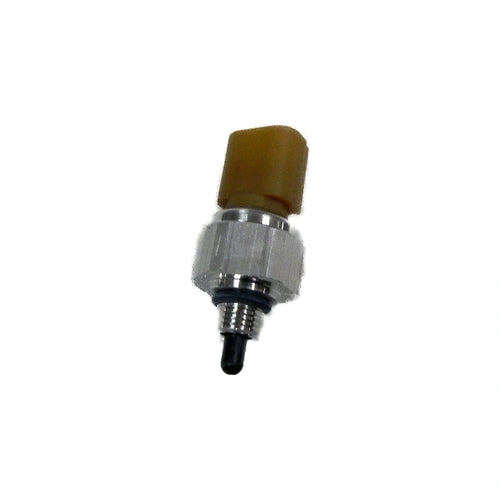
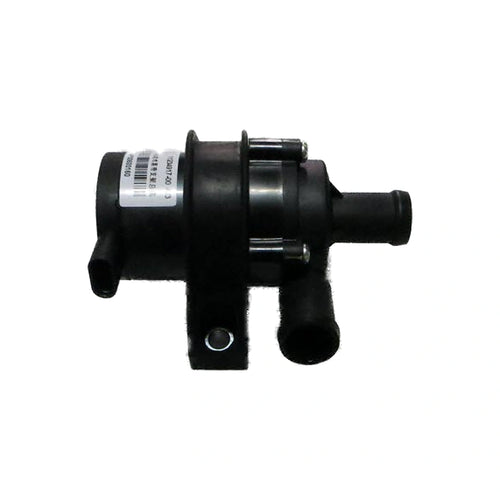
Symptom Finder: Known Weak Points
| What you see or hear | Check first |
|---|---|
| Sliding door dragging, noisy or slow to move | The rollers, track and latch on the right rear door. Clean the track and look for worn or damaged rollers first, then order each part by its OE number. |
| Sliding door will not open or close under power | The door motor, the latch and the switch on the B-pillar. Rule out an obstruction in the track before ordering a motor, and match the part to the right rear door. |
| Brake judder or grinding after the car has stood for a while | Rust on the disc faces. Regenerative braking does much of the stopping, so discs often corrode before they wear thin. Check front and rear separately, since the front discs are ventilated and the rear ones solid. |
| Knock or clunk from the front over bumps | The strut top mounts and the control arm bushes on the MacPherson front suspension. City shift work wears them, so inspect both sides and order by side. |
| Front tyres wearing faster or unevenly | Alignment and the front suspension bushes. The front wheels drive and steer the car, so match replacement tyres to the 195/60 R16 size fitted. |
| The screen shows a DiDi driver interface | The screen alone does not tell you the version, since launch reports say the Chaoyue screen still supports the DiDi driver interface. Check the other equipment fitted, then order a replacement by the OE number on the unit fitted. |
| Puncture with no spare wheel in the car | No spare wheel is listed for the D1. Repair or replace the tyre, and read the size on the sidewall before ordering. |
Most Replaced Parts on the D1
- Sliding and hinged door hardwareThe powered right rear slider carries a track, rollers and motor, the hinged left none
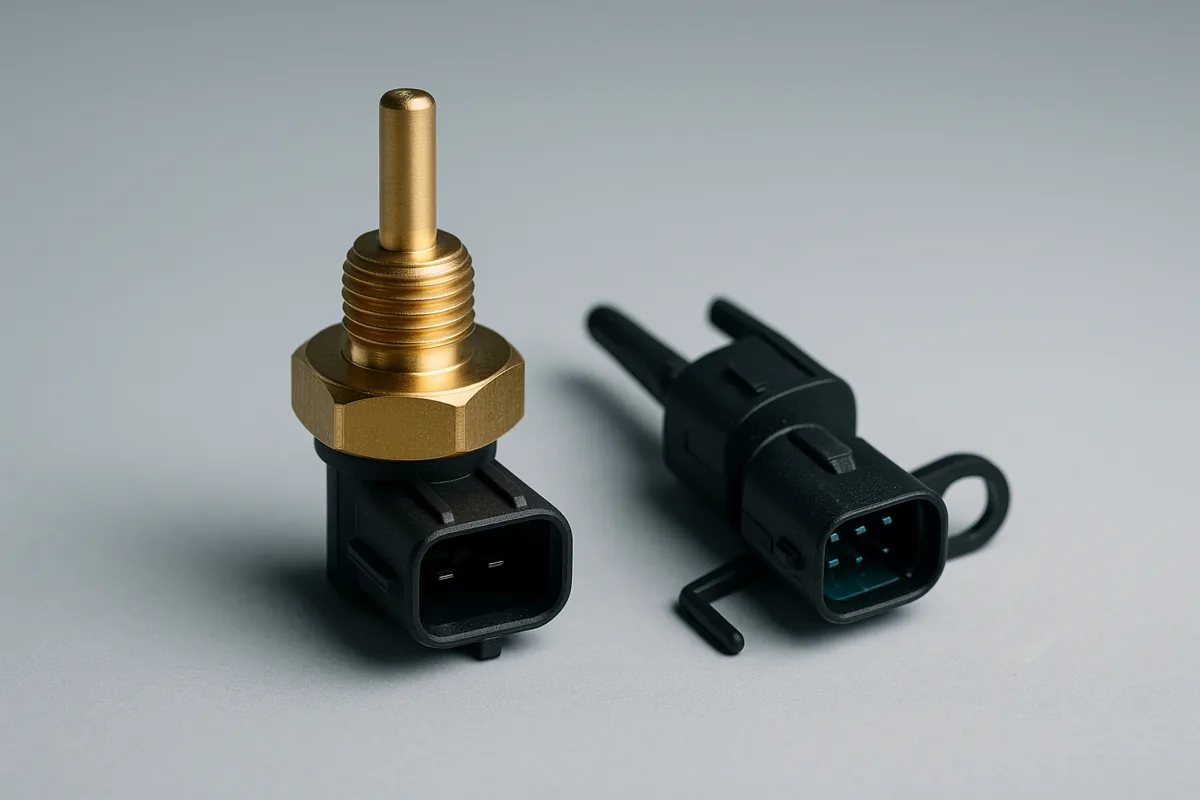
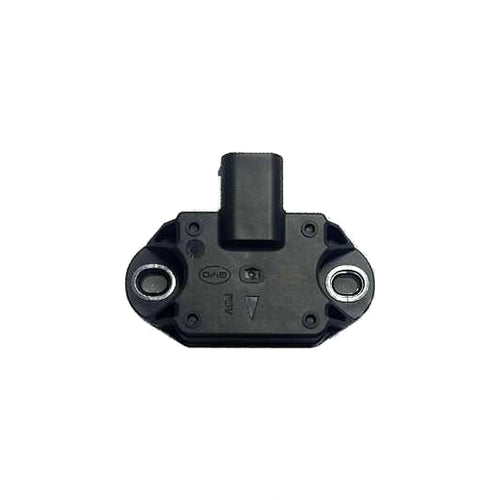
- Temperature, pressure and position sensorsMatch each sensor by the number on the old unit, not by appearance
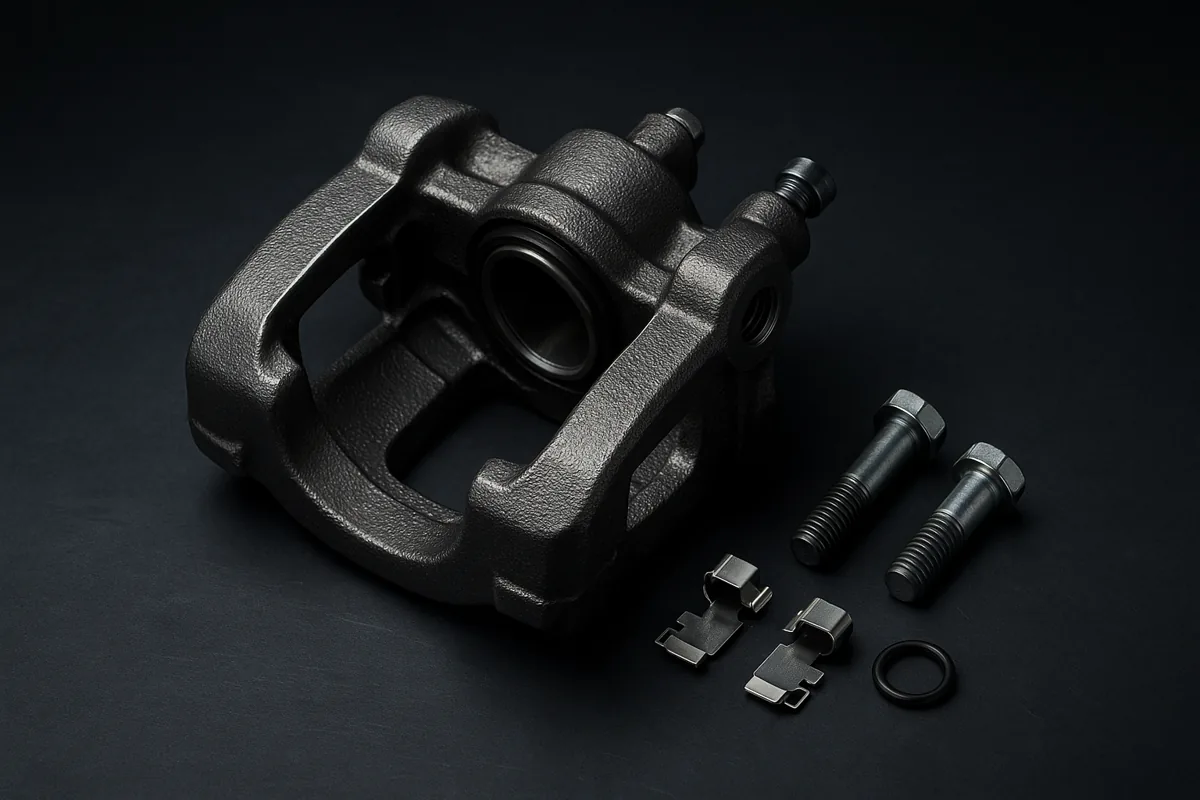
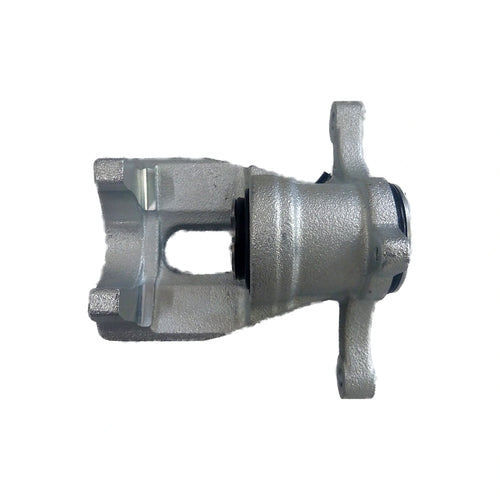
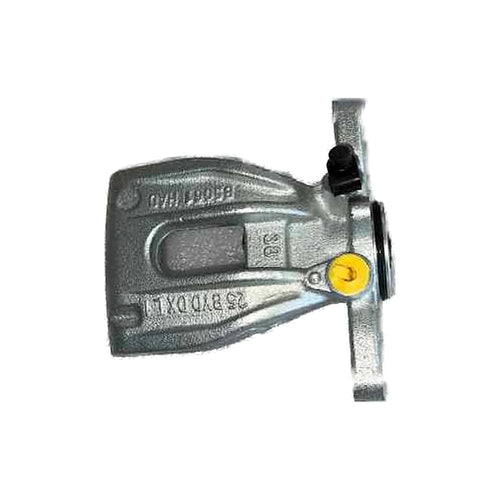
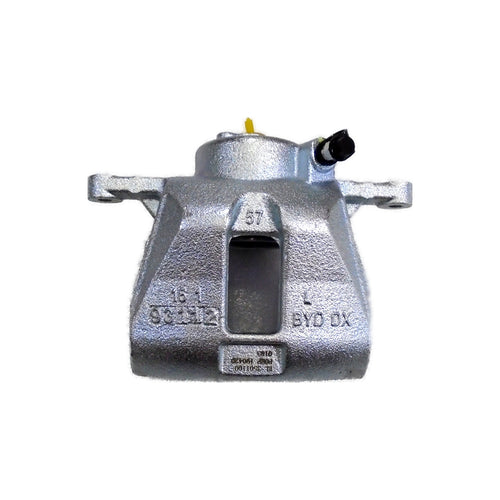
- Brake calipers, cylinders and hydraulicsVentilated front and solid rear discs, with an electronic parking brake
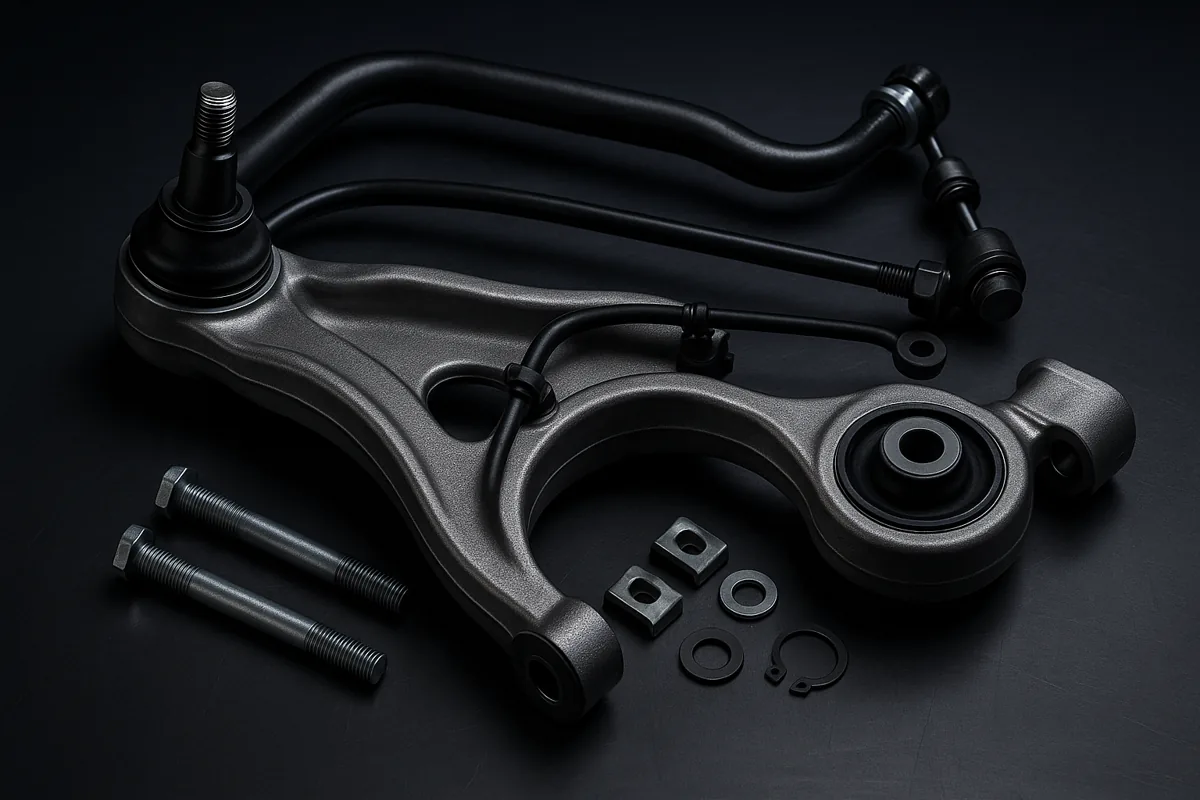
- Control arms and bushingsFront MacPherson struts and a rear torsion beam, worked hard by city taxi use
- Springs and top mountsLong shifts on city streets load the front springs and strut top mounts
About BYD D1 Parts
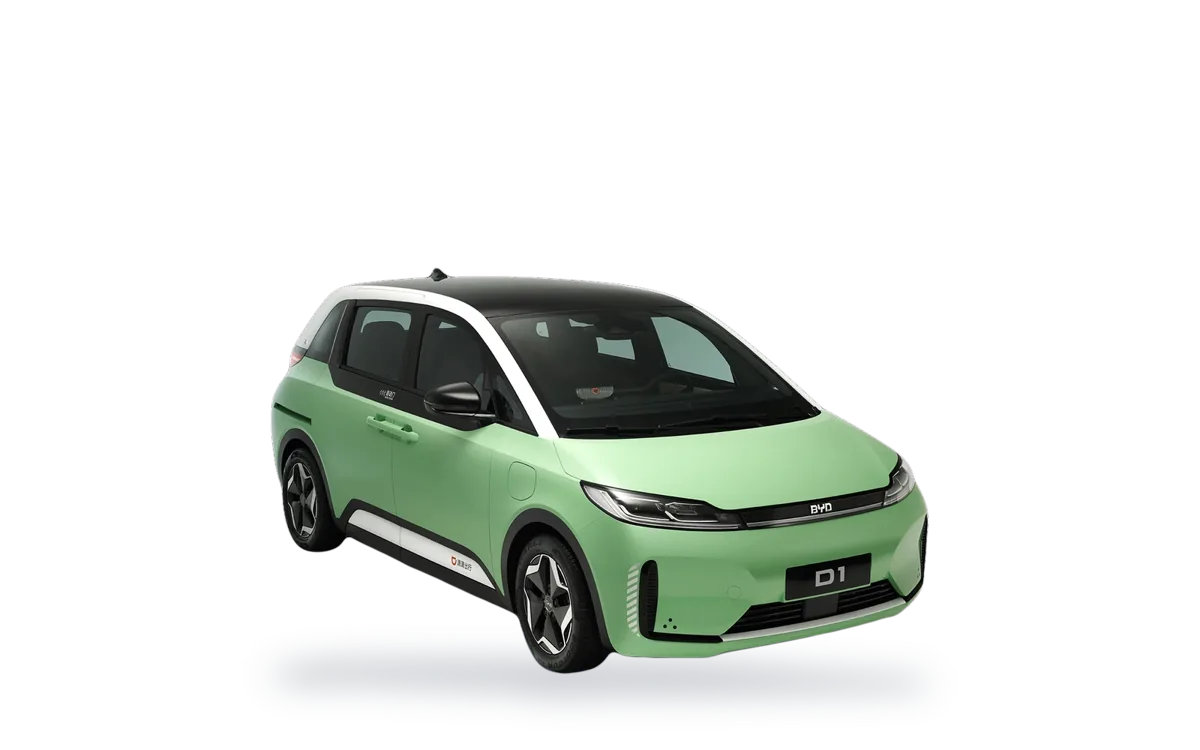
The BYD D1 is a compact five-seat electric MPV, built with the ride-hailing platform DiDi as a purpose-built taxi. It was unveiled in Beijing on 16 November 2020, went into ride-hailing service from December 2020, and was later sold to private buyers as well. A single 100 kW permanent-magnet motor at the front, with 180 Nm of torque, drives the car from a 53.6 kWh lithium iron phosphate Blade battery. There is no engine, oil or exhaust to service. For parts, the body is what sets the D1 apart. It is 4,390 mm long on a 2,800 mm wheelbase, with a powered sliding door at the right rear and a conventional hinged door at the left. Most cars have worked long shifts, so door hardware, brakes and suspension take the wear. Every part on this page is listed by its OE number, and matching that number to the old part is the surest fitment check.
What to know before buying BYD D1 parts
The D1 is easy to identify because nothing else in the BYD range looks like it. It was designed from scratch as a ride-hailing car, with no predecessor, and measures 4,390 mm long, 1,850 mm wide and 1,650 mm tall on a 2,800 mm wheelbase. Body panels, glass and door parts from other BYD models do not suit it. Some smaller components, such as sensors, switches, hydraulics and fasteners, may carry numbers also used on other BYD cars. A familiar-looking number is not enough on its own, so confirm every part by the OE number on the one you are replacing.
The rear doors cause more wrong orders than anything else. The right rear door slides under power, with its switch on the B-pillar, and the left rear door is hinged like an ordinary car door. The two sides are not a mirrored pair. The track, rollers, latch and door motor exist only on the right, so state the side before ordering any rear door part.
The front seats also differ by side. The driver's seat was designed for long shifts at the wheel, while the passenger seat folds completely flat. Frames, adjusters and covers do not swap across, so order each seat part for its own side.
Equipment is split by version, not by build date. The 2021 Lingchuang edition was the fleet car, sold only to drivers registered with DiDi, and its 10.1-inch screen ran DiDi's dispatch software. The Standard edition opened the car to private buyers in November 2022, and the Chaoyue edition followed on 13 June 2023. The Standard edition was a cut-down car. Compared with the Lingchuang, it lost the leather steering wheel, which became plastic, along with cruise control, lane departure warning, automatic emergency braking, forward collision warning, the front side airbags, rear seat heating and the rear screen. The Chaoyue brought back driver-assist features such as adaptive cruise control and lane departure warning. Compared with the Lingchuang, it lacks the dash camera, interior camera, driver's lumbar support and rear seat heating. All three versions therefore differ from one another. Before ordering steering wheel, camera, seat or head unit parts, check what is actually fitted to the car.
The running gear is the same on every version. The car runs on 195/60 R16 tyres front and rear, with ventilated front discs, solid rear discs, an electronic parking brake, MacPherson struts at the front and a torsion beam at the rear. No spare wheel is listed. Sources disagree on the headlamps. The retail specification tables list halogen units, while some reviews of the early fleet car describe LED, so order a headlamp by the OE number on its housing. For painted panels, go by the colour code on the car rather than the colour name.
Before You Order: 7 Checks
- State the side before ordering any rear door part, since the right rear slides under power and the left rear is hinged.
- Match the OE number on the part you are replacing to the OE number on the listing before you order.
- Check which version the car is, the Lingchuang fleet car, the Standard or the Chaoyue, before ordering steering wheel, camera, seat or head unit parts.
- Order front seat parts by side, since the driver's seat and the fold-flat passenger seat are built differently.
- Read the size on the tyre sidewall, 195/60 R16 as fitted, before ordering tyres or rims.
- Read the OE number on the headlamp housing before ordering a lamp, since sources disagree on halogen or LED.
- Order painted panels by the colour code on the car rather than by colour name.
Generations and Facelifts
The D1 has no predecessor. BYD designed it with the ride-hailing platform DiDi as a purpose-built taxi and unveiled it in Beijing on 16 November 2020. Trial service began in Changsha in December 2020. The first cars, the 2021 Lingchuang edition, were sold only to drivers registered with DiDi, and their 10.1-inch screen ran DiDi's dispatch software for taking ride requests.
Outside China, a fleet was also ordered for ride-hailing work in Mexico. BYD opened the car to private buyers in November 2022 with the Standard edition. Compared with the Lingchuang, it was a cut-down car that lost the leather steering wheel, which became plastic, along with cruise control, lane departure warning, automatic emergency braking, forward collision warning, the front side airbags, rear seat heating and the rear screen. The Chaoyue edition followed on 13 June 2023, bringing back driver-assist features such as adaptive cruise control and lane departure warning. Compared with the Lingchuang, it lacked the dash camera, interior camera, driver's lumbar support and rear seat heating. The retail Standard and Chaoyue cars kept the 10.1-inch DiLink screen. Launch reports say the Chaoyue screen still supports the DiDi driver interface, so the screen alone does not tell you which version the car is.
Production ended in 2023. The D1 never had a facelift, and its body stayed the same throughout, along with the 100 kW motor and the 53.6 kWh battery. As a result, body panels, glass and door hardware are common to every D1, and the parts that change are equipment parts: the steering wheel, cameras, seat adjusters and head unit. Work out the version from the equipment fitted, not from the year, then match each part by its OE number.
BYD D1 Parts: Frequently Asked Questions
How do I make sure a part fits my BYD D1?
Match the OE number. Every part on this site is listed under the OE number printed on the original part, and if the number on the part you are replacing matches the listing, the part fits. On the D1 this matters most for the rear doors and the front seats, because the left and right sides are different parts. If the old part is missing or its number cannot be read, send a photo through the quote form and we will reply within 24 hours, usually sooner.
Which side is the D1's sliding door on, and is it powered?
The right rear door slides, and it is powered, with its switch on the B-pillar. The left rear door is an ordinary hinged door. The slider was put on the right so that passengers step out on the kerb side, away from cyclists and passing traffic, as China drives on the right. When ordering anything for the rear doors, give the side first, then match the part to the OE number on the one you removed.
Are the D1's left and right rear door parts interchangeable?
No. The rear doors are not a mirrored pair. The right rear door slides, so it carries a track, rollers, a latch and a door motor. The left rear door hangs on hinges and has none of that hardware. Seals, trim and other door-mounted parts are made for one opening or the other. Treat the two sides as separate parts, and check the OE number on the part you removed before ordering its replacement.
Does the D1 have a 70 kWh battery?
No. Some English-language sources give 70 kWh, but BYD's Chinese launch material and the published specification tables give 53.6 kWh for every version. The pack is a lithium iron phosphate Blade battery, and it feeds a 100 kW motor. The figure matters when ordering battery, cooling or high-voltage connector parts, since parts for a different pack will not fit. Order by the OE number on the old component rather than by a capacity figure found online.
Which D1 version do I have, and what changes between them?
BYD built three versions. The 2021 Lingchuang edition was the fleet car, sold only to drivers registered with DiDi. The Standard edition went on sale to private buyers in November 2022 without the leather steering wheel, cruise control, lane departure warning, automatic emergency braking, forward collision warning, the front side airbags, rear seat heating and the rear screen. The Chaoyue edition followed on 13 June 2023 and brought back adaptive cruise control and lane departure warning. Compared with the fleet car, the Chaoyue drops the dash camera, interior camera, driver's lumbar support and rear seat heating. Check the equipment in the car before ordering steering wheel, camera or seat parts.
Is the D1 based on the Han? Some part numbers look familiar.
No. The D1 was designed from the start as a ride-hailing car and has no predecessor. It does use BYD's common components, such as sensors, switches, hydraulics and fasteners, so a number you know from another BYD may also appear on a D1 listing. The body, doors, glass and seats belong to the D1 alone. Treat a shared number as a match only when it is the same as the OE number on your old part.
Does the D1 carry a spare wheel?
No. The published specification tables list no spare wheel, so a puncture means a repair or a new tyre. The D1 uses 195/60 R16 tyres front and rear, so one size covers all four corners. To replace a wheel or tyre, read the size on the sidewall of the tyres already fitted and match the rim to the OE number on the old wheel. That way the replacement fits properly and matches the other three.
What brakes does the D1 use?
It has ventilated discs at the front, solid discs at the rear and an electronic parking brake. The motor does a good share of the stopping through regenerative braking, so the discs often corrode before they wear thin, especially on cars that stand between shifts. Inspect the disc faces for rust and scoring as well as measuring their thickness. Order pads, discs and calipers for the correct axle, and match each one to the OE number on the old part.
Are the D1's headlamps LED or halogen?
The sources disagree. The retail specification tables list halogen headlamps with automatic switching, but some reviews of the early fleet car describe LED units. Given that conflict, do not order a headlamp or bulb from a description. Look at the unit on the car, read the OE number on its housing and order against that number. The same goes for the rear lamps, which run across the full width of the tailgate.
Are the D1's front seats interchangeable left to right?
No. The driver's seat was designed for long shifts at the wheel, and the passenger seat folds completely flat, so the frames, adjusters and covers are different. Equipment also changed between versions. The Chaoyue edition, for example, dropped the driver's lumbar support fitted to the fleet car. Order front seat parts by side, check the adjusters on the seat in the car, and match each part to its OE number.
Is there a right-hand-drive version of the D1?
The D1 was built for the Chinese market, where traffic drives on the right. We have found no right-hand-drive version, so treat any D1 as a left-hand-drive car. Steering, pedal and dashboard parts are made for that layout. Check the OE number on the old part before ordering anything for the driver's side of the cabin.
What wears out first on a D1?
Most D1s have worked as taxis, and the wear follows the job. The powered sliding door opens many times a shift, which works its rollers, track, latch and motor hard. On city streets, the front control arm bushes, springs and strut top mounts take the strain, and the 195/60 R16 front tyres wear faster because the front wheels drive and steer. The brakes do less work thanks to regeneration, but they can corrode. Match every replacement to the OE number on the old part.
Safety Recalls Affecting This Model
Since the car was sold as a fleet vehicle for its first two years, treat any recall claim with particular scepticism until you have seen the actual notice, and order parts against the fault reported rather than against a recall that does not exist for this model.