BYD S7 Parts
Shop BYD S7 Parts by Category
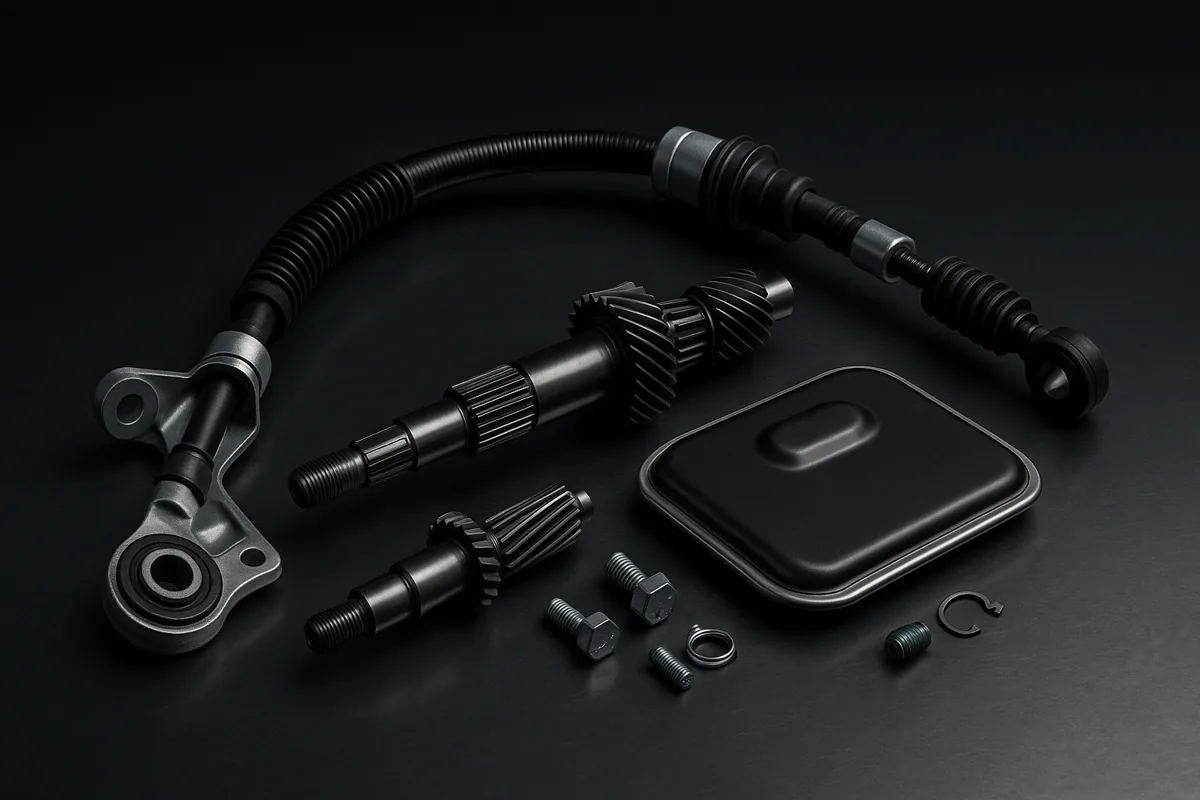
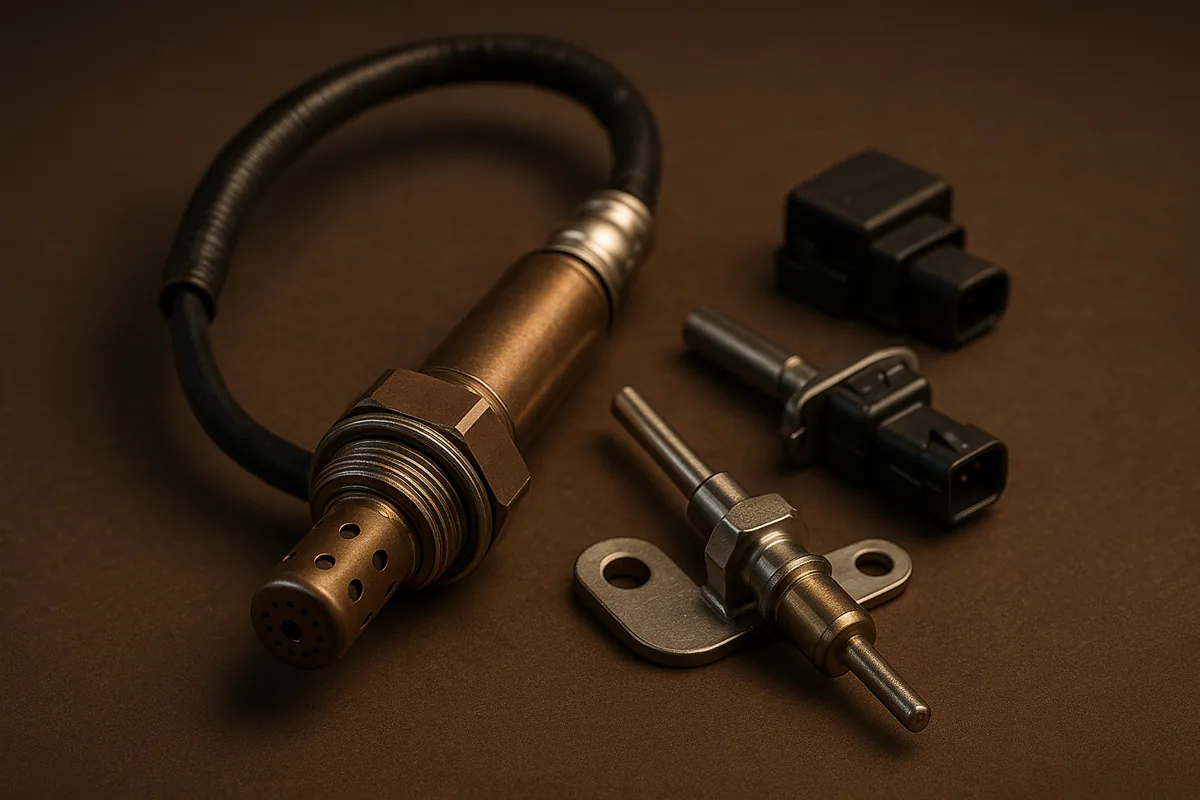
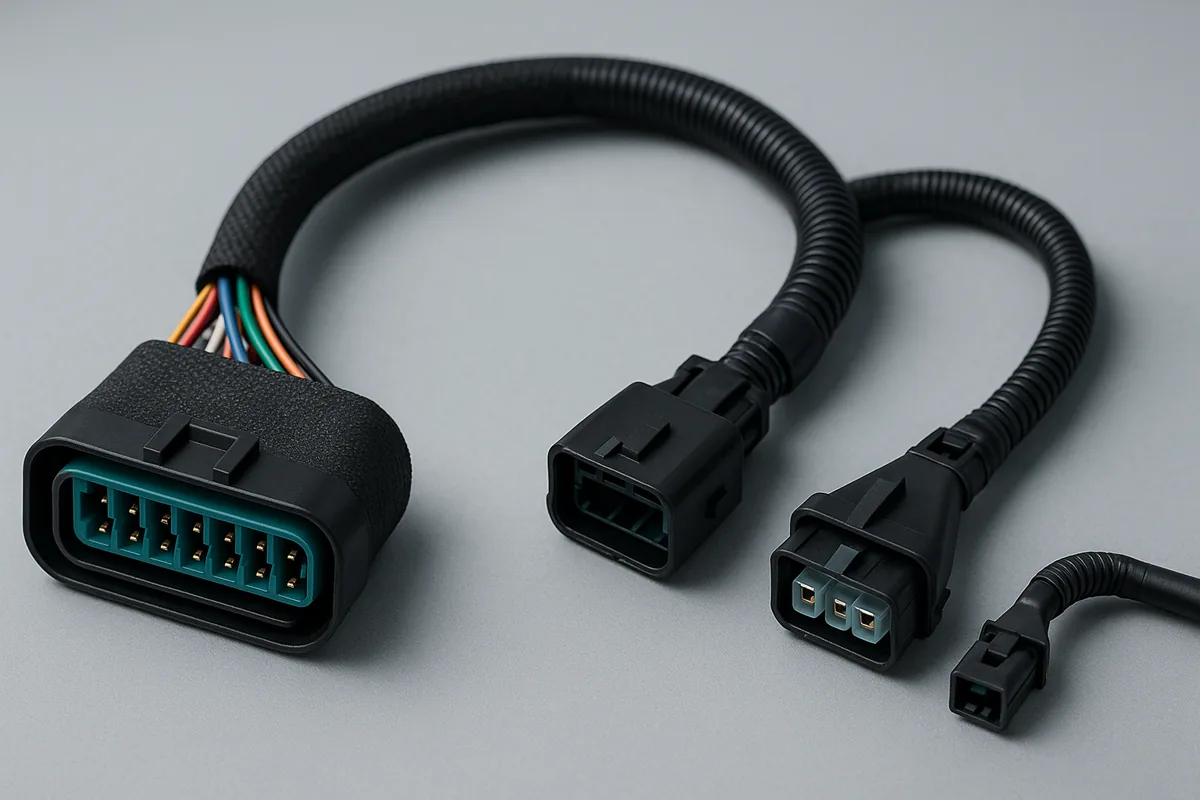
Popular for the BYD S7
scroll for more →
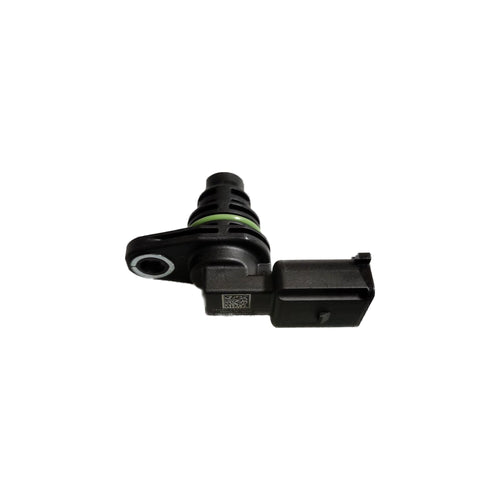
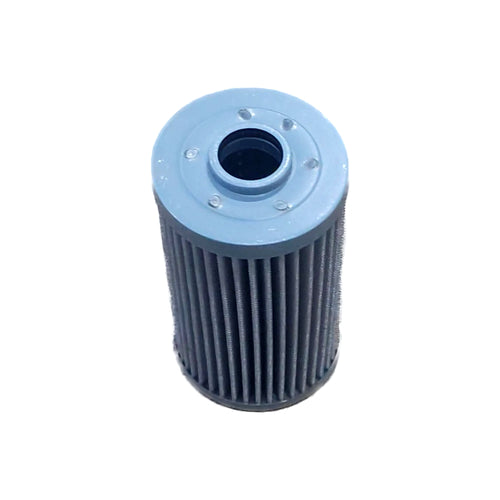
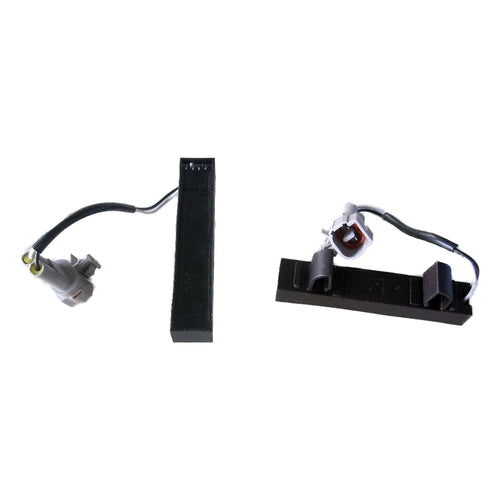
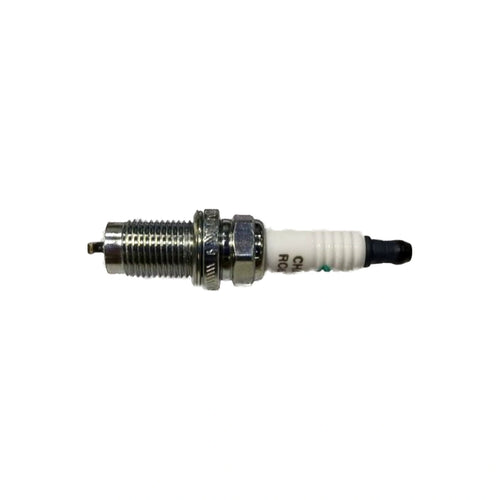
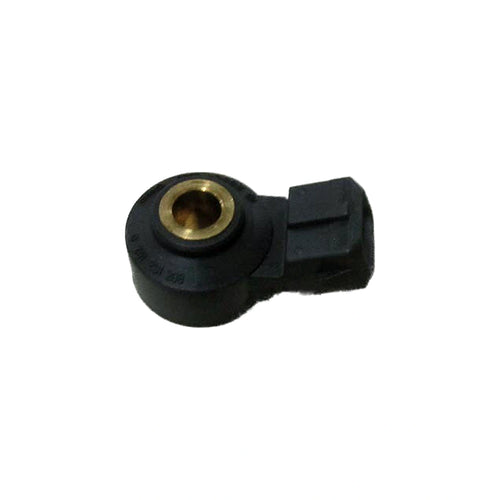
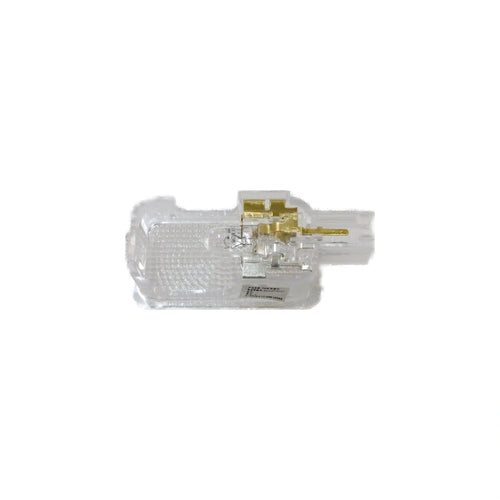
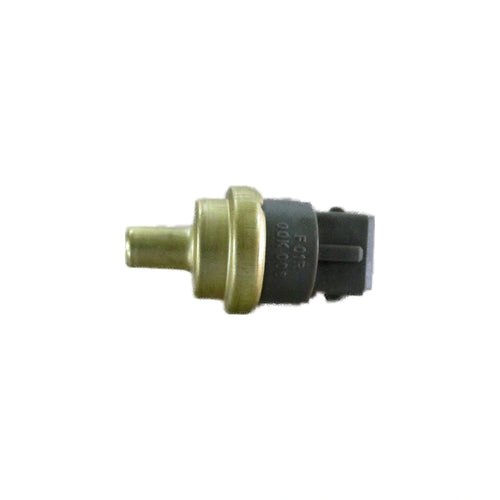
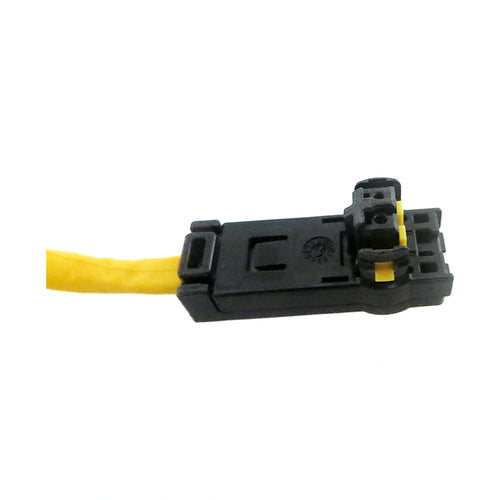
Symptom Finder: Known Weak Points
| What you see or hear | Check first |
|---|---|
| Clutch slipping, judder on pull-away or a heavy pedal | The clutch kit and release bearing. This applies only to the 1.5T, the S7 sold with a manual gearbox, so confirm the engine before ordering. |
| Jerky engagement at low speed, a gearbox warning or a gear that will not select | The six-speed wet dual-clutch gearbox on the 2.0T. Check the gearbox fluid level and condition first, then the gearbox control unit, and match any part by OE number. |
| Water in the front footwells or a damp smell in the cabin | On cars with a sunroof, check the drain tubes first, then the windscreen and door seals. Lift the carpet and check the wiring connectors underneath before replacing any electrical part. |
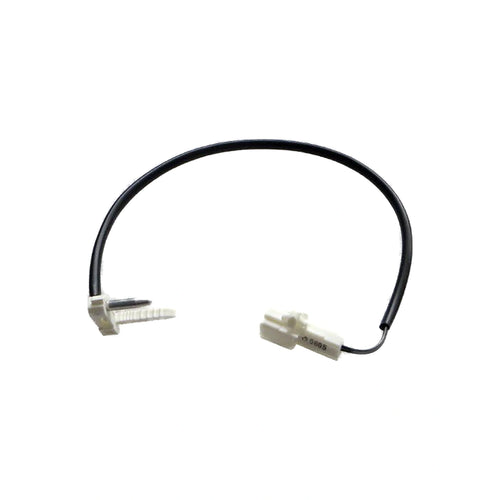
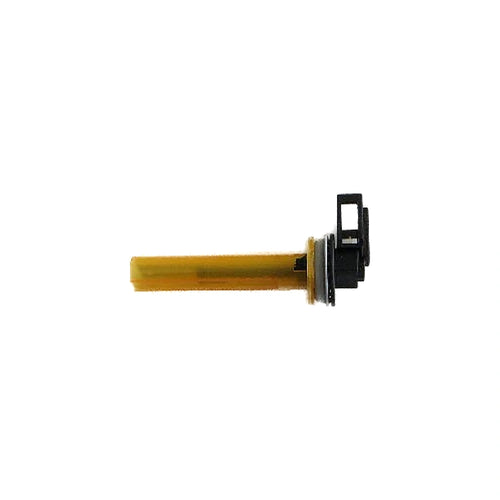
| Engine warning light with no obvious running fault | The oxygen sensors and emission sensors on the turbo engine. China IV and China V cars can use different parts, so order by the OE number on the old sensor. |
| Knock or clunk from the front over bumps | Front control arm bushes, anti-roll bar links and strut top mounts on the MacPherson front suspension. Order by side and by OE number. |
| Parking brake warning or a brake that will not release | On a 2.0T with an electric parking brake, check the rear caliper motors and wiring. On a 1.5T with a lever handbrake, check the cables and their adjustment. |
| Parking sensor or camera warning after a minor knock | The parking sensors in the bumpers and their brackets. A bent bracket can cause the warning by itself, so check it before replacing the sensor. |
Most Replaced Parts on the S7
- Door skins, hinges and check strapsHinges and check straps carry heavy doors on a large seven-seat body
- Control arms and bushingsStrut front and multi-link rear suspension, carrying a car of about 1,750 kg
- Subframe and crossmember hardwareStructure carrying the engine, gearbox and the multi-link rear suspension
- Evaporator, blower and heater core partsClimate hardware for three rows, with rear air vents added in the 2015 upgrade
- 12 V feeds, earth points and connectorsWiring under the front carpets suffers first if water reaches the footwells
About BYD S7 Parts
The BYD S7 is a mid-size SUV sold from October 2014 until 2018. It was developed from the earlier BYD S6 and has a new front end, more equipment and seven seats as standard. It drives only the front wheels, through one of two turbocharged petrol engines. The first is a 2.0 litre with a six-speed dual-clutch gearbox. The second, added in May 2015, is a 1.5 litre with a six-speed manual. There is no hybrid or electric drive, so it needs the parts of an ordinary petrol SUV of its age: engine sensors and filters, clutch or gearbox parts, brakes, suspension bushes, body panels and cabin trim. The two engines come with different gearboxes, wheel sizes and parking brakes, and that is where most wrong orders start. Every part on this page is listed by its OE number, and matching the number on the old part is the surest way to confirm a fit.
What to know before buying BYD S7 parts
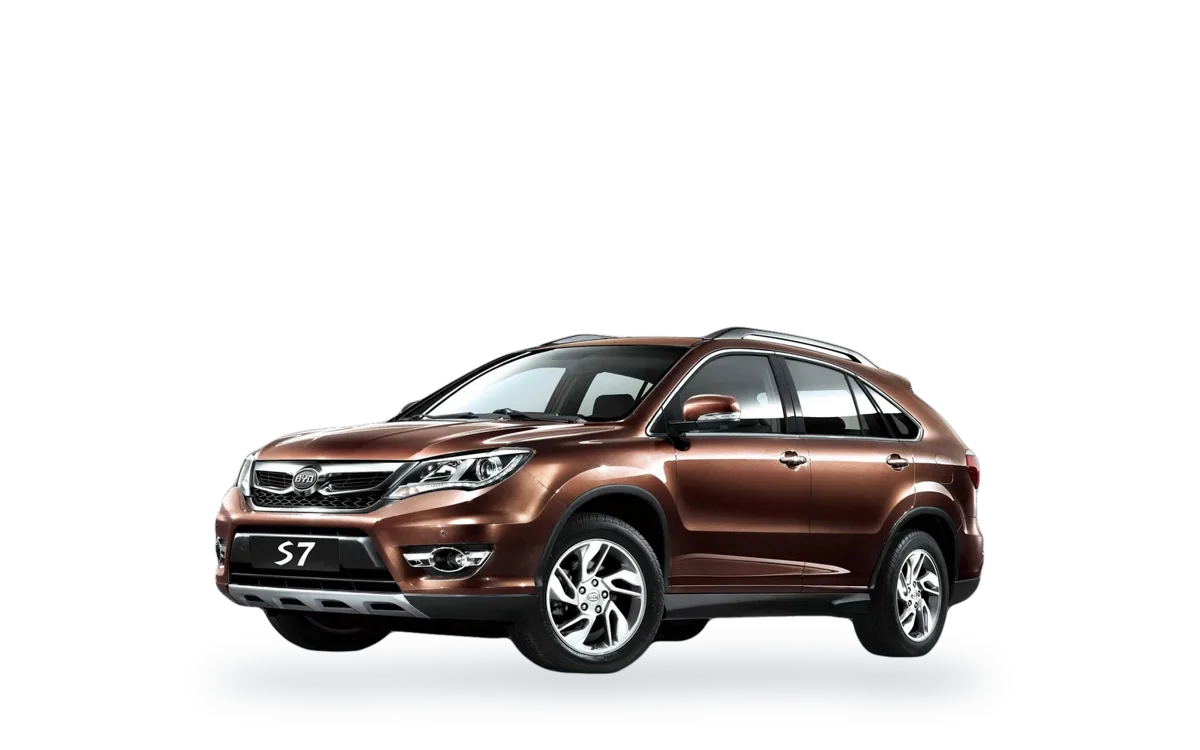
Start by making sure the car is an S7 and not its older sibling, the BYD S6. The S7 was developed from the S6 and is close to it in size, but it is slightly larger: 4,835 mm long on a 2,730 mm wheelbase, against 4,810 mm and 2,720 mm for the S6. It has its own front end with LED daytime running lights and projector headlights, and it was only ever sold with turbocharged engines. Treat bumpers, lights, grilles and trim as specific to the S7, and do not order S6 parts because the two cars look alike.
Next, find out which engine the car has, because the S7 was built in two versions. The 2.0T produces 151 kW and drives through a six-speed wet dual-clutch gearbox. It left the factory on 235/55 R18 tyres with an electric parking brake. The 1.5T, added in May 2015, produces 113 kW and was sold only with a six-speed manual gearbox, on 225/65 R17 tyres with a lever handbrake. A clutch pedal in the footwell tells you it is a 1.5T. Clutch kits suit only the 1.5T and dual-clutch parts suit only the 2.0T. Rear brake parts can also differ with the type of parking brake. Every S7 drives its front wheels only, so a transfer case, propshaft or rear differential will not fit either version.
Several things vary from car to car. Most S7s have seven seats in three rows, but five-seat versions were also listed, so look in the car before ordering rear seats, belts or boot trim. Tyre sizes overlap between the two engines. 235/55 R18 is listed on some 1.5T cars and 235/50 R19 on some 2.0T cars, so read the size on the sidewall before ordering tyres or rims. Each engine was built to both the China IV and China V emission standards, so match catalysts and oxygen sensors by OE number rather than by year. The parking sensors sit in the bumpers, so a bumper repair can need sensors and brackets as well as the panel.
Finally, read the build date on the identification plate before ordering a grille, rear light, tailgate part or wheel. The 2017 model, on sale from 15 February 2017, changed the grille and rear lights, brought new wheels and added a power tailgate. Parts from before and after that date are not the same. The section on generations and facelifts below sets out what changed and when.
Before You Order: 7 Checks
- Look for a clutch pedal. A manual gearbox means a 1.5T and a dual-clutch automatic means a 2.0T, so confirm the engine before ordering drivetrain, brake or wheel parts.
- Match the OE number on the part you are replacing to the OE number on the listing, and order only when they agree.
- Read the tyre size on the sidewall before ordering tyres or rims, since 225/65 R17, 235/55 R18 and 235/50 R19 are all listed for the S7.
- Check whether the car has a lever handbrake or an electric parking brake before ordering rear calipers or handbrake parts.
- Read the build date on the identification plate before ordering a grille, rear light, tailgate part or wheel, since the 2017 model changed all four.
- Count the seats before ordering rear seats, belts or boot trim, since five-seat versions were listed as well as seven-seat ones.
- Order catalysts and oxygen sensors by OE number, since both engines were built to China IV and China V standards.
Generations and Facelifts
The S7 grew out of the BYD S6, the brand's first SUV. The S6 went on sale in May 2011 on a 2,720 mm wheelbase, with a choice of non-turbo 2.0 and 2.4 litre engines or a 1.5 litre turbo. The S7 was first shown at the Beijing Auto Show in April 2014 as an upgraded S6 with a new front end, a 2,730 mm wheelbase and seven seats. It went on sale in October 2014 with a single powertrain, the 2.0 litre turbo and six-speed dual-clutch gearbox. Launch coverage also presented it as the basis for BYD's Tang hybrid, but the Tang arrived in 2015 as a separate model with its own drivetrain.
An upgraded version followed in May 2015, about six months after launch. It added the 1.5 litre turbo with a six-speed manual as a cheaper entry point. It also brought a new interior colour scheme, rear air vents and more equipment on the 2.0T cars. The body dimensions did not change. Cabin trim and driver-aid parts can differ between cars built before and after this update, so match them by OE number. A 2016 model year followed with the same body and engines.
The 2017 model went on sale on 15 February 2017 and was the only facelift. The grille gained a new two-layer design split by a red line. The rear lights became new LED units with a slimmer chrome strip, the wheels were redesigned and a power tailgate was added. Engines, gearboxes and body dimensions stayed the same. Grilles, rear lights, tailgate parts and wheels can differ either side of this date, so read the build date on the identification plate before ordering them. Production ended in 2018.
BYD S7 Parts: Frequently Asked Questions
How do I make sure a part fits my BYD S7?
Match the OE number. Every part on this site is listed under the OE number printed on the original part, and if the number on the part you are replacing matches the listing, the part fits. That check matters on the S7 because the 1.5T and 2.0T cars look alike but use different gearboxes, wheels and parking brakes. Emission parts can also vary between cars with the same engine. If the old part is missing or its number cannot be read, send a photo through the quote form and we will reply within 24 hours, usually sooner.
How can I tell a 1.5T S7 from a 2.0T?
The quickest check is inside the car. The 1.5T was sold only with a six-speed manual, so a clutch pedal means a 1.5T. The 2.0T uses a six-speed wet dual-clutch gearbox and has no clutch pedal. The 1.5T produces 113 kW and runs 225/65 R17 tyres with a lever handbrake. The 2.0T produces 151 kW and runs 235/55 R18 tyres with an electric parking brake. Establish which engine is fitted before ordering anything for the drivetrain, brakes or wheels, then confirm each part by OE number.
Is there an all-wheel-drive S7?
No. Every S7 drives its front wheels only, whichever engine it has. Some coverage of the car at the 2014 Beijing Auto Show described it as all-wheel drive, but every trim that went on sale was listed as front-wheel drive. A transfer case, propshaft or rear differential will not fit an S7, and a listing that offers one for this car is describing a different model. Order front-drive parts such as driveshafts and front hubs, and match each one by the OE number on the old part.
Was the 1.5T ever sold with an automatic gearbox?
No. When the 1.5T was announced in December 2014, it was expected with a choice of six-speed manual or six-speed automatic. The 1.5T trims that went on sale from May 2015 were all six-speed manuals. The only automatic S7 is the 2.0T, which uses a six-speed wet dual-clutch gearbox. That means a clutch kit suits a 1.5T and dual-clutch parts suit a 2.0T only. Confirm the engine before ordering any clutch or gearbox part, then match it by OE number.
Will BYD S6 parts fit the S7?
Do not assume so. The S7 was developed from the S6 and is close to it in size, but it is 4,835 mm long on a 2,730 mm wheelbase, while the S6 is 4,810 mm long on 2,720 mm. The S7 has its own front end and lights and was only sold with turbocharged engines. The S6 was also offered with non-turbo 2.0 and 2.4 litre engines. Some hidden parts may be shared, but treat body panels, lights and trim as specific to the S7. Check the OE number on the old part before ordering.
Is the S7 the same car as the first BYD Tang?
No. Launch coverage in 2014 described the S7 as the basis for BYD's Tang hybrid, and the two cars share a family look. The first Tang went on sale in 2015 as a separate model with plug-in hybrid drive to all four wheels. Its motors, battery and many chassis parts have no counterpart on the front-drive, petrol-only S7. Treat Tang parts as parts for another car, even where they look similar. Match every part for an S7 to the OE number on the part you are replacing.
What tyre sizes does the S7 use?
The 1.5T left the factory on 225/65 R17 tyres and the 2.0T on 235/55 R18, with the same size front and rear. Tyre references also list 235/55 R18 for some 1.5T cars and 235/50 R19 for some 2.0T cars. The 2017 model also brought a new wheel design. A previous owner may have changed the wheels too, so the engine alone is not a safe guide. Read the size on the sidewall of the tyres fitted before ordering tyres or rims, and match rims by OE number.
What changed with the 2017 model?
The 2017 model went on sale on 15 February 2017. It kept the body shape, dimensions and both engines. The front grille changed to a new two-layer design split by a red line, and the rear lights became new LED units with a slimmer chrome strip. The wheels were redesigned, and a power tailgate and ventilated seats joined the equipment list. Grilles, rear lights, tailgate parts and wheels can therefore differ either side of that date. Read the build date on the identification plate and match these parts by OE number.
Is every S7 a seven-seater?
Most are. BYD launched the S7 with seven seats in three rows, but some versions were also listed with five seats, so do not assume a third row is fitted. The seat layout decides which rear seats, seat frames, belts and boot trim the car takes, and it can also affect the rear floor trim. Look in the car before ordering anything for the second or third row, and match each part to the OE number on the part you are replacing.
What brakes and suspension does the S7 use?
The S7 uses MacPherson strut front suspension and an independent multi-link rear. The 2.0T is listed with a ventilated disc at each front wheel and a solid disc at each rear wheel. Rear calipers and handbrake parts depend on whether the car has a lever handbrake or an electric parking brake, so check which one is fitted first. On a car weighing about 1,750 kg, control arm bushes and anti-roll bar links are regular wear items. Order suspension and brake parts by corner and by OE number.
Why might two S7s with the same engine need different exhaust parts?
The S7 was sold while China moved from the China IV to the China V emission standard, and each engine was listed to both standards. Catalytic converters, oxygen sensors and sections of the exhaust can differ between the two, even when the engine, gearbox and trim badge are the same. Nothing on the outside of the car shows which standard it was built to. Match catalysts, oxygen sensors and exhaust sections by the OE number on the old part rather than by year or trim.
Does the S7 carry a spare wheel?
Yes. The S7 is listed with a full-size spare wheel, so the spare should be the same size as the road wheels. Size matters here because the 1.5T and 2.0T left the factory on different tyres, 225/65 R17 and 235/55 R18, and some cars have larger wheels. If the car has had its wheels changed, check the spare as well as the four on the road. Read the sidewall size before ordering a tyre or rim, and match rims by OE number.