NVH & Insulation
Shop NVH & Insulation by Part Type
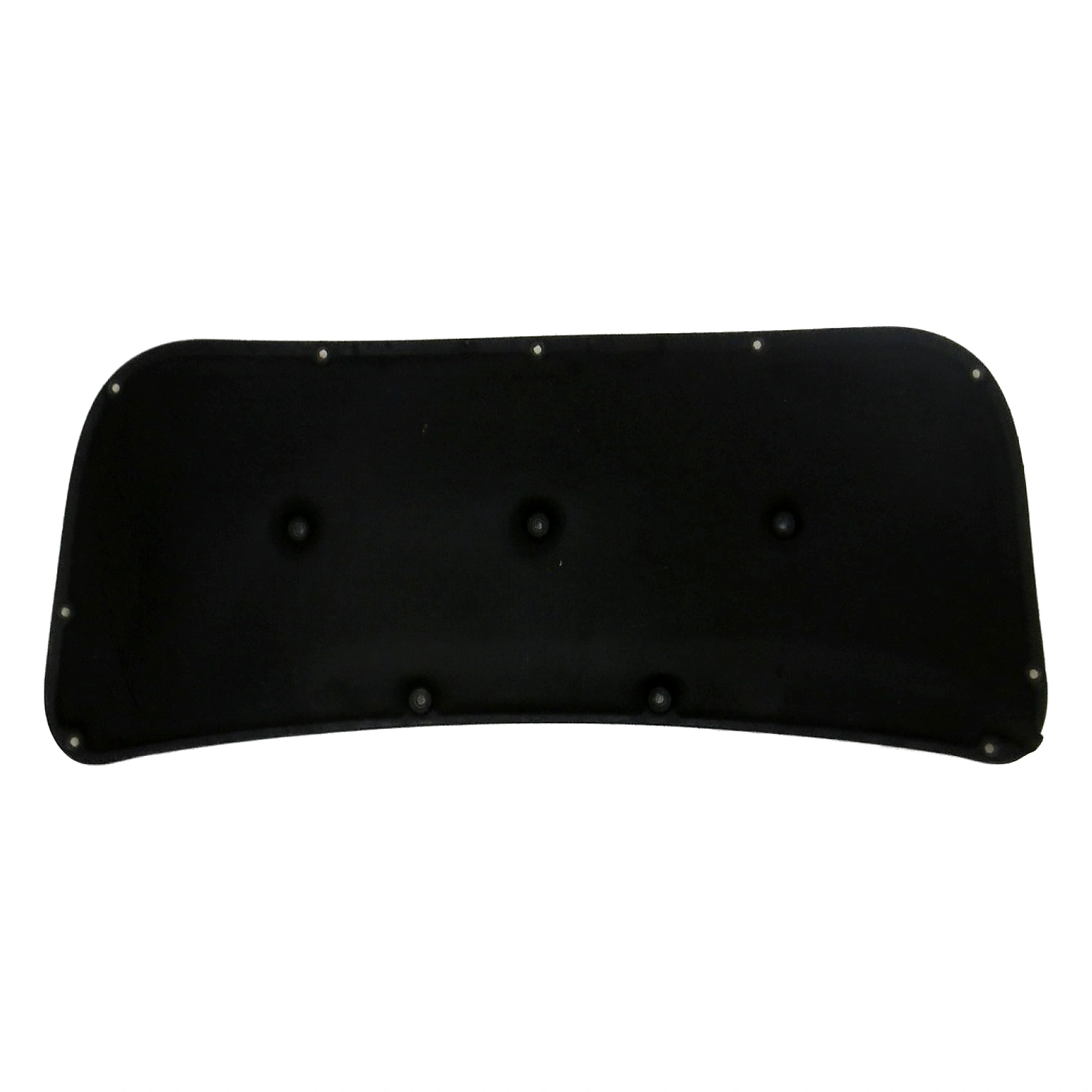
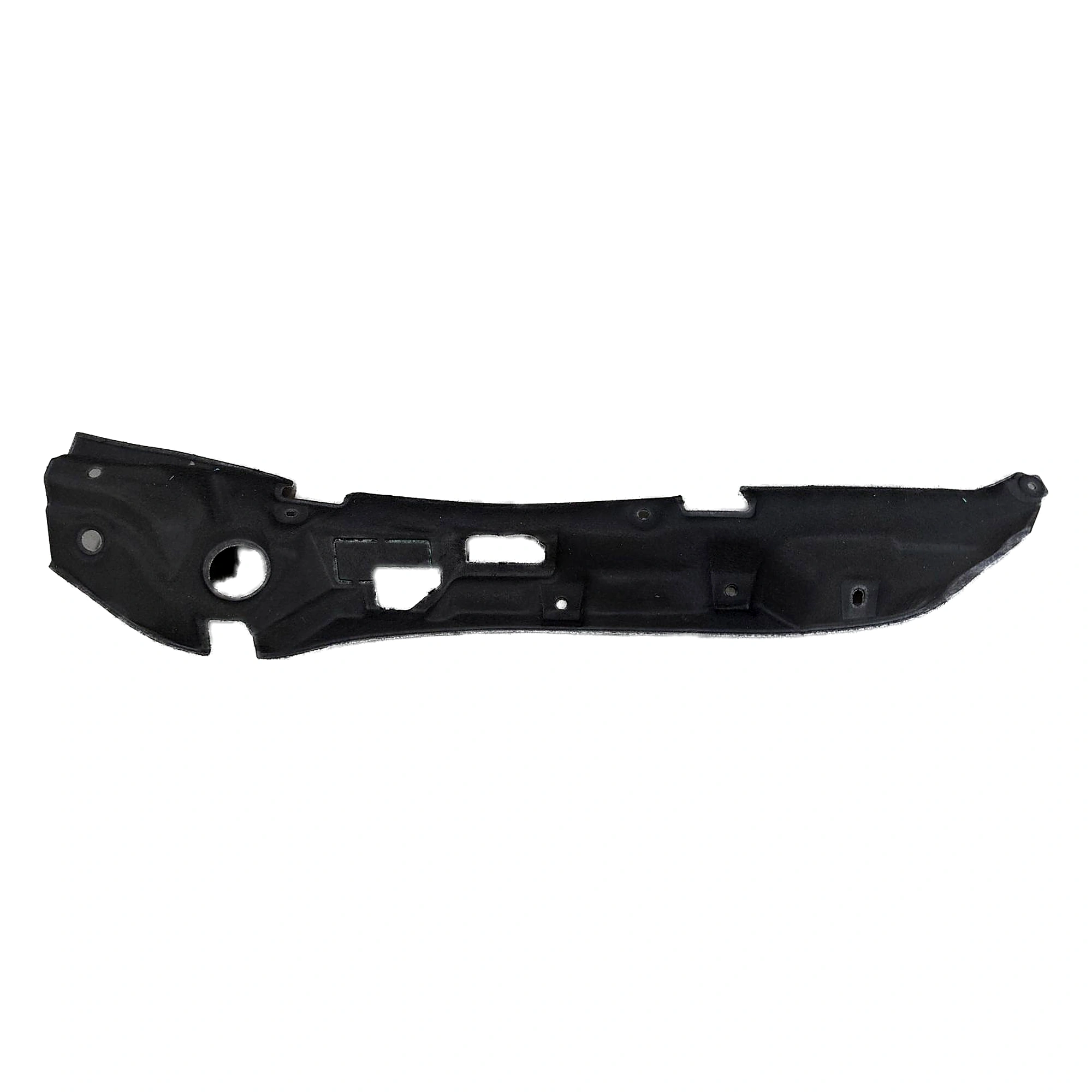
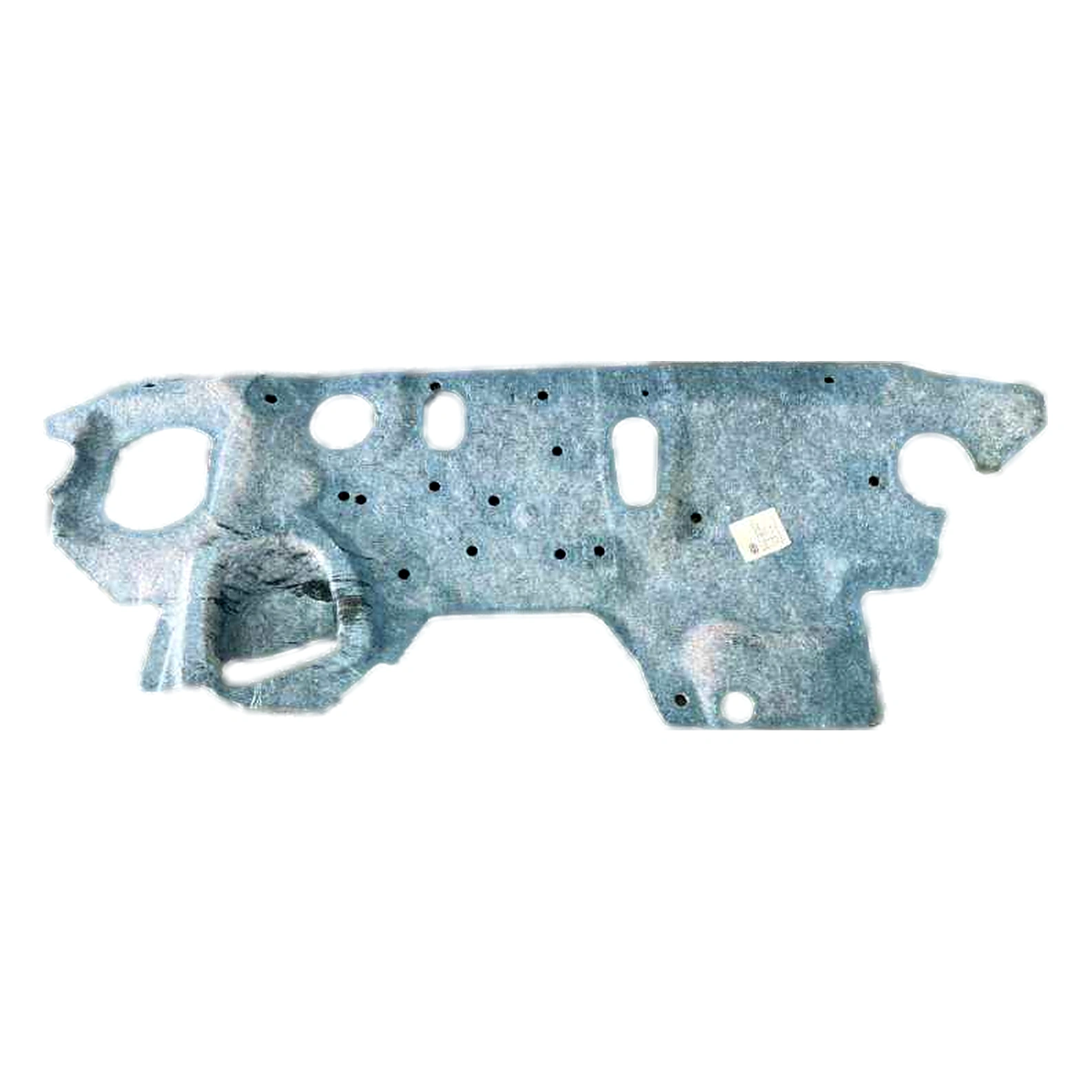
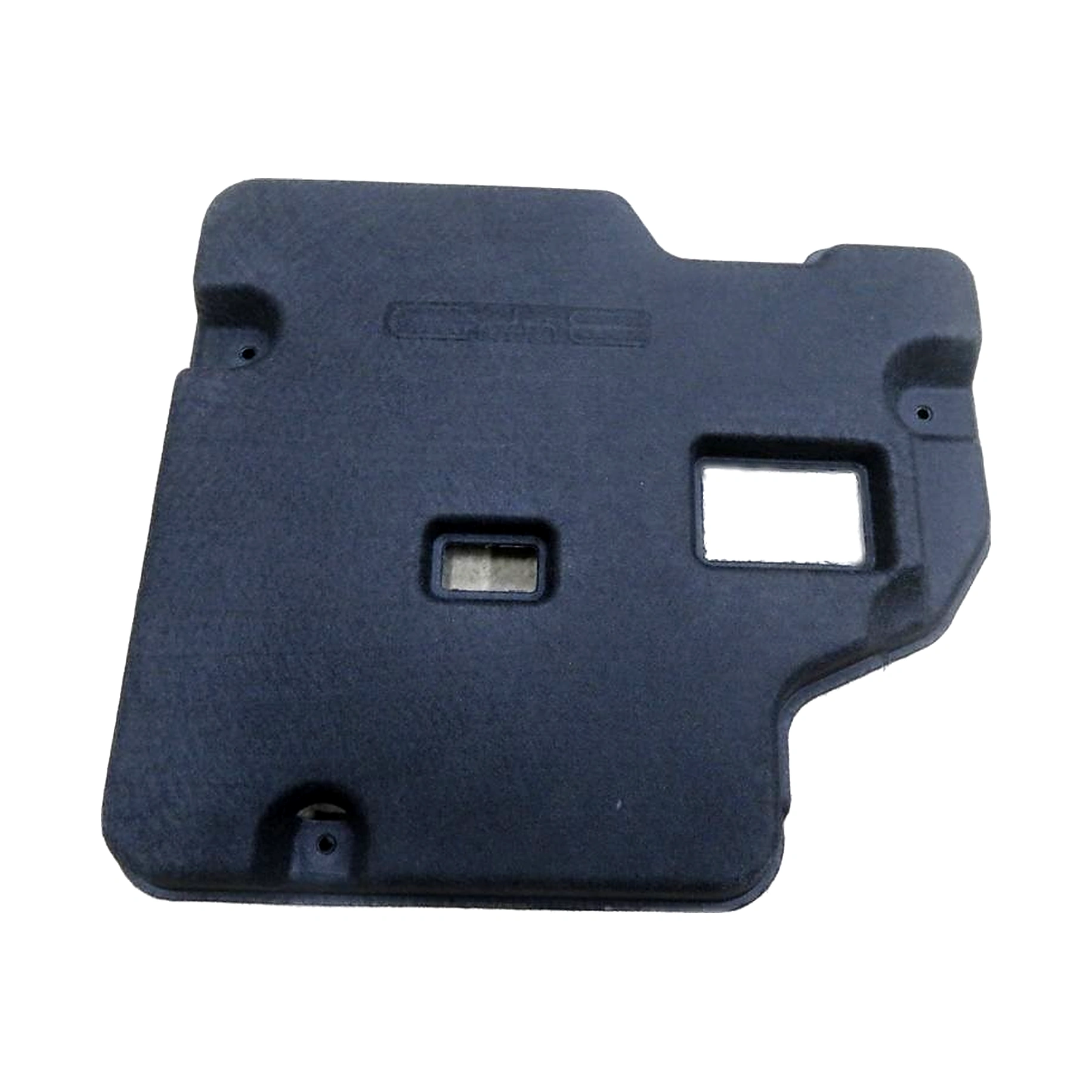
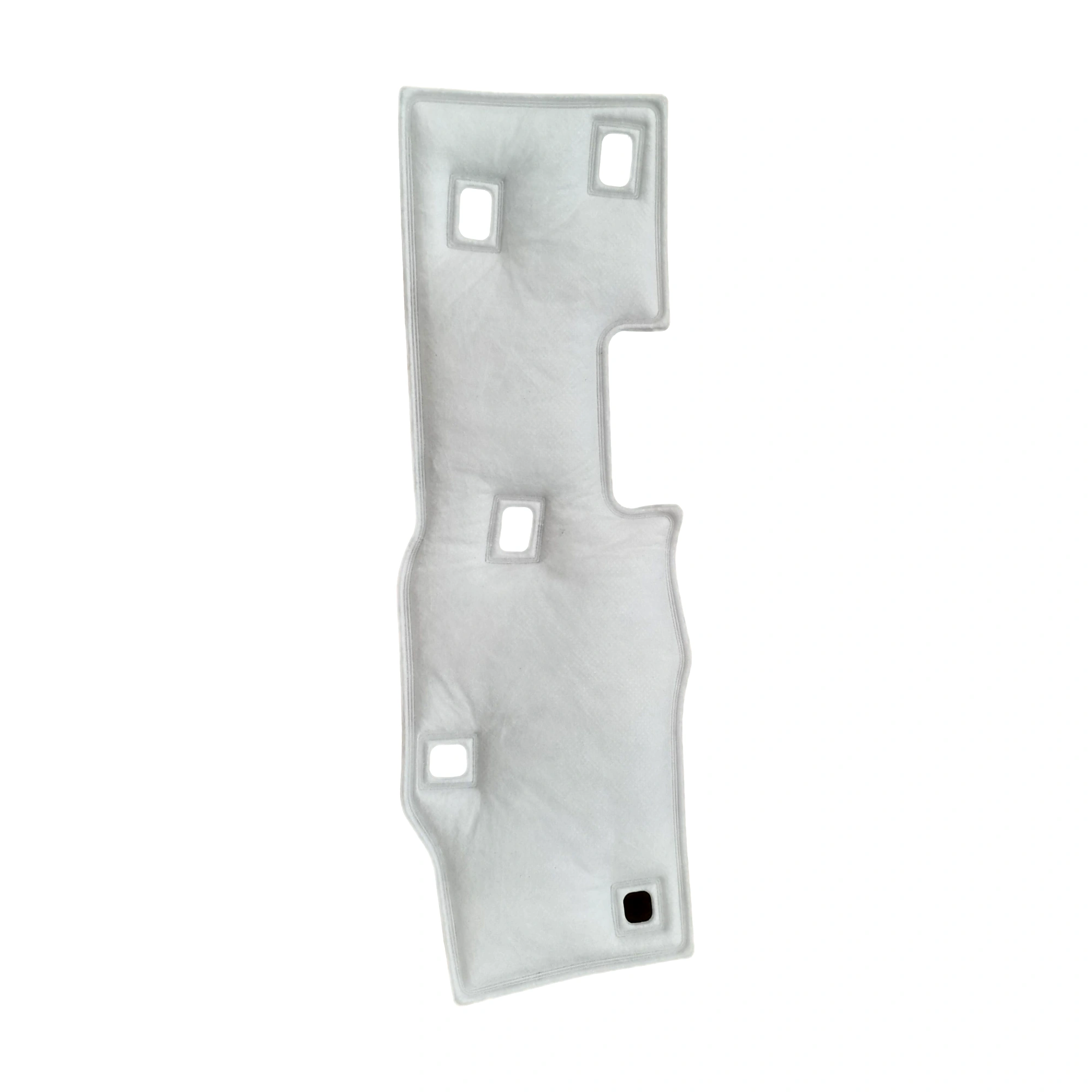
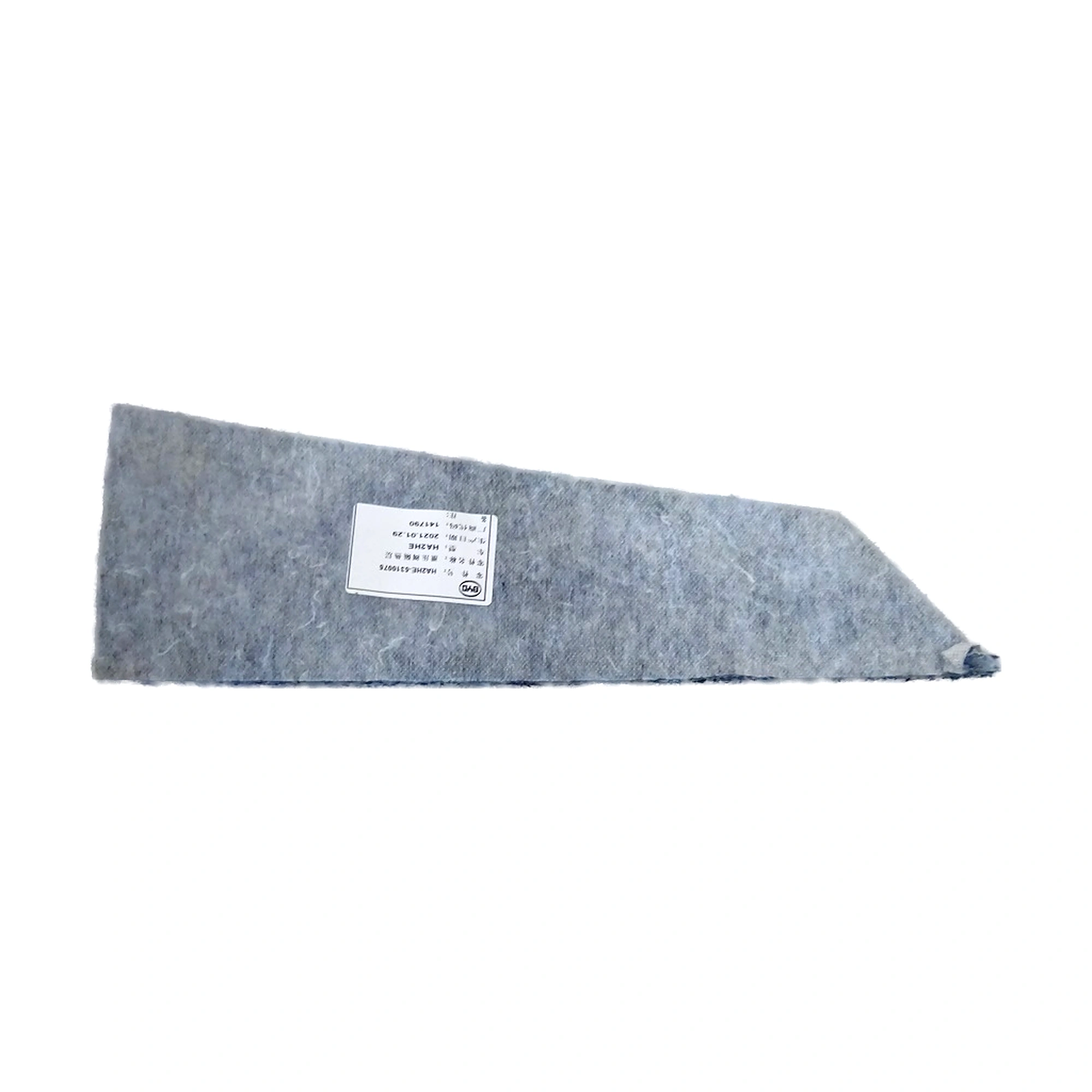
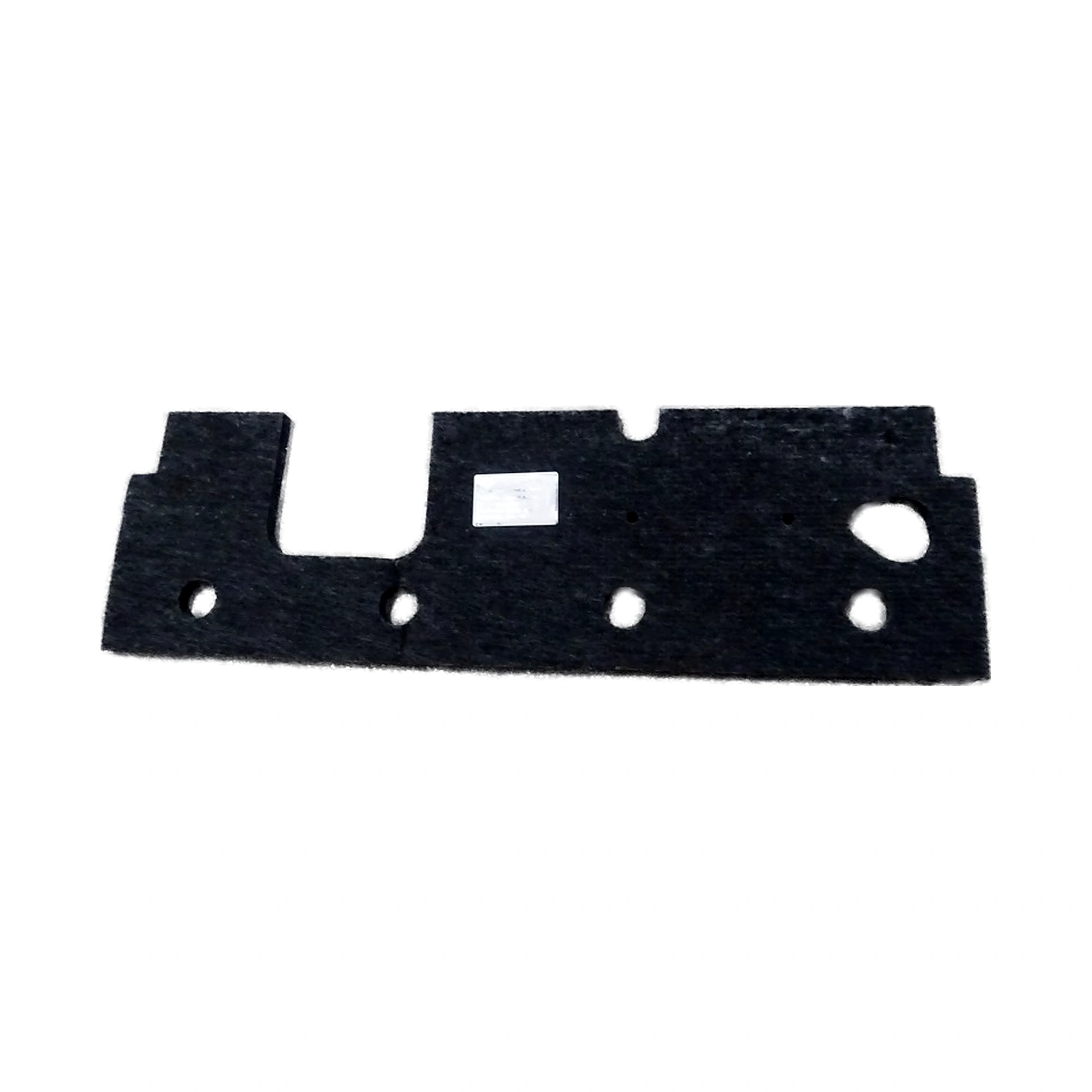
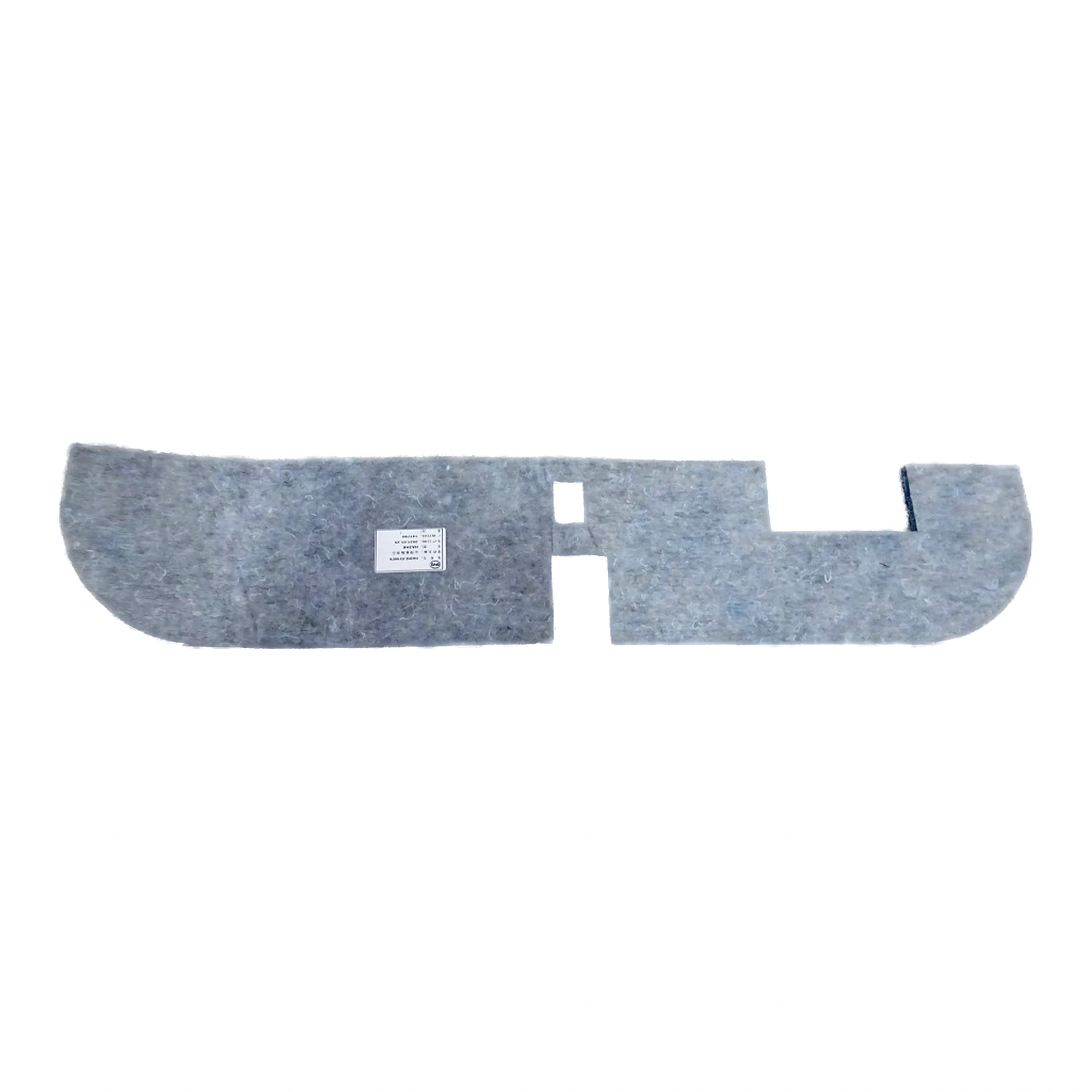
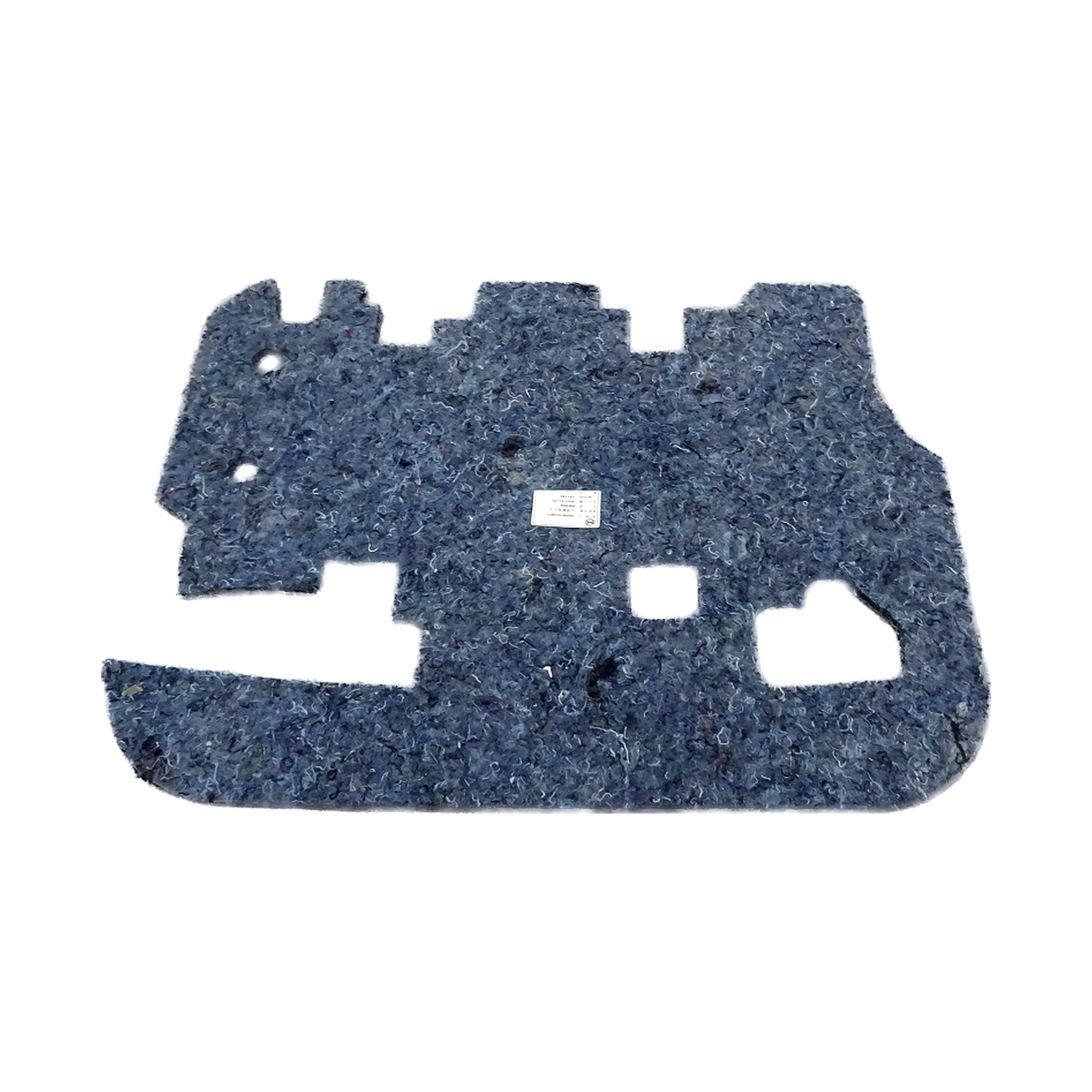
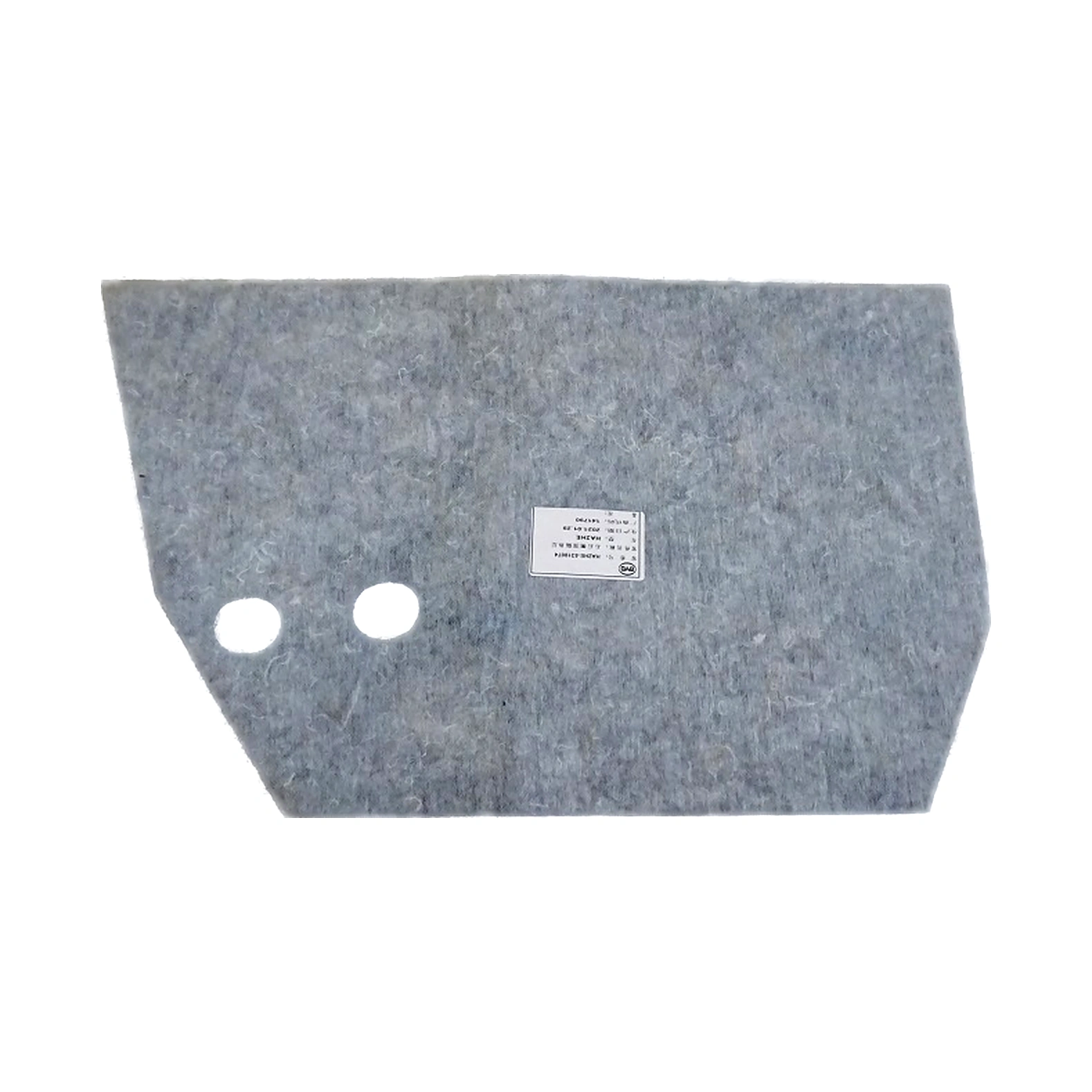
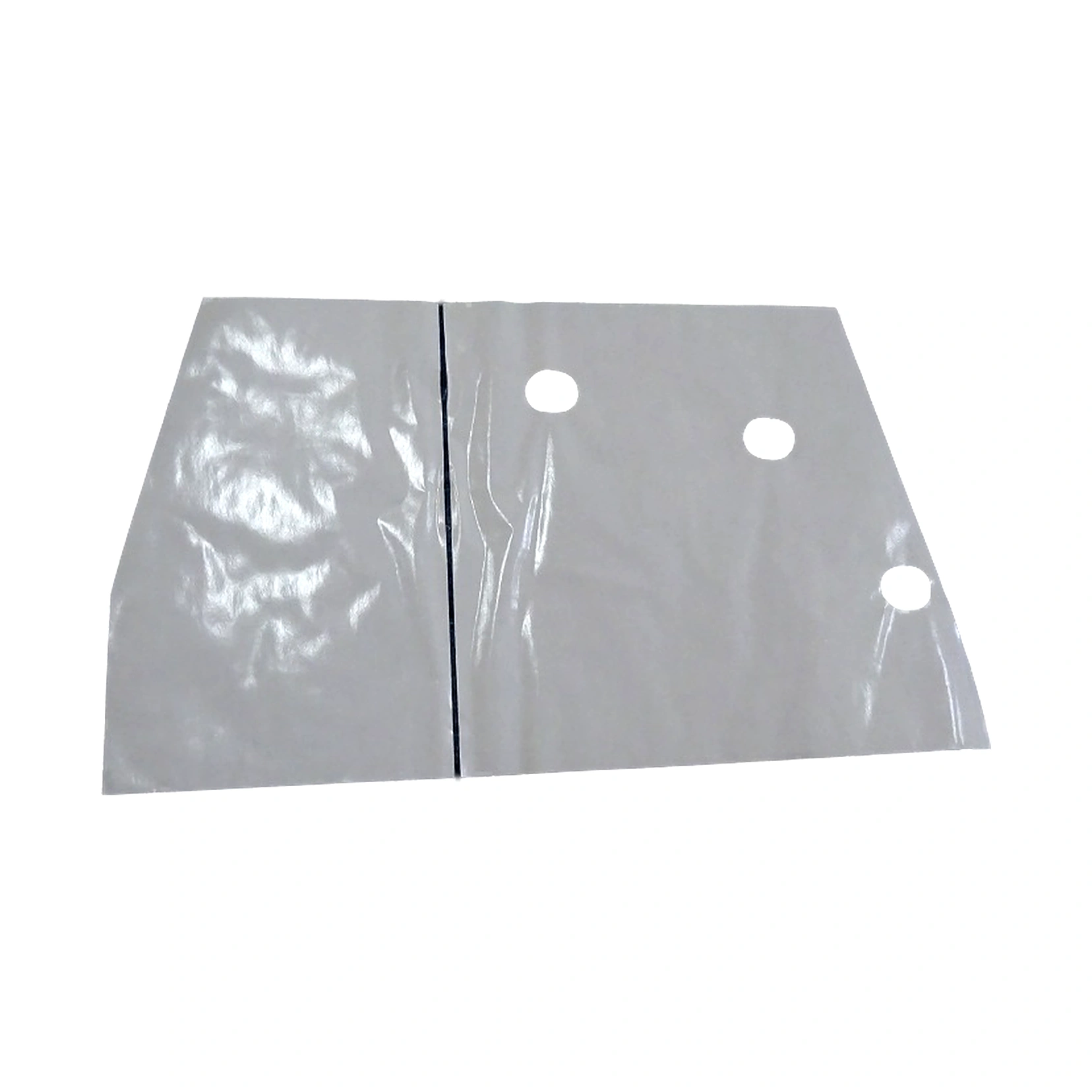
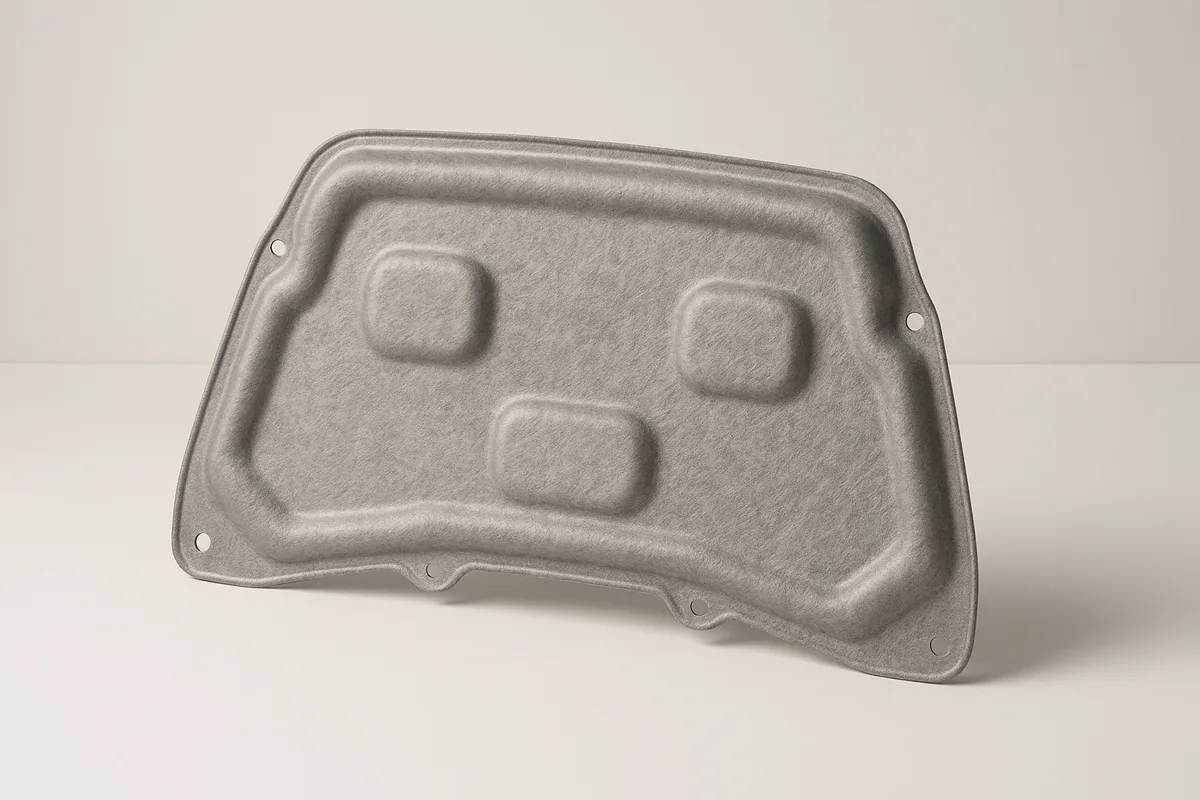
Popular Right Now
scroll for more →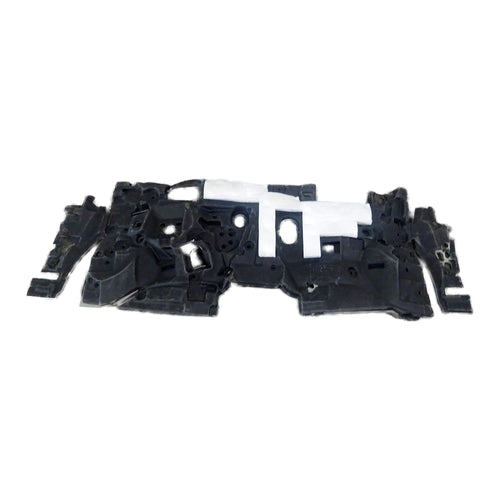
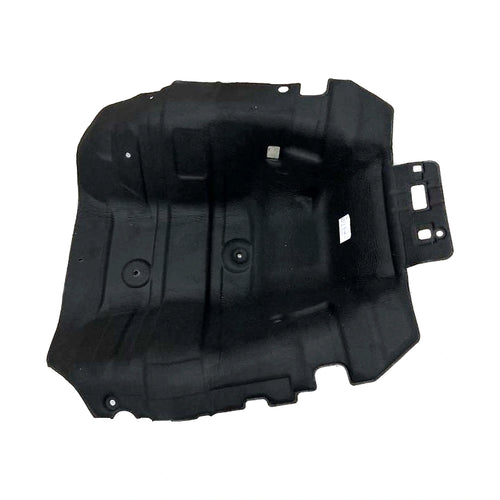
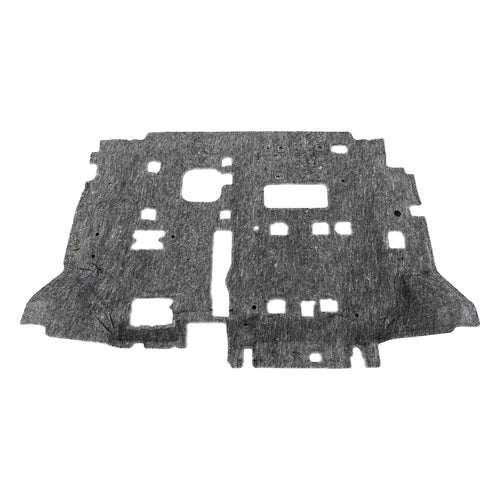
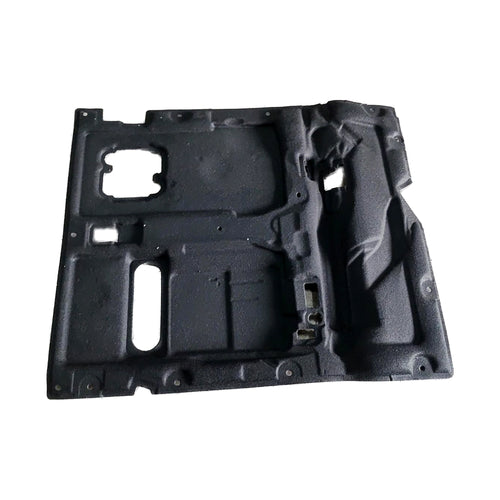

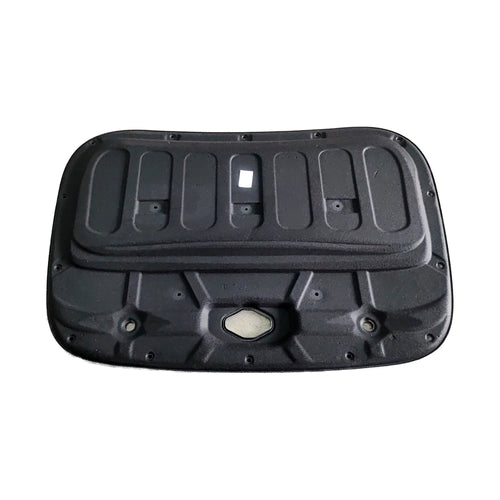
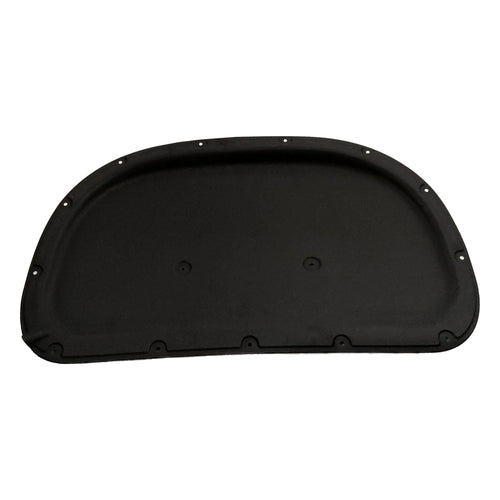
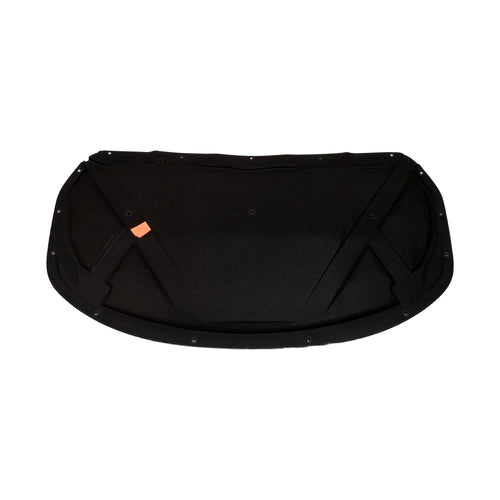
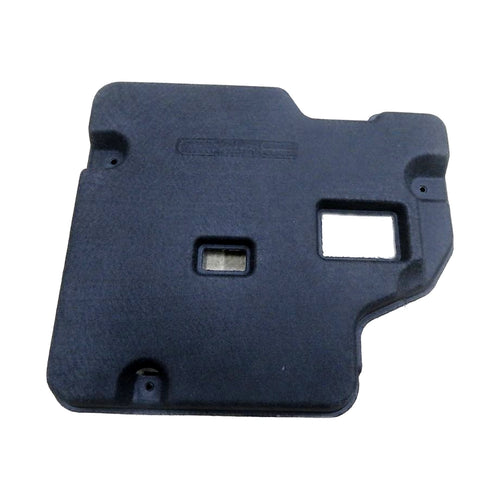
Symptom Finder: What Is Actually Broken?
| What you see or hear | Part to check first |
|---|---|
| Rattle or tinny buzz from the engine bay at certain speeds | Engine bay heat shield |
| Paint discolouring or blistering on the underside of the bonnet | Bonnet heat shield |
| Heat felt through the floor or the rear seat base | Rear panel heat shield |
| New drone or whine after a drive unit repair | Drive assembly acoustic pack |
| Boomy resonance from the rear of the cabin over coarse surfaces | Rear bodyside noise reduction foam |
| Blower noise louder than before after climate work | Air conditioning housing sound insulation foam |
About NVH & Insulation
Noise, vibration and harshness is treated as one discipline because the three arrive together and the same materials address them. The parts fall into two families. Heat shields are thin metal or foil faced panels that sit between a hot component and something that must not get hot: a bonnet shield protects paint from radiated heat, engine bay shields protect looms and hoses, and rear panel shields keep exhaust or drive unit heat away from the floor and the fuel or battery area. Acoustic parts work differently. Foam blocks and moulded packs absorb airborne sound in cavities where it would otherwise resonate, insulation layers reduce transmission through panels, and damping pads lower the ringing of large flat surfaces. On a battery electric vehicle the balance shifts sharply towards the acoustic side, because with no combustion noise present, tyre roar, drive unit whine and inverter tones become the dominant sounds and need targeted treatment rather than general masking.
What to know before buying NVH & Insulation parts
Put these parts back after any repair disturbs them. They are cheap and often left out, which is why cars gain new noises and hot spots after a workshop visit.
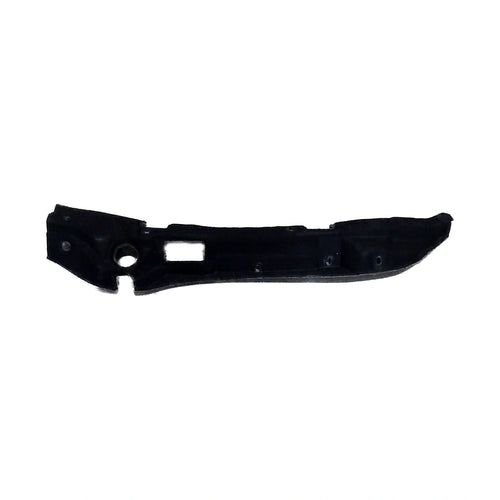
Heat shields cover the bonnet, the engine bay upper and lower positions and further underbody areas. Rear panel heat shields come in several numbered versions, and there is a pressure relief valve heat shield.
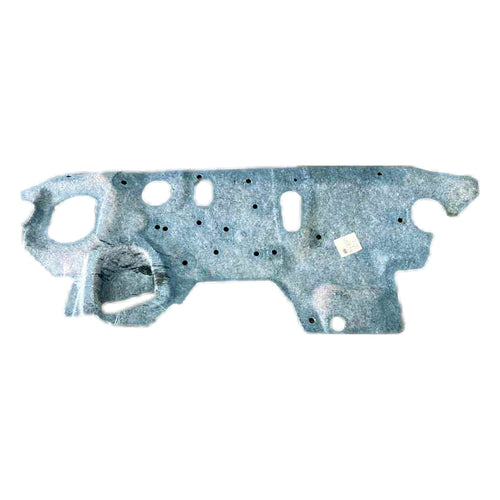
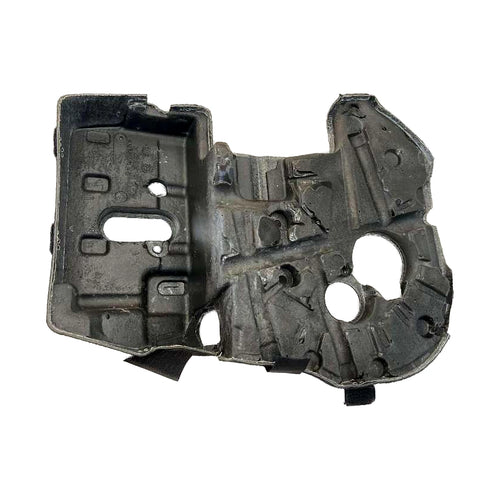
The acoustic parts run from front electric drive assembly acoustic packs to rear bumper sound absorbing foam for each side. Rear bodyside lower noise reduction foam, left and right rear bodyside heat insulation layers and air conditioning housing sound insulation foam are also listed. Instrument panel lower sound insulation panels are named by interior colour.
Every item is position specific, so a shield from the other side will not follow the panel contour. Match the OE number rather than the description. Where a price is shown you can buy from the listing, and anything else is quoted. Our BYD group listings are the fullest.
Before You Order: 6 Checks
- Match the OE number and the position. Shields and packs are contoured to one location and do not swap sides.
- Check whether the listing includes the mounting clips or standoffs, since heat shields rely on an air gap.
- Look for the numbered version in the part name, because several shields exist for one area.
- Never substitute a general purpose adhesive foam for a moulded acoustic pack in a drive unit location.
- Replace shields rather than flattening or trimming a damaged one, since the air gap is what does the work.
- Confirm the interior colour name where an insulation panel is a visible trim part.
What Changed and Why
Acoustic engineering has become one of the defining tasks on battery electric vehicles. Removing combustion noise unmasks tyre and road roar, gear whine from the reduction drive, and high frequency tones from the inverter and the electric compressor, so manufacturers now apply targeted damping and absorption around the drive unit and along the floor rather than blanket insulation. Material choice is shifting alongside, with butyl damping sheets, moulded polyester fibre and multilayer composites replacing bitumen pads, partly for weight and partly for recyclability under end of life vehicle rules.
NVH & Insulation: Frequently Asked Questions
There is a tinny rattle from under the bonnet. Is that a heat shield?
Very likely, and it is the classic symptom. Heat shields are thin metal panels held by small standoffs that keep an air gap between the shield and the hot part, and once a fastener corrodes through or a mounting tab cracks, the loose corner vibrates against whatever it touches. It is loudest at a particular engine or road speed and often disappears under load. Find the loose shield by pressing gently on each one with the vehicle stationary and cool, then replace it rather than bending it clear.
Why does a heat shield need an air gap?
Because most of the heat it blocks arrives as radiation, and the gap plus the reflective surface is what stops it. A shield pressed flat against the hot component conducts heat straight into whatever it was protecting, and one bent away from its intended position leaves a line of sight to the panel behind it. That is why flattening a rattling shield or removing a standoff rarely ends well. Order the shield and its fasteners together and refit it at the designed spacing.
My bonnet paint is blistering above the drive unit. What now?
Check the bonnet heat shield. It is the moulded pad on the underside of the panel, and when it detaches, tears or goes missing after a repair, the paint above it takes radiated heat directly and discolours, then blisters. Replacing the shield stops it getting worse, though it will not restore paint that has already lifted. Fit the shield with its correct clips rather than adhesive alone, since heat and vibration eventually defeat glue in that location.
Do acoustic parts really make a measurable difference?
Yes, and more on a quiet car than a loud one. Absorbers, damping pads and insulation layers each address a different mechanism: absorption soaks up airborne sound in a cavity, damping stops a large panel ringing, and barrier layers block transmission through a wall. Remove any one of them and you hear the result, which is why cars sometimes come back noisier from an unrelated repair. Refitting the original parts is usually the whole cure, and they are inexpensive.
My car got noisier after a repair. What was probably left out?
Ask which parts came off. The usual omissions are an engine bay acoustic pack after a drive unit job, wheel arch or underbody shields after suspension work, and instrument panel sound insulation panels after dashboard access. None of them are structural, all of them are cheap, and each is easy to leave on a bench. Identify what covered the area that now sounds different, then match the reference. This category lists those parts individually so you can order one without buying a set.
Can I use general purpose sound deadening instead?
For a bare metal floor pan in an older vehicle, aftermarket damping sheet works well. For the moulded parts in this category, it does not. An acoustic pack around a drive unit is shaped to leave cooling clearance and made from materials rated for the temperature there, and a generic adhesive foam in the same place can retain heat or degrade onto components. Where a part is a heat shield, substitution is worse still. Use the factory reference in these locations and save the universal material for panels that never had a part.
What do NVH and insulation parts cost?
This is one of the cheaper categories on the site. Foam blocks, insulation layers and small shields sit at the bottom of the range, and even the large moulded acoustic packs and multi part heat shields remain modest compared with the components they protect. The live minimum and maximum are shown in the band at the top of this page. Given that a missing shield can cost you paint, a loom or a set of hoses, replacing one promptly is straightforward value.
Can I fit these parts myself?
Most of them, yes. Bonnet shields, underbody shields and foam blocks are held by clips, plastic rivets or small bolts, and the work is mainly about access rather than skill. Two rules apply. Let everything cool completely before working near a shield, because these parts sit next to the hottest components on the vehicle. And fit new fasteners rather than reusing corroded ones, since a shield held by three of its four mountings is a future rattle.
Why does my electric car have so much insulation?
Because the loudest thing was removed. With no combustion noise present, the remaining sources become audible: tyres on coarse surfaces, wind at the mirrors and pillars, whine from the reduction gears, and high frequency tones from the inverter and the electric compressor. Manufacturers respond with targeted treatment rather than a blanket, which is why you find specific acoustic packs around the drive unit and absorbers in particular cavities. That specificity is also why the correct part matters more than the quantity of material.
Are heat shields position specific?
Completely. Each shield is pressed to follow the contours of one location, with its own fastener pattern, standoff heights and cut outs for hoses and brackets. Several similar shields often exist for one area, distinguished only by a numeral in the part name, and choosing the wrong one leaves gaps exactly where the heat is. Match the OE number rather than the general shape, and where a number returns nothing, send it through the quote form so the factory catalogue is checked properly.
Should I add extra insulation to make my car quieter?
You can, and the sensible order is to restore what should be there first. Missing shields, absent absorbers and panels refitted without their clips account for most complaints of a car that has become noisy, and they cost very little to put right. Only after that is additional material worth considering, and even then it belongs on flat panels rather than around drive units or hot components, where added mass can trap heat or block designed airflow.
The part I need shows no price. Can I still order it?
Yes. Insulation panels, heat shields and damping pads are cut to one body and one drivetrain layout, and they sell in very small numbers because most survive the life of the car, so a blank price field is common here. Quote the number and a figure comes back. Say where the panel sits if the reference is unclear, because bonnet, bulkhead and underfloor pieces are all listed separately. Order the fixings with it. Most of these panels are held by push clips that shatter with age, and a shield left half attached scorches whatever it was fitted to protect.