Power-Steering Pump & EPS
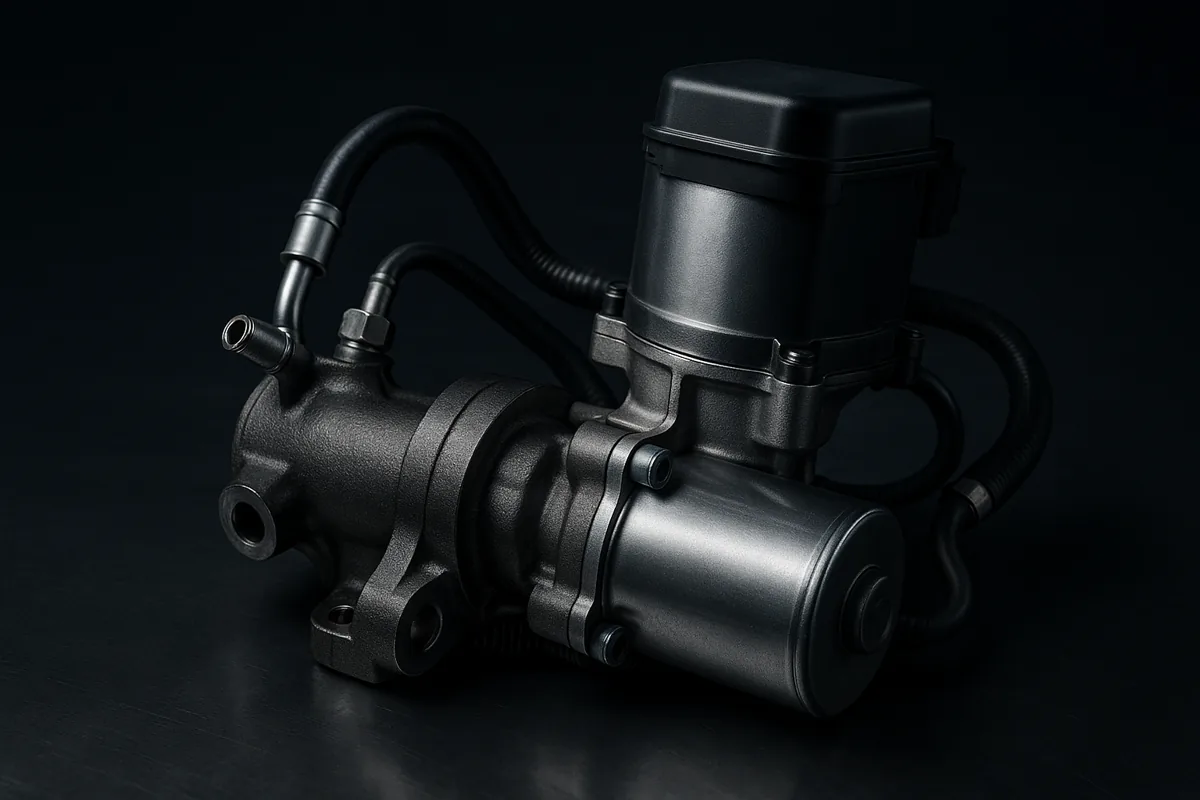
Shop Power-Steering Pump & EPS by Part Type
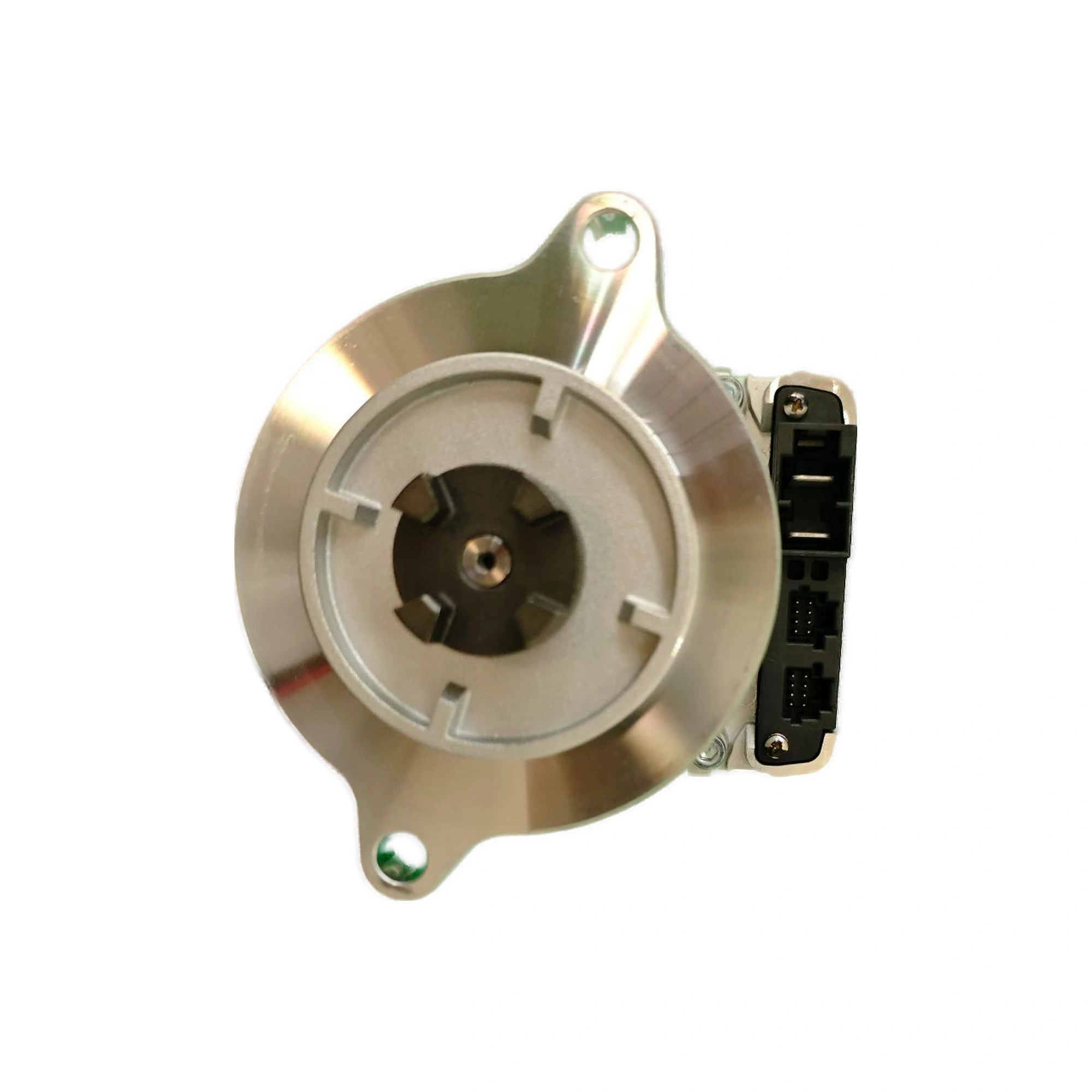
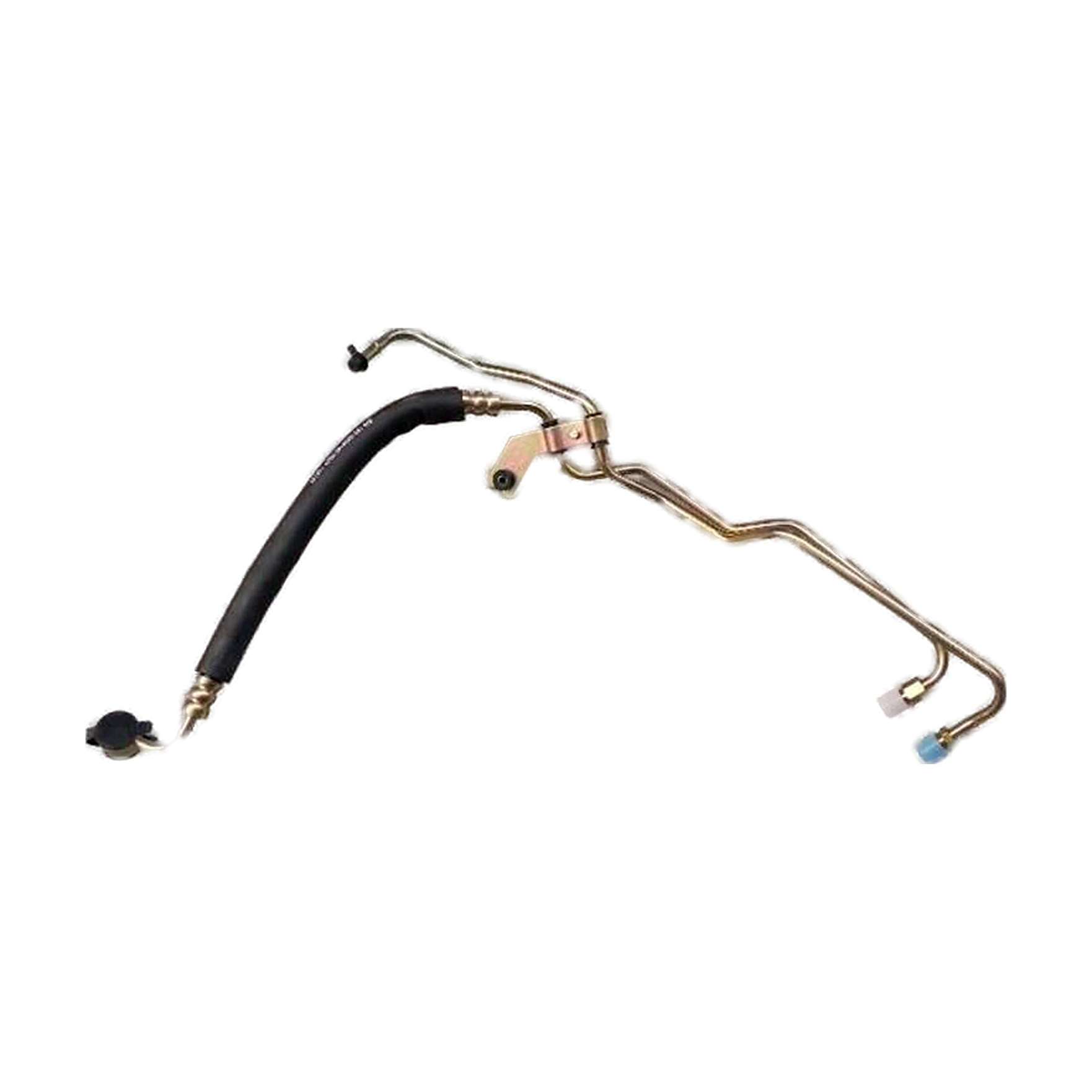
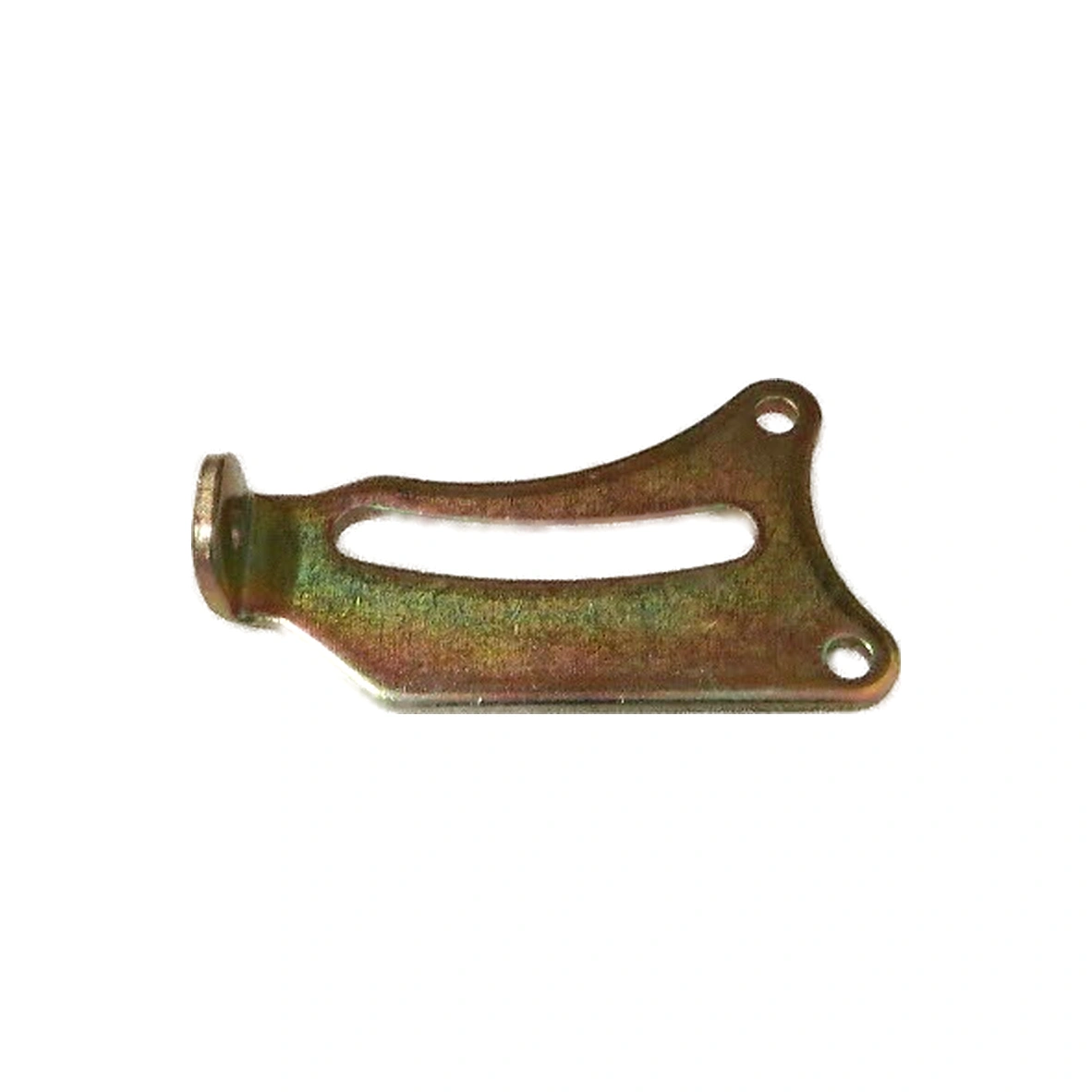
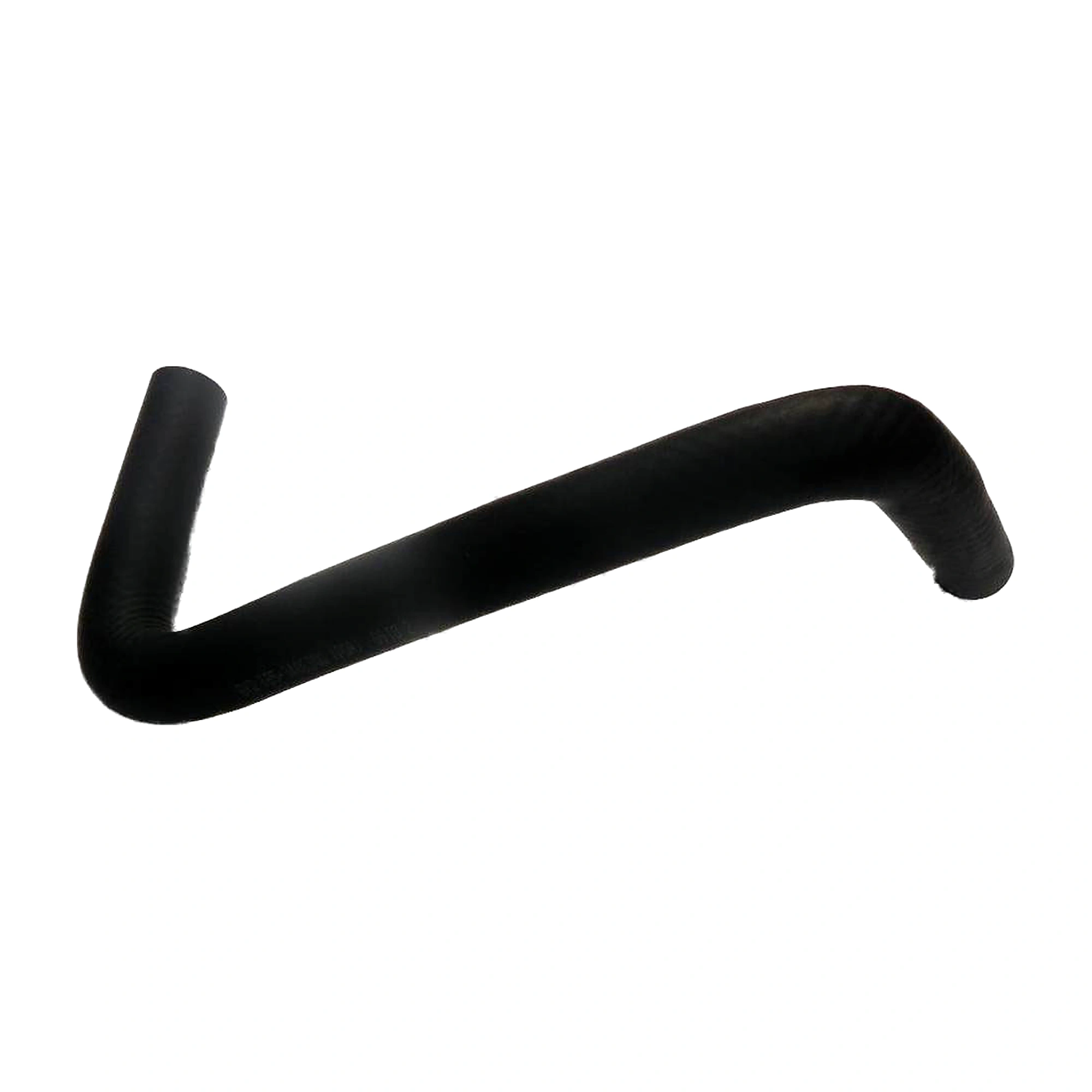
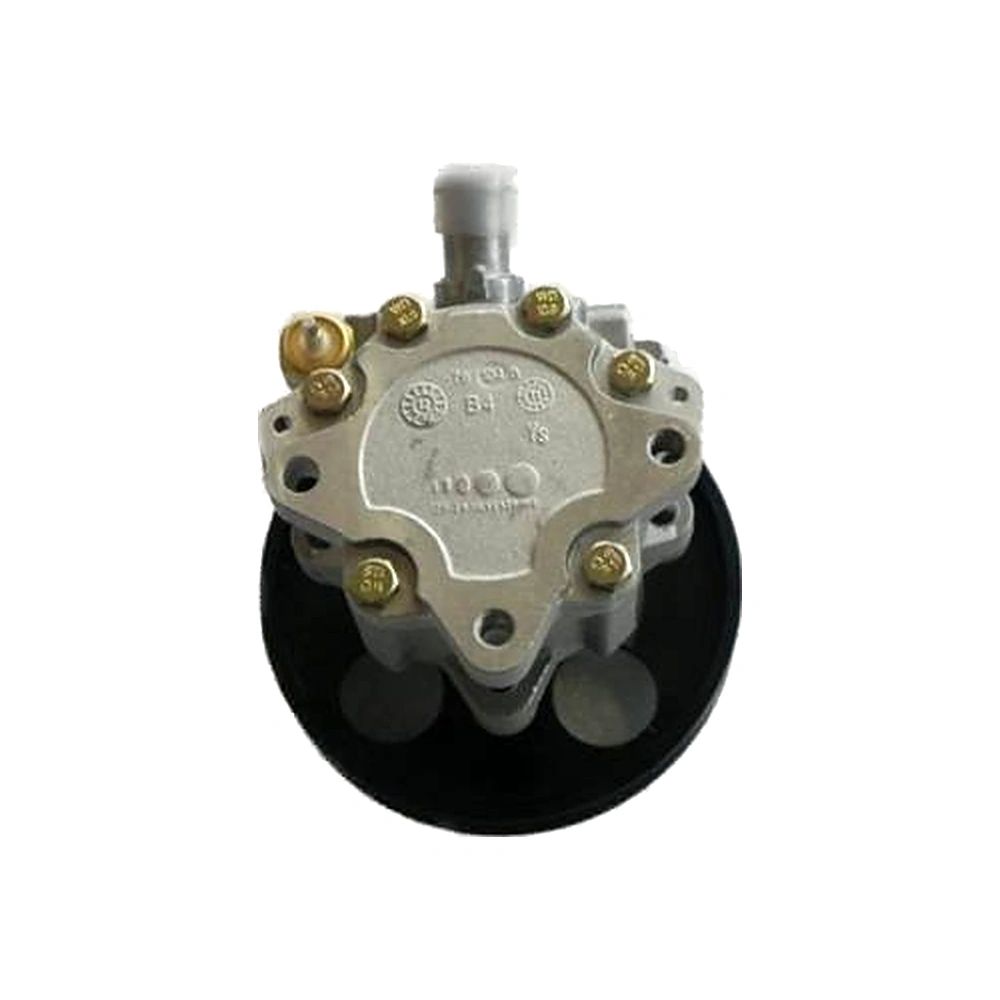
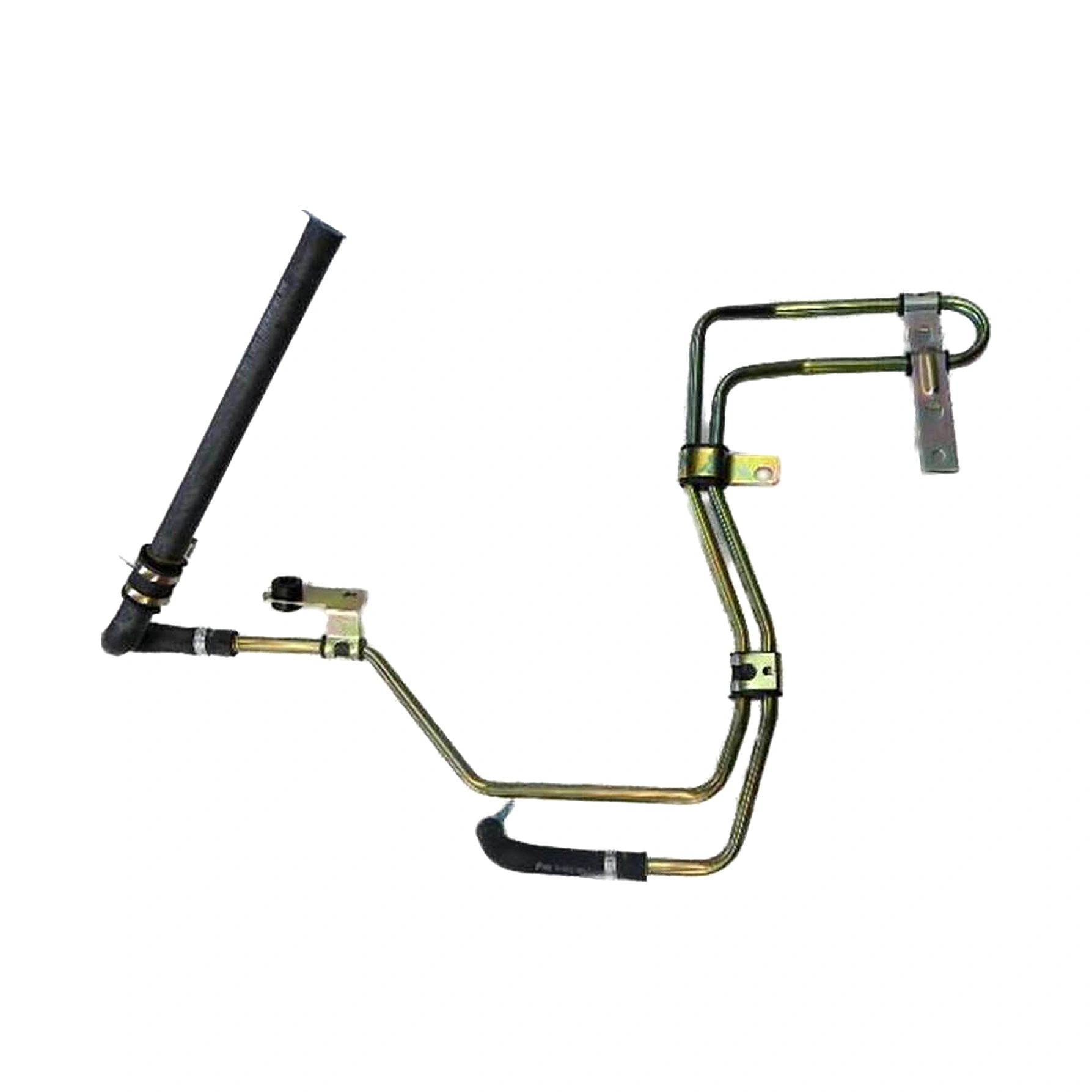
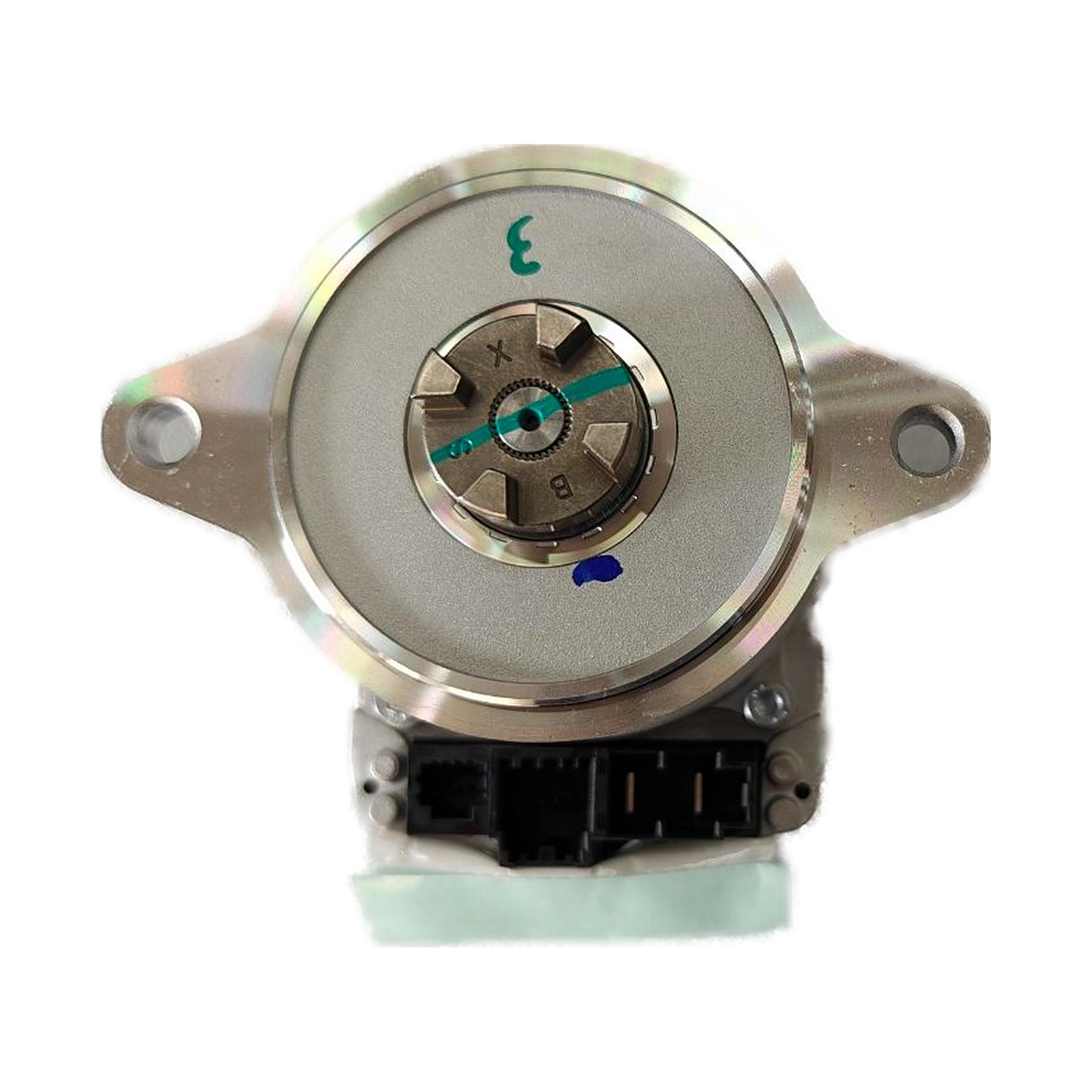
Popular Right Now
scroll for more →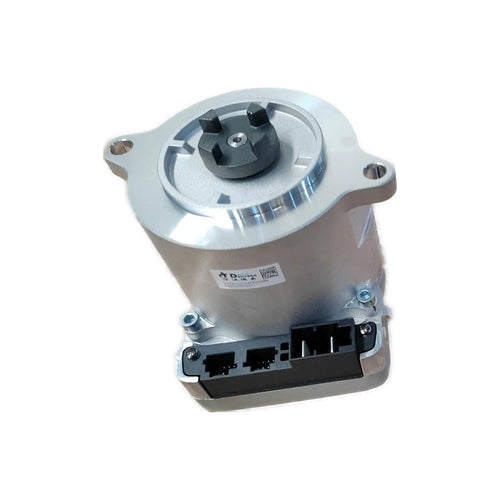
Symptom Finder: What Is Actually Broken?
| What you see or hear | Part to check first |
|---|---|
| Steering suddenly heavy with a warning lamp | EPS motor and controller |
| Assistance comes and goes with temperature or load | EPS electronic control unit or its power supply |
| Whine that rises with engine speed and worsens on lock | Power steering pump assembly |
| Fluid weeping along a pipe run or at a union | Steering feed or return oil line assembly |
| Fluid level dropping with foaming in the reservoir | Power steering pump feed hose drawing air |
| Belt squeal on start-up and heavy steering when cold | Pump mounting or adjustment bracket |
About Power-Steering Pump & EPS
Steering assistance exists to reduce the effort at the wheel without hiding what the front tyres are doing. Hydraulic systems achieve it with a belt driven pump feeding a control valve in the rack, so the fluid pressure builds on whichever side of the piston the driver is turning towards. It works well and it costs energy continuously, because the pump turns whenever the engine does. Electric systems replace that entirely. A torque sensor at the column measures how hard the driver is twisting against the road, a control unit reads it alongside vehicle speed, and a motor adds exactly the assistance the map calls for, on the column, the pinion or the rack depending on the design. Consuming power only while turning is why electric assistance became universal on efficiency driven vehicles, and being software controlled is why the same hardware also supports lane keeping and parking assistance.
What to know before buying Power-Steering Pump & EPS parts
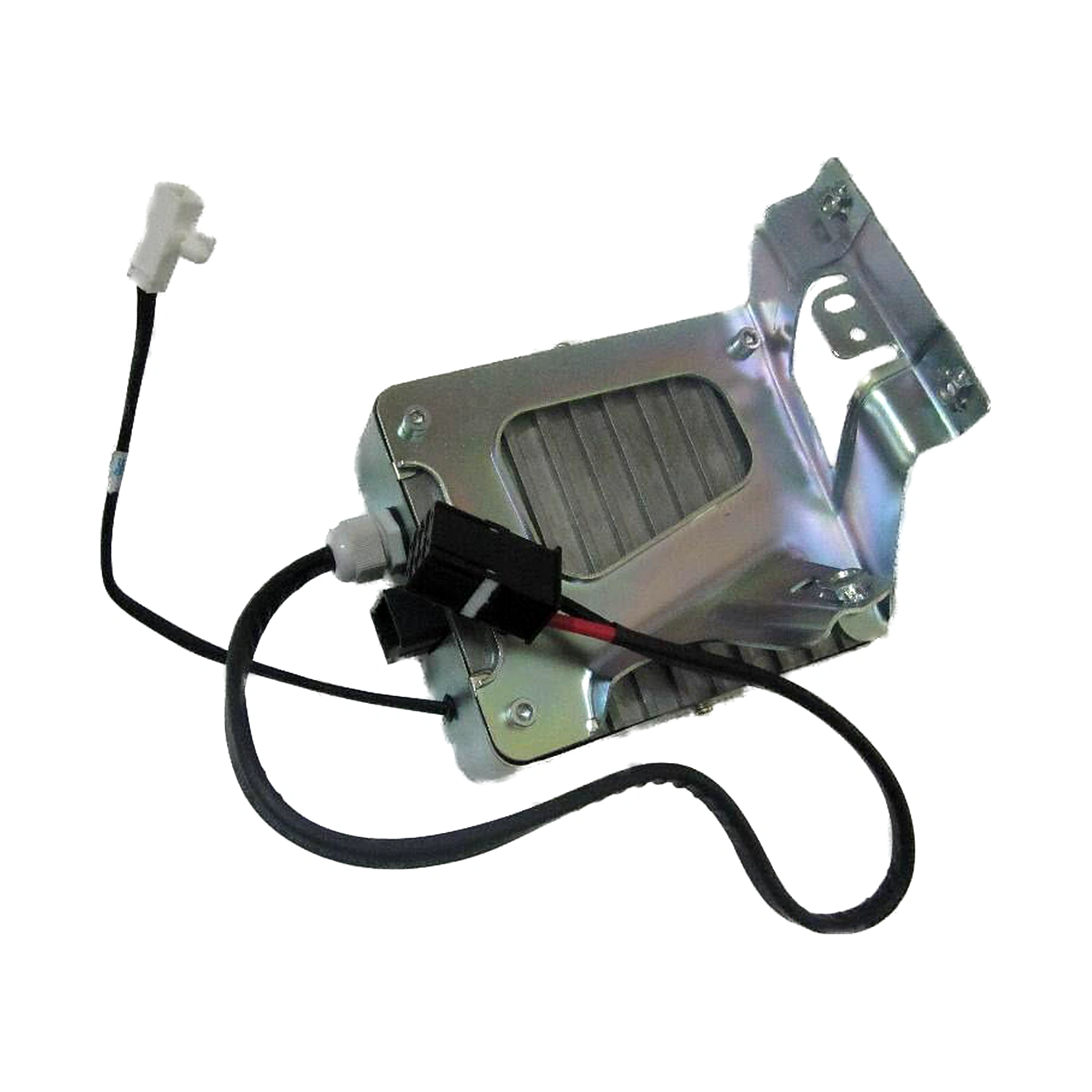
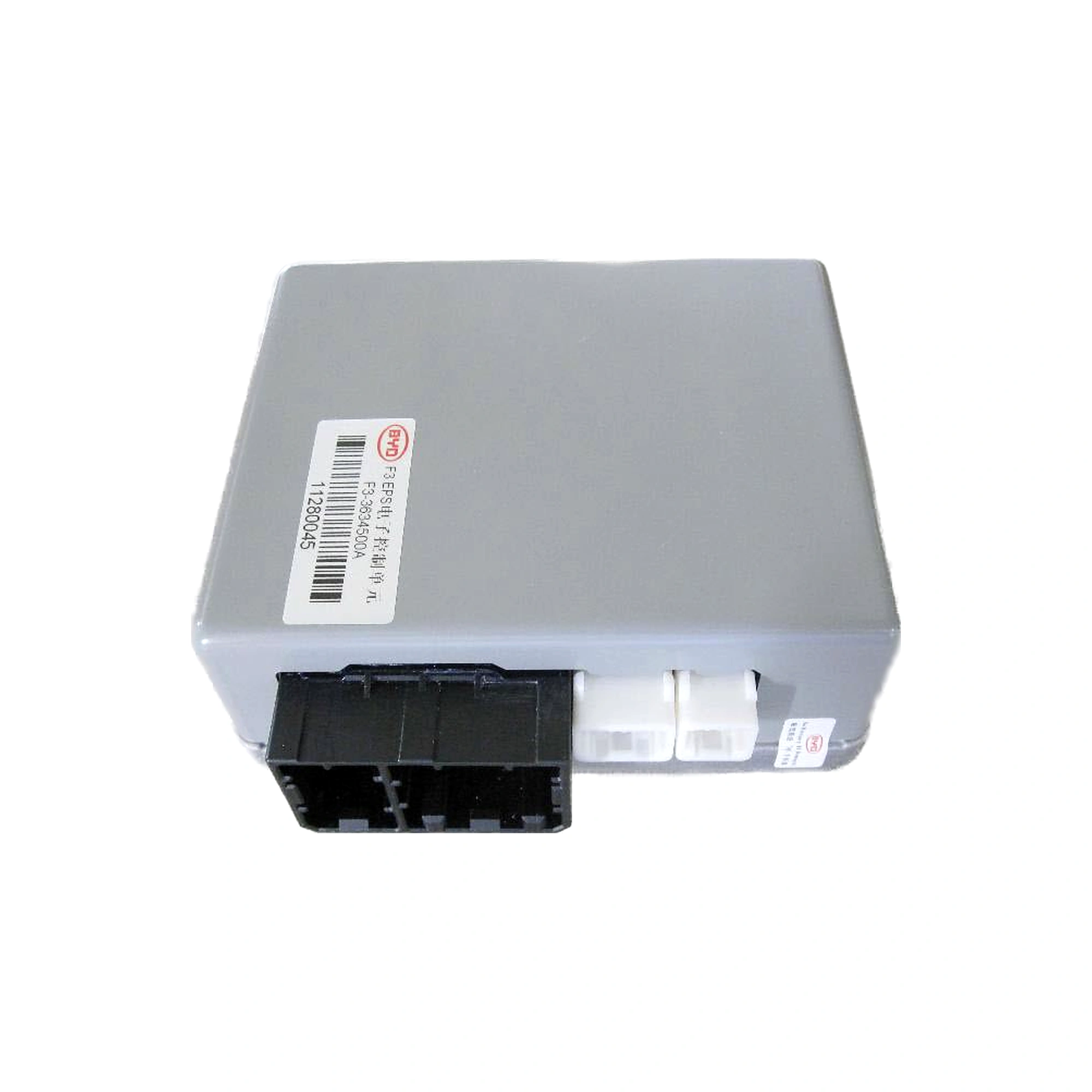
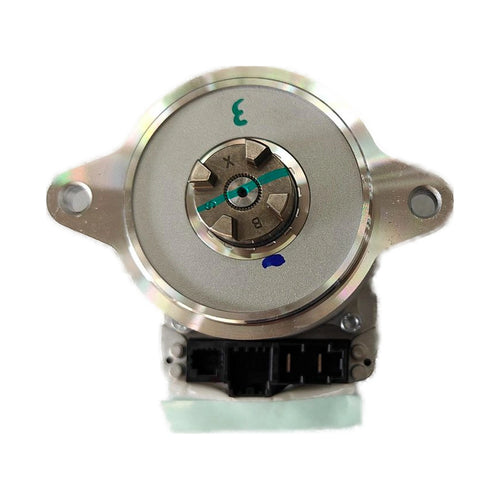
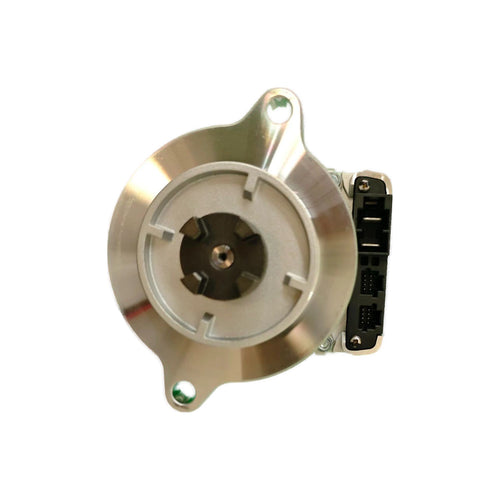
Work out which system your vehicle uses, because both are still on the road. Electric parts include EPS motor and controller assemblies, EPS electronic control units supplied alone or together with the motor, and boost power supply and bracket assemblies.
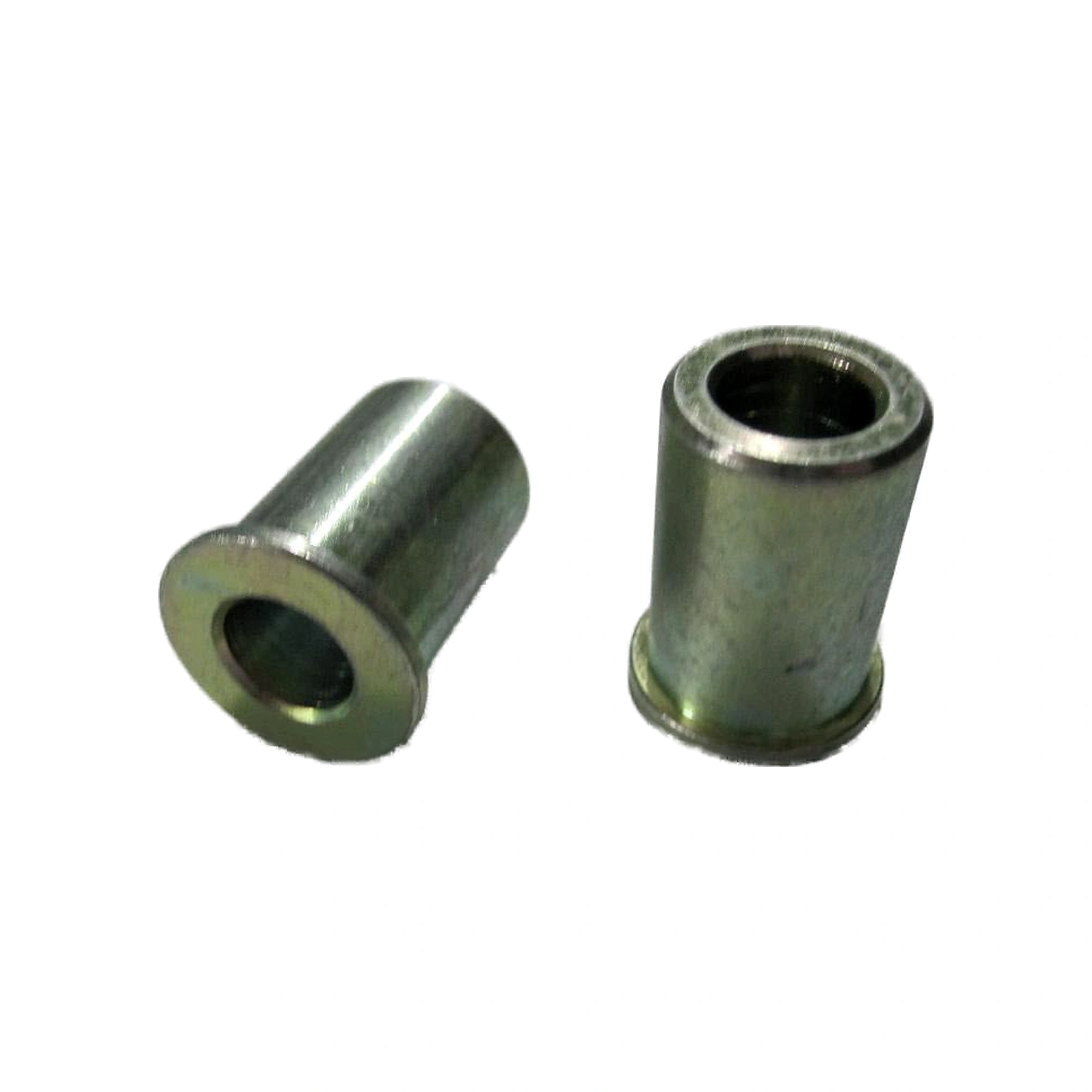
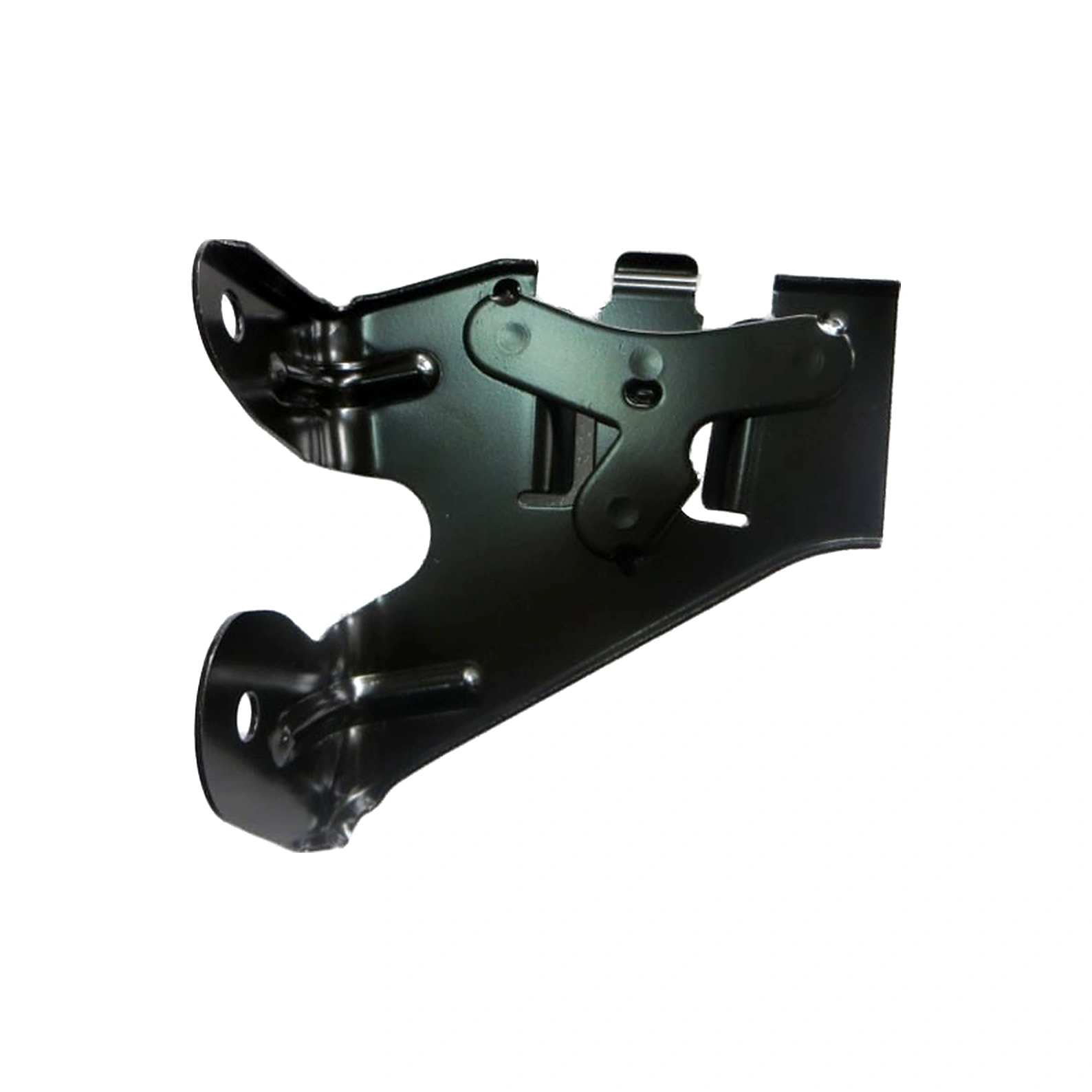
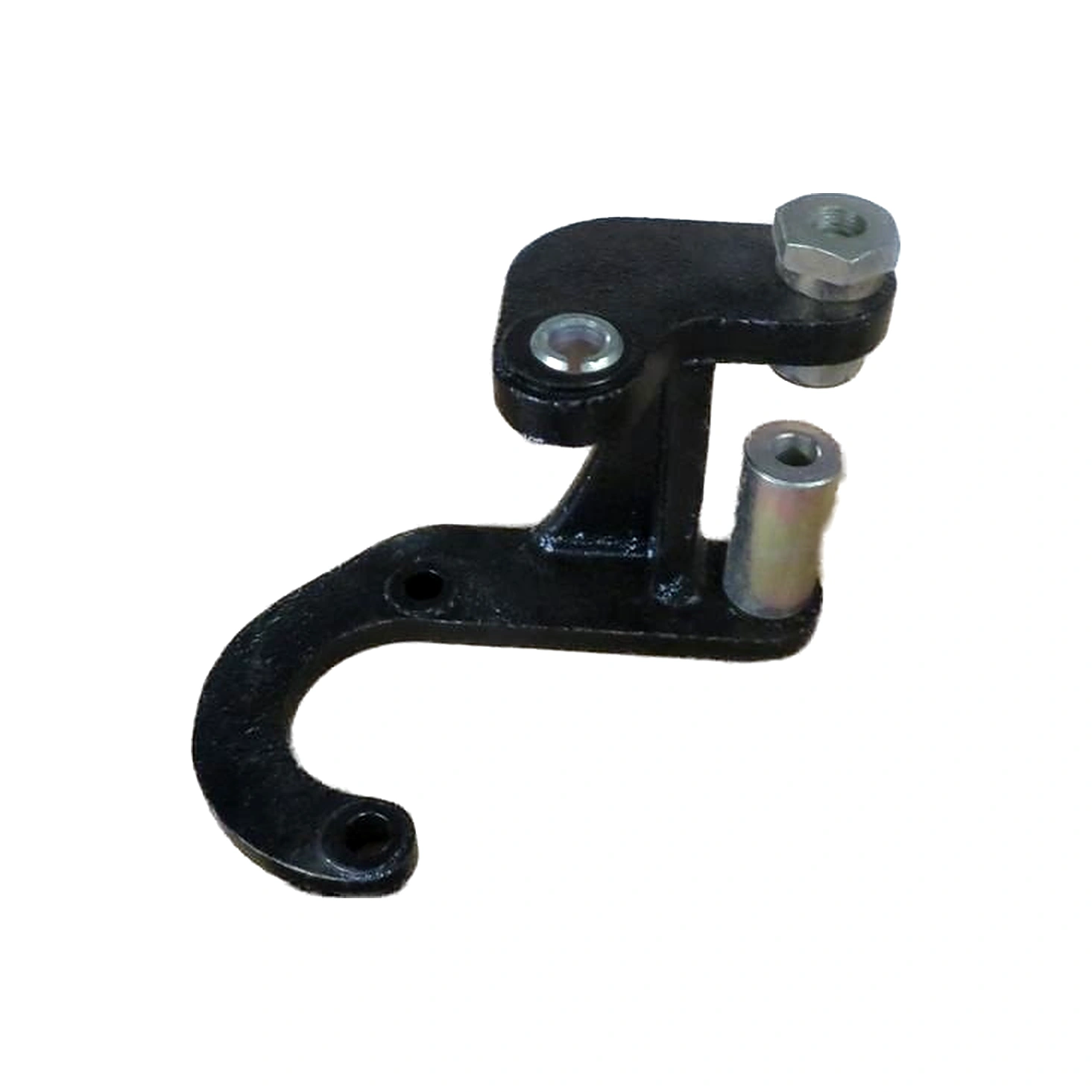
Hydraulic parts include power steering pump assemblies, feed hoses, steering feed and return oil line assemblies and return line assemblies. Oil reservoir brackets, pump mounting and adjustment brackets, compression sleeves and adjustment sliders are listed as well.
Match electric components by OE number. They usually need coding or a steering angle calibration afterwards, so confirm that workshop step before ordering. Hydraulic lines are formed to the vehicle rather than cut from generic hose. That is what makes the factory part worth buying. Add brackets, sleeves and sliders to any pump order, since they seize onto the pump and get destroyed coming off.
Anything priced is available to buy. Anything without a price is quoted against the same factory number. That is the usual route for control units and low volume line assemblies. The BYD group is covered most fully, and coverage widens as further catalogues load.
Before You Order: 6 Checks
- Read the fault codes before ordering electric components, since a supply or earth fault gives the same symptoms.
- Check twelve volt system voltage and battery condition first, because low voltage causes assistance to drop out.
- Match the OE number, since motor, controller and combined assemblies are separate references.
- Order formed oil lines by position rather than fabricating from generic hose.
- Confirm whether a steering angle calibration is needed after fitting, and who will do it.
- Use the specified fluid grade on hydraulic systems and bleed the air out fully after any pipe work.
What Changed and Why
Electric assistance has become the default because it draws power only while the driver is steering and because it puts the steering under software control. That second point is what made lane keeping, lane centring and automated parking possible without additional actuators, since the same motor that reduces effort can also apply torque of its own. It also changes repair practice: the assistance is now a diagnosable electronic system with fault codes, torque sensor values readable in real time, and a steering angle calibration required after most component replacements.
Power-Steering Pump & EPS: Frequently Asked Questions
My steering has gone heavy with a warning light. What now?
Stop assuming the motor and start with the codes. Electric assistance drops out for several reasons, and a weak twelve volt battery or a poor earth is far more common and far cheaper than a failed motor, because the system needs substantial current to assist and will shut down rather than brown out the network. Have the steering control unit read for stored faults and check supply voltage under load. The car remains steerable without assistance, though it takes real effort at parking speeds.
Can an EPS motor be replaced on its own?
It depends on the design, which is why the catalogue lists them separately and together. Some vehicles allow the motor, the control unit or the torque sensor to be replaced individually, and others build the whole assembly as one sealed unit. Read the listing carefully and match the OE number from your own vehicle. Where an individual component is available, it is much the cheaper route, though it usually still requires coding and a steering angle calibration afterwards.
What is a steering angle calibration and when is it needed?
It is the procedure that teaches the vehicle where straight ahead is. The stability control system, the lane keeping function and the assistance map all depend on knowing the exact wheel position, so after replacing a steering component, disturbing the column, or performing a wheel alignment, the sensor has to be reset with a scan tool or by a defined driving sequence. Skipping it leaves warning lamps and, worse, a stability system working from a false reference.
My hydraulic system whines. Is the pump finished?
Check the fluid before condemning it. A whine that rises with engine speed and worsens on full lock is the classic symptom of a pump running short of fluid or drawing air, and the cause is often a perished feed hose on the suction side letting air in rather than a worn pump. Look for foaming in the reservoir, which is the giveaway. If the fluid is at the correct level and clean and the whine persists, the pump itself is worn and the assembly is the part.
Why does my fluid level keep dropping with no puddle?
Look at the pipe runs and the rack gaiters. Steering fluid leaks often evaporate off a hot surface before they reach the ground, so a slow loss shows up as a falling level with nothing on the driveway. Trace the feed and return lines for damp patches and check the unions, then look inside the rack gaiters for fluid, which indicates a failed rack seal rather than a pipe. Formed feed and return line assemblies are listed here by position.
Can I fabricate a steering hose from generic parts?
On the high pressure side, no. Feed lines operate at pressures well above what generic hose and fittings tolerate, they are formed to follow a specific route away from heat and moving parts, and the crimped ends are made for that assembly. A homemade line that bursts on full lock removes assistance instantly at the worst moment. Return lines are lower pressure and more forgiving, and the formed part is still the sensible purchase because routing matters. Order by position and OE number.
What do steering assistance parts cost?
Brackets, sleeves, sliders and hoses sit at the bottom of the range. Formed feed and return line assemblies and reservoirs are modest. Hydraulic pump assemblies cost more, and EPS motor and controller units sit at the top of the category since they combine a motor, electronics and calibration data. The live minimum and maximum are shown in the band at the top of this page. Read the codes before ordering an electric component, because the price difference against a battery or an earth repair is large.
Is it safe to drive without power assistance?
The car steers, and it takes considerably more effort, particularly at parking speeds and on full lock. Nothing is disconnected mechanically when assistance fails, since there is always a mechanical path from wheel to rack. The practical risks are underestimating the effort needed in an emergency manoeuvre and the possibility that whatever caused the failure also affects lane keeping or stability functions. Treat it as a repair to make promptly rather than an emergency stop by the roadside.
Which fluid should a hydraulic system take?
Exactly what the manufacturer specifies, which varies between dedicated power steering fluids and particular automatic transmission fluids depending on the design. Mixing types damages seals and can make the assistance behave differently when hot. Check the reservoir cap and the handbook, use a freshly opened container, and bleed the system properly afterwards by turning lock to lock with the front wheels raised. Fluids are listed in their own category on the site.
Does an EPS unit need coding after replacement?
On nearly every current vehicle, yes. A replacement unit arrives without the vehicle's configuration and without a learned zero position, so it needs coding to the platform and a steering angle calibration before the assistance map and the stability system will work correctly. Some vehicles also require a short calibration drive. Confirm that your workshop has the diagnostic access before the part is ordered, since an uncoded unit leaves the vehicle with warning lamps and no assistance.
Will a steering component from a similar model fit?
Only where the OE number agrees. Assistance maps are tuned to vehicle weight, tyre size and geometry, so a unit from a heavier or lighter version of the same body will assist incorrectly even if it bolts on and codes. Hydraulic pumps differ in flow rate and pressure relief settings, which is equally invisible. Read the number from your own part, match it, and where the reference brings back nothing, send it through the quote form so the factory catalogue is checked properly.
The part I need shows no price. Can I still order it?
Yes. Electric steering control units and motors are ordered against the number and often need configuration afterwards, which is why they are handled by enquiry rather than shown with a price. Hydraulic pumps and lines on the older applications are the other common case. Send the reference and say whether your car uses a column mounted motor or a rack mounted one, since the two are entirely different assemblies. If the steering went heavy with a warning lamp, have the torque sensor and the supply voltage checked first. A weak twelve volt supply makes assistance drop out and mimics a failed motor.