Tie Rods & Ball Joints
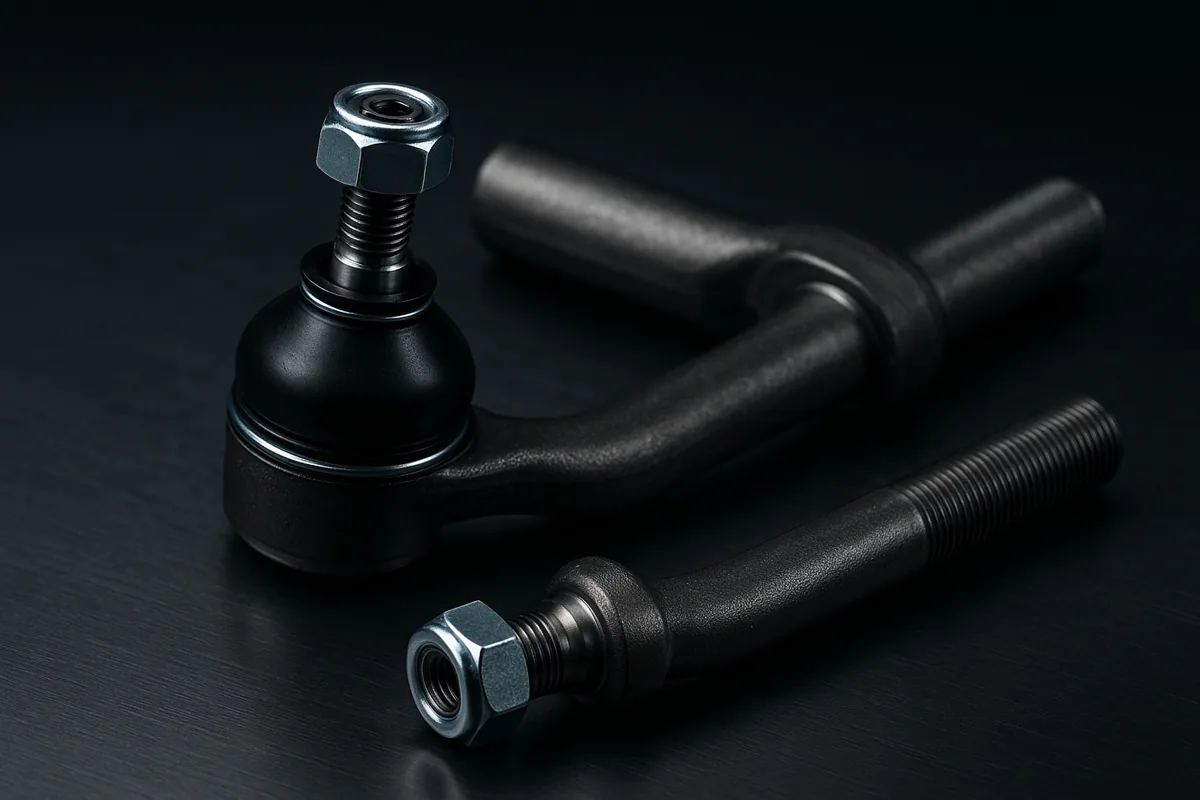
Shop Tie Rods & Ball Joints by Part Type
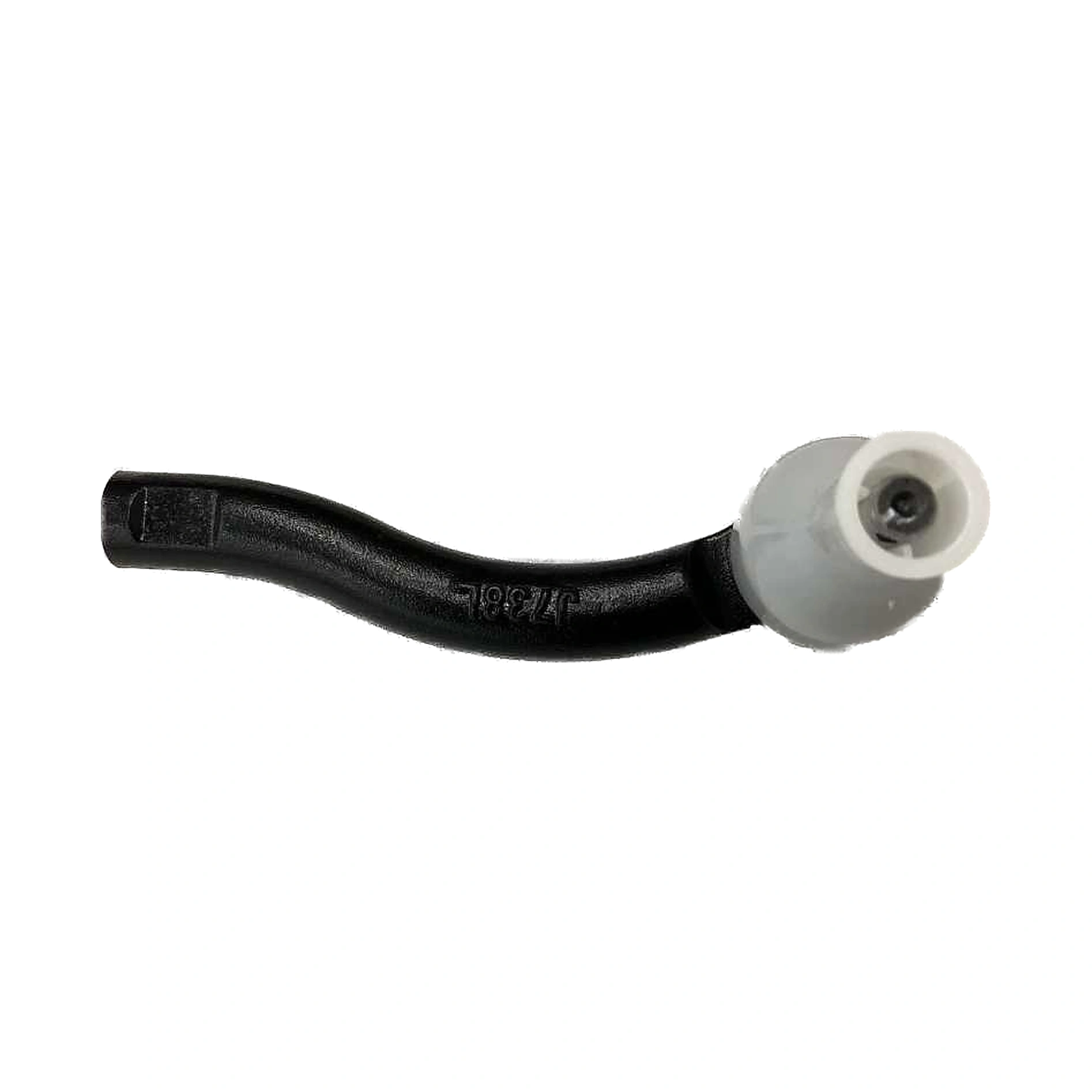
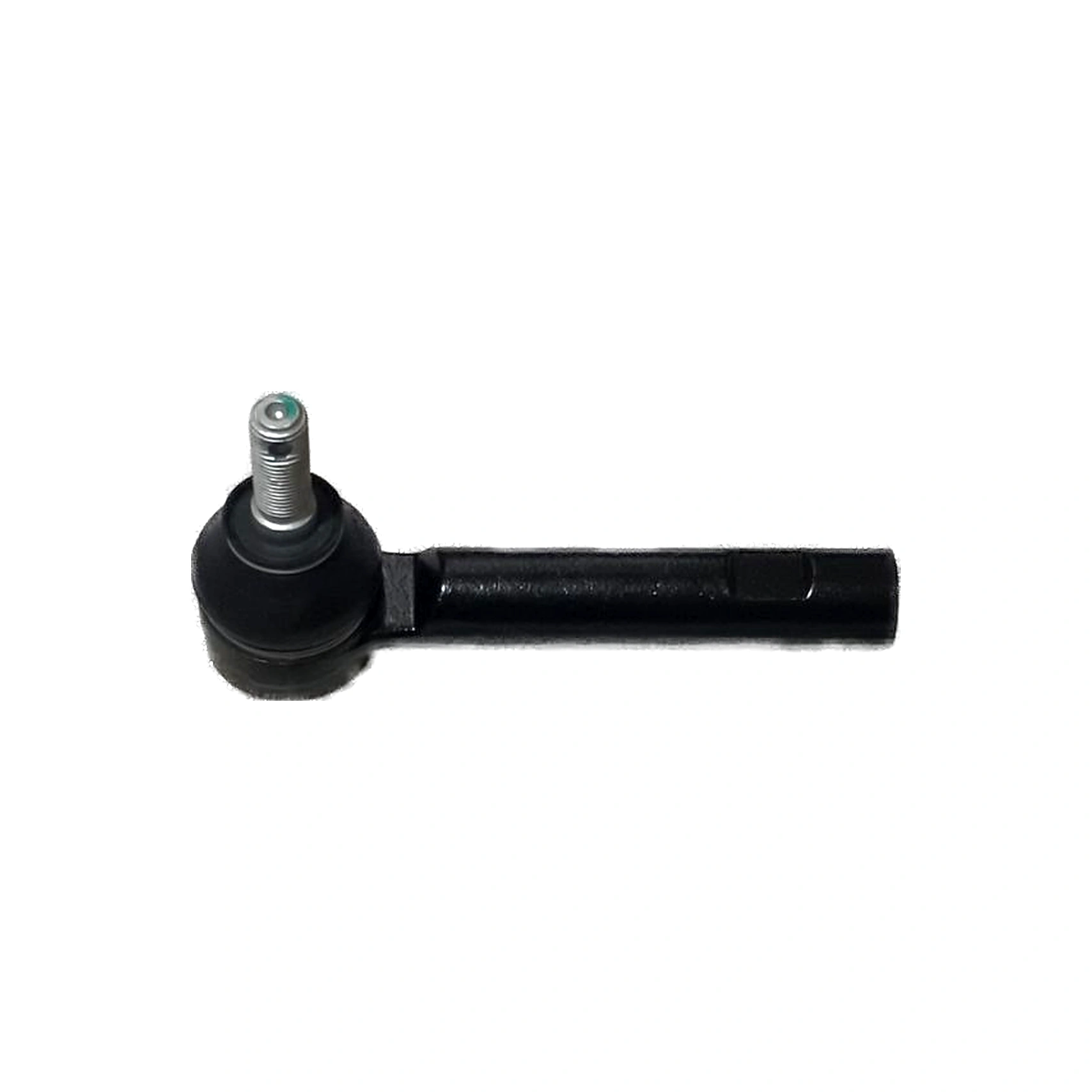
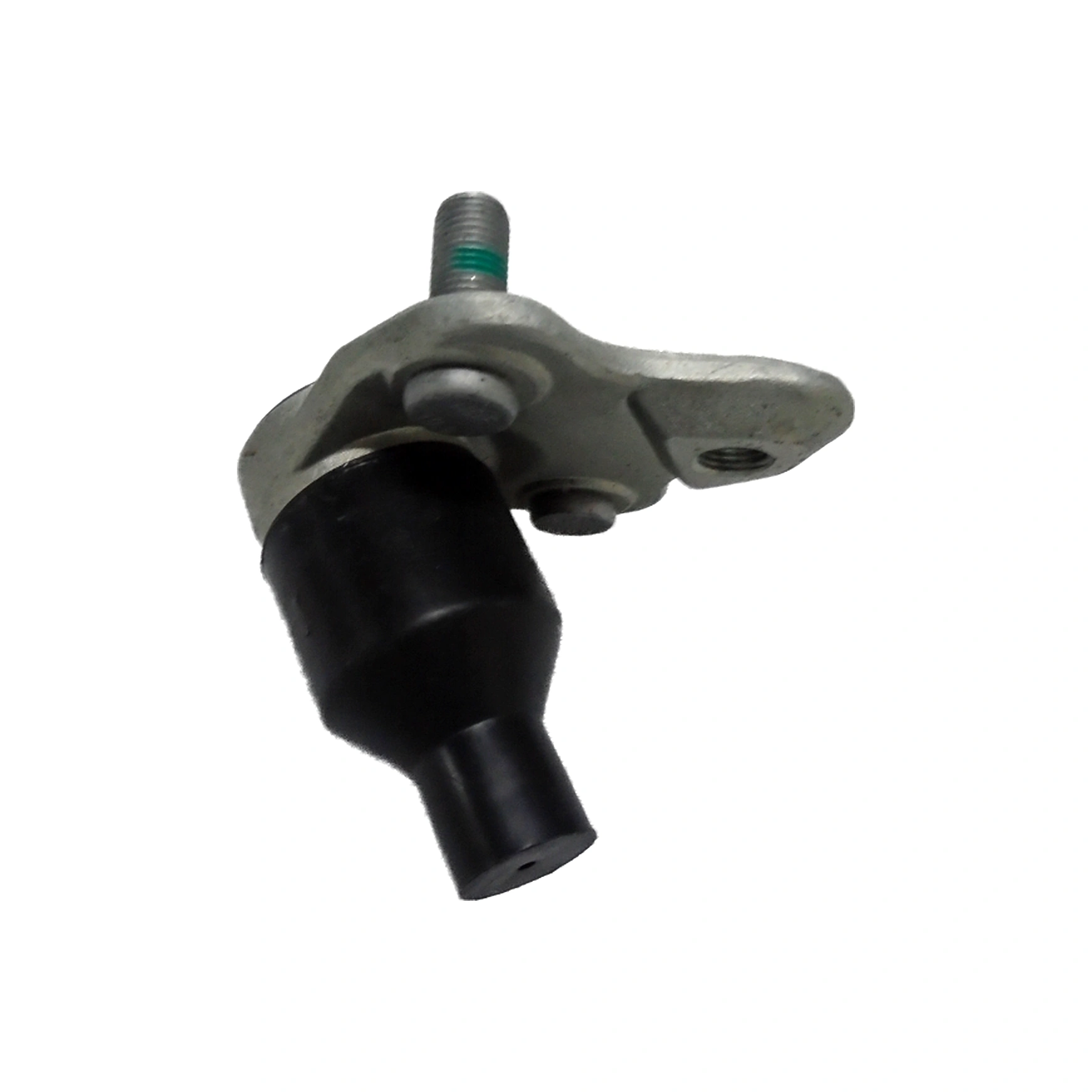
Popular Right Now
scroll for more →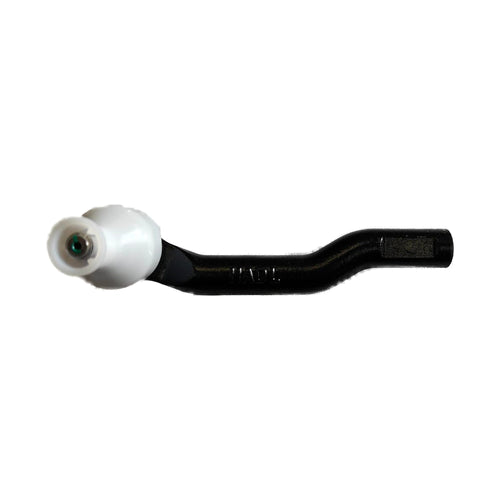
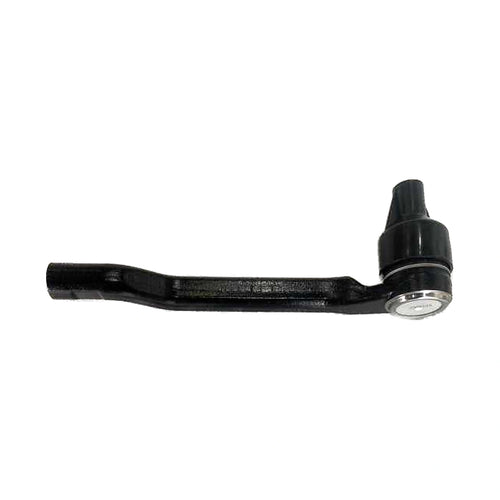
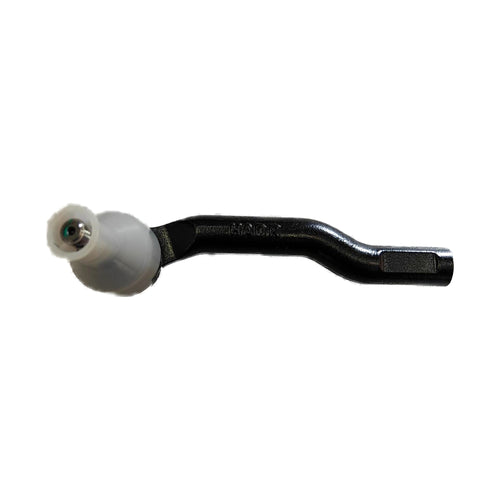
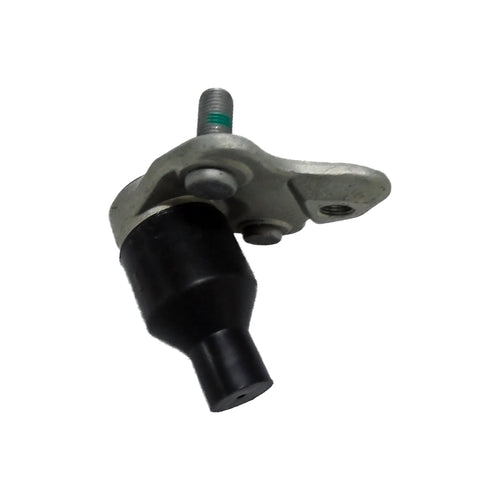
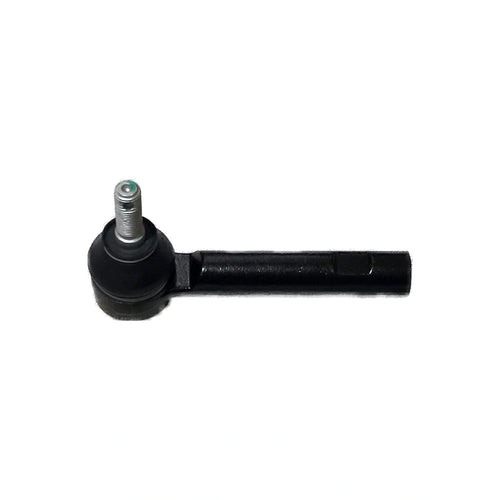
Symptom Finder: What Is Actually Broken?
| What you see or hear | Part to check first |
|---|---|
| Knock or clunk from the front over rough roads | Outer tie rod end or ball joint |
| Vague steering with play before the wheels respond | Tie rod ends and inner joints |
| Inner or outer tyre edge wearing far faster than the rest | Tie rod out of adjustment or worn |
| Car drifts to one side on a level road | Tie rod on one side worn or bent |
| Split or missing rubber boot at a joint | Tie rod end or ball pin press-fit assembly |
| Squeak or creak from the front at low speed | Ball joint that has lost its grease |
About Tie Rods & Ball Joints
Steering geometry survives only as long as its joints have no free play. Each front wheel is connected to the rack by a tie rod, which is really two joints and a threaded adjuster: an inner ball joint at the rack end that allows the rod to swing as the suspension moves, and an outer tie rod end that connects to the steering arm and allows both suspension travel and steering movement. The thread between them sets toe, which is the single most important alignment angle for tyre wear. Ball joints elsewhere in the front end do the same job for the control arms, carrying vertical load while permitting rotation in every direction. All of them are steel balls in a bearing seat, preloaded and sealed with a rubber boot packed with grease. Almost every failure begins with that boot: it splits, grit and water enter, the seat wears, and play appears where none should exist.
What to know before buying Tie Rods & Ball Joints parts
Order by the OE number. Thread pitch, taper size and rod length differ between vehicles that look alike. A joint with a slightly wrong taper will feel tight and fail early.
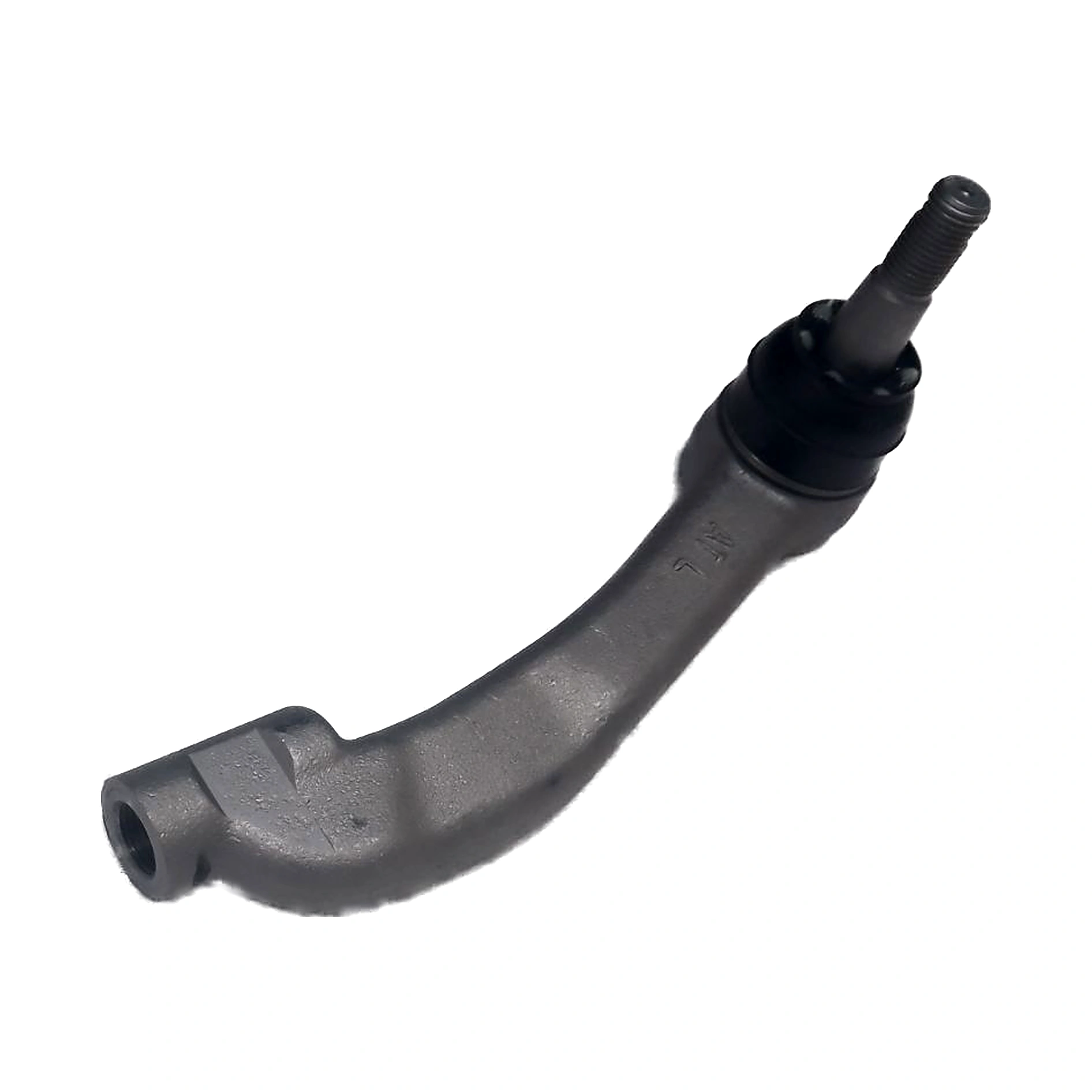
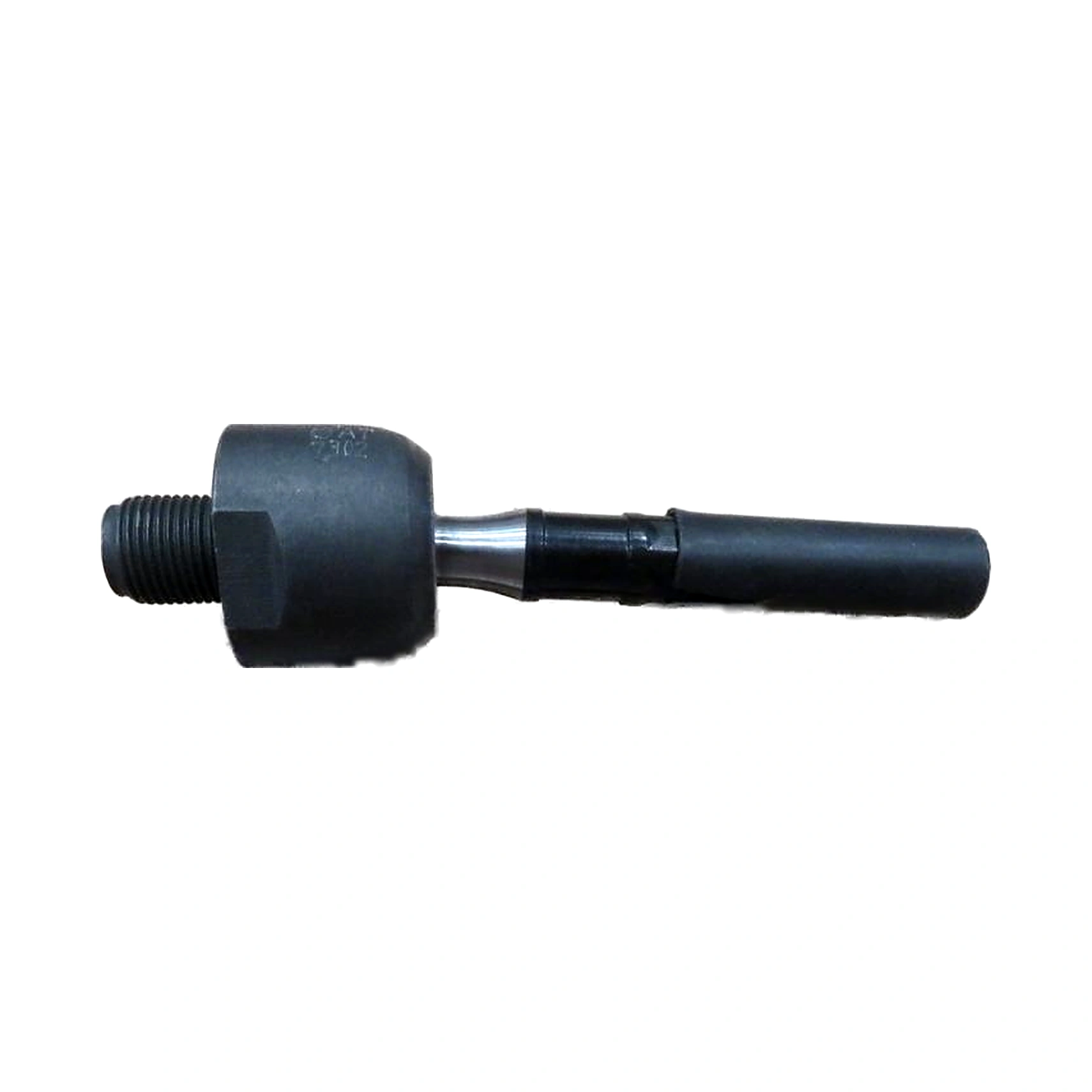
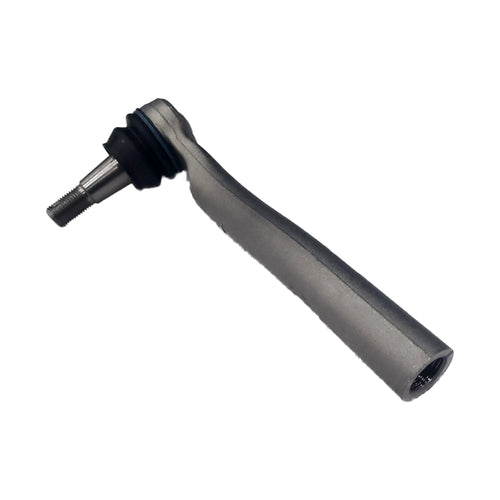
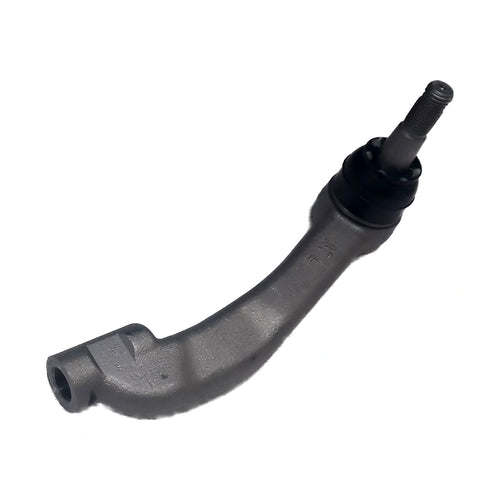
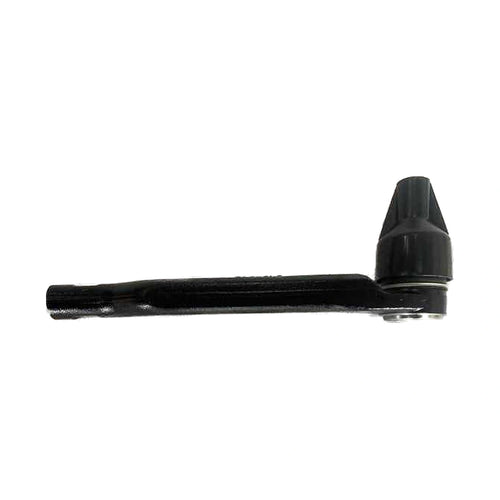
The range stays tight and practical. Steering tie rod ends are listed alongside tie rods, left and right rods, and steering tie rod assemblies. Ball pin press fit assemblies are there for joints pressed rather than bolted into their carriers.
Work out which repair you face. An outer tie rod end that has developed play is a quick, inexpensive replacement finished with an alignment. An inner joint calls for the tie rod, which threads onto the rack and is staked. That takes longer and needs the correct tools.
Priced listings can be ordered from the page, and anything else is quoted. Our BYD group coverage is the strongest.
Before You Order: 6 Checks
- Match the OE number, since thread pitch, taper size and rod length differ between similar vehicles.
- Replace joints in axle pairs where both have similar mileage and one has failed.
- Book an alignment for immediately after fitting. Toe changes whenever a tie rod is disturbed.
- Count the exposed threads or measure the rod length before dismantling, as a starting point only.
- Use a proper joint separator rather than striking the taper, which damages the new joint seat.
- Check the boot condition on every remaining joint while the car is raised.
What Changed and Why
Front end joints have to work harder on current vehicles for reasons that have nothing to do with design fashion. Kerb weights have risen sharply with battery packs, wheel and tyre sizes have grown, and instant torque loads the steering geometry more abruptly from a standstill. Manufacturers have responded with larger joints and sealed for life designs with no grease nipple, which raises durability while removing the possibility of maintenance, so boot condition becomes the whole of the inspection. Alignment tolerances have tightened alongside, because driver assistance calibration depends on accurate geometry.
Tie Rods & Ball Joints: Frequently Asked Questions
How do I check a tie rod end for wear?
Raise and support the front of the car with the wheels off the ground. Hold the tyre at the three and nine o'clock positions and push and pull: movement with a distinct knock, while the other side is solid, points at the steering joints. Have somebody repeat it while you place a hand over each joint in turn, since you can feel play far more precisely than you can see it. Also check for a split boot, which means the joint will fail soon even if it feels tight today.
Is a worn tie rod end dangerous?
It deteriorates rather than fails suddenly in most cases, and the endpoint is serious enough to take it seriously. A joint that separates completely leaves that wheel with no steering input at all, which is why an excessively worn tie rod end fails any roadworthiness inspection. The everyday cost is quieter: vague steering, uneven tyre wear and a car that wanders. Treat a knocking joint as a repair to make in days rather than months, and always replace rather than attempt to tighten.
Do I need an alignment after replacing a tie rod?
Yes, every time. The threaded section between the inner and outer joints sets toe, so any change to it moves the alignment, and even a careful thread count only gets you close enough to drive to the alignment rig. Incorrect toe scrubs the tread off a tyre in a few hundred miles and makes the car feel unsettled. Book the alignment for the same day, and on vehicles with driver assistance expect a steering angle calibration to follow it.
What is the difference between a tie rod end and a ball joint?
They are the same type of joint doing different jobs. A tie rod end connects the steering rod to the steering arm and carries steering forces, which are largely horizontal. A suspension ball joint connects the control arm to the hub carrier and carries the weight of the car as well as allowing steering rotation. Both are a ball in a preloaded seat under a rubber boot, both fail the same way, and the symptoms overlap enough that checking each individually is worth the extra few minutes.
Can I grease a joint to cure a knock?
Almost never, and most modern joints have no means of doing so. Sealed for life designs have no grease nipple, and once a boot has split the abrasive material that entered has already worn the seat, so adding grease quietens a squeak temporarily while the play remains. Where a joint does have a nipple and merely squeaks with no play, greasing is a legitimate service item. Play always means replacement, since the seat cannot be adjusted or reset.
Should I replace both sides at once?
There is no mechanical requirement and there is a strong practical case. Both joints have covered the same distance over the same roads, so a car with one failed tie rod end frequently has another that is close, and the alignment charge is the same whether one or both are done. Inspect the opposite side properly and let its condition decide. Where both boots are cracked, doing them together saves paying for alignment twice within a year.
What do tie rods and ball joints cost?
This is one of the cheaper suspension and steering categories. Outer tie rod ends and ball pin press fit assemblies sit at the bottom of the range, and complete tie rods and steering tie rod assemblies are still modest. The live minimum and maximum are shown in the band at the top of this page. Remember to budget for the alignment afterwards, which on some vehicles costs a similar amount to the parts themselves and is not optional.
Can I fit tie rod ends myself?
Yes, with the right tools and a willingness to accept the alignment will still be needed. Loosen the locknut, mark or count the position, separate the taper with a proper joint separator rather than a hammer, wind the old end off counting turns, fit the new one to the same count, and torque the taper nut correctly. Never strike the taper to shock it free with the new joint already fitted, since that damages the seat you just paid for. Drive gently to the alignment rig.
Why is my tyre wearing on one edge only?
Incorrect toe is the classic cause, and worn tie rod joints are the classic cause of that. A joint with play lets the wheel find its own angle under load, so the tyre scrubs sideways as it rolls and shaves the inner or outer shoulder while the rest of the tread looks healthy. Camber problems produce a similar pattern, so have the geometry measured rather than guessing. Replacing the joints without correcting the alignment simply preserves the fault.
Will a tie rod from a similar model fit?
Rarely, and the failure mode when it does not is unpleasant. A tie rod end is defined by its thread pitch and hand, the taper angle and diameter of the stud, the overall length and the stud height, and a taper that is nearly right seats badly and works loose under load. Length differences move the toe setting beyond what the adjustment can recover. None of this is visible when two parts sit side by side on a bench. Work from the number stamped on the old component and verify it before anything is fitted.
What is a press-fit ball pin assembly?
It is a joint that is pressed into its carrier rather than bolted through a taper, which manufacturers use where packaging is tight or where the joint needs to be integrated into an arm. Replacing one needs a press and the correct drifts, since driving it in or out with improvised tools distorts the housing. Where the joint is pressed into a control arm, compare the cost of pressing against the cost of the complete arm, which is often the more sensible purchase.
The part I need shows no price. Can I still order it?
Yes. Tie rod ends and ball joints are usually priced because they sell steadily, so a blank field tends to belong to an inner rod or a joint used on one suspension variant. Quote the number and say which side and which position. Ordering both sides at once is sensible on a car of any age, because the second joint is the same age as the first and the alignment is paid for once rather than twice. Add the castellated nut and split pin where the design uses them, since neither is meant to be refitted.