Steering Column & Wheel
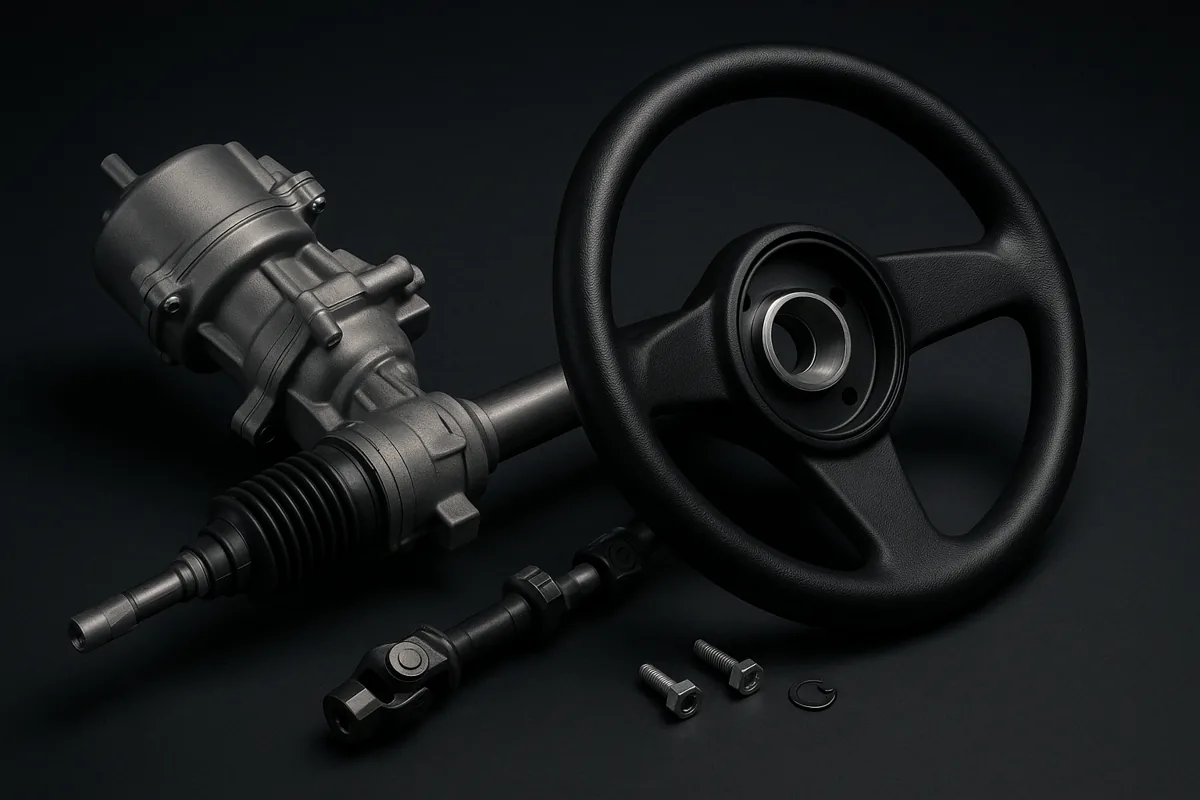
Shop Steering Column & Wheel by Part Type
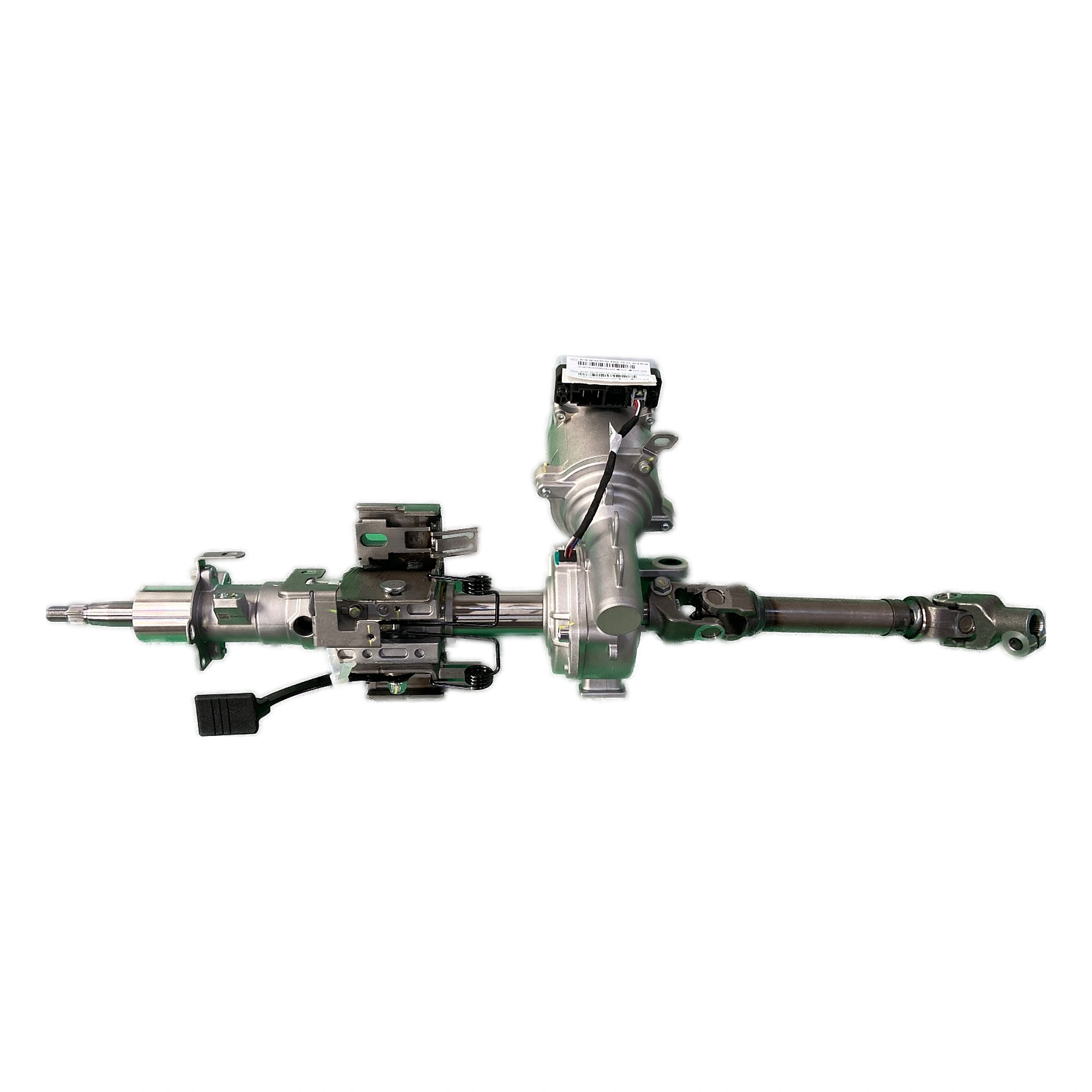
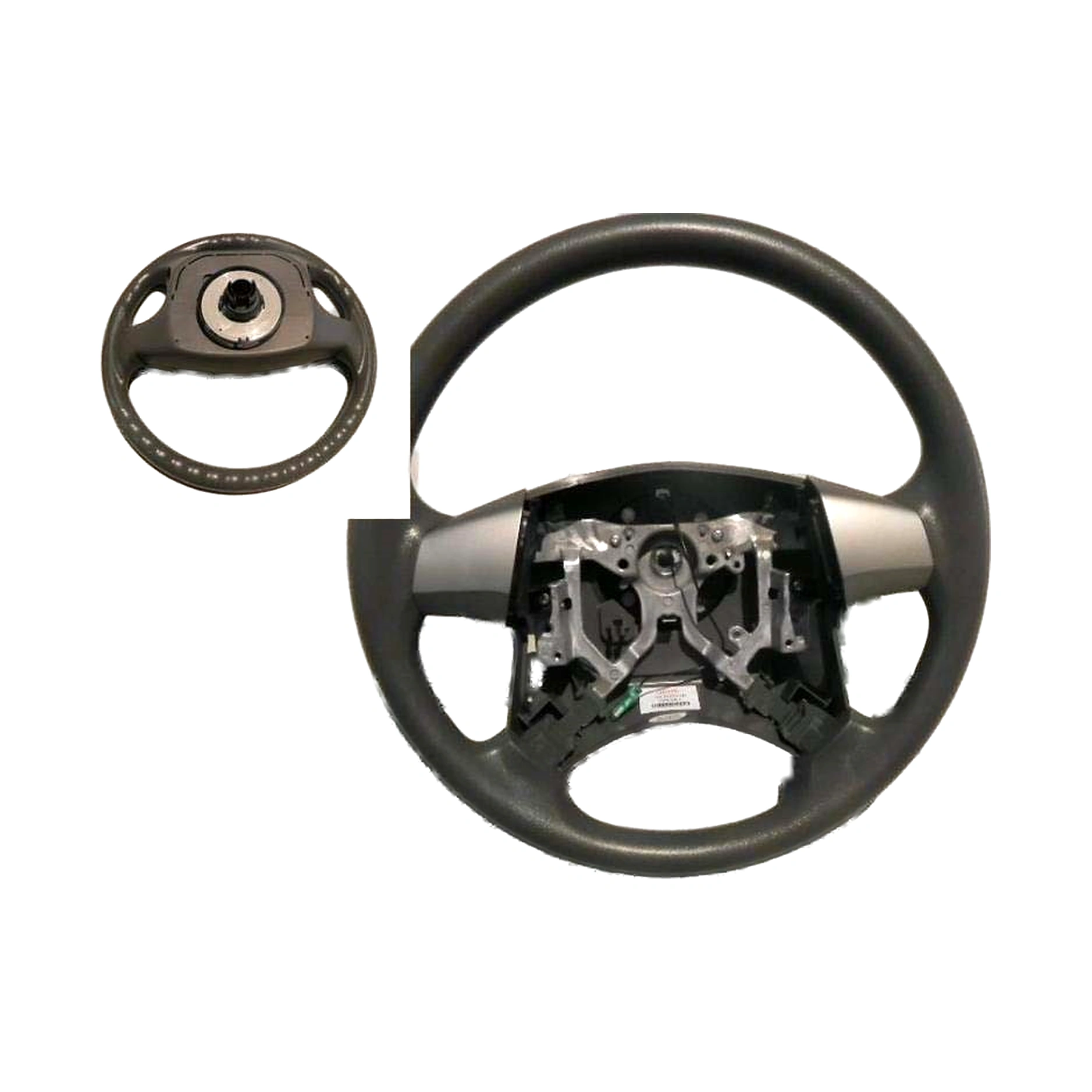
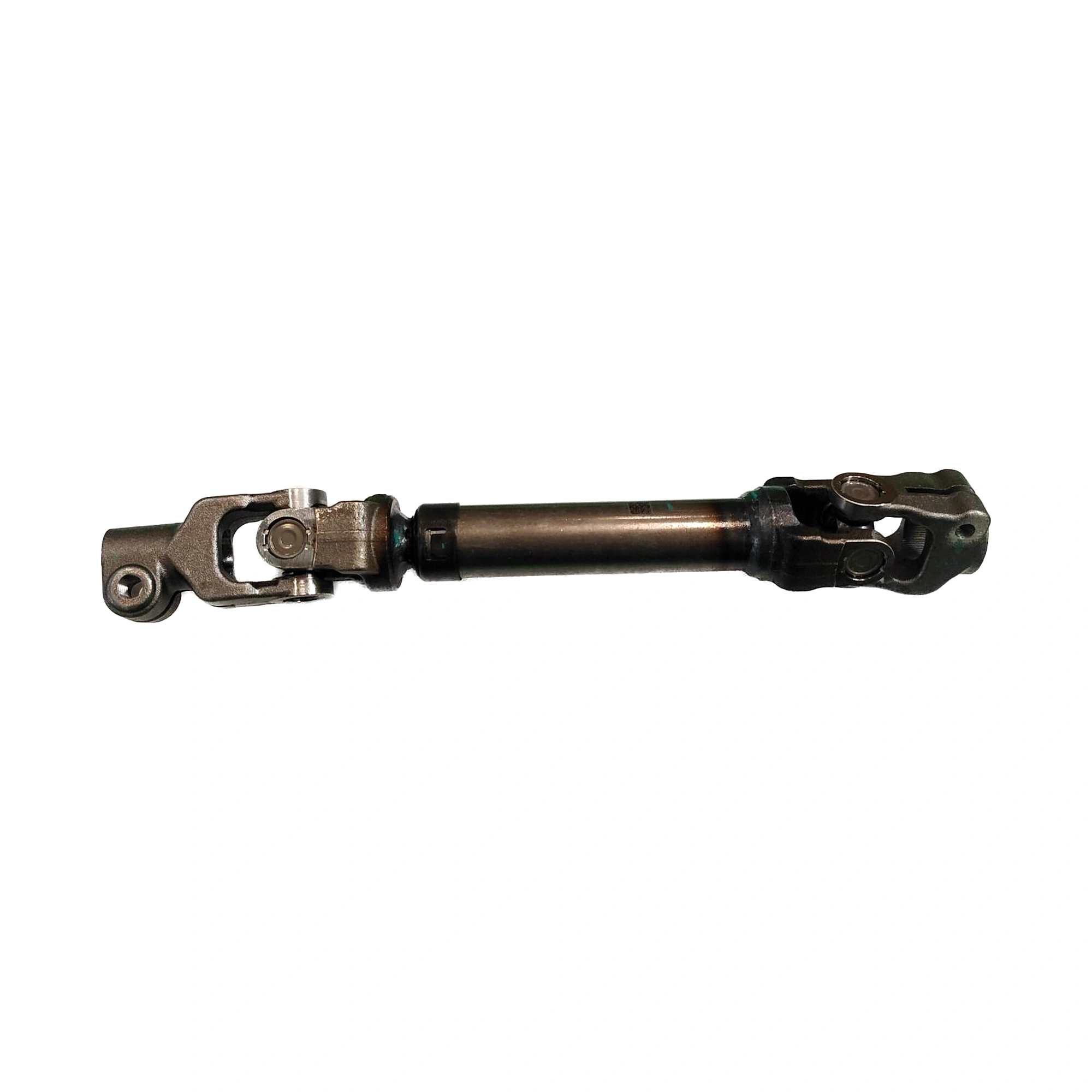
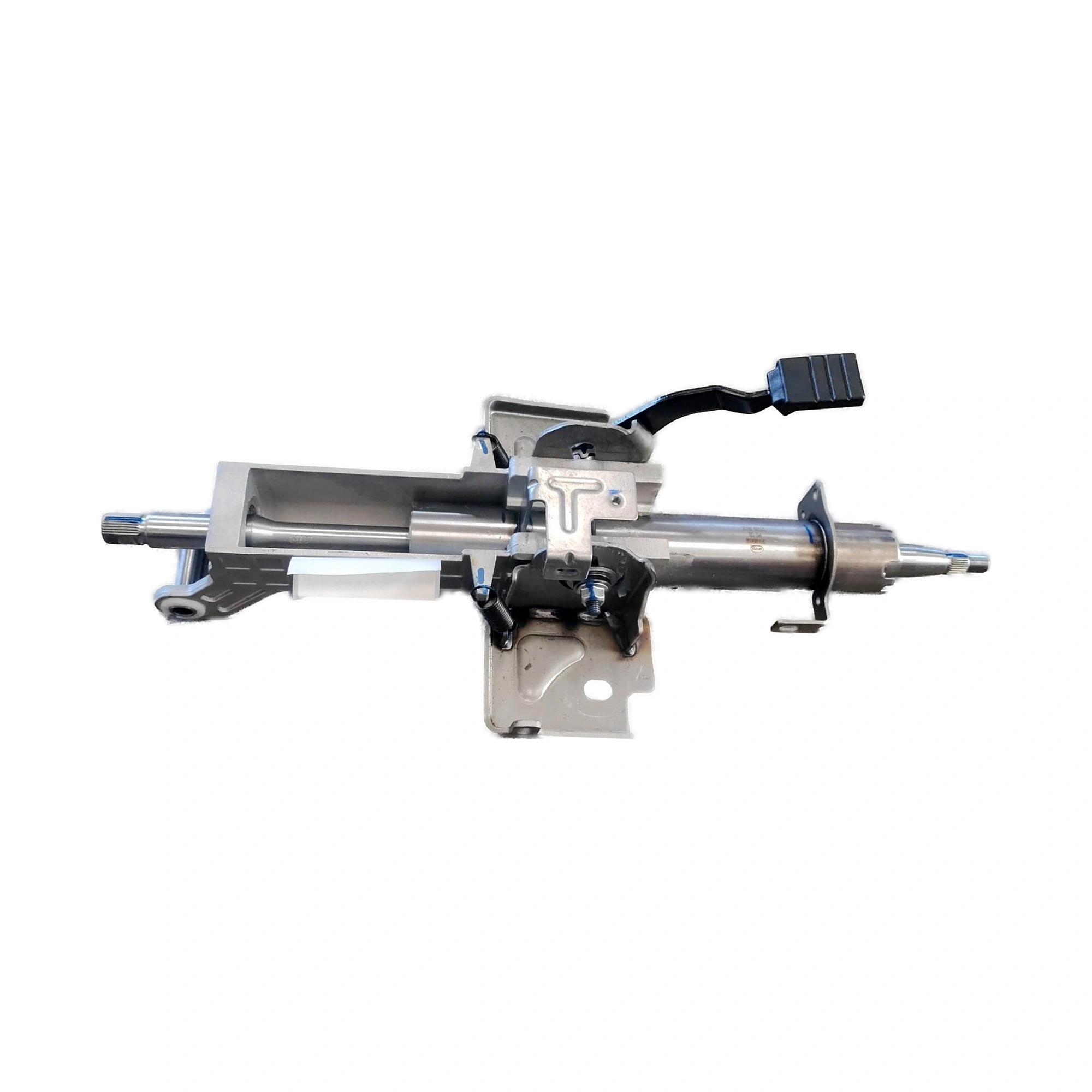
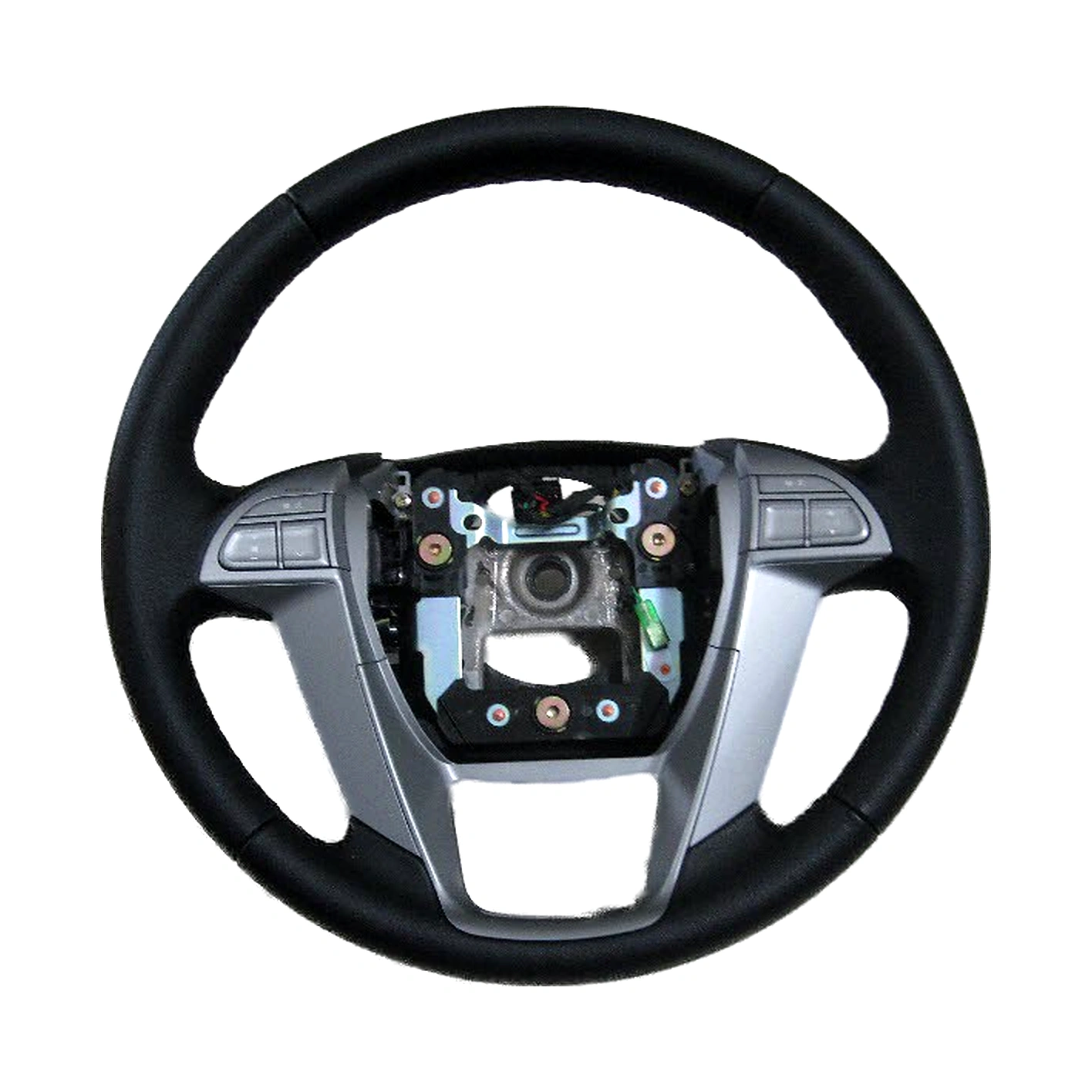
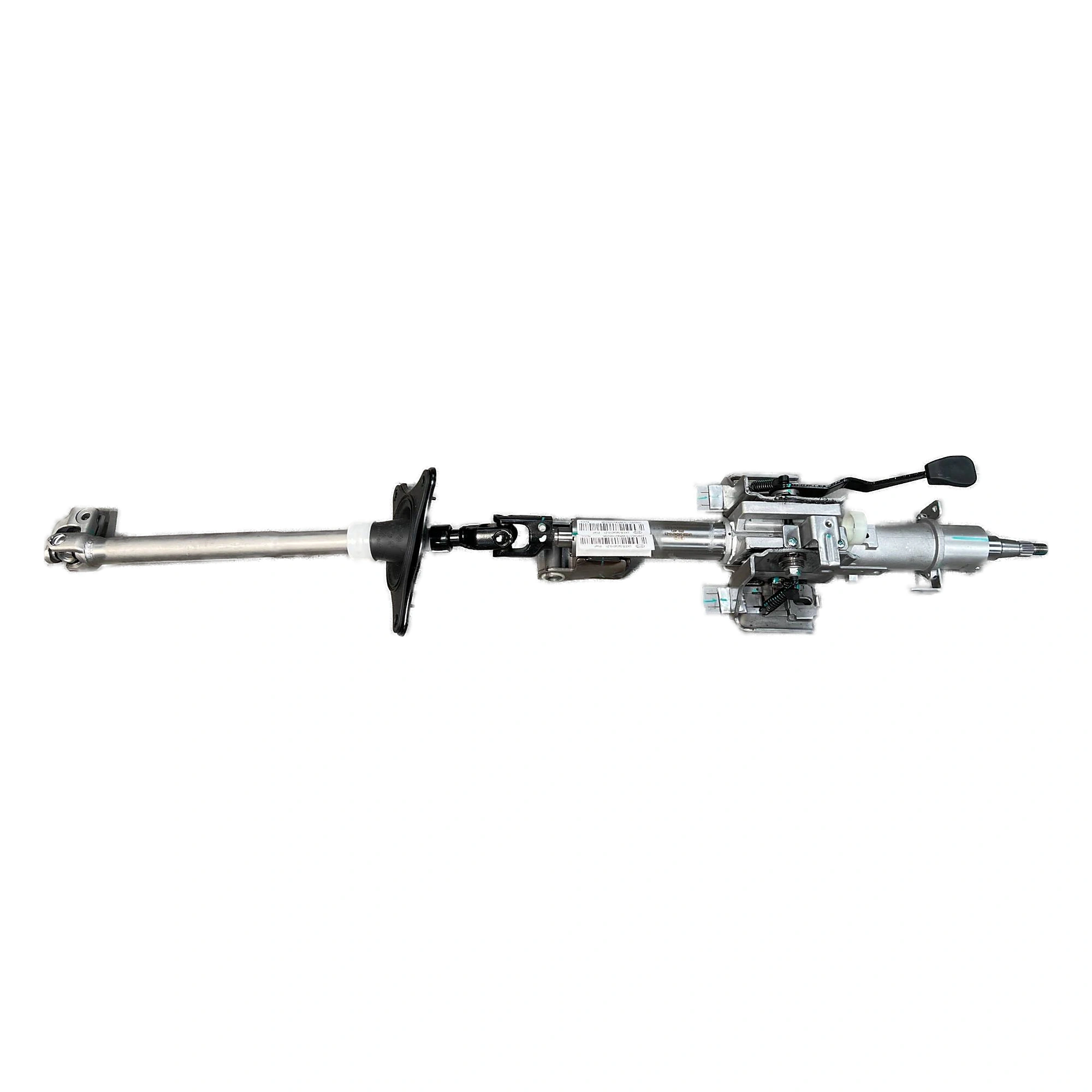
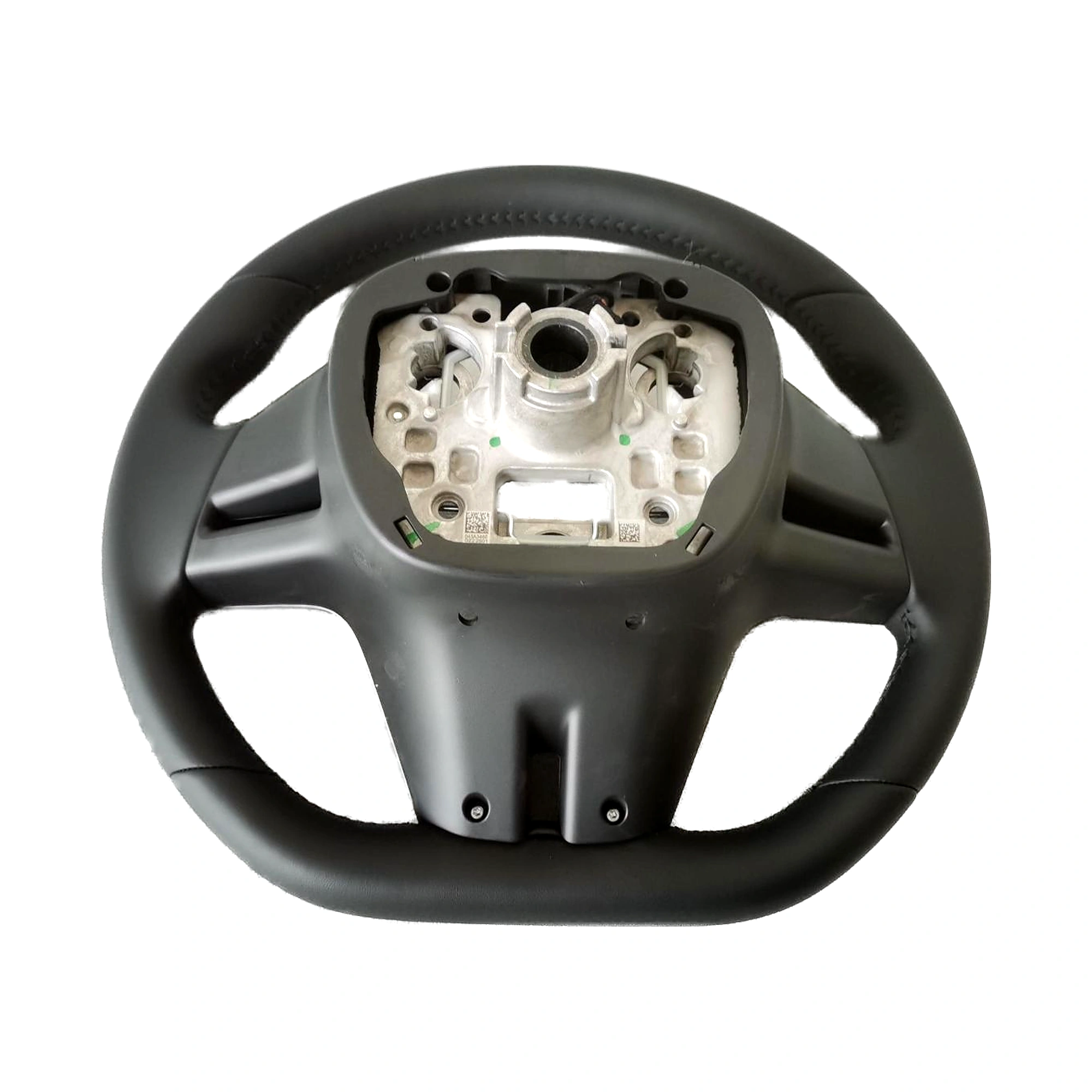
Popular Right Now
scroll for more →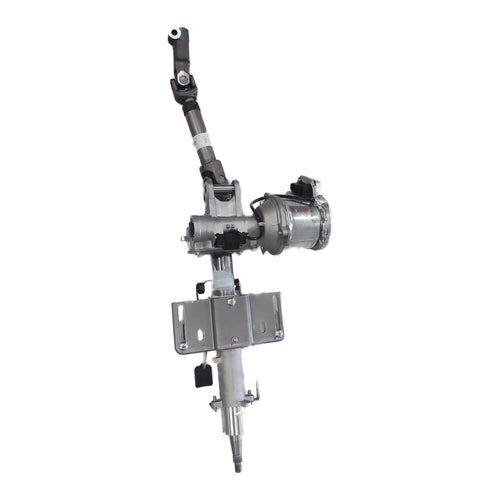
Symptom Finder: What Is Actually Broken?
| What you see or hear | Part to check first |
|---|---|
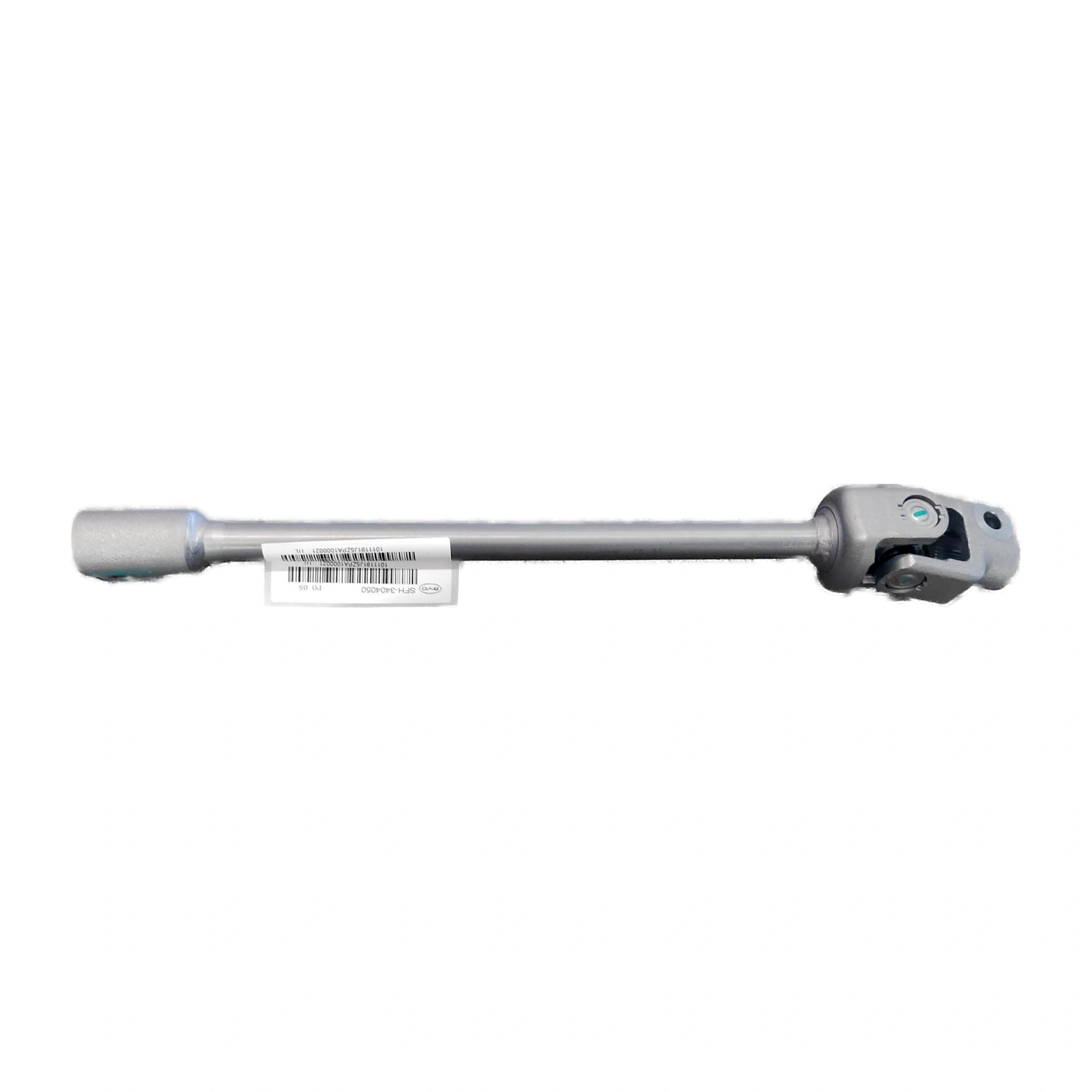
| Clunk or knock through the wheel over bumps | Intermediate shaft universal joint |
| Notchy or gritty feel when turning slowly | Intermediate shaft joint or column bearing |
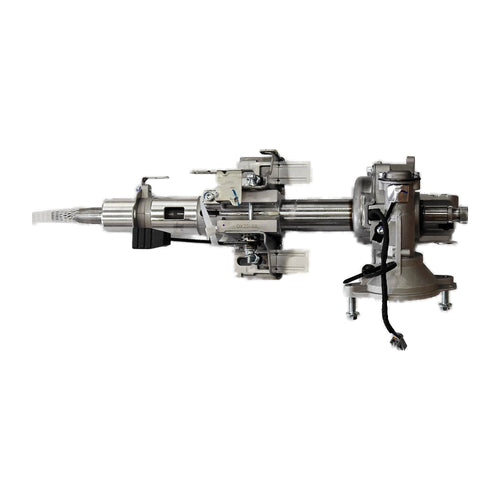
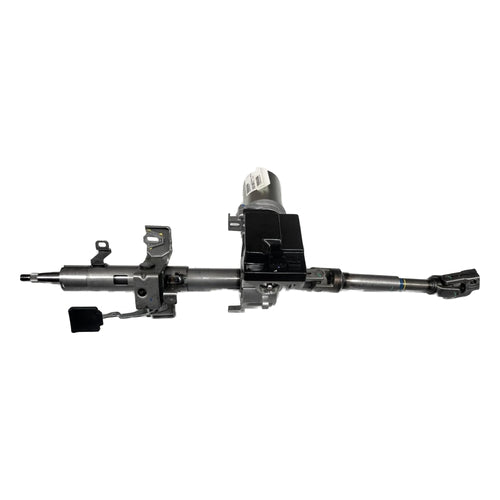
| Column will not hold its reach or rake setting | Steering column assembly |
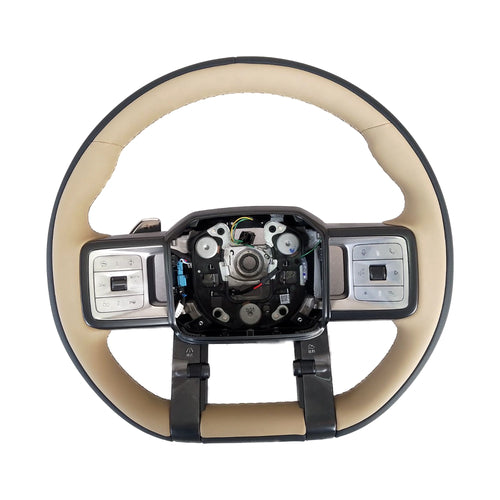
| Worn, split or discoloured rim | Steering wheel assembly |
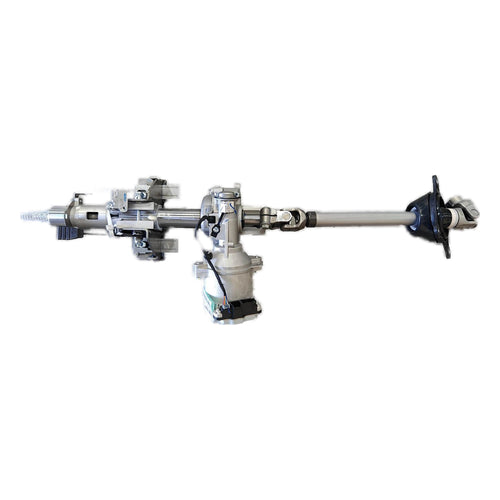
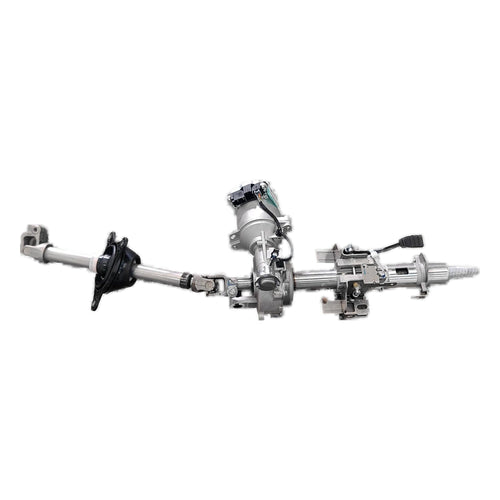
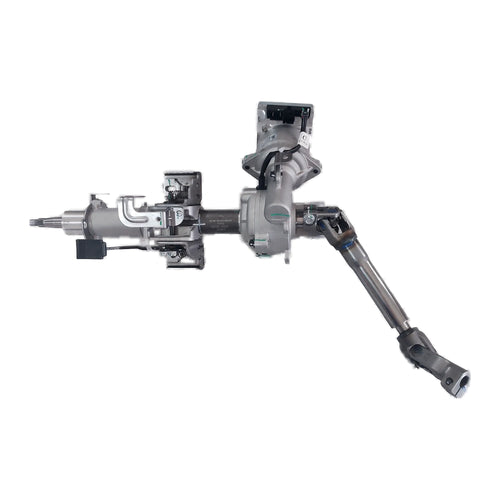
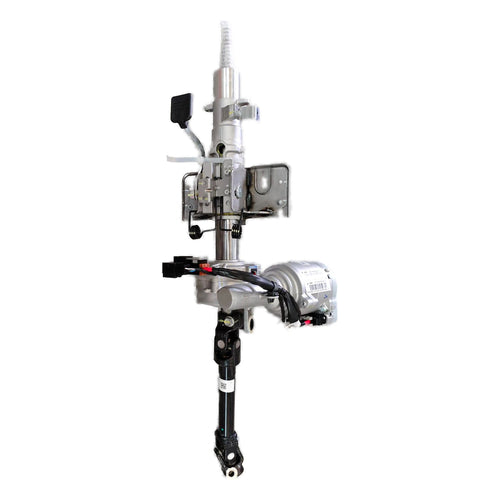
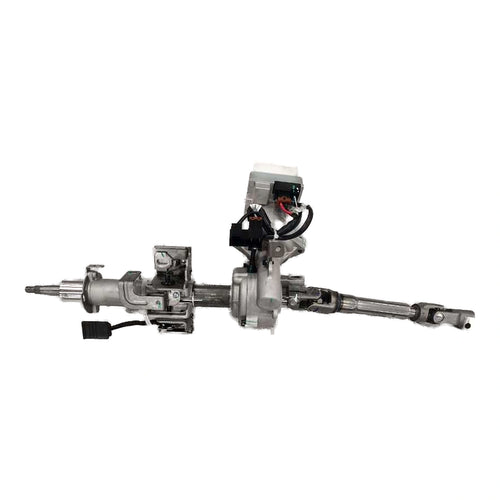
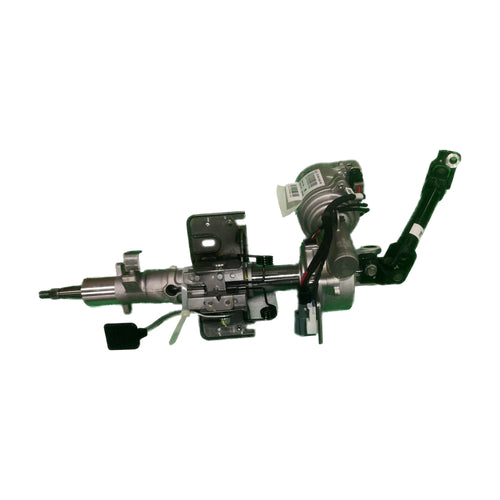
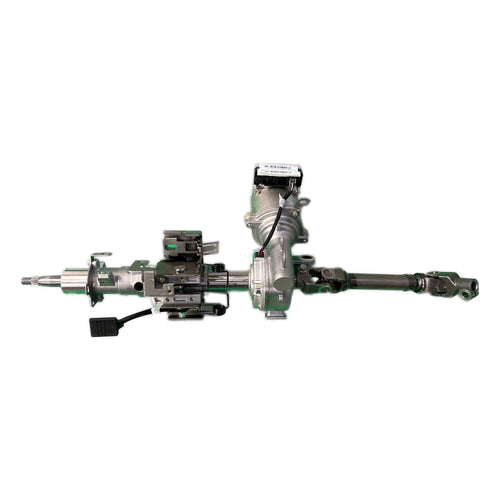
| Heavy steering with a fault stored in the column | Electric power steering column and universal joint |
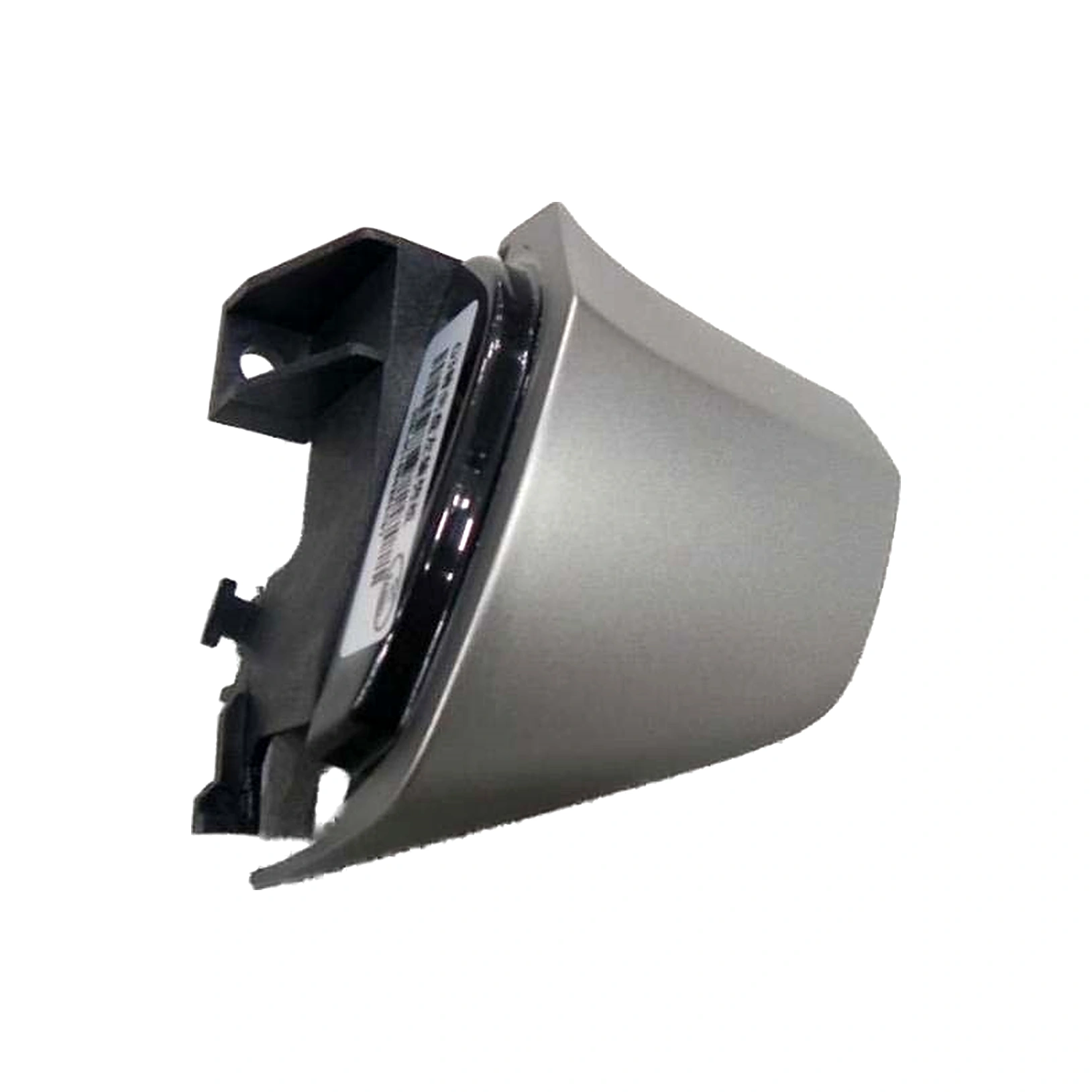
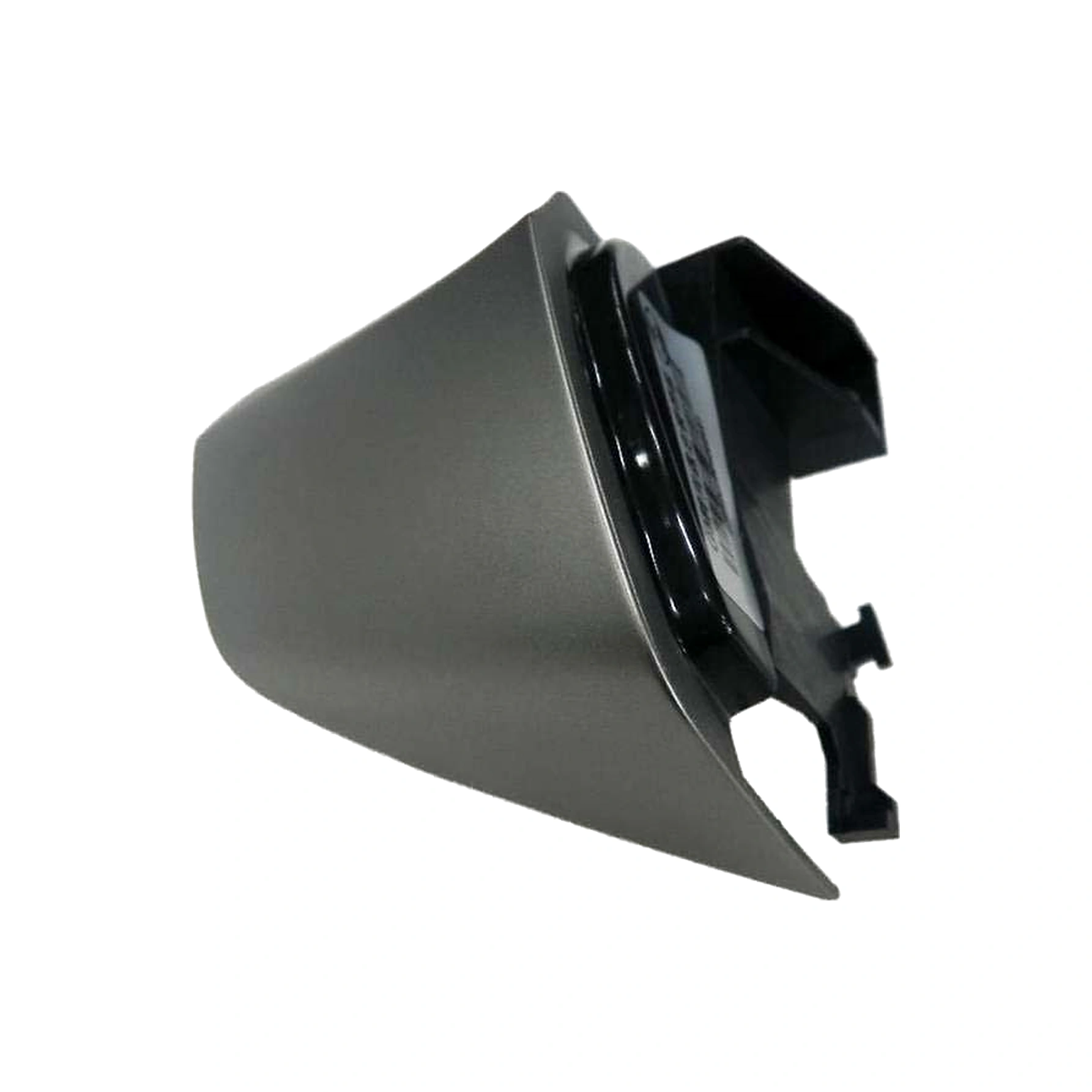
| Loose or missing trim beside the wheel spokes | Steering wheel trim panel or screw cover |
About Steering Column & Wheel
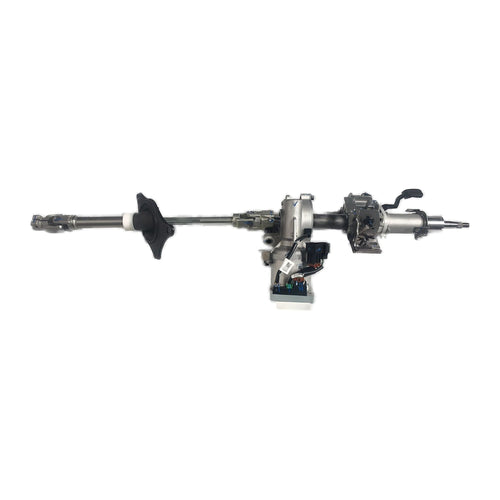
The steering column is one of the few components that is designed to fail. In a frontal impact it must collapse in a controlled way so the wheel does not travel back towards the driver, which is achieved with a telescoping shaft and a deforming bracket, and that is why a column from a vehicle that has been in an accident is never reused. Between the column and the rack runs an intermediate shaft with universal joints at each end, allowing the drive to turn corners around the pedal box and the bulkhead while still transmitting angle faithfully. The wheel itself carries the driver airbag, the horn, the switchgear for cruise and audio, and on many vehicles a heating element and a hands on detection sensor. Electric assistance is frequently built into the column on smaller vehicles, putting the motor, the torque sensor and the controller inside the same assembly you adjust for reach and rake.
What to know before buying Steering Column & Wheel parts
Match the wheel colour name exactly. The rim is the most visible part of the cabin and photographs are unreliable. Steering wheel assemblies appear in plain form and in interior colours. Those include Pure Black 6, Dark Black 5 and Langya Ochre. Steering wheel left and right trim panels and screw covers are listed alongside them.
Treat any column or shaft as a safety component. Match the OE number exactly and never fit one taken from a vehicle that has been in a collision. Observe the restraint precautions before you remove a wheel. The listings run to electric power steering columns with universal joint, steering column assemblies, and columns with universal joint. Intermediate shafts are supplied complete and as upper and lower sections.
Add trim panels and screw covers to a wheel order. They rarely survive removal, and a missing cover is obvious from the driver's seat.
Parts carrying a price can be ordered now. Anything without one is quoted against the same factory number. That is the usual route for wheels in less common interior colours. BYD group models are covered in most detail, and the range grows brand by brand.
Before You Order: 6 Checks
- Match the interior colour name on any steering wheel, since the rim is the most visible surface in the cabin.
- Disconnect the twelve volt supply and allow the restraint capacitor to discharge before removing a wheel.
- Never fit a column or intermediate shaft recovered from a vehicle that has been in a collision.
- Check whether your column has electric assistance built in, since those are separate references.
- Mark the shaft positions before separating joints so the wheel returns to centre.
- Plan a steering angle calibration after any column or shaft replacement.
What Changed and Why
Steering wheels have absorbed a great deal of function in a short time. Hands on detection, now required for lane centring systems in most markets, adds a capacitive sensor or a torque based detection strategy to the rim, and heated rims, illuminated controls and touch sensitive switch panels have followed. Column architecture is changing alongside, with column mounted electric assistance spreading on smaller vehicles and steer by wire reaching production on a small number of models, though a mechanical fallback path remains the regulatory norm.
Steering Column & Wheel: Frequently Asked Questions
There is a clunk through the steering wheel over bumps. What is it?
Usually a worn universal joint in the intermediate shaft. The joint transmits rotation around the bend between the column and the rack, and when its needle rollers wear it develops free play that you feel as a knock through the rim, worst on rough surfaces and when moving the wheel small amounts at low speed. Have somebody rock the wheel while you watch the joints for lost motion. Intermediate shafts are listed here complete and as upper and lower sections.
Can I fit a used steering column?
Not from a vehicle that has been in a collision, and it is often impossible to know. Columns are designed to collapse in a frontal impact, absorbing energy as the shaft telescopes and the bracket deforms, and once that has started, even partially, the column will not perform correctly a second time. Damage is not always visible. Buy the factory reference, and treat this as one of the parts where saving money on an unknown history is a bad trade.
What do I need to know before removing the steering wheel?
Three things. Isolate the restraint system by disconnecting the twelve volt supply and waiting for the capacitor to discharge, because the driver airbag sits in the wheel and its connectors are live otherwise. Centre the wheel and mark its position relative to the shaft before the nut comes off, so it goes back straight. And take care with the clock spring behind it, which must not be rotated while the wheel is off or it will be out of time and can tear on first use.
How do I match my steering wheel colour?
Use the colour name in the listing, since the factory names its interior shades with descriptions such as Pure Black 6 or Langya Ochre rather than numbering them, and screen colours are unreliable for leather and synthetic trim. Confirm the name against your vehicle's build record, which a dealer can read for you. Since the wheel is the most visible surface in the cabin, this is one of the places where getting the colour name right matters most.
My column will not hold its position. Is that repairable?
Look at the clamp mechanism first. Reach and rake adjustment works through a cam and lever arrangement that clamps the column tube, and the usual fault is a worn cam pack or a stretched clamp bolt rather than the whole column. On some designs those parts are available, and on others the column assembly is the only route. Electric adjustment failures are different again and usually trace to the motor or its cable drive. Confirm which mechanism your vehicle has before ordering.
Does replacing a column need calibration afterwards?
On any vehicle with stability control or driver assistance, yes. The steering angle sensor has to be taught where straight ahead is, and on columns carrying integrated electric assistance the control unit needs coding as well. A wheel refitted a spline out will drive with the rim off centre and the stability system working from a false reference, which is worse than it sounds. Plan a scan tool session into the job rather than treating it as optional finishing.
What do column and wheel parts cost?
Screw covers and trim panels are trivial purchases. Intermediate shafts and universal joints are moderate. Steering wheels climb with what is built into them, since heating, paddles, hands on detection and a leather wrap all add cost, and a complete column with its assist motor and control unit is the top of this group. Current figures for the whole category appear in the strip above. Remember the clock spring when you budget, because it is a separate reference and it is the part most often damaged during a wheel change.
Is the airbag included with a steering wheel?
Read the listing, because it varies and the difference is substantial. Most steering wheel assemblies are supplied without the driver airbag module, since that is a separate pyrotechnic part with its own reference, its own colour variants and its own shipping restrictions. Where a listing does include one, expect dangerous goods handling. In practice you usually transfer your existing airbag to the new wheel, which is straightforward once the restraint system is isolated correctly.
Can I fit a steering wheel from a higher specification?
Only if the electrics agree. A wheel from a car with heating, hands on detection, paddle shifts or additional switchgear carries a different connector and expects a body module that understands those inputs, and fitting it commonly produces a wheel where half the buttons do nothing or a permanent fault. The clock spring may also differ in pin count. Match the OE number and the connector, and use the quote form if your reference brings back no result.
What is hands on detection and does it affect the part?
It is the system that confirms a driver is holding the wheel while lane centring is active, implemented either as a capacitive sensor in the rim or through torque measurement at the column. Where the rim carries a sensor, that wheel is a different part number with a different connector, and substituting a plain wheel disables the function and usually sets a fault. If your vehicle warns you to hold the wheel when you let go, assume a sensor is present and match accordingly.
My intermediate shaft feels notchy at low speed.
That is a joint that has lost its grease or begun to corrode internally. Universal joints in the steering path are usually sealed and unserviceable, so once the movement feels gritty rather than smooth the shaft is replaced rather than lubricated. Some designs also include a rubber isolator in the shaft that hardens with age and produces a similar feel. Upper and lower sections are listed separately here, so identify which joint is at fault before ordering the complete shaft.
The part I need shows no price. Can I still order it?
Yes. Steering wheels exist in several materials and colours and columns differ with reach and rake adjustment and with hands on detection, so the less common builds are quoted. Send the number and the interior code. Raise the clock spring question at the same time, because it is a separate reference, it is centred during assembly and it is easily ruined by turning the disconnected wheel. Where the column carries the electric assist motor, treat it as a coded component and confirm what the workshop must do after fitting rather than discovering it on the day.