Steering Rack & Gear
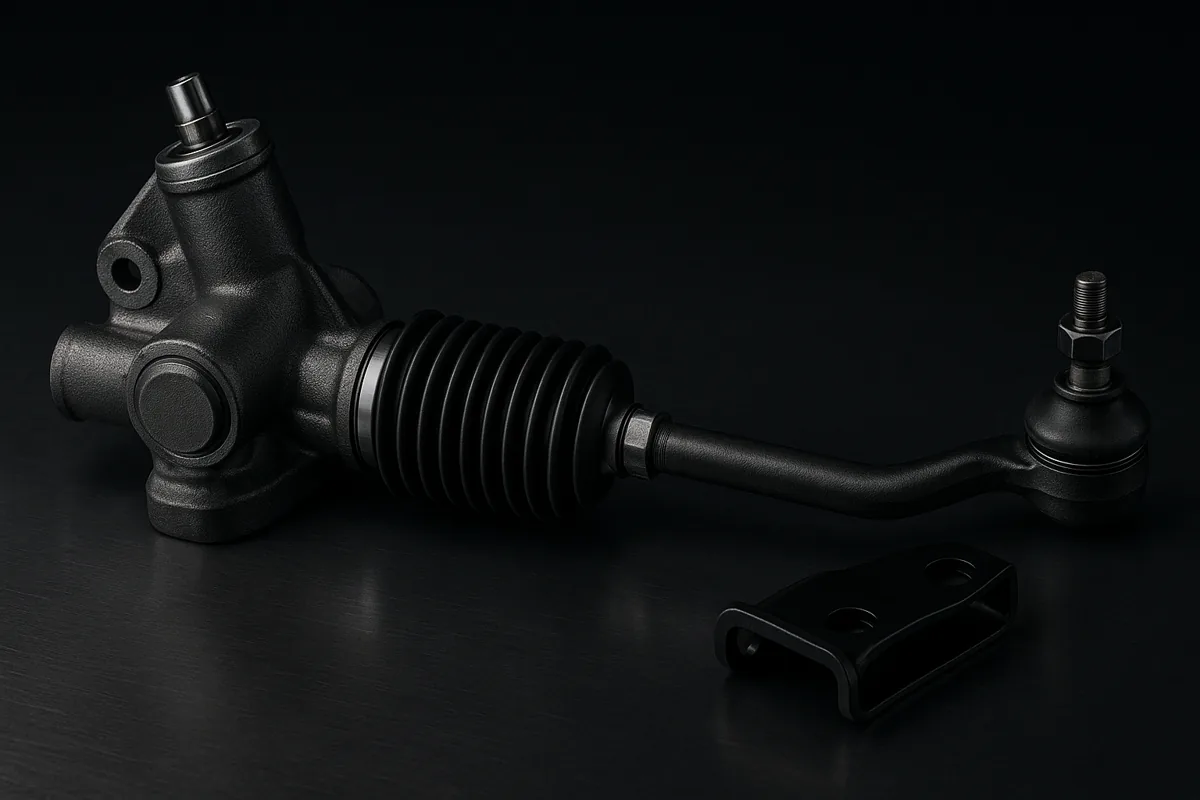
Shop Steering Rack & Gear by Part Type
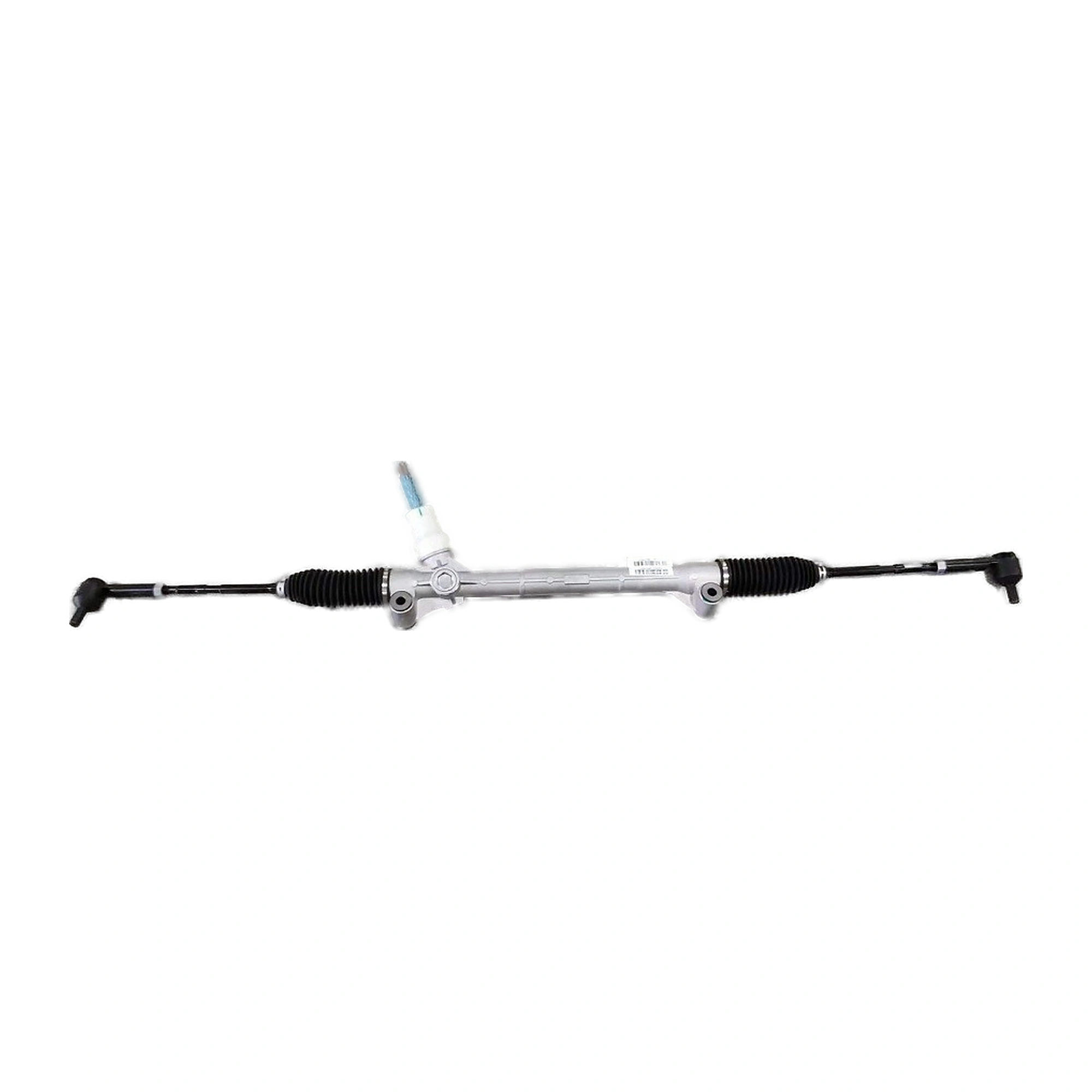
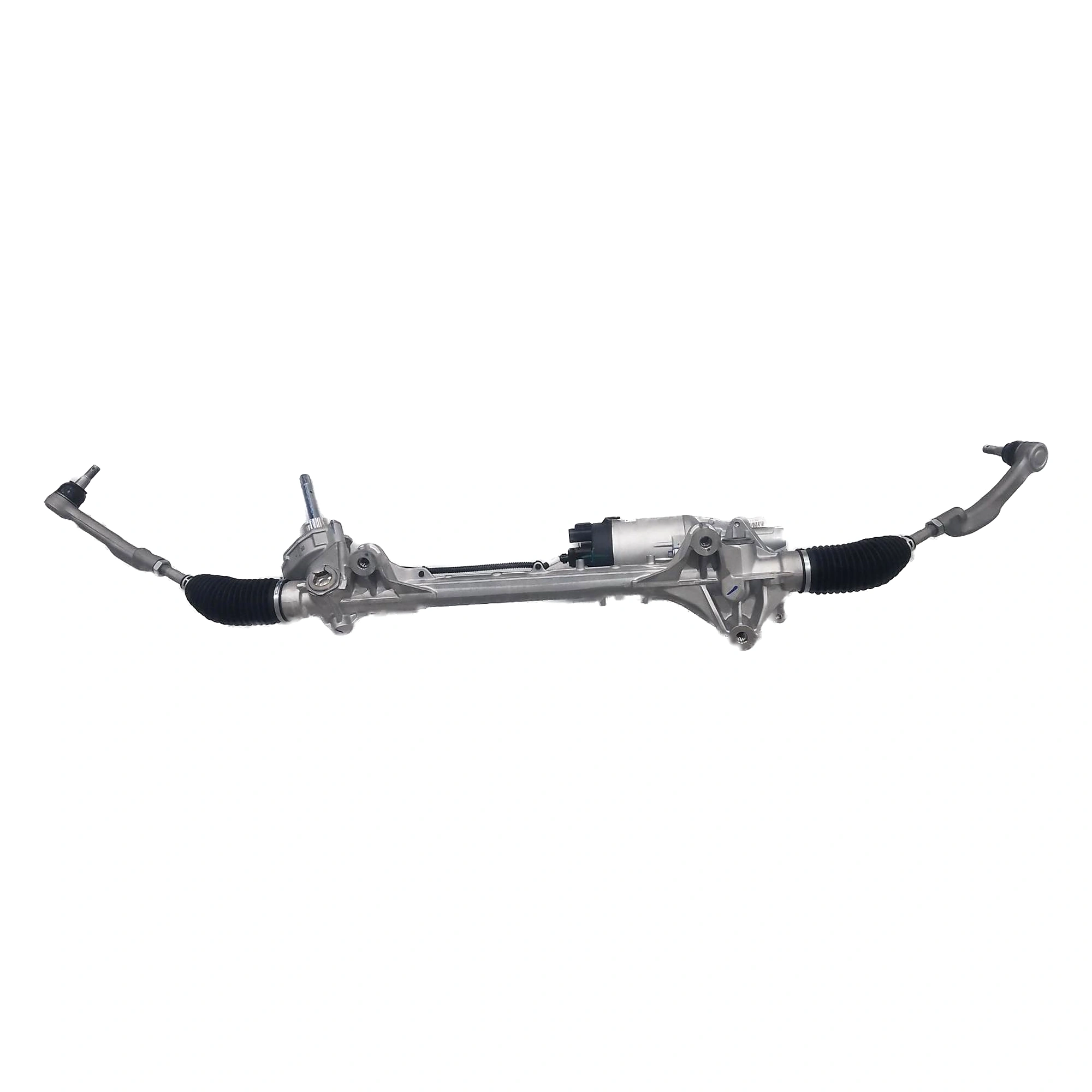
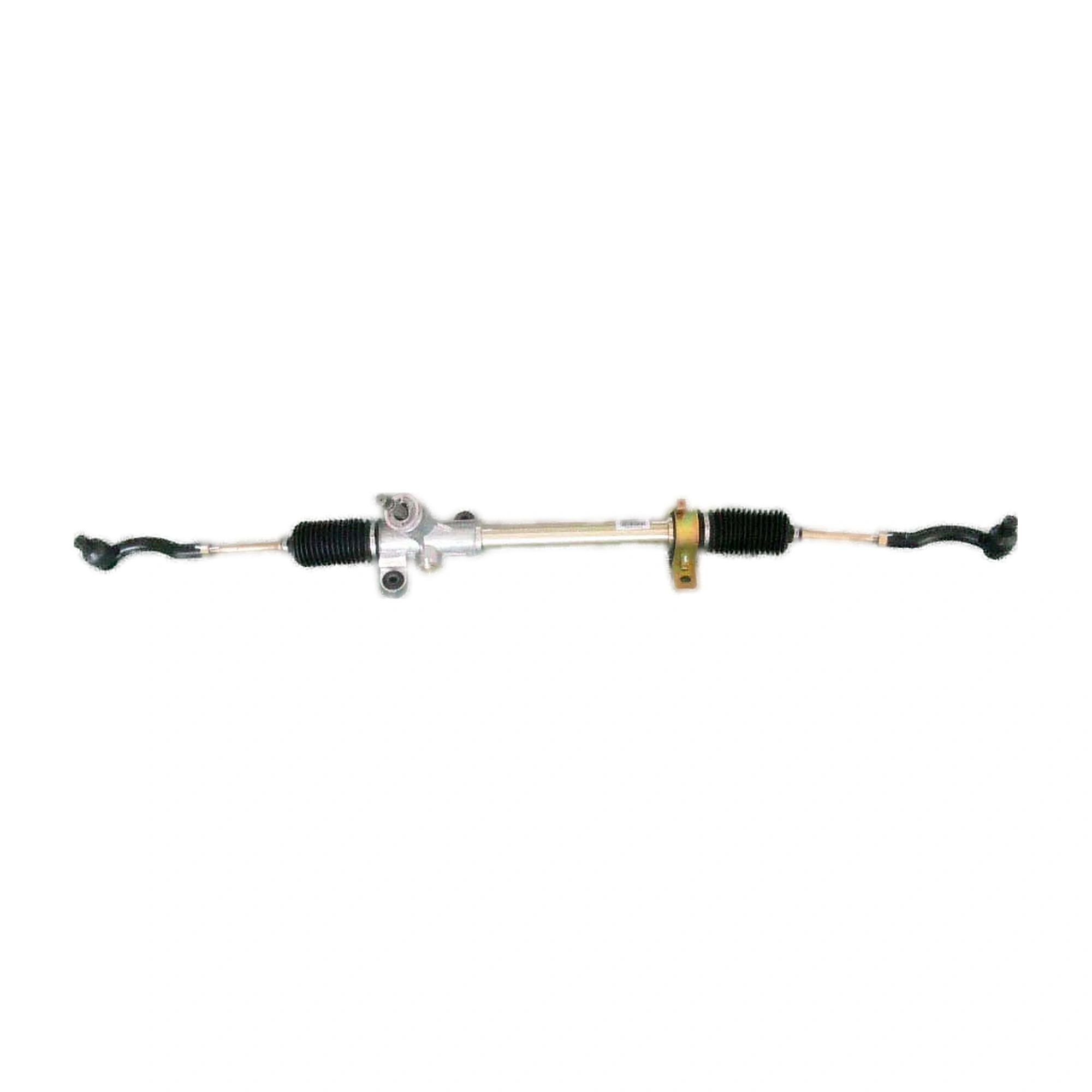
Popular Right Now
scroll for more →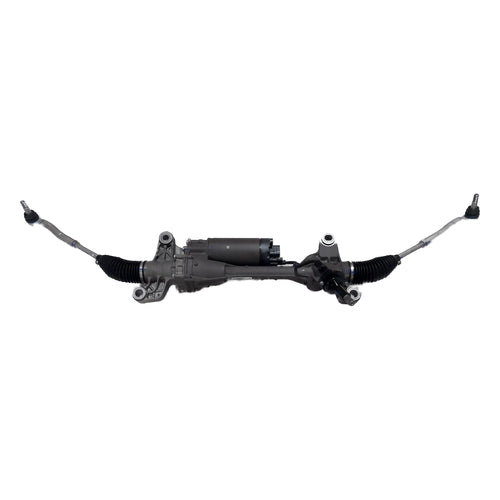
Symptom Finder: What Is Actually Broken?
| What you see or hear | Part to check first |
|---|---|
| Knocking from the front when passing over ridges | Steering rack with worn yoke or mounting brackets |
| Free play at the wheel before the road wheels move | Steering rack or tie rod joints |
| Fluid or grease escaping from a rack gaiter | Steering gear with a failed seal |
| Assistance uneven or absent to one side | Electric power steering rack |
| Steering wheel off centre after an impact | Steering rack or tie rods |
| Rack shifting under load with vague response | Steering rack mounting bracket |
About Steering Rack & Gear
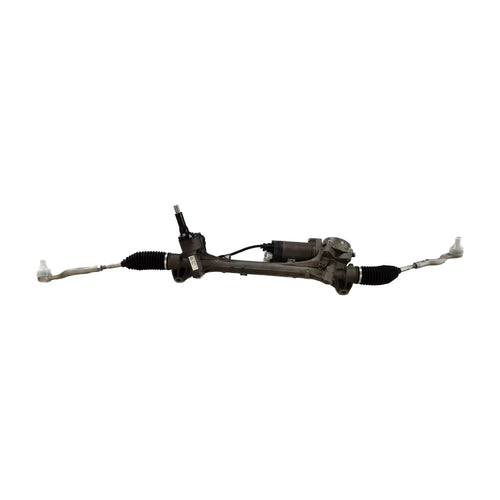
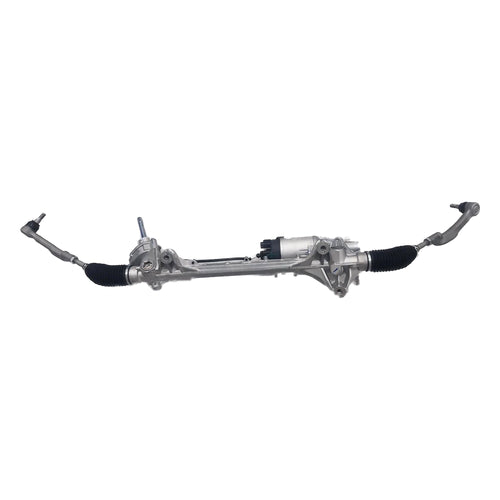
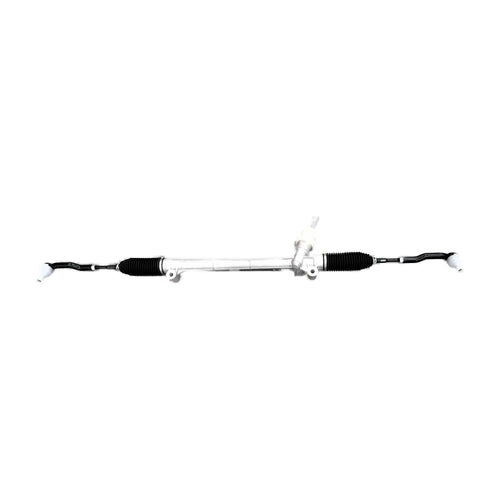
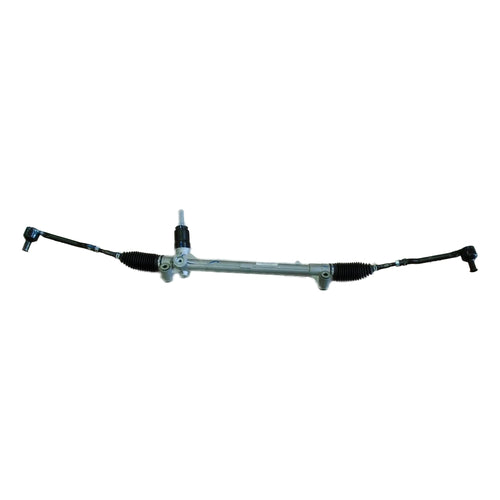
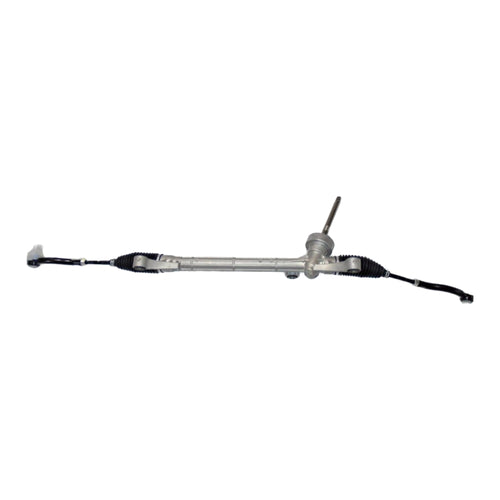
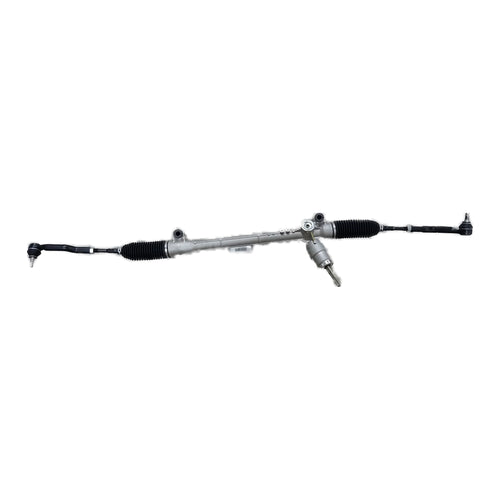
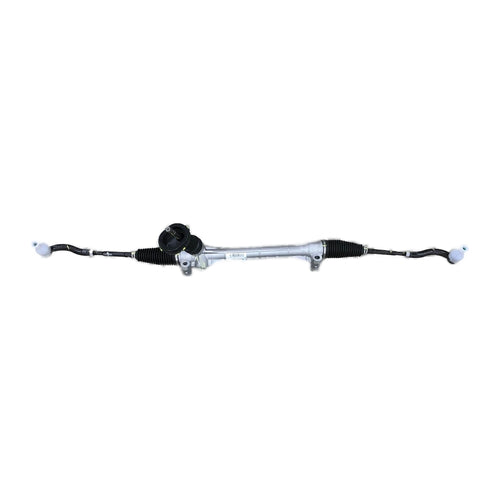
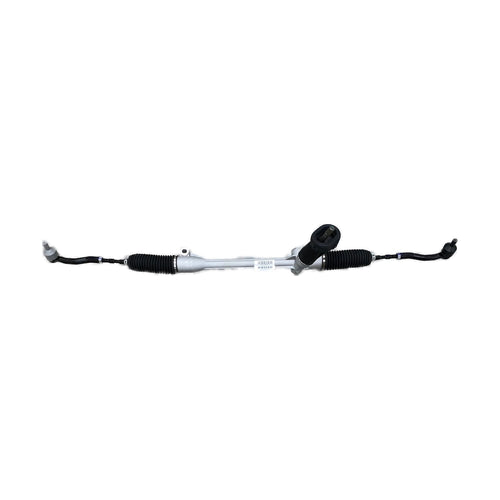
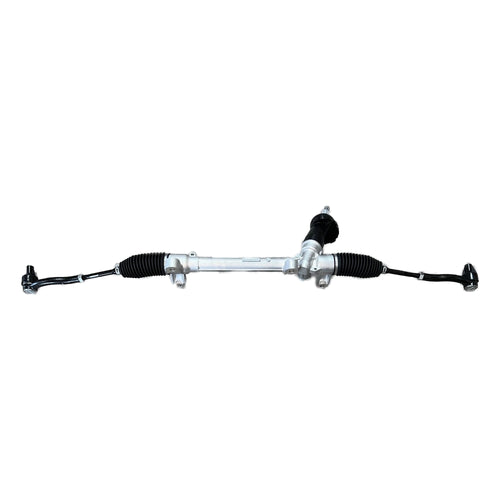
A rack and pinion steering gear is an elegantly simple mechanism. A pinion on the end of the steering shaft meshes with a toothed bar, the rack, running across the car inside a tube, and turning the pinion slides the rack left or right. Tie rods at each end carry that movement to the steering arms on the hubs. The whole assembly is preloaded against a spring loaded yoke that keeps the pinion in mesh without slack, and the ratio can be varied along the rack so the steering is calmer around the straight ahead and quicker on lock. Electric racks add a motor driving through a ball screw or a second pinion, together with the torque sensor and control electronics, which makes the assembly heavier, more capable and considerably more specific to the vehicle. Rubber gaiters at each end retain the lubricant and keep grit out of the rack teeth.
What to know before buying Steering Rack & Gear parts
Match the OE number from your old unit before you order. Ratio, mounting pattern and tie rod length all follow the exact variant. On electric racks, the assistance map and software level do too. These are complete assemblies rather than rebuild parts, so the number decides everything.
The range stays small. It covers electric power steering racks supplied complete with tie rods. It also lists manual steering gears with tie rod and manual steering gear with tie rod assemblies. Mounting brackets locate them on the subframe.
Take the rack with its tie rods. The inner joints are torqued and staked at the factory. The rod lengths are set as a pair. A rack fitted with mismatched rods will never track correctly.
Finish with a full alignment and a steering angle calibration. Priced listings can be ordered from the page. Anything without a price is quoted. We cover the BYD group most fully.
Before You Order: 6 Checks
- Match the OE number exactly, since ratio, mounting pattern and assistance map follow the variant rather than the model.
- Order the rack complete with tie rods where the listing supplies them, rather than transferring old rods.
- Check whether your vehicle uses an electric rack or a manual gear before ordering.
- Count the wheel turns lock to lock on the old unit as a cross check on ratio.
- Book a full four wheel alignment and a steering angle calibration for after the fitting.
- Confirm the mounting bracket and bush condition while the old rack is out.
What Changed and Why
Steering racks have absorbed the assistance hardware rather than sitting downstream of it. Rack mounted and dual pinion electric systems place the motor directly on the gear, which improves feel on heavier vehicles and lets the software apply steering torque of its own for lane centring and parking assistance. That integration has made the rack a coded electronic component: replacement now involves matching the software variant, coding the unit and calibrating the steering angle, rather than simply bolting a mechanical part to a subframe.
Steering Rack & Gear: Frequently Asked Questions
How do I know whether the rack or the tie rods are worn?
Separate the two by where the movement is. With the car raised and safely supported, have somebody rock the steering wheel gently while you hold each tie rod end and inner joint in turn: play you can feel at a joint is that joint. Play you can see at the rack itself, with the rods moving as a unit, is internal wear or a loose mounting. Also check the mounting brackets and bushes, since a rack that shifts under load feels exactly like one that is worn.
Why is the rack supplied with tie rods?
Because the inner joints are part of the rack and setting them is a factory operation. The inner ball joints thread onto the rack ends and are torqued and staked, the rod lengths are set as a matched pair, and the gaiters seal over them. Supplying the assembly complete removes the risk of transferring worn joints onto a new rack or disturbing the staking, and it means the geometry you start the alignment from is correct. It also makes the job considerably quicker.
Does a new rack need an alignment?
Always, without exception. Removing the rack changes the toe setting because the tie rods have to be disconnected and the new assembly will not sit identically, and driving on incorrect toe destroys front tyres in a few hundred miles. Book a full alignment as part of the job rather than as a follow up, and expect a steering angle calibration afterwards so the stability and driver assistance systems know where straight ahead now is.
Can a leaking rack be resealed instead of replaced?
On older hydraulic gears, sometimes, and it is rarely good value once labour is counted, because the rack has to come out either way and a seal kit will not restore a bore that has scored. On electric racks it is not a realistic option, since the assembly is sealed and contains electronics as well as the mechanism. Where grease is escaping from a gaiter on an electric rack, the gaiter has usually torn and let grit in, which means the damage is already done.
My steering wheel sits off centre after a kerb strike. Is the rack bent?
It might be, and check the cheaper possibilities first. A kerb impact commonly bends a tie rod, moves a mounting bracket or distorts a steering arm before it damages the rack itself, and all of those show as an off centre wheel with the car tracking straight. Have the geometry measured on an alignment rig, which reports individual toe at each wheel and will show whether the fault sits on one side. Only if the rack itself is damaged does it need replacing.
Are electric and manual gears interchangeable?
No, and the difference goes far beyond the motor. Mounting patterns, tie rod lengths, ratios and the steering shaft interface all differ, and an electric rack expects a control unit, a supply capable of carrying substantial current and a software configuration that the vehicle can talk to. A manual gear on a car designed for assistance leaves steering effort that most drivers would find unacceptable at parking speeds. Order according to what your vehicle was built with, matched by OE number.
What does a steering rack cost?
Mounting brackets sit at the bottom of the category. Manual steering gears are moderate. Electric power steering racks sit at the top, since each contains a motor, a torque sensor and control electronics alongside the mechanism, and they are among the higher value chassis components on a vehicle. The live minimum and maximum are shown in the band at the top of this page. Budget for alignment and calibration in addition to the part and the fitting time.
Does a replacement electric rack need coding?
Yes on nearly all current vehicles. The unit arrives without the vehicle's configuration and without a learned centre position, so it needs coding to the platform, its software level checked against the rest of the network, and a steering angle calibration performed. Some vehicles require a short calibration drive as well. Confirm your workshop has the diagnostic access before the part is ordered, because an uncoded rack leaves the car with warning lamps and unpredictable assistance.
Can I fit a rack myself?
The mechanical work is achievable with proper support, though it is heavier and more awkward than it looks, usually requiring the subframe to be lowered or the rack to be manoeuvred out through a wheel arch. What makes it a workshop job for most people is what follows: torque figures throughout, a full alignment on a rig, and on electric racks a coding and calibration session. A sensible split is to order the part and have a workshop fit, align and calibrate it.
What is variable ratio steering and does it change the part?
It means the rack teeth are cut with a changing pitch along their length, so the steering is calmer around the straight ahead and quicker as you approach full lock. It is machined into the rack bar and cannot be identified from outside. Because of that, two racks that look identical can behave completely differently, and fitting the wrong one gives a car that steers oddly without any fault code to explain it. Match the OE number rather than the appearance.
My gaiter is torn. Does that mean a new rack?
Not necessarily, and it depends how long it has been torn. The gaiter retains lubricant and keeps grit off the rack teeth and the inner joint, so a tear caught quickly can be repaired by cleaning, regreasing and fitting a new gaiter where one is available separately. A gaiter that has been split for months has usually let enough grit in to wear the teeth and the inner joint, at which point the assembly is the honest answer. Inspect the rack surface before deciding.
The rack I need shows no price. Can I still order it?
Yes. Racks are heavy, they are handed by steering side and the electric versions carry control units that differ by software, so an enquiry is the usual route and the reply covers carriage too. Send the number and the vehicle identification number. Ask what the rack includes before you order. Some arrive complete with inner tie rods and gaiters fitted, others are bare, and the difference changes both the price and the parts list for the job. Whatever you buy, budget for an alignment afterwards, because a rack cannot be swapped without disturbing the toe setting.