BYD Qin Parts
Shop BYD Qin Parts by Category
Popular for the BYD Qin
scroll for more →
Symptom Finder: Known Weak Points
| What you see or hear | Check first |
|---|---|
| Judder when pulling away, or rough gear changes on the plug-in hybrid | The six-speed dry dual-clutch gearbox. Dry clutches wear with use, so inspect the clutch and its actuation before ordering, and match each part by OE number. The EV300 has no clutch. |
| Engine warning light on the plug-in hybrid | Start with the lambda and emission sensors and the boost hoses on the 1.5-litre turbocharged engine. Order each sensor by the OE number on the old unit. |
| Knock or clunk from the rear over bumps | Rear bushes, links and dampers. First find out whether the car has the early non-independent axle or the multi-link rear, because the parts do not cross between them. |
| Rear brake discs rusted or pitted at low mileage | Motor braking leaves the rear discs lightly used, so judge them by their surface rather than mileage. Inspect the discs and caliper slide pins, then order discs and pads by OE number. |
| EV300 will not charge after a front-end knock | The charging sockets in the front bumper beneath the badge, their cover and mountings. Look for physical damage before suspecting the charging system. |
| Surround camera image missing after bumper or mirror repair | The 360-degree camera fitted from the 2017 update and its connector. Reseat the connector first, then order the camera by the OE number on the old unit. |
| A tyre or rim from another Qin does not fit | The launch hybrid runs 205/55 R16 and the EV300 runs 205/50 R17. Read the sidewall on the car and match rims by OE number. |
Most Replaced Parts on the Qin
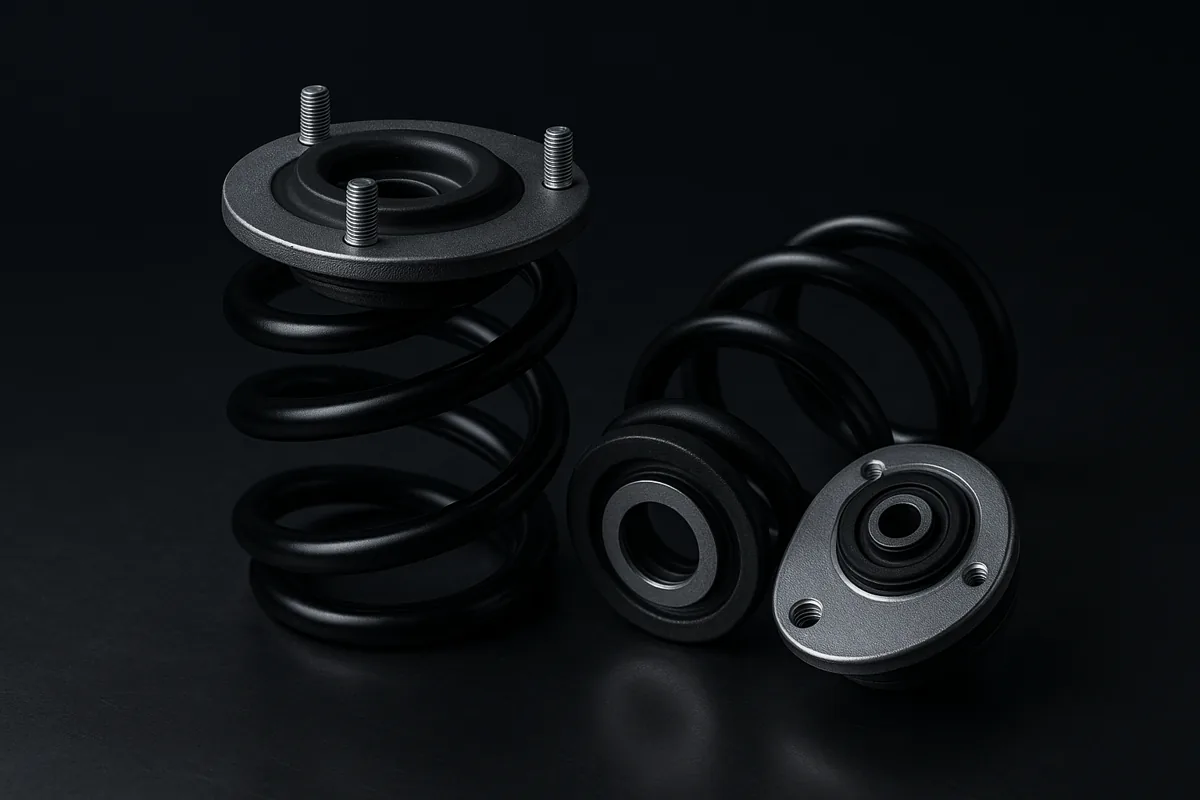
- Springs and top mountsStrut mounts and coil springs under a saloon carrying a heavy battery pack
- Shock absorbers and strutsRear dampers differ between the early beam axle and the later multi-link rear
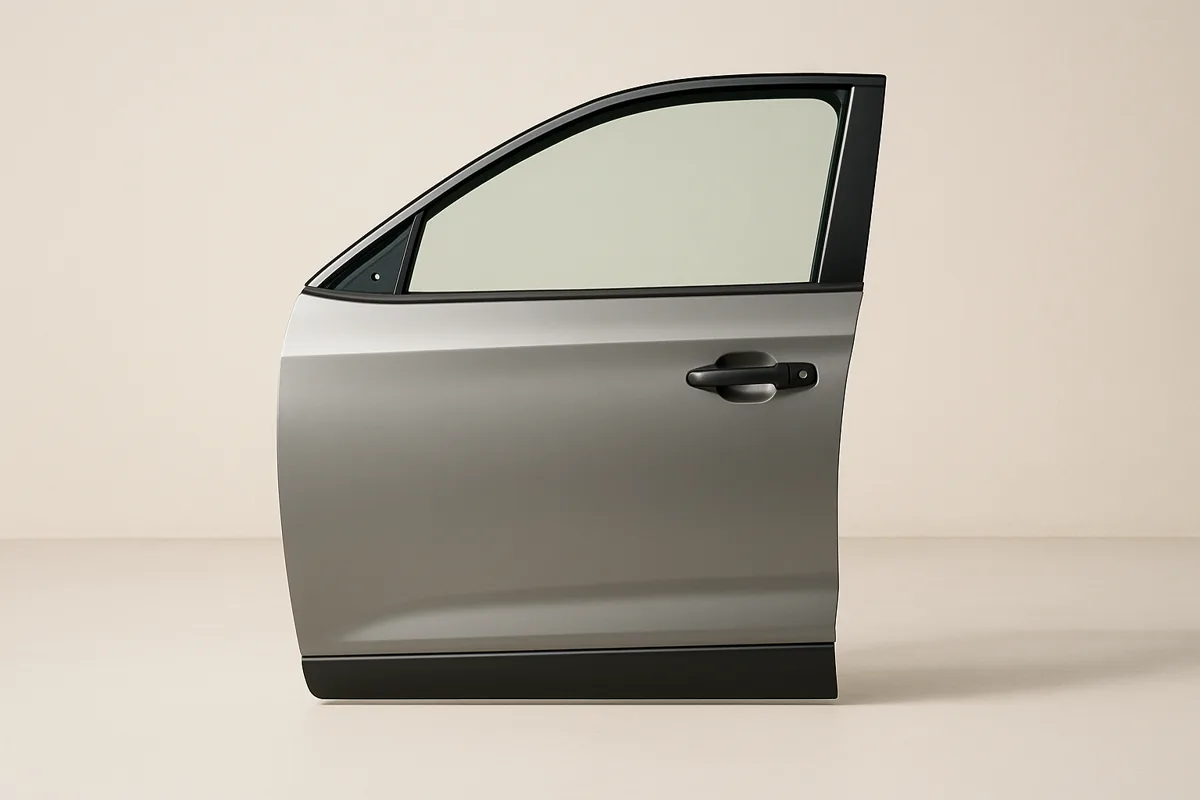
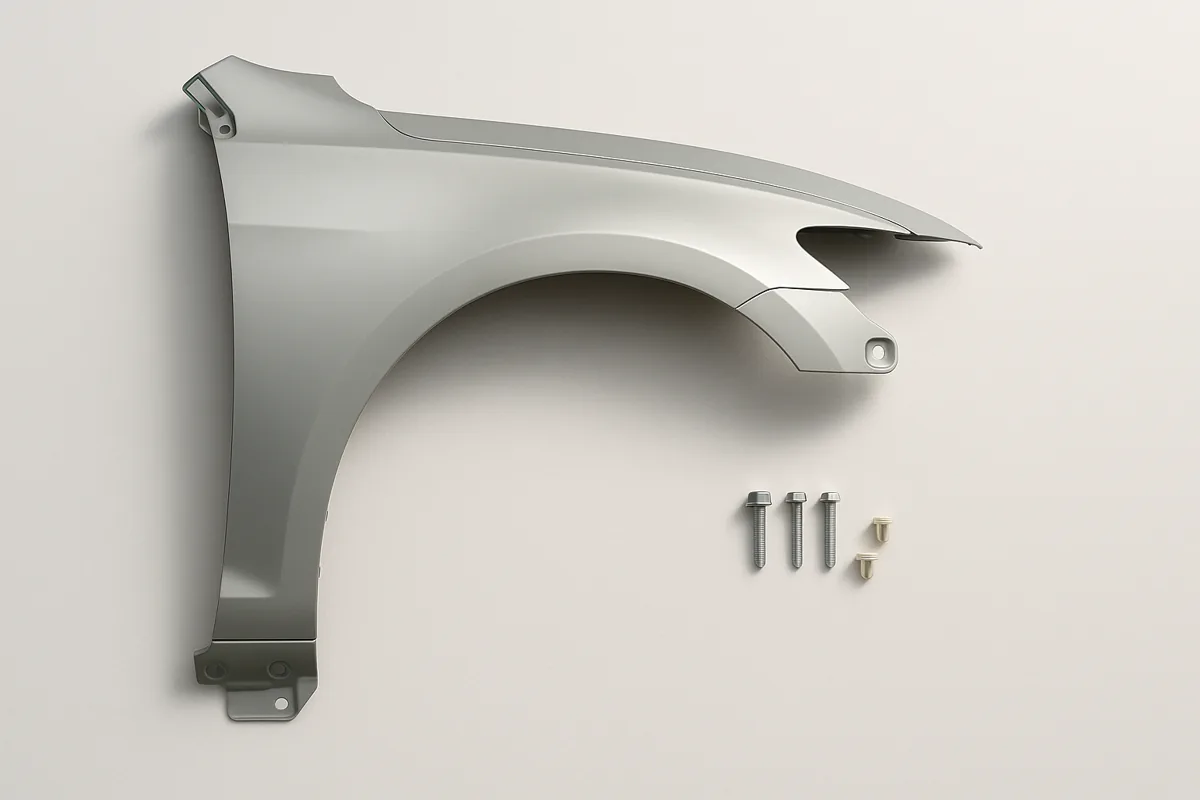
- Door skins, hinges and check strapsDoor hardware on a saloon body in service since 2013
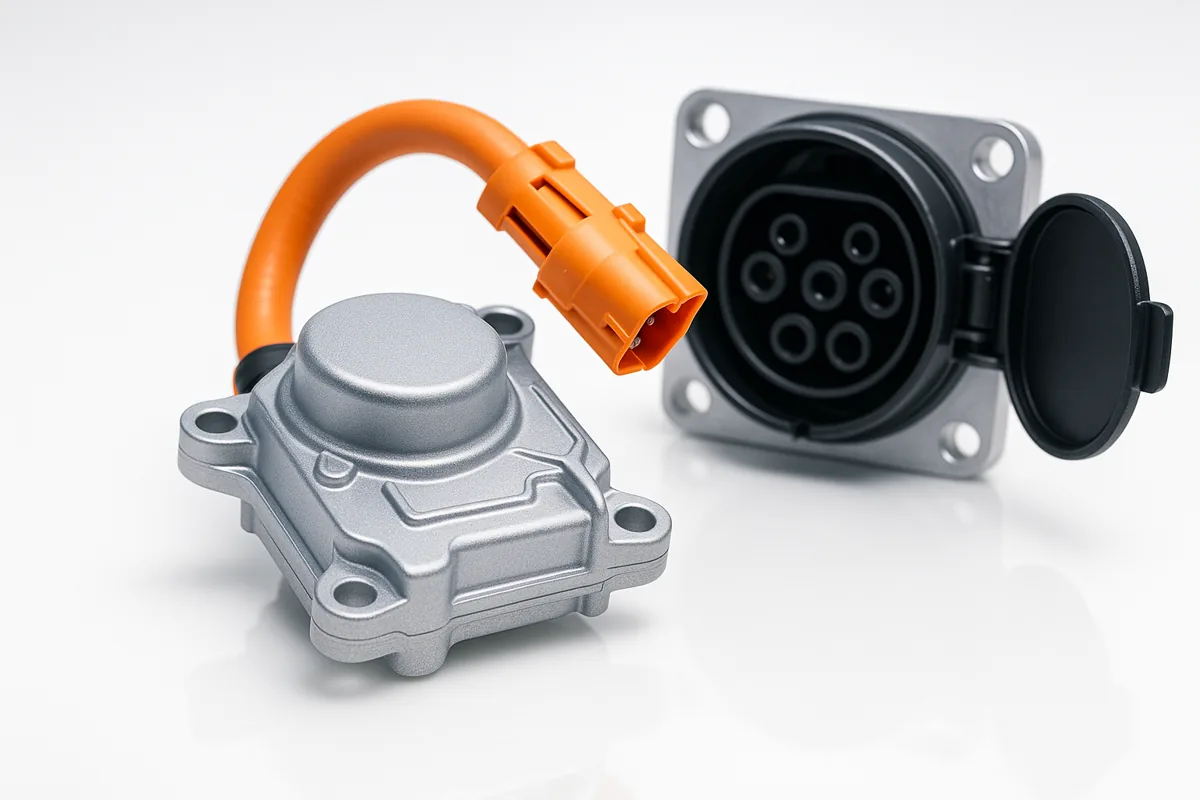
- Charge port and lid partsThe electric car's sockets sit in the front bumper and take front-end knocks
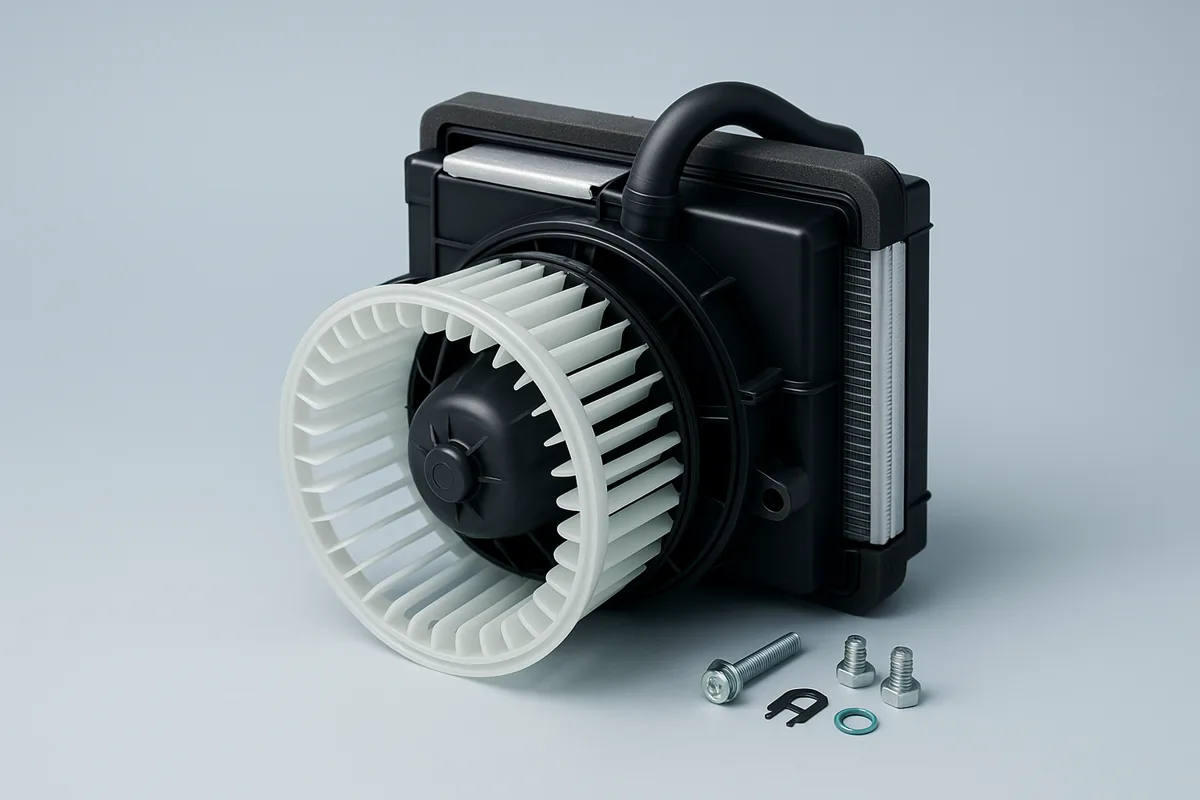
- Evaporator, blower and heater core partsCabin heating and cooling parts, matched by the OE number on the old unit
About BYD Qin Parts
The BYD Qin on this page is the first-generation saloon, on sale in China from December 2013 with a 2,670 mm wheelbase and a 4,740 mm body. Two drivelines share that body. The plug-in hybrid, badged DM, drives the front wheels through a 1.5-litre turbocharged petrol engine, a 110 kW electric motor and a six-speed dry dual-clutch gearbox. The Qin EV300, added in March 2016, has no engine or gearbox. It uses a single 160 kW front motor and a battery of about 47.5 kWh instead. The hybrid therefore needs oil, filters, clutch and emission parts as well as high-voltage hardware, while the EV300 needs only the electric side. The two share the body shell. The hybrid's rear suspension, battery, grille and tail lamps changed in February 2017, so build date matters too. Every part is listed by its OE number, and matching the number on the old part is the surest way to confirm a fit.
What to know before buying BYD Qin parts
Start by making sure the car is a first-generation Qin. The Qin name was later used on the Qin Pro, Qin PLUS and Qin L. Each of those is a separate model with its own body, so do not assume a part listed for one of them fits this car. This car is a saloon with a 2,670 mm wheelbase and an overall length of 4,740 mm. Measuring between the wheel centres settles any doubt.
Next, find out which driveline the car has. The plug-in hybrid has a 1.5-litre turbocharged engine, a 110 kW motor and a six-speed dry dual-clutch gearbox. It has an exhaust pipe and DM badges. The EV300 has a single 160 kW motor, no exhaust, EV badges and blue trim on the grille. Its slow and fast charging sockets sit in the front bumper beneath the badge. Engine, gearbox, exhaust and fuel parts fit the hybrid only. The EV300's battery also sits lower, which gives it 450 litres of boot space against the hybrid's 300. Match boot floor and boot trim parts by OE number.
The rear suspension is the clearest split. Early hybrids use a non-independent rear axle. The EV300 had a multi-link independent rear from launch. The hybrid moved to multi-link with the Qin 100, launched on 27 February 2017. At the same time the front anti-roll bar link moved from the lower arm to the damper. Arms, links, bushes and dampers from one layout do not fit the other.
Battery parts split three ways. The launch hybrid used a 13 kWh lithium iron phosphate pack. The Qin 100 changed to ternary lithium cells, and the EV300 carries a much larger pack of about 47.5 kWh. Modules, pack hardware and battery management parts do not interchange between them.
A few things vary from car to car. The hybrid was launched on 205/55 R16 tyres and the EV300 runs 205/50 R17, so read the sidewall before ordering tyres or rims. The 2017 updates brought a new grille, new tail lamps and, on the Qin 100, a 360-degree camera system. That means lamps, grilles and cameras depend on build date as well as version. Order painted panels by the colour code on the car rather than by colour name. Before ordering suspension, battery, lamp or grille parts, read the build date on the identification plate.
Before You Order: 7 Checks
- If you are unsure the car is a first-generation Qin, measure the wheelbase. It should be 2,670 mm, on a body 4,740 mm long.
- Before ordering any engine, gearbox, exhaust or battery part, check whether the car is the plug-in hybrid or the EV300. An exhaust pipe and DM badges mean the hybrid.
- Match the OE number on the part you are replacing to the OE number on the listing. A matching number is the surest check that a part fits.
- Read the build date on the identification plate before ordering rear suspension parts, anti-roll bar links, battery parts, grilles or tail lamps. The 2017 updates changed them.
- Read the tyre size on the sidewall before ordering tyres or rims. The launch hybrid runs 205/55 R16 and the EV300 runs 205/50 R17.
- Order painted panels by the colour code on the car rather than by colour name.
- After a front bumper repair on an EV300, check the charging sockets and their cover, and order any damaged part by OE number.
Generations and Facelifts
The first-generation Qin followed the F3DM, BYD's first plug-in hybrid, and used the company's second-generation dual-mode system. It was shown as a concept at the Beijing motor show in 2012 and in production form at Shanghai in 2013. It went on sale in Costa Rica in November 2013 and reached Chinese buyers in December 2013. The launch car has a 1.5-litre turbocharged engine and a 110 kW motor driving through a six-speed dry dual-clutch gearbox. It carries a 13 kWh lithium iron phosphate pack good for about 70 km of electric range, runs on 205/55 R16 tyres and uses a non-independent rear axle.
The Qin EV300 was launched on 31 March 2016 on the same body. It swaps the engine and gearbox for a single 160 kW front motor and a pack of about 47.5 kWh rated at 300 km. It also has a multi-link independent rear suspension, 205/50 R17 tyres and charging sockets in the front bumper.
The Qin 100, launched on 27 February 2017, is the update that matters most for hybrid parts. It changed the battery to ternary lithium cells, which raised electric range from 70 km to 100 km. It adopted the multi-link rear suspension and moved the front anti-roll bar link to the damper. It also added a mesh grille, LED light-guide tail lamps and a 360-degree camera system. The 2017 EV300 gained new tail lamps and a revised grille around the same time. The body shape and wheelbase did not change.
Later electric versions on this body carried larger batteries, with a 53.1 kWh lithium iron phosphate pack on 2019 cars. The Qin Pro, Qin PLUS and Qin L that followed are separate models. Before ordering suspension, battery, lamp or grille parts, read the build date on the identification plate.
BYD Qin Parts: Frequently Asked Questions
How do I make sure a part fits my BYD Qin?
Match the OE number. Every part on this site is listed under the OE number printed on the original part. If the number on the part you are replacing matches the listing, the part fits. That check matters on the first-generation Qin because two drivelines, three battery types and two rear suspension layouts share the same body. If the old part is missing or its number is unreadable, send it through the quote form with a photo and we will reply within 24 hours, usually sooner.
Is this the same car as the Qin Pro, Qin PLUS or Qin L?
No. This page covers the first-generation Qin, a saloon with a 2,670 mm wheelbase and a 4,740 mm body, sold from December 2013. The Qin Pro, Qin PLUS and Qin L that followed use the same name, but they are separate models with their own bodies and running gear. Do not assume their parts fit this car. If you are unsure which car you have, measure between the wheel centres, then confirm each part by its OE number.
How can I tell the plug-in hybrid from the Qin EV300?
Look at both ends of the car. The EV300 has blue trim on the grille, EV badges rather than DM badges, and no exhaust pipe. Its charging sockets sit in the front bumper beneath the badge, with the slow and fast connectors side by side. Under the bonnet, the hybrid has a 1.5-litre turbocharged engine and the EV300 has a motor only. Once you know which car you have, order engine, gearbox and battery parts to suit it.
Does the plug-in hybrid share its battery with the EV300?
No. The plug-in hybrid launched with a 13 kWh lithium iron phosphate pack good for about 70 km of electric driving. The Qin 100 of February 2017 changed to ternary lithium cells and raised that to 100 km. The EV300 carries a much larger pack of about 47.5 kWh to reach its rated 300 km. None of these packs, their modules or their management hardware interchange. Read the build date on the identification plate and match every battery part by OE number.
What gearbox does the plug-in hybrid use?
A six-speed dry dual-clutch gearbox, paired with the 1.5-litre turbocharged engine and a 110 kW electric motor. A dry clutch does not run in oil, so the clutch itself wears with use, and judder at low speed is the usual warning sign on this type of gearbox. The EV300 has neither a clutch nor a multi-speed gearbox, so none of these parts apply to it. Before ordering clutch or gearbox parts, confirm the car is the hybrid, then match each part by the OE number on the old unit.
What changed with the Qin 100 in 2017?
The Qin 100 went on sale on 27 February 2017. The battery moved from lithium iron phosphate to ternary lithium cells, raising electric range from 70 km to 100 km. The rear suspension changed to a multi-link independent layout, and the front anti-roll bar link moved from the lower arm to the damper. The car also gained a mesh grille, LED light-guide tail lamps and a 360-degree camera system. Each of these changes splits parts, so read the build date on the identification plate before ordering.
Which rear suspension parts fit my Qin?
It depends on the version and the build date. Early plug-in hybrids use a non-independent rear axle. The EV300 had a multi-link independent rear from launch, and the hybrid adopted multi-link with the Qin 100 of February 2017. Arms, bushes, links and axle parts from one layout will not bolt to the other, and the front anti-roll bar links changed at the same point. Look under the rear of the car or read the build date on the identification plate, then match each part by OE number.
What tyre sizes does the Qin use?
The plug-in hybrid was launched on 205/55 R16 tyres, and the EV300 runs 205/50 R17. The two sizes need different rims, so a wheel from one version will not necessarily suit the other, and wheel designs also changed with the 2017 update. Before ordering tyres, rims or wheel trim, read the size on the sidewall of the tyres already fitted. Then match any rim by its OE number rather than by its appearance.
Does the plug-in hybrid still need oil and filters?
Yes. The hybrid has a 1.5-litre turbocharged petrol engine producing 113 kW, and it drives the wheels alongside the electric motor. It needs engine oil, oil and air filters, spark plugs, and the lambda and emission sensors that any petrol engine has. The dual-clutch gearbox needs servicing of its own as well. Follow the car's service book for the intervals, then order consumables by the OE numbers on the parts you remove.
Where is the charging socket on the EV300?
In the front bumper, beneath the badge, with separate slow and fast charging connectors on either side. That position puts it in the path of minor front-end knocks, so a bumper repair on an EV300 can also need the sockets, their cover and the mountings behind the panel. The fuel filler flap stays on the body but is sealed. Whenever the front bumper is damaged, check the sockets and their cover too, and order each part by the OE number on the old one.
Why are my rear brake discs corroded when the pads are hardly worn?
When a car slows itself with its electric motor, the friction brakes do less work than on a petrol saloon, and the rear brakes do least of all. Both versions of the Qin have rear disc brakes and an electric parking brake. Discs that are rarely used hard can rust and pit before the pads wear down, so judge them by their surface rather than their mileage. Inspect the disc faces and caliper slide pins, then order discs and pads by OE number.
Are the grille and tail lamps the same on every Qin?
No. The Qin 100 of February 2017 brought a new mesh grille and LED light-guide tail lamps. The 2017 EV300 also gained new tail lamps and a revised grille. On top of that, the EV300 has its own blue grille trim and EV badges. Lamps, grilles and the trim around them therefore depend on both the version and the build date. Read the build date on the identification plate, then match every lamp by the OE number on its housing.