BYD SuRui Parts
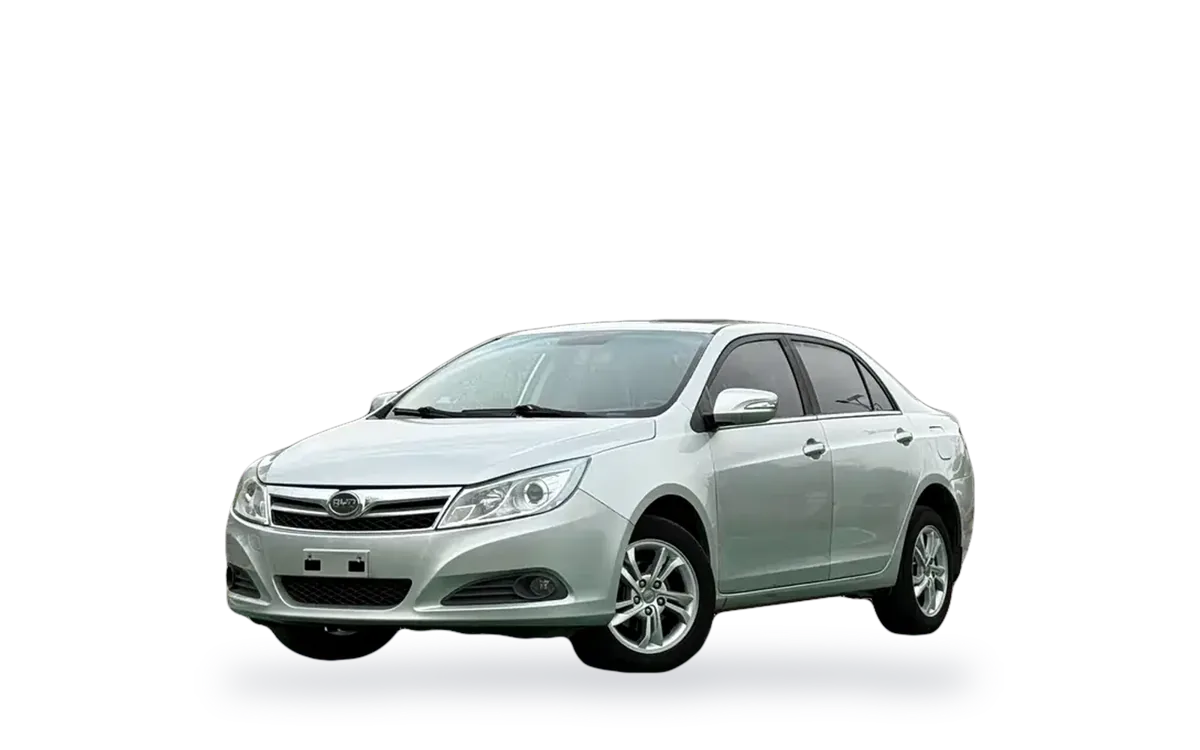
Shop BYD SuRui Parts by Category
Popular for the BYD SuRui
scroll for more →
Symptom Finder: Known Weak Points
| What you see or hear | Check first |
|---|---|
| Parking brake warning, or the brake will not release, on a turbo dual-clutch car | The electronic parking brake switch and the rear calipers that carry the parking brake. Confirm the car has the electronic system, then order the caliper by side and OE number. |
| Heavy steering or a whine when turning on a naturally aspirated car | The hydraulic power steering: fluid level, pump, hoses and any leak at the rack. These parts do not suit the electrically steered turbo car. |
| Jerky pull-away or harsh gear changes on a dual-clutch car | The clutch and its control parts. Both engines were offered with a dual-clutch gearbox, so confirm the engine before ordering, then match by OE number. |
| Loss of power or an engine warning on a turbo car | Boost hoses, intercooler pipes and pressure sensors first, then the high-pressure fuel pump and injectors. These belong only to the BYD476ZQA turbo engine. |
| A replacement headlight or bumper does not line up | The build date. Cars from the March 2015 facelift have different headlights, with LED daytime running lights, and different bumpers and grille. |
| Tyre pressure or parking camera warning after a knock or tyre change | The tyre pressure sensors in the wheels and, on flagship facelift cars, the 360-degree cameras in the mirrors and bumpers. Order each by the OE number on the old unit. |
| Falling coolant level or a rising temperature gauge | Coolant pump, thermostat and hoses. The two engines use different cooling parts, so confirm which engine is fitted before ordering. |
Most Replaced Parts on the SuRui
- Body fasteners, clips and adhesivesClips and fixings that break when bumpers, lights and trim are removed
- Power steering pump and assistance partsHydraulic on the naturally aspirated cars, electric on the turbo dual-clutch car, so check first
- Timing drive componentsThe turbo and naturally aspirated engines differ, so confirm the engine before ordering
- Springs and top mountsStruts at the front and a torsion beam at the rear, ordered by axle and side
- Coolant pump and thermostat partsCooling parts follow the engine, so check which of the two is fitted
About BYD SuRui Parts
The BYD SuRui is a five-seat, front-wheel-drive saloon that went on sale in China on 21 August 2012, after a first showing at the Beijing motor show that April. It is larger than the F3 it was sold alongside, at 4,680 mm long on a 2,660 mm wheelbase, and it uses MacPherson struts at the front and a torsion beam at the rear. Early cars came with a choice of a 1.5-litre naturally aspirated engine or a 1.5-litre turbocharged direct-injection engine, and the turbo car with the dual-clutch gearbox also brought electric power steering and an electronic parking brake. The March 2015 facelift dropped the turbo altogether. For parts, that means two engines, two steering systems and two parking brakes behind one badge, so the version matters as much as the year. Every part on this page is listed by its OE number, and that number on the old part is the surest fitment check.
What to know before buying BYD SuRui parts
Start by working out which SuRui you have, because the two engines came with different hardware. Early cars were offered with a 1.5-litre naturally aspirated engine, rated at 80 kW and 145 Nm, or the BYD476ZQA 1.5-litre turbo with direct injection, rated at 113 kW and 240 Nm. The turbo dual-clutch car, sold as the 1.5TID, steers with electric power assistance and has an electronic parking brake. The naturally aspirated cars steer through a hydraulic system and use a lever handbrake. The badge and gear lever are not enough to go on, so look at the car itself. A parking brake switch on the console instead of a lever marks the electronic system, and a power steering fluid reservoir under the bonnet marks the hydraulic one.
Those two differences decide a lot of orders. A steering rack, column, pump or fluid for the hydraulic car will not suit the electric one. The rear calipers also differ between the electronic parking brake and the cable handbrake, so match them to the system fitted. Engine parts split the same way. The high-pressure fuel pump, injectors and turbo hardware belong only to the BYD476ZQA, while the naturally aspirated cars use a different engine with its own timing, cooling and ignition parts.
March 2015 is the other date to fix. The facelift changed the grille, the headlights, which gained built-in LED daytime running lights, the tail lights, both bumpers and the dashboard. It also dropped the turbo engine, so every facelift car is naturally aspirated, with a five-speed manual or a six-speed dual-clutch gearbox. Length, width, height and wheelbase did not change. Bumpers, lights, grille and dashboard parts did, so read the build date on the identification plate before ordering anything for the front or rear of the car or the cabin trim.
A few details vary from car to car. The 1.5TID runs 205/55 R16 tyres and carries a full-size spare, but some SuRuis run on 15-inch wheels, so read the size on the tyre sidewall before ordering tyres or rims. Upper facelift trims gained heated, power-folding mirrors, and the flagship added 360-degree cameras and tyre pressure monitoring, so a mirror or bumper repair can need cameras or sensors as well as the panel. Order painted panels by the colour code on the car rather than by colour name.
Finally, the first BYD Qin plug-in hybrid and the e5 electric car were built on the SuRui's body but have entirely different drive hardware. Treat a body part listed for either car as a match only when its OE number agrees with the part you are replacing.
Before You Order: 7 Checks
- Look at the centre console before ordering rear calipers or parking brake parts. A switch means an electronic parking brake and a lever means a cable handbrake, so order for the system fitted.
- Check under the bonnet for a power steering fluid reservoir before ordering a rack, column or pump, then order hydraulic or electric steering parts to match.
- Read the build date on the identification plate before ordering bumpers, lights, grille or dashboard parts, since the March 2015 facelift changed all of them.
- Confirm whether the car has the turbo or the naturally aspirated engine before ordering fuel, timing or cooling parts, and order direct-injection and turbo parts only for the turbo engine.
- Read the tyre size on the sidewall before ordering tyres or rims, since not every SuRui runs the 205/55 R16 size.
- Order painted panels by the colour code on the car rather than by colour name.
- Match the OE number on the part you are replacing to the OE number on the listing before you order.
Generations and Facelifts
The SuRui began as a bigger companion to the BYD F3, the smaller saloon BYD had built since 2005. It was first shown at the Beijing motor show in April 2012, sold alongside the F3 rather than replacing it, and measured about 150 mm longer and 60 mm wider than the older car. Sales began on 21 August 2012 with two 1.5-litre engines, naturally aspirated or turbocharged with direct injection. The turbo dual-clutch car, the 1.5TID, came with electric power steering, an electronic parking brake, 205/55 R16 tyres and a full-size spare. The top turbo versions also offered a remote-driving key that could move the car forwards, backwards, left and right from up to 10 metres away, at no more than 2 km/h.
The same body was later used for the first BYD Qin plug-in hybrid and the BYD e5 electric car. Those cars share the shape but not the engine, gearbox or drive parts.
In March 2015 BYD launched a facelift. It brought a new chrome grille in the brand's double wing style, headlights with LED daytime running lights, new tail lights, new bumpers and a new dashboard. The turbo engine was dropped, leaving the BYD473QE naturally aspirated 1.5-litre with a five-speed manual or a six-speed dual-clutch gearbox. Cruise control became standard, upper trims gained heated power-folding mirrors, and the flagship gained 360-degree cameras and tyre pressure monitoring. The car stayed 4,680 mm long, 1,765 mm wide and 1,490 mm high on a 2,660 mm wheelbase, and no later facelift followed.
For parts, the 2015 facelift is the line that matters. Bumpers, lights, grille and dashboard parts differ either side of it, and turbo, direct-injection, electric steering and electronic parking brake parts belong only to the earlier cars. Read the build date on the identification plate, and match every part by its OE number.
BYD SuRui Parts: Frequently Asked Questions
How do I make sure a part fits my BYD SuRui?
Match the OE number. Every part on this site is listed under the OE number printed on the original part, and if the number on the part you are replacing matches the listing, the part fits. That check matters on the SuRui because two engines, two steering systems and two parking brakes were sold under one name, and the 2015 facelift changed the front and rear of the car. If the old part is missing or its number is unreadable, send the details through the quote form and we will reply within 24 hours, usually sooner.
Does my SuRui have electric or hydraulic power steering?
It depends on the version. The 1.5TID, the turbo car with the dual-clutch gearbox, uses electric power steering. The naturally aspirated cars use a hydraulic system with an engine-driven pump. The quickest check is under the bonnet: a power steering fluid reservoir means a hydraulic car, and no reservoir points to an electric one. Racks, columns, pumps and hoses do not cross between the two systems, so make that check first, then order by the OE number on the old part.
Does my SuRui have an electronic parking brake or a handbrake lever?
The 1.5TID turbo dual-clutch car has an electronic parking brake, worked by a switch on the console. The naturally aspirated cars use a conventional lever handbrake with cables to the rear brakes. Look at the console before ordering anything for the rear brakes. The rear calipers differ between the two systems, and cables and levers only suit the manual handbrake. Once you know which system is fitted, order the caliper for the correct side and match it by the OE number on the old one.
How can I tell a facelift SuRui from an earlier car?
Look at the front. The facelift launched in March 2015 brought a new chrome grille, headlights with built-in LED daytime running lights, new bumpers front and rear, new tail lights and a new dashboard. Every facelift car has the naturally aspirated 1.5-litre engine, so a turbo car is always an early one. The overall size did not change, so measuring the car will not help. If you are unsure, read the build date on the identification plate, then order lights, bumpers and dashboard parts to suit.
Which engine does my SuRui have?
Early cars were built with one of two 1.5-litre engines. The naturally aspirated engine produces 80 kW and 145 Nm. The BYD476ZQA turbo has direct injection and produces 113 kW and 240 Nm. From the March 2015 facelift, every SuRui has the BYD473QE naturally aspirated engine. The engine decides the fuel system, timing, cooling and many sensor parts, and the high-pressure fuel pump, injectors and turbo hardware belong to the turbo engine alone. Check the engine code stamped on the engine, then order by OE number.
Do bumpers and lights from an early SuRui fit a facelift car?
Expect them not to. The March 2015 facelift changed the grille, both bumpers, the headlights and the tail lights, and the new headlights gained LED daytime running lights. The overall dimensions stayed the same, at 4,680 mm long, 1,765 mm wide and 1,490 mm high on a 2,660 mm wheelbase, so the changes sit at the ends of the car and in the dashboard. Read the build date on the identification plate, then match each panel or lamp by the OE number on the part you are replacing.
What tyre size does the SuRui use?
The 1.5TID runs 205/55 R16 tyres, the same size front and rear, and carries a full-size spare. Not every SuRui has 16-inch wheels, since some run on 15-inch wheels, so the model name does not settle the size. Read the size printed on the sidewall of the tyres already fitted before ordering tyres, rims or wheel trims. If the car has tyre pressure monitoring, check the sensors when changing wheels, and order any replacement sensor by the OE number on the old one.
Do BYD F3 parts fit the SuRui?
Rarely, and never assume they do. The F3 is BYD's smaller saloon, launched in 2005, and it stayed on sale after the SuRui arrived in 2012. The SuRui is a different car, about 150 mm longer and 60 mm wider, so panels, glass, lights and trim do not cross between the two. Some engine parts may be shared, since both cars used BYD 1.5-litre engines, but only a matching OE number confirms it. Check the number on the old part before ordering anything listed for the F3.
Are the BYD Qin and e5 the same car as the SuRui?
They share its body but not its drive. The first Qin was a plug-in hybrid and the e5 an electric car, and both were built on the SuRui saloon. Some body panels and trim may match, but the engine, gearbox, cooling and high-voltage hardware are entirely different. Do not order drive or engine parts for a SuRui from Qin or e5 listings. For body parts, compare the OE number on the part you are replacing with the listing, and order only where the two numbers match.
What is the remote-driving key, and does it change the parts?
The top turbo versions of the SuRui came with a key that could start the car and drive it forwards, backwards, left and right from up to 10 metres away, at no more than 2 km/h. It was meant for easing the car in and out of tight spaces. It works with the turbo car's electric steering, so a car with hydraulic steering does not have the hardware for it. If the key on a turbo car is lost or faulty, order the replacement by the OE number on the old key or its case.
What parts does the dual-clutch gearbox need?
Both engines were offered with a six-speed dual-clutch gearbox, as well as with manual gearboxes. The turbo engine puts 240 Nm through its gearbox against 145 Nm from the naturally aspirated engine, so clutch and control parts should never be assumed to match between the two. If the car jerks when pulling away or changes gear harshly, check the clutch and its control parts before condemning the gearbox itself. Confirm the engine first, then order each clutch or control part by the OE number on the old one.
What suspension and brakes does the SuRui use?
The SuRui uses MacPherson struts at the front and a torsion beam axle at the rear, with ventilated discs at the front and solid discs at the rear. On the 1.5TID the front track is 1,525 mm and the rear 1,520 mm. Springs and top mounts are ordered by axle, and struts by side. The rear calipers are where versions differ, because the 1.5TID has an electronic parking brake. Check which parking brake is fitted, then match each caliper, disc and pad set by the OE number on the old part.