Evaporator, Blower & Heater Core
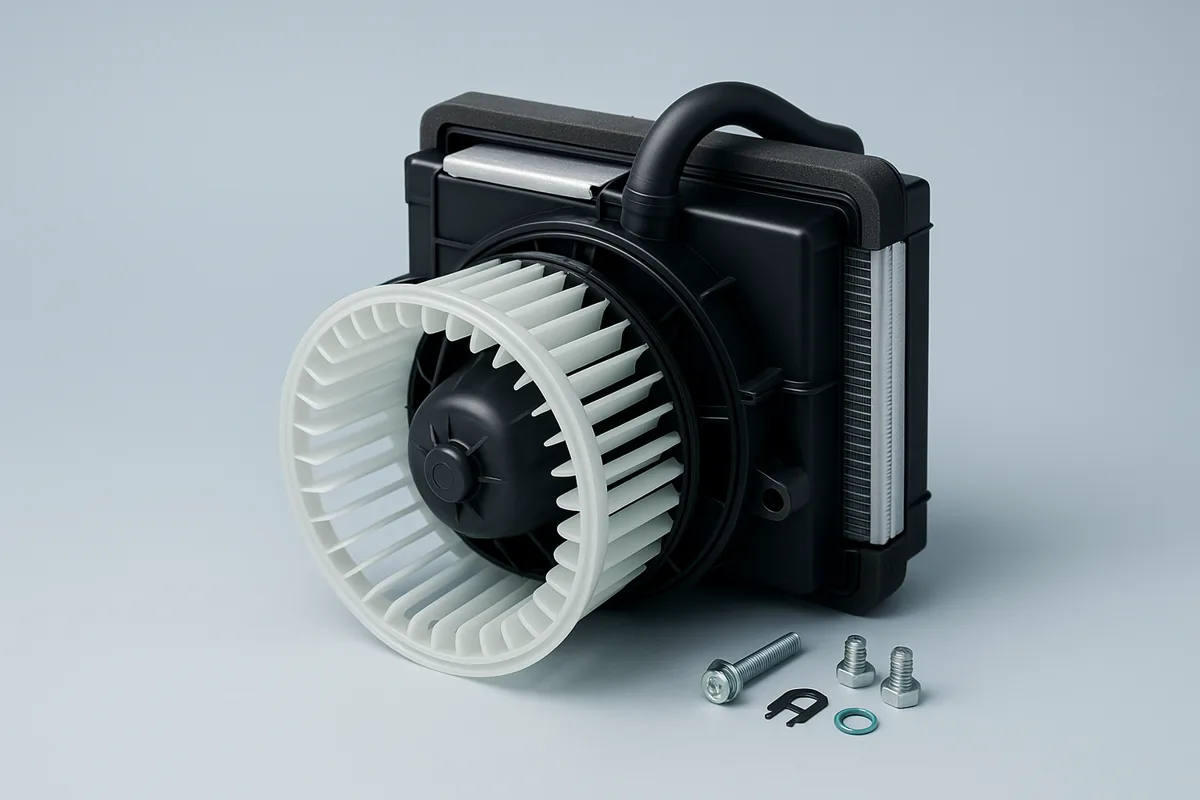
Shop Evaporator, Blower & Heater Core by Part Type
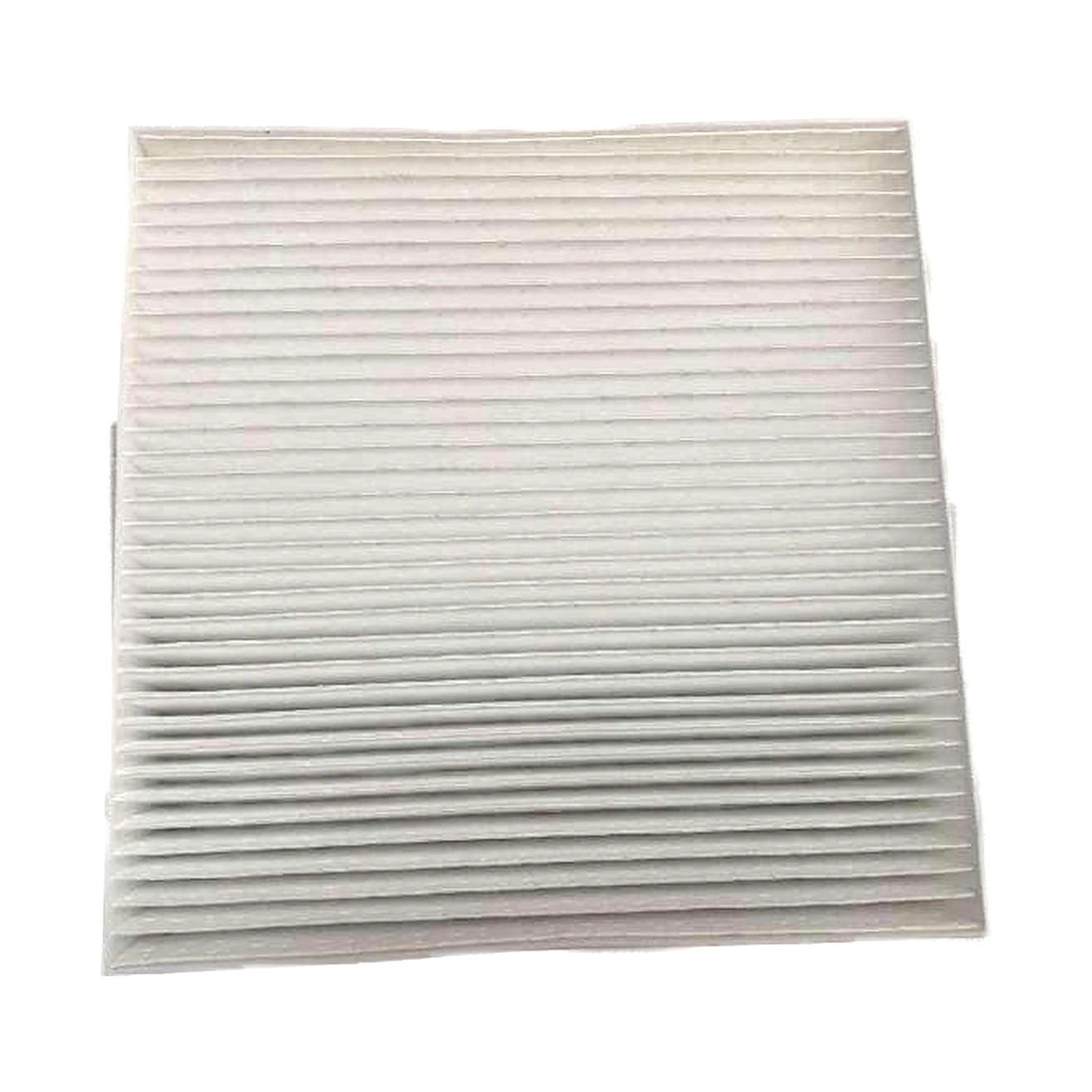
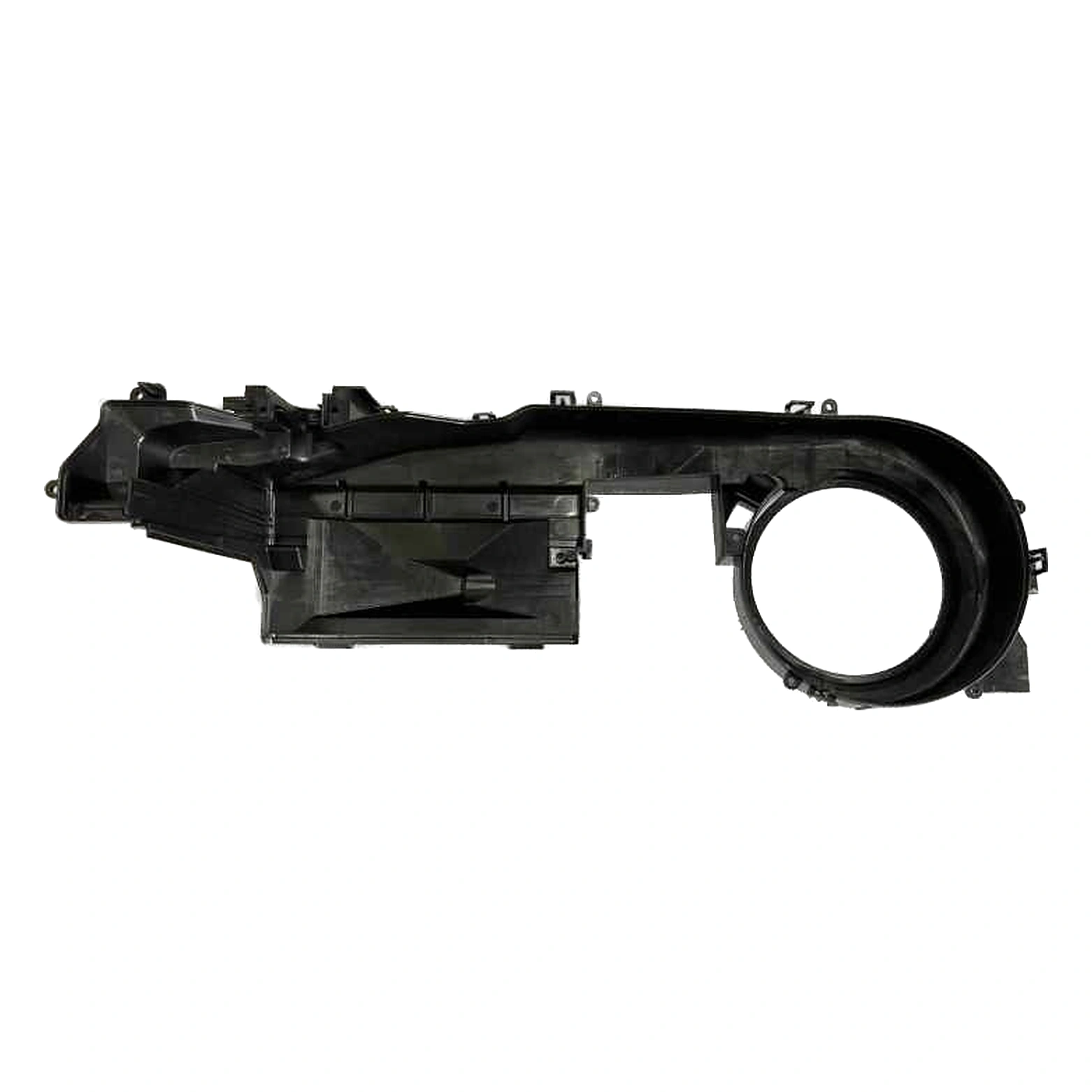
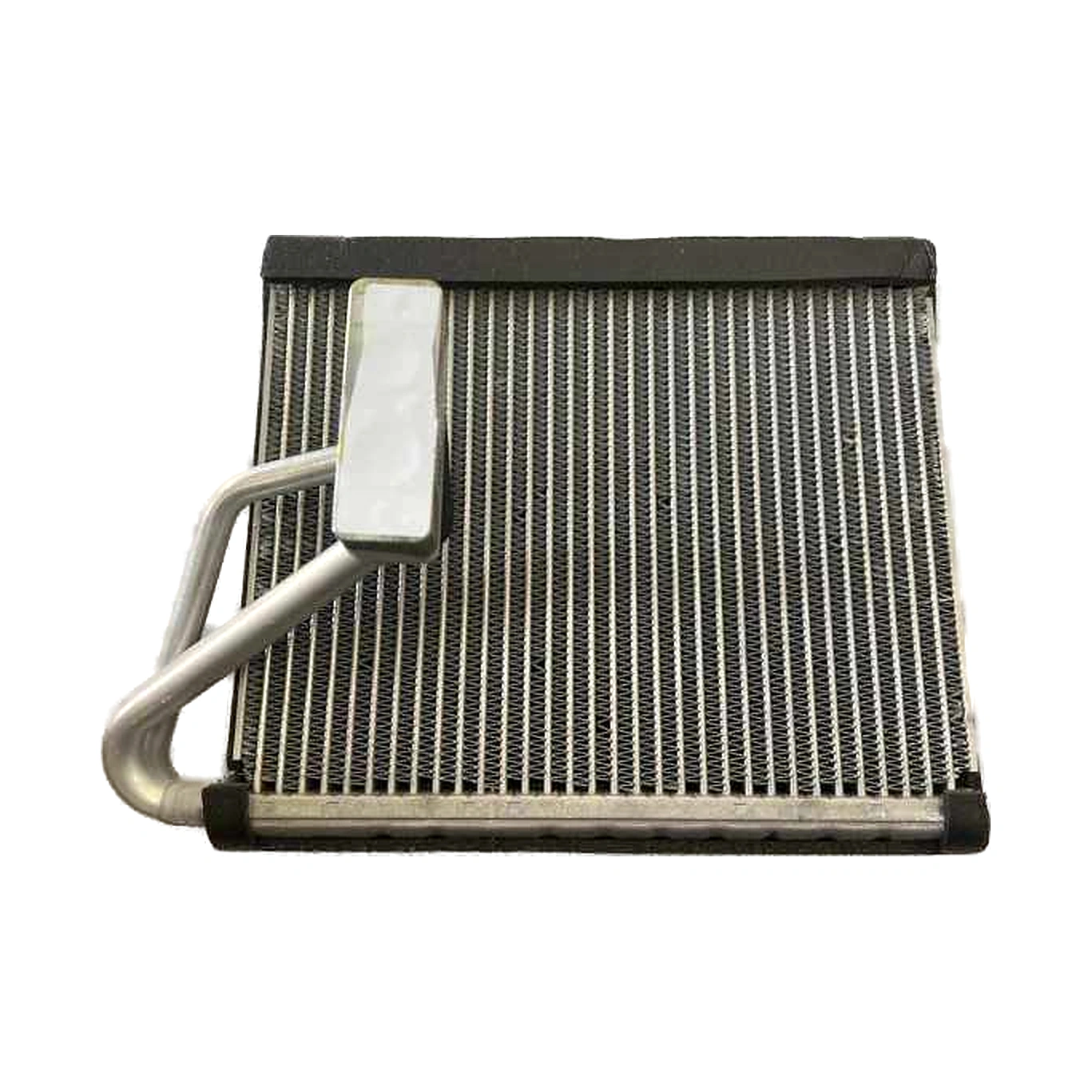
Popular Right Now
scroll for more →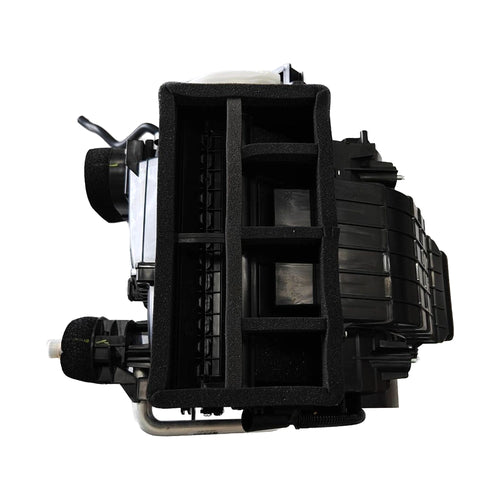
Symptom Finder: What Is Actually Broken?
| What you see or hear | Part to check first |
|---|---|
| Airflow weak at all fan speeds | Cabin air filter element |
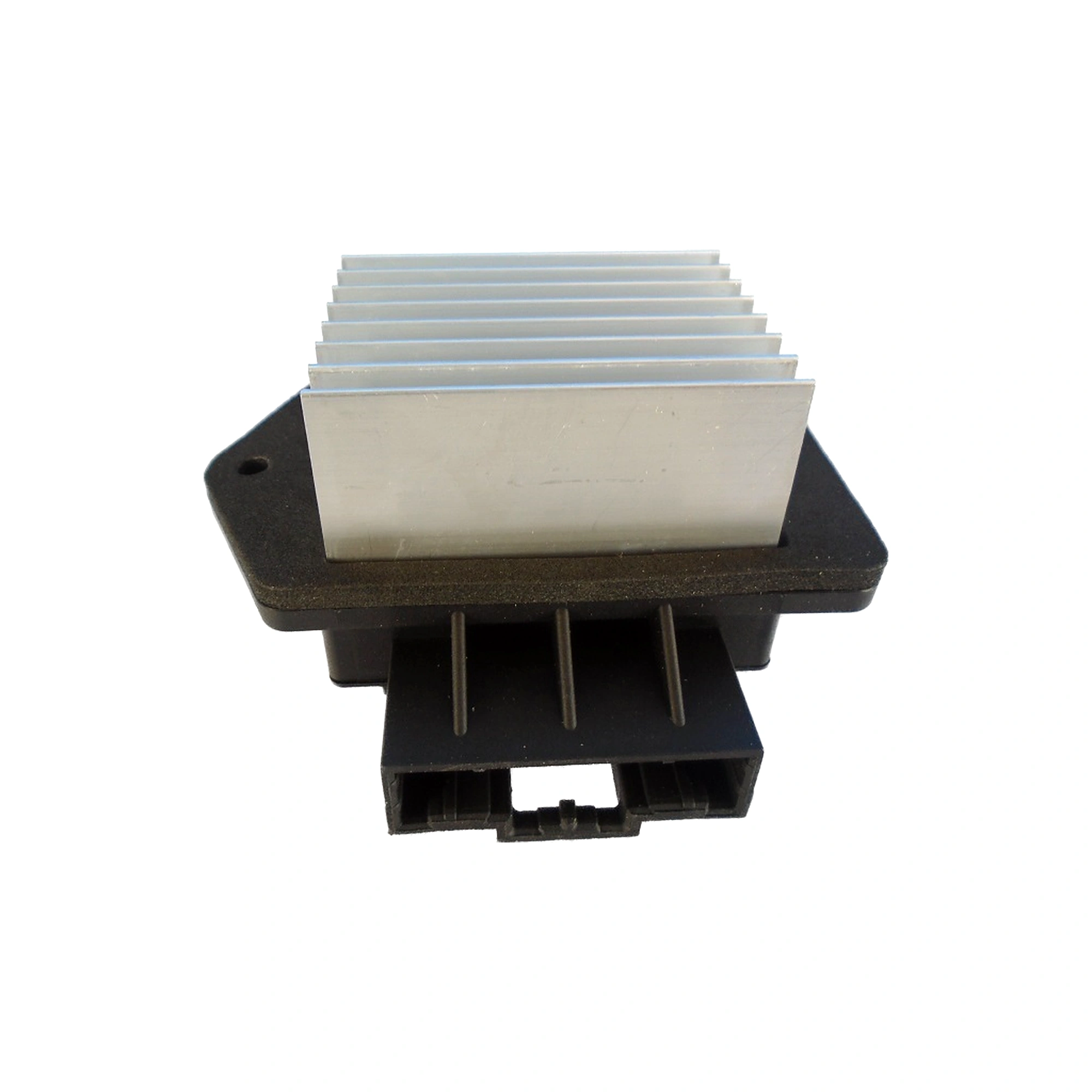
| Fan works only on the highest setting | Blower speed control module |
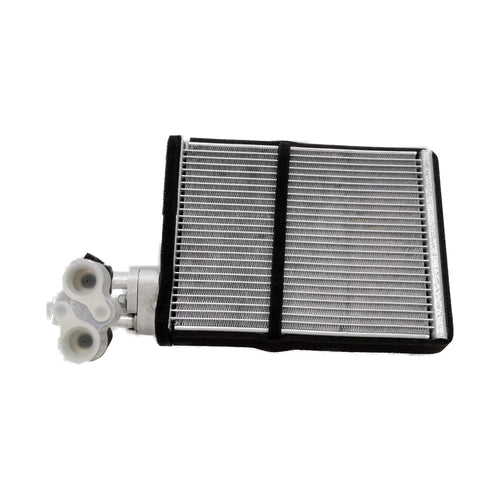
| Musty smell when the fan first starts | Evaporator with microbial growth |
| Damp carpet in a footwell in warm weather | Evaporator drain blocked |
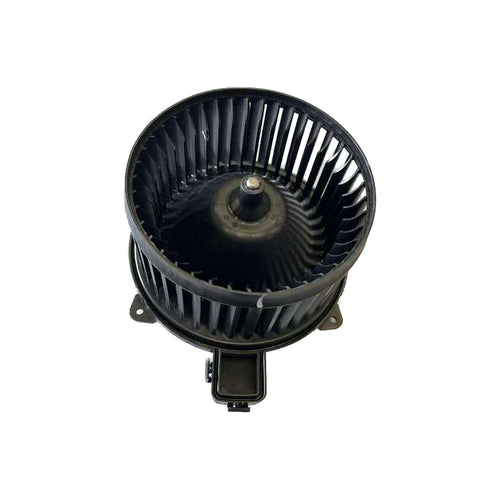
| Noise or rattle from behind the dashboard with the fan on | Blower assembly |
| Air reaching some vents and not others | Air duct or blend flap |
About Evaporator, Blower & Heater Core
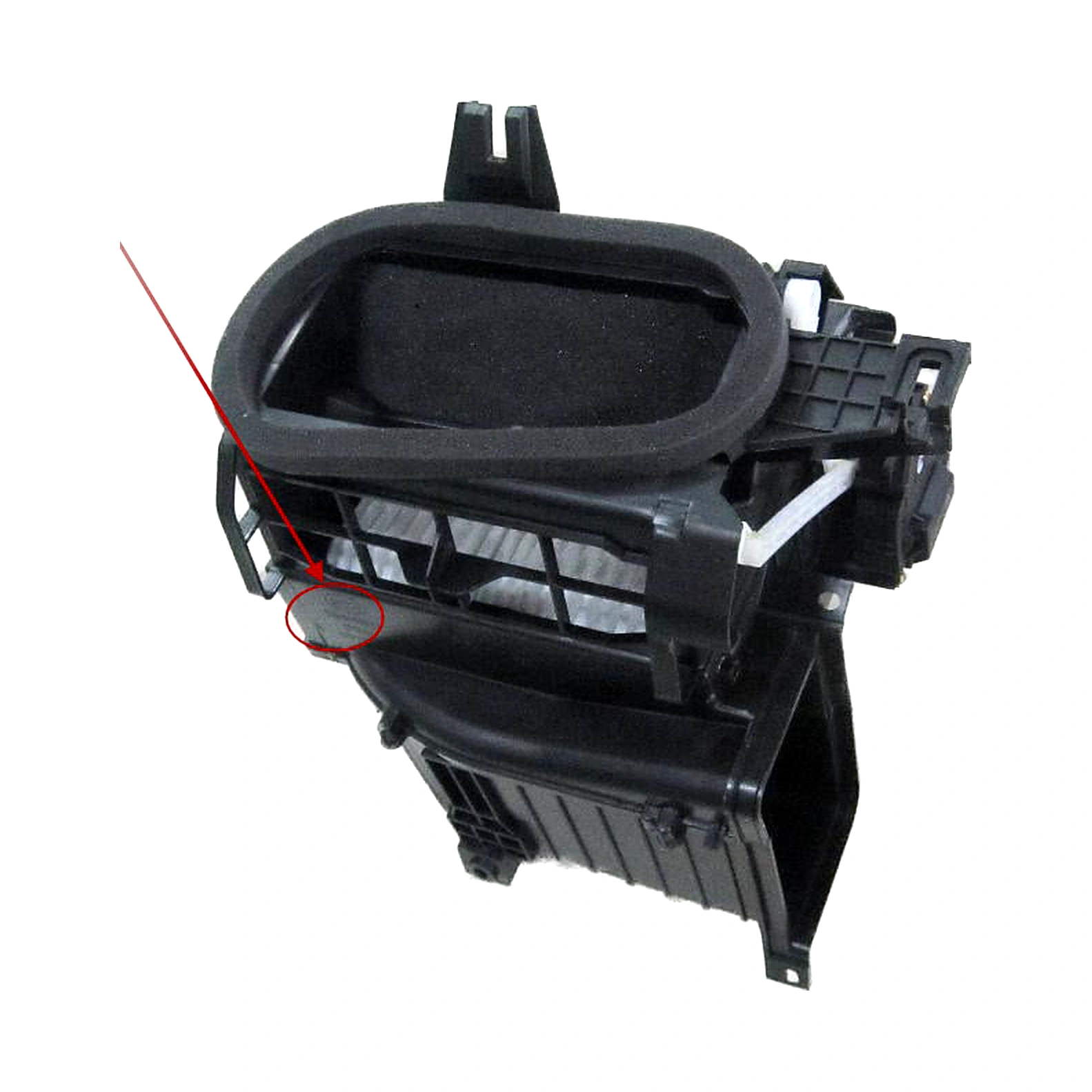
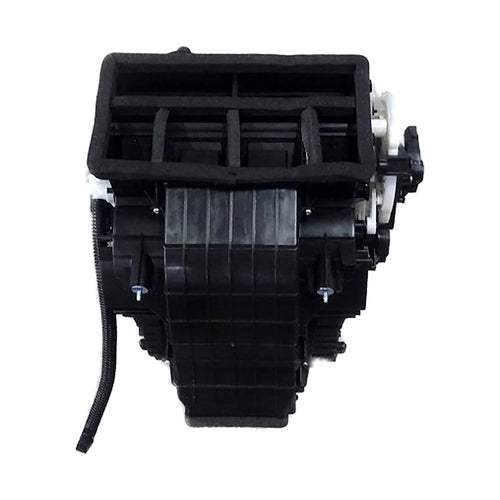
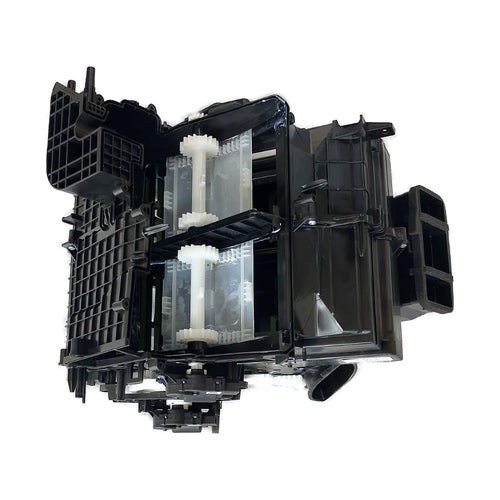
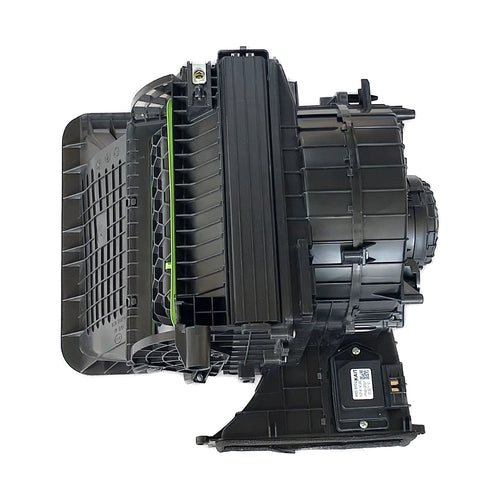
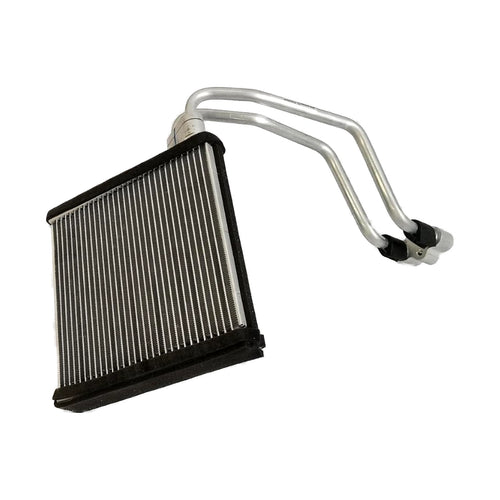
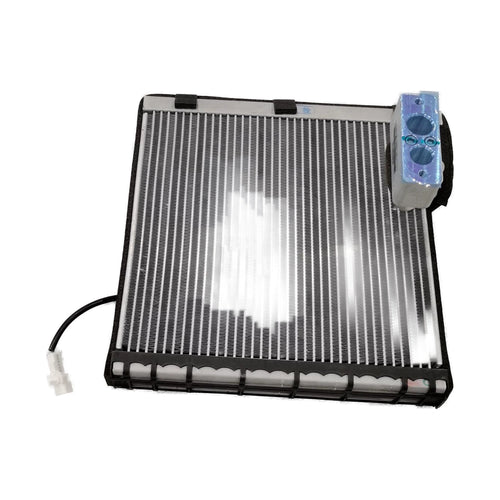
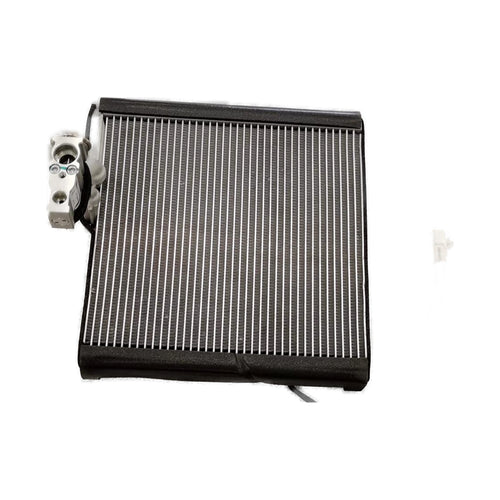
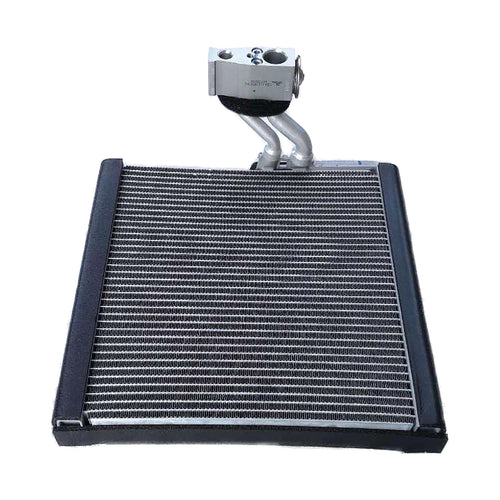
Everything the climate system does to the air happens inside a case behind the dashboard. Outside or recirculated air is drawn in through a cabin filter, pushed by a blower through the evaporator where it gives up heat and moisture to cold refrigerant, then either sent straight to the vents or passed through a heating element and blended back to the temperature requested. Flaps driven by small motors decide the mix and which ducts receive the flow. Condensation from the evaporator drains through a tube to the road, which is why a puddle under a parked car in summer is normal and a damp carpet is not. On a heat pump vehicle an interior condenser joins the case, providing warmth from the refrigerant circuit instead of a resistive element.
What to know before buying Evaporator, Blower & Heater Core parts
The cabin filter is the one routine item here. Changing it is the cheapest way to keep the rest working. Evaporator replacement means opening the refrigerant circuit and usually the dashboard, so plan it as a workshop job.
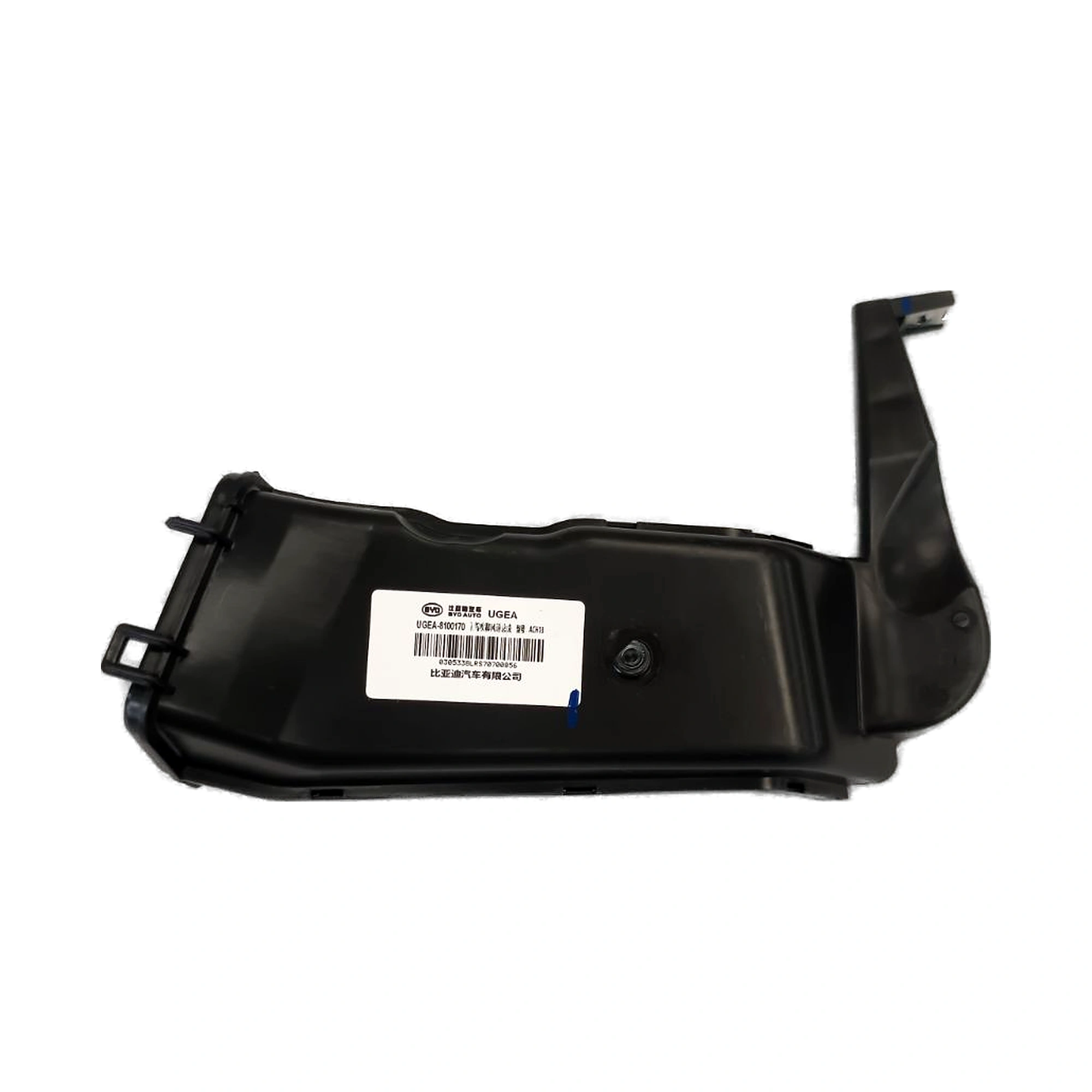
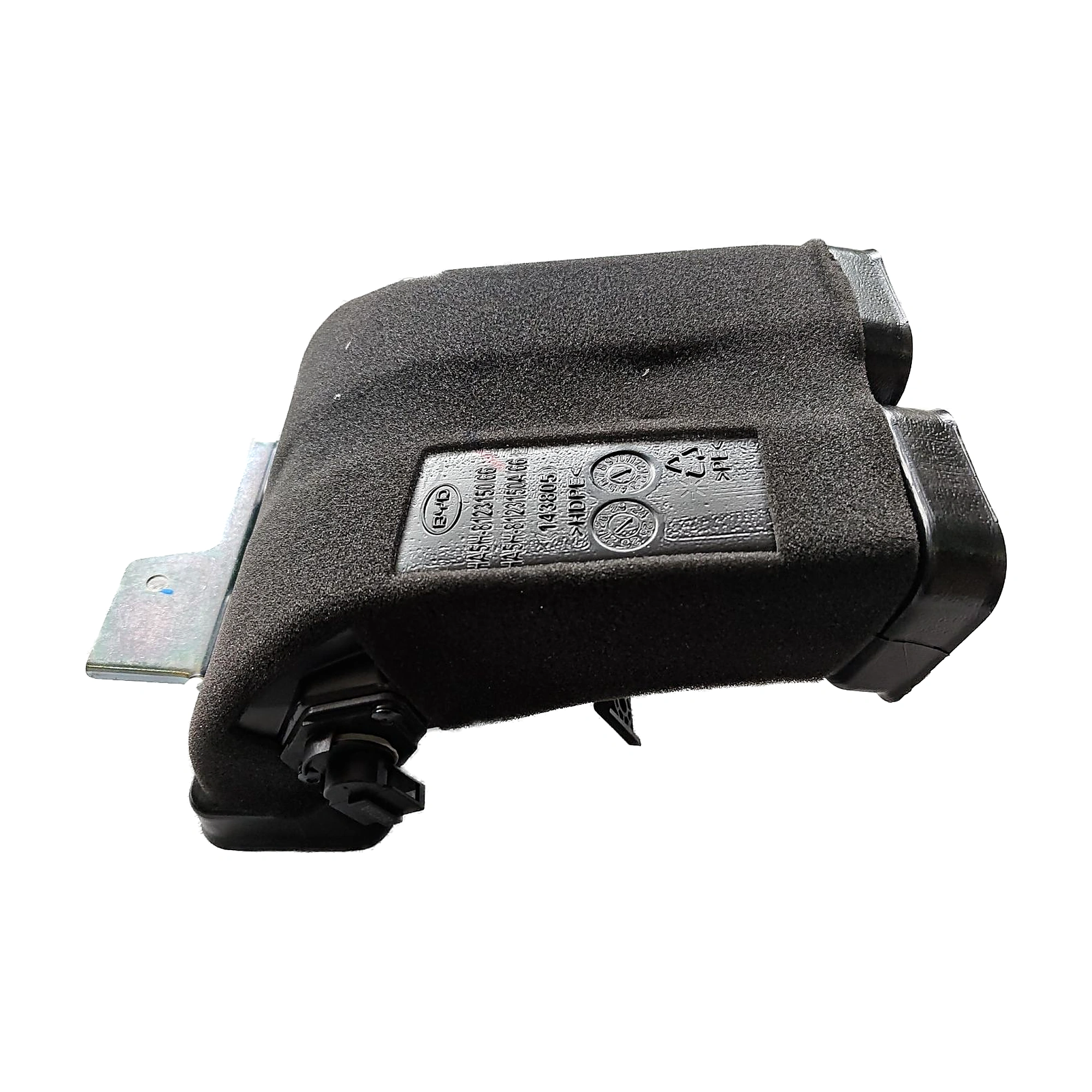
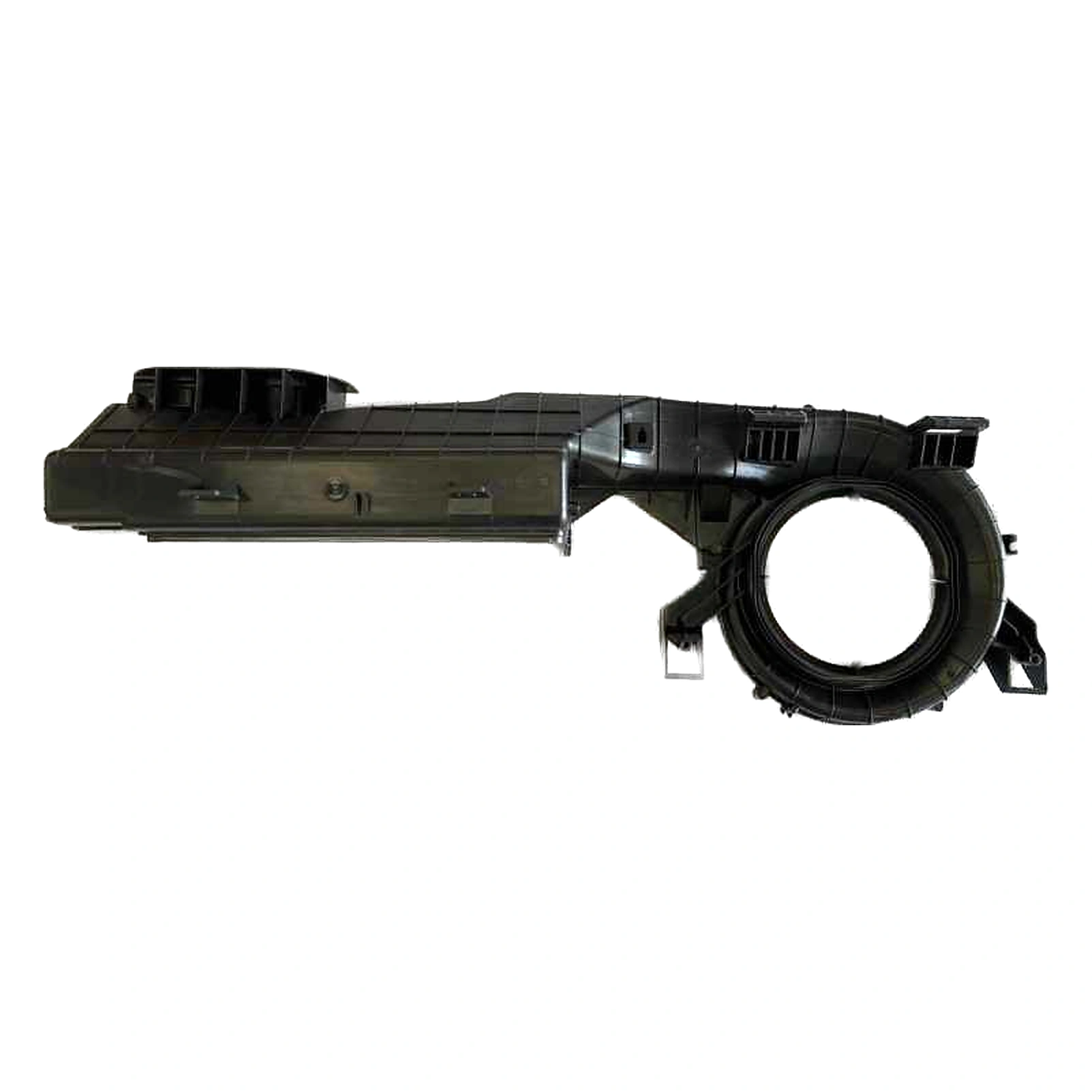
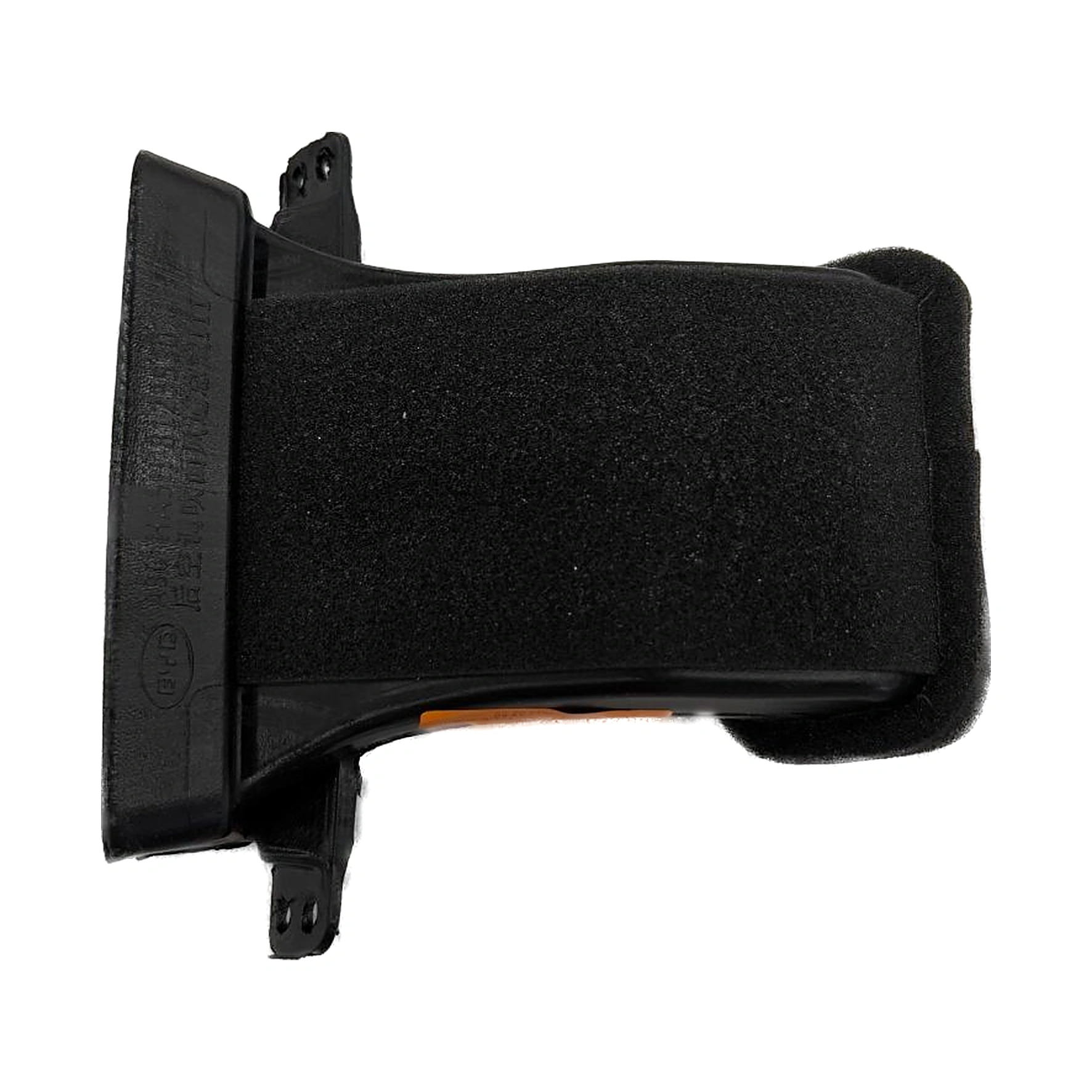
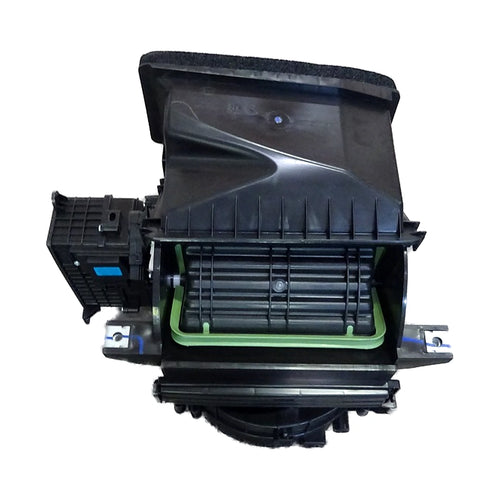
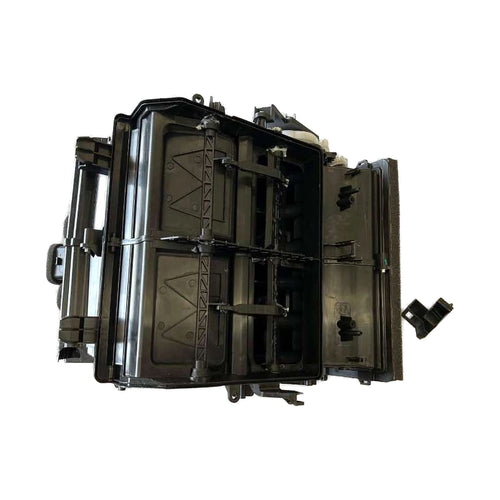
This section covers the case and its contents. Cabin air filter elements, evaporator cases and air conditioning evaporators are listed. So are front blower assemblies, blower housings and case assemblies, and blower speed control modules. Interior condensers appear alongside a full set of air ducts, including footwell and face vent ducts. That duct detail matters. A broken duct behind the dashboard produces uneven airflow, easily mistaken for a blower or flap fault.
Match the OE number, and match the trim colour where a part is visible. If the dashboard is coming out, list every part you will disturb in one request. Ducts, clips and seals are cheap individually and ruinous to wait for once the vehicle is stripped. Priced references can be bought directly, and anything unpriced is quoted. BYD group cover is the widest and widens as further catalogues load.
Before You Order: 6 Checks
- Change the cabin filter first, since a blocked element explains most airflow complaints.
- Match the OE number, and the trim colour where the part is visible.
- Test the blower on every speed, because failure on all but the highest points at the control module.
- Clear the evaporator drain before ordering anything for a damp carpet.
- Plan evaporator work as a workshop job, since it opens the refrigerant circuit and usually the dashboard.
- Order clips and duct seals, since neither survives dashboard removal reliably.
What Changed and Why
Cabin air has become a specified quality rather than merely a temperature. Filters with activated carbon layers and, increasingly, particulate media rated to fine dust standards are fitted as standard rather than as an option, and some vehicles add sensors that switch to recirculation automatically when outside air quality drops. On heat pump vehicles the case gains an interior condenser so that cabin heat can come from the refrigerant circuit, which makes the assembly more complex and gives the climate system a direct effect on winter range rather than only on comfort.
Evaporator, Blower & Heater Core: Frequently Asked Questions
My airflow is weak. Where do I start?
With the cabin filter, which is the cheapest part in this category and the cause of most airflow complaints. A filter that has been in place for a couple of years is often visibly grey and packed with leaf debris, and it restricts flow at every fan speed while the blower works perfectly. Change it, run the fan through its range, and reassess. If flow is still weak with a new filter, look at the blower, the flaps and the ducts.
The fan only works on maximum. What is wrong?
The blower speed control module, in nearly every case. Lower speeds are produced by controlling the current to the motor, and the highest setting on many systems bypasses that control entirely and feeds the motor directly, which is why a failed module leaves exactly one working speed. It is a well known and easily identified fault. The module usually sits in the airflow to keep it cool, so it is accessible on many vehicles without dismantling the dashboard.
Why does my air conditioning smell musty?
Because the evaporator is cold and wet whenever the system runs, and that is an ideal environment for microbial growth on its fins, particularly on a vehicle used for short journeys where the core never dries out. The smell is strongest in the first seconds after the fan starts. A specialist cleaning treatment applied to the evaporator, along with a new cabin filter, usually resolves it. Switching the compressor off a few minutes before the end of a journey lets the core dry.
There is water in my footwell in summer.
That is the evaporator condensate that should be leaving through a drain tube under the car. The tube blocks with leaf debris and the fine dust that gets past a tired filter, the tray overflows and water finds the carpet, usually on the passenger side. Clearing the drain with low pressure air or a soft trimmer line cures it. Do this before ordering anything, and dry the carpet properly, since a soaked underlay causes damp and corrosion long after the leak is fixed.
Is replacing an evaporator a big job?
On most vehicles it is one of the larger interior jobs there is, because the evaporator sits inside a case behind the dashboard and reaching it means removing the dashboard and often the cross car beam. It also means opening the refrigerant circuit, which requires recovery and recharging with the correct equipment. That combination is why an evaporator leak is expensive relative to the part. Have the leak confirmed properly before committing, since the labour dwarfs the component.
What do these parts cost?
Cabin filters, duct sections and clips sit right at the bottom of the range. Blower speed control modules and blower assemblies are moderate. Evaporators, evaporator cases and interior condensers cost the most in this category, and their fitting cost is higher again. The live minimum and maximum are shown in the band at the top of this page. Since a filter explains most complaints here, starting cheap genuinely pays.
How often should the cabin filter be changed?
At the manufacturer's interval, and sooner in dusty conditions or if you park under trees. Many owners find annual replacement sensible. Beyond airflow, the filter protects the evaporator from the debris that feeds microbial growth and blocks the condensate drain, so a neglected filter creates the two most common complaints in this category. It is among the least expensive parts on the site and one of the few in this group an owner can change in minutes.
Can I fit a blower motor myself?
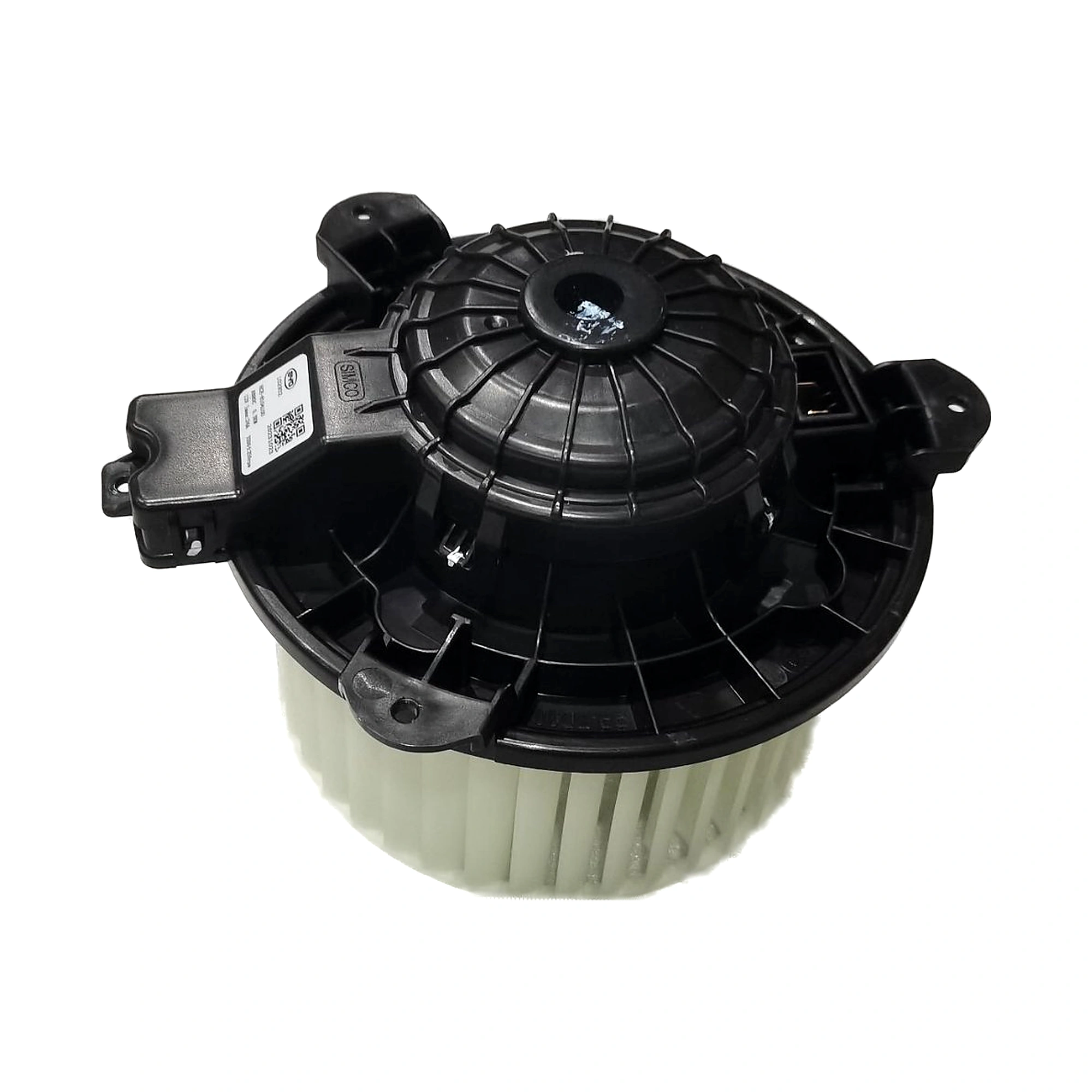
Frequently yes, since it is usually accessible from the passenger footwell behind a cover, held by three screws and a connector. The speed control module is often alongside it. What sends this job to a workshop is when the blower sits inside a case that only opens with the dashboard out, which some vehicles do. Check access before ordering, and while you are there inspect the housing for debris, since leaves that got past the filter end up in the blower.
Why does air reach some vents and not others?
Because the distribution flaps or the ducts are at fault rather than the blower. A flap actuator that has stripped its gears leaves the flap in one position, so air continues to arrive at whichever outlet that setting selects, and a duct that has cracked or come adrift behind the dashboard leaks air into the cavity instead of delivering it. The ducts are listed here individually, which makes the second case far cheaper to fix than it sounds.
What is the interior condenser on a heat pump vehicle?
It is an additional heat exchanger inside the climate case that releases heat from the refrigerant circuit into the cabin air, allowing the vehicle to heat by moving heat rather than generating it. On a conventional system that job is done by a heater core carrying hot coolant. Its presence makes the case assembly more complex and means a climate fault on such a vehicle can involve the refrigerant circuit even when the complaint is about heating rather than cooling.
Will parts from another version of my model fit?
Check the number, since climate hardware varies with specification. Vehicles with automatic climate control, rear vents, heat pumps or air quality sensing carry different cases, ducts and flap arrangements to base versions, and visible parts also differ by interior colour. A duct that is nearly right leaks air where it matters. Match the OE number, and use the quote form where the reference brings back nothing so the catalogue is checked against your vehicle.
The part I need shows no price. Can I still order it?
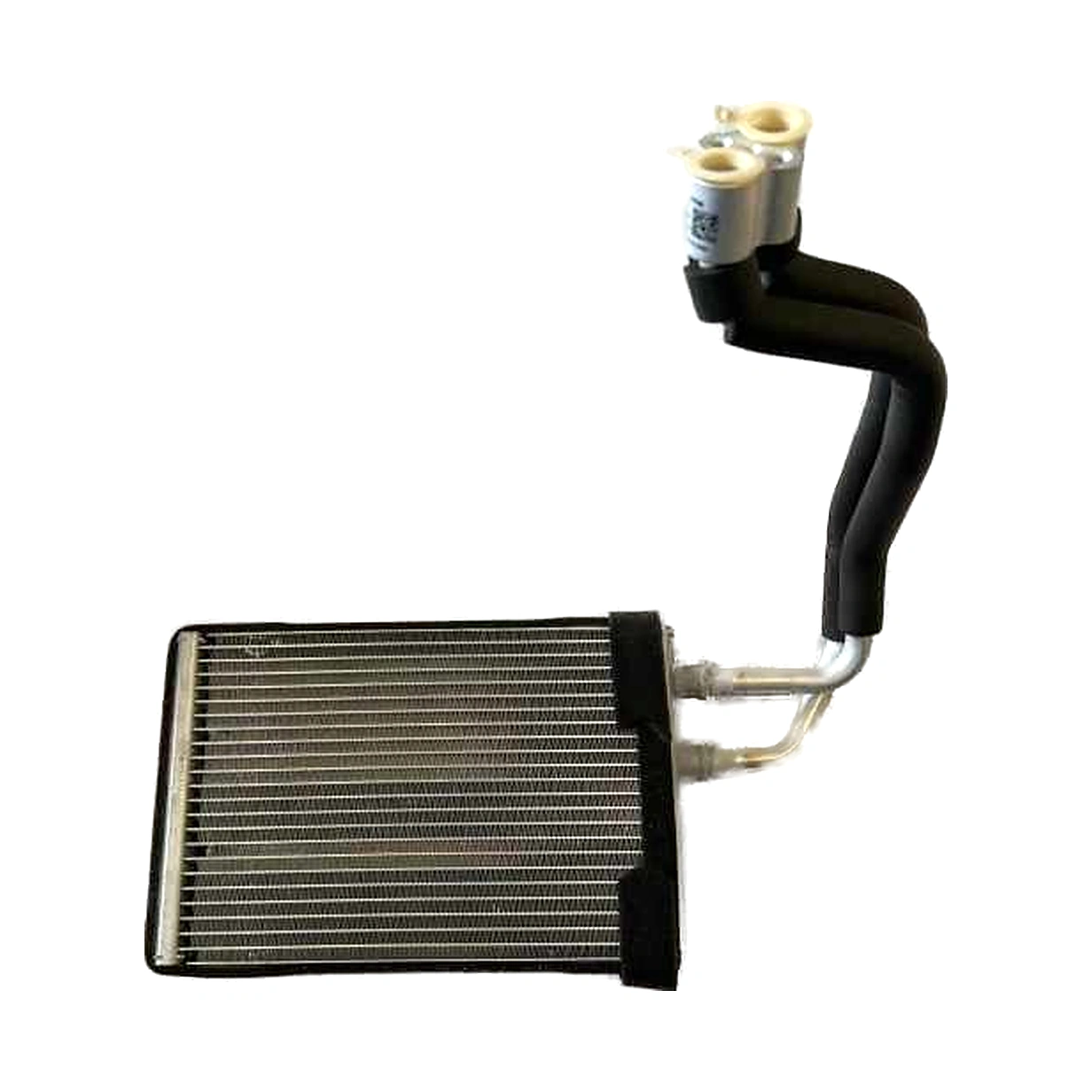
Yes. Cabin filters and blower motors are usually priced. Evaporators and heater cores are the references that tend to need an enquiry, partly because they are ordered rarely and partly because each is built for one climate specification. Send the number and a figure follows. Before you order either, be as sure as you can that the core is genuinely at fault, because both sit behind the instrument panel and the labour dwarfs the part. A blocked drain, a jammed blend flap or a tired blower can all produce symptoms that look like a failed core from the driver's seat.