Charge Port & Lid
Shop Charge Port & Lid by Part Type
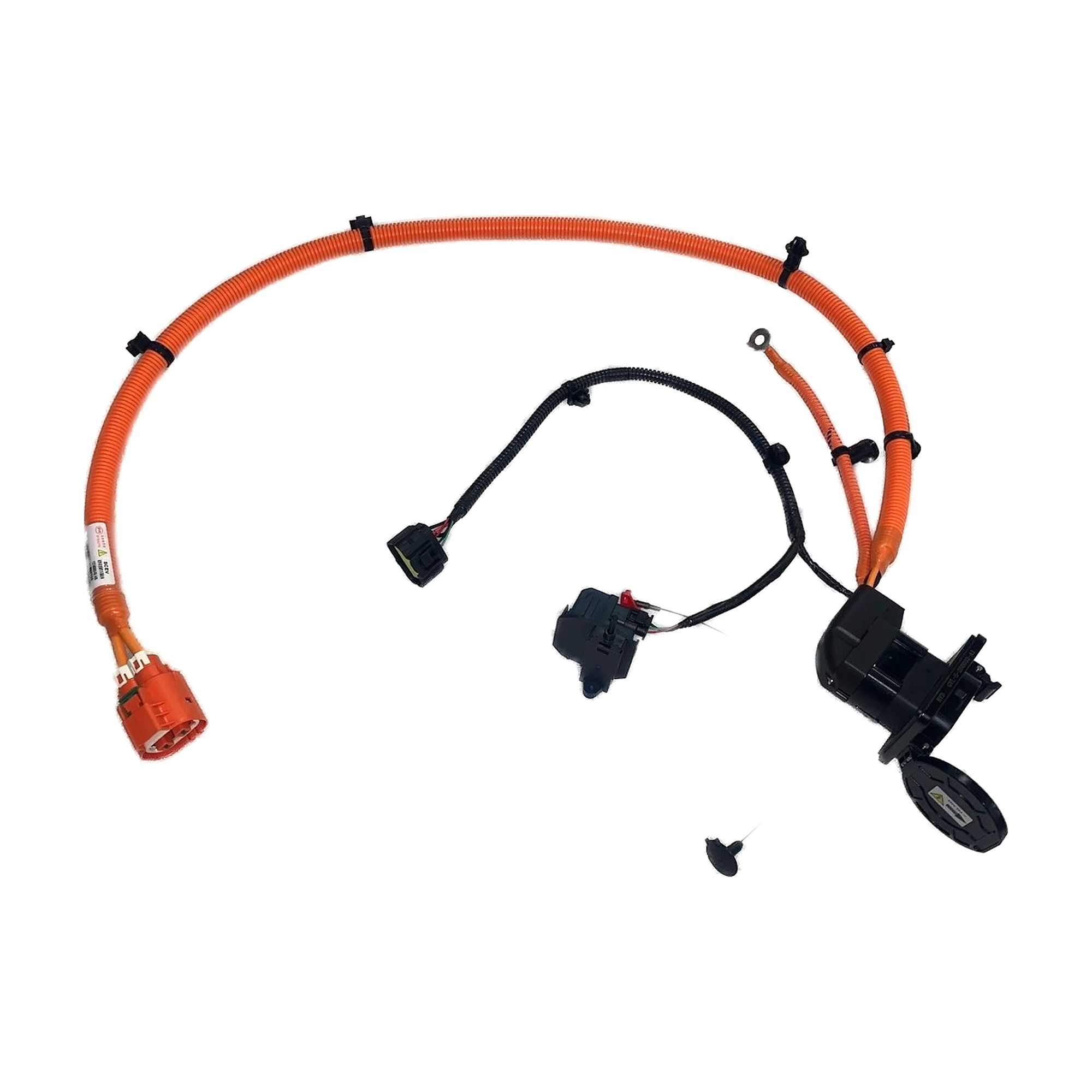
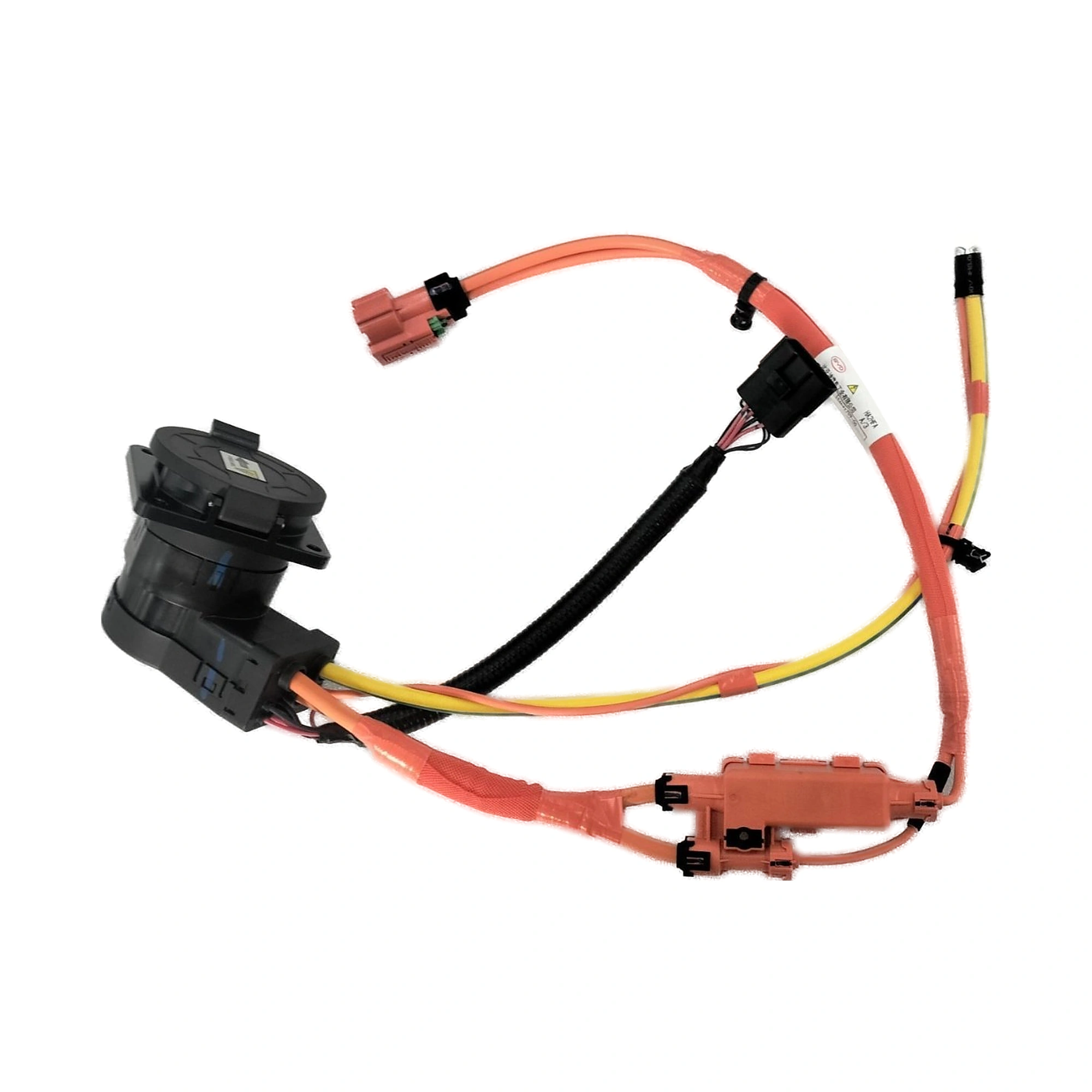
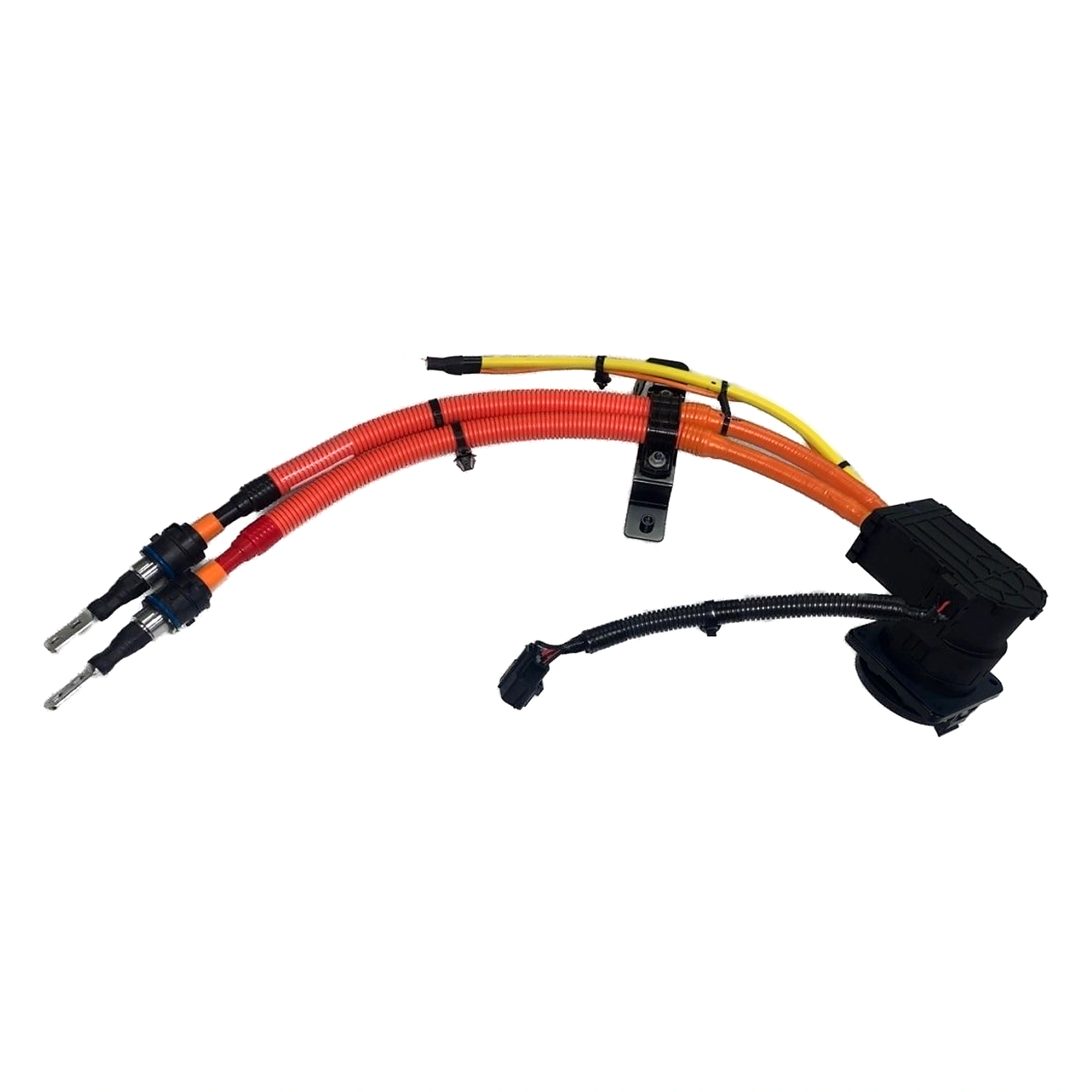
Popular Right Now
scroll for more →
Symptom Finder: What Is Actually Broken?
| What you see or hear | Part to check first |
|---|---|
| Rapid charging refuses to start while slow charging works | DC charging vehicle inlet or its communication pins |
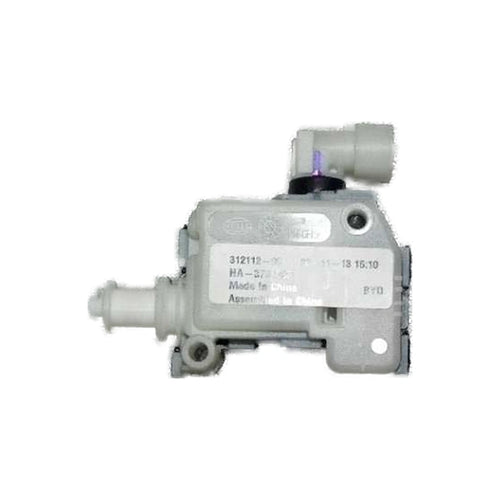
| Cable will not lock and charging never begins | AC charge port electronic lock |
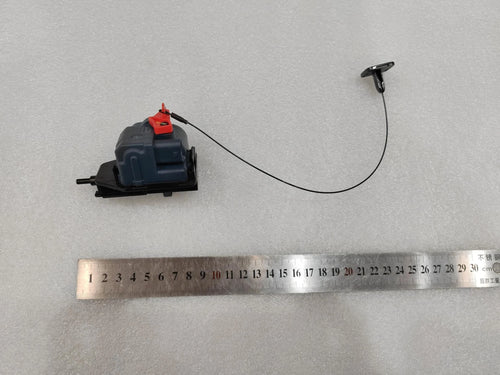
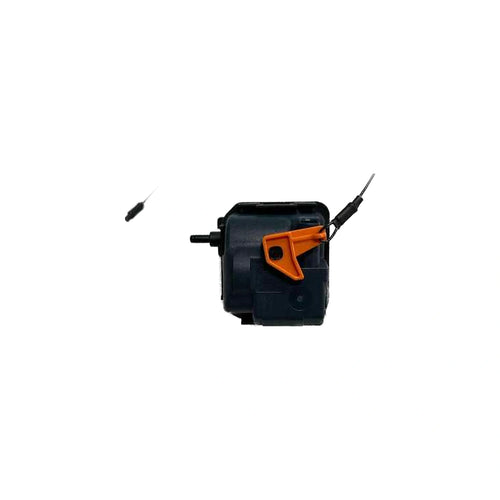
| Flap will not open from the button or the app | Charge port flap actuator |
| Cable locked in and will not release | Charge port electronic lock |
| Charging faults after wet weather | Integrated charging port waterproof cover |
| Intermittent charging with a warm connector | Charging vehicle inlet with a degraded contact |
About Charge Port & Lid
The charging inlet is the electrical interface between the vehicle and everything outside it, and it carries considerably more than power. Alongside the main contacts sit signalling pins that let the vehicle and the charging equipment negotiate: a control pilot line that communicates available current and confirms readiness, a proximity connection that tells the vehicle a cable is present and prevents it driving away, and on direct current charging a communication link that manages the whole session. An electronic lock drives a pin into the connector so it cannot be removed under load, which is a safety requirement rather than an anti theft feature, and its position switch confirms locking before charging begins. Everything sits behind a flap operated by a small actuator, and the entire assembly has to remain sealed against weather while being opened daily.
What to know before buying Charge Port & Lid parts
Start with the cheap parts, because that is where common faults sit. A charging session that will not start often traces to the electronic lock rather than the inlet. A flap that will not open is usually an actuator.
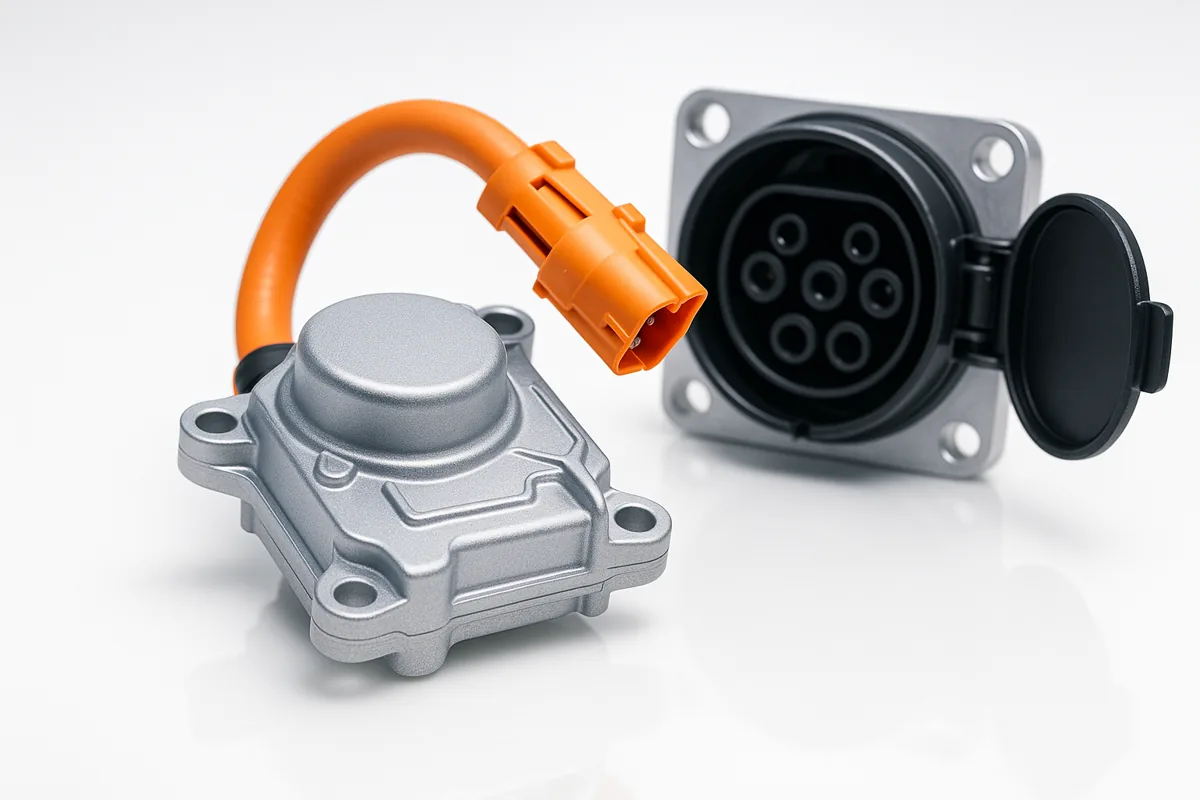
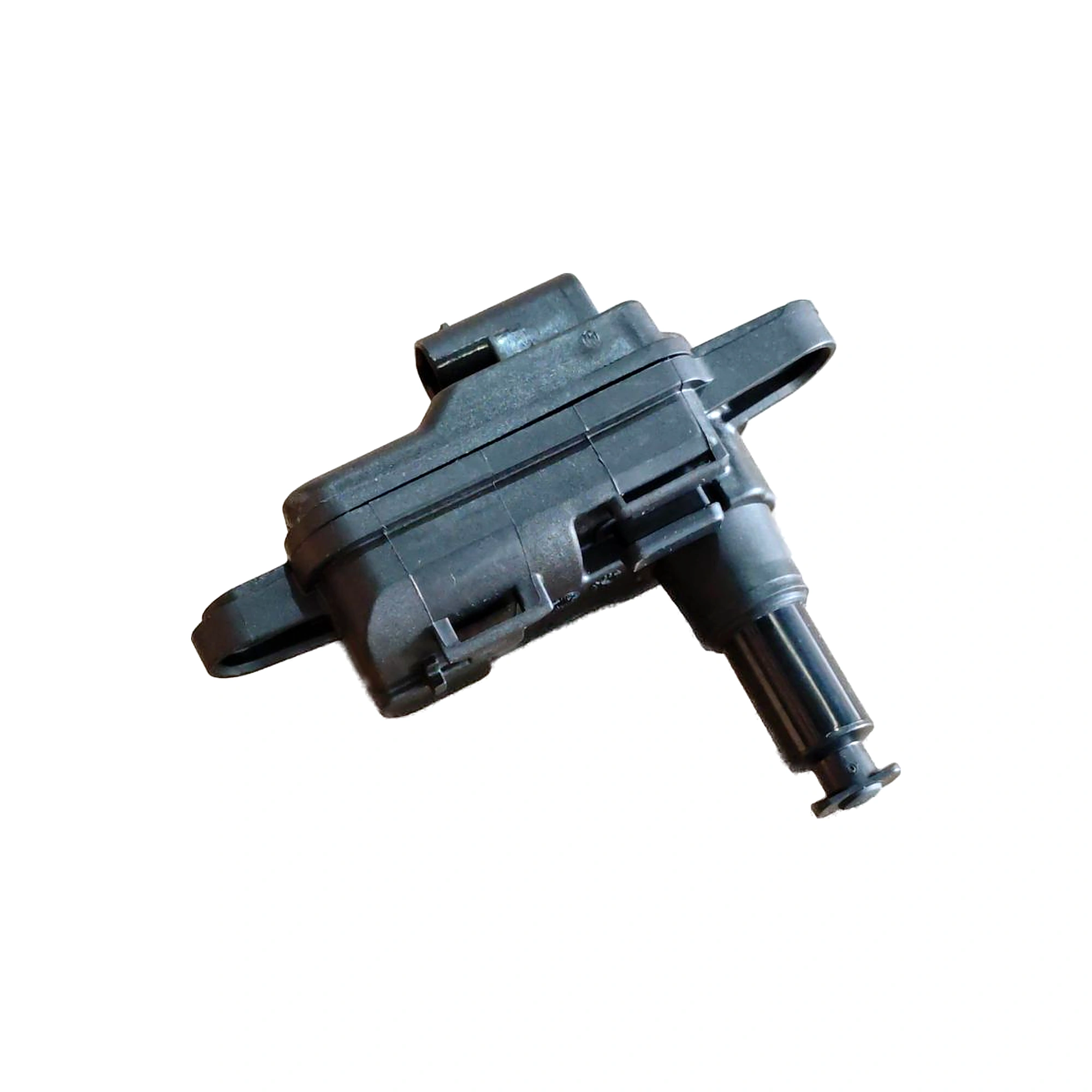
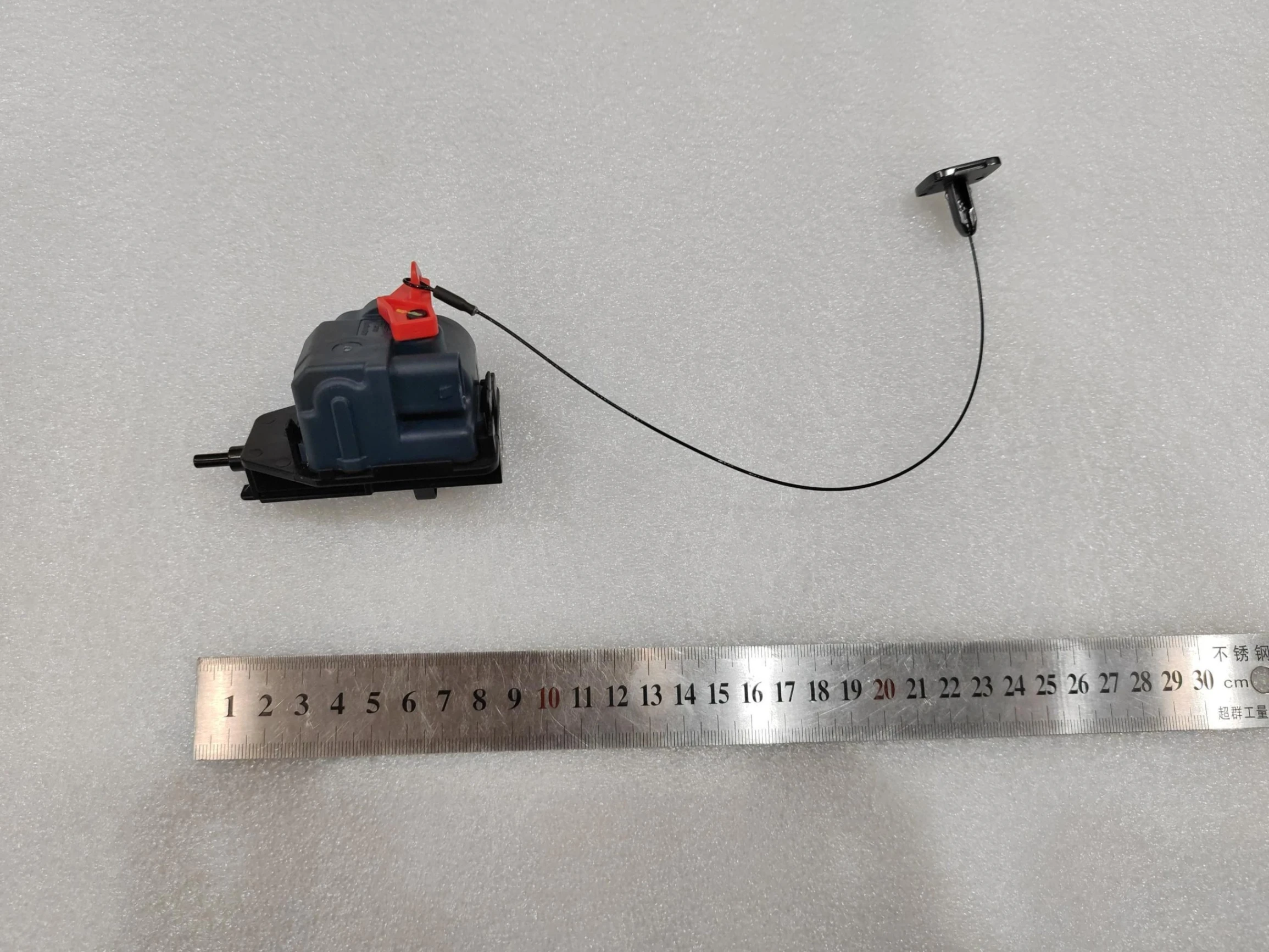
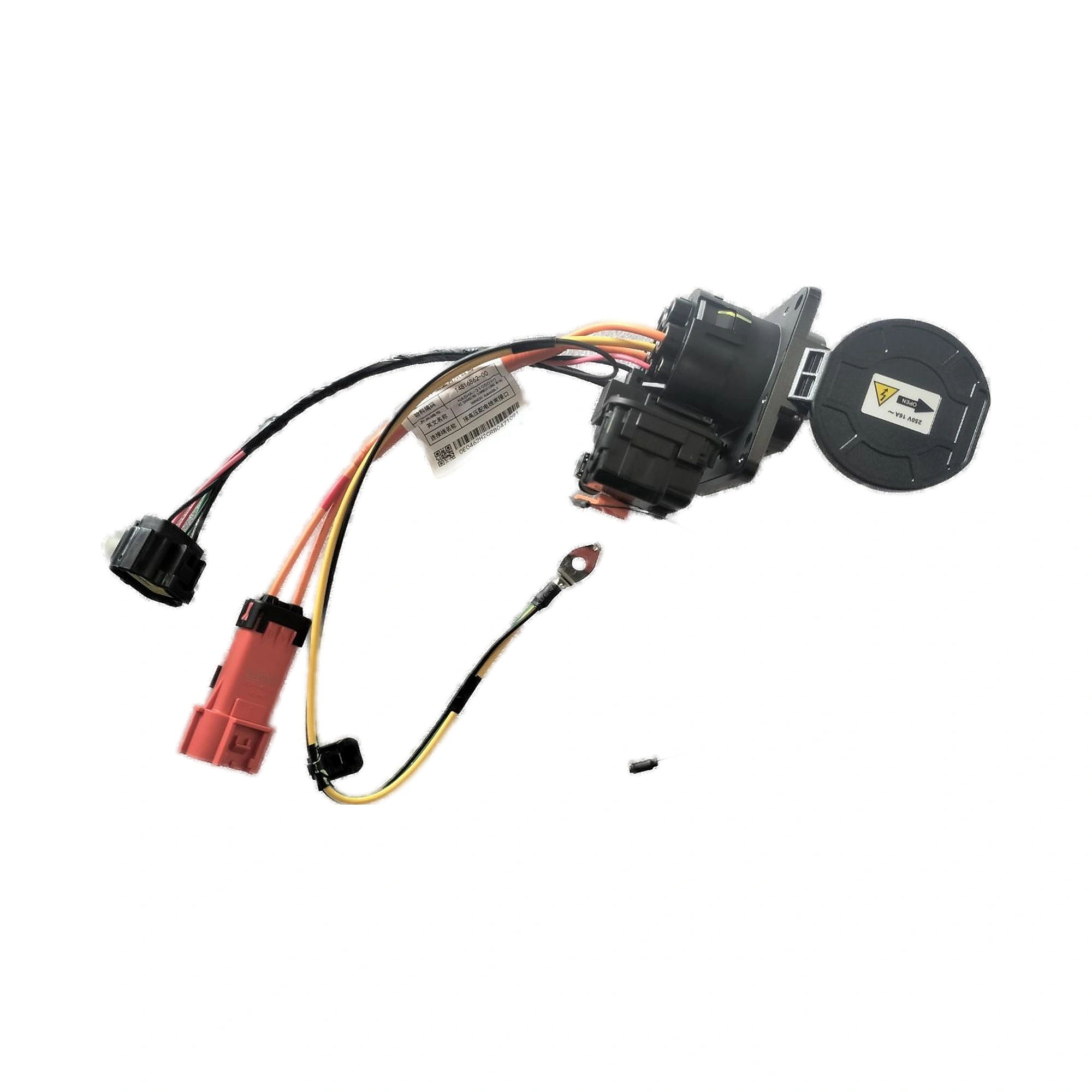
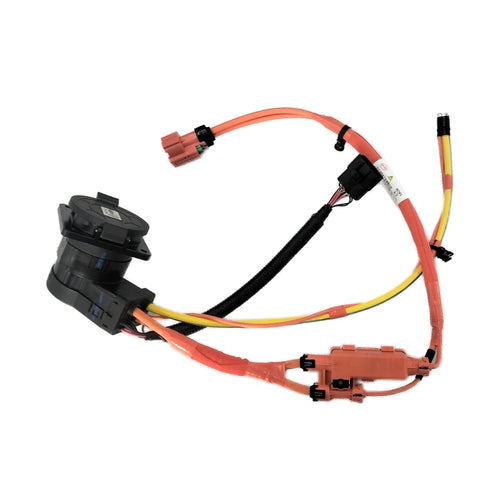
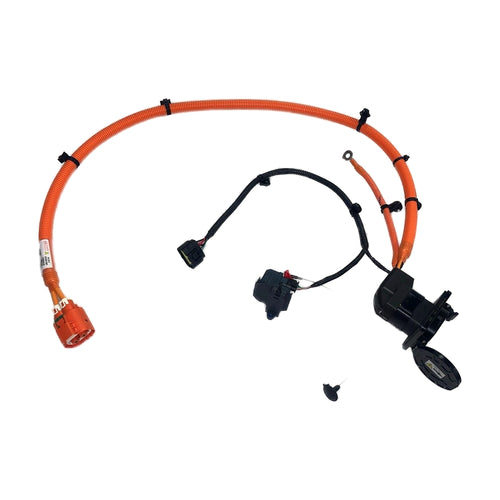
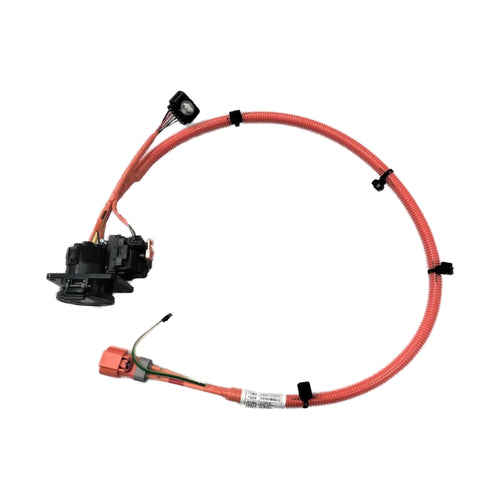
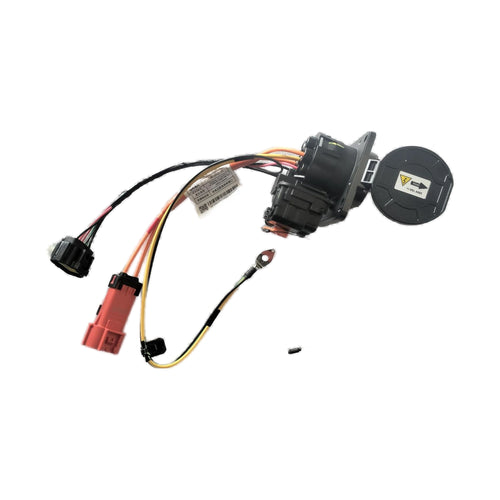
The listings cover the whole interface. AC and DC charging vehicle inlets are here with their sub assemblies, as are integrated AC and DC inlet sub assemblies. So are AC charge port electronic locks, including regional variants. Charge port flap actuators, electric charging port cover actuators and integrated charging port waterproof covers complete the range.
Order by the factory number. Inlet standards and pin configurations differ by region, and the locks follow them. Treat inlet work as high voltage work and isolate the system first.
Where a figure is shown you can buy on the spot. Anything without a price is quoted against the same factory number, which is the usual route for inlets and regional lock variants. BYD group cover is widest and grows brand by brand.
Before You Order: 6 Checks
- Establish whether the fault is the inlet, the lock or the actuator before ordering, since all three present similarly.
- Match the OE number and the regional variant, because inlet standards and lock designs differ by market.
- Inspect the contacts for discolouration or heat damage, which indicates a degraded inlet.
- Check the flap, hinge and drain before assuming the actuator has failed.
- Treat inlet work as high voltage work, with isolation and verification beforehand.
- Order the waterproof cover or seal where the original is damaged, since water causes most of these faults.
What Changed and Why
Charging interfaces are converging on combined connectors that handle both alternating and direct current through one socket, which reduces the number of flaps and locks on a vehicle while making that single assembly more critical. Bidirectional charging is the other direction of travel: vehicles that can export power to a load, a home or the grid put the inlet under duty it was not originally designed for, with sessions running in both directions and for longer periods. Contact heating and connector wear therefore matter more than they did when the socket only ever received power.
Charge Port & Lid: Frequently Asked Questions
My cable will not lock and charging never starts. What is wrong?
Most often the electronic lock. Charging cannot begin until the vehicle confirms the connector is locked in place, and a lock whose actuator has failed or whose position switch no longer reports leaves the session waiting indefinitely. Water ingress and cold are the usual causes. Check first that the connector is fully home and the flap is not fouling it, then have the charging data read, which shows whether the lock reported success. The lock is listed here separately from the inlet.
Rapid charging fails but home charging works. Why?
Because they use different parts of the same assembly. Alternating current charging uses the upper pins and the on board charger. Direct current charging uses the lower pins and a communication link that negotiates the entire session with the charger. A fault confined to rapid charging therefore points at the direct current pins, their communication lines, or the lock reporting incorrectly to the charger. Have the session data read at a rapid charger, since the error reported there identifies the stage that failed.
The cable is locked in and will not come out.
Work through the sequence before forcing anything. End the charging session properly from the vehicle or the charger, unlock the vehicle, and try again, since many vehicles keep the connector locked while a session is active or while the car is locked. If it stays captive, most vehicles have a documented emergency release, usually a cable behind the boot side trim or a lever near the port, described in the handbook. Do not pull hard on a locked connector, since the pins and the flap are easily damaged.
My flap will not open. Is that the actuator?
Often, and check the mechanical possibilities first. Ice in the latch, a hinge that has cracked and left the flap binding, or a blocked drain leaving water in the recess all prevent a healthy actuator from moving the flap. Warm the area with lukewarm water rather than boiling, and try again. If the actuator is silent when commanded and the flap moves freely by hand, the actuator is the part, and it is listed here separately from the flap and its panels.
Why do these components fail so often?
Because they combine electronics, a small mechanism and an outdoor location with daily use. Condensation collects in the latch and the actuator housing, freezes in winter, and either jams the mechanism or burns out the motor trying to move it. Contacts in the inlet see heat every session, more so with rapid charging. Keeping the recess drained and dry, and dealing with a stiff flap before it becomes a stuck one, does more for reliability than anything else available to an owner.
What do charge port parts cost?
Waterproof covers, flap actuators and electronic locks sit at the lower end of the range, which is fortunate since they account for most faults. Alternating current inlets are moderate, and combined or direct current inlets cost the most in this category because of the contact ratings and the communication hardware. The live minimum and maximum are shown in the band at the top of this page. Diagnosing to the exact component is worth doing before ordering.
Is replacing an inlet a home job?
No. The inlet is connected directly to the high voltage system, so isolation and verification of zero voltage are required before anything is disconnected, and the connections are torque critical because a loose high current contact generates heat. Flap actuators and, on some vehicles, the flap assembly itself are within reach of a careful owner, since nothing high voltage is disturbed. Establish which side of that line your job sits on before starting.
My connector gets hot during charging. Is that normal?
Warm is normal, particularly during rapid charging, and hot is not. Excessive heat at a specific pin usually means a degraded contact, either in the vehicle inlet or in the cable, and the resistance that causes the heat also reduces the current the system will allow. Inspect the inlet contacts for discolouration or pitting. If one pin is visibly darker than its neighbours, the inlet is degraded and should be replaced rather than run further, since contact heating is progressive.
Do regional variants matter?
Considerably. Charging standards differ between markets, and the catalogue reflects that by listing regional variants of the electronic lock and separate references for the inlet types. A component built for one standard will not fit or function on another, even where the housing looks similar. Match the OE number and confirm the market your vehicle was built for, particularly on an imported vehicle where the charging hardware may not match what is common locally.
Does bidirectional charging change anything?
It adds duty. A vehicle able to export power to a load or a home runs sessions in both directions and often for longer than a charging session would last, which means more heat cycling at the contacts and more operations for the lock. The hardware is designed for it where the vehicle offers the feature, and it is worth inspecting the inlet contacts periodically on a vehicle used that way, since contact wear is the practical limit rather than anything in the electronics.
Can I fit an inlet from a different vehicle?
Only where the OE number agrees. Beyond the obvious standard and pin configuration, the inlet carries temperature sensors whose characteristics the vehicle expects, a lock with a specific position feedback, and a harness with a specific pinout. A physically compatible socket that reports differently will refuse to charge or will limit current. Read the number from the existing assembly, confirm the market variant, and use the quote form where the reference brings back nothing.
The part I need shows no price. Can I still order it?
It can be. Charging inlets are quoted more often than most references, because the connector standard follows the market the vehicle was built for and the electronic lock differs with it. An inlet for one region will physically refuse the cable used in another, so the factory number is the only safe way to ask. Put it into the enquiry form and say which socket type your vehicle carries. If only the flap actuator has failed and the inlet itself is sound, ask about the actuator on its own, since that is a much smaller job and a much smaller part.