Fenders, Hoods & Lids
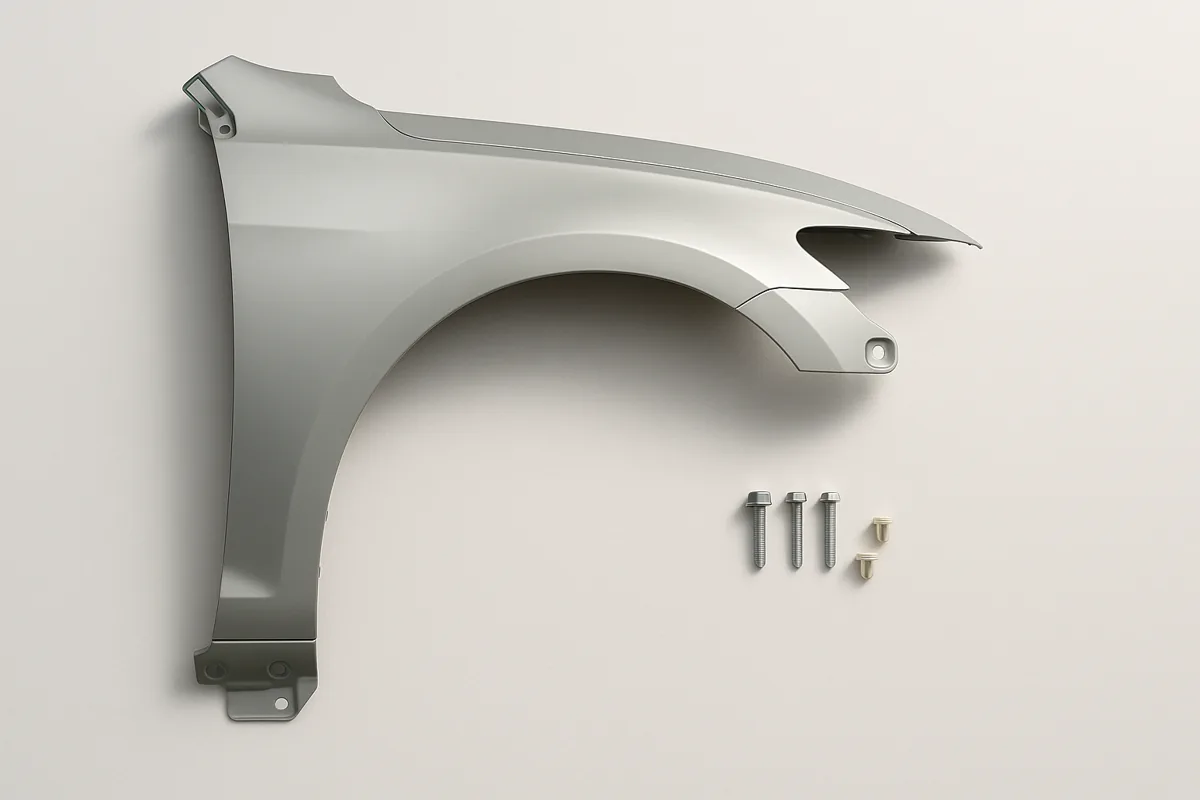
Shop Fenders, Hoods & Lids by Part Type
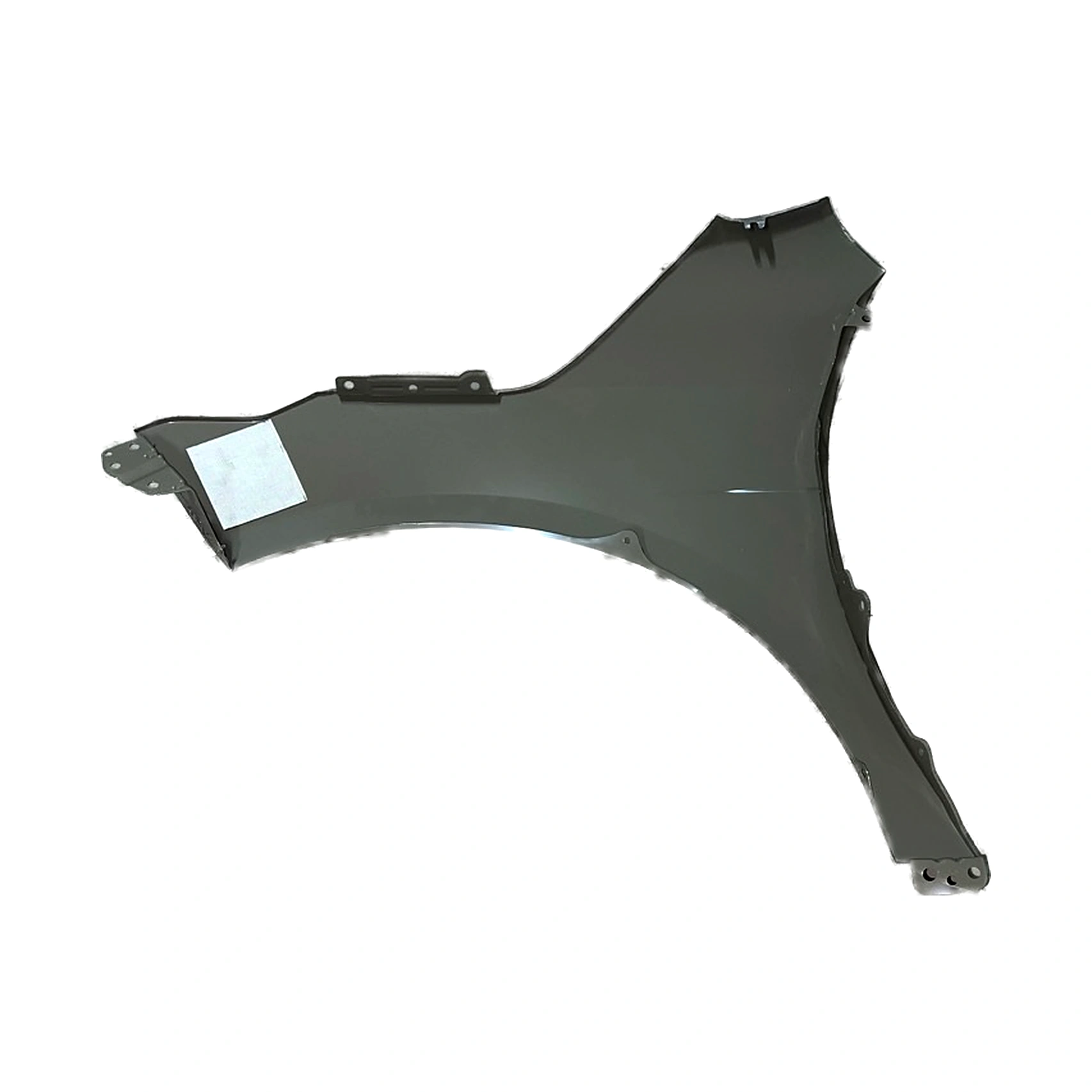
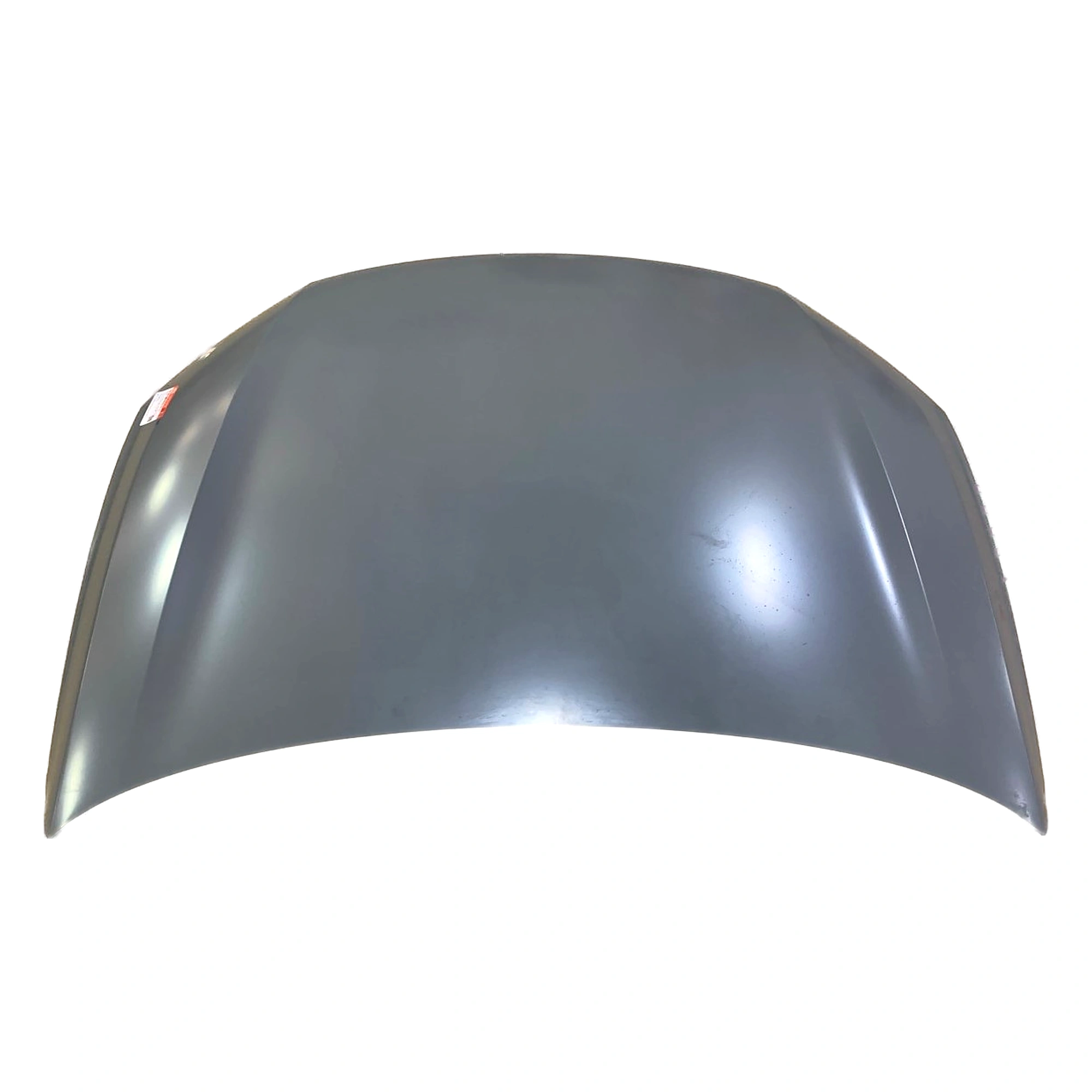
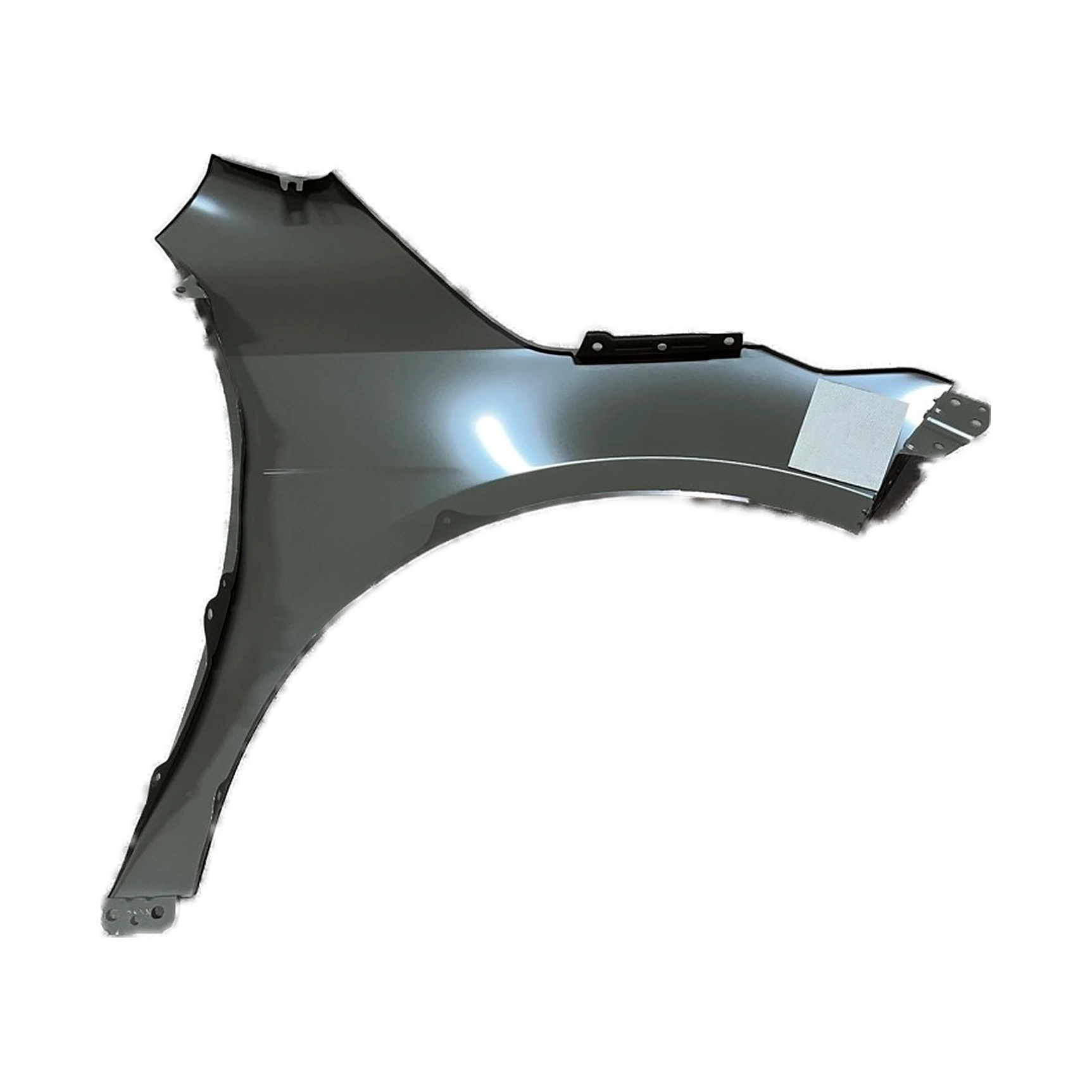
Popular Right Now
scroll for more →
Symptom Finder: What Is Actually Broken?
| What you see or hear | Part to check first |
|---|---|
| Bonnet or tailgate drifts down and will not stay raised | Gas strut or prop rod |
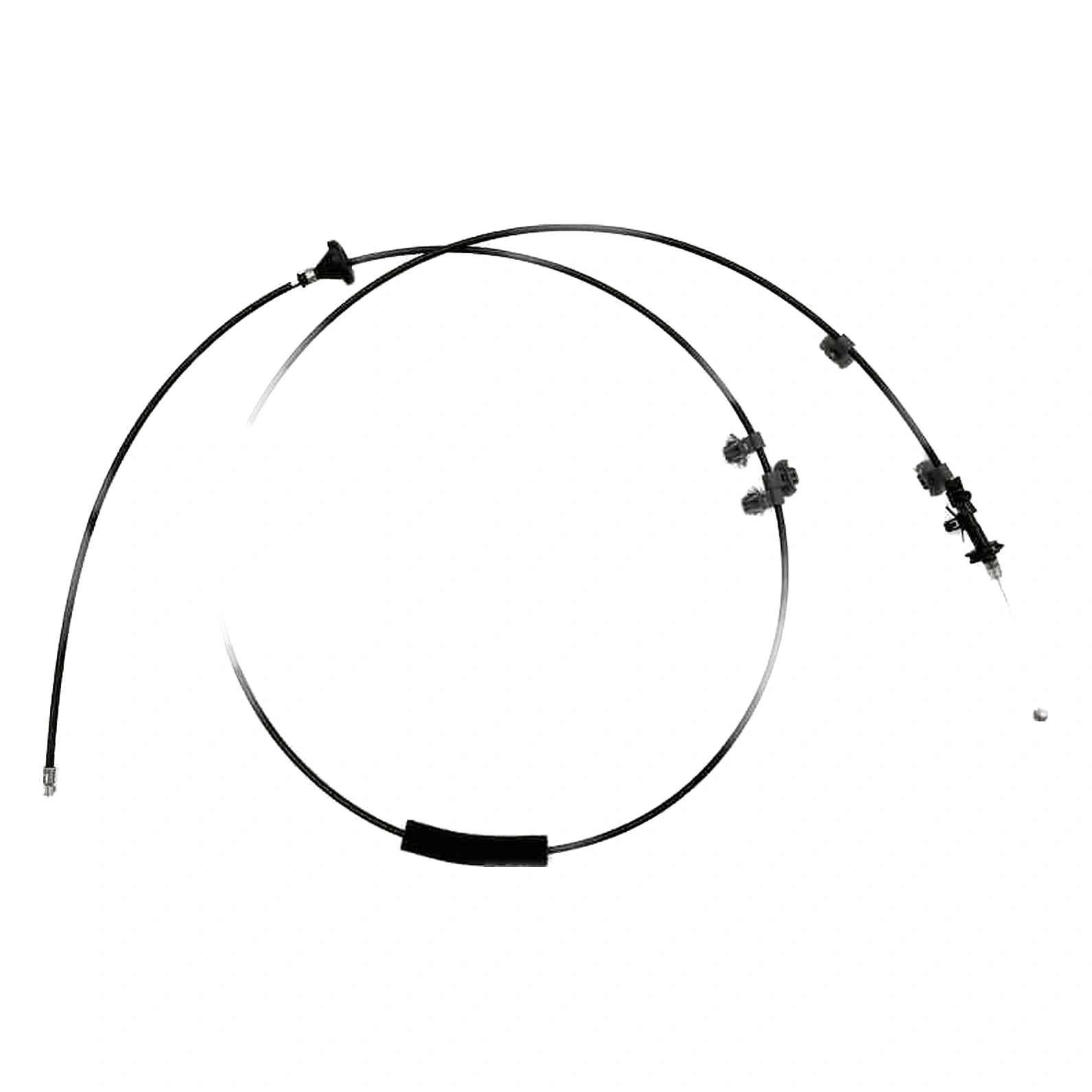
| Release lever pulls with no resistance and the bonnet stays shut | Bonnet release cable assembly |
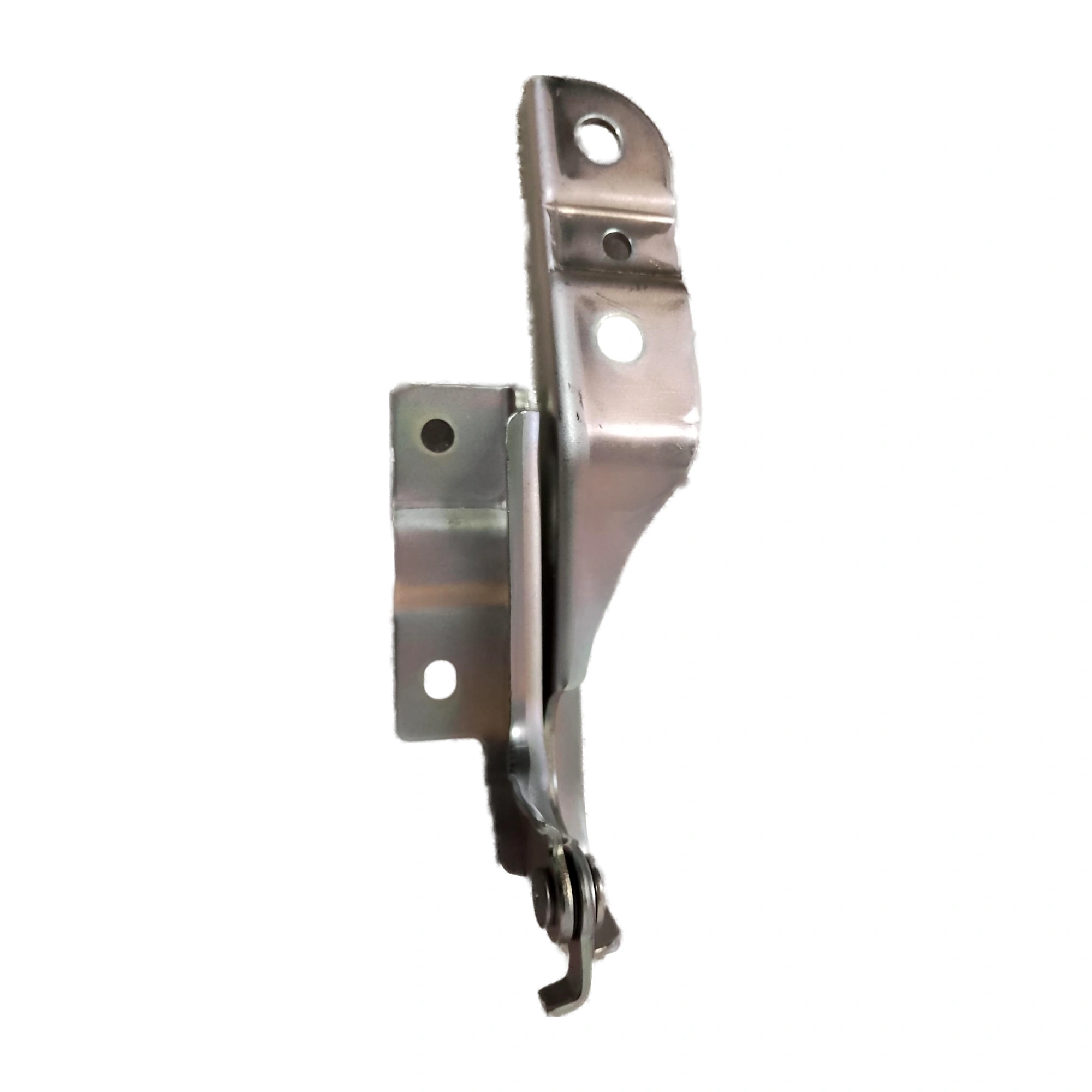
| Panel gaps uneven or the bonnet sits proud at one corner | Bonnet hinge |
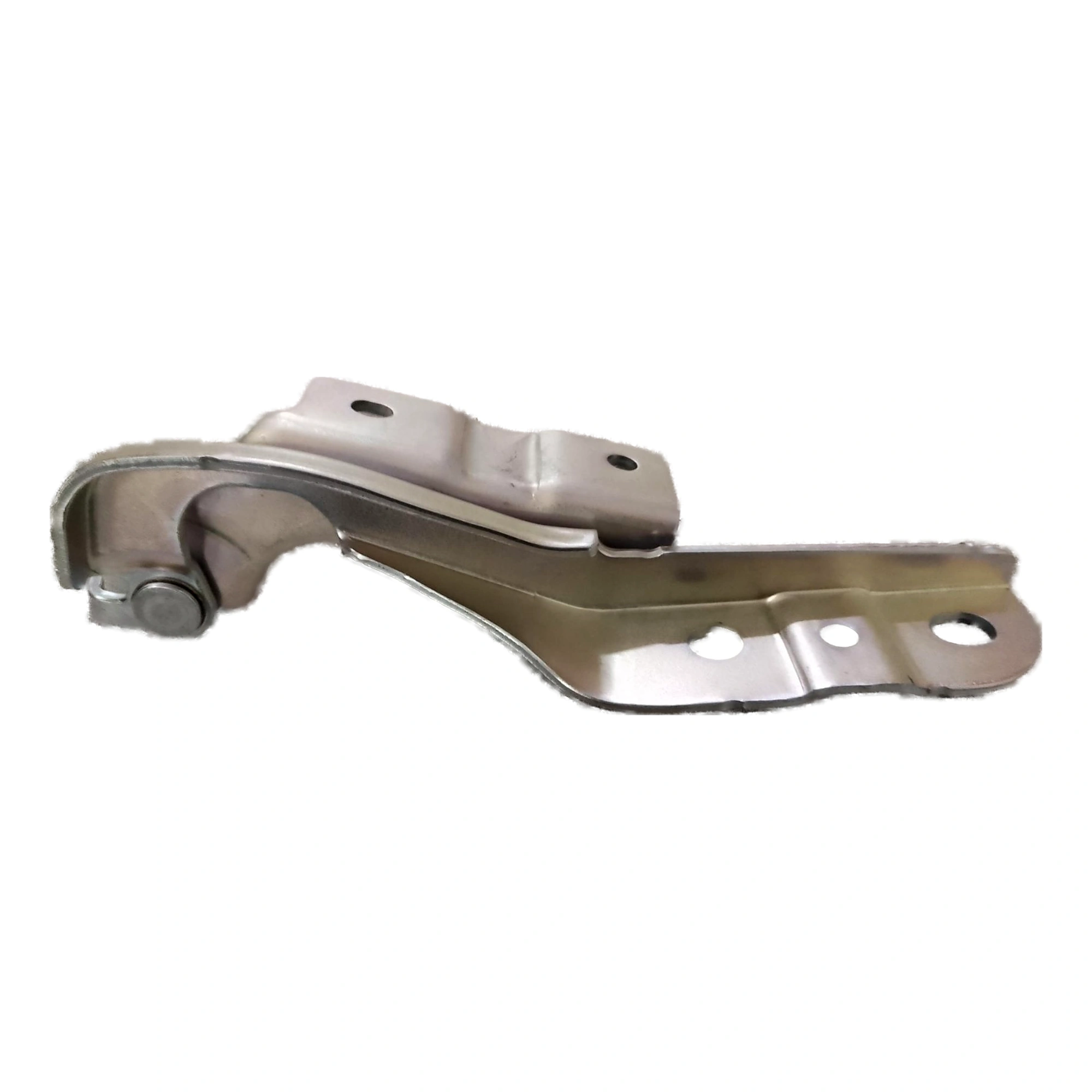
| Creaking or clunking as the tailgate opens | Tailgate hinge |
| Rust bubbling along the wing edge above the sill | Wing and fender rear closing panel |
| Boot lid slams down or feels heavy to raise | Torsion bar or boot lid hinge buffer block |
About Fenders, Hoods & Lids
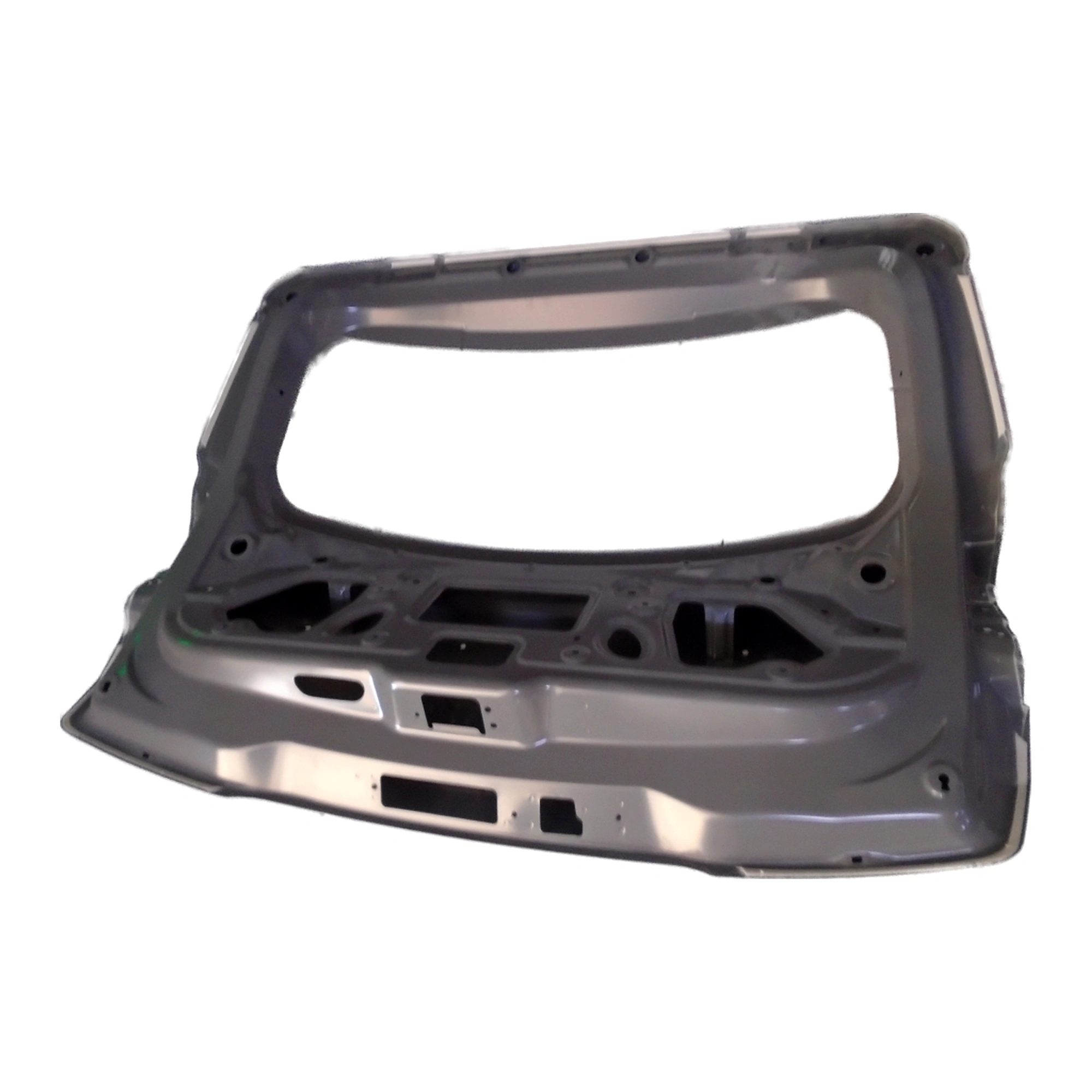
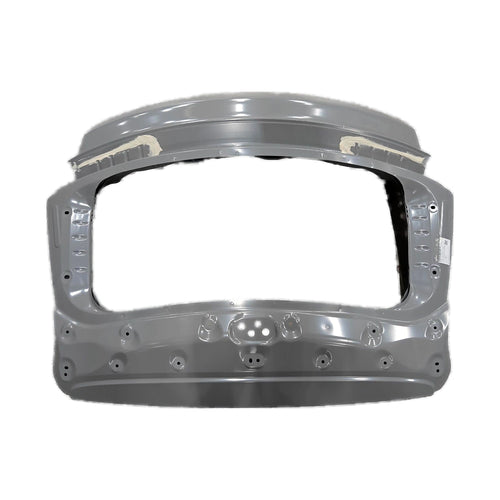
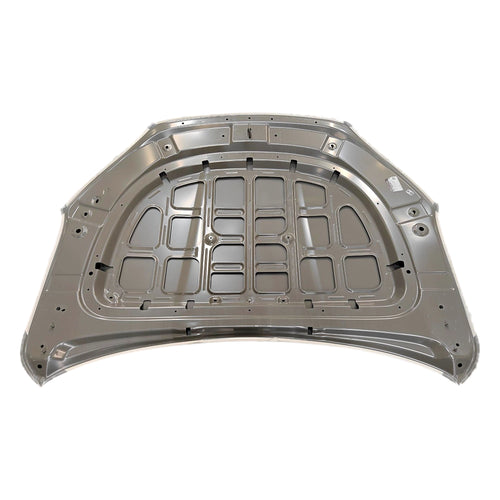
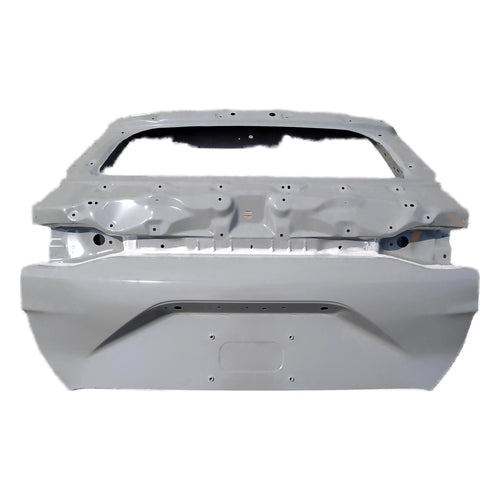
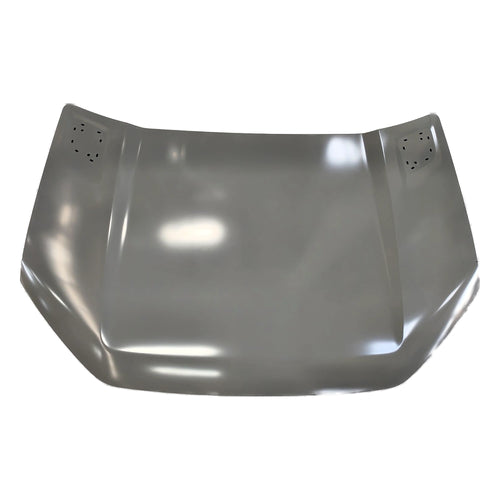
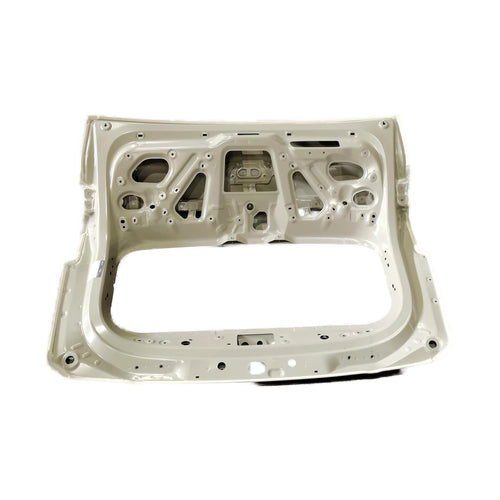
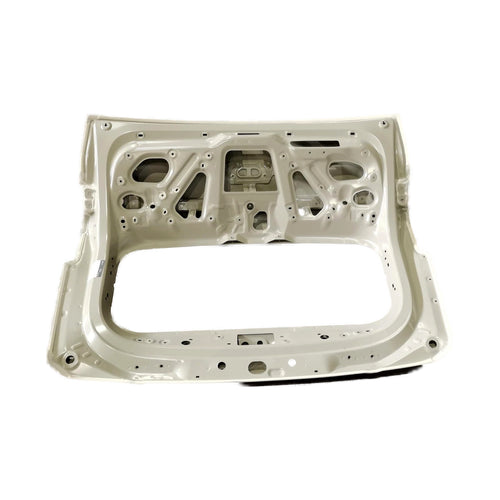
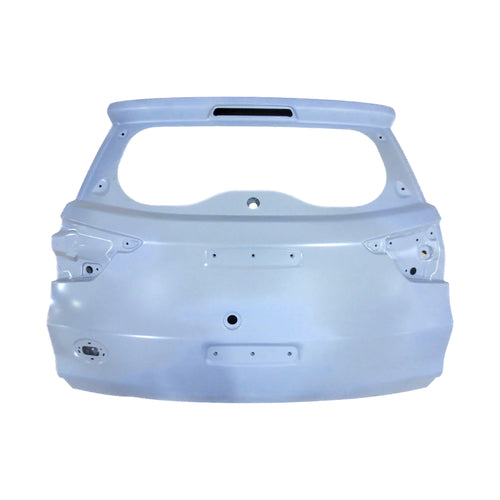
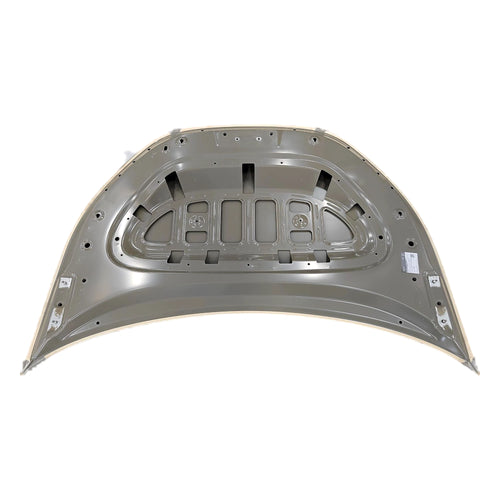
Four panels dominate this group and they share one engineering problem: each has to move, seal and then sit perfectly flush with fixed bodywork on either side. The bonnet is the largest of them, hinged at the rear on most designs so it lifts away from the windscreen, held by a prop rod or gas struts, and released by a cable running from a cabin lever to a two stage latch. A secondary catch stops it flying open if the cable fails or the primary latch is left unlatched. The wings, called fenders in American usage, bolt on rather than weld in, which is why a scraped wing is a straightforward repair while a damaged quarter panel is not. At the rear, a tailgate on a hatchback or estate hinges from the roof and needs gas struts to counterbalance its weight, while a saloon boot lid uses torsion bars instead, steel rods twisted along the hinge line. Adjustment on all four is done through slotted mounting holes.
What to know before buying Fenders, Hoods & Lids parts
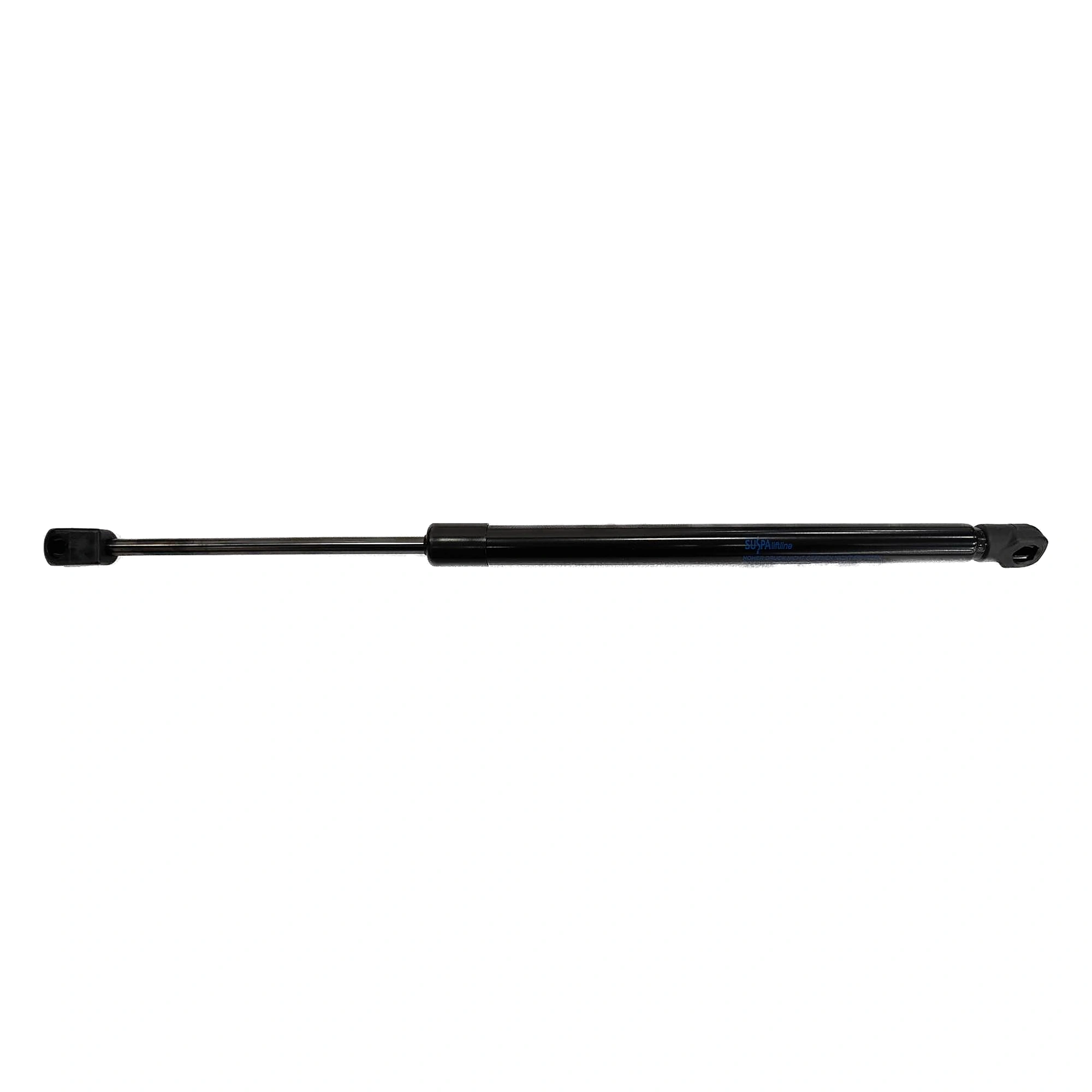
Most enquiries here are for hardware rather than panels. A bonnet that will not stay up needs struts or a prop rod. One that will not open needs a cable. A tailgate that drifts down needs struts.
The listings reflect how these panels are actually repaired. Complete panels appear as bonnets, tailgates, boot lids and wings for left and right. Around them sit the moving hardware and the small parts that fail long before the panel does. Bonnet hinges left and right, tailgate hinges, gas struts, prop rods and their clips are all listed. So are bonnet release cable assemblies, boot lid hinge buffer blocks and torsion bars. Fender rear closing panels and corner trim panels finish the joint at the door.
Panels are supplied primed and painted to your colour code before fitting. Check the OE number, because facelifts changed panel profiles and strut lengths without changing the silhouette. References with a price can be bought straight away, and unpriced ones are quoted. The BYD group is covered most fully.
Before You Order: 6 Checks
- Read the OE number from the panel or the hardware before ordering. Facelifts changed profiles without changing the outline.
- Left and right are given as seen from the driver's seat facing forward.
- Panels are supplied primed. Take the colour code from the vehicle plate to your body shop before fitting.
- Match gas struts by extended length and force rating as well as by number. A strut that is close is a strut that fails.
- Check whether the listing is the bare panel or includes the hinge, latch or trim.
- Replace gas struts in pairs. A new strut working against a tired one twists the panel and wears out early.
What Changed and Why
Aluminium has moved from premium models into mainstream bonnets and tailgates, driven by weight targets that matter more on battery electric vehicles than they ever did on petrol cars. That changes repair practice: aluminium panels need separate tools and a segregated work area to avoid galvanic contamination, and they cannot be pulled and reshaped like steel. Pedestrian protection rules have also raised bonnet height and added deformation space beneath, so a bonnet is now a designed crush structure rather than a lid, and repairs that stiffen it locally are discouraged.
Fenders, Hoods & Lids: Frequently Asked Questions
My bonnet will not stay up. Struts or prop rod?
Look at what your car was built with. If there is a hinged metal rod clipped along the inner wing, you have a prop rod and the likely fault is a broken clip or a bent rod, both cheap parts listed here. If the bonnet is held by cylinders at each side, they are gas struts and they have simply lost pressure, which happens gradually and always faster in cold weather. Replace struts in pairs by matching the extended length and the force rating, and the bonnet lifts with one hand again.
The release lever pulls but the bonnet stays shut. What now?
Almost always a stretched or snapped release cable, or a latch that has seized because the cable was never able to move it fully. If the lever feels slack with no resistance, the cable has parted. Getting in usually means reaching the secondary catch from below with the car raised, or having a helper press down on the bonnet while the lever is pulled. Once open, replace the cable assembly rather than lubricating the old one. A cable that has stretched once will strand again, and the assembly is inexpensive.
What is the difference between a wing and a quarter panel?
Position and how they are attached. A wing, called a fender in American listings, covers the front wheel and bolts to the body, which is why replacing one is routine and why this category lists them individually for left and right. A quarter panel covers the rear wheel and is welded into the shell, so it is cut and replaced by a body shop rather than unbolted. If your damage is at the front and the panel has visible bolts under the bonnet edge, you are looking at a wing and a straightforward job.
Do bonnets, tailgates and wings arrive painted?
They arrive primed, in grey undercoat ready for paint, which is standard practice for every visible panel. Colour matching is done in a paint booth against the code on your vehicle identification plate, and no warehouse can hold panels in every shade a model was sold in. Budget for paint and blending into the adjacent panels when you plan the repair. Small hardware in this category, such as hinges, struts, cables and buffer blocks, is finished in black or bare metal and fits exactly as delivered.
How do I choose the right gas strut?
Match three things: the OE number, the extended length, and the force rating usually printed on the strut body in newtons. Length alone is not enough, because the same physical size is produced in several ratings for different panel weights, and a strut that is too weak lets the panel creep down while one that is too strong strains the hinges and can crack the panel. If the printing on your old strut has worn away, order by OE number and side. Always fit both sides together.
My tailgate creaks and clunks when it opens. Is that the struts?
Not usually. Struts fail quietly, by getting weaker. A creak or a clunk points at the hinges, where the pivot bush has worn, or at loose mounting bolts on the roof rail. Open the tailgate, have someone lift and lower it slowly while you watch the hinge, and any visible play is your answer. Tailgate hinges are listed here individually for left and right. Also check the buffer blocks, which set how the panel lands on the body and go hard with age.
What are torsion bars on a boot lid?
They are steel rods running across the hinge area, twisted under tension so they counterbalance the weight of the lid, doing the same job as gas struts with no gas to lose. They rarely fail outright but they do lose tension, at which point the lid feels heavy on the way up and slams on the way down. They are listed here as left and right parts. Handle them with respect during removal, since a bar under tension has enough stored energy to injure, and follow the correct release sequence.
What do these panels and their hardware cost?
The range is broad. Clips, buffer blocks, prop rods and cables sit right at the bottom of the category. Hinges and gas struts are modest. Complete bonnets, tailgates, boot lids and wings sit at the top, because they are large, easily damaged in transit and shipped as bulky freight, and paint is an additional cost at your body shop. The live minimum and maximum for the category appear in the band at the top of this page, and each listing carries its own price or a quote button.
Can I replace a wing myself?
Physically it is one of the friendlier body jobs. A wing is held by a row of bolts along the top edge under the bonnet, a couple behind the wheel arch liner, and one or two into the sill area, with the lamp and bumper edges often overlapping. Budget half a day including the arch liner. The part that defeats most home attempts is not removal but alignment and paint: the gaps to the bonnet, door and lamp have to be even, and the colour has to blend with the panels either side.
How do I adjust panel gaps after fitting?
Use the slotted holes the factory provided. Fit every bolt finger tight, close the panel, set the gaps with even pressure using masking tape as a spacing guide, then tighten from the centre outward. Bonnets adjust for height at the rubber stops near the headlamps and for fore and aft position at the hinges. Expect to open and close the panel a dozen times as you creep up on it. If a gap will not close on one side, suspect a bent hinge or a shell that moved in the impact.
Will a bonnet from an earlier model year fit?
Only where the number matches. Facelifts routinely change the bonnet profile to suit a new grille and lamp shape, alter the latch position, and sometimes switch material from steel to aluminium within the same generation. None of that is visible in a listing photograph taken from above. Read the number stamped or stickered on the underside of your old panel, then match it. If the reference returns nothing, the quote form checks the factory catalogue for you.
The panel I need shows no price. Can I still order it?
Yes. Large panels are quoted as a matter of course because crating and freight are a real part of what you pay, and the quote returns both together. Send the number and say whether the vehicle needs the panel primed or in a particular finish. Most arrive in primer and go to a paint shop, so your body shop should confirm the paint code before anything is ordered. Ask about the gas struts and the hinge at the same time. A tailgate that closed badly before the damage rarely closes well afterwards on tired struts.