Fuel Tank, Lines & Filters
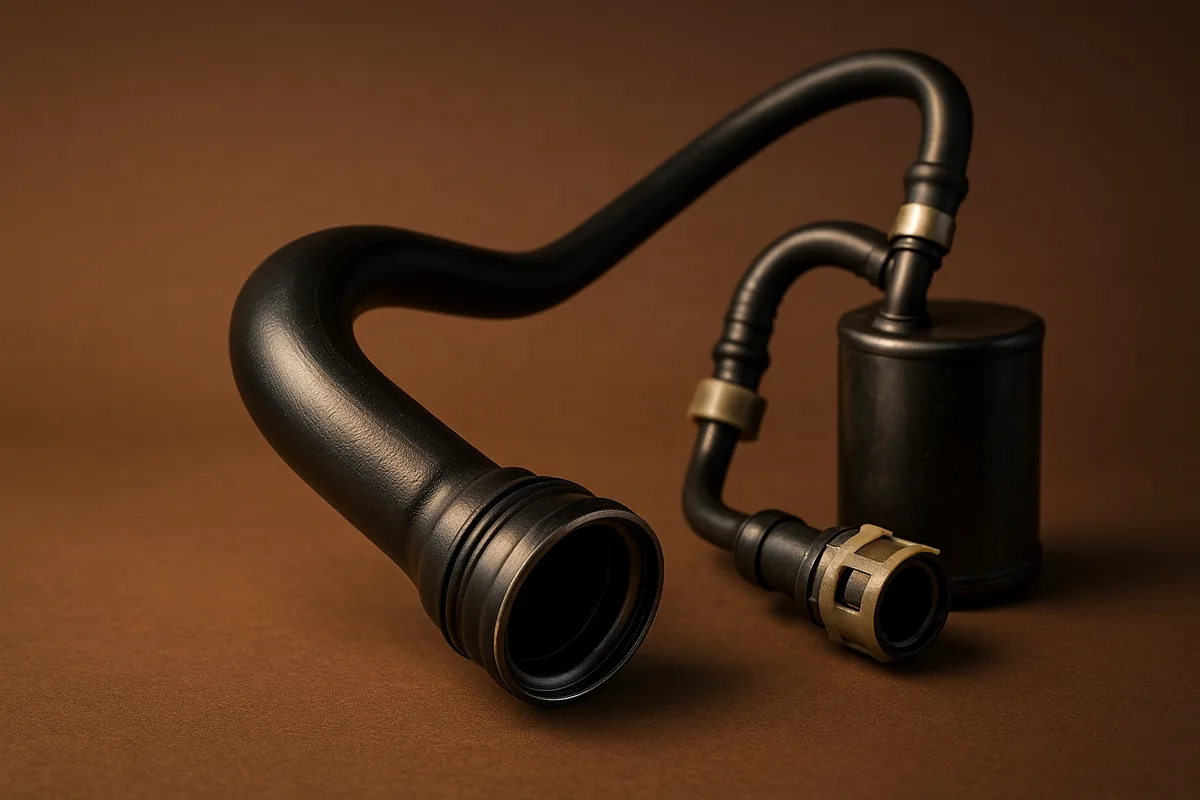
Shop Fuel Tank, Lines & Filters by Part Type
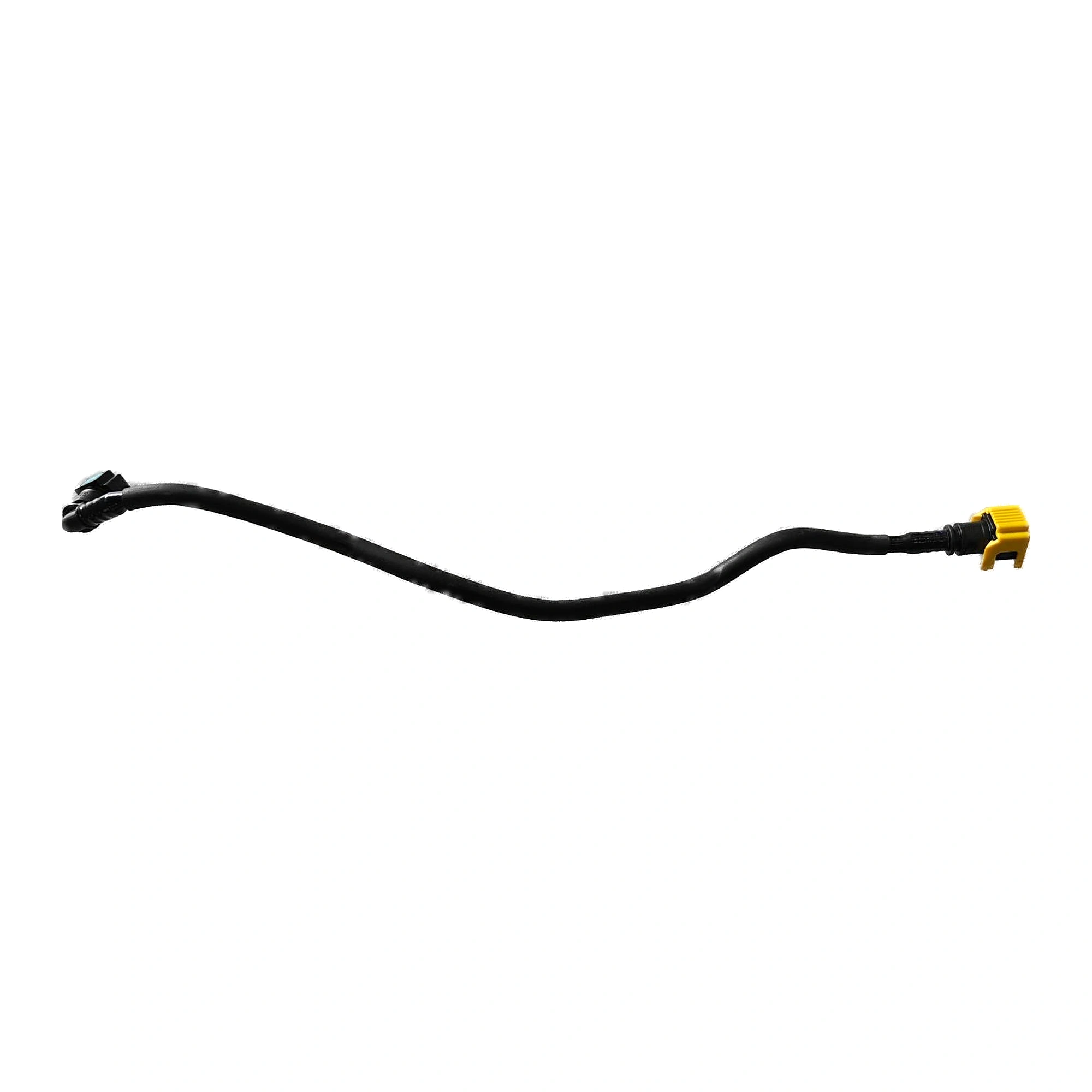
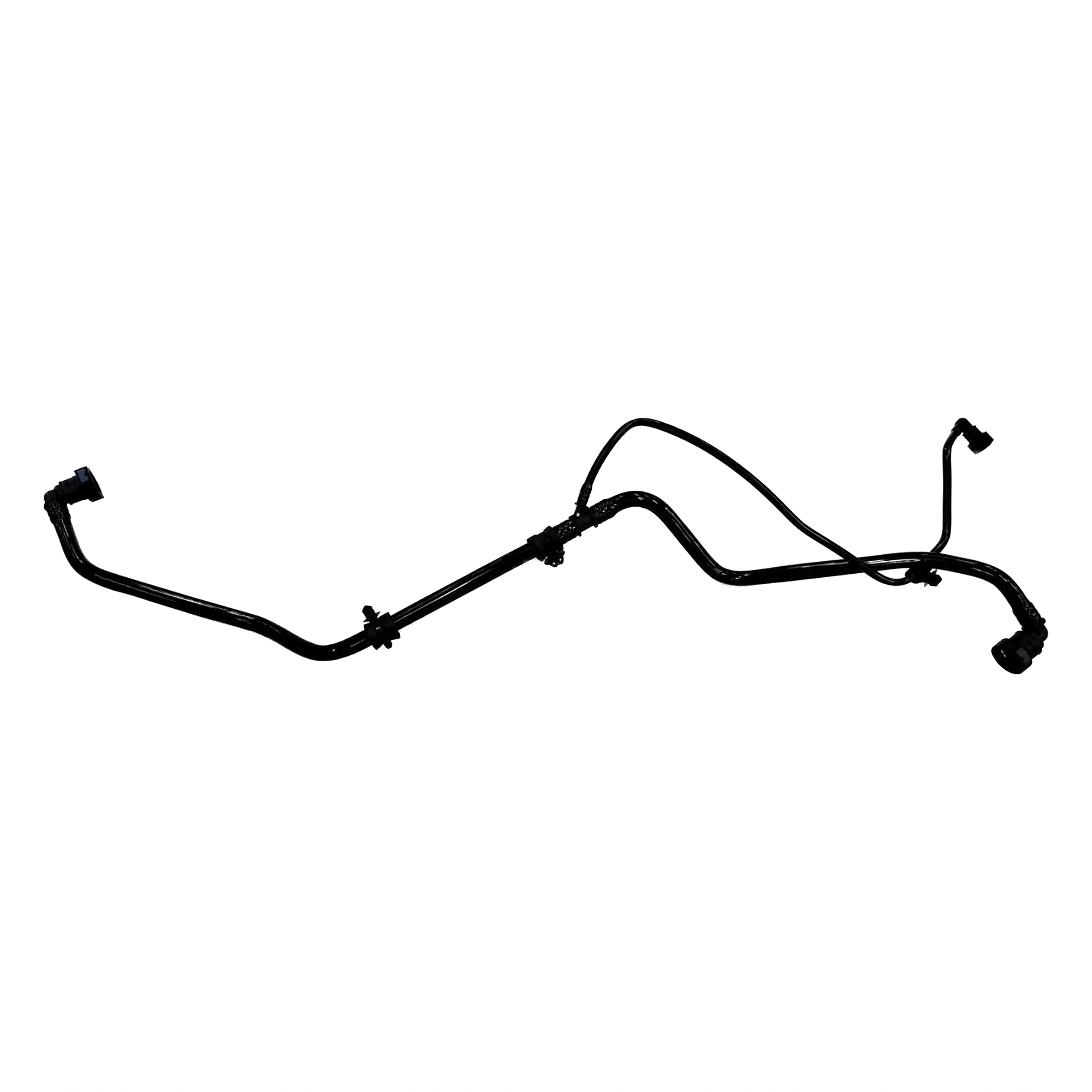
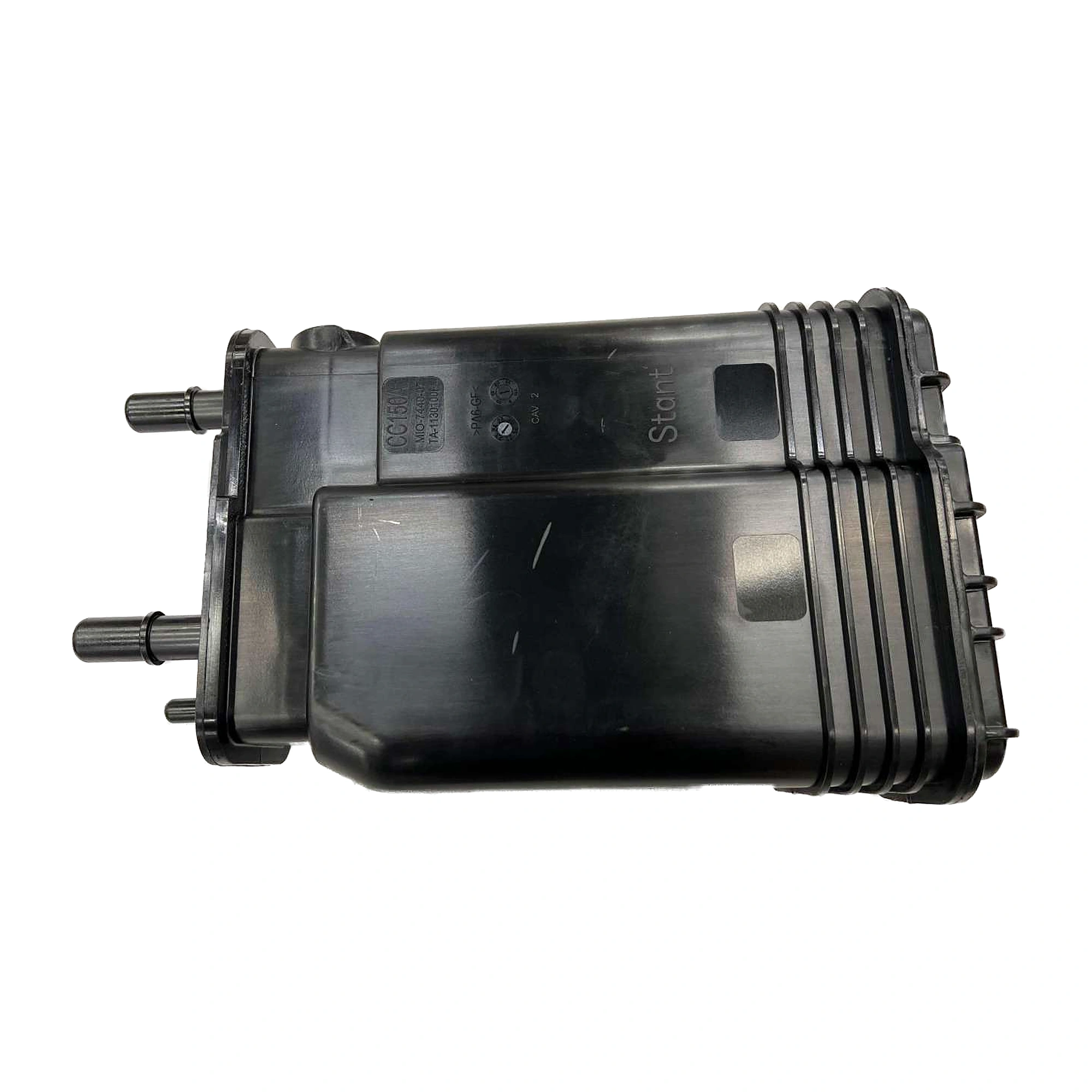
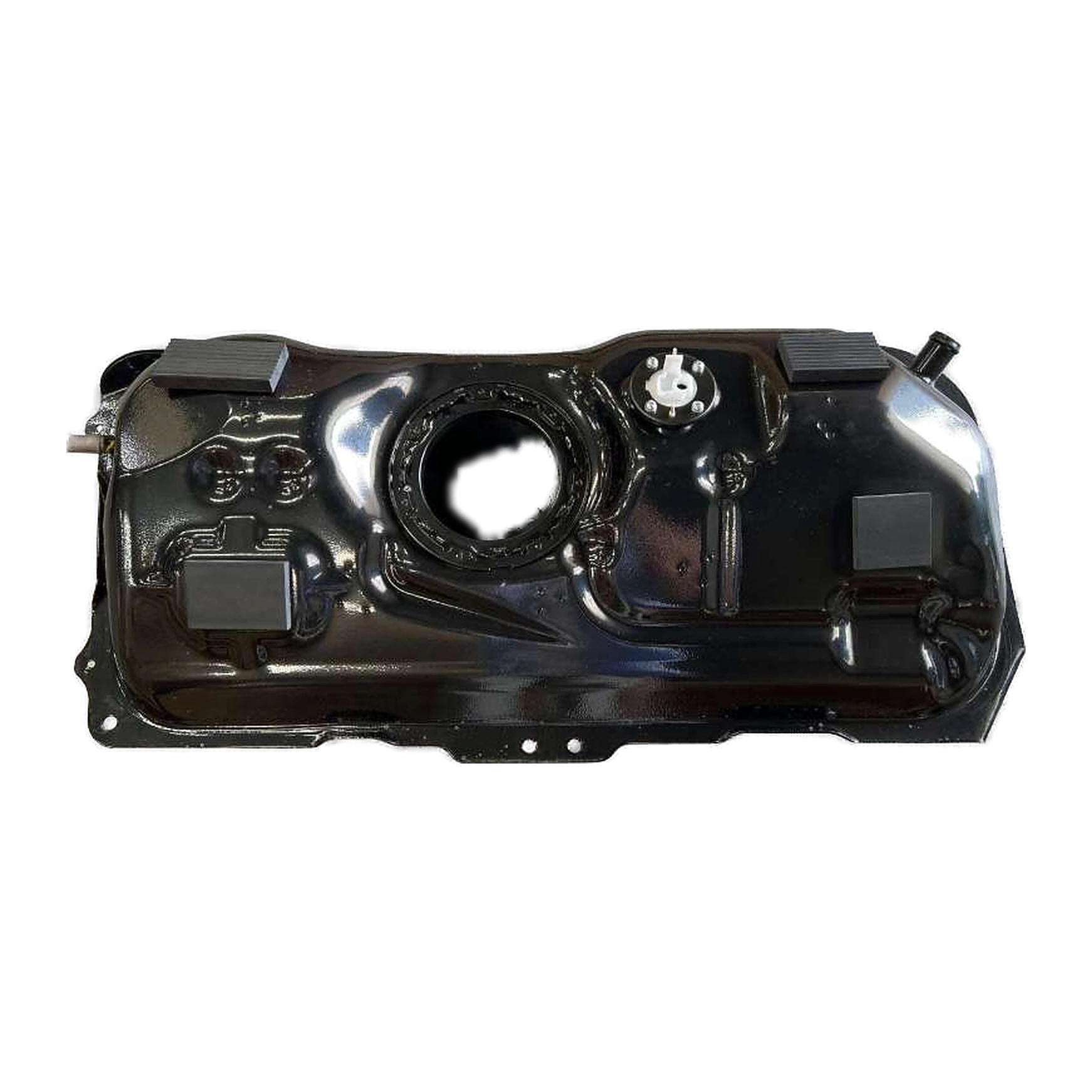
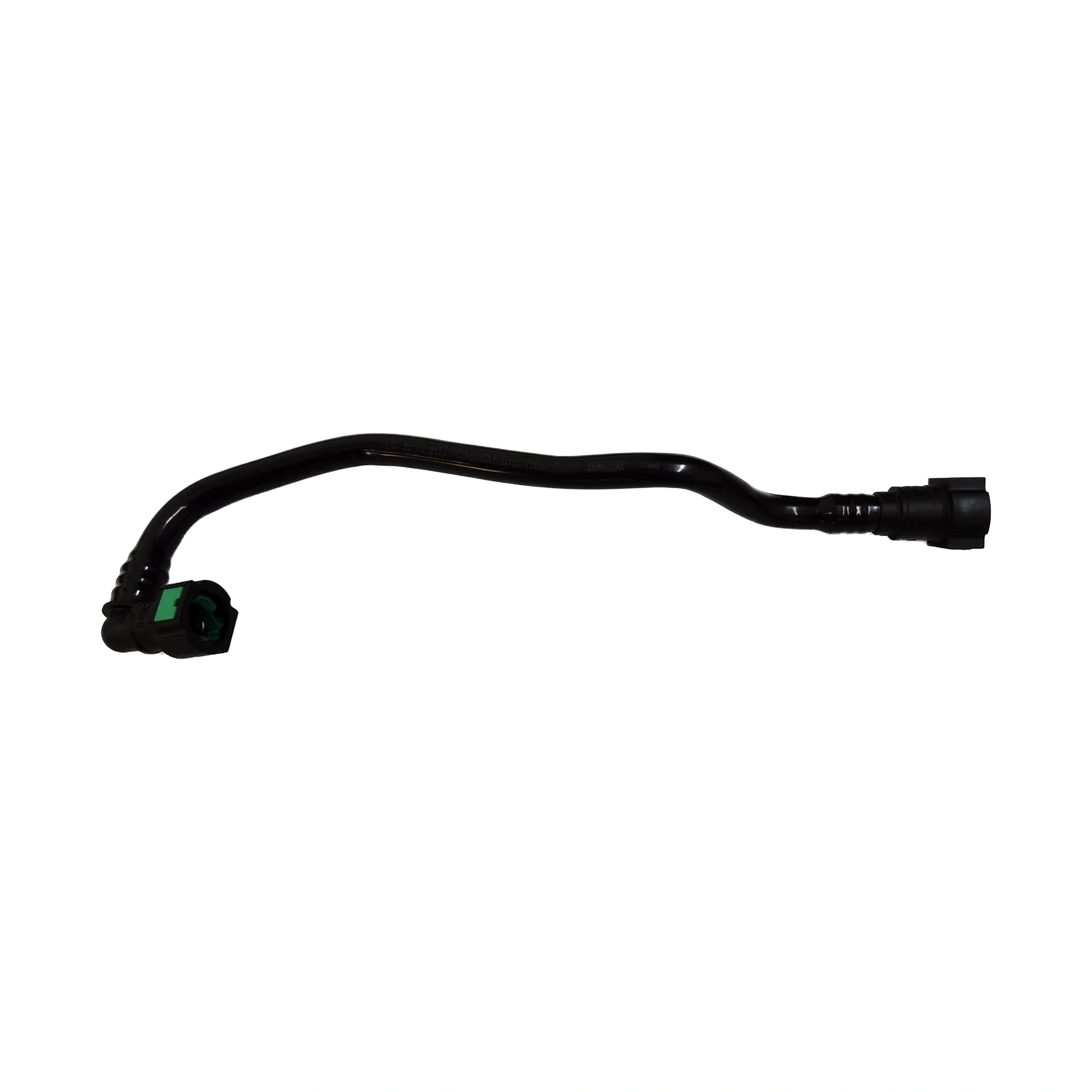
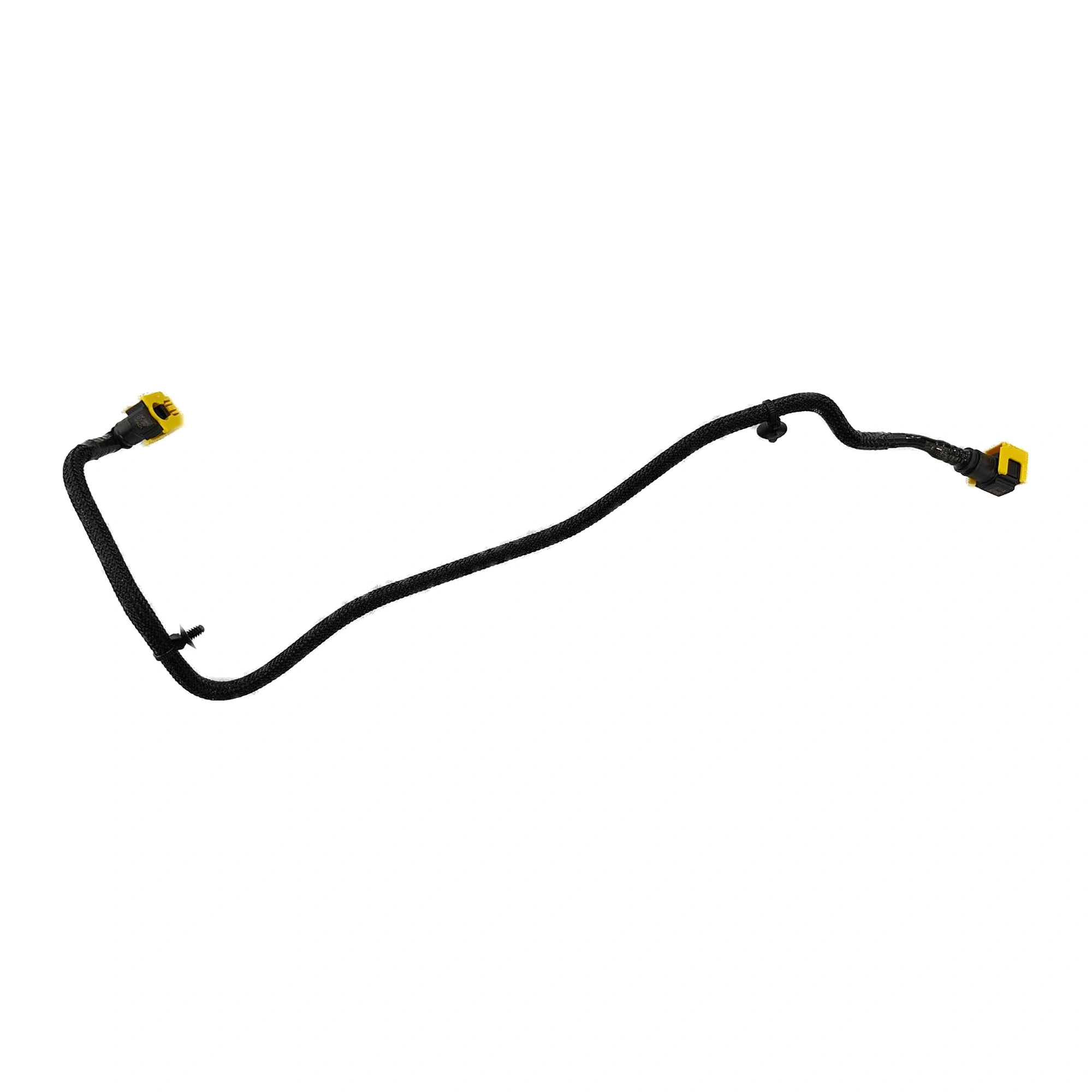
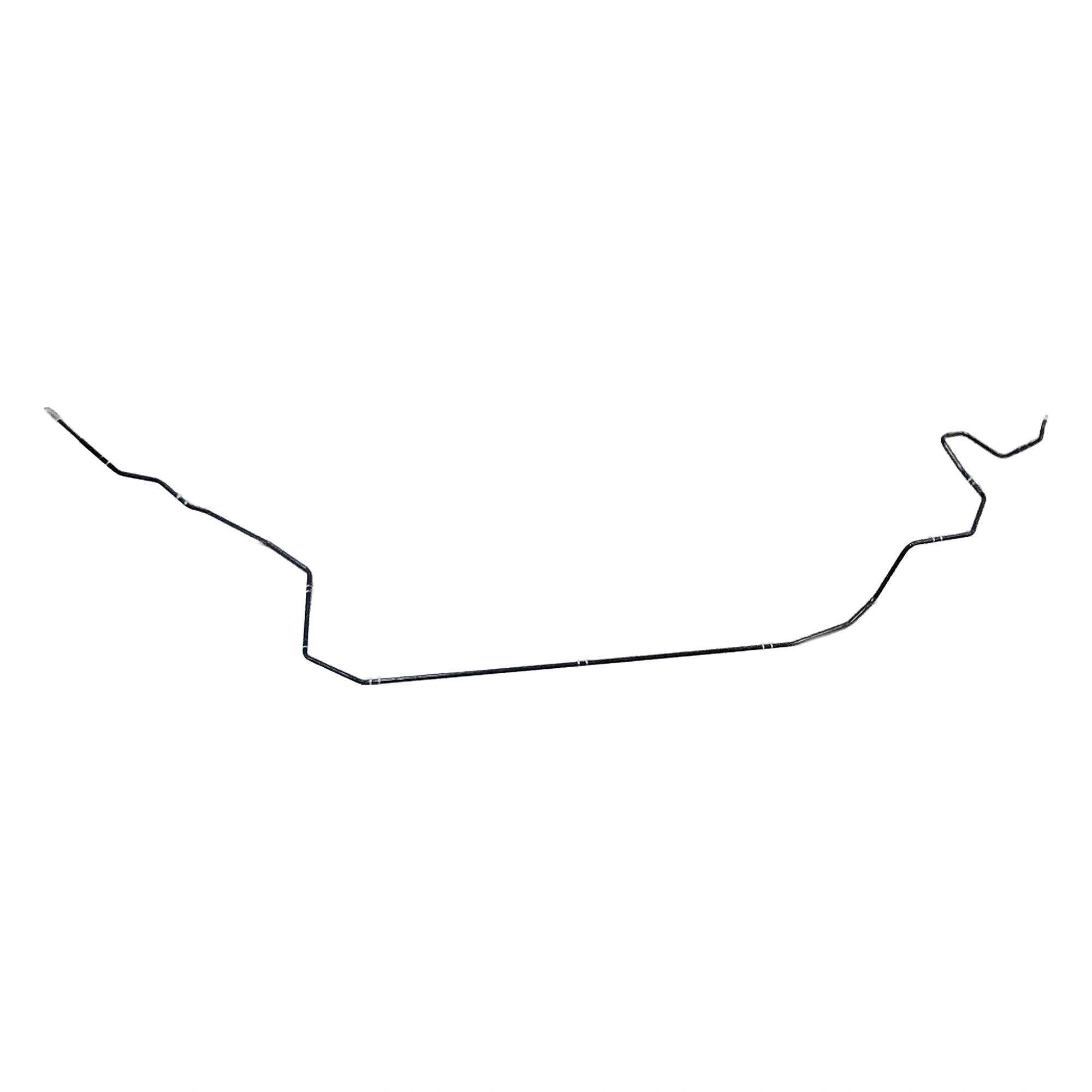
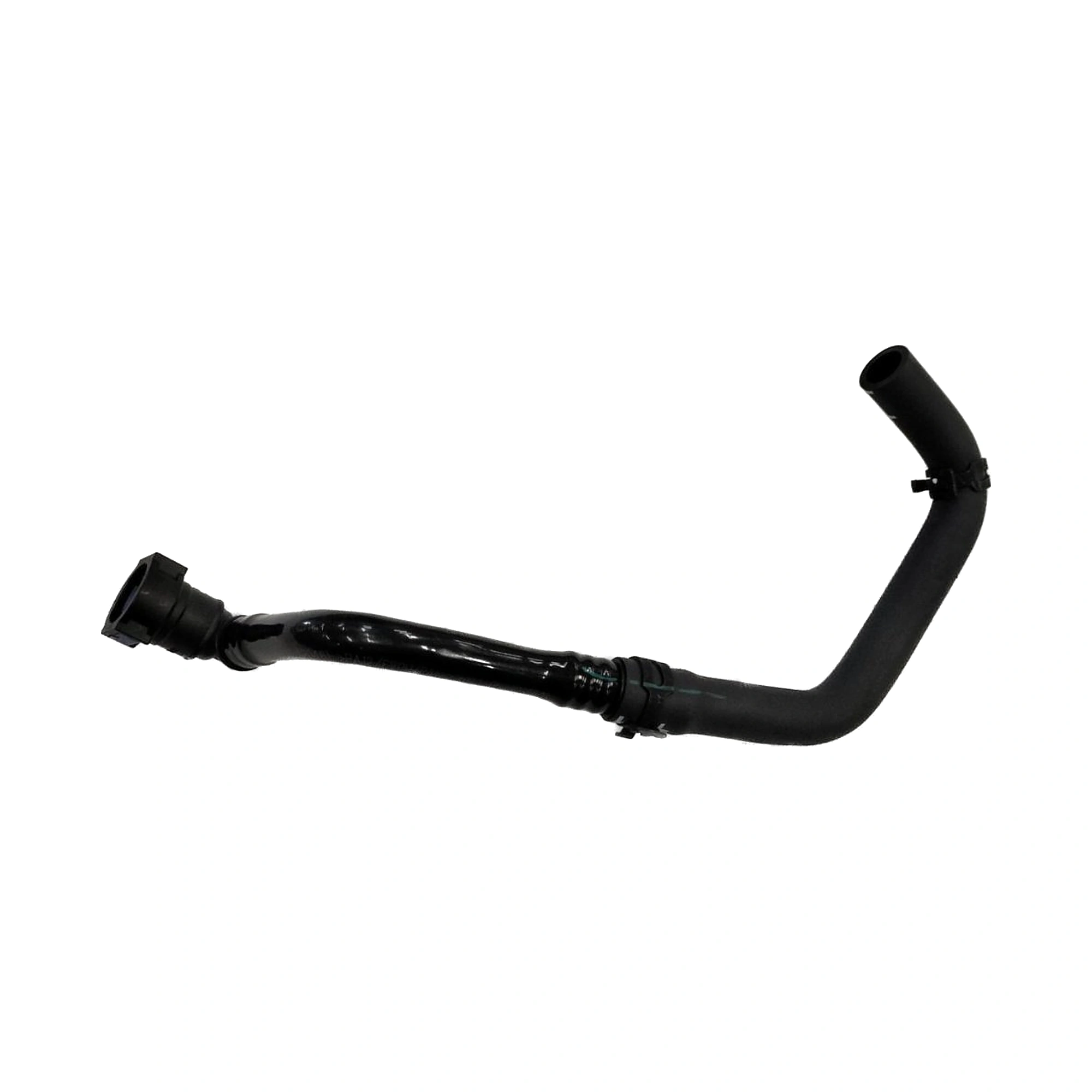
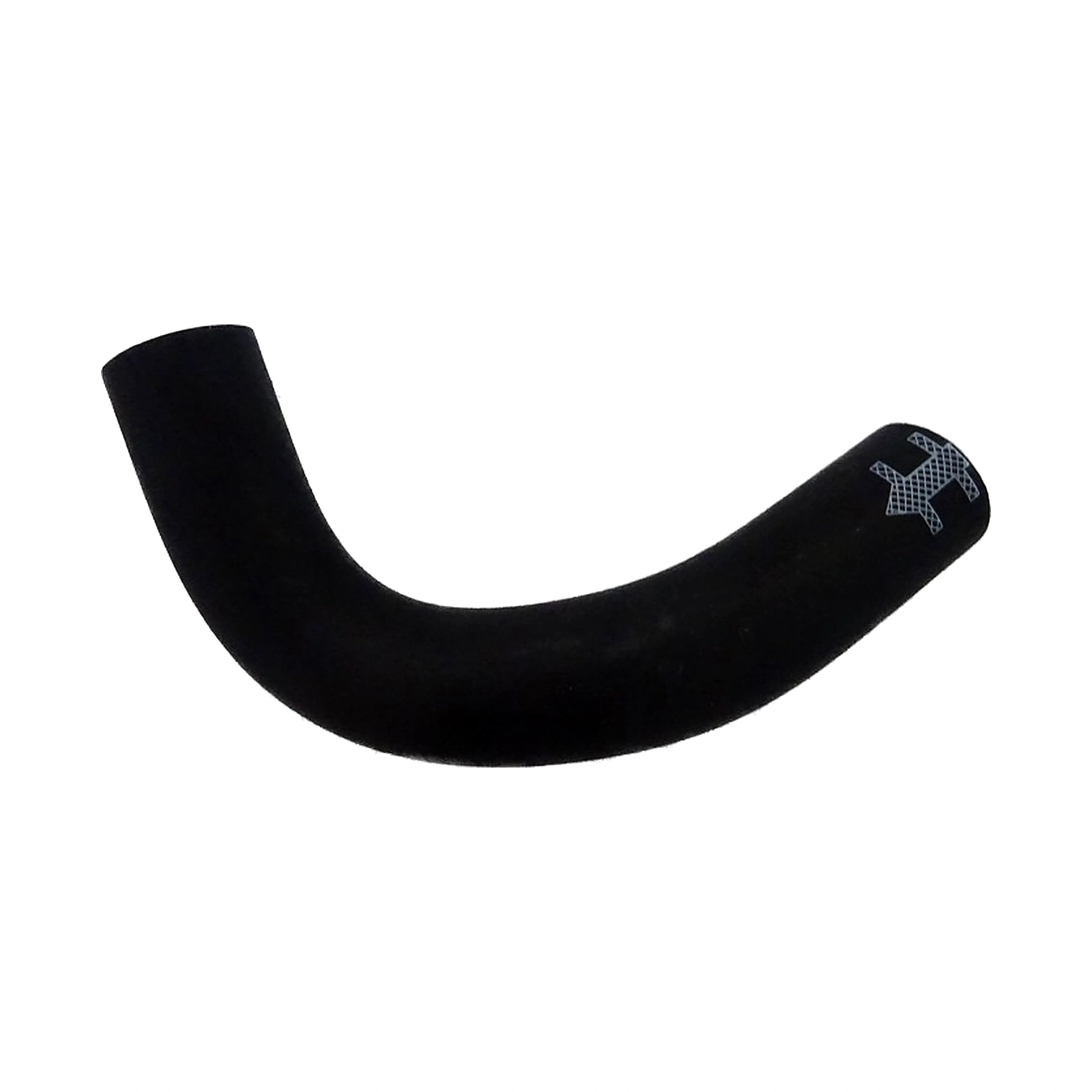
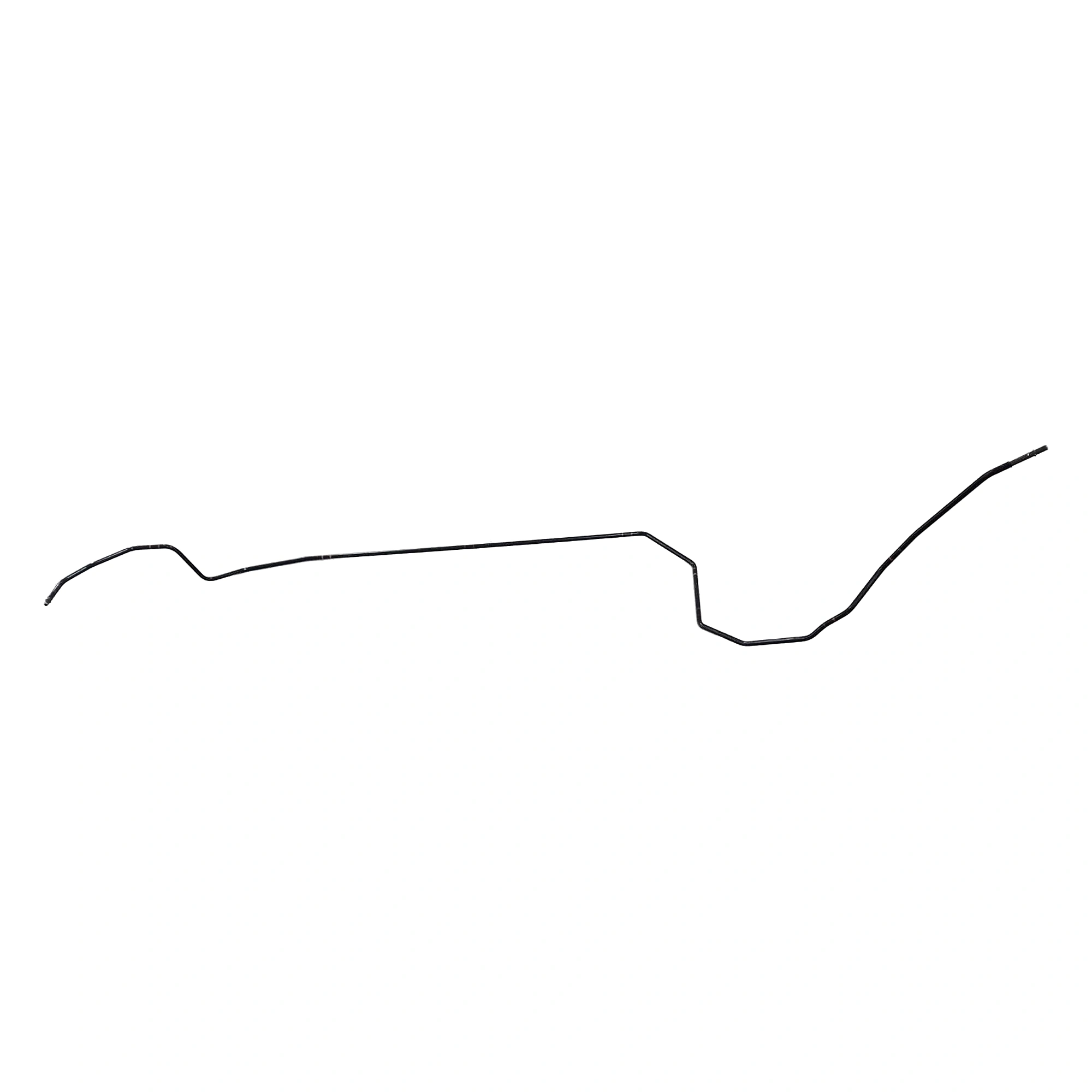
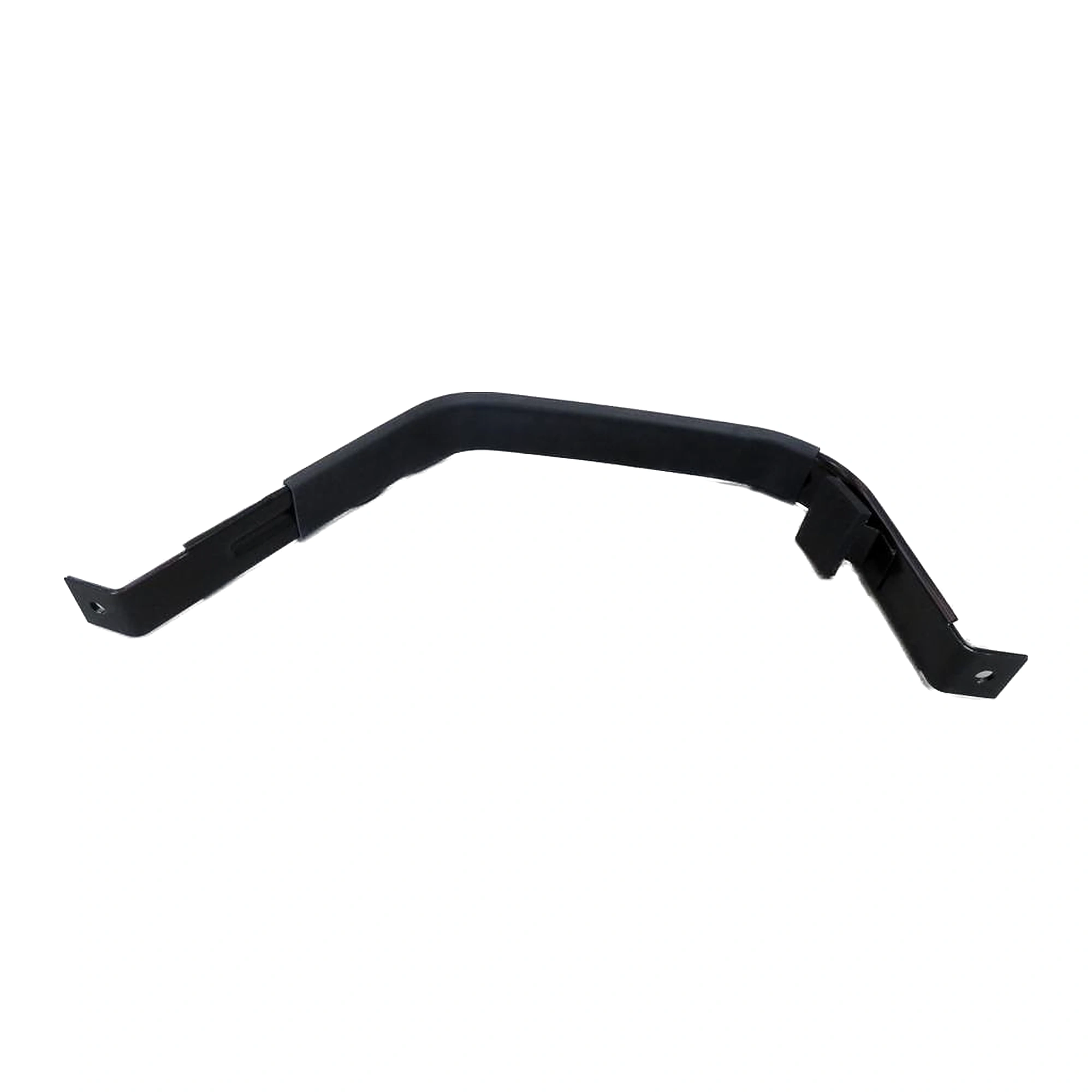
Popular Right Now
scroll for more →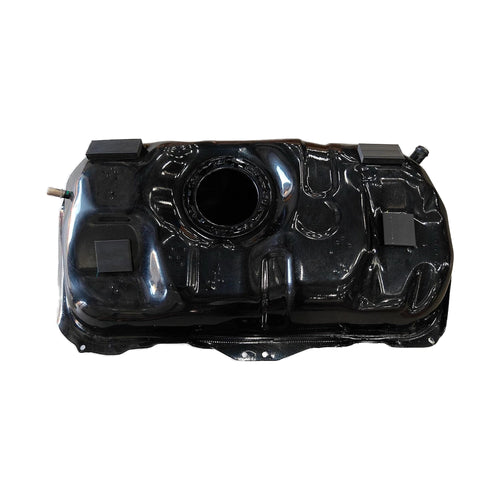
Symptom Finder: What Is Actually Broken?
| What you see or hear | Part to check first |
|---|---|
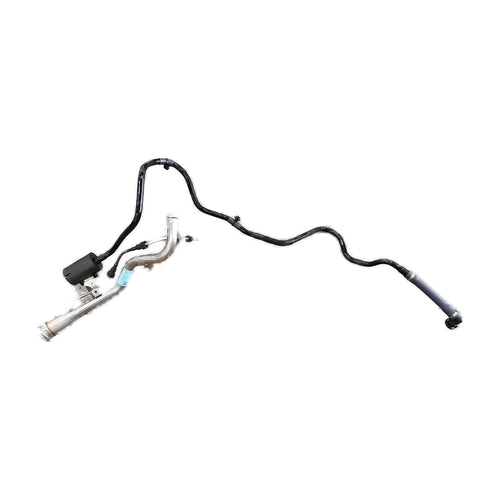
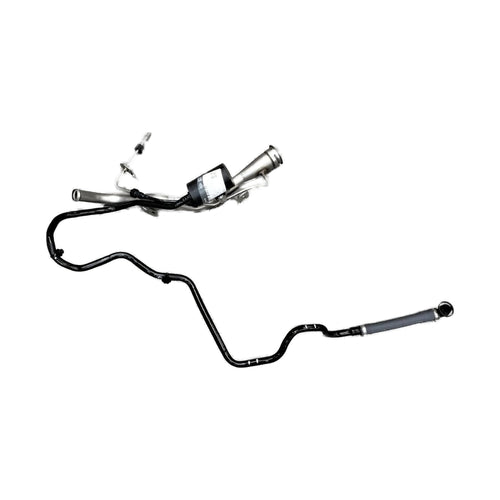
| Fuel smell around the vehicle with no visible puddle | Fuel evaporative emission hose |
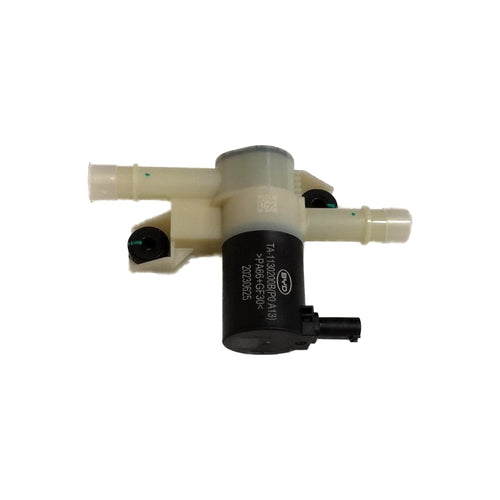
| Small evaporative leak code stored repeatedly | Evaporative nylon tube or filler cap seal |
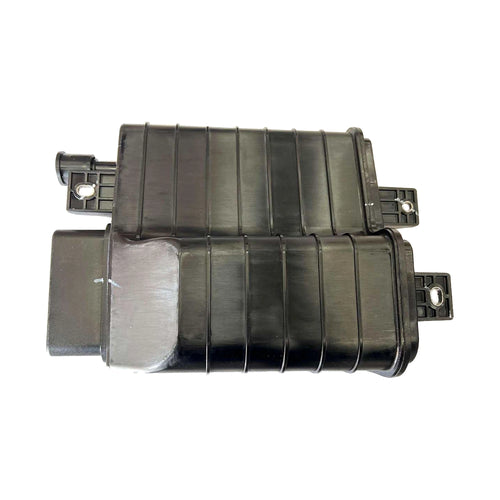
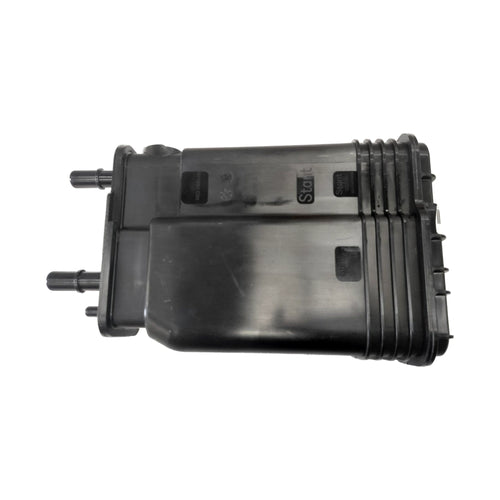
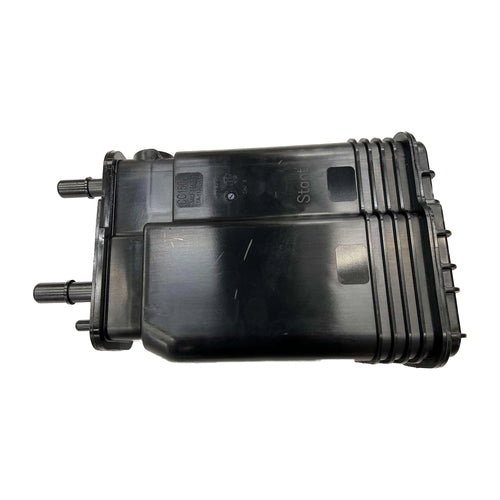
| Filler nozzle tripping off before the tank is full | Activated carbon canister |
| Fuel weeping at the filler neck when the tank is full | Fuel filler hose |
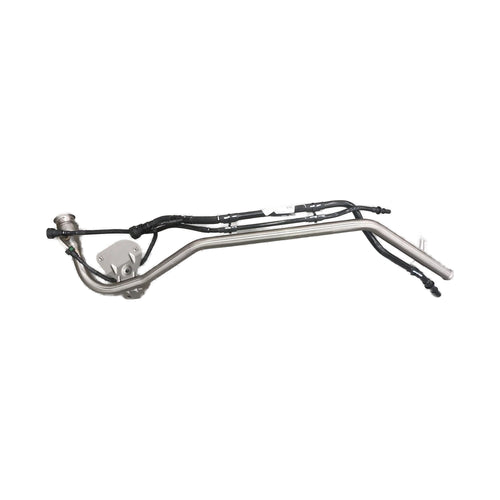
| Damp patch on the underbody along a line run | Fuel inlet nylon pipe or hard line |
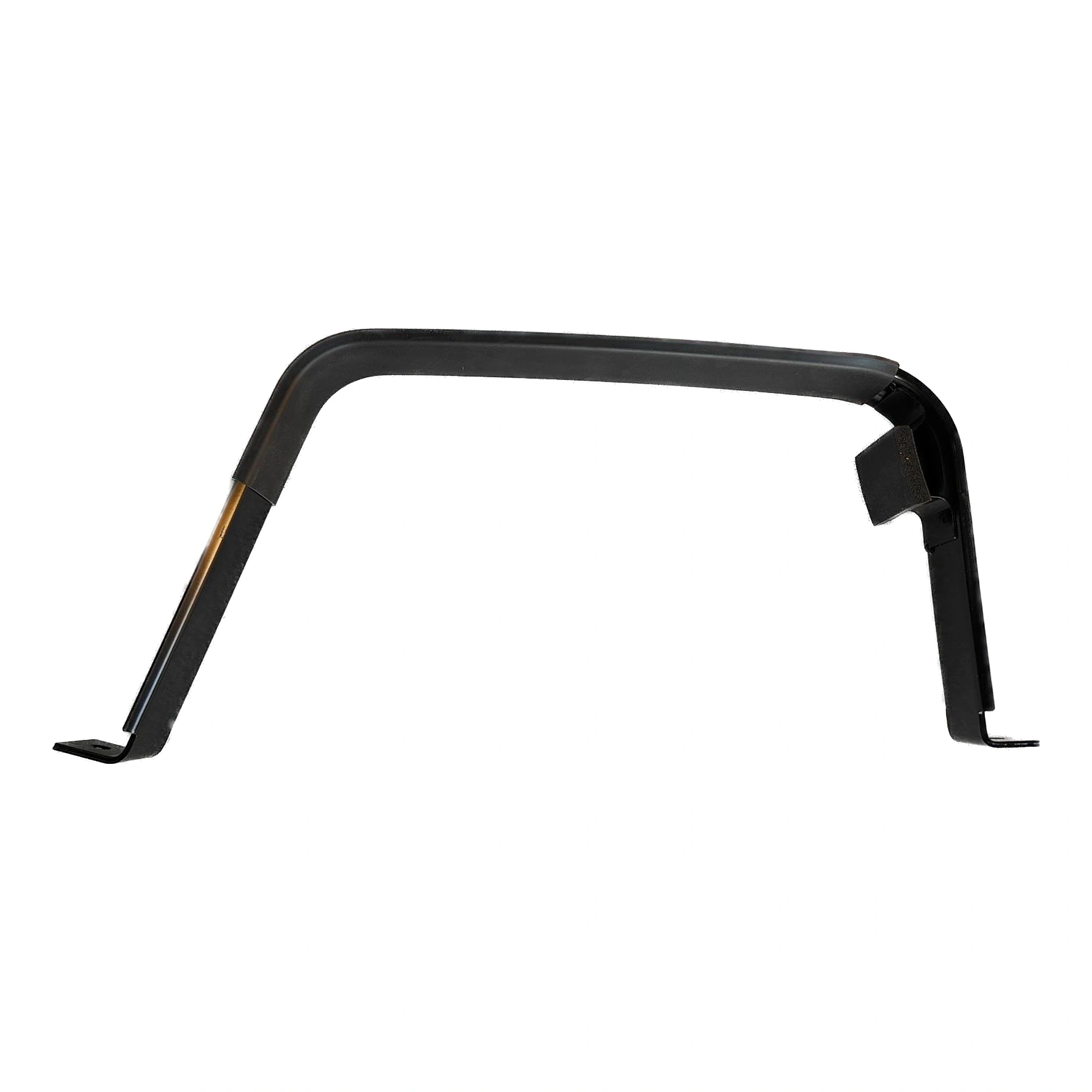
| Tank moving or knocking over bumps | Fuel tank retaining strap assembly |
About Fuel Tank, Lines & Filters
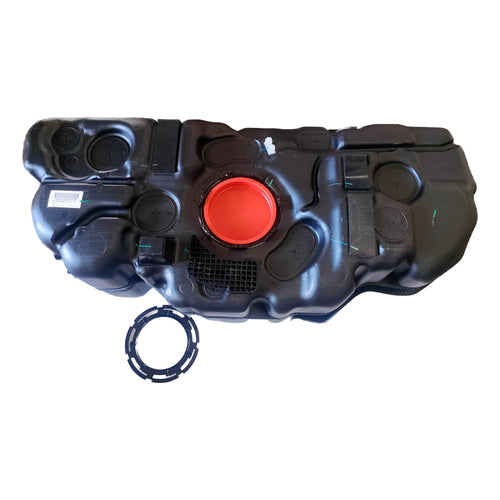
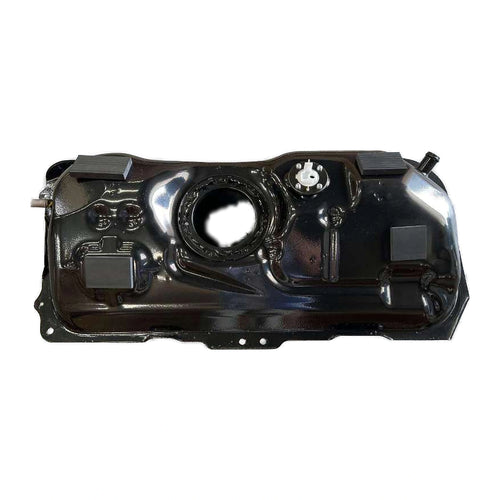
A fuel tank is a sealed pressure vessel that also has to breathe. Modern tanks are blow moulded from multi layer plastic, with a barrier layer that stops hydrocarbons permeating through the wall, and they are held to the underbody by steel straps with rubber isolators. Fuel leaves through the pump module and travels forward in nylon lines with quick release couplings, chosen because nylon resists corrosion and can be formed to complex routes. Vapour has its own network: as fuel warms and sloshes it evaporates, and rather than venting to atmosphere the vapour is routed through valves to an activated carbon canister that adsorbs it until the engine purges it into the intake. The filler neck completes the picture, with a hose to the tank and a recirculation path that lets displaced vapour escape while you fill.
What to know before buying Fuel Tank, Lines & Filters parts
Look at the bends and the coupling shoulders first. Nylon lines become brittle with age and crack in those places. A fault here is nearly always one section rather than the whole system, and the sections are listed individually.
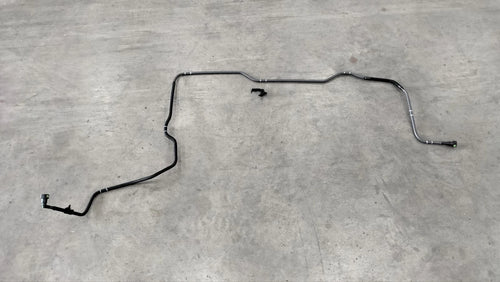
The listings cover the whole network. Fuel tank bodies and retaining strap assemblies appear alongside fuel inlet nylon pipes and hard lines in numbered sections. Fuel filler hoses and activated carbon canisters follow. Fuel evaporative emission nylon tubes, hard lines and hoses have their own numbered series.
Give both the OE number and the section number when you order. Every line is formed to a specific route with specific couplings at each end. Order replacement clips or couplings where the listing names them separately. The originals rarely survive removal, and a damaged coupling shoulder leaks the moment the system is pressurised.
References with a price can be bought straight away, and anything without one is quoted against the same factory number. The BYD group is covered most fully.
Before You Order: 6 Checks
- Match the OE number and the section number, since lines are formed to a specific route with specific couplings.
- Inspect nylon lines at bends and coupling shoulders, where age cracking starts.
- Check the filler cap seal before ordering anything for an evaporative leak code.
- Depressurise the fuel system and observe fire precautions before opening any joint.
- Order new quick release couplings or clips where the listing specifies them separately.
- Replace a canister that has been flooded with liquid fuel rather than attempting to dry it.
What Changed and Why
Fuel tanks and their vapour systems have become steadily more sealed as evaporative limits have tightened, with multi layer plastic barrier construction and active leak detection now standard. Hybrid vehicles have pushed this further: because the engine runs intermittently there are fewer opportunities to purge the carbon canister, so some hybrids use a pressurised sealed tank system that holds vapour under pressure until conditions allow purging. The practical effect for owners is that a small vapour leak is detected more reliably and reported more quickly than it once was.
Fuel Tank, Lines & Filters: Frequently Asked Questions
I can smell fuel but there is no leak on the ground. Why?
Because the leak is vapour rather than liquid. The evaporative system is sealed, and a cracked vapour hose, a failed connector seal or a saturated canister lets hydrocarbon vapour escape without anything dripping. Start with the filler cap, then inspect the evaporative lines along the tank and up to the engine bay, paying attention to bends and coupling shoulders where age cracking starts. A smoke test at a workshop finds vapour leaks in minutes and is far cheaper than replacing parts speculatively.
Why do nylon fuel lines crack?
Because the material embrittles with heat, ultraviolet exposure and time, losing the flexibility it had when new. The failure points are predictable: sharp bends, the shoulder where the pipe enters a quick release coupling, and any point where a clip has held the line tightly against a bracket. Cracks are often hairline and only weep under pressure, so inspect with the system pressurised and look for a damp patch or a stain rather than a visible split.
The pump nozzle keeps clicking off. What is wrong?
The tank cannot vent quickly enough to accept the fuel. During filling, displaced vapour must flow through the carbon canister and out, and if the canister is saturated with liquid fuel or a vent valve is stuck, pressure builds in the filler neck and trips the nozzle's shut off. The most common cause is habitual overfilling, which draws liquid fuel into charcoal designed only for vapour. A flooded canister is replaced rather than dried out.
Can a plastic fuel tank be repaired?
Not reliably, and not safely by improvisation. Multi layer plastic tanks have a barrier layer that any repair compromises, plastic welding needs the correct material and equipment, and the whole assembly is a sealed vessel that a fuel system leak test must pass. Where damage is at a strap contact point or from a stone impact, replacement is the honest answer. The tank body and its retaining straps are listed here separately, since a corroded strap does not require a new tank.
How do I release a quick connect coupling?
With the correct release tool rather than a screwdriver. Quick release couplings use an internal spring clip that must be spread evenly, and levering at one point breaks the clip or damages the pipe shoulder, which then leaks when reassembled. Clean the coupling first so grit is not driven into the seal, depressurise the system, then use the tool sized for that coupling. Have replacement clips available, since the originals are frequently damaged even with the correct approach.
What do fuel tank and line parts cost?
Evaporative hoses, nylon tubes, clips and straps sit at the lower end of the range. Filler hoses and hard line sections are modest. Activated carbon canisters and fuel tank bodies sit at the top of this category, with tanks also carrying substantial freight because of their size. The live minimum and maximum are shown in the band at the top of this page. Given the price spread, identifying the exact section before ordering is worthwhile.
Is it safe to work on fuel lines at home?
With discipline, yes, and the precautions are not optional. Depressurise the system before opening any joint, work outdoors or in a well ventilated space away from any ignition source, disconnect the twelve volt battery, catch fuel rather than letting it run, and keep an appropriate extinguisher within reach. Never use an open flame, a grinder or anything that sparks near the tank. If any of that is impractical where you work, this is a job for a workshop.
What does the carbon canister actually do?
It stores fuel vapour so it is burnt rather than released. Vapour from the tank flows into a housing packed with activated charcoal, which adsorbs the hydrocarbons and lets clean air pass through the vent. When conditions suit, the engine opens a purge valve and draws that stored vapour into the intake to be burnt, regenerating the charcoal for next time. A canister that has been flooded with liquid fuel loses that ability permanently and also restricts the venting path during refuelling.
Why does my evaporative fault only appear sometimes?
Because the monitor only runs under particular conditions, typically a certain fuel level, ambient temperature and time since the engine stopped. That is why a fault can appear once, clear itself, and return weeks later, and why a code cleared before a test can stay absent long enough to be misleading. It also means an intermittent fault is genuine rather than imaginary. A smoke test does not wait for the monitor and finds the leak directly.
Will a line from a similar vehicle fit?
Only where the section number agrees. Every line here is formed to a specific route with specific coupling types at each end and specific clip positions along its length, and a line that is nearly right will sit under tension or foul something hot. Fuel lines are a poor place for approximation. Read the number moulded into the old line where legible, match the section, and use the quote form where the reference brings back nothing.
Do I need to replace the retaining straps with the tank?
Inspect them and decide. The straps are steel and live under the vehicle in road spray, so on an older car they are frequently more corroded than the plastic tank they hold. Fitting a new tank into corroded straps risks a strap failing under a full load of fuel, which is not a risk worth taking for the cost of the parts. They are listed here as their own assemblies, along with the isolating pads that stop the strap chafing the tank.
The part I need shows no price. Can I still order it?
Yes. Tanks are bulky and are shipped under their own conditions, so they are quoted rather than carrying a price, and the reply covers the transport arrangement as well as the part. Nylon lines and hard lines are formed to a routing rather than cut to length, which is why the factory number matters more than the dimension. Send it and the correct routing comes back. Add the quick release couplings and the retaining straps to the enquiry. Coupling shoulders crack when they are forced apart and a damaged one leaks the moment the system comes up to pressure.