Hoses, Tanks & Sensors
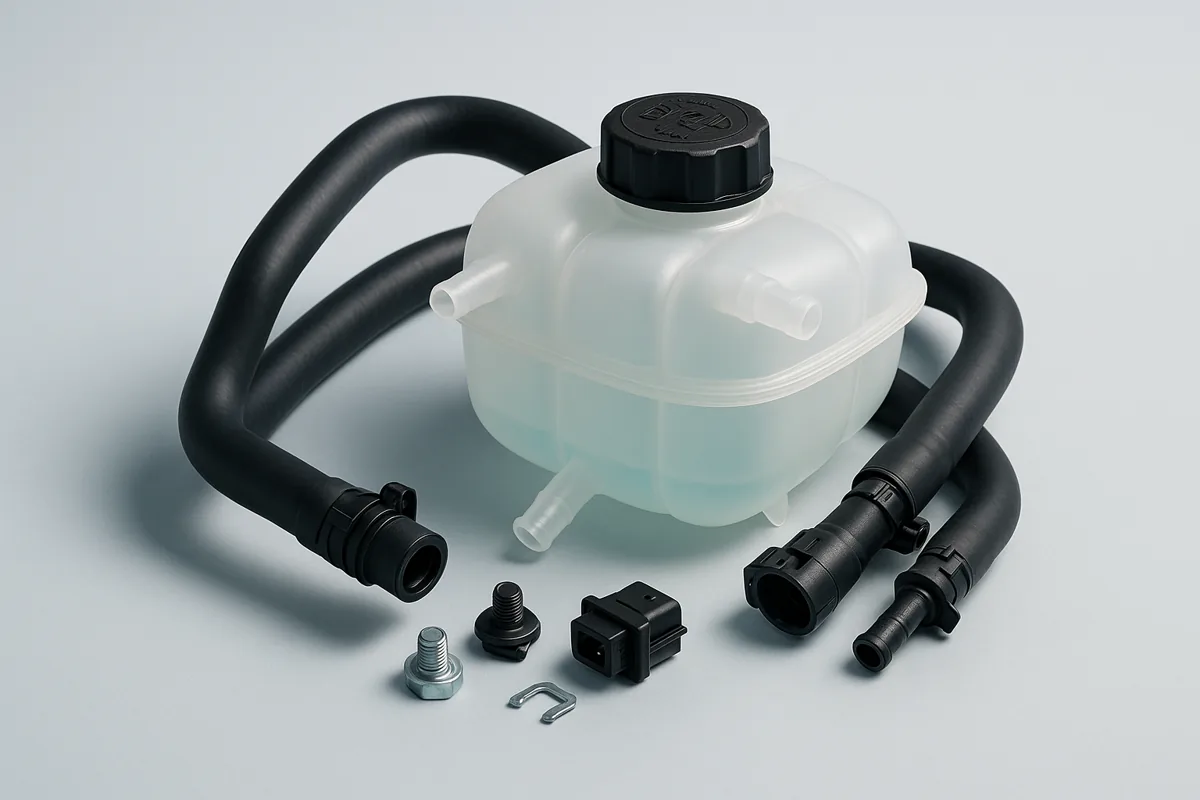
Shop Hoses, Tanks & Sensors by Part Type
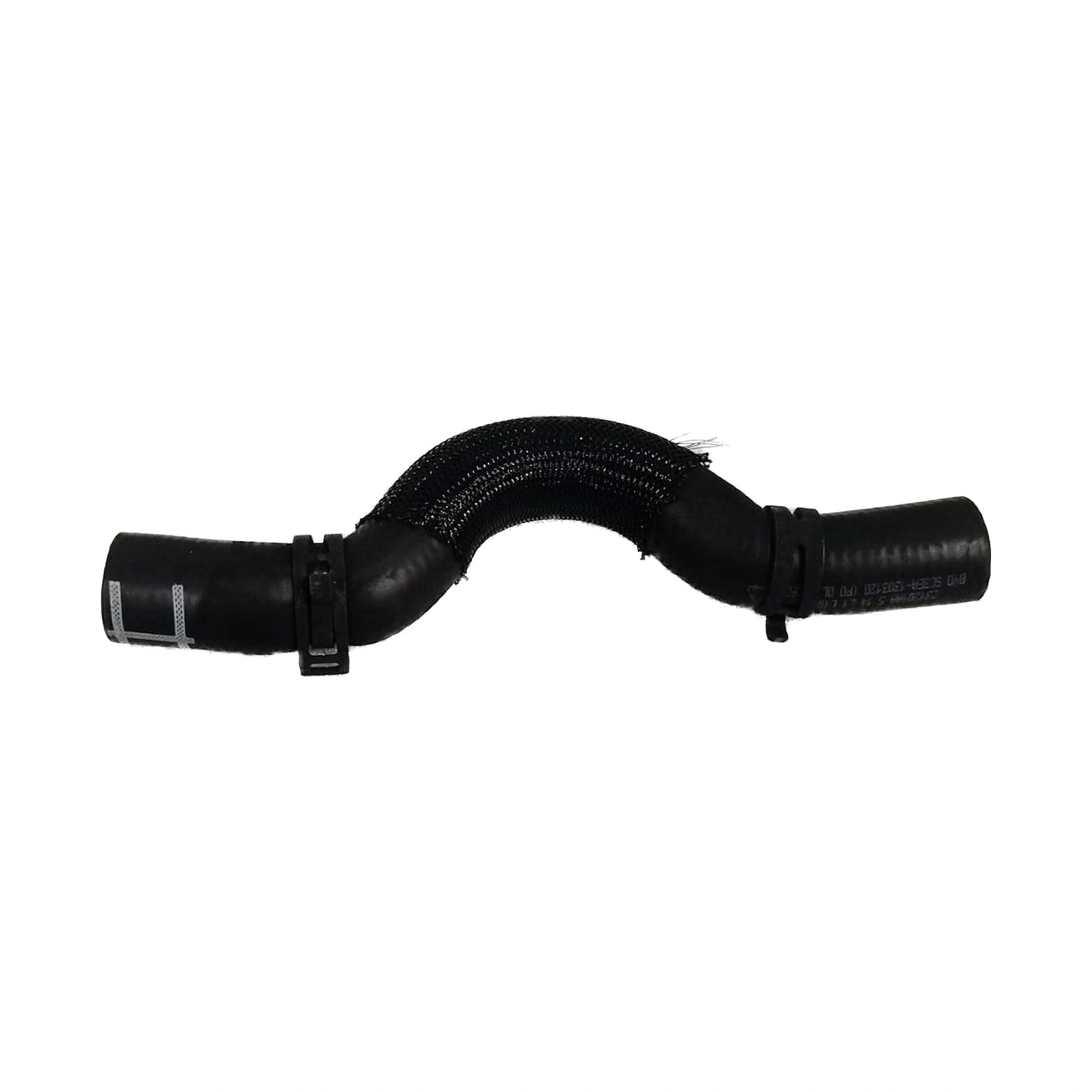
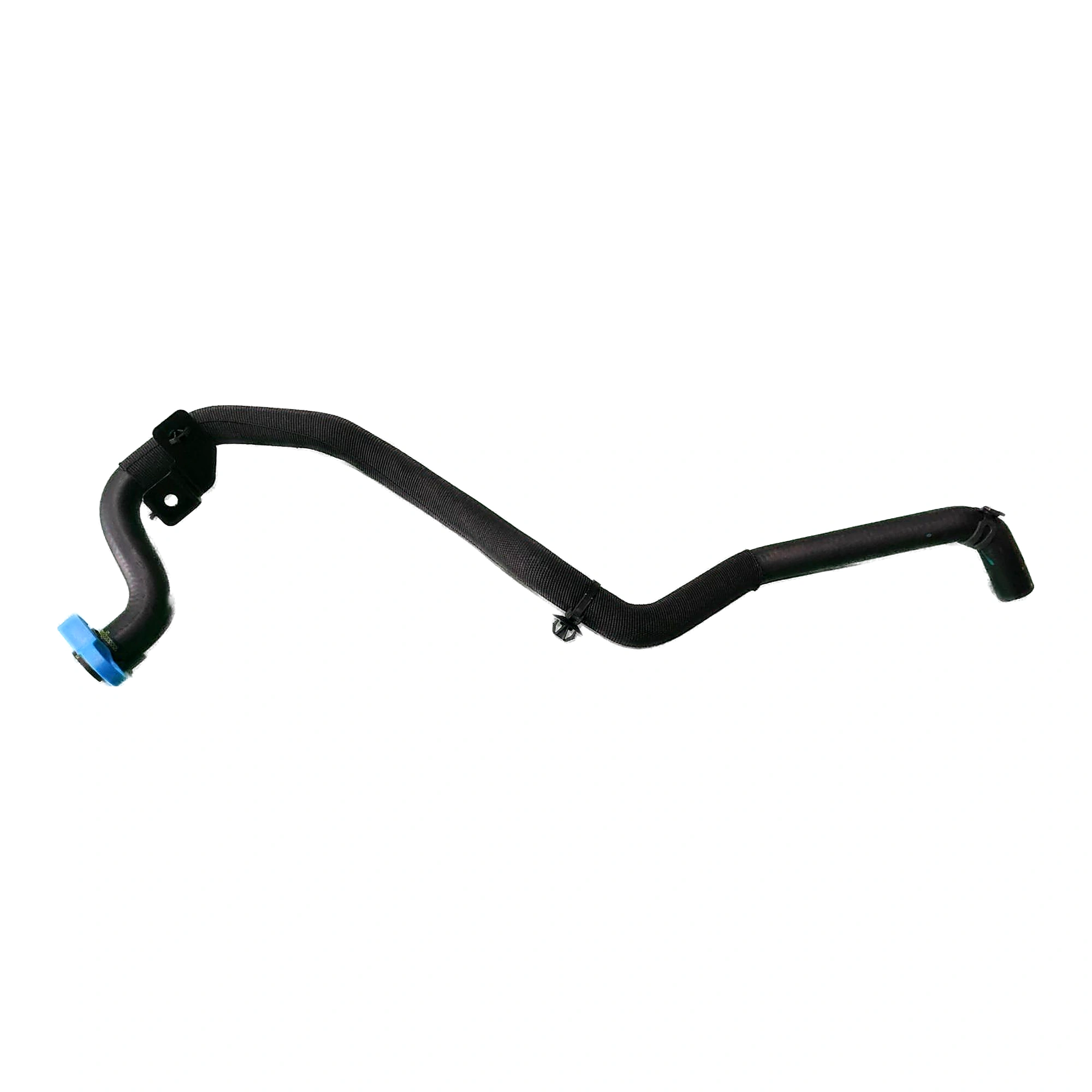
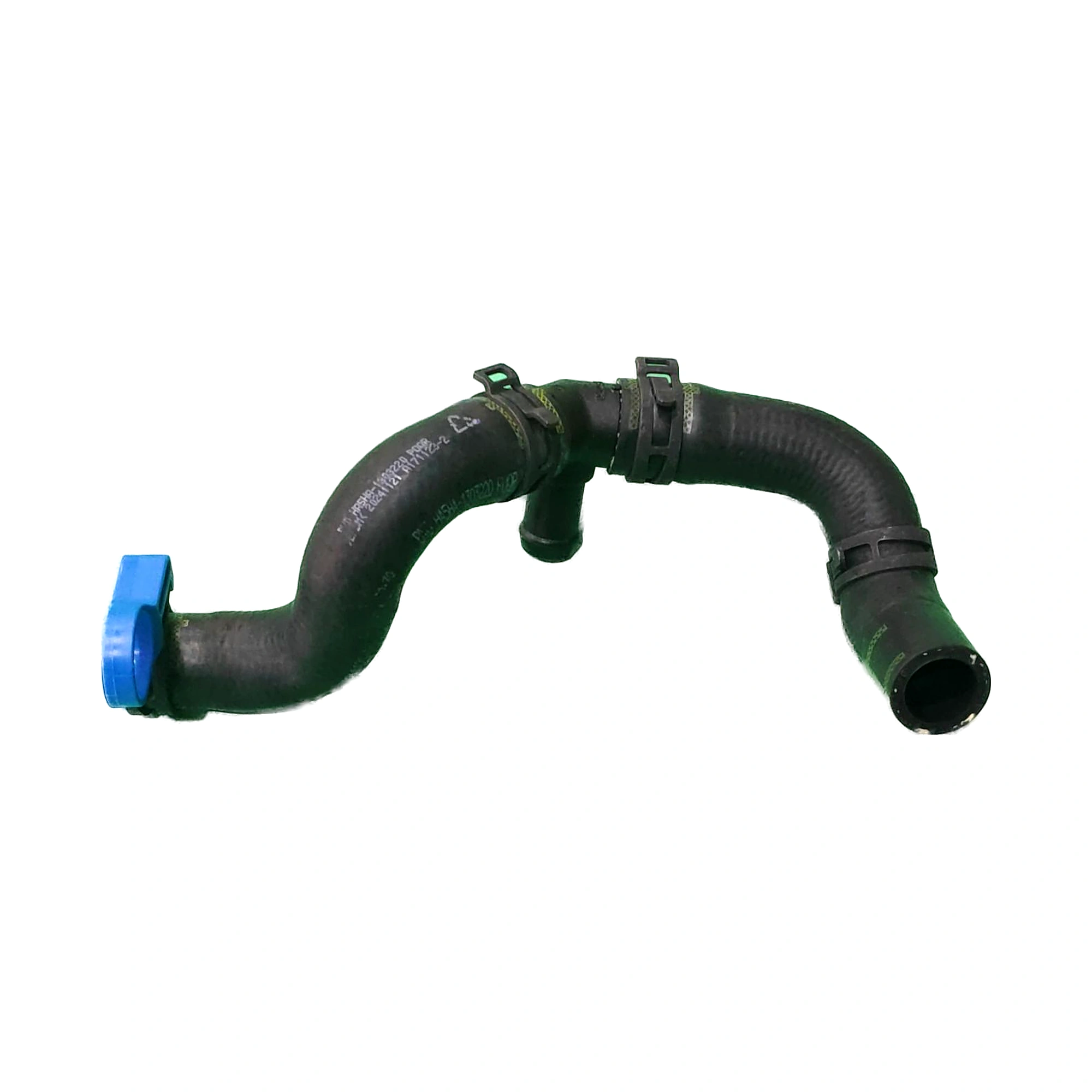
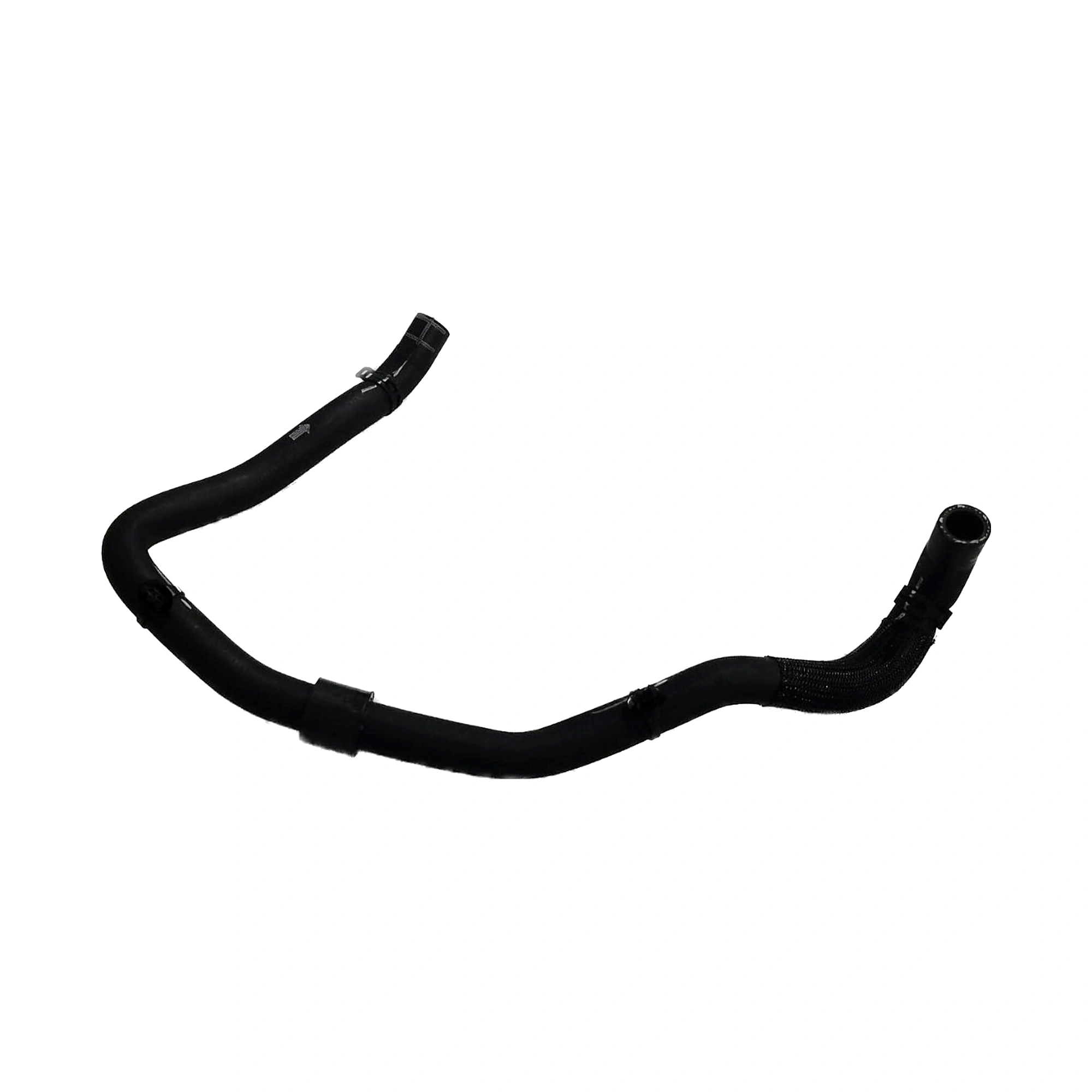
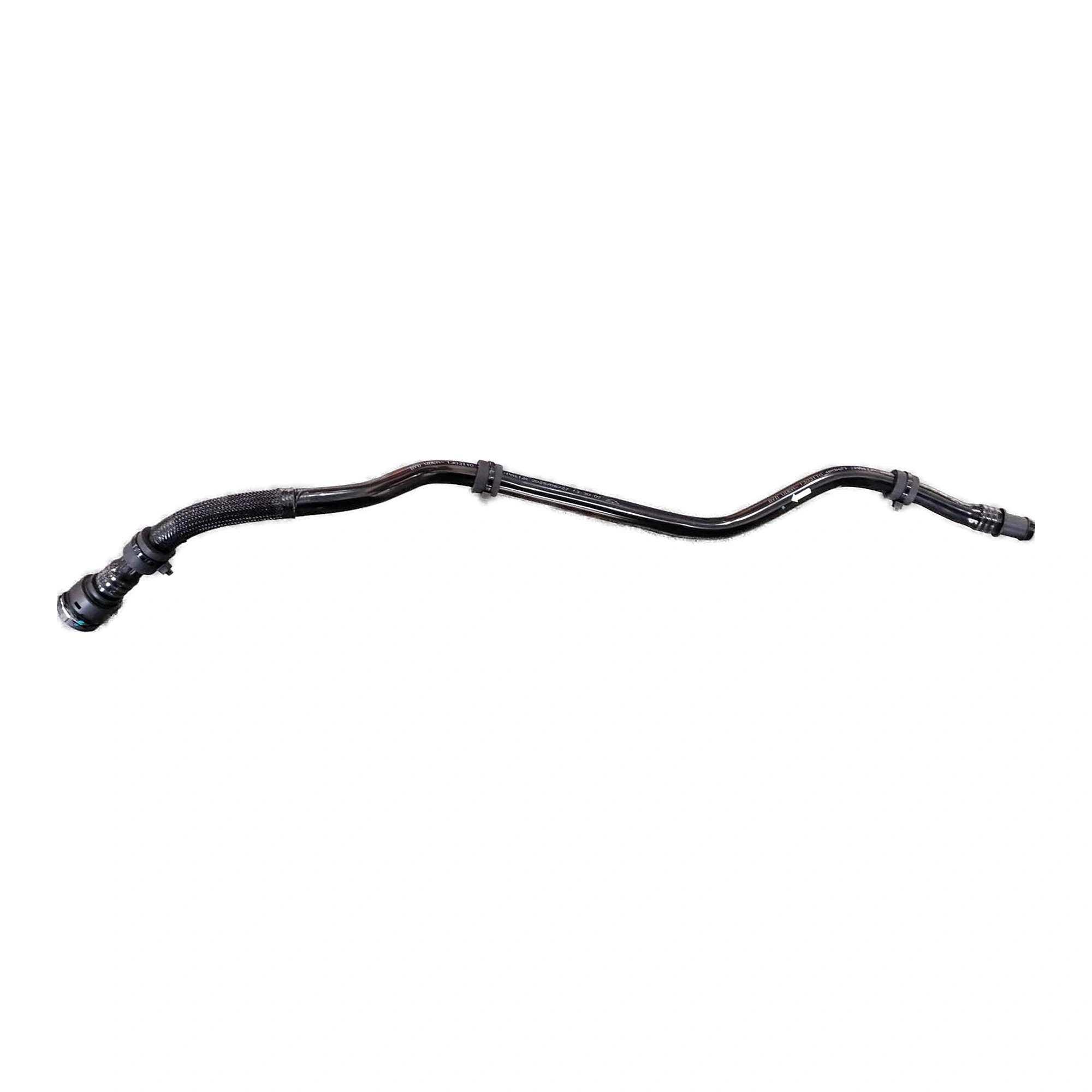
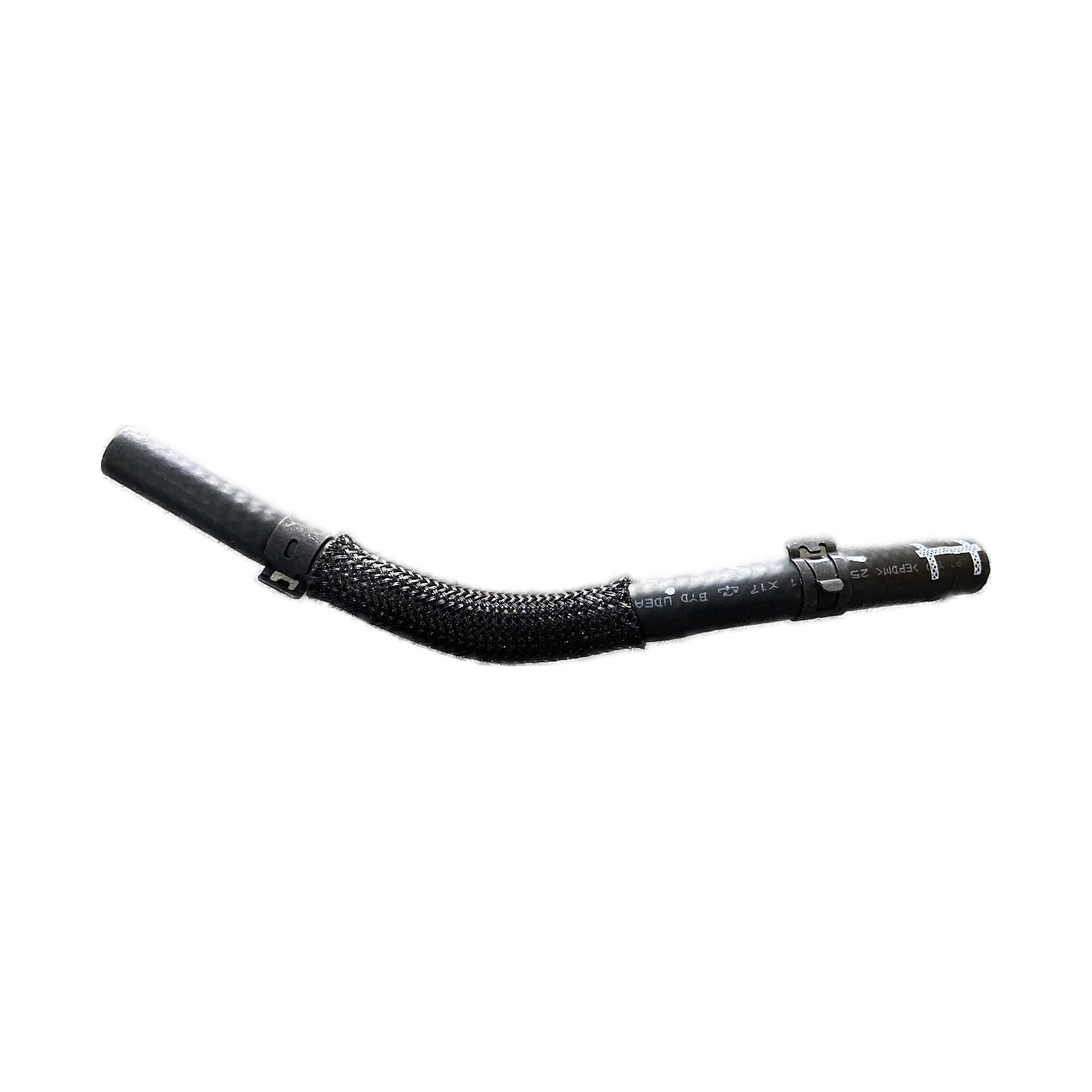
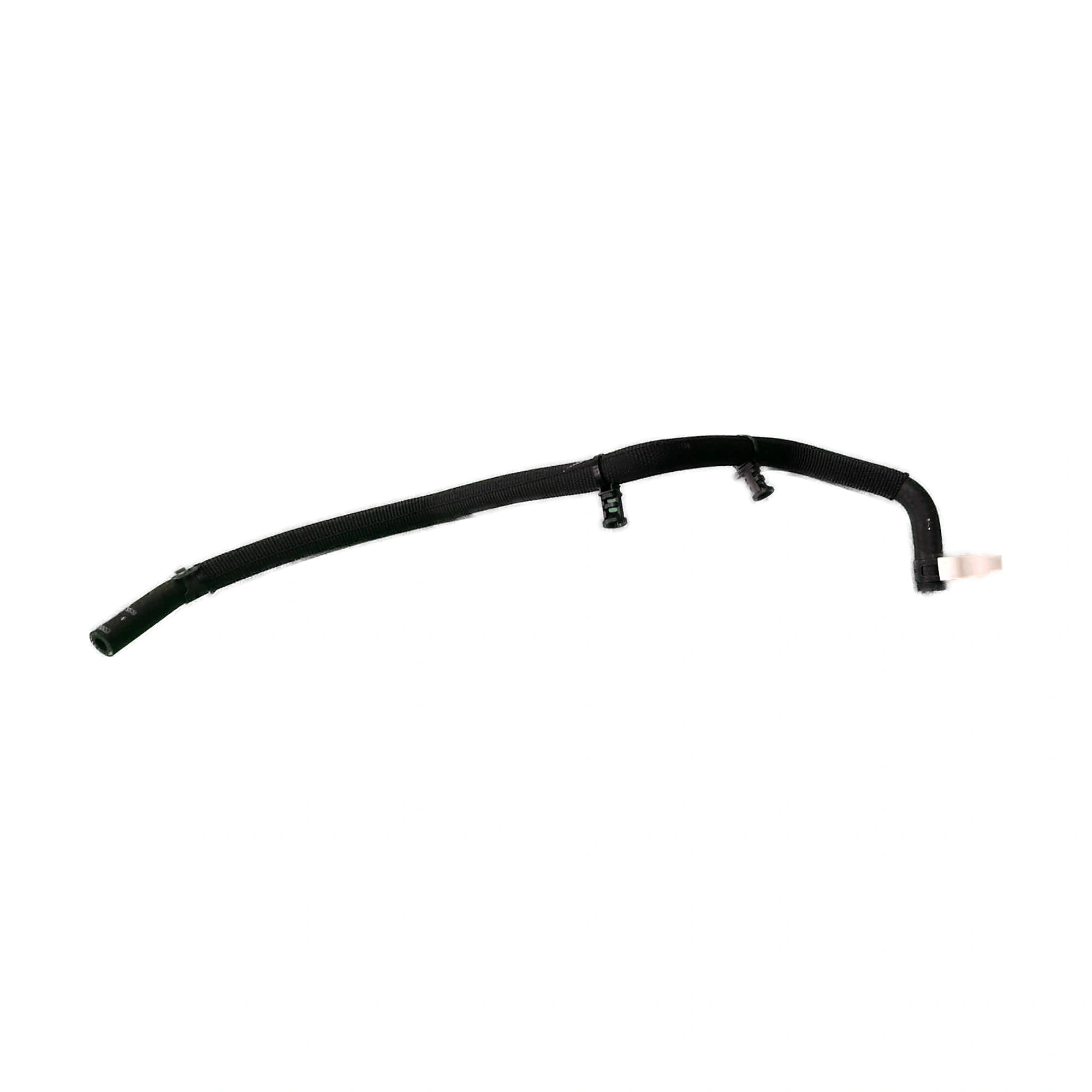
Popular Right Now
scroll for more →
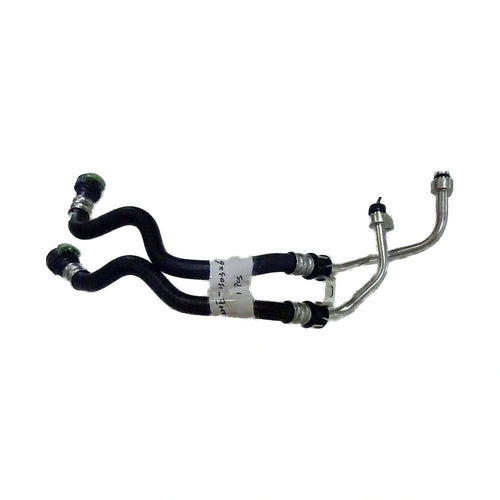
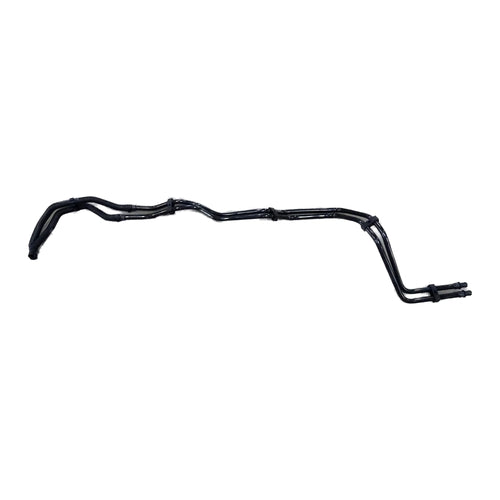
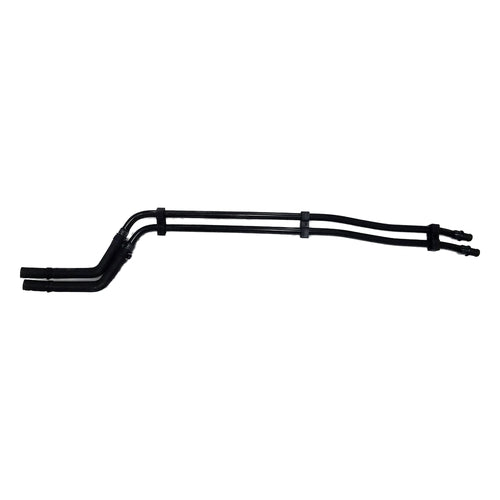
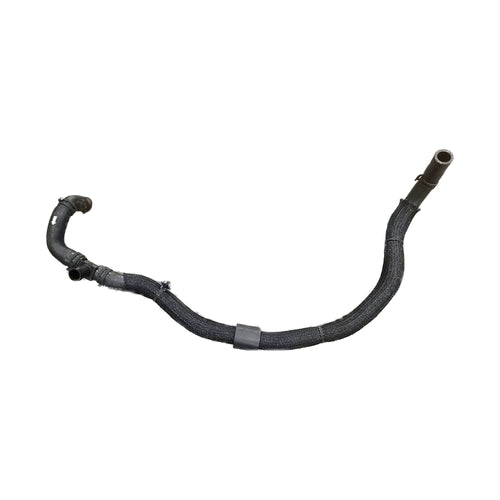
Symptom Finder: What Is Actually Broken?
| What you see or hear | Part to check first |
|---|---|
| Coolant level falling with no visible puddle | Coolant pipe or expansion tank hairline crack |
| Sweet smell and steam after a run | Coolant pipe or hose joint |
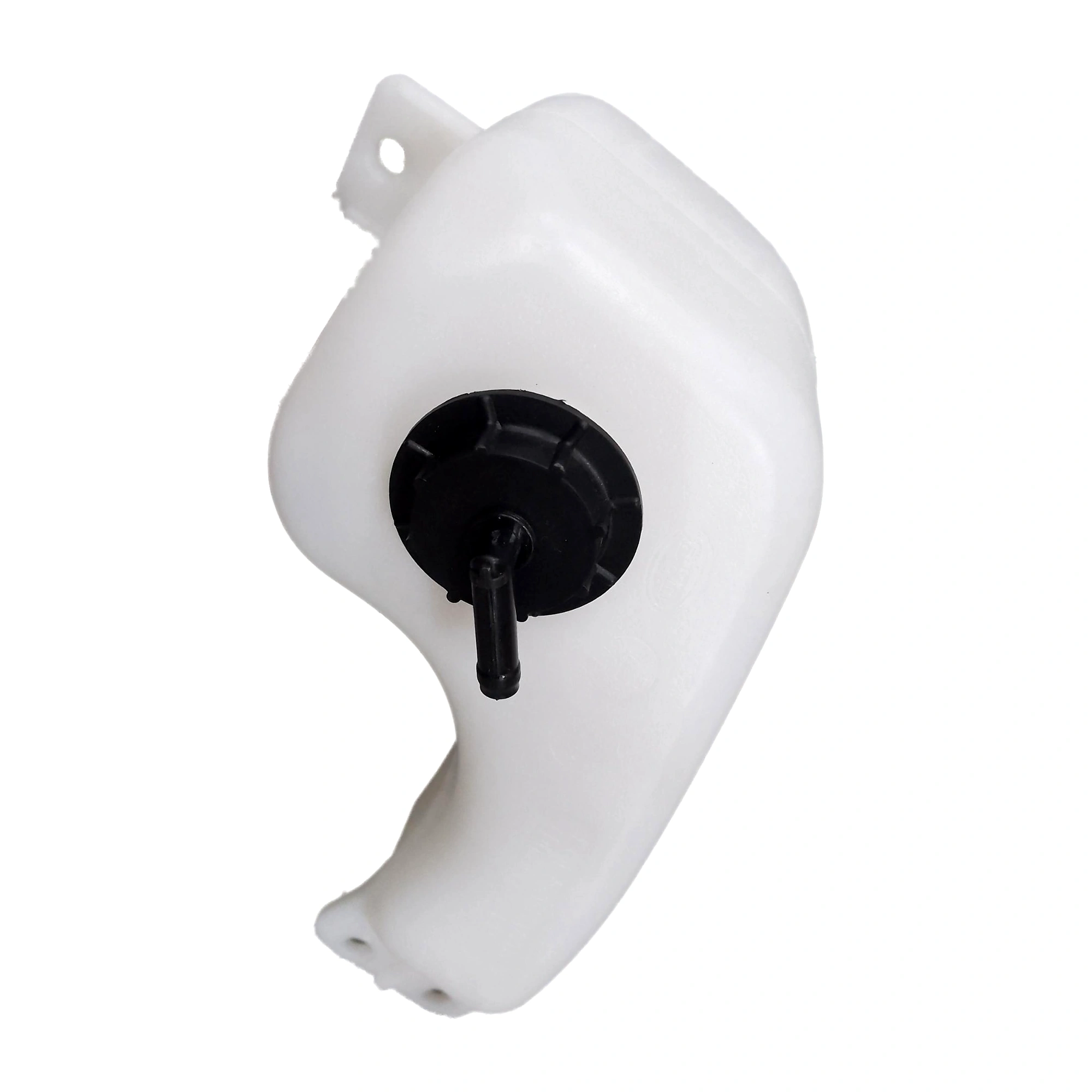
| Expansion tank cracked around a seam | Coolant expansion tank |
| Coolant loss with pressure building quickly | Expansion tank cap rated incorrectly or failed |
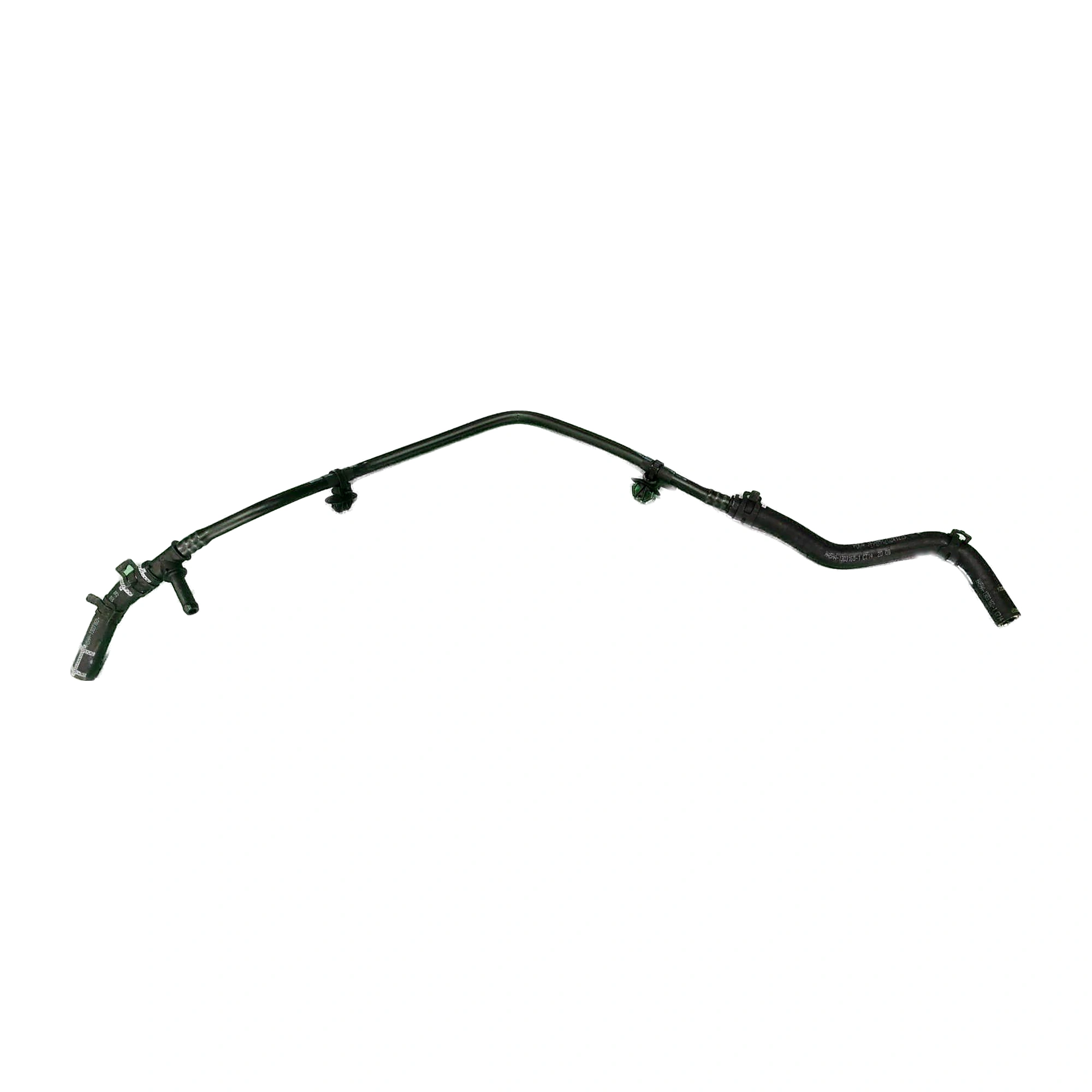
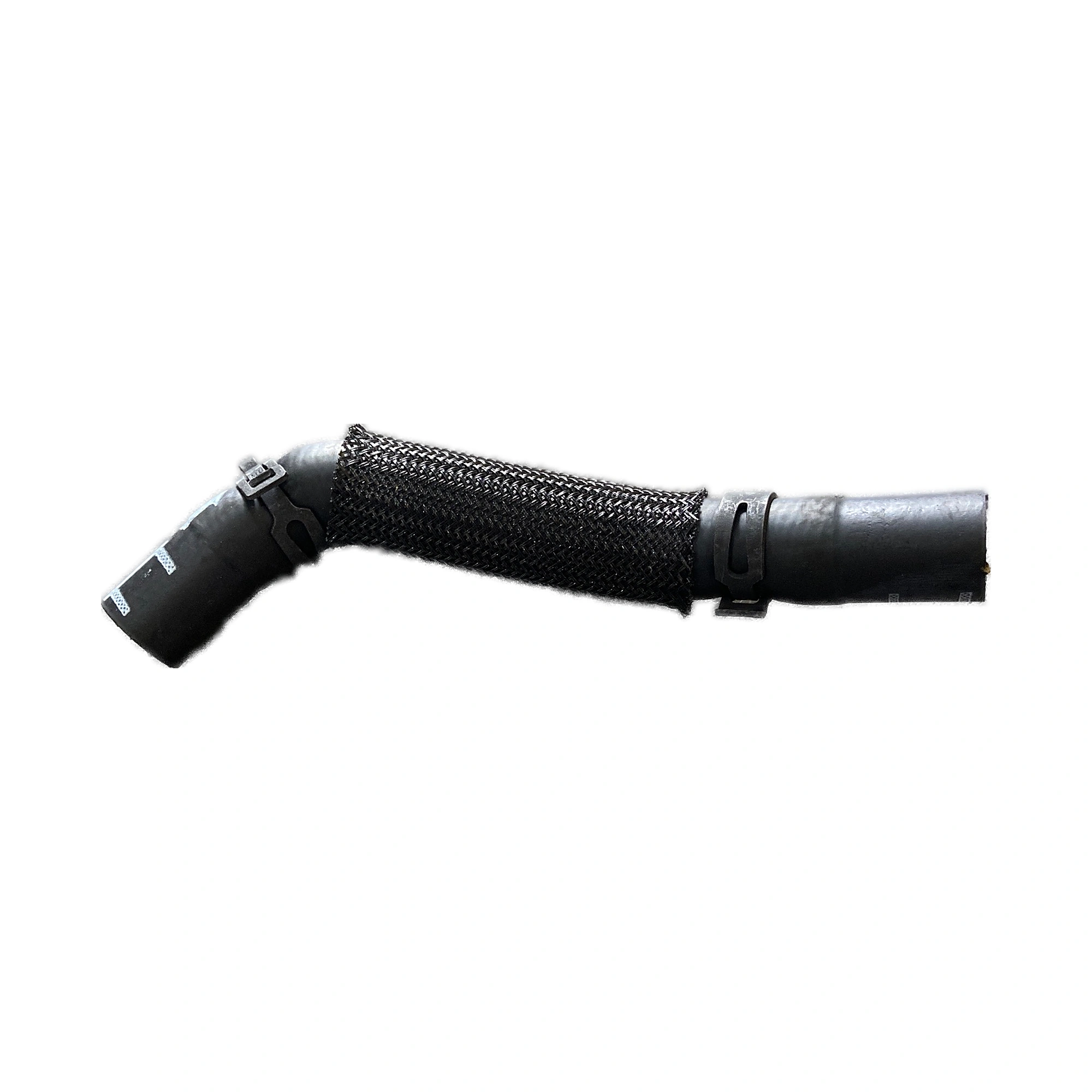
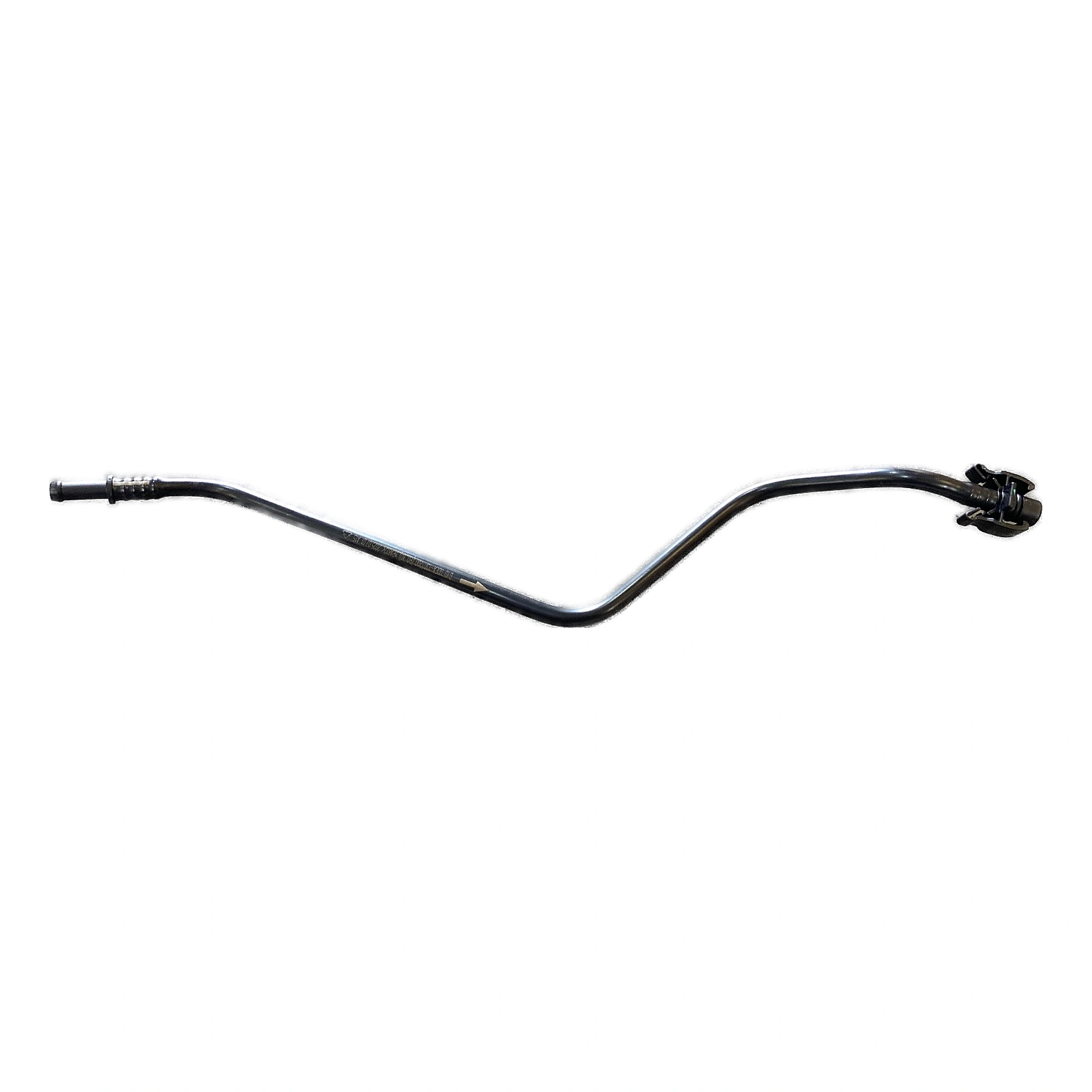
| Hose soft, ballooning or hard and cracked | Coolant pipe |
| Temperature reading implausible or erratic | Coolant temperature sensor |
About Hoses, Tanks & Sensors
A cooling system is a closed circuit held under pressure, and the pressure is deliberate: raising it lifts the boiling point of the coolant well above the temperature at which it would otherwise turn to steam, which is why the cap is a rated component rather than a lid. Hoses connect the components and have to survive constant heat cycling, vibration and the pressure inside them, so they are built in layers with a reinforcing braid between an inner tube chosen for coolant compatibility and an outer cover chosen for heat and abrasion. They fail from the inside as often as the outside, softening or hardening with age until a section balloons or splits. The expansion tank accommodates the volume change as the coolant warms and separates entrained air, which is why its level moves between hot and cold readings.
What to know before buying Hoses, Tanks & Sensors parts
Pressure test the system before you order anything. A hairline crack weeps only when hot, and the section that fails is rarely the one that looks oldest.
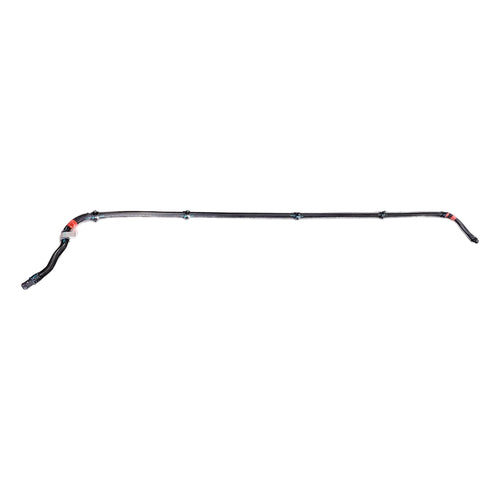
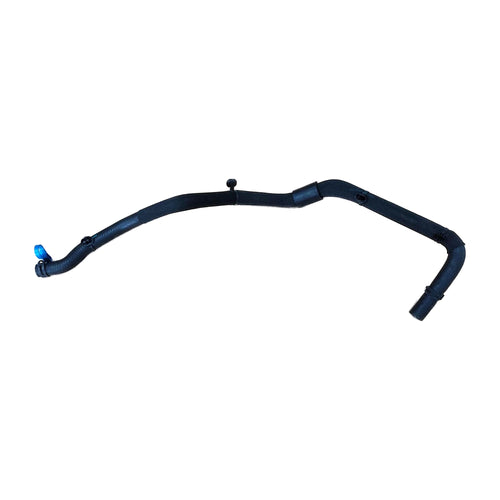
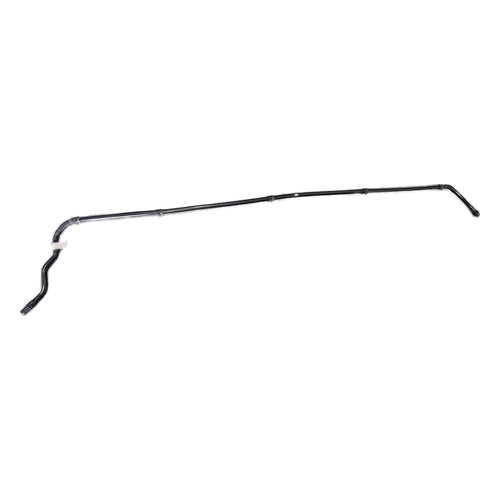
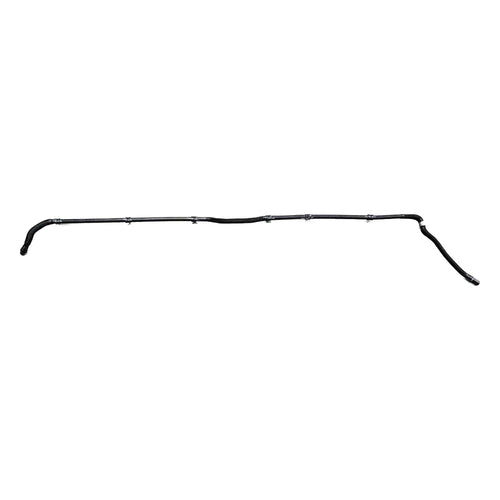
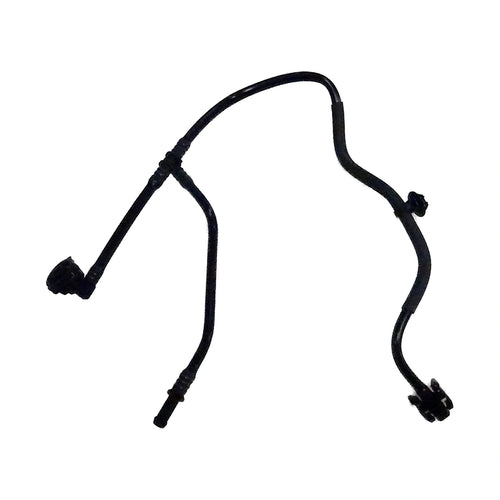
Order by the number moulded into the old pipe, or take it from the vehicle documents. Each pipe is formed to a set route with its own connectors. The factory number is the only safe match. Listings give coolant pipes by number across a long series. Coolant expansion tanks are listed too, with the sensors and fittings that suit them. A modern vehicle runs several thermal circuits and carries a great many pipe sections. A description alone will never identify one.
Add clips and O rings to any pipe order. Expect to follow a documented bleed procedure once the system is refilled.
Where a price is shown, you can order straight away. Anything unpriced is quoted against the same factory number. BYD group models are covered most fully at present, and further brands arrive as more catalogues load.
Before You Order: 6 Checks
- Read the number moulded into the old pipe, since these sections are catalogued numerically.
- Match the OE number, because each pipe is formed to a route with specific connectors.
- Order new clips, O-rings and quick connectors, since the originals rarely reseal.
- Pressure test the system to find the leak before ordering, rather than guessing at a section.
- Use the specified coolant and follow the documented bleed procedure after refilling.
- Check the cap rating, since a failed or incorrect cap causes losses that look like a leaking pipe.
What Changed and Why
Cooling circuits have multiplied rather than simplified. A vehicle that once had one loop now frequently has three or more, serving the drive unit and power electronics, the traction pack, the cabin heating circuit and on hybrids a conventional engine loop as well, each with its own pipework, sensors and often its own expansion tank. That is why pipe series in modern catalogues run to dozens of numbered sections. Materials have followed, with more moulded plastic and quick connect fittings replacing rubber hose and worm drive clips, which are lighter and less forgiving of reuse.
Hoses, Tanks & Sensors: Frequently Asked Questions
My coolant level keeps falling with no puddle. Where is it going?
Somewhere it evaporates or somewhere internal. A hairline crack in a plastic pipe or an expansion tank seam weeps only under pressure at temperature, and the escaping coolant dries on hot components leaving a crusty deposit rather than a pool. A failing cap does the same by releasing pressure early. Internally, a head gasket or an exhaust gas recirculation cooler can pass coolant with no external sign. A pressure test with the engine cold finds the external ones in minutes.
How do I identify which numbered pipe I need?
Read the number moulded into the pipe itself, which is how the factory catalogues them. Modern vehicles carry many separate sections across several circuits, and descriptions alone will not distinguish them, which is why the listings use numbers. If the moulding is unreadable, a dealer can identify the section from your vehicle identification number and the location, or you can send photographs and the routing through the quote form to have it checked against the catalogue.
Can I use generic hose instead?
For a simple rubber section between two spigots on an older vehicle, sometimes. For the moulded pipes that dominate current vehicles, no: they are formed to a specific three dimensional route, carry integrated quick connectors and sensors, and clear moving and hot components by designed margins. Generic hose bent to a similar shape kinks, chafes and fails, usually at the least convenient moment. The formed part is the reason this category exists as a numbered series.
Why does my expansion tank crack?
Because it spends its life being pressurised and depressurised while hot, and the plastic embrittles with heat and ultraviolet exposure over years. Cracks appear along moulding seams and around the neck, often only weeping when hot and pressurised, which is why they can be missed on a cold inspection. Replace the tank rather than sealing it, since a repair on a pressure vessel is temporary at best, and fit a new cap at the same time.
Does the pressure cap matter?
More than most people expect. The cap holds the system at a rated pressure, which raises the boiling point of the coolant well above what it would be at atmospheric pressure, and a cap that releases early lets the coolant boil at a temperature the engine reaches routinely. That produces coolant loss, steam and overheating with everything else in good condition. Caps are rated, so fit the correct one rather than any that screws on, and replace it whenever the tank is replaced.
What do these parts cost?
Clips, O rings and sensors sit right at the bottom of the range. Individual coolant pipes are modest. Expansion tanks and long moulded sections cost the most in this category, though all of it remains inexpensive against the damage that overheating causes. The live minimum and maximum are shown in the band at the top of this page. Because a pressure test identifies the exact section, testing before ordering avoids buying pipes that were never leaking.
Can I fit a coolant pipe myself?
Usually, and the difficulty is access rather than technique. Drain to below the section, release the clips or quick connectors with the correct tool rather than levering, fit the new pipe with fresh clips and O rings, refill with the specified coolant and run the bleed procedure. Quick connectors need care, since a damaged shoulder leaks the moment the system pressurises. Work on a cold engine, because hot coolant under pressure causes serious burns.
Why is bleeding so important?
Because trapped air stops flow rather than merely reducing it, and it collects at the highest point of a circuit, which is frequently where flow matters most. The symptoms are overheating, weak cabin heat and thermal faults, all of which look like a failed component and none of which are. Many vehicles specify a routine that runs pumps and cycles valves through a scan tool. Follow it and retest before concluding that anything further has failed.
Which coolant should I use?
Only the grade named for your vehicle. This category is where the consequences of getting it wrong show up first, because precipitated additives settle in the narrowest sections: the quick connectors, the small bore pipes and the sensor ports. A level sensor coated in deposit reads badly, and a partially blocked pipe starves whatever sits downstream. Buy a sealed container of the specified product, dilute to the stated strength if it comes as concentrate, and if you are replacing pipes anyway, take the opportunity to flush and refill rather than reusing what came out.
Will a pipe from a related model fit?
Only where the numbered section agrees. Routing follows the packaging of the specific vehicle and drivetrain, connector types differ, and lengths change with engine and pack variants that share a body. A pipe that is nearly right will sit under tension or foul something hot, and it will fail there. Read the number from your existing pipe, match it, and where the reference brings back nothing, send it through the quote form with photographs of the routing.
How often should coolant be changed?
At the manufacturer's interval, which on current long life products is measured in years rather than a short mileage, and sooner if the coolant looks discoloured, contains debris or has been topped up with something unknown. The inhibitors deplete over time whether the vehicle is used or not, and once they are gone corrosion starts inside components you cannot see. A coolant change is inexpensive insurance on a system whose components are not.
The part I need shows no price. Can I still order it?
Yes. Moulded coolant pipes are shaped around the engine bay they belong to, so there are many of them and each sells slowly, which is why a number of these references wait for an enquiry. Give the reference and the reply comes back against that shape. Where the pipe you need is one of a pair sharing a quick connector, ask for both. Connectors are the usual failure point on an ageing circuit and they rarely come apart intact. Add a new pressure cap while you are at it, since a cap that no longer holds pressure lets the system boil at normal temperature.