BYD Tang Parts
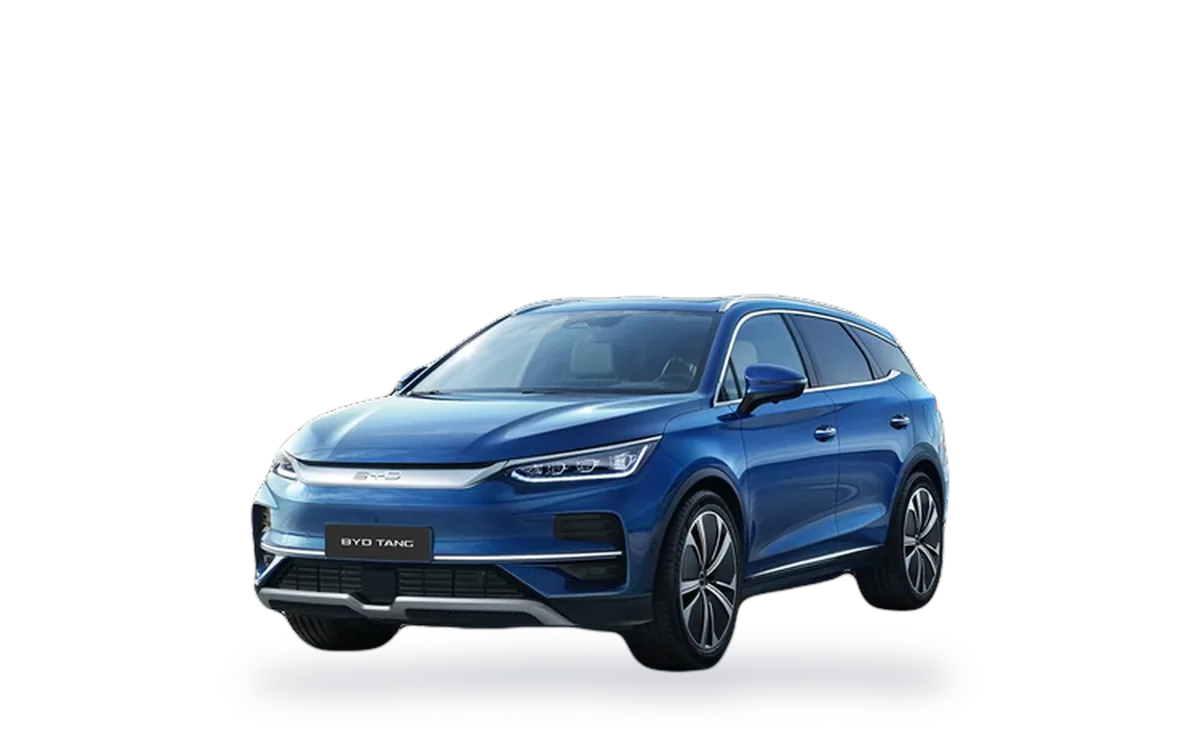
Shop BYD Tang Parts by Category
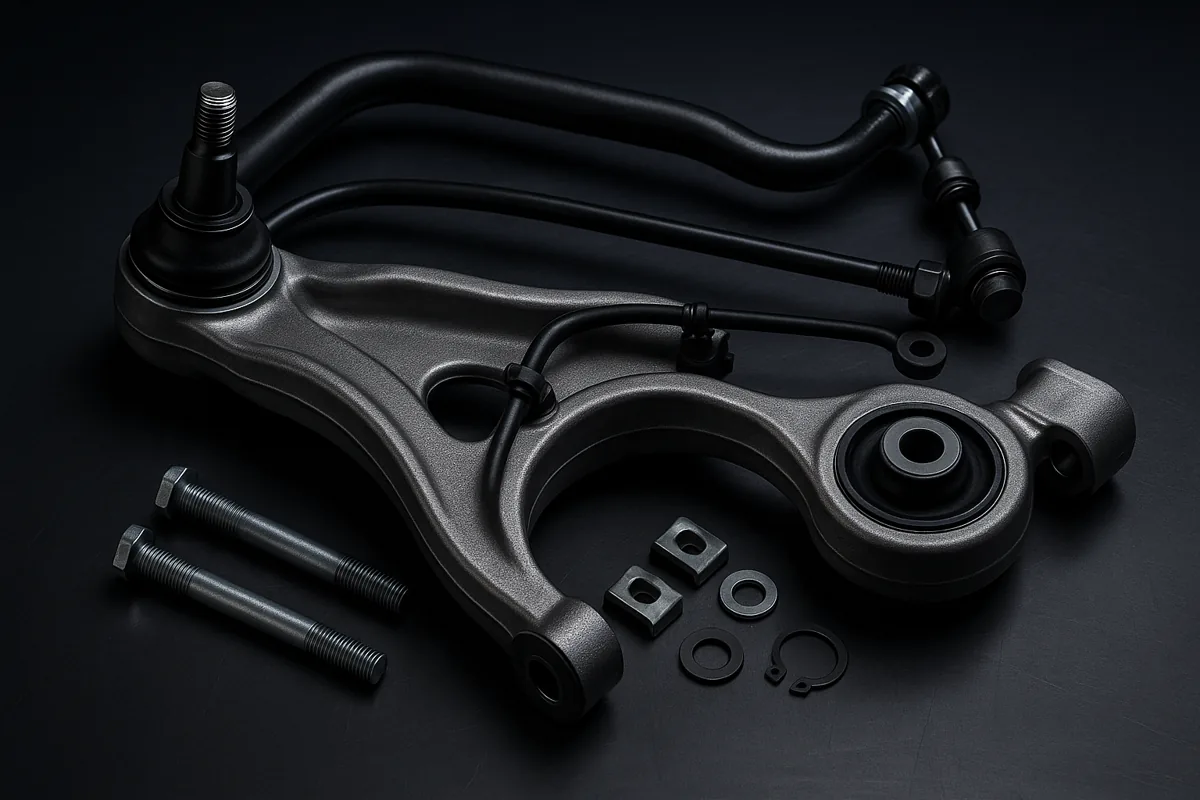
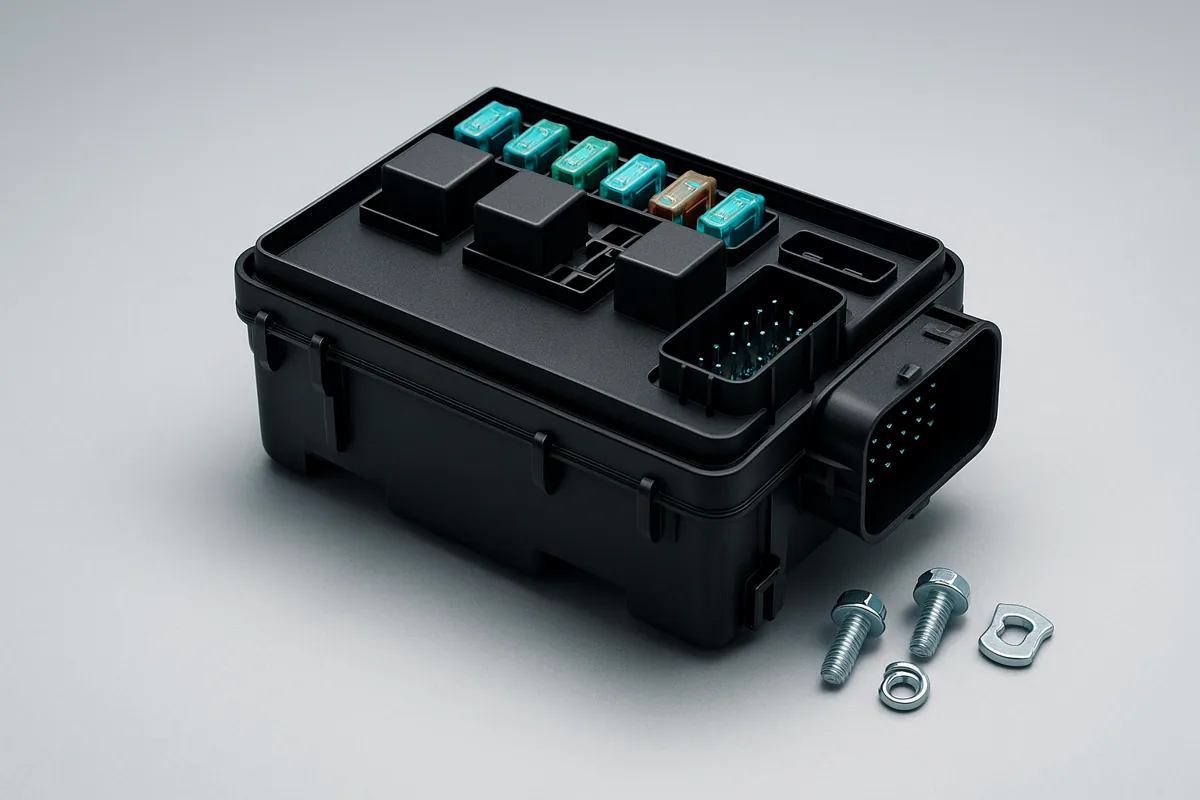
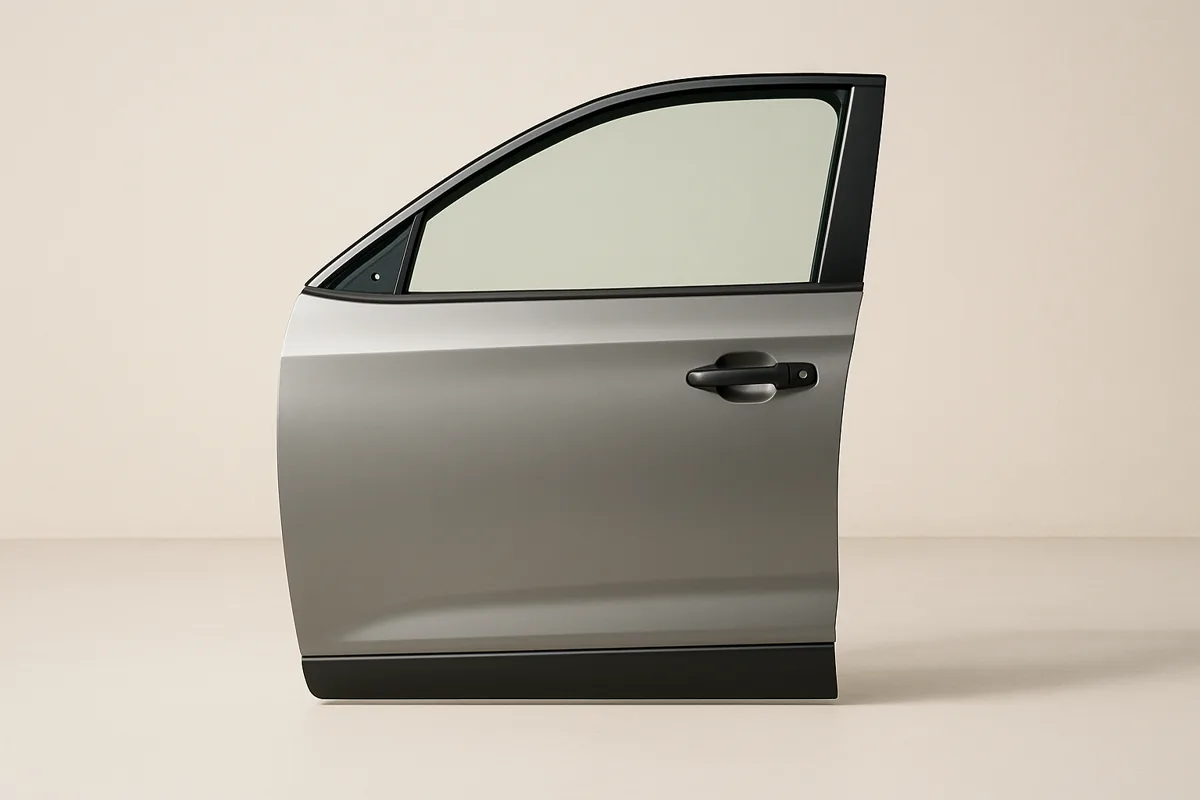
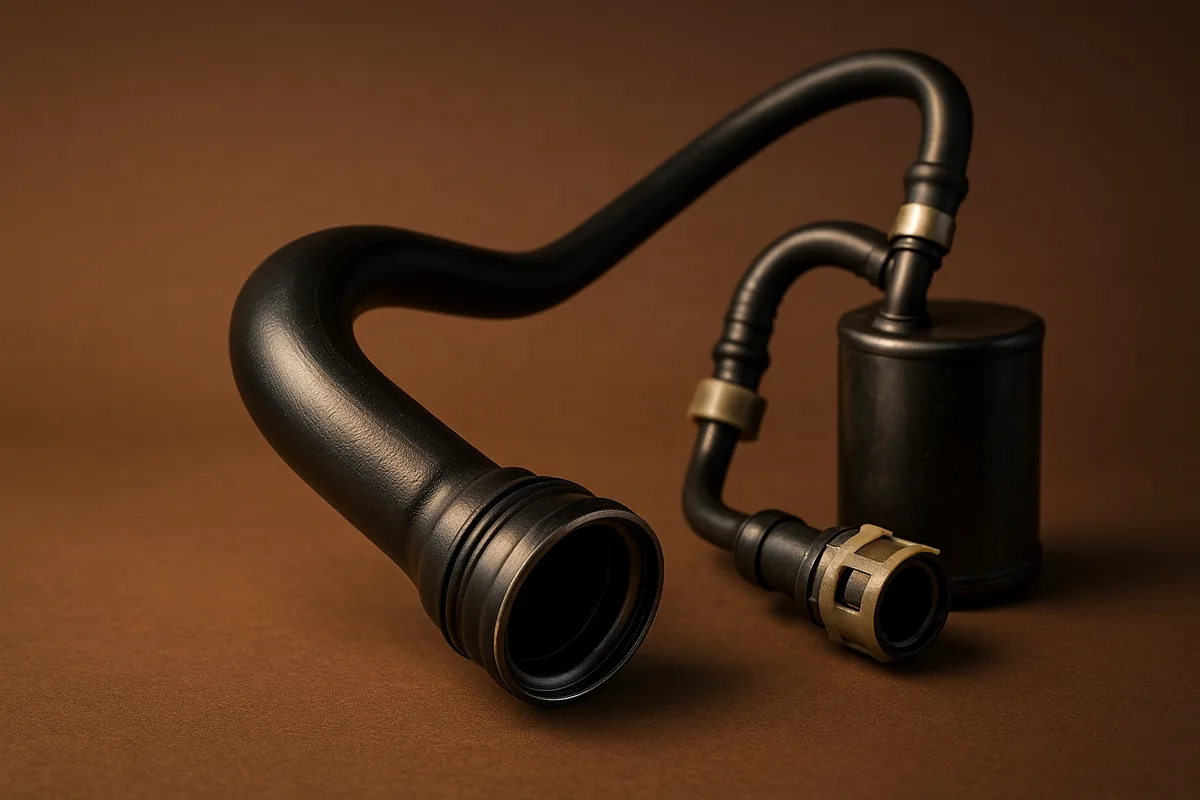
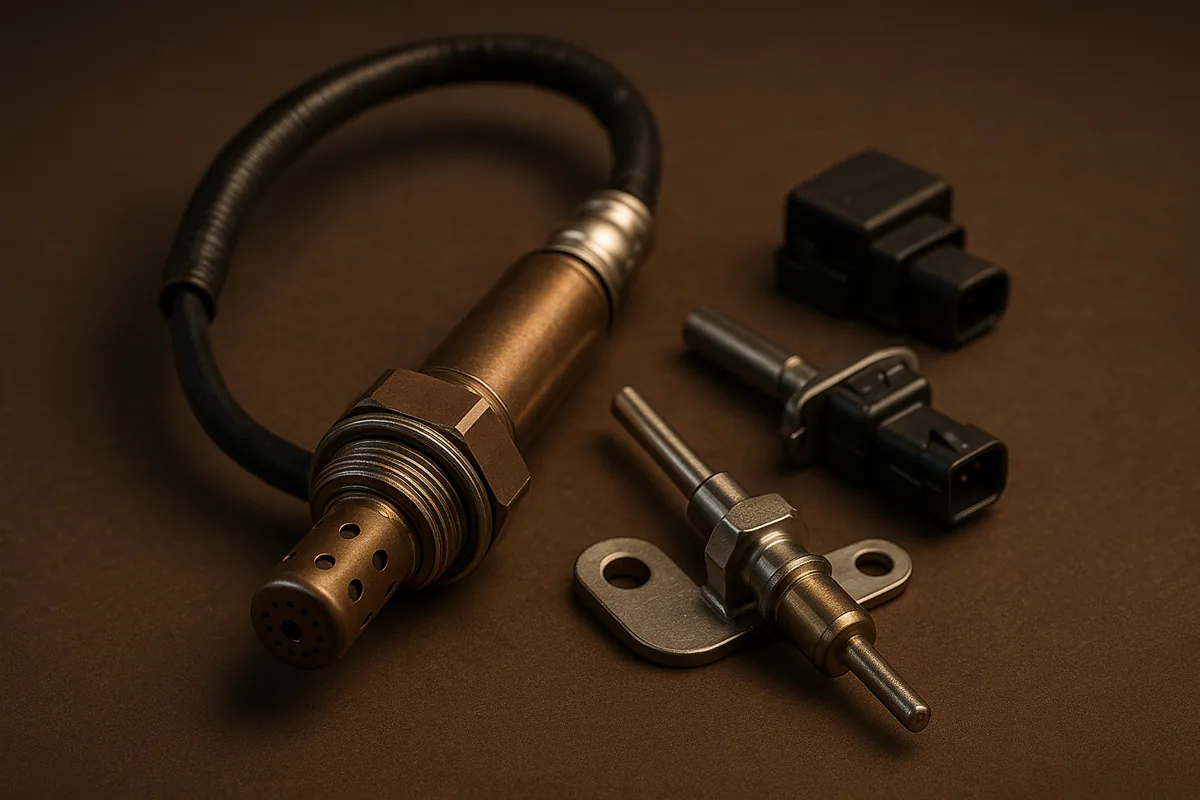
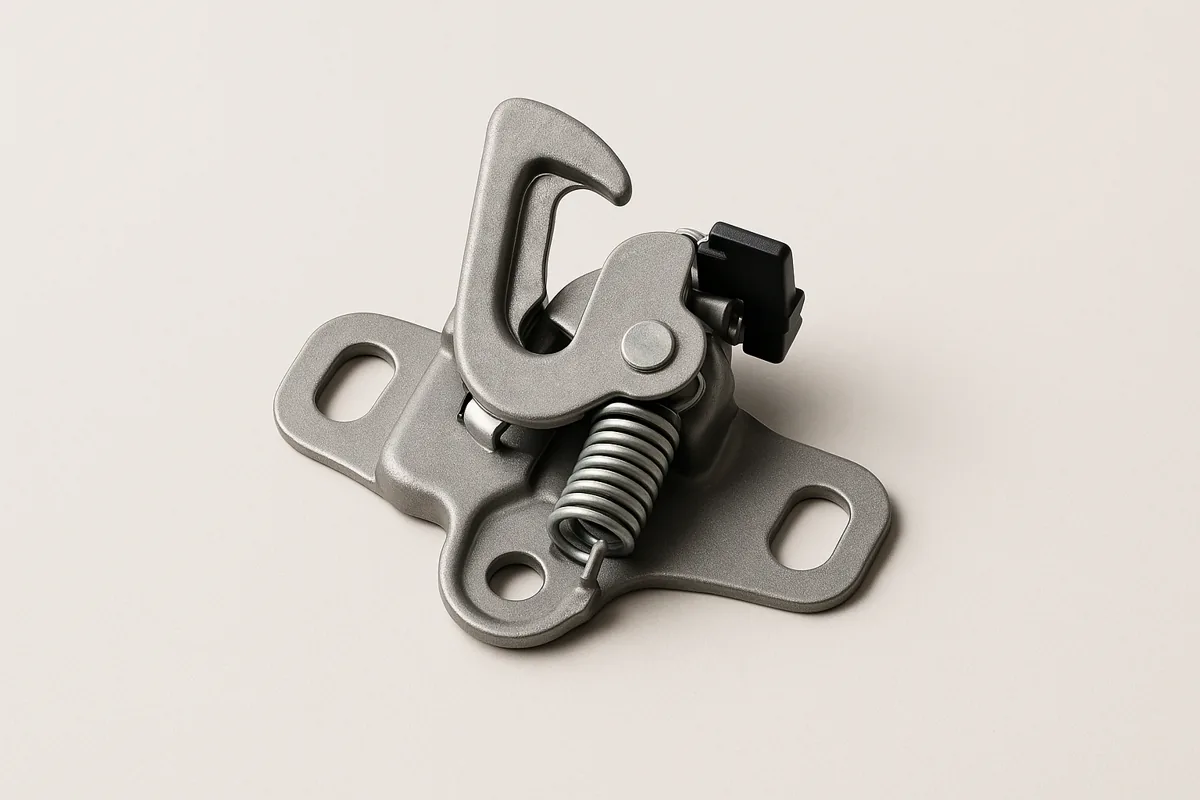
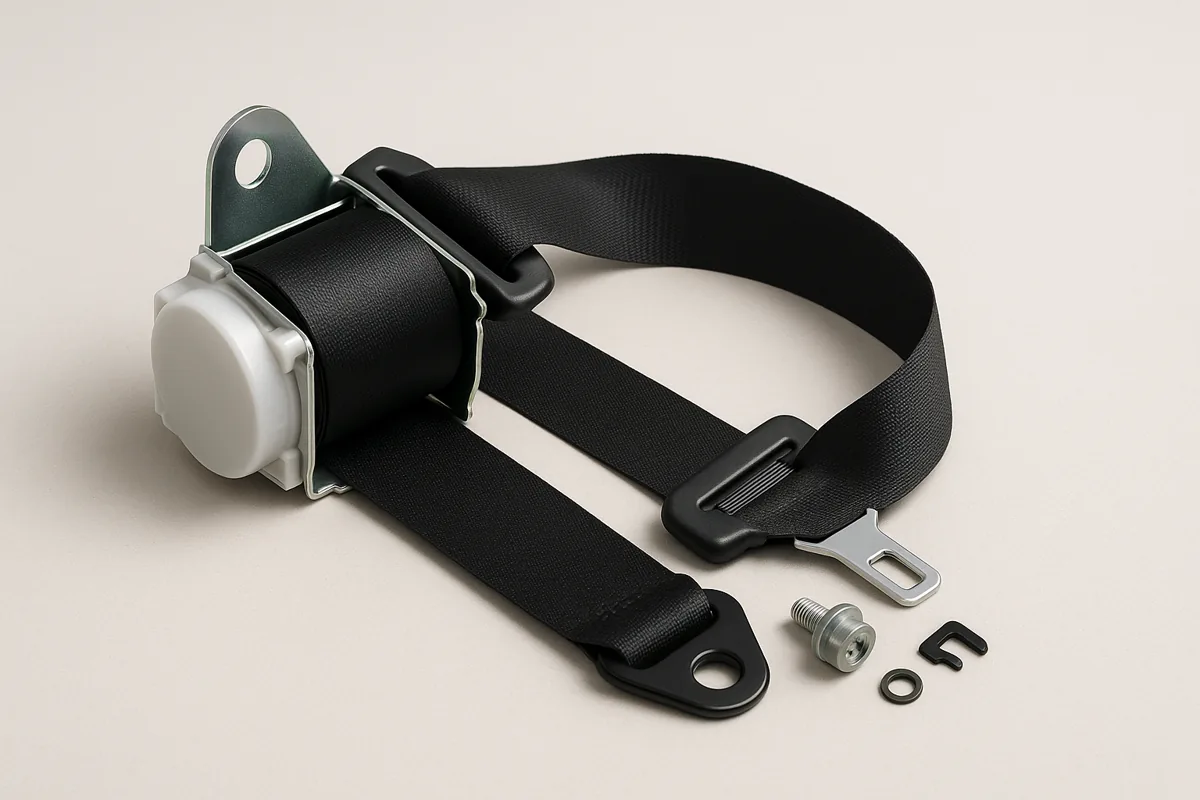
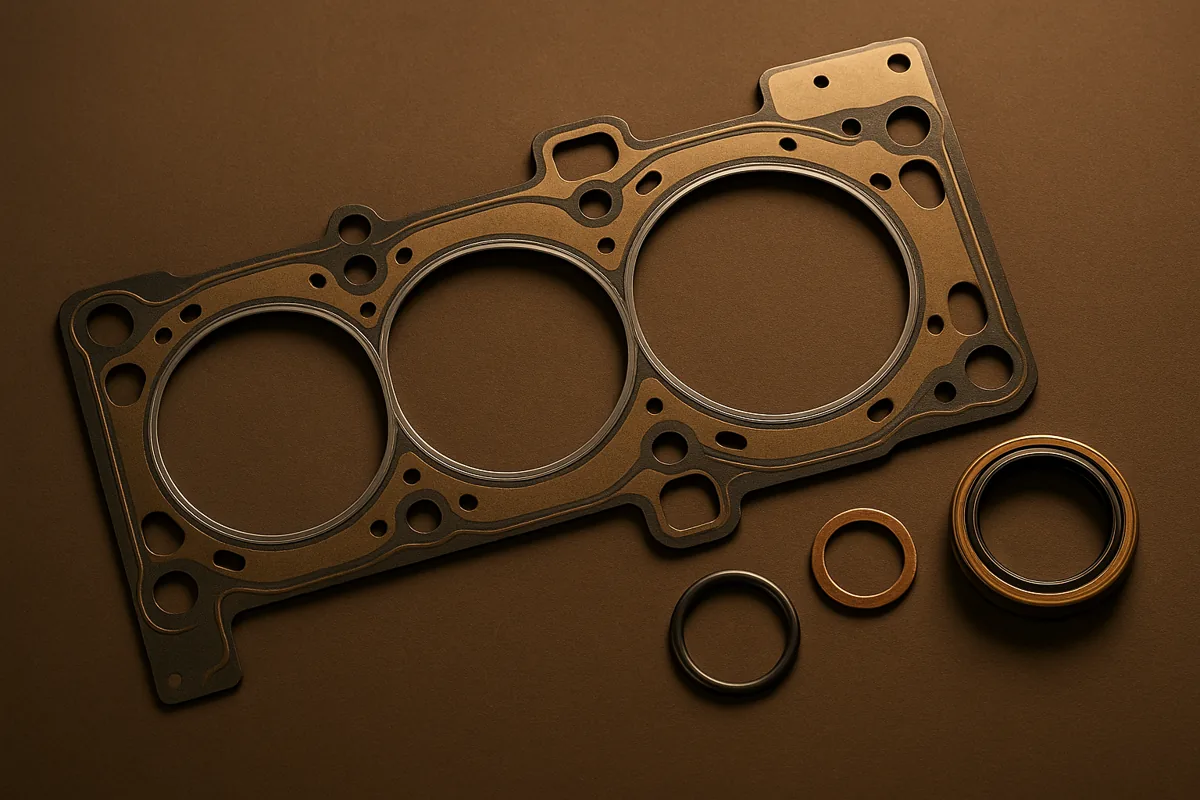
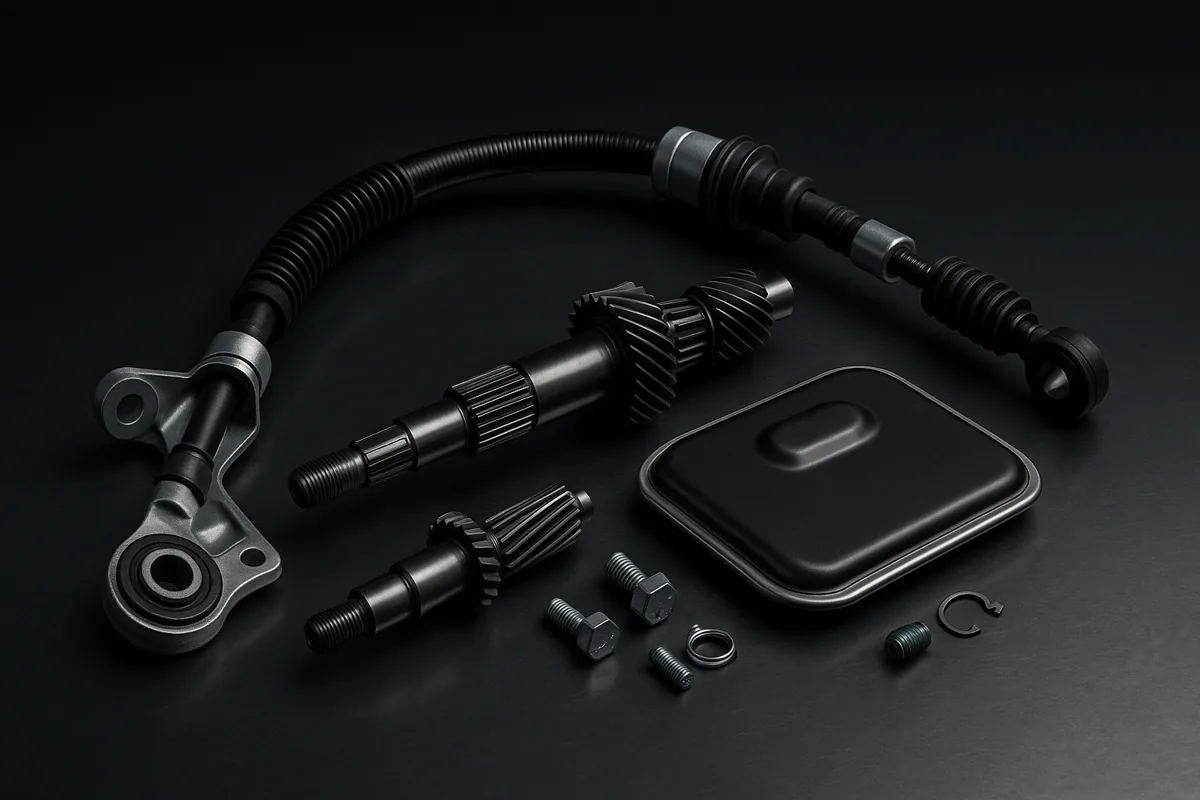
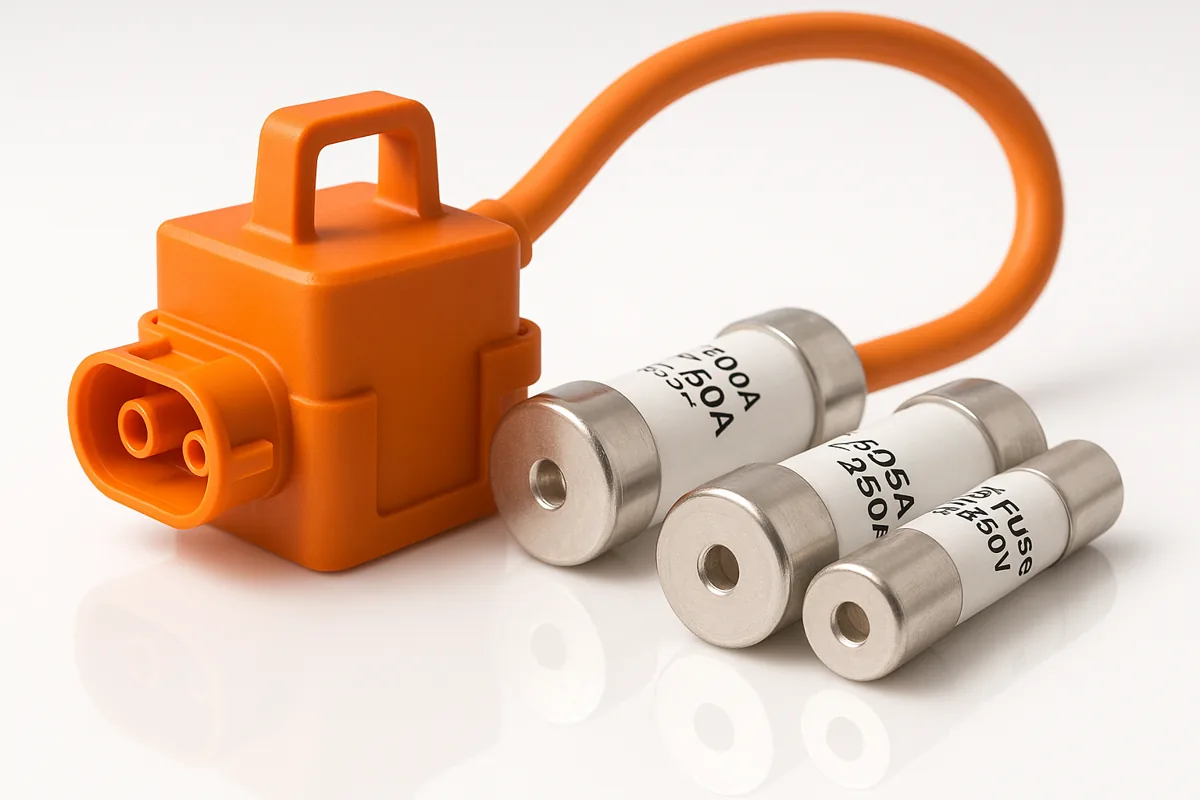
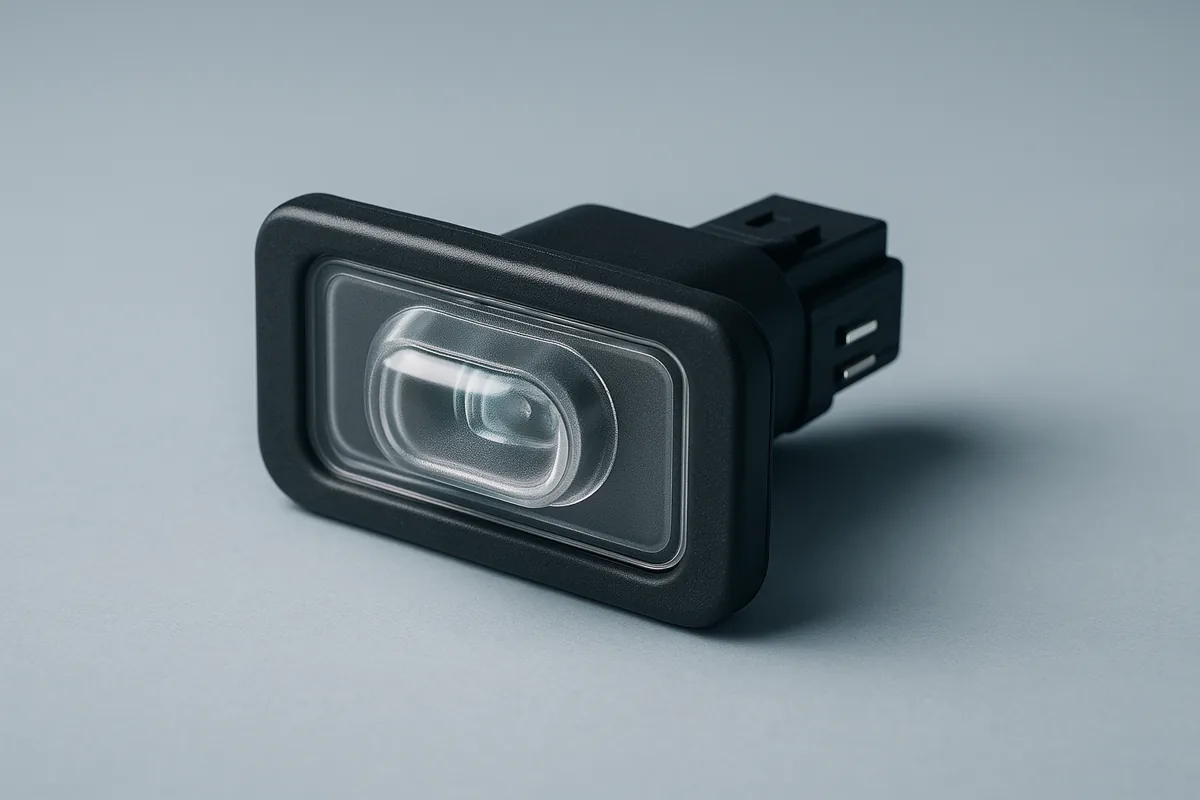
Popular for the BYD Tang
scroll for more →


Symptom Finder: Known Weak Points
| What you see or hear | Check first |
|---|---|
| Harsh or slipping shifts on a petrol Tang | Fluid, filter and pan gasket for the six-speed automatic. Do not order dual-clutch parts, which belong to the hybrid Tangs. |
| Judder when pulling away on a first-generation Tang or a Tang DM | The wet dual-clutch gearbox, its fluid and filter. Confirm the gearbox type on the car first, then match each part by OE number. |
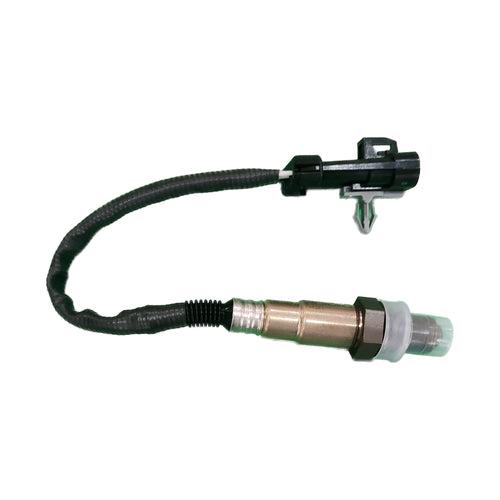
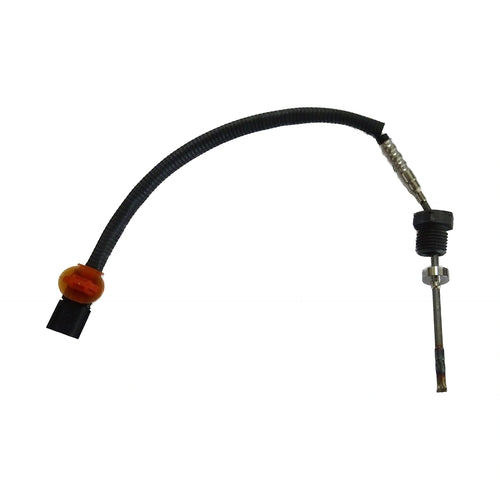
| Engine warning light on a 2.0-litre Tang | Start with the lambda and emission sensors. Read the engine code first, since the BYD487ZQA and BYD487ZQB can take different emission parts. |
| Falling coolant level | Coolant hoses, the expansion tank and temperature sensors. Hybrid Tangs cool the battery and motors as well as the engine, so trace the leak to its circuit before ordering. |
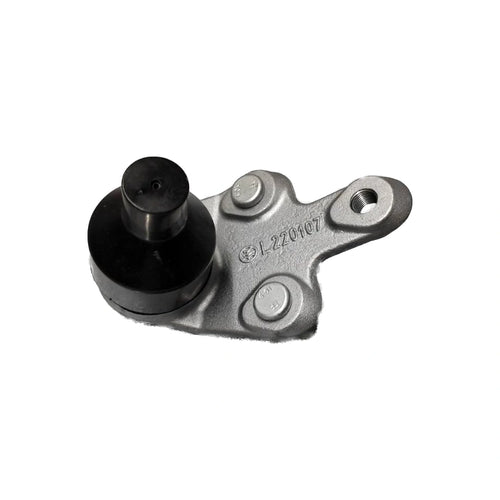
| Knocking from the front over bumps | Control arm bushings, drop links and strut mounts. Order for the correct generation, since the two wheelbases use different arms. |
| Brake squeal, judder or uneven pedal feel | Pads and discs. Check whether the rear caliper has an electric parking brake motor before ordering, and match it by OE number. |
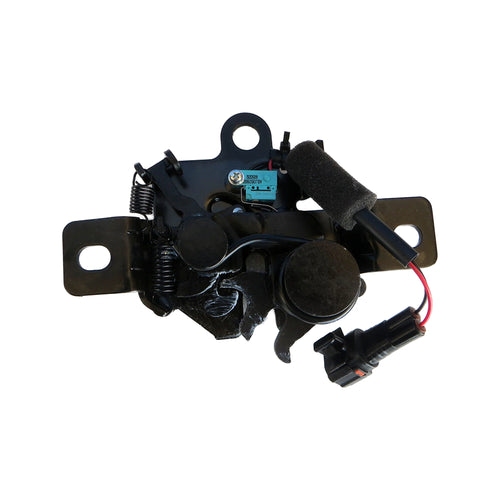
| Door handle not opening the door or not responding | The handle, its switch and the latch behind it. Order by door and side, using the OE number on the old part. |
| A tyre bought for another Tang does not fit | The first Tang runs 235/55 R18, and second-generation sizes vary by trim. Read the size on the sidewall before ordering. |
Most Replaced Parts on the Tang
- Door skins, hinges, handles and check strapsHandles, hinges and check straps take daily use, so order each by door and side
- Control arms and bushingsA heavy seven-seat suv works its bushings hard, and each generation uses different arms
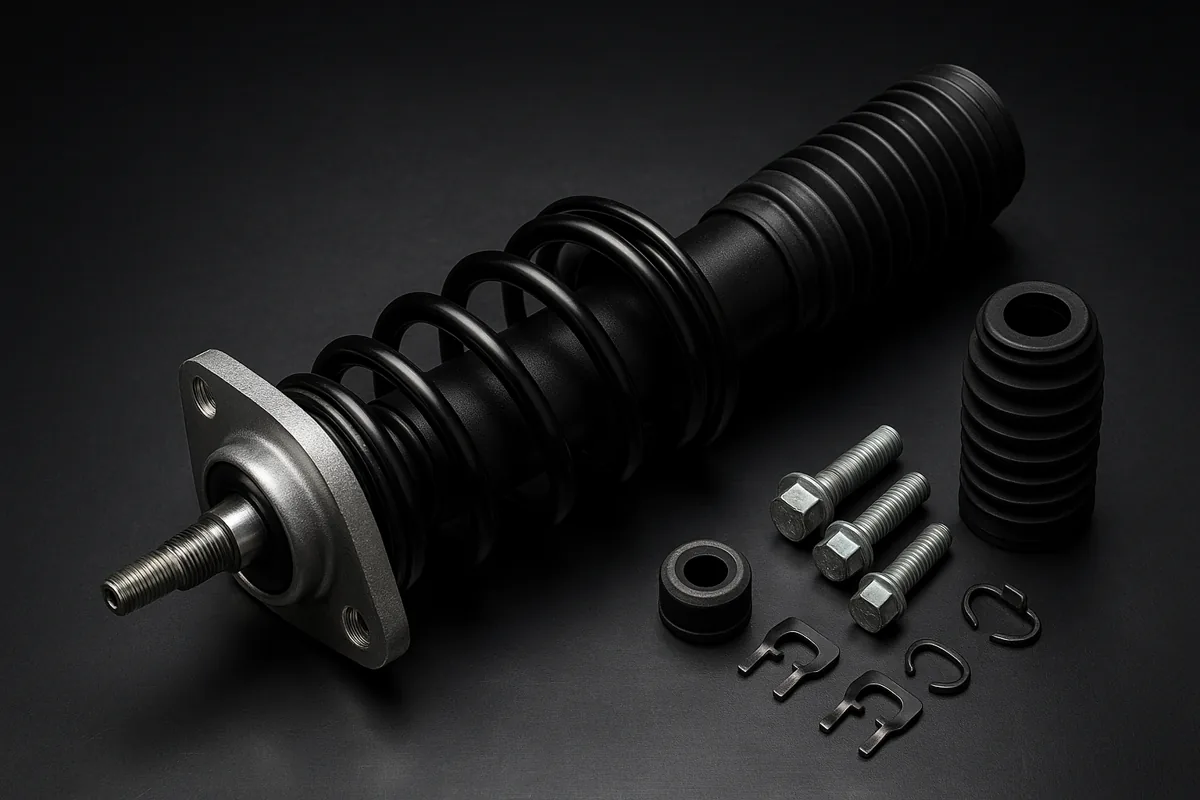
- Shock absorbers and strutsMatch dampers to generation and version, since wheelbase, weight and drive layout all differ
- 12 V feeds, earth points and connectors12 v connectors and earth points, matched by the oe number on the old part
- Fuel tank, lines and filtersEvery tang with an engine needs a fuel system, while the tang ev has none
About BYD Tang Parts
The BYD Tang is BYD's large SUV, and the name has been used on more than one car. The first Tang went on sale in June 2015. It was a four-wheel-drive plug-in hybrid with a 2.0-litre turbo petrol engine, a six-speed wet dual-clutch gearbox and an 18.4 kWh battery, on a 2,720 mm wheelbase. The second generation was launched on 26 June 2018 on a longer 2,820 mm wheelbase. It was sold as the Tang DM plug-in hybrid and as a petrol-only car with a six-speed automatic, and was later joined by the Tang EV and the DM-i hybrid. Most Tangs carry a petrol engine, so they need oil, filters, fuel system parts and emission sensors as well as body and chassis parts. The gearbox, drive layout and wheelbase all change between versions, so establish which Tang you have first. Every part on this page is listed by its OE number, and that number is the surest way to confirm a part fits.
What to know before buying BYD Tang parts
Start by working out which generation you have. The first Tang, sold from 2015 to 2018, was developed from the BYD S6. It is 4,815 mm long and 1,855 mm wide on a 2,720 mm wheelbase. The second generation, from June 2018, is 4,870 mm long and 1,950 mm wide on a 2,820 mm wheelbase. A tape measure between the wheel centres settles it, since the 100 mm difference is easy to see. Body panels, glass, bumpers and suspension arms are specific to each generation.
Within the second generation, the powertrain decides most mechanical parts. The petrol-only Tang, sold from 2018 to 2021, uses a six-speed automatic. The Tang DM plug-in hybrid of the same years uses the same 2.0-litre engine family with a six-speed dual-clutch gearbox, plus electric motors front and rear for four-wheel drive. Gearbox fluid, filters, seals and mounts therefore do not cross between the two, even on cars built in the same month. From 2021 the DM-i hybrid used a 1.5-litre turbo engine and an E-CVT instead, and the Tang EV has no engine at all. Engine and gearbox parts for those versions are a separate matter again.
The petrol car was built with two versions of its engine. The earlier BYD487ZQA makes 151 kW. The BYD487ZQB, built to the China VI emission standard for the 2019 model year, makes 141 kW. Both give 320 Nm. Lambda sensors, catalysts and other emission parts can differ between the two, so read the engine code stamped on the engine rather than going by the year.
The first generation has its own parts list. Its engine is the 2.0-litre BYD487ZQA, but it drives through a six-speed wet dual-clutch gearbox and runs on 235/55 R18 tyres. Some engine parts may be shared with the early second-generation cars, but compare OE numbers before assuming a fit.
A few things vary from car to car. The second generation was built with five, six or seven seats, so seat frames, rails and rear trim depend on the layout fitted. Wheel sizes vary by trim, so read the size on the tyre sidewall. Order painted panels by the colour code on the car rather than by colour name. The 2021 facelift changed the front and rear bumpers, so check the build date on the identification plate before ordering bumpers or the trim around them. Whatever the part, compare the OE number on the old part with the listing before you order.
Before You Order: 8 Checks
- If you are unsure of the generation, measure the wheelbase. 2,720 mm is the first Tang and 2,820 mm the second. Then order body, glass and suspension parts for that generation.
- Match the OE number on the part you are replacing to the OE number on the listing before you order.
- On a second-generation car, check whether the gearbox is the petrol Tang's six-speed automatic, the DM's dual-clutch or the DM-i's E-CVT, then order gearbox parts for that type only.
- On a petrol Tang, read the engine code, BYD487ZQA or BYD487ZQB, before ordering sensors or emission parts.
- Tyre sizes vary by generation and trim, so read the size on the sidewall before ordering tyres or wheels.
- Check the build date on the identification plate before ordering bumpers or the trim around them, since the 2021 facelift changed both.
- The second generation came with five, six or seven seats, so count the seats before ordering seat frames, rails or rear trim.
- Order painted panels by the colour code on the car rather than by colour name.
Generations and Facelifts
The Tang was first shown at the 2014 Beijing Auto Show and went on sale in June 2015. It was developed from the BYD S6: a four-wheel-drive plug-in hybrid with a 2.0-litre turbo engine, a six-speed wet dual-clutch gearbox, electric motors and an 18.4 kWh battery. It was built until 2018 with no facelift.
The second generation was shown at Auto China in April 2018 and launched on 26 June 2018. It came as the Tang DM plug-in hybrid and as a petrol-only Tang with a six-speed automatic. It is longer and wider than the first car and runs on a 2,820 mm wheelbase, so none of its body panels are shared with the first car. The petrol car moved to the China VI BYD487ZQB engine for the 2019 model year and was dropped in 2021. The Tang EV joined the range in 2019.
In 2021 the second generation was facelifted with new front and rear bumpers, and the DM-i hybrid arrived with a 1.5-litre turbo engine and an E-CVT. The higher-performance DM-p followed in 2022. A revised Tang family of EV, DM-i and DM-p launched on 31 August 2023. Further updates came in February 2024, in October 2024 for the 2025 Tang DM-i, and in September 2025. The Tang EV left production in 2025.
For parts, the 2021 bumper change matters most. Bumpers and the trim around them from either side of it do not interchange, so read the build date on the identification plate and match by OE number. A third-generation Tang was shown at the Chengdu Auto Show on 21 August 2026 and is due on sale in the fourth quarter of 2026. It is a new five-seat car on a 2,950 mm wheelbase, so none of its parts should be assumed to fit earlier Tangs.
BYD Tang Parts: Frequently Asked Questions
How do I make sure a part fits my BYD Tang?
Match the OE number. Every part on this site is listed under the OE number printed on the original part. If the number on the part you are replacing matches the listing, the part fits. The check matters on the Tang because the name covers two generations and several powertrains, and many parts differ between cars that look alike. If the old part is missing or its number is unreadable, send the details and a photo through the quote form and we will reply within 24 hours, usually sooner.
How can I tell a first-generation Tang from a second-generation car?
Measure the wheelbase, which is the distance between the front and rear wheel centres. The first Tang, sold from 2015 to 2018, measures 2,720 mm and is 4,815 mm long. The second generation, launched in June 2018, measures 2,820 mm and is 4,870 mm long. It is also wider, at 1,950 mm against 1,855 mm. The first car was developed from the BYD S6 and shares its proportions. Once you know the generation, confirm each part by its OE number.
Do parts from a 2015 Tang fit a 2018 or later Tang?
Mostly not. The two generations have different bodies, wheelbases and widths, so panels, glass, bumpers and suspension arms are specific to each. The first car and the early second-generation 2.0-litre cars both use the BYD487ZQA engine, so some engine parts may be shared. That is a reason to compare OE numbers, not to assume a fit. The first Tang also runs a six-speed wet dual-clutch gearbox, which the second-generation petrol car does not. Check the OE number on the old part before ordering.
Do gearbox parts cross between the petrol Tang and the Tang DM?
No. The petrol-only Tang, sold from 2018 to 2021, uses a six-speed automatic. The Tang DM plug-in hybrid of the same years uses a six-speed dual-clutch gearbox, and the later DM-i uses an E-CVT. Fluid, filters, seals and gearbox mounts are specific to each type, even on cars of the same year. Check the badge and the gearbox fitted to the car, then order transmission parts by the OE number on the part you are replacing.
Which engine does my petrol Tang have?
There are two. Early petrol cars use the BYD487ZQA, rated at 151 kW. For the 2019 model year BYD introduced the BYD487ZQB, built to the China VI emission standard and rated at 141 kW. Both give 320 Nm. Cars from both builds were on sale around the same time, so the year alone is not a safe guide. Read the engine code stamped on the engine before ordering lambda sensors, catalysts or other emission parts, and match them by OE number.
Was the petrol Tang ever four-wheel drive?
No. The petrol-only second-generation Tang drives its front wheels only. On the early Tangs, four-wheel drive comes from the plug-in hybrids, both the first-generation car and the Tang DM, which drive the rear wheels with an electric motor instead of a propshaft. There is no propshaft or rear differential to order for the petrol car, and rear axle parts from a DM will not suit it. Match rear hubs, arms and brakes by the OE number on the old part.
Does the Tang DM-i share engine parts with older Tangs?
No. The DM-i arrived in 2021 with a 1.5-litre turbo petrol engine and an E-CVT, in place of the 2.0-litre engine and dual-clutch gearbox of the earlier Tang DM. Its batteries are different too, at 9.98 kWh or 21.5 kWh. Filters, sensors and gearbox parts for a 2.0-litre Tang will therefore not suit a DM-i. Check the engine size on the badge or under the bonnet, then order by the OE number on the part you are replacing.
What changed at the 2021 facelift?
The 2021 update gave the second-generation Tang new front and rear bumpers and added the DM-i hybrid to the range. More updates followed: the higher-performance DM-p in 2022, a revised Tang family on 31 August 2023, and further changes in 2024 and 2025. For parts, the bumper change matters most, because bumpers and the trim around them from either side of it do not interchange. Read the build date on the identification plate, then match the part by its OE number.
Does the Tang EV use the same parts as the hybrid Tangs?
Only some of them. The Tang EV joined the range in 2019 and has no engine, so it needs none of the oil, fuel or exhaust parts of the petrol and hybrid cars. Its battery is 86.4 kWh or 108.8 kWh, with one or two motors. Some body panels and trim may be shared with hybrid Tangs of the same period, but cooling and underbody parts can differ. The EV left production in 2025. Compare OE numbers before ordering.
Does the seat layout change which parts I need?
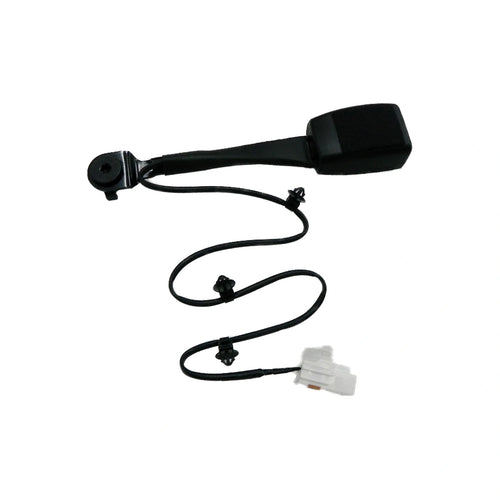
Yes. The second-generation Tang was sold with five, six or seven seats, and the seven-seat car uses a 2+3+2 layout. Seat frames, rails, belts and the trim around the second and third rows all depend on the layout fitted. Before ordering anything for the cabin, count the seats and note how the second row is arranged. Then match each part to the OE number on the one you are replacing.
Is the Tang related to the BYD S6?
The first-generation Tang was developed from the BYD S6. The two share a 2,720 mm wheelbase and a 1,855 mm width, which makes some S6 parts look like a match. The Tang is a four-wheel-drive plug-in hybrid with a battery and electric motors, though, so its suspension, brake and driveline parts should not be assumed to fit. Treat any part that looks shared as a lead only, and order by the OE number on the Tang's own part.
Will parts for the new third-generation Tang fit my car?
No. The third-generation Tang was shown at the Chengdu Auto Show on 21 August 2026 and is due on sale in the fourth quarter of 2026. It is a new five-seat SUV, 5,045 mm long on a 2,950 mm wheelbase, with air suspension as standard. Its body and chassis are new, so do not use its parts on a first or second-generation Tang. Order by the OE number on the part you are replacing, and use the quote form if that number is unreadable.
Safety Recalls Affecting This Model
If you have been told your petrol Tang is subject to a recall, check first which car you actually have. The 2015 hybrid and the 2018 petrol SUV share only their badge and one engine, and a recall notice for one is not evidence of anything on the other.