Cameras, Radar & Park Assist
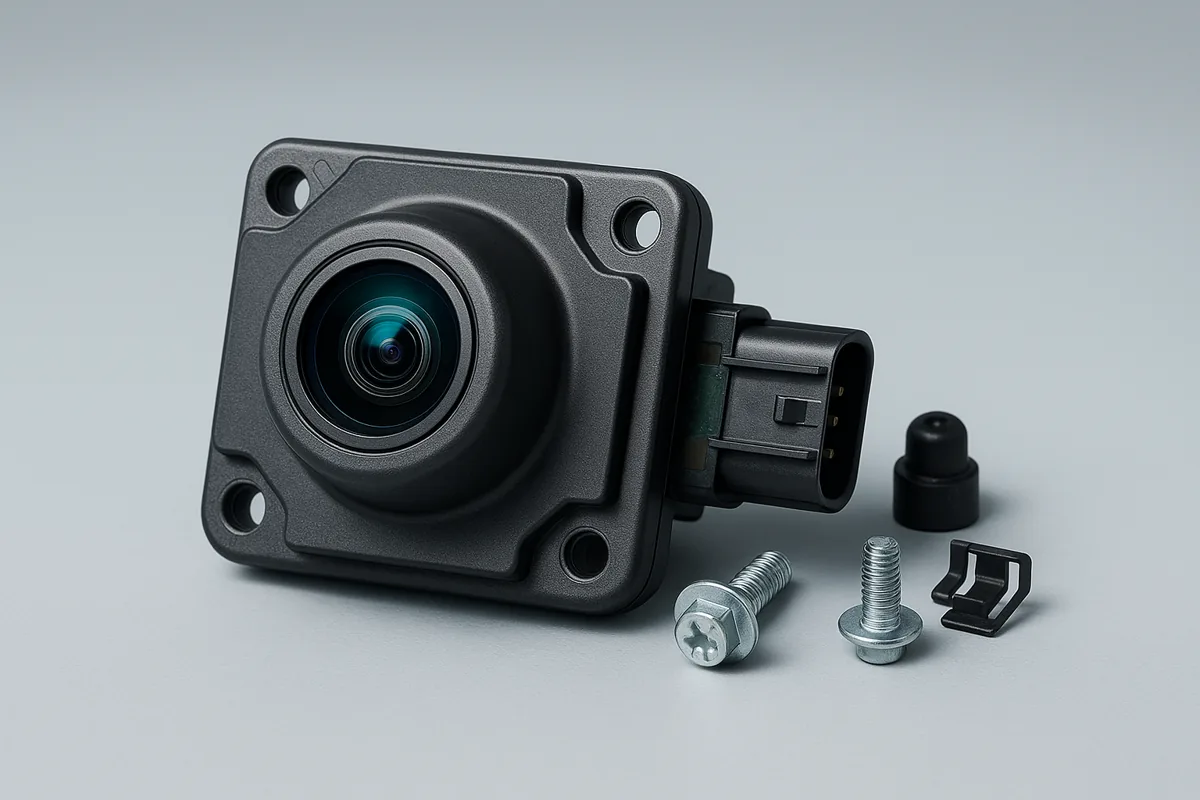
Shop Cameras, Radar & Park Assist by Part Type
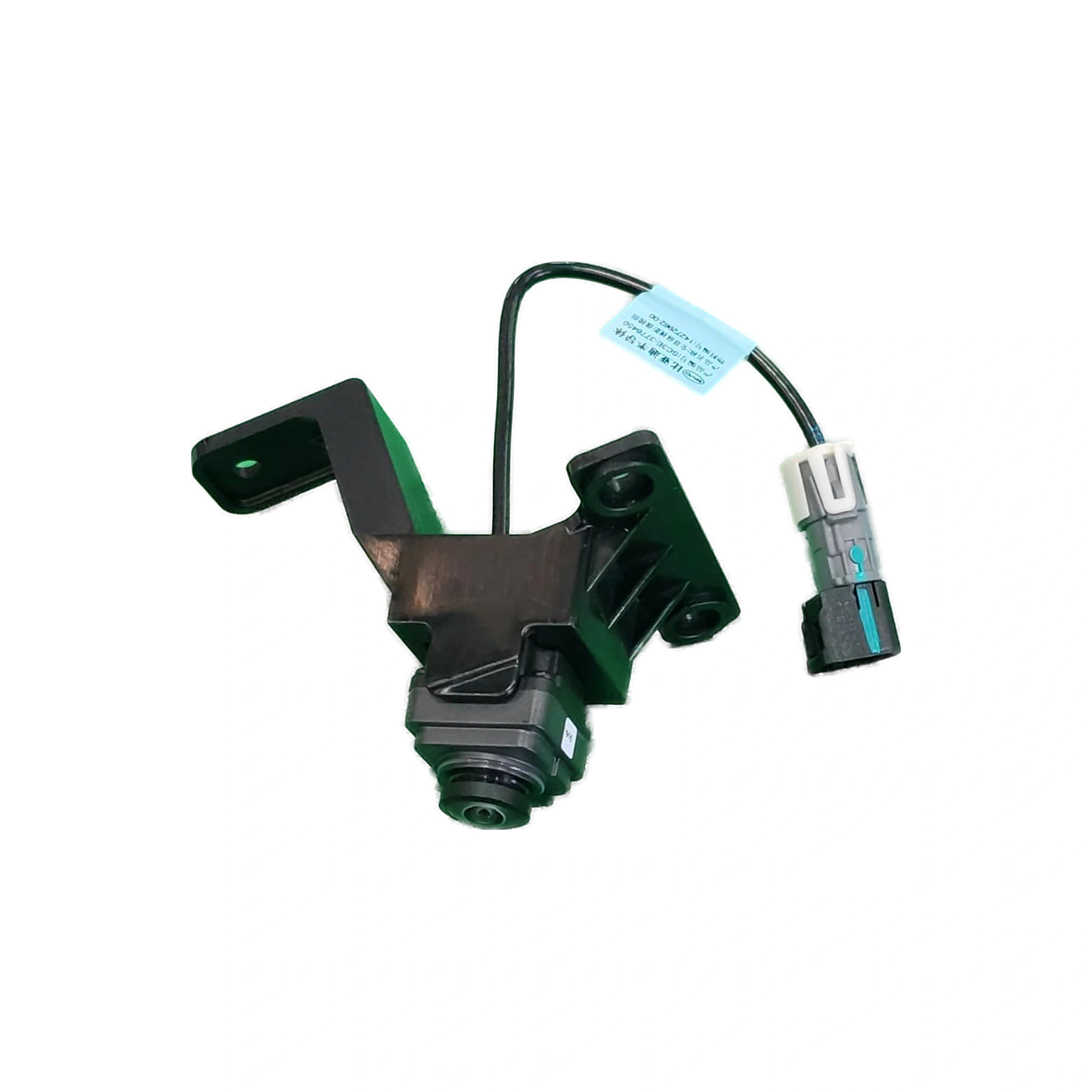
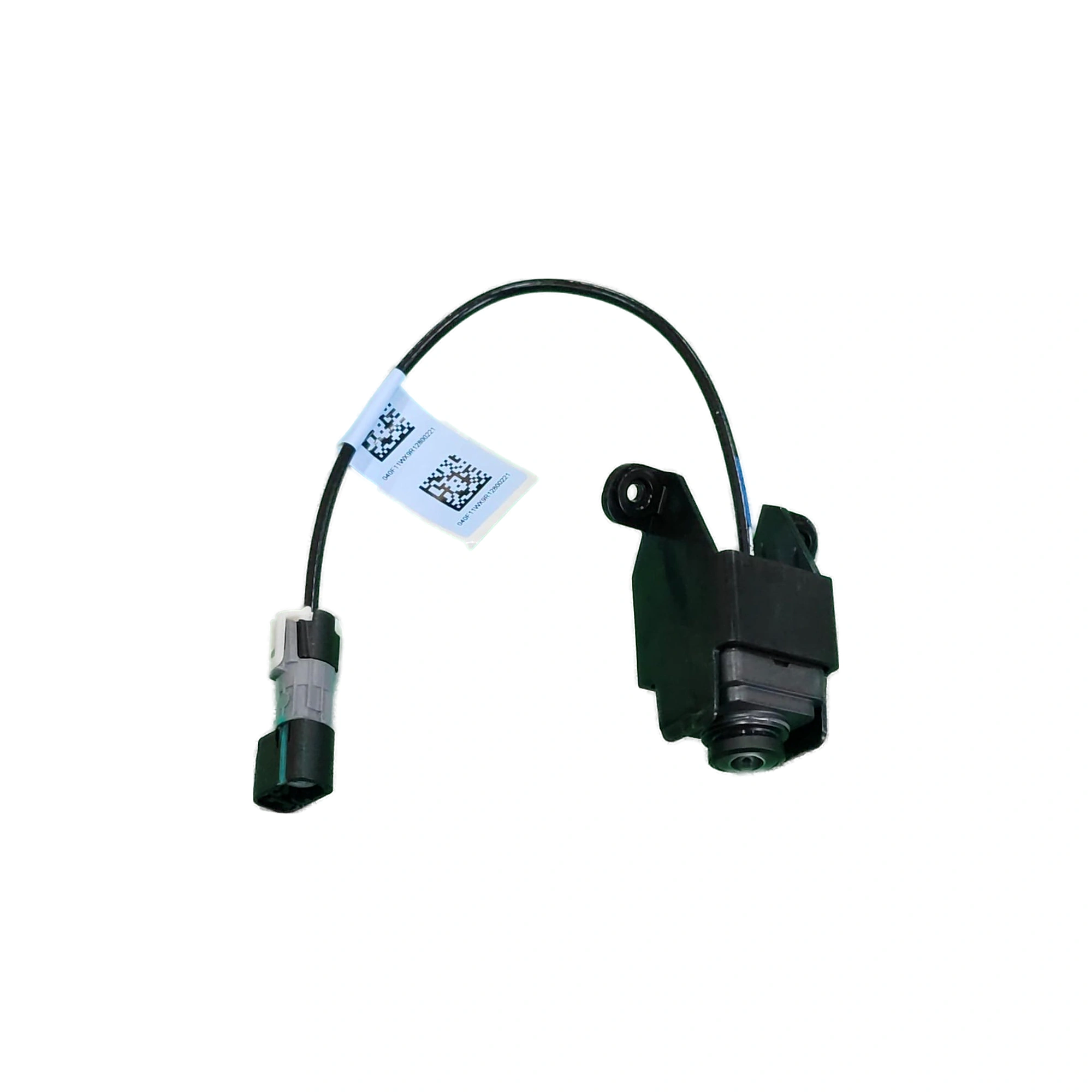
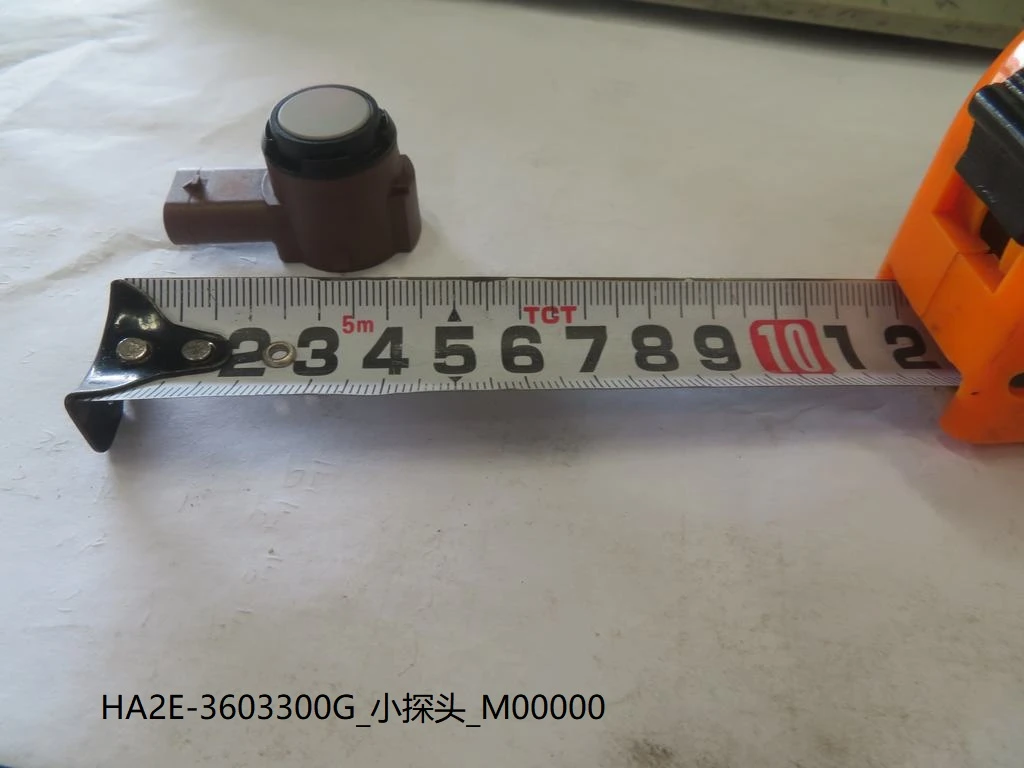
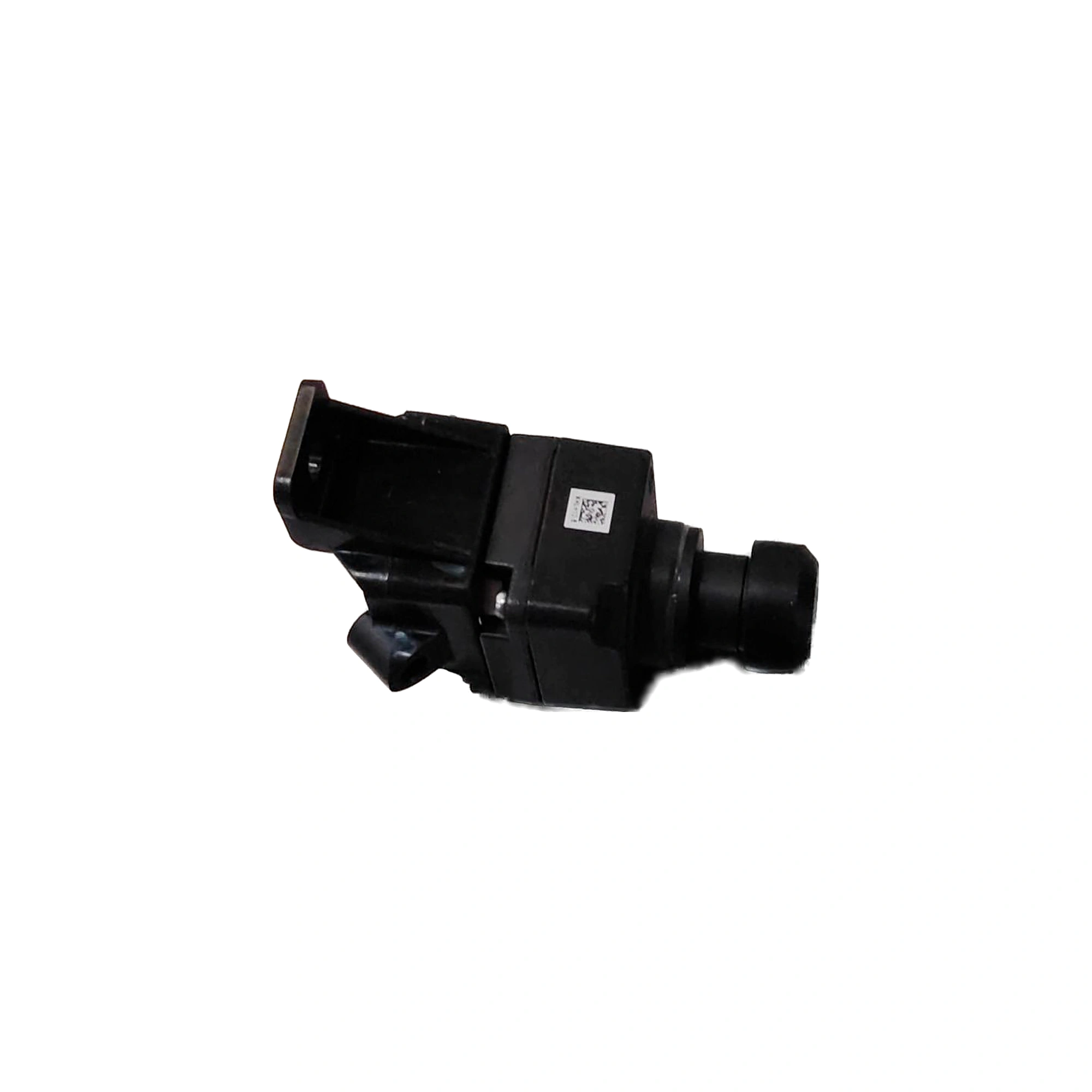
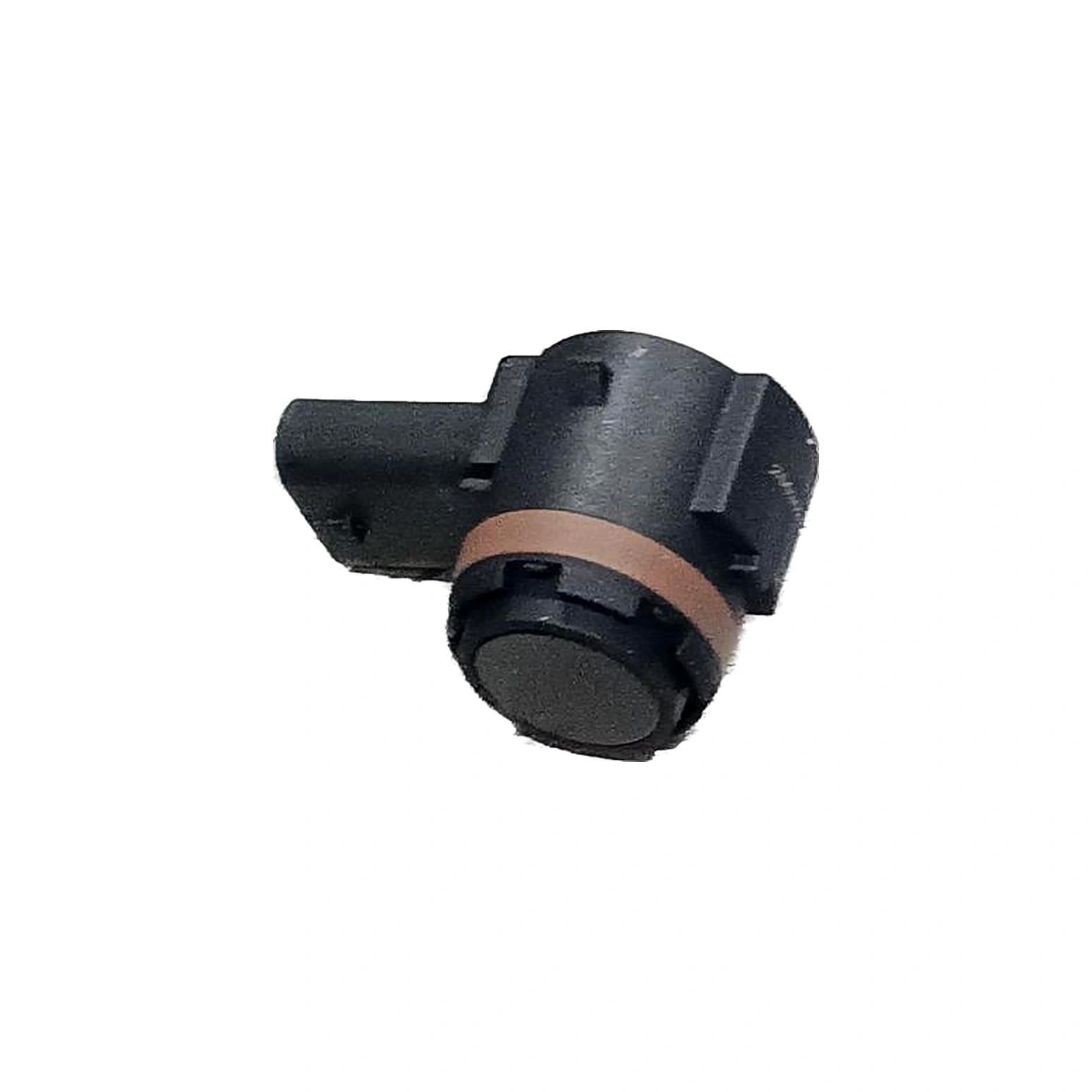
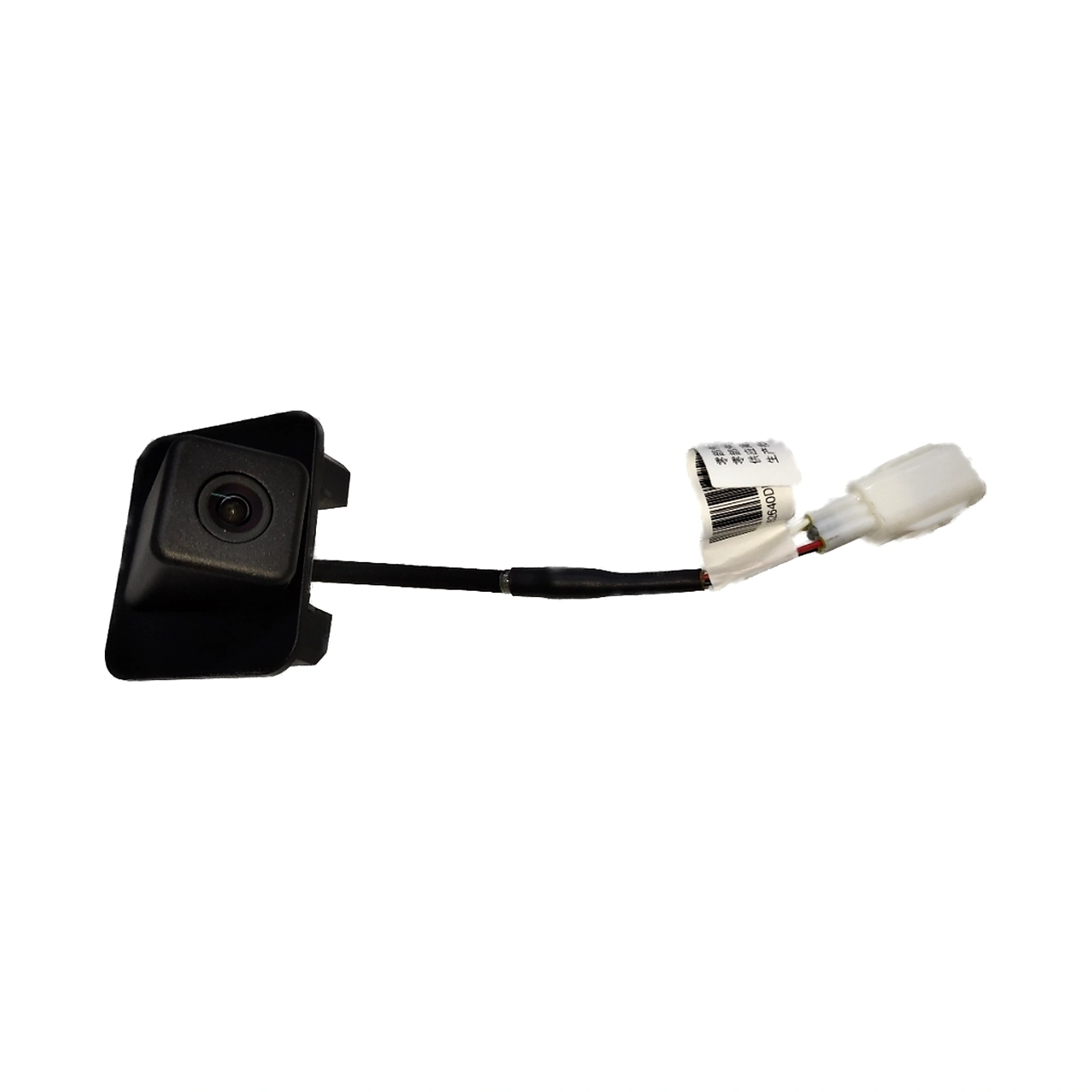
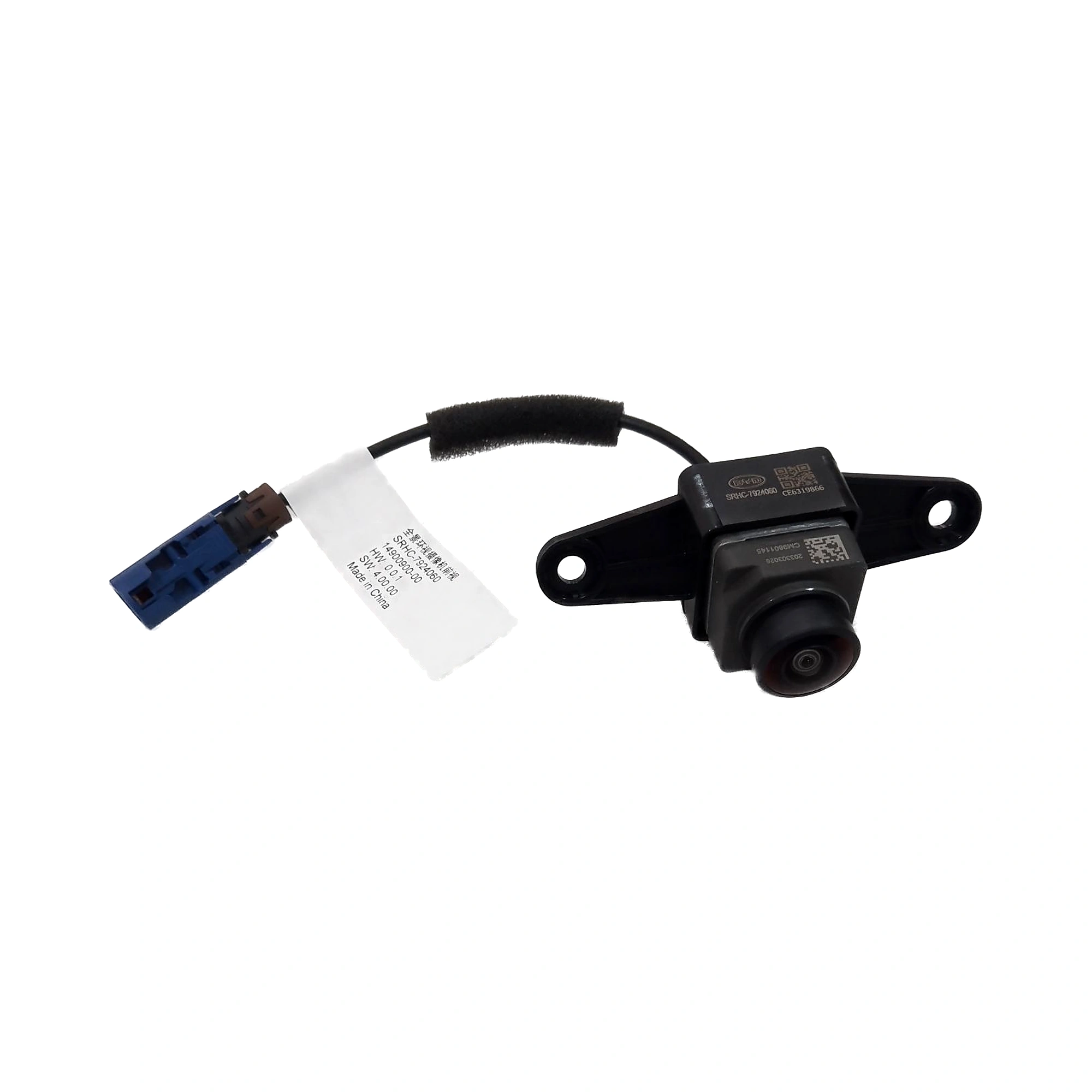
Popular Right Now
scroll for more →
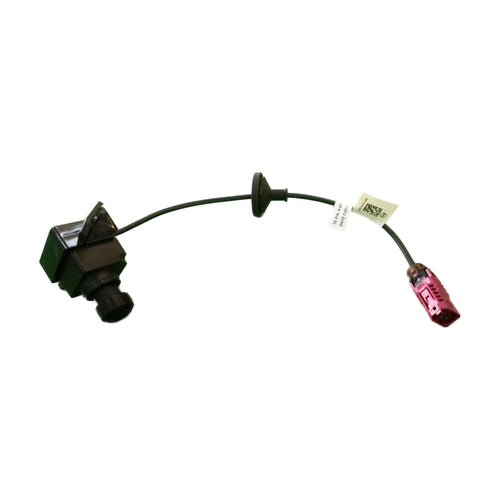
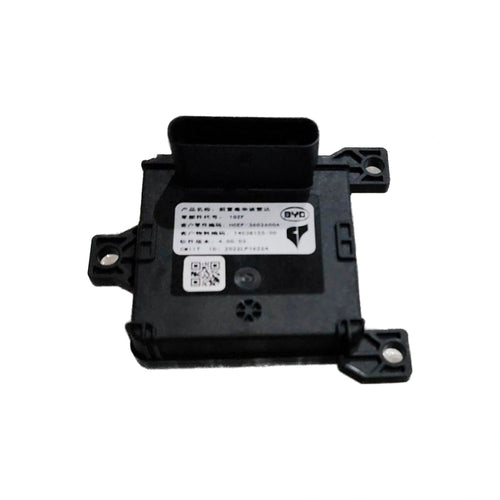
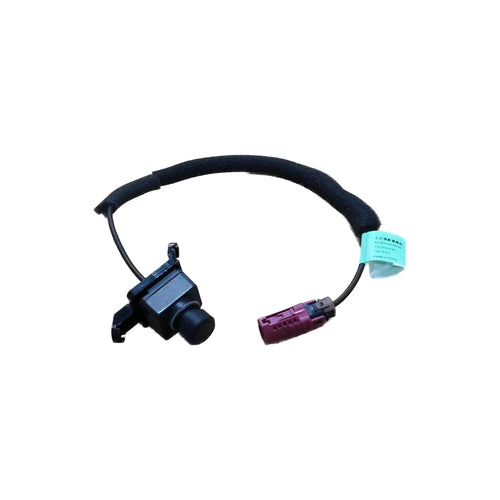
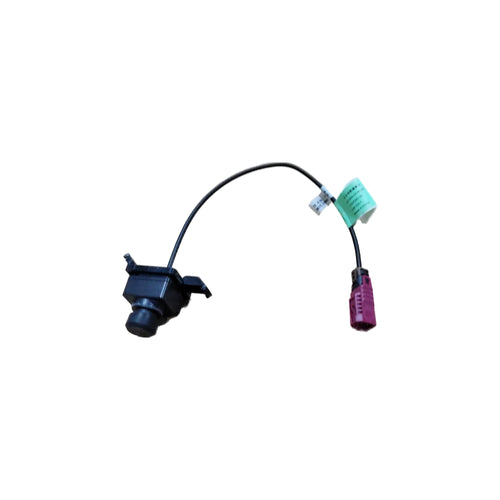
Symptom Finder: What Is Actually Broken?
| What you see or hear | Part to check first |
|---|---|
| Driver assistance unavailable after a windscreen replacement | Forward camera requiring calibration |
| Surround view image with a visible join or missing panel | Surround view camera module |
| Adaptive cruise unavailable with a radar blocked message | Front millimetre-wave radar or its bracket |
| Reversing image dark, distorted or absent | Reversing camera |
| Parking sensors beeping continuously with nothing behind | Parking sensor probe |
| Blind spot warning inoperative on one side | Corner millimetre-wave radar |
About Cameras, Radar & Park Assist
Driver assistance depends on several sensing technologies because none of them is good at everything. Cameras see detail, colour and lane markings and are defeated by glare, spray and darkness. Millimetre wave radar measures distance and closing speed accurately through weather that blinds a camera, and it sees shape poorly. Ultrasonic probes work only over a few metres but are cheap, reliable and ideal for parking. Systems fuse the three, weighting each according to conditions. What matters for repair is that every one of them is aimed rather than merely fitted: a camera a fraction of a degree off reports lane position incorrectly, a radar misaligned by the same amount places a vehicle in the wrong lane at distance, and a surround view system with one camera out of position shows a visibly broken join in its composite image.
What to know before buying Cameras, Radar & Park Assist parts
Arrange calibration before you buy. Every camera and radar replacement needs it afterwards, whether static against targets, dynamic on a defined route or both. Booking it after the part is fitted leaves the car unfinished.
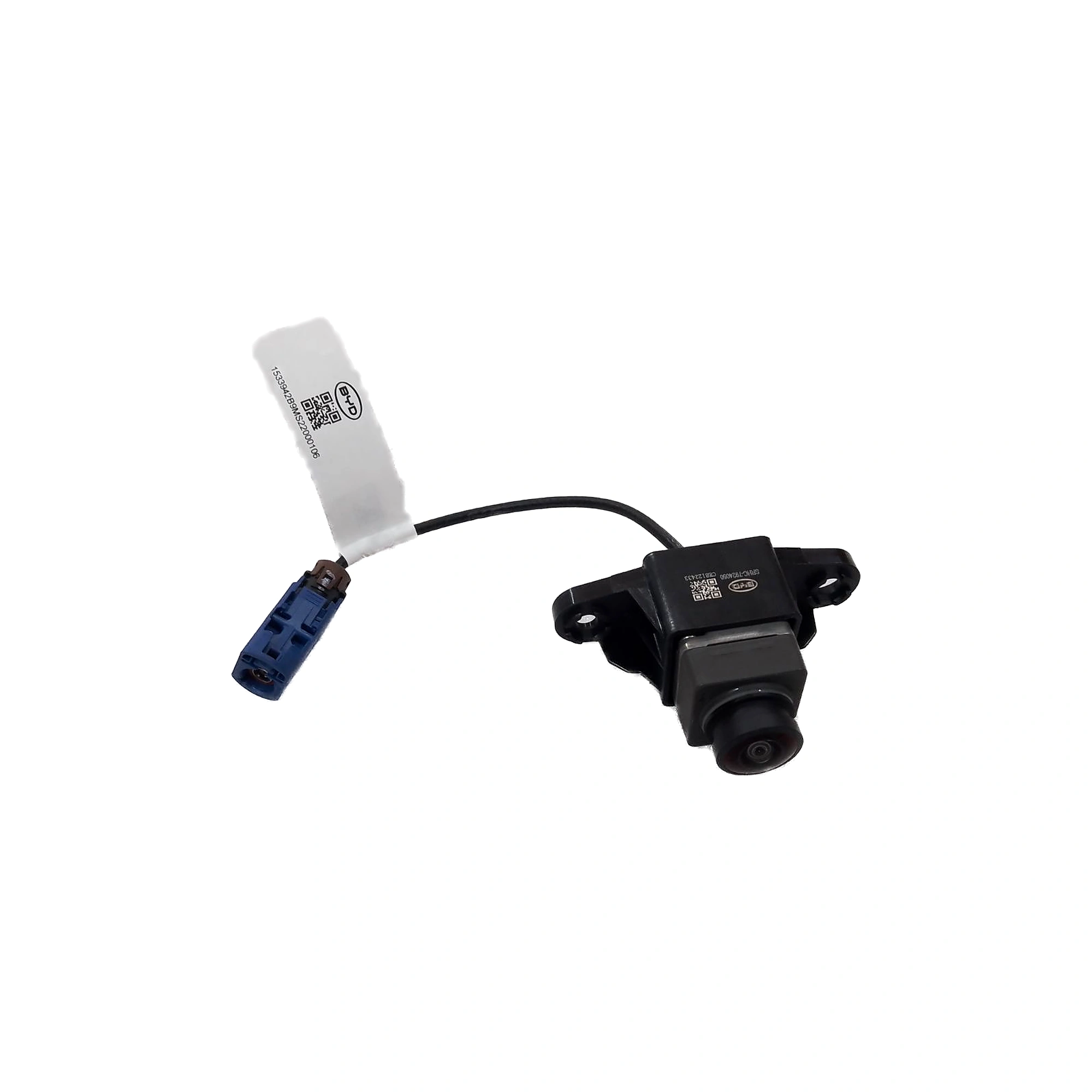
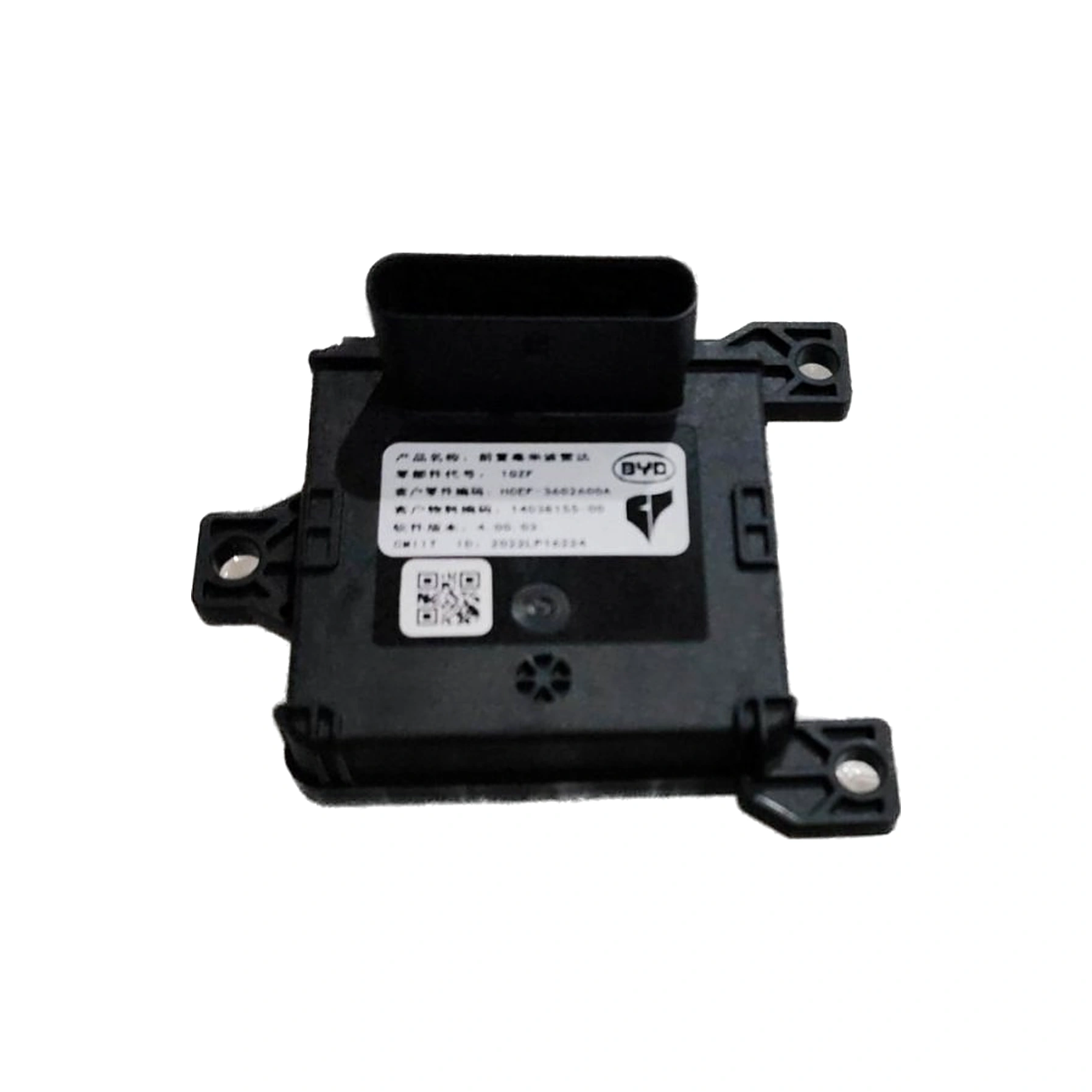
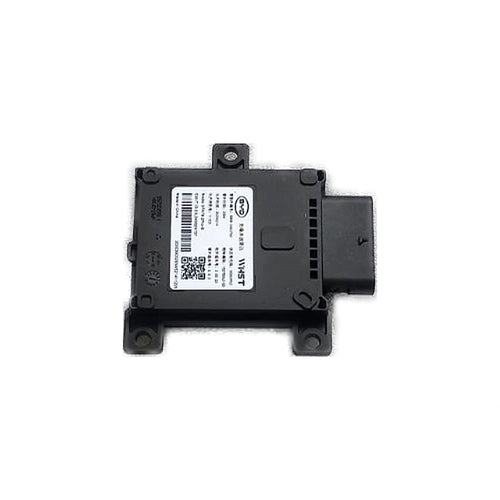
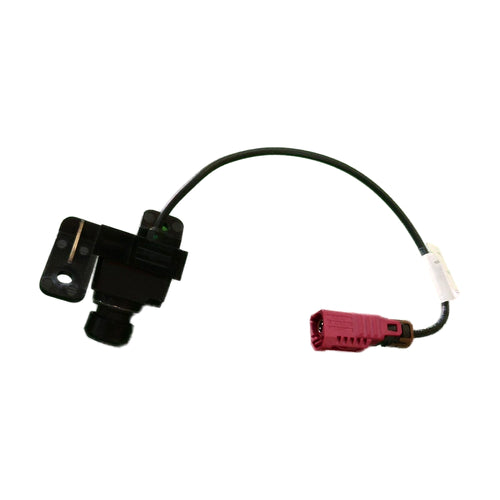
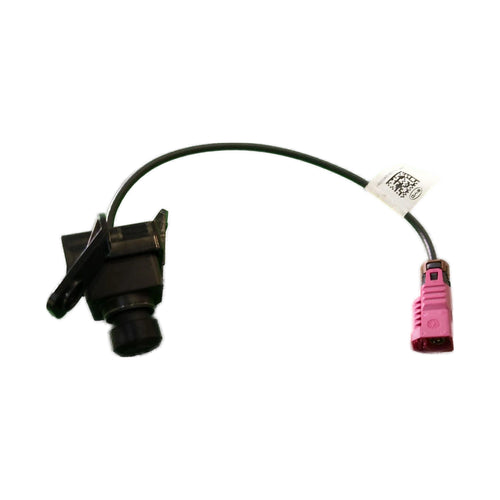
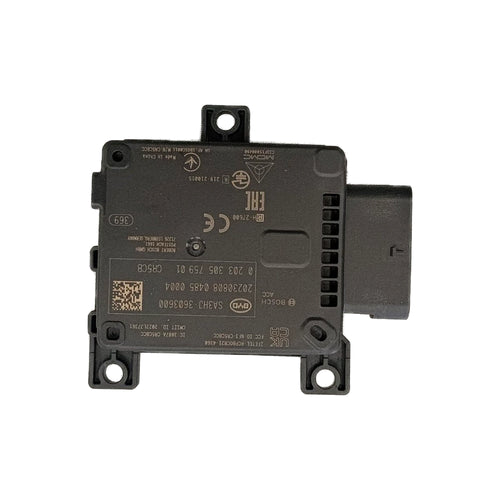
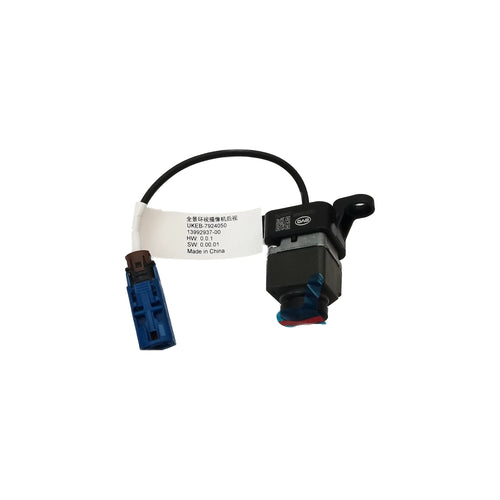
The sensing hardware is listed across all three technologies. Panoramic front and rear view camera modules appear alongside front and rear surround view cameras. Reversing cameras and rear view camera modules are listed for each side. Front and corner millimetre wave radars, adaptive cruise mounting brackets and parking sensor probes follow. The probes include automatic parking sensors and colour matched variants.
Parking probes are often painted to the body colour, so the listing names the finish. Matching it matters for appearance. Check the OE number against your old part before ordering.
After any front end impact, check the bracket as well as the sensor. A radar reporting a fault is often healthy. A bent mounting has simply aimed it a degree or two off. Parts showing a price can be ordered directly and anything without a price is quoted. Coverage is strongest across the BYD group and widens as further catalogues load.
Before You Order: 6 Checks
- Arrange calibration before fitting, since every camera and radar replacement requires it.
- Match the OE number, because sensing hardware differs by specification within one model.
- Match the finish on parking sensor probes, which are usually painted to the body colour.
- Check the bracket as well as the sensor after a front end impact.
- Clean the lens or radar face and check for ice, dirt or a badge fitted in front of it before ordering.
- Confirm the workshop has the correct targets and software for your vehicle.
What Changed and Why
Assistance systems have moved from optional convenience to regulated requirement, with intelligent speed assistance, driver drowsiness monitoring, reversing detection and emergency braking mandated on new vehicles in Europe and the United Kingdom under the general safety regulation. That has multiplied the sensors on every car and made calibration a routine part of collision and glass repair rather than a specialist extra. Sensor fusion is deepening at the same time, with some manufacturers reducing radar count in favour of camera and processing, and others adding lidar, so hardware differs more between vehicles than it used to.
Cameras, Radar & Park Assist: Frequently Asked Questions
Does every camera and radar replacement need calibration?
Effectively yes, and manufacturers require it rather than recommend it. These sensors report the position of objects relative to the vehicle, so the system must know exactly where each one is pointing, and a fraction of a degree translates into metres of error at distance. Calibration is performed statically against printed or physical targets in a controlled workshop space, dynamically by driving a defined route, or both. Arrange it before the part is fitted, since a vehicle with an uncalibrated sensor should not be driven with the systems active.
My parking sensors beep constantly with nothing behind.
Usually a single failed probe, since a sensor that no longer transmits or receives correctly reports a permanent close obstacle. Before ordering, clean the sensor faces and check for ice, mud, wax residue or a thick layer of paint, all of which detune an ultrasonic probe. Tap each sensor lightly with the system active and listen for the click, which identifies a dead one quickly. Probes are listed individually here, often in body colour finishes.
Why does my surround view image have a visible join?
Because the system stitches images from several cameras into one overhead view, and that stitching depends on knowing precisely where each camera sits and how it is angled. If one camera has been disturbed, replaced without calibration, or moved by a minor impact, its image no longer lines up with its neighbours and a seam appears. The cure is calibration of the whole system rather than replacing a camera that may be perfectly healthy. Have the alignment checked first.
A radar blocked message appears in bad weather. Is the radar faulty?
Not necessarily. Radar sensors detect when their view is obscured and report it, and heavy spray, snow packed into the grille, thick mud or ice on the sensor face all trigger the message legitimately. Clean the area and see whether it clears. What is not normal is the message appearing in dry, clean conditions, which points at the sensor, its bracket alignment after an impact, or something fitted in front of it that is not radar transparent.
Can I fit an ordinary badge in front of the radar?
No. Where the radar sits behind a grille emblem, that emblem is moulded from a radar transparent polymer with an extremely thin metallised layer and often a heating element. A conventional chromed badge attenuates the signal, producing intermittent faults, unavailable cruise control and blocked messages in cold weather. This catches people out after a badge is replaced or a grille is changed. Match the OE number of the emblem as well as the radar itself.
What do these sensors cost?
Parking sensor probes and brackets sit at the lower end of the range. Reversing and surround view cameras are moderate. Front millimetre wave radars cost the most in this category. The live minimum and maximum are shown in the band at the top of this page, and calibration is an additional workshop charge that should be included in any estimate, since it is required rather than optional.
Can I fit these parts myself?
The mechanical work on a parking probe or a reversing camera is often straightforward, and the calibration that follows is not. Parking sensors on most vehicles need coding rather than target based calibration, which some scan tools handle. Cameras and radar need proper targets, a level floor, controlled lighting and manufacturer software. A sensible split is to order the part, fit it if access allows, and book the calibration, or to have a workshop do both together.
Why did my assistance systems stop after a windscreen change?
Because the forward camera was removed from the old screen and refitted to the new one, and its aim changed in the process. Nearly all manufacturers require recalibration whenever the screen is replaced, and until it is done the systems either disable themselves or, worse, operate on a false reference. A reputable glass fitter includes the calibration and provides a report. If yours did not, arrange it before relying on lane keeping or emergency braking.
Are parking sensors painted?
Usually, since they sit in the bumper and are finished to match the body, which is why several listings here name a colour. A probe painted to the wrong shade is obvious from a few paces. Note also that the paint on a sensor must be applied thinly and without primer filling the face, since a thick or heavy coating detunes the ultrasonic element. If you are having a bumper resprayed, tell the shop the sensors need careful handling.
Will a camera from another version of my model fit?
Only where the OE number agrees. Sensing hardware differs by specification within a single model, since a car with lane centring carries a different forward camera to one with basic lane warning, and surround view cameras vary by mounting position and lens. A camera that plugs in but reports differently will fail calibration or produce a distorted composite view. Match the number, and use the quote form where the reference brings back nothing.
What happens if calibration is skipped?
The systems either refuse to operate, which is the safer outcome, or they operate on a false reference and intervene at the wrong moment, which is not. A camera aimed slightly low reads the road surface as an obstacle. One aimed high misses a stationary vehicle. Since these systems can brake and steer, the consequences of an uncalibrated sensor are not theoretical. Keep the calibration report, since insurers and subsequent owners increasingly expect to see it.
The part I need shows no price. Can I still order it?
Yes. Cameras and radar units are among the most variant sensitive references in the catalogue, because the driver assistance package rather than the model decides which unit was fitted, so many are quoted rather than carrying a standing figure. Read the number from the sensor body and send it with your enquiry. Worth settling in the same conversation: who will calibrate the replacement. A forward camera or a corner radar that is fitted without the calibration routine leaves the assistance functions disabled, and the calibration usually costs more than the sensor did.