Sensors (Temp, Pressure, Position)
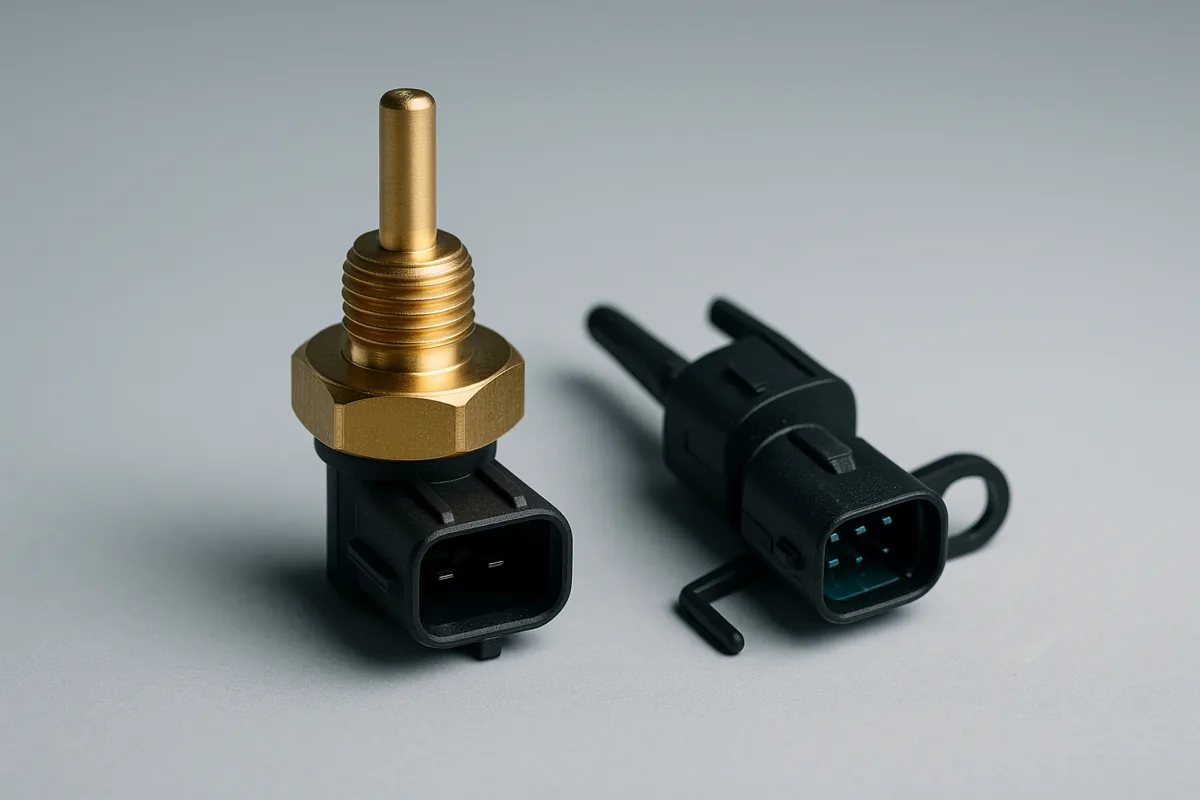
Shop Sensors (Temp, Pressure, Position) by Part Type
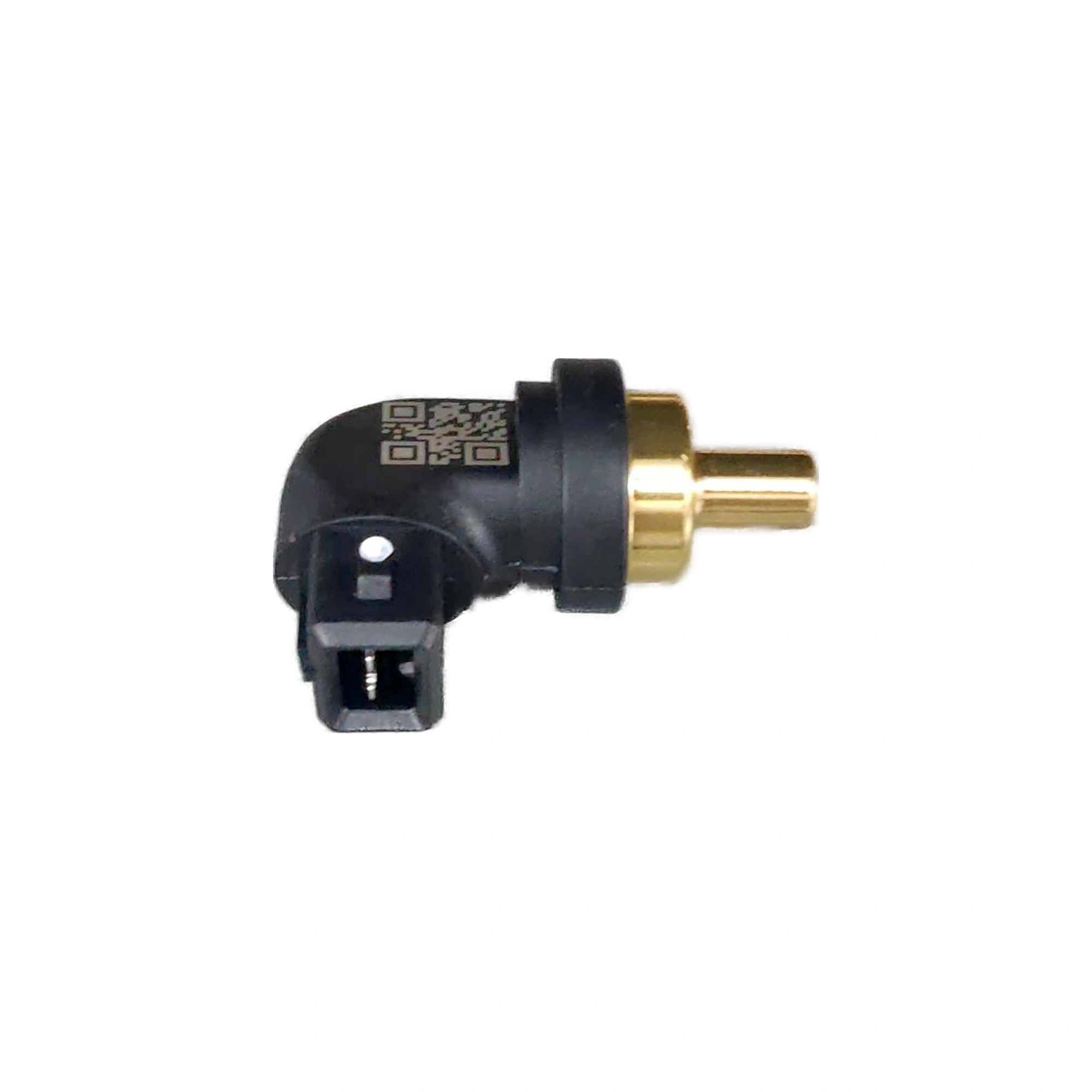
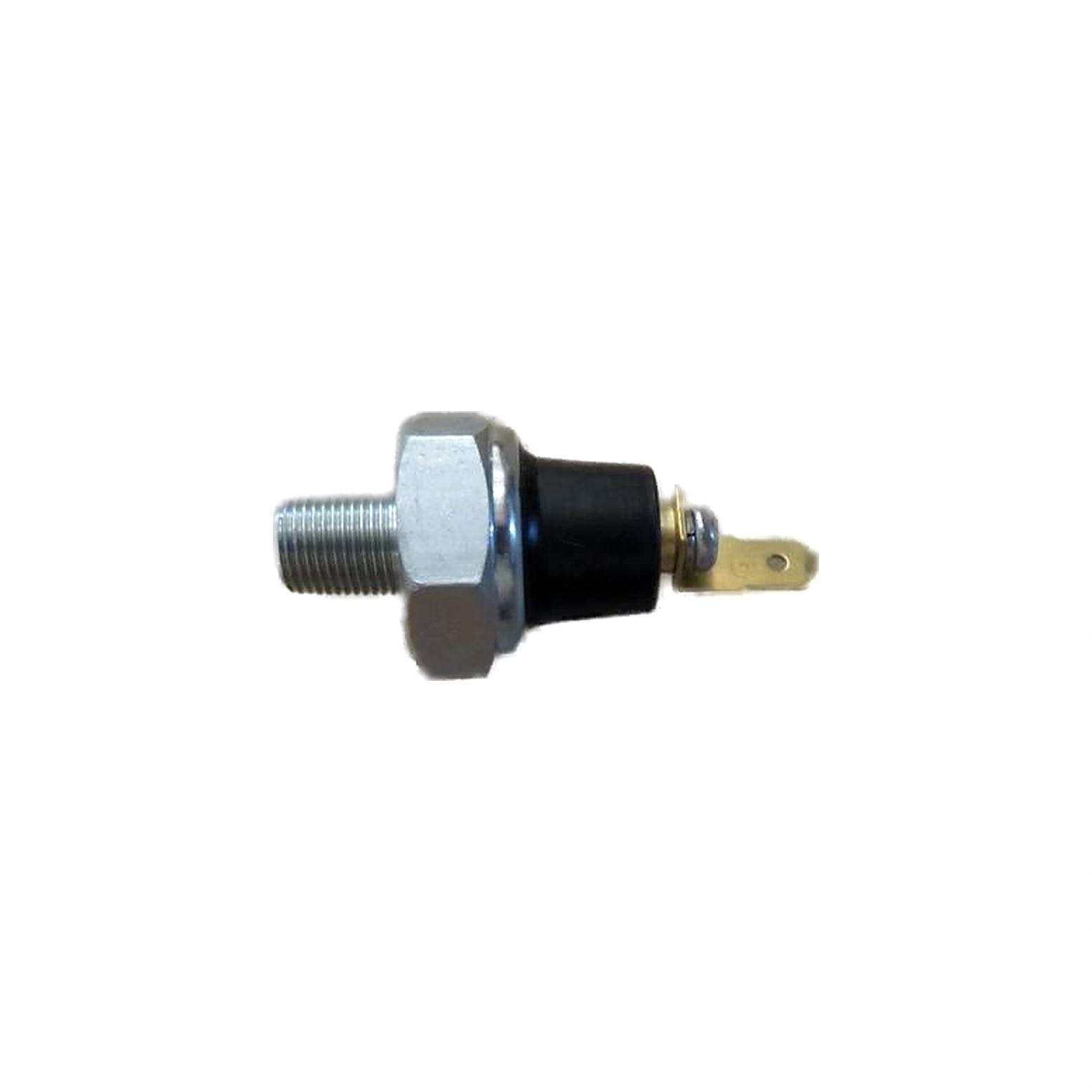
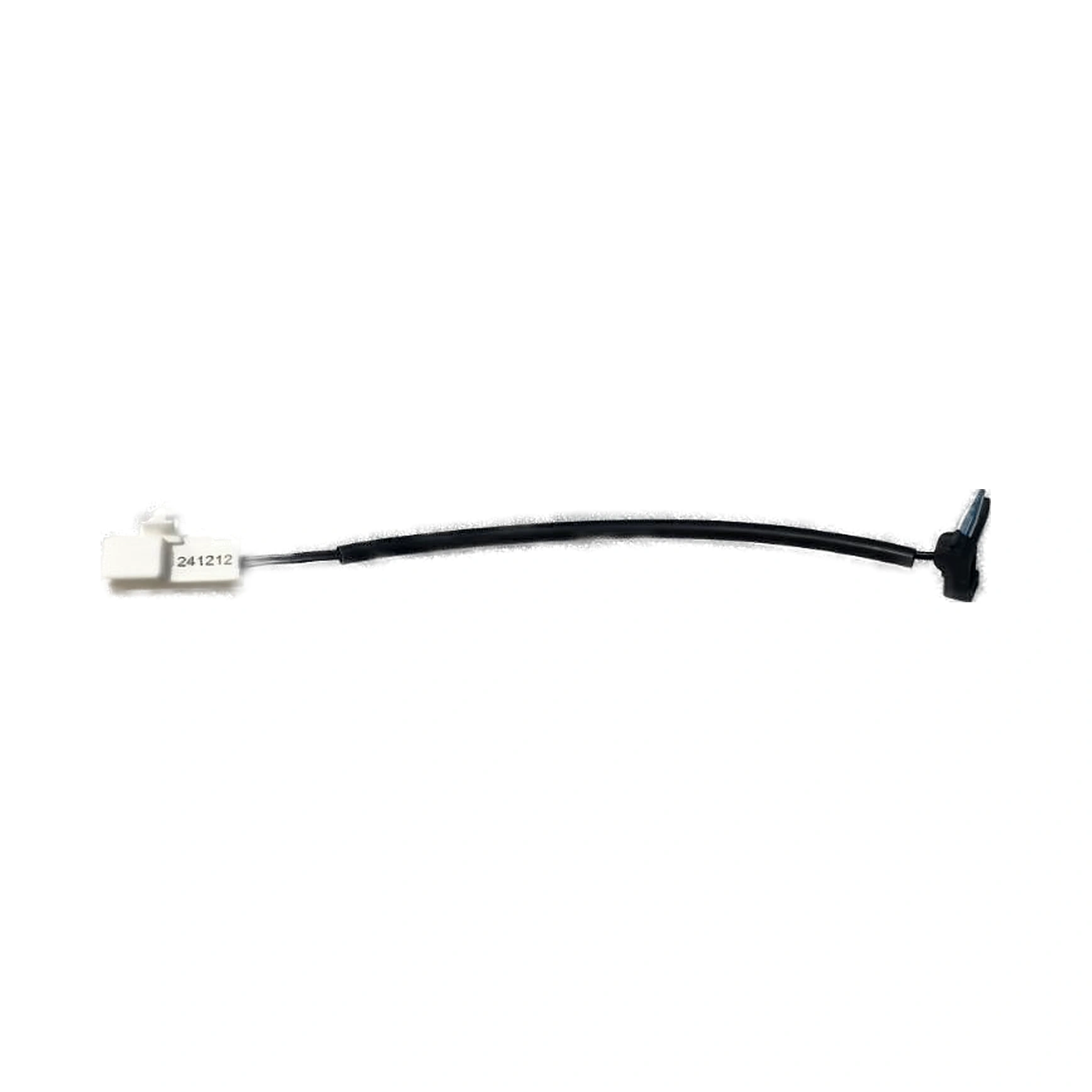
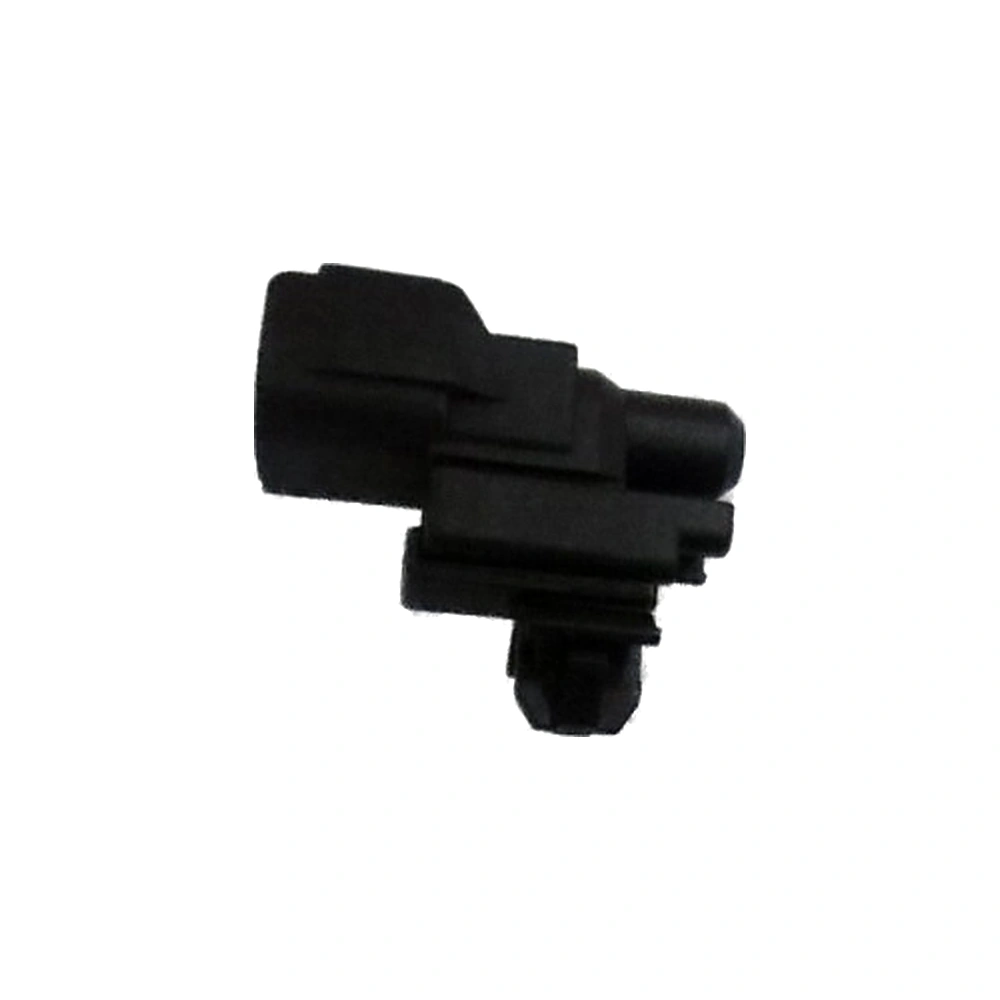
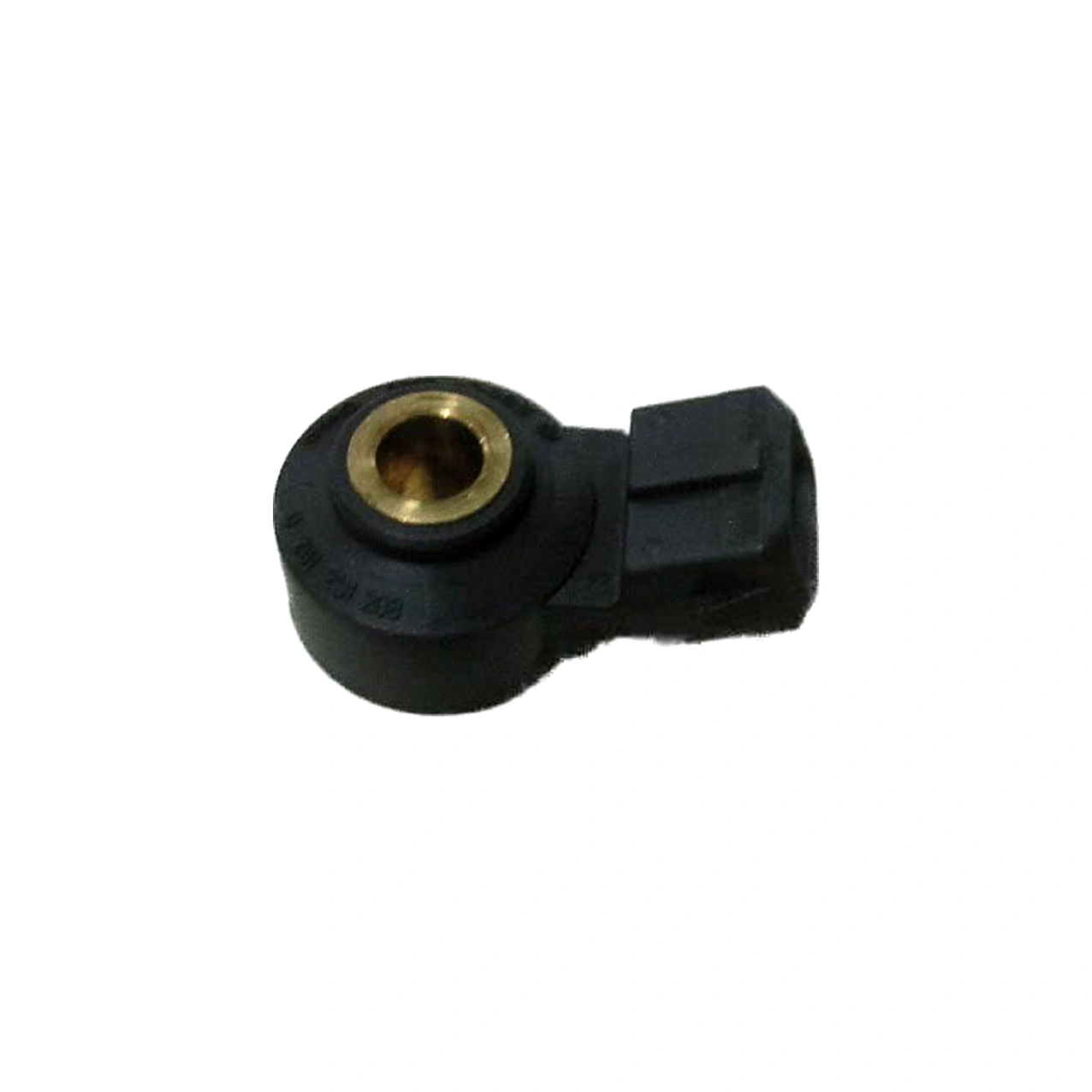
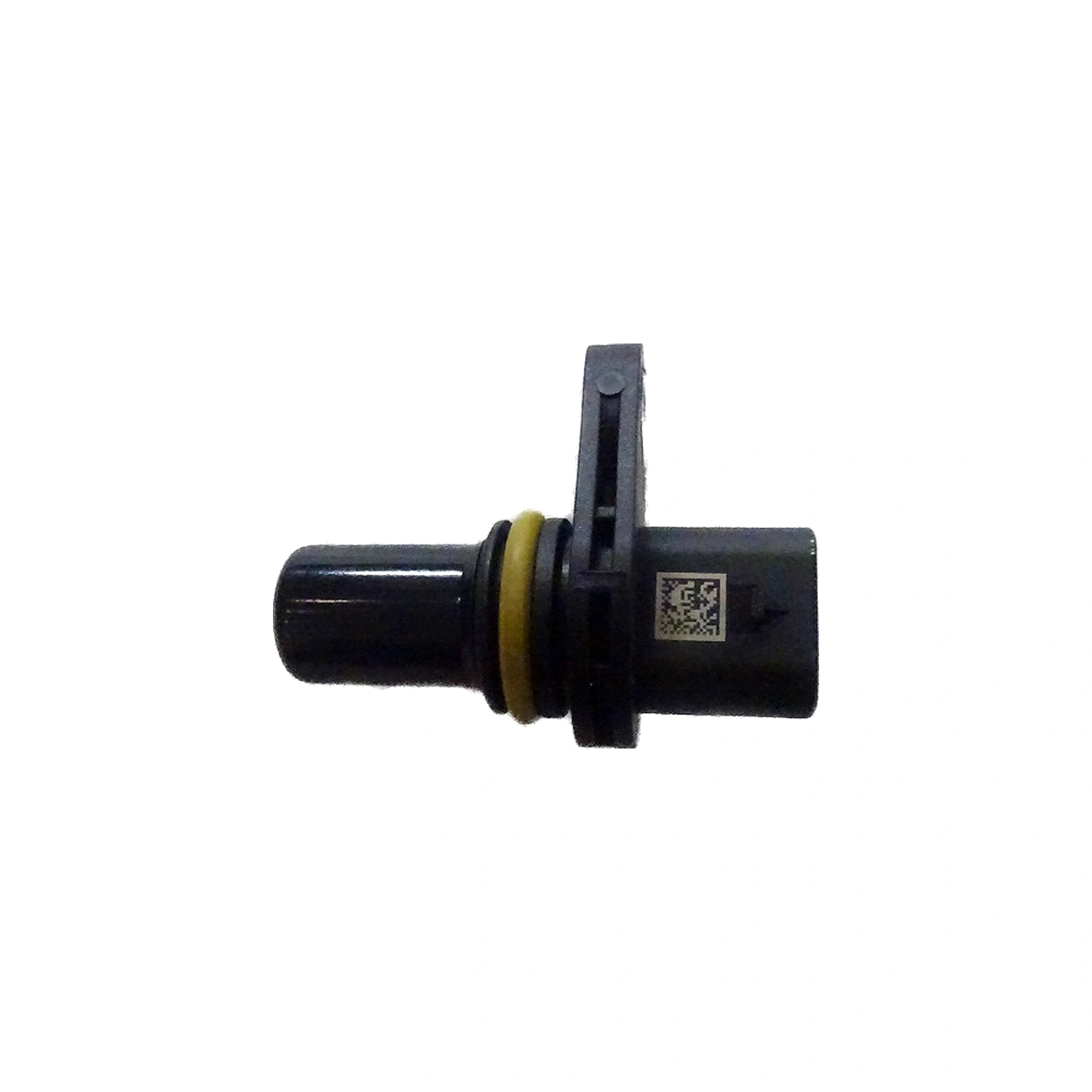
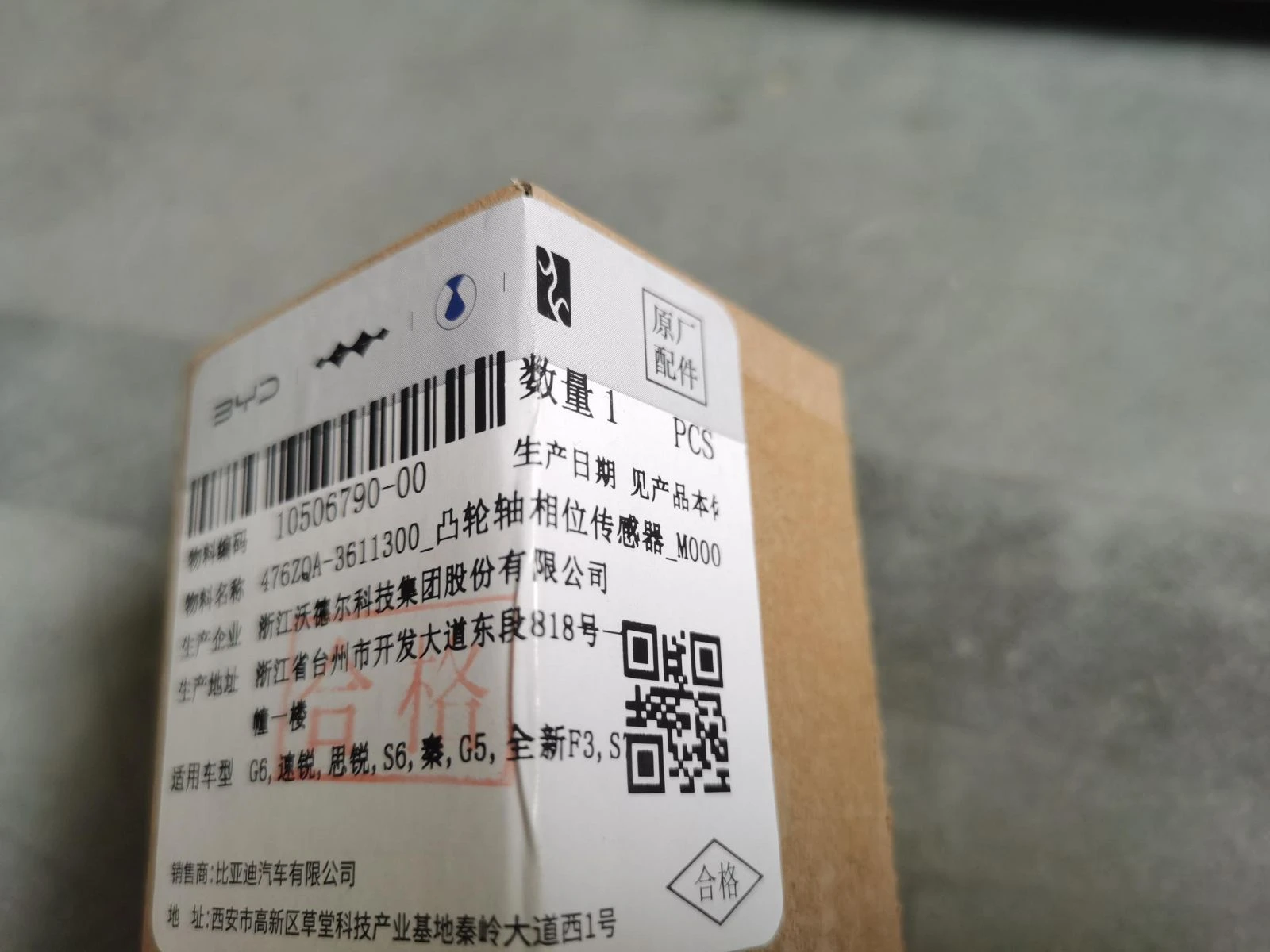
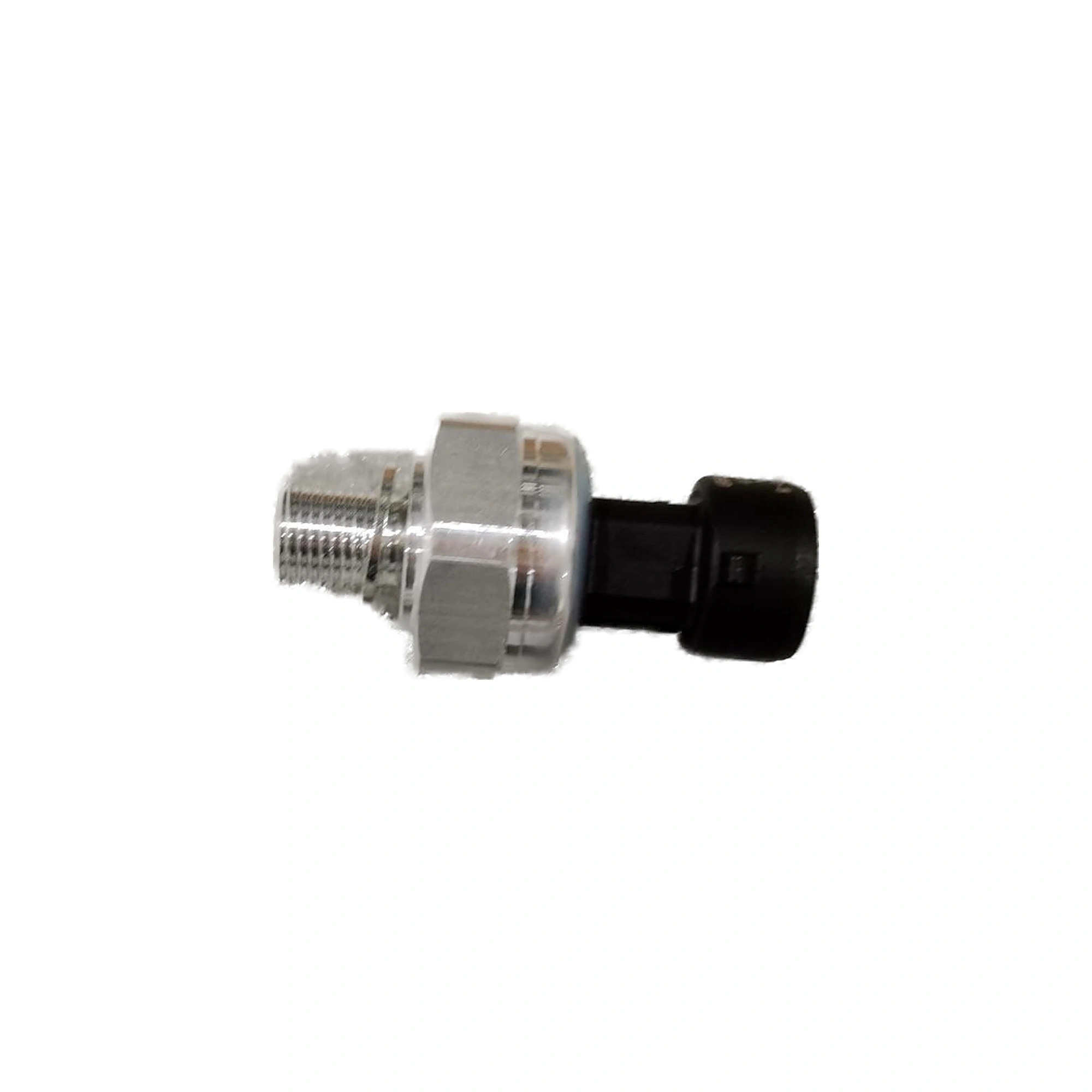
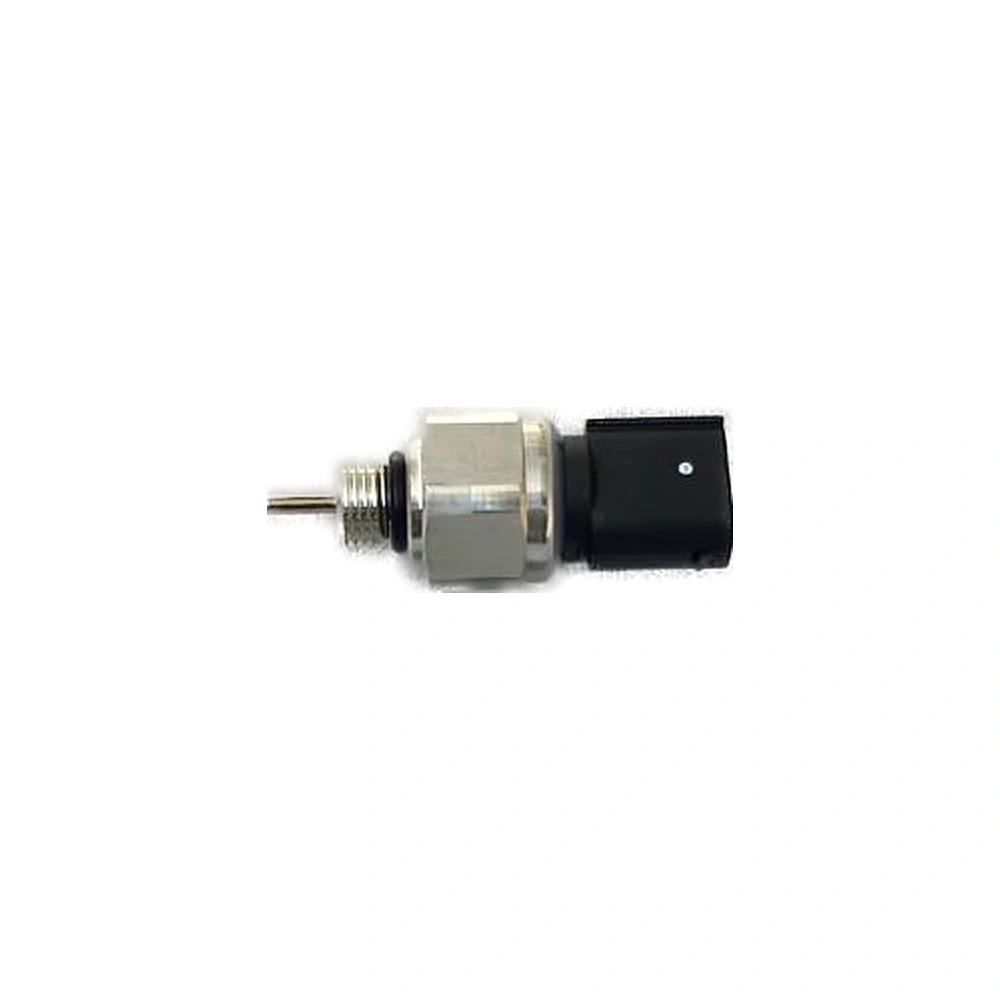
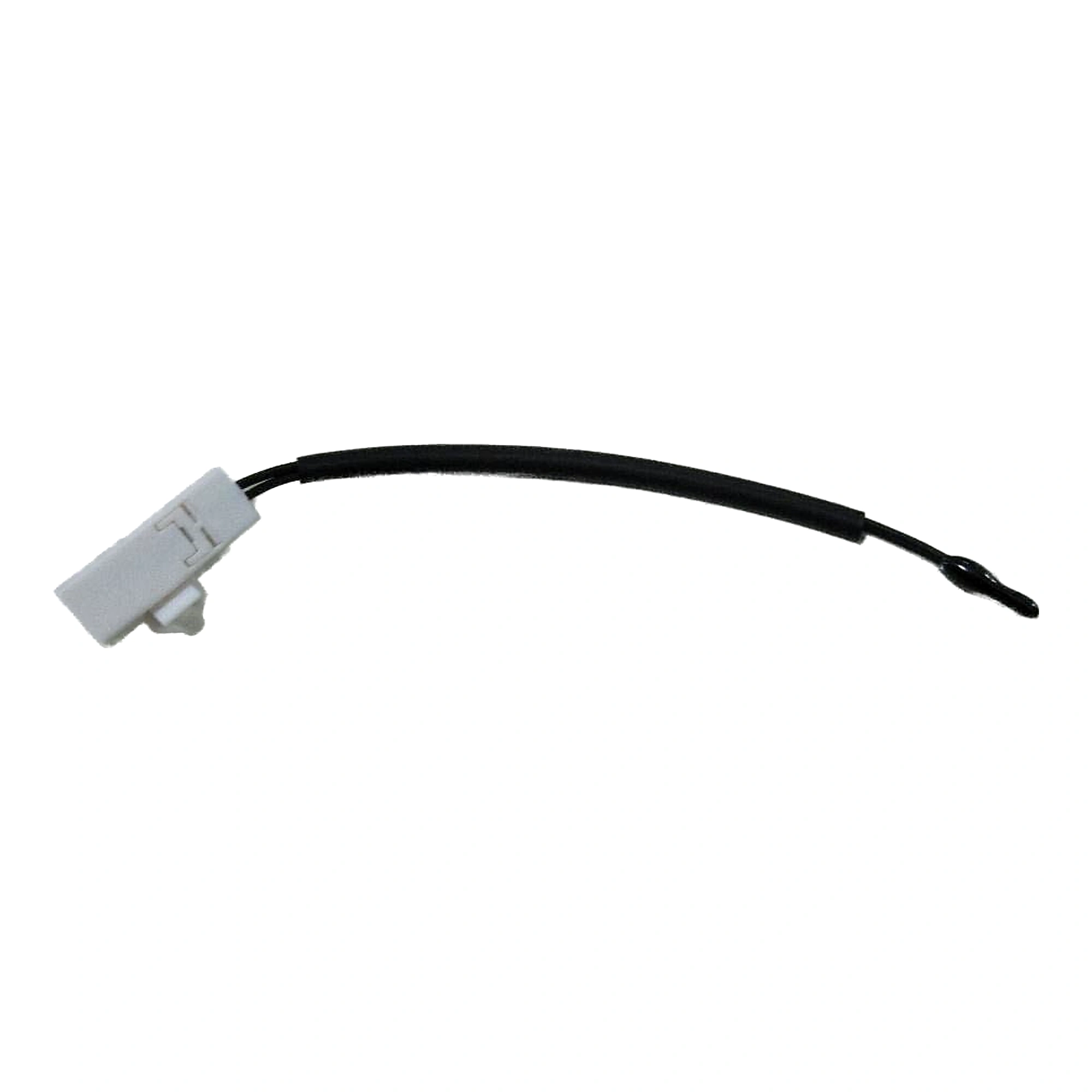
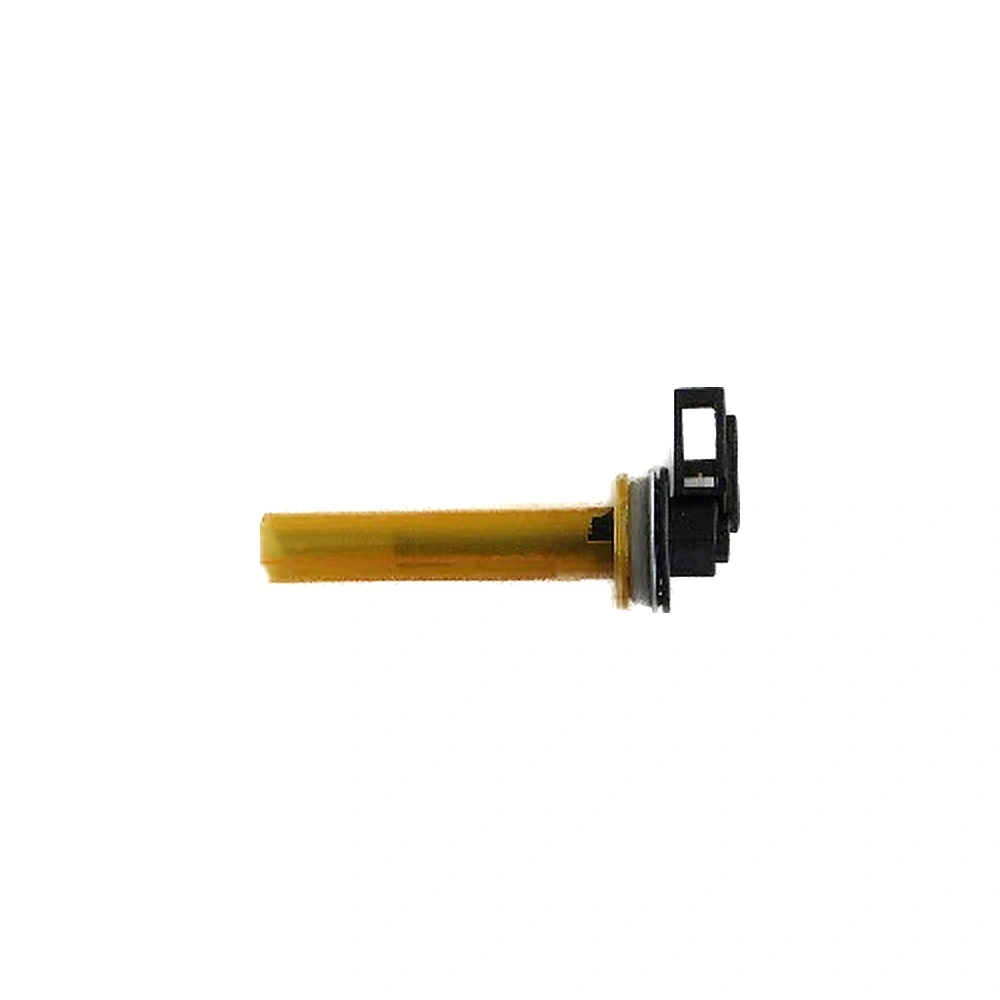
Popular Right Now
scroll for more →
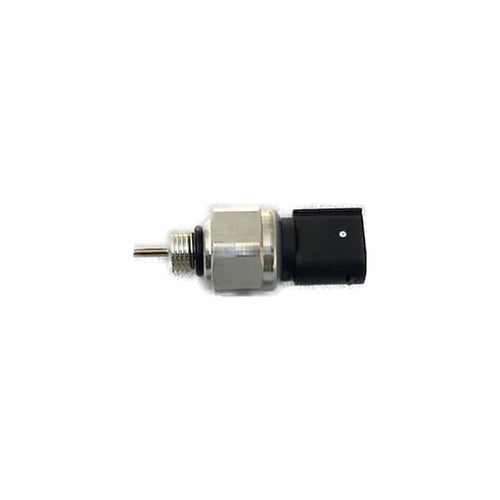
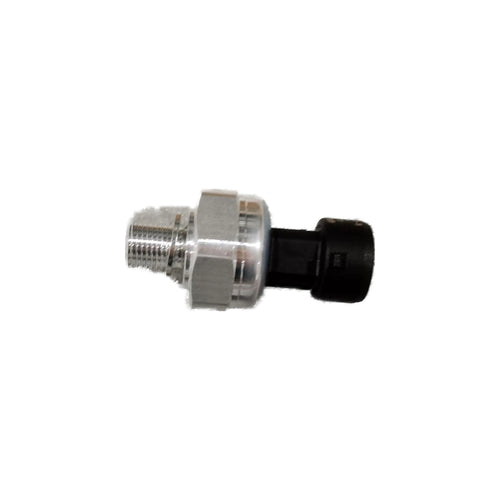
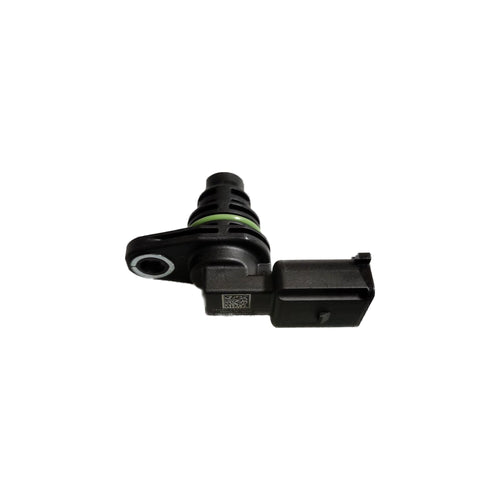
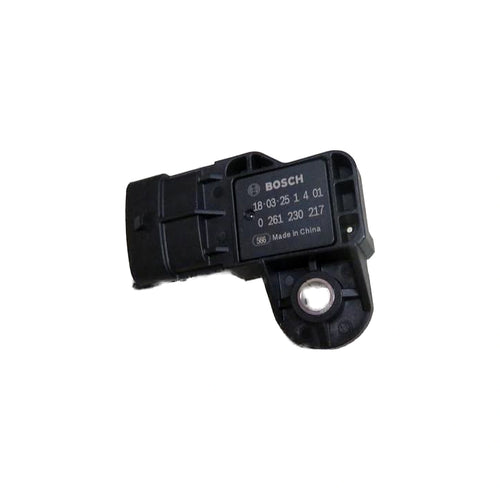

Symptom Finder: What Is Actually Broken?
| What you see or hear | Part to check first |
|---|---|
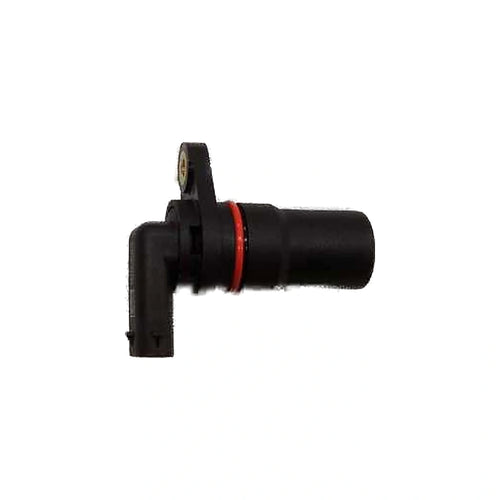
| Engine cuts out and restarts after cooling | Crankshaft position sensor |
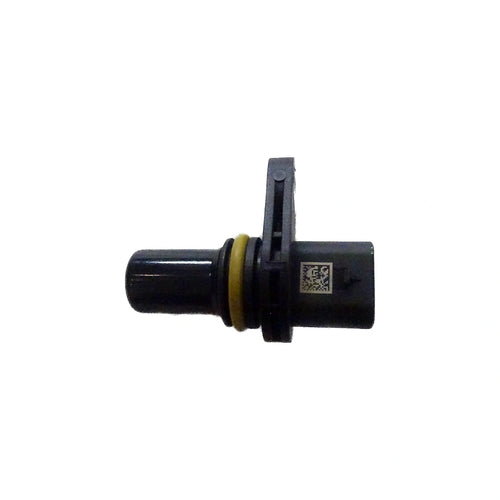
| Long cranking with a timing correlation fault | Camshaft position sensor |
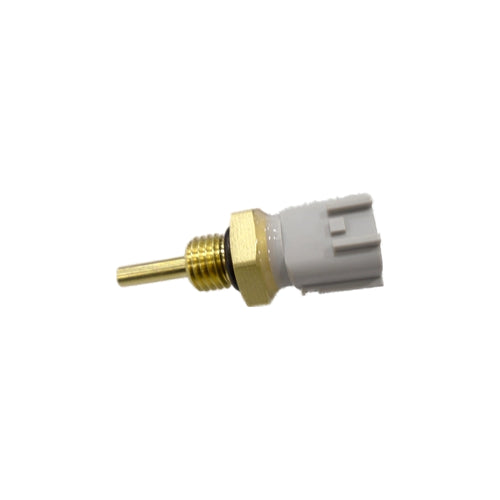
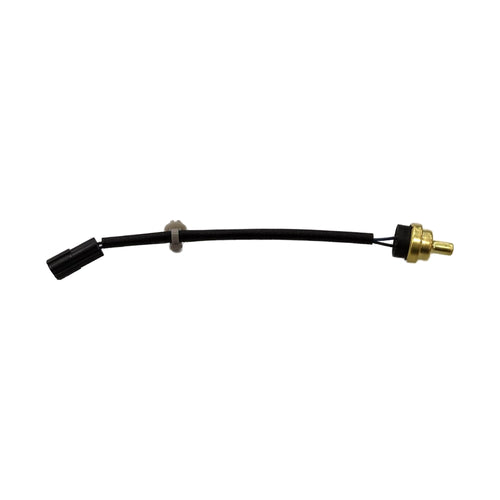
| Cooling fans running constantly or gauge reading wrongly | Coolant temperature sensor |
| Oil pressure warning with confirmed healthy pressure | Oil pressure switch or sensor |
| Air conditioning cycling oddly or icing the evaporator | Evaporator temperature sensor |
| Outside temperature reading implausibly high in traffic | Outside temperature sensor position or fault |
About Sensors (Temp, Pressure, Position)
Every control decision a vehicle makes rests on measurement. Temperature sensors are usually thermistors whose resistance changes predictably with heat, so the control unit reads a voltage and converts it to degrees. Pressure sensors use a diaphragm and a strain element to do the same for oil, refrigerant or fuel, while a pressure switch simply closes a contact above a threshold. Position sensors work differently again: crankshaft and camshaft sensors read a toothed or magnetic pattern as it passes, producing a signal from which the control unit derives both position and speed, and a deliberate gap in the pattern gives it a reference point. Knock sensors are piezoelectric, listening for the characteristic frequency of detonation. All of them share a weakness that has nothing to do with the sensing element: their wiring.
What to know before buying Sensors (Temp, Pressure, Position) parts
Inspect the connector and the wiring before you order. Chafed or corroded wiring gives the same intermittent signal as a failed sensor. It explains a large share of repeat failures. If a sensor has already been replaced once and failed again, suspect the harness first. Heat, vibration and fluid contamination account for most repeat failures.
Order by the OE number. Sensors that look identical differ in resistance curve, thread, connector and calibration. A substitute reporting on a different scale gives a plausible but wrong reading, with no fault code to warn you.
Sensors are listed across the vehicle. Coolant temperature sensors, oil temperature sensors, oil pressure switches and oil pressure sensors are covered. So are crankshaft and camshaft position sensors, knock sensors, and evaporator temperature sensors and assemblies. Duct, interior and outside temperature sensors are listed, along with pressure temperature sensors and combined two in one units.
Priced parts can be ordered as they stand, and anything without a price is quoted. The BYD group is covered most fully, and more brands are added as their catalogues load.
Before You Order: 6 Checks
- Inspect the connector and wiring before ordering, since chafe and corrosion mimic sensor failure.
- Match the OE number, because resistance curve, thread, connector and calibration differ between similar sensors.
- Check for oil or coolant contamination in the connector, which causes repeat failures.
- Confirm the sensor's mounting torque, since overtightening damages the element.
- Where a sensor has failed repeatedly, look for heat or vibration damage to the harness.
- Clear the fault memory after fitting and confirm the reading against a known value.
What Changed and Why
Sensors are consolidating and getting smarter. Combined units measuring pressure and temperature in one housing reduce the number of ports and connectors, and sensors that output a digital signal rather than an analogue voltage are spreading, which lets them report their own health and removes the wiring resistance errors that plague analogue signals. On electric vehicles the sensor set shifts rather than shrinks: engine specific sensors disappear while thermal management, pack and cabin sensing multiply, since the vehicle now manages several coolant loops and a battery whose temperature governs both performance and charging.
Sensors (Temp, Pressure, Position): Frequently Asked Questions
My engine cuts out and restarts once it has cooled. What is that?
The classic crankshaft position sensor failure. As the sensor heats, an internal fault opens the circuit, the control unit loses its reference and stops fuelling and ignition, and once everything cools the sensor works again. It is a distinctive pattern because it is heat related rather than random. Before ordering, inspect the sensor's wiring and connector, since a chafed lead near the exhaust produces exactly the same intermittent behaviour and is a common reason a replacement sensor fails again.
Why do position sensors fail repeatedly?
Usually because the wiring rather than the sensor is at fault. These sensors sit in hot, vibrating locations near the engine, and their leads chafe against brackets, harden with heat and take up oil or coolant from nearby leaks, all of which produce intermittent signals indistinguishable from a failing sensor. Water in the connector corrodes the pins to the same effect. Before fitting a second replacement, inspect the whole lead, check the connector for contamination, and reroute or repair as required.
Can I clean a sensor rather than replacing it?
Sometimes, and it depends on the type. A magnetic position sensor whose tip has collected metal debris often works perfectly once wiped clean, and a connector with light corrosion can be cleaned and protected. What cannot be cleaned back to health is a thermistor whose element has drifted, a pressure sensor whose diaphragm has failed, or a sensor contaminated internally by oil. Cleaning costs nothing to try on the tip and the connector, and it saves a proportion of orders outright.
My gauge reads wrongly but the engine seems fine.
Check whether the same sensor feeds both the gauge and the control unit, since many vehicles use one coolant temperature sensor for everything and others use separate senders. A sensor reading high makes fans run constantly and the mixture lean. One reading low does the opposite and can prevent the vehicle leaving its warm up strategy. Compare the sensor's reported value on a scan tool against an infrared reading of the housing, which settles it quickly and costs nothing.
Is an oil pressure warning always serious?
Treat it as serious until proven otherwise, and prove it with a mechanical gauge rather than by replacing the switch. The switch or sensor is the cheaper part and fails often, but the consequence of ignoring a genuine low pressure warning is a destroyed engine within minutes. Fit a mechanical gauge at the sender port, read the actual pressure hot and cold, and only then decide whether you have an electrical fault or a lubrication one.
What do sensors cost?
This is one of the cheaper categories on the site. Temperature sensors, pressure switches and position sensors sit at the low end of the range, and even combined pressure and temperature units remain modest. The live minimum and maximum are shown in the band at the top of this page. Because sensors are inexpensive and their symptoms are often caused by wiring, the diagnostic effort matters more than the price comparison here.
Why does my outside temperature reading go high in traffic?
Because the sensor sits behind the front bumper where it picks up radiated heat from the road and the vehicle ahead when airflow stops. Most vehicles apply a filter that holds the reading down while stationary and updates it as you move, so a display that climbs in a jam and falls once moving is behaving normally. A reading that is consistently wrong at road speed, or that never changes, is a genuine fault and points at the sensor or its wiring.
Can I fit sensors myself?
Most of them, yes, and the main considerations are access and torque. Work on a cool engine where the sensor sits in coolant or oil, catch the fluid that escapes, and torque the sensor to specification rather than tightening it hard, since overtightening distorts the housing and can damage the element. Route the lead exactly as the original ran and secure it in its clips, because the routing is what keeps the next sensor alive.
Will a sensor with the same thread work?
Not reliably. Sensors that share a thread and a connector shape can differ in resistance curve, pressure range and output scaling, and the control unit has no way of knowing it is being told a plausible lie. The result is a reading that looks reasonable and is wrong, with no fault code to reveal it. Match the OE number rather than the physical dimensions, and use the quote form where the reference brings back nothing.
What is a two-in-one sensor?
It is a single unit measuring two quantities, typically pressure and temperature in the same location, reporting both to the control unit through one connector. Manufacturers use them to reduce ports, connectors and wiring, and they are common in air conditioning and thermal management circuits. The practical consequence is that a failure of either function means replacing the whole unit, and that it cannot be substituted with two separate sensors even where the readings are the same.
Do electric vehicles use these sensors?
A different set of them. Crankshaft, camshaft, knock and oil sensors belong to combustion engines and disappear entirely. What multiplies instead is thermal sensing: coolant temperatures at several points around the drive unit and the pack, refrigerant pressure and temperature in the air conditioning and heat pump circuits, and cabin sensing for the climate system. Those sensors matter more than their equivalents did, since thermal management governs both performance and charging speed.
The sensor I need shows no price. Can I still order it?
Yes. This group holds hundreds of small references and the slower moving ones are frequently unpriced. Quote the number and a figure follows. Take care with the two in one sensors, where temperature and pressure share a housing, because they look like the single function version and carry a different connector and a different signal. Check the reluctor wheel while you are ordering a crankshaft or camshaft position sensor. A cracked or contaminated trigger wheel produces exactly the same intermittent signal as a failing sensor, and a new sensor reading a damaged wheel changes nothing at all.