EV Thermal Management
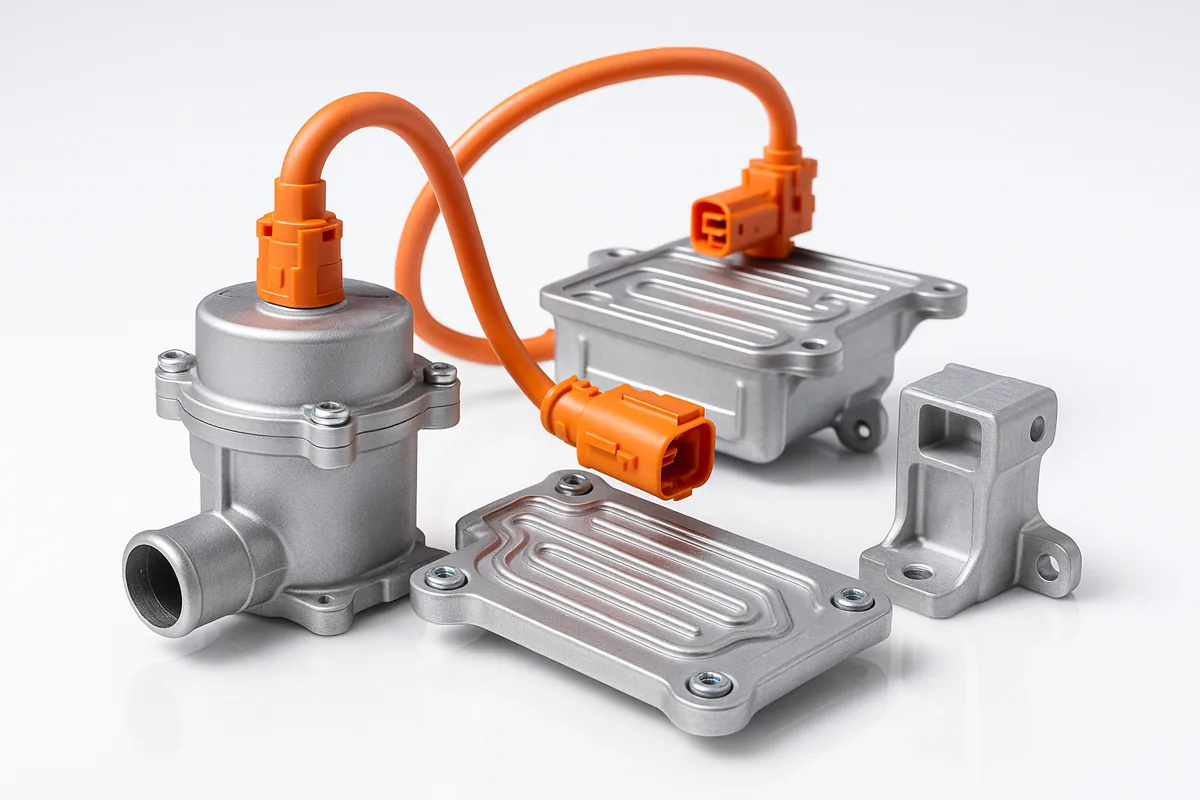
Shop EV Thermal Management by Part Type
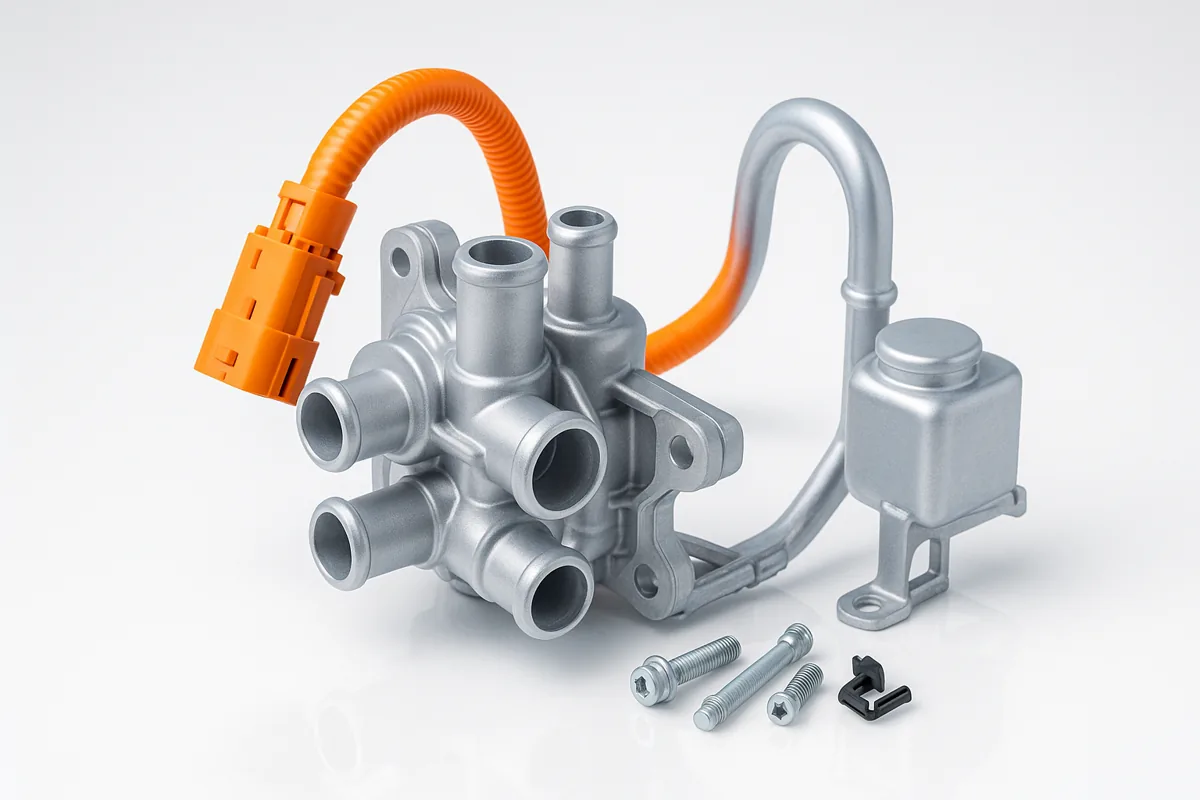
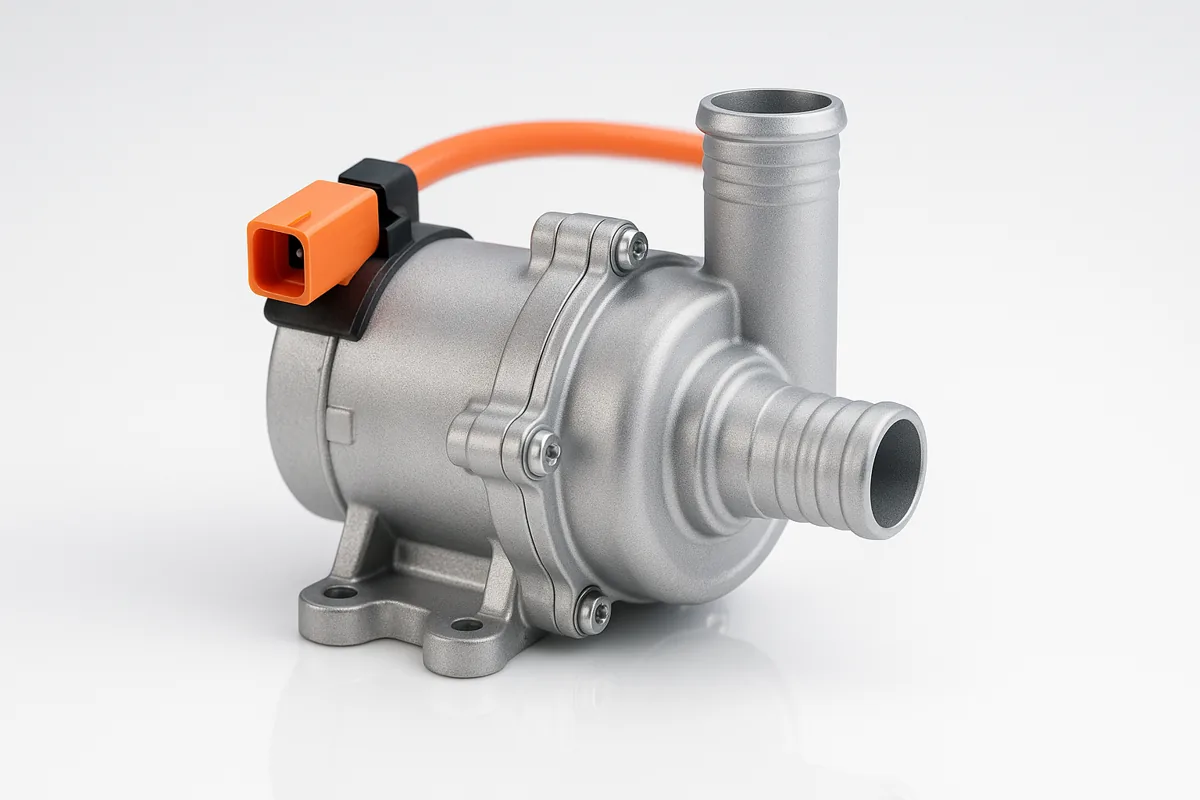
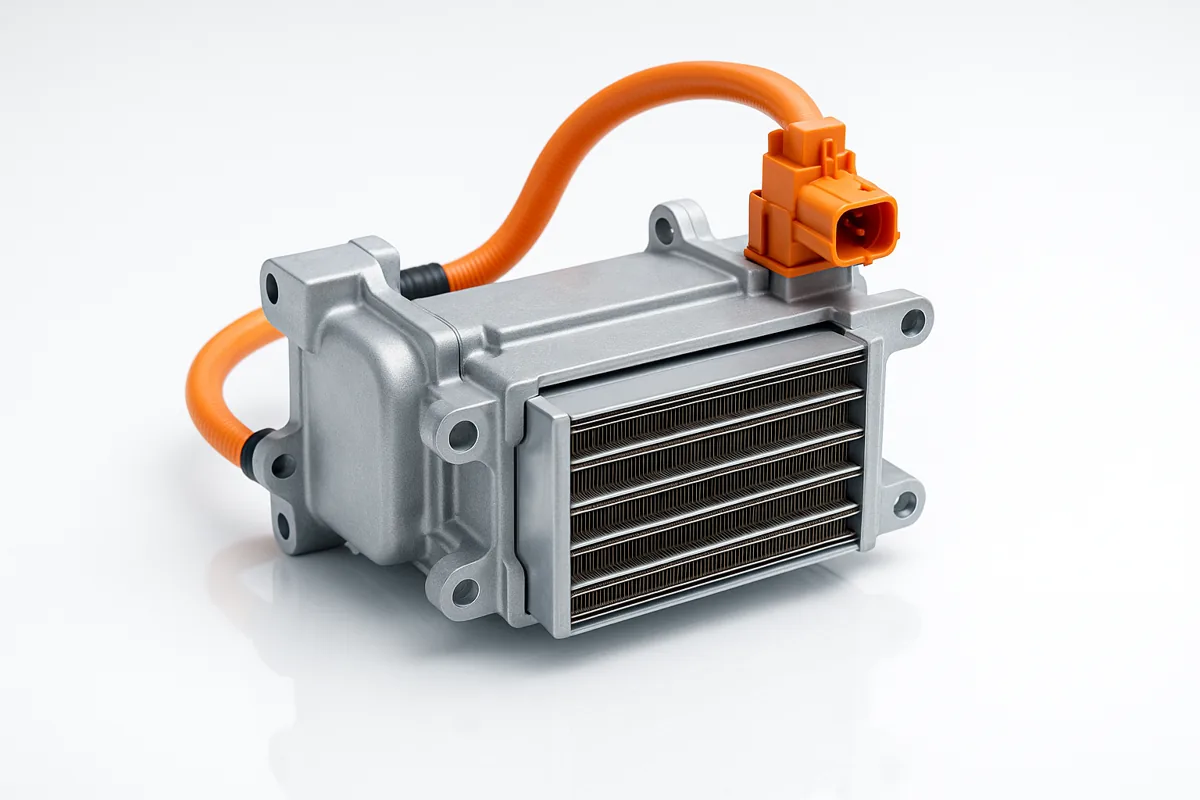
Popular Right Now
scroll for more →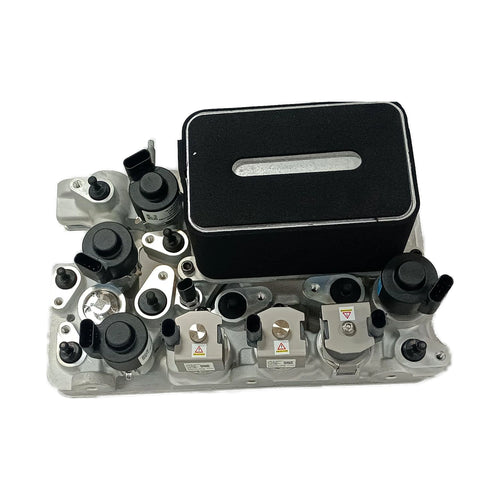
Symptom Finder: What Is Actually Broken?
| What you see or hear | Part to check first |
|---|---|
| Charging rate tapering early with the pack heating | Coolant valve or the pump serving that loop |
| Reduced power after sustained driving | Coolant loop restriction or trapped air |
| Weak cabin heat with the heater drawing power | Heater circuit pump or valve routing |
| Coolant level falling with no visible leak | Hose, pipe or expansion tank |
| Thermal fault stored with correct coolant level | Valve position or pump operation |
About EV Thermal Management
An electric vehicle has several components that want different temperatures and no engine producing waste heat to share around. The traction pack has a preferred window a few degrees wide, cool enough to age slowly and warm enough to take current. The drive unit and its power electronics tolerate far more heat and produce it continuously. The cabin needs warmth in winter, which now has to be generated or moved rather than borrowed. Reconciling those demands is the job of several separate coolant loops linked by electrically controlled valves, driven by electric pumps that run on command rather than with engine speed, and connected to the refrigerant circuit through a chiller. How well that system works governs charging speed on a hot day and range on a cold one.
What to know before buying EV Thermal Management parts
Have the system diagnosed before you order. A stuck valve, a failed pump and air trapped after a coolant change all look alike. Each one gives you reduced power, slow charging and weak cabin heat.
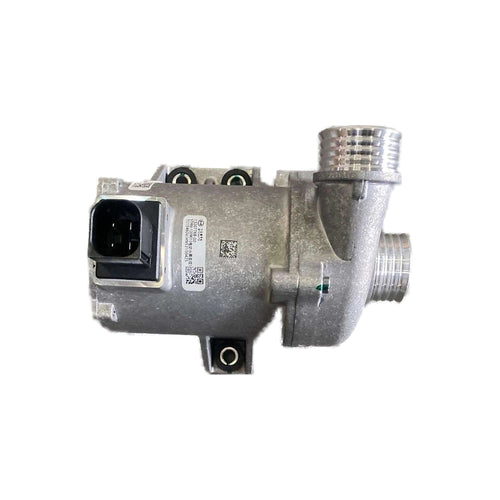
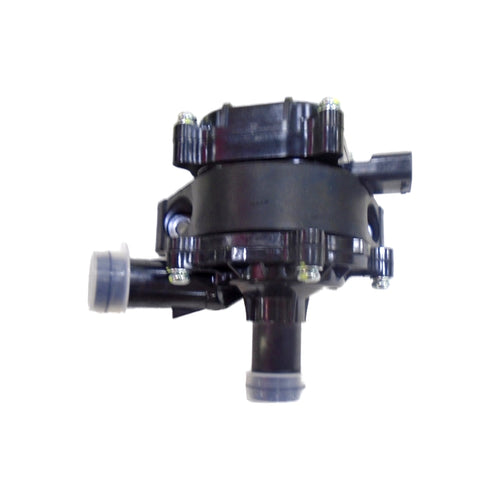
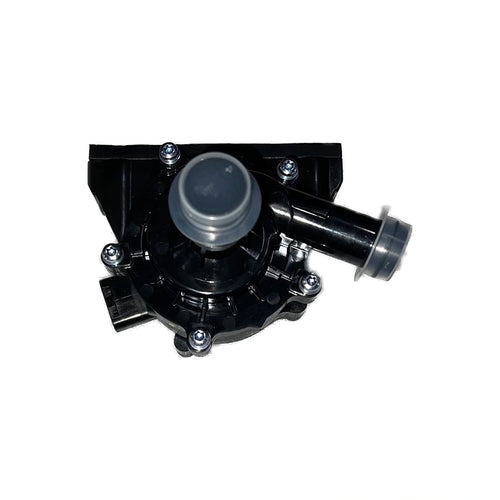
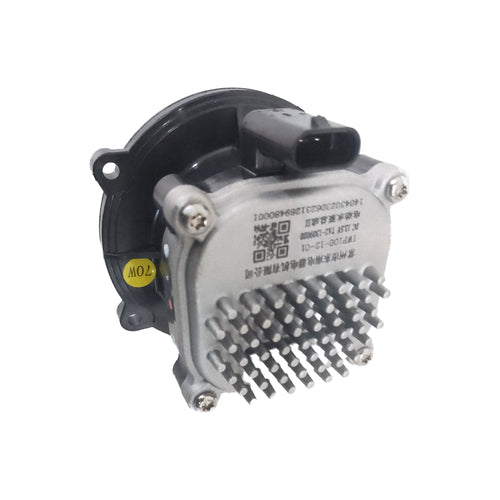
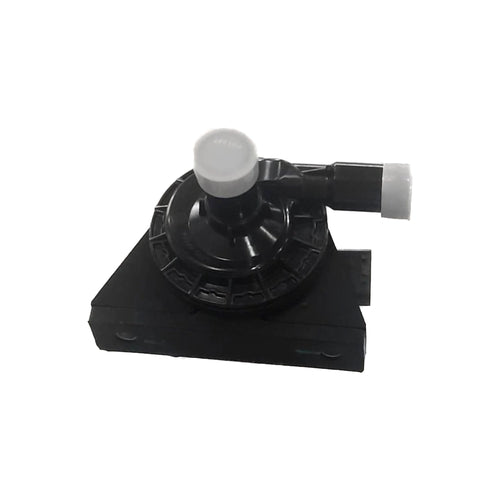
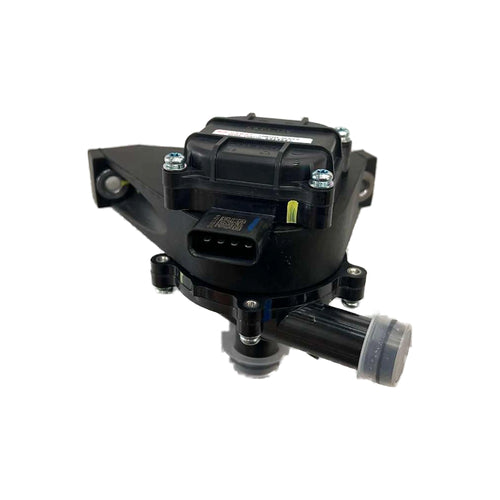
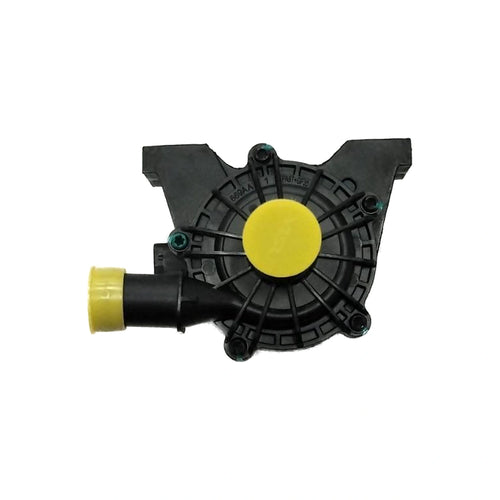
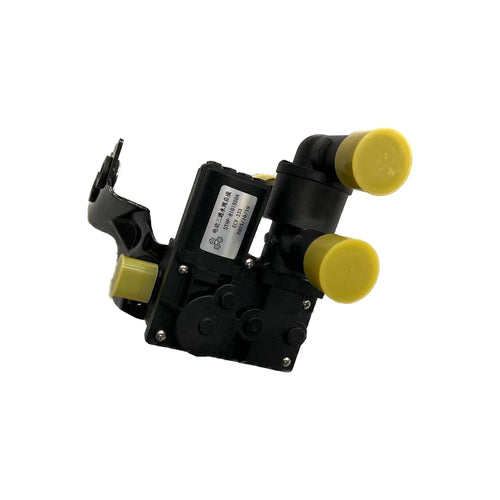
Three child categories cover the group. Coolant valves and lines holds the two way and three way valves, the thermal management modules, the expansion tanks and the hoses specified by motor rating. Electric coolant pump holds the pumps that serve each circuit, and a pump from one loop will not serve another.
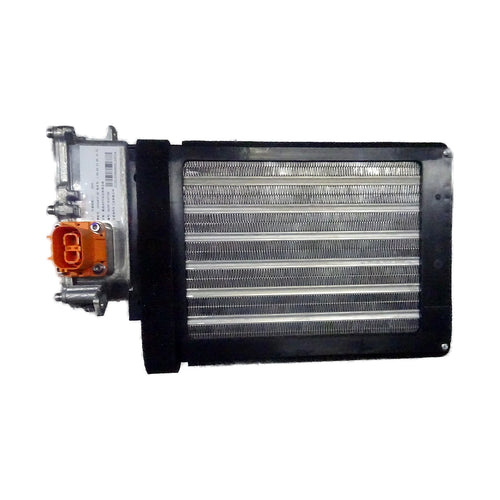
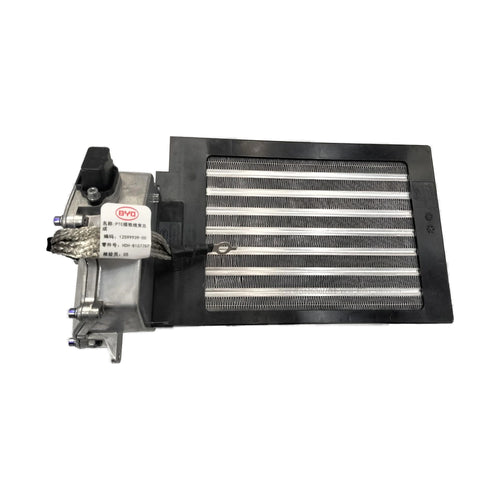
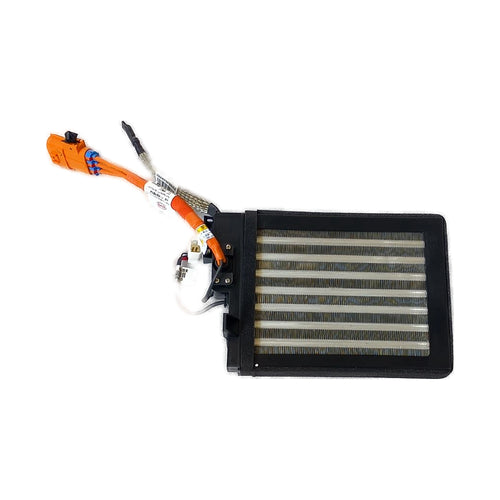
PTC heater holds the resistive elements that heat the cabin and, on some vehicles, the pack.
Before You Order: 5 Checks
- Read the thermal data before ordering, since valves, pumps and trapped air look alike.
- Identify which loop the fault sits in, because pumps and hoses are circuit specific.
- Use only the specified coolant, since these loops sit near high voltage components.
- Run the documented bleed procedure after any refill, using a scan tool where required.
- Treat PTC heaters and anything in the pack loop as high voltage components.
What Changed and Why
Cooling is now designed around the battery rather than around the engine, and that reordering has changed what a service department sees. Circuits are longer, they carry more branches and they are switched by electrically operated valves under software control, which means a thermal complaint is as likely to be a command or a sensor as a blocked passage. Refrigerant based chilling of the pack during rapid charging is becoming standard, tying the air conditioning circuit and the coolant circuit together into one system that has to be diagnosed as a whole.
EV Thermal Management: Frequently Asked Questions
Why does my charging speed drop during a session?
Heat is the limiting factor. Cells accept current happily when cool and much less willingly when warm, so the vehicle trims the rate as the pack temperature rises and as the state of charge climbs. Tapering above roughly eighty percent, or on a hot afternoon after a fast motorway run, is the system behaving correctly. What is not correct is a car that begins tapering within a few minutes when it used to hold a high rate for much longer. Then the question becomes whether heat is actually leaving the pack: pump, valve position, flow and coolant level.
Can I use ordinary coolant?
It is one of the few genuinely dangerous substitutions on an electric car. Coolant in these circuits runs past components at several hundred volts, and its electrical conductivity is a specified property with a maximum figure attached. Pour in a conventional product and the insulation monitoring can see the drop, log an isolation fault and immobilise the vehicle, and there are compatibility questions with the aluminium and plastics used in the loop as well. Buy the exact grade named in the handbook, in a sealed container, and refuse any roadside top up with something generic.
Why is bleeding so important on these systems?
An electric car carries several separate circuits rather than one, and they wander up and down through the vehicle to reach the pack, the drive unit, the electronics and the cabin. Every high point in that route is somewhere a bubble can lodge, and a lodged bubble stops the branch beyond it. The symptoms read like hardware failure: reduced power, slow charging, cold air from the vents, thermal codes. Manufacturers publish a filling routine that commands the pumps and steps the valves through their positions, and the job is not finished until that routine has run.
Why is my cabin heating weak?
Because heat has to come from somewhere. With no engine waste heat available, warmth is either generated by a resistive element, moved by a heat pump, or routed from the drive unit through these valves, so weak heating can be a valve routing fault, a heater circuit pump that is not running, a heater element fault, or simply a very cold day with a heat pump near its limit. Have the thermal data read, since the cause is often not where the symptom appears.
Are pumps interchangeable between circuits?
No, and the housings look alike enough to make the mistake easy. Flow rate is matched to the loop, port sizes and orientations differ, and control varies between simple switching and network commanded speed, so a heater circuit pump fitted to a drive unit loop will run happily and deliver far too little. Identify which circuit the fault sits in from the temperature data, then order the pump listed for that loop by OE number.
What are the signs of a failing electric coolant pump?
The earliest sign is often a message rather than a noise. These pumps report their status over the vehicle network, so intermittent communication faults or a thermal warning can appear well before anything leaks. Later signs include a whine or grinding from the front of the car that rises when the climate control is working, coolant on the ground beneath the front, reduced power after a rapid charge, and a heater that blows cold. Note which warning appeared and when, have the fault codes read, then match the OE number on the old pump before ordering.
Does a pump communication fault always mean the pump has failed?
No. A pump that has stopped talking to the thermal controller may have an internal electronics fault, but the same code appears when its fuse has blown, its connector has corroded, or a pin has backed out after earlier work. Before condemning the pump, a technician should confirm power, earth and the network signal at the plug, and unplug the connector to look for green deposits or coolant inside it. Coolant tracking along the wiring from a weeping seal is a common cause. If the supply checks out and the pump still stays silent, replace it by the OE number on its label.
What happens when a coolant valve fails?
These valves use a small electric motor to turn a rotor that connects different ports, and a position sensor tells the controller where it has stopped. When the motor or gear train wears, the rotor sticks in one position and the system can no longer route heat where it is needed. Stuck one way, the cabin stays cold while the drive unit runs warm. Stuck another, the pack cannot reach its chiller and rapid charging slows. Internal seals can also let coolant cross between loops or weep onto the wiring below. Have the valve position data read, then compare the OE number on the old valve before ordering.
Does a replacement coolant valve need setting up after fitting?
Usually, yes. The controller needs to learn the end stops and reference position of a new actuator, and on many vehicles that happens only when a diagnostic tool runs an initialisation routine. Skip it and the valve may sit slightly off its intended position, giving partial flow that looks like a second fault. Some systems also receive software updates that change how the valve is driven, so checking for one before replacing hardware can save a part. Plan for the filling routine and the valve learning to be done together, and book a qualified mechanic if you lack the tool.
Can a faulty PTC heater stop the car from driving?
It can. The heater element sits on the high voltage bus, so an internal short or moisture in its connector lets current leak towards the body. The insulation monitoring detects that, logs an isolation fault, and may refuse to close the contactors, which leaves the car unable to start or drive. More often a failing heater gives weak, intermittent or no warmth, with a climate warning on the screen. Because an isolation fault can come from several components, the heater should be proven guilty by measurement before it is replaced. Have a qualified high voltage technician test it, then order by the OE number on its label.
Can I replace a PTC heater or electric pump myself?
Some low voltage pumps are within reach of a competent home mechanic, provided the cooling circuit can be filled and bled properly afterwards. A PTC heater is different. It connects to the high voltage system through orange cabling, and removing it safely means isolating the traction supply, waiting for capacitors to discharge and proving the circuit dead with insulated tools and a rated meter. On many cars the heater also sits deep behind the dashboard or within the thermal module. Unless you hold high voltage training, source the part by its OE number and have a qualified EV technician fit it.
Can I reuse the quick connectors and seals on coolant lines?
The plastic connector bodies are designed to be released and refitted, but the O rings inside them are a different matter. Once compressed and heat cycled they harden and take a set, and a seal that was dry for years can weep within days of being disturbed. Fit new seals of the specified material, lubricate them only with a product the maker approves, keep dirt out of the bore and push each connector home until it clicks, then tug to confirm it has latched. A cracked locking clip or scored spigot means the line itself needs replacing. Match the OE number printed on the old line before ordering.
Why do two pumps or valves that look identical have different OE numbers?
Because the differences are often inside or in the software. A later pump may use a different motor, a changed speed control protocol or a revised seal, and a valve may have altered port timing or a new position sensor. Manufacturers also revise parts during production, so the same model can use one number before a build date and another after it. Fitting the wrong revision can give a communication fault or wrong flow even though everything bolts up. Read the OE number on the old part, and where a listing mentions a date split, check the build date on the identification plate.
What if the label on my old part is unreadable?
Labels on pumps and valves sit close to the coolant and often fade, peel or end up coated in road grime. Clean the label gently with a dry cloth rather than solvent, and photograph it in good light from a couple of angles, since a raking light can pick out etched or embossed characters. Numbers are sometimes moulded into the housing as well as printed. If it still cannot be read, note the vehicle model, the build date from the identification plate and which circuit the part serves, then send clear photos through the quote form and we reply within 24 hours, usually sooner.