Electric Powertrain
Shop Electric Powertrain by Part Type
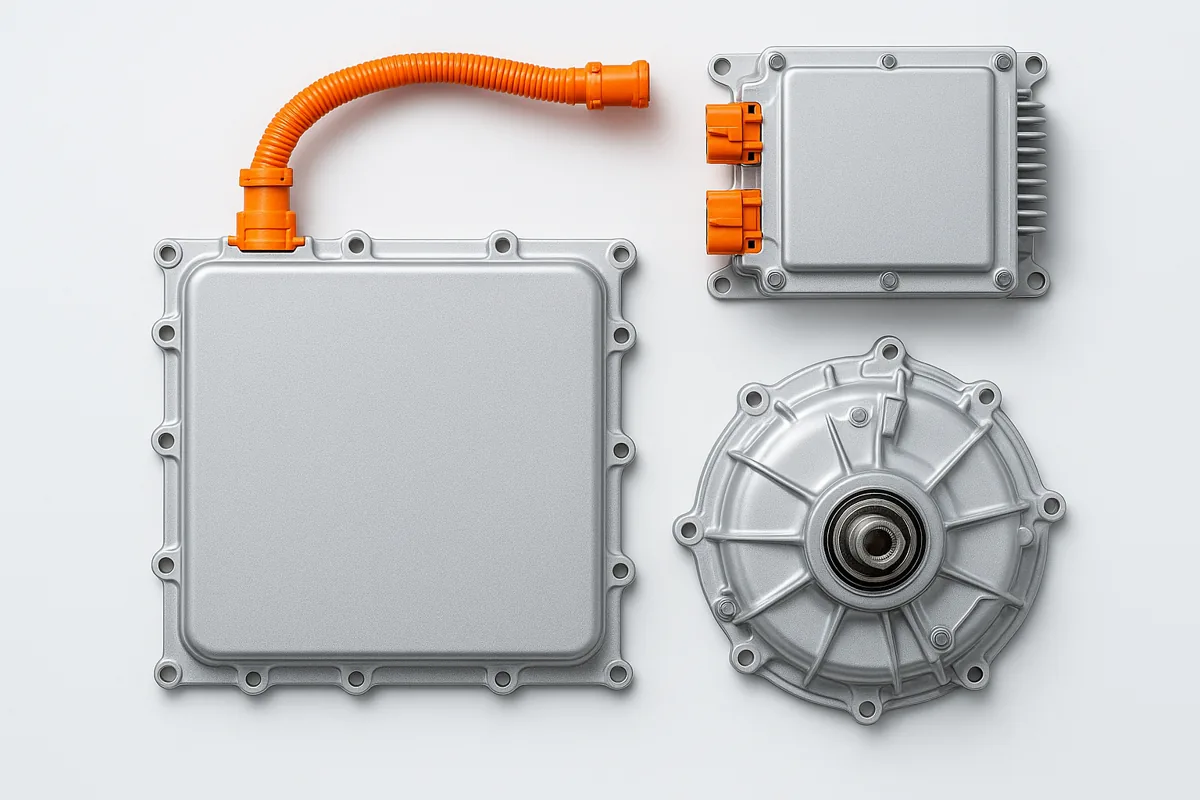
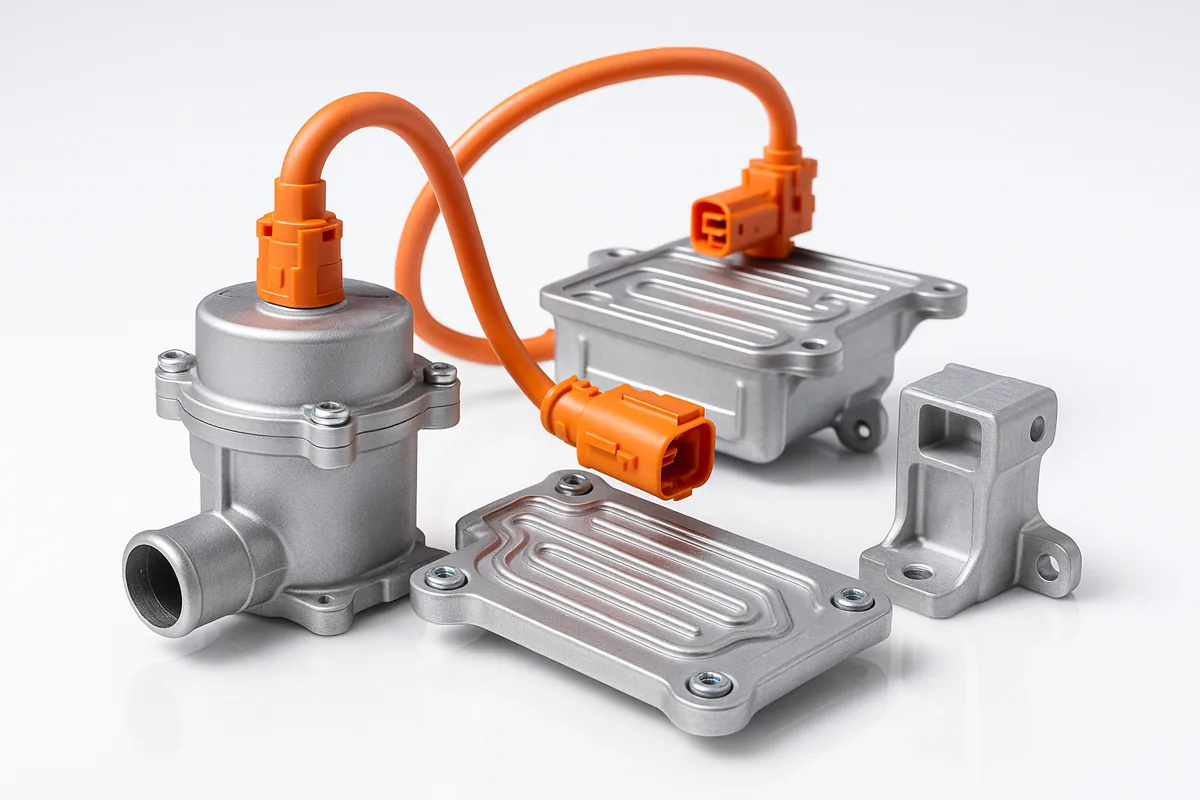
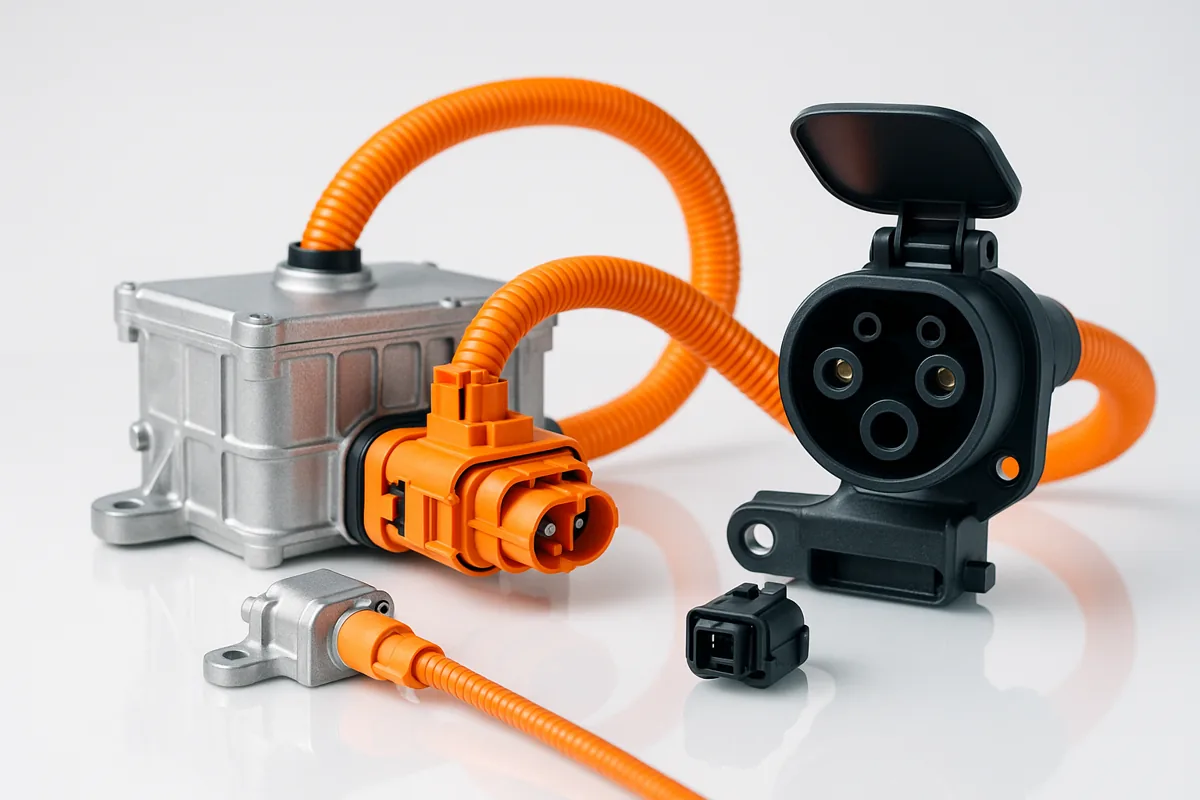
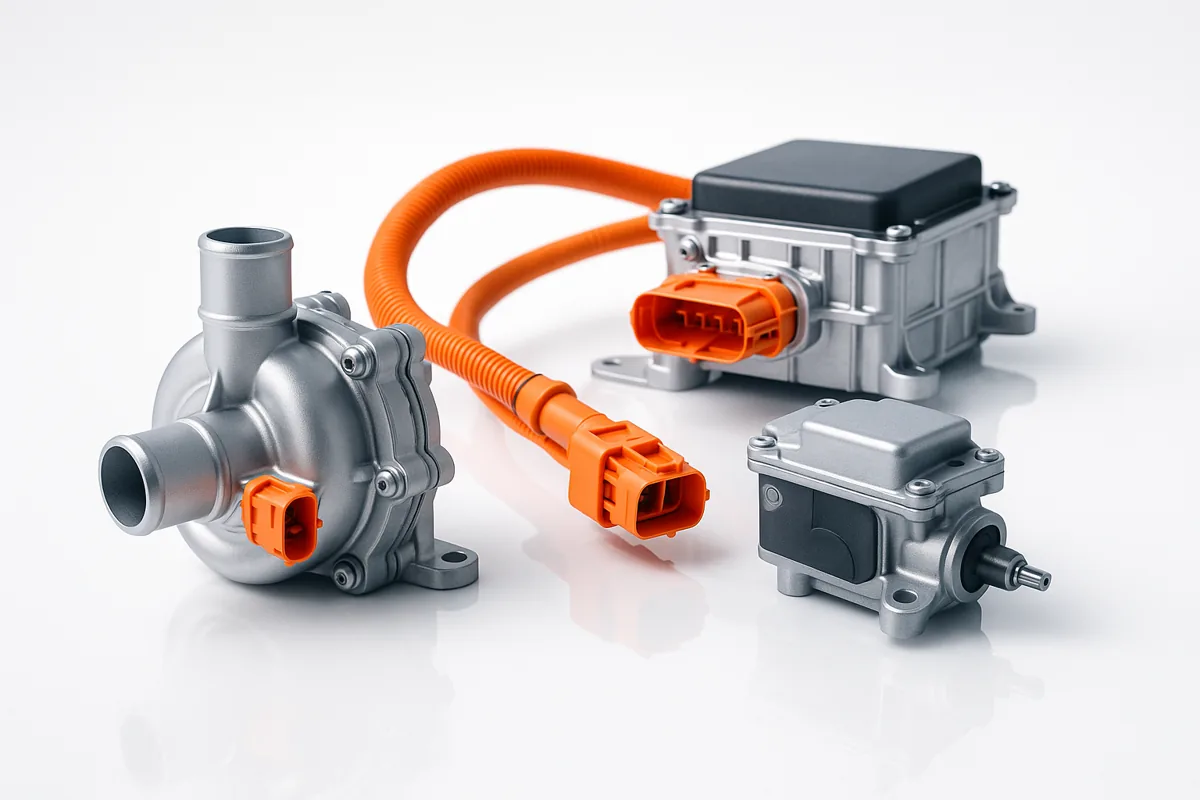
Popular Right Now
scroll for more →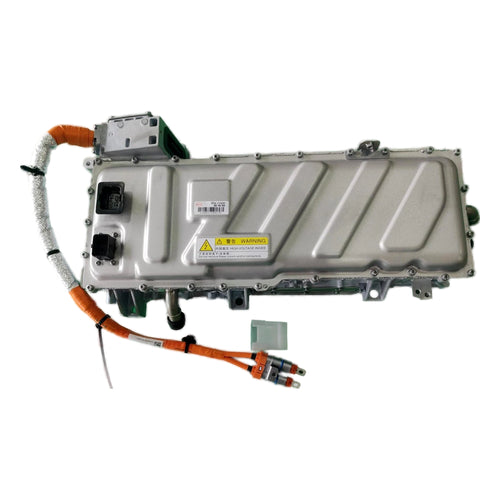
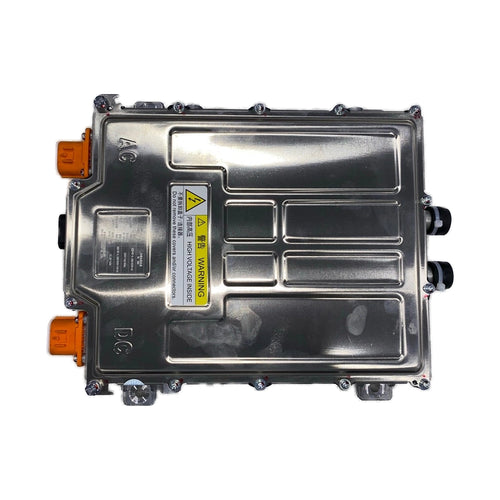
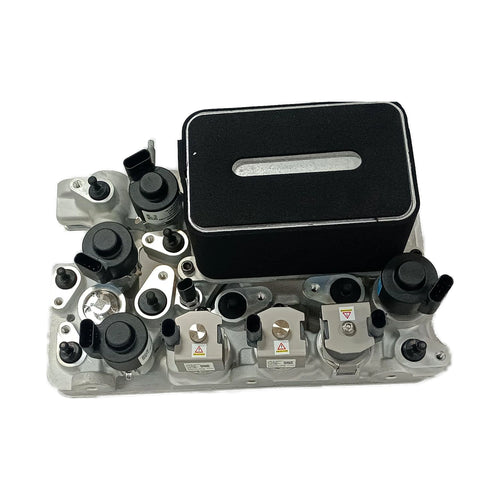
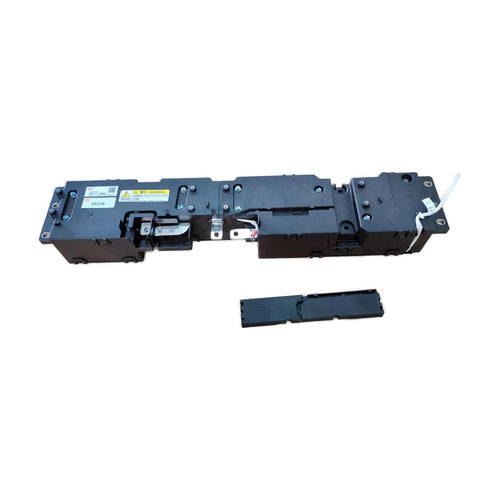
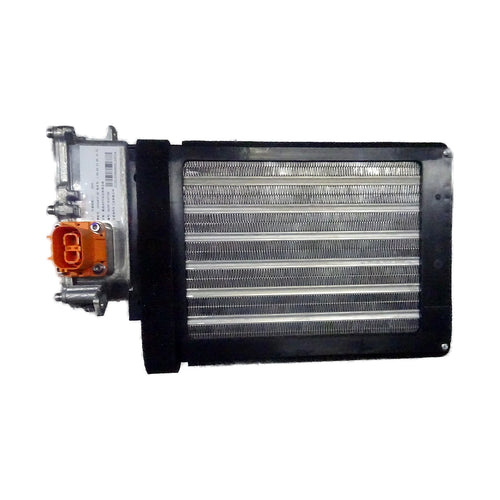
Symptom Finder: What Is Actually Broken?
| What you see or hear | Part to check first |
|---|---|
| Vehicle will not wake or power up | Low voltage battery before anything else |
| Reduced power with a drive system fault | Controller, motor or a thermal limit |
| Charging will not start | Charge port lock, cable or supply |
| Charging rate tapering early | Thermal system rather than the pack |
| Insulation resistance fault | High voltage cable, connector or a wet component |
About Electric Powertrain
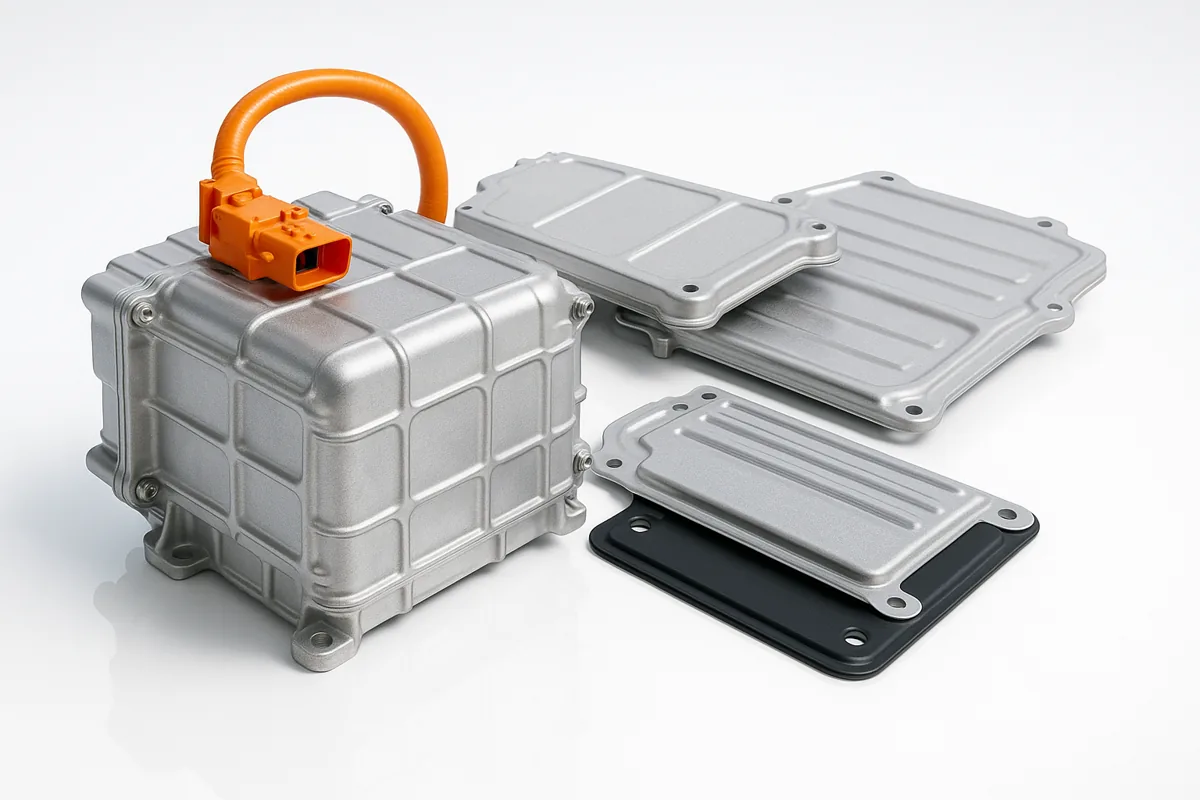
An electric powertrain contains remarkably little that moves and a remarkable amount that coordinates. A pack stores energy and reports on itself continuously, an inverter converts its direct current into the alternating current a motor needs and back again during regeneration, a motor produces torque from a standstill through a single speed reduction gearset, and a thermal system decides where heat goes so that all of it can keep working. Charging and distribution tie the vehicle to the outside world and connect the pack to everything it feeds, with interlocks and monitoring throughout so a disconnection or an insulation fault is detected instantly. The common thread for repair is that almost nothing here is a mechanical swap: parts are coded, calibrated and isolated, and the low voltage battery causes a surprising share of the faults.
What to know before buying Electric Powertrain parts
Everything in this group requires isolation and a verified zero voltage reading before work begins. Most references here are quoted rather than priced, because availability, coding requirements and transport terms all need confirming before you book a workshop slot.
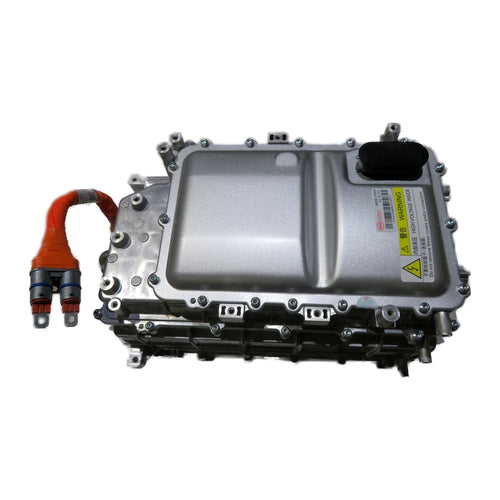
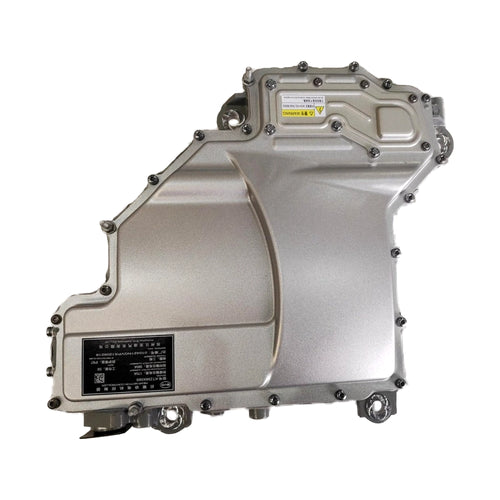
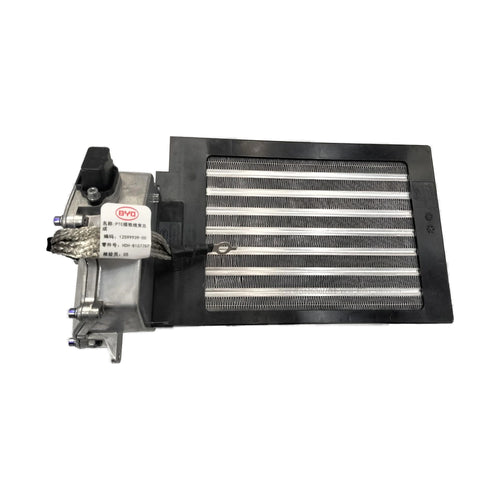
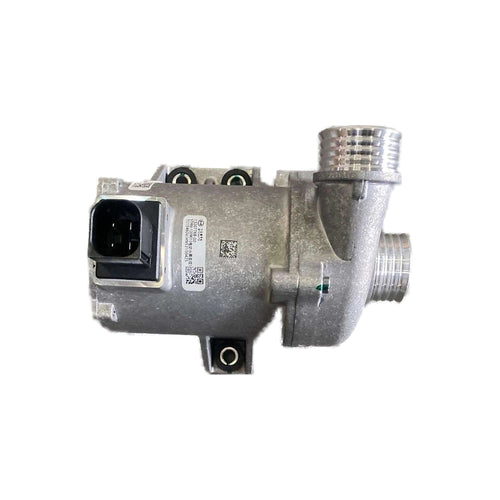
The group covers four areas. Drive motors and controllers holds motors, inverters, reduction gears and hybrid transmissions. High voltage battery holds packs, tray assemblies and the shields around them. HV charging and distribution holds inlets, chargers, harnesses, fuses and distribution units. EV thermal management holds the pumps, valves and heaters that keep everything inside its temperature window.
Before You Order: 5 Checks
- Test the low voltage battery first, since it causes a large share of high voltage symptoms.
- Have codes read by a workshop with high voltage diagnostic access before ordering.
- Confirm coding and calibration capability before any part is ordered.
- Never attempt high voltage work without isolation, verified zero voltage and correct equipment.
- Allow for dangerous goods transport on pack related items.
What Changed and Why
Integration is reshaping the whole powertrain. Motor, reduction gearing and inverter increasingly share one housing, distribution combines with the converter and the charger in another, and cell to pack construction bonds cells into the enclosure, all of which reduces connections and weight while making faults a unit level rather than component level matter. Voltages are rising towards eight hundred volts for faster charging, silicon carbide power devices are spreading for efficiency, and bidirectional charging is turning the vehicle into a power source as well as a load.
Electric Powertrain: Frequently Asked Questions
Why does the low voltage battery matter so much?
Because it powers everything that decides whether the high voltage system may connect. The contactors are held closed by it, the control units that command them run on it, and the vehicle wakes on it, so a weak auxiliary battery produces a car that will not start, will not charge and reports faults across several systems while the traction pack sits perfectly healthy underneath. It is the most common cause of the symptoms owners attribute to the pack, and a load test costs nothing to exclude it.
Can I work on any of this myself?
Not on the high voltage side. The pack operates at lethal voltages, inverter capacitors retain charge after shutdown, and verifying zero voltage requires correct instruments and procedure rather than confidence. What is reasonable is inspection: coolant levels, mount condition, visible damage to orange cabling, missing shields and the low voltage battery. Those checks are genuinely useful, since cooling faults, worn mounts and a tired auxiliary battery produce symptoms that look exactly like drive system failures.
Why is charging slower than it used to be?
Usually temperature rather than a fault. Charging rate is limited by how quickly heat can be removed from the cells and by how readily cold cells accept current, so a hot day, a high state of charge or a cold pack all reduce it legitimately. What is not normal is a rate that tapers early and consistently on a vehicle that used to hold it, which points at the thermal system: a stuck valve, a failed pump or air trapped after a coolant change all reduce flow to the pack.
Does every replacement need coding?
Almost everything electronic here does. Controllers, chargers, distribution units and packs arrive without the vehicle's configuration and often without matched software, so they are coded, sometimes programmed and occasionally paired to the vehicle before they will function. Skipping that step leaves a vehicle that will not close its contactors at all rather than one that merely lacks a feature. Confirm the workshop has the diagnostic access before the part is ordered rather than after it arrives.
What happens after an underbody impact?
Stop and get it looked at rather than carrying on and hoping. An impact under the floor can reach the pack casing, the cooling pipes that run alongside it or the orange cabling, and none of those announce themselves immediately. Warning signs to treat seriously are a coolant trail, a smell, unusual noise, a charging refusal or any isolation warning. A qualified workshop measures insulation resistance, reads module and temperature data and inspects the structure against the manufacturer's criteria. Park the car outside and away from buildings if anything about the way it behaves has changed.
Can a single faulty battery module be replaced rather than the whole pack?
Sometimes, depending on how the pack is built. Some packs are serviceable at module level, while others bond cells into the structure and are only replaced as an assembly. Where a module can be exchanged, the new one must be brought to the same state of charge as its neighbours before the pack is closed, sealed and tested, or the management system will flag an imbalance and limit usable capacity. That work belongs with a qualified mechanic using insulated tools and isolation equipment. Read the OE number from the module or pack label and send it through the quote form, and we reply within 24 hours, usually sooner.
AC charging has stopped but rapid charging still works. Which part has failed?
The fault almost certainly sits on the AC path, because a DC rapid charger bypasses the onboard charger entirely. The usual suspects are the onboard charger itself, worn or overheated AC pins in the charging inlet, a temperature sensor in the inlet that has stopped charging after detecting heat at a poor contact, a fuse or the control pilot circuit. Try a different wallbox and cable first to exclude the supply. If the fault follows the car, ask a qualified mechanic to read the charging fault codes, then match the OE number on the suspect unit before ordering.
What causes an isolation or insulation fault warning?
The vehicle continuously measures resistance between the high voltage circuit and the body, and a warning appears when that resistance falls below a safe threshold. The leak can be anywhere connected to the pack: moisture in a connector, a chafed orange cable, a failing air conditioning compressor or coolant heater, the onboard charger, or water inside the pack itself. Workshops find it by isolating components in turn and testing each with an insulation tester, so replacing parts on suspicion is expensive guesswork. Once the faulty item is confirmed, take its OE number from the label and enter it in the search box.
Is a whine from the drive unit coming from the motor, the gearbox or the inverter?
Pitch and timing usually tell them apart. A whine that rises with road speed and changes between accelerating and coasting points at the reduction gears or their bearings, often helped along by old or low gear oil. A rumble or grinding that grows with mileage suggests motor bearings. A high electronic whistle that follows throttle input rather than speed, sometimes with a power reduction message, leans towards the inverter. Faint whine is normal in any electric drive, so compare against a healthy car of the same model. A qualified mechanic can confirm with a chassis ear before you match the OE number on the unit.
Does the thermal system need a special coolant?
Often, and using the wrong one causes real faults. Many circuits that run through the pack or past high voltage electronics use a low conductivity coolant, and ordinary coolant can raise conductivity enough to trigger insulation warnings. Refilling is also different from a conventional engine: air trapped in the pack plate or chiller is removed by running the electric pumps and valves through a bleed routine from a diagnostic tool, which is why careless top ups lead to poor charging and heating. Check the specification in the service information, and have a qualified mechanic refill and bleed the system.
Why has winter range dropped so much, and could the heat pump be at fault?
Some loss in cold weather is normal because cold cells deliver less energy and cabin heating draws on the pack. A heat pump reduces that penalty by moving heat rather than making it, so when it fails the car falls back on its resistive heater and range drops more sharply than usual. Clues are a heater that takes longer to warm, a compressor that runs noisily or not at all, and refrigerant faults in the climate module. Since the heat pump shares refrigerant with the air conditioning, a qualified mechanic with refrigerant equipment should diagnose it before you match the OE number on the failed valve or compressor.
Can a damaged orange cable or connector be replaced on its own?
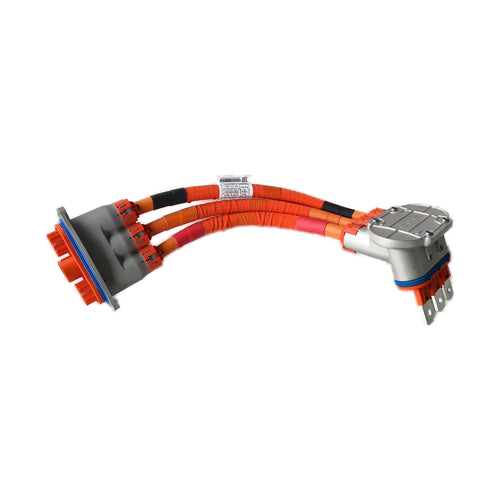
Often yes, since many high voltage cables are supplied as separate assemblies with their connectors fitted. They are not repaired by splicing, because the shielding, sealing and current rating all depend on the original construction. Most connectors also carry a low voltage interlock loop that tells the system the plug is fully seated, so a cracked latch or bent interlock pin can stop the contactors closing even when the main terminals look fine. Read the OE number printed on the cable sleeve or label, search for it, and leave fitting and isolation to a qualified mechanic.
What does a reduced power or tortoise warning mean?
It means a control unit has limited output to protect something, and the cause is usually more ordinary than the warning suggests. Common triggers are a pack that is very cold, very hot or nearly empty, a cooling fault that lets the motor or inverter overheat, a cell reading out of line with the rest, or a sensor giving implausible data. The stored fault codes show which unit requested the limit, and that decides whether the answer is a coolant pump, a sensor or something larger. Have a qualified mechanic read the codes, then check the OE number on the implicated part.
The charging cable will not release from the car. What is wrong?
The inlet has an electric lock that holds the connector while current flows, and it should release when charging ends or the car is unlocked. When it sticks, the cause is usually the lock actuator, a weak low voltage battery, or ice and grit in the mechanism. Try locking and unlocking the car, then use the emergency release, which is normally a pull cord behind a trim panel near the inlet, described in the owner's handbook. A lock that repeatedly fails is replaced as a part. Read the OE number on the actuator or inlet housing and search for it.
How do I find the right OE number for these parts?
Look for the manufacturer's label on the part you are replacing rather than relying on the model name, since the same car can use different motors, chargers or packs depending on battery size, power output and build date. Controllers and chargers usually carry a printed label with the OE number beside a barcode, while motors and packs may also have a stamped plate. Where a part changed during production, the build date on the vehicle's identification plate decides which version fits. Type the OE number into the search box, or send it with the model details through the quote form, and we reply within 24 hours, usually sooner.