Drive Motors & Controllers
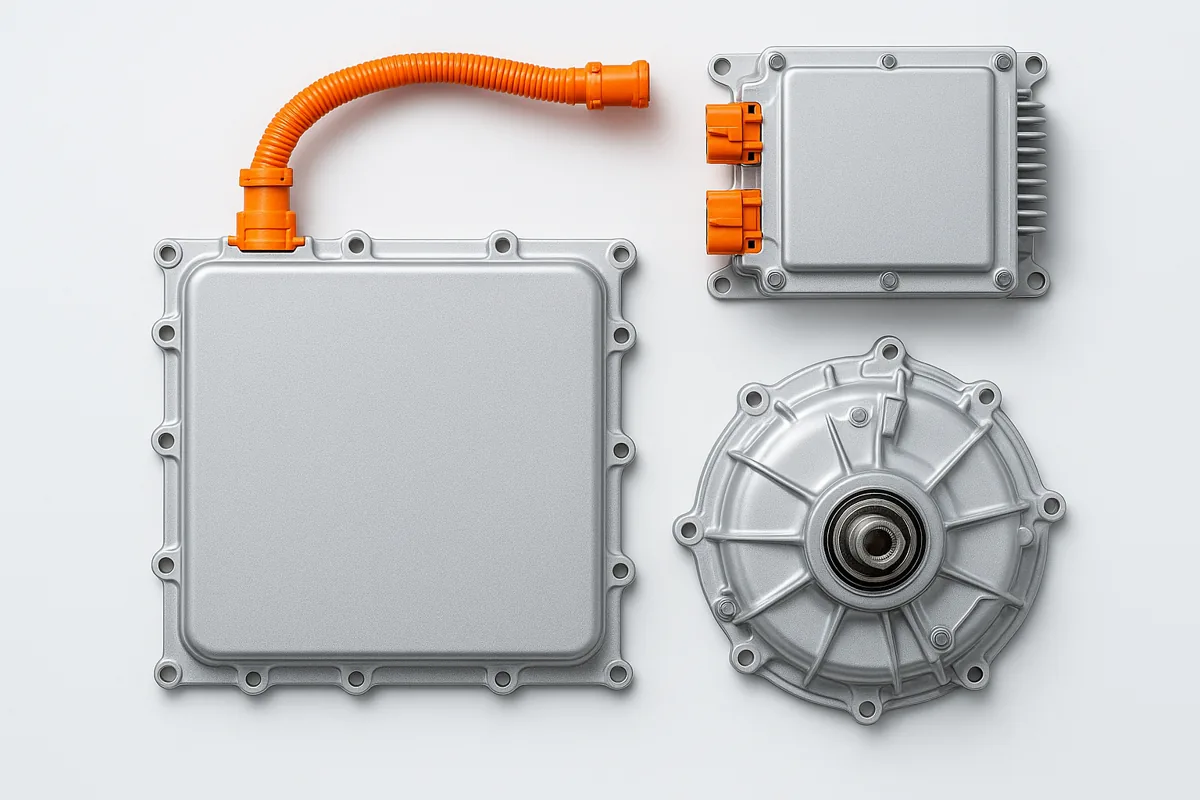
Shop Drive Motors & Controllers by Part Type
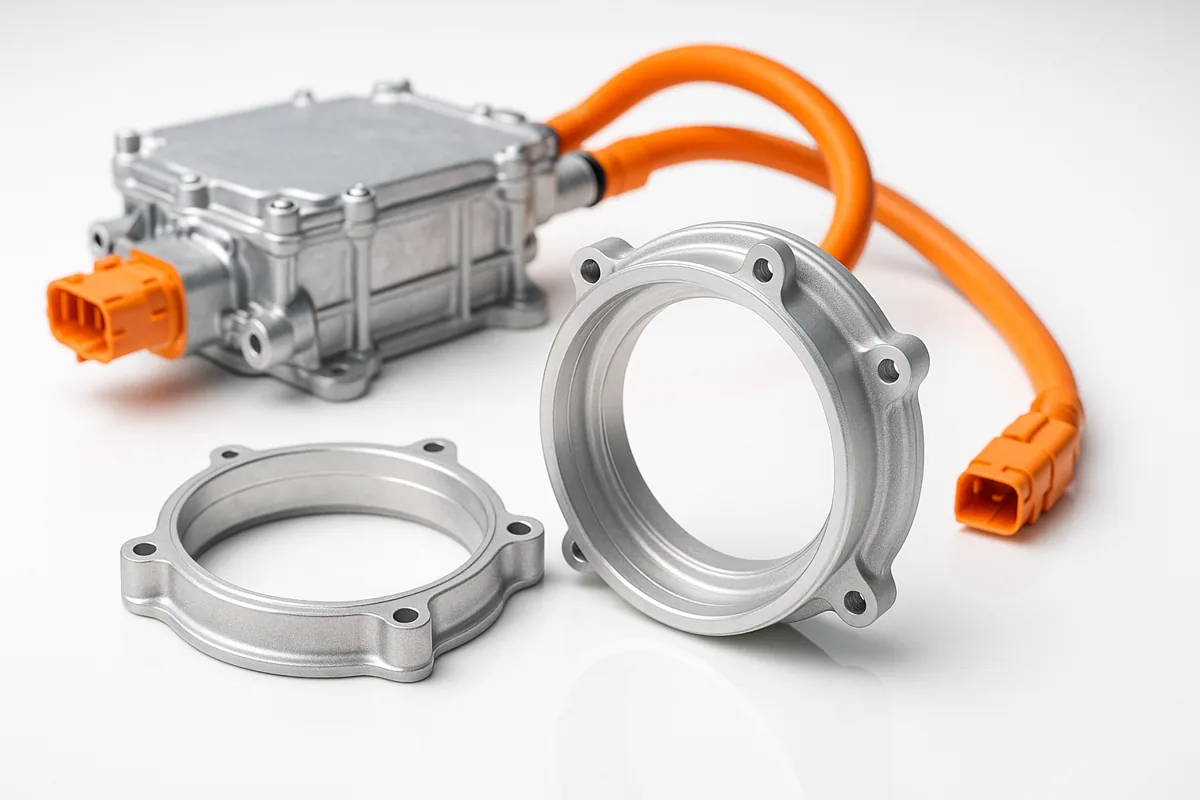
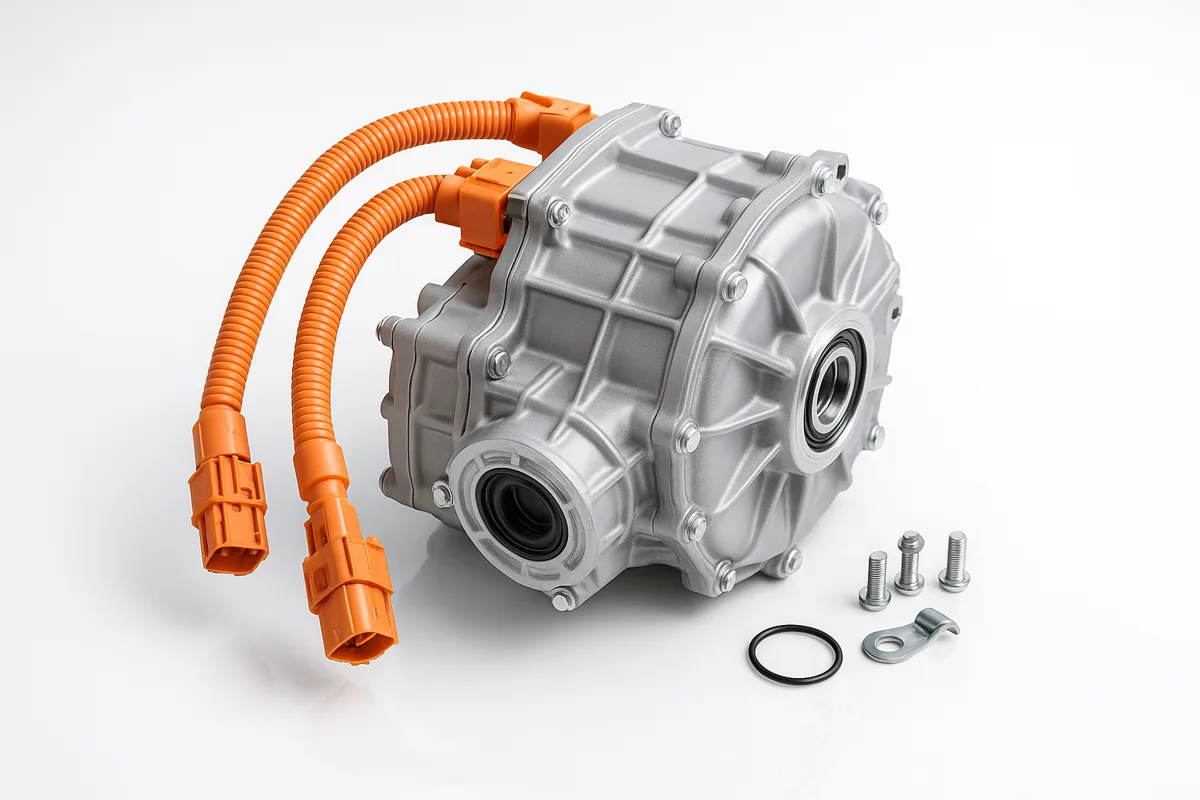
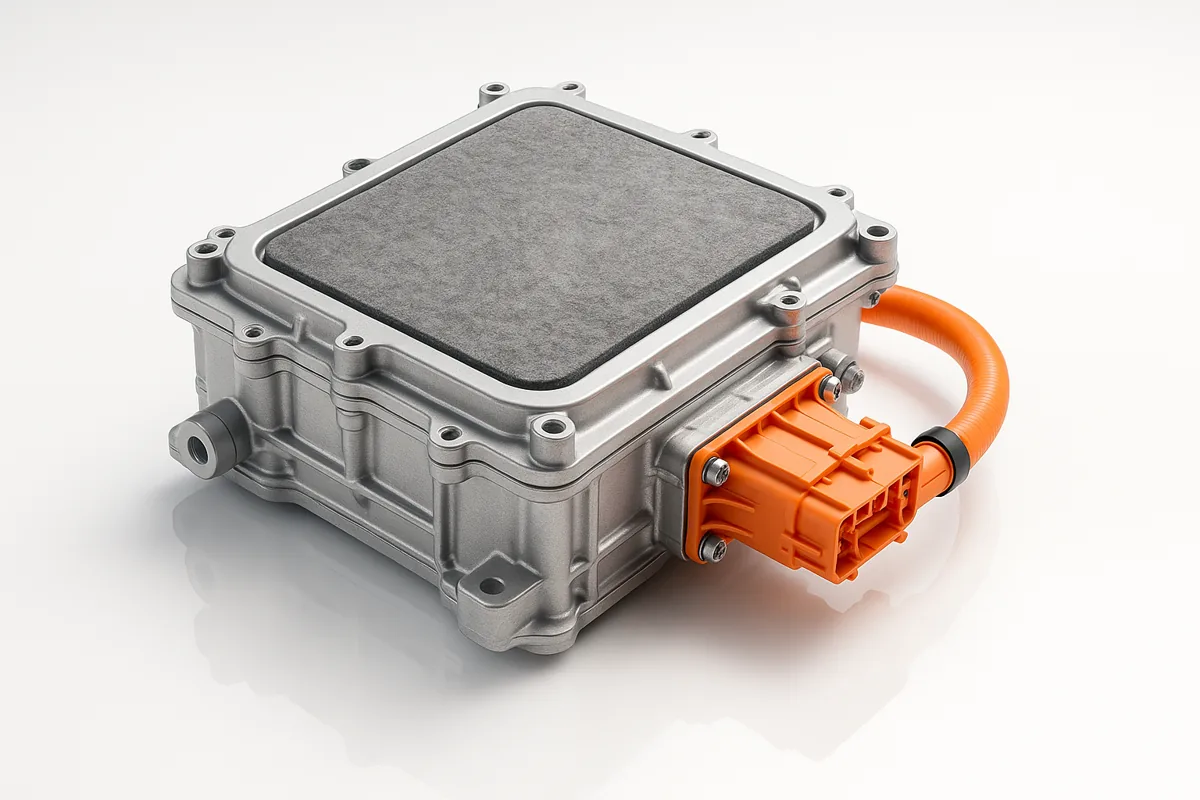
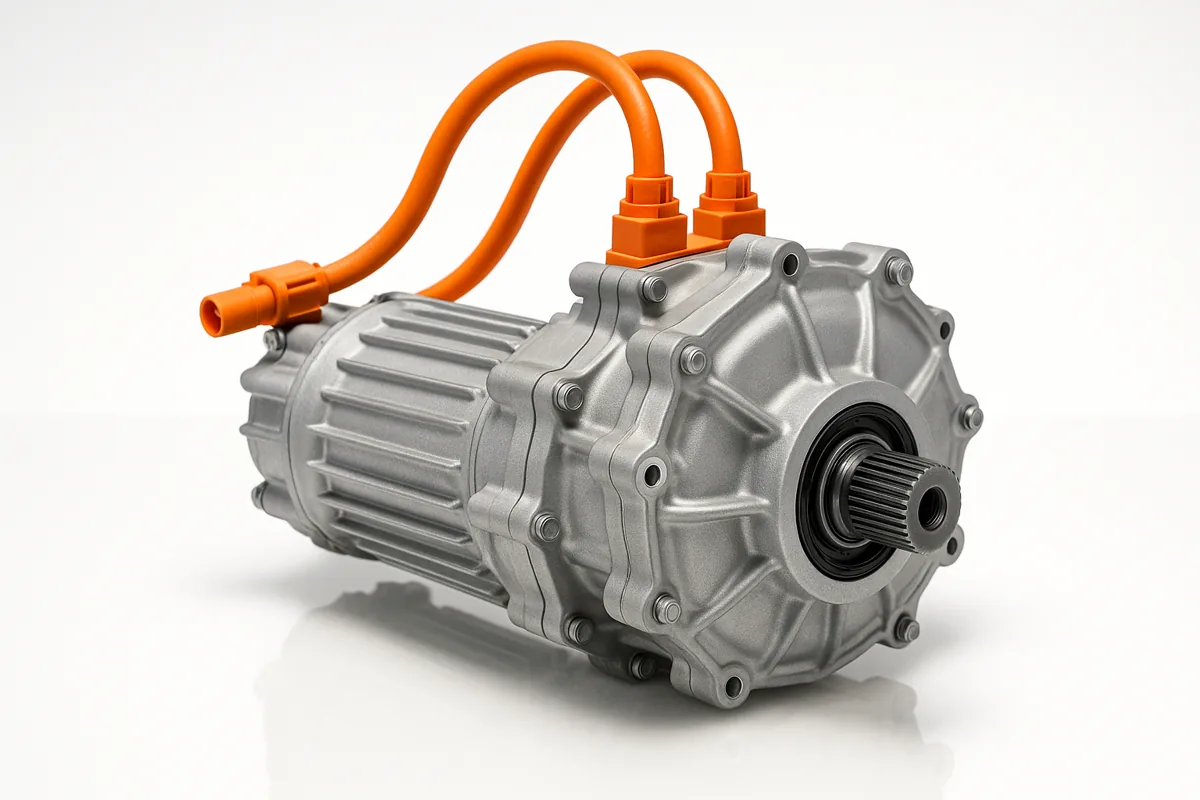
Popular Right Now
scroll for more →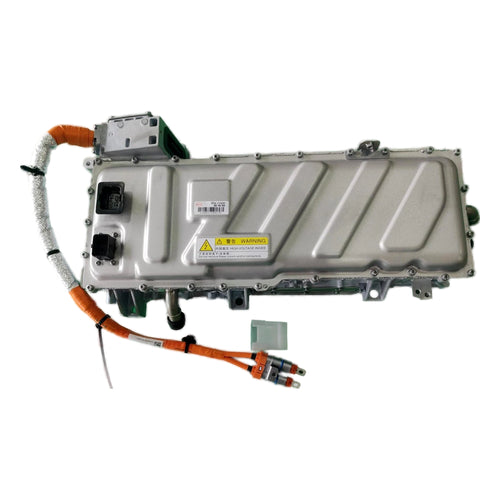
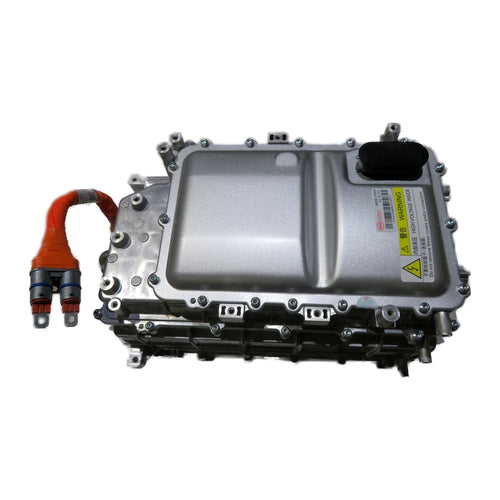
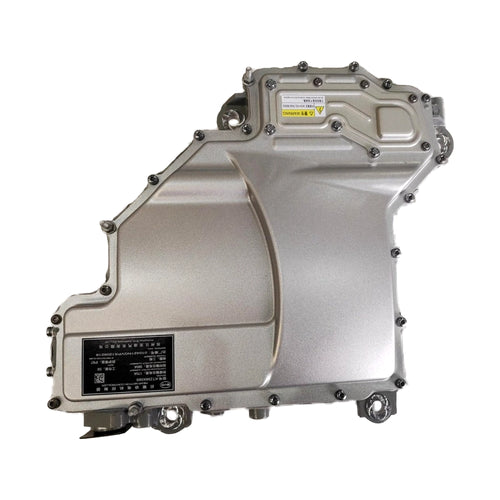
Symptom Finder: What Is Actually Broken?
| What you see or hear | Part to check first |
|---|---|
| Vehicle powers up but will not move | Motor controller or the high voltage supply |
| Reduced power with a drive system fault | Controller, motor or a thermal limit |
| Whine that follows road speed under load | Reduction gear or its bearings |
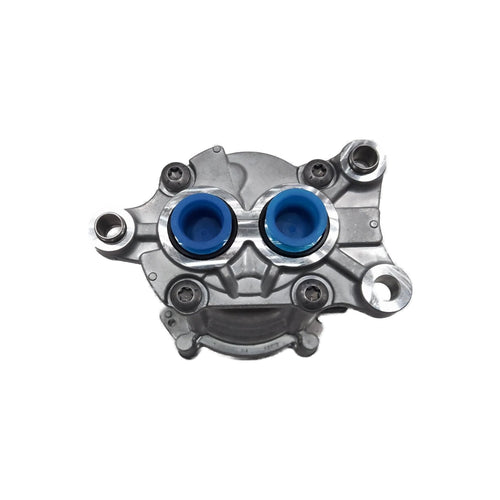
| Fault only while running on electric drive | Electric transmission oil pump |
| Power tapering as the drivetrain warms | Coolant loop rather than the motor |
About Drive Motors & Controllers
An electric drivetrain has remarkably few moving parts and a great deal of decision making. A motor produces torque from a standstill because the rotating field it creates is there from the first instant, with no need for motion to establish it, and it spins far faster than any wheel, so a single speed reduction gearset with a differential always follows. Between the pack and the motor sits the inverter, switching direct current thousands of times a second to synthesise the alternating current the machine needs, adjusting frequency and amplitude continuously and running the same process in reverse during regeneration. On hybrids the arrangement grows a dedicated transmission that blends engine and electric drive. Everything generates heat in a small volume, so a coolant loop serves all of it, and thermal capacity rather than power output is usually what limits sustained performance.
What to know before buying Drive Motors & Controllers parts
Get the fault diagnosed before you order anything from this group. These parts are high value, high voltage or both. Most references here are quoted rather than priced, so availability is confirmed before you book a workshop.
Four child categories cover the group. Drive motor holds the machine itself and its service parts. Inverter and power electronics holds motor controllers, dual inverter units and the acoustic packs that damp their switching noise.
Reduction gear and e axle holds the gearset, its repair kit and the drain plug magnet that reports on its health. Hybrid transmission holds the dedicated units that combine engine and electric drive, along with their electric oil pumps.
Before You Order: 5 Checks
- Have the codes read with high voltage diagnostic access before ordering anything.
- Check the coolant loop and the mounts first, since thermal limits and mount wear mimic drive faults.
- Match the OE number and confirm against the vehicle identification number, since software follows the build.
- Confirm the workshop can code the replacement before the part is ordered.
- Never attempt high voltage work without isolation, verified zero voltage and correct equipment.
What Changed and Why
Integration is the dominant direction. Motor, reduction gearing and inverter increasingly share one housing and one coolant loop, which removes several high voltage connections and means faults are diagnosed and parts supplied at unit level rather than component level. Silicon carbide power devices have spread from premium applications into the mainstream because they switch faster with lower losses, which improves range and enables higher pack voltages. Manufacturers are also reducing heavy rare earth content in permanent magnet rotors, which changes part numbers between model years that look identical.
Drive Motors & Controllers: Frequently Asked Questions
Do electric motors wear out?
The machine itself rarely does. A rotor turning in two bearings with no combustion and no reciprocating parts has very little to consume, and windings that stay dry and within temperature will outlast the vehicle. What limits service life is the environment around them. Bearing grease dries, shaft seals let water past, coolant finds its way into a housing, and the controller that feeds the machine fails long before the copper does. That is why the practical maintenance question is about seals, cooling and connections rather than about the motor's own condition.
Why does my car limit power when it gets hot?
It is a protection strategy working as designed. Both the machine and the electronics driving it have temperature limits, the semiconductors especially, and rather than risk damage the control system quietly reduces the torque it will allow. Drivers notice it on a long climb, during repeated hard acceleration, or after a rapid charge on a warm day. Occasional limiting in those conditions is normal. Limiting that arrives early, at moderate load or in cool weather, points at the cooling side: coolant level, a lazy pump, a blocked radiator or a stuck valve.
How do I tell whether the motor or the controller has failed?
You cannot tell from the driver's seat, and guessing here is expensive. Both faults produce the same picture: a car that wakes normally, shows a drive system warning and refuses to move, or moves with reduced power. The separation is done on instruments. A workshop with high voltage authorisation measures winding resistance and insulation to earth at the machine, checks the three phase outputs from the controller and reads the current and temperature traces stored in the fault memory. Statistically the electronics fail more often than the machine, which is the cheaper outcome.
Is a whine from the drive unit a problem?
Not on its own. Straight cut and helical gears sing, and without an engine to cover the sound it reaches the cabin easily, so a steady tone that has been there since the car was new is a design characteristic. The useful test is comparison over time. Record the noise now on a phone from the same seat at the same speed, and repeat it in a few months. A tone that has climbed in volume, that alters sharply between accelerating and coasting, or that gains a rumble underneath it is worth investigating.
Can any of this be worked on at home?
Not the high voltage side. The pack operates at lethal voltages, inverter capacitors hold charge after shutdown, and verifying zero voltage requires correct instruments and procedure. Coolant level checks, mount inspection and physical damage assessment are reasonable to do yourself, and they are worth doing since cooling faults and worn mounts produce symptoms that look like drive system failures. Anything requiring an orange cable to be disconnected belongs to a qualified workshop.
Will a replacement inverter or motor work as soon as it is bolted in?
Usually not. The inverter carries software that must be matched to the car's specification and paired with its anti theft system. After a motor or inverter change, the rotor position sensor normally has to be calibrated so the controller knows exactly where the magnets sit. Until that routine is run with a suitable diagnostic tool, the car will typically store a calibration fault and refuse to drive. Plan the job with a workshop that has high voltage authorisation and the right diagnostic equipment, and confirm the OE number on the old unit before ordering.
What is the position sensor on a drive motor and what happens when it fails?
Most drive motors use a resolver. This is a small wound sensor at the end of the shaft that tells the inverter the exact angle of the rotor. The inverter needs that angle to time its switching, so a poor signal shows up as shudder or hesitation when pulling away, jerky power delivery, or a sudden loss of drive with a position sensor fault stored. The cause is often the connector or wiring rather than the sensor itself. Ask a qualified mechanic to read the fault memory and measure the resolver circuit before deciding which part to replace.
Does the reduction gear or e-axle need its oil changed?
Yes, although far less often than an engine does. The gearset and differential run in their own oil, separate from the coolant, and that oil gradually collects fine metal from gear and bearing wear. Service intervals vary widely between vehicles, and some units have a magnetic drain plug that shows how much debris is circulating. Use only the fluid grade specified for your drive unit, because the wrong viscosity or additive pack can harm gears, bearings and seals. If the drained oil is dark or carries visible metal paste, have a mechanic assess the unit before refilling.
Can I replace just the motor, or does the whole e-axle have to go?
It depends on how the unit is built. Many modern drivetrains combine the motor, reduction gear and inverter in one housing. Some of these are supplied only as a complete assembly, while others allow the inverter or gear section to be changed separately. What decides it is which section has failed and whether that section carries its own OE number. Check the labels on each section of the old unit and enter every number you find in the search box. If only an assembly number is visible, send it through the quote form and we will reply within 24 hours, usually sooner.
What does an isolation fault mean for the drive system?
It means the car has detected current leaking from the high voltage circuit to the vehicle body. It will usually refuse to drive until the fault clears. In the drive system a common cause is moisture or coolant inside the motor or inverter, often from a failed shaft seal or a leaking coolant fitting, which breaks down the winding insulation. Damaged orange cables and wet connectors are also suspects. A workshop tests each component in turn with an insulation tester to find the leak. Take the OE number from the old unit only once the faulty part is confirmed.
Where do I find the OE number on a drive motor or inverter?
It is printed on a label or stamped into the casting, normally on the upper face of the housing or beside the high voltage connectors. It is often hidden under road dirt or a heat shield. Clean the area gently and photograph the whole label, because part numbers sit next to serial numbers and date codes that are easy to confuse. An assembled e-axle may have a separate label for each section. Where a part changed during production, also note the build date on the identification plate. Then enter the number in the search box.
My hybrid judders or clunks when the engine joins in. Is the transmission failing?
Not necessarily. A dedicated hybrid transmission connects the engine to the wheels through a clutch or coupling, which the control unit engages as speed and demand rise. Roughness at that moment can come from worn engine or transmission mounts, degraded transmission fluid, a clutch whose engagement point needs relearning, or genuine internal wear. Mounts and fluid condition are cheap to check and often turn out to be the cause. Note when the judder happens, at what speed and whether the engine was cold. Give those details to a qualified mechanic so they can read the stored faults before any transmission part is ordered.
How can I tell a bearing noise from a gear noise in the drive unit?
Gear noise is a tone tied to load. At the same road speed it sounds different when accelerating, cruising and coasting. Bearing noise is more of a growl or rumble that follows road speed whatever the load, and it usually worsens over time. A noise that appears only when turning points to wheel bearings or drive shaft joints instead. Those are cheaper to fix and are often mistaken for the drive unit. A workshop can find the source on a road test with chassis microphones. Confirm the diagnosis first, then check the OE number on the old part.
Will a motor from a more powerful version of my car fit and work?
The housing and mountings often look identical, but the internals differ. Versions of the same car can use different winding specifications, magnet grades, gear ratios and inverter current ratings, and the controller software expects one particular combination. A mismatched unit can bring fault codes, reduced power or a car that will not drive at all. A different reduction ratio also upsets speed and range calculations. The reliable match is the OE number on the old part, or for date split parts the build date on the identification plate. Search by that number rather than by model name.
Why must the coolant loop be bled after drive system work?
Trapped air collects at the highest points of the loop, which are often the inverter cold plate or the motor jacket. An air pocket there stops heat leaving the semiconductors. The result is early power limiting, over temperature faults or, at worst, damage to a new inverter within its first few drives. Many vehicles need the electric coolant pumps run through a diagnostic routine, or a vacuum filler, to purge the air properly. The coolant type matters too, because some are formulated for low electrical conductivity. After any drive unit replacement, have a qualified mechanic do the fill.