PTC Heater
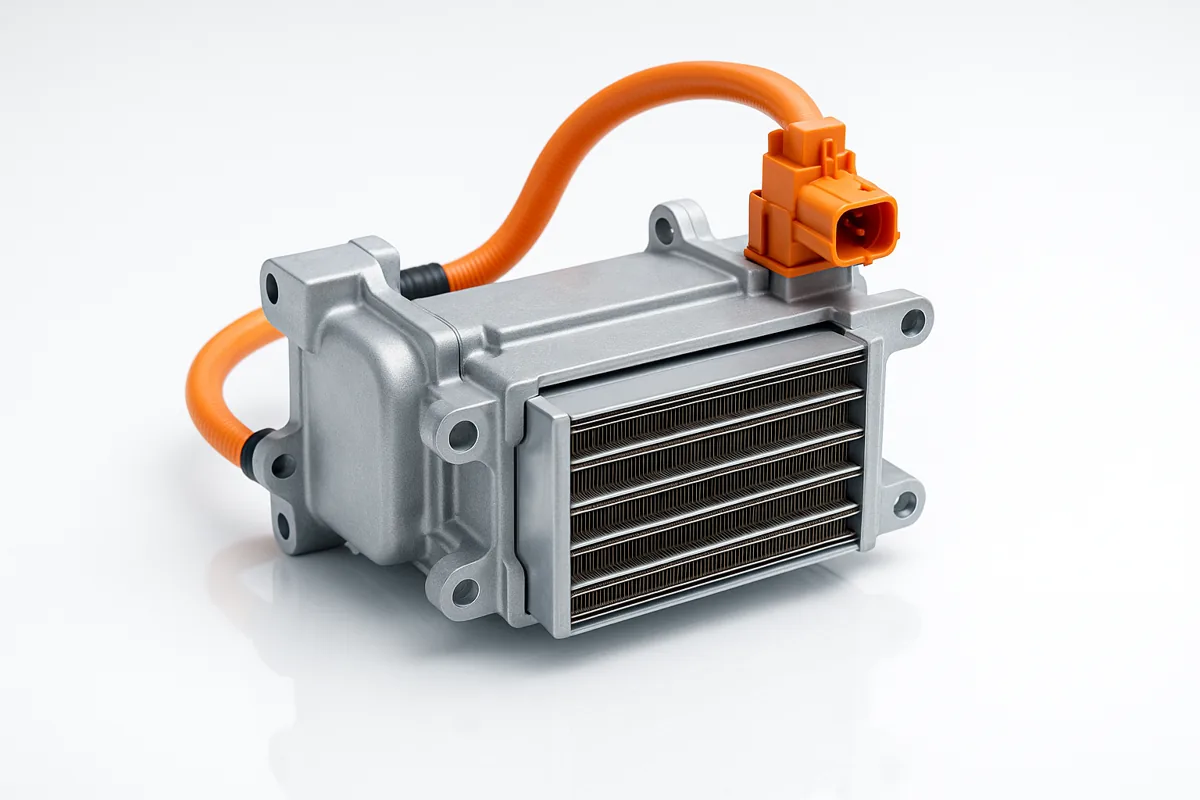
Shop PTC Heater by Part Type
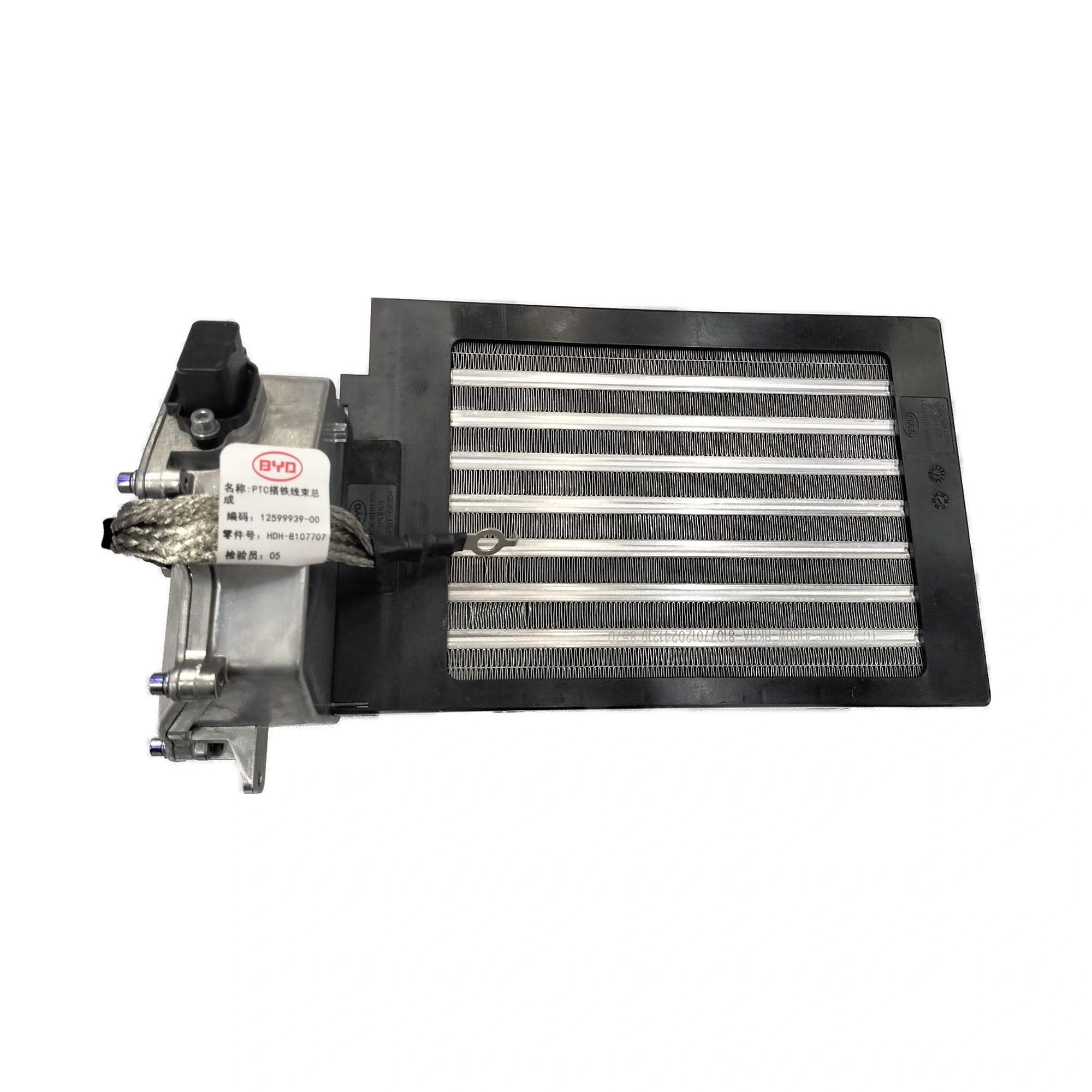
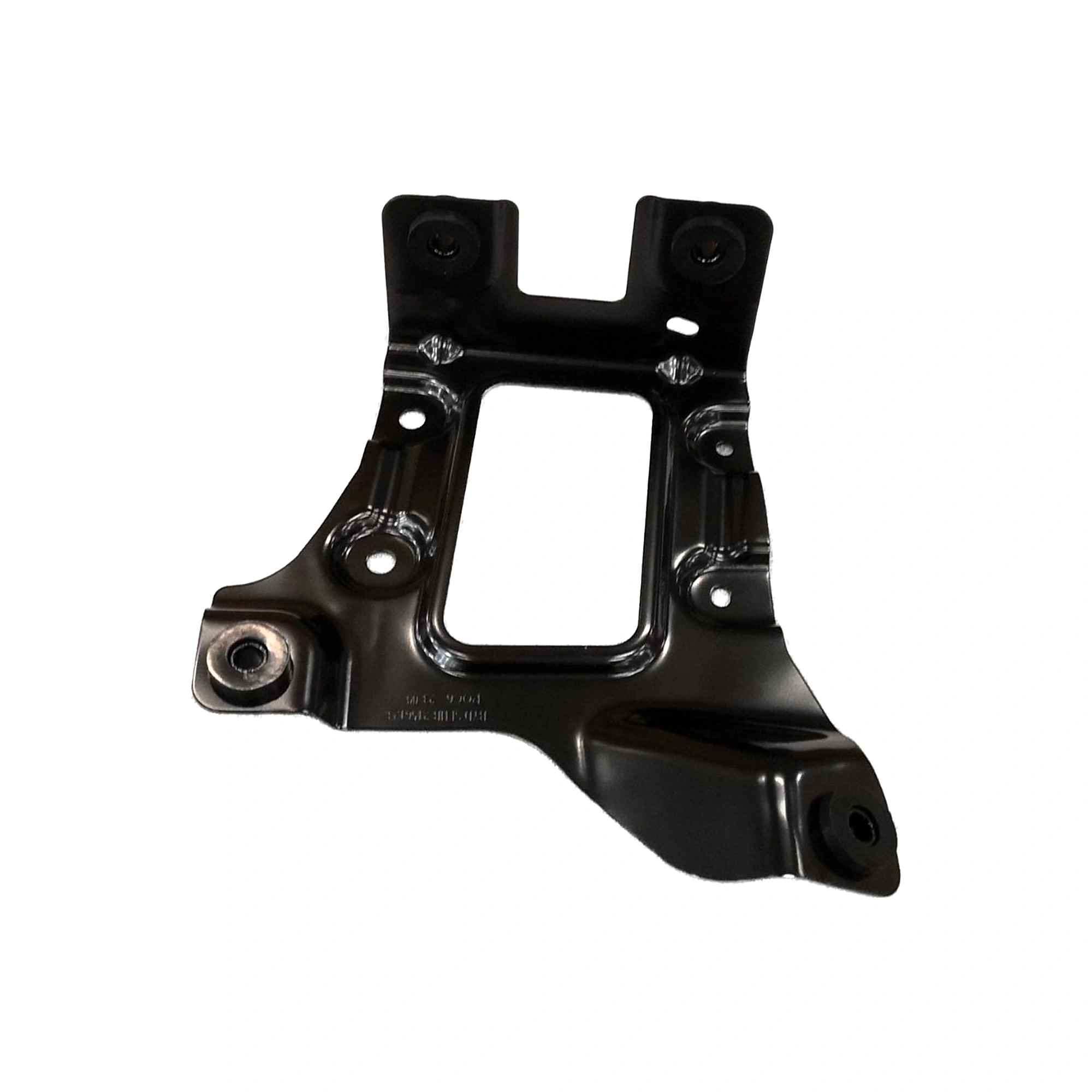
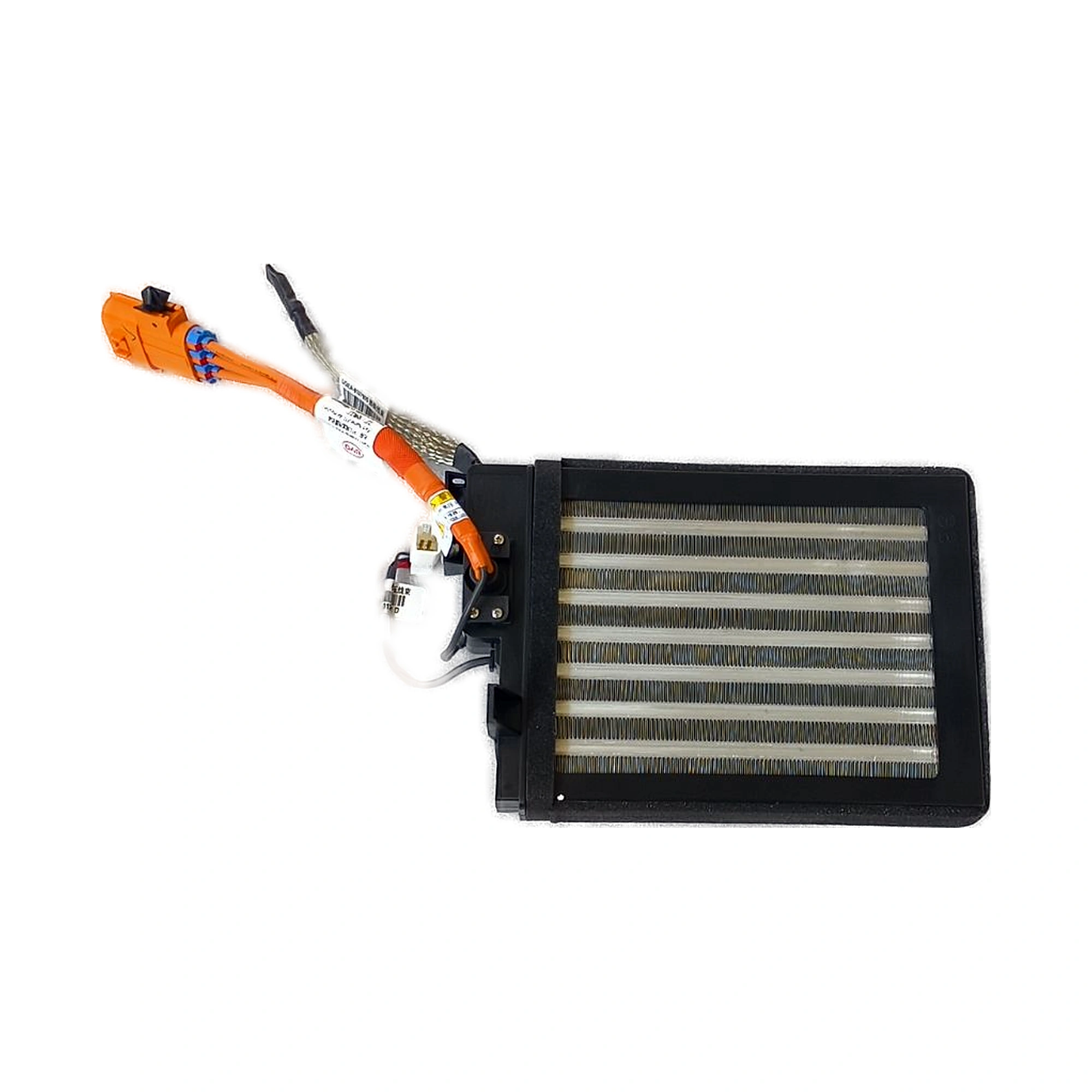
Popular Right Now
scroll for more →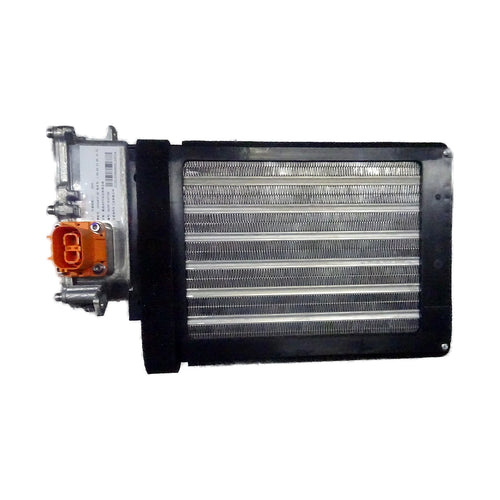
Symptom Finder: What Is Actually Broken?
| What you see or hear | Part to check first |
|---|---|
| No warm air at all with the fan running normally | PTC air heater |
| Cabin heat weak in very cold weather only | PTC air heater supplementing a heat pump |
| Heating fault stored with normal coolant level | Integrated PTC air heater |
| Charging slow to start in freezing conditions | Battery heater circuit |
| Burning smell when heating is first switched on | PTC air heater with dust on the element |
| Heater element loose or rattling in the duct | PTC air heater or its bracket |
About PTC Heater
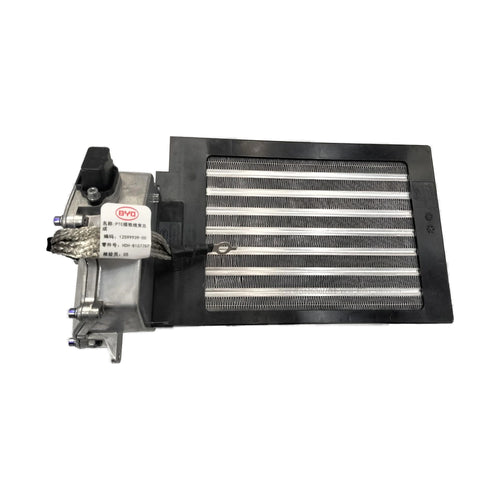
Cabin heating on a combustion car is free in the sense that the engine was going to waste that heat anyway. Remove the engine and the heat has to come from somewhere, and the simplest answer is resistance: pass current through an element and it warms. Positive temperature coefficient elements do this with a useful safety property built into the material itself. As a ceramic element heats, its electrical resistance rises sharply, which reduces the current it draws, so it naturally settles at a working temperature rather than continuing to climb, and it cannot run away even if airflow stops. Air heaters place those elements directly in the ventilation duct so warm air reaches the cabin within seconds. Coolant heaters put them in a water jacket instead, warming a loop that can serve the cabin heat exchanger or the traction pack in cold weather.
What to know before buying PTC Heater parts
Confirm the fault before ordering. Weak cabin heat has several possible causes, including coolant routing and a failing pump. Rule those out before you decide the heater has failed.
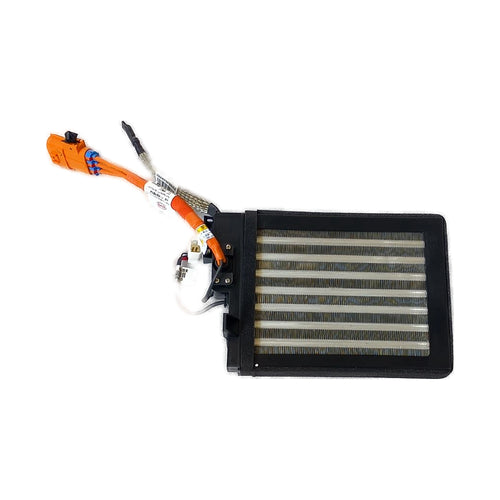
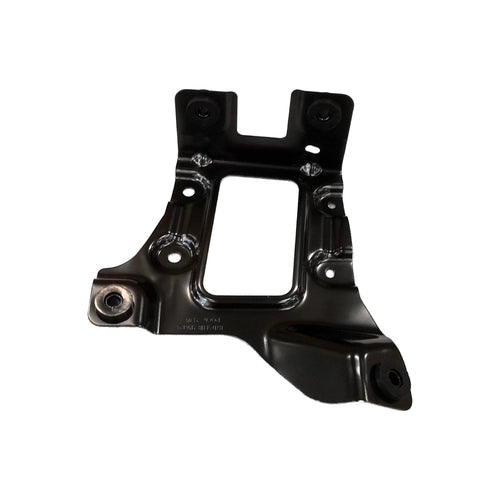
Then check which type your vehicle uses. An integrated unit is built into the heating assembly along with its control electronics. A standalone PTC air heater sits in the duct as a separate part. Both types are listed here, along with battery heater brackets.
Order by the OE number. Element rating, duct geometry and the connector all follow the specific vehicle and climate specification. Both types draw high current and connect to the high voltage system on most vehicles. That puts the work in a workshop with isolation equipment rather than on a driveway.
A figure on the page means no enquiry is needed. Anything without a price is quoted against the same factory number. That is the usual route for heaters tied to a climate specification. The BYD group is covered most fully, and more brands follow as further catalogues load.
Before You Order: 6 Checks
- Confirm the fault is the heater rather than the coolant routing, a valve or a pump.
- Establish whether your vehicle uses an integrated or a standalone air heater before ordering.
- Match the OE number, since element rating, duct geometry and connector follow the vehicle specification.
- Treat these as high voltage components, with isolation and verification before any work.
- Check the cabin filter, since restricted airflow reduces heat output and can trip the element protection.
- Confirm whether coding is required after replacement on your vehicle.
What Changed and Why
Resistive heating is being displaced as the primary cabin heat source by heat pumps, because moving heat from outside air uses a fraction of the energy that generating it does, and cabin heating is the single largest drain on winter range. What has not disappeared is the resistive element itself: heat pumps lose effectiveness as ambient temperature falls, so almost every heat pump vehicle keeps a positive temperature coefficient heater to supplement it in severe cold and to provide immediate warmth before the pump has stabilised. Battery preconditioning has added a further duty, warming the pack before rapid charging.
PTC Heater: Frequently Asked Questions
Why does my electric car use so much range for heating?
Because heat that a combustion engine produced as waste has to be generated deliberately, and generating heat resistively costs roughly one unit of energy for one unit of heat. On a cold day cabin heating can consume power comparable to cruising, which is why winter range falls so noticeably. A heat pump reduces the cost substantially by moving heat rather than making it, and preconditioning while still plugged in shifts the load to the charger rather than the pack.
What makes a positive temperature coefficient element different?
Its resistance rises steeply as it heats, which makes it self limiting. Draw current through it and it warms, the resistance climbs, the current falls, and it settles at a working temperature without needing a thermostat to switch it off. If airflow stops, it heats a little further, resistance rises further and current drops away, so it cannot run away and set fire to a duct. That inherent safety is exactly why this technology is used in vehicle heating.
My cabin heating has stopped. Is the heater the fault?
Not necessarily, and it is worth checking the cheaper possibilities first. Weak or absent heat can come from a coolant routing valve stuck in the wrong position, a heater circuit pump that is not running, a blocked cabin filter restricting airflow, or a heat pump fault on vehicles that have one. Have the climate system data read, since it shows commanded and actual element power along with temperatures, and that distinguishes a dead element from a delivery problem in minutes.
Is a PTC heater a high voltage component?
On almost all current electric vehicles, yes, because the power required is far beyond what a twelve volt circuit can supply. That places replacement firmly in workshop territory: the high voltage system must be isolated and verified at zero volts before any connector is touched, and the orange cabling marks the circuit as such. Some hybrids use lower voltage supplementary heaters. Check which applies to your vehicle before planning any work near the heater assembly.
There is a burning smell when I first use the heater.
Usually dust rather than a fault. An element that has sat unused through summer collects dust from the ventilation airflow, and the first time it heats, that dust burns off with a distinctive smell that fades within a few minutes. If the smell persists, is acrid rather than dusty, or is accompanied by a heating fault, stop using the system and have it checked, since a damaged element or a wiring fault in a high current circuit is not something to run for a season.
What does a PTC heater cost?
A bracket is a small purchase. A standalone air heater sits in the middle. The expensive items are the coolant heaters with integrated control electronics, since those carry high voltage switching inside the housing. The current spread for the category is published overhead. Worth keeping in view when you budget: a heater that has failed short circuit often takes a fuse with it, and on some vehicles the fuse is inside a sealed distribution unit. Ask the workshop to establish what else was damaged before you order the heater on its own.
Does a heat pump make the PTC heater redundant?
No, and vehicles with heat pumps almost always retain one. A heat pump extracts heat from outside air, and the colder that air is the less there is to extract, so effectiveness falls as ambient temperature drops, exactly when you want heat most. The resistive element covers that gap and also provides immediate warmth in the first minutes before the pump has stabilised. Think of it as the backup and the booster rather than the main source.
What is battery preconditioning and does the heater do it?
Preconditioning brings the pack to a temperature where it can accept charge quickly, since a cold pack limits current sharply to avoid damaging the cells. On vehicles that support it, the thermal system warms the pack on the way to a rapid charger, using a coolant heater or waste heat routed through the coolant valves. That is why charging in freezing weather can start slowly on a vehicle that has been parked, and quickly on one that navigated to the charger with preconditioning active.
Can a heater element be repaired?
No. The element, its housing and its control electronics form a sealed assembly working at high voltage and high current, and there is no serviceable part inside. What can be checked before replacing is everything around it: the cabin filter and ducting for airflow, the supply and control signals, and on coolant heaters the flow through the loop. A heater starved of airflow or flow will underperform while being perfectly healthy.
Will a heater from a related model fit?
Only where the number agrees. Element rating follows the cabin volume and the climate specification the vehicle was built for, duct geometry follows the heating assembly, and the connector and control protocol follow the vehicle. A heater of the wrong rating either underheats or draws more current than the circuit was designed to supply. Read the number from the old unit, quote your vehicle identification number, and have the reference confirmed before ordering.
Should I use preconditioning while plugged in?
Wherever your vehicle supports it, yes. Warming the cabin and the pack while still connected to a charger uses energy from the supply rather than from the pack, so you set off with a warm cabin, a warm battery and a full state of charge, and the heater does not have to work as hard once you are moving. It is the single most effective thing an owner can do about winter range, and it costs nothing beyond the electricity.
The part I need shows no price. Can I still order it?
Yes. Heaters differ between air heating and coolant heating designs and between climate specifications, so the ones built for a single market often wait for an enquiry. Send the number and say whether yours heats air directly at the vents or heats coolant that then feeds the heater core. The two are not interchangeable even where the mounting looks similar. Before ordering, have the supply checked, since these elements draw heavily from the high voltage side and a blown fuse or a failed relay produces the same cold cabin as a dead element.