Electric Coolant Pump
Shop Electric Coolant Pump by Part Type
Popular Right Now
scroll for more →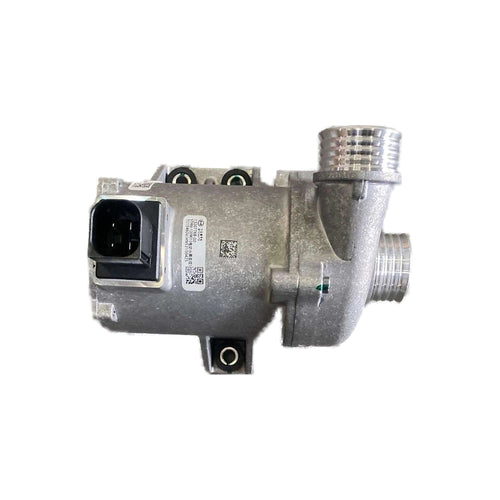
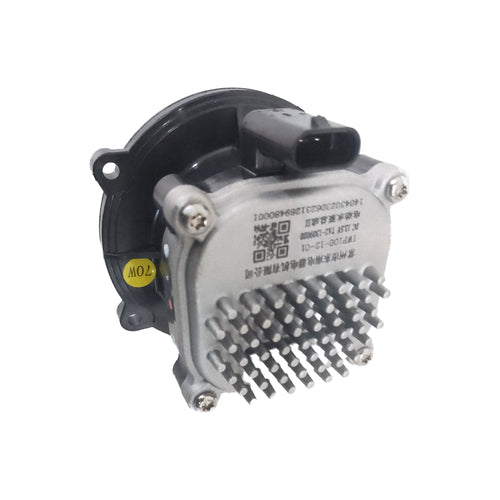
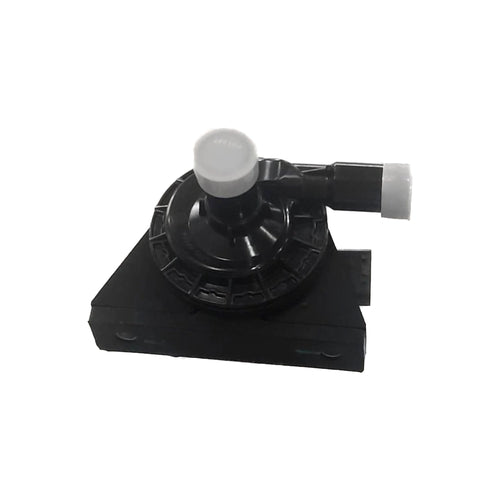
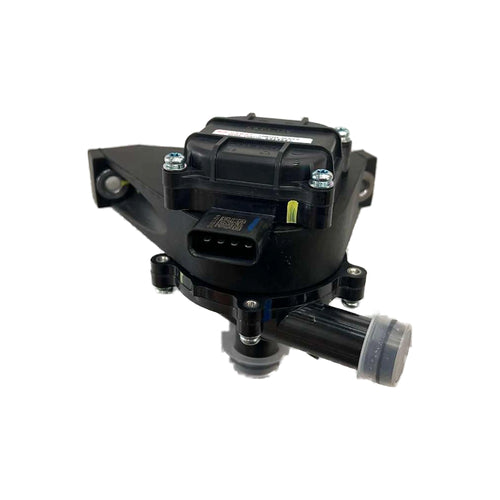
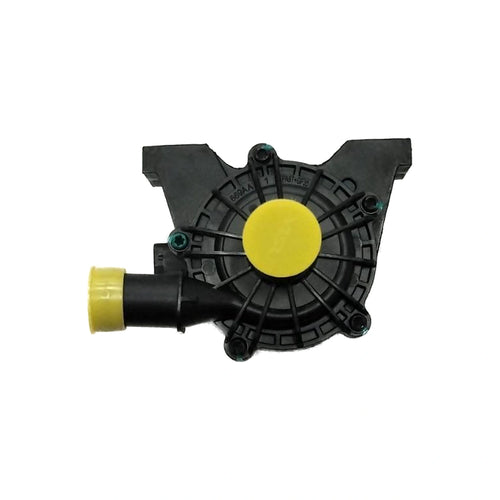
Symptom Finder: What Is Actually Broken?
| What you see or hear | Part to check first |
|---|---|
| Reduced power after a period of sustained driving | Electric water pump on the drive unit loop |
| Charging rate tapering early with the pack heating | Electric water pump on the battery loop |
| Cabin heat weak with the heater element working | Heater electric water pump |
| Thermal fault stored with correct coolant level | Electric water pump |
| Coolant weeping from the pump body | Electric water pump with a failed seal |
| Buzzing or rattling from a pump that runs continuously | Electric water pump with a worn bearing |
About Electric Coolant Pump
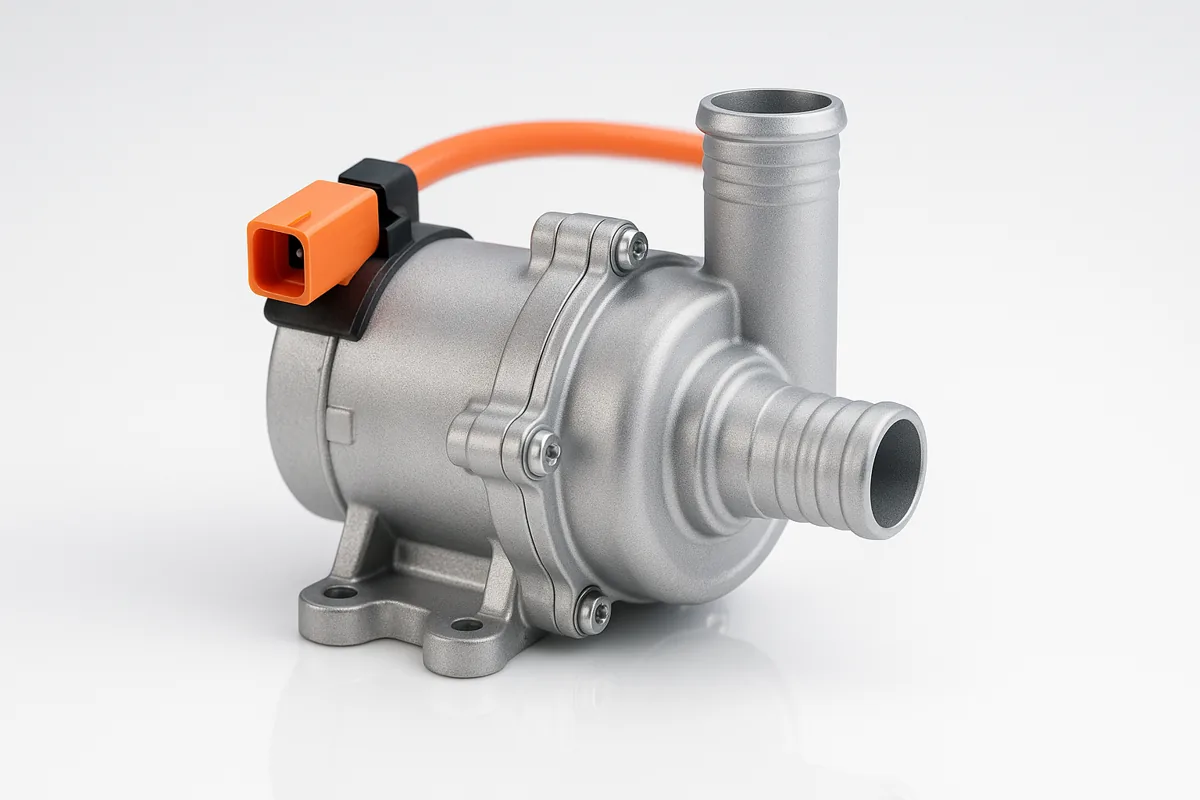
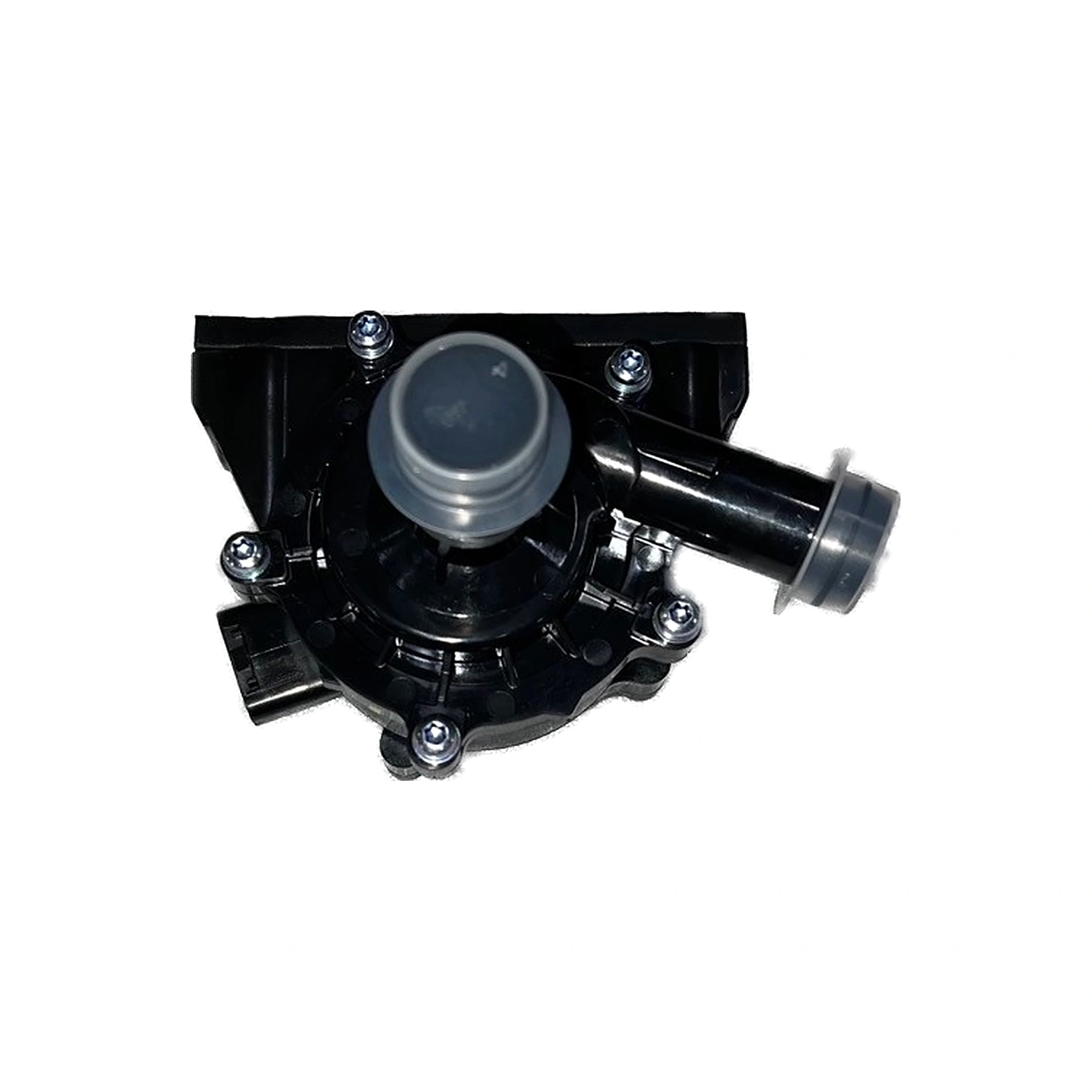
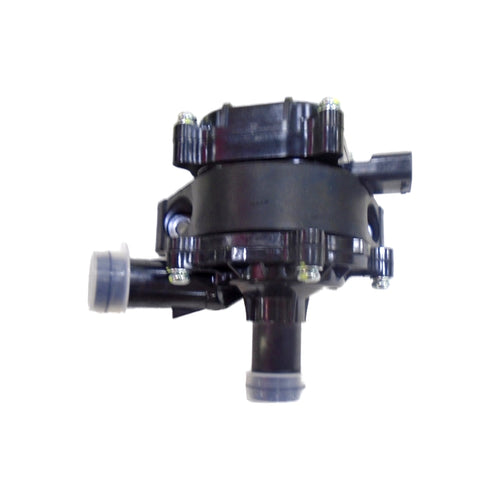
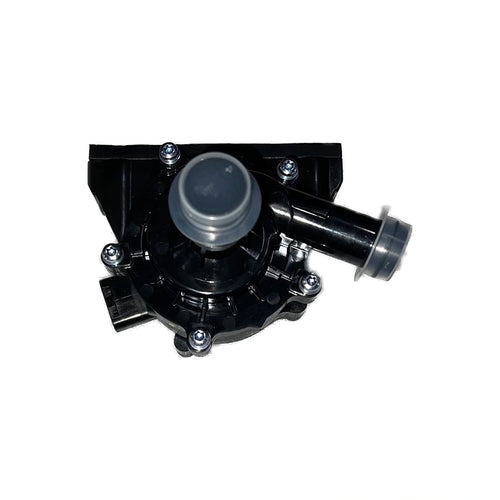
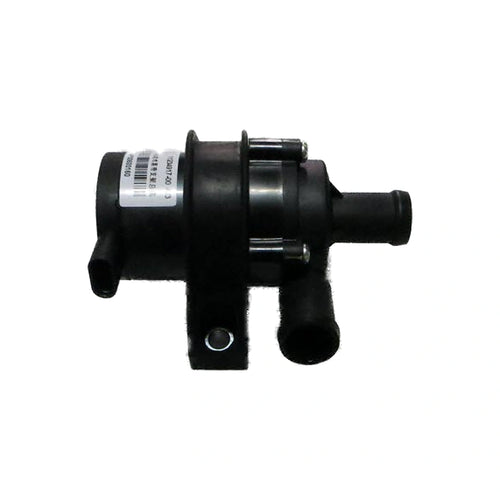
A belt driven water pump can only turn when the engine does, which is useless on a vehicle whose engine may be stopped or absent entirely. Electric coolant pumps solve that by running on demand: a brushless motor drives an impeller inside a sealed housing, with the control electronics either built into the pump or commanded over the vehicle network, so flow can be set to what each loop actually needs rather than to whatever engine speed happens to be. That brings real advantages beyond simply working with the engine off. Flow can be reduced during warm up so the drivetrain reaches temperature sooner, raised during rapid charging when the pack is producing heat quickly, and maintained after shutdown to carry residual heat away from components that would otherwise soak. Several pumps are typical, one per loop.
What to know before buying Electric Coolant Pump parts
Identify the affected circuit from the fault data before you order. A vehicle carries more than one electric pump, and they are not interchangeable between loops. Flow rate, port sizes, connector and control method all differ. A pump intended for the heater circuit will not serve a drive unit loop.
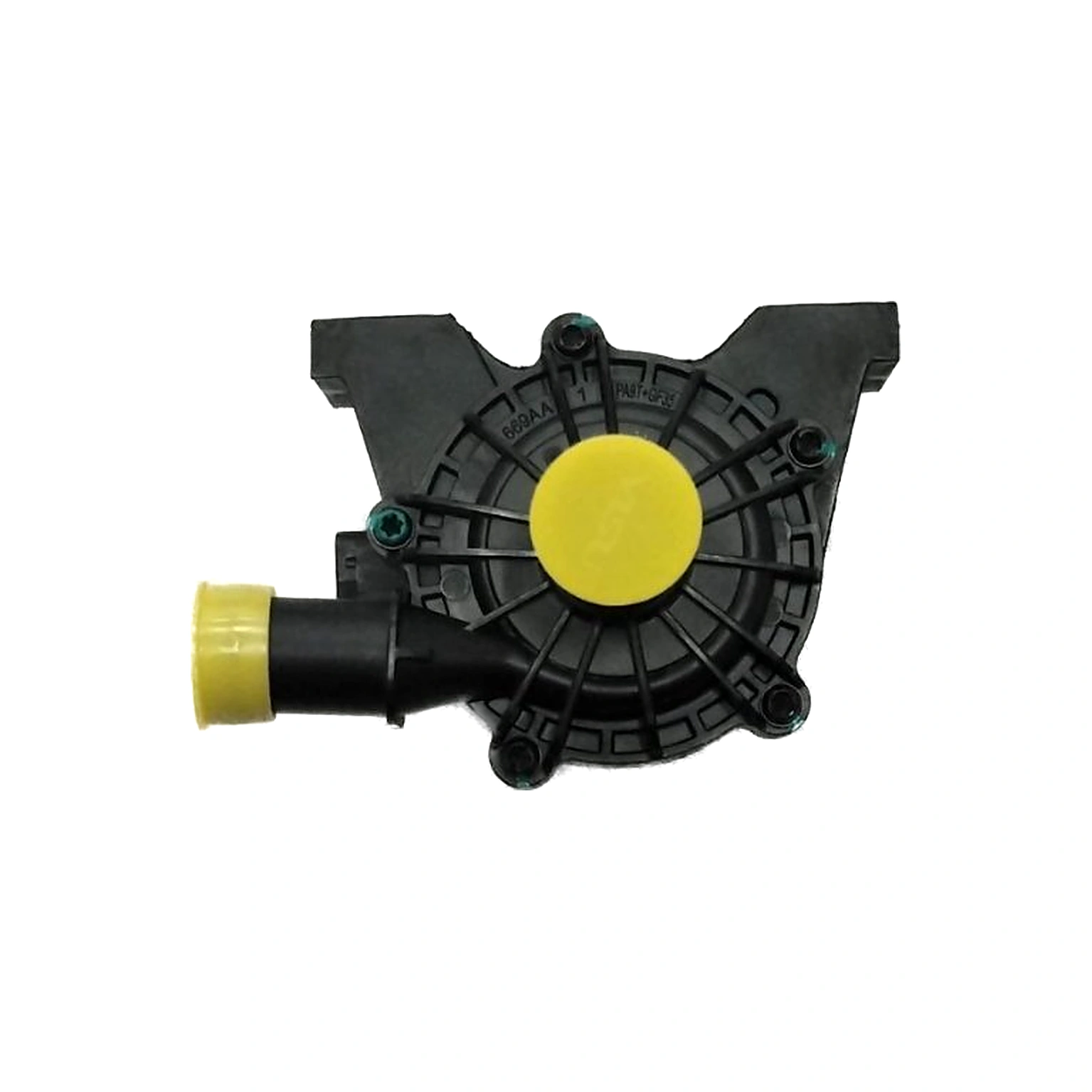
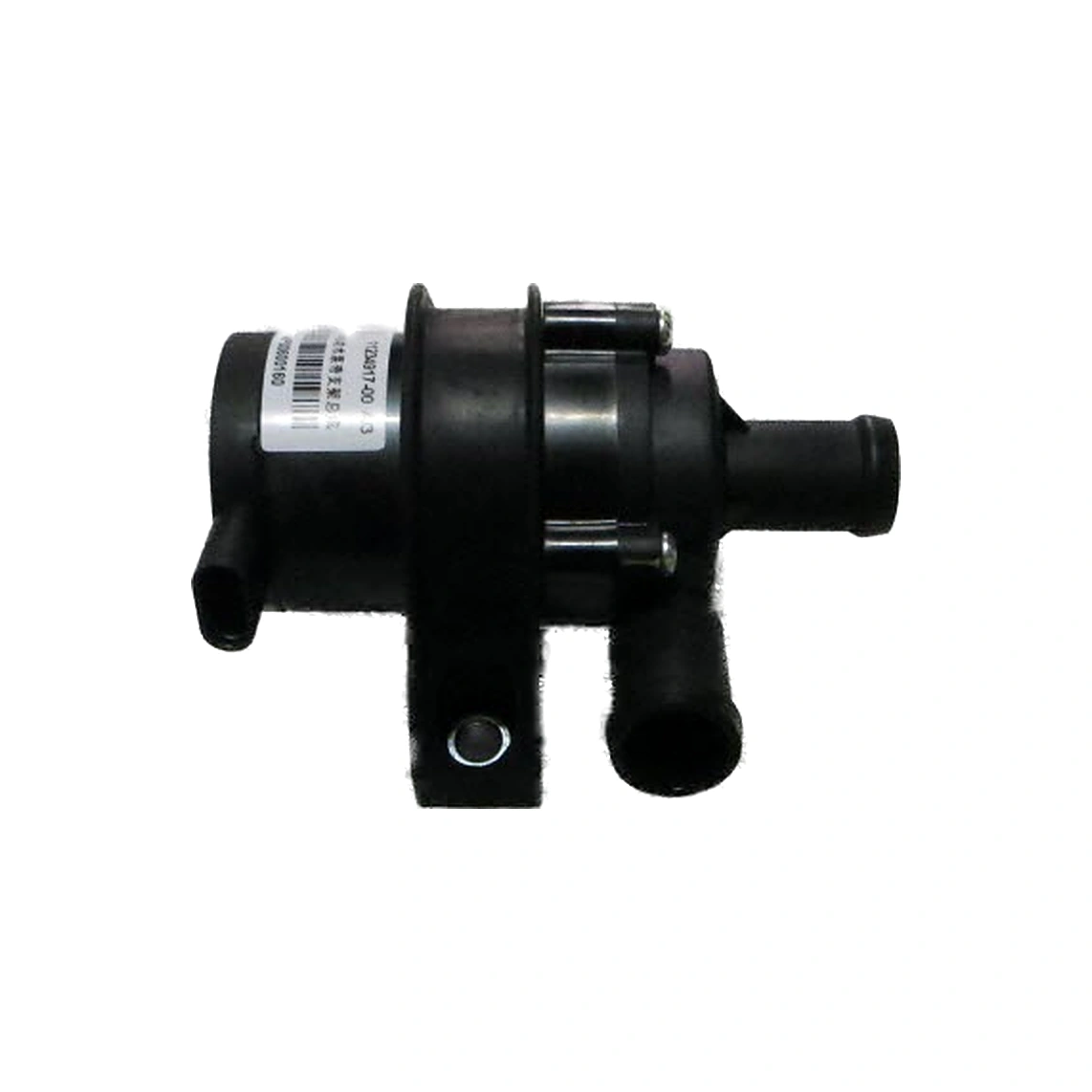
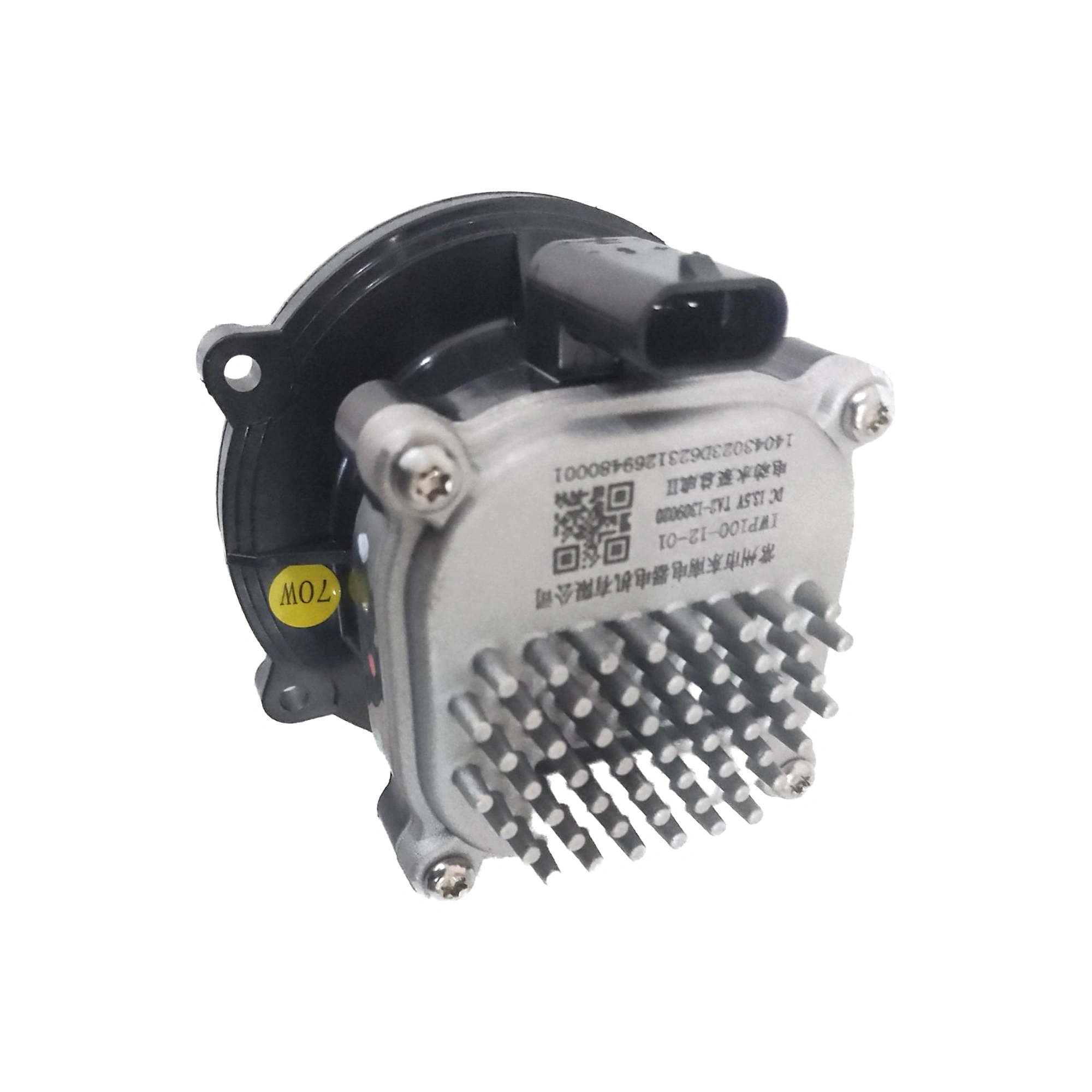
You will find electric water pumps in numbered variants, and pumps supplied with their mounting bracket. Heater circuit electric water pumps are listed separately. Match the OE number rather than the appearance, because the housings look alike. A pump from the wrong loop will run happily while delivering far too little flow.
Order new clips, seals and the specified coolant with any pump. Plan on running the documented bleed procedure afterwards. Air trapped in a loop produces exactly the symptoms a failed pump does. Listings that show a figure are ready to buy, and anything unpriced is quoted against the same factory number. BYD group cover is the widest and grows as further catalogues load.
Before You Order: 6 Checks
- Identify which loop the fault sits in before ordering, since pumps are not interchangeable between circuits.
- Match the OE number, because flow rate, ports, connector and control method all differ.
- Confirm whether the listing includes the mounting bracket.
- Check for trapped air before condemning a pump, as an incomplete bleed produces the same symptoms.
- Order the specified coolant and new clips and seals with the pump.
- Run the documented bleed procedure after fitting, using a scan tool where the vehicle requires it.
What Changed and Why
Pump count has risen as thermal management has grown more sophisticated, with separate circuits for the pack, the drive unit and the cabin each needing controlled flow, and heat pump systems adding further paths. Control has moved onto the vehicle network so that flow is commanded rather than simply switched, which allows warm up strategies that reduce flow deliberately and post shutdown running that protects components from heat soak. It also means a modern pump reports its own status, so a failing unit frequently sets a specific fault before any temperature symptom reaches the driver.
Electric Coolant Pump: Frequently Asked Questions
How many coolant pumps does my vehicle have?
More than one, almost certainly. A typical electric vehicle carries a pump for the drive unit and power electronics loop, another for the battery loop, and often a third for the cabin heating circuit, because each needs independent control. That is why identifying which loop is affected matters before ordering: the pumps look similar, differ in flow rate and control, and are not interchangeable. The fault code and the temperature data usually name the circuit directly.
How do I know a pump has failed rather than the coolant being low?
Check level and air first, since both are cheaper. A loop that is low or contains trapped air after a coolant change produces reduced flow, high temperatures and thermal fault codes that look exactly like pump failure. Top up correctly, run the documented bleed procedure, and retest. If temperatures still climb with the pump commanded to run, and the scan data shows no flow or a pump fault reported, the pump is the part.
Can I hear whether the pump is running?
Often yes, with the vehicle switched on and the bonnet up in a quiet place. Electric pumps hum steadily, and you can usually feel flow by carefully touching the hose either side once the system is running. A pump that is silent when it should be commanded is a strong hint, though not proof, since the command may be absent rather than the pump dead. A pump that buzzes or rattles has a worn bearing and is on its way out.
Why does the pump run after I switch off?
To protect components from heat soak. After a period of hard driving or a rapid charge, the drive unit, the inverter and the pack hold a great deal of heat with no airflow over them, so the control unit keeps a pump running for a period to move that heat into the radiator. It is normal behaviour rather than a fault, and it is one of the advantages of electric pumps over belt driven ones. Excessive running with the vehicle cold is worth investigating.
What coolant should these systems take?
The specified product only. Loops that pass through or alongside high voltage components have a conductivity requirement as well as the usual corrosion and freezing protection, and a conventional coolant of the wrong type can lower insulation resistance and set a high voltage fault. Mixing types is worse than either alone. Use a sealed container of the correct specification, and if a top up is needed in an emergency, use the same product rather than whatever is available.
What does an electric coolant pump cost?
Pumps are moderate purchases, more than a sensor and far less than the assemblies they protect. Brackets and clips are cheap. The current range for the category is displayed in the band overhead. The figure to weigh it against is the cost of what a stalled pump allows to happen: an overheated inverter derates, a battery loop that stops circulating limits charging, and a drive unit run hot is a repair in a different class entirely. Replacing a pump that has started to run noisy is straightforwardly good economics.
Can I fit a pump myself?
On accessible circuits, yes, and it is ordinary plumbing: drain to below the pump, release the clips, unplug the connector, swap the unit with new seals, refill and bleed. Two things push it towards a workshop. The bleed usually needs a scan tool to command the pumps and cycle the valves, and some pumps sit within a loop that passes through the pack or the drive unit, which brings high voltage isolation into scope before anything is disconnected.
Why is a proper bleed so important?
Because an air pocket does not simply reduce flow, it stops it. These loops run through components at different heights over a long path, and air collects at the high point which is frequently the place flow matters most. The result is reduced power, slow charging, weak cabin heat and thermal codes, all of which look like a failed component. Follow the manufacturer's routine, which usually runs the pumps and cycles the valves in sequence, and retest before concluding anything.
Will a pump from another circuit fit?
It may connect and it will not do the job. Flow rate is matched to the loop, port sizes and orientations differ, and the control method varies between simple switching and network commanded speed, so a heater circuit pump in a drive unit loop will run and deliver far too little. The housings look alike, which is precisely how the mistake happens. Match the OE number and the circuit named in the listing.
Do these pumps need maintenance?
None beyond keeping the coolant correct and the system free of air, since they are sealed brushless units with no brushes to wear and no belt to adjust. What shortens their life is running in coolant that has degraded or been mixed, and running dry after a leak. Change the coolant at the specified interval with the specified product, deal with leaks promptly, and the pump is not a scheduled expense.
My cabin heat is weak but the heater seems to work.
Look at the heater circuit pump. On many vehicles a dedicated pump circulates coolant between the heating element and the cabin heat exchanger, and if it is not running, the element heats a static column of coolant that never reaches the cabin. The symptom is a heater that draws power and delivers little, which is easy to mistake for an element fault. Check the pump command and operation before replacing anything more expensive.
The pump I need shows no price. Can I still order it?
Yes. Electric pumps look alike and are not interchangeable, which is exactly why the enquiry route exists for the ones without a figure. Flow rate, port size, connector and control method all follow the loop the pump was designed for, and a pump from the wrong circuit runs quietly while moving far too little coolant. Send the number moulded into the old pump body. Say which loop it serves if you know, and whether it runs on after shutdown, since post shutdown circulation pumps sit on their own references and are ordered separately from the main circuit pumps.