Coolant Valves & Lines
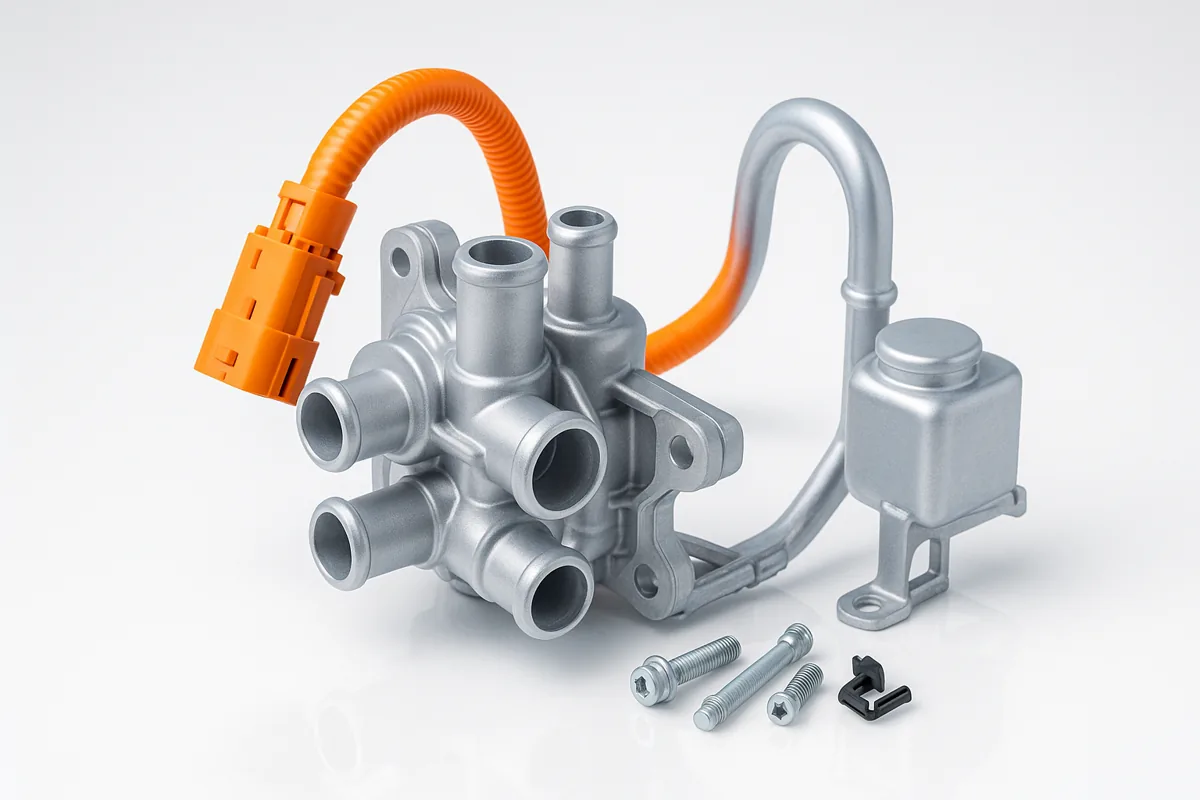
Shop Coolant Valves & Lines by Part Type
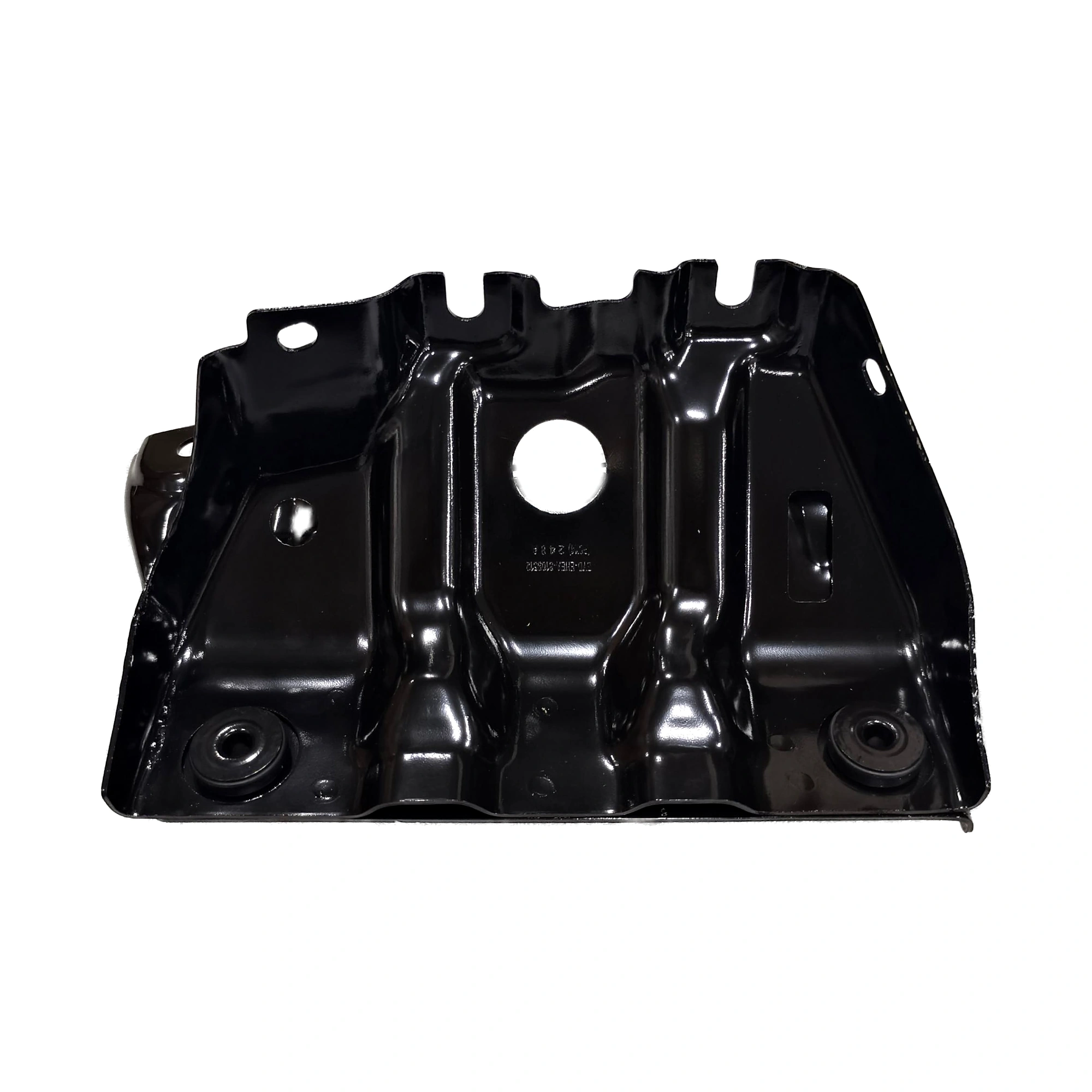
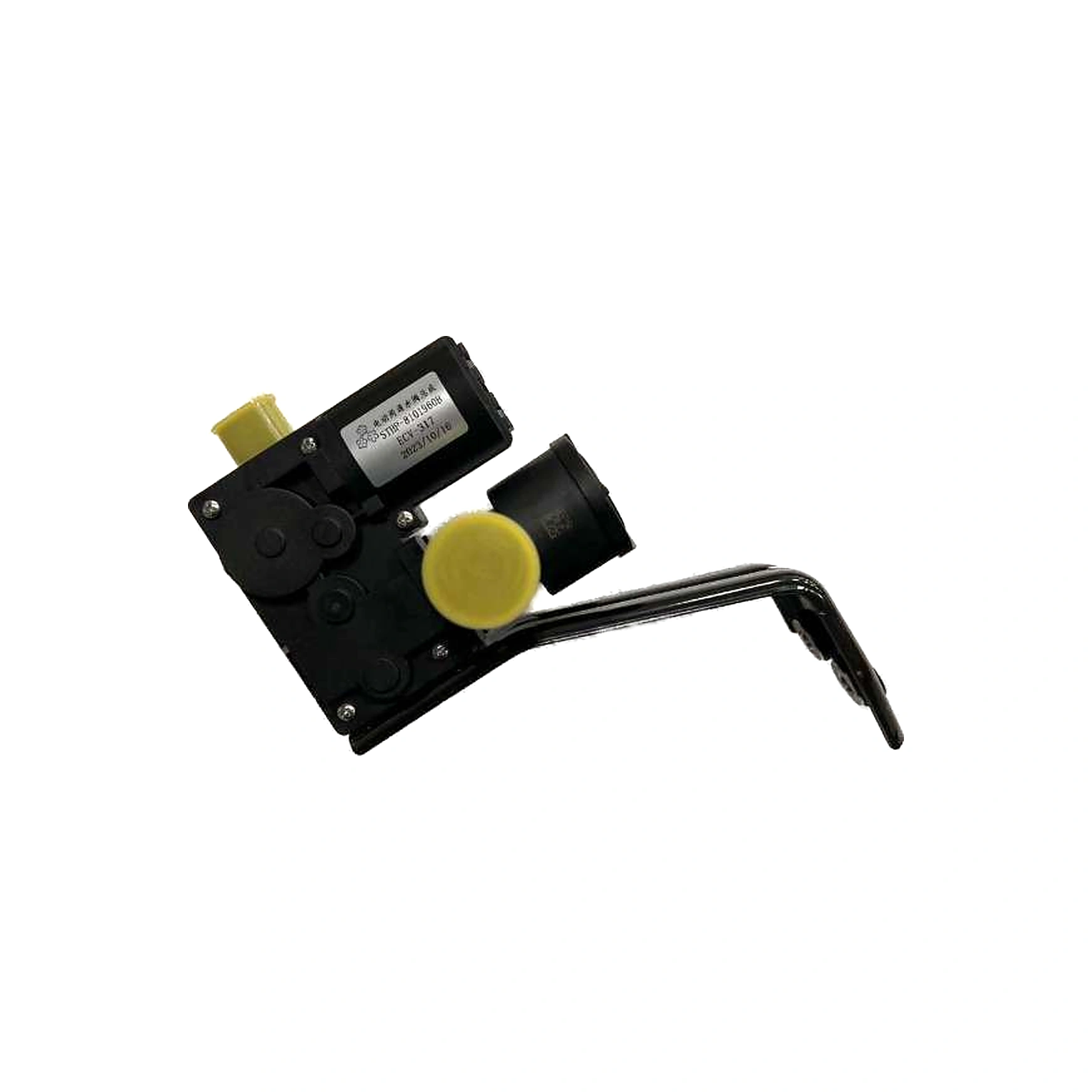
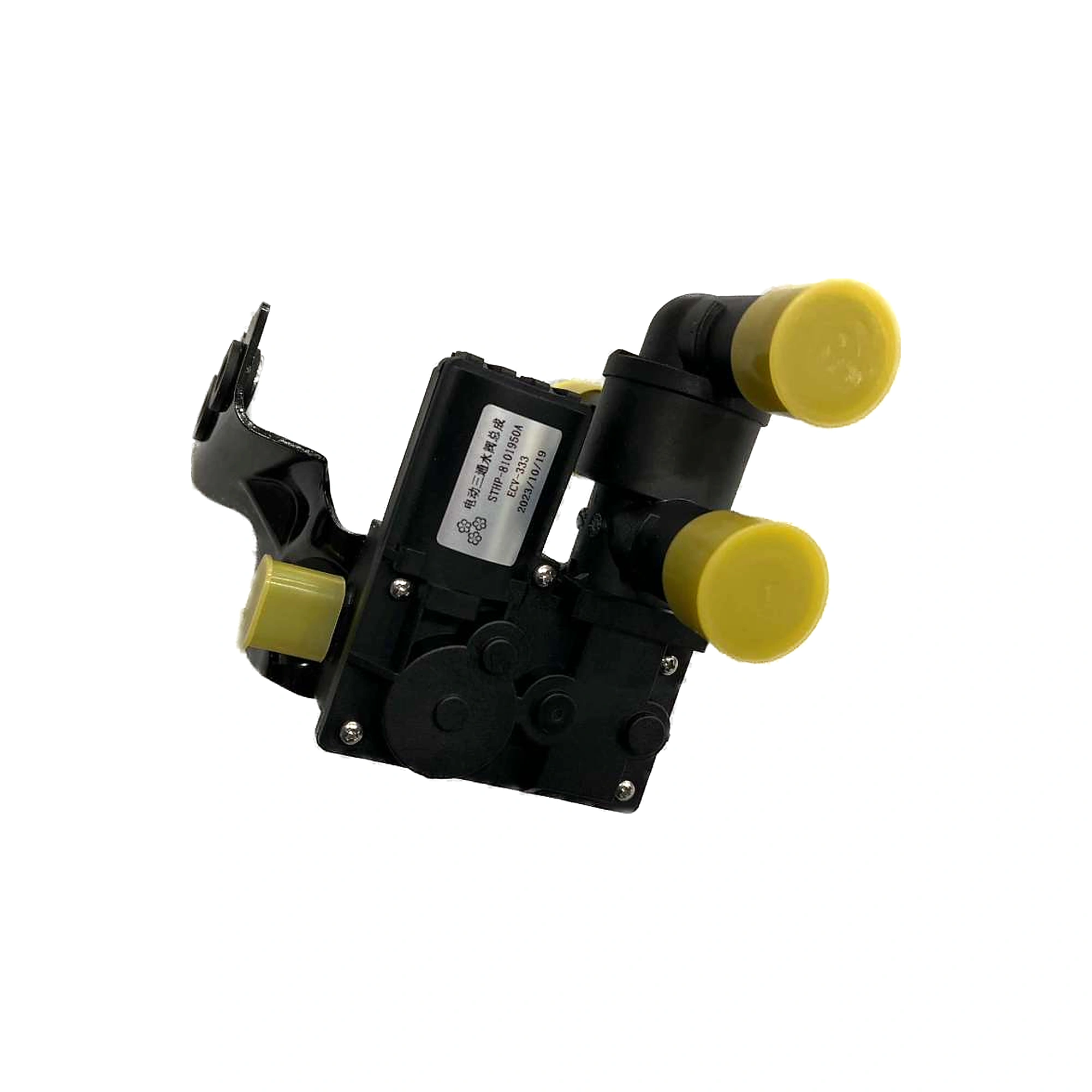
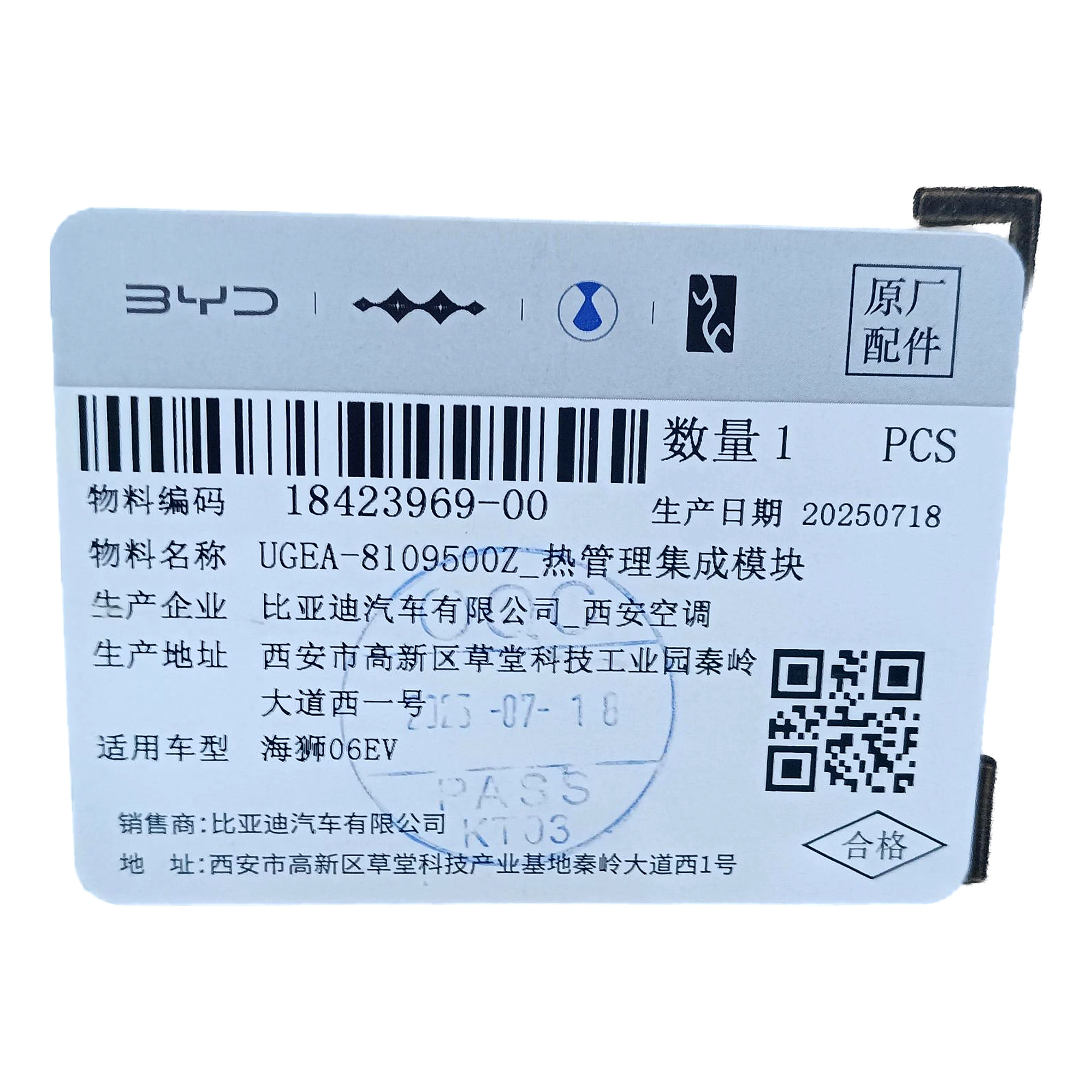
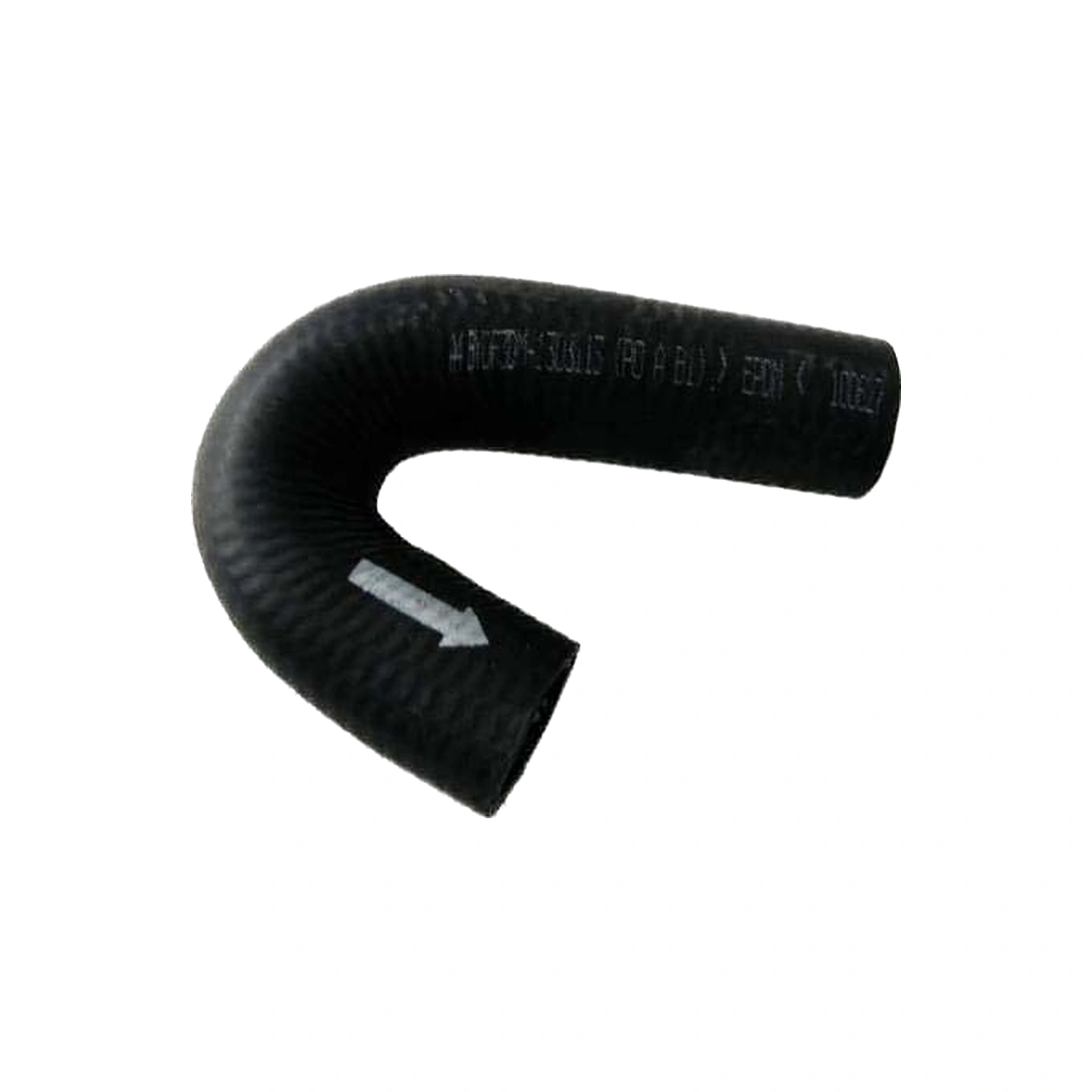
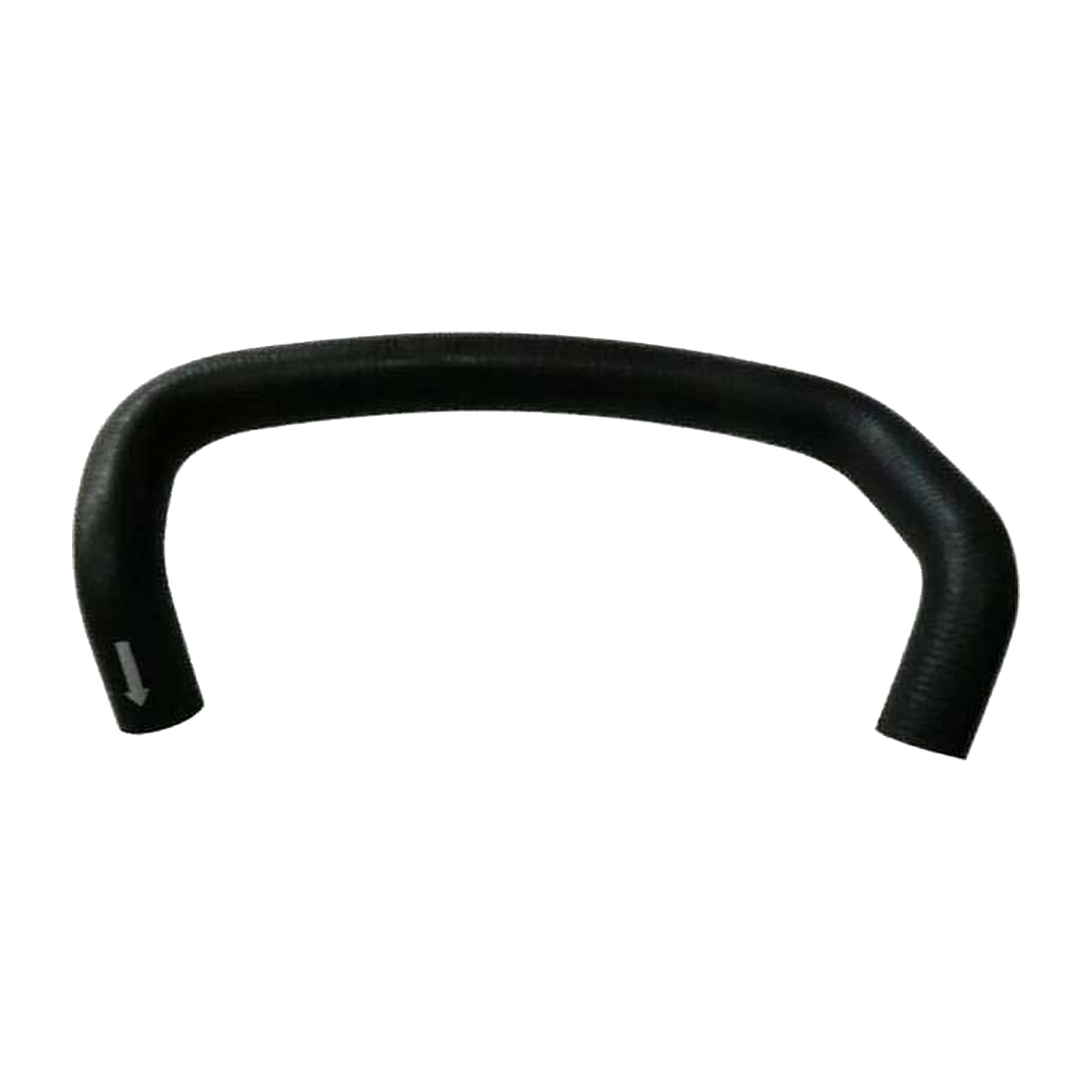
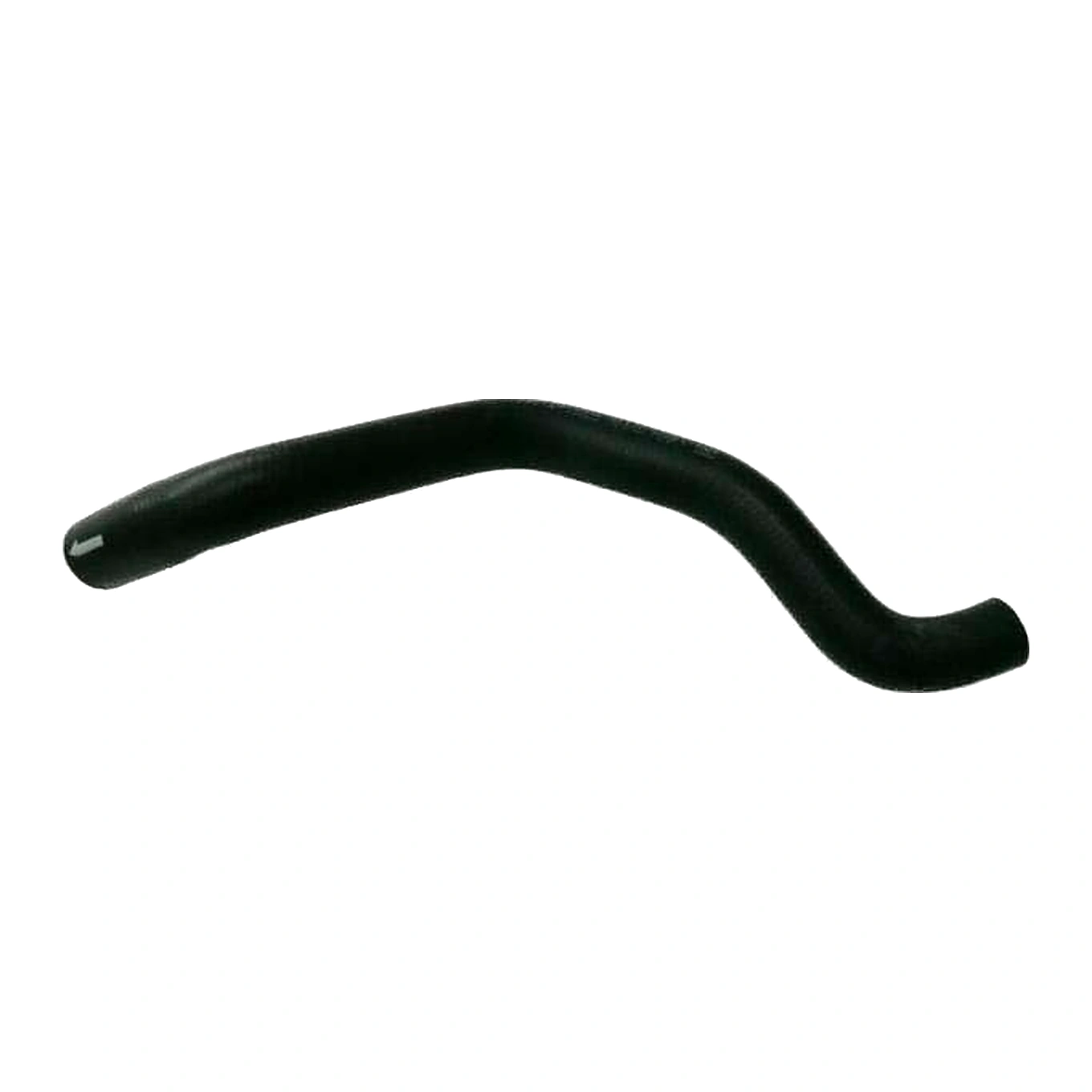
Popular Right Now
scroll for more →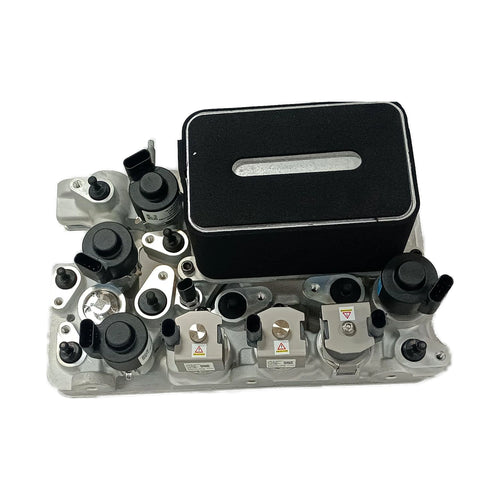
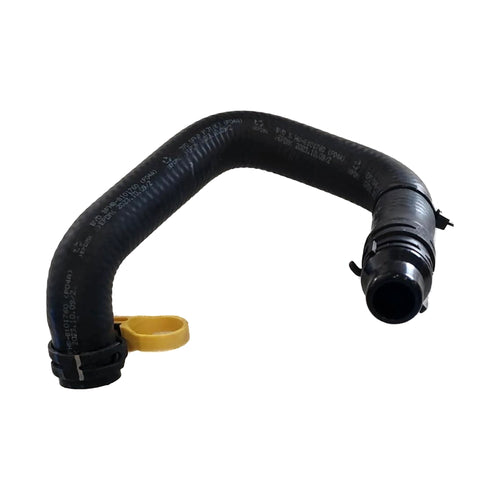
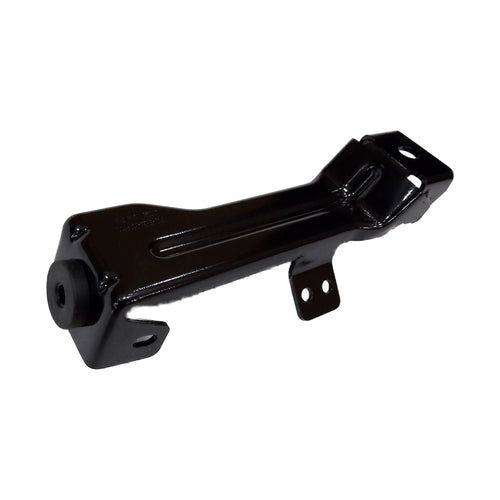
Symptom Finder: What Is Actually Broken?
| What you see or hear | Part to check first |
|---|---|
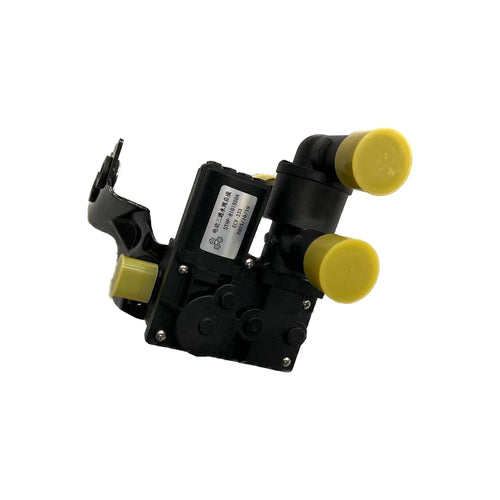
| Charging speed reduced with pack temperature climbing | Electric three-way coolant valve |
| Cabin heating weak in cold weather | PTC coolant inlet pipe or valve routing |
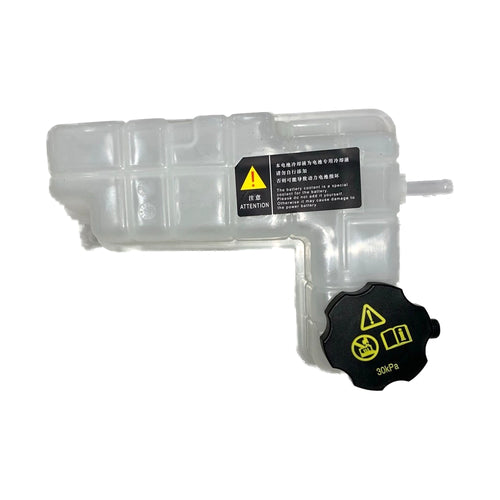
| Coolant level falling with no visible external leak | Coolant hose or expansion tank |
| Reduced power after sustained driving | Coolant valve stuck in the wrong position |
| Thermal management fault stored with normal coolant level | Electric two-way coolant valve |
| Gurgling from behind the dashboard after a coolant change | Air trapped in the loop after an incomplete bleed |
About Coolant Valves & Lines
An electric vehicle has several things that need thermal management and no single temperature that suits them all. The traction pack wants to sit in a narrow band, warm enough to accept charge and deliver power and cool enough to age slowly. The drive motor and its inverter tolerate far higher temperatures and produce waste heat continuously. The cabin needs heat in winter, which a vehicle without an engine has to find or generate. Electric coolant valves are what reconcile those demands, routing flow between loops so that motor waste heat can warm a cold pack, a chiller can cool the pack through the refrigerant circuit on a hot day, or the loops can run entirely separately. Increasingly those valves and their fittings are combined into one thermal management module, which cuts the number of joints and hoses.
What to know before buying Coolant Valves & Lines parts
Diagnose before you order. A stuck valve and a failed pump both give reduced power and slow charging. The scan data tells them apart.
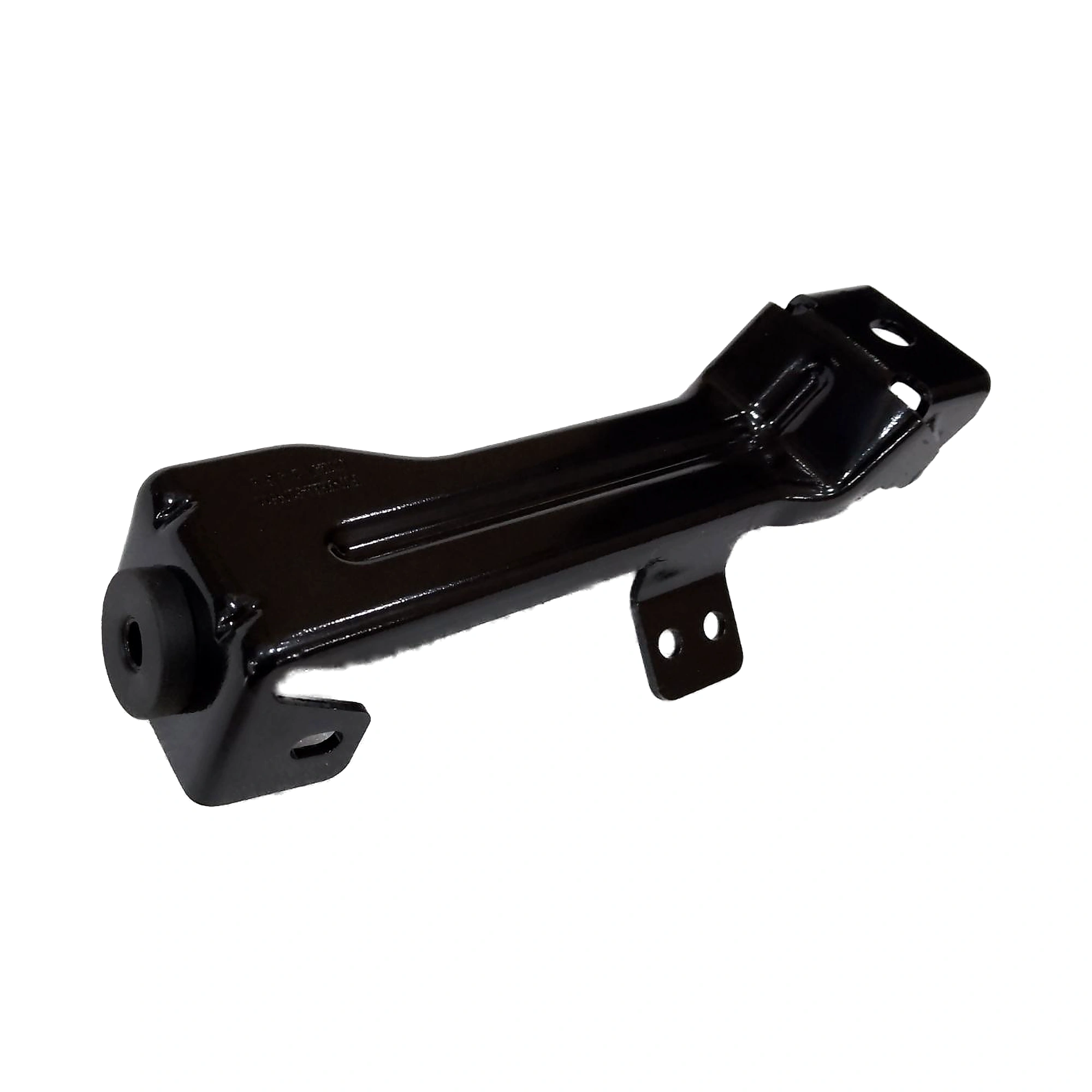
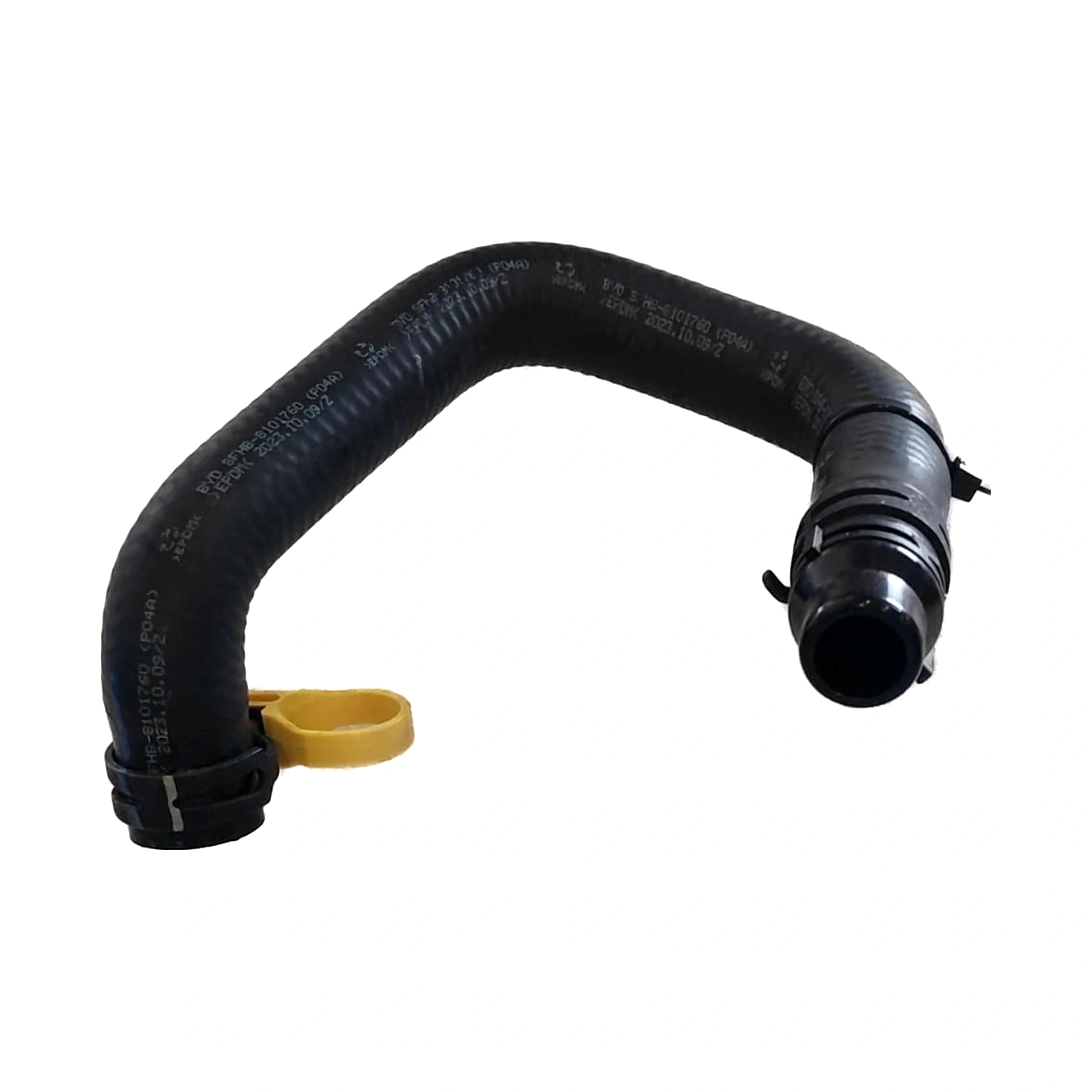
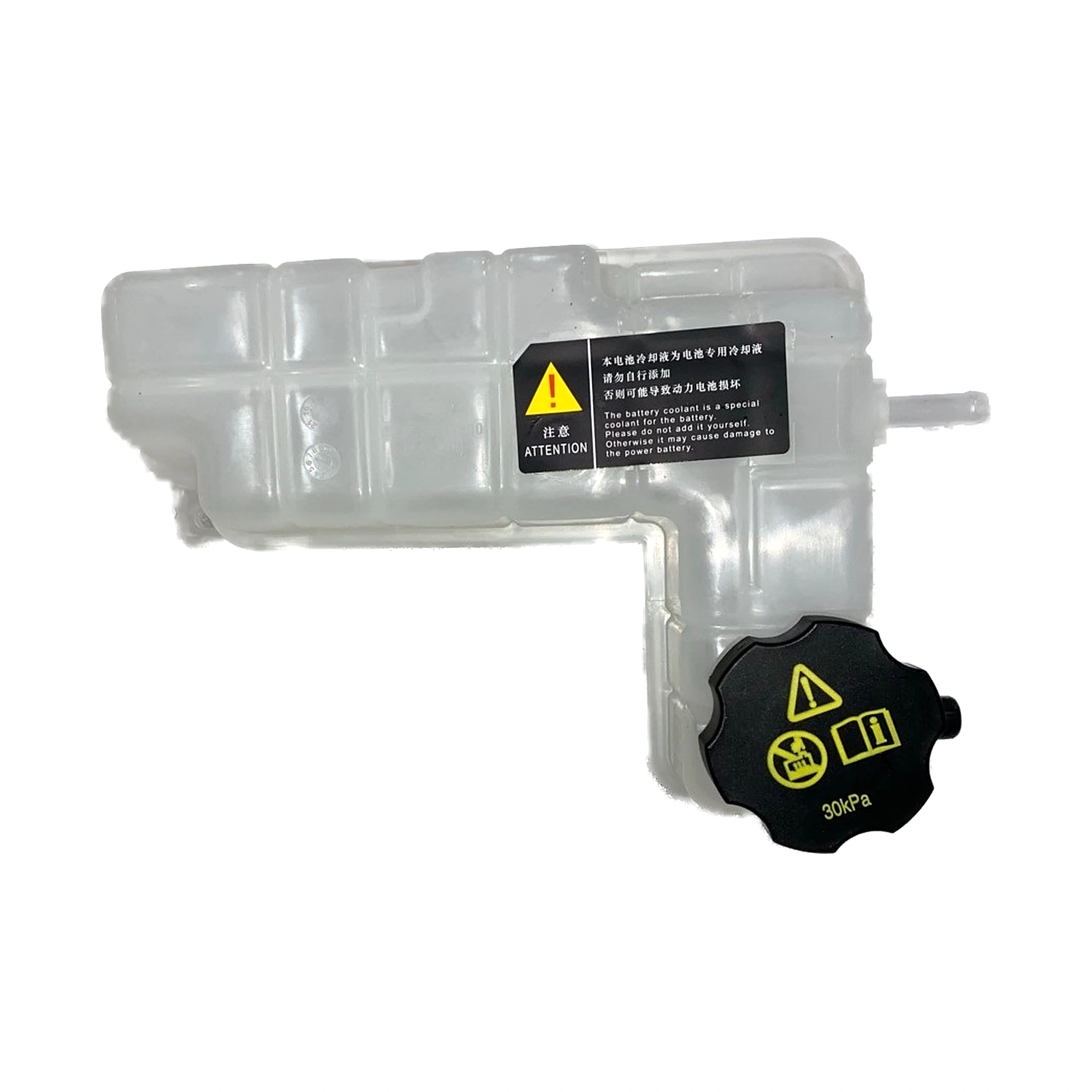
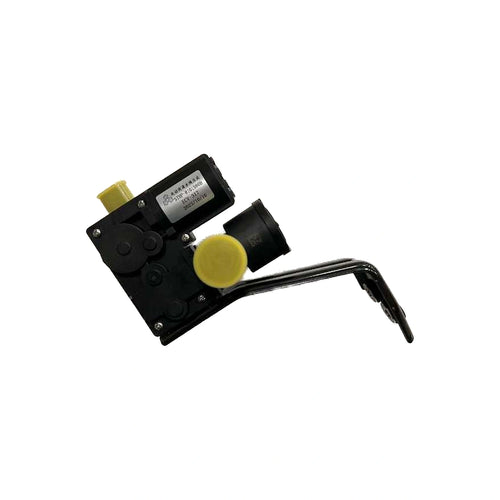
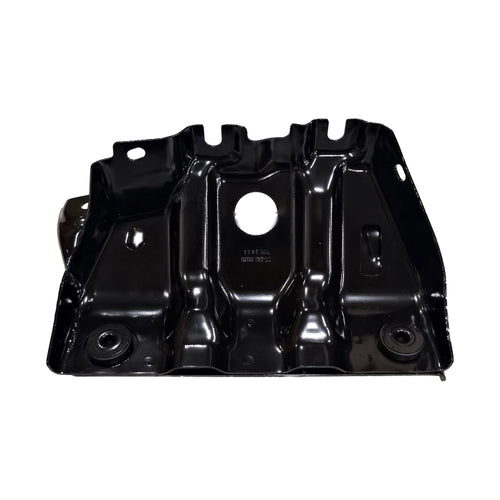
Order by the OE number once you know which part has failed. The group covers electric two way and three way coolant valves. It also covers thermal management integration modules with their brackets, battery thermal management coolant expansion tanks and PTC coolant inlet pipes. Motor controller coolant outlet hoses and drive motor coolant outlet hoses are listed by motor rating. Those hoses are specified by motor output rather than by vehicle, so check the rating.
Refill with the specified coolant and follow the bleed procedure. Air trapped in a loop causes the very faults you set out to fix.
Priced entries are ready to buy as listed. Anything else is quoted against the same factory number. That is the usual route for integration modules and rating specific hoses. Cover is strongest across the BYD group and widens as further catalogues load.
Before You Order: 6 Checks
- Read the thermal management data before ordering, since a stuck valve and a failed pump look alike.
- Match the OE number, and note that some hoses are specified by motor rating rather than by vehicle.
- Use only the specified coolant, since these loops contact components with electrical requirements.
- Follow the documented bleed procedure, because trapped air produces the same faults as a failed component.
- Order new clips and seals with any hose or valve.
- Confirm high voltage isolation where a loop passes through the pack or the drive unit.
What Changed and Why
Thermal management has become a competitive area rather than a background system, because pack temperature governs charging speed, range in cold weather and battery life. Integrated modules that combine several valves, sensors and fittings in one housing are replacing individual valves and hose runs, reducing joints and leak paths at the cost of making a single failure more expensive. Heat pumps are spreading for the same reason, since moving heat is several times more efficient than generating it, and their control depends on exactly these valves to route coolant between the pack, the cabin and the drive unit.
Coolant Valves & Lines: Frequently Asked Questions
Why does my charging speed drop as the session goes on?
Because pack temperature is rising faster than the cooling system can carry heat away, so the vehicle reduces current to protect the cells. That is normal behaviour at high states of charge or on a hot day, and it is a fault when it happens early and consistently. If your vehicle used to hold a higher rate and now tapers quickly, look at the coolant loop: a stuck diverter valve, a failed pump or air trapped after a coolant change all reduce flow to the pack while everything else appears normal.
How do I tell a stuck valve from a failed pump?
From the data rather than the symptoms, which overlap almost completely. A workshop tool shows commanded against actual valve position and the temperatures at each point in the loop, and the pattern is usually clear: a pump fault shows little temperature change anywhere in the affected loop, while a stuck valve shows heat going somewhere it should not, with one loop hot and another cold. Ordering either part without that data is guesswork on components that are not cheap.
Can I use ordinary coolant?
No. These loops pass through or alongside high voltage components, and the coolant's electrical conductivity is part of its specification, not an afterthought. A conventional coolant of the wrong type can lower insulation resistance and set a high voltage fault, and it may also be incompatible with the aluminium and plastic used in the loop. Use exactly the product the manufacturer specifies, from a sealed container, and never top up with a different type in an emergency.
Why is bleeding so important on these systems?
Because the loops are long, they run through several components at different heights, and an air pocket sits exactly where flow is needed most. Trapped air produces reduced power, slow charging, weak cabin heat and thermal fault codes, all of which look like a component failure and none of which are. Most manufacturers specify a bleed routine that runs the pumps and cycles the valves through a scan tool. Skipping it after a coolant change is the most common self inflicted fault in this category.
Why are some hoses listed by motor rating?
Because the cooling requirement follows the output. A higher rated motor produces more waste heat and needs greater flow, so its hose diameters and routing differ even where the vehicle is otherwise identical. That is why the catalogue names the rating in the listing. Read the rating from the drive unit rather than assuming from the model, since a single model is frequently sold with several outputs, and order the hose that matches it.
What do these parts cost?
Hoses, pipes, clips and brackets sit at the lower end of the range. Electric two way and three way valves and expansion tanks are modest. Thermal management integration modules cost the most in this category, since each combines several valves and sensors in one housing. The live minimum and maximum are shown in the band at the top of this page. That spread is the argument for diagnosing to the exact component before ordering.
Is a coolant leak on an electric vehicle serious?
Treat it as urgent for two reasons. The obvious one is that a pack losing thermal control will limit power and charging and, in the worst case, suffer accelerated ageing. The less obvious one is that coolant reaching high voltage components can lower insulation resistance and set a fault that disables the vehicle. Find the source rather than topping up repeatedly, and where coolant has reached a high voltage component, have it inspected properly rather than dried and forgotten.
Can I replace a coolant valve myself?
On some vehicles the valves are accessible and the work is straightforward plumbing. Two things make it a workshop job more often than not: the bleed procedure usually needs a scan tool to run the pumps and cycle the valves, and some loops pass through the pack or the drive unit, which brings high voltage isolation into scope. If you can complete the bleed properly and no high voltage component is disturbed, it is within reach of a careful home mechanic.
What is the integration module and why replace the whole thing?
It is a housing that combines several valves, their actuators, sensors and connections in one assembly, replacing a set of individual valves and the hoses between them. The advantage is fewer joints and leak paths and a tidier installation. The disadvantage is that a single failed actuator inside it means replacing the module rather than one valve. Check whether your vehicle uses a module or discrete valves before ordering, since they are not interchangeable.
Why does my cabin heating feel weak on an electric car?
Because there is no engine producing waste heat, so cabin warmth comes from a heat pump moving heat, a resistive heater generating it, or waste heat routed from the drive unit through these valves. Weak heating can therefore be a valve routing fault, a heater fault, or simply a very cold day with a heat pump working near the limit of what it can extract. Have the thermal data read before ordering, since the cause is often not where the symptom appears.
Will a valve from a similar model fit?
Only where the OE number agrees. Port arrangements, flow capacities, connector pinouts and control protocols follow the specific thermal architecture, and vehicles that share a body frequently differ in pack size and cooling layout. A valve that fits the hoses but reports position differently will set a fault immediately. Read the number from the old part, match it, and use the quote form where the reference brings back nothing.
The part I need shows no price. Can I still order it?
You can. Thermal management modules and multi way valve blocks sit at the awkward end of this category: each is built for one cooling architecture, they are ordered rarely, and pricing is loaded as demand appears. Supply the number and the enquiry comes back with a figure against that exact block. Mention which loop the part serves, cabin, battery or drive unit, because outwardly similar valves carry different port arrangements. If a hose is being disturbed to reach the valve, add its clips and quick connectors, as those crack once they have been released.