Spark Plugs
Shop Spark Plugs by Part Type
Popular Right Now
scroll for more →
Symptom Finder: What Is Actually Broken?
| What you see or hear | Part to check first |
|---|---|
| Gradual loss of smoothness and economy across all cylinders | Spark plugs at the end of their life |
| Misfire under load with plugs near their interval | Spark plugs with excessive gap |
| Hard starting when cold with a fuel smell | Spark plugs fouled with deposits |
| One plug oily while the rest are dry | Spark plug indicating an oil control fault |
| One plug white and blistered | Spark plug indicating a lean or overheating cylinder |
| Repeat ignition coil failure on one cylinder | Spark plug with a worn gap |
About Spark Plugs
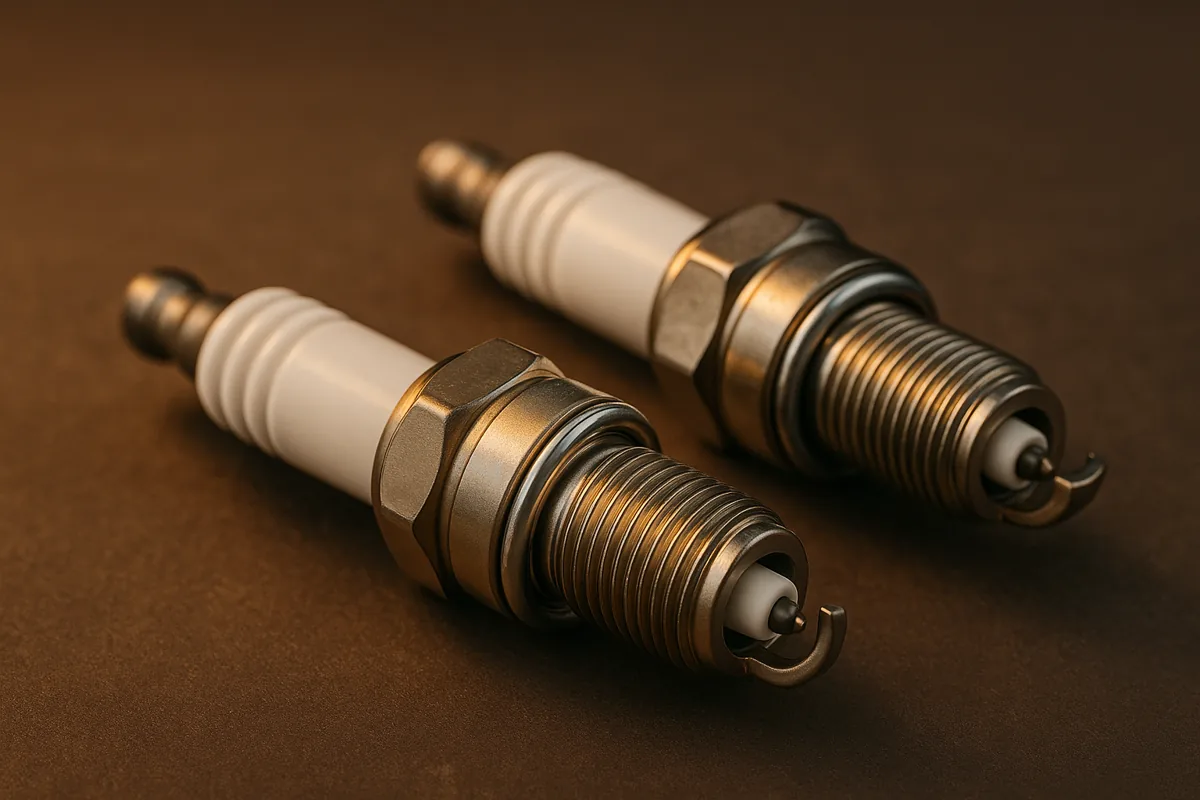
A spark plug has to deliver a spark reliably into a compressed mixture, thousands of times a minute, while sitting in a combustion chamber and shedding heat through its own body into the cylinder head. That heat path is what heat range describes: a hot plug retains heat and burns off deposits at low load, a cold plug sheds heat quickly and resists pre ignition at high load, and the correct choice keeps the insulator nose within a temperature window where it neither fouls nor glows. Electrode material sets the service life, since the spark erodes metal at every firing. Copper cored plugs conduct heat well and wear quickly, while platinum and iridium resist erosion and last several times longer, which is why they are standard fitment where extended intervals are specified. Gap grows as the electrodes erode.
What to know before buying Spark Plugs parts
Order the spark plug by its factory reference. Thread diameter and reach get you a plug that fits the hole. Heat range, electrode material, projection and gap decide whether it works. None of those is visible from the outside.
Replace plugs as a complete set rather than one at a time. They wear together, and a mixed set gives uneven combustion across the cylinders. Inspect what comes out while you are there. A plug is a diagnostic instrument, and its colour, deposits and erosion each say something about how that cylinder is running.
Torque to specification with a clean thread rather than tightening by feel. An overtightened plug in an aluminium head is one of the more expensive small mistakes available.
Entries with a figure can be ordered as they appear. Anything without a price is quoted against the same factory number. Do that for a full set, because the delivered figure improves considerably over ordering singly. BYD group models are covered in most detail, and more catalogues are loading.
Before You Order: 6 Checks
- Match the OE number, since heat range and projection matter as much as thread size.
- Replace as a complete set, because plugs wear together and a mixed set runs unevenly.
- Check whether your plugs are pre-gapped, as most iridium and platinum types should not be adjusted.
- Torque to specification with a torque wrench rather than tightening by feel.
- Inspect the removed plugs, since colour and deposits report on each cylinder.
- Blow out the plug wells before removal so debris cannot fall into the cylinder.
What Changed and Why
Extended service intervals have made plug choice less forgiving. Iridium and platinum electrodes now carry intervals well beyond what copper plugs achieved, which is only true if the specified plug is fitted, and substituting a cheaper copper equivalent into a schedule designed for iridium means a plug at the end of its life long before the next service. Direct injection and turbocharging have also raised in cylinder pressures, which increases the voltage needed to jump the gap and makes correct heat range and gap more consequential than they were on older engines.
Spark Plugs: Frequently Asked Questions
How often should spark plugs be replaced?
Follow the schedule for your engine, and note that the interval depends on the plug material rather than the vehicle age. Copper cored plugs are typically due in the region of thirty thousand miles, while platinum and iridium types commonly run to sixty thousand or beyond. That difference is exactly why substituting a cheaper material into a long interval schedule causes trouble. If you do not know what is fitted, remove one and look, since the electrode style tells you a great deal.
Should I adjust the gap on new plugs?
Usually not. Most iridium and platinum plugs are supplied pre gapped, and their fine wire centre electrodes are easily damaged by gapping tools, so the manufacturer's instruction is generally to fit them as supplied. Check the gap with a wire gauge rather than a feeler blade if you want to verify it, and never lever against the centre electrode. Where a plug does require gapping, adjust only the earth electrode, in small increments, and measure after each one.
What does a plug's appearance tell me?
A great deal, and it is free information. A light tan or grey insulator nose indicates a cylinder running correctly. Black and dry means carbon fouling from a rich mixture or a great deal of short journey running. Black and oily points at oil reaching the chamber past rings or valve stem seals. White, blistered or with the electrode eroded suggests the cylinder is running lean or too hot. Compare all the plugs against each other, since a difference between cylinders is the most useful signal.
Can worn plugs damage the ignition coils?
Yes, and it is a common chain of events. As electrodes erode the gap widens, and a wider gap needs a higher voltage to jump, so the coil works harder and runs hotter every firing. Do that for tens of thousands of miles and coil insulation breaks down early. That is why a coil failure on a car with old plugs deserves a plug change alongside the coil, and why fitting new plugs is worthwhile even when the engine still runs acceptably.
What does heat range actually mean?
It describes how quickly a plug sheds heat into the cylinder head, set by the length of the insulator nose and the path the heat takes. A hotter plug retains heat and self cleans at low load. A colder plug sheds heat faster and resists pre ignition at high load. The correct range keeps the nose hot enough to burn off deposits and cool enough not to become an ignition source. Fitting a plug outside the specified range causes fouling at one extreme and pre ignition at the other.
What do spark plugs cost?
They are among the cheapest engine parts on the site, with iridium and platinum types costing more than copper ones and still remaining inexpensive per cylinder. The live minimum and maximum for the category are shown in the band at the top of this page. Since a set is bought together and the labour is modest on most engines, a full plug change is one of the better value maintenance items available, particularly on an engine that has drifted out of tune.
How tight should a spark plug be?
To the manufacturer's torque figure, with a torque wrench, on a clean dry thread unless anti seize is specified. Overtightening stretches the plug shell, damages the sealing washer and can pull the thread out of an aluminium head, which is an expensive repair. Undertightening leaves the plug unable to conduct heat into the head, so it runs hot and can cause pre ignition. Where the plug uses a crush washer, it seats and crushes once, which is why plugs are not reused.
Can I fit spark plugs myself?
On most engines yes, and it is a good first maintenance job. Work on a cool engine, blow out each plug well before removal so grit cannot drop into the cylinder, use a proper plug socket with a rubber insert, and start each new plug by hand several turns to be certain it is not cross threading. Torque to specification. On engines where the plugs sit under the inlet manifold, budget considerably longer or leave it to a workshop.
Will a plug from a similar engine fit?
Thread size and reach might match while heat range and projection do not, which is exactly the mistake that causes trouble. A plug that projects too far can contact a piston or a valve. One that is too short leaves the spark shrouded and the thread exposed to combustion deposits. Heat range differences cause fouling or pre ignition. Match the OE number rather than the dimensions, and where the reference brings back nothing, use the quote form.
Do plugs need changing on a hybrid vehicle?
Yes, and the schedule may need more attention rather than less. A hybrid engine starts and stops frequently and often runs briefly at light load, conditions that favour deposit build up on the insulator nose, and the mileage covered by the engine is lower than the mileage on the odometer. Follow the manufacturer's interval and inspect the plugs when you get the chance, since fouling on a hybrid is more likely than electrode erosion from sustained high speed running.
Should I use anti-seize on the threads?
Only where the manufacturer specifies it, and then very sparingly on the threads alone. Modern plugs commonly have a plated shell designed to be fitted dry, and adding compound changes the friction so that a given torque produces more clamp load than intended, which is a route to a stretched shell or a damaged thread. If you do use it, reduce the torque figure as the plug manufacturer advises, and keep every trace away from the electrodes.
The plug I need shows no price. Can I still order it?
Yes. Plugs are cheap and sell in sets, so an empty field usually reflects an older engine rather than anything unusual. State the number and the quantity you want, since the delivered cost per plug improves considerably on a full set compared with ordering singly. Do not substitute on thread size alone. Heat range, reach and electrode material are all specified for the engine, and a plug with the wrong reach either leaves thread exposed to combustion deposits or protrudes far enough to meet a valve. Add the coil boots if they are hardened.